
Co-Founder @ Amber Bio ⌬ PhD from @Doudna_lab & BanfieldLab @UCBerkeley🌋🦠👨💻🧬⌬Science #ForbesUnder30 ⌬ formerly @NASAAmes, 🇪🇬🇺🇸 ⌬ #crispr #phage #borgs
Joined October 2014
- Tweets 405
- Following 544
- Followers 2,408
- Likes 1,946
82 Photos and videos

Pinned Tweet

19 Aug 2023
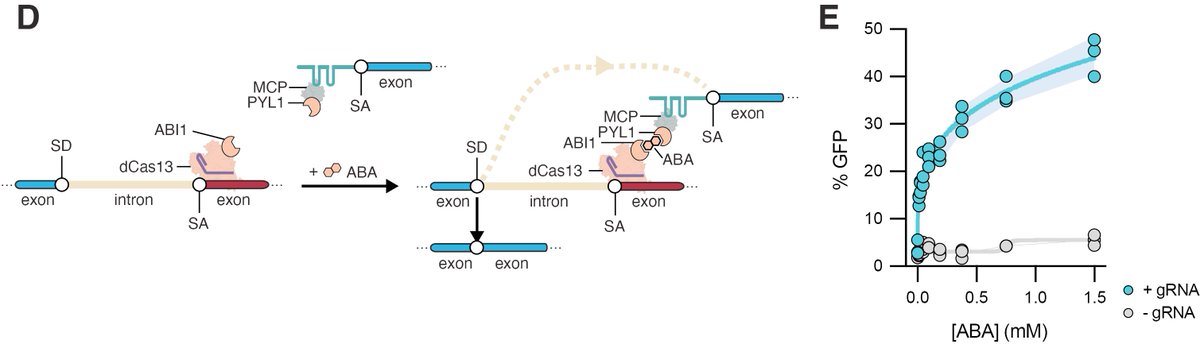
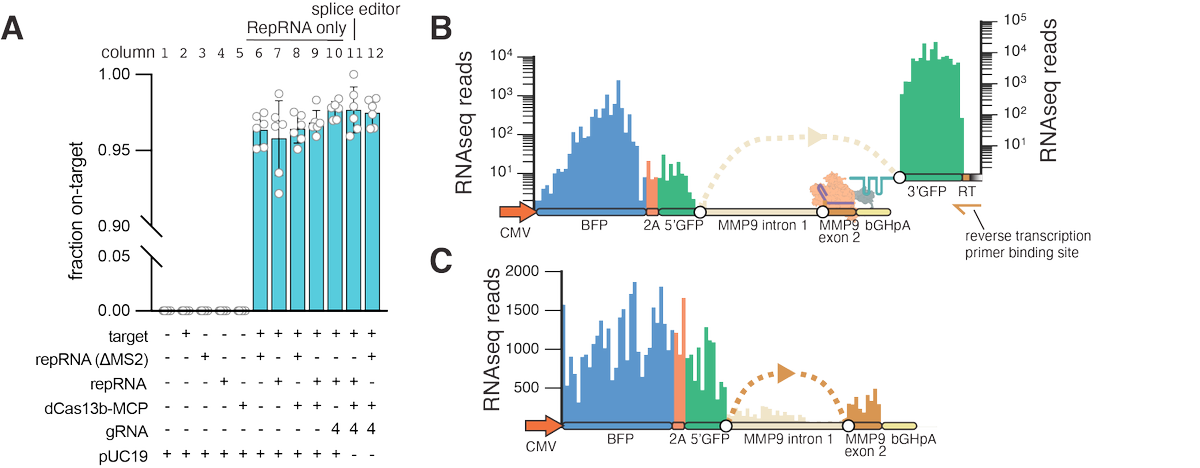
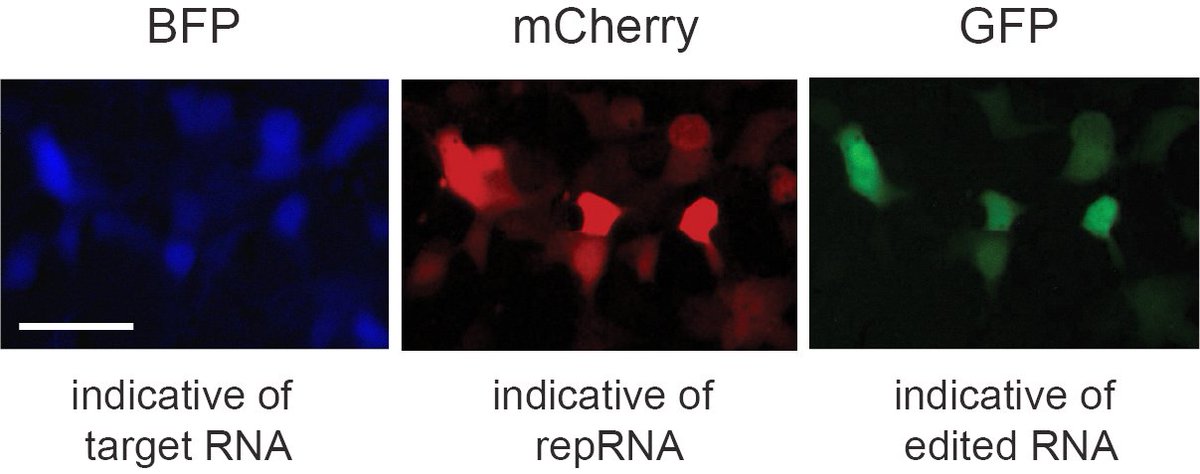
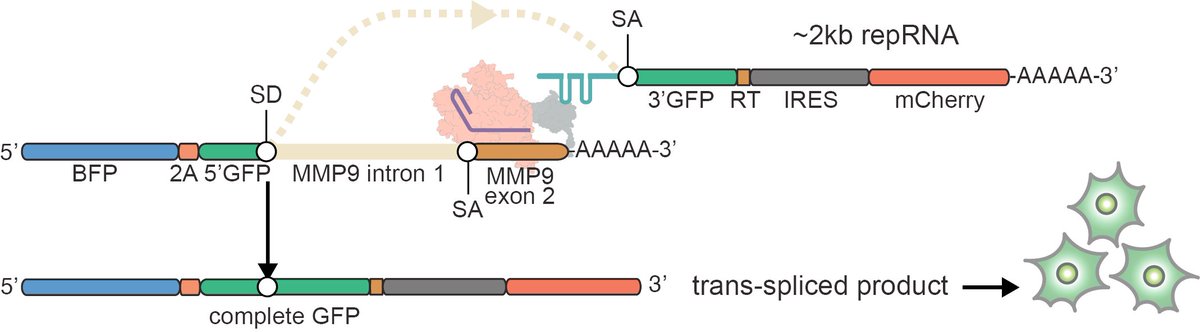
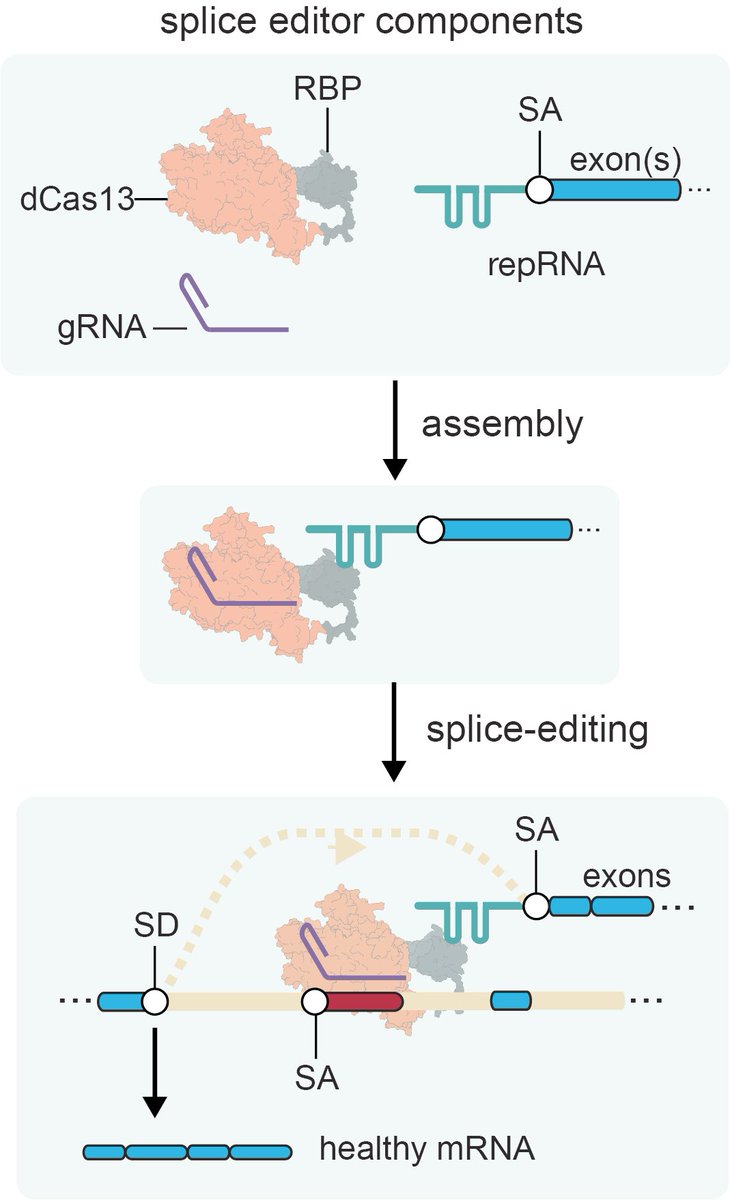
🚨 Today, we’re thrilled to share our study expanding the gene editing toolbox to enable virtually any kind of edit in gene transcripts at the order of thousands of bases. A thread 🧵👇(1/n)
biorxiv.org/content/10.1101/…
13
113
458
156,288
2 Oct 2023
A great day for RNA, and for groundbreaking science performed at biotech companies! #NobelPrize
2 Oct 2023

“Ten years ago I was kicked out and forced to retire.”
Our new medicine laureate Katalin Karikó (@kkariko) told us how much it means to be awarded the Nobel Prize after a scientific career that has been full of challenges.
Ten years ago, Karikó was still doing all her experiments by hand but today she has been awarded the medicine prize for her research on mRNA, which led to the development of COVID-19 vaccines.
Listen now:
1
20
6,130
28 Sep 2023
Thanks @Smanski_Lab for the invite! It was wonderful to share some of our work and hear from faculty and students. Till next time!
27 Sep 2023

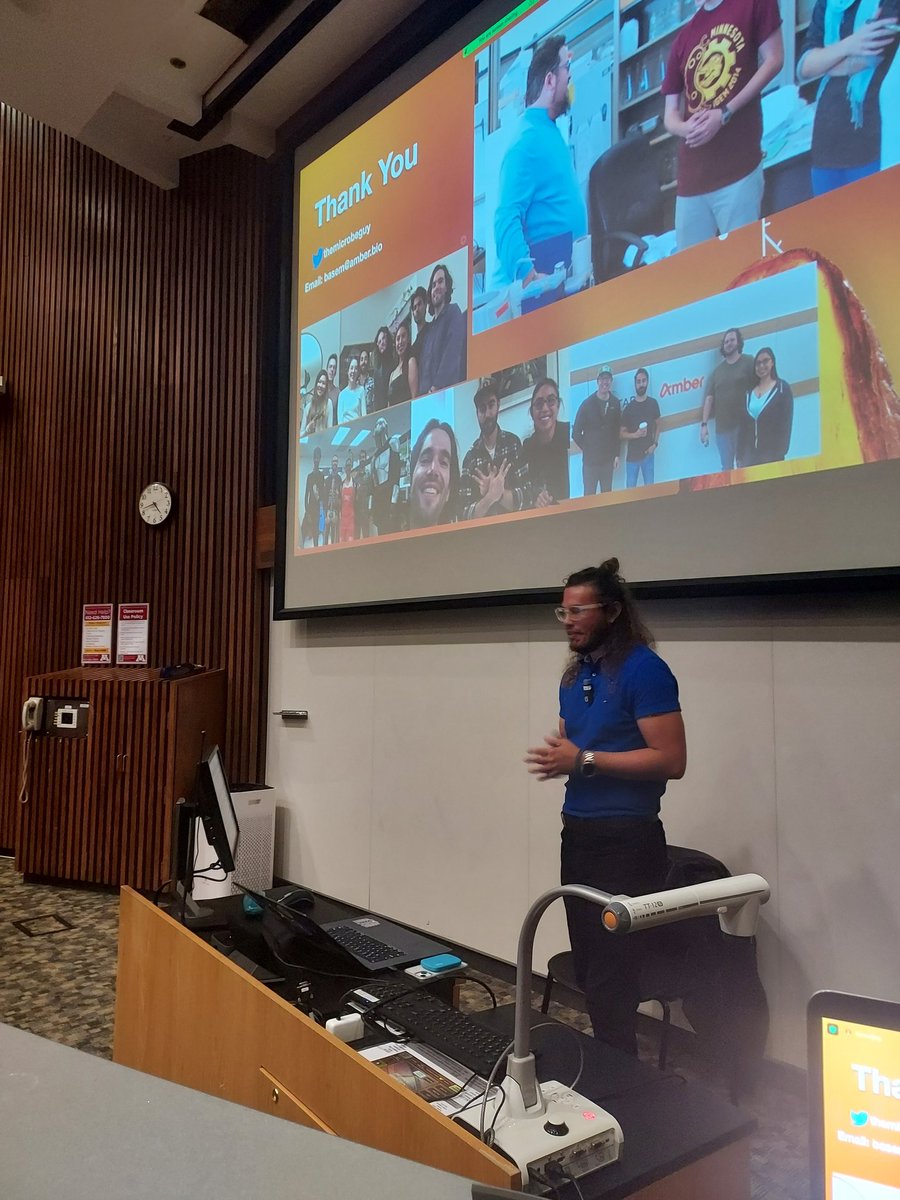
Thanks @themicrobeguy for a great seminar on engineered trans-splicing. Great our alumni crushing it @umncbs
17
3,572
Basem Al-Shayeb, Ph.D. 🧬 retweeted

27 Sep 2023
Thanks @themicrobeguy for a great seminar on engineered trans-splicing. Great our alumni crushing it @umncbs
1
1
4
4,965
Basem Al-Shayeb, Ph.D. 🧬 retweeted

1 Sep 2023
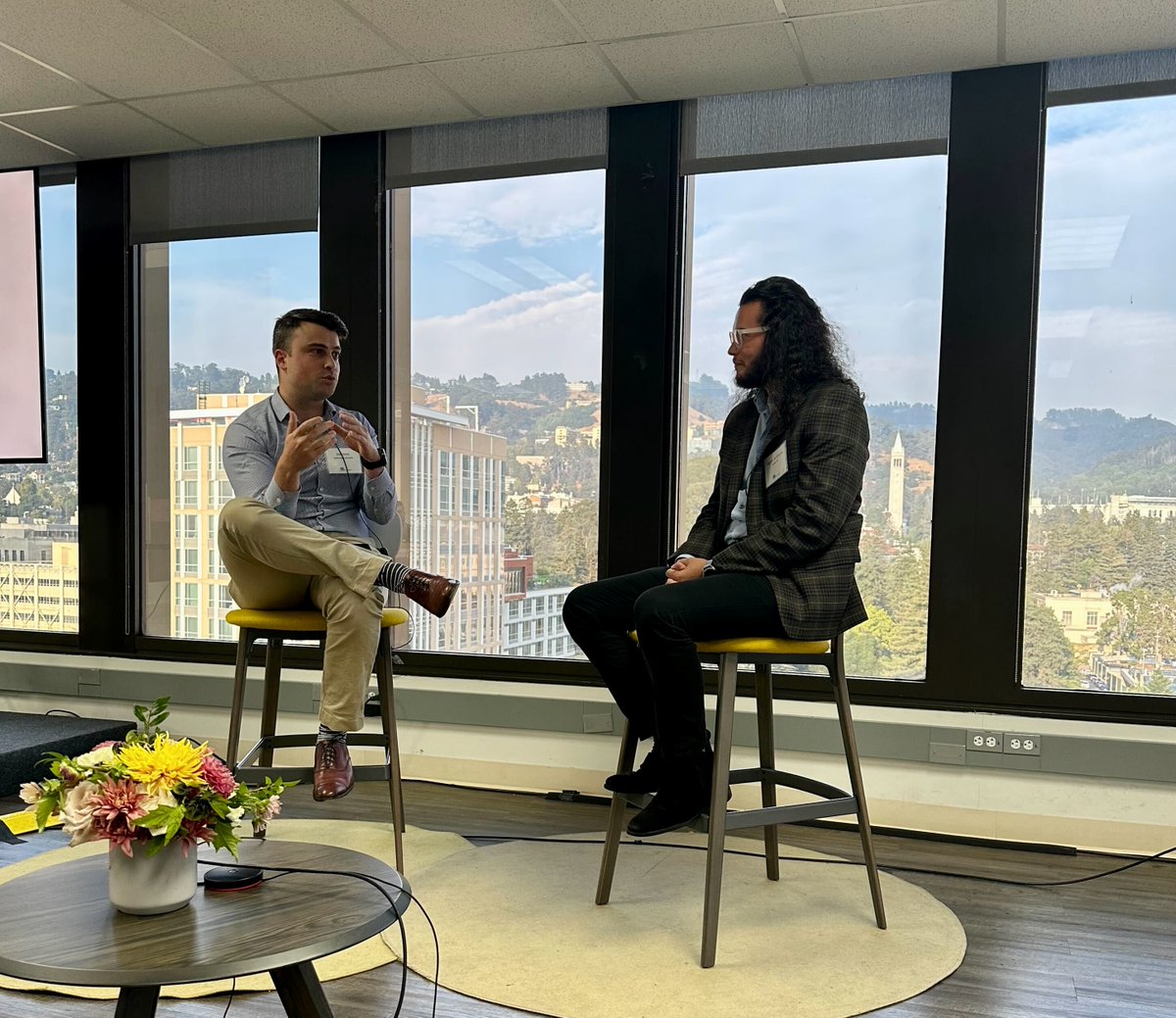
Had a blast interviewing @themicrobeguy at our @SkyDeck_Cal x @a16zBioHealth student mixer last night. From spotting a synthetic biology flyer in undergrad to quickly becoming a trailblazing scientist-entrepreneur in that field -- what a remarkable journey it's been 🚀@UCBerkeley
1
2
26
3,943
31 Aug 2023
Thanks to @JuliaBauman2 for this neat recap of our recent work! Stay tuned for updates 🙂
31 Aug 2023

A potentially high-efficiency alternative to making large genome edits: making large RNA edits via splicing!
Very cool proof-of-concept from @jacobborrajo @Kamyab_J @themicrobeguy & @BlaineyLab in @biorxivpreprint
15
3,110
Basem Al-Shayeb, Ph.D. 🧬 retweeted

22 Aug 2023
See also thread explaining Splice Editing by Amber Bio co-founder @themicrobeguy:
x.com/themicrobeguy/status/1…
19 Aug 2023

🚨 Today, we’re thrilled to share our study expanding the gene editing toolbox to enable virtually any kind of edit in gene transcripts at the order of thousands of bases. A thread 🧵👇(1/n)
biorxiv.org/content/10.1101/…
1
2
1,198

By targeting RNA rather than DNA, Amber Bio aims to treat multiple genetic diseases with fewer safety risks. trib.al/HOxDx7z
8
36
45,729

Newco news: With $26M in funding, RNA editing firm Amber Bio targets diverse mutations bioworld.com/articles/699706… #biotech #pharma
1
1,126
Basem Al-Shayeb, Ph.D. 🧬 retweeted
4 Aug 2023
Latest CRISPR news -> shorturl.at/fDIS7
🚀Amber Bio launches with an oversubscribed $26M seed financing round, which will be used to develop RNA-editing therapies for previously undruggable diseases. Co-founded by Basem Al-Shayeb, Ph.D. & Jacob Borrajo, & they are #hiring

1
4
5
1,311
22 Aug 2023
We're on a mission to develop intrepid new approaches to RNA medicines. Towards commercialization, we’ve announced the launch of Amber Bio this ~AUG~, with funding from visionary teams at @Playground_VC, @a16z, @EliLillyandCo & more. If this work interests you, we're hiring!
19 Aug 2023
🚨 Today, we’re thrilled to share our study expanding the gene editing toolbox to enable virtually any kind of edit in gene transcripts at the order of thousands of bases. A thread 🧵👇(1/n)
biorxiv.org/content/10.1101/…
2
21
2,578
Basem Al-Shayeb, Ph.D. 🧬 retweeted

19 Aug 2023
Excited to share our recent study describing a new gene editing approach capable of extensive multi-kilobase edits. When DNA is giving you problems look into the RNA. Much more to come, so stay tuned. biorxiv.org/content/10.1101/…
1
5
21
3,071
Basem Al-Shayeb, Ph.D. 🧬 retweeted

19 Aug 2023
CRISPR-Cas and Splicing at kilo base level 🤩🤯👨🏻🔬👩🔬🧬
19 Aug 2023
🚨 Today, we’re thrilled to share our study expanding the gene editing toolbox to enable virtually any kind of edit in gene transcripts at the order of thousands of bases. A thread 🧵👇(1/n)
biorxiv.org/content/10.1101/…
1
4
1,173
Basem Al-Shayeb, Ph.D. 🧬 retweeted

19 Aug 2023
Beautiful work—potentially a game-changer! Congrats to the whole team!
19 Aug 2023
🚨 Today, we’re thrilled to share our study expanding the gene editing toolbox to enable virtually any kind of edit in gene transcripts at the order of thousands of bases. A thread 🧵👇(1/n)
biorxiv.org/content/10.1101/…
1
3
1,660
Basem Al-Shayeb, Ph.D. 🧬 retweeted

Neat, splice swapping for RNA editing
19 Aug 2023
🚨 Today, we’re thrilled to share our study expanding the gene editing toolbox to enable virtually any kind of edit in gene transcripts at the order of thousands of bases. A thread 🧵👇(1/n)
biorxiv.org/content/10.1101/…
1
3
1,089
Basem Al-Shayeb, Ph.D. 🧬 retweeted

19 Aug 2023
This is SO COOL. It's like RNA editing on steroids!
19 Aug 2023
🚨 Today, we’re thrilled to share our study expanding the gene editing toolbox to enable virtually any kind of edit in gene transcripts at the order of thousands of bases. A thread 🧵👇(1/n)
biorxiv.org/content/10.1101/…
1
10
2,184
Basem Al-Shayeb, Ph.D. 🧬 retweeted

19 Aug 2023
Cool work! Cas mediated splicing between transcripts!
19 Aug 2023
🚨 Today, we’re thrilled to share our study expanding the gene editing toolbox to enable virtually any kind of edit in gene transcripts at the order of thousands of bases. A thread 🧵👇(1/n)
biorxiv.org/content/10.1101/…
1
1
7
3,965
Basem Al-Shayeb, Ph.D. 🧬 retweeted

19 Aug 2023
CRISPR and splicing together at last! Congrats @themicrobeguy !
19 Aug 2023
🚨 Today, we’re thrilled to share our study expanding the gene editing toolbox to enable virtually any kind of edit in gene transcripts at the order of thousands of bases. A thread 🧵👇(1/n)
biorxiv.org/content/10.1101/…
1
1
6
2,112
19 Aug 2023
🚨 Today, we’re thrilled to share our study expanding the gene editing toolbox to enable virtually any kind of edit in gene transcripts at the order of thousands of bases. A thread 🧵👇(1/n)
biorxiv.org/content/10.1101/…
13
113
458
156,288
19 Aug 2023
Since RNA is a highly regulated molecule in the cell, the levels of a target RNA would also be under endogenous cellular control, and one could more easily maintain natural transcriptional levels to make the right levels of protein at the right time (12/n)
1
6
1,579
19 Aug 2023
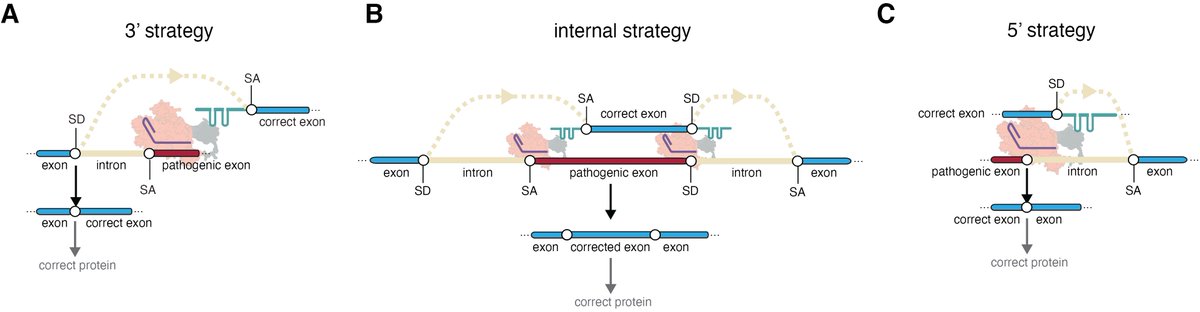
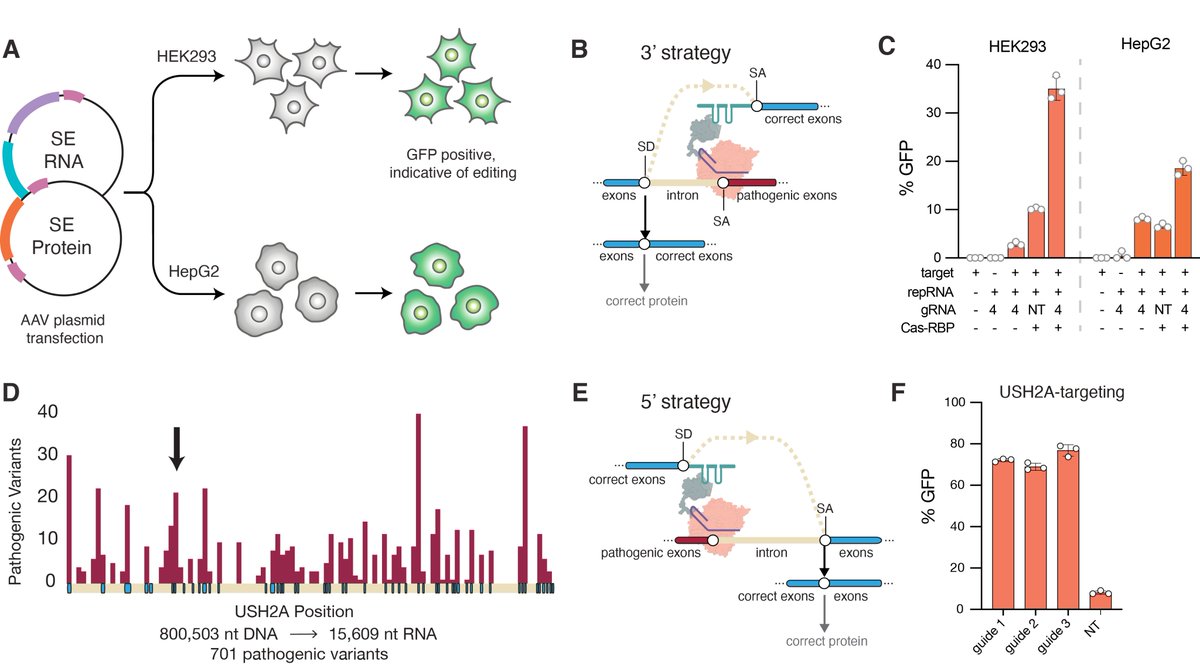
Many genes, like USH2A above, are too large for traditional gene therapy, and too heterogenous for existing gene editing methods. Using our approach, one may replace several exons at once at the 5’ or 3’ end of an RNA, or replace one or more internal exons (13/n)
1
7
3,154