@ucberkeley CS, @berkeleyML | incoming PhD @MIT
Joined February 2024
- Tweets 30
- Following 200
- Followers 84
- Likes 406
1 Photos and videos
Pinned Tweet
I had a fun time writing a deep dive on Diffusion Language Models - with an equation walkthrough and Excalidraw sketches ✏️
In Part 1, I focused on the method: what does “noise” even mean for text, and how do DLMs denoise back into tokens?
winterrykim.github.io/blog/2…
2
8
31
3,388

6 Dec 2025
Vessl provides a great platform
28 Nov 2025

Are you looking for GPU credits for your next research project? @vesslai will be in San Diego for @NeurIPSConf , so if you're interested in GPU credits, feel free to sign up for a meeting here: cal.com/lucas-nam/neurips-ve….
Hope to see you there!
#NeurIPS #NeurIPS2025 #GPU #VESSLAI
2
380
1 Dec 2025
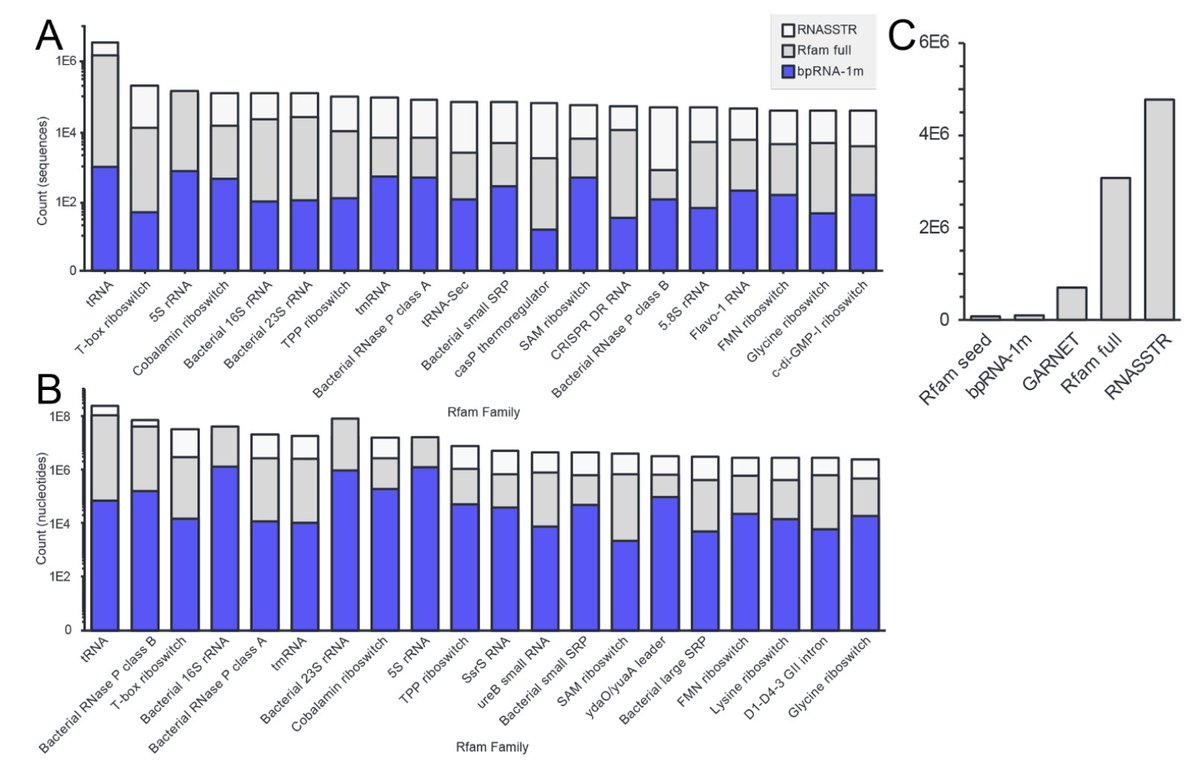
Heading to #NeurIPS in San Diego (AI4Science Workshop) to present our expanded RNA secondary structure dataset with structure-aware train–test splits for improved scalability and robustness.
Preprint:
tinyurl.com/nbaj8h3v
Dataset: zenodo.org/records/15319168
Come say hi!
2
250
Terry (Taehan) Kim retweeted

11 Jun 2025
👋We’re excited to launch DSG2-mini, our newest AI protein design model, now available in DiffuseSandbox⏳🎁, our new app for protein binder design. Click through to design a protein yourself! diffusesandbox.com 1/
6
80
385
63,232
18 Apr 2025
(1/5)
I’m pleased to share that my research with @seowondeog12052 has been accepted to RECOMB 2025 (Poster) and IEEE EMBC 2025 (Paper)!
Preprint: arxiv.org/abs/2501.14469
We introduce a generative approach to pesticide design—optimizing small molecules to reduce toxicity.
2
3
9
1,107
18 Apr 2025
(4/5)
Especially want to thank the Innovative Genomics Institute for providing funding to travel and attend RECOMB 2025. And to the organizers @RECOMB_conf @IEEEembs.
1
236
18 Apr 2025
I’m especially grateful to Prof. Jamie Cate and Dr. Conner Langeberg for their early guidance in helping me get involved in research. Looking forward to meeting other researchers and learning at RECOMB!
#RECOMB2025 #EMBC2025 #AI4Science #MLforBio
2
361
Terry (Taehan) Kim retweeted

6 Mar 2025
Join us on Monday 3/10 for our latest installment of the BioML @ Berkeley seminar series! We'll be learning from the exceptional Elana Simon (@ElanaPearl) about mechanistic interpretability in BioML.
lu.ma/guiyjbf9
4
17
3,267
Terry (Taehan) Kim retweeted

9 Jan 2025
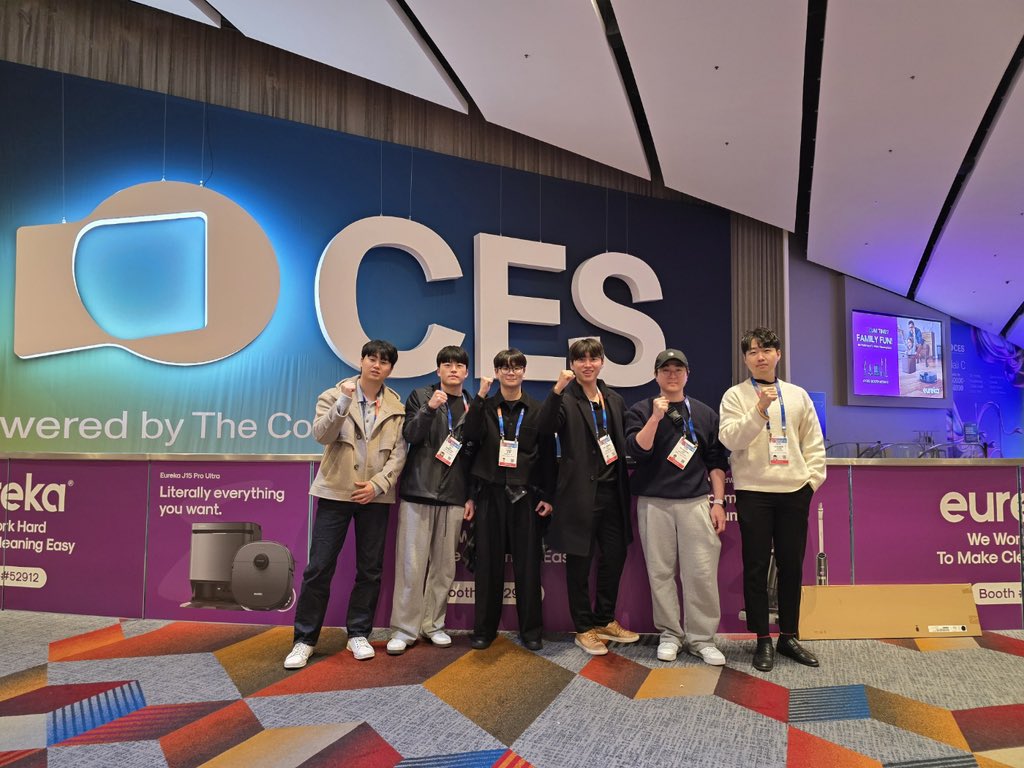
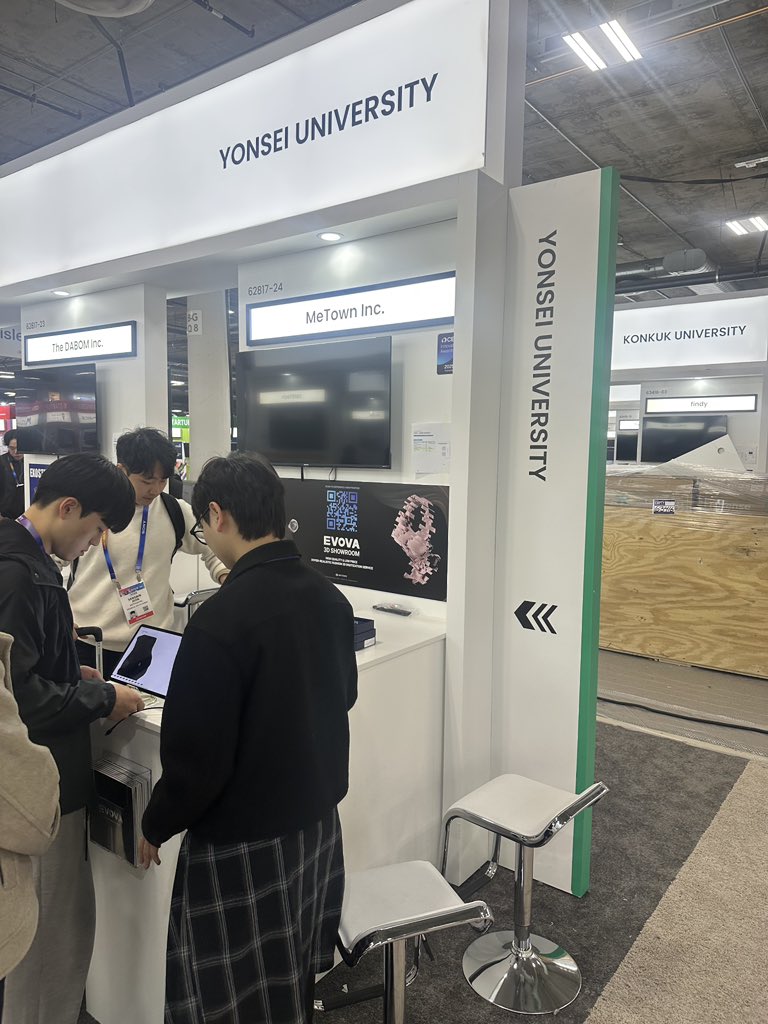
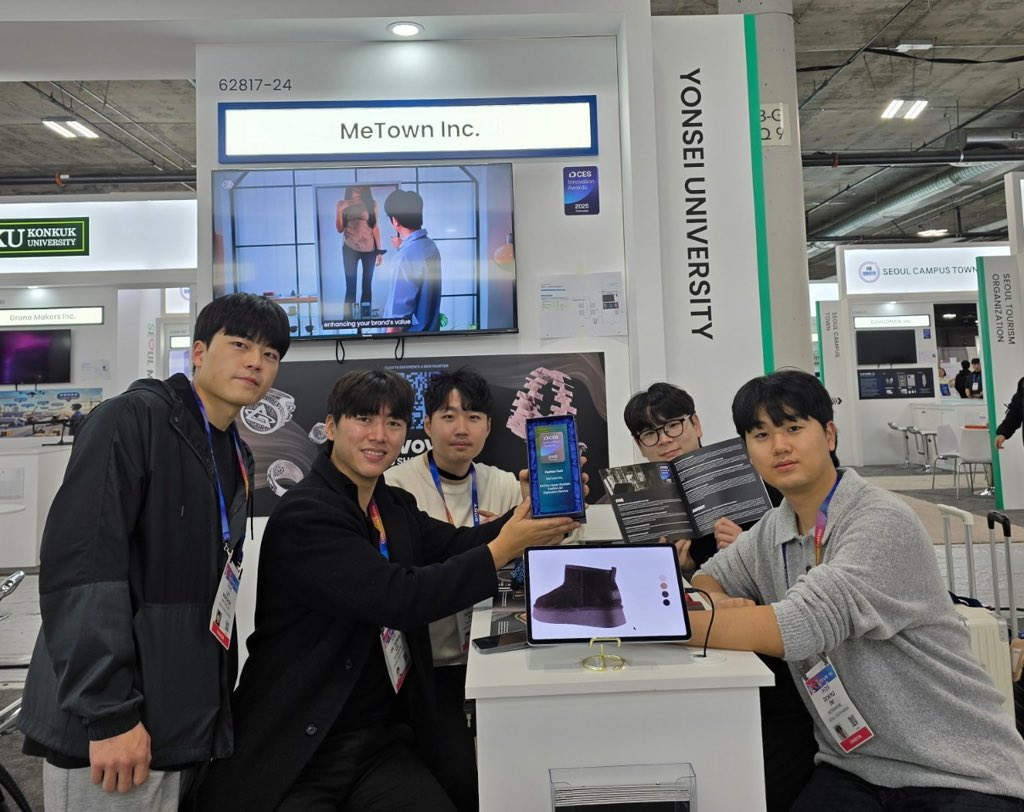
MeTown is at CES 𝟐𝟎𝟐𝟓!
Come experience our hyper-realistic fashion 3D digitization service in person - EVOVA 3D ShowRoom.
📍 Booth: 𝐕𝐞𝐧𝐞𝐭𝐢𝐚𝐧 𝐄𝐱𝐩𝐨, 𝐇𝐚𝐥𝐥 𝐆, 𝟔𝟐𝟖𝟏𝟕
📧 Contact: info@metown.co.kr
#Metown #CES2025 #InnovationAward #3DRendering #ECommerce
1
171
Terry (Taehan) Kim retweeted

21 Oct 2024
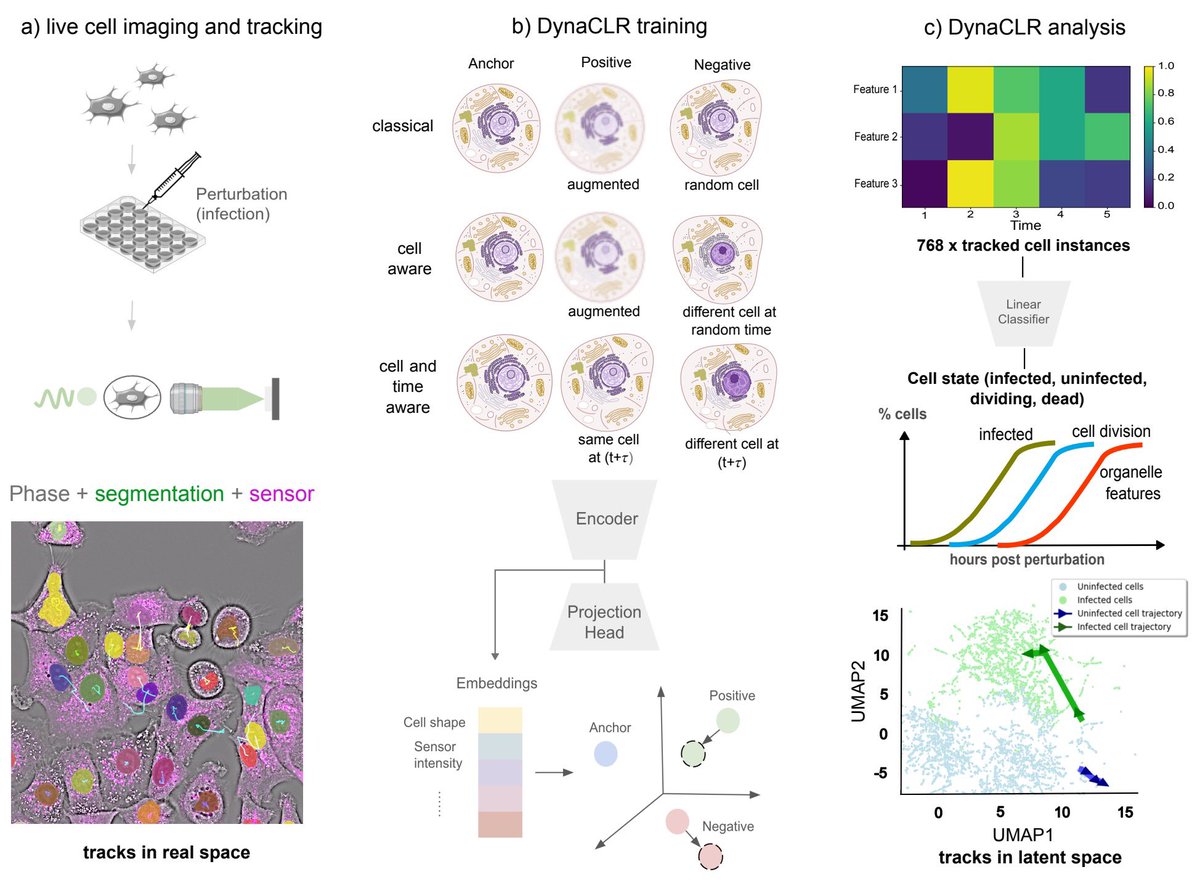
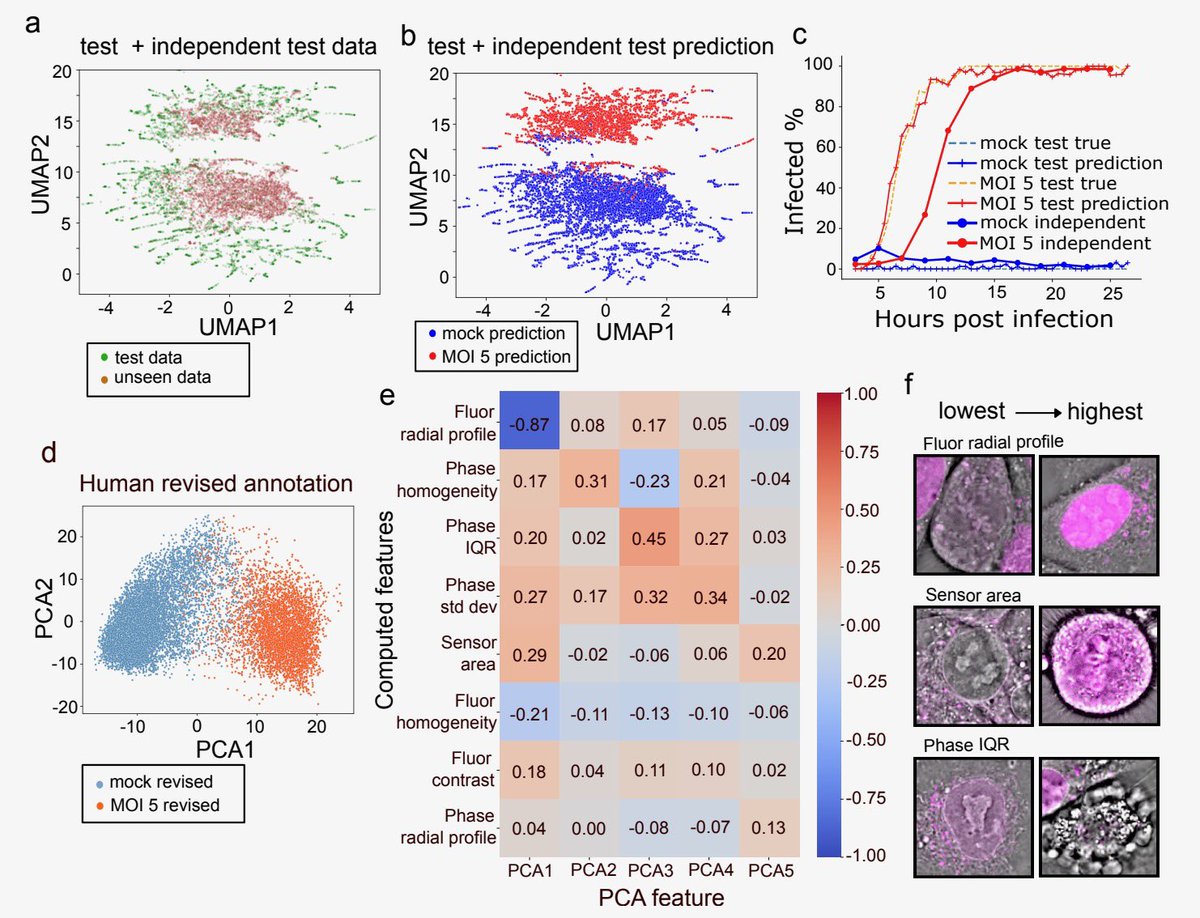
Excited to share work I had the opportunity to co-lead at @czbiohub! We introduce DynaCLR, a self-supervised framework for modeling cell dynamics during perturbations via contrastive learning of time-lapse data.
arxiv.org/abs/2410.11281
(1/11)
4
10
100
4,889
Terry (Taehan) Kim retweeted

26 Jun 2024
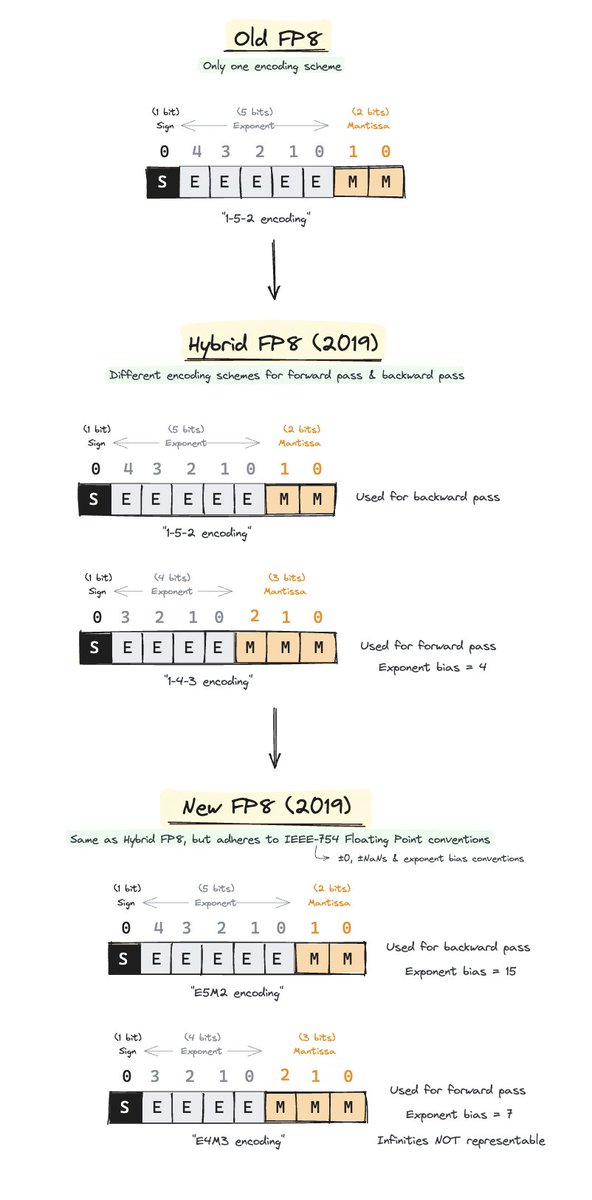
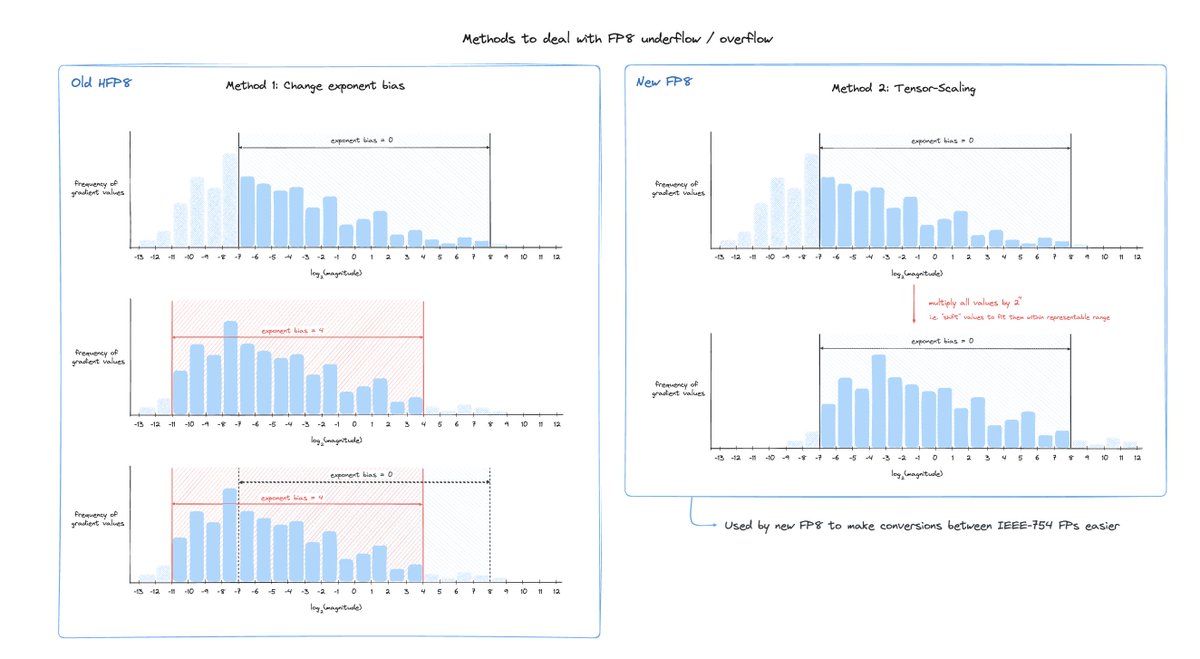
The largest protein generative model, ESM-3, was released this morning and one of its training breakthroughs involves FP8 precision. Here’s some key takeaways on how FP8 works with visuals.
(1/6)
1
2
5
710
Terry (Taehan) Kim retweeted
23 Jun 2024
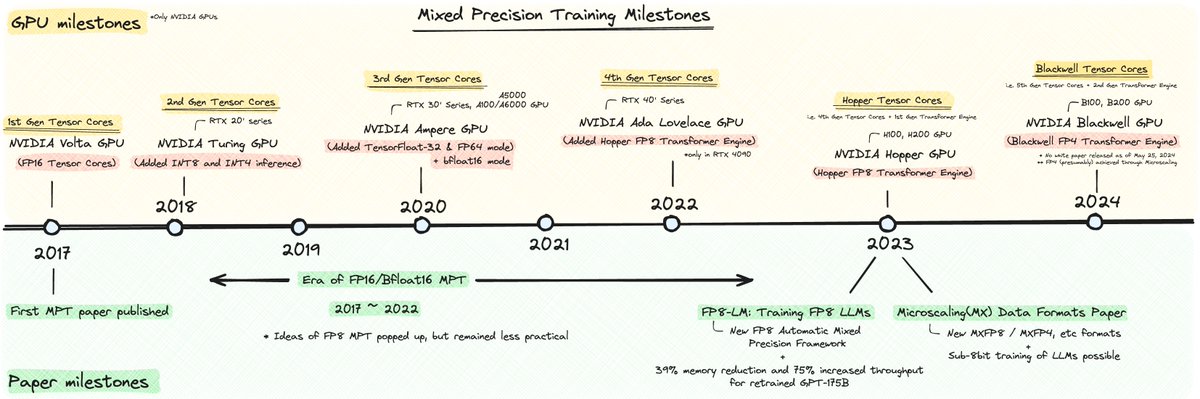
I drew a GPU timeline that includes the evolution of features starting from the Volta series all the way up to the recent Blackwell series.
I hope it helps other people like me who dug through white papers every time they forgot which features are in which!
4
5
26
3,324
Terry (Taehan) Kim retweeted
18 Jun 2024
I’m excited to share some of our progress at @Diffuse_Bio today, about a year and a half into our journey! 1/
8
26
159
46,977
11 Jun 2024
My research interests or topics are genomics structure prediction and protein therapeutics, I learned so much by reading Abhi’s substack.
I wanted to share these resources knowledge I personally earned with more Korean readers who are entering this field.
11 Jun 2024

for any of my Korean followers: my primer on ML for antibody engineering post has been translated to Korean!
sunny-sulfur-c36.notion.site…
massive s/o to Terry Kim for doing this: linkedin.com/in/terry-taehan…
1
2
276
Terry (Taehan) Kim retweeted
27 May 2024
How does AlphaFold3 predict the structures of proteins, DNA/RNA, ligands and other biomolecules? I did a deep dive into protein folding, how AlphaFold works and the new model. Here’s what I learned:
(resource in thread)
3
14
102
9,321
Terry (Taehan) Kim retweeted

16 Feb 2024
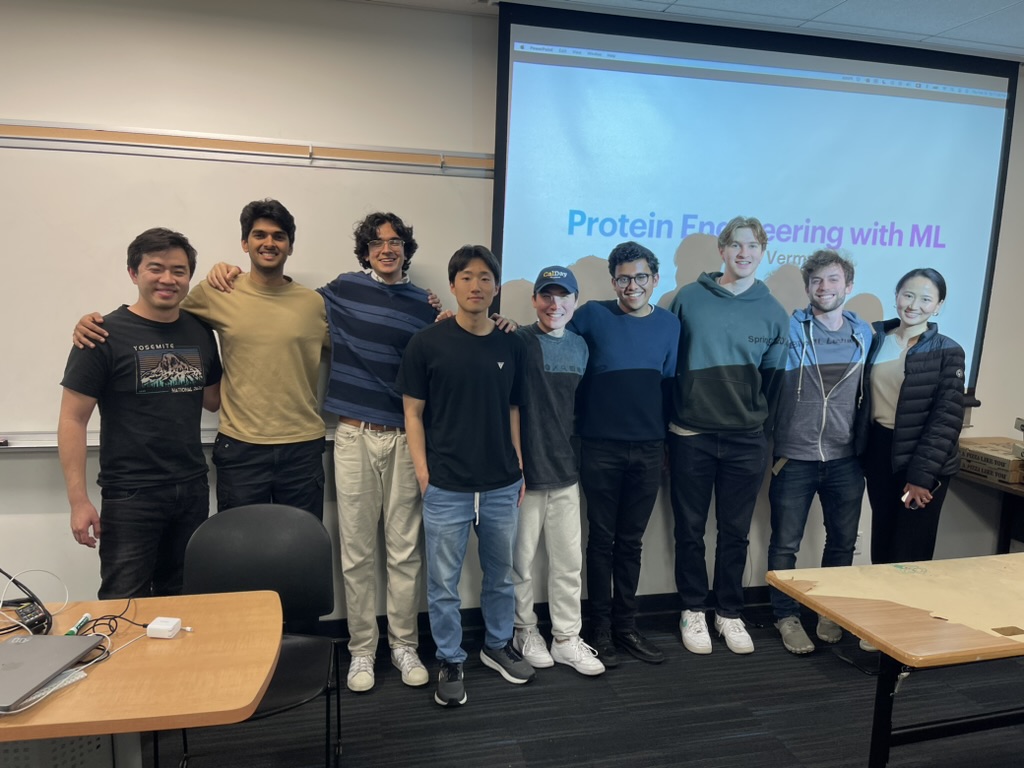
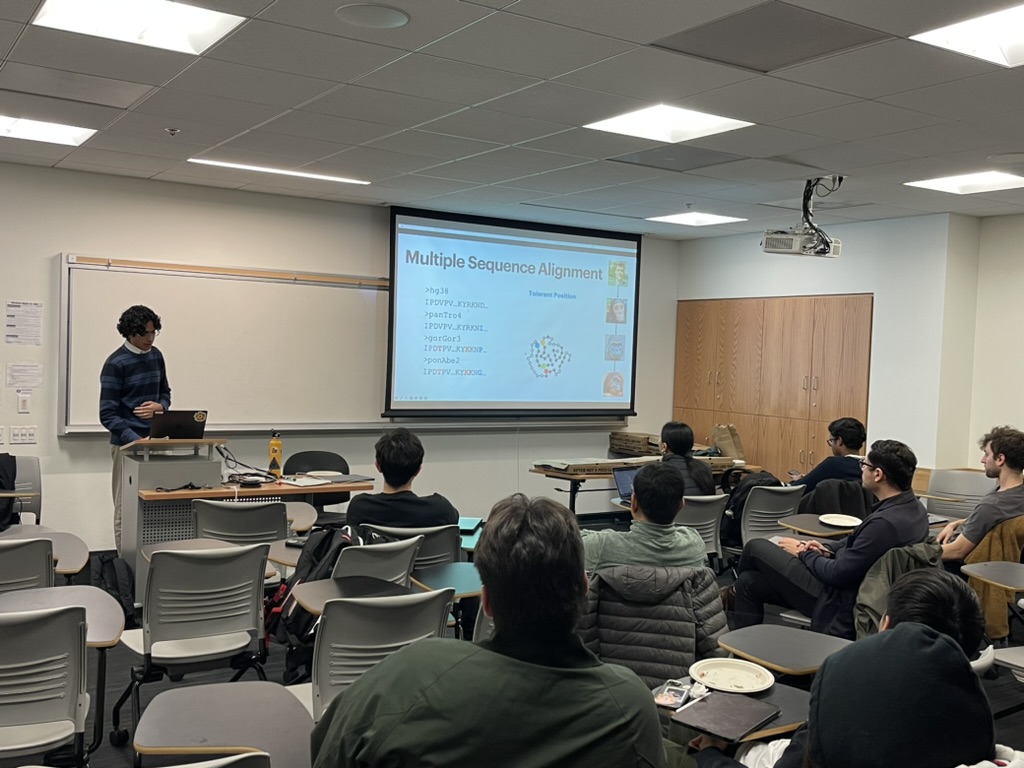
Snaps from last night's BioML lecture on protein engineering with AlphaFold2, ProteinMPNN, and RFdiffusion, led by the incredibly talented @aakarshv1.
Recording will be up soon – next event on Feb 26 w/ Thomas Kalil, CIO of Schmidt Futures. sam.jajoo.fun/notes/bioml
3
2
20
3,532
Terry (Taehan) Kim retweeted

15 Feb 2024
Come to Berkeley tomorrow to learn about the architectures behind the latest advancements in protein design from @aakarshv1! Link to register in Samarth’s tweet 👇, food will be provided :)
14 Feb 2024

Come through tomorrow at 8pm to hear @aakarshv1 talk about machine learning methods for protein design!
Trust me, these models are really cool and the dream of protein design is incredibly ambitious.
Both in-person and on a zoom stream.
lu.ma/4baniw2s
1
6
1,797
Terry (Taehan) Kim retweeted

10 Feb 2024
Come hear @aakarshv1 talk about machine learning for protein engineering! The talk will give an overview of AlphaFold2, RFDiffusion, and ProteinMPNN, three models that have been instrumental in the areas of protein structure prediction, and design. lu.ma/4baniw2s
4
17
7,880