
Joined October 2010
- Tweets 40,038
- Following 455,374
- Followers 637,491
- Likes 197,312
26,091 Photos and videos














Jun 12
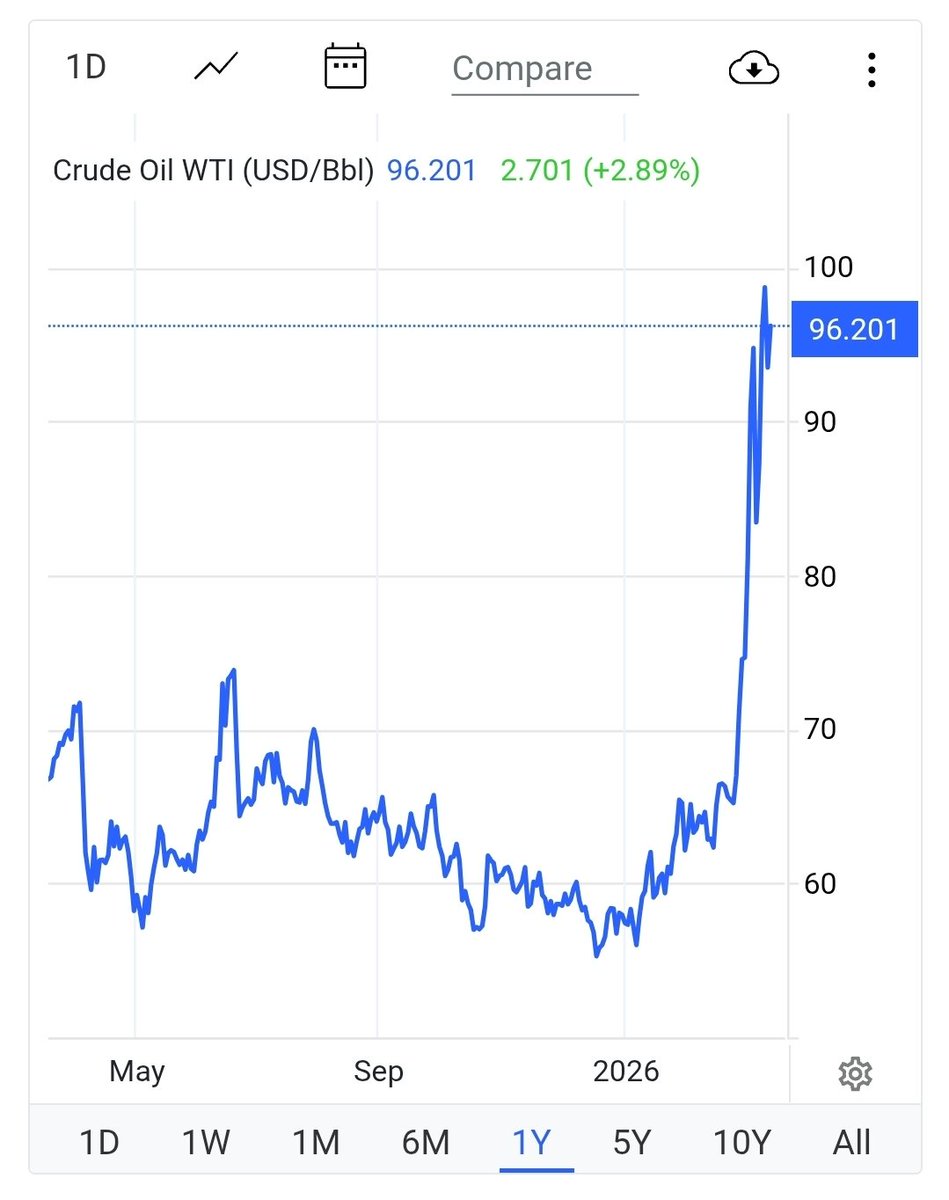
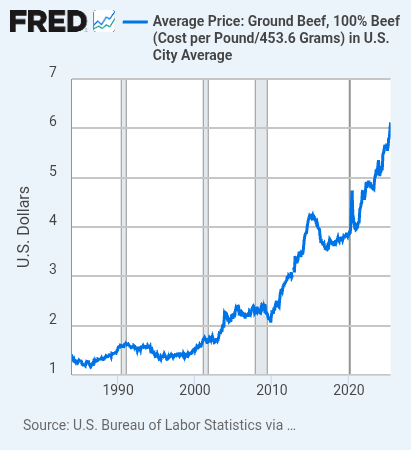
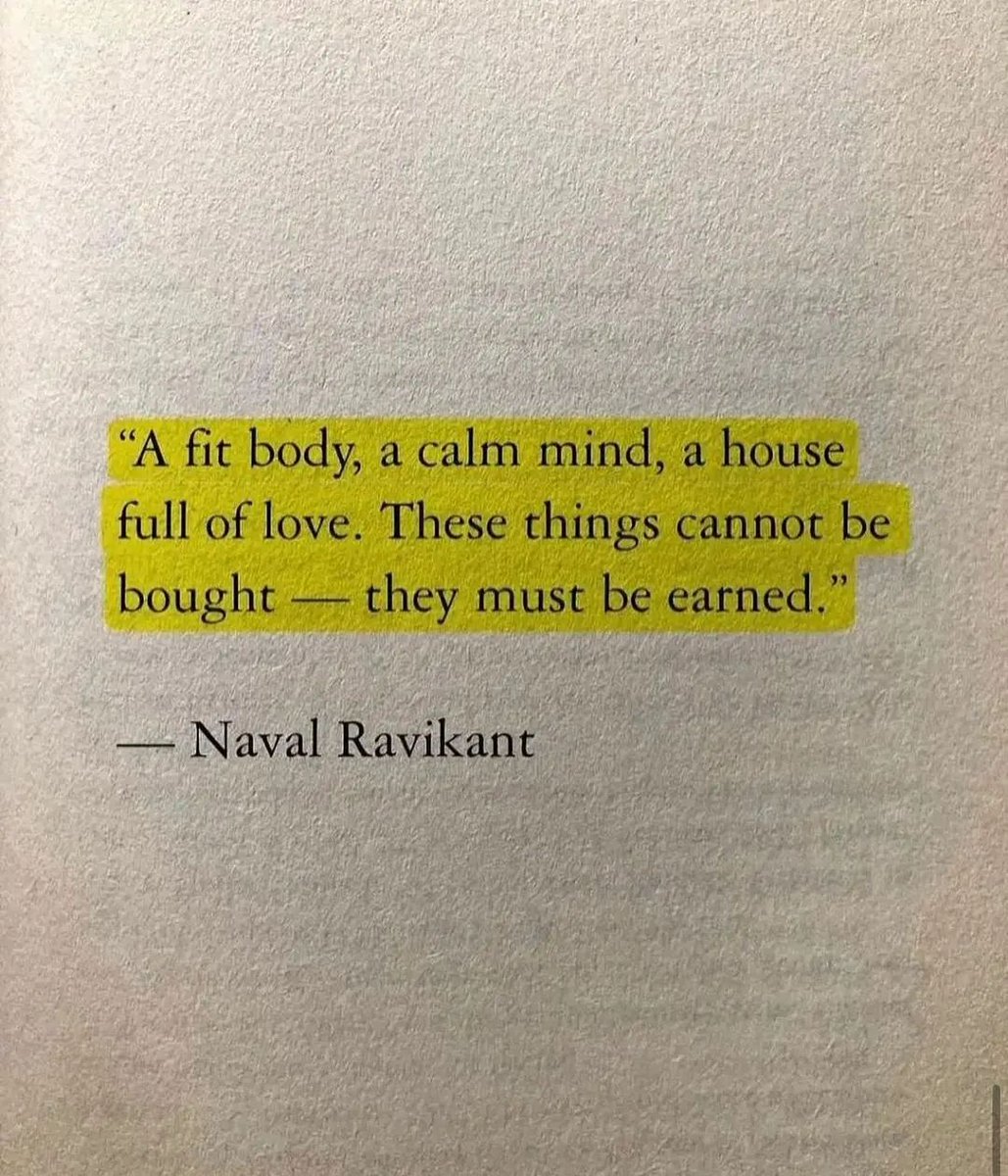
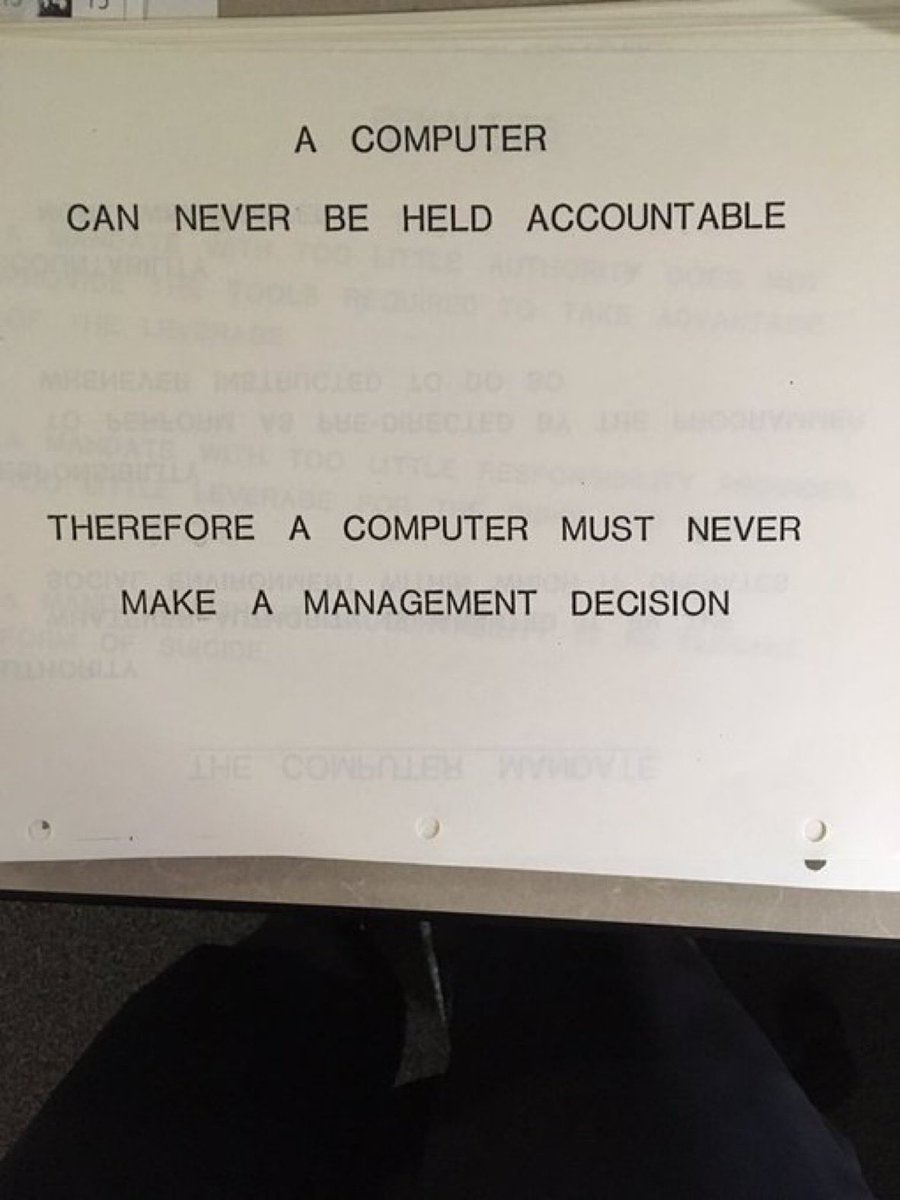
Accountability. I'm told it vastly improves performance and reduces corruption.
Jun 12

Former South Korean President Yoon Suk-yeol sentenced to 30 more years in prison. Convicted of flying drones toward North Korea to provoke tensions and justify his December 2024 martial law attempt.

1
1
5
7,113
Tim Fargo 🇺🇲 🇺🇦 retweeted

Jun 7
.@mulaney in Tucson — amazing
Don’t miss him if he comes to your town —

14
4
70
28,392
Tim Fargo 🇺🇲 🇺🇦 retweeted

How quickly the DragonBear narrative has been normalized over the last four years after fighting it for more than 10 years! How quickly the narrative of new Cold War is being normalized after fighting it over the last decade! But it's not what you think. It's US vs China-Russia.
10
11
80
7,173
Tim Fargo 🇺🇲 🇺🇦 retweeted

Sure, 4K is nice, but there was nothing like sitting two inches away from one of these sweet bastards while your mother predicted you’d be as blind as Ray Charles by the following Thursday.

273
489
6,811
157,712

THKS @tim_fargo - HAVING RAISED 3 KIDS THRU ADULTHOOD & SEEING MY SHARE OF TEARS - TRUER WORDS WERE NEVER SAID!

2
10
696
Tim Fargo 🇺🇲 🇺🇦 retweeted

May 27
I am part of this campaign; please join in; you can save lives.
May 25

#SkyDefense Update:
🛡️ $2,679,915 raised
🛡️ 2,251 people subscribed
Air defense is crucial for saving lives.
Thank you to our global community of donors that continues to support Sky Defense — it means the world to us 💙💛
u24.gov.ua/sky-defense?utm_s…
21
1,065
2,225
49,201
Tim Fargo 🇺🇲 🇺🇦 retweeted

May 24
Petraeus: The U.S. has not remotely learned the lessons it should from Ukraine.
This is the future of war: Ukraine alone uses 10,000 drones a day, and 90% of Russian casualties are caused by drones. That should force institutional change. 1/
177
1,965
9,434
1,039,825
Tim Fargo 🇺🇲 🇺🇦 retweeted

May 21
Rosefinch in the snow.

11
163
824
12,107
Tim Fargo 🇺🇲 🇺🇦 retweeted

I rarely repost, but this is for someone who has helped my unit in a huge way!
Share, donate if you can

The 210th Assault Regiment is fighting in the Zaporizhzhia direction, one of the toughest areas on the frontn but seldom talked about
Right now, they urgently need a van for logistics: to transport equipment, medical aid, and everything their soldiers need to keep fighting.
11
349
847
18,026
Tim Fargo 🇺🇲 🇺🇦 retweeted

May 15
Know the rules… and exploit them.
An extremely significant event regarding Ukraine / US just happened, and most are unaware.
At the request of President Trump, @SpeakerJohnson has desk drawered a bill for Ukr Aid, knowing it would easily pass and putting Trump in an awkward position. To Congressmen Meeks, @DonJBacon and others, this was unacceptable given consistent 70% polling of US support for Ukraine. Using a protocol called a ‘Discharge Petition,’ they have overridden Speaker Johnson, forcing the bill to the floor.
In the next two weeks of session, the bill will come to vote. It will pass with an anticipated vote of 65%, forcing Trump to sign or veto it. Although Trump has been consistently opposed to further Ukrainian aid, a veto is a risky proposition given a 2/3ds override is quite possible and would appear to undermine President Trump’s position.
Very impressed by Meeks and Bacon. For nearly a year they’ve tenaciously pushed the discharge position, refusing to give up or give in, kowning the rules, and exploiting them.
politico.com/live-updates/20…
77
1,206
3,771
179,370
Tim Fargo 🇺🇲 🇺🇦 retweeted

May 11
What I did (and didn't) see on Red Square at the Victory Day parade.
34
170
1,352
113,347

Katie Phang and Epstein survivor Danielle Bensky visit a new exhibition space in Tribeca where the Epstein files are bound in 3,237 physical volumes.
“Look at the sheer volume. The fact that people are still saying there is nothing to investigate—it’s just insane. To see the person who scheduled me, who is still not behind bars—her name is here.”
106
5,121
13,298
418,669
Tim Fargo 🇺🇲 🇺🇦 retweeted

May 8
Today is World Donkey Day.

1,724
6,224
29,988
3,284,571
Tim Fargo 🇺🇲 🇺🇦 retweeted

May 7
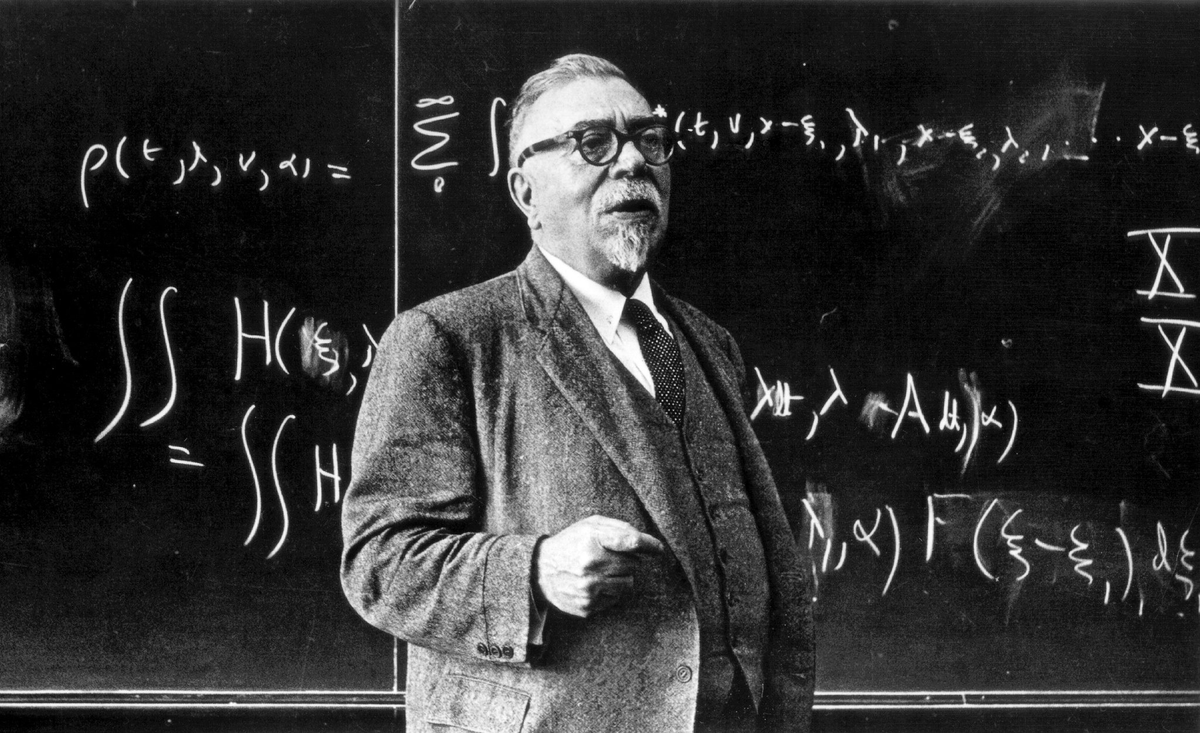
An MIT mathematician sat down in 1950 and wrote a small, non-technical book aimed at the general public. He was not predicting the future. He was warning them. He said machines would eventually replace human work, optimize ruthlessly for the wrong goals, and quietly turn human beings into components inside systems they did not control.
Almost nobody listened. 75 years later, every warning he made has come true.
His name was Norbert Wiener. The book is called "The Human Use of Human Beings."
The textbook story of AI ethics says the field began in the 2010s, when Stuart Russell, Nick Bostrom, and a small group of researchers started writing about the dangers of intelligent machines. That story is wrong. The first serious book about the ethics of AI was published in 1950, by a man who had personally invented the science that AI would eventually be built on, and who saw exactly what was coming with a clarity nobody else managed to match for the next 70 years.
Here is the story almost nobody tells you.
Norbert Wiener was a child prodigy. He graduated from Harvard at 14. He had a PhD in mathematics by 17. He became an MIT professor before he turned 30. During World War II he was assigned to work on anti-aircraft fire control systems. The problem was simple and impossible. How do you aim a gun at a fast-moving plane that will not be where it is by the time the shell arrives.
His answer turned into a new science. He called it cybernetics, from the Greek word for steersman. In 1948 he published a technical book by that name. Cybernetics was the foundation of modern control theory, robotics, and almost everything that became artificial intelligence. The book was dense. Most readers could not get past the math. The ideas inside it were too important to leave trapped in equations.
So in 1950 Wiener sat down and wrote a second book aimed at ordinary people. No equations. No jargon. Just consequences. He titled it The Human Use of Human Beings. It is barely 200 pages. It is one of the most prescient documents ever written about technology.
The first thing he warned about was automation.
He predicted, in 1950, that machines would replace human work across every industry. Not just factory work. Not just manual labor. Any task that could be reduced to a procedure would eventually be automated. He specifically said white-collar work would not be safe. Bookkeeping. Translation. Drafting. Calculation. Anything where a human was being paid to follow a defined process would eventually be done by a machine for a fraction of the cost.
He was not celebrating this. He was warning about it. He said the social consequences would be enormous, that entire industries would collapse, that the value of human labor itself would be undermined for tasks where humans had been useful for centuries. He wrote this 75 years before ChatGPT made every white-collar professional check their job description twice.
The second thing he warned about was the alignment problem. He did not call it that. The phrase did not exist. But he described it precisely.
He said that machines optimize for the goal you give them. They do not optimize for what you meant. They optimize for what you wrote down. If the goal is poorly specified, the machine will pursue the literal version of it with terrifying efficiency, and the result will be a disaster the builders did not foresee.
He used the metaphor of the magic monkey's paw from a horror story by W.W. Jacobs. A grieving father wishes his dead son alive again. The paw grants the wish. Something climbs back out of the grave that is technically the son. The wish was granted exactly as stated. The outcome is hell.
Modern AI safety researchers use almost the same metaphor 75 years later. They call it specification gaming, reward hacking, mesa-optimization. The names are new. The problem Wiener described in 1950 is exactly the same.
The third thing he warned about was the loss of human agency.
He predicted that humans would gradually surrender their decision-making to systems they did not understand. Not because the systems would force them to. Because the systems would be more convenient, more accurate, and more profitable than human judgment. People would offload their navigation, their reading, their relationships, and eventually their thinking to optimization processes designed by companies whose interests were not aligned with their users.
He said something in 1950 that I cannot stop thinking about. He said the more efficiently a society delegates its decisions to machines, the less able it becomes to make decisions at all. The atrophy is gradual. By the time anyone notices, the capacity to choose is gone, and what remains is people executing decisions that were made for them, by systems they did not build, in service of goals they were never asked about.
Look at modern social media feeds, recommendation algorithms, dating apps, navigation systems, news aggregators, and you are looking at exactly what he described.
The fourth thing he warned about was the easiest one to ignore at the time and the most disturbing now.
He warned that authoritarian regimes would use the new computing technology to track, manipulate, and control populations at a scale never previously possible. Not in the future. Soon. He said the same techniques that made cybernetics useful for guiding missiles would be used to guide societies, and that the small, incremental decisions about what to optimize, who to surveil, and how to feed information back into the system would compound into a kind of soft control that did not need force to function. People would do what the system wanted because the system would shape what they wanted in the first place.
He saw modern surveillance states 75 years before they existed.
The strangest thing about reading the book in 2026 is realizing how few of these problems have been seriously addressed.
Wiener was not anti-technology. He had personally helped build it. He was not nostalgic for a pre-machine age. He was warning that any tool powerful enough to amplify human capability is also powerful enough to amplify human stupidity, greed, and indifference, and that the dangers were not in the machines themselves but in the unwillingness of human institutions to ask hard questions about who the machines were being built for.
He died in 1964. He never lived to see most of his predictions come true. He never used a personal computer. He never followed a hyperlink. He never saw a modern recommendation algorithm.
He just wrote down, in 1950, in plain English, what the world would look like when the technology he had helped invent was built out by people who had not read his warnings.
The book is around 200 pages. It is in print. Used copies are everywhere for under ten dollars. It reads like science fiction in which the author already knows how the story ends.
The first serious book about the ethics of AI was published before there was any AI to be ethical about. Almost nobody who works on the problem today has read it.
The warnings are the same. The author has been dead for 60 years. The book is one click away from anyone who wants to read it.
67
509
1,389
130,546
Tim Fargo 🇺🇲 🇺🇦 retweeted

Apr 30
This is from an IBM presentation
In 1979
479
16,854
85,115
1,171,424
Tim Fargo 🇺🇲 🇺🇦 retweeted

Apr 26
Forty years ago, the world faced one of the worst nuclear disasters.
When explosions destroyed the fourth reactor of the Chornobyl Nuclear Power Plant, a significant amount of radioactive substance was released into the atmosphere. Hundreds of thousands of people spent years dealing with the fallout from the tragedy.
We still see the reminders four decades later: in the abandoned city of Prypiat, known as a ghost town; or in the Red Forest, where the tree color has been permanently altered. While the whole world worked together to prevent a repetition of such a disaster, Russia began launching drones over the Chornobyl NPP. And this means only one thing—the danger hasn’t gone away, it has only grown.
4
153
423
32,842
Tim Fargo 🇺🇲 🇺🇦 retweeted

Apr 23
🚨🇺🇦 EU formally approves the €90,000,000,000 loan to Ukraine, as well as a new package of sanctions against Russia
#SlavaUkraïni 🇺🇦
5
43
367
8,579
Tim Fargo 🇺🇲 🇺🇦 retweeted

Apr 22
Meet Tamerra Buckhanan. She's 82 years old and finished the 130th Boston Marathon to complete her Six Star Marathon.
96
1,523
8,533
257,474
Tim Fargo 🇺🇲 🇺🇦 retweeted

Apr 19
Pancreatic cancer mRNA vaccine shows lasting results in an early trial. Scientists caution that more research is needed, but nearly all of the patients who responded to the personalized vaccine are still alive six years later.
nbcnews.com/health/cancer/pa…
515
5,737
26,102
5,616,313
Tim Fargo 🇺🇲 🇺🇦 retweeted

Apr 10
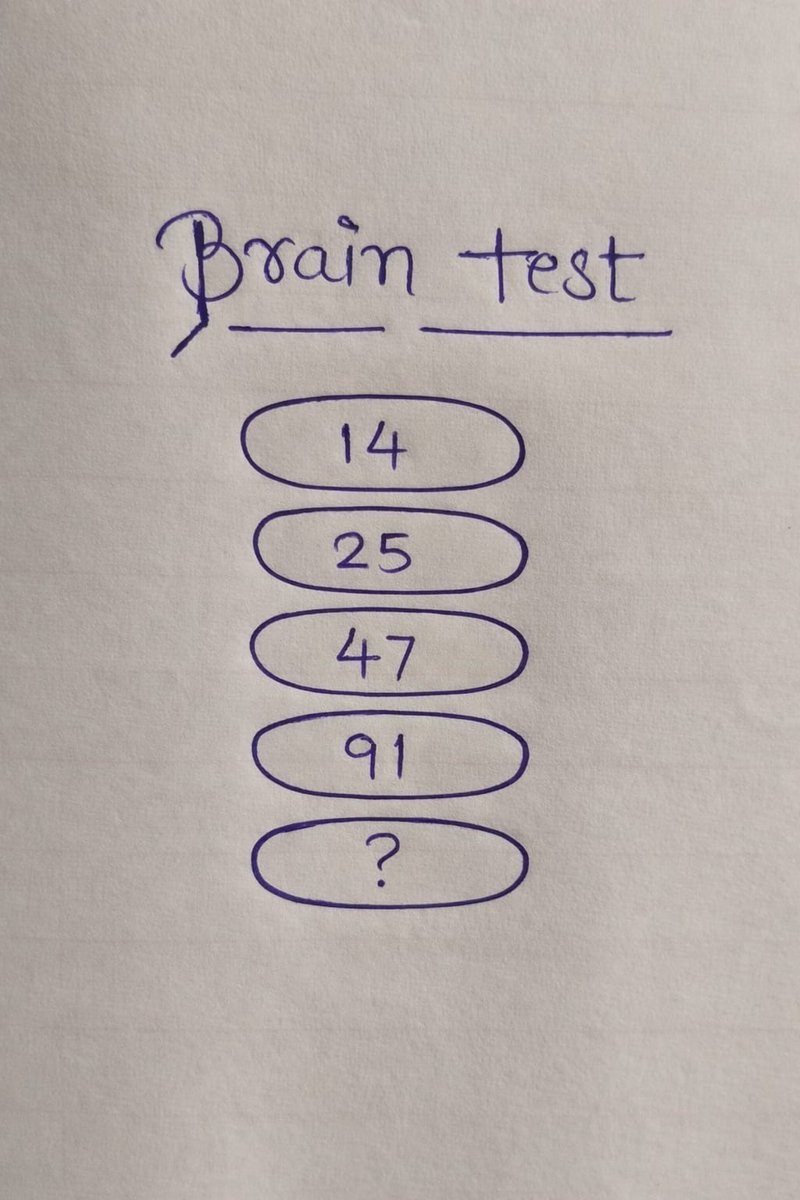
If you solve this, you’re different
Can you solve ?
65,807
1,034
11,111
6,837,901