
Agile coach, views are my own
Joined March 2009
- Tweets 1,041
- Following 346
- Followers 348
- Likes 1,083
39 Photos and videos





Todd Scanlan retweeted

18 Feb 2024
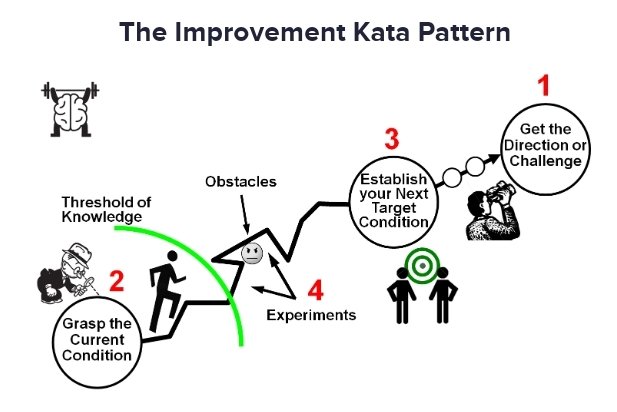
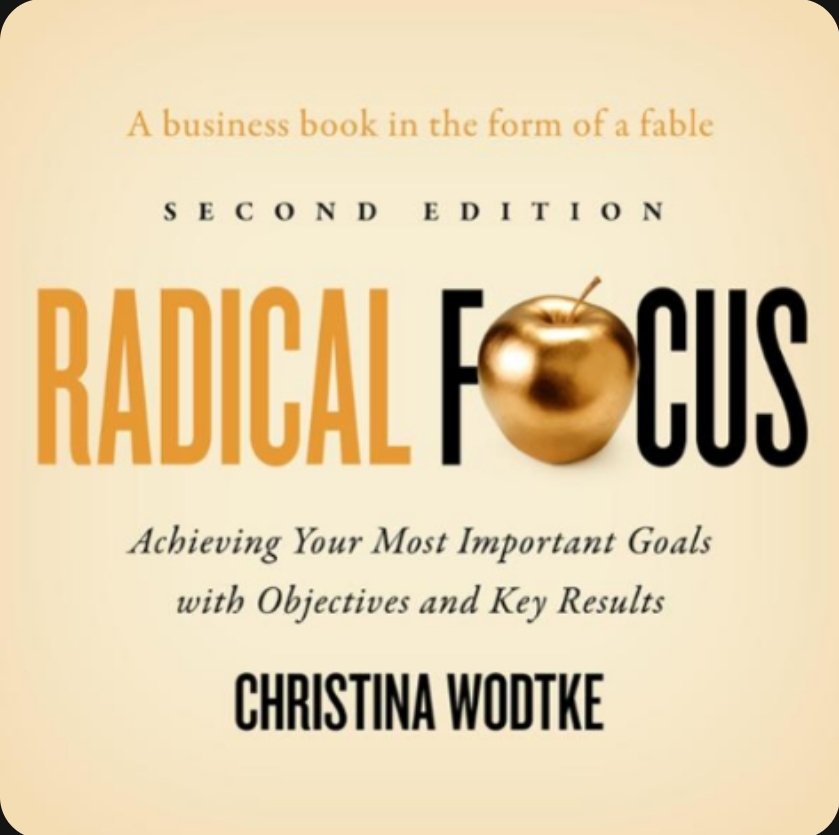
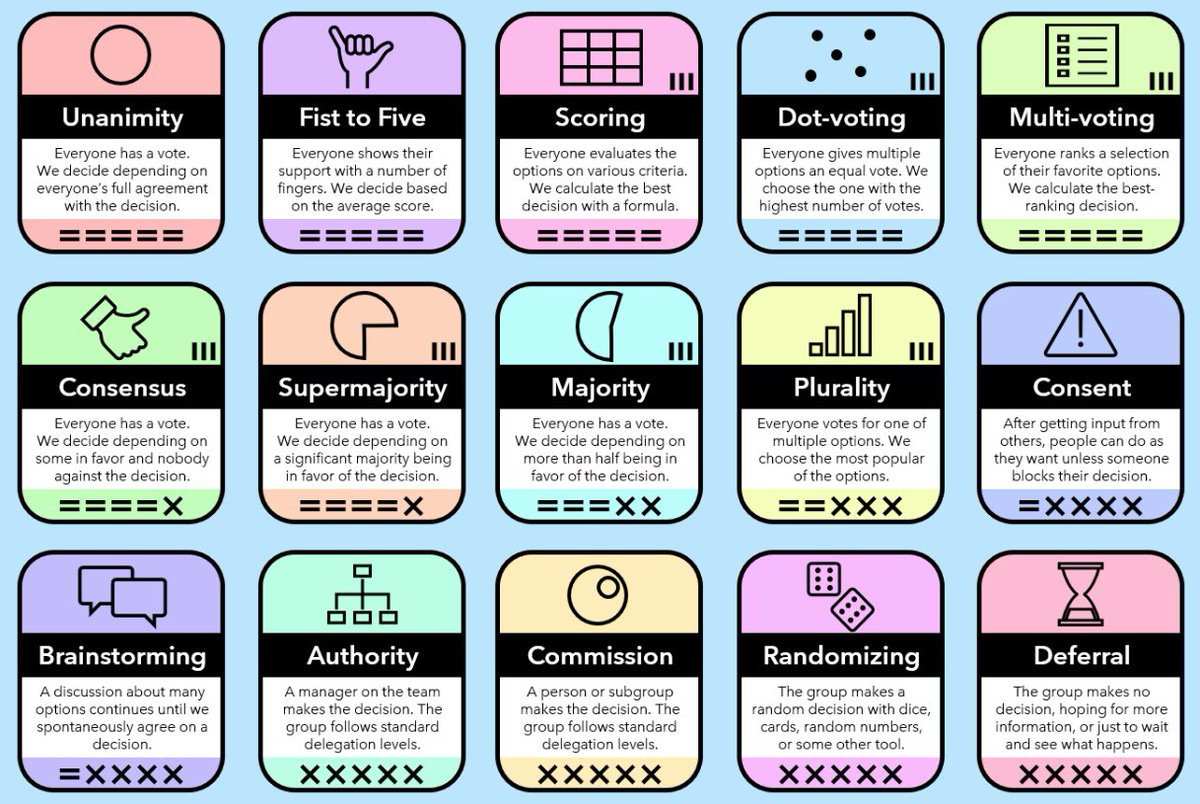
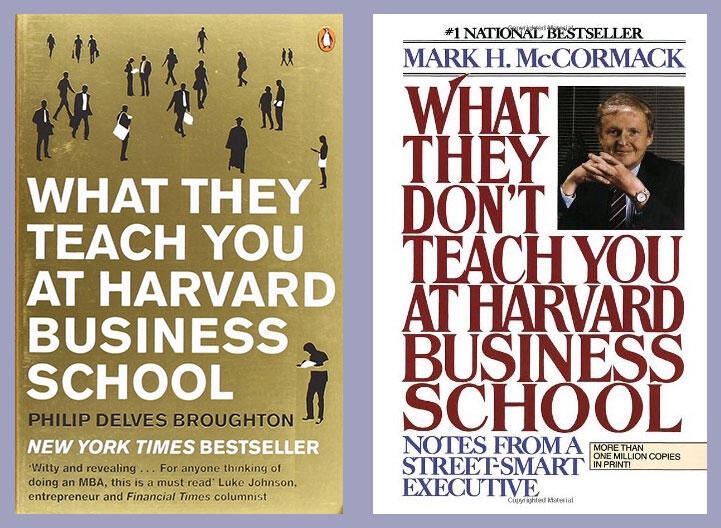
All of human knowledge is contained within these two books.
47
875
6,197
889,002
Todd Scanlan retweeted

User stories are supposed to be unclear. They're anything from a word to a sentence long with no implementation details. (They describe the user's work, not yours.) They are a reminder to have a conversation just before and during implementation. Fill in the details during Sprint Planning or equivalent—just enough detail to start, not finish. Collect additional details with more conversations as you work. Collecting lots of detail up front is just a waterfall requirements-gathering phase. No agility there.
19
84
498
73,492
Todd Scanlan retweeted

17 Oct 2023
I recently talked about User Stories on my YouTube channel, and got asked by several people about how I would deal with "Back End Stories", so here is a thread User stories for "Back End" vs User stories for "Front End"
a #Thread
1/14
9
55
265
99,875
Todd Scanlan retweeted

21 Sep 2023
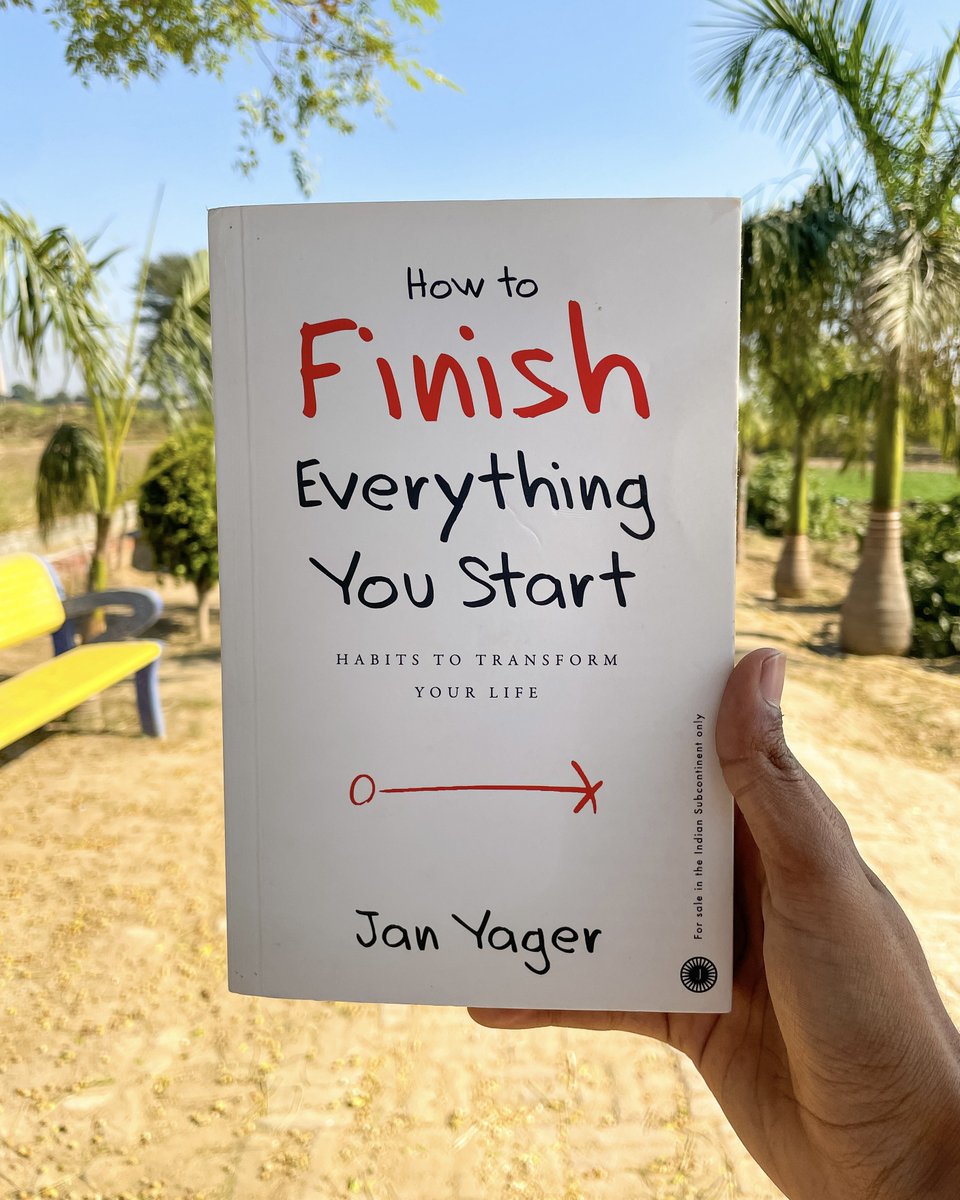
10 Lessons from How To Finish Everything You Start
43
1,169
6,054
714,745
Todd Scanlan retweeted

16 Sep 2023
Strategy
⬇️
OKRs
⬇️
Problem statements
⬇️
Solution hypotheses
⬇️
Experiments
⬇️
Evidence
⬇️
Iteration / course correction
⬇️
Agility
⬇️
Customer value
20
75
474
55,807
Todd Scanlan retweeted

25 Jul 2023
Your regular reminder that if you are slicing/splitting a user story and end up with 2-x "smaller" stories, each of which must be implemented to satisfy the original story, you are not actually slicing the story, you are doing work breakdown.
2
24
108
9,855
Todd Scanlan retweeted

23 Aug 2023
SAFe contains all the other agile frameworks and is therefor the best framework.
#NotMyAgile
2
6
35
1,842
Todd Scanlan retweeted
14 Aug 2023
Don’t write your OKRs without involving a UX designer. They are the staunchest advocate for customer behavior goals. jeffgothelf.com/blog/ux-desi…
1
9
51
7,705
Todd Scanlan retweeted
17 Jul 2022
For every "could that meeting have been an email?" situation there is a "could that 20-deep email thread have been a 10 minute meeting?" situation.
33
148
1,338
Todd Scanlan retweeted

11 Jul 2023
Worthy Read: The Mindset That Kills Product Thinking by Jeff Patton (@jeffpatton)
bit.ly/3rDH9yU
#prodmgmt #ux #engineering
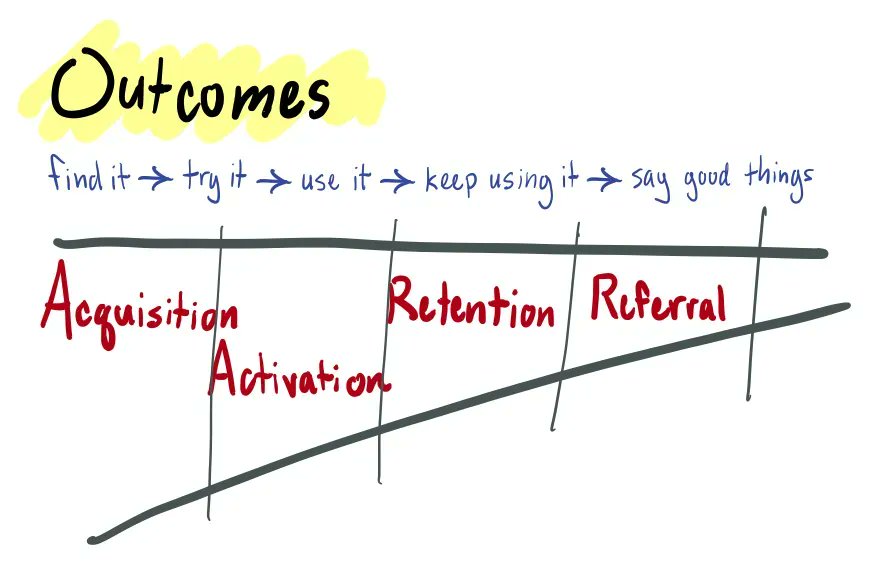
ALT An illustration titled "Outcomes" highlighted in yellow, featuring a linear graph showcasing the stages of "Acquisitions," "Activation," "Retention," and "Referral."
4
12
86
9,470
Todd Scanlan retweeted

11 Jun 2023
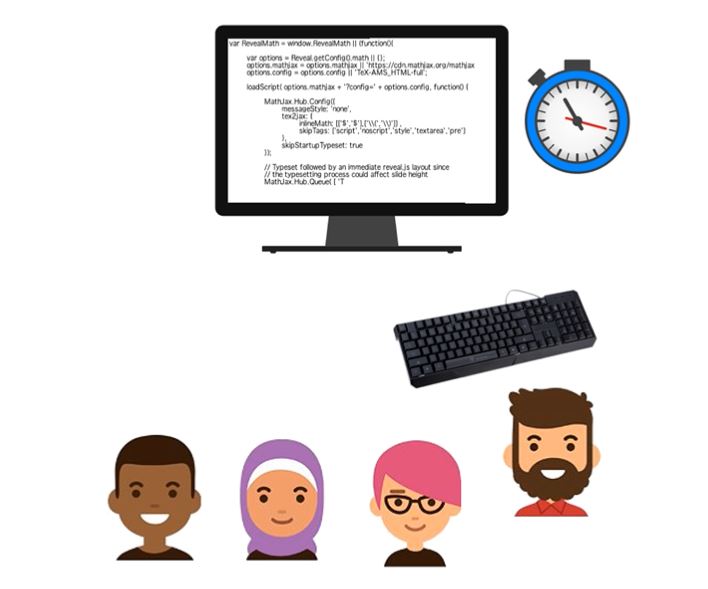
Setting the Stage for the 1st Mobbing Session:
- Start by introducing the concept of Mob Programming
- To help guide the discussion on what it means to work together on one thing, you can walk through these slides: markpearlcoza.github.io/MobP…
@MarkPearlCoZa
trello.com/c/t2eQIKy1/206-co…
1
5
692
Todd Scanlan retweeted
There is no such thing as a "Planning Sprint."
11
6
61
11,948
Todd Scanlan retweeted

24 May 2023
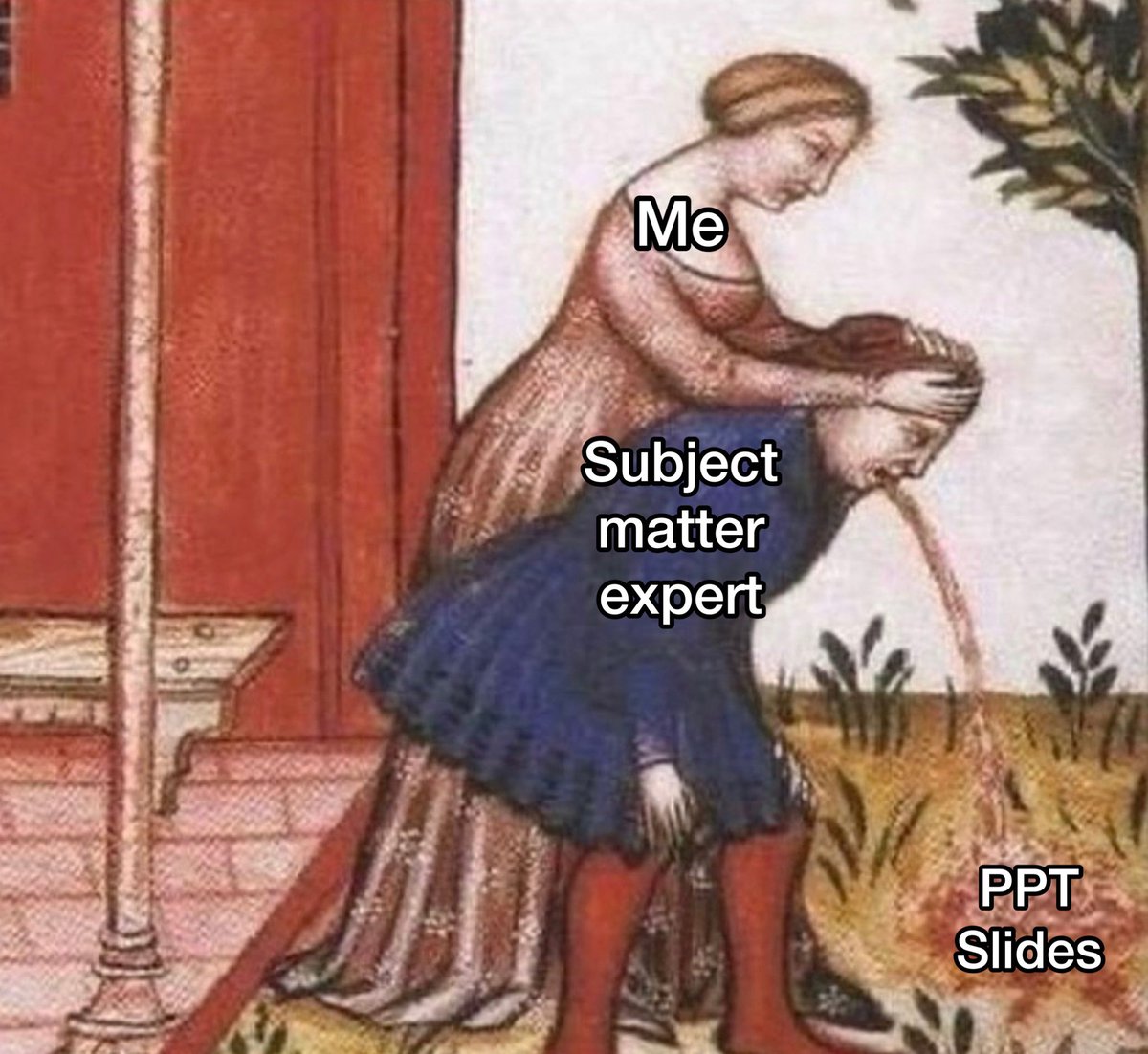
27yo subject matter expert with over 30yrs of work experience 👍
1
55
564
49,742
Todd Scanlan retweeted
18 May 2023
Who is responsible for what in a product trio?
#ContinuousDiscoveryHabits #ProductTrios #prodmgmt #ux #engineers
6
13
2,616
Todd Scanlan retweeted

16 May 2023
Building digital services in sustainable ways is possible… when we recruit, develop, and enable (!!!) digital talent, folks who design/deliver digital products and services.
Lots of progress to share in this space. Learn from 10 lightning talks from 10 A people 👏
Register👇
16 May 2023

🗓️Join the event Building a Strong #GCDigital Community (DDN2-E22) and learn how digital leaders across the federal government are driving institutional change by developing the digital community across the GC with initiatives. bit.ly/3BustGn

1
5
1,628
Todd Scanlan retweeted
16 May 2023
Worthy Read: Why It’s Easier to Make Decisions for Someone Else by Evan Polman
bit.ly/2TcaMUI
#prodmgmt #ux #engineering
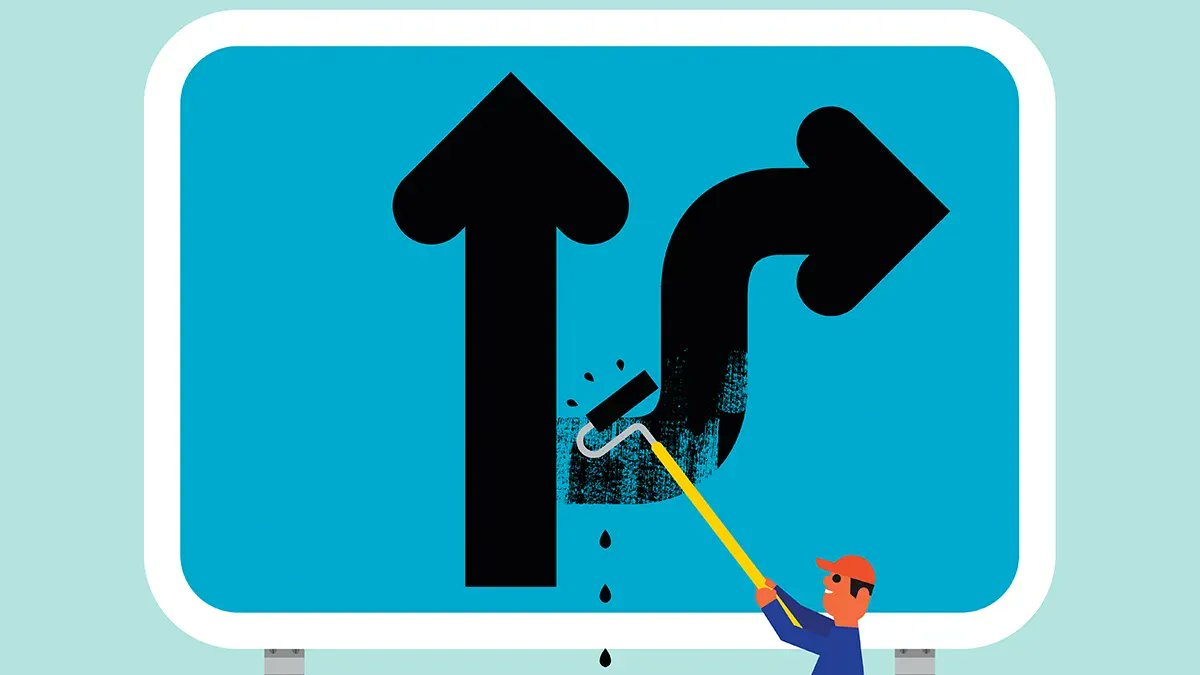
ALT Man painting two arrows: one pointing up, the other curving to the right
1
4
2,292
Todd Scanlan retweeted
5 May 2023
As a Software Development Manager, if you cannot account for 100% of the allocation of your resources, you are a failure.
#NotMyAgile
1
3
27
3,672
Todd Scanlan retweeted
1 May 2023
As the manager or team lead, make sure you assign all of the tasks to the appropriate individuals at the start of the iteration. It is important that each individual knows what they are accountable for in the iteration.
#NotMyAgile
2
6
42
10,181
Todd Scanlan retweeted
25 Apr 2023
Don't start with validation research.
#IdentifyingHiddenAssumptions #ContinuousDiscoveryHabits #prodmgmt #ux #engineering
1
2
43
6,464
Todd Scanlan retweeted
Breaking large stories into small ones is a learnable skill. The problem is not that the process is hard, it's that people who have been steeped in an estimation culture & waterfall big-batch thinking have no idea how to approach narrowing or understanding of why it's important.
6
14
115
13,462