Joined May 2011
- Tweets 609
- Following 920
- Followers 352
- Likes 356
41 Photos and videos


Tomás Usón retweeted

7 Aug 2025
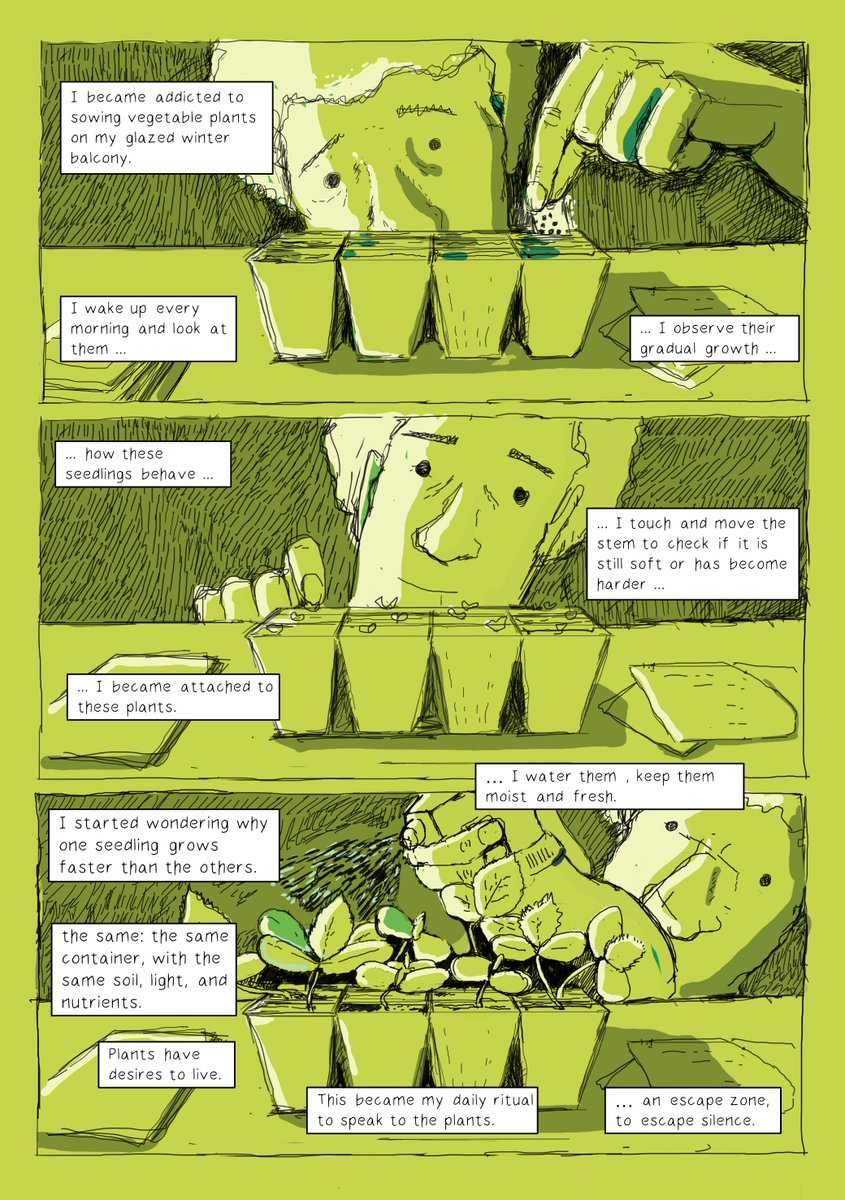
OUR NEW STORY IS OUT
Samir Harb grows seeds, lines and peace of mind, cultivating freedom in a pot of Palestinian soil
otherwisemag.com/your-silenc…
3
6
236
Tomás Usón retweeted

28 Jul 2025
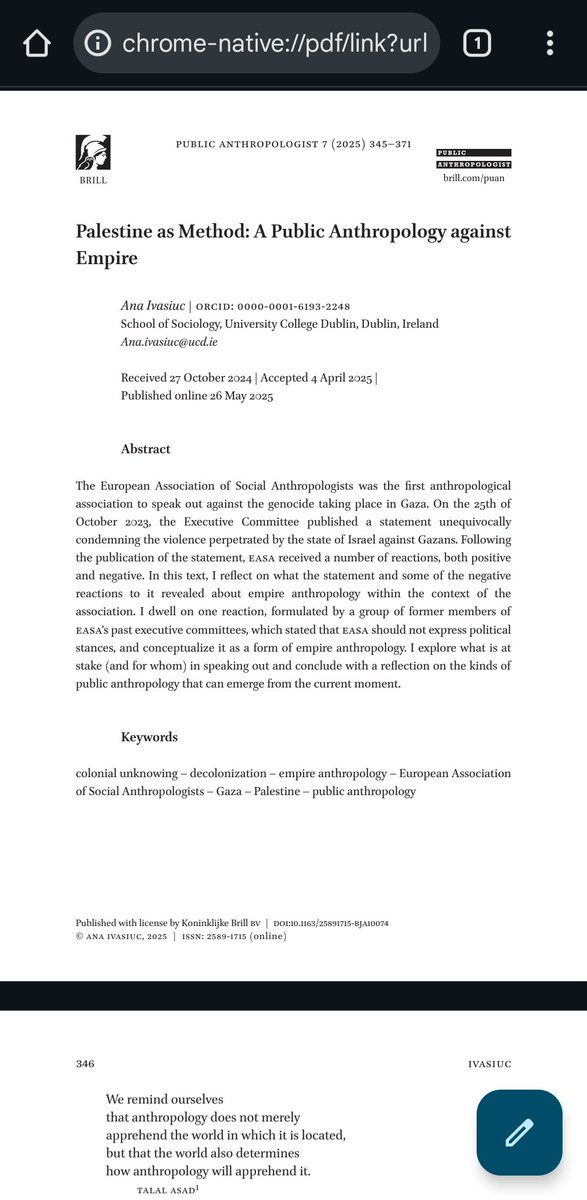
I have already started: brill.com/view/journals/puan…
A piece written from my perspective as @EASAinfo president from 2023-25.
(The AI summary is complete rubbish, of course).
1/3
28 Jul 2025

One day, I will speak of academia, press and publishing folk who tried to silence those of us who spoke. And yes, I have names, dates, and exact actions and words.
I will never forgive or forget
1
4
4
714
Tomás Usón retweeted

7 Jul 2025
They came at dusk: a woman and two children.
Not walking, exactly. Drifting, as if carried not by their own will but by a force more ancient and merciless than gravity. The kind of force that drives insects toward flame or the lost toward confession.
One of the children pulled a basket behind, its wheels scraping over the stones like bones. Neither spoke. Their silence was not shy, but inherited. The kind passed from womb to womb in times of war.
The woman looked at me, not as one human to another, but as someone standing trial on Judgment Day, stripped of all defense.
“Is this a clinic?”
“Yes.”
“Do you have medicine?”
“Yes.”
“Is it free?”
“Yes.”
She entered, as if even the floor needed permission to bear her weight.
She sat before me. Her presence was not loud, but unbearable. She did not look tired, but ancient, like someone who had traveled not just for days but through time itself, through the centuries of betrayal that humanity has inflicted upon itself.
I said nothing. She said nothing. The silence held.
Then she whispered, “My feet and back hurt.”
What a simple phrase. And yet it carried the weight of exile.
My feet and back hurt.
Of course they did.
She had been carrying two children, a basket, and the unspoken grief of the earth.
“Is this new?” I asked.
“No, habibi. It’s from walking. We’ve been walking a long time.”
Walking. Such a gentle word for such a violent act. She had walked over corpses and rubble, over forgotten treaties and abandoned neighborhoods. She had walked across the graves of promises.
And I, me, a doctor. What could I do? Open a drawer? Offer a pill? I could not suture history. I could not anesthetize the world’s cruelty.
So I gave her painkillers. Like a priest sprinkling water on a burning house. And vitamins, why not? A placebo for the soul, perhaps more for mine than hers.
She stood, nodded, and left.
I should have returned to my notes, to the work. But I sat there, staring at my hands. Those impotent, trembling hands. I wondered if I had just witnessed something sacred or something obscene.
Then she returned.
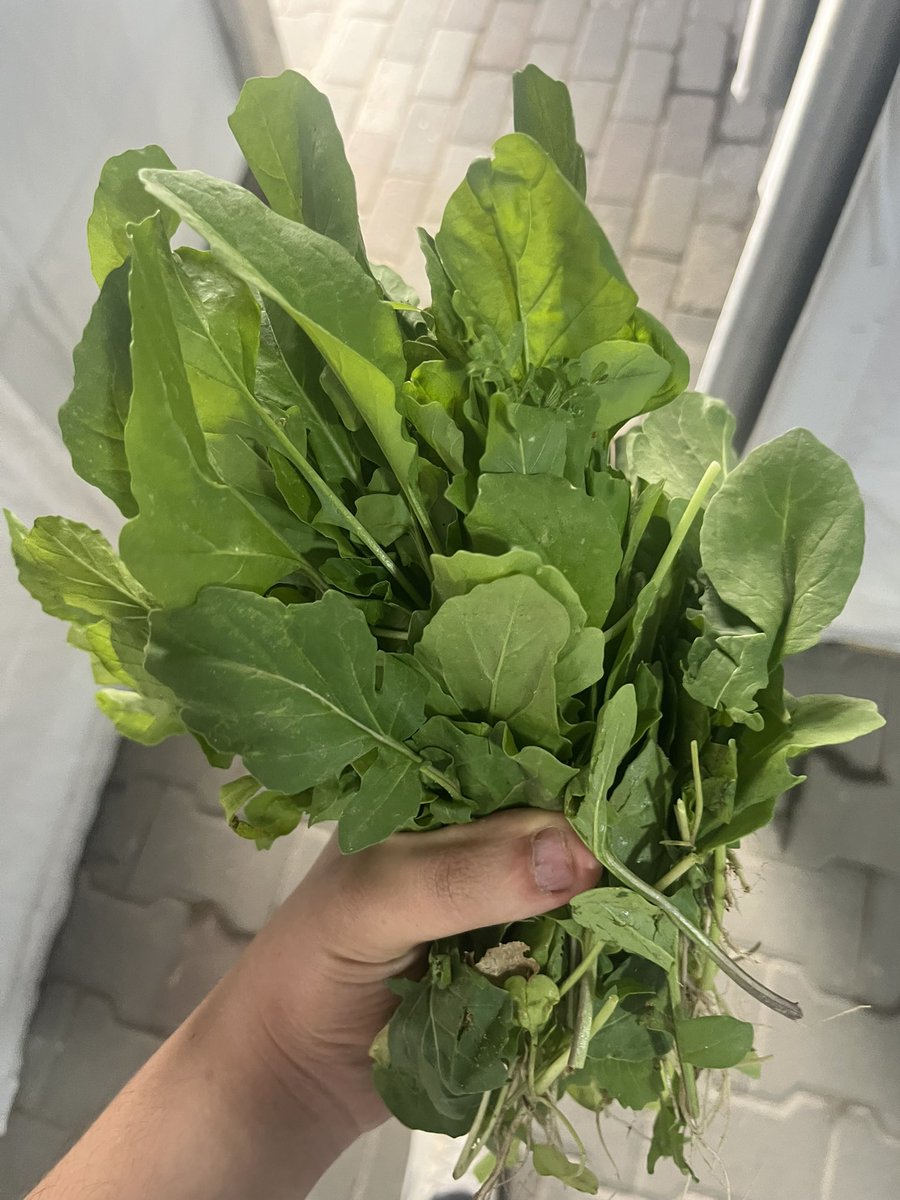
In her hands was a bundle of arugula. Earth still clung to the roots.
“This is for you,” she said.
I refused. My pride would not allow it. But pride dies in the presence of grace.
She insisted. “It’s from my heart,” she said. “We’re farmers. From Beit Lahia. We picked it before we left. I still have some.”
And in that moment, I saw her. Not the woman, but the truth.
So I took it. Not for the leaves, but to protect what little dignity remained in the world.
She left again.
But she had left something behind. A scream without sound. A sermon without words.
And in that clinic, surrounded by antiseptics and broken instruments, I, the doctor, broke.
Not from pity. But from the unbearable truth that someone who had nothing still found a way to give everything.
#GazaGenocide
197
1,947
3,733
100,728

18 Jun 2025
RT @CostsOfWar: At least 38 million people have been displaced by the U.S. post-9/11 wars.
That is more than those displaced by any war o…
1,318
25 Nov 2024
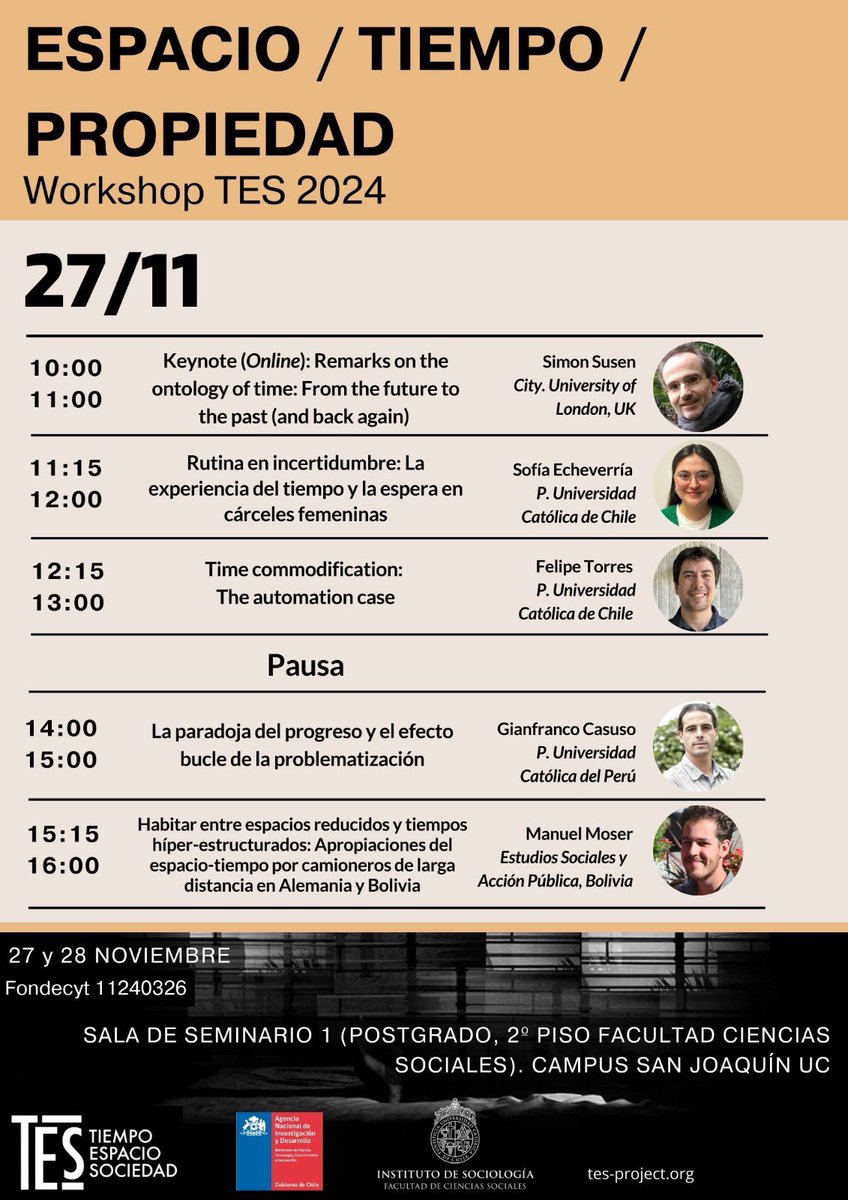
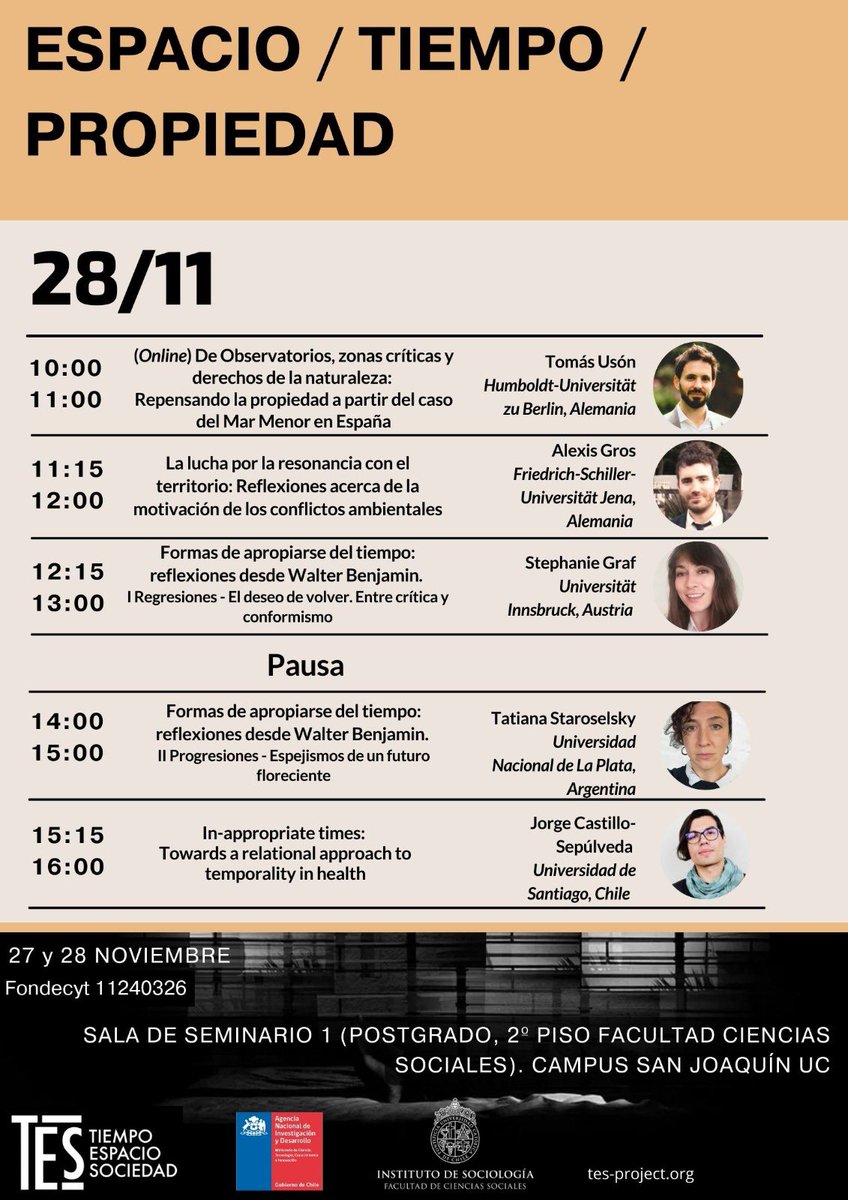
Estaré presentando en este workshop organizado por el gran @feltorresn para discutir la noción de propiedad desde los derechos de la naturaleza
19 Nov 2024

Próxima semana damos el puntapié a este encuentro.
27 y 28 Nov. de 10:00 a 16:00hrs
Sala 1 Seminario (Posgrado)
Campus San Joaquín UC
1
1
4
229
19 Dec 2023
Oposición: ahora que se acabó la discusión constitucional, podremos ponernos a trabajar en las verdaderas necesidades del país.
Las necesidades del país:
19 Dec 2023

🔴 AHORA | Oposición presenta acusación constitucional contra ministro de Vivienda, Carlos Montes adnradio.cl/2023/12/19/oposi…
1
239
Tomás Usón retweeted

3 Nov 2023
The recordings of the first day of our symposium "Spatial Figures of the #Anthropocene" are now online!📺(the second day will follow soon)
with @AlexandraArenes, @IgnFarias, @tomasuson @gaston_gordillo, Andrew Baldwin, Susanne Hauser & Silke Steets!⬇️
ici-berlin.org/events/spatia…
5
12
1,503
Tomás Usón retweeted
11 Oct 2023
Lesetipp!
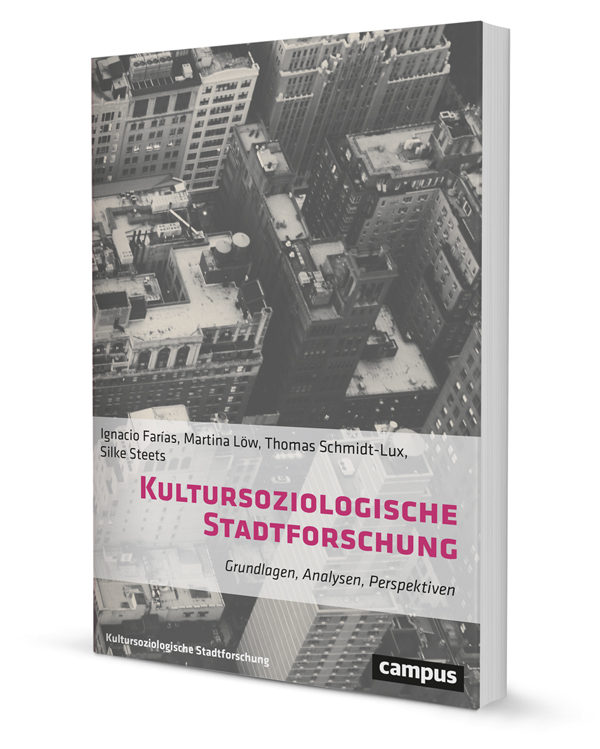
"Kultursoziologische Stadtforschung" zeigt, wie ein kulturwissenschaftlicher Blick auf Städte klassische Fragen der Stadtsoziologie neu fassen kann.
Von @IgnFarias, Martina Löw, Thomas Schmidt-Lux und Silke Steets 📚🏙️
Jetzt im @Campusverlag!
campus.de/buecher-campus-ver…
3
18
1,682
Tomás Usón retweeted

10 Oct 2023
Join us!
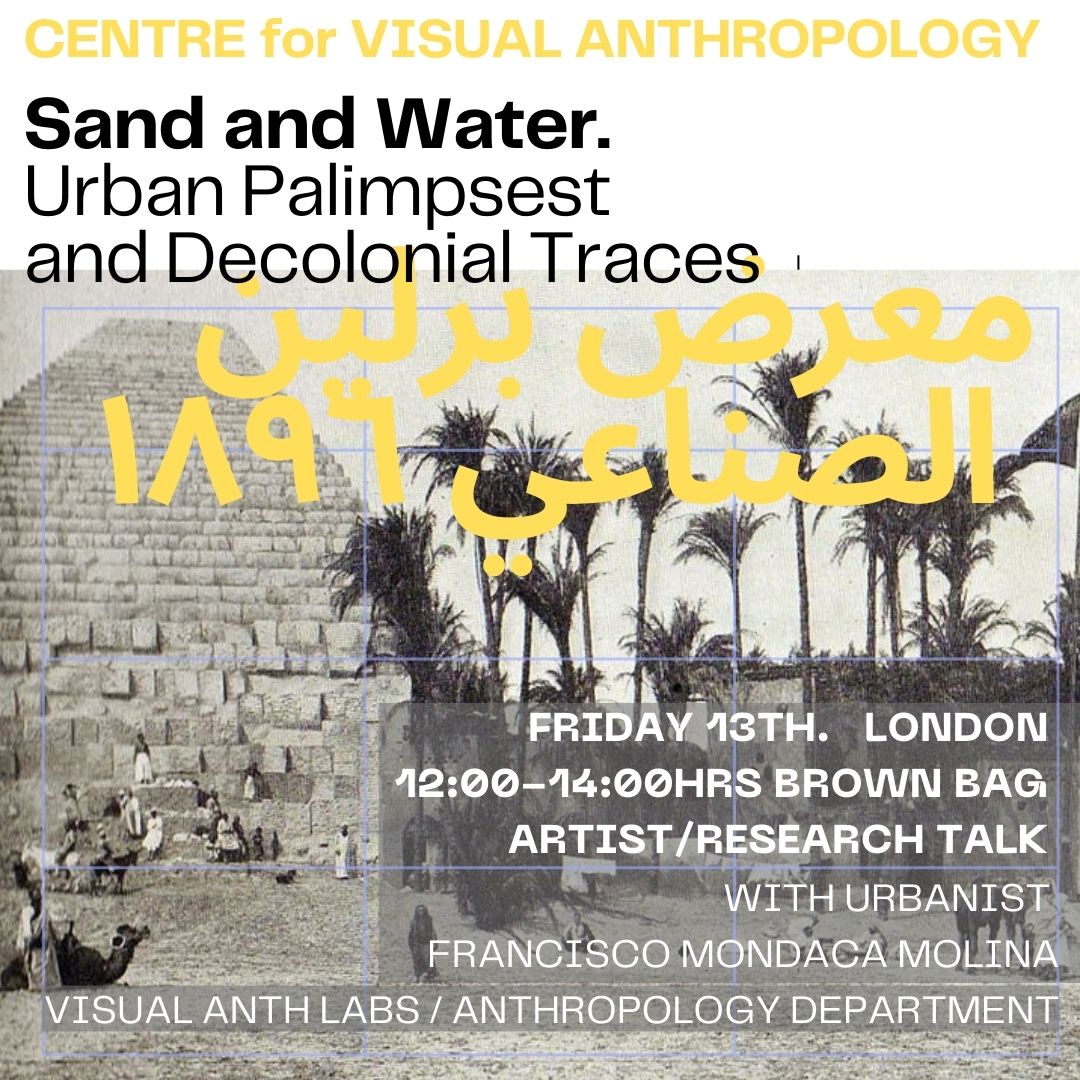
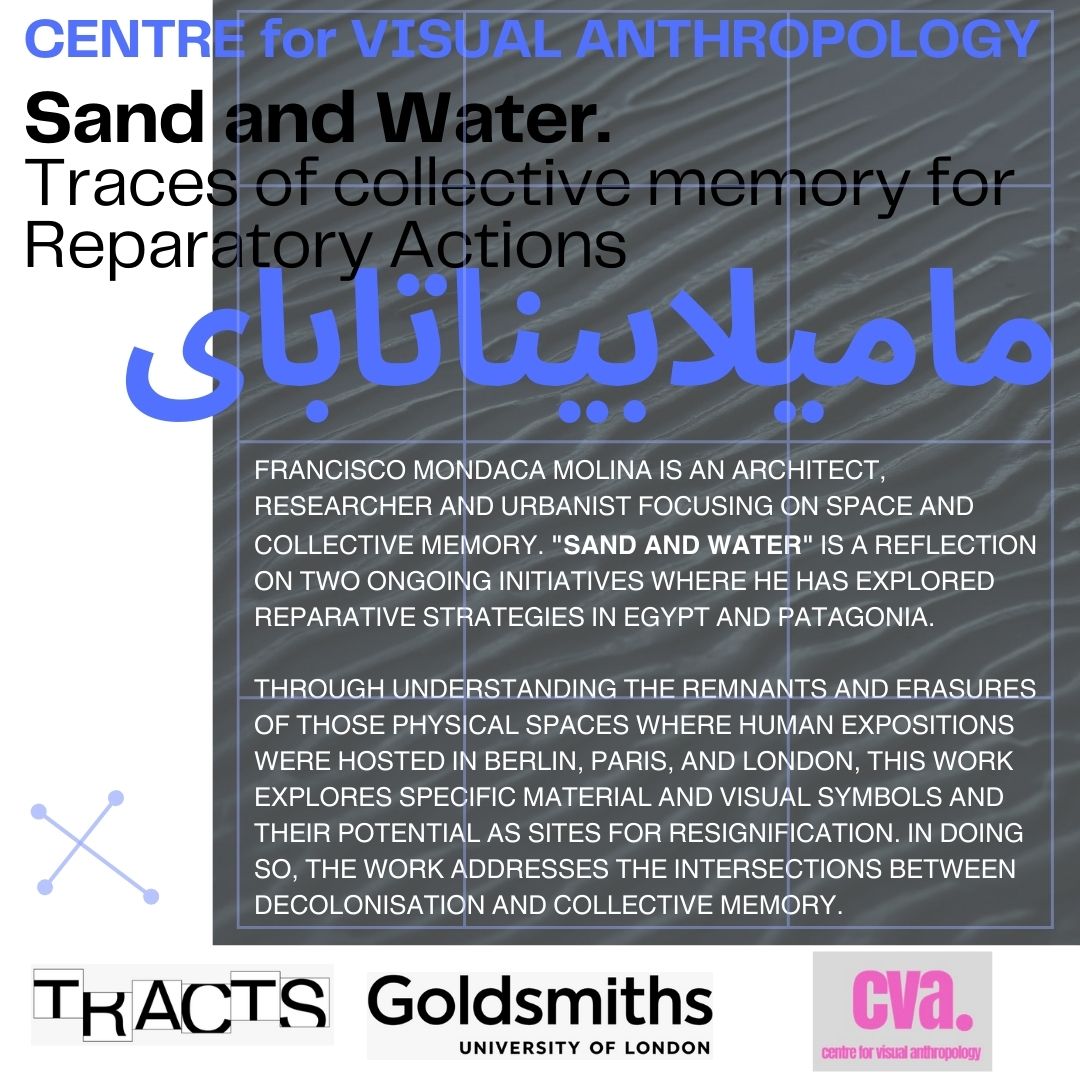
The Centre for Visual Anthropology welcomes urbanist Francisco Mondaca Molina, a Visiting Research Fellow and member of @TRACTS_Network
Art Practice/Research
"Sand & Water. Traces of Collective Memory for Reparatory Action"
Friday, October 13th from 12:00-14:00h
1
1
18
2,045
Tomás Usón retweeted

22 Aug 2023
Two months after massive floods in Central Chile (June), another one. Don't get tricked by the apparently low casualties, the level of devastation and costs will be huge. The declared state of catastrophe is a bit larger than the size of #Austria
reuters.com/world/americas/t…
3
5
230
Tomás Usón retweeted

8 Aug 2023
Thank you @_dnlbrn for the great report! 🙏 for the great conference @Uni_Wuppertal : @nina_doejen #KatharinaKalthoff #FlorianKappeler @frankendodo @tomasuson
#doingtrust #disasterstudies #sciencestudies
1
9
572
17 Aug 2023
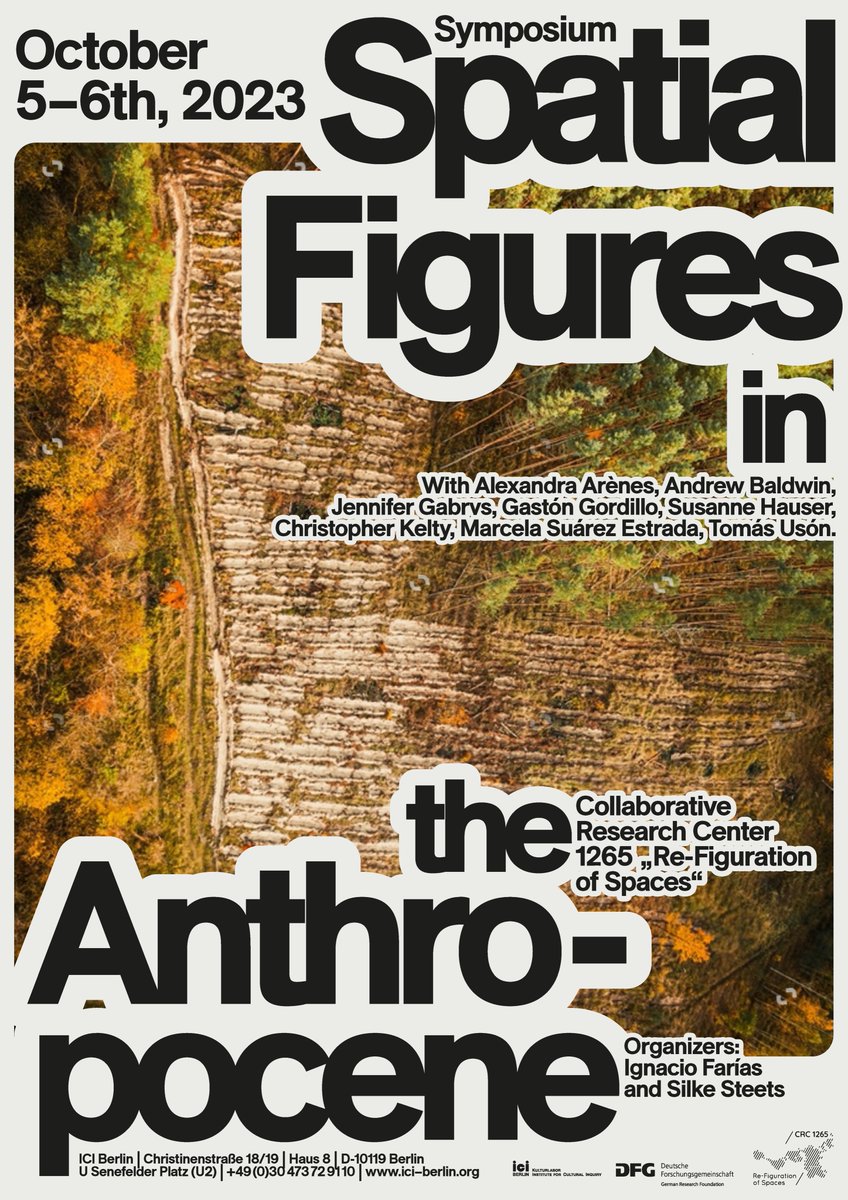
Place, territory, network, route – how does the Anthropocene require us to rethink the figures that have shaped our spatial understanding of the world?
Very honored to be presenting at this event alongside such amazing scholars!

Looking forward to the Symposium "Spatial Figures in the Anthropocene" organized with my colleague Silke Steets and the Collaborative Research Center "Refiguration of Spaces" @SFB1265 - register to attend in person at ICI Berlin - Oct. 5-6, 2023
ici-berlin.org/events/spatia…
1
6
544
Tomás Usón retweeted

15 Aug 2023
1/2 Some might remember the thermodynamic bus ride WAVEMATTERS organized to Madrid’s “hot spots” #BosqueMetropolitano, #ecobulevar, and #Escaravox @EASST2022Madrid -the video of this event is now released: bit.ly/busride-easst-madrid-… !!!
2
2
9
1,228
Tomás Usón retweeted

30 Jun 2023
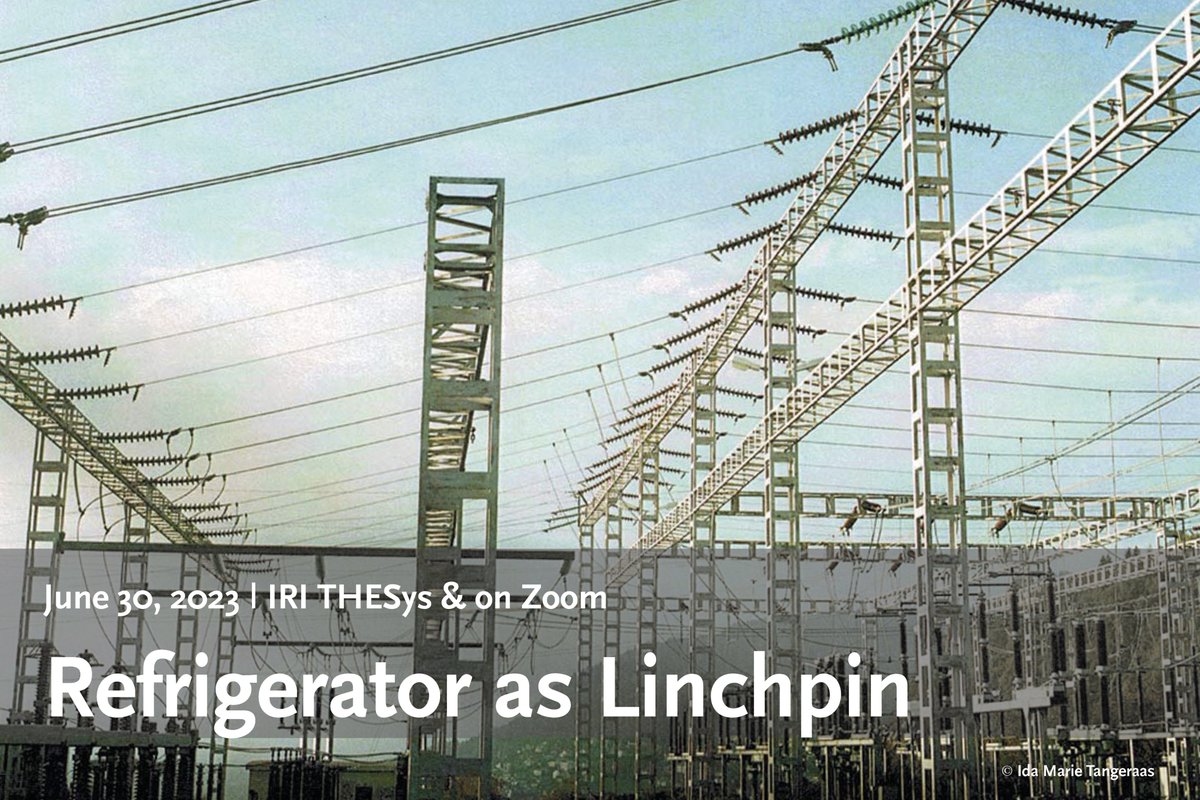
Don’t miss our hybrid #lecture today @HumboldtUni starting at 13.15: Gretchen Bakke gives an overview about the history of the fossil fueled electricity system and highlights its relationship to the refrigerator. 🗓️30.06.2023! All information here: iri-thesys.org/outreach/even…
3
5
1,229
Tomás Usón retweeted
26 Jun 2023
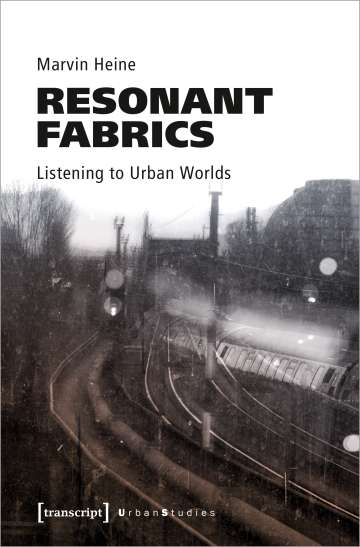
“Listening to Urban Worlds” published @transcriptweb! The book by Marvin Heine @HumboldtUni explores and celebrates urban sense- and #soundscapes as they shape, and are shaped by urban cultures and particular ways of listening. transcript-verlag.de/978-3-8…
4
13
2,901
Tomás Usón retweeted

19 Jun 2023
It’s finally here! Presenting our #graphicethnography Forecasts:
A story of weather and finance at the edge of disaster, out now from @utpress.
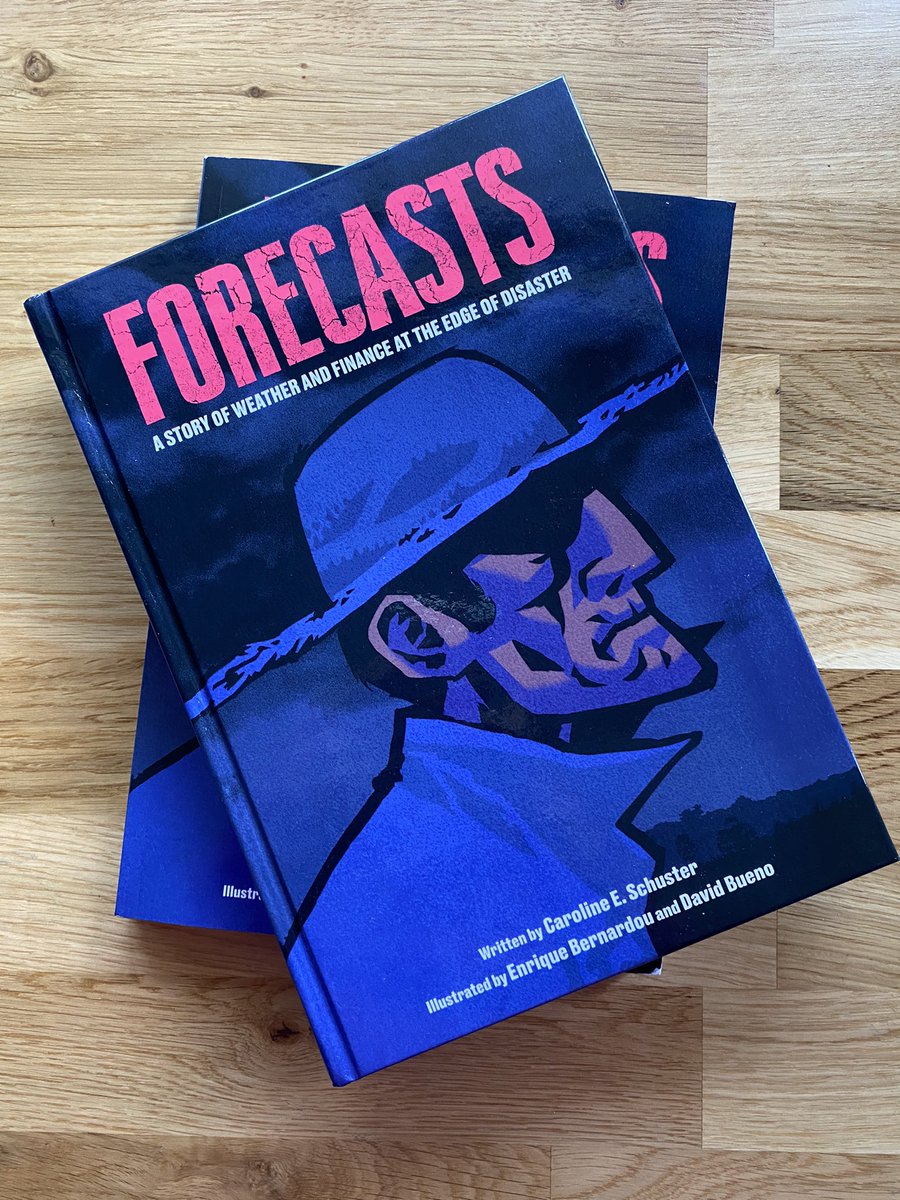
ALT Book cover with a cartoon of an elderly male farmer in profile wearing a straw hat with storm clouds in the background. Title is Forecasts in bold pink letters.
6
25
115
11,846
Tomás Usón retweeted
29 May 2023
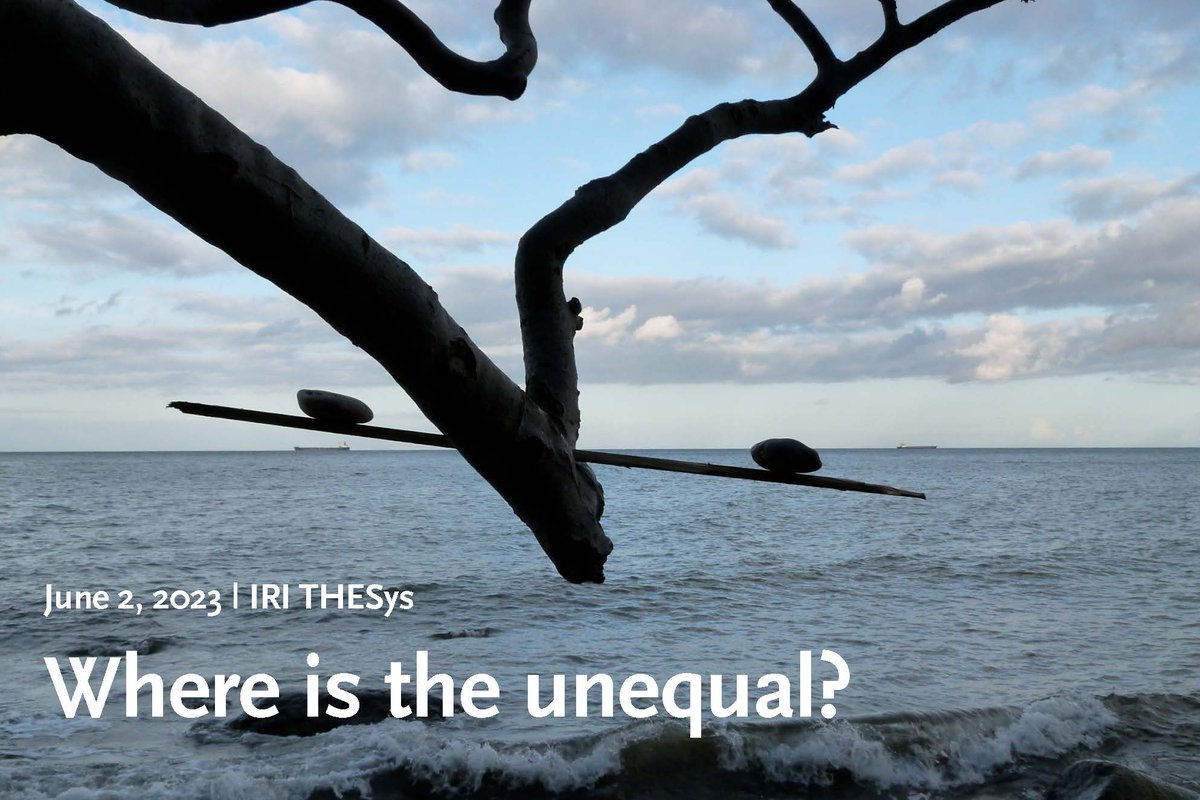
Event: Our Interdisciplinary Dialogue @HumboldtUni will unbox socio-ecological #inequalities from the perspectives of #conservation, #water and #energy research. With Meera Oomen (@dakshin_seas), Alejandro Camargo (@UninorteCO) & @BFladvad. More info: iri-thesys.org/outreach/even…
9
13
2,704
Tomás Usón retweeted

29 May 2023
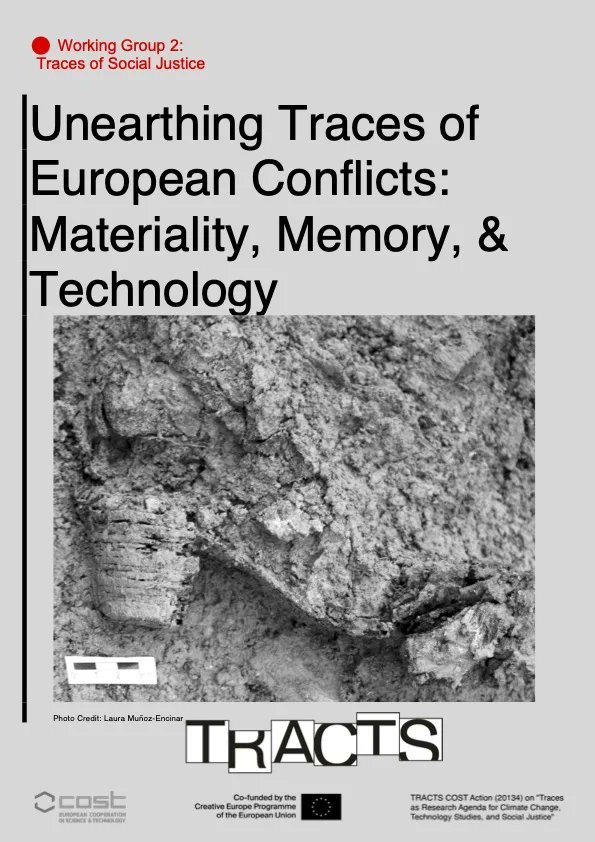
#CFP Unearthing Traces of European Conflicts: #Materiality, #Memory, & #Technology Multimodal Training School on 26-28.09.2023 in Santiago de Compostela, Spain
Apply by 26 June
More info: tractsnetwork.online/2023/05…
Funding available grad students, ECRs & postdocs based in Europe
11
22
8,608