
Journalist. Skeptic. Former oil and gas worker. Contributor @WSOnlineNews, @BeatNorthern
Joined November 2010
- Tweets 42,800
- Following 1,217
- Followers 6,946
- Likes 1,093
4,190 Photos and videos





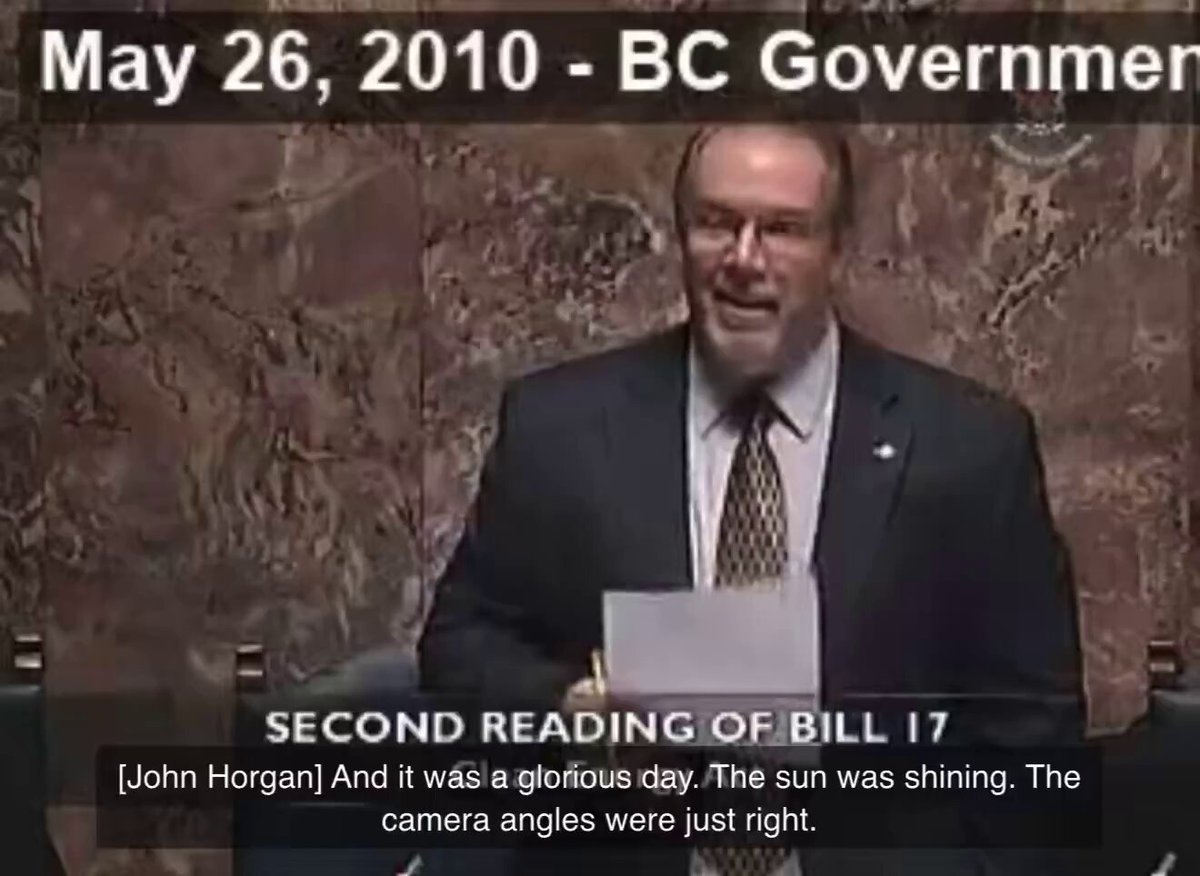
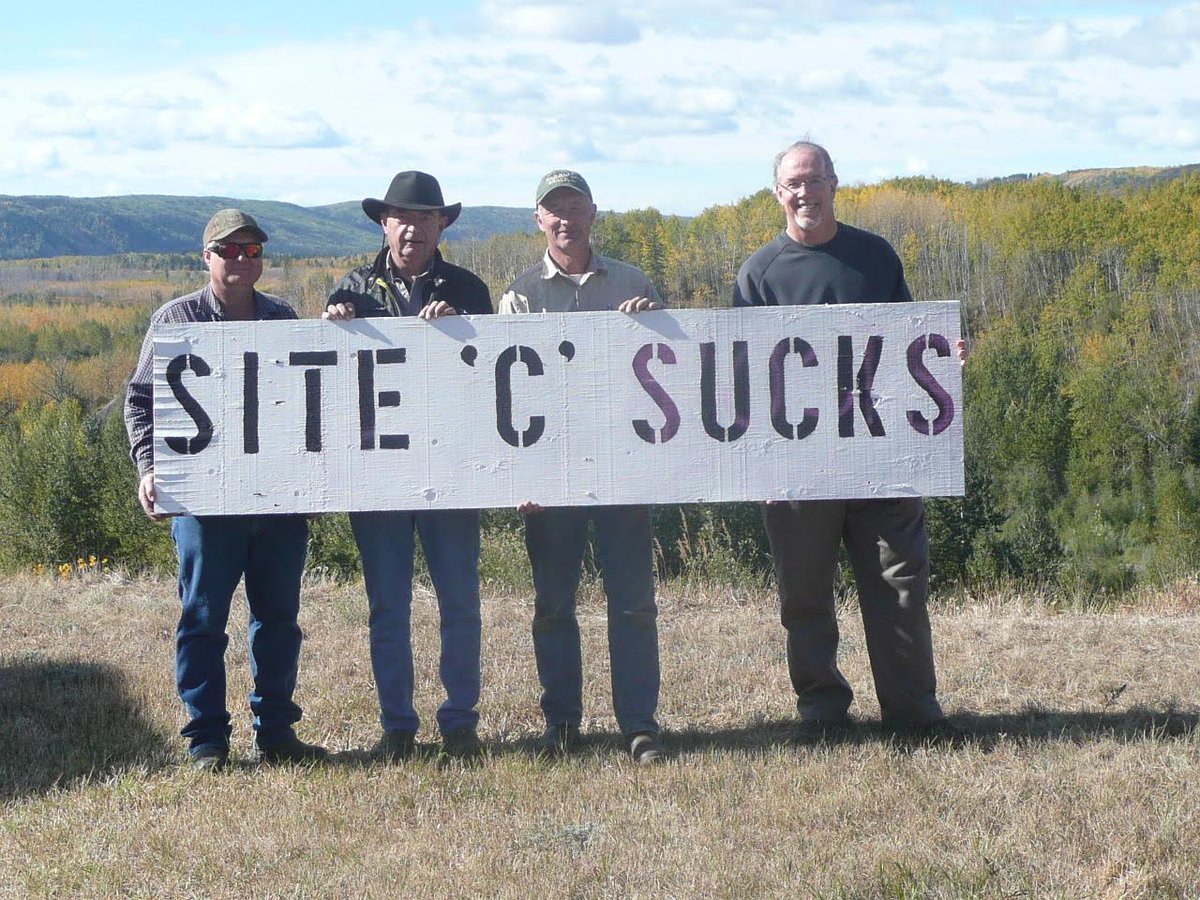

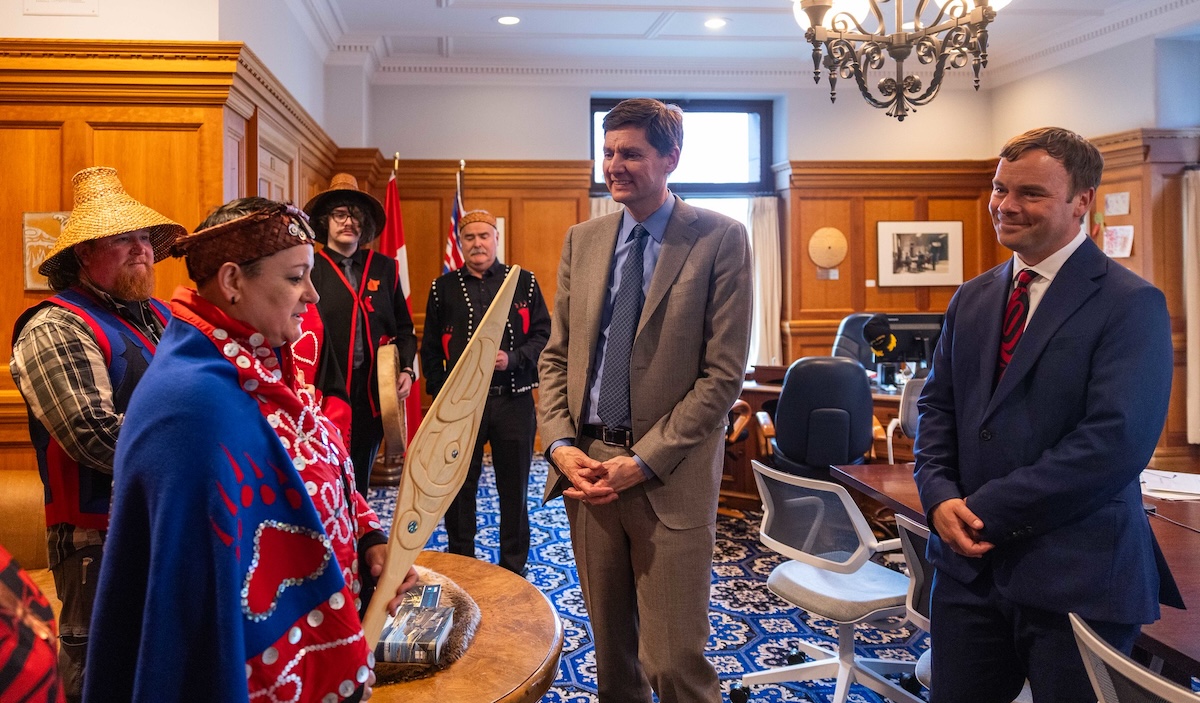

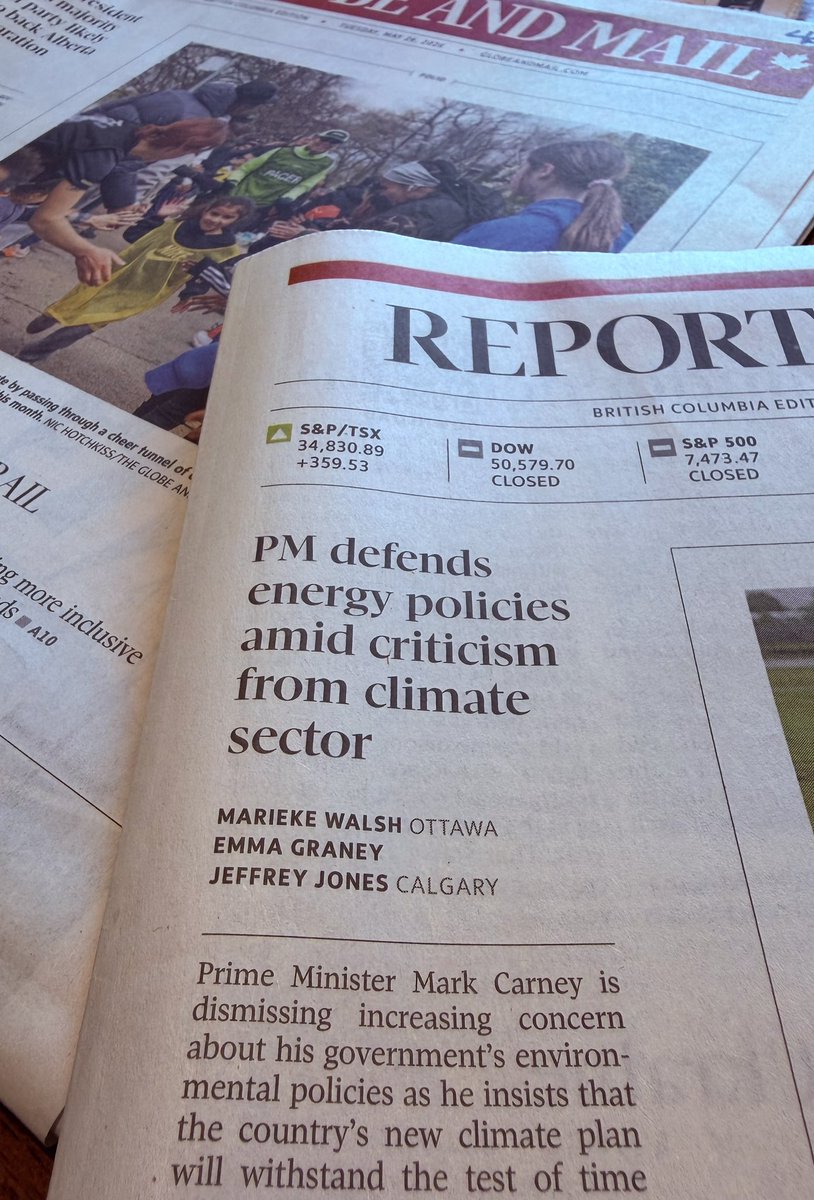

Because of the systemic racism eh?

‘A real need for this’: Police accountability unit launched for Indigenous people in B.C. ctvnews.ca/vancouver/article…
79
Tom Fletcher 🇨🇦 retweeted

Canadian Press used a photo of an Asiatic black bear in India to illustrate a story about a Canadian black bear. Completely different species. We don’t have those here!
I know not everyone is going to care, but I think it’s pretty bad that CP can’t get our wildlife correct
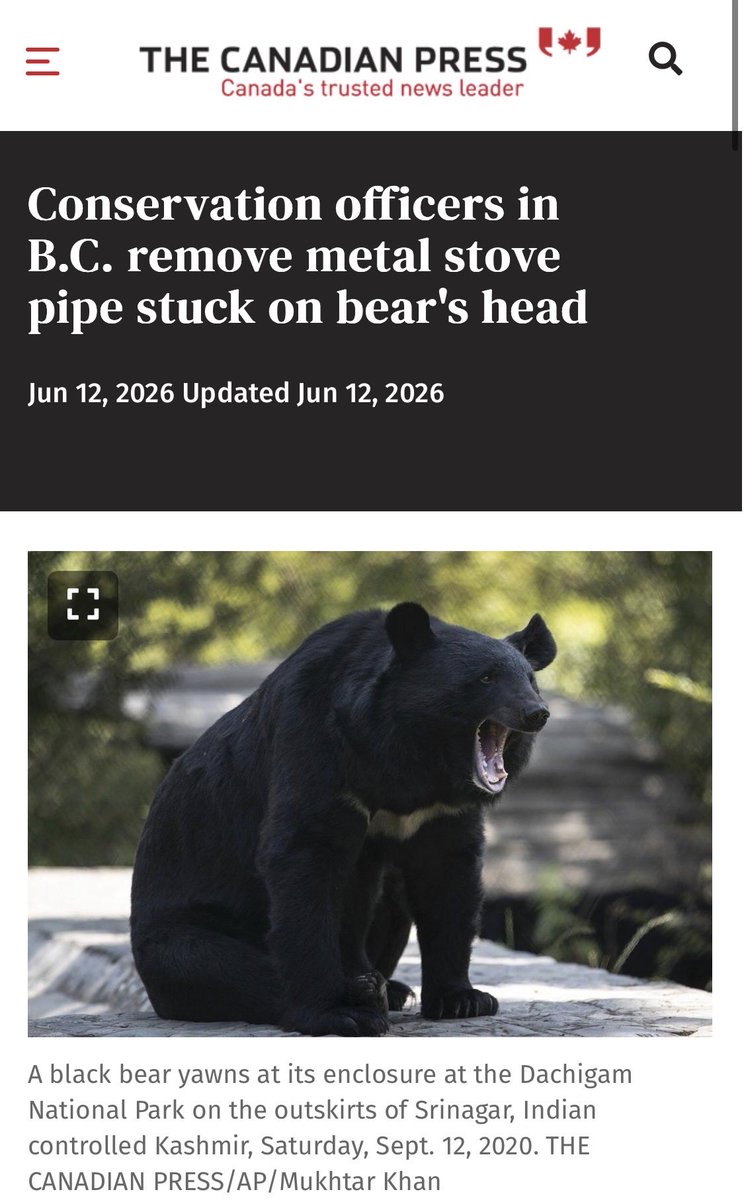

A young bear in British Columbia's Okanagan had to endure several days with a stove pipe stuck over its head before conservation officers were able to remove it.
cheknews.ca/conservation-off…
15
21
175
3,179
Tom Fletcher 🇨🇦 retweeted

TIL: The guy who invented kerosene, and thus the modern oil industry, was a Nova Scotian forced out of Canada by special interests and red tape.
14
25
288
5,315
Tom Fletcher 🇨🇦 retweeted

HAPPENING NOW: Less than 24 hours before the first FIFA World Cup match is played in Seattle. But parts of the city look like a zombie apocalypse. Mayor Katie Wilson is accused of pushing homeless drug addicts outside of the downtown tourist corridor so fans do not get upset or inhale second hand fetty smoke. Problem is, the addicts have all been pushed to vulnerable minority communities like Chinatown-ID. And business owners are pissed.
@MayorofSeattle|@weheartseattle
18
121
563
17,880
Tom Fletcher 🇨🇦 retweeted

We will not get a Game 7... damn.
Great Stanley Cup Finals and congratulations to the Carolina Hurricanes.
Thank you for eliminating the final Canadian team and congrats on the Stanley Cup!
19
23
279
8,708
Tom Fletcher 🇨🇦 retweeted

Imagine being an elected official in a Democratic nation, who supports unequal lawful standing of citizens, based on their place of birth
A guy in Germany did that
1
2
19
189

It’s early yet.

World Cup: Just one arrest, one ejection on busy match day in Vancouver vancouversun.com/news/fifa-2…

195
Tom Fletcher 🇨🇦 retweeted

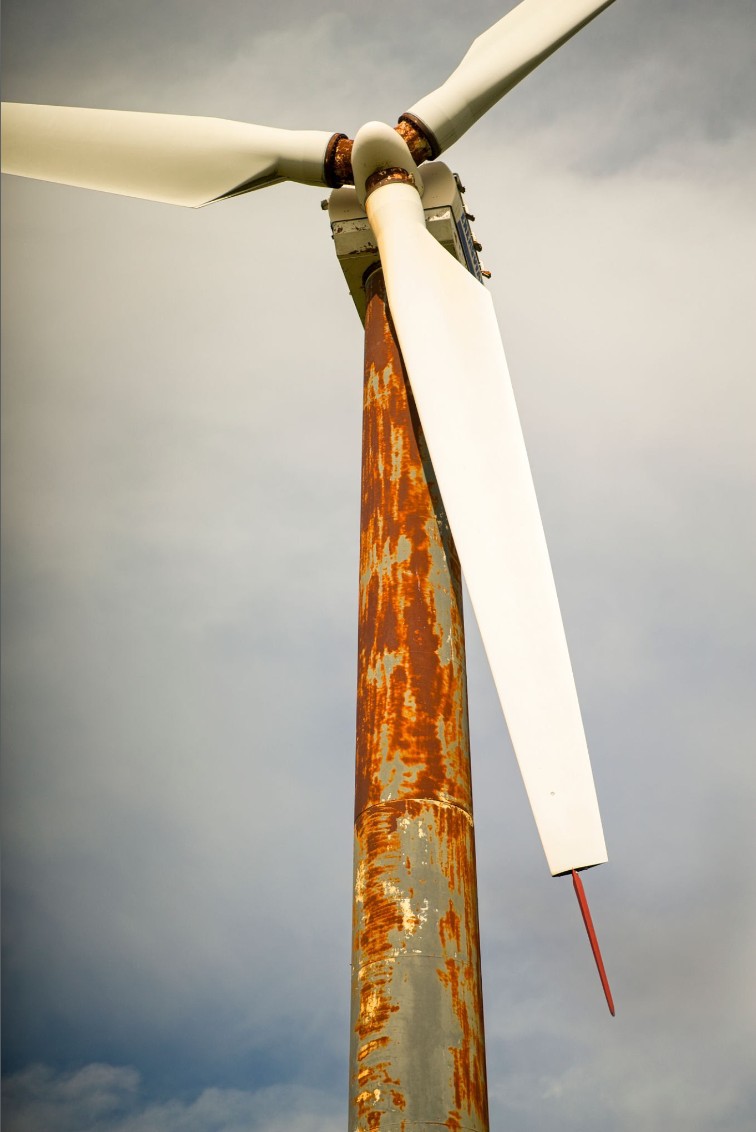
Offshore wind farms along the storm-swept coasts of the UK are the premature graveyards of corroding steel and plastic skeletons—bowing to the inevitable.
These are the volatile, often freezing seascapes of the windy North Sea, the Baltic Sea and Irish Sea, maritime zones that should provide ideal conditions for large-scale turbine farms - but don't. The wind industry and governments have long based their financial models on a projected 20- to 25-year turbine lifespan. But independent economic analysis reveals a more sobering reality.
The soaring power of the elements is starkly shown in a landmark study by energy and environmental economist Professor Gordon Hughes (University of Edinburgh), first published in 2012 by the Renewable Energy Foundation: 'The Performance of Wind Farms in the United Kingdom and Denmark'.
Hughes’ data reveals the performance of offshore turbines dropped sharply after just 10 to 15 years due to harsh marine wear and tear. As a consequence, their load factors - the volume of electricity generated as a percentage of capacity - decline much faster than the official narratives admit.
Many of these massive marine structures - primarily owned by UK and Danish interests - are hitting the wall after just a decade of buffeting from exposure to relentless Atlantic weather. Soaring maintenance costs make them highly unprofitable.
Specifically, the study showed that an offshore wind farm's ability to meet electricity demand plummeted by at least a third after 10 years. This led to the conclusion that many become fully uneconomic by year 12.
Rather than keeping these assets spinning for the promised quarter-century, many operators are now forced to 'repower' - replacing old turbines with entirely new hardware long before the 25-year target.
Turning the hardware over early is presented as an upgrade to maximise output, but it's really an admission that the original infrastructure simply cannot go the distance.
More importantly, it exposes a large PR gap between marketing and engineering reality.
Link to the study: epaw.org/documents.php?lang=…
27
224
492
10,264
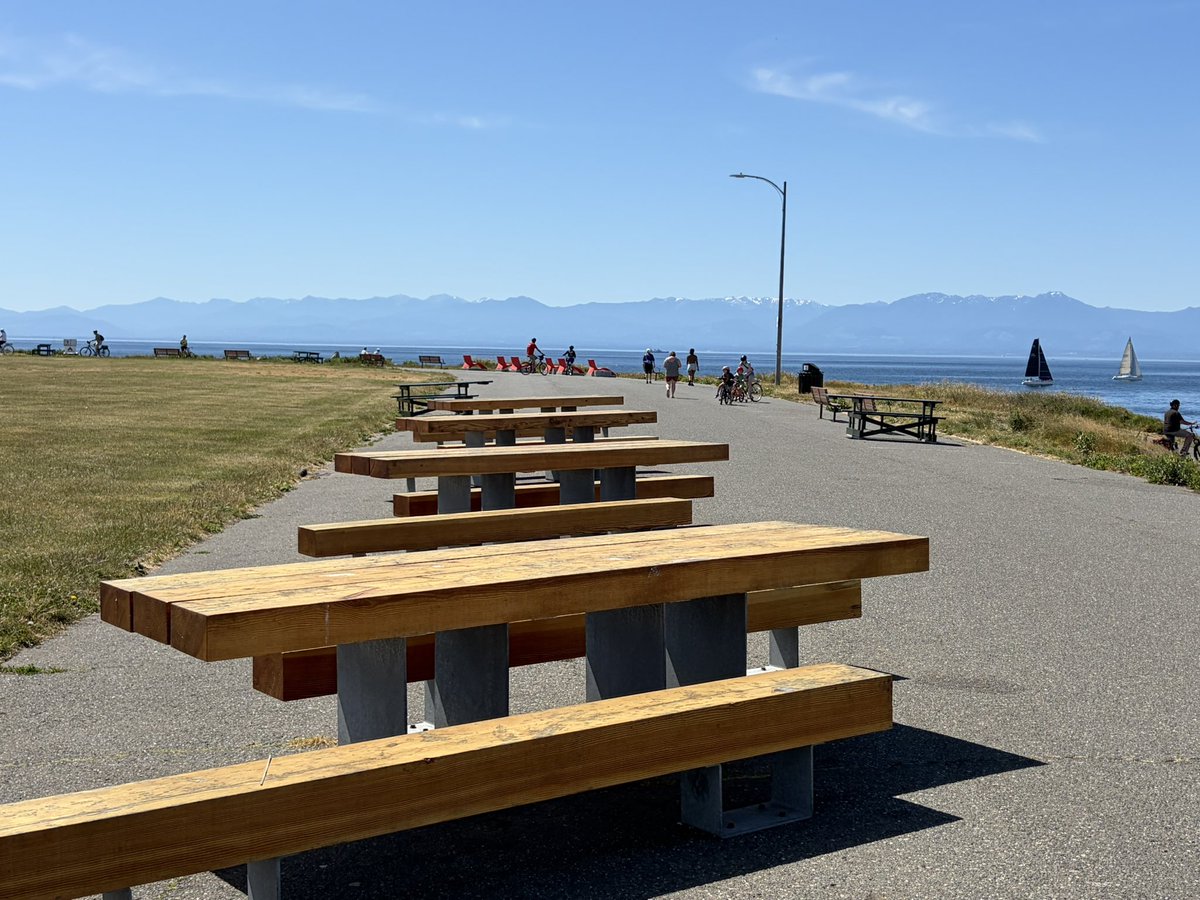
This was our Ground Zero, our Juno Beach in the War On Cars.

3
305
Tom Fletcher 🇨🇦 retweeted

A DON DEAL?: Trump announces ceasefire with Iran, despite 'profound' concerns from Israel
Check out our front page for Monday, June 15, 2026
Read more from @JordanErcit here: torontosun.com/news/world/ir…
PLUS: Trudeau ripped for going to L.A. for Americans' World Cup match torontosun.com/news/national… via @markhdaniell

2
4
9
1,566
Tom Fletcher 🇨🇦 retweeted

Why even waste time on him? Fawcett has zero thought leadership and expertise and been spewing same nonsense for years while consistently being wrong on everything.
The most irrelevant person on that side to debate.
3
42
620
Tom Fletcher 🇨🇦 retweeted

Listened to it. Max was not very respectful and did his usually top heavy spin such as nonsense saying that solar is going to be preferable to natural gas because it’s cheaper when it comes to powering data centers.
This claim falls apart the moment he skips over the difference between cheap energy and cheap 24/7 power.
Solar may have a low marginal cost per kWh, but data centers don’t buy “sunshine when available” they buy continuous, guaranteed uptime. When you include the massive overbuild and battery storage required to turn solar into firm power, it becomes more than twice as expensive as natural gas.
That’s not my opinion; that’s straight from S&P Global’s analysis of a Texas data center, which found a combined‑cycle gas plant costs $2.9B over 20 years, while solar storage costs $6.2B. So if the argument is “data centers choose the lowest‑cost fuel,” the math shows they clearly choose gas, not solar.
And the examples he cited (Texas and South Korea) actually undermine his point. Texas has some of the cheapest solar in North America, yet its data centers overwhelmingly rely on natural gas because it’s abundant, dispatchable, and stable. South Korea, meanwhile, has limited land for solar and some of the highest electricity prices in the OECD, relying heavily on LNG, coal, and nuclear (not solar) for baseload. Even with aggressive build‑out targets, Korea’s Ministry of Trade, Industry and Energy projects that fossil fuels and nuclear will still supply the majority of electricity for decades, because the country has limited land, high population density, and extremely high reliability requirements for its industrial base. Solar growth in Korea is real but it’s mostly distributed rooftop and small‑scale installations, not the kind of utility‑scale solar farms needed to power data centers 24/7.
8
12
62
2,074
Tom Fletcher 🇨🇦 retweeted

Is there a business case for Canadian LNG? @ryanjespersen had myself and @maxfawcett on to debate the question. I pointed out the recent $22B Shell acquisition of ARC, the German deals for Ksi Lisims LNG, the construction of Woodfibre and Cedar with 100% offtake, and the lineup of reps from China, South Korea, Japan, India and Indonesia to talk about Canadian O&G are concrete and obvious evidence of “yes”. Carney and Eby seem to agree with me.
Fawcett argues Asian nations will limit themselves to EVs, solar panels and batteries.
When Shell FIDs LNG Canada Phase 2, we will know who was right.
youtube.com/live/oXoCqbAIang…

43
37
189
22,842
Tom Fletcher 🇨🇦 retweeted

If they were forced, how come only a third attended? How come every child had a record that included a signed permission form from parents? Why is bilingualism considered an asset for everyone but Indigenous kids? They learned English but also continued to speak their own language at home.

Many of the parents were happy about the schools because it freed them to work the trap lines. Their lives were brutally tough. The schools were a blessing to many of them. Why is that so hard to believe? Maybe we should get rid of day care for immigrants. The kids are forced to learn English or French there.
6
71
272
4,289
The jet flyover.

123
Tom Fletcher 🇨🇦 retweeted

They said thousands of troops would be killed.
They said oil would hit $200 a barrel.
They said our Gulf allies would turn on us.
They said BRICS would join the war.
They said the stock market would crash.
They were wrong about quite literally everything.
109
205
1,412
22,841
Tom Fletcher 🇨🇦 retweeted
This is use of the word in the original engineering sense, slowed down.
Jun 14

Actually, Mark Carney's dad didn't just refer to First Nations Kids as "Culturally Retarded", he went further and referred to Negro children as "Culturally Retarded" in eastern parts of the U.S.A.
Here you go...
2
2
439
This is use of the word in the original engineering sense, slowed down.
Jun 14
Actually, Mark Carney's dad didn't just refer to First Nations Kids as "Culturally Retarded", he went further and referred to Negro children as "Culturally Retarded" in eastern parts of the U.S.A.
Here you go...
2
2
439
Robert Carney identified the slow-down and devoted himself to repairing it.
They were called industrial schools.
1
154
Tom Fletcher 🇨🇦 retweeted

11h
Alex Soros is interesting because he’s a billionaire heir who dedicates his life to making cities less safe. He’s like a Reverse Batman.
288
2,643
30,426
439,908