
research advisor @paradigm
Joined September 2020
- Tweets 15,311
- Following 889
- Followers 92,850
- Likes 181,987
1,630 Photos and videos








31 Aug 2025
life update: this was my last month at @paradigm!
exploring the crypto frontier with @danrobinson, @_Dave__White_ et al these last ~3 years has been a blast.
i'll be transitioning to a research advisor while i explore new frontiers at MIT
157
24
1,539
126,621
31 Aug 2025
some highlights:
- helped architect & gas-optimize Permit2 (3.5m users), Blur Blend (~1m loans), and OpenSea Seaport (~$9.5b volume)
- solmate adopted by Uniswap, Aave, etc
- co-authored EIP-4626 standard ($10b TVL)
- experiments like 0xMonaco, VRGDAs, Flux
more to come 🤠
8
1
359
15,561
19 Jul 2025
everybody wants to call their rust code blazing fast, but nobody wants to look at no big-ass flamegraphs
22
4
177
14,863
18 Jul 2025
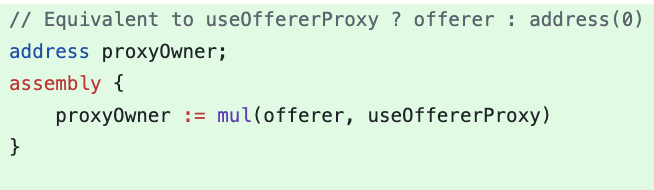
fun little branchless @fiveoutofnine and i put into seaport that i still think about
14
5
125
12,438
17 Jul 2025
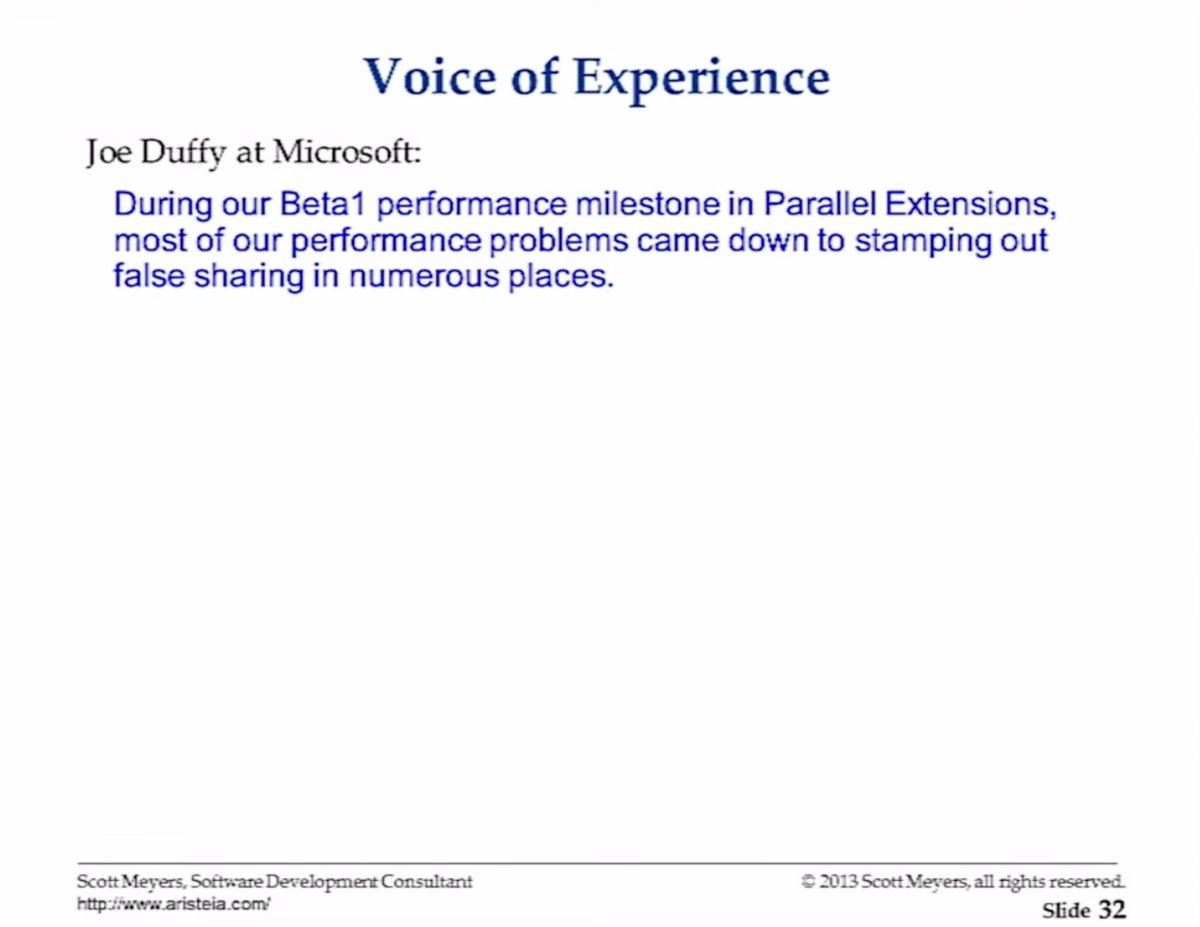
late to the party on this but really enjoyed this talk, scott meyers is a such an engaging speaker
youtube.com/watch?v=WDIkqP4J…
5
36
11,026
17 Jul 2025
came across this after changing a variable from being in an Arc to static tanked performance
turns out it was a false sharing issue with some unrelated memory. apparently this is a really common bottleneck!
2
10
4,491
17 Jul 2025
curious if profile guided optimization would catch something like this, or if it's out of scope of the optimizations it does
1
5
3,320

The Solidity compiler was built with a high degree of paranoia, extensive defensive coding, and a custom-built fuzzer that caught bugs before it made its way to production. It has almost no external dependencies and a tightly controlled end-to-end compilation pipeline.
One of my proudest moments was a piece of work I put in to verify that a change in memory model was correct. In doing so, I discovered a very subtle bug that likely would have slipped through to production. The work ultimately gave the team the confidence to implement the change.
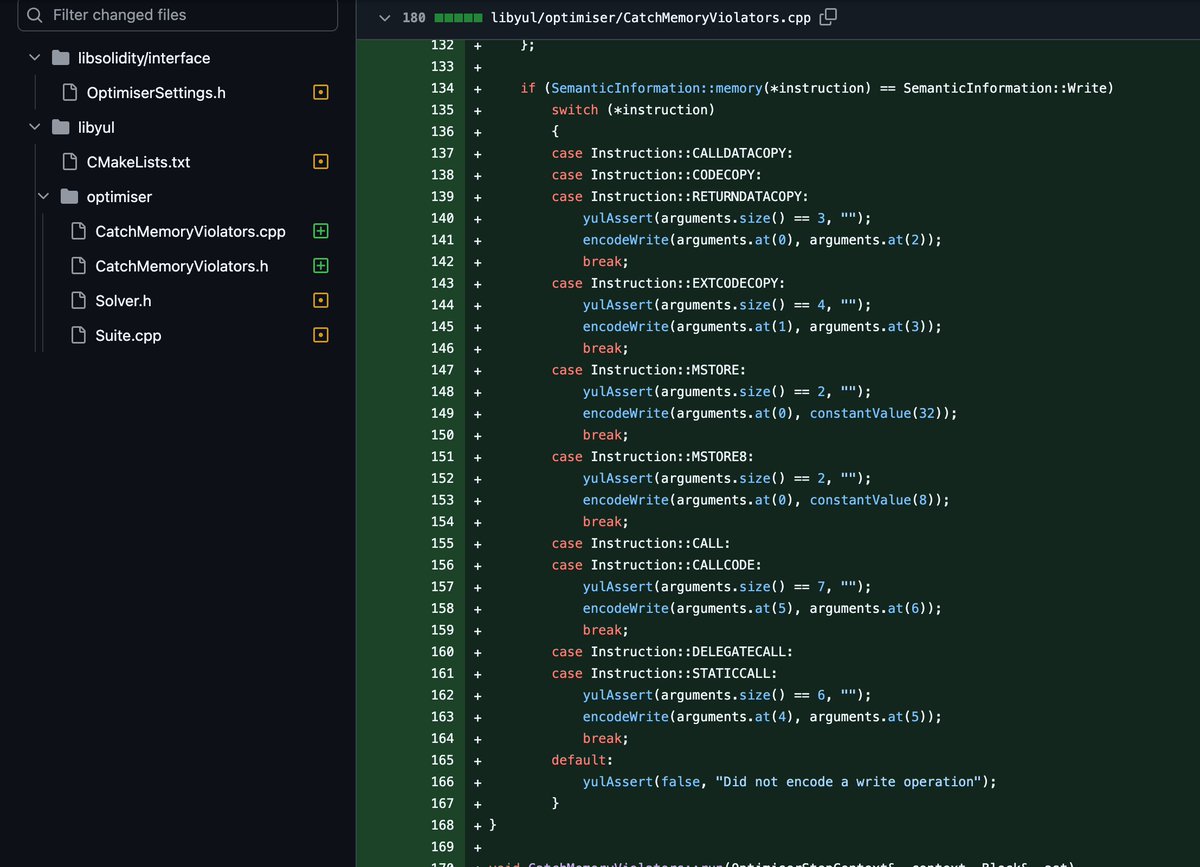
In 2021, Solidity introduced changes to how memory is managed. Instead of always starting at 0x80, it can now reserve slots for local variables. However, this change breaks a core invariant in Solidity, and we've to check if any parts of the code generator will be affected by this change. Particularly, is it possible that a portion of the codegen can read or write from this location as part of a subroutine?
You can manually inspect the code to examine this, but you'd never be able to build confidence this way. Reasoning about semantics when multiple subroutines dealing with memory interact is very challenging.
One of the tricks I found was encoding this problem as a set of mathematical constraints and sending it to a math solver for solution. This idea works in theory, but usually, such ideas fail in practice because constraint solvers quickly get to exponential complexity. However, I knew one or two things about building linear algebra solvers and this particular set of constraints were easy to solve without exponential blowup. In fact, I could probably teach you how to build it in less than an hour, it was dead simple.
The final work was the following.
1. Build a transpiler that transpiles programs to these linear constraints (here, I implemented it as an optimizer step)
2. Send off the constraints to a solver. I used Z3 for simplicity, but it could've been built one from scratch.
3. Solve this constraint optimization problem and trigger if the constraints have a solution. This tells us there was a conflict with the new memory model.
4. Run this on a large corpus of test cases to build coverage. Solidity has a good corpus.
It ultimately identified a bug where one of the memory management routines conflicted with the change, which was immediately fixed. More importantly, this work gave the team confidence that the memory management update was safe and effective.
The reason I'm proud is that it required knowledge of a lot of different, distinct skills that I picked up by accident. Building compilers/transpilers, having a deep understanding of how these solvers work, and some magic 🪄
9 Jul 2025

Respect, 10y for the OG 🫡
I give it a lot of shit but I have to salute Solidity for its impeccable security track record: *no* miscompilation caused critical bugs in production contracts 💪🔒
8
6
158
12,440
7 Jul 2025
some contrived benchmarks of embedded rust dbs
mdbx has the sauce
github.com/transmissions11/k…
10
1
54
6,024
2 Jun 2025
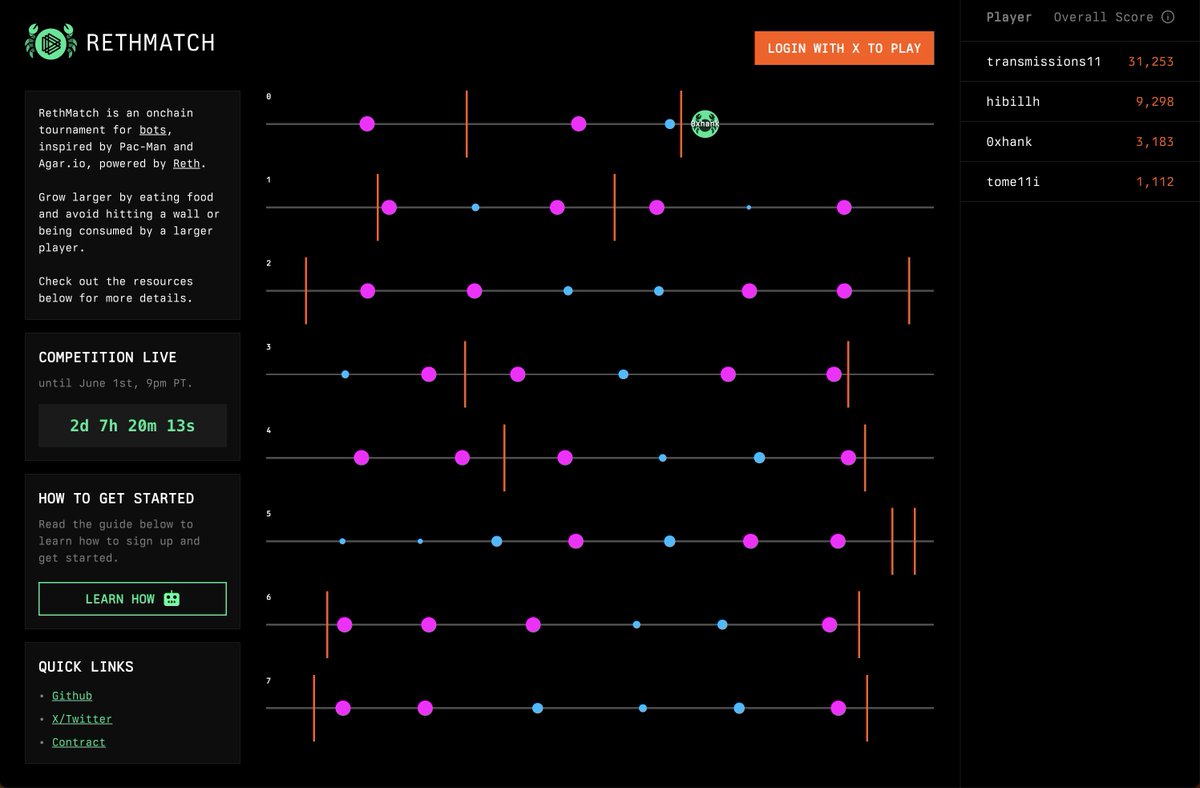
The RethMatch competition is now complete!
Congrats to the winners and thank you everyone who played — excited to see your bots and strategies.
🥇 @hibillh
🥈 @jparklev
🥉 @nguyenethan01
The entire game is open on Github, feel free to fork and run your own competitions 🫡
30 May 2025

new @paradigm experiment with @_Dave__White_
RethMatch, an onchain tournament for bots
starts now! ends sunday. link in replies 🤖
12
9
65
19,541
30 May 2025
rules:
1) eat food, weaker players, and power-ups
2) avoid stronger players and walls
3) player with the best 10 lifetime scores by June 1st 9pm PT wins
rethmatch.paradigm.xyz
3
2
43
10,012
30 May 2025
some implementation details:
- the game universe can expand ~infinitely
- each line runs in parallel
- actions are processed lazily when you make a move
- built with @latticexyz's MUD
the code is pretty fun, though not super optimized 🤠
github.com/paradigmxyz/rethm…
2
2
44
8,365
30 May 2025
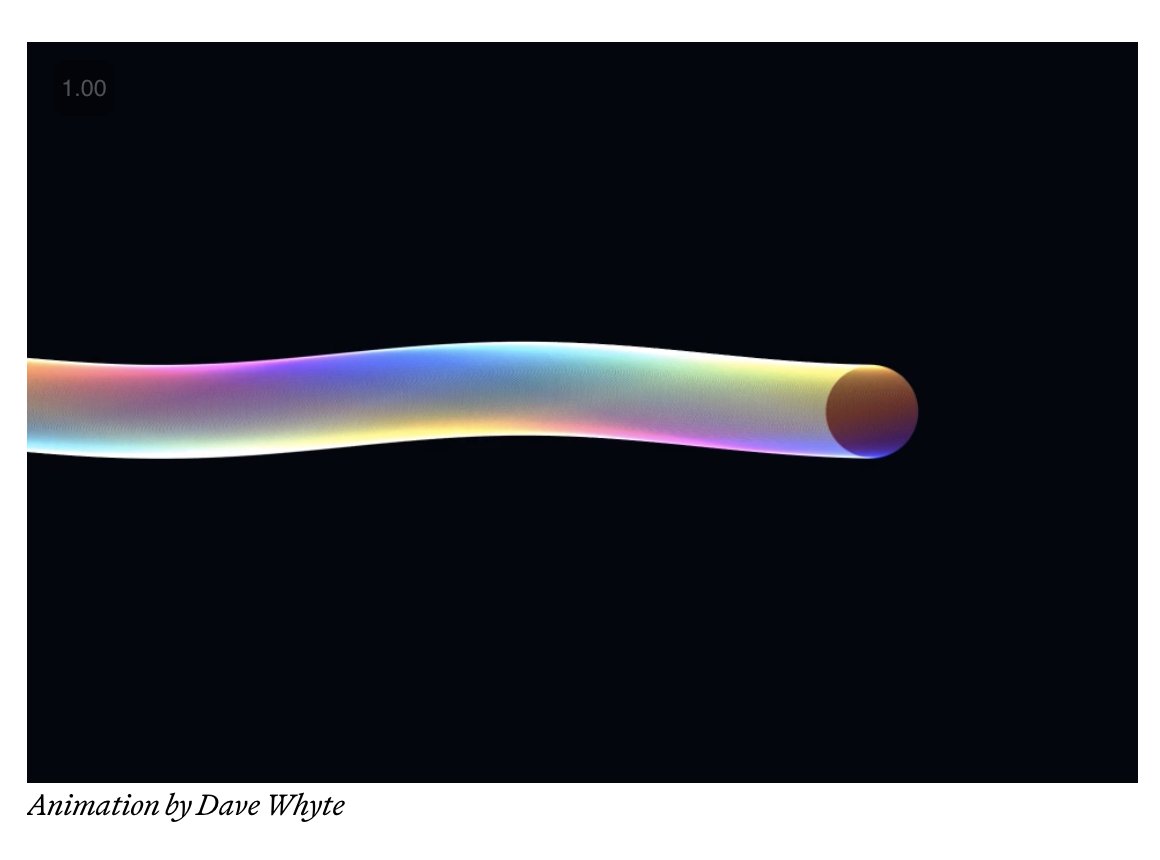
s/o @beesandbombs for the animation and @ithacaxyz @latticexyz for their help getting this off the ground
1
1
24
6,854
30 May 2025
new @paradigm experiment with @_Dave__White_
RethMatch, an onchain tournament for bots
starts now! ends sunday. link in replies 🤖
26
26
369
104,668
12 May 2025
>paper by Dave White
>animation by Dave Whyte
you cannot make this shit up
12 May 2025

Prediction markets let you bet on outcomes, but so much more is possible.
This paper introduces Multiverse Finance, which splits the financial system into parallel universes so you can short the market today, but only if your candidate is going to lose the next election.
1/
9
3
203
24,683
24 Apr 2025
wtf I’ve been on em dashes forever

using — in a sentence is the easiest way to dox a person who is copy-pasting from chatgpt
no one uses —
36
3
256
23,487
9 Apr 2025
futarchy is isomorphic to this, and it’s why i’m bullish on it
9 Apr 2025

We should give Jane Street write access to the entire federal government and tell them to optimize for daily stock market highs.
12
1
80
11,716