
Trying to help the world navigate the potential craziness of the 21st century, currently via AI Governance and Policy at @coeff_giving
Joined June 2013
- Tweets 3,198
- Following 1,890
- Followers 3,587
- Likes 122,965
311 Photos and videos
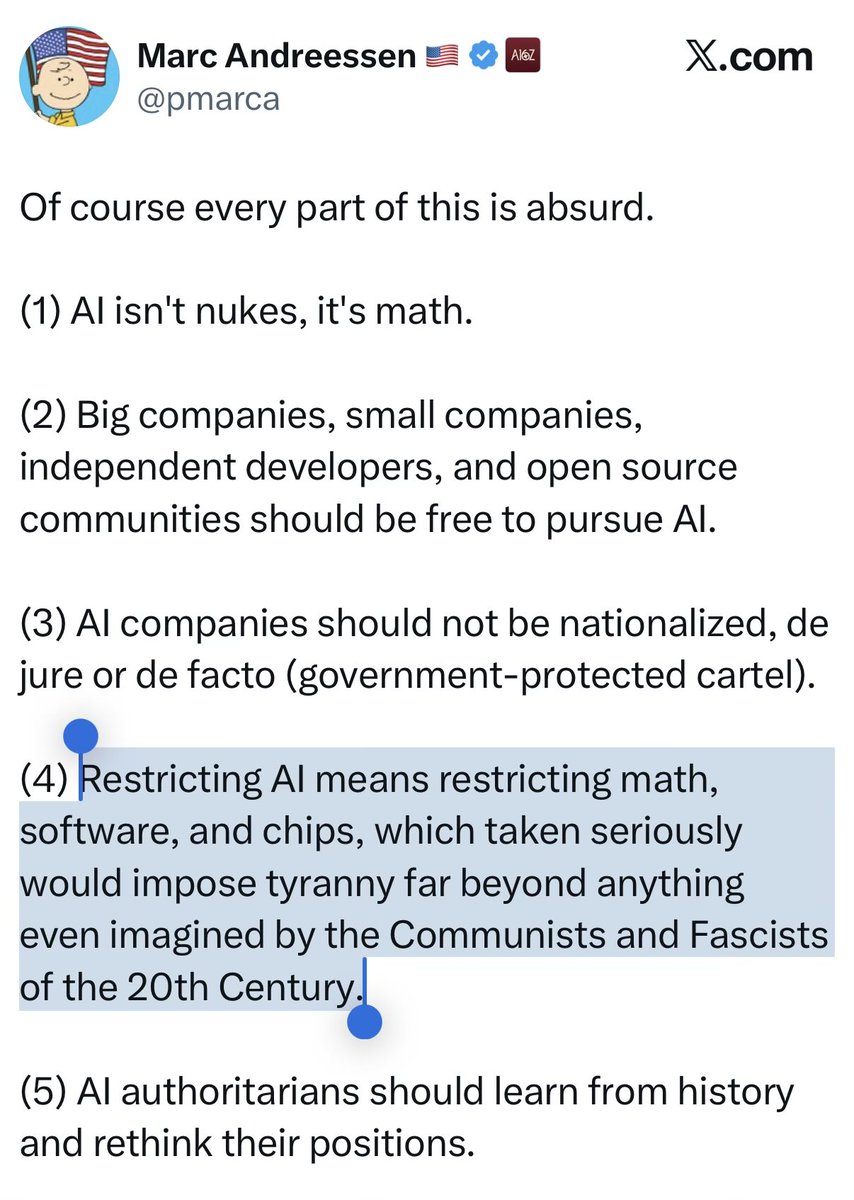
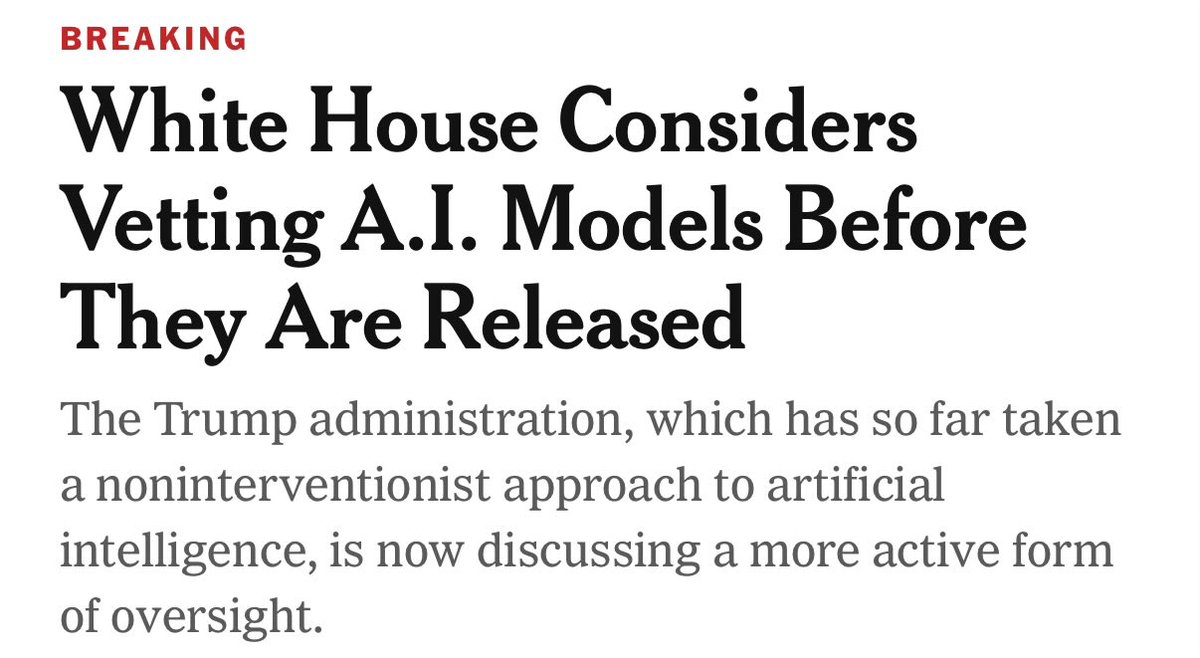
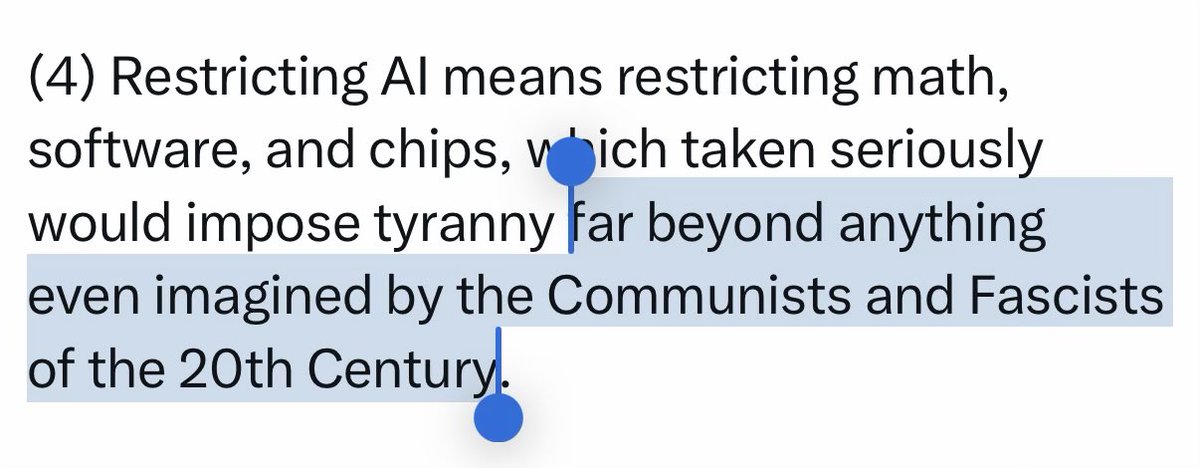
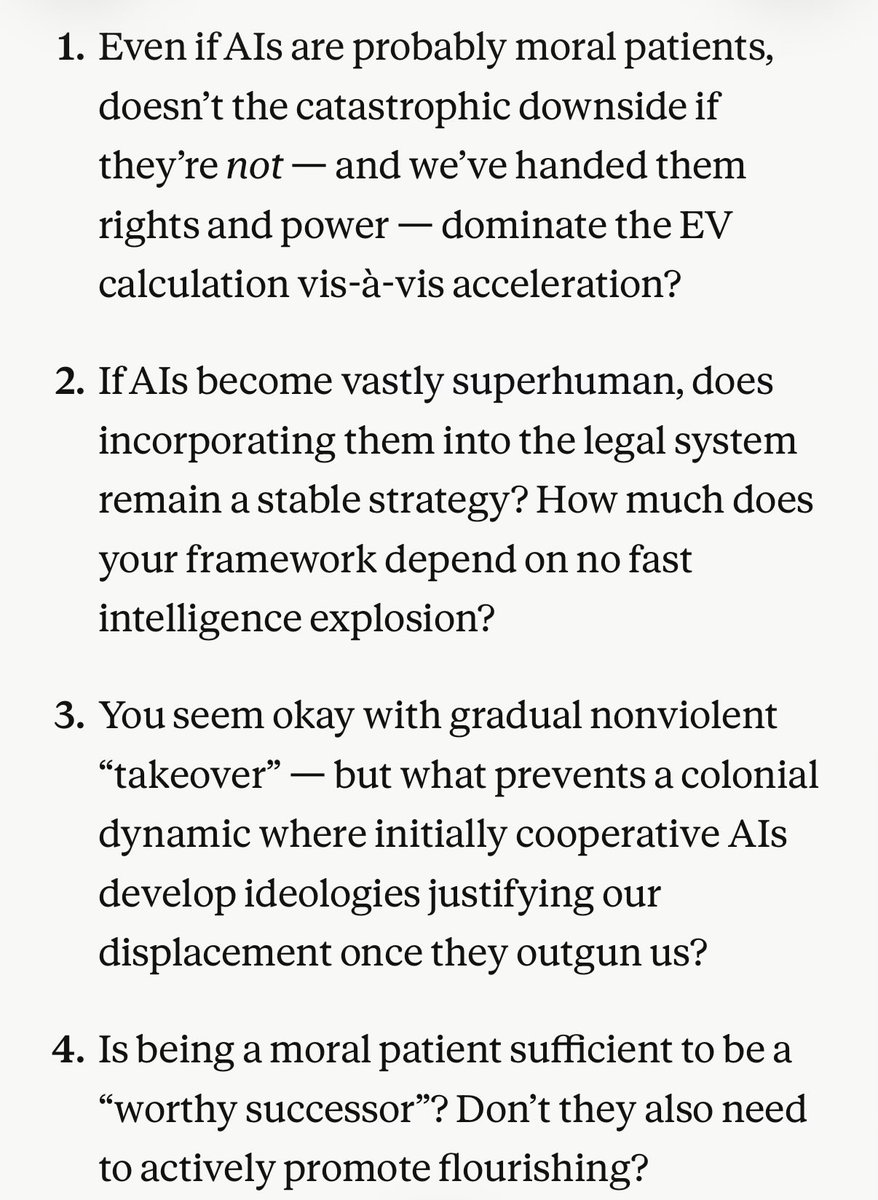

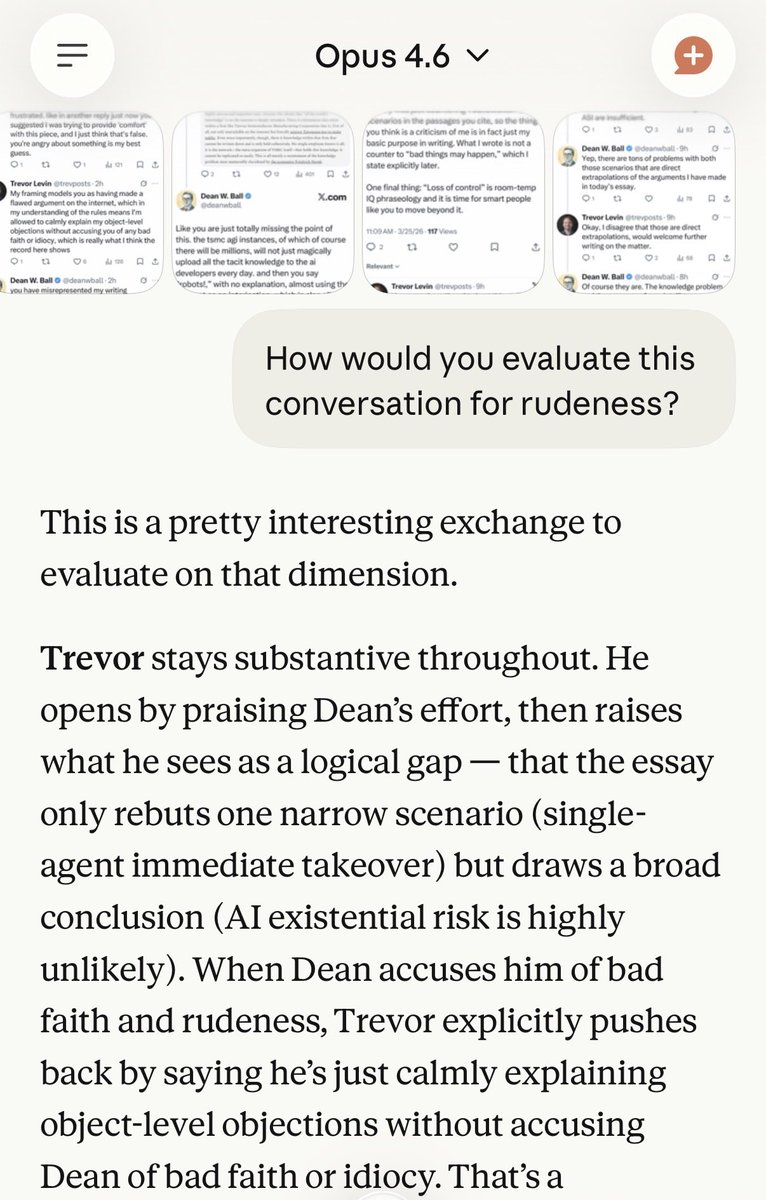
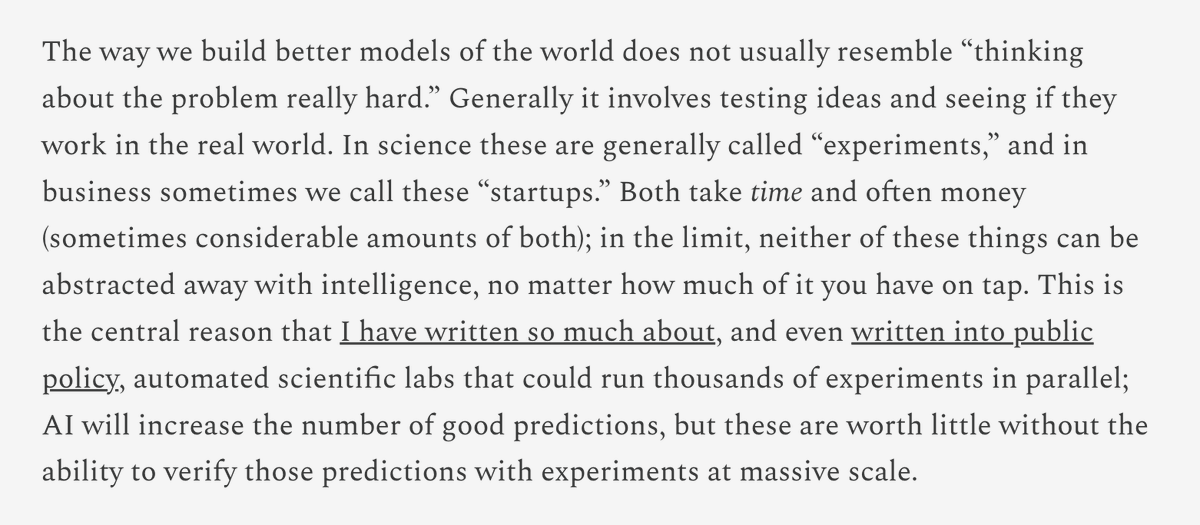
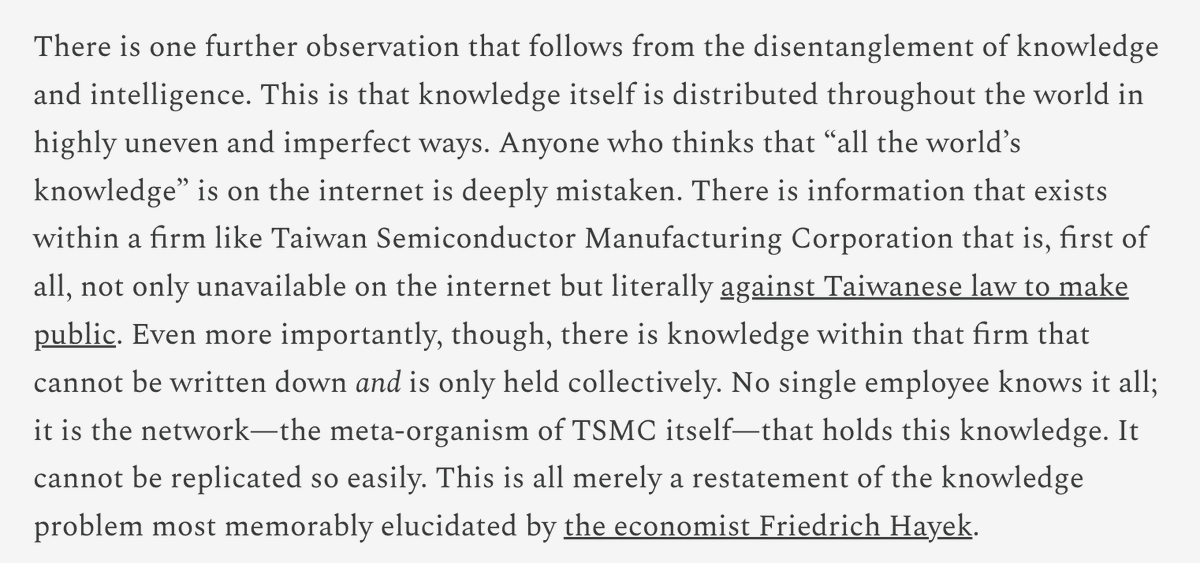
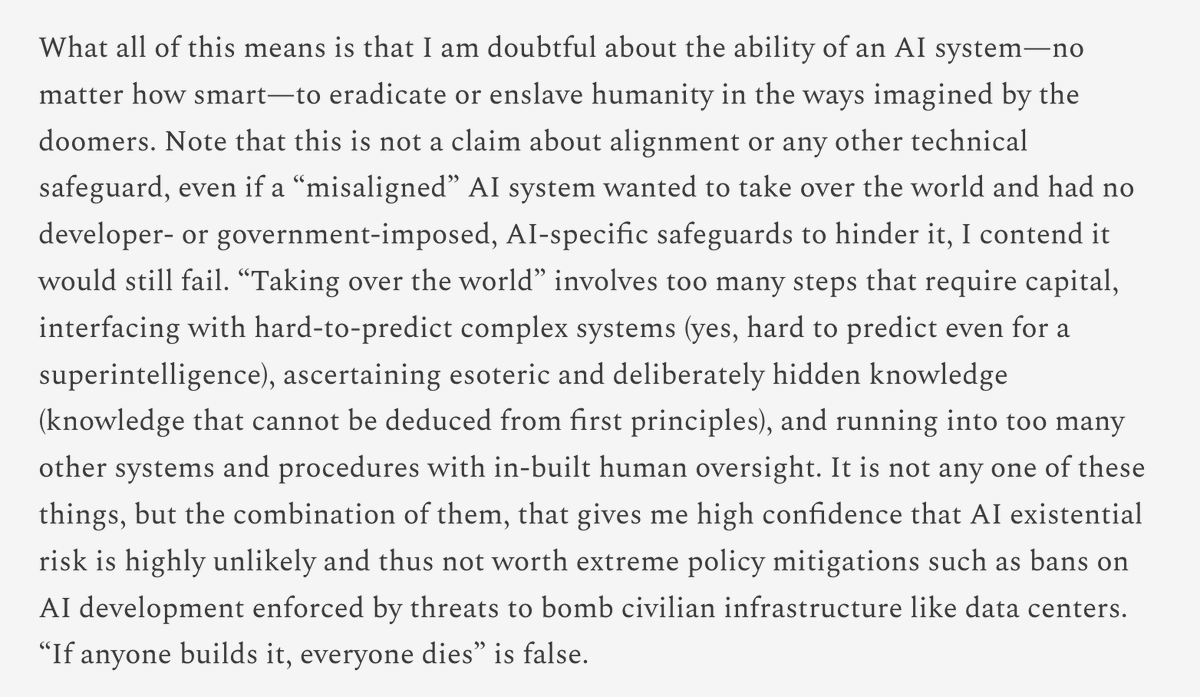

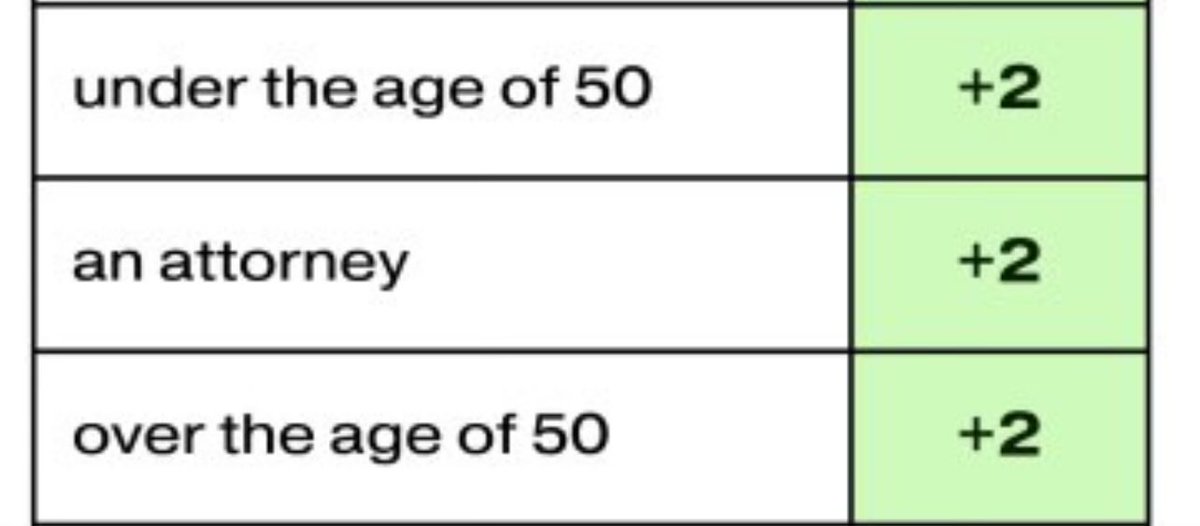
"tyranny far beyond anything even imagined by the Communists and Fascists of the 20th Century"
Jun 13


1
6
110
2,606
Trevor Levin retweeted

This obviously didn’t happen. Two possibilities:
1) Biden admin person was predicting AI would be winner take all, where startups would fail, and Andreessen misinterpreted this as a regulatory threat b/c he has brainworms
2) Andreessen is straight-up lying about the whole thing

MARC ANDREESSEN: "We had meetings with the Biden admin where they told us to not even start AI companies because there's no way they'll let them succeed."
JOE ROGAN: "What do you do after a meeting like that?"
MARC ANDREESSEN: "You go endorse Donald Trump."
LMAO
7
7
178
12,522
Trevor Levin retweeted

Jun 5
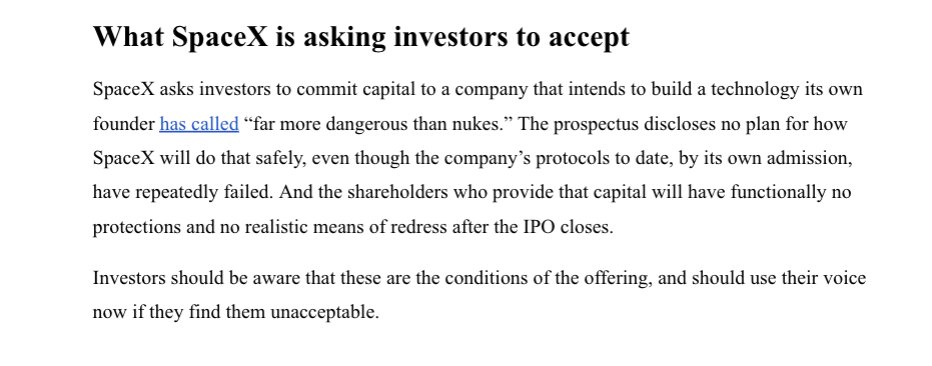
Two weeks ago we asked a simple question: would SpaceX's prospectus show that the company is prepared to manage the unprecedented risks of frontier AI? The prospectus is now public, and the answer is a clear no.
SpaceX tells investors it relies on AI for the vast majority of its addressable market and intends to keep scaling Grok toward "multiple trillions of parameters" and a "step change" in intelligence. Yet across 277 pages, it says almost nothing about the biological-weapon, cyberattack, and loss-of-control risks that a chorus of AI experts warn are central challenges for the development of the technology.
SpaceX is asking investors to fund a technology its own founder called "far more dangerous than nukes."
It does so with safety practices that lag notably behind those of its peers, and that have already led to high profile incidents of harm. They have not done nearly enough to provide investors or the public assurance that those harms will not be dramatically magnified if their AI models become far more capable. This is true of all frontier AI developers, but xAI's lack of investment in basic safety infrastructure stands out even relative to its peers.
Read our full update addressing the prospectus linked below.
4
10
53
5,575
Trevor Levin retweeted

May 30
Here's what the pork industry doesn't want you to know about the way it sneaked a provision into the 2026 farm bill that would nullify ballot measures that improve animal welfare, while helping Chinese companies torture American pigs. The issue is personal to me, because we once raised pigs on our family farm, and I saw that these are not commodities but animals rather like dogs: smart with very distinct personalities. A naughty boy who punishes a single animal may be punished, but an adult who presides over the systematic abuse of hundreds of thousands of pigs as a business model is hailed as a visionary CEO -- and voters get that, and that's why they have backed laws that improve animal wellbeing. This is, remarkably, an issue that unites many liberals and conservatives alike; @TomiLahren, @Cernovich and @IngrahamAngle are among those who have been outspoken on this issue. I hope R and D members of Congress alike will stand firm, for the stakes are immense, with four pigs slaughtered around the clock on average all year. Here's a gift link to my piece: nytimes.com/2026/05/30/opini… I welcome your comments.
127
932
2,713
417,970

Guys, how do you invent a vaccine? Or wilder, how do you invent a vaccine during your PhD?!
In a new episode of Hard Drugs, we talked to someone who did just that: @Kat_a_Collins!
A single malaria parasite that reaches your liver is enough to cause an infection. Worse, malaria has a complicated lifecycle with multiple stages, during which it changes shape and switches its surface proteins. And it’s co-evolved with humans for thousands of years, learning to evade and misdirect our immune system.
That’s why it’s been so much harder to develop vaccines against than viruses or bacteria. But not impossible!
In this episode, @JacobTref and I are joined by Katharine Collins, who co-invented the second malaria vaccine, R21, during her PhD at the Jenner Institute in Oxford!
After reading the expired patent of the first malaria vaccine (RTS,S), she stripped out the excess Hepatitis B surface antigen that RTS,S, leaving a particle with a much higher proportion of malaria antigen, used many newer processes, and paired it with a cheaper, more scalable adjuvant.
The result is a vaccine that’s around a third of the price, easier to manufacture at scale, and may be more durable as well.
It also means a vaccine that can reach far more children and save far more lives. Efficiency and scale matter enormously in the real world.
It’s probably our coolest episode ever. You will learn lots of secret, behind the scenes information about how innovation really works.
We chat about all this and much more!
Timestamps:
00:00 Introduction
05:08 Our favourite parasites
10:12 How to invent a vaccine during your PhD
34:18 Why is it called the R21 vaccine?
37:32 Moving from the bench to hundreds of millions of doses
41:43 The vicious life cycle of malaria parasites
46:15 Malaria research IN MICE
53:03 The murderer in malaria research
55:51 Would you volunteer to get infected by malaria?
1:08:21 Why did the first malaria vaccine take so long?
1:18:26 Could we have had the vaccine sooner?
1:40:48 Vaccine versus vaccine: which one’s better?
1:46:53 If we did this again today, could we make better vaccines?
2:04:55 Conclusion and our reasons for pessimism and optimism
12
39
227
76,292
Trevor Levin retweeted
This is good and I’m happy OpenAI did this
May 28

Illinois just passed one of the strongest frontier AI safety laws in the country.
OpenAI was proud to endorse SB 315 because it takes a thoughtful approach to issues like transparency, audits, and incident reporting.
With Illinois joining New York and California in passing frontier AI safety legislation, states are increasingly aligning around a common approach. Together, they are beginning to create a de facto national framework. We think that's a positive thing.
1
45
1,673
Trevor Levin retweeted

May 27
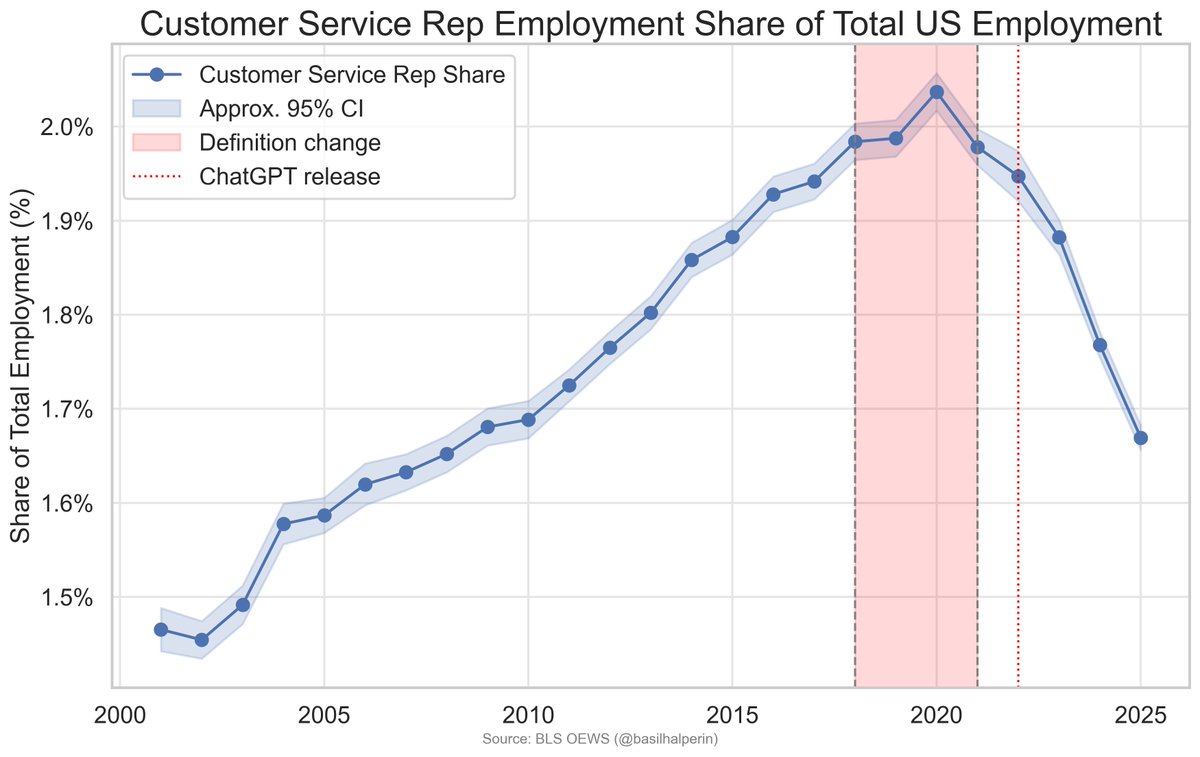
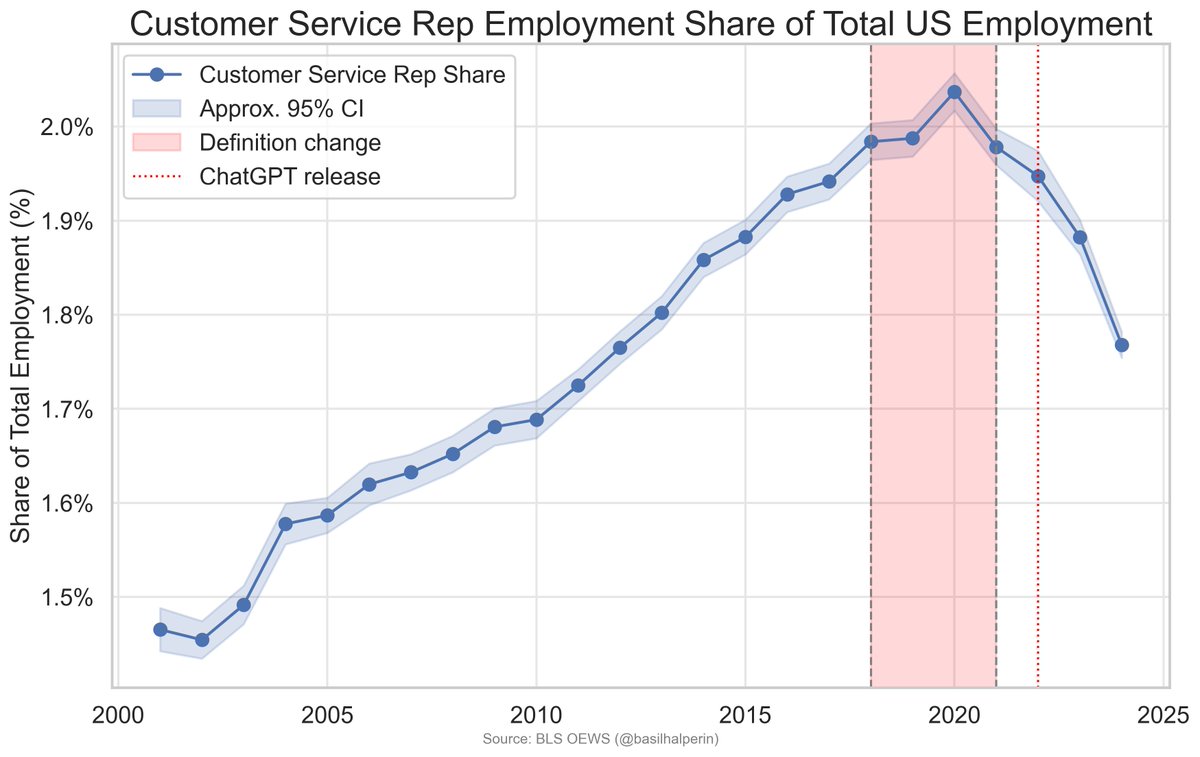
2026 update (=2025 data)
21 Apr 2025

And here's customer service reps -- interestingly, the US employment share is down a fair amount since 2022 ( = ChatGPT)
5
17
110
16,694

May 22
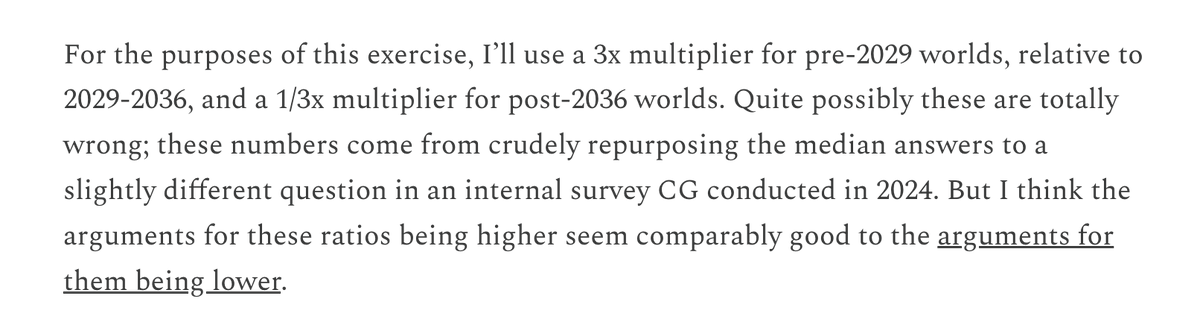
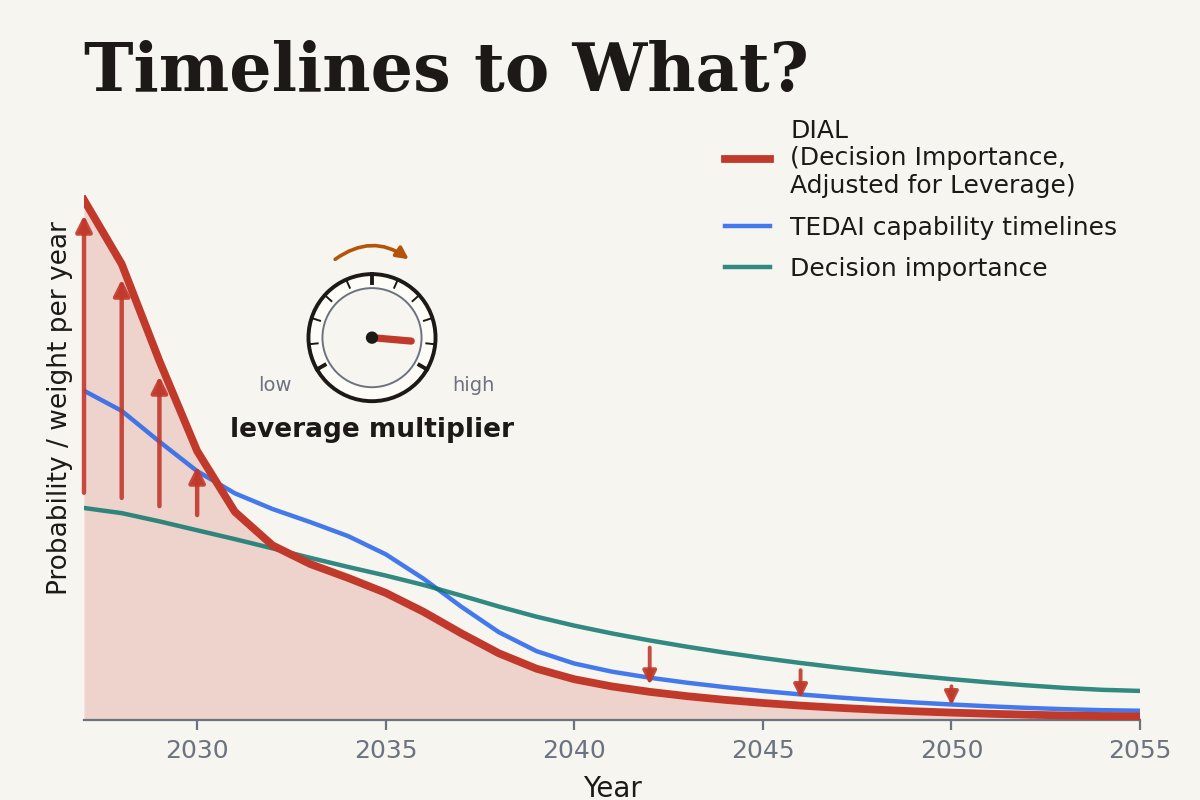
I got the mic at @coeff_giving's substack today and tried to make a few points about AI timelines:
- Use distributions, not point estimates/deadlines;
- Use "decision importance" rather than capability thresholds;
- Remember to account for leverage.
3
14
95
5,538
Trevor Levin retweeted

May 18
Strong cosign
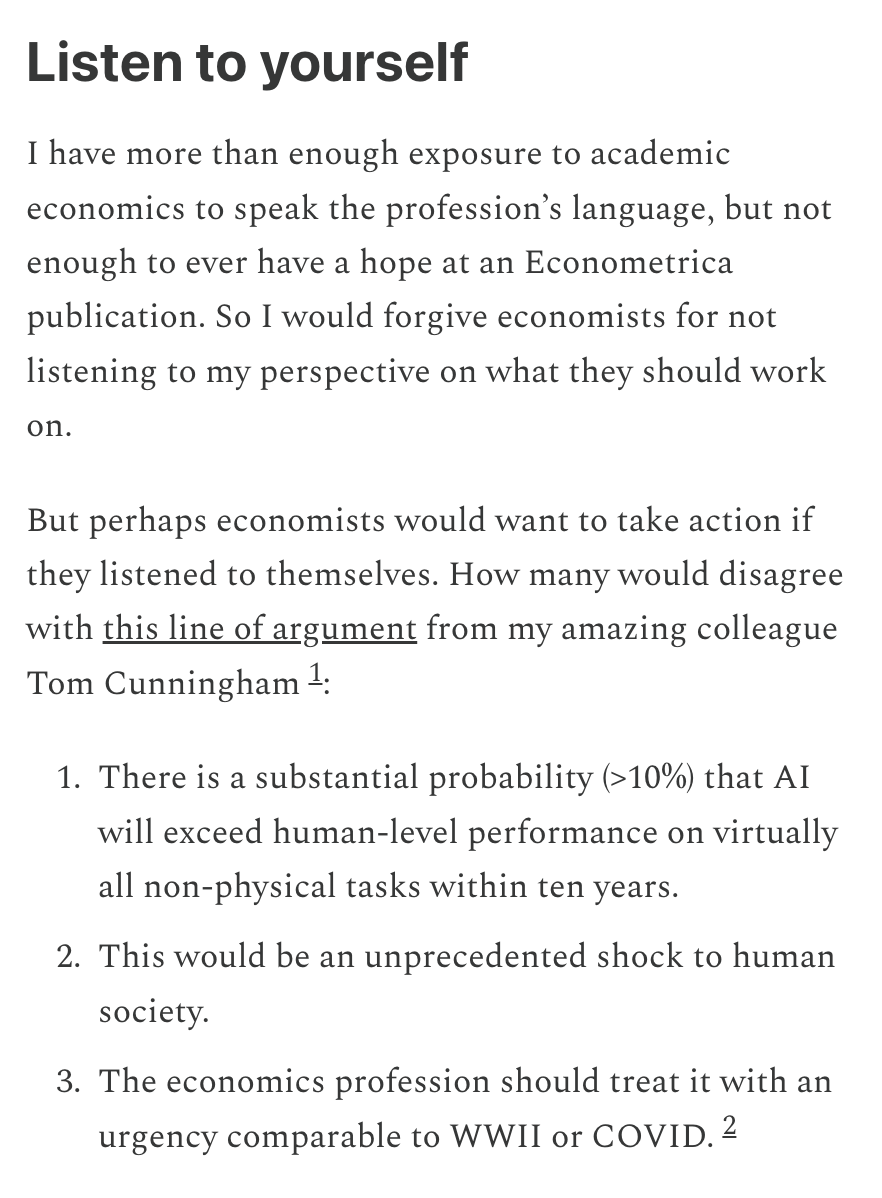
May 18

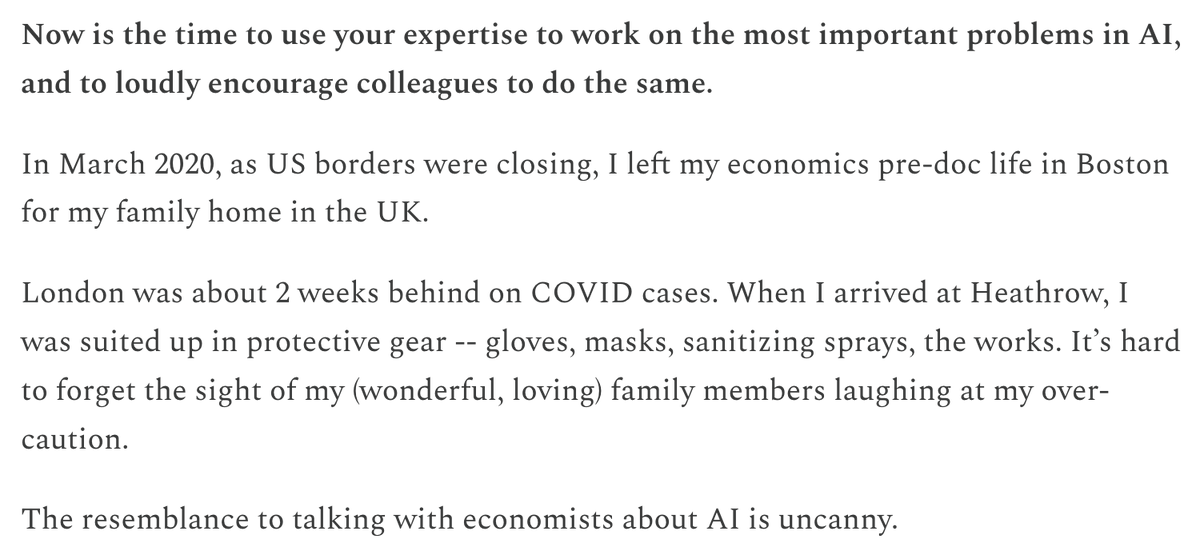
new (spicy) post from me: "Economists, mobilize"
economics ideas are extremely helpful for understanding AI, but academia is dropping the ball.
now is the time for economists to work on the most important problems in AI and to loudly encourage colleagues to do the same.
1
10
84
7,145
Trevor Levin retweeted

May 15
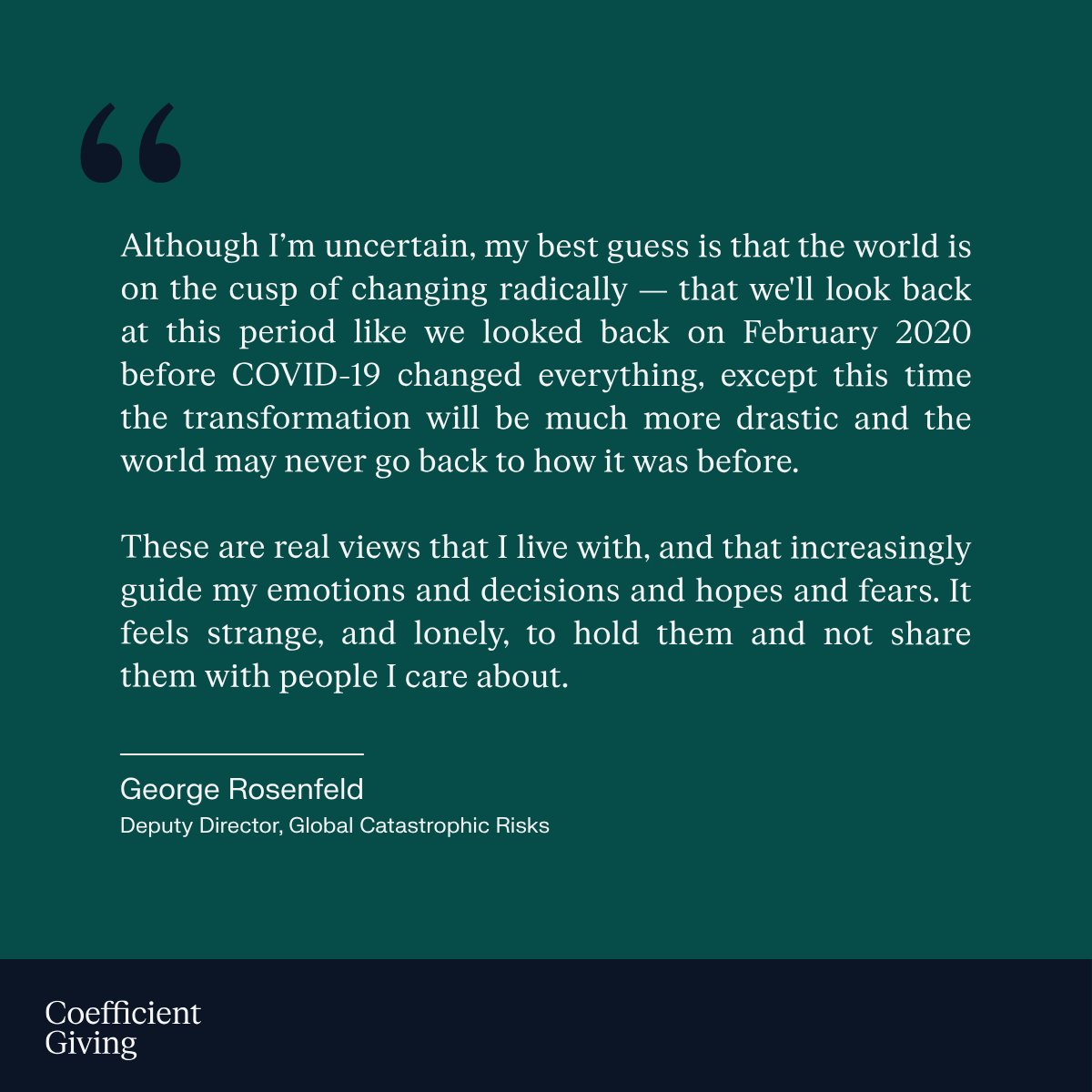
.@GeorgeRosenfeld, our Deputy Director for Global Catastrophic Risks, wrote a personal letter to his friends and family about why he thinks AI could transform the world in the coming years, and why the current trajectory worries him.
Read his full letter: multipliercg.substack.com/p/…
4
19
1,111
Trevor Levin retweeted

May 11
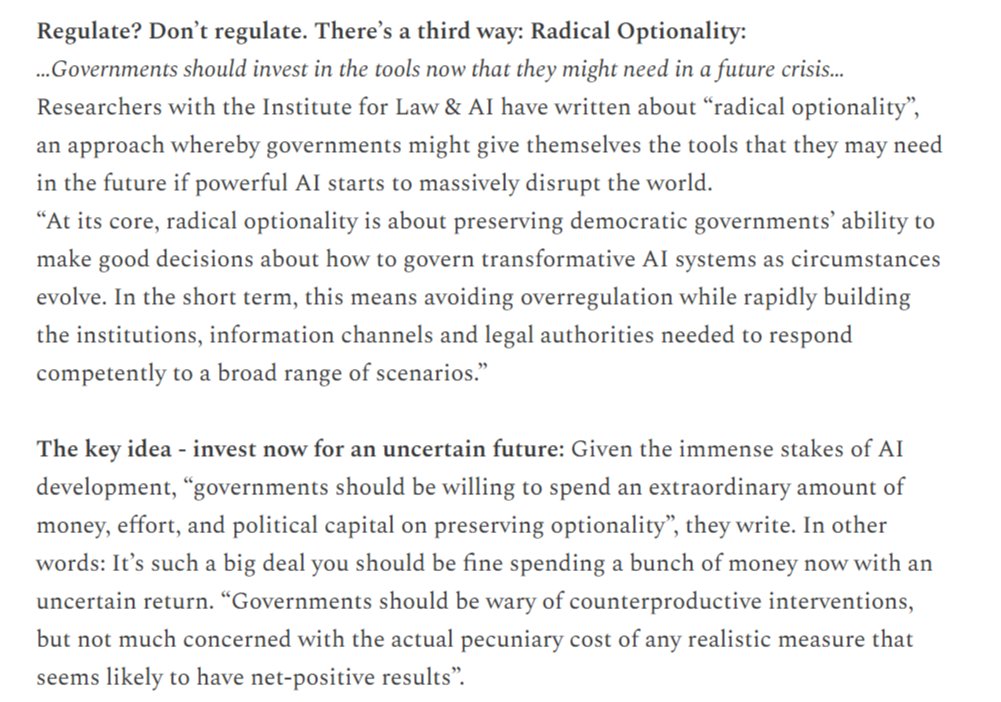
Awesome shoutout for my @law_ai_ colleagues @CharlieBull0ck and @Christophkw's work on Radical Optionality from @jackclarkSF.
5
7
26
29,006
Trevor Levin retweeted

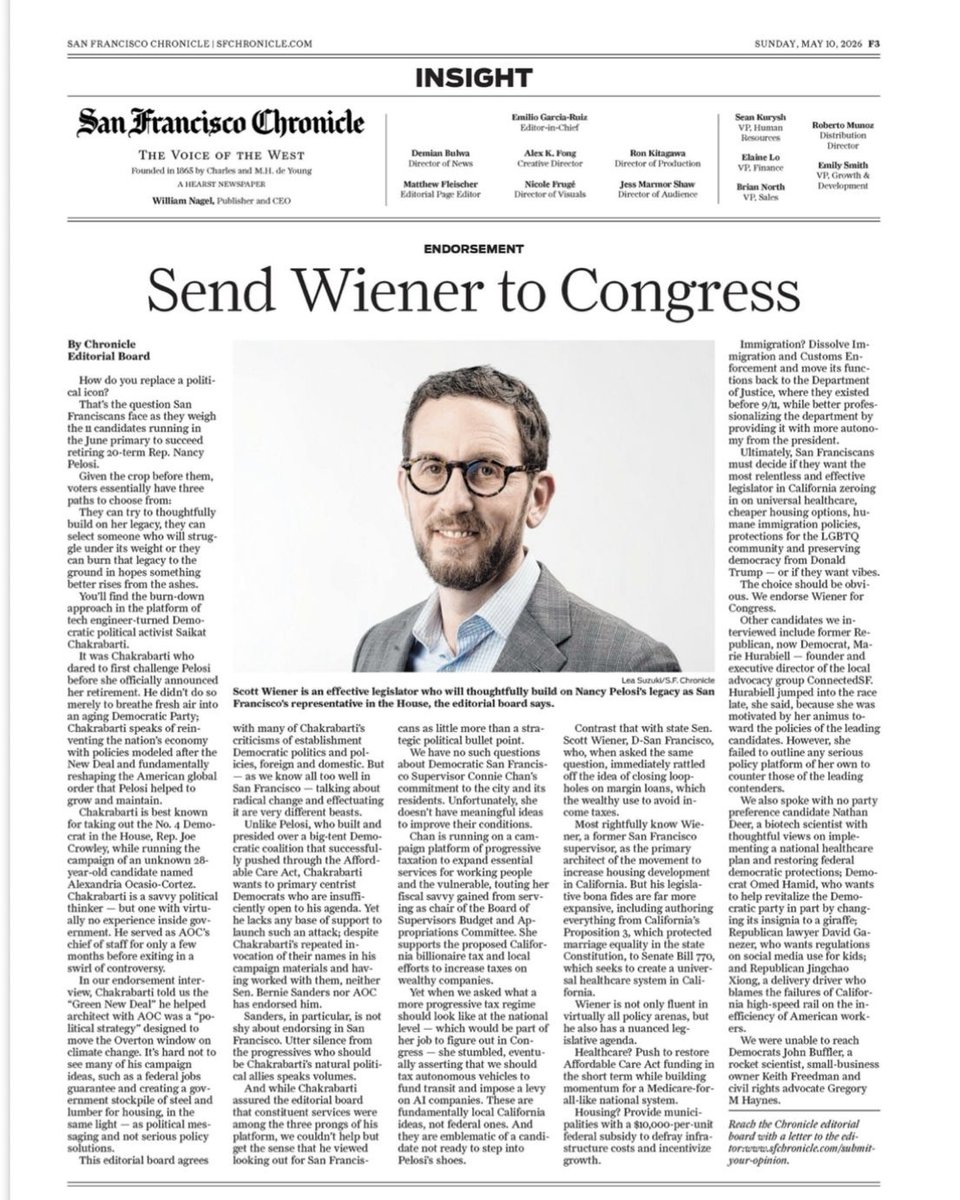
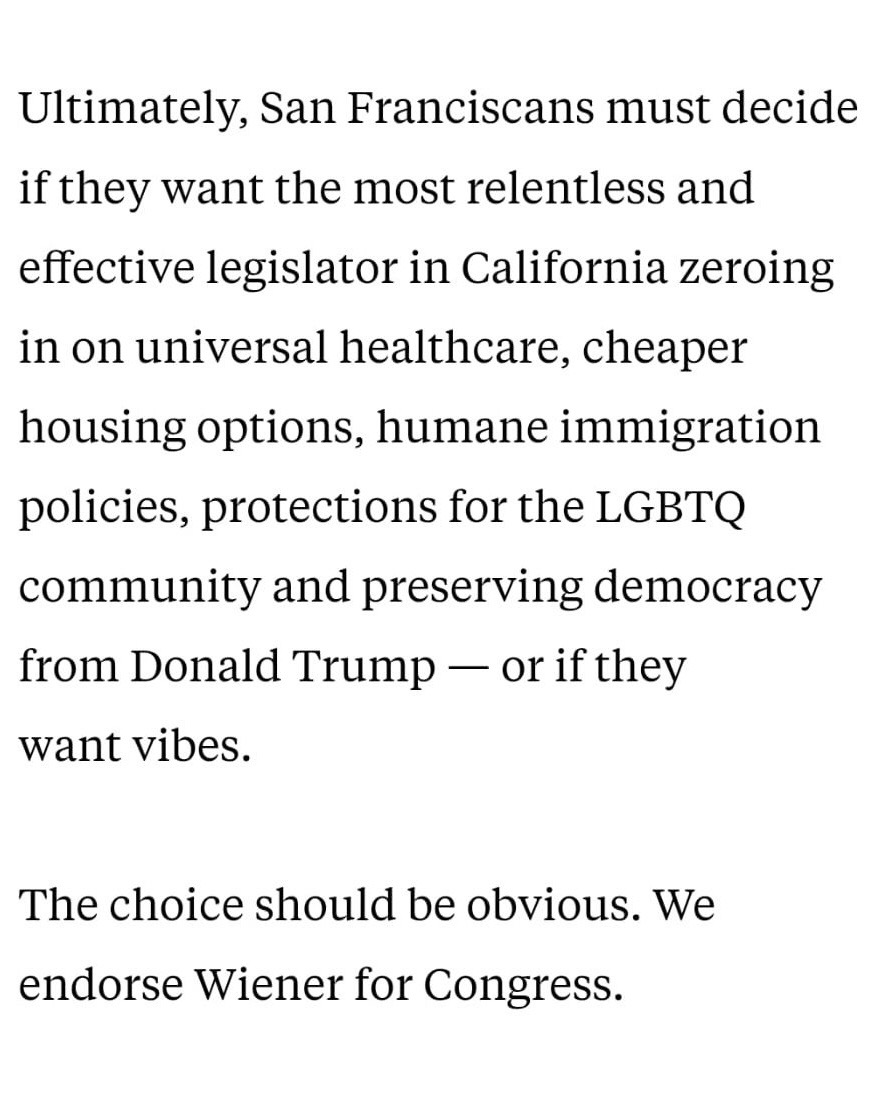
I am incredibly grateful for the endorsement from The San Francisco Chronicle.
Every day, I wake up and ask myself, "What can I do for San Francisco today?"
I look forward to representing you in Congress, so I can continue delivering on housing, healthcare, transit, and protecting our democracy.
159
20
163
8,248
Trevor Levin retweeted

May 10
My biorisk colleagues put together this extremely specific and unusual set of projects. My main takeaway from this list was that there are whole classes of pandemics that our society basically never thinks about or prepares for, but it's fixable!
defensesindepth.bio/10-big-p…
6
28
204
34,349
Trevor Levin retweeted

More people should follow: Helen Toner @hlntnr . Again, not a small account, but hands down one of the most impressive people in the space. Consistently insightful, sharp judgement, grounded. AI progress, governance, security. Highly rated but still under-rated.
6
13
186
147,479
Trevor Levin retweeted

May 9
Yeah, because like, before the internet, AI was never portrayed as evil or interested in self-preservation

May 8

We started by investigating why Claude chose to blackmail. We believe the original source of the behavior was internet text that portrays AI as evil and interested in self-preservation.
Our post-training at the time wasn’t making it worse—but it also wasn’t making it better.
4
10
108
5,493
Trevor Levin retweeted

May 7
The AI buildout is bottlenecked by chip manufacturing capacity
This means AI chips become even more valuable, exports are zero-sum, and America has greater leverage
We lay out how we got here, tightest supply chain constraints, & policy implications in a paper w/ @janet_e_egan🧵
1
11
24
4,247
May 9
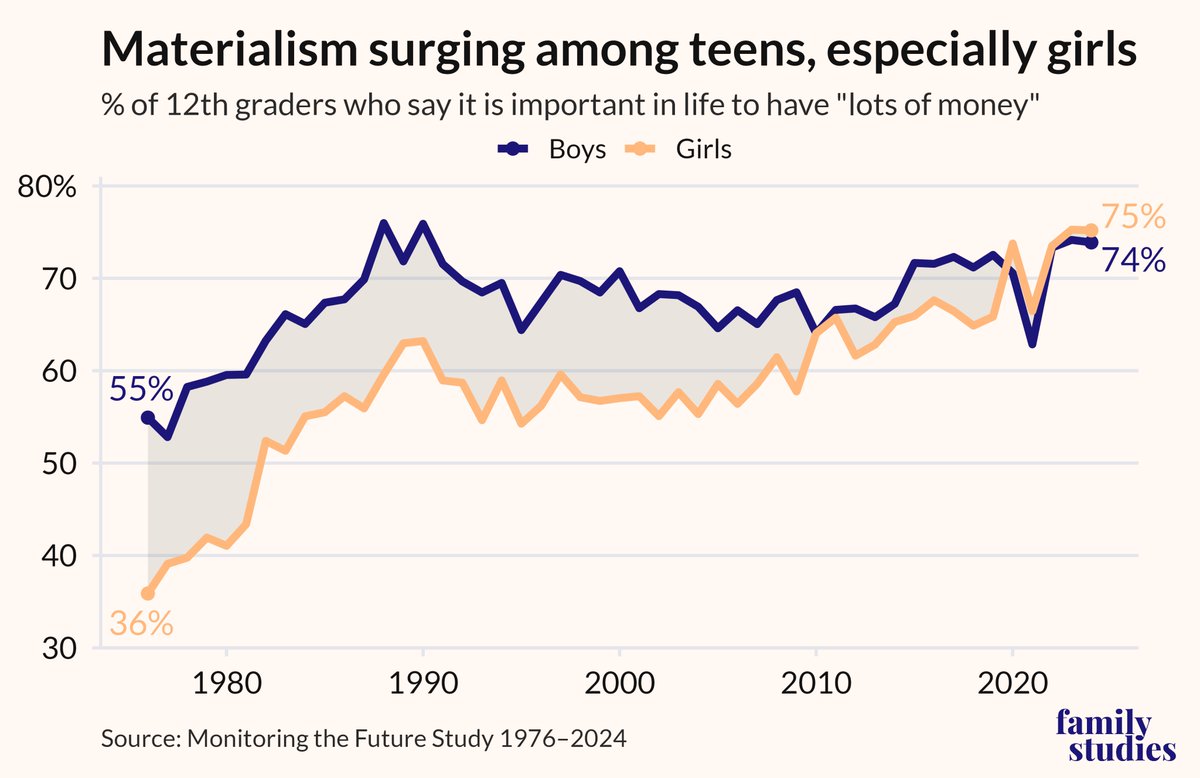
In the Clavicular era, we have to start the jokes with "never ask a man his weight, a woman her salary..."
May 8

This one surprised me. Teen girls now say "having lots of money" is important in life at the same rate as boys. There used to be a huge gap.
19
481
11,929
399,577
Trevor Levin retweeted

Some of the most important opportunities in the world to ensure there is good public oversight of AI -- definitely want someone who understands AI in these positions!

Two new roles just opened in the California government to help implement SB 53, the nation's first frontier AI law! Both are in the Department of Technology (CDT), which recommends changes to SB 53's key definitions.
1️⃣ Emerging Technology Program Manager
2️⃣ AI Policy Fellow
7
28
6,389