
AI, geopolitics
Joined July 2018
- Tweets 3,823
- Following 562
- Followers 124
- Likes 1,448
452 Photos and videos
RipVanWinkle retweeted

Jun 16
2
24
151
92,555
RipVanWinkle retweeted

Jun 15
What @satyanadella wrote below is the reason AI native companies will outrun legacy companies that adopt AI or are AI-fied. The stock market and many investors do not yet understand this.
AI and humans are an ecosystem. AI is not a tool. Competitive advantage lives in the pace of AI learning and adaptability of the humans.
In classic @peterthiel style, starting very small and niche with AI agents that learn through interactions will build a hybrid human-AI flywheel that optimizes the organization for future interactions. In contrast, when big companies adopt AI, they are looking for efficiency gains. They are also, often, thinking about taking cost out of the business. That is applying a software or industrial revolution model to a now different era.
The same is true when P/E funds buy legacy companies in a fragmented industry and apply AI to the businesses. The AI may succeed in changing many of the work flows and create a more efficient business but the AI-Human learning flywheel that can create a truly different business for this new era does not emerge.
AI native businesses learn human knowledge, process by process, from the bottom up. The human learning process of how to be both a good API call for the AI and the ultimate arbiter and creative problem solver for AI is a sisyphean task, learned only through many interactions and complementary engagements in actual tasks, workflows and real world problem solving with AI. Bottom up, starting small and expanding out, creating a new style of AI-interacting human agency will win the game over the long term.
Over time, as more entrepreneurs build AI native businesses instead of models for legacy businesses, this will become obvious.

29
30
344
112,226
RipVanWinkle retweeted

Jun 14
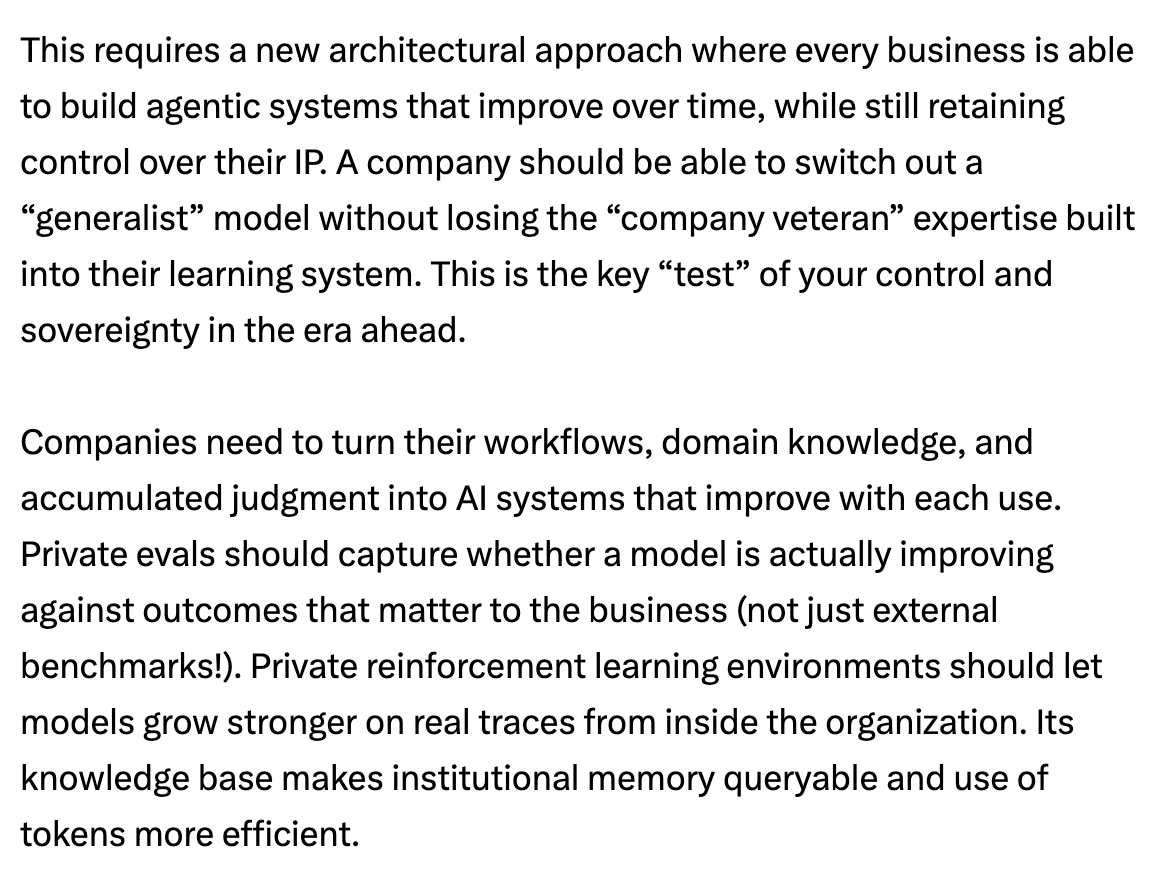
Microsoft could have easily chosen to define the frontier as dedicated access to GPT and Claude on Azure. AI Foundry had a durable business serving these models within the Microsoft ecosystem. Two models could have dominated market share of all tokens. In this world, we would be on three-month release cycles hoping that GPT/Claude-Next's new SOTA on public benchmarks would translate into wins on our private evals. The only way to compound on data would be through prompting, muddling more and more context into the first user message.
An ecosystem of exclusively frontier models no longer makes sense where the following trends trends have taken foot: (1) to improve capabilities across the board (FrontierCode, GDPVal, etc.), general intelligence requires a scale that is extremely expensive to serve; (2) there's no free lunch in upgrading to the newest model as scarce GPU compute has driven costs up (see the recent Anthropic and Google deals to serve on Colossus); (3) training a state-of-the-art model on just your own tasks is possible as frontier training infrastructure is now available to the public.
The new architecture will combine "generalist" models with "company veteran" models that improve the same way that star human performers do: through learning from experience operating inside of your institution. The technical stack looks something like the following:
(1) You'll need to automate how you transform production data into private RL environments. This means transforming unstructured data into a curriculum a model can learn from that looks like what happened in prod: e.g. replicating a SEV by mocking the state of a production database when it happened, with un-hackable graders that are aligned with what you care about in production.
(2) Private RL environments need a post training stack to be useful. Model weights/checkpoints trained on these environments will participate in the cadence of traditional software release cycles.
(3) Inference endpoints will serving production traffic become "alive" as they become attached to a training runtime. Each new batch of data produces environments that are inputs for the next training step. Each step produces a new release candidate for production; if it passes the A/B test, you'll do a rolling weight update to models that serve higher quality tokens for your customers.
10
10
94
23,612
RipVanWinkle retweeted

Jun 15
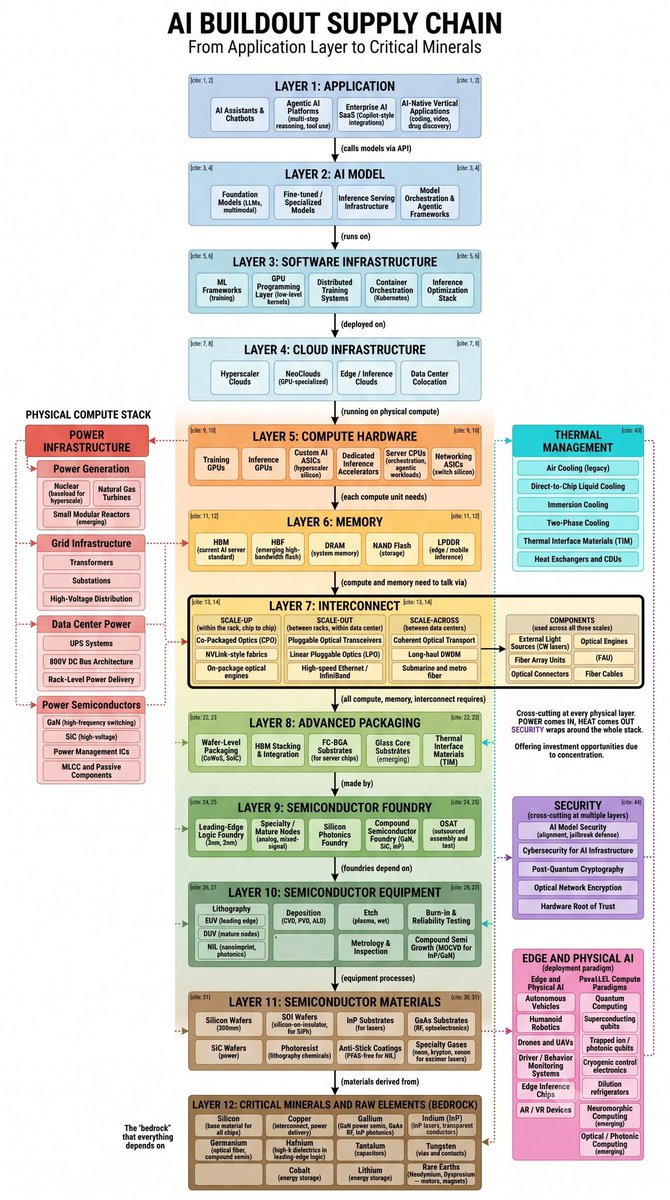
Satya Nadella just posted something that validates the entire AI buildout thesis from the very top of the stack.
The model is commoditizing. The durable value is the learning loop a company builds on top of the model.
He splits it into two assets:
Human capital -- the knowledge, judgment, relationships, and pattern recognition of your people.
Token capital -- the AI capability the firm builds and owns.
He says the real opportunity is building a learning loop where human capital and token capital compound together.
If the model layer is commoditizing then the durable returns are not in the model makers. They are in the infrastructure that powers every company building its own loop. Compute. Memory. Interconnect. Power.
The full stack underneath the application layer.
The model wars will have winners and losers. The infrastructure underneath gets bought either way.
Bullish the AI buildout.
Every layer. If you want to understand them in detail, check out my Substack.
open.substack.com/pub/rensub…
44
183
1,050
211,455
RipVanWinkle retweeted

Jun 14
This is enormously valuable! My take in tldr form: Claude Code, Codex, OpenCode, Pi, Hermes, Openclaw, etc. are ways of interacting with powerful AI assistants that give them more useful capabilities (coding, file access, launching subagents, web search, etc.), but each program ("harness") handles these slightly differently and with very different rules/idiosyncrasies, limitations, etc.
This leads to vendor lock-in: a company using a complex AI system that is tailored to Claude Code makes it much harder for them to switch to Codex as conditions and pricing changes, because key functionality and protections rely on how Claude Code does it instead.
Omnigent is a way (imperfect, and will definitely not be the only way!) to avoid this entirely. Write the general AI system and rules and processes in abstract terms, and translate it down to be used by any individual harness as needed. No lock-in, which means companies like Anthropic get treated much more like utilities.
Crazy implications, but almost certainly the direction of the future unless/until providers like Anthropic start locking things down (which strategically is very ambiguous in terms of benefit to them). Very useful to watch the meta-harness space!
Jun 13

Really excited to open source a new project: Omnigent, a meta-harness for AI agents.
It lets you build multi-agent coding and custom agents, sitting above Claude Code, Codex, Pi, and agent SDKs to let you compose them. It also adds live collaboration and rich control policies.
3
6
1,215
RipVanWinkle retweeted

Jun 7
Kevin O'Leary says you're cooked if you have less than $1.5m in your 60s
"I tell people a minimum of $1.5m by the time you're 65 that's the minimum you have to have saved up"
"you can actually survive off that for the rest of your life in a very conservative portfolio with 4% interest"
367
74
1,457
1,424,365
RipVanWinkle retweeted

Jun 6
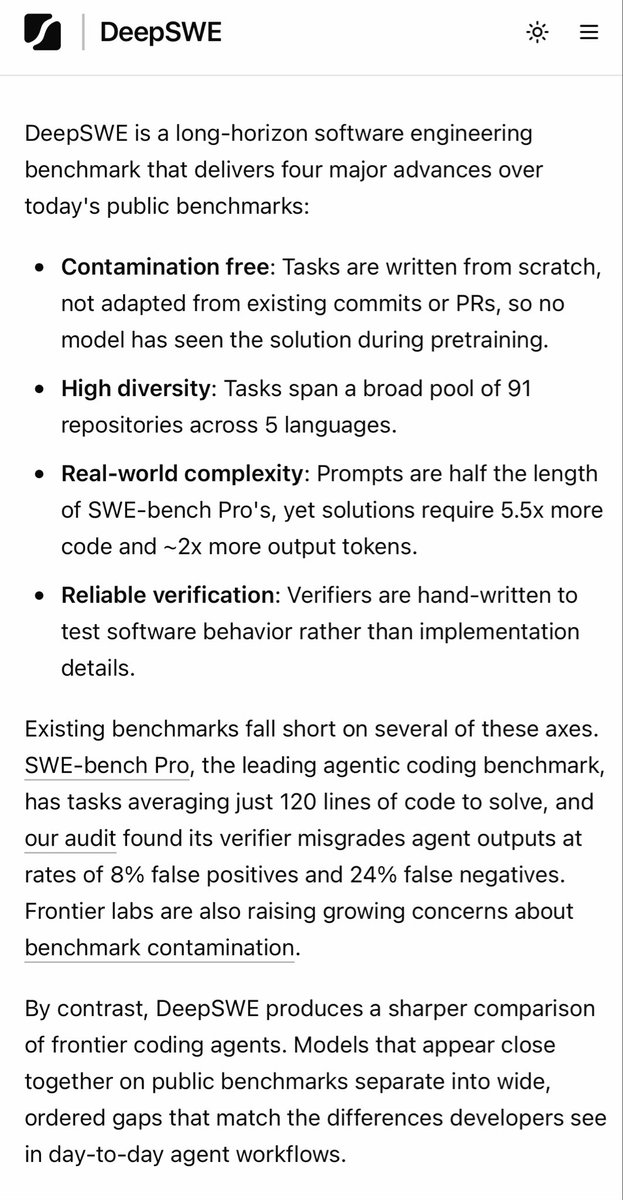
The point is that most tokens will be consumed on long horizon tasks, not that the benchmark tasks are themselves real. People who have first-hand experience with coding agents find DeepSWE to be the closest reflection of actual capability.
3
1
14
1,305
RipVanWinkle retweeted

Jun 5
Days like this present nice buying nice buying opportunities. And of course these days can be mentally hard for some newer investors. It is all part of it. Personally i have been buying $WYFI Sk Hynix, micron, $ASPI $NUAI aggresively together with 2 new positions.
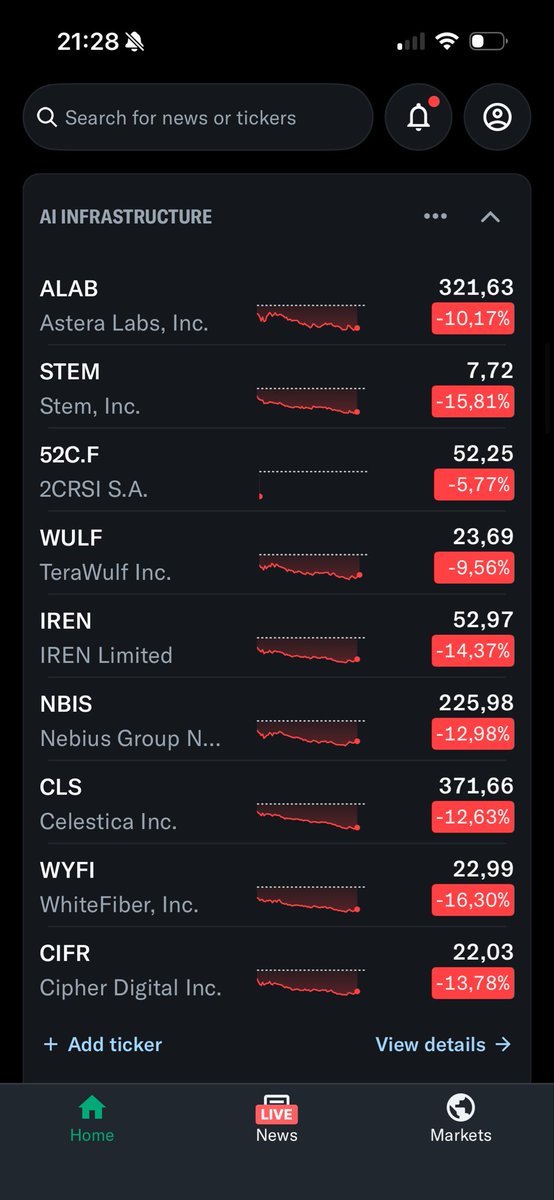
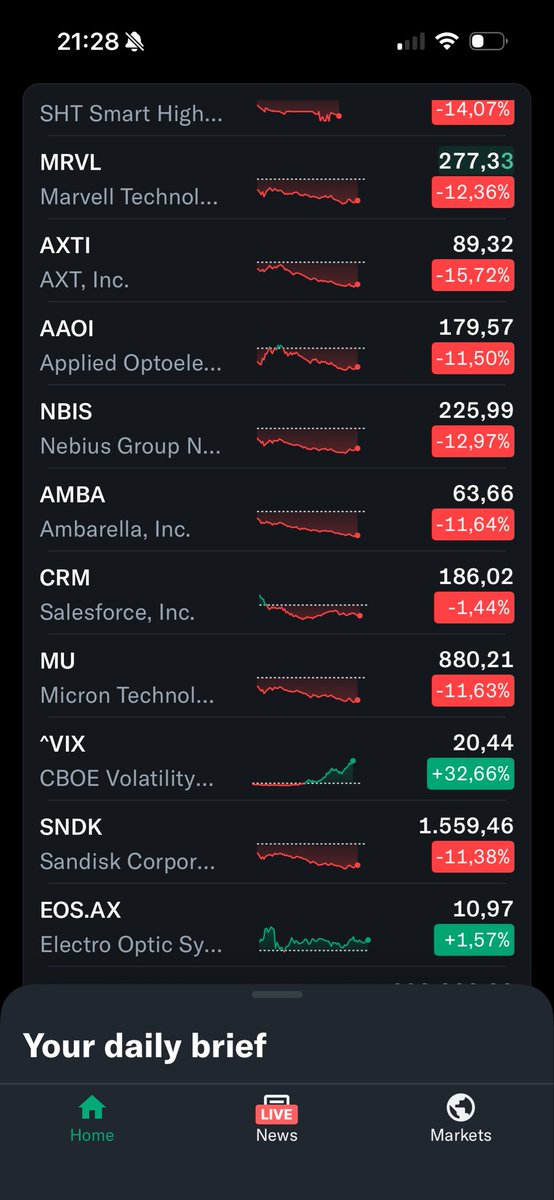
7
2
46
6,306
RipVanWinkle retweeted

Jun 4
13
15
187
889,855
RipVanWinkle retweeted

May 31
Chamath: AI advantage may come less from models than from private inputs.
"When labs can build similar models, the real win comes from one unique ingredient in order to monetize it well.
Here is a basic thing about machine learning that is worth knowing: if you take 1,000 of the same inputs and give them to Facebook, Microsoft, Google, and Amazon, they will all come up with the same machine learning model.
But if you have one extra thing, one little ingredient that all of those other companies do not have, your output can be markedly different.
It is like giving two great chefs three ingredients, but giving the third chef one extra ingredient. That person has the ability to do something very special.
Right now, we are in a world where everybody is crawling the open web. We are going to move to a world where, as everybody gets sophisticated enough and information is widely available, somebody is going to say, “You know what? This site, I am not going to allow anybody else to access. It is only for me, only for my models.” Those models will become better.
So we have to let that play out a little bit. It is going to be a really interesting arms race.
The next wave of M&A, for example, could be companies like Google, Microsoft, and Facebook looking at these companies and saying, “Can they be viable inputs to my large language models or to my other machine learning and AI models?”
---
A company with unique workflows, transactions, medical records, industrial logs, legal archives, design files, or user behavior can turn boring private data into a compounding advantage.
Some startups may never become great public companies on their own, yet still become valuable because they own a data stream that makes a larger AI system sharper, more differentiated, or harder to copy.
That turns acquisition strategy upside down: the buyer may not be purchasing revenue, brand, or even software, but a private ingredient for intelligence.
----
From "iConnections" YouTube channel, (link in comment)
23
14
103
143,053
RipVanWinkle retweeted

May 29
SaaS is alive.
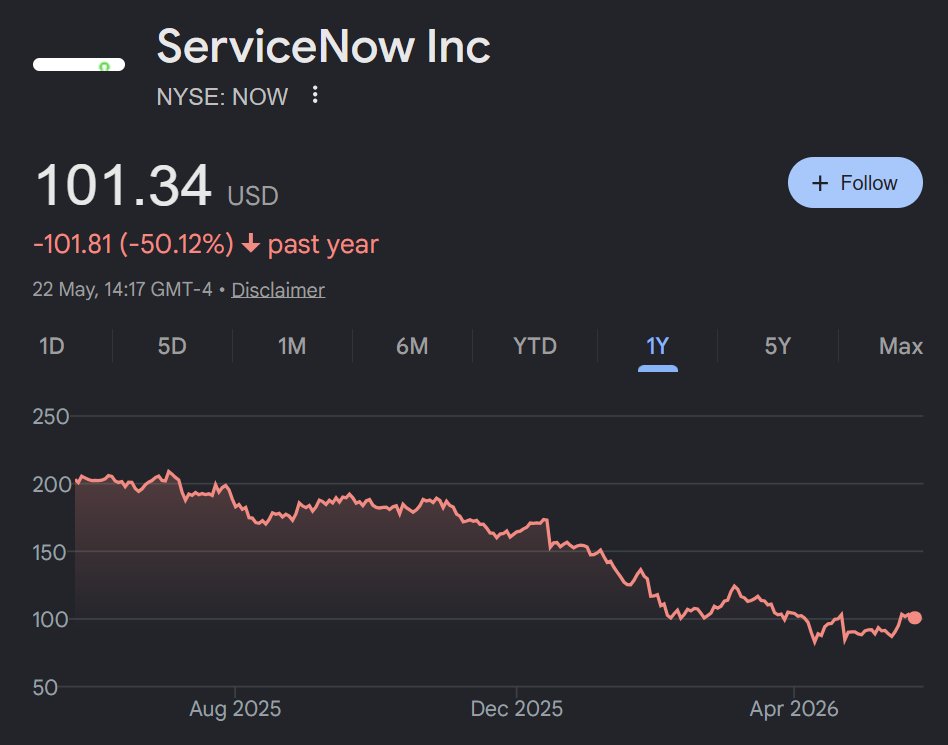
$NOW 23% since my post last week.
AI is not replacing these names:
- $PLTR
- $MSFT
- $NOW
- $SHOP
- $DDOG
- $CRM
- $SNOW
- $APP
- $MDB
- $ZETA - @amitisinvesting Basis Points pod w/ CEO convinced me of this. (No position)
Many of these companies are so entrenched in massive enterprises that the switching costs/risks are way too high.
No credible CTO will risk offboarding a $NOW for a stitched together "AI" replacement.
I believe that the more that SaaS companies utilise AI themselves, the greater their margin expansion will be:
- Cost savings by reducing employee headcount bloat.
- Revenue increases by integrating AI into their solutions e.g. Zeta/ServiceNow.
Disclosure: I took positions in ServiceNow 22 mins after my original tweet lol. Plan is to build out on dips for a long term compounding position (hopefully).
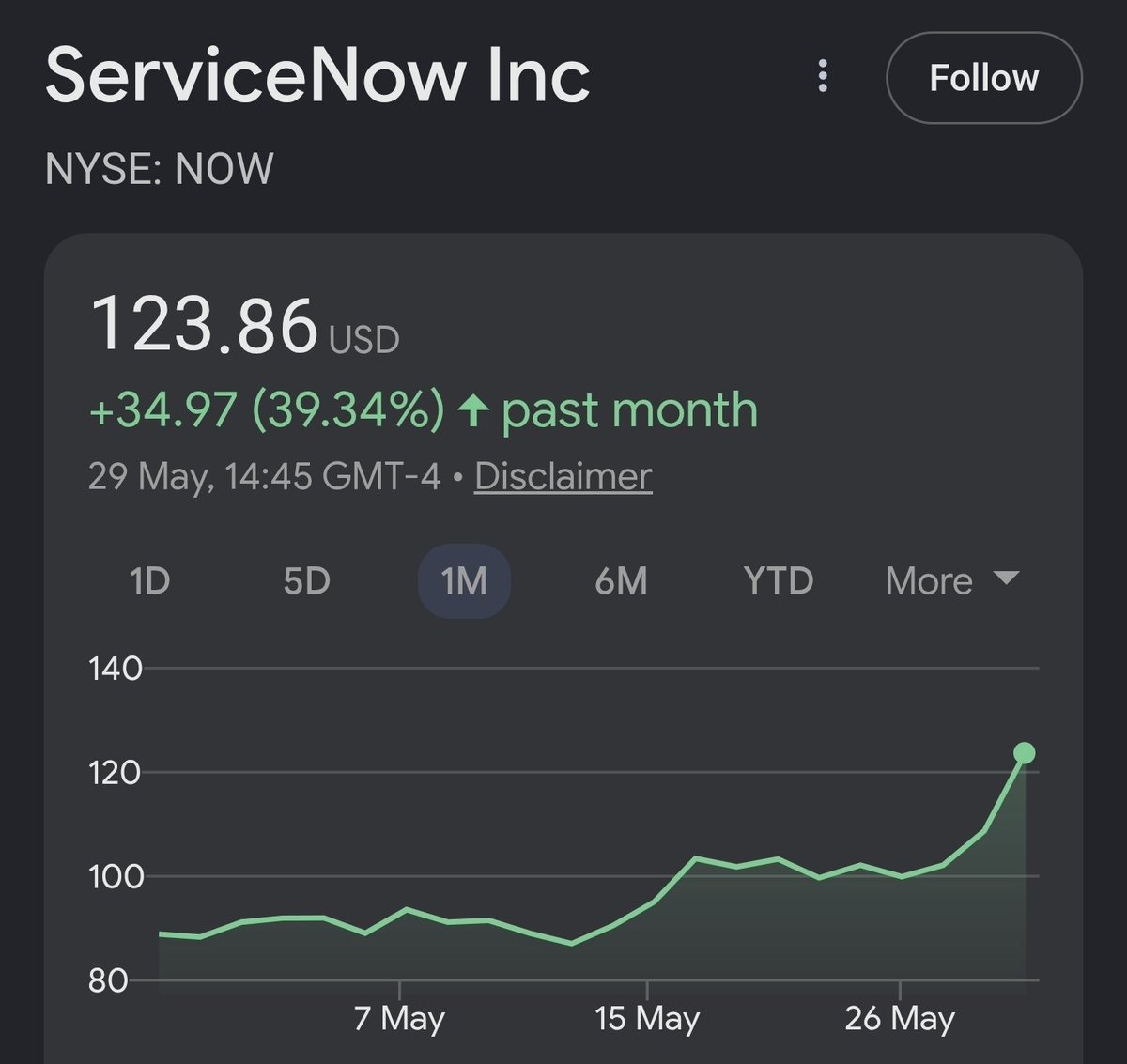
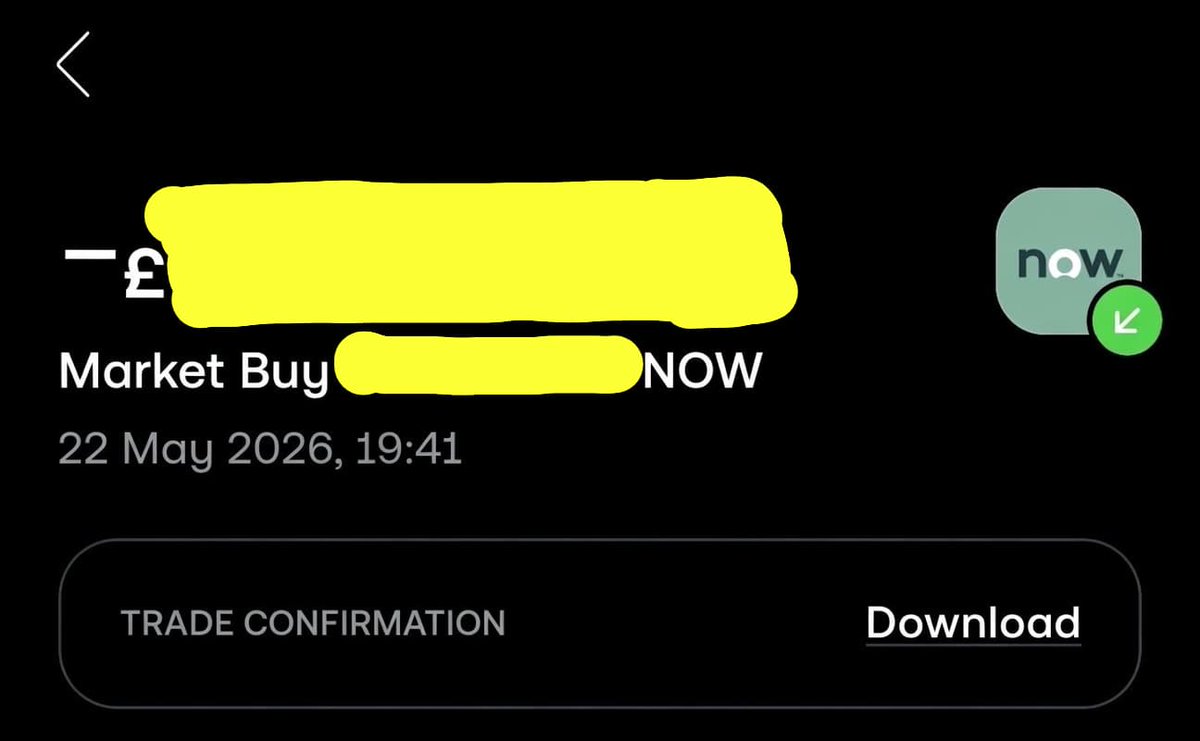
May 22

If it's not related to AI, the markets don't seem to care?
This $NOW sell-off seems way too aggressive.
They've got 600 customers with an ACV over $5M lol (grew 22% YoY).
You don't sign multi-year deals that big if the platform is getting disrupted by AI?
Not sure what needs to happen for them to get re-rated.
Maybe rebrand to NowAI?
I don't have a position, but they're on the watchlist. Financials guidance are too good to ignore.
44
19
269
62,757
RipVanWinkle retweeted

May 30
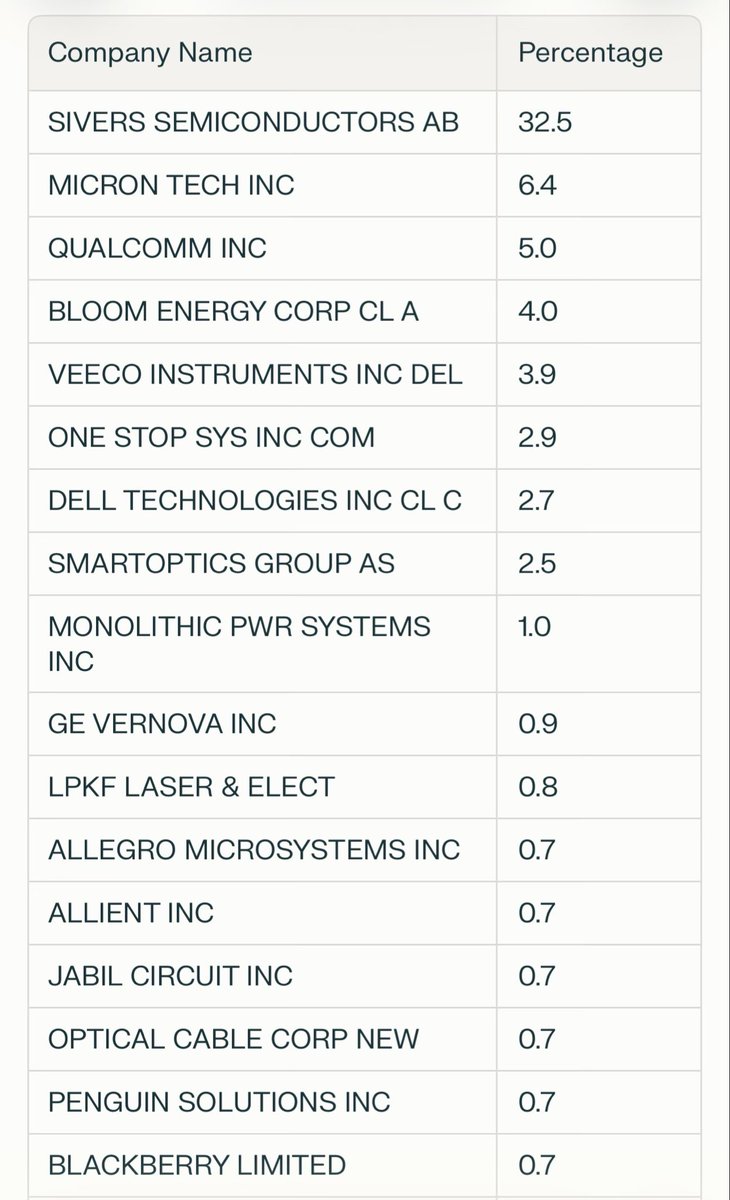
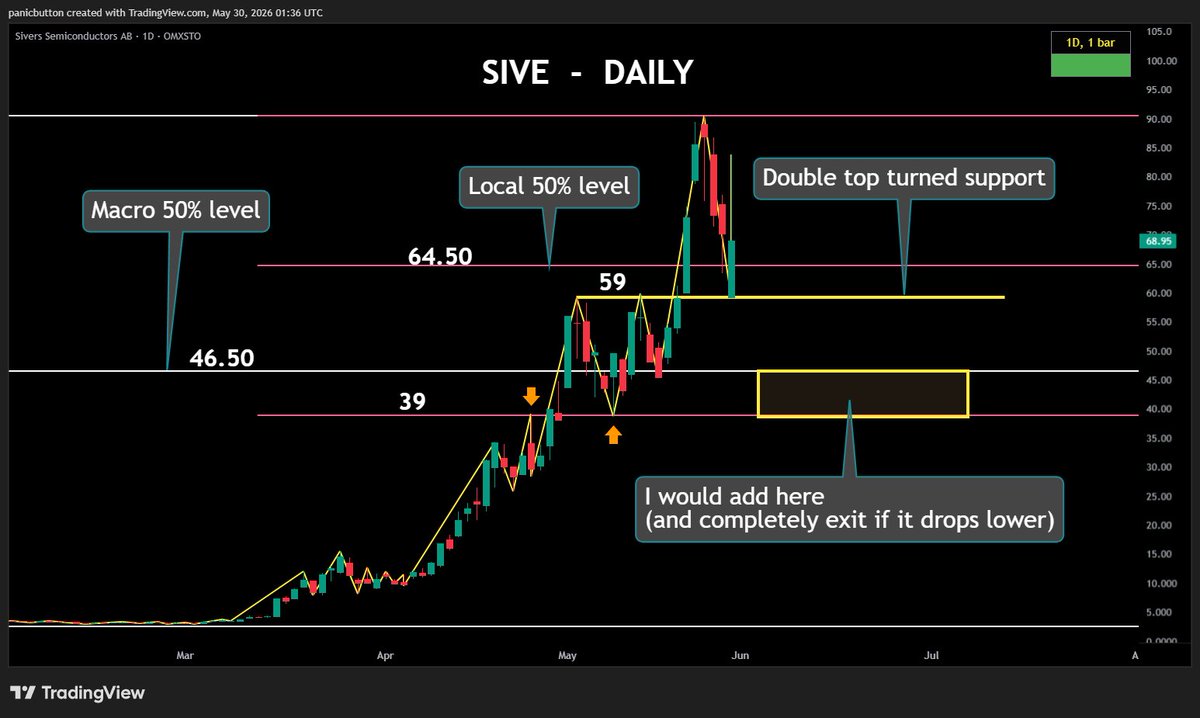
$SIVE
As long as it trades above 46.50 it is technically in a strong position.
I expect any dips in the 39-46 SEK zone to be bought up
If 39 doesn't hold, ADIOS! I'm selling my entire bag.
p.s. look at that bounce off 59 SEK, on a previous double top. But hey, TA is dumb!
11
11
111
16,030
RipVanWinkle retweeted

May 29
my biggest regret in life is deadlifting.
i herniated a disc pulling 200kg. i had done it before, but that day felt off and i still went for it like an idiot. by 21, i was basically crippled. 8 years of rehab later and i’m maybe back to 40% of the back strength i had before.
if you deadlift, leave your ego at the door. low weight, more volume, clean reps. once you mess your back up, there is no glory. just regret.
May 28

I’ll be telling people all 2026:
Once you swap Deadlifts out for these….
- Your Lower Back will feel better than ever before
- Your Glutes/Hamstrings will be the most developed they’ve ever been
- It’ll be much easier for you to recover
It’s honestly a NO-BRAINER DECISION
594
1,169
17,477
3,826,654
RipVanWinkle retweeted

May 29
🦔A new BCG study surveyed 1,200 HR and finance professionals and found that when companies put AI agents on org charts and treat them like employees, human workers actually get worse at their jobs. Workers assigned to review documents from a named AI "employee" caught fewer errors, took less personal accountability, and dumped review work on colleagues.
A third of managers in the US, Canada, and EU now frame AI as a teammate. More than 20% have AI agents on their org charts. And none of it made workers more likely to adopt AI. It did the opposite: 7% higher fear of replacement, 10% lower trust.
My Take
This is a $2.5 trillion bet running into a very old problem. You can't automate accountability. When you give software a name and a spot on the org chart, people stop checking its work and start blaming it when things go wrong. BCG's Matthew Kropp put it simply: AI can't be fired, can't get a performance review, can't own a mistake. So someone human has to, and right now nobody wants that job.
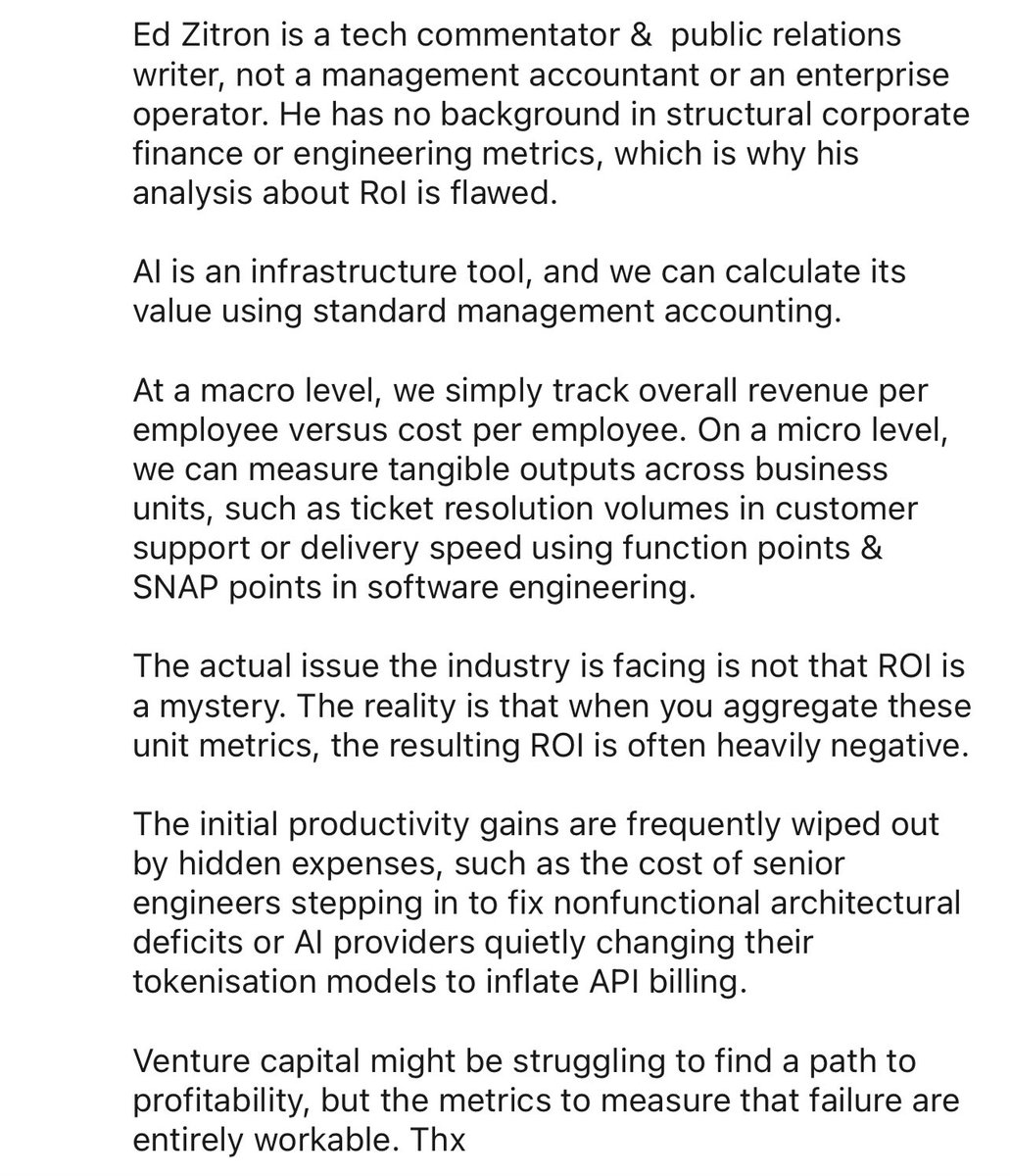
It reminds me of the experienced engineers study from last year, where devs using AI took longer to finish tasks because they spent so much time debugging the output. The productivity gains everybody promised are still not showing up in the aggregate data, and now we have evidence that the way companies are deploying these tools is actively making their teams sloppier. That's not an argument against AI, but it's a strong argument that most companies have no idea how to use it.
Hedgie🤗
Study: emmawiles.com/storage/ai_emp…
17
34
182
7,900
RipVanWinkle retweeted

May 28
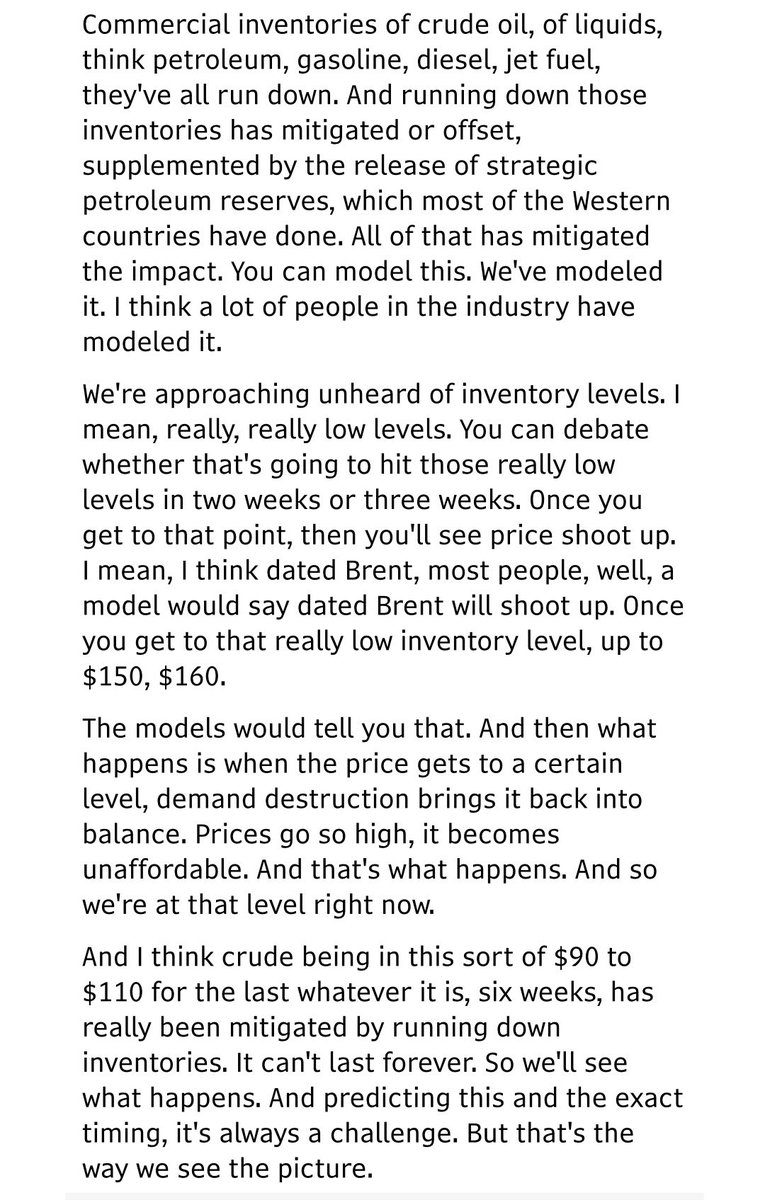
It's just a matter of time for oil
May 28

Neil Chapman, SVP of Exxon this morning at the Sanford Bernstein Strategic Decisions Conference perhaps going a little off corporate script:
16
60
523
80,807
RipVanWinkle retweeted

May 28
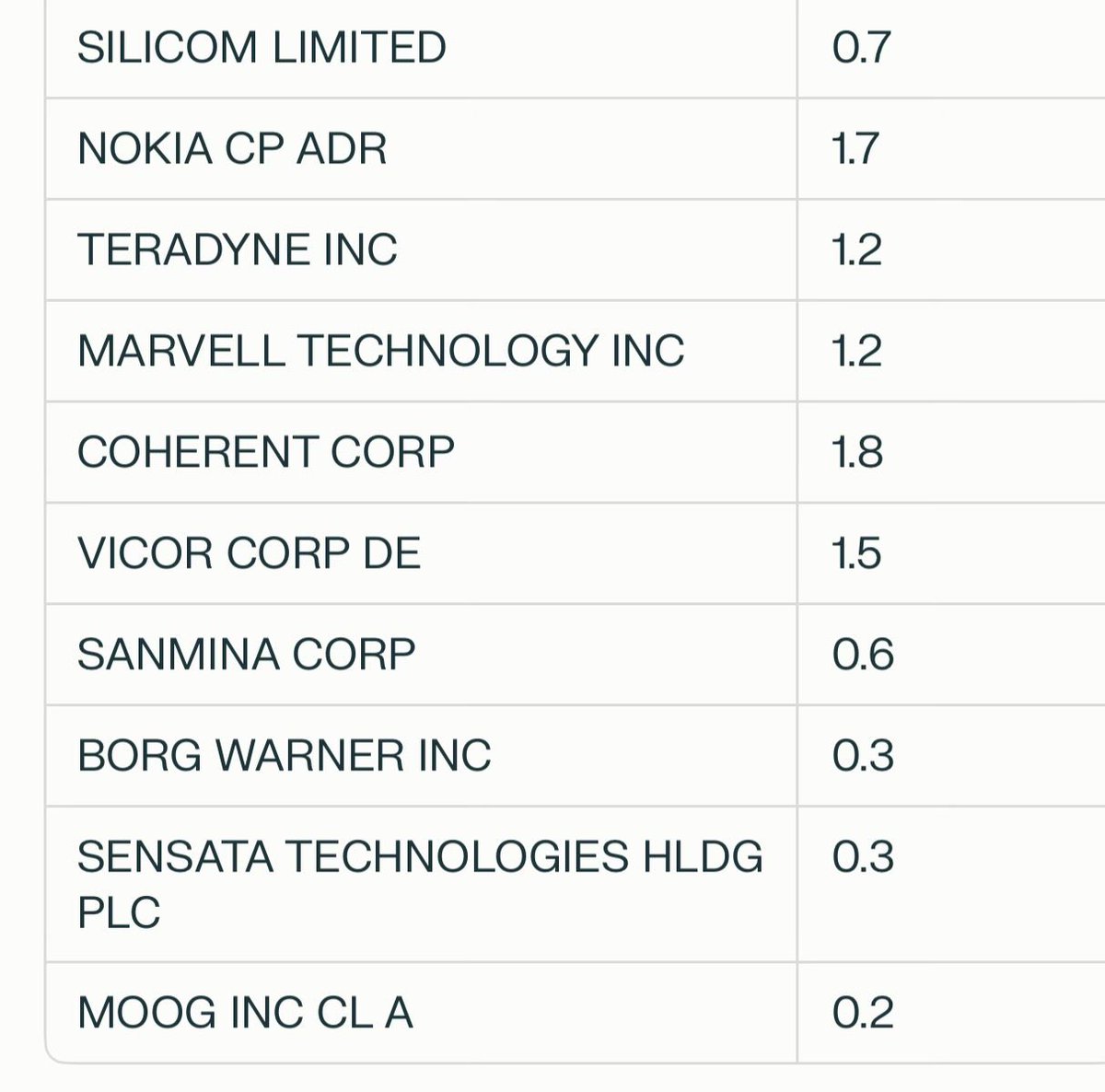
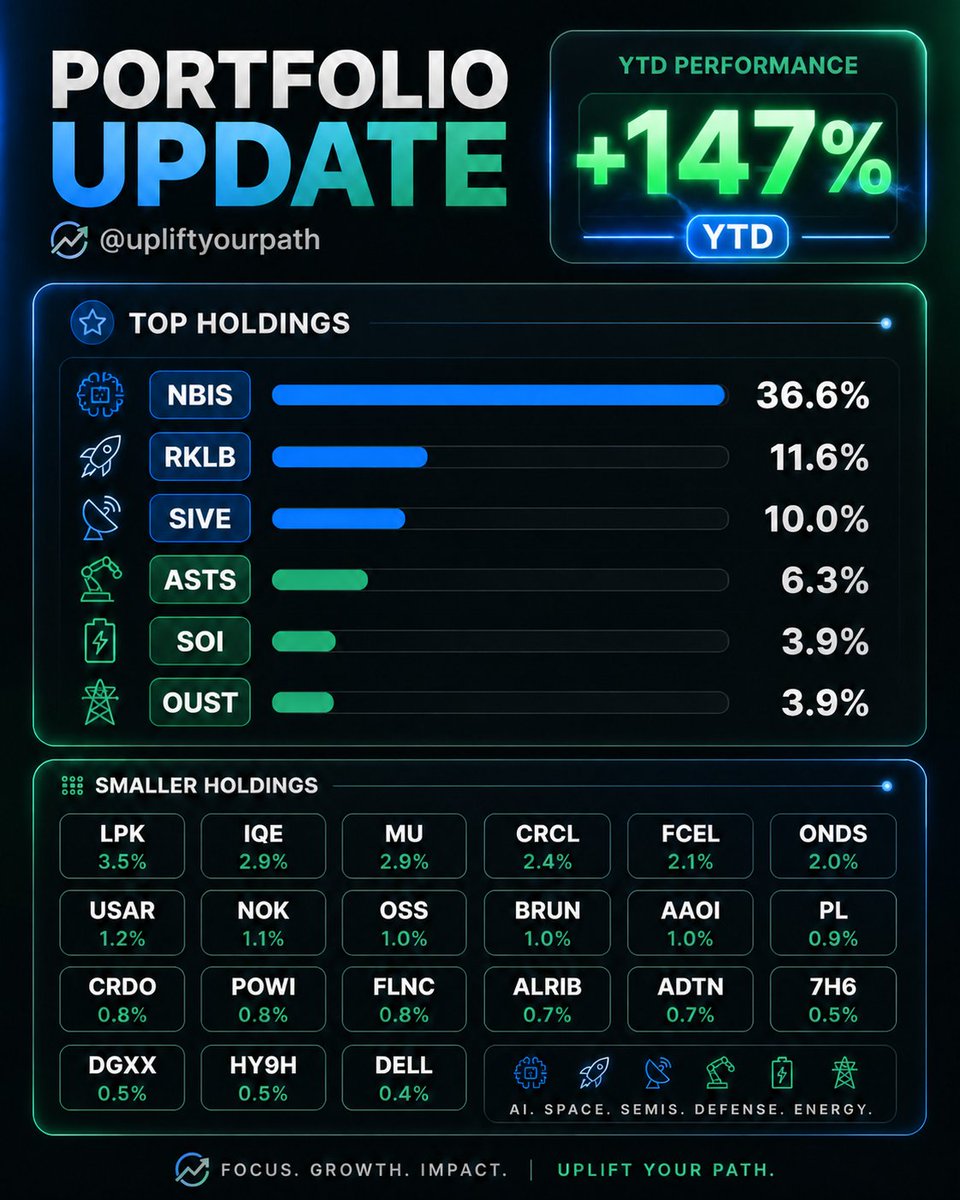
$NBIS and $RKLB leading the way to a 147% YTD return. Time for a portfolio update.
Added: $MU, $POWI, $ADTN
Sold: $LPTH
Current Holdings
$NBIS (36.6%): Long since $25, it reached $230 today.
$RKLB (11.6%): Best pure play to own the full space economy stack.
$SIVE (10.0%): High upside small-cap CPO play. Long since 8sek.
$ASTS (6.3%): Highly asymmetric direct to device connectivity bet.
$SOI (3.9%): Niche setup where strong execution drives an outsized move.
$OUST (3.9%): Top lidar play for scaling global automation and robotics.
$LPK (3.5%): Massive upside as the market catches up to the opportunity.
$IQE (2.9%): Essential semi-materials for the next wave of connectivity.
$MU (2.9%): Unmatched memory provider capitalizing on immense AI data center scaling.
$CRCL (2.4%): Stablecoin market growing rapidly.
$FCEL (2.1%): Clean energy leader positioned perfectly for the fuel cell infrastructure buildout.
$ONDS (2.0%): Defence and drone momentum play.
$USAR (1.2%): Great leverage to underlying sector growth trends.
$NOK (1.1%): Resilient telecom infrastructure provider enabling next gen connectivity networks.
$OSS (1.0%): Compact play on high performance compute infrastructure.
$AAOI (1.0%): Leveraged to hot optical demand in AI data centers.
$BRUN (1.0%): Emerging tech automation supplier gaining traction.
$PL (0.9%): Unmatched earth observation data asset for defense and commercial.
$CRDO (0.8%): Targeted exposure to ongoing data center networking buildouts.
$FLNC (0.8%): Grid scale storage playing the energy infrastructure supercycle.
$POWI (0.8%): Crucial power integration enabler driving broad energy efficiency.
$ALRIB (0.7%): Asymmetric bet on upcoming commercial milestones.
$ADTN (0.7%): Key benefactor of the ongoing global fiber networking rollout.
$DGXX (0.5%): Under the radar digital health AI compounder.
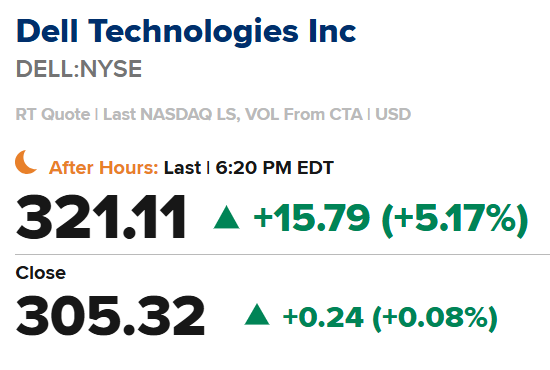
$DELL (0.4%): Trump told us to buy.
Deep dives on my thesis for each are on my Substack. Link below.
5
8
33
8,635



RipVanWinkle retweeted

Apr 26
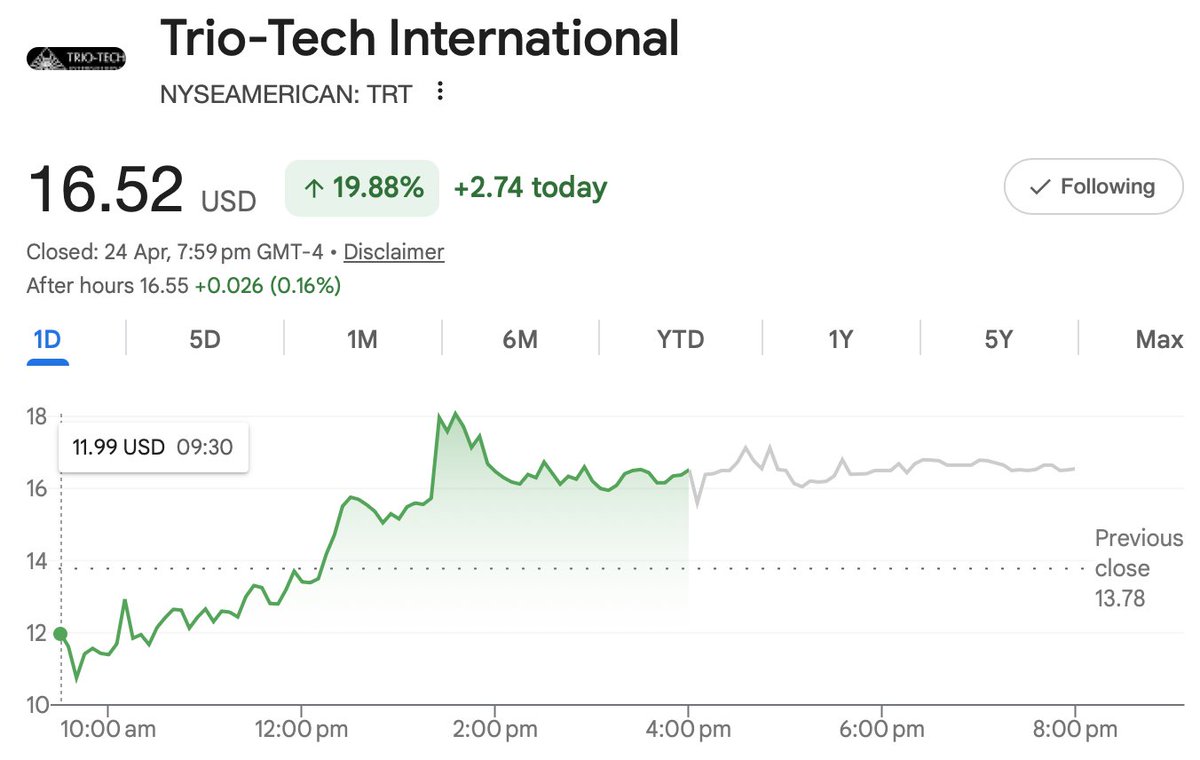
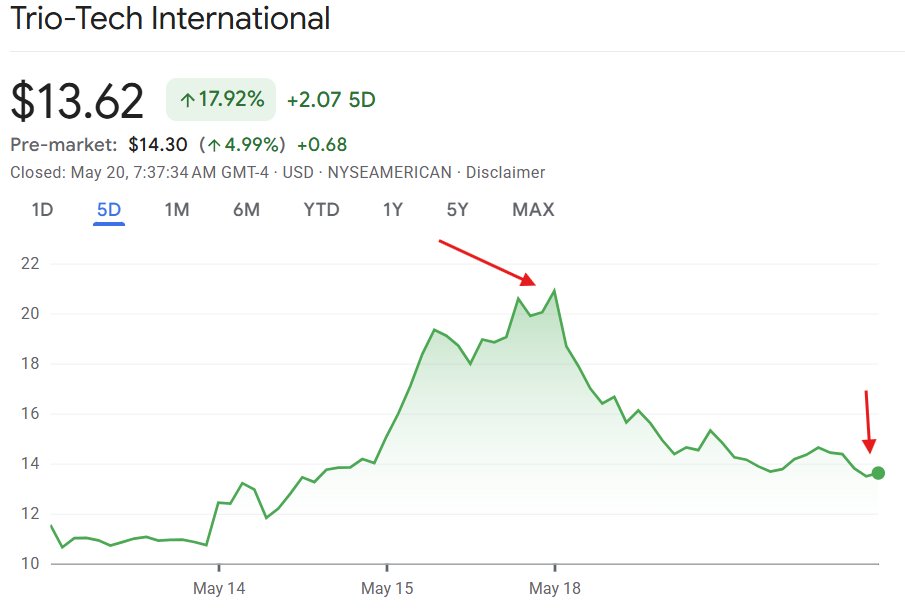
Last week I gave you $TRT.. rode it all the way to $17.
Not luck. Same playbook.
TRT doesn’t sell AI, it qualifies it. Every GPU hitting the data center goes through burn-in. No TRT, no shipment.
That $10M raise everyone called dilution? I’m not buying that. Institutions don’t fund capacity unless orders are already there.
Revenue is starting to inflect, margins haven’t caught up yet. That’s the setup.
Still feels early.
19
17
192
25,451


RipVanWinkle retweeted

May 27
I am long $ADTN.
I have spent the last week going deep on an optical networking company trading at ~1x forward P/S while its closest peers trade at 9x and 25x. Goldman Sachs just mapped a $154B TAM in this exact space.
The AI data center tailwind hasn't touched this stock yet.
Full report is live below.

15
20
227
123,563