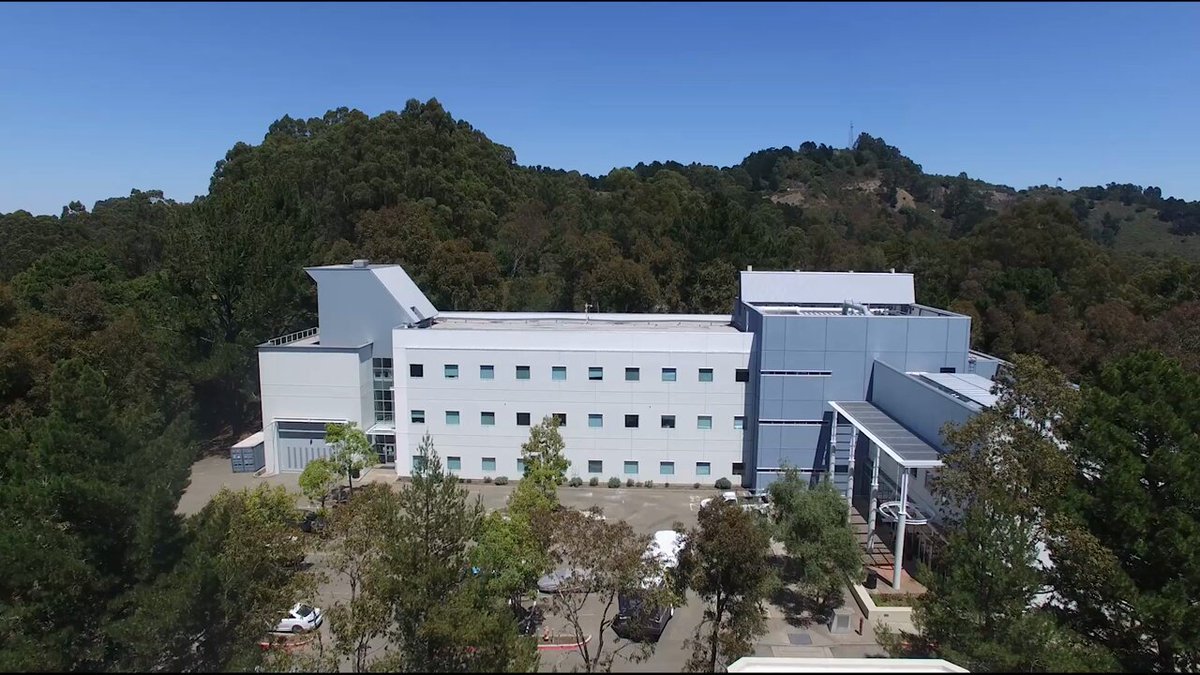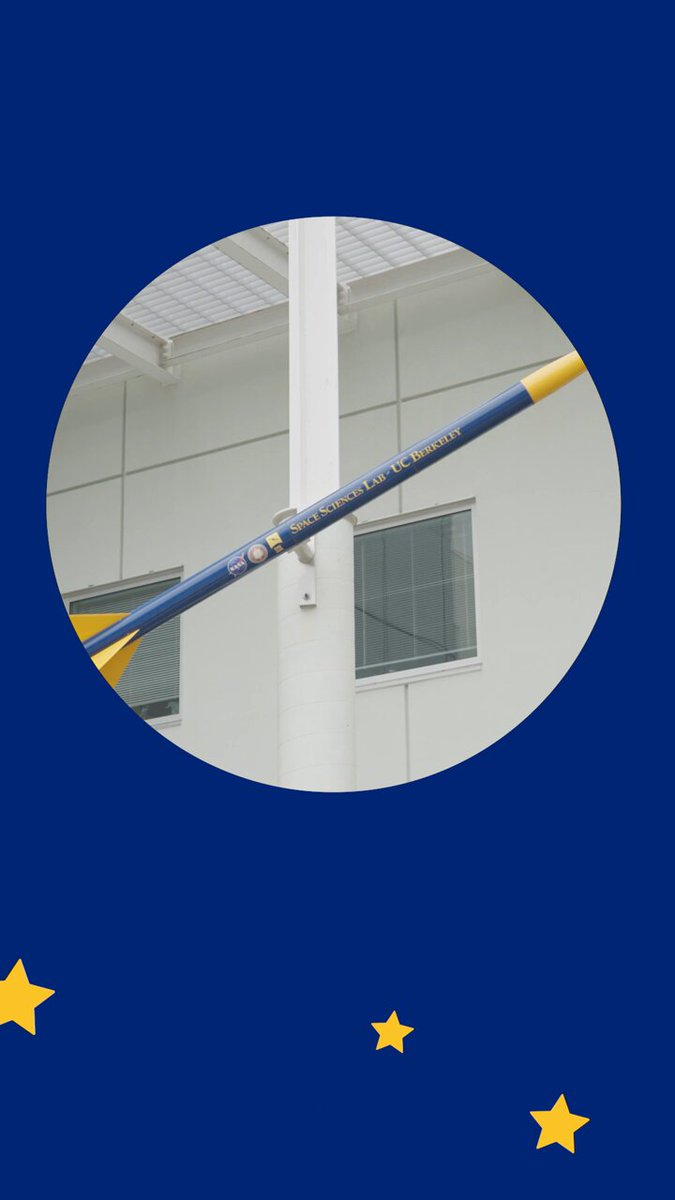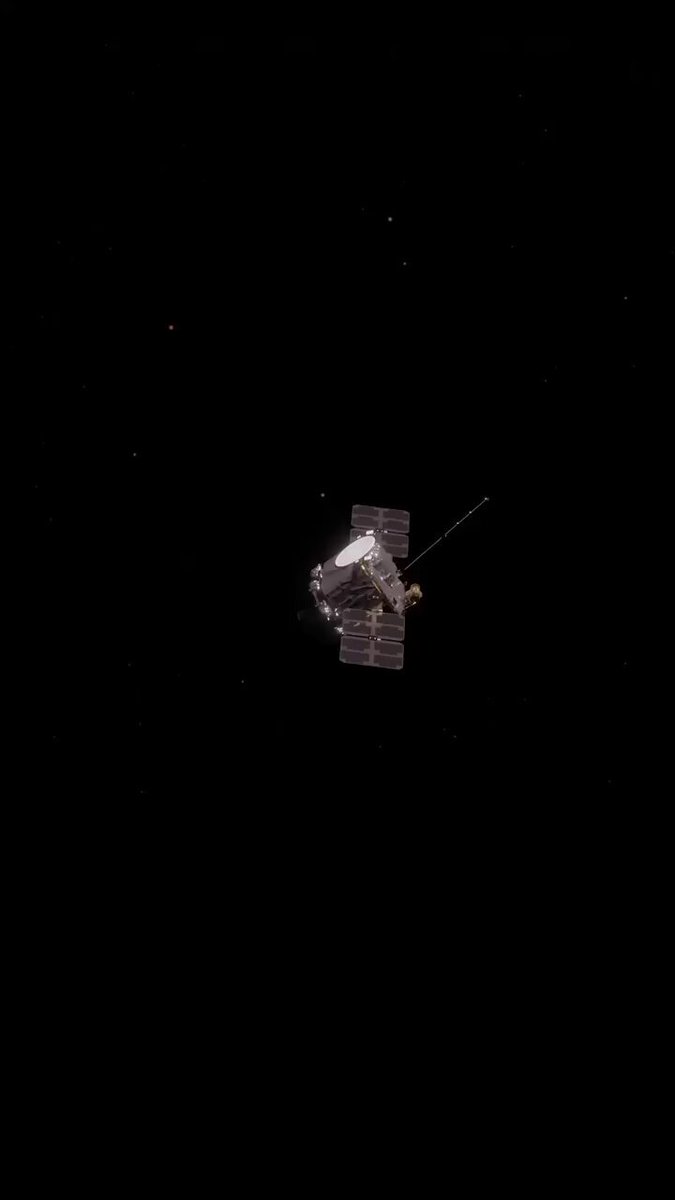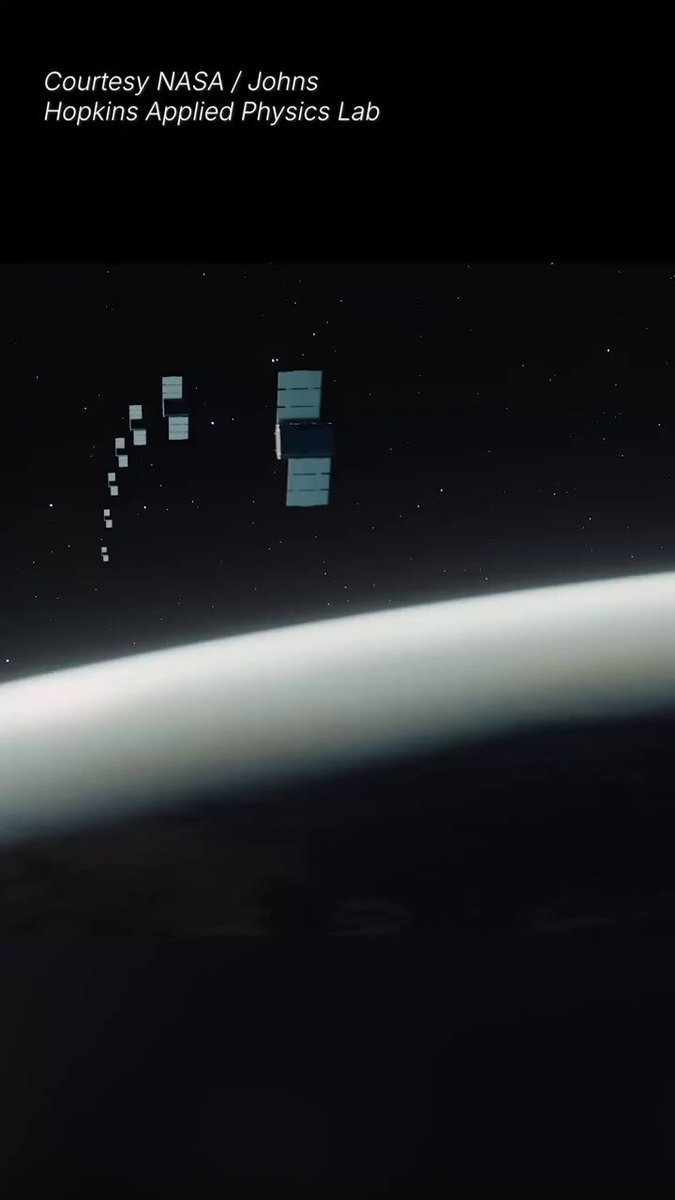
The Space Sciences Laboratory (SSL) @UCBerkeley (UCB) is a preeminent university lab for space research and has participated in 50 NASA missions since 1959.
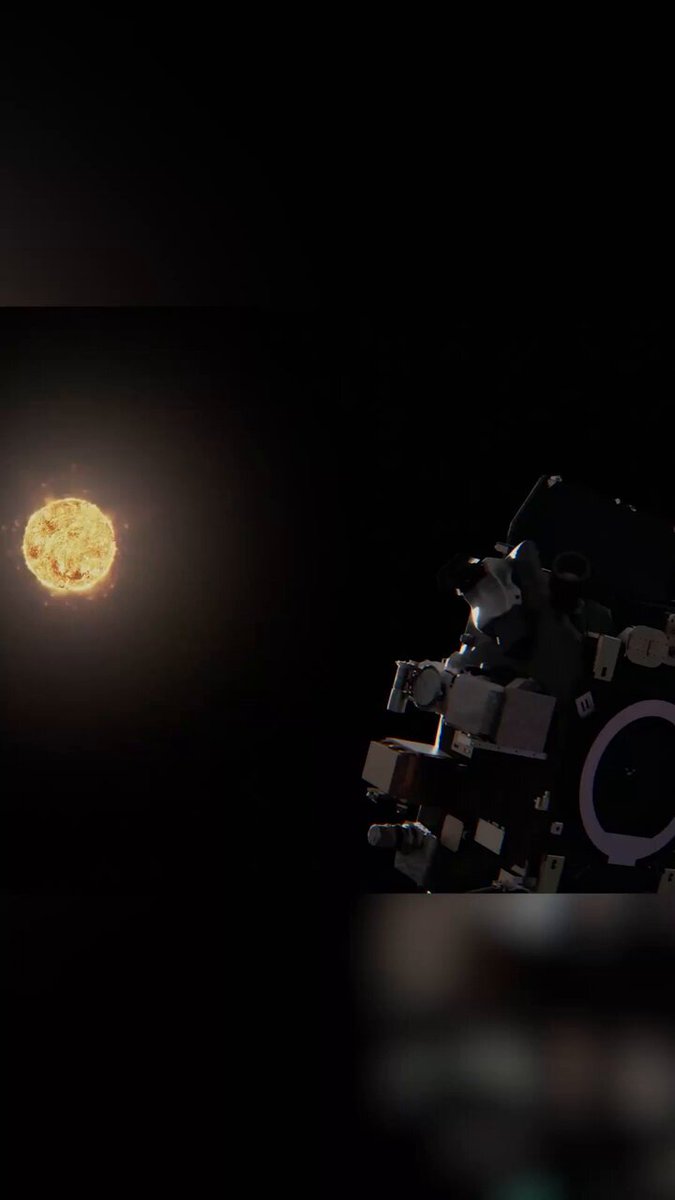
The recent FOXSI-5 mission, led by @astronomilo, demonstrates potential of advanced X-ray imaging and sounding rockets for solar physics.
ssl.berkeley.edu/foxsi5-feat…
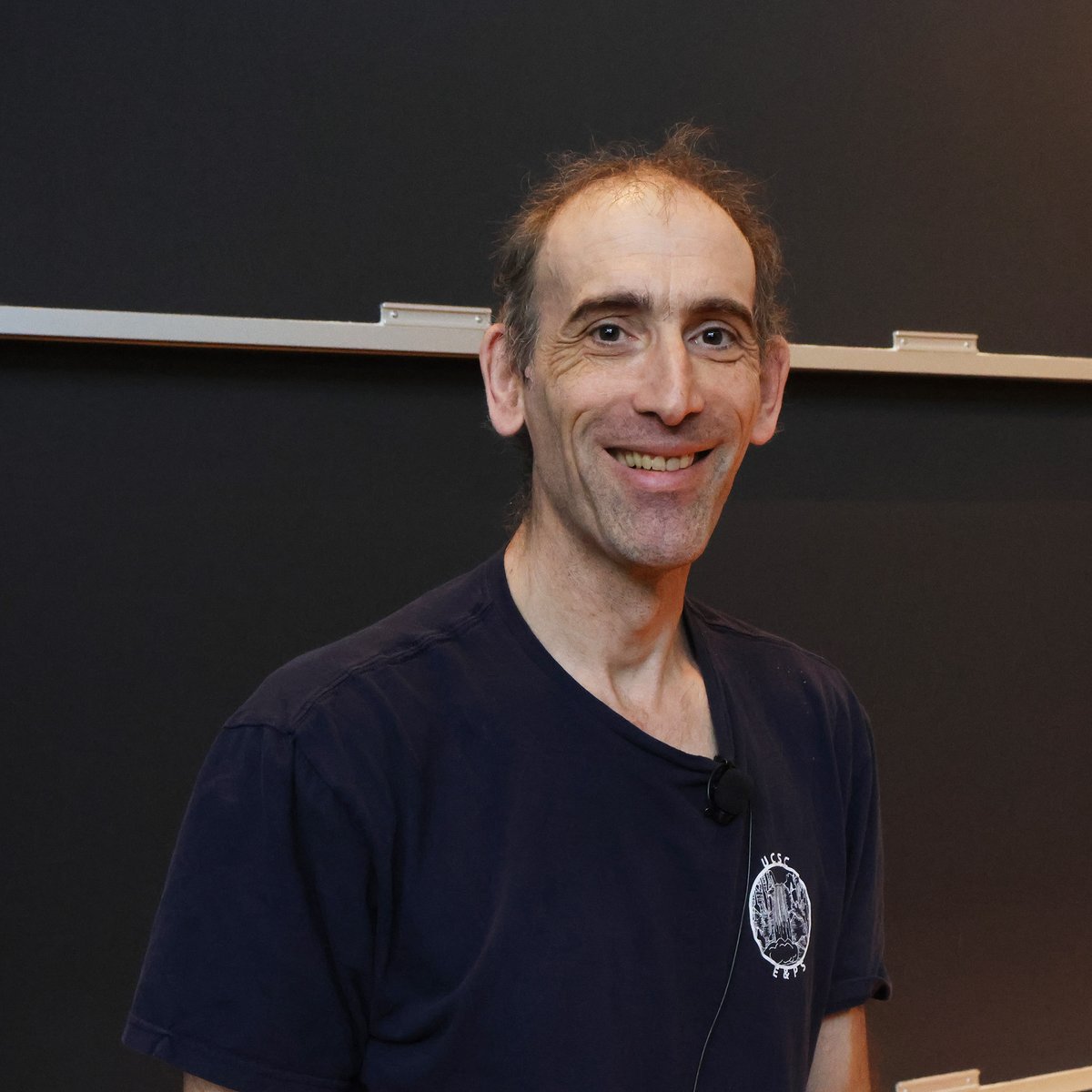
SSL project scientist Davin Larson describes the SupraThermal Ion Sensor (STIS) instrument on NOAA's SOLAR-1 spacecraft. STIS will contribute to SOLAR-1's critical monitoring of coronal mass ejections, which can disrupt satellites and ground-based infrastructure.
COSI was covered in this article published by @ConversationUS. One of COSI’s science objectives—to seek out the source of the gamma ray signature of matter/antimatter annihilation—may help reveal whether the center of our galaxy is rich in dark matter.
theconversation.com/upcoming…
MAVEN was the first mission designed to study the atmosphere of Mars. It also became a vital node of NASA’s communications network at the Red Planet
spklr.io/6018EMLZs
Hello Mars, goodbye Mars 👋
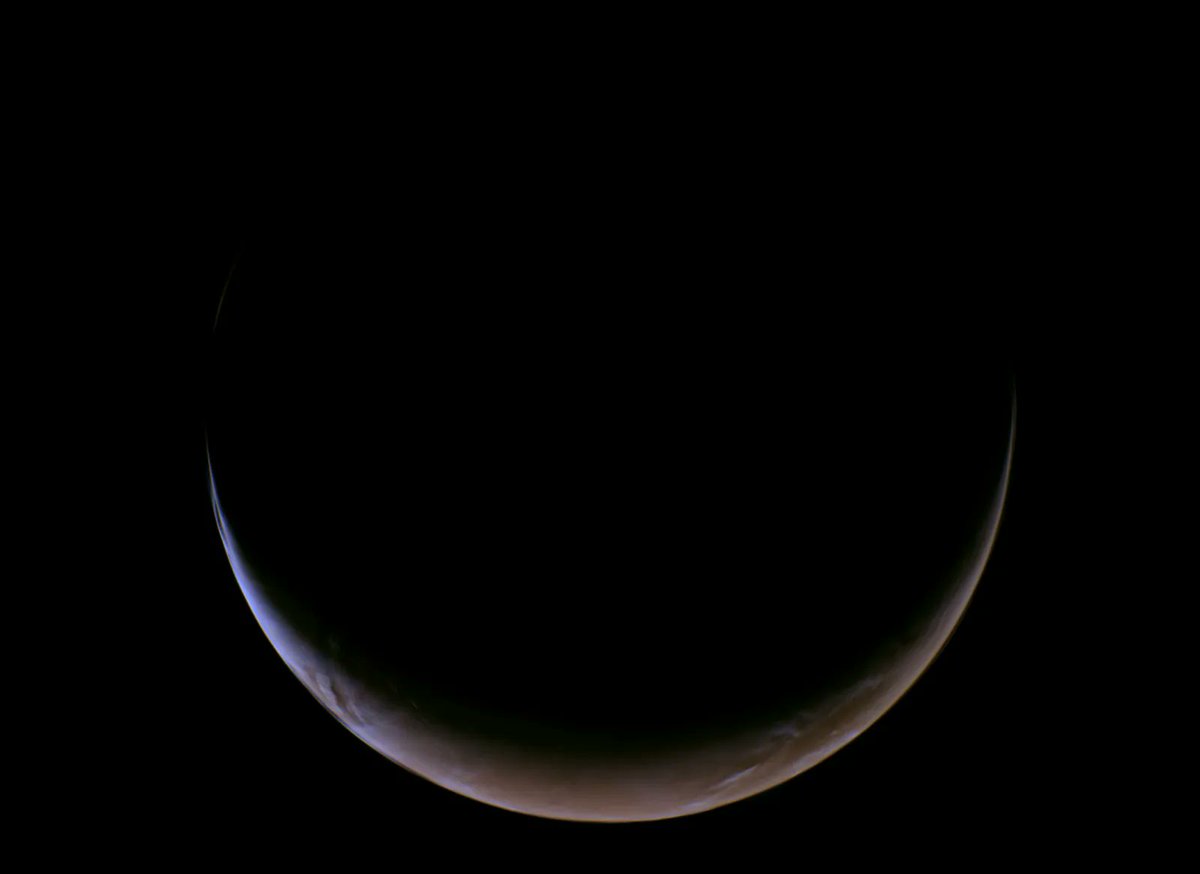
NASA’s #MissionToPsyche spacecraft was speeding by the Red Planet on May 15 when it snapped this rare, crescent view of Mars. The successful flyby flung the Psyche spacecraft toward its final destination: the metal-rich asteroid Psyche. 1/2
ALT A crescent-shaped Mars against the darkness of space. Within the thin illuminated crescent, the reddish surface and some clouds can be seen.
Hey space enthusiasts - Friday May 15 at 19:28 UTC the NASA Psyche spacecraft has its closest approach to Mars. Will get a velocity boost as well as a 3 degree plane change. You can track the @MissionToPsyche spacecraft in real time here: eyes.nasa.gov/apps/solar-sys…
SSL Director @ltelkins spoke to @sciam on her new book, Mission Ready: How to Build Teams That Perform under Pressure. "The ability that one in a leadership position has to try to help everyone else succeed is an incredible gift," says Elkins-Tanton.
tinyurl.com/54tvnepz
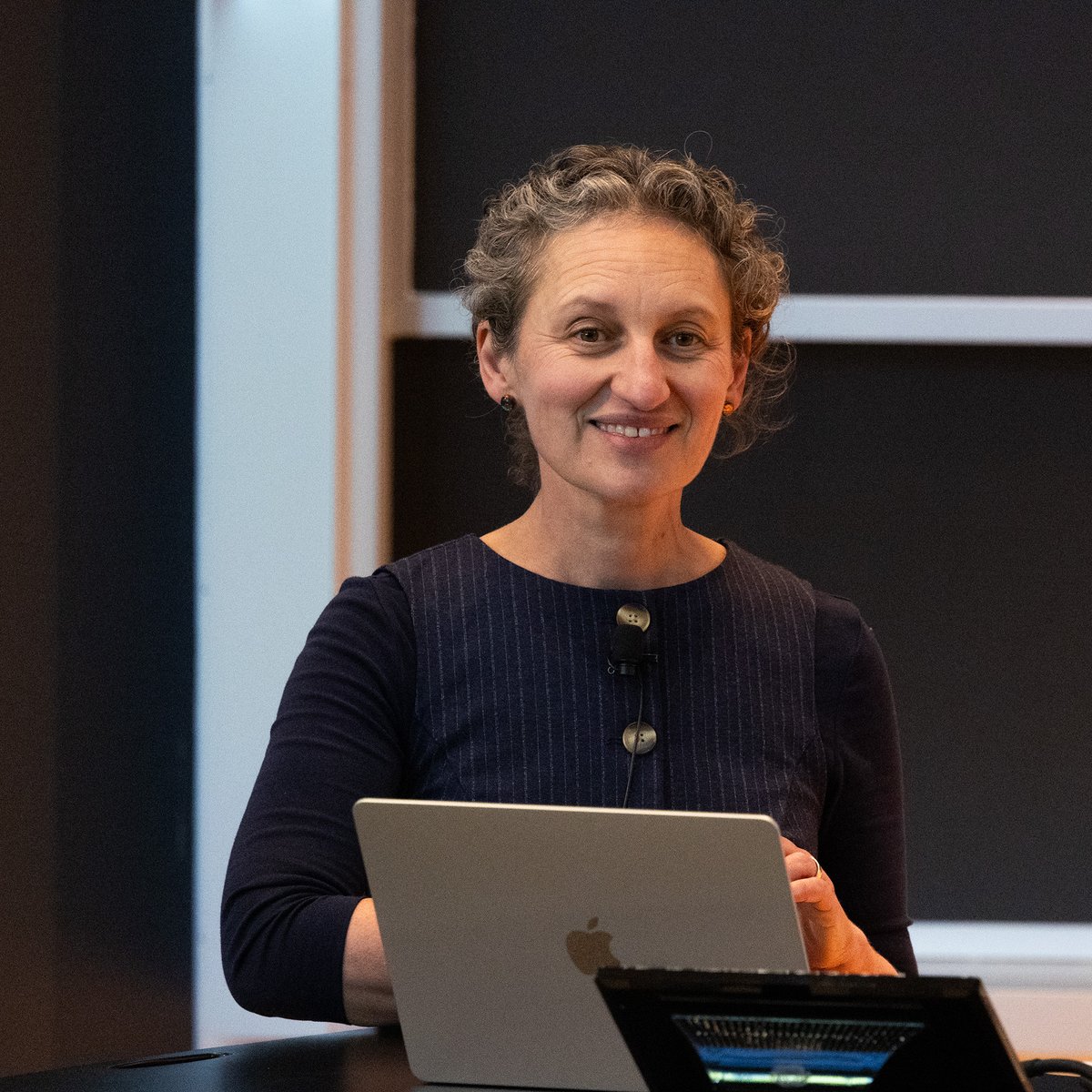
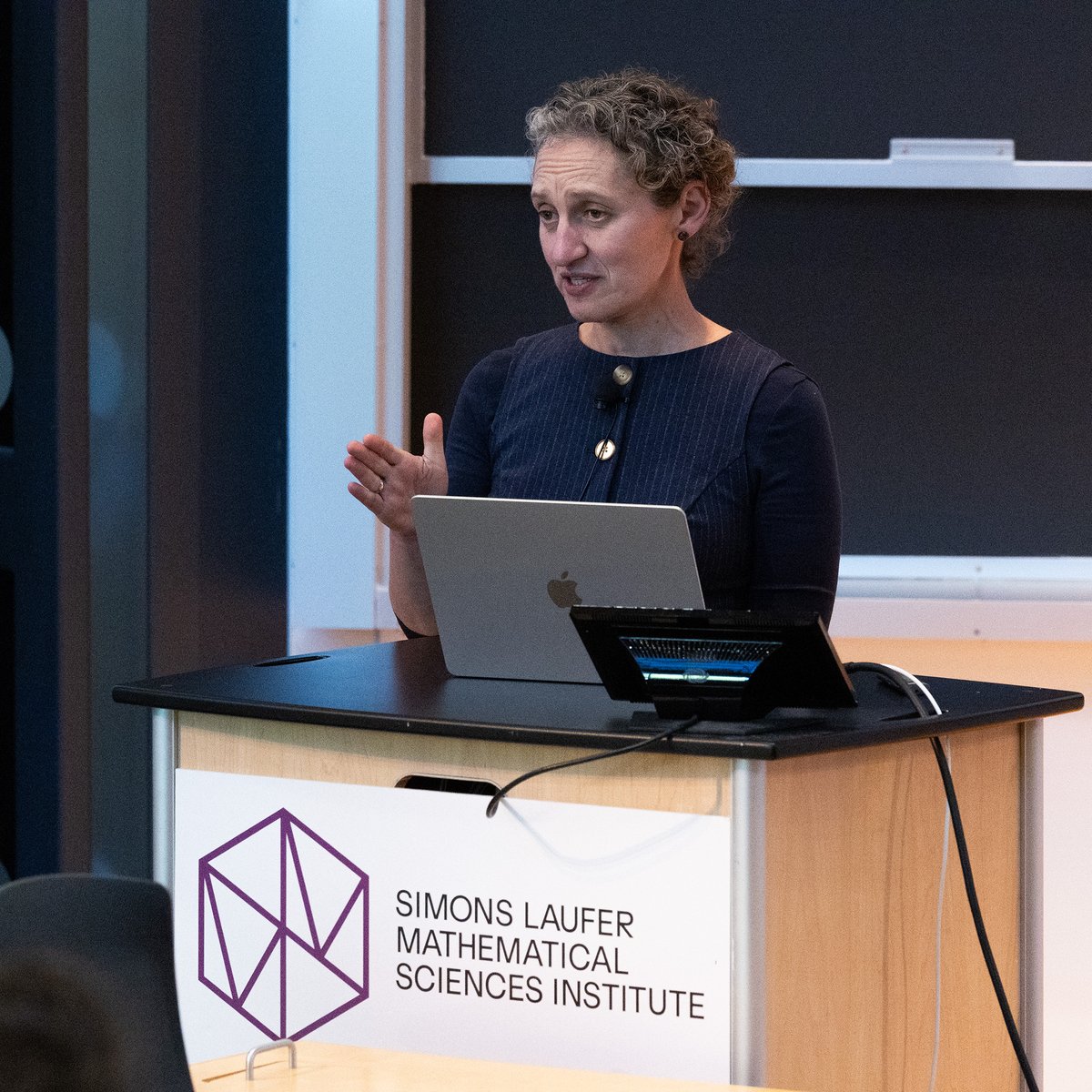
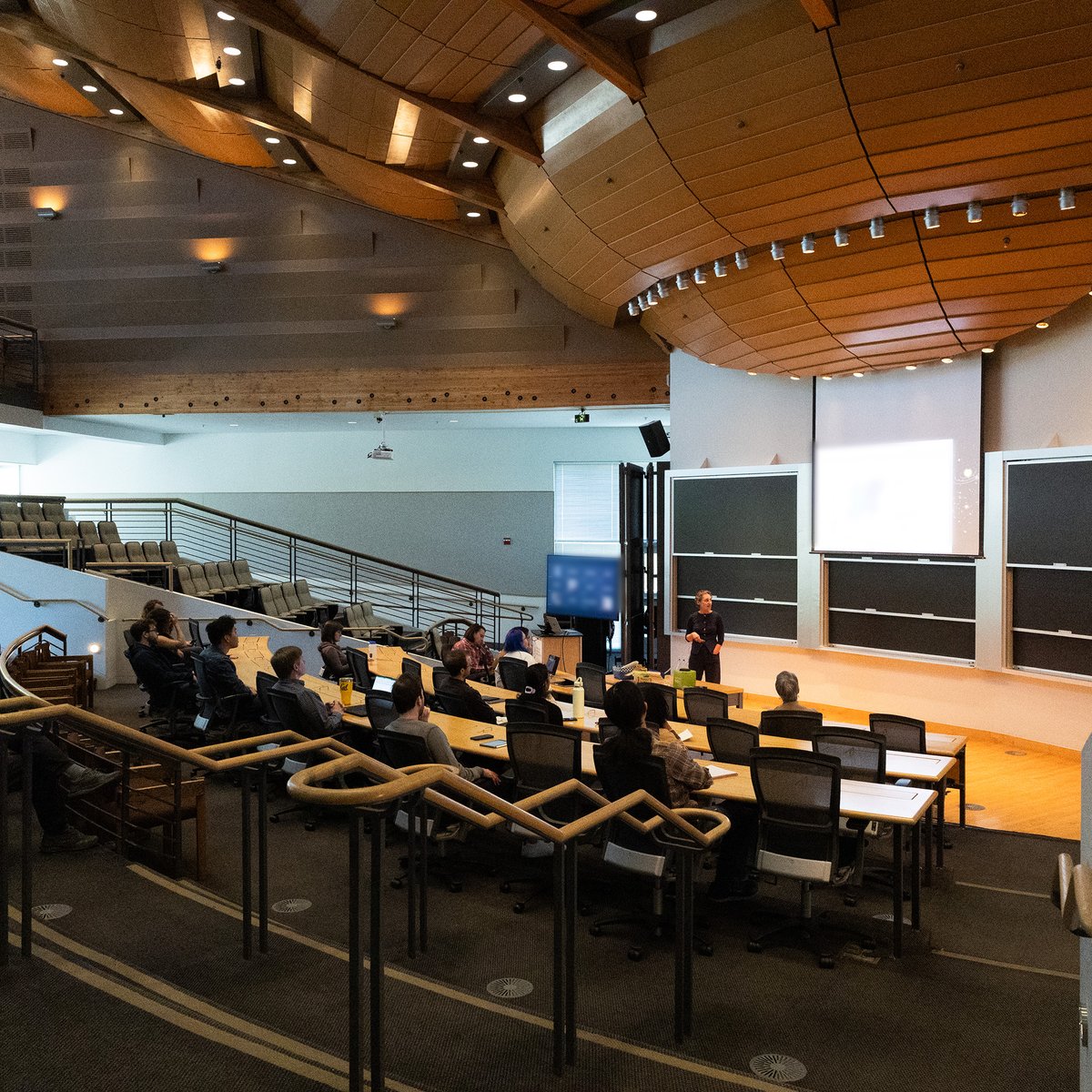
Thanks to @evgenya of @SESEASU, who delivered our final talk of the semester on the SPARKS mission, which is seeking out habitable exoplanets in our galaxy.
ALT Evgenya Shkolnik, Professor of Astrophysics at the School of Earth and Space Exploration at Arizona State University, speaking at the Simons Laufer Mathematical Sciences Institute (SLMath) in Berkeley, California, on the SPARKS mission, which is seeking out habitable exoplanets in our solar system.
NASA's @MissionToPsyche is approaching Mars for a gravity assist. It's also a chance to get images of the Red Planet. "...if...we can do important testing and calibration of the science instruments, that would be the icing on the cake," said Psyche PI and SSL Director @ltelkins.
NASA’s #MissionToPsyche – on its way to explore a rare, metal-rich asteroid – is about to get a speed boost from Mars. 🚀🏁
On May 15, spacecraft will harness the Red Planet’s gravitational pull as a slingshot to increase its speed and adjust its trajectory. 1/2
#FOXSI-5, a NASA-led sounding rocket mission that will study the X-rays produced by large solar flares, is ready for launch. Principal investigator @astronomilo is at Poker Flat Research Range preparing for launch. 🚀
gi.alaska.edu/news/poker-fla…
It's our home.
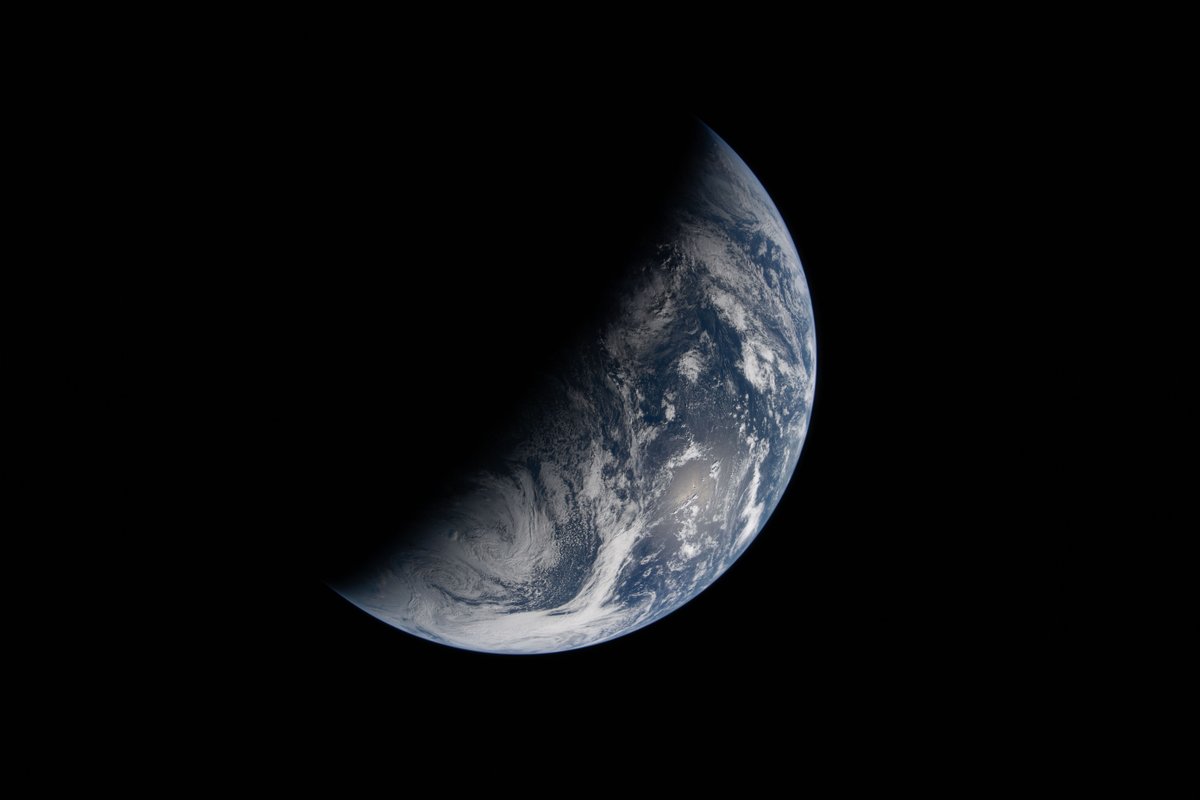
This Earth Day, see our planet as our Artemis II astronauts saw it with these new images from the mission.
ALT Image of Earth bisected by the terminator line. The terminator divides Earth\u2019s surface diagonally, shrouding the top left half in darkness. Earth\u2019s illuminated surface is mostly blue and covered in swirling white clouds. Credit: NASA
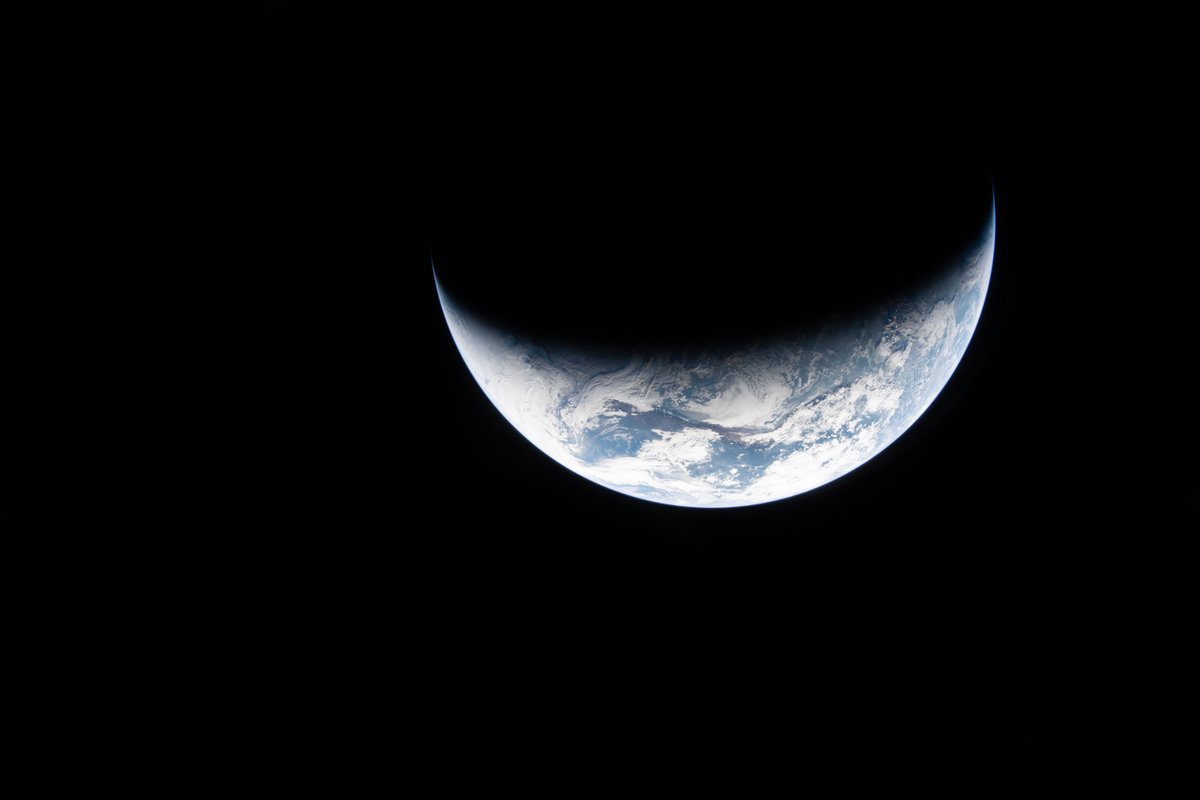
ALT Image of crescent Earth. Against the blackness of space, the shining blue and white of Earth appears like a smile. Credit: NASA
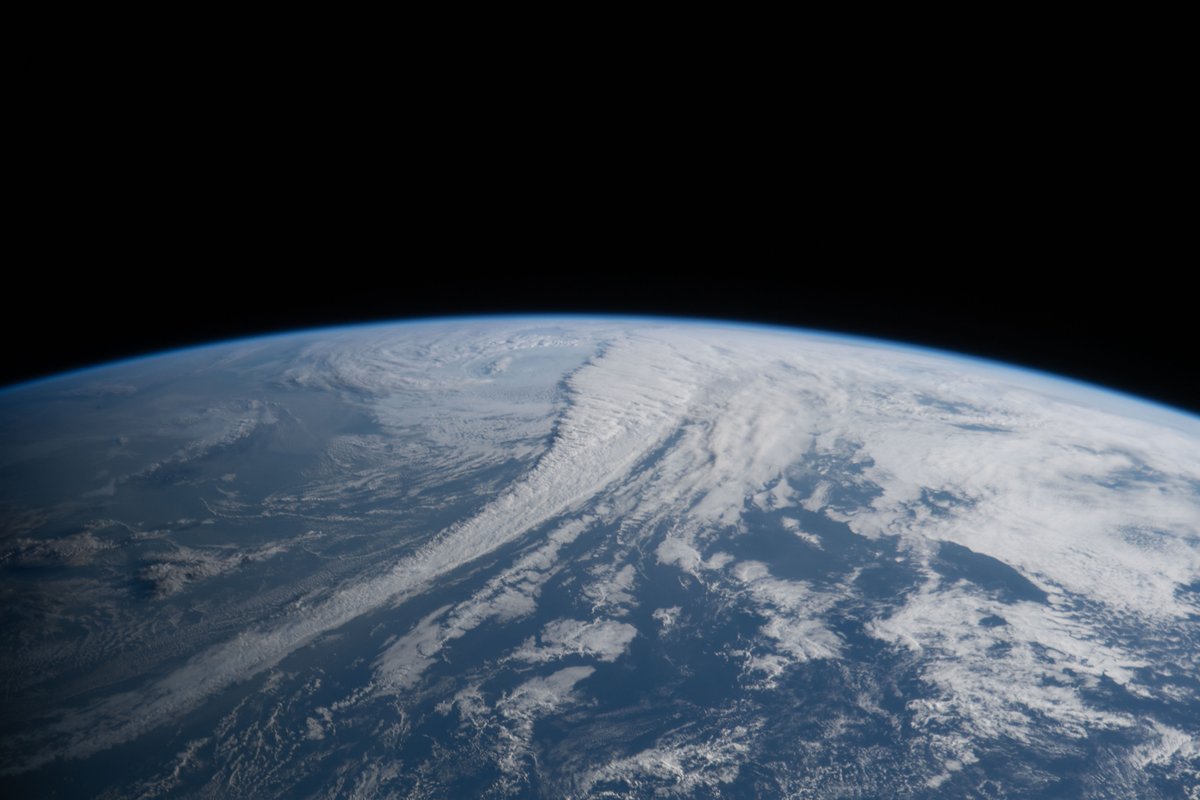
ALT Image of Earth from the Artemis II mission. Earth fills the bottom half of the image, its surface covered in blue water and swirling white clouds. Earth\u2019s limb is a blue glow against the curvature of Earth. Credit: NASA
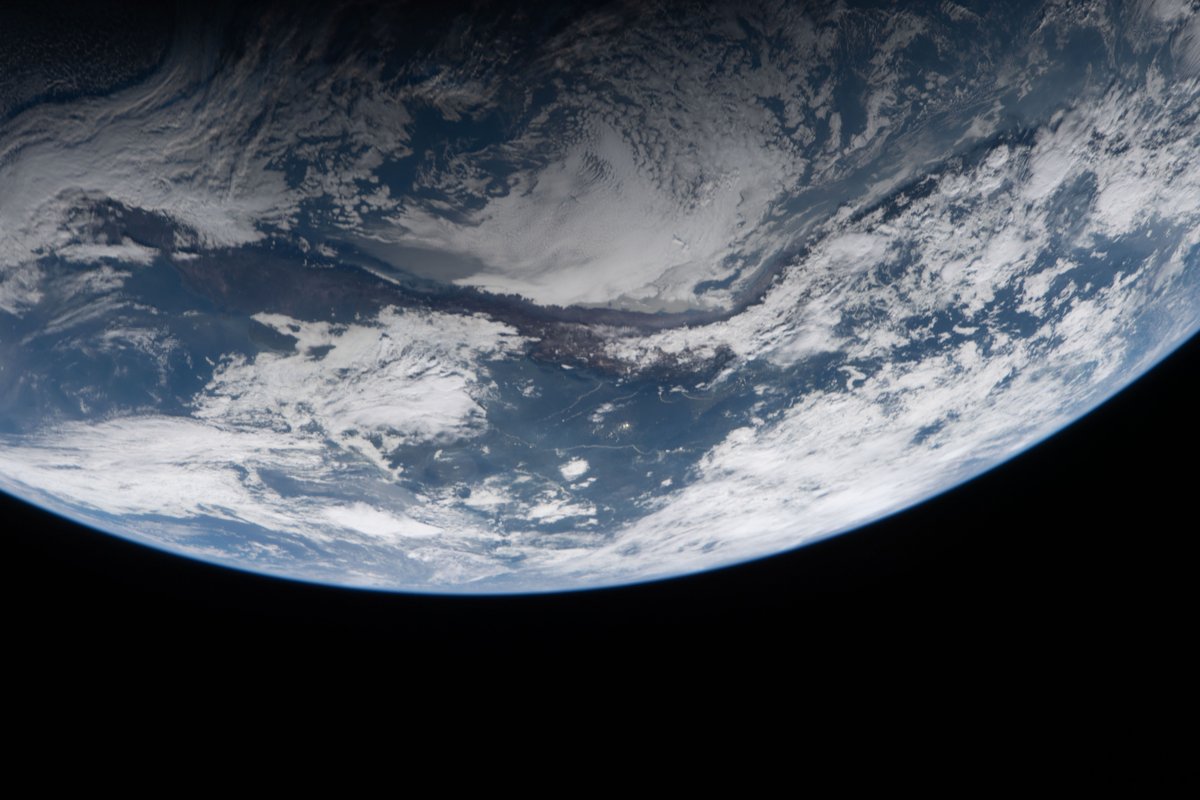
ALT Image of Earth from the Artemis II mission. Earth fills the top half of the image. Through the gaps in white cloud cover, green and brown land masses are visible, as is blue water. Credit: NASA
DESI has completed its planned 3D map of the universe. Much of the cutting-edge technology that made the survey possible was developed at SSL.
ssl.berkeley.edu/cutting-edg…
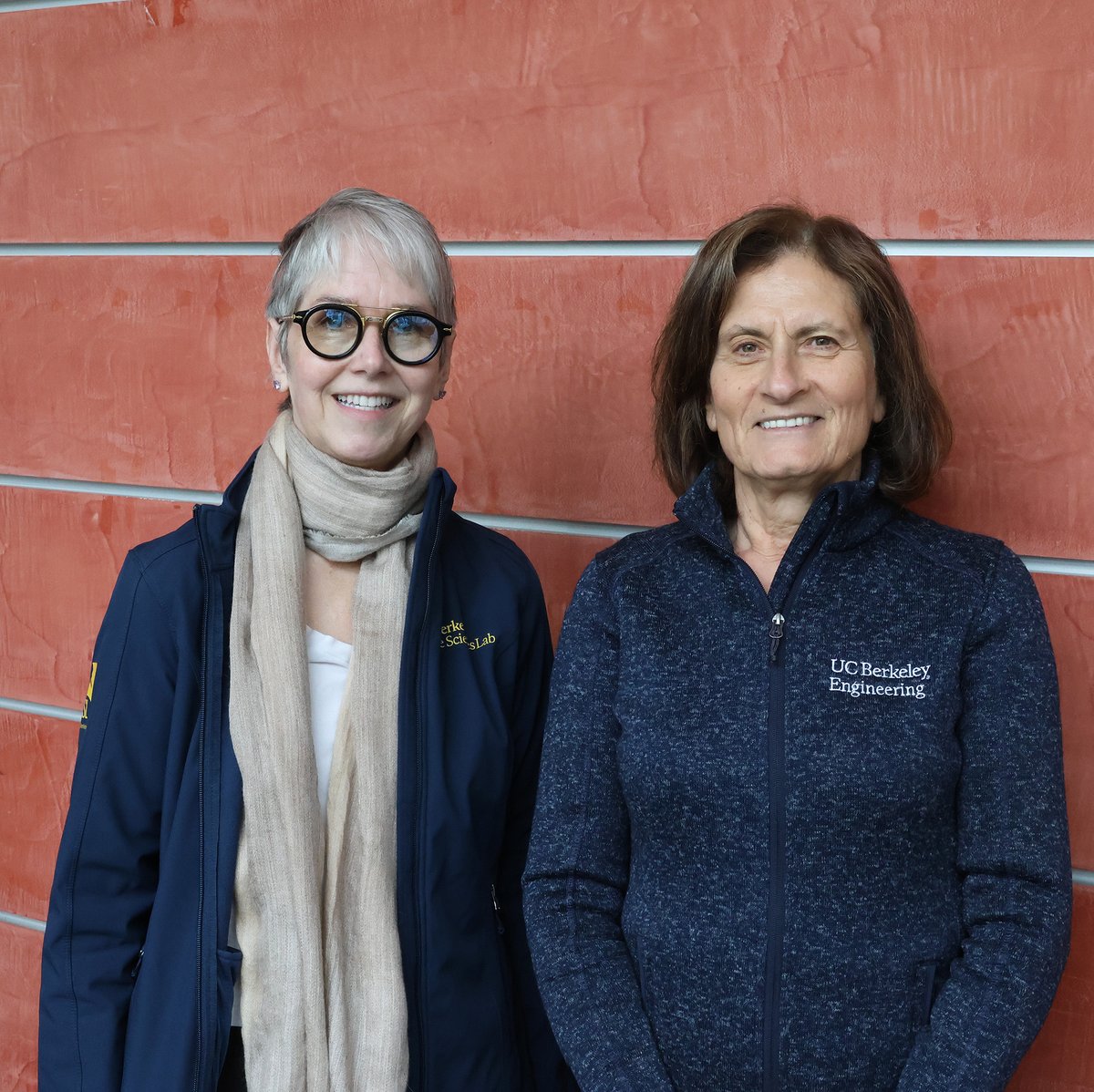
Victoria Coleman, Associate Provost of the @ucbspacecenter, stopped by SSL to tell us about forthcoming opportunities with Berkeley's 36-acre innovation center at NASA's Ames campus. She stayed on for lunch and heard ideas for the center from SSL researchers.
ALT SSL Director Lindy Elkins-Tanton andAssociate Provost of the Berkeley Air & Space Center Victoria Coleman posing for a photo as the UC Berkeley Space Sciences Laboratory.
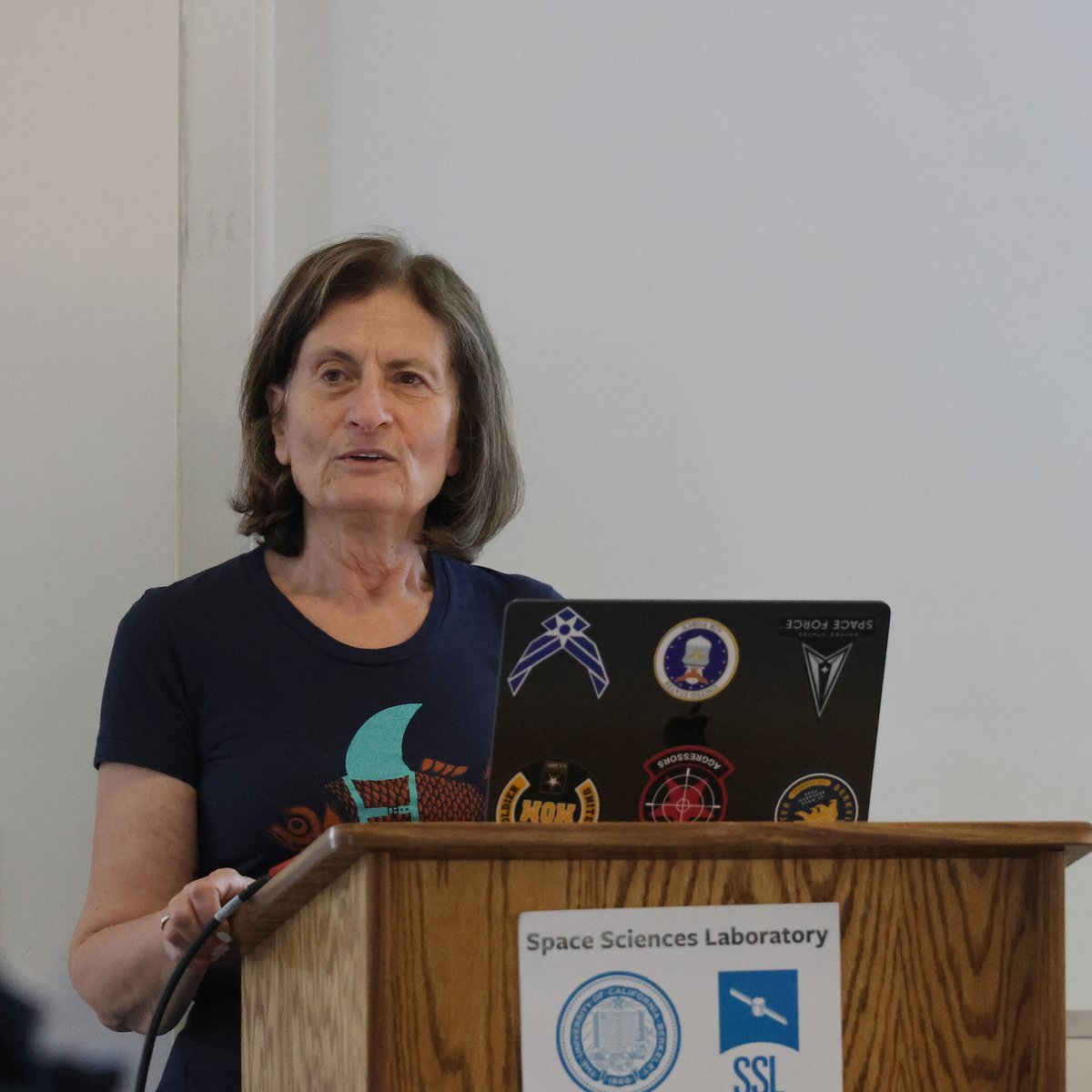
ALT Victoria Coleman, Associate Provost of the Berkeley Air & Space Center, speaking at the UC Berkeley Space Sciences Laboratory.
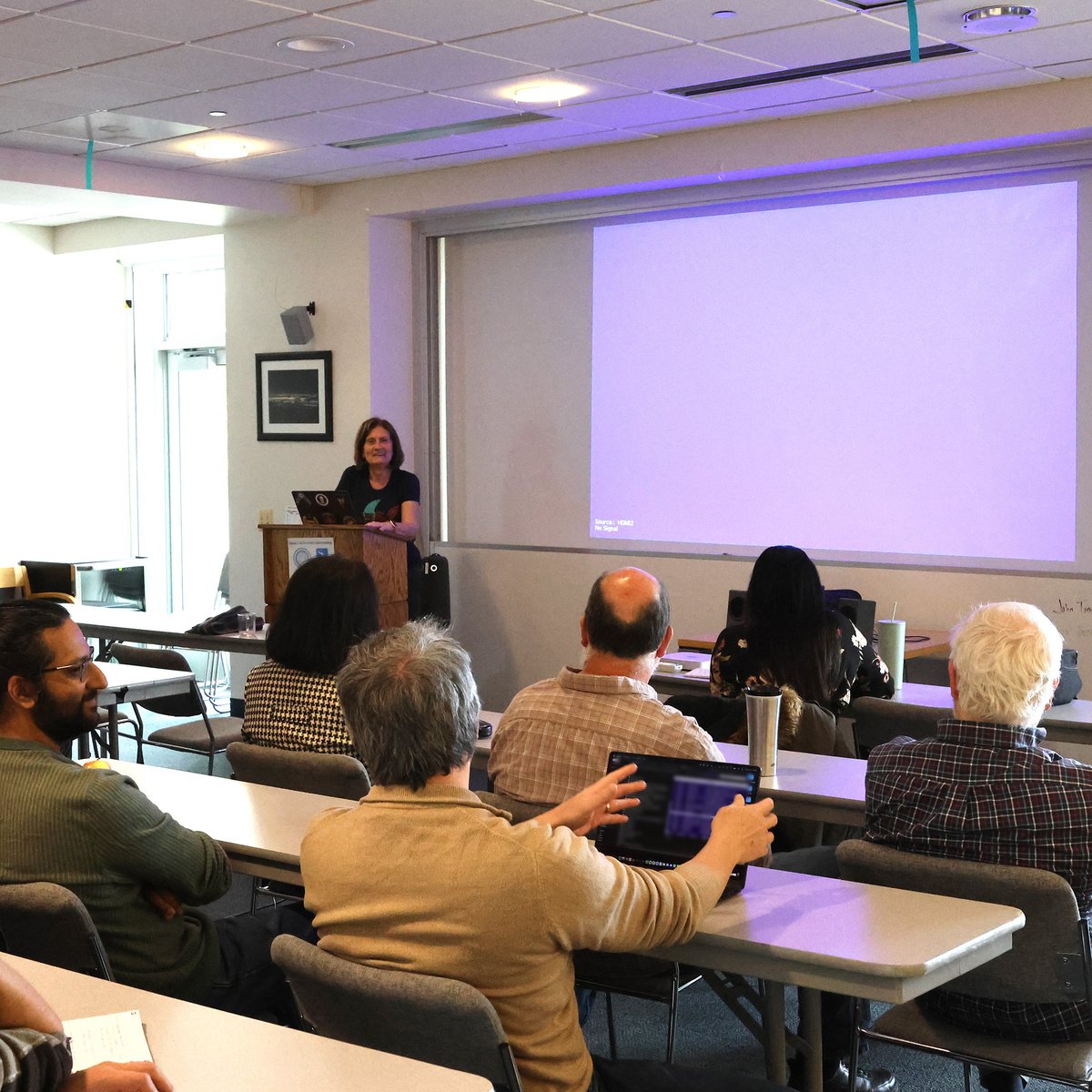
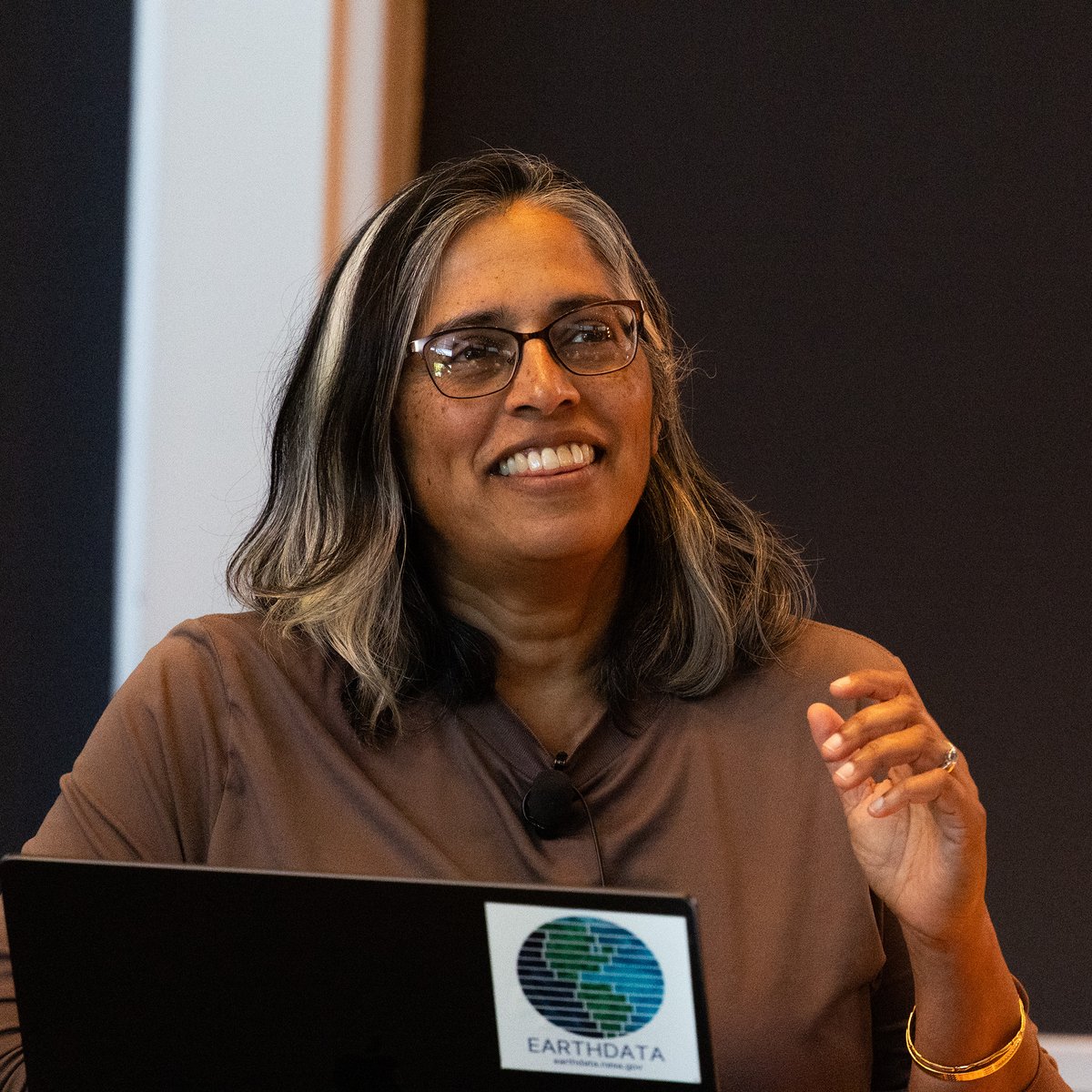
Thanks to Dr. @umaabythelake for the amazing talk on AI and machine learning applications the Jet Propulsion Laboratory. Thanks also to @mathmoves for hosting us again.
ALT Dr. Umaa Rebbapragada speaking on machine learning applications at the Simons Laufer Mathematical Sciences Institute as part of a UC Berkeley Space Sciences Laboratory event.
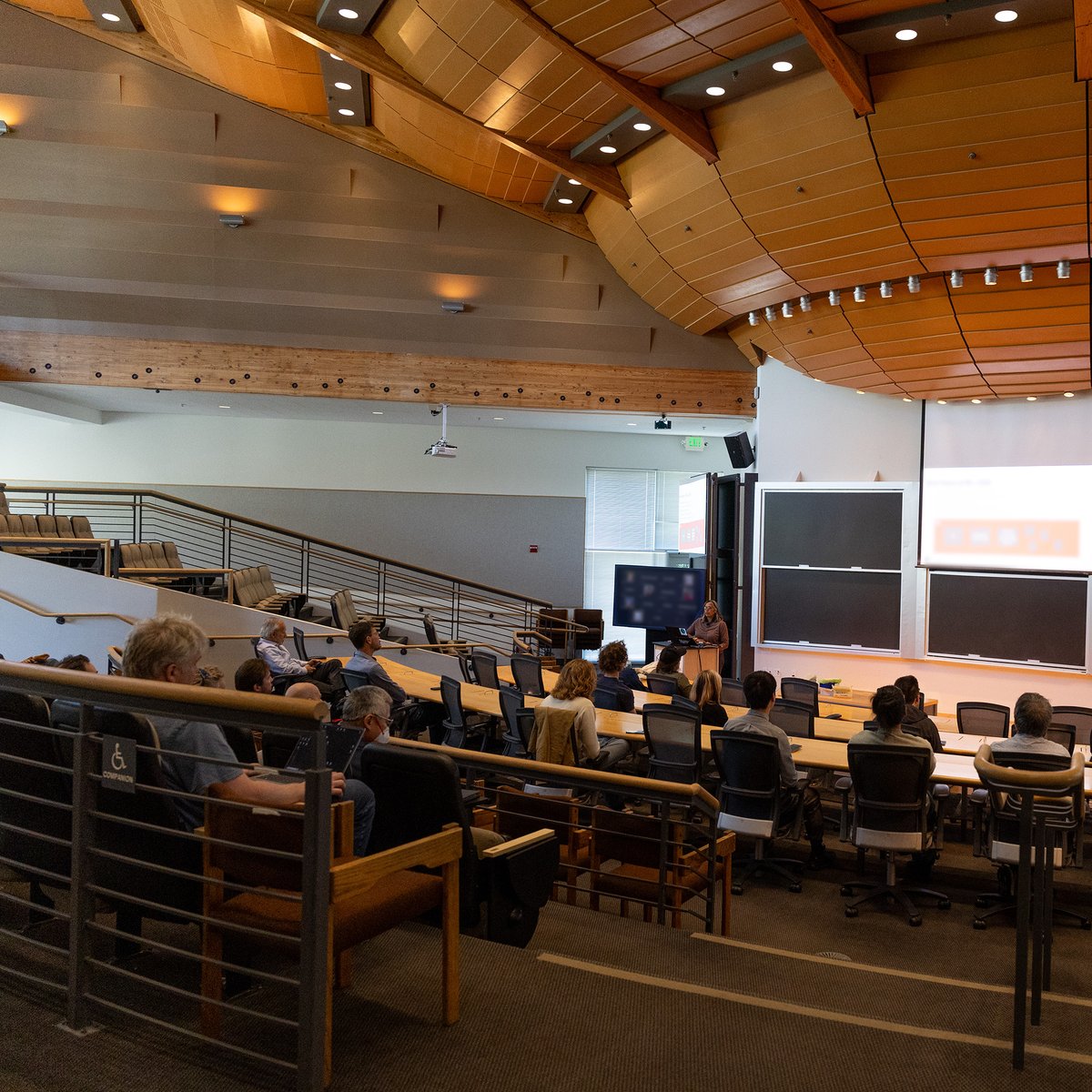
ALT The auditorium of the at the Simons Laufer Mathematical Sciences Institute in shades of orange and brown. Dr. Umaa Rebbapragada speaking on machine learning applications before attendees from the UC Berkeley Space Sciences Laboratory.
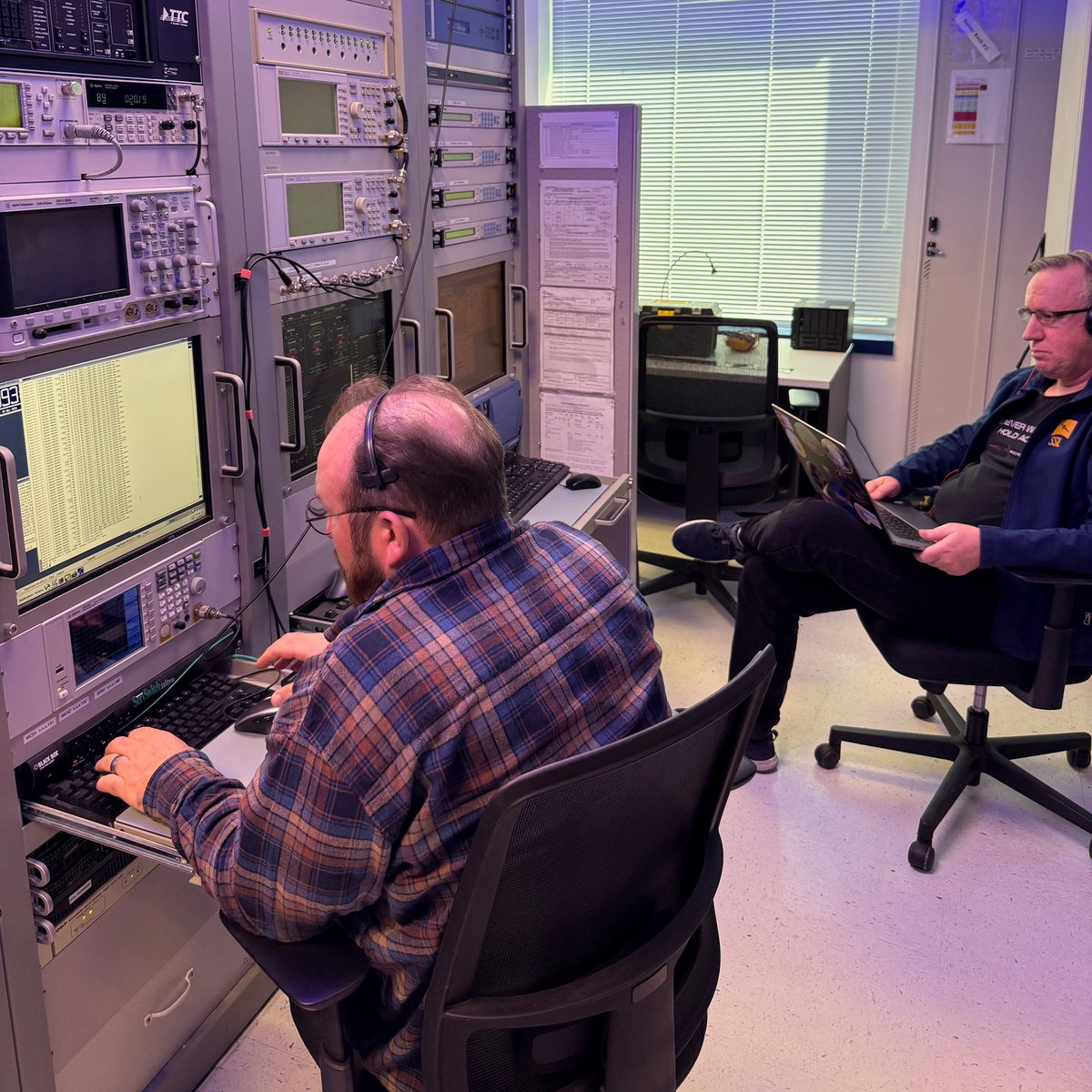
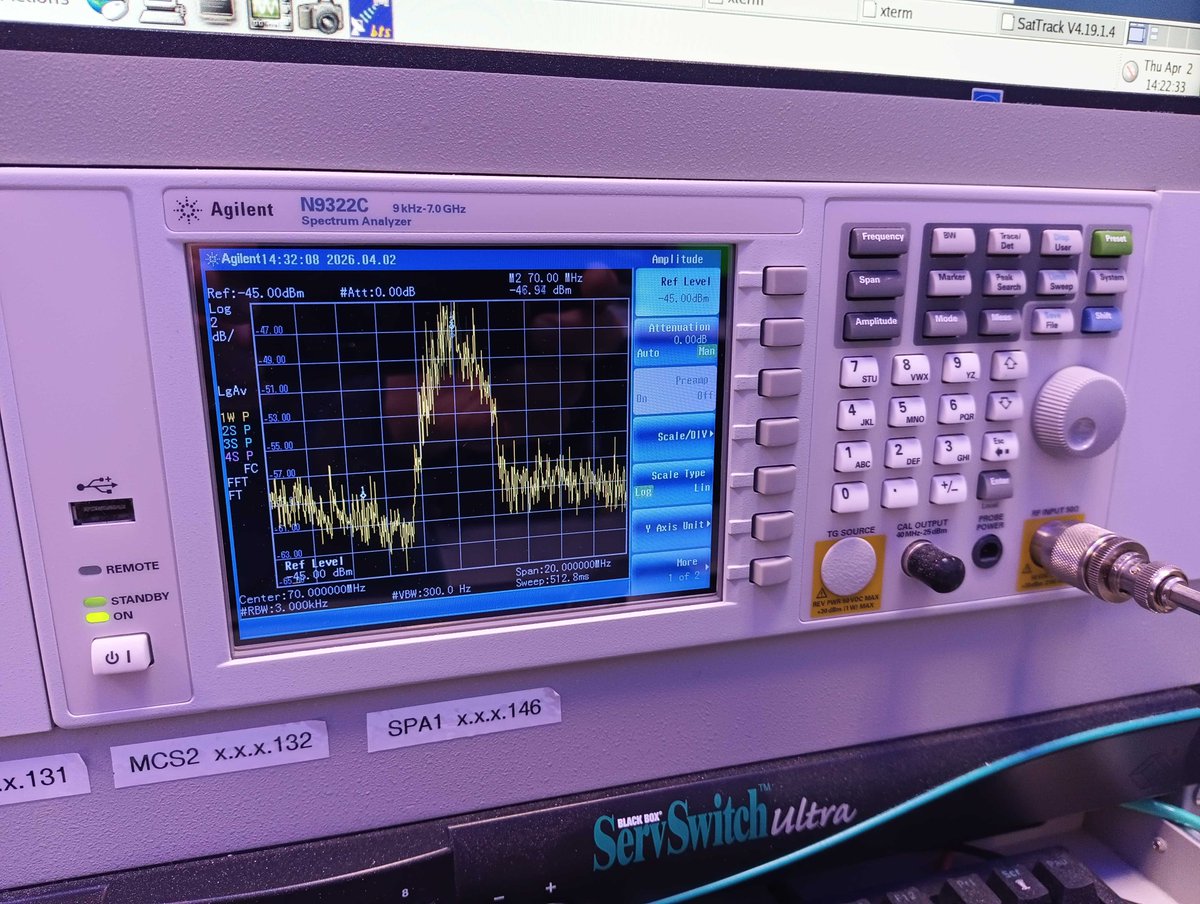
SSL's contributions to the Artemis 2 mission were featured in the @dailycal. “Even though we’re playing a small role, it still feels good to be part of it in some way,” said ground station engineer Warren Rexroad.
dailycal.org/news/campus/res…
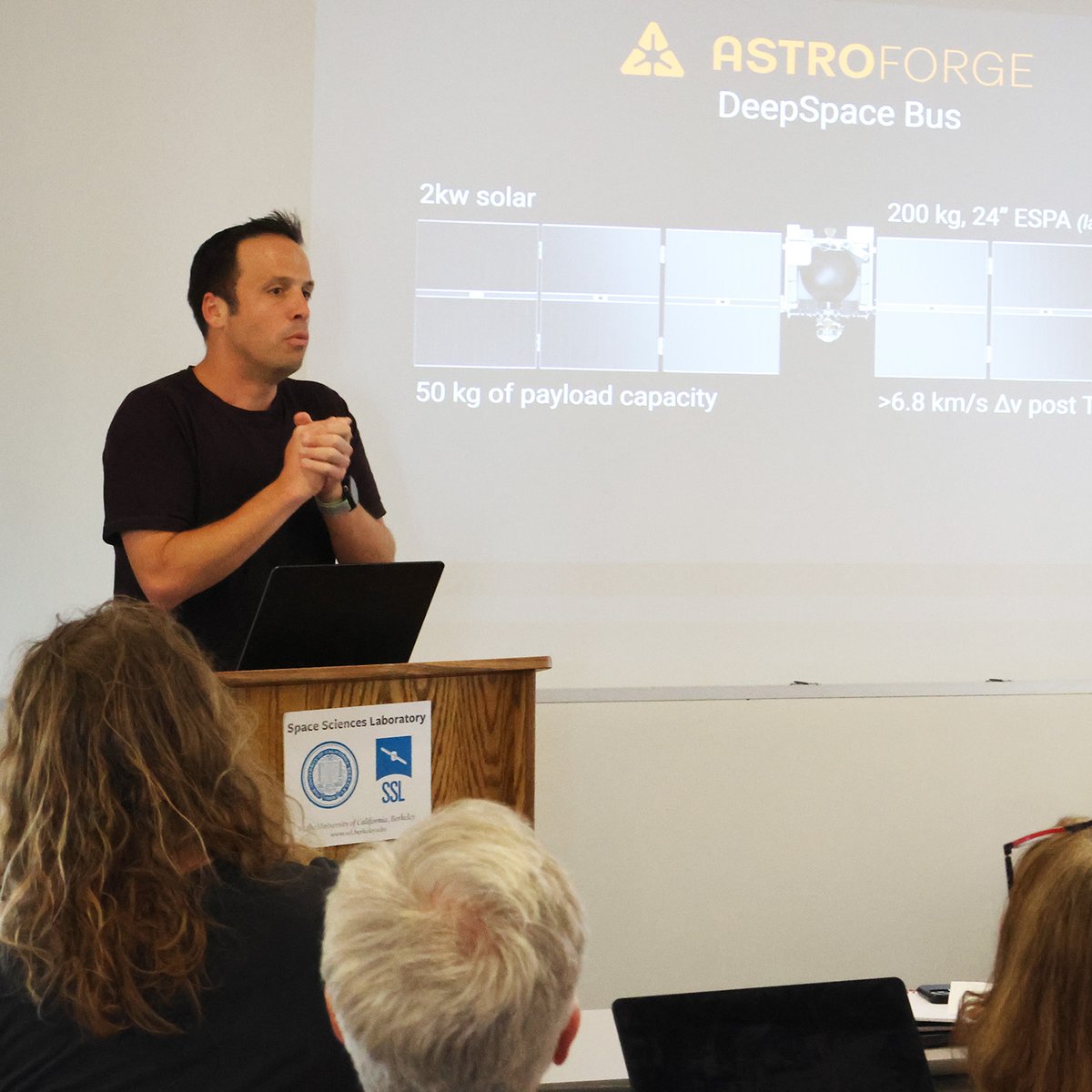
Great talk by @MattGialich founder and CEO of @AstroForge at SSL this afternoon. The conference room was standing room only as we all packed inside to learn more about DeepSpace-2 and its upcoming mission to land on an asteroid. 🙏 for flying up to the Bay to tell us about it.
ALT Matt Gialich, Founder and CEO of AstroForge, speaking behind the podium at the UC Berkeley Space Sciences Laboratory conference room and standing beside a slide displaying the AstroForge DeepSpace bus.