
644 Photos and videos


Pinned Tweet

20 May 2024
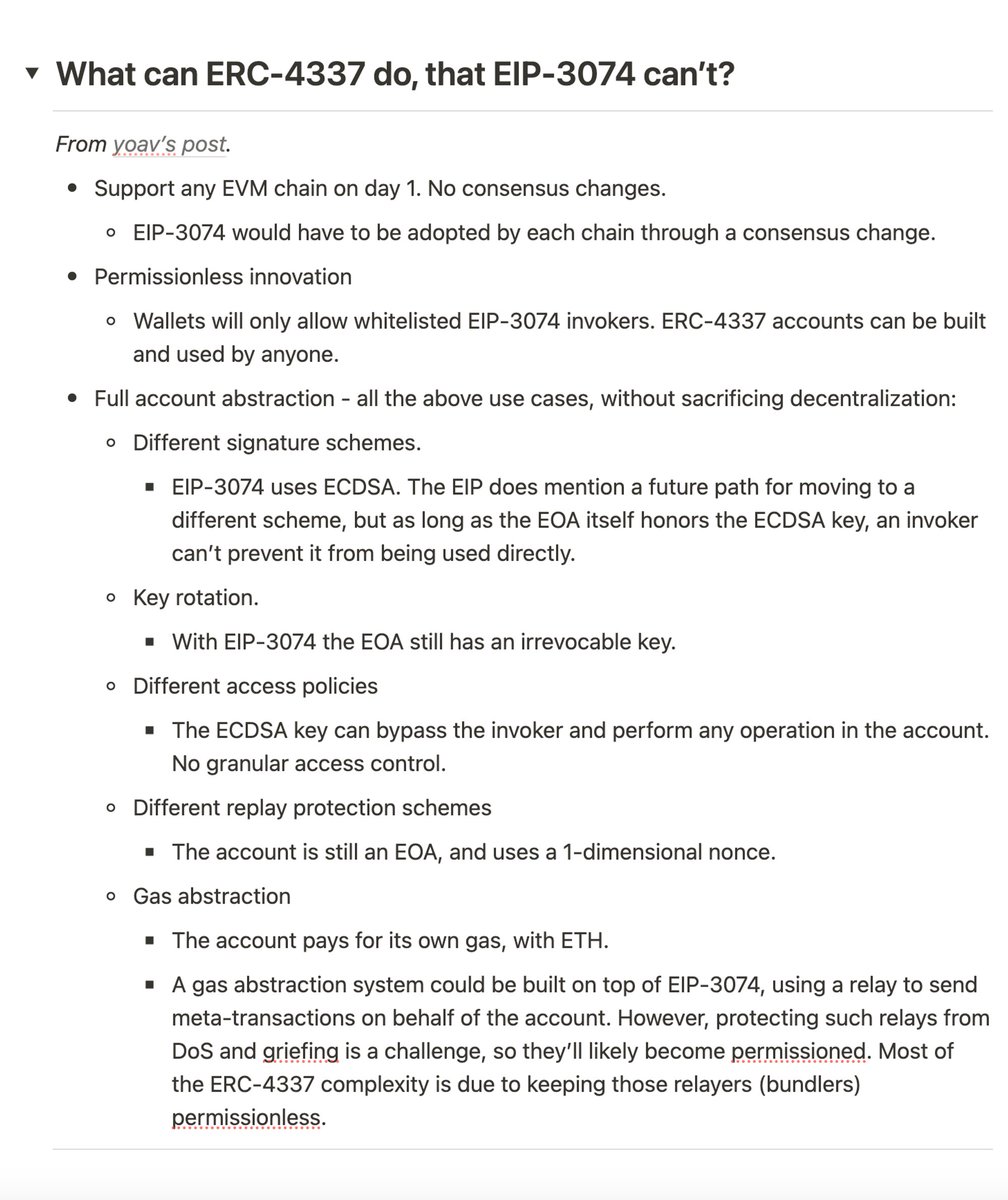
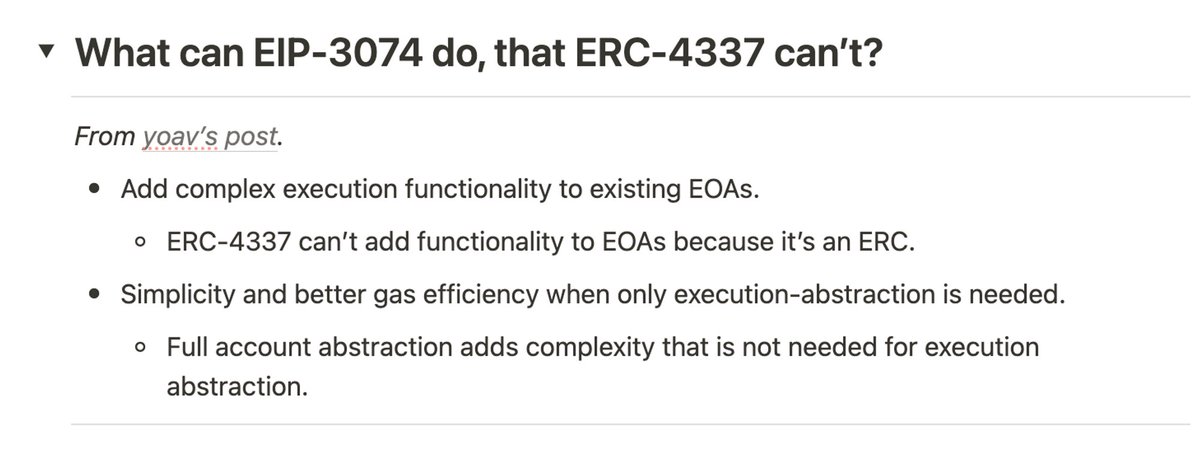
For the last few months, I have been spending my weekends exploring hard tech; specifically, synthetic biology.
While a lot has been done in the last 2 decades in synthetic biology, it's still very much in its infancy.
Compiling some of my notes here: synbio.sh/resources
16
3
79
16,285
vasa retweeted

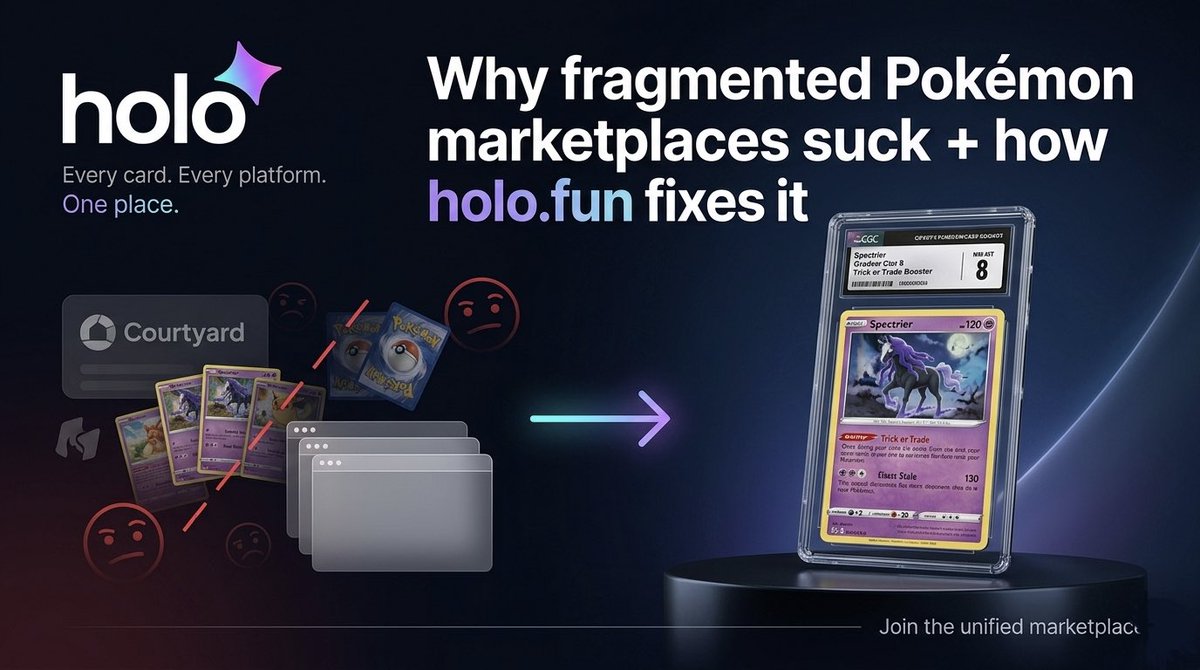
I went through holo.fun private beta & here’s what most people are missing.
Most platforms show you cards.
@holodotfun makes you feel the market breathing.
I’ve been active on Courtyard, Collector Crypt & others.
So I know the pain.
This one feels different. ⬇️
11
11
31
615
vasa retweeted

Jan 9
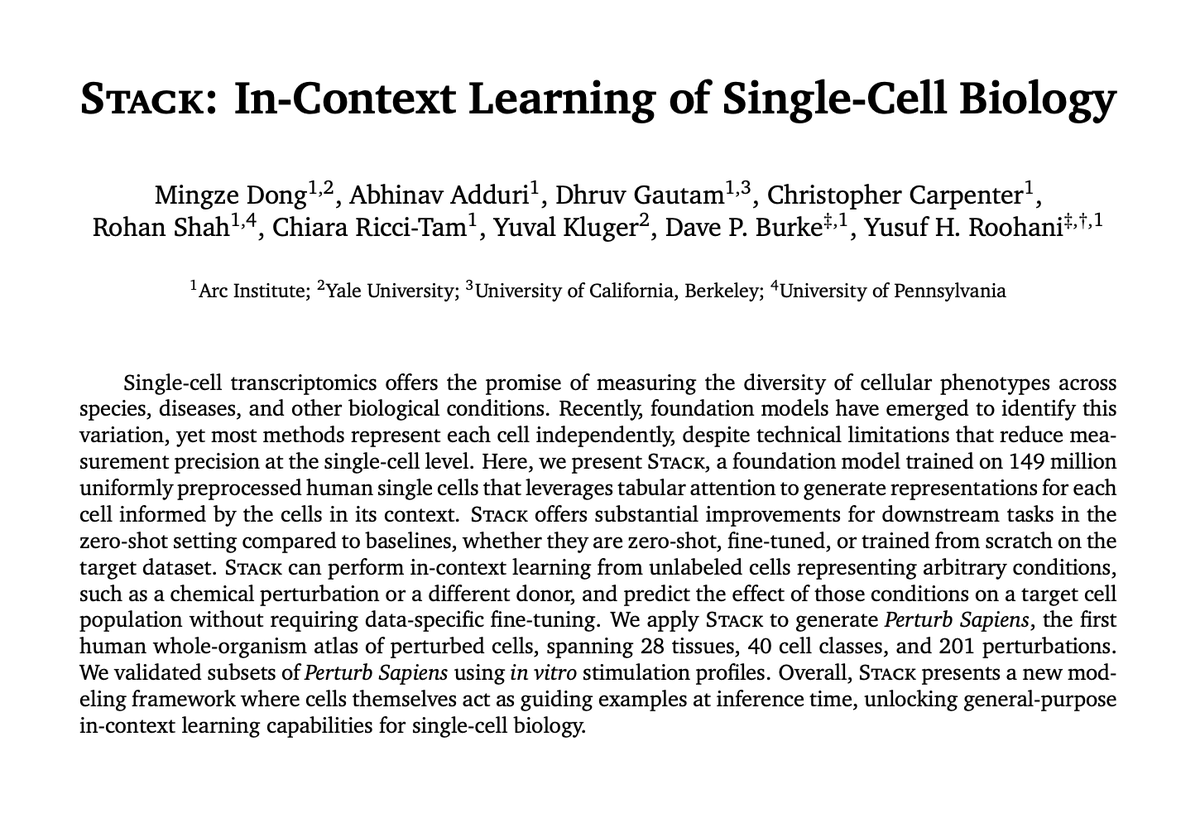
Predicting cell state in previously unseen conditions such as disease or in response to a drug has typically required retraining for each new biological context. Today, Arc is releasing Stack, a foundation model that learns to simulate cell state under novel conditions directly at inference time, no fine-tuning required.
36
206
961
402,692
vasa retweeted

1 Oct 2025
Fertilized human eggs made from skin cells progress through normal cell divisions, ultimately developing into embryos nature.com/articles/s41467-0…
61
217
1,153
648,330
vasa retweeted

18 Jul 2025
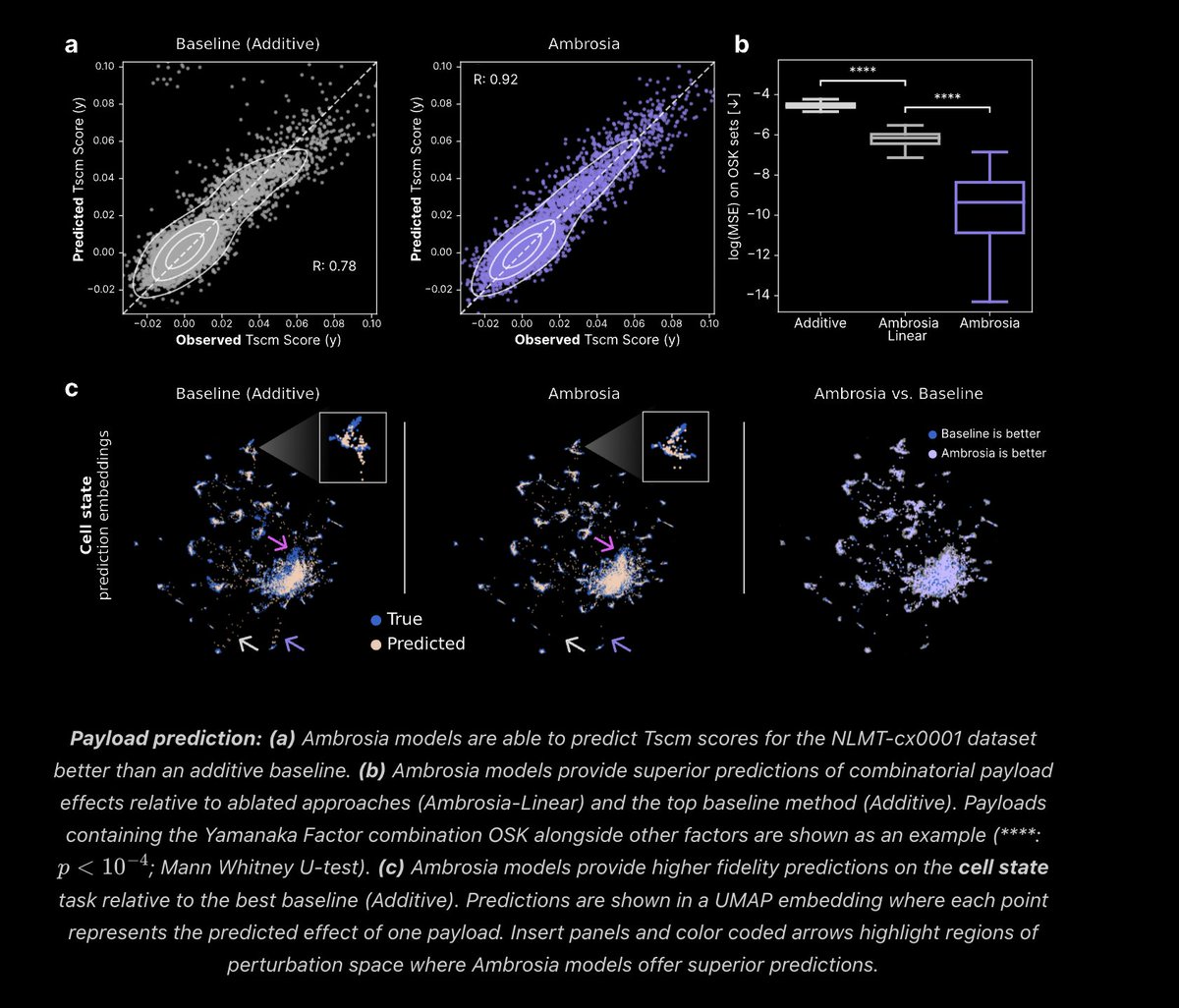
NewLimit paper just dropped @icmlconf showing our SOTA AI models can predict perturbed cell states. Helps to have the largest primary cell perturbation dataset in the world. Bonus points for one of the first demonstration of active learning in bio.
14
48
335
195,740
vasa retweeted

11 May 2025
Poll:
Is the SENS philosophy (not necessarily the original specifics) a viable approach for the aging field?
SENS philosophy = divide & conquer rejuvenation that involves many infrequent therapies to reverse different age-related changes. (Epigenetic reprogramming is included.)
75%
Yes
25%
No
114 votes • Final results
10
2
10
3,971
vasa retweeted

10 May 2025
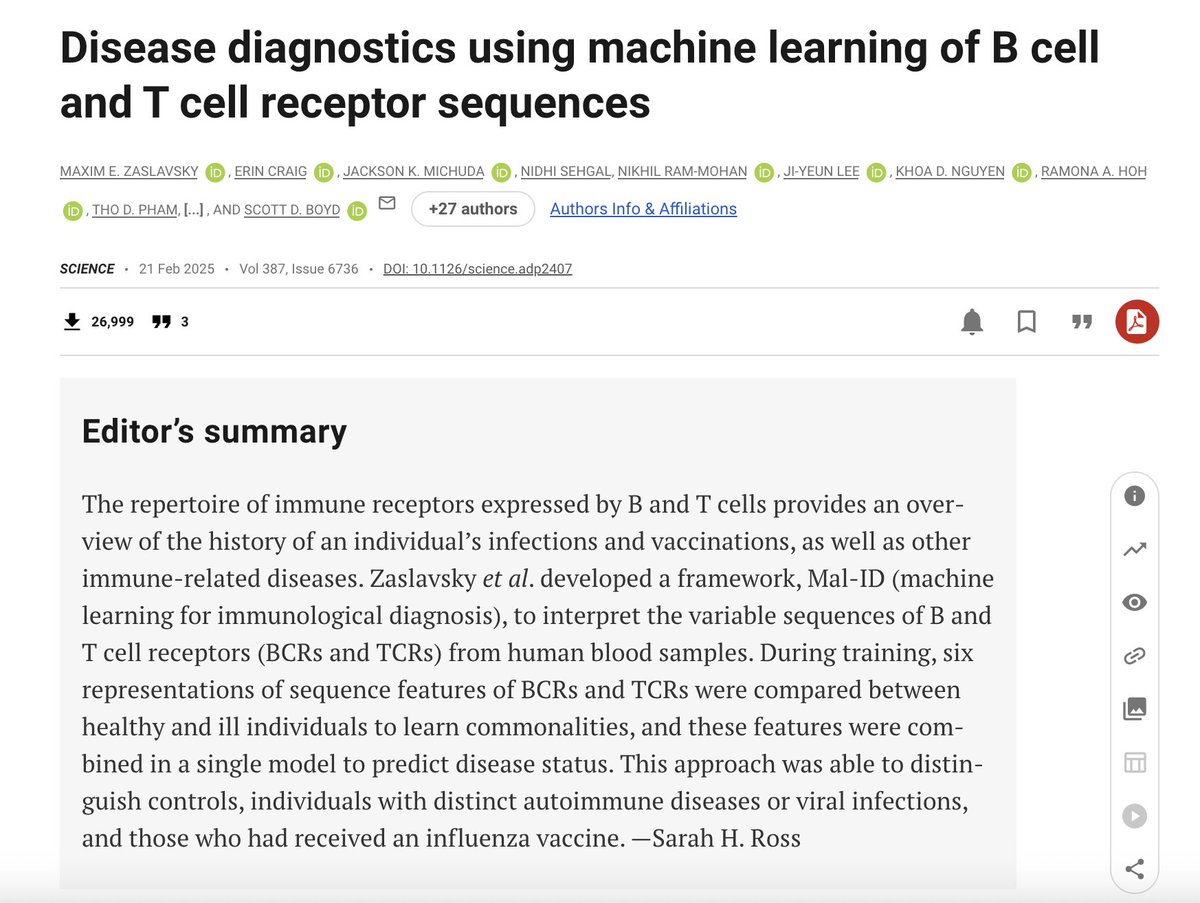
This is an amazing paper from the groups of @anshulkundaje & Scott Boyd and an example of how AI can be used well in biology. Basically, they are able to predict disease status (e.g. lupus, Covid, HIV, influenza) from BCRseq and TCRseq. I think this has great implications.
11
52
237
30,004
vasa retweeted

7 May 2025
TL;DR: We built a transformer-based payments foundation model. It works.
For years, Stripe has been using machine learning models trained on discrete features (BIN, zip, payment method, etc.) to improve our products for users. And these feature-by-feature efforts have worked well: 15% conversion, -30% fraud.
But these models have limitations. We have to select (and therefore constrain) the features considered by the model. And each model requires task-specific training: for authorization, for fraud, for disputes, and so on.
Given the learning power of generalized transformer architectures, we wondered whether an LLM-style approach could work here. It wasn’t obvious that it would—payments is like language in some ways (structural patterns similar to syntax and semantics, temporally sequential) and extremely unlike language in others (fewer distinct ‘tokens’, contextual sparsity, fewer organizing principles akin to grammatical rules).
So we built a payments foundation model—a self-supervised network that learns dense, general-purpose vectors for every transaction, much like a language model embeds words. Trained on tens of billions of transactions, it distills each charge’s key signals into a single, versatile embedding.
You can think of the result as a vast distribution of payments in a high-dimensional vector space. The location of each embedding captures rich data, including how different elements relate to each other. Payments that share similarities naturally cluster together: transactions from the same card issuer are positioned closer together, those from the same bank even closer, and those sharing the same email address are nearly identical.
These rich embeddings make it significantly easier to spot nuanced, adversarial patterns of transactions; and to build more accurate classifiers based on both the features of an individual payment and its relationship to other payments in the sequence.
Take card-testing. Over the past couple of years traditional ML approaches (engineering new features, labeling emerging attack patterns, rapidly retraining our models) have reduced card testing for users on Stripe by 80%. But the most sophisticated card testers hide novel attack patterns in the volumes of the largest companies, so they’re hard to spot with these methods.
We built a classifier that ingests sequences of embeddings from the foundation model, and predicts if the traffic slice is under an attack. It leverages transformer architecture to detect subtle patterns across transaction sequences. And it does this all in real time so we can block attacks before they hit businesses.
This approach improved our detection rate for card-testing attacks on large users from 59% to 97% overnight.
This has an instant impact for our large users. But the real power of the foundation model is that these same embeddings can be applied across other tasks, like disputes or authorizations.
Perhaps even more fundamentally, it suggests that payments have semantic meaning. Just like words in a sentence, transactions possess complex sequential dependencies and latent feature interactions that simply can’t be captured by manual feature engineering.
Turns out attention was all payments needed!
176
550
5,225
1,301,174

Today, the FDA is taking a groundbreaking step to advance public health by replacing animal testing in the development of monoclonal antibody therapies and other drugs with more effective, human-relevant methods.
fda.gov/news-events/press-an…
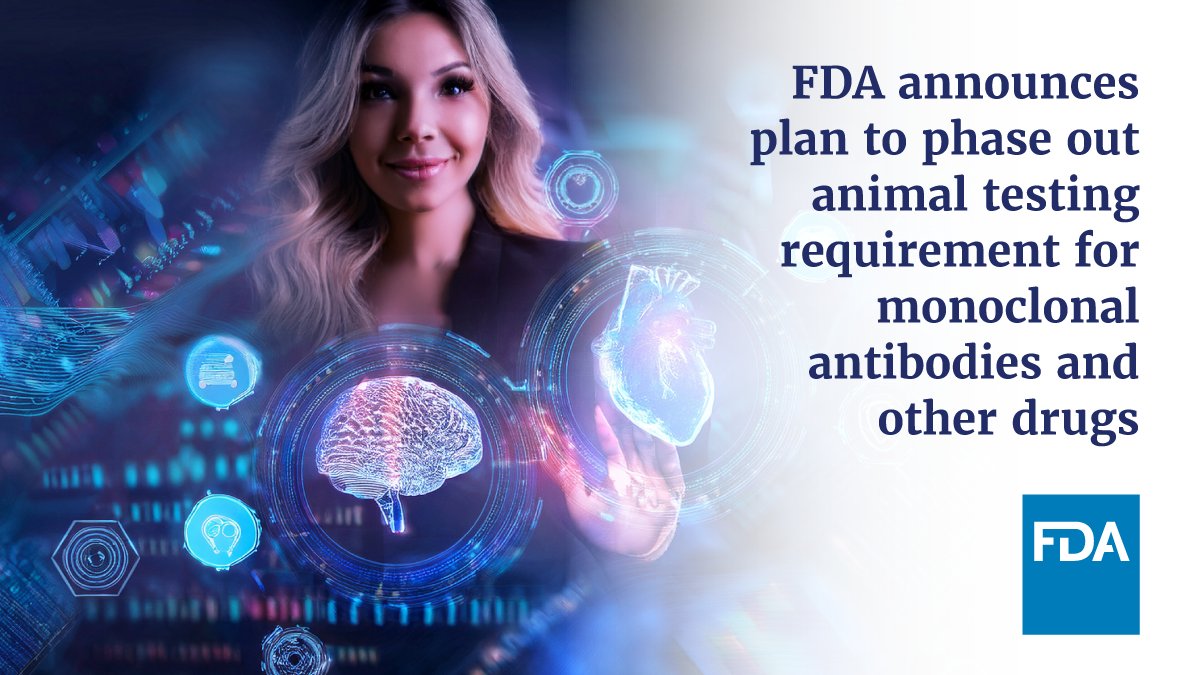
ALT Text reads "FDA announces plan to phase out animal testing requirement for monoclonal antibodies and other drugs"
94
221
817
413,902

Neuroscientists have observed for the first time how structures deep in the brain are activated when the brain becomes aware of its own thoughts
go.nature.com/42tK1k5
17
321
1,042
58,534
2 Apr 2025
There was a time (a few decades ago) when IVF was considered taboo and now ~2% of US born babies are born using IVF.
With the right regulations and financial support ecosystem, it makes a lot of sense to help avoid diseases before birth that your child would suffer from their entire lives.
It's just a matter of time when we'll feel why we didn't have this sooner!
1 Apr 2025

When I was in elementary school, my mom started going blind. Retinitis pigmentosa. No family history. No treatments. No cure.
I got lucky. She didn’t. It led me to build @OrchidInc so my baby —and everyone else's—gets to win the genetic lottery—avoid blindness— and hundreds of severe genetic diseases.
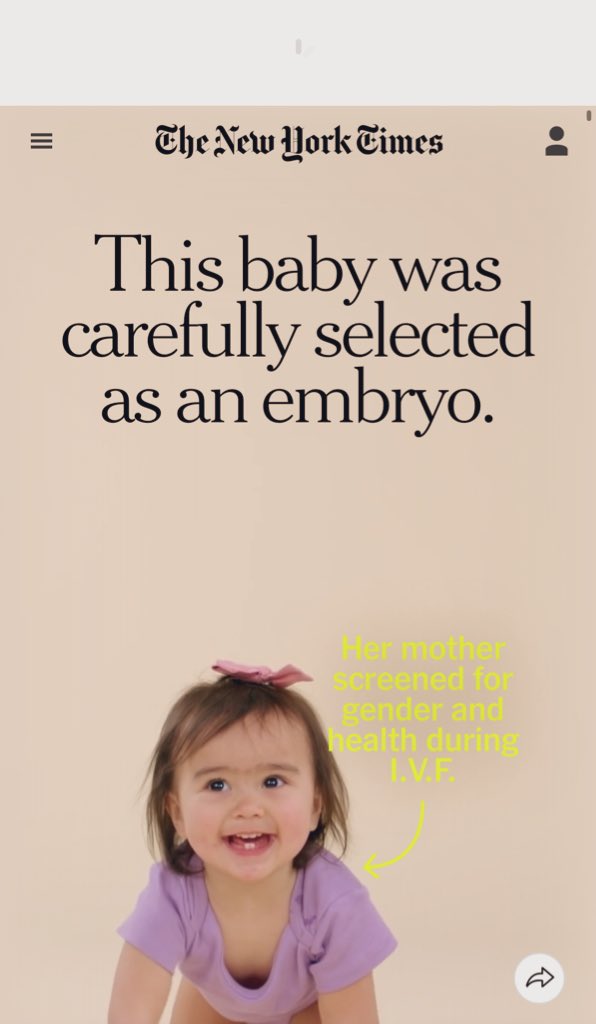
Today, the New York Times covered the tech we’ve spent years building:
Whole genome embryo screening for *hundreds* of diseases.
Not in theory. Not in mice. In humans. In IVF centers. Right now.
9
3
27
3,674
vasa retweeted

24 Mar 2025
What if AI could advance cell biology the way it did for protein folding? 🧬 In this video podcast, Head of Science @StephenQuake & EPFL’s @_bunnech join @EricTopol to discuss the virtual cell, a moonshot for digital biology. Watch: bit.ly/3FMXxq6
1
10
48
5,903
A paralysed man can stand on his own after receiving an injection of neural stem cells to treat his spinal cord injury
go.nature.com/41ZCoRj
129
1,256
5,377
1,037,528
vasa retweeted
20 Mar 2025
Progress update going live at 5pm pst today. Join to learn about our anti-aging drug research @newlimit. youtube.com/live/HR0-nb_OjDA
5
6
52
11,531
vasa retweeted
15 Mar 2025
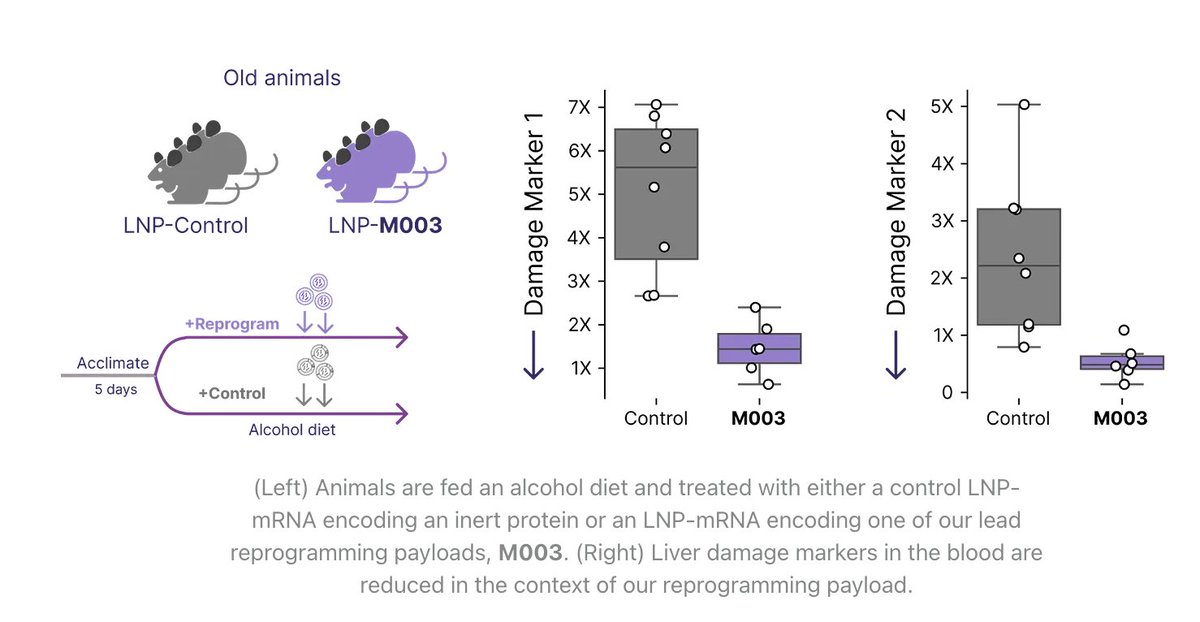
Fresh data from @newlimit. We can restore youthful function in aged livers. Having the metabolism of someone 20 years younger than you would be a massive quality of life improvement for people. Including getting less hungover! We are getting closer to a true Age reversal drug -- one that recovers many youthful functions all at once (regeneration, alcohol processing, resilience, etc). I'm optimistic NewLimit gets there this year.
22
34
325
39,804
vasa retweeted
25 Feb 2025
Today, we're launching the Arc Virtual Cell Atlas, a growing resource for computation-ready single-cell measurements. As the initial contributions, @vevo_ai has open sourced Tahoe-100M, the world's largest single-cell dataset, mapping 60,000 drug-cell interactions, and we’re announcing scBaseCamp, the first RNA sequencing data repository curated using AI agents. Combined, the release includes data from over 300 million cells.
arcinstitute.org/news/news/a…

15
121
541
203,522
vasa retweeted

3 Dec 2024
E11 Bio is excited to share a major step towards brain mapping at 100x lower cost, making whole-brain connectomics at human & mouse scale feasible (🧠→🔬→💻). Critical for curing brain disorders, building human-like AI systems, and even simulating human brains. 1/N 🧵
66
401
1,541
281,312
vasa retweeted

19 Feb 2025
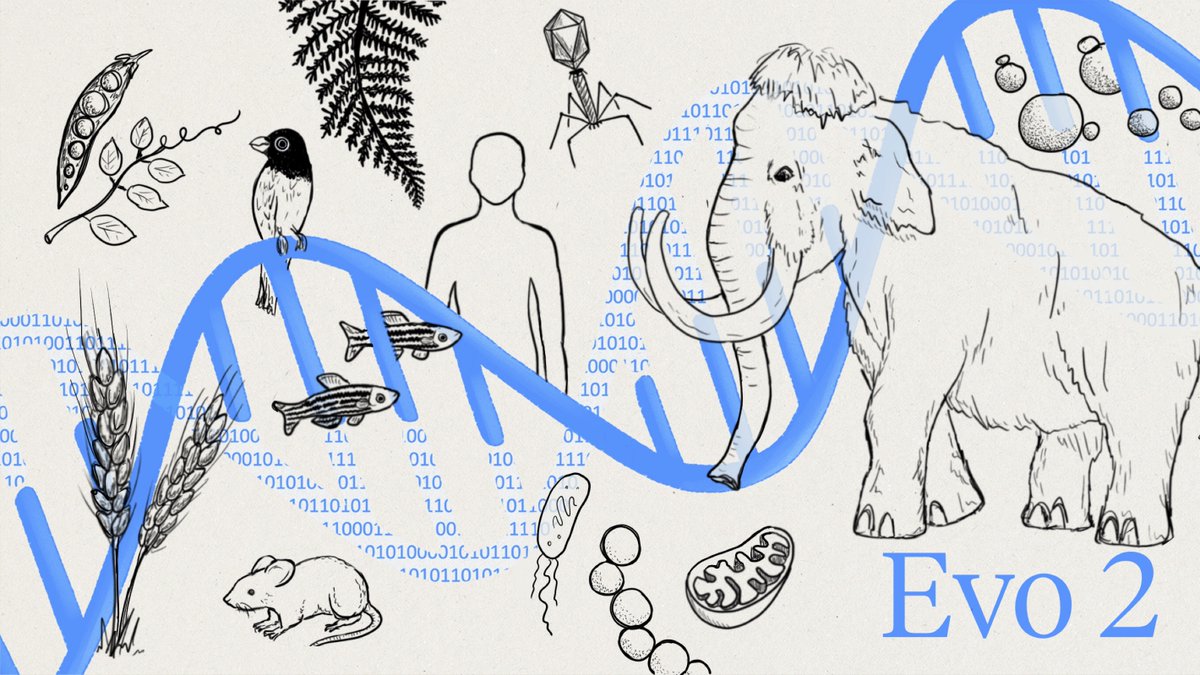
AI provides a universal framework that leverages data and compute at scale to uncover higher-order patterns
Today, @arcinstitute in collaboration with @nvidia releases Evo 2—a fully open source biological foundation model trained on genomes spanning the entire tree of life 🧵
90
559
2,612
464,024
14 Feb 2025
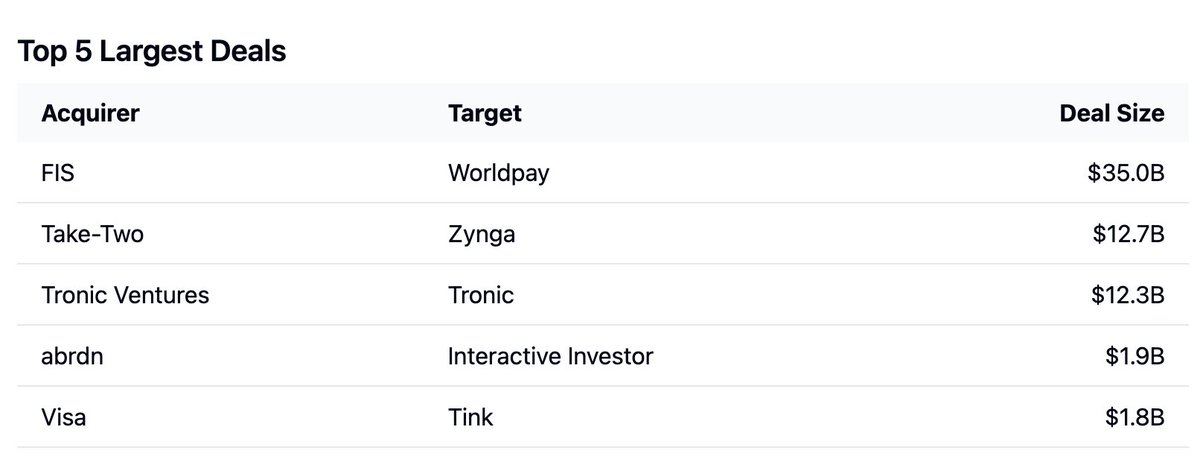
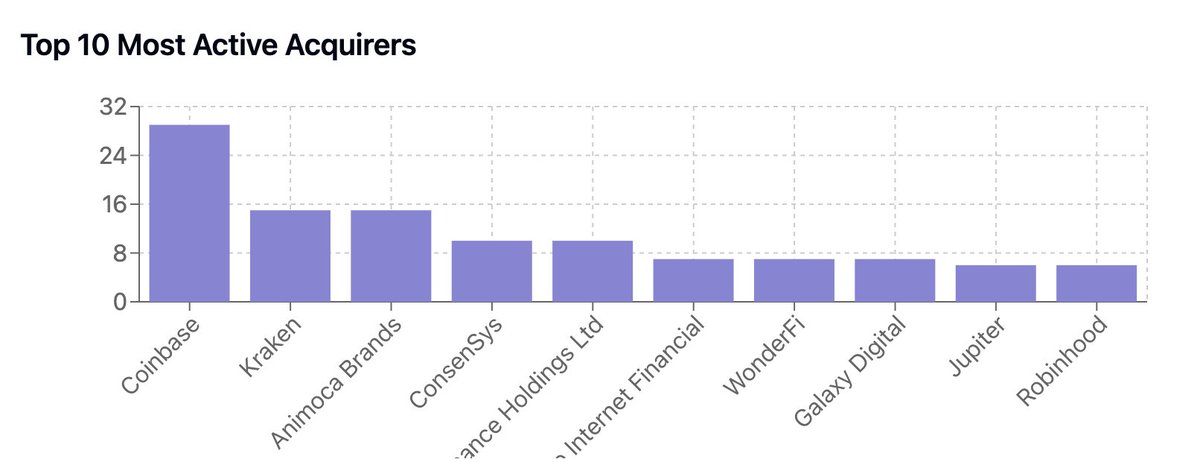
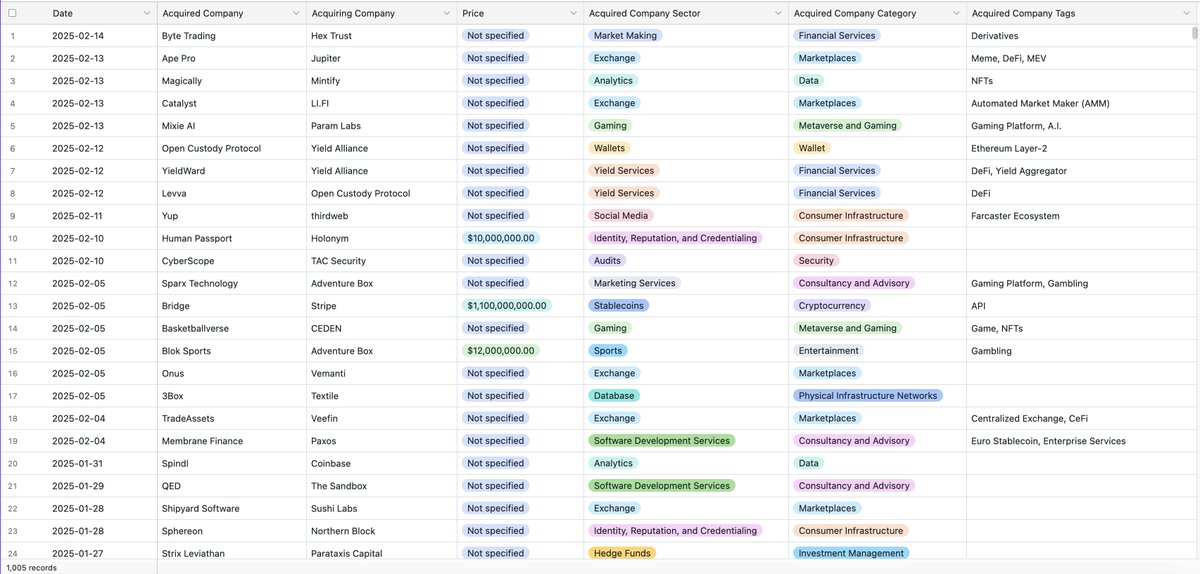
Presenting a list of 1000 Web3 Mergers and Acquisitions ✨
Here are 5 interesting stats about the MnA market along with a list of mergers and acquisitions that updates daily 🧵👇
7
1
13
873
14 Feb 2025
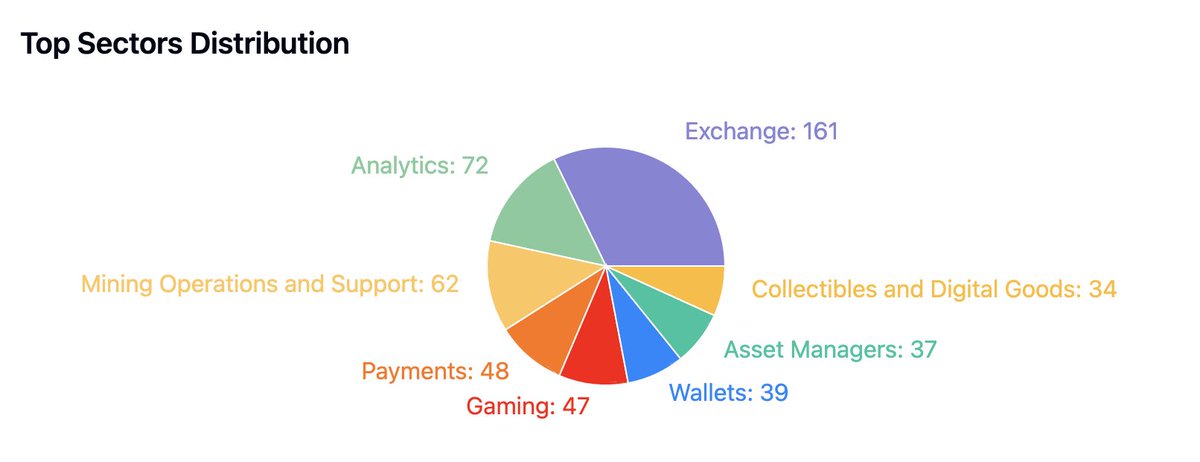
📊 Sector Analysis
1. Exchanges dominate with 161 acquisitions
2. Analytics (72) and Mining (62) follow as distant second/third
3. Gaming sector shows strong presence with 47 deals
1
1
217
14 Feb 2025
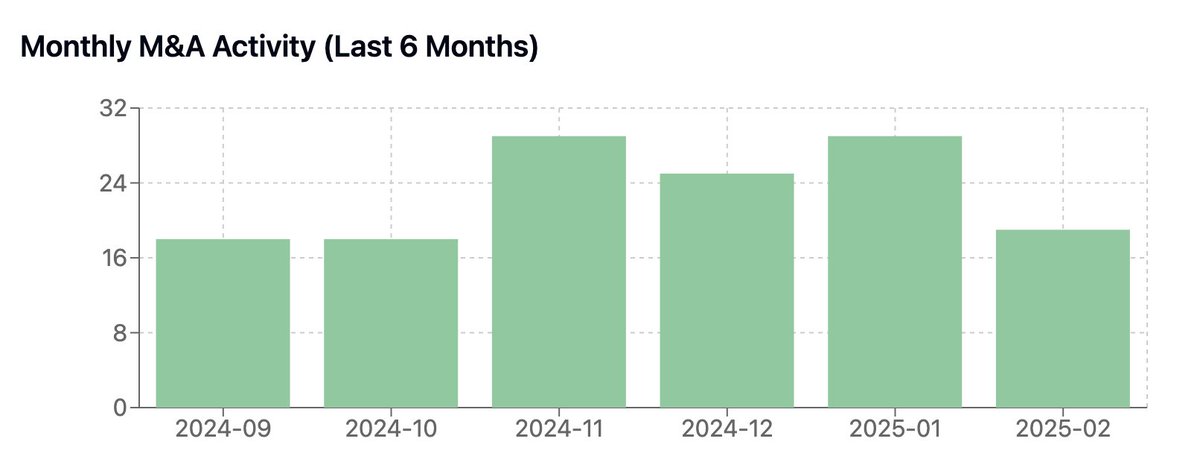
📈 Recent Trends:
1. Average of 23 deals per month in last 6 months
2. Peak activity in Nov 2024 and Jan 2025 (29 deals each)
3. Consistent monthly volume suggesting sustained consolidation
1
512