
Vector ecologist. Mosquito hunter. Head Innovative Vector Solutions. Assoc. prof @asuSOLS & @evmedasu. Hon. prof @WITS_Malaria. Dutchy in the AZ desert 🌵
Joined August 2009
- Tweets 2,241
- Following 917
- Followers 1,560
- Likes 3,194
272 Photos and videos


Pinned Tweet

Apr 29
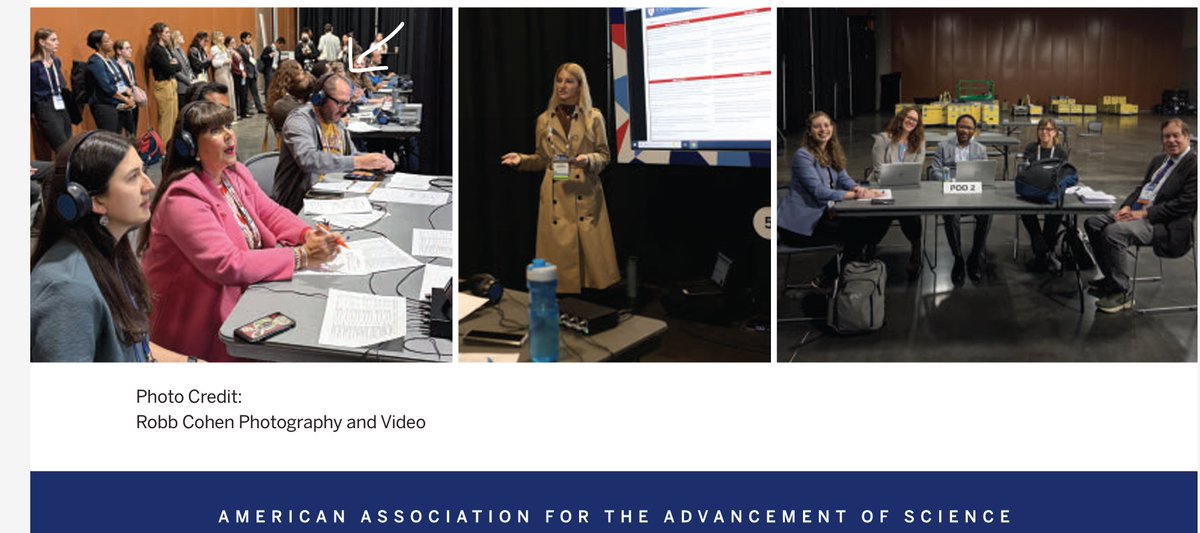
Made a cameo in Science, April 16 edition — I’ll take it! 🤣
162
ⓚⓡⓘⓙⓝ retweeted

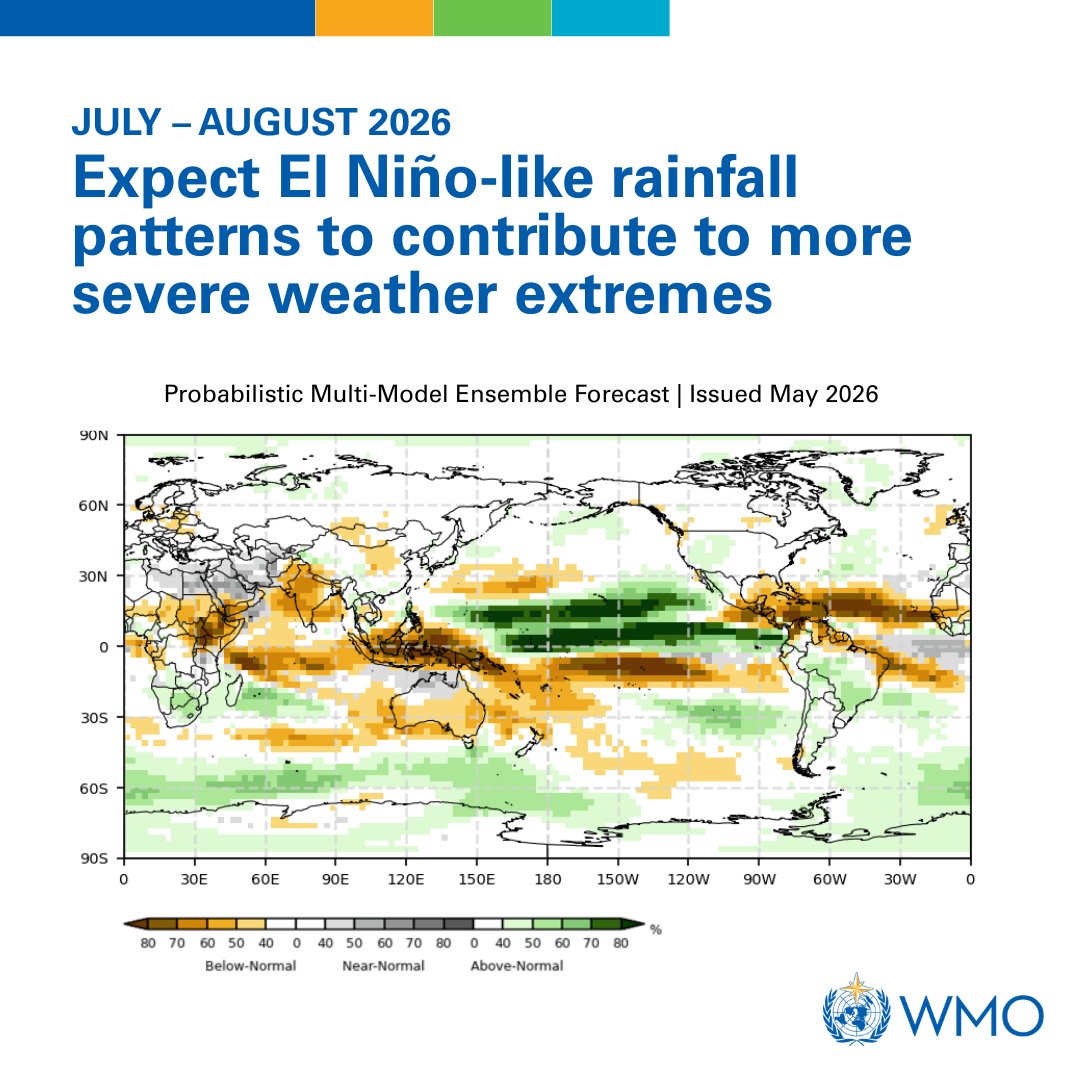
For June–August 2026, WMO forecasts indicate significant shifts in rainfall patterns—a classic atmospheric response to the developing Pacific El Niño.
See which regions are likely to experience below-normal, normal or above-normal rainfall: bit.ly/4uhbDDR
11
184
359
25,956
ⓚⓡⓘⓙⓝ retweeted
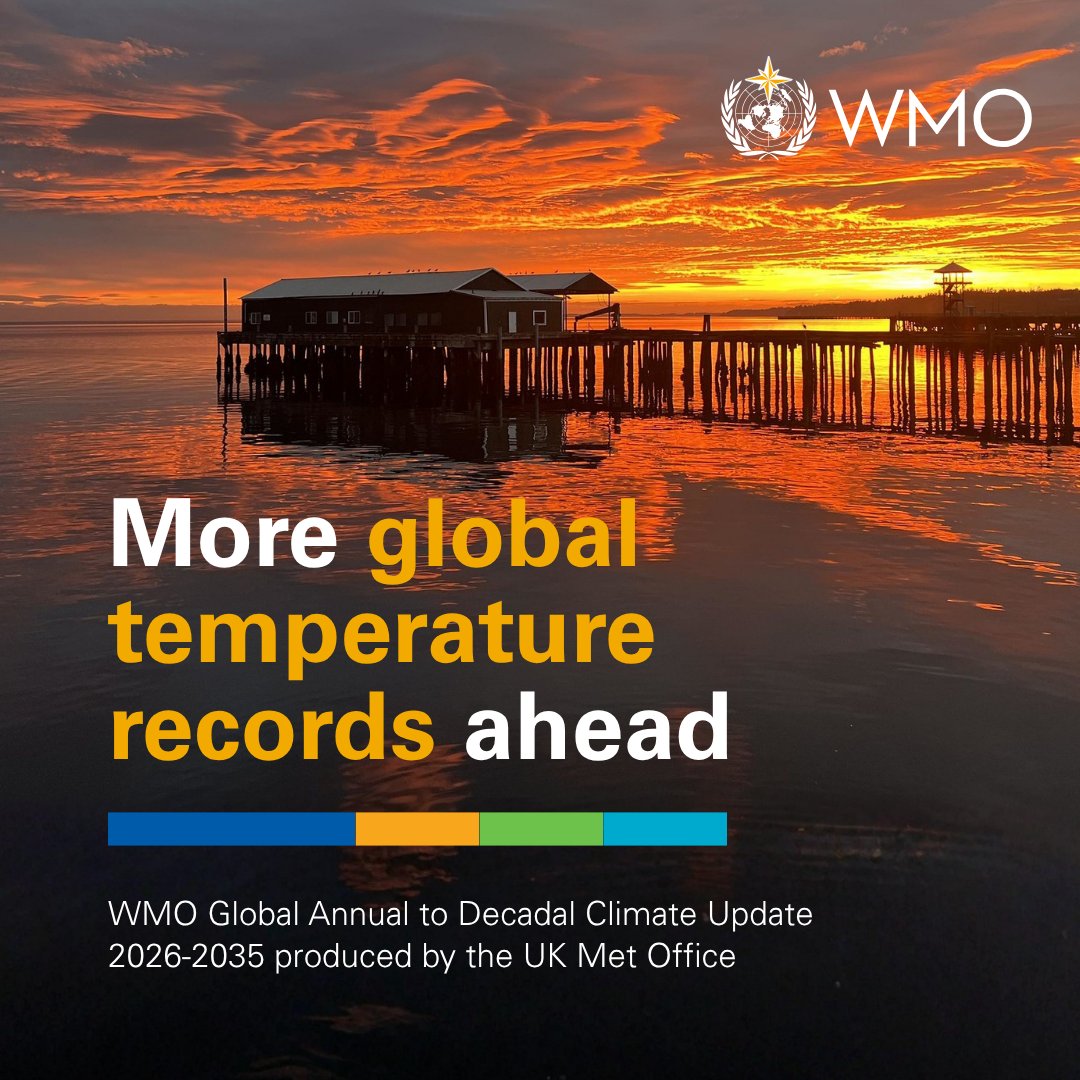
Global average temperatures are likely to continue at or near record levels in the next 5 years, with global temperatures predicted to reach about 1.3°C to 1.9°C above the 1850–1900 average, according to a new @WMO and @metoffice report.
Read on 👉bit.ly/4fJ8gBR
37
160
199
33,618
ⓚⓡⓘⓙⓝ retweeted

May 28
Interested in using CRISPR to study the role of copy number variants in mosquito insecticide resistance? There's a 19-month PostDoc position available in my lab to do just that:
new-smart-feed.vacancy-fille…
2
1
92
ⓚⓡⓘⓙⓝ retweeted

Rift valley fever risk evaluation by WHO's technical advisory group for virus evolution who.int/groups/technical-adv… and who.int/publications/m/item/…
5
9
23
1,699
ⓚⓡⓘⓙⓝ retweeted

Updated @WHO Rapid Risk Assessment
#Ebola disease caused by #Bundibugyo virus, Democratic Republic of the Congo and Uganda v2 (published 26 May 2026)
who.int/publications/m/item/…
10
88
177
18,931
ⓚⓡⓘⓙⓝ retweeted

May 26
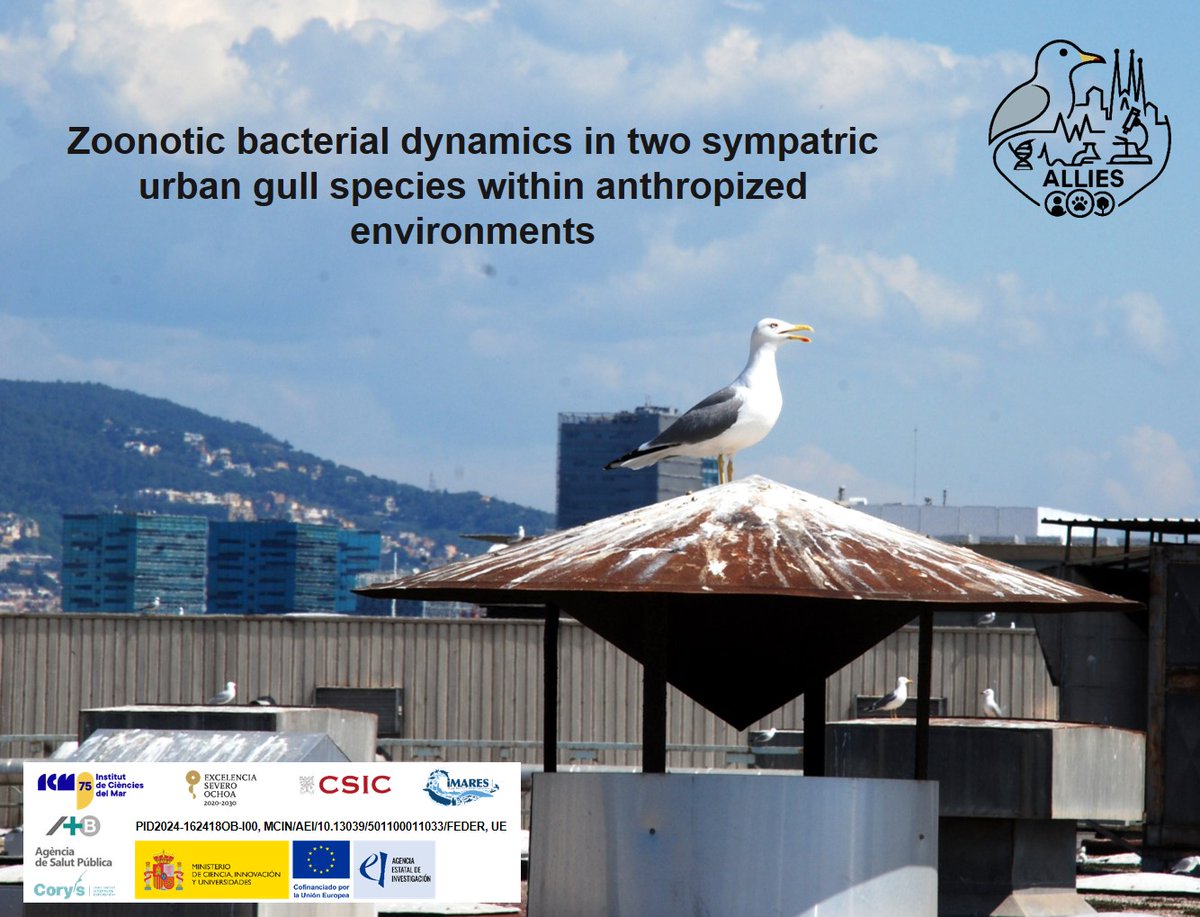
🐦 New paper out!
We investigated how ecology and habitat use shape exposure to zoonotic bacteria in urban gulls from Barcelona
By combining:
📍 GPS tracking
🪶 Stable isotopes
🧪 Microbiological screening
#OneHealth #DiseaseEcology #UrbanEcology #Wildlife#MovementEcology
1
5
5
188
ⓚⓡⓘⓙⓝ retweeted

May 26
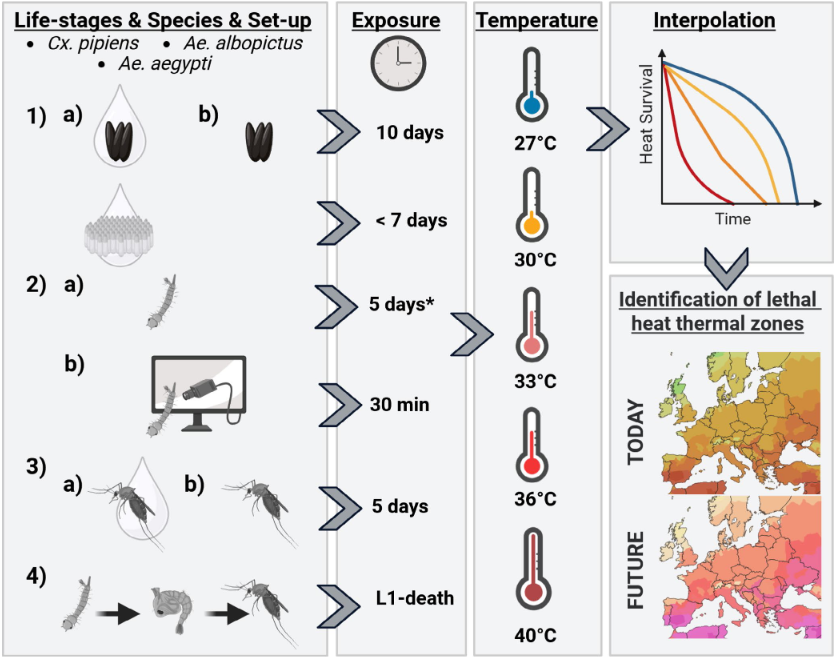
Extreme heat could reshape mosquito populations across Europe. While #Culex pipiens may decline, #Aedes aegypti appears highly heat tolerant. An important step forward for climate-driven vector risk forecasting.
🖇️onlinelibrary.wiley.com/doi/…
#ClimateChange #VectorControl #Europe
7
9
426
ⓚⓡⓘⓙⓝ retweeted

May 25
Ebola risk does not follow borders. It follows broken trust, delayed diagnostics, fragile health systems, and gaps in preparedness.
The 2026 Bundibugyo outbreak is a warning: biological threats are moving faster than our institutions.
@Forbes @wbbsec:
forbes.com/sites/stephenbroz…
15
103
252
6,515
ⓚⓡⓘⓙⓝ retweeted
Imperial college does statistical analysis, similar to early COVID assessment, estimating size of ebola outbreak is 400-800 cases imperial.ac.uk/mrc-global-in…
8
24
2,437
ⓚⓡⓘⓙⓝ retweeted

May 19
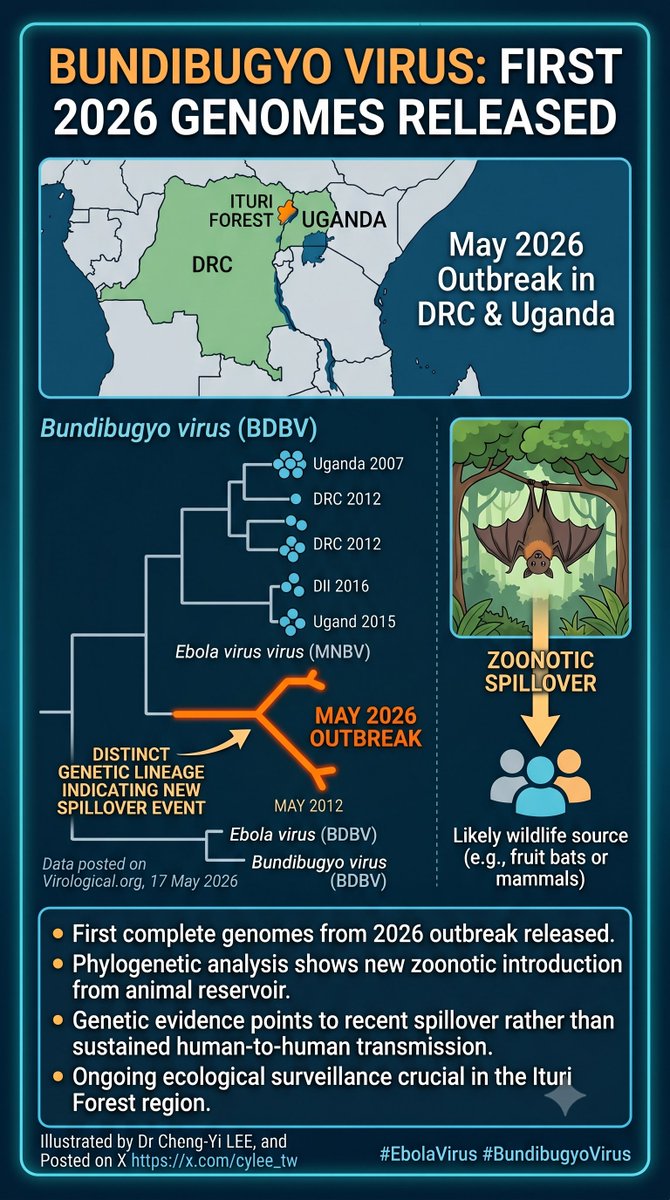
Scientists from DRC and Uganda have released the first complete genomes of #Bundibugyo #Ebola virus from the May 2026 outbreak, indicating a possible new #spillover event from wild animals as case numbers continue to rise.
The genomes, posted on virological website on 17 May 2026, display a distinct genetic lineage that does NOT match any previously sequenced Bundibugyo strains, suggesting a recent introduction from an animal reservoir into humans rather than sustained human‑to‑human transmission. Phylogenetic analysis shows that the new sequences form a separate cluster, supporting the inference of a fresh zoonotic spillover.
The most plausible source of this spillover is wildlife inhabiting the Ituri forest, particularly fruit bats or other mammals known to harbor filoviruses, which could have been implicated in earlier outbreaks through hunting or contact with infected animal tissues. Ongoing ecological surveillance in the region will be essential to identify the exact reservoir and to mitigate the risk of future spillover events.
More genetic details on virological.org/t/initial-ge…
#DRC #Uganda #outbreak #PHEIC
28
206
345
61,950
ⓚⓡⓘⓙⓝ retweeted
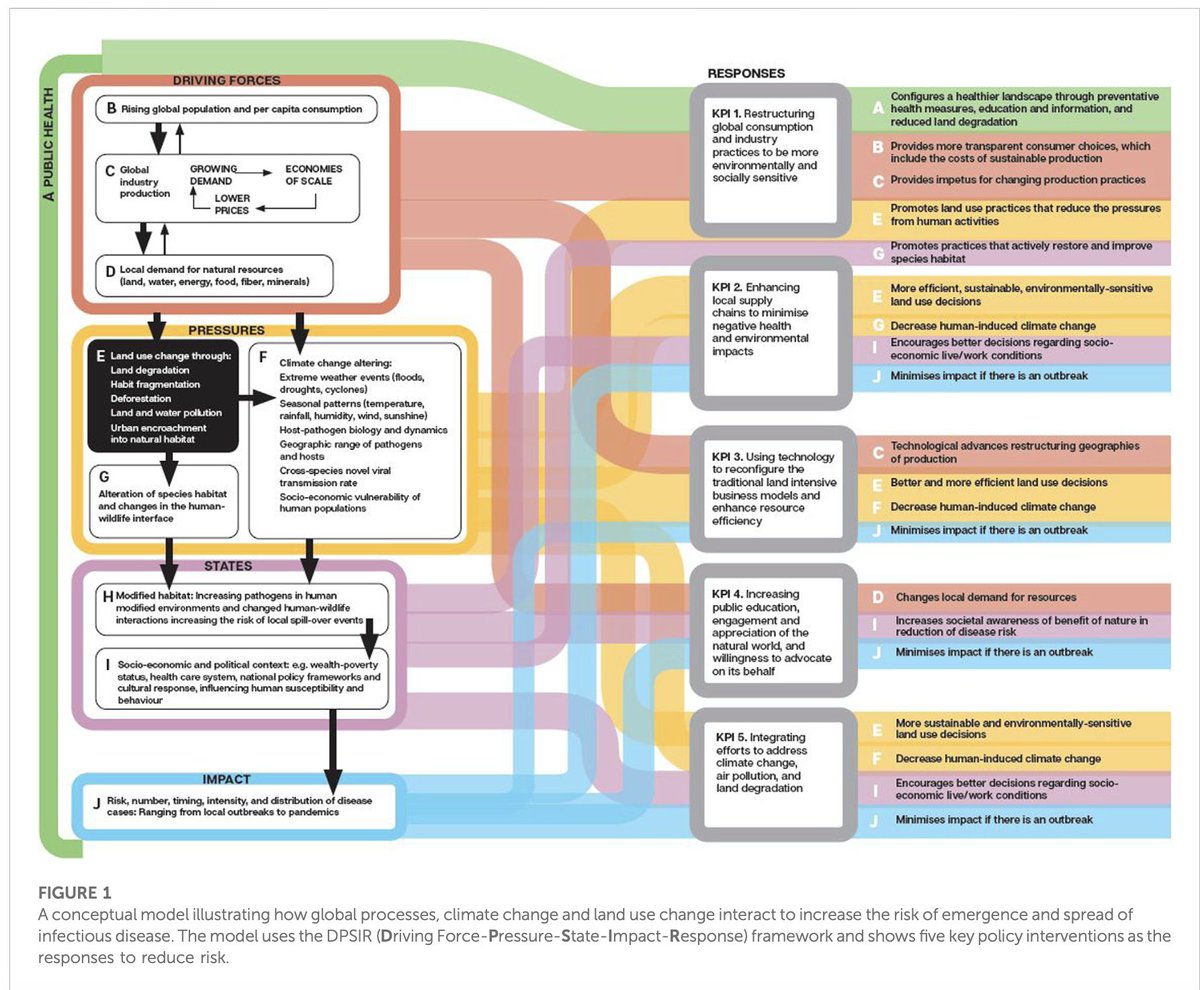
frontiersin.org/journals/env… Interesting paper, discussing emerging disease drivers and potential policy solutions. Missed it. Good read.
6
18
49
3,185
ⓚⓡⓘⓙⓝ retweeted

Apr 16
Iceland—previously the only Arctic nation without mosquitoes—no longer holds that distinction.
"The detection of mosquitoes just north of Reykjavík in 2025 reflects an ecological shift already underway," write Amanda M. Koltz and Lauren E. Culler in a new #ScienceEditorial. scim.ag/48P6zP2
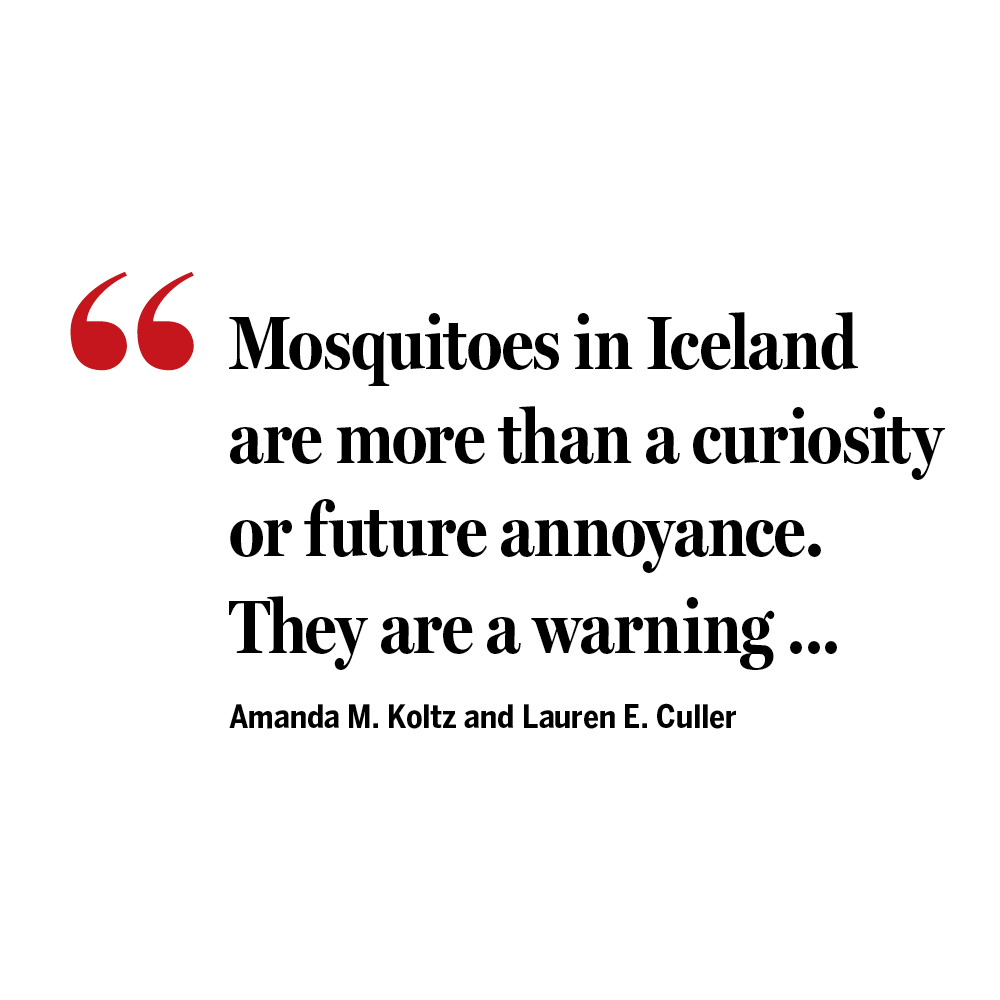
ALT "Mosquitoes in Iceland are more than a curiosity or future annoyance. They are a warning …" - Amanda M. Koltz and Lauren E. Culler
18
399
751
90,431
ⓚⓡⓘⓙⓝ retweeted
1
10
5
1,163
ⓚⓡⓘⓙⓝ retweeted

Mar 19
"Inside Spain’s ASF crisis: how a top lab became the centre of a virus outbreak", l'article de @vincenttb a @PigProgress que parla dels primers mesos de la crisi de la PPA i el paper de l'IRTA-CReSA.
pigprogress.net/health-nutri…
5
6
312
ⓚⓡⓘⓙⓝ retweeted

Calling all military entomologists! The FY27 Global Emerging Infections Surveillance request for proposals is out. Focus on Force Health Protection, modern tech like AI, and CCMD alignment. 📷 Proposals are due May 8, 2026, via ProMIS.
CAC Login to Apply: carepoint.health.mil/sites/D…
3
1
273
ⓚⓡⓘⓙⓝ retweeted

Mar 12
The CDC just issued a Level-2 travel warning for polio in 32 countries
21
362
1,210
38,338
Mar 9
Your gift on #SunDevilGiving Day will help support students and the amazing work of the @evmedasu! We have a $2k match, which means your support goes twice as far! Check out the really impactful evolutionary medicine work we do at CEM here: evmed.asu.edu
41
ⓚⓡⓘⓙⓝ retweeted

Ready for The Next #Pandemic?
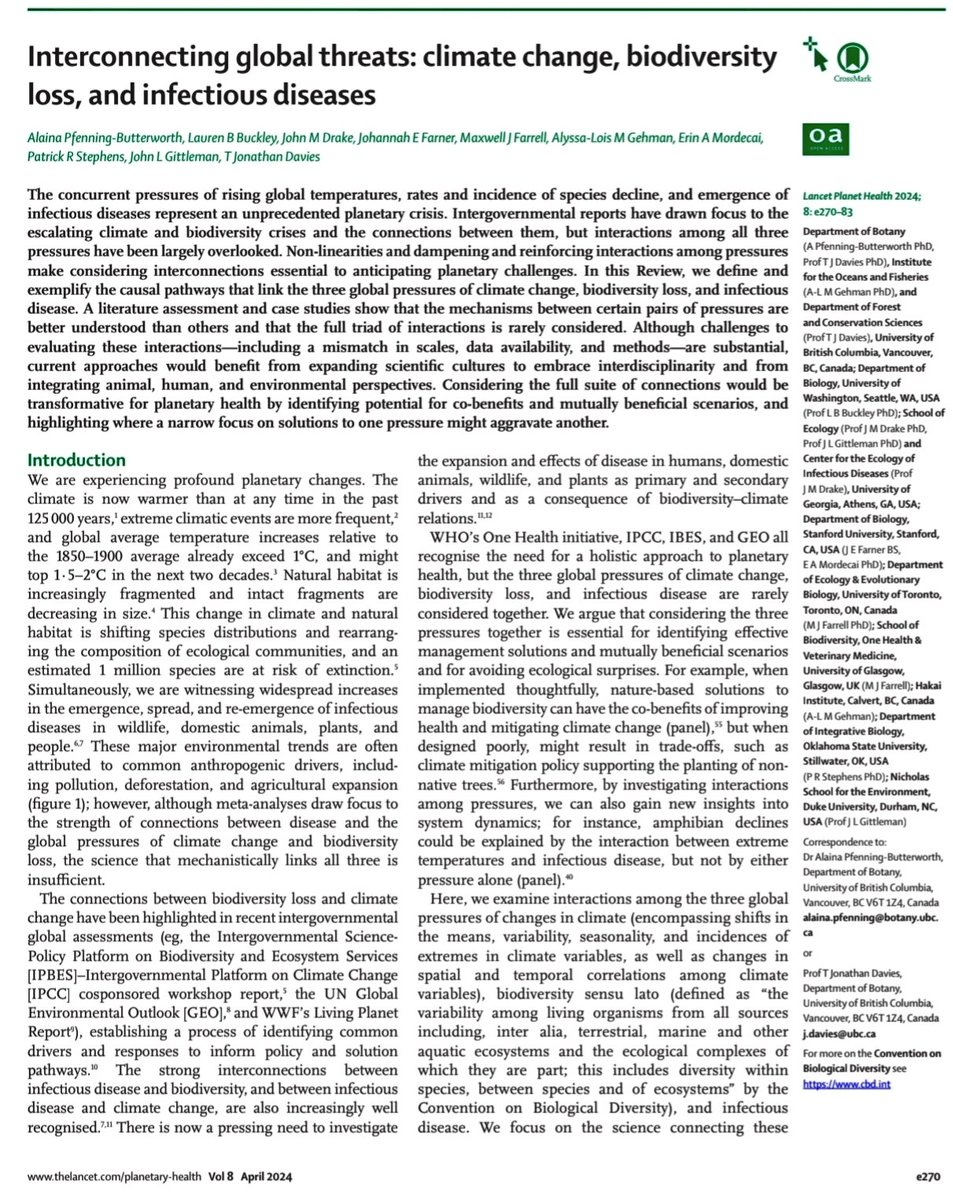
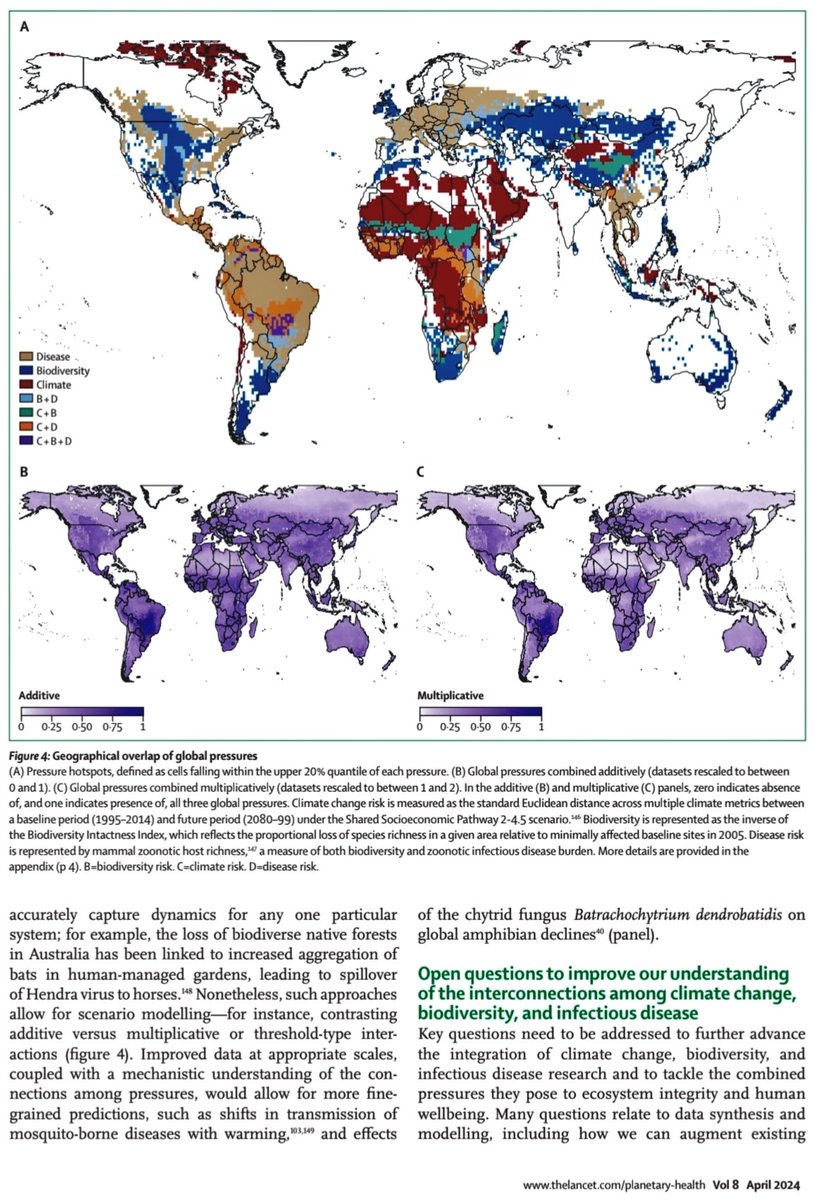
Are we facing a global "polycrisis"? 🌍 A critical new review in The Lancet Planet Health explores how climate change, biodiversity loss, and infectious diseases are not isolated threats, but a deeply deeply interconnected web. 🧵👇
1️⃣ The Triple Threat: Studying climate, nature, and health in silos is no longer enough. The interactions between these three pressures create "ecological surprises" that we are just beginning to understand. ⚠️
2️⃣ Cascading Risks: Habitat fragmentation and rising temperatures 🌡️ shift species distributions, making it easier for novel pathogens to jump between wildlife, domestic animals, and humans. 🦠🌎
3️⃣ One Health Approach: The authors argue for integrated solutions. A narrow focus on just one issue (like carbon) might accidentally hurt biodiversity or worsen disease spread. Systemic thinking is key! 🛡️🌱
#ClimateChange #Biodiversity #PublicHealth #OneHealth #ScienceCommunication #PlanetaryHealth #Ecology #GlobalHealth
👇
thelancet.com/journals/lanpl…
16
43
2,695