
Digital Designer and SocioPolitical Factinista | #GOPStopper | Former Public Radio employee; still #TeamNPR in my heart. #TheResistance #BLM | Vaxxed & boosted
Joined April 2008
- Tweets 33,320
- Following 1,482
- Followers 671
- Likes 28,998
3,841 Photos and videos









Pinned Tweet

19 May 2020
“You can lead a whore to culture, but you can’t make her think.” - Dorothy Parker
7
5
30
videoflyer retweeted

Pick our battles with Trump…so like the $300 billion in our taxpayer money he’s going to give to Iran…or the Epstein files he still is covering up…or all the grift his family is pulling or the insider trading…and the nonstop assault on our Constitution.
9
52
460
10,615
videoflyer retweeted

Jun 14
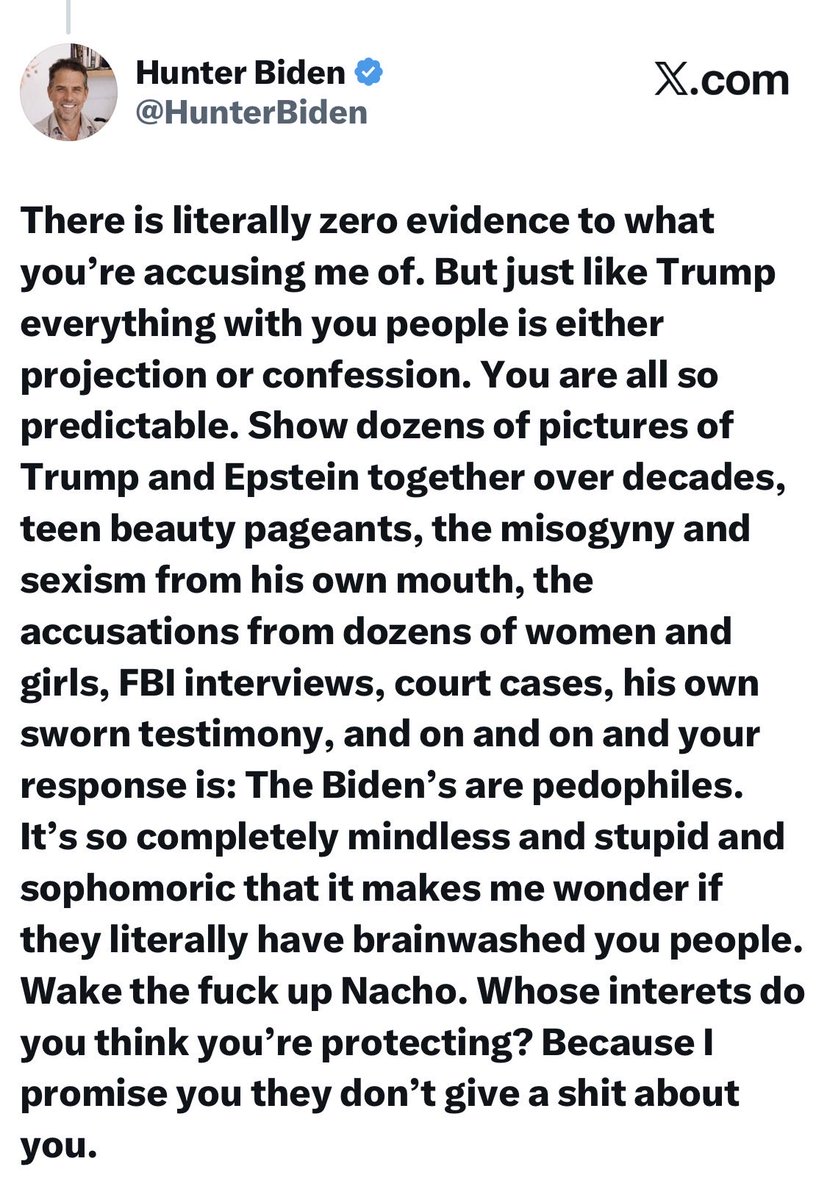
I’m just going to post this every few days rather than arguing with faceless, nameless trolls in the comments.
4,212
12,381
76,333
1,038,363
videoflyer retweeted

Jun 14
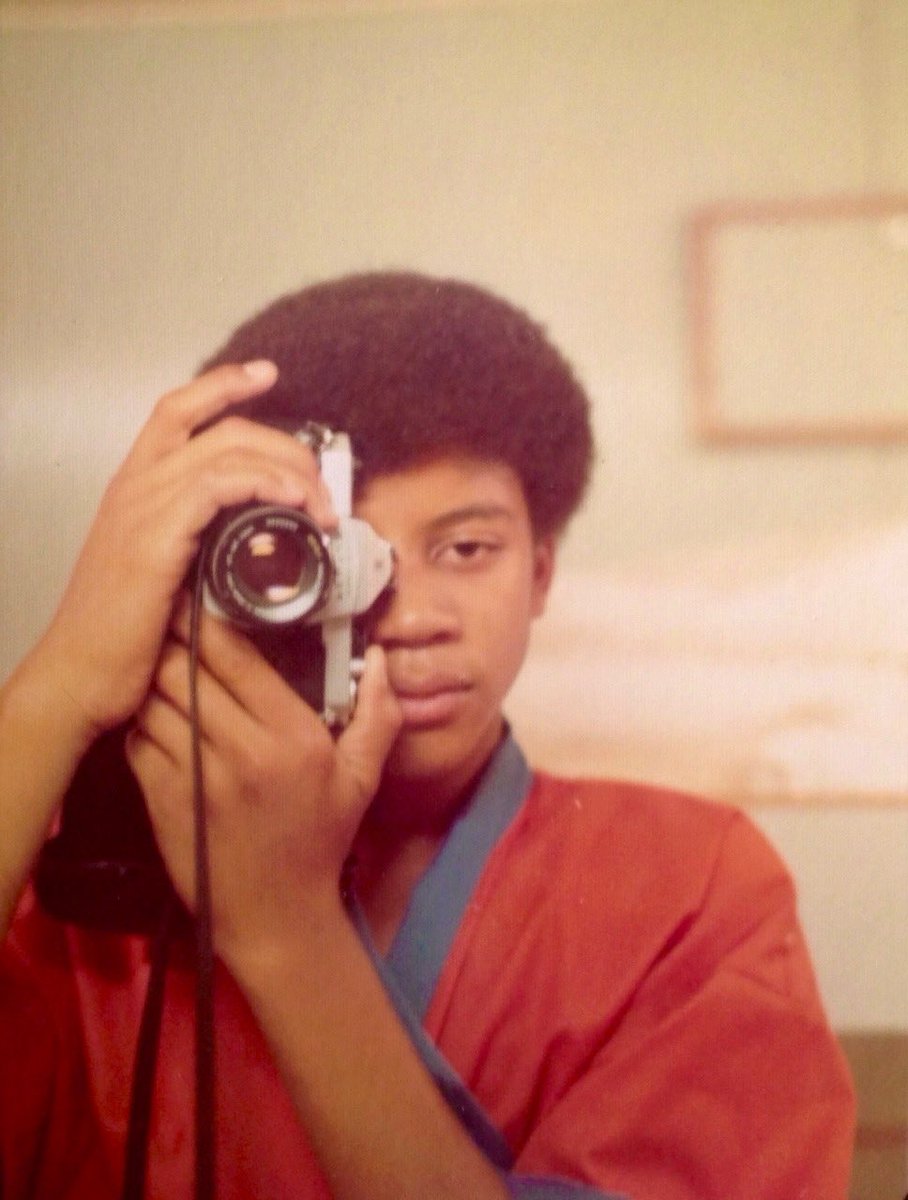
What I looked like the last time the @NYKnicks won a championship.
⠀⠀⠀⠀⠀⠀⠀⠀⠀
[Mirror-selfie. Via Pentax SP500. 55mm SMC Takumar F2.0 Lens. Kodacolor 200 film]
390
1,975
31,115
474,974
videoflyer retweeted

Jun 14
Every single house Republican would rather protect an adjudicated digital rapist, than help families in need.
Fact.
2
45
268
videoflyer retweeted

Jun 13
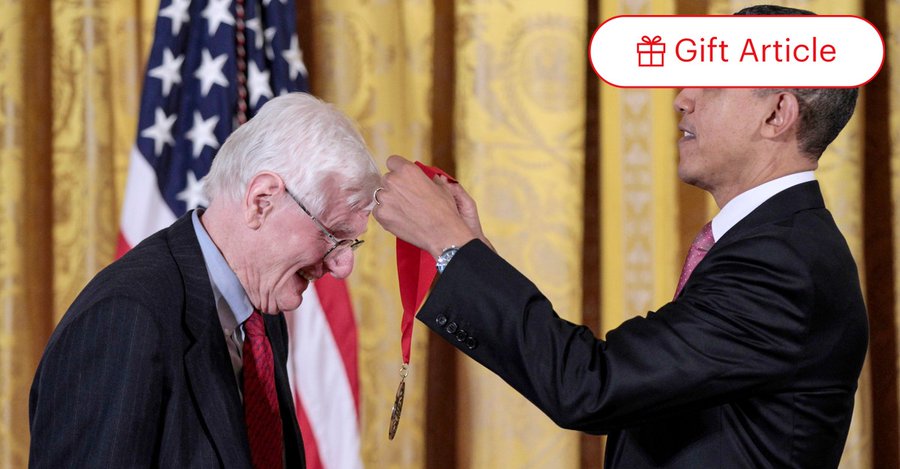
Gordon Wood died Sunday at 92. He won the Pulitzer Prize for History in 1991 for The Radicalism of the American Revolution. He received the National Humanities Medal from one president and the American Enterprise Institute's top honor from the other side of the aisle. His work was cited approvingly by Biden, Gingrich, Ramaswamy, and the World Socialist Web Site. Matt Damon quoted him in Good Will Hunting.
That crossover is worth pausing on, because it's the argument Wood spent his career making.
The American Revolution was genuinely radical, he insisted. Not perfect - the Founders left enormous injustices unaddressed and he knew it. But the experiment they built was distinct: it did not collapse into terror or military dictatorship. It produced, as Wood wrote, "the origins of anti-slavery and women's rights movements and in fact all of our current egalitarian thinking." The Revolution was not the ceiling of American democracy. It was the floor from which everything else had to be built.
We spent the last couple of days this session reading about an administration removing true history from national parks, a Supreme Court hollowing out the Voting Rights Act, a defense secretary erasing portraits of the first Black four-star general, and a vice president arguing that America is not an idea but "a particular place, with a particular people."
Wood's counter-argument is buried in every piece of serious scholarship about what this country actually was at its founding: the proposition that anyone who subscribed to the creed could become an American.
That proposition is still worth fighting for. It was worth Wood's 92 years. It is worth ours.
Jun 9

“This is the American Revolution we need to remember today. It is a shame that Wood will not be here to serve as our guide, because his vision of America can unite us. We all need the idea of Gordon Wood” theatlantic.com/ideas/2026/0…
32
84
2,056



Jun 12
Oh, the timing. Coinciding with Nuclear Family Month? Just terrible.

🚨 Right-wing “tradwife” influencer Sarah Stock has officially quit politics after cheating on her husband.

14
videoflyer retweeted

Jun 12
"This Sunday night’s UFC spectacle on the South Lawn...captures something about this moment in our history.
It's vulgar, violent, commercial, grandiose, tacky, and it dishonors a place once thought worthy of care and respect. In other words, it’s Donald Trump."
open.substack.com/pub/thebul…
4,660
7,686
22,555
432,115




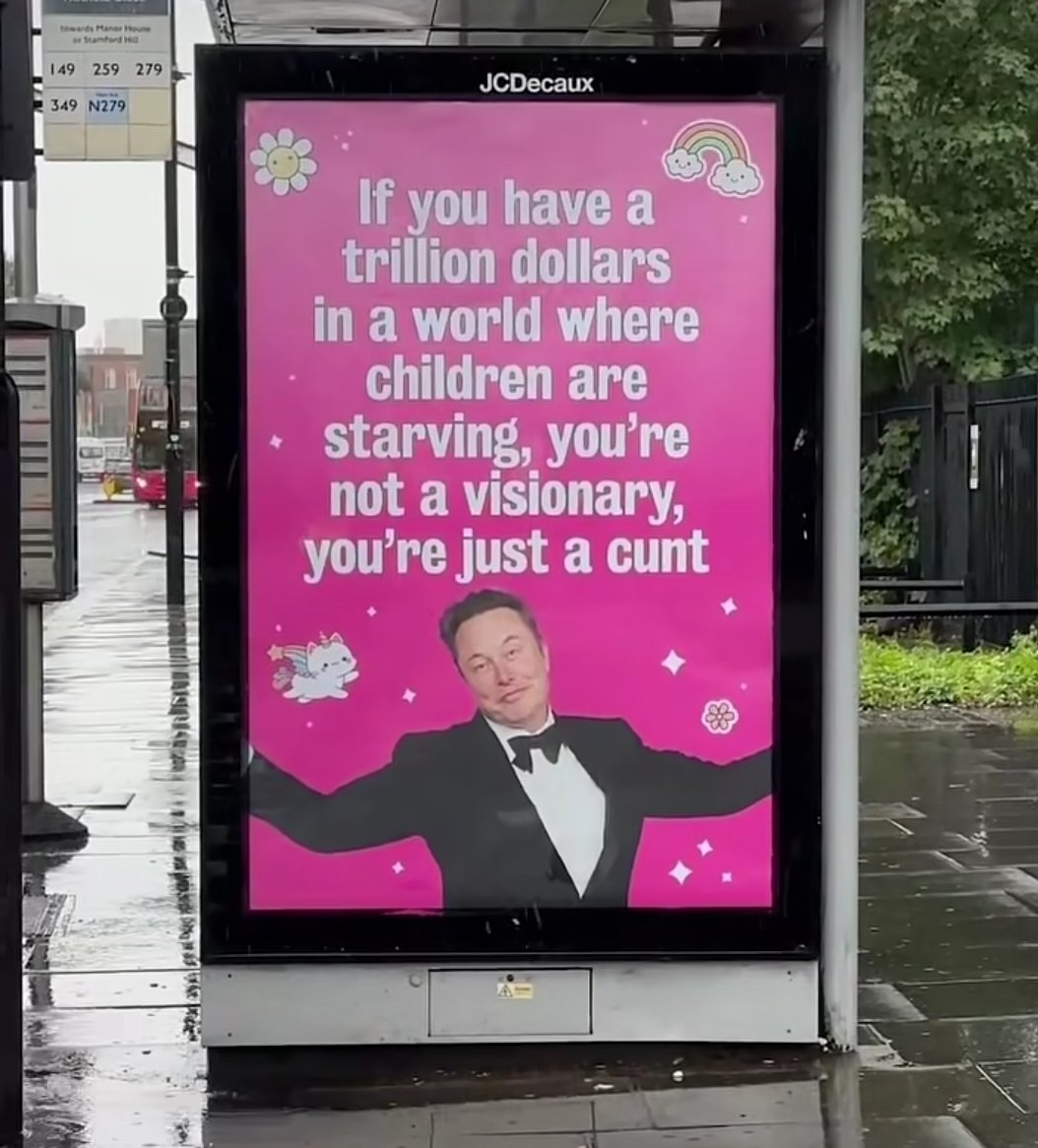
Jun 12
🤣🤣🤣

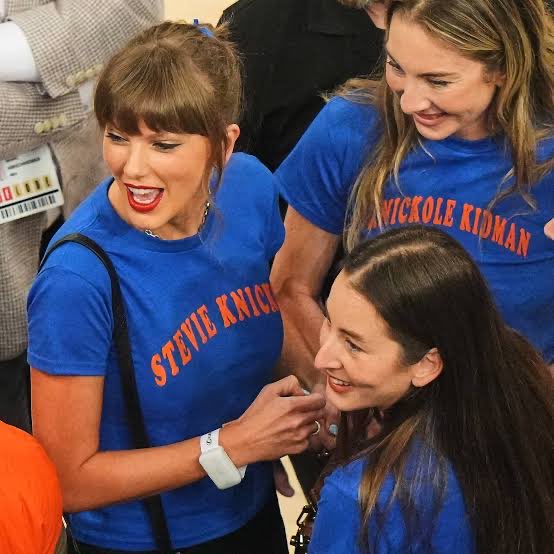

5
videoflyer retweeted

Jun 10
LoL "Sorry about your heart." HAHAH.

231
5,381
49,305
628,374
videoflyer retweeted
Jun 11
Brilyn is Temu Charlie Kirk
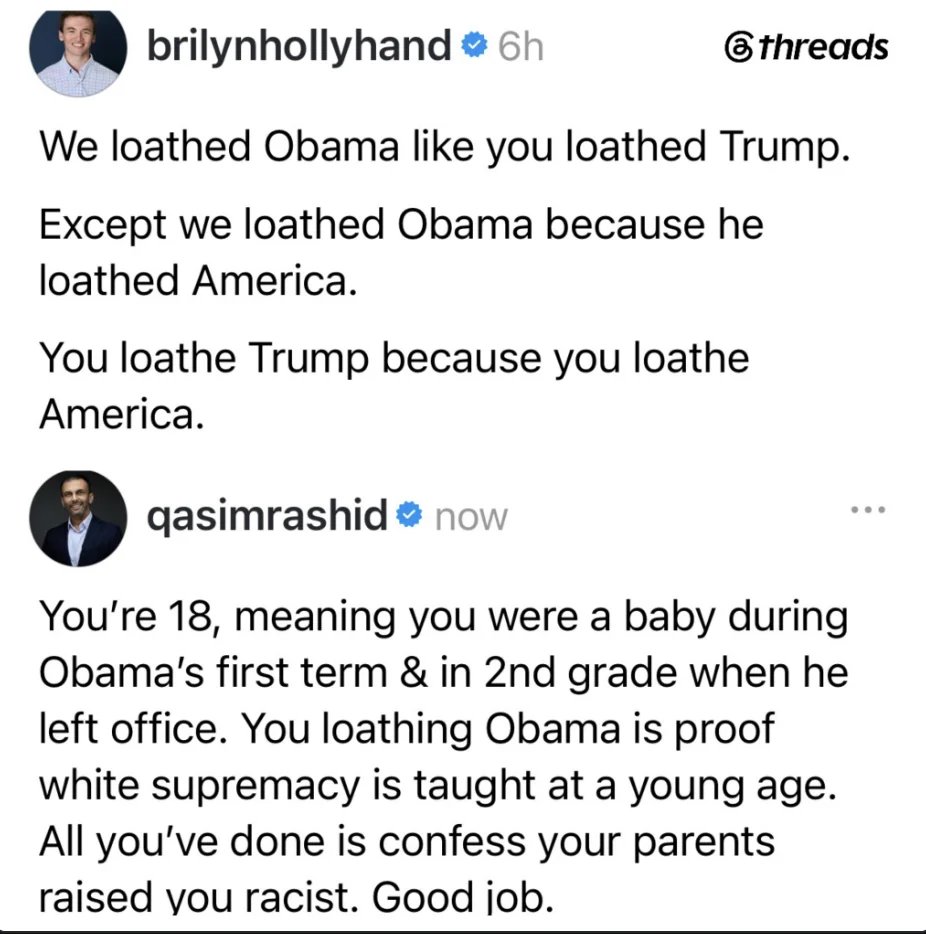
266
7,699
68,802
648,105

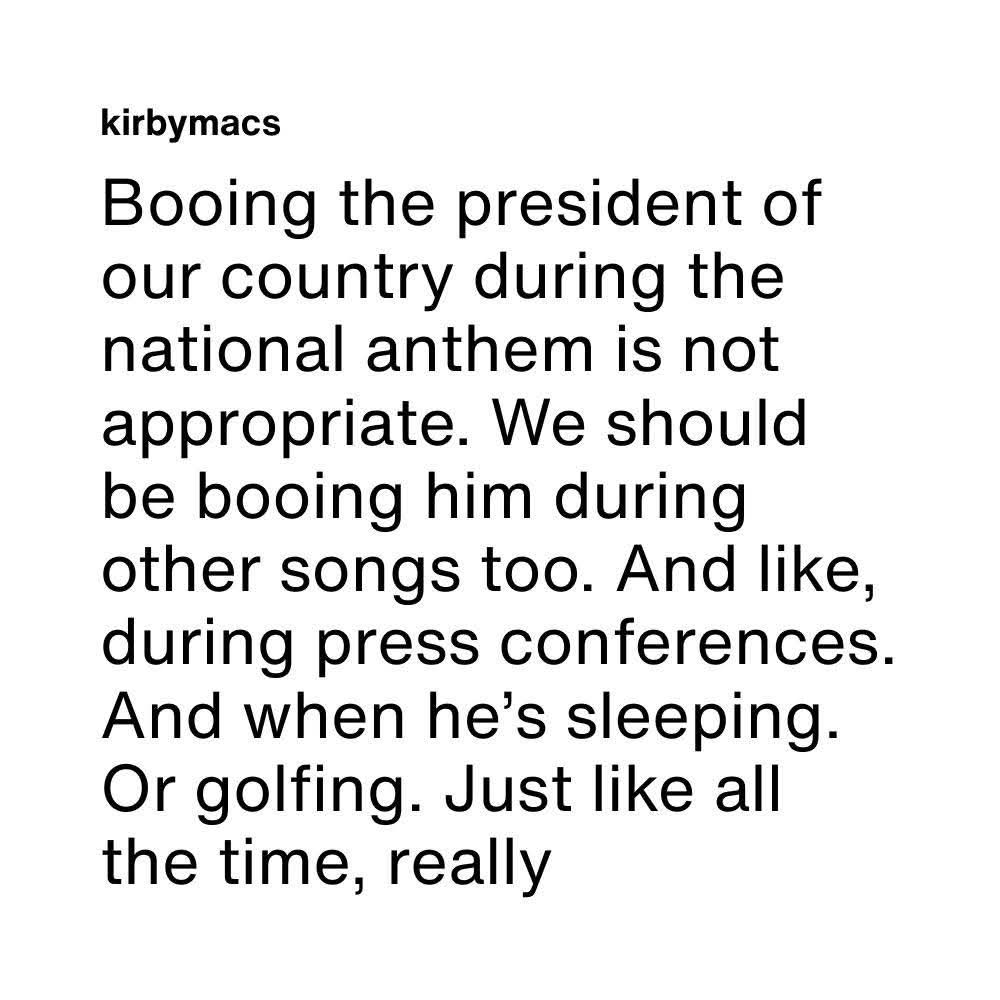


videoflyer retweeted

Imagine spending years calling Joe Biden “Sleepy Joe,” only to become the guy falling asleep during televised meetings, ball games, and everything in between.
You can’t script karma better than that.
The man built an entire brand on mocking Biden’s age and stamina, and now he can’t stay awake when the cameras are rolling.
Sometimes karma takes its time.
But it always shows up.

329
2,086
6,323
76,400

videoflyer retweeted

Jun 8
I’ve been thinking a lot about the extraordinary outbursts of the President of the United States against female journalists... well, actually against journalists in general and journalism. But it feels like he saves his most childlike behavior and irrational language for female reporters, calling them all kinds of names that kids in kindergarten are given times out for. It’s stunning to me to witness such behavior from any leader, any CEO, any person of influence or importance. I’ve never witnessed someone like this raging, this weekend with @meetthepress host @kwelkernbc, just last week in the Oval Office with @cnn’s @kaitlancollins, calling women stupid or piggy, telling them to “smile”, calling them darling, demeaning their credibility. Every good man should denounce this behavior. Every person should be able to stand up for their colleagues and say “No more.”
Imagine this man screaming like this at your daughter, your wife, your sister, your mother... would you stand for it? No, you wouldn’t! And neither should any of us. It’s unacceptable and undignified. Period. End of story.
10,905
15,554
54,324
1,145,845