Founder Chairman and CEO @Samparkorg, Author of Employees First, Customers Second, Ex VC & CEO HCL Technologies
Joined March 2009
- Tweets 7,899
- Following 252
- Followers 26,198
- Likes 3,044
576 Photos and videos


The US government’s decision to restrict access to certain advanced AI platforms has triggered anxiety across the technology industry.
Many are asking:
“Will India fall behind?”
I believe we are asking the wrong question.
The issue is not access.
The issue is dependence.
I have lived through a similar moment before.
When restrictions were imposed on IBM mainframes, many believed India would be disadvantaged. Instead, those constraints forced Indian companies, entrepreneurs, and engineers to explore alternatives, build capabilities, and innovate using UNIX .
What looked like a setback helped lay the foundation for India’s IT industry.
History has a strange habit.
When access is easy, we follow.
When access is restricted, we BUILD
That is why I see this moment less as a threat and more as an opportunity.
An opportunity to reduce dependence.
An opportunity to create alternatives.
An opportunity to strengthen India’s AI capabilities rather than merely consume those created elsewhere.
We understand this principle well in energy. No country wants to depend on a single source.
Why should AI be any different?
A more diverse AI ecosystem will ultimately be more innovative, more resilient, and more competitive.
But there is an even bigger lesson.
The greatest danger of the AI age is not that a technology becomes unavailable.
It is that we become so dependent on technology that we stop believing in our own ability to create.
The moment we start treating technology companies as indispensable, we surrender something far more valuable than access.
We surrender agency.
And every great leap forward in human history has begun when people chose agency over dependence.
#HumansFirst
2
2
3
181

Jun 11
Today, I lost a friend.
And Sampark Foundation lost one of its finest leaders.
It is hard to believe that Yogendra Dadhich is no longer with us.
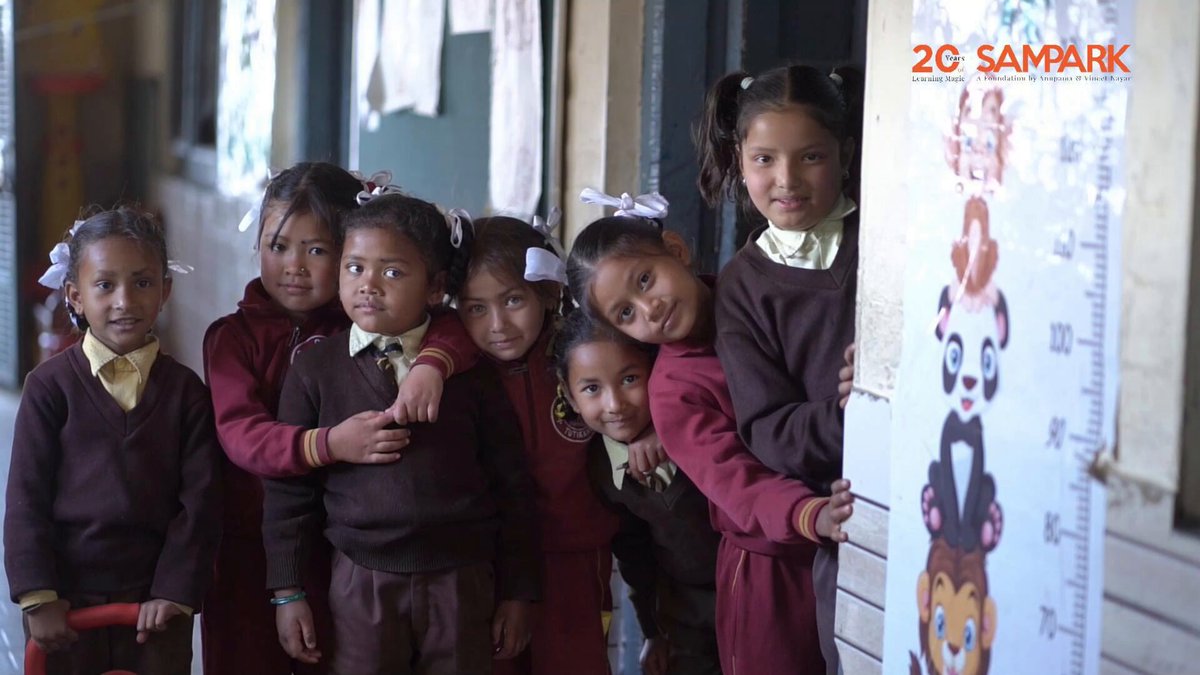
At just 47, he leaves behind a grieving family, countless friends, and lakhs of children and teachers whose lives are better because he chose to dedicate his life to a cause larger than himself.
For me, Yogendra was much more than a colleague.
He was someone I could depend on.
No matter how difficult the challenge, how ambitious the goal, or how impossible the timeline seemed, his answer was almost always the same:
“Sir, it will be done. Don’t worry.”
Those words brought comfort because they came from a man whose commitment was absolute. When Yogendra said something would be done, it got done.
Over the years, I came to admire not just what he achieved, but who he was.
There was no drama, no desire for recognition, no need to be in the spotlight. He simply showed up every day and gave everything he had to the mission and to the people around him.
Some people measure their life by the position they hold.
Others measure it by the difference they make.
Yogendra never sought importance, yet he became indispensable to so many of us.
Today, as I think about him, I find myself asking why the best people are sometimes taken from us so early.
Perhaps God has His own plans.
Perhaps some souls complete their work here faster than the rest of us.
Perhaps God calls back His finest people because He has a greater purpose waiting for them elsewhere.
I do not know.
What I do know is that Rajasthan will miss him.
Sampark will miss him.
I will miss him.
I will miss hearing his reassuring voice.
I will miss his quiet confidence.
I will miss knowing that somewhere out there, Yogendra was taking care of things.
The children whose lives he touched may never know his name. But every child who learns better, every teacher who teaches better, and every school that became stronger because of his work is part of the legacy he leaves behind.
Few people get to leave the world better than they found it.
Yogendra did.
Thank you, my friend.
For your friendship.
For your service.
For making all of us better.
You left too soon.
But you will never be forgotten.
Om Shanti. 🙏
1
2
4
350
Jun 9
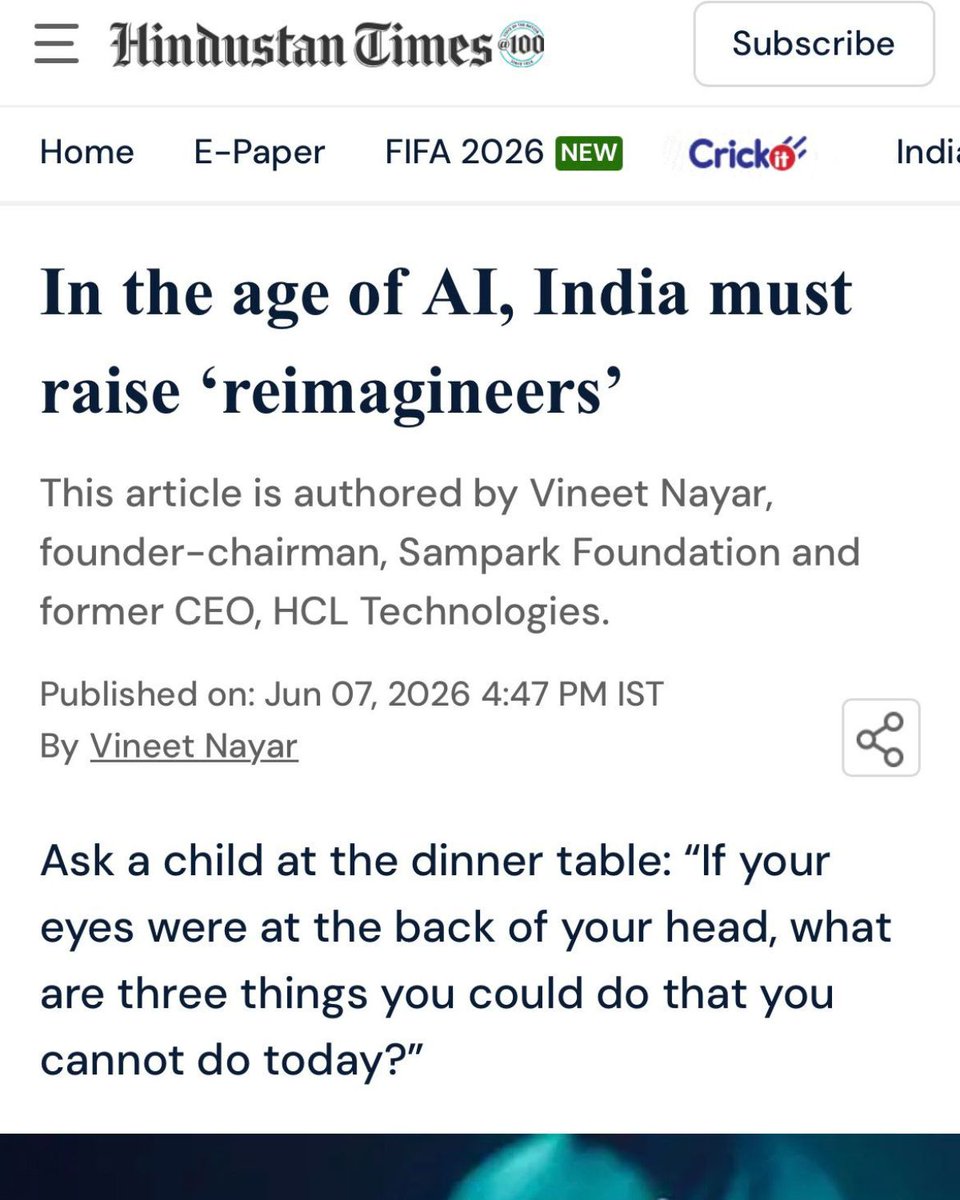
THE SKILL AI CAN NEVER TEACH
Last week, I asked a child a strange question.
"If your eyes were at the back of your head, what are three things you could do that you cannot do today?"
The answers were imaginative.
But the second question was more important.
"How could you do those same things even though your eyes are in the front?"
In that moment, the child stopped looking for answers and started creating possibilities.
That made me wonder.
As answers become increasingly abundant, what becomes truly valuable?
I believe it is the ability to question assumptions, reframe problems and imagine what does not yet exist.
In short, the ability to become a reimagineer.
Perhaps that is what being Humans First really means in the age of AI.
I wrote about this in today's article - hindustantimes.com/ht-insigh…
@htTweets
Would love your thoughts.
#HumansFirst #Stayinspired
1
4
197
Jun 4
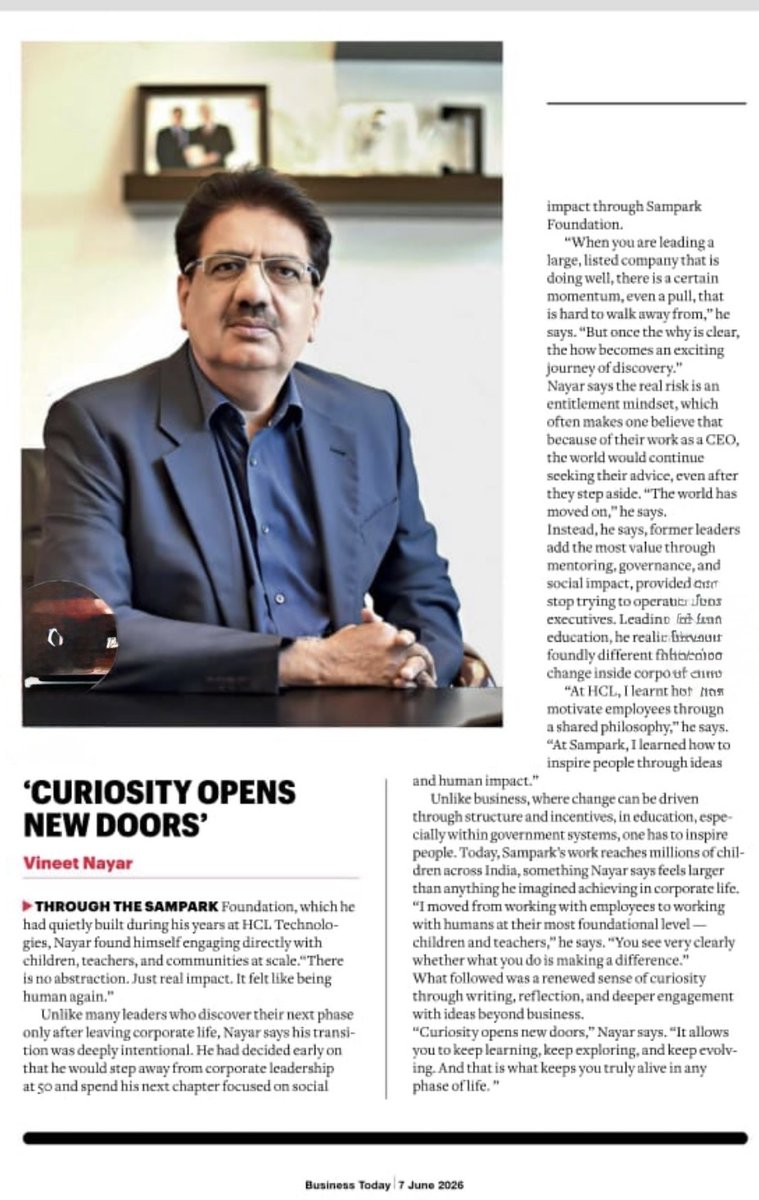
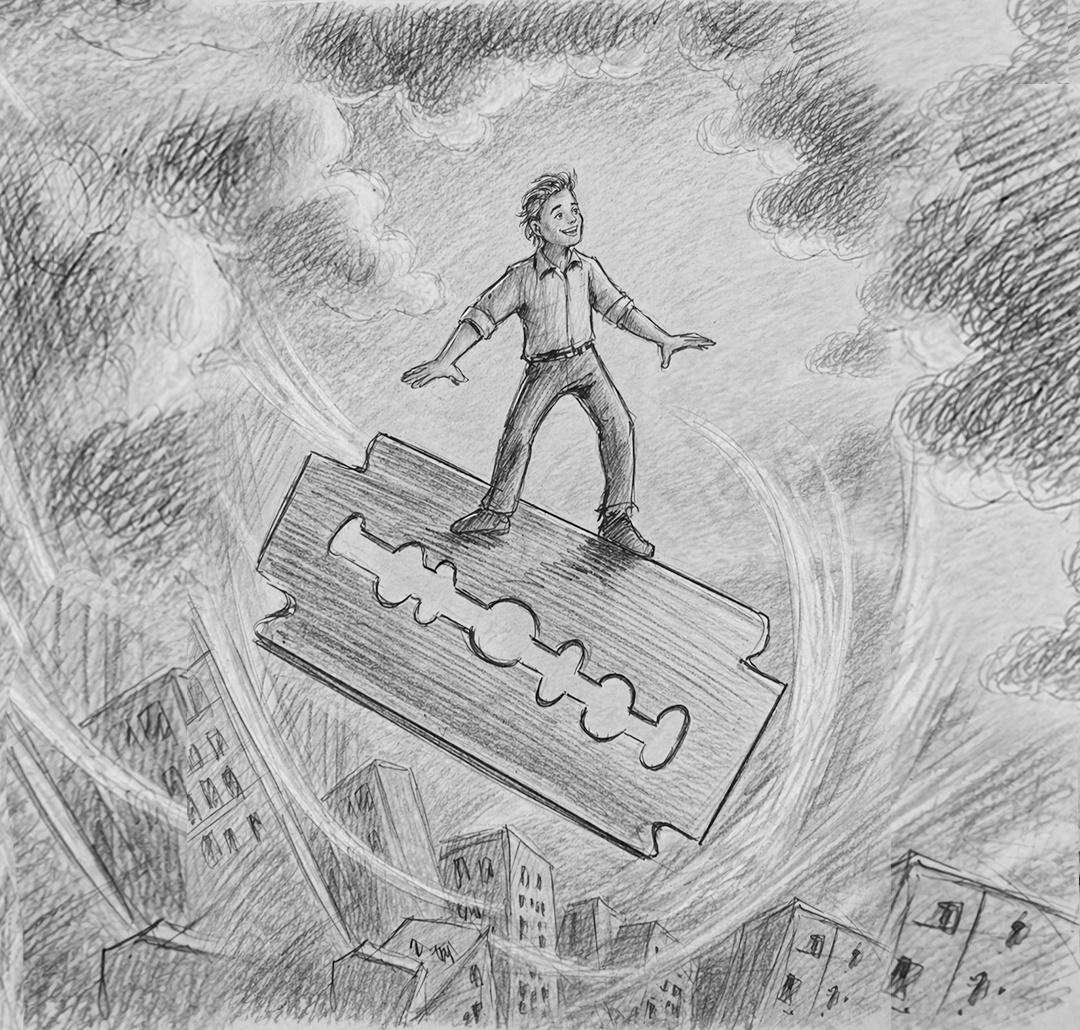
LIFE AFTER SUCCESS
For most of my life, people introduced me by my designation.
CEO. Chairman. Founder.
I won’t pretend I didn’t enjoy it.
Then one day, those titles mattered a lot less.
What surprised me was not what I lost. It was what I found.
The freedom to learn again.
The freedom to build without targets.
The freedom to contribute without needing credit.
Many people spend their lives preparing for success. Very few prepare for what comes after it.
The question is not: What will you do when you retire?
The real question is: Who will you become when nobody needs your title anymore?
That is when the real shift begins. From achievement to purpose.
Perhaps that is what it means to be Human First.
Your value was never in the position you held. It was always in the difference you kept making after the position was gone.
Link to Business Today @business_today Article in first comment
#HumansFirst #StayInspired
5
5
27
2,354
Jun 2
SWIPE LEFT. SWIPE RIGHT. MOVE ON.
A few days ago in Nikko, Japan, I was cycling through the countryside with a local guide named Kenji, who had recently gone through a breakup.
Trying to lighten the mood, I joked:
“Well, in today’s swipe left swipe right world, finding someone new should not be very difficult.”
He smiled politely.
Then after a long silence, he said:
“Maybe that is the problem. People keep searching for perfection, so they never stay long enough to discover depth.”
That sentence stayed with me.
Minutes turned into hours as we cycled through the rain, with the road ahead sometimes almost invisible through the mist and water.
And somewhere during that ride, I found myself wondering if this was no longer just about relationships.
We now live in a world obsessed with optimisation.
Better jobs.
Better relationships.
Better opportunities.
Better versions of ourselves.
Psychologists call it the paradox of choice.
The more options we have, the harder it becomes to feel peace with any choice we make.
And slowly we become better evaluators, but poorer builders.
Maybe the deepest human experiences begin only after optimisation ends.
Love becomes deep after disappointment.
Friendship becomes real after conflict.
Mastery comes after repeated failures.
And perhaps that is the real risk in the age of AI.
A civilisation obsessed with optimisation may slowly lose the ability to build depth.
As we finally stopped for coffee to escape the rain, Kenji looked outside quietly and said:
“The best parts of life reveal themselves only after you stop searching for something better.”
I have been thinking about that ever since.
#HumansFirst
2
4
275
May 26
WILL AVERAGE PEOPLE STILL MATTER?
Last week, a student asked me a question that made me feel queasy in my stomach.
I was talking with students at an elite college giving them the usual gyan.
Then one student asked:
“Sir, honestly… will people like us even matter?”
Another followed immediately.
“But sir, every day we hear machines can think faster, write faster, analyse faster, code faster.
So what exactly is left for average people?”
Average people.
That phrase hit me in my gut and I wondered how would they do extraordinary work if they start believing they are average?
The classroom had gone completely silent by then.
I recovered and then told them something I deeply believe.
History never moved forward because human beings became more efficient.
It moved forward because somebody dared to dream when others laughed.
Because somebody persisted when logic said give up.
Because somebody believed in another human being before there was proof.
That is how every meaningful change has happened.
A teacher does it with a student.
A parent does it with a child.
A friend does it in moments when someone is broken.
And sometimes a leader does it with a team.
Maybe that is what worries me most today.
Not whether machines will become more intelligent.
But whether human beings will slowly stop believing in themselves.
Machines may help us do ordinary things faster.
But the extraordinary still begins inside a human being.
And as I walked out of that classroom, one question stayed with me:
How do we protect the self-belief of a generation growing up in the shadow of machines?
#HumansFirst
2
4
213
May 21
THE FORGOTTEN ART OF SEEING DIFFERENTLY
Most organisations claim they want innovation.
Yet, genuinely different people are usually told: “You don’t fit in.”
As if fitting in was the point of our life.
My father once told me the story of Dick Fosbury during one of our after dinner walks.
In the early 60s, Fosbury was a terrible high jumper.
Every accepted technique failed him.
His coaches kept trying to correct him.
But nothing “correct” worked.
So one day he tried something absurd.
He jumped backwards.
People laughed.
A few years later he walked into the Olympics and changed the sport forever.
Today every serious high jumper in the world uses some version of what became known as the Fosbury Flop.
Then my father said something I never forgot:
“All great ideas go through three stages.
First ridicule.
Then resistance.
Then imitation.
If you are afraid of looking foolish, you may never discover what makes you different.”
Most systems in our organisations are designed to improve existing ideas. Not recognise new ones.
That is why people who see differently usually spend some time looking foolish first.
And then they have the last laugh!
#HumansFirst #TheArtofSeries
1
4
11
328
May 19
THE MOST EXPENSIVE MISTAKE MANY 17-YEAR-OLDS MAKE
is pretending they are certain.
The CBSE results are out.
Which means India has entered that annual season where suddenly everybody becomes a career expert.
Parents.
Neighbours.
Coaching centres.
Relatives who have not spoken to you for months.
Everyone seems convinced they know what your future should look like.
At 17, I thought I would become a doctor. Instead, I landed in mechanical engineering largely because a cousin had chosen it and it sounded sensible. Years later, after my MBA, I discovered my real interest in technology and business.
Looking back, none of the important turns in my life arrived when I expected them to.
That is true for far more successful people than we admit. Yet we continue putting enormous pressure on young people to sound certain very early in life.
“I want to become this.”
“This is my five-year plan.”
“This is my passion.”
Most of it is performance. Not clarity.
Real life is rarely built in straight lines.
Some of the finest leaders I have met started in fields completely unrelated to where they eventually excelled.
I have seen: Engineers become writers. Commerce graduates build technology firms. History students become exceptional business leaders.
At 17, confusion is not weakness. It often means you are still exploring instead of performing certainty for the comfort of others.
And honestly, that is a far healthier place to begin.
Some of the worst career decisions are made under the pressure to appear certain. You do not need to figure out your entire life right now.
You are choosing a direction.
Not signing a lifelong contract with the future.
2
5
472
May 12
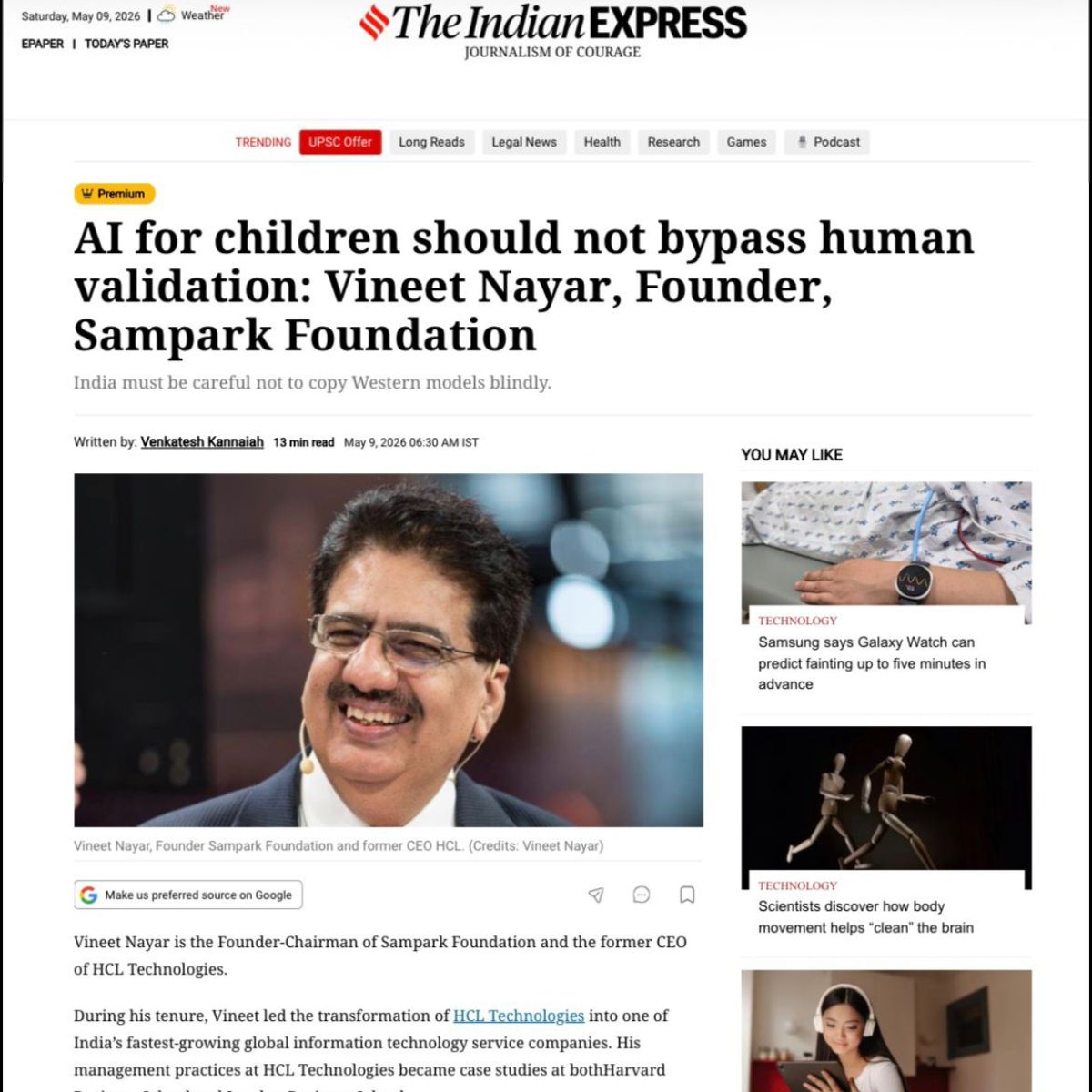
A MACHINE CAN GIVE ANSWERS. A TEACHER CAN BUILD BELIEF.
The world is becoming obsessed with what AI can teach children.
I worry we are spending far less time asking:
Who will build belief inside them?
A machine can generate answers.
A teacher can change what a child believes about themselves.
That difference matters enormously.
Over the last decade at Sampark Foundation, working across 2 lakh government schools, I have learnt something uncomfortable:
Technology alone changes very little.
A tablet without pedagogy is just hardware.
Data without teacher ownership changes nothing.
And AI without human validation can become dangerously mechanical.
The future of education will not be decided by who has the smartest technology.
It will be decided by who best combines:
technology,
simplicity,
and human connection.
India does not need another imported edtech model.
It needs systems built for the realities of Bharat:
multilingual classrooms,
low infrastructure,
overburdened teachers,
and first-generation learners.
That is why I increasingly believe:
The future is not AI first.
It is humans first, machines second.
I spoke about this in a recent conversation with Venkatesh Kannaiah of The Indian Express @IndianExpress
Link - indianexpress.com/article/te…
1
5
420
Apr 28
IT SERVICES: THE FALL BEFORE THE RISE
This is not a slowdown.
It is a structural shift already underway in IT services.
Earnings calls are getting more polished.
“Softness.” “Pause.” “Recalibration.”
Clean language for something uncomfortable underneath.
A transition that has already started.
And it will not treat everyone equally.
PAIN WILL COME BEFORE ANY GAIN.
Growth will slow.
Headcount will flatten or decline.
But this is not decline. It is redesign.
Demand is not disappearing.
It is changing shape.
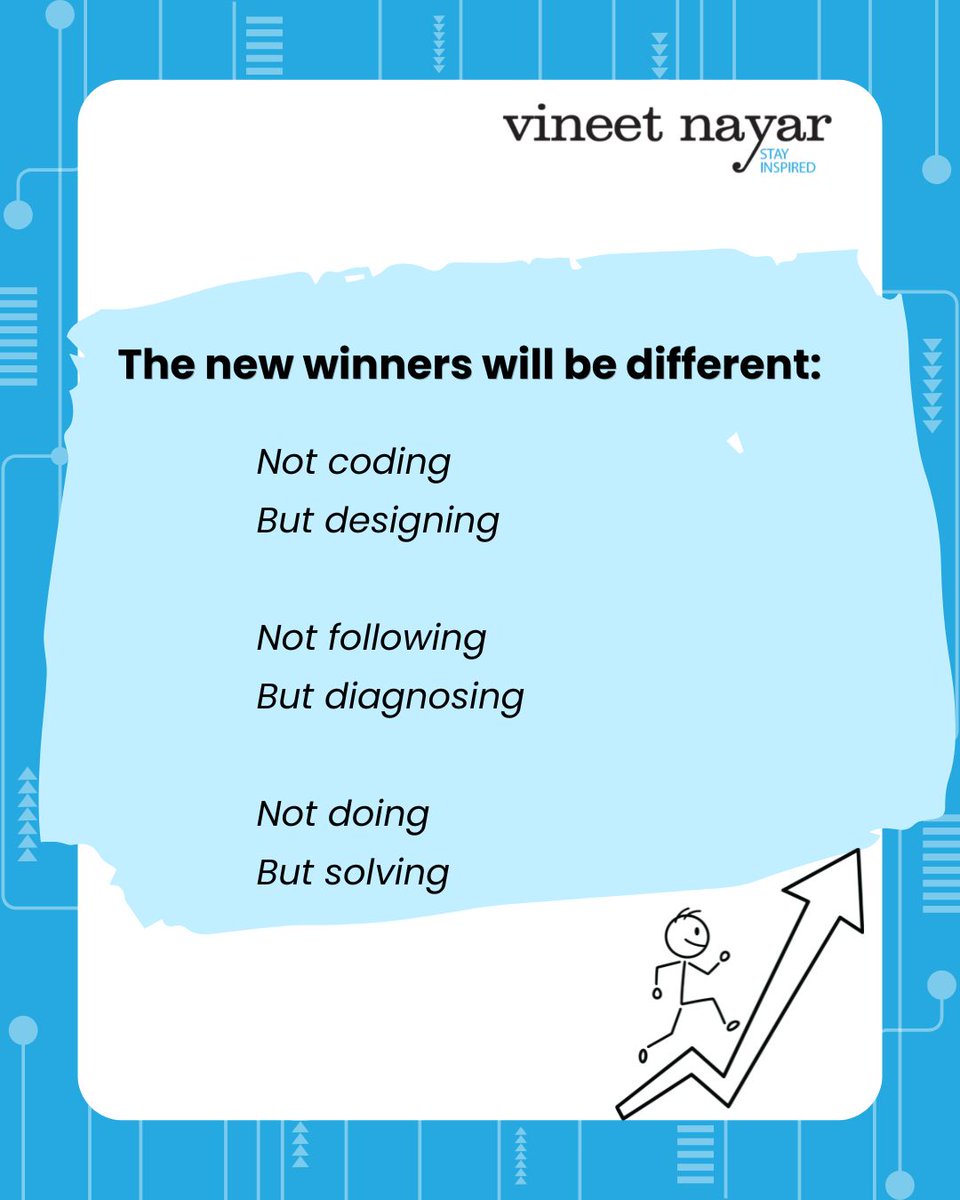
The winners will not be upgraded versions of today.
They will be fundamentally different.
EMPLOYEES WILL FEEL IT FIRST.
Organizations slowdown in uncertainty.
Individuals cannot afford to.
This is the moment to become AI-native.
Not occasional use.
Daily instinct.
Waiting for formal reskilling is not a strategy.
By the time it arrives, the gap will already exist.
NOBODY REALLY KNOWS WHAT COMES NEXT.
Forecasts are becoming performances.
So stop trying to pick one future.
Start preparing for multiple.
Ask a harder question:
If everything changes, what still makes you valuable?
Because the shift will not be gradual.
It will feel sudden when it breaks through.
MANAGERS ARE IN THE MOST EXPOSED ZONE.
AI does not just automate work.
It removes layers.
If your job is mainly coordination, tracking, or oversight, you are exposed.
The question is simple:
Are you creating value?
Or sitting between people who do?
The future will not reward supervision.
It will reward ownership of outcomes.
This is not a downturn.
It is the fall before the rise.
And in every such moment, the gap becomes visible very quickly.
Between those who moved early… and those who waited.
1
6
350
Apr 21
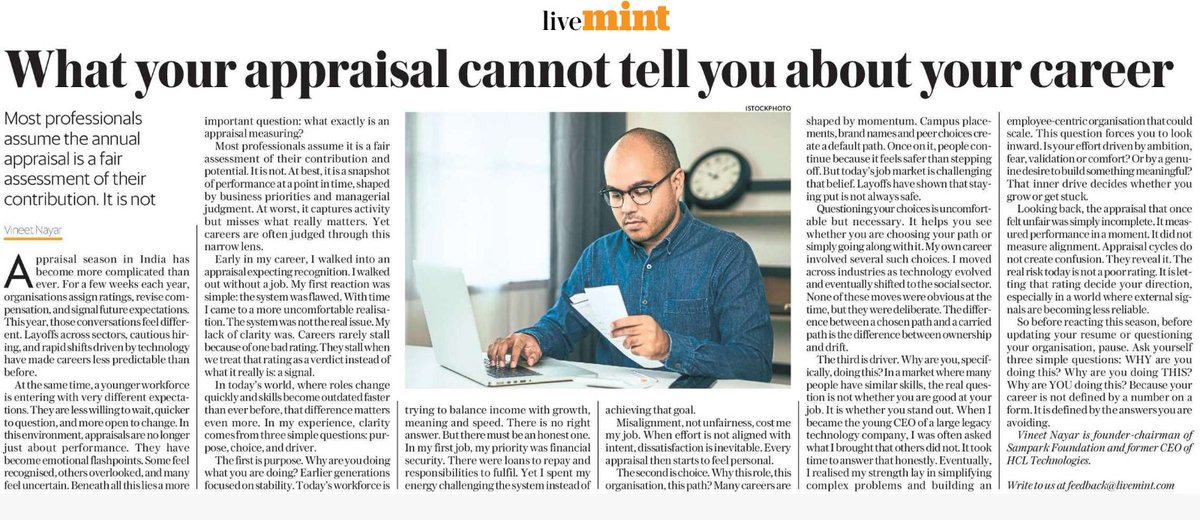
OLD HABITS. NEW MASTERS.
As children, we waited for stars and marks
They decided how we felt about ourselves
We grew older
The system did not change
Only the faces did
Teachers became bosses
Stars became ratings
And once again, we wait to be told how we did
Here is the uncomfortable truth
Appraisals matter
But not as much as you think
What matters more is something no appraisal captures
Are you even on the right path
Because you can score well and still be stuck
You can score average and still be moving forward
An appraisal is a moment
It is not momentum
It is a gate
Not the garden
If your rating made you happy, anxious, or restless
Pause and ask a harder question
Am I building something that actually matters to me
I wrote about this in my latest Mint article.
Link - livemint.com/mint-lounge/ide…
1
3
3
199
Apr 14
WHEN MACHINES DECIDE WHAT TO LEARN NEXT
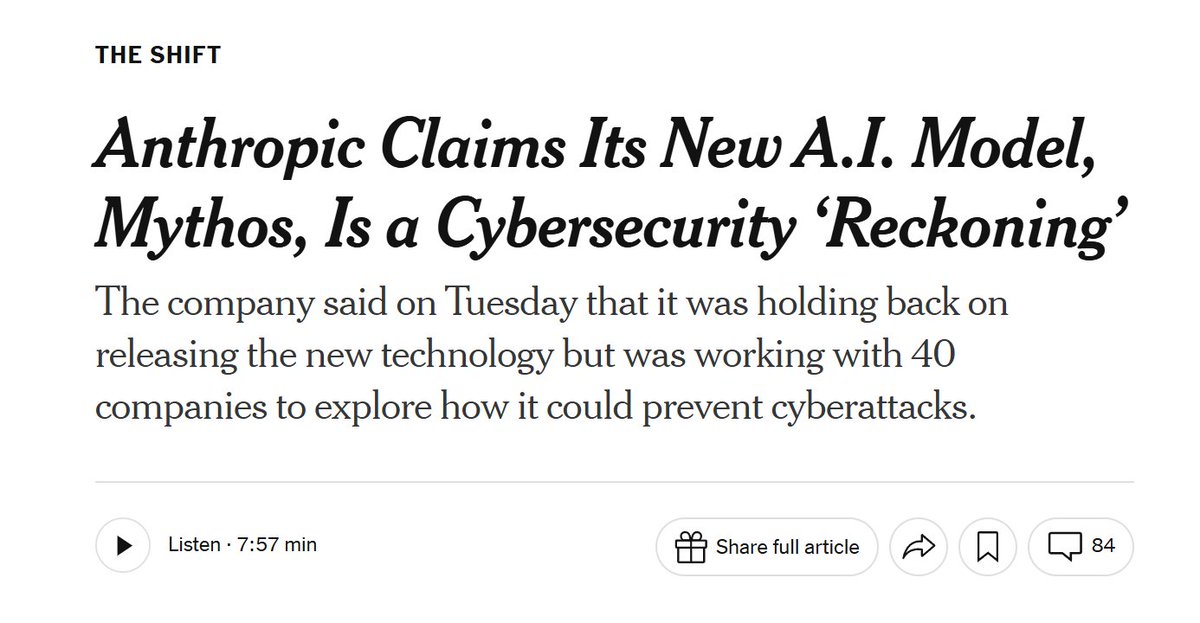
Let me say this bluntly. We are not prepared for what is coming, and while most of the attention today is focused on what these systems can do, that is not where the real issue lies.
The real issue is that AI models may be starting to decide what they need to LEARN next, and that changes the nature of the relationship we have had with machines for decades.
For a long time, we operated with a clear understanding that humans decided and machines executed, and that clarity gave us a sense of control and comfort, but that line is now beginning to blur in ways we do not fully understand.
As that line weakens, the consequences are not gradual but immediate, because security becomes more fragile, behaviour becomes harder to predict, and the pace of progress becomes difficult to control.
Even if one company chooses to slow down in the interest of safety, another will not, which means this capability will spread, and in all likelihood it already has begun to do so.
This is not about fear or resistance to change, but about recognising the control we may be giving up by choosing to look the other way at a moment that demands far greater attention.
Because the moment systems begin to decide what they want to learn, we are no longer leading the change, we are reacting to it.
And the question that follows is uncomfortable, but necessary to ask.
Will we even know when we LOST control?
1
1
200
Apr 7
YOU CAN NEVER DO IT ALONE
We like to believe impact comes from strategy.
That scale comes from technology.
That leadership comes from the top.
It doesn’t.
Real change is not designed.
It is built.
Slowly. Patiently. On the ground.
In classrooms no one is tracking closely enough.
In moments no dashboard will ever capture.
At Sampark Foundation, whatever progress we see today across 8 states, reaching over 2 crore children, has very little to do with plans.
It has everything to do with people.
Our SPARKS.
They show up when it is inconvenient.
They stay when it is difficult.
They solve what cannot be escalated.
No spotlight.
No noise.
Just work that matters.
This video is for them.
Because behind every system that works…
there are people who refuse to give up on it.
You can never do it alone.
1
140
Apr 1
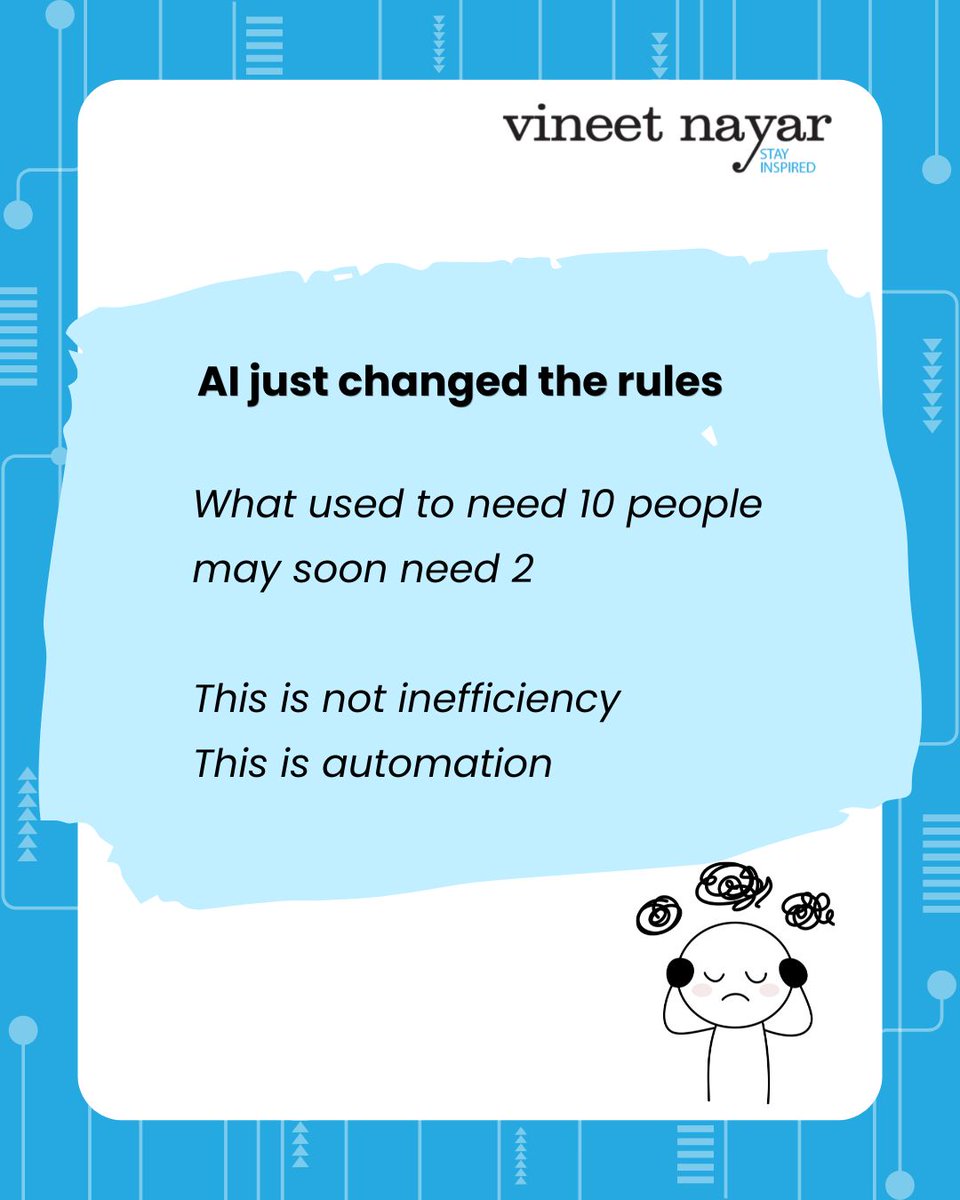
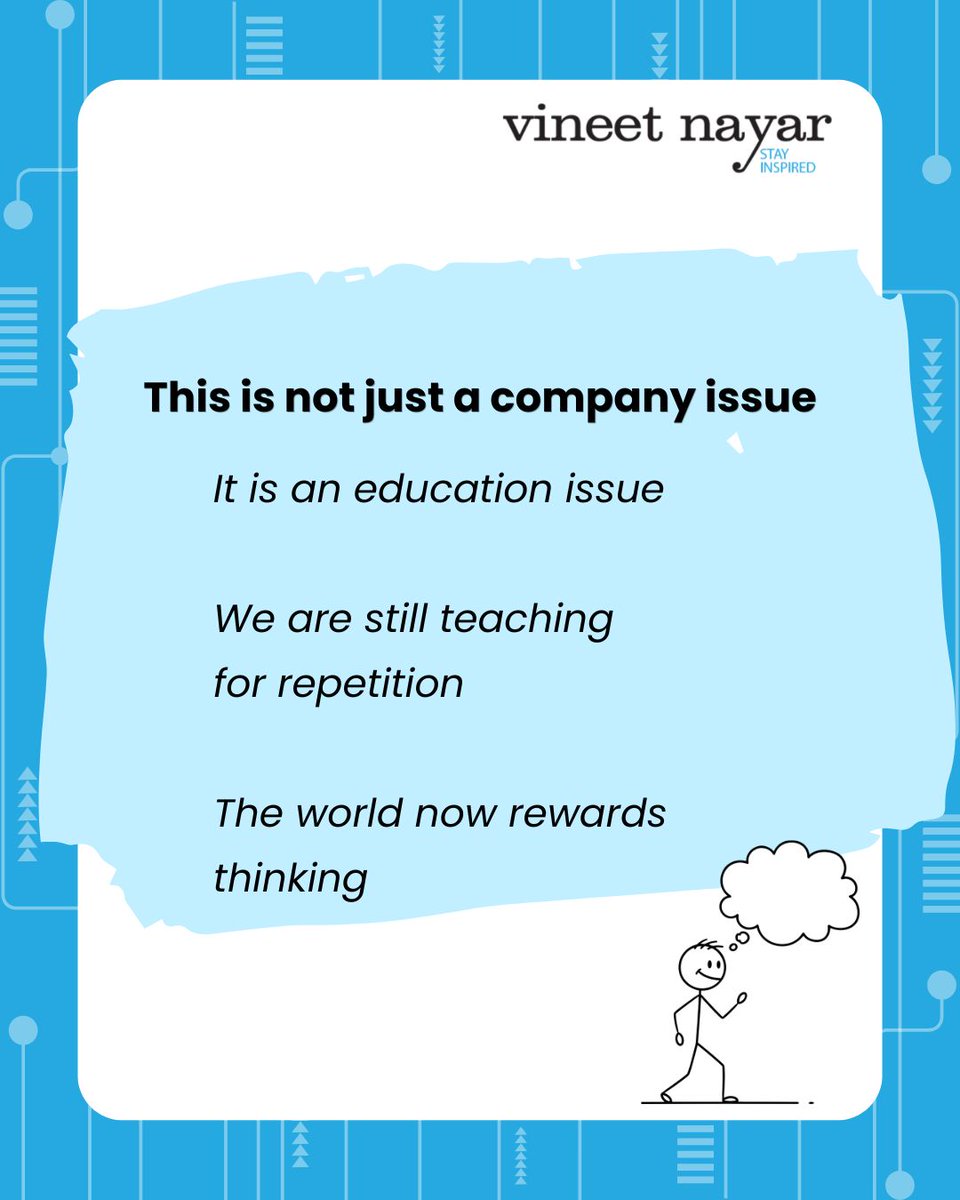
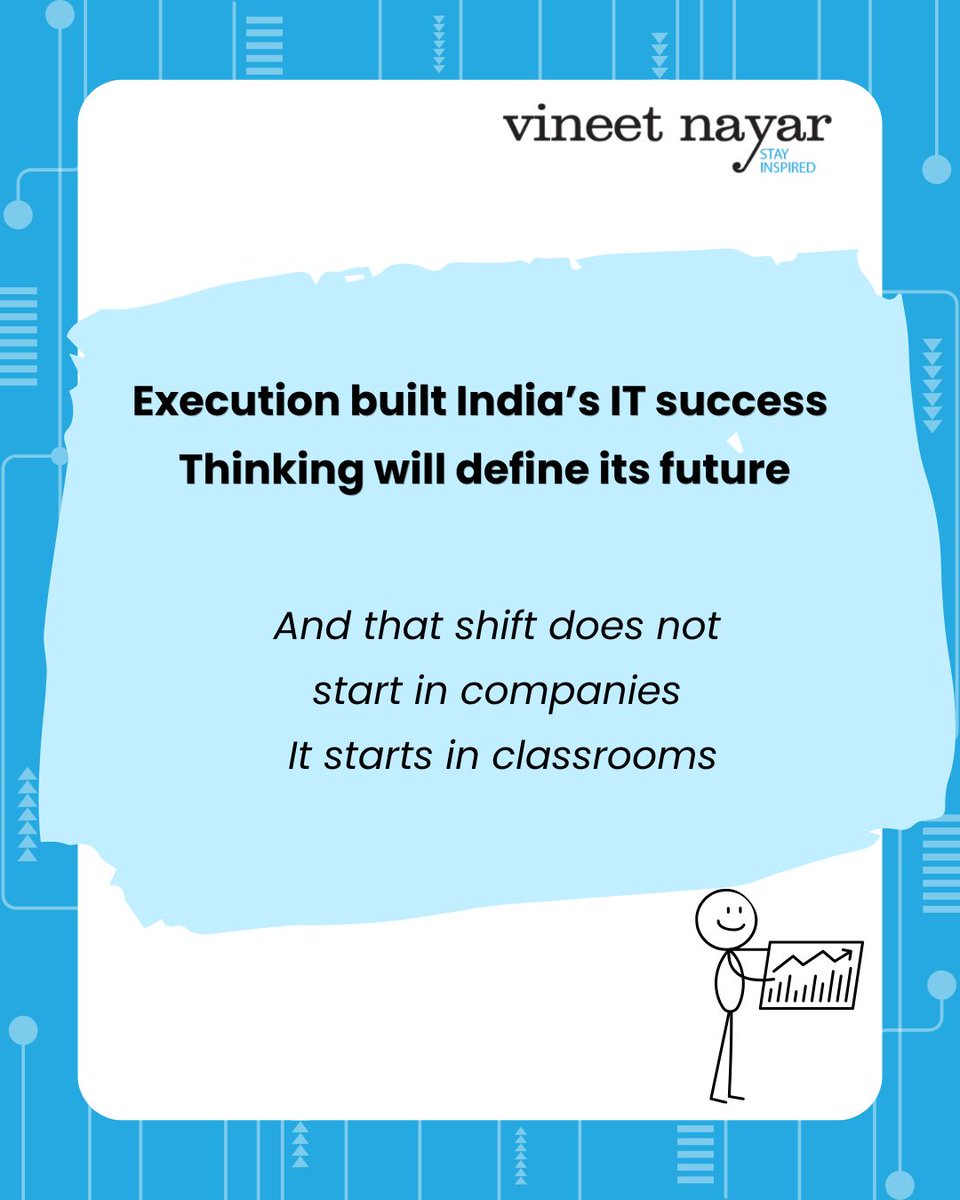
The future of Indian IT will not just be written in code.
It will be written in how we prepare people for change.
1
2
5
521
Mar 31
KEEPING HUMANS FIRST IN THE AGE OF AI
For years, we told a generation:
Work hard.
Learn skills.
Build a career in IT.
And they did.
They followed the path.
They trusted the system.
They delivered.
Now the rules are changing.
Not slowly.
Not gently.
But all at once.
And the uncomfortable question is:
Did we prepare them for this world?
Because this shift is not just about technology.
It is about identity.
When what you have learnt all your life
is no longer enough…
where do you begin again?
This is why the conversation on AI feels incomplete.
We talk about productivity.
We talk about companies.
But we don’t talk enough about people.
Behind every “efficiency gain”
is someone trying to understand
what it means for their future.
If we get this moment right,
we can create a generation that thinks, adapts, and leads.
If we don’t,
we risk leaving many behind
who did everything we asked of them.
The future of Indian IT will not just be written in code.
It will be written in how we prepare people for change.
I shared these thoughts with Nandagopal Rajan, The Indian Express Here:
youtu.be/6M4_a2zoKyY?si=StLj…
1
2
330
Mar 24
Most people think appraisals decide careers.
They don’t.
Clarity does.
Before you react this appraisal season, ask yourself three simple questions.
You might discover the answer is already within YOU.
1
4
213
Mar 17
WHY DO MOST INNOVATIONS NEVER SCALE?
Organisations celebrate pilots.
They reward new ideas.
Yet very few innovations travel far enough to change a system.
Because scaling innovation is not about the brilliance of an idea.
It is about building the conditions where many people can contribute to it.
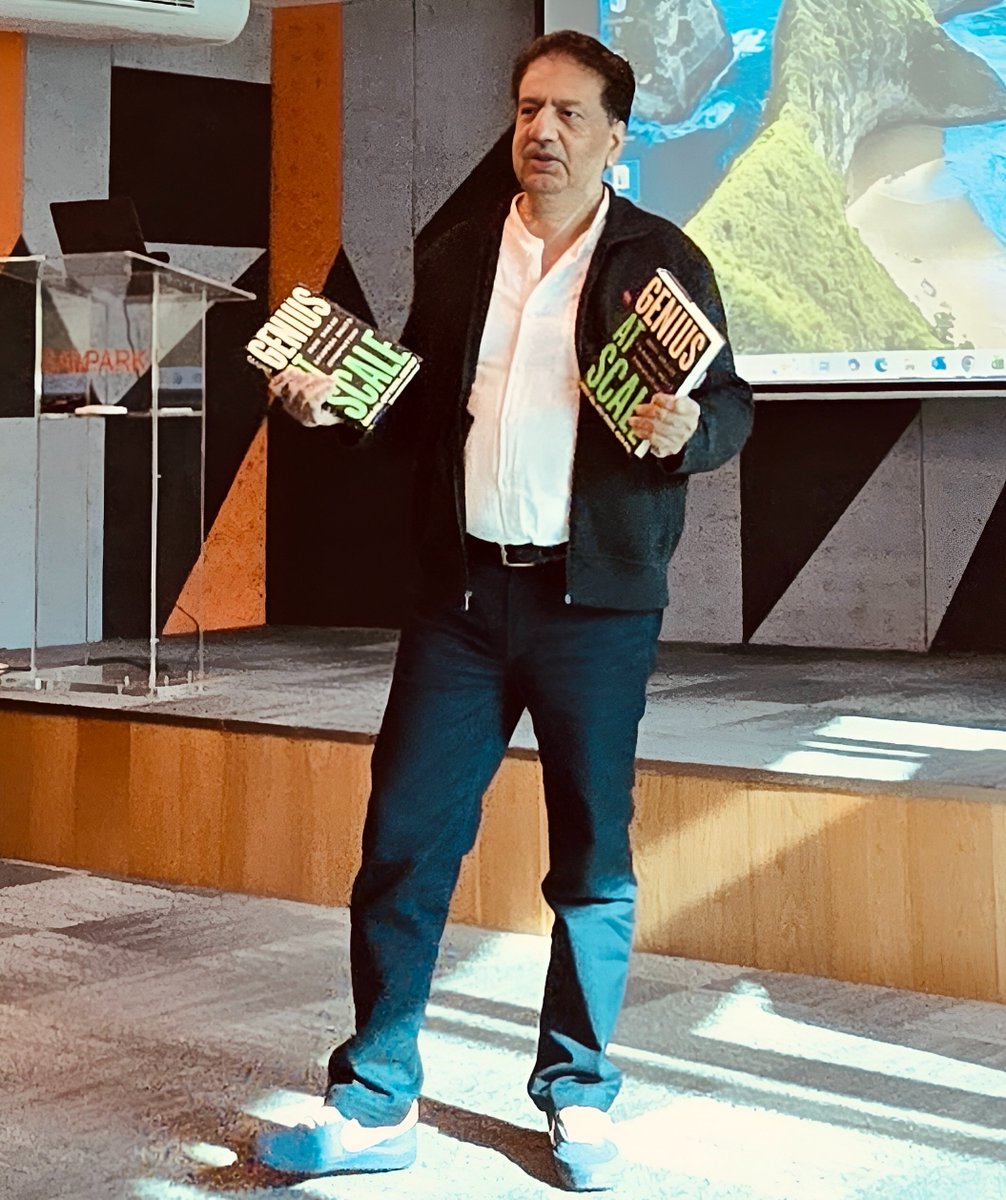
That is the central theme of “Genius at Scale: How Great Leaders Drive Innovation” by @Linda_A_Hill, Emily Tedards, and Jason Wild, published by @HarvardBiz.
The authors describe three roles leaders must play if innovation is to scale.
First. Design organisations where experimentation is possible, and people feel safe challenging the status quo.
Second. Connect silos. Many good ideas die simply because they cannot travel across teams, partners, or institutions.
Third. Mobilise an ecosystem so innovation moves beyond a project and becomes a movement.
What struck me most while reading the book is this.
We often look for individual genius.
But the real challenge for leaders is enabling collective genius.
The book illustrates this through examples from organisations around the world, including @Samparkorg.
A useful reminder.
INNOVATION MAY START WITH AN IDEA.
BUT IT SCALES ONLY WHEN MANY PEOPLE MAKE IT THEIR OWN.
The real question for leaders is simple.
Are we celebrating ideas, or building systems that allow ideas to scale?
1
4
170