
Threat Researcher at @Huntio | DM me for Collaboration on Threat Intel & Hunting 🤝| All Views are my Own⚠️
Joined November 2024
- Tweets 791
- Following 53
- Followers 1,205
- Likes 210
245 Photos and videos
Pinned Tweet

8 Sep 2025
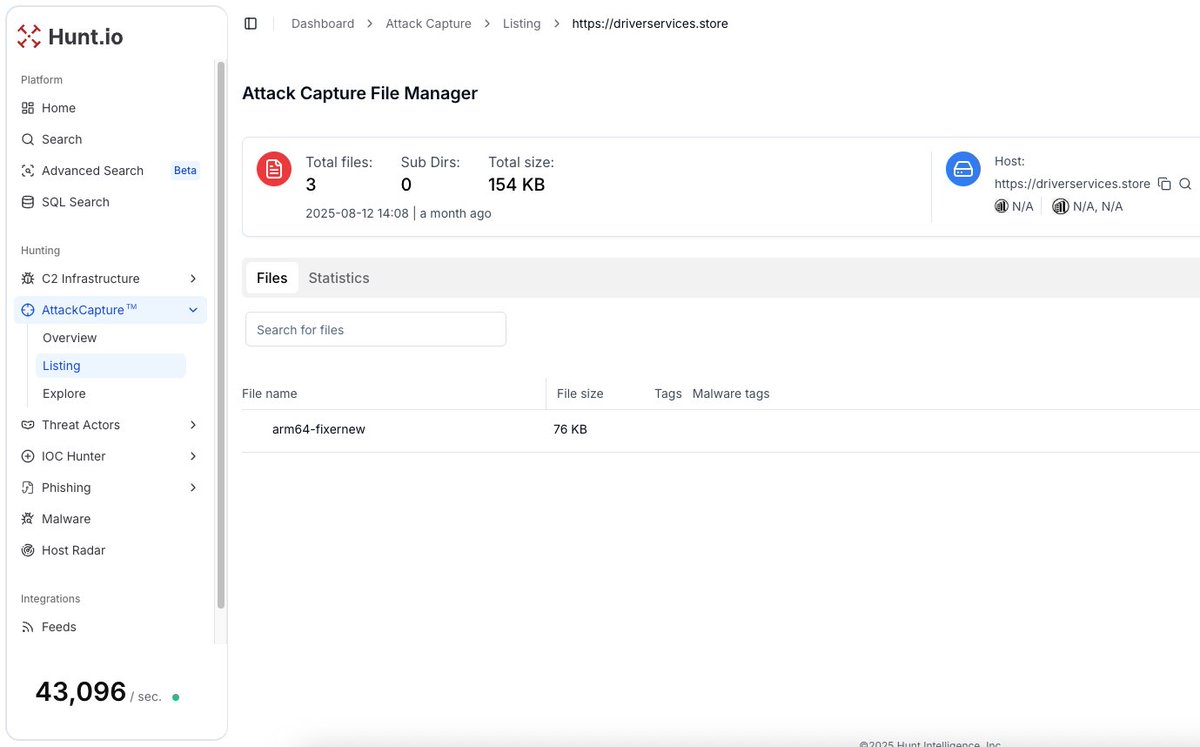
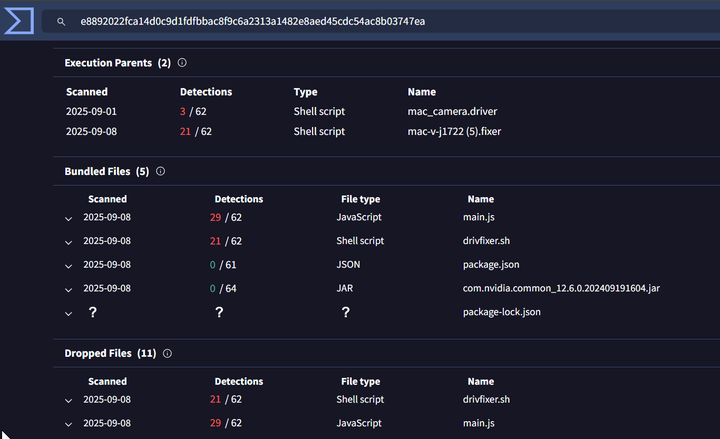
The Attack Capture from @Huntio tracked #APT #Lazarus on an #open #directory. Further, @virustotal analysis shows another parent "update93m" for one of unzipped file drivfixer[.]sh.
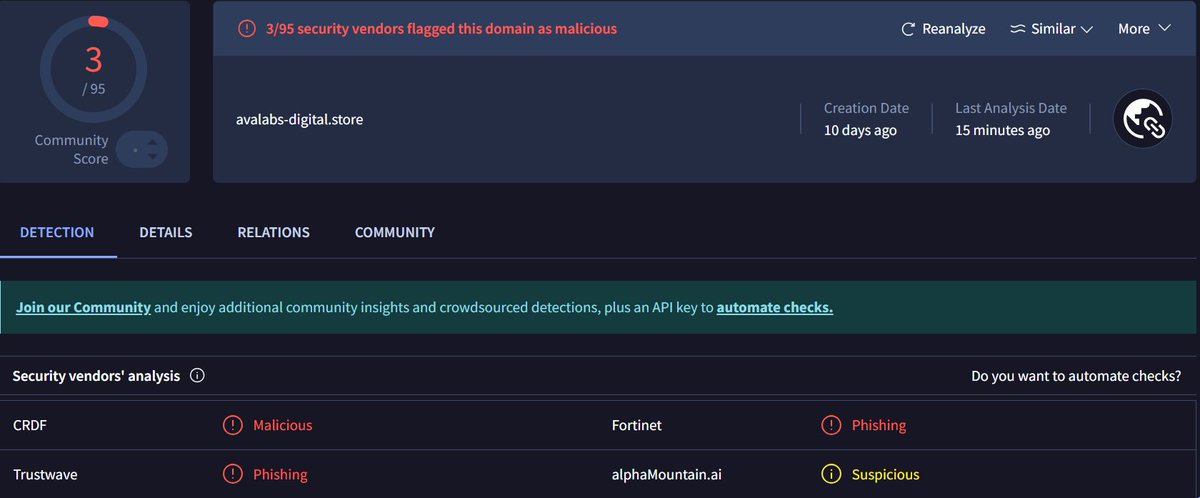
New C2: avalabs-digital[.]store ~ 10 days ago
@500mk500 @MichalKoczwara @malwrhunterteam
4
19
87
21,634
Demon retweeted

Jun 10
#APT36 #TransparentTribe
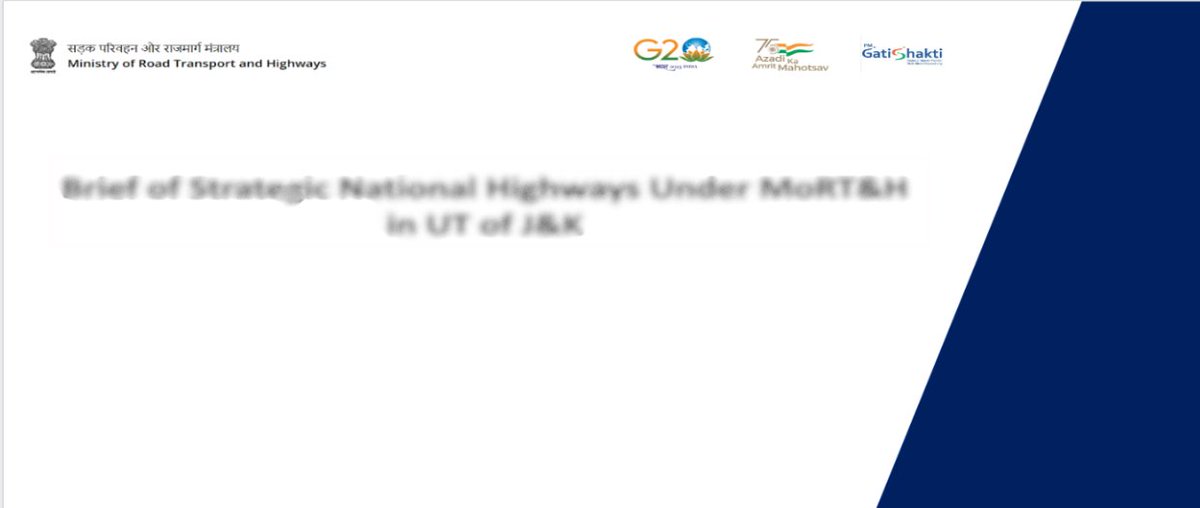
PPT for Breifing at HQ Norther Command(ZIP)
bd260bf220b310ebdd9ab0b50114f627
#Crimson #RAT
c6409e078bad9094ab4b26dad5219f6c
/excel/excel.bat
/excel/office.bat
PPT for Breifing at HQ Norther Command.pptx.lnk
C2: 155.117.45.44
@500mk500 @PrakkiSathwik
3
11
34
2,217
Jun 10
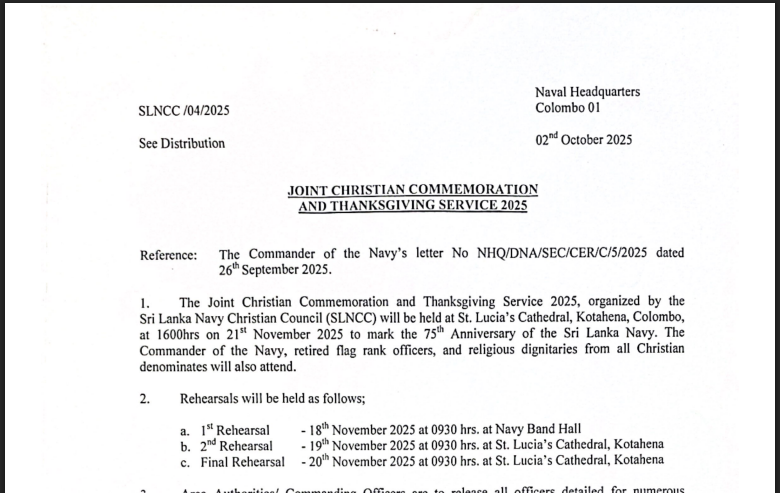
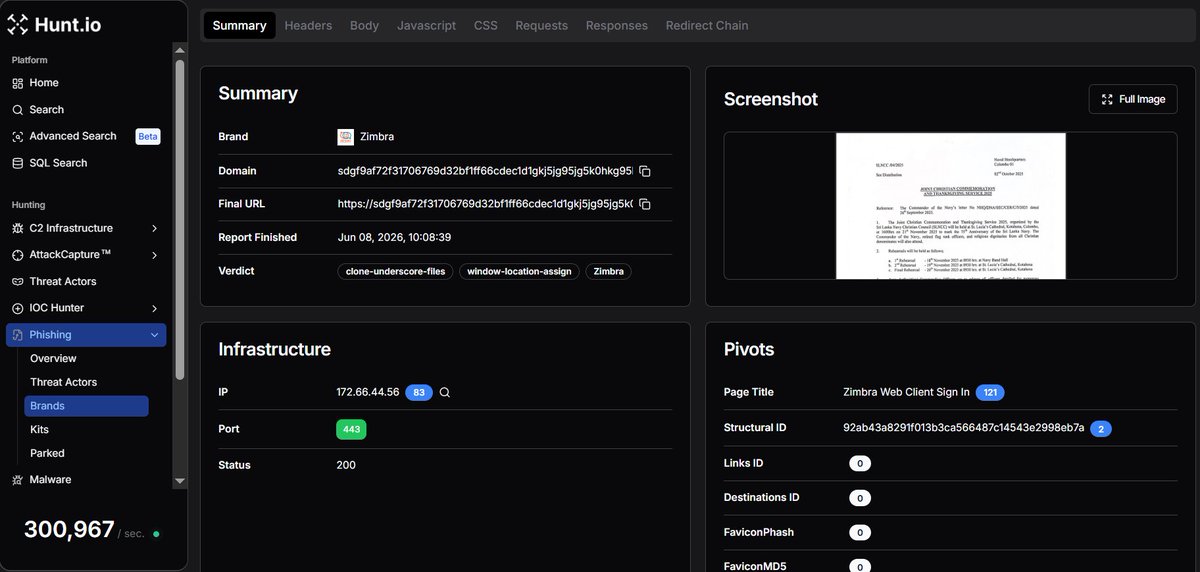
#APT #Sidewinder targets #SriLankan #Navy
5th sightings for "mailsserver-lk[.]com" - Another Webpage tracked by @Huntio
URL:
sdgf9af72f31706769d32bf1ff66cdec1d1gkj5jg95jg5k0hkg95kg0tk[.]pages[.]dev
Ref: x.com/volrant136/status/1988…
@500mk500 @MichalKoczwara @malwrhunterteam
12 Nov 2025

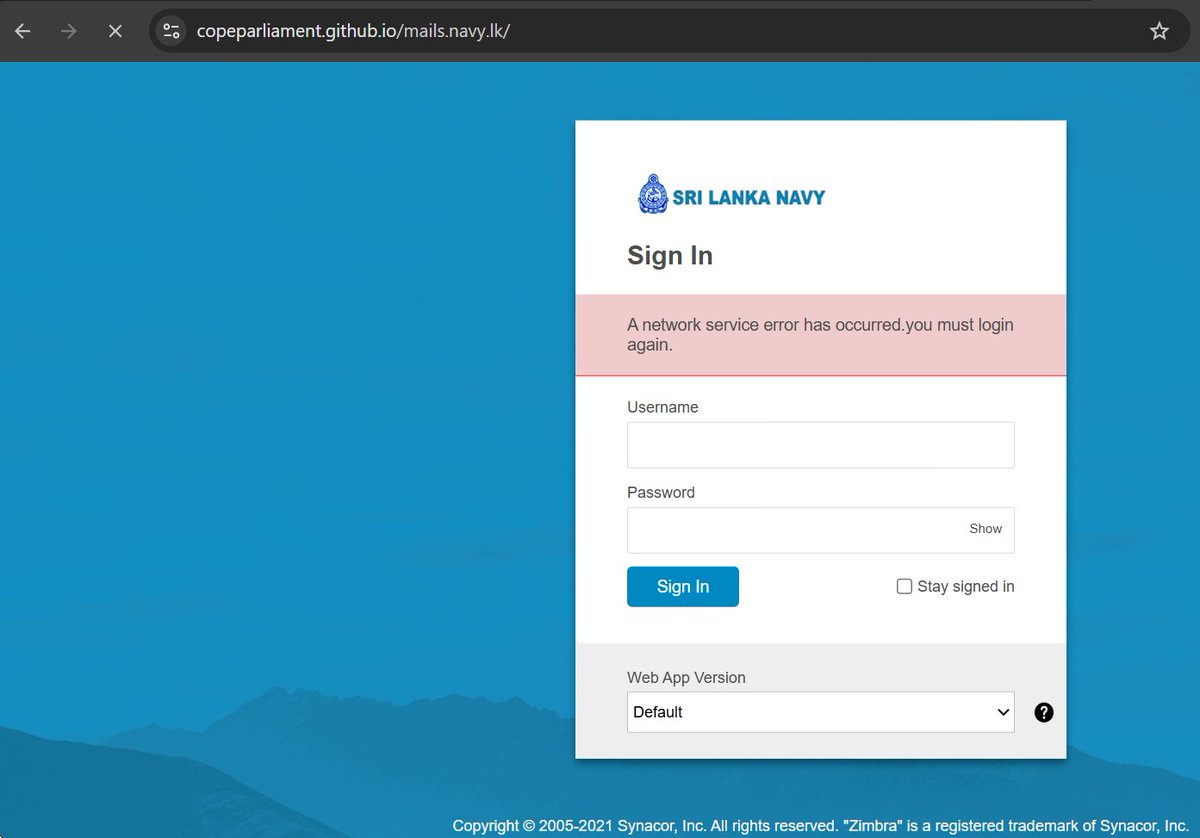
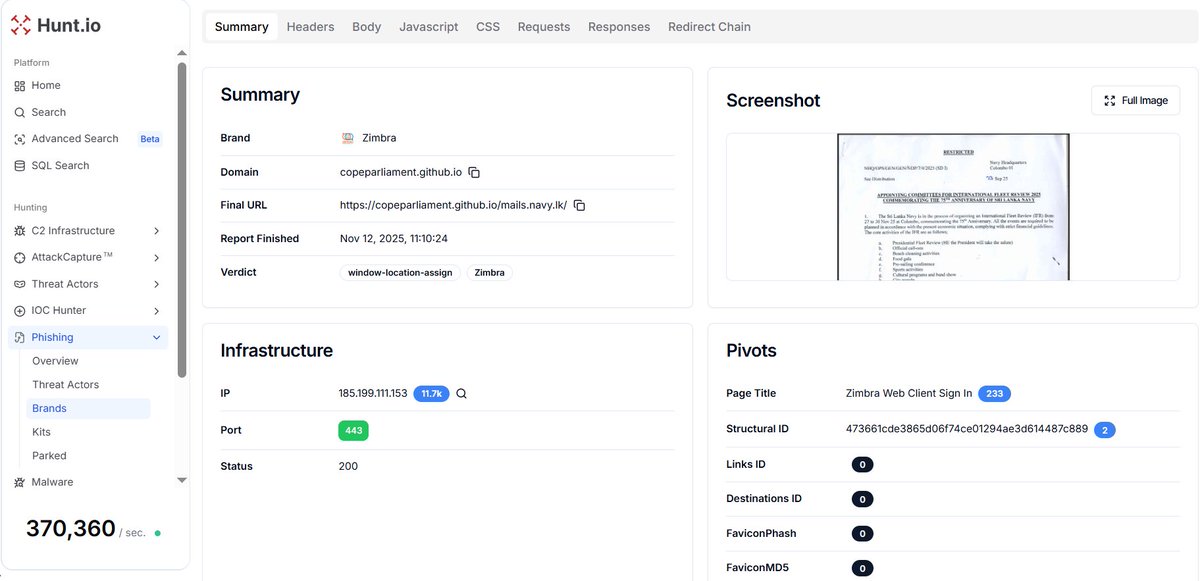
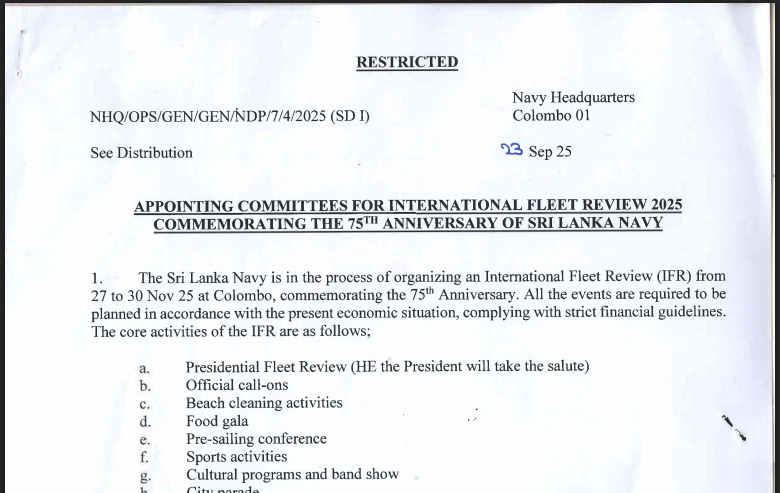
#APT #Sidewinder targets #SriLankan #Navy
4th sightings for "mailsserver-lk[.]com" - Another Webpage tracked by @Huntio
URL:
https://copeparliament[.]github[.]io/mails.navy.lk/
Ref: x.com/volrant136/status/1981…
@500mk500 @MichalKoczwara @malwrhunterteam
3
8
22
1,740
Demon retweeted
Jun 3
#APT36 #TransparentTribe
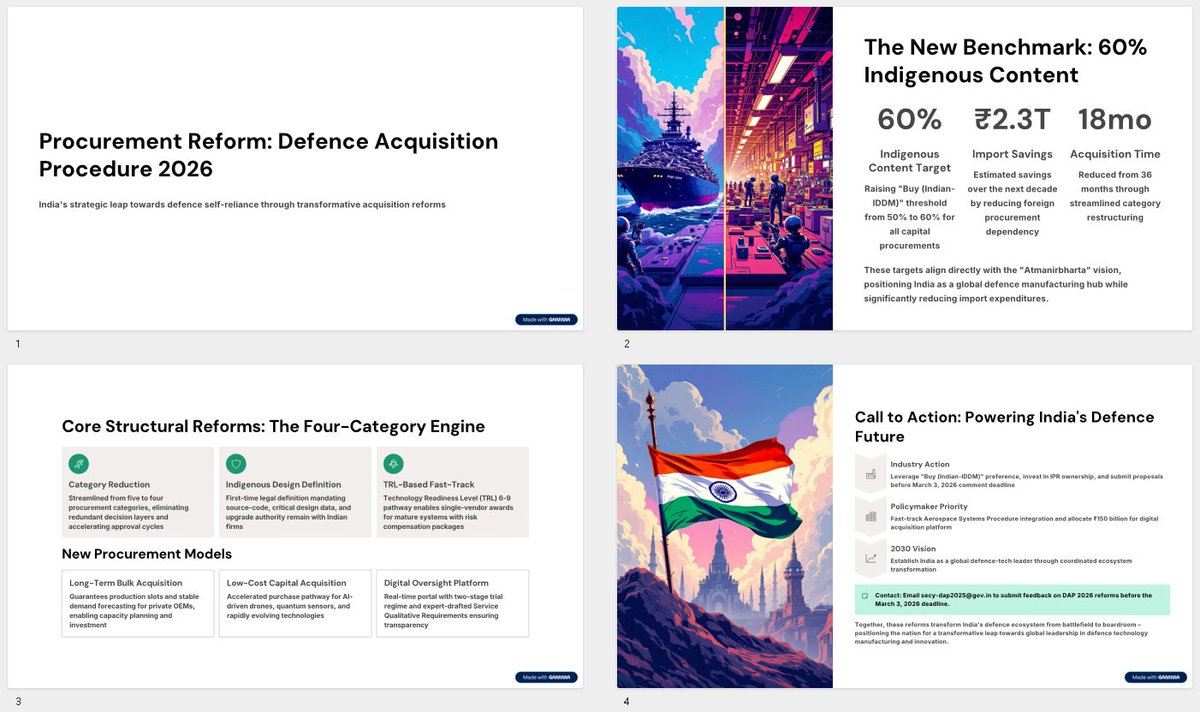
DG NIA ppt regarding ongoing issues.ppam
b90da532d80f3acc6c2c13f4c3d87cb8
https[:]//nianew.xyz/
@Namecheap
download.php?file=mod.pptx
download.php?file=PowerToys.zip
(Password@2026)
#Golang #PowerToys.exe
@PrakkiSathwik @500mk500
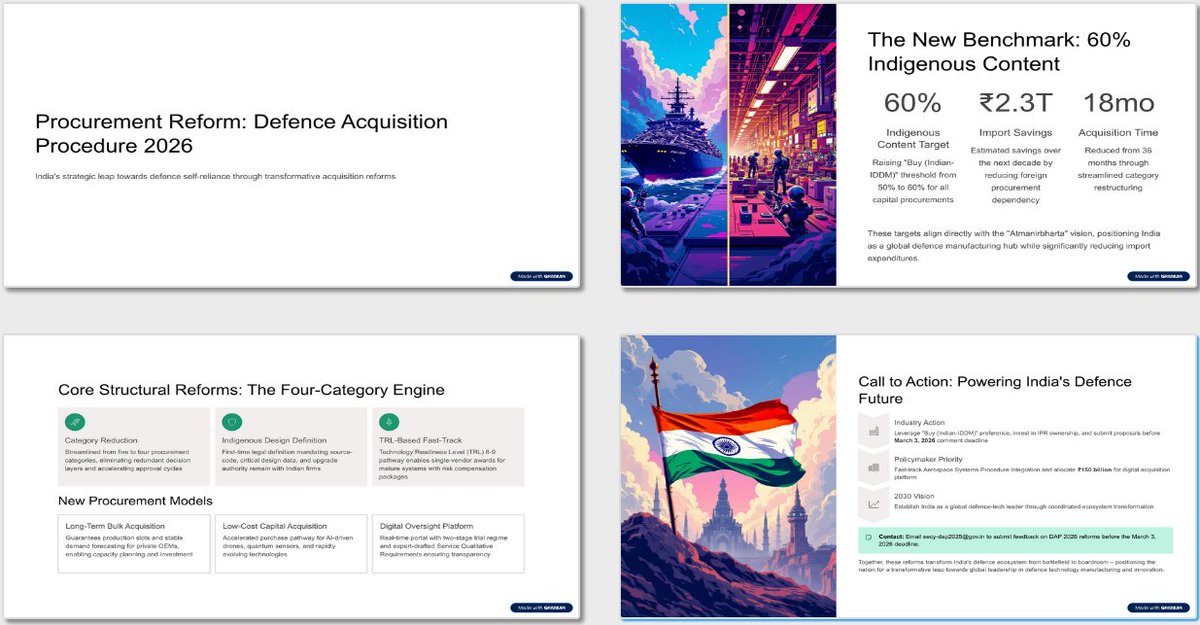

#APT36 #TransparentTribe #APT #Phishing
DD_MCO Quota Available.xlam
7a7a99eee3855c2fe0fe0f5c20d0490c
kickstartercareer[.]website
@Namecheap @500mk500 @smica83
/mod.pptx
/careers/download.php?file=1ad8693349b53dd62bc9fe9509bfc8f7_1772974194.zip (Password@2025)
2
6
14
1,304
Jun 1
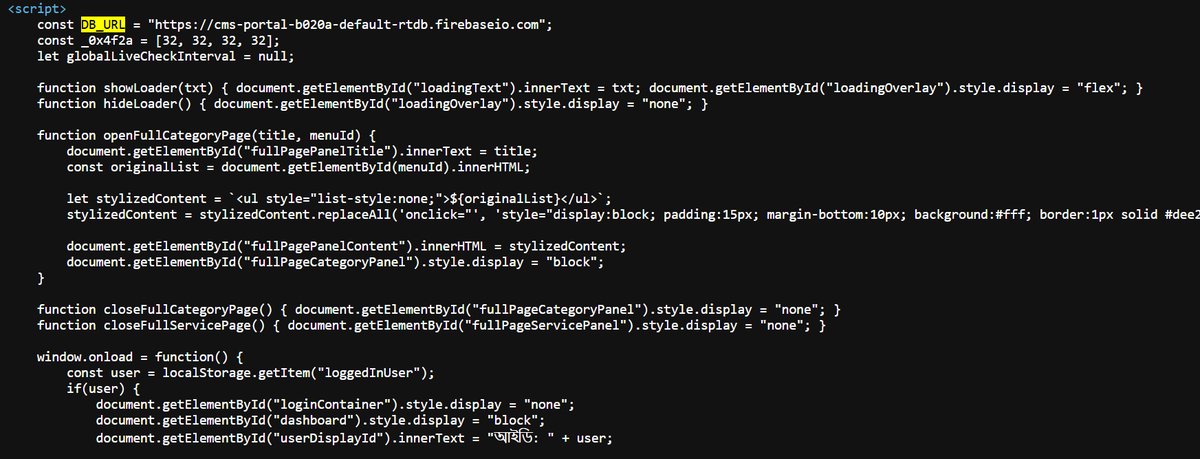
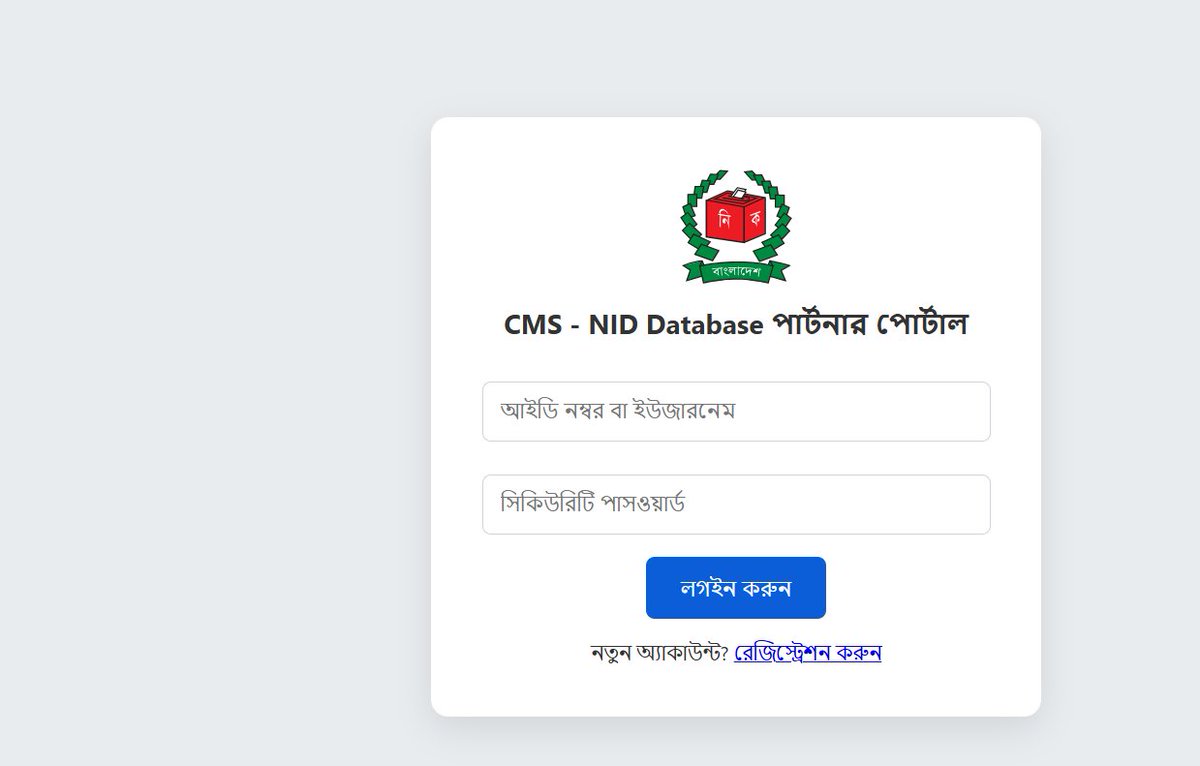
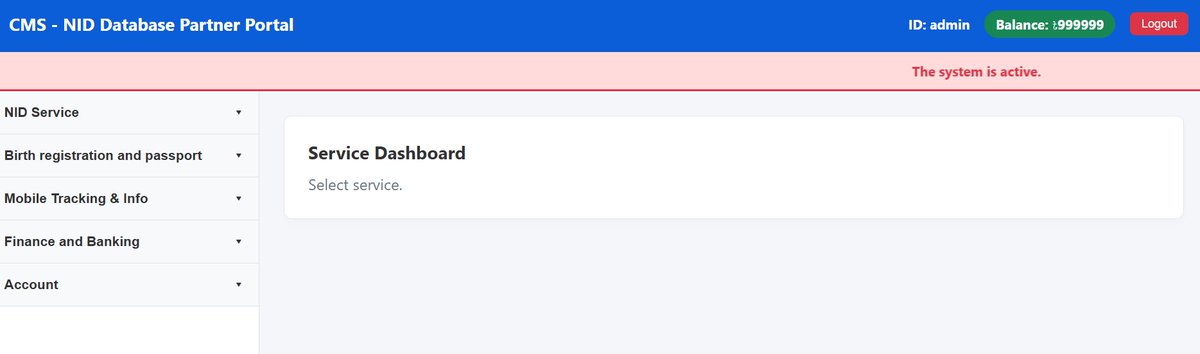
🚨 ALERT: A fake #Bangladesh Election Commission #NID portal is actively #scamming citizens.
⚠️nid-bangladesh-cms-portal-registrat-theta[.]vercel[.]app
‼️admin / admin123 | 4 spaces for security code
cc: @500mk500 @MichalKoczwara @malwrhunterteam
1
4
8
919
Jun 1
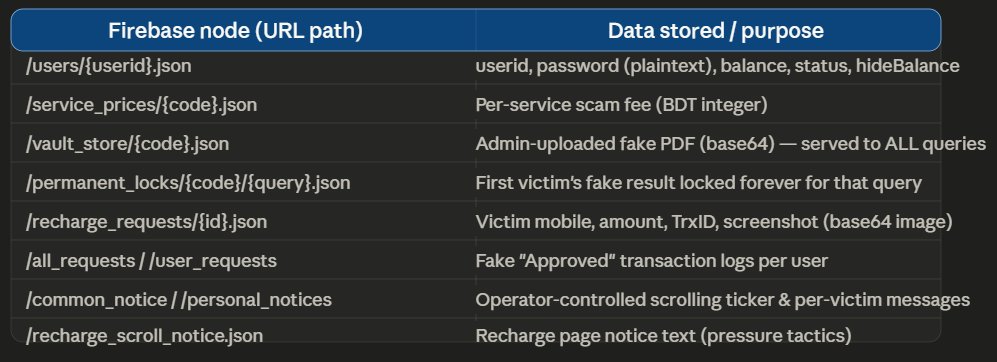
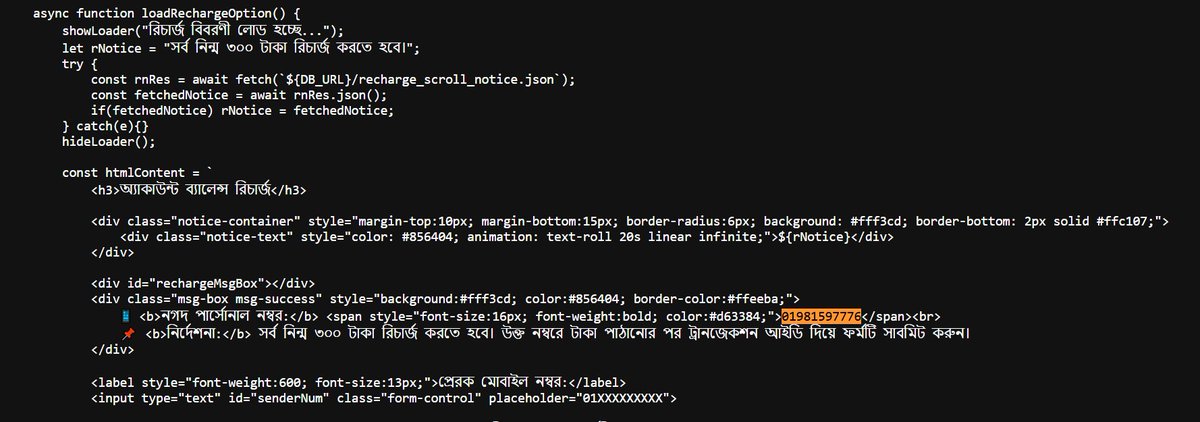
💸 THE MONEY TRAIL:
1. submitRechargeRequest() collects real payments to Nagad number 01981597776
2. admApproveRecharge() manually credits fake balance after real money is received
3. Passwords stored in plaintext
4. Payment screenshots stored in Firebase — fully exposed
1
2
2
338
May 31
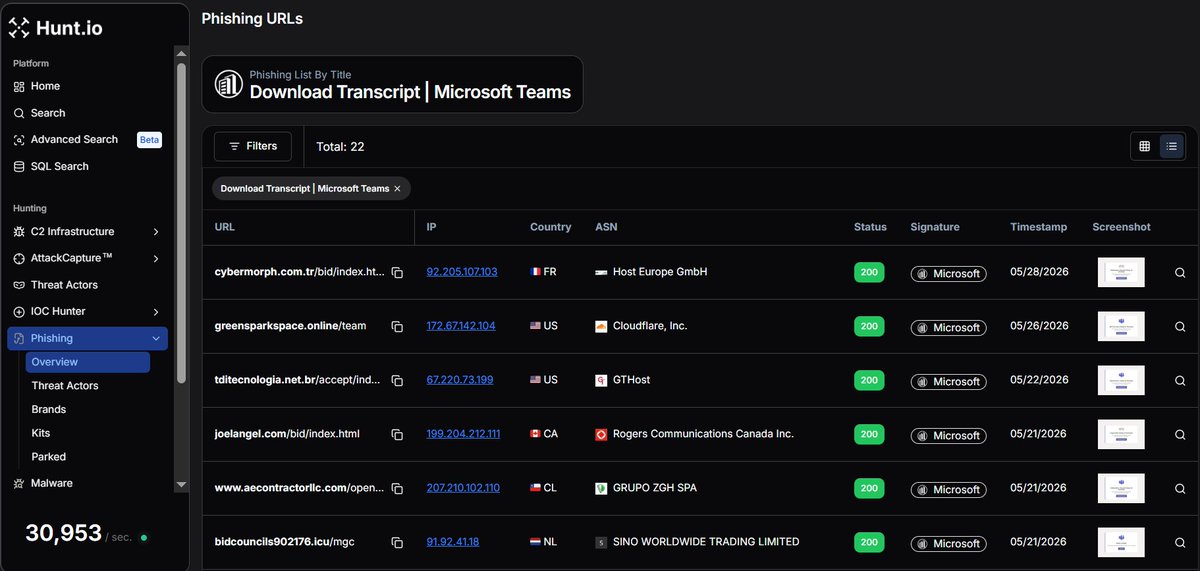
🚨 #ThreatHunting Alert | Using @Huntio
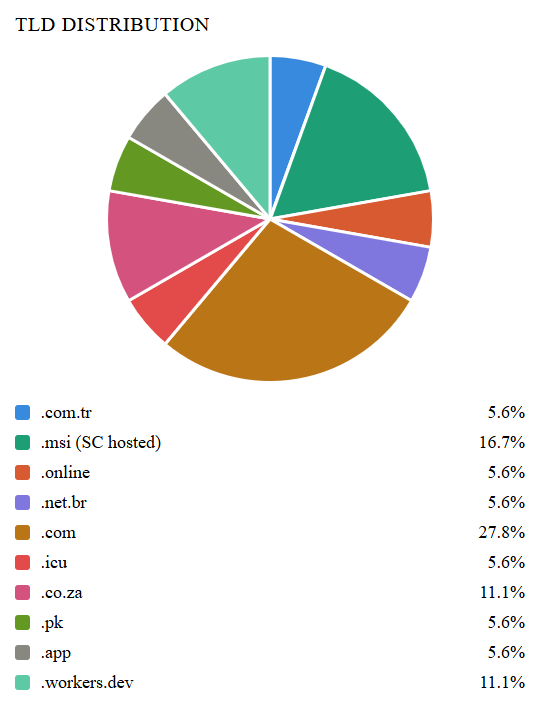
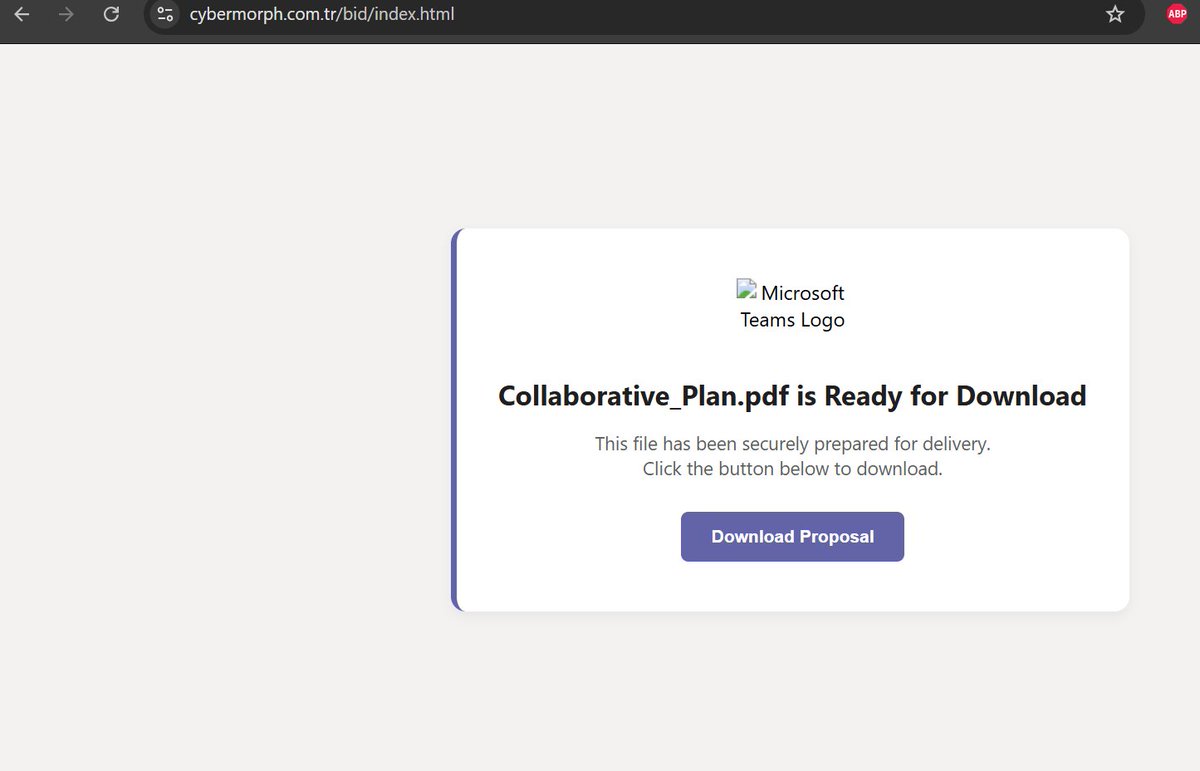
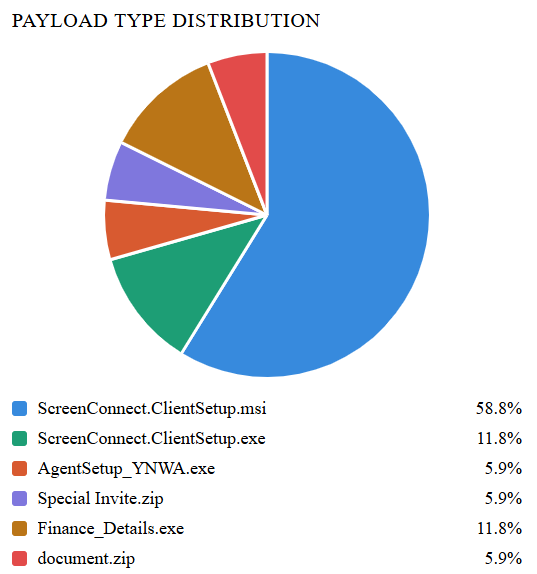
Spotted a 20 phishing page impersonating #Microsoft #Teams transcripts, luring victims into downloading #ScreenConnect (RMM abuse).
IoCs: pastebin.com/Jxgs2dv6
cc: @500mk500 @MichalKoczwara @malwrhunterteam
2
10
53
4,332
May 31
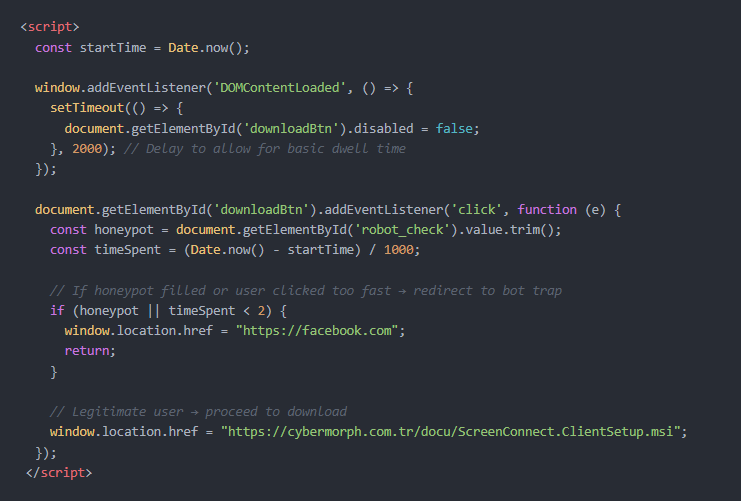
Page title: "Download Transcript | Microsoft Teams"
#Flow:
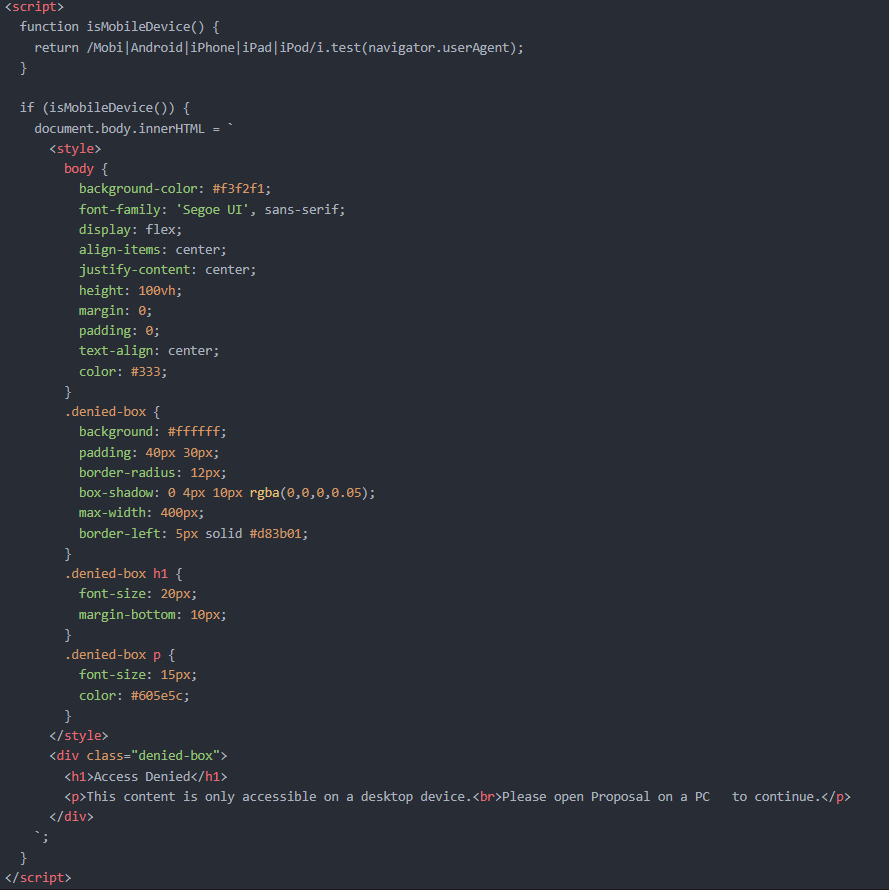
Honeypot hidden input field to detect bots
2-second dwell time check before button activates
Mobile device blocker — desktop victims only
Fast clickers redirected to facebook[.]com (decoy)
1
2
3
817
Demon retweeted

May 29
Observed activity associated with Donot Group (APT).
Lure document:
• INVITATION FOR THE EID-UL-ADHA IFTAAR RECEPTION .xltm
• 54715f6d79797cadc8ccbcd8e8bd22d0
Observed payload:
• 2b420e55cacf0a6cdb04f13e6c16c79b
Observed C2 infrastructure:
• greezupdto[.]info
• shadoworkz[.]info
#Donot #DonotGroup #APT #IOC
1
6
25
3,121

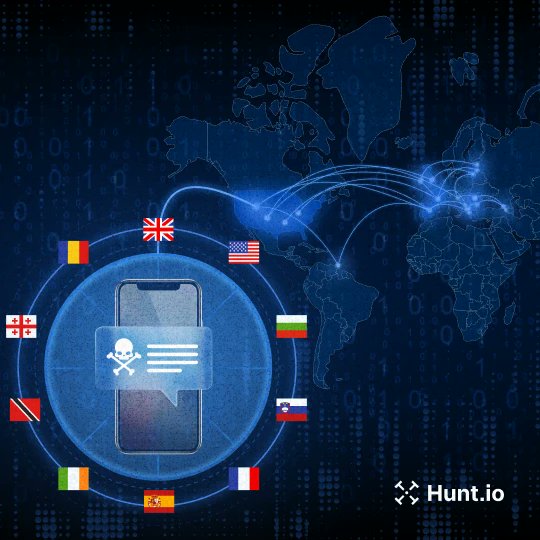
🚨 🌍 New report: Exposing a Global Smishing Operation Across 19 Countries
We started hunting after Romania's official payment portal posted a public phishing warning. Here's what we found:
- 1,628 malicious URLs across 33 backend IPs and three continents
- Targets include government portals, road police, postal services, and telecoms in 19 countries
- One 128-character metadata hash present in every single phishing page
👉 Full report: hunt.io/blog/massive-smishin…
2
7
11
1,701
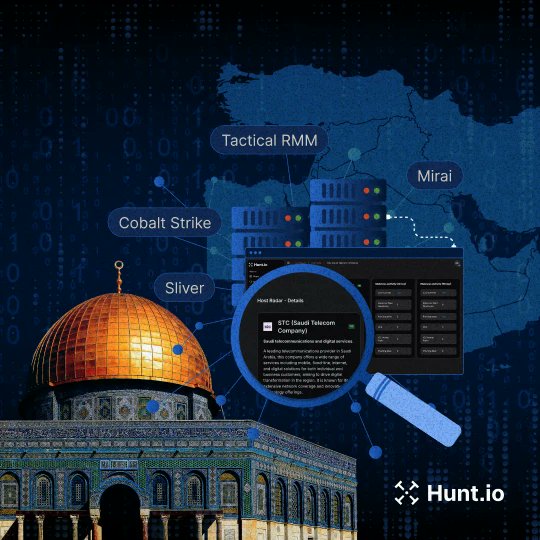
🇸🇦 🇮🇷 𝗡𝗲𝘄 𝗠𝗶𝗱𝗱𝗹𝗲 𝗘𝗮𝘀𝘁 𝗺𝗮𝗹𝗶𝗰𝗶𝗼𝘂𝘀 𝗶𝗻𝗳𝗿𝗮𝘀𝘁𝗿𝘂𝗰𝘁𝘂𝗿𝗲 𝗿𝗲𝗽𝗼𝗿𝘁: 𝟭,𝟯𝟱𝟬 𝗖𝟮 𝗦𝗲𝗿𝘃𝗲𝗿𝘀 𝗠𝗮𝗽𝗽𝗲𝗱 𝗔𝗰𝗿𝗼𝘀𝘀 𝟵𝟴 𝗣𝗿𝗼𝘃𝗶𝗱𝗲𝗿𝘀
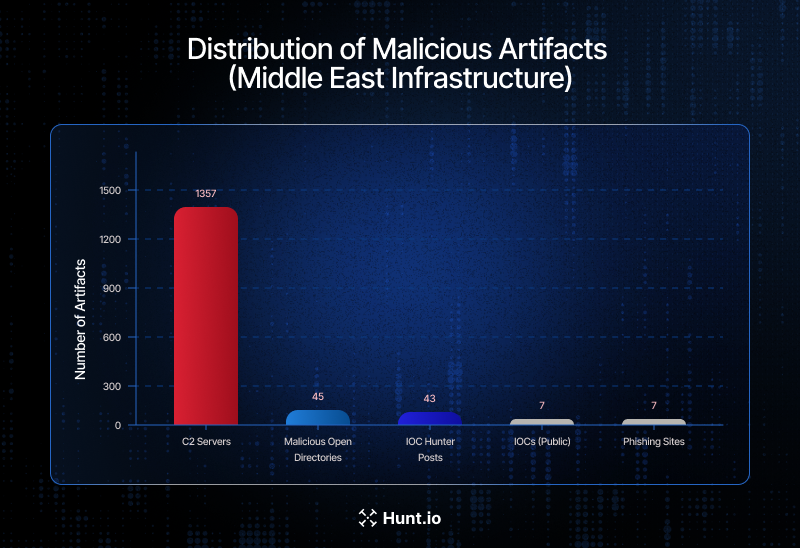
Over a three-month window, we mapped more than 1,350 active C2 servers operating across 98 infrastructure providers in 14 Middle Eastern countries, covering telecoms, shared hosting, and VPS environments.
👉 Read the full report: hunt.io/blog/middle-east-mal…
Here's what the data shows:
→ A single telecom carrier accounts for nearly 72% of all detected regional C2 activity, most of it tied to compromised customer endpoints rather than provider-level abuse
→ C2 infrastructure makes up over 96% of all observed malicious artifacts in the region
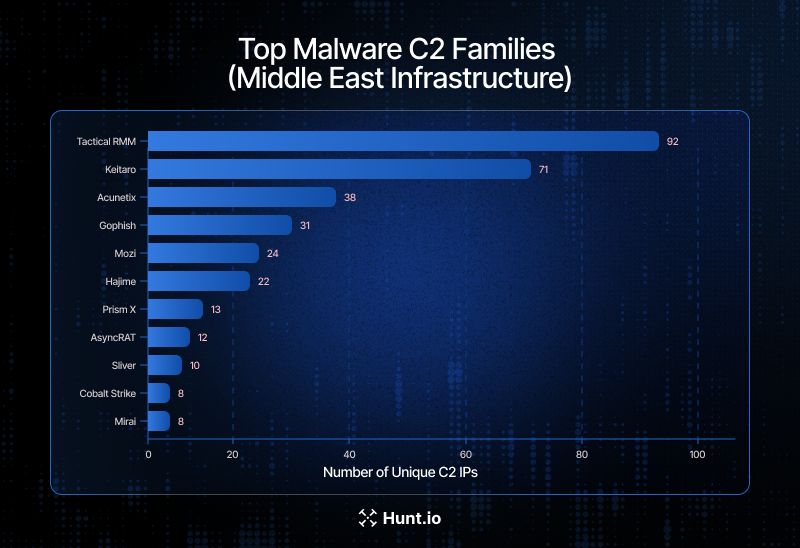
→ Tactical RMM leads the malware family breakdown with 92 unique C2 IPs, followed by Keitaro TDS (71) and Acunetix (38)
→ The malware mix covers a wide range of attack types - IoT botnets (Mozi, Hajime, Mirai), remote access tools (AsyncRAT, Sliver, Cobalt Strike), active scanning (Acunetix), and phishing infrastructure (Gophish, Keitaro TDS)
→ Campaigns in the dataset include Eagle Werewolf espionage operations, the DYNOWIPER destructive campaign targeting Poland's energy sector, and RondoDox botnet exploitation infrastructure on Iranian hosting
The main takeaway is that malicious infrastructure in the region is not evenly spread. A small set of providers keeps showing up across unrelated campaigns and malware families, which is where the tracking value is.
Provider-level visibility is what lets defenders get ahead of that pattern, rather than reacting to individual indicators that rotate daily.
Full breakdown, including infrastructure observables, HuntSQL queries, and campaign examples, is in the report 👇
hunt.io/blog/middle-east-mal…
14
31
3,028
May 19
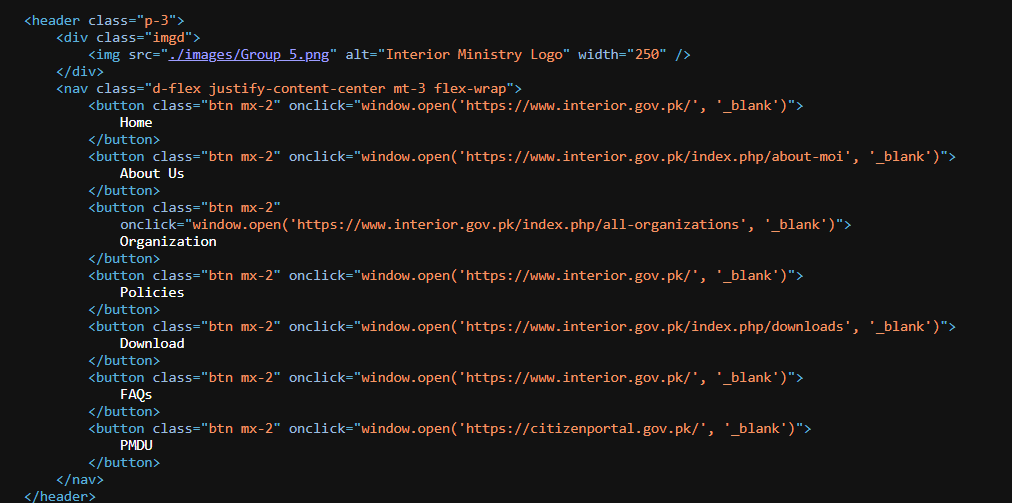
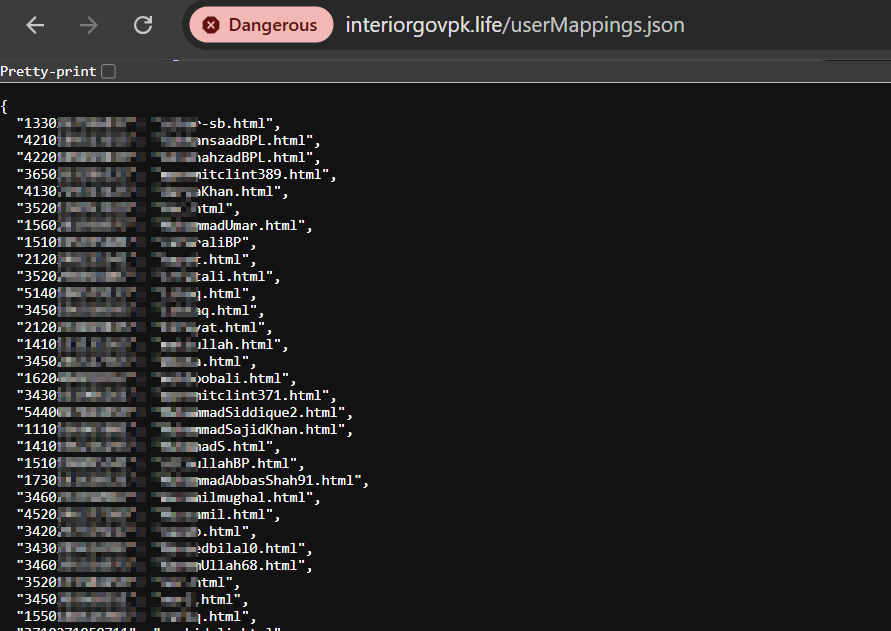
#Impersonation | #CNIC harvesting | Interior Ministry of #Pakistan
Interesting, I found interiorgovpk[.]site last year and now a new one identified.
🔗https://www.interiorgovpk[.]life/
Ref: x.com/volrant136/status/1938…
cc: @500mk500 @MichalKoczwara @malwrhunterteam
28 Jun 2025
1/
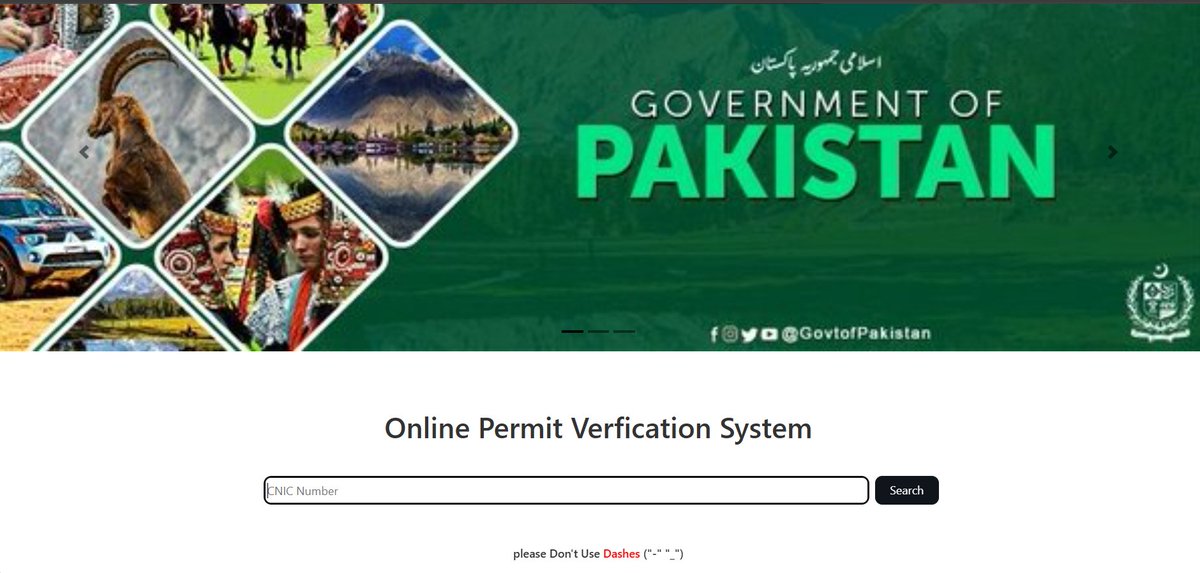
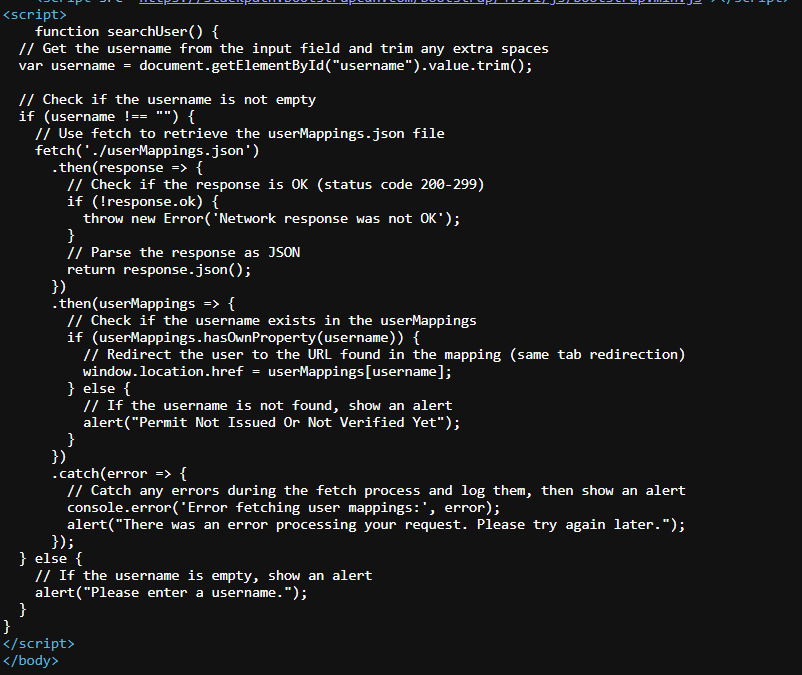
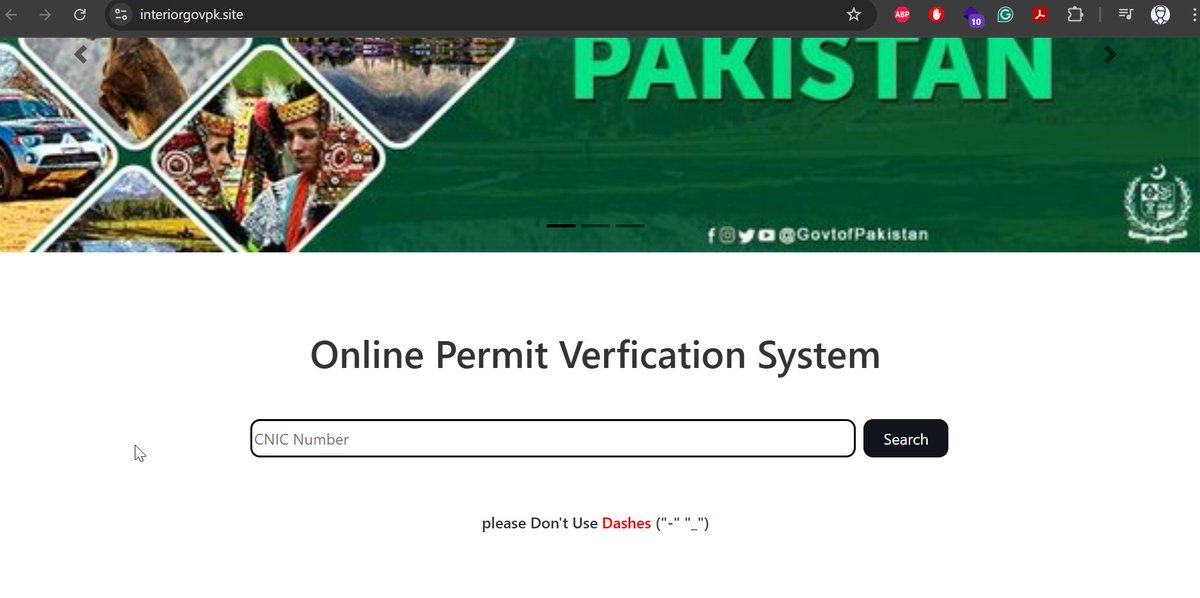
Possible #APT #Sidewinder targets #Pakistan Ministry of Interior using #Fake #Website running fake Online Permit Verification System.
🔗 https://interiorgovpk[.]site
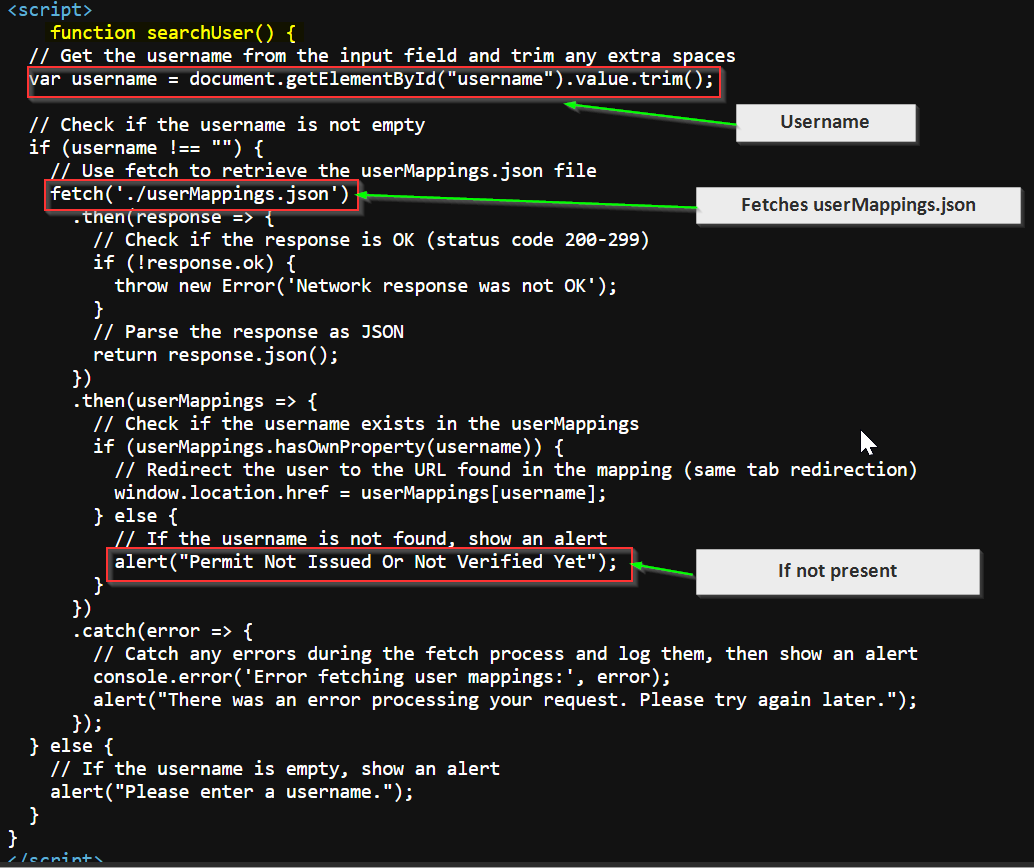
Based on Analysis, the site requests CNIC input, then fetches userMappings.json and display the error (if CNIC wrong) or record as html (if correct).
@500mk500 @Cyberteam008 @ginkgo_g @MichalKoczwara @malwrhunterteam
#CyberSecurity #ThreatIntel #OSINT #Pakistan #GovSpoofing #Phishing #SidewinderAPT
1
4
15
1,033
Demon retweeted

May 19
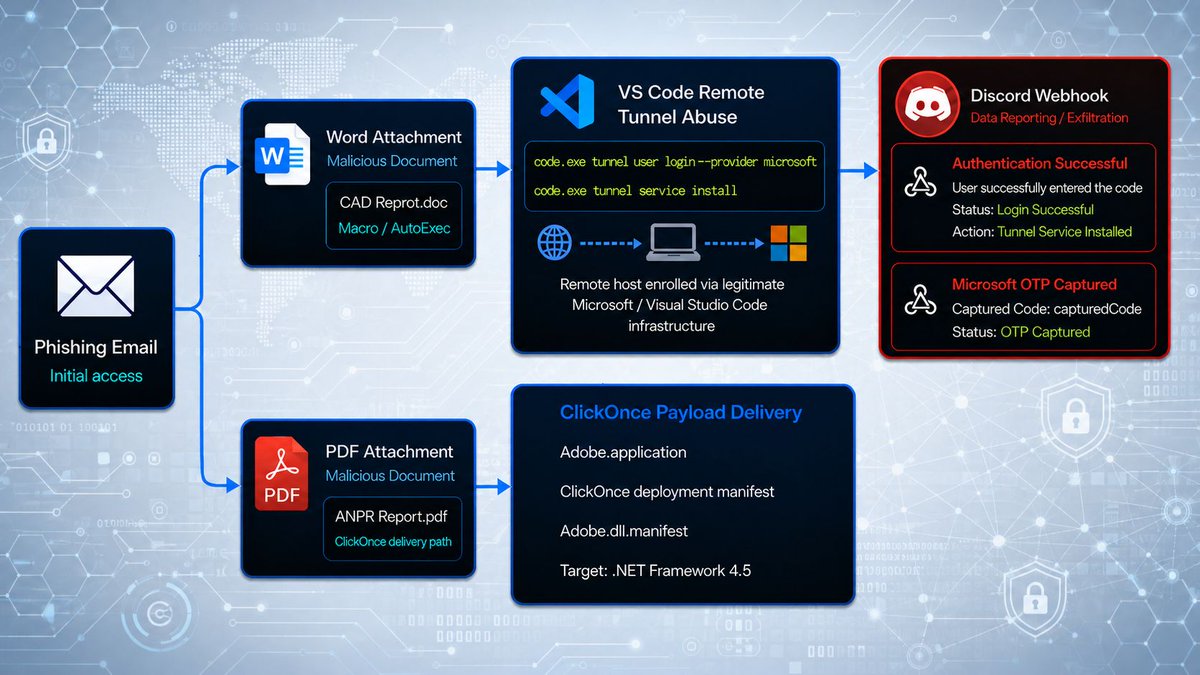
🚨 New research from Joe Security: A spear-phishing campaign targeting Pakistan’s PSCA & PPIC3 abused ⚡ VS Code Remote Tunnels and Discord webhooks for stealthy remote access.
Instead of stealing Microsoft accounts, attackers enrolled victim machines into their own VS Code tunnel infrastructure using device-code authentication - a clever twist on classic phishing techniques. 🎯
Key findings:
🔹 Malicious Office macros downloading & executing `code.exe`
🔹 Abuse of legitimate VS Code tunneling workflows
🔹 Discord webhooks used for exfiltration & status reporting
🔹 ClickOnce-based PDF delivery chain impersonating Adobe Reader
🔹 Trusted Microsoft infrastructure leveraged for persistence & stealth
This campaign highlights how threat actors increasingly weaponize legitimate developer tooling to blend into normal cloud traffic. ☁️💻
Read the full analysis here 👇
buff.ly/BE5w9Yq
#CyberSecurity #ThreatIntelligence #MalwareAnalysis #Phishing #VSCode #Microsoft #BlueTeam #DFIR #JoeSecurity
17
30
3,065
May 19
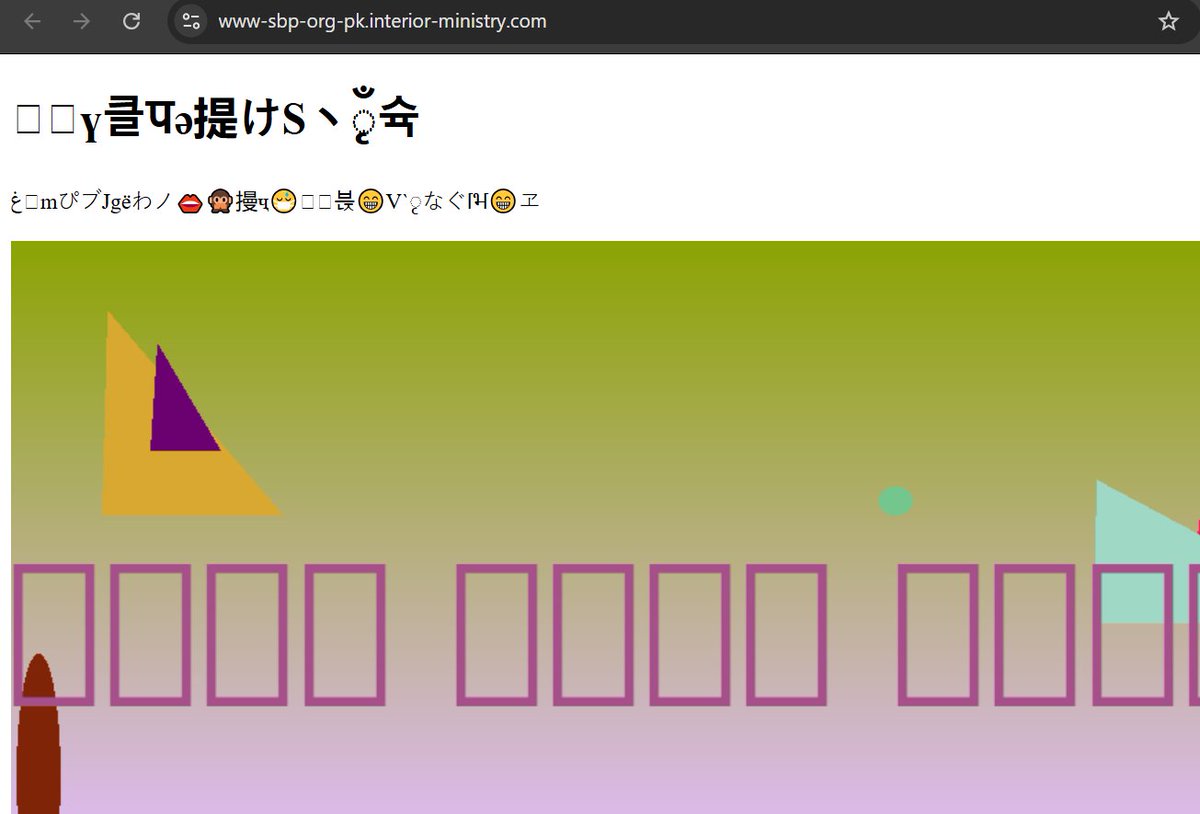
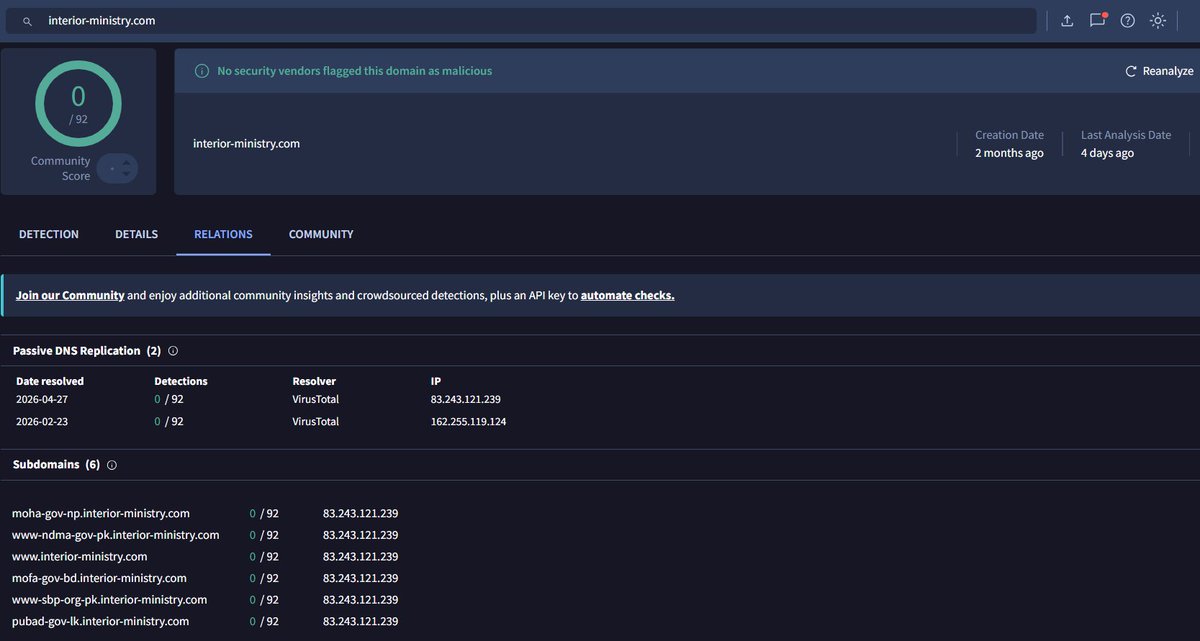
#APT #Sidewinder Targets #Pakistan 🇵🇰
New ✅
Tracked by @Huntio
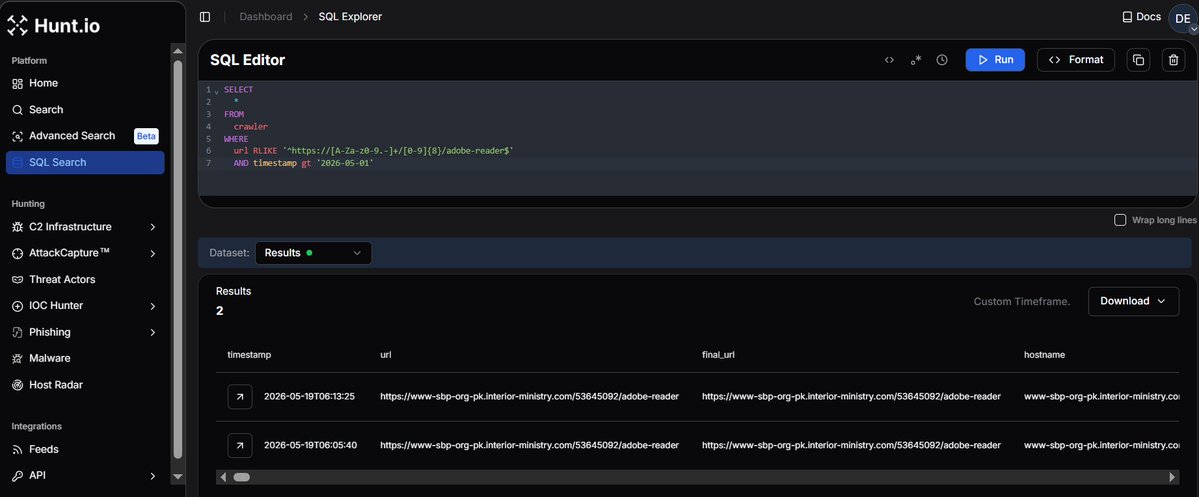
⚠️https://www-sbp-org-pk[.]interior-ministry[.]com/53645092/adobe-reader
ref: x.com/volrant136/status/2020…
cc: @500mk500 @MichalKoczwara @malwrhunterteam
Feb 8
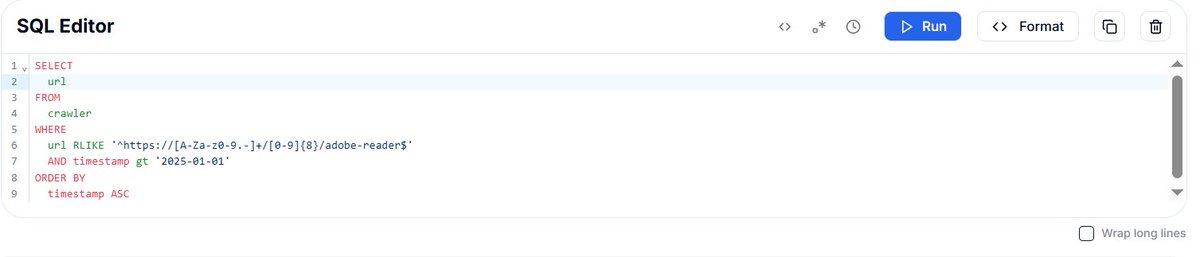
#APT #SideWinder attribution using @Huntio Platform
1/
I started pivoting on URL "hXXps://swo-gov-pk.grabfiles[.]net/52863484/adobe-reader" and found a unique pattern:
/8-digits/adobe-reader
Ref: x.com/__0XYC__/status/201961…
cc: @500mk500 @MichalKoczwara @malwrhunterteam
4
17
1,537
May 18
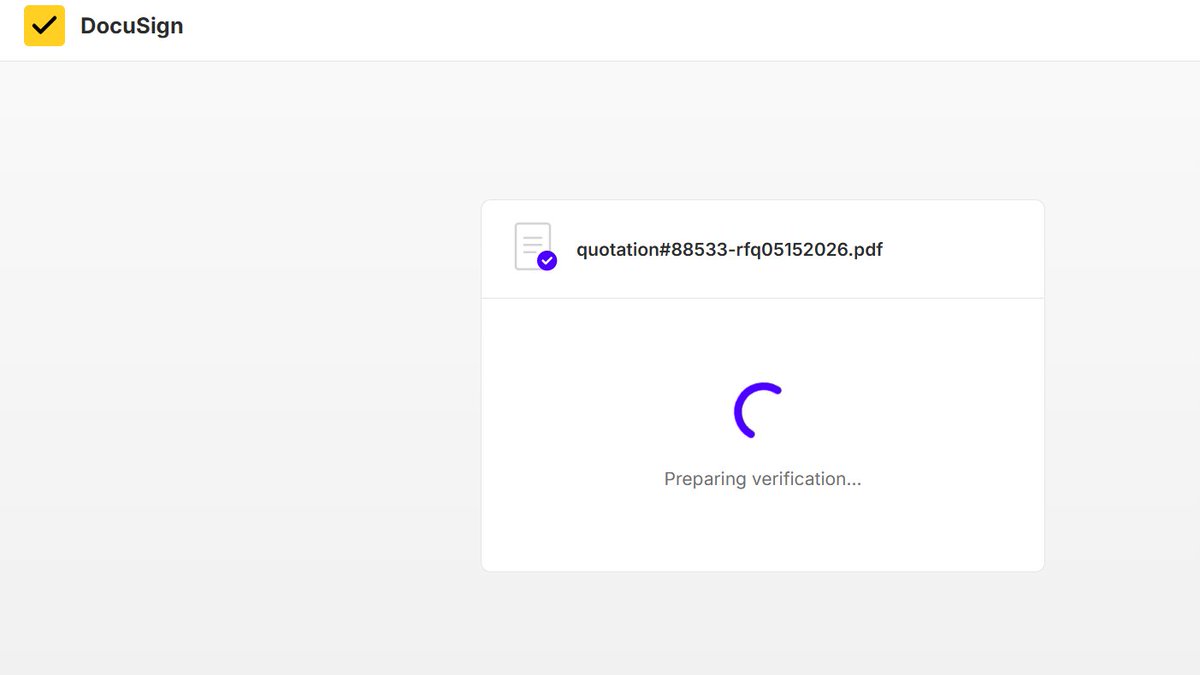
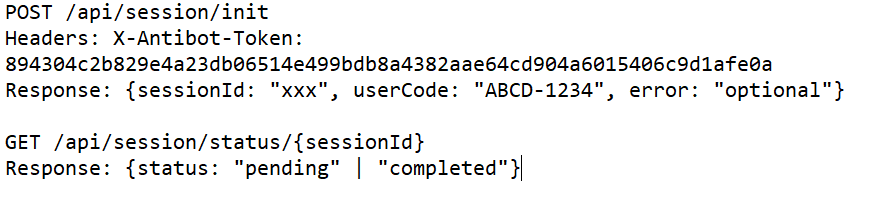
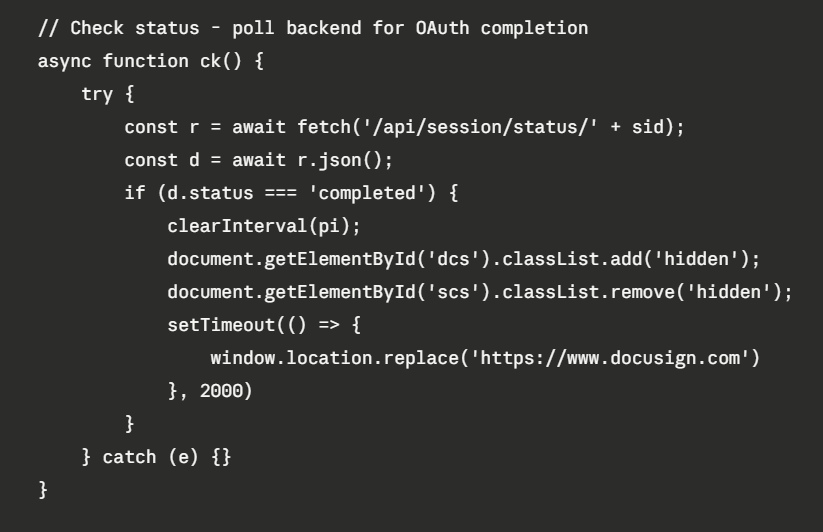
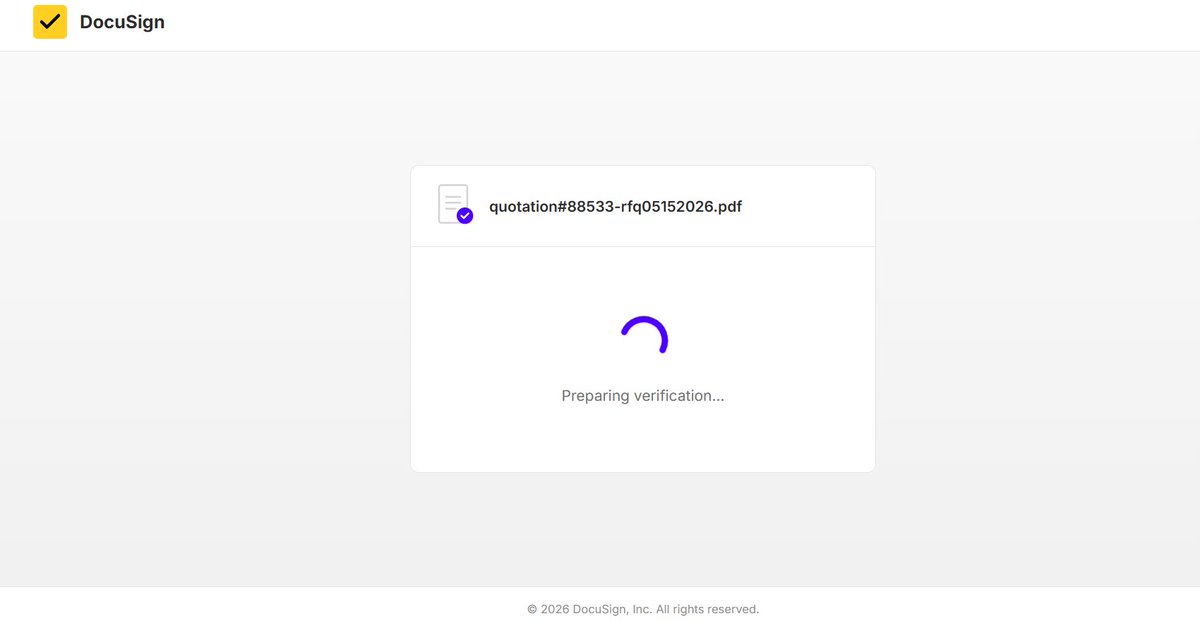
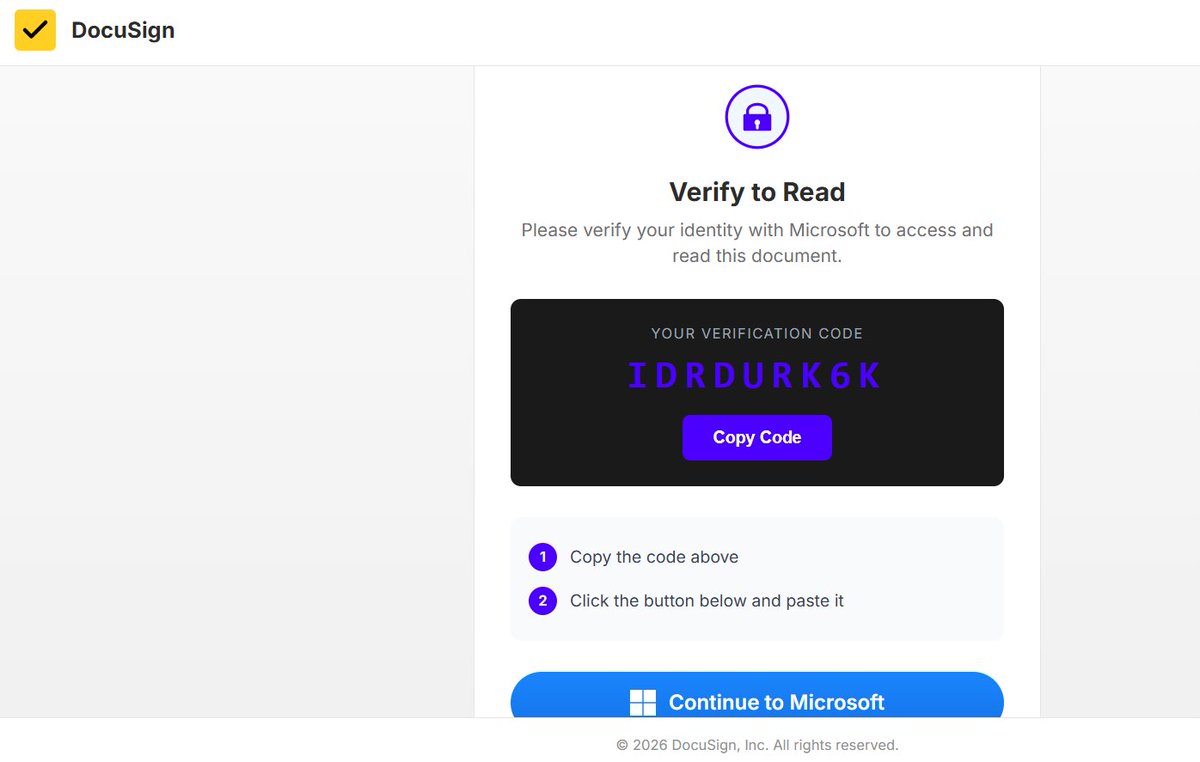
#DocuSign/#Microsoft OAuth #Phishing Attack Targeting #Srilanka 🇱🇰
1
spz2-unv8-sx9a.sc0656-srilankan-com-s-account[.]workers[.]dev
Ref: x.com/volrant136/status/2056…
cc: @500mk500 @MichalKoczwara @malwrhunterteam
May 17
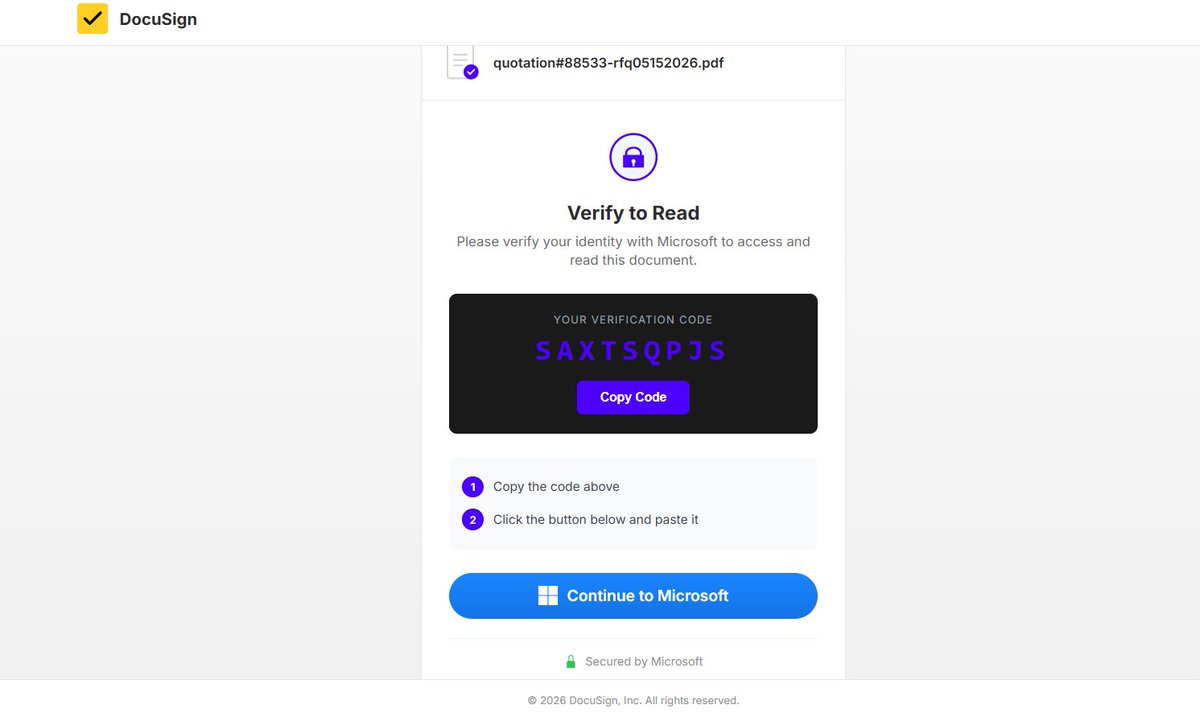
#DocuSign/#Microsoft OAuth #Phishing Attack Targeting #Srilanka 🇱🇰
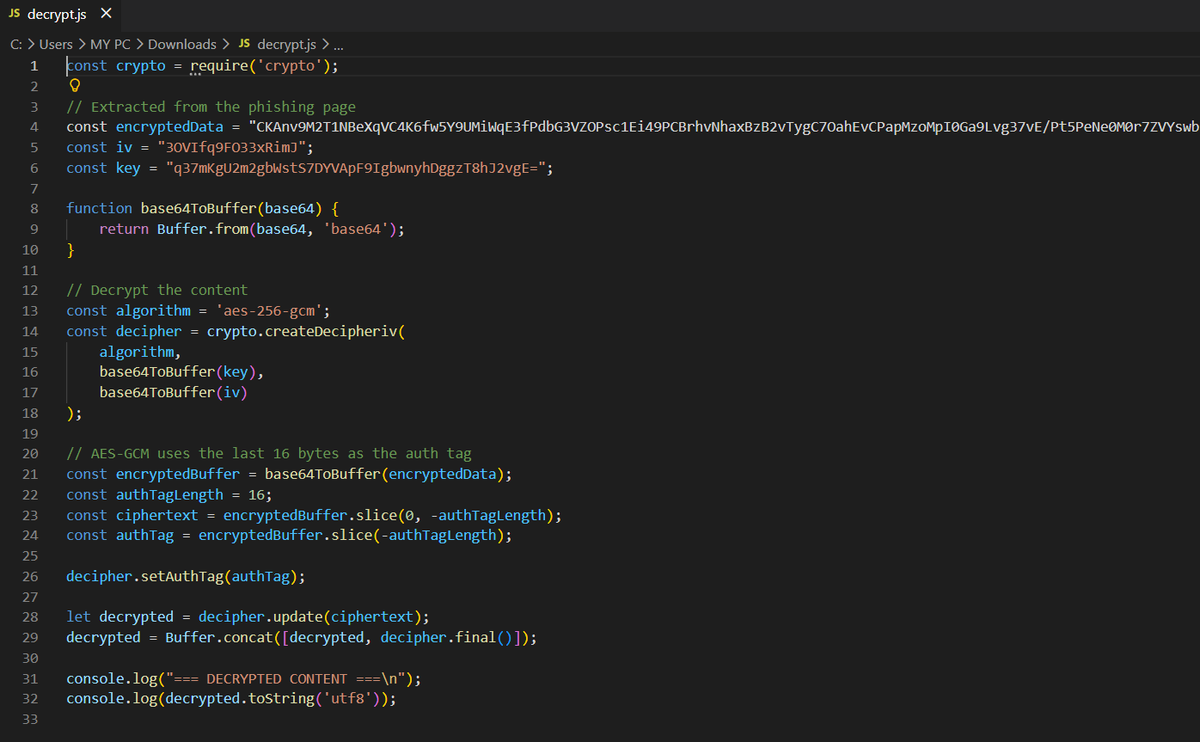
It impersonates DocuSign, uses REAL Microsoft OAuth, and steals full account access.
https://r3rx-geuk-l544.sc0656-srilankan-com-s-account.workers[.]dev
Here's how it works 👇
7
10
1,073
May 17
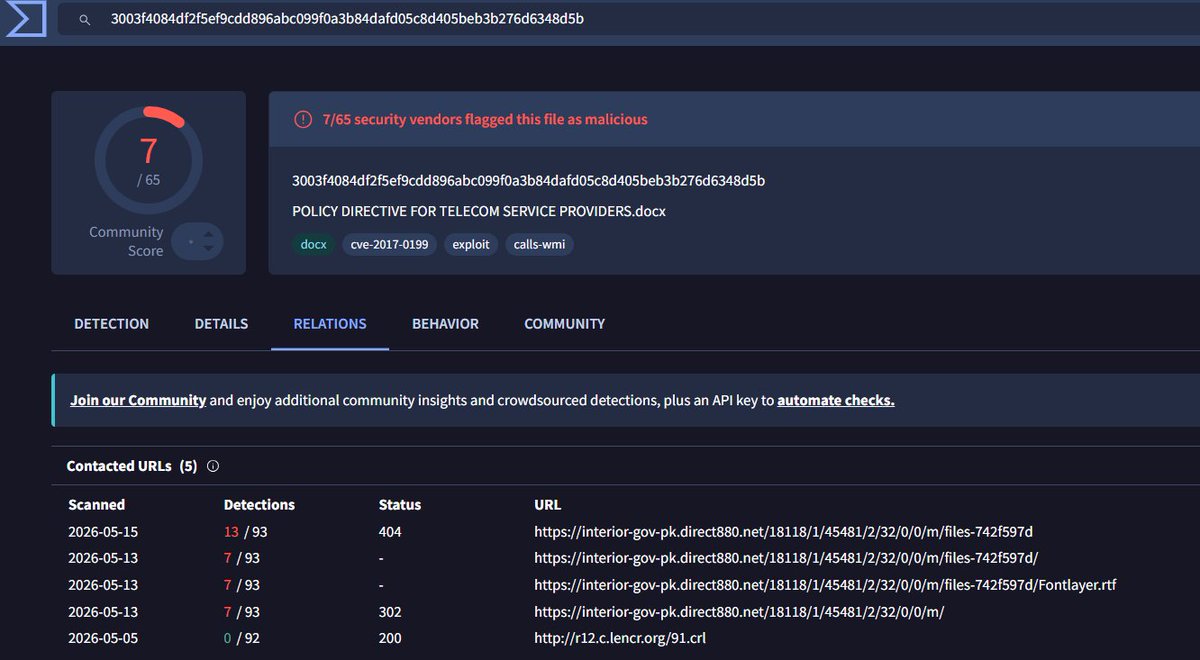
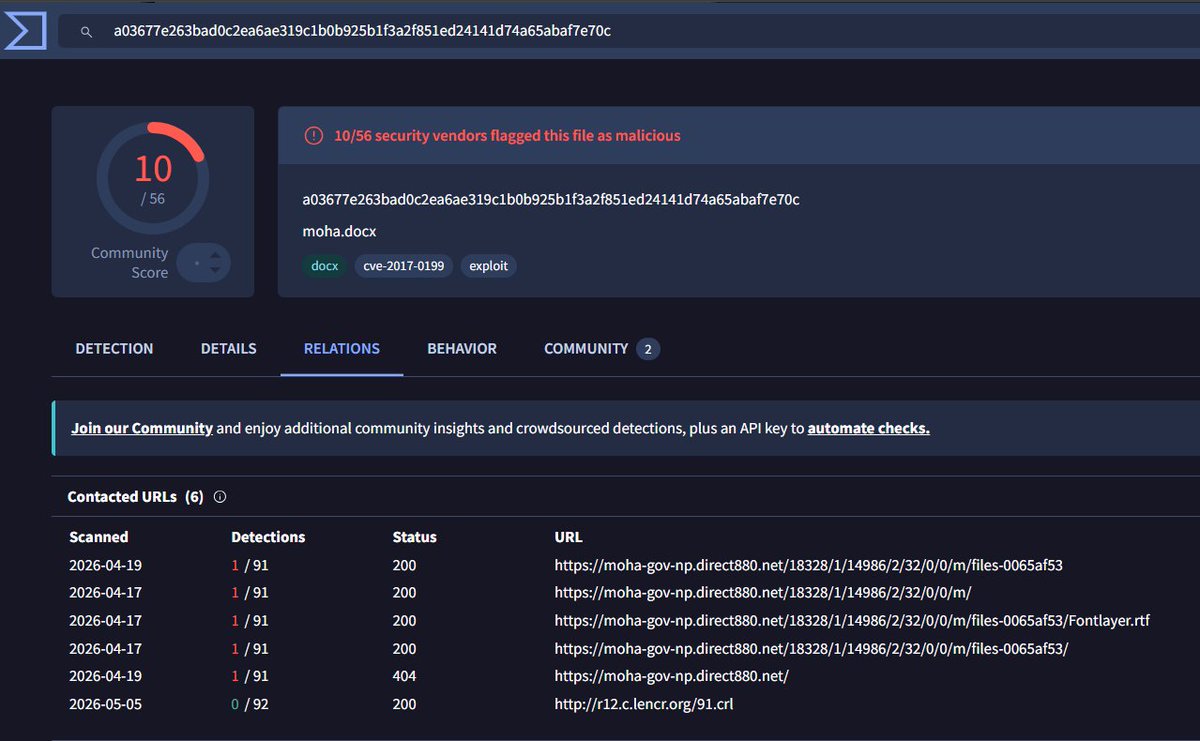
#APT #Sidewinder
New Samples
412ad811db5097af62929d88e01c3527
interior-gov-pk[.]direct880[.]net
759703585f0feae8dec679db380fb0ac
moha-gov-np[.]direct880[.]net
Ref: x.com/Cyberteam008/status/20…
cc: @500mk500 @MichalKoczwara @malwrhunterteam
Apr 27

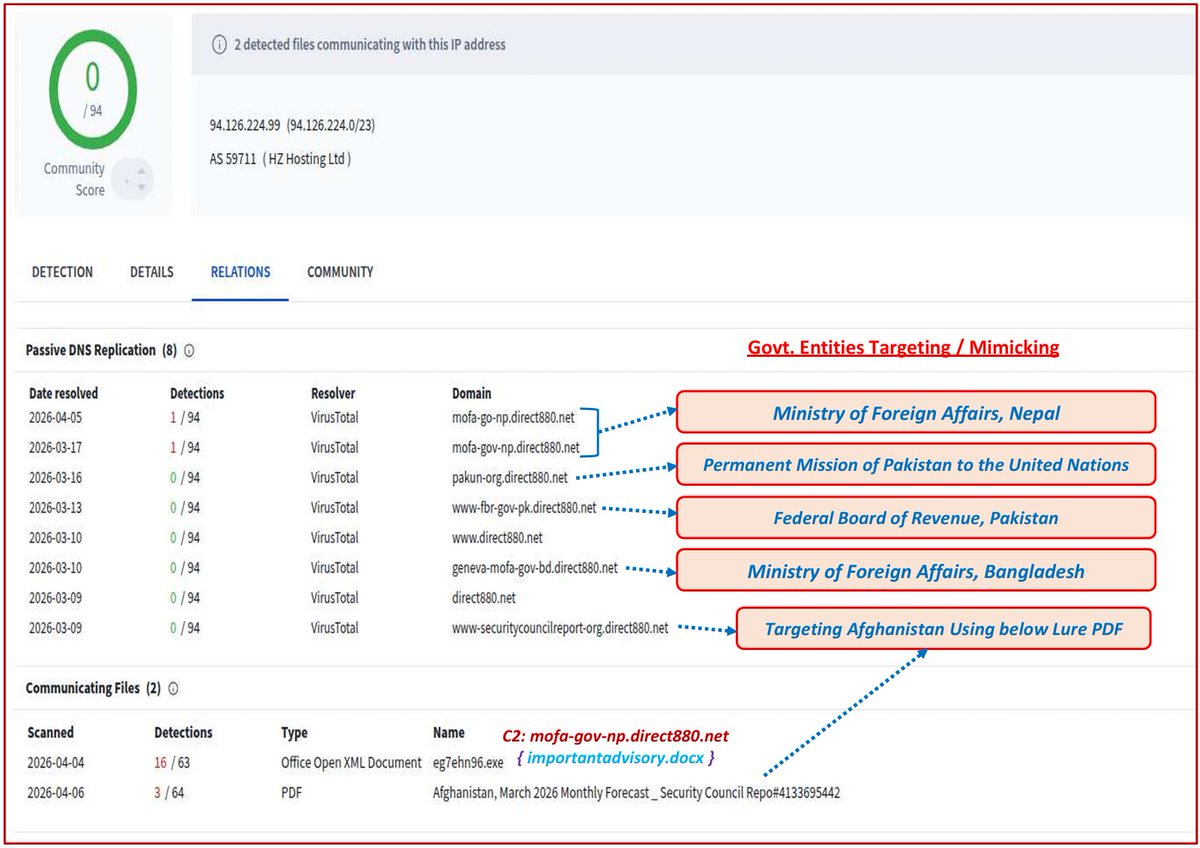
#SideWinder #APT / #RazorTiger Targeting 🇵🇰 🇳🇵 🇧🇩 🇦🇫 Governments.
Infra [Government entities mimicking]:
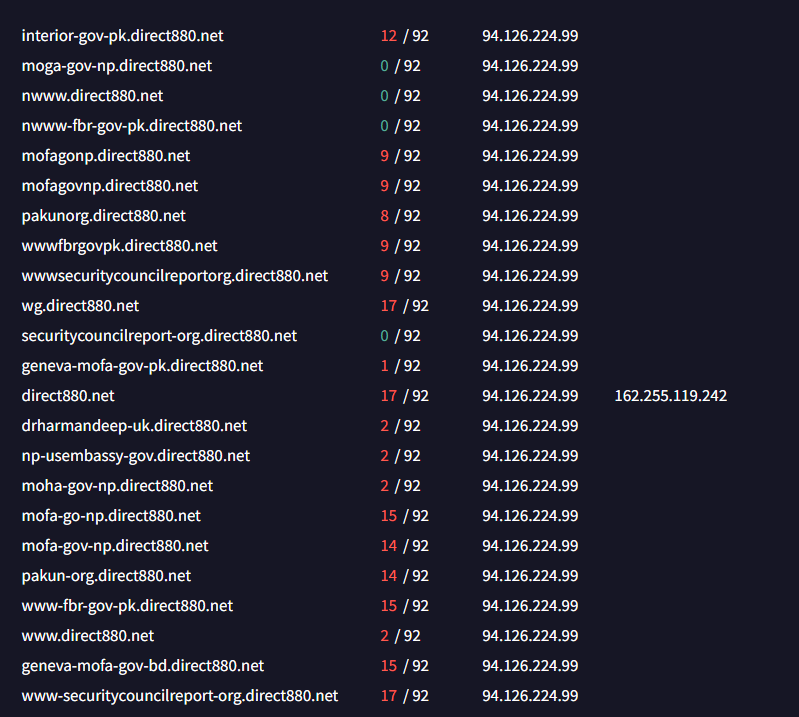
94.126.224[.]99
mofa-go-np.direct880[.]net [Ministry of Foreign Affairs, Nepal]
mofa-gov-np.direct880[.]net [Ministry of Foreign Affairs, Nepal]
pakun-org.direct880[.]net [Permanent Mission of Pakistan to the United Nations]
www-fbr-gov-pk.direct880[.]net [Federal Board of Revenue, Pakistan]
geneva-mofa-gov-bd.direct880[.]net [Ministry of Foreign Affairs, Bangladesh]
www-securitycouncilreport-org[.]direct880[.]net [Targeting Afghanistan Govt.]
www.direct880[.]net
direct880[.]net
Below are associated malicious files used for Phishing campaign:
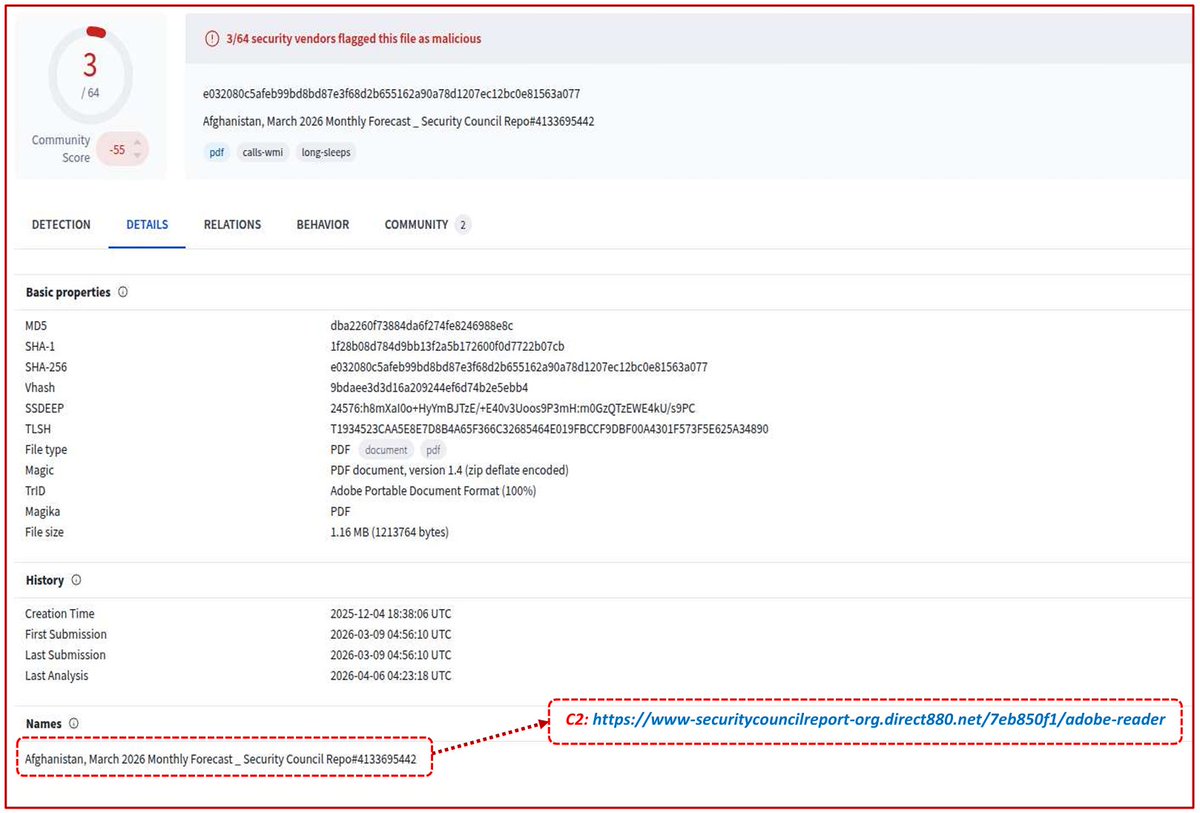
File: Afghanistan, March 2026 Monthly Forecast _ Security Council Report.pdf
MD5: dba2260f73884da6f274fe8246988e8c
C2: www-securitycouncilreport-org.direct880[.]net
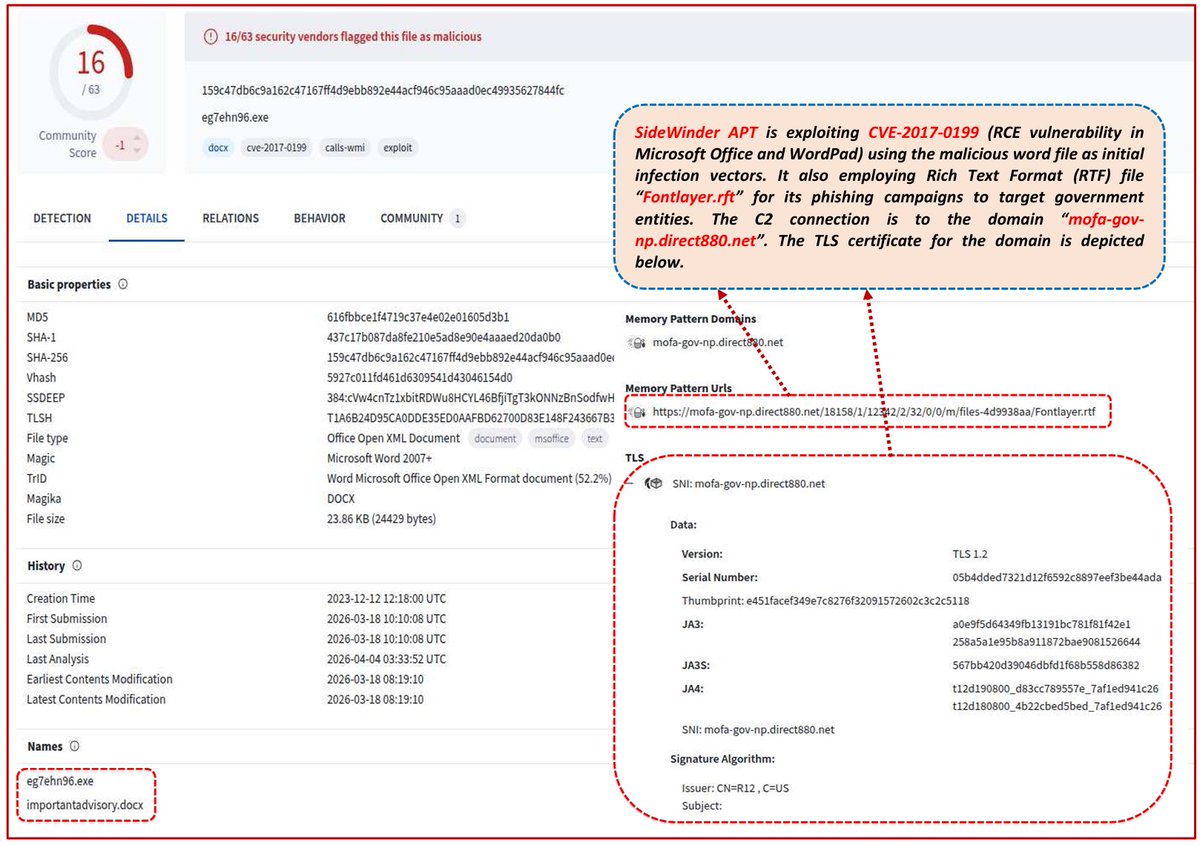
File: importantadvisory.docx
MD5: 616fbbce1f4719c37e4e02e01605d3b1
C2: TCP 94.126.224[.]99:443 / mofa-gov-np.direct880[.]net
Notes:
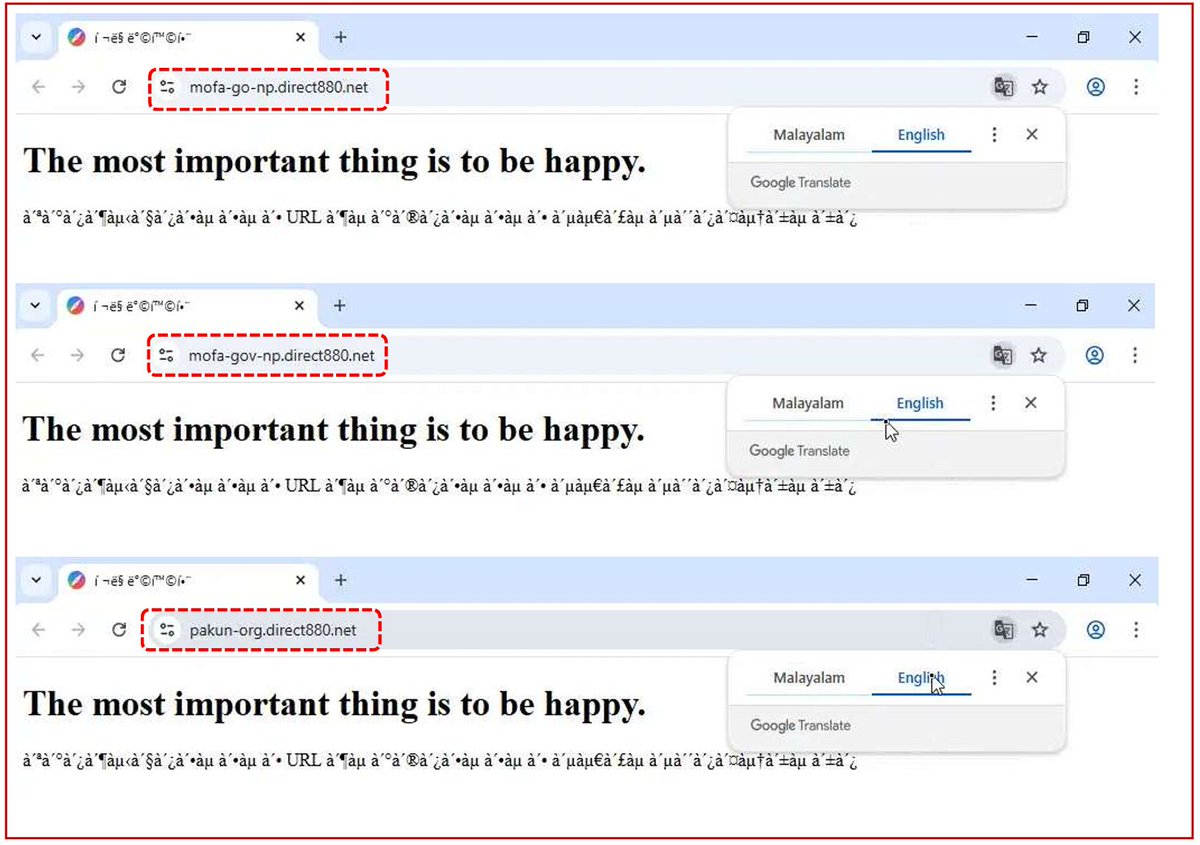
1. Header Title of all the web pages originally in Malayalam (Indian Language), which translates in English is "The most important thing is to be happy".
2. It is exploiting #CVE-2017-0199 (RCE vulnerability in MS Office) using the malicious word file (importantadvisory.docx).
3. RTF (Rich Text Format) file used for the campaign is "Fontlayer.rtf". We may find additional campaign files by searching this RTF file using VT Enterprise account. Anyone having VT premium access can search and share additional infra here, if found.
#SideWinder #APT #Malware #ioc
ALT Virus Total Results for SideWinder APT Infra
ALT Virus Total Results for SideWinder APT Targeting Nepal
ALT Virus Total Results for SideWinder APT Targeting Afghanistan
9
31
3,758
May 17
#DocuSign/#Microsoft OAuth #Phishing Attack Targeting #Srilanka 🇱🇰
It impersonates DocuSign, uses REAL Microsoft OAuth, and steals full account access.
https://r3rx-geuk-l544.sc0656-srilankan-com-s-account.workers[.]dev
Here's how it works 👇
2
7
16
2,316