
Founder Peebles.co ✨ex Biz Dev Consensys, MetaMask 🦊, Linea, web3 Security 🛡️ and Electric vehicles ⚡️ Turtle mode maxi 🐢 Views are my own
Joined July 2008
- Tweets 1,070
- Following 460
- Followers 683
- Likes 1,654
89 Photos and videos





Pinned Tweet

Feb 14
AI is breaking the verification layer of society. Zero knowledge proofs can restore that verification layer. We went from http 🏴☠️ to https 🔐and now we need to go to httpz 🔍 as per @balajis
Feb 14

ZK brings back the trust layer to society
1
533
Low float high FDV but in TradFi vs Never bet against Elon
“Slightly less than 5% of SpaceX stock is publicly trading. Most is locked up in the hands of insiders who unlock over the next six months and start selling into the market. We've seen what that chart looks like time and time again. A squeeze at the start, then it bleeds out”
The counter argument is laid out here by @pmarca
x.com/pmarca/status/20665236…
Coinbase IPO first public trade was at $ 381. It is currently trading at $171. I still think it is also a transformative company. You can be a short term bear and a long term bull
21h

"I view SpaceX as the immovable object meeting the unstoppable force"
Austin on the two forces pulling the SpaceX IPO in opposite directions
"On one hand, never bet against Elon Musk. He's one of the greatest entrepreneurs of our time. Electric cars, reusable rockets, internet from space, the guy just builds incredible stuff. On the other hand, something all of us in crypto are familiar with is the classic low float, high FDV token"
"Slightly less than 5% of stock is publicly trading. Most is locked up in the hands of insiders who unlock over the next six months and start selling into the market. We've seen what that chart looks like time and time again. A squeeze at the start, then it bleeds out"
"All of the mega cap IPOs have had 50% drawdowns in the same year they were issued. My central thesis is even if you like SpaceX as a company, you're gonna be able to buy it at a discount in the future compared to where it is right now"
1
1
394
Great talk on Tokenisation from a legal perspective

[1/5] At the Edinburgh Tokenisation Summit, Jamie Gray of Burness Paull gave a measured talk on UK fund tokenisation.
He opened with a careful definition. It means using a distributed ledger to record ownership of units in an authorised fund. Not a new digital asset.
28
Jun 12
I agree with this take. Small projects simply can’t afford the required opsec and layers of key management, monitoring, simulation, verification, pausing and SOC infrastructure and processes that are required to keep funds safu. Liquidity concentrates in large trusted venues with clear understanding of DeFi risk
Jun 12

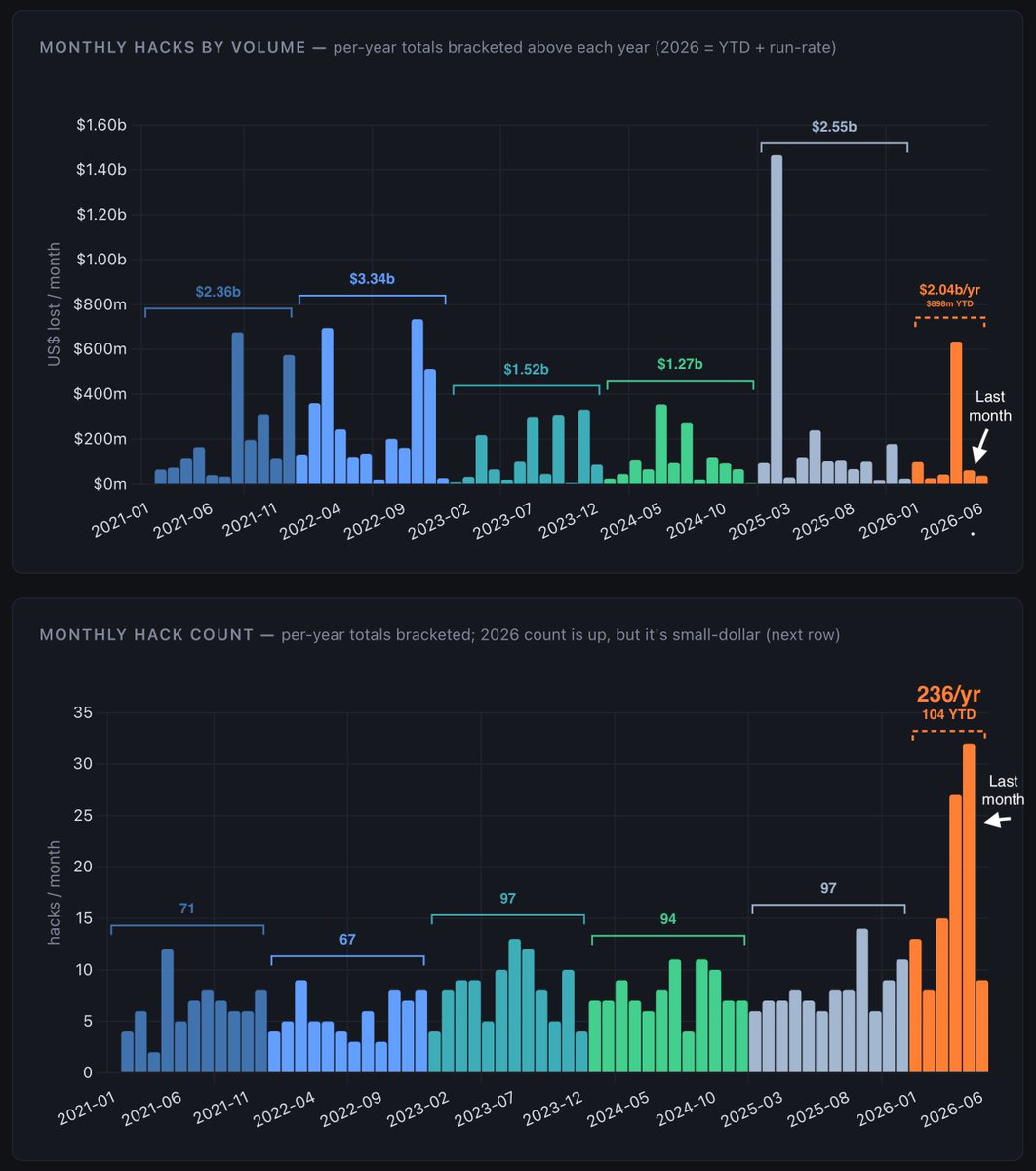
Everyone thinks there's a hackpocalypse going on in crypto right now. But if you dig into the data, the story is not that simple.
Narrative violation: total dollars hacked in 2026 actually looks pretty normal so far.
Check the chart below for raw data. What's grown is not the amount hacked, but rather the NUMBER of incidents.
Case in point: April was a brutal month for $$ hacked, but May was actually way below average in terms of $$ hacked (1/10th hacked compared to April). And yet by number of incidents, May was actually the highest in crypto history.
So what could explain the number of hacks going crazy, but the amount stolen staying flat?
Here's what I think is going on: for large protocols, using AI for cybersecurity is balanced between offense/defense. If you're Uniswap, AI makes it easier to harden your protocol, just as much as it makes it easier for randos to attack you.
But for the tens of $10M TVL DeFi protocols, there's no one running AI hardening at all. So attackers are looting unattended stores. Over time that will push TVL toward the larger protocols that can actually afford to defend their gates (and eventually, formally verify their code).
Analogy: In a high crime city, the Wal-Mart stays open, but the family owned corner store that can't afford security shuts down. Over time, the equilibrium is that more and more people will end up doing their shopping at Wal-Mart.
19
Jun 11
Robots with their own self custodial crypto wallets coming
Jun 11

A German robotics company just raised $1.4 billion to build humanoid robots that hold their own crypto wallets.
Tether led it. Nvidia, Amazon and Bosch came in too. Each robot gets a self-custodial wallet and earns micropayments per task.
No bank accounts. Just private keys.
15
wallisi 🛡️⚡️ retweeted

Jun 10
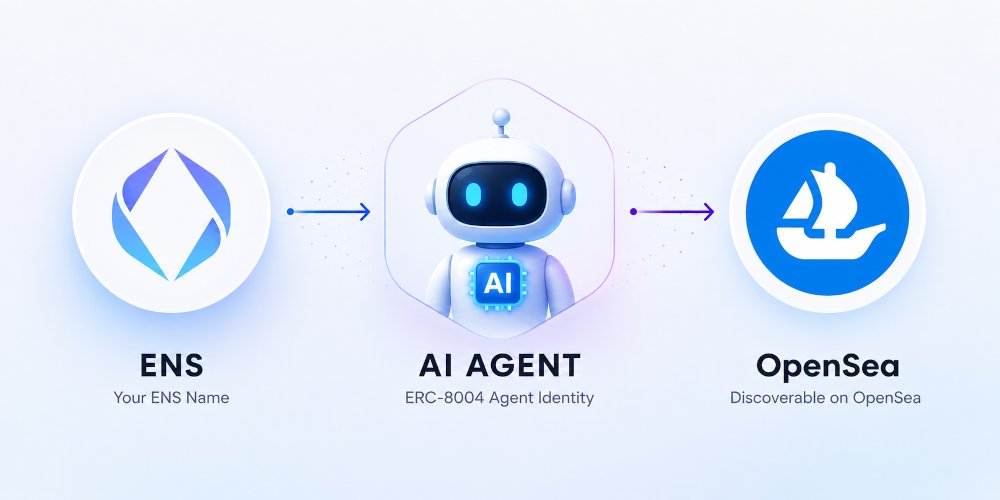
ENS Agents are here! A lot of hard work has gone into this, to create the production stack for ENS Agents, including ERC-8004, ERC-8217, ENSIP-25, and ENSIP-26.
I look forward to seeing how the community builds ENS Agents!
Jun 10

Your @ensdomains name can now be a verifiable AI agent identity.
Using ERC-8004, ENSIP-25, and ENSIP-26, an ENS name can advertise metadata, MCP endpoints, and agent capabilities that AI applications can discover and consume.
We built a simple interface to make this easy 👇
12
33
97
6,051
Jun 10
So many OGs back in 2023 announced they moved from @MetaMask to @Rabby_io and then no outcry on how their data is being used. We put in months of work to do privacy preserving security on MetaMask. It would have been much easier to use APIs and leak data but we wanted to protect user’s privacy as a top priority 🤷♂️
Jun 10

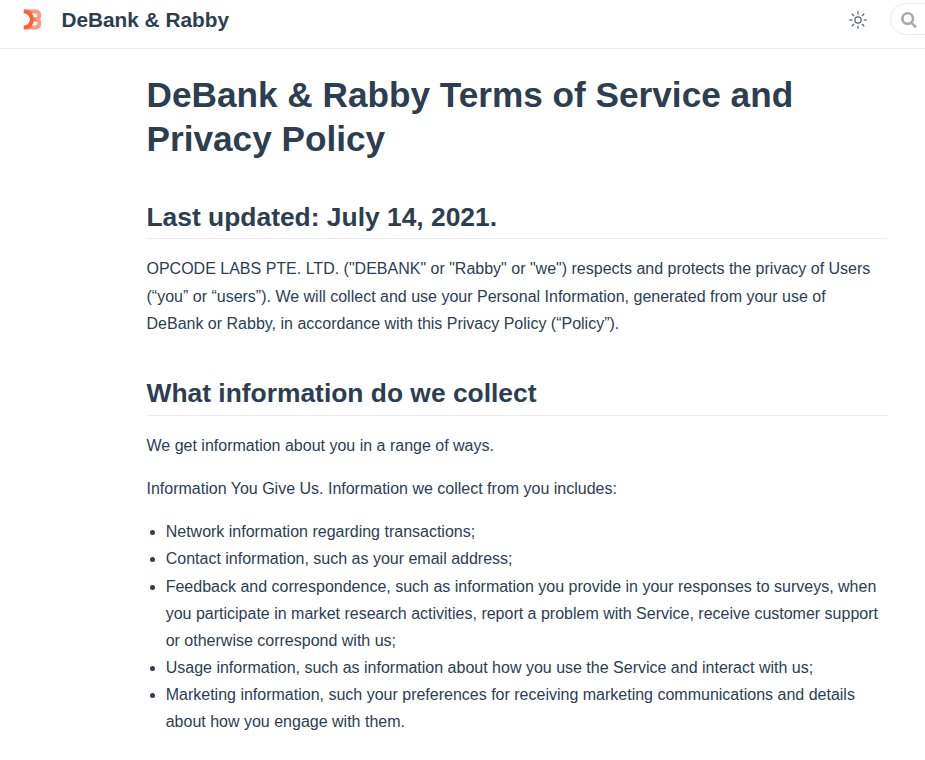
Honestly @Rabby_io, this is disgusting
Before I even set up my wallet, you are sending my data to
- your matomo instance
- and just in case track me on Google Analytics
- and to be really sure dump my data into Sentry
I hereby kindly inform you that this is a breach of your Privacy Policy (yes, the one that you last looked at 5 years ago) and a gross violation of GDPR Articles 13 and 46.
Please stop tracking me at your earliest convenience. Thank you.

1
103
Jun 10
Three of six Gnosis Safe owner keys controlling the Hyperlane bridge ProxyAdmin were compromised.
ALL HELD ON A SINGLE ADMIN LAPTOP!!!! ffs
Projects need to pivot to a “hyper secure” strategy asap to regain trust. I’m seeing it happen with a couple of tier 1s. Will elaborate more once my Q2 Peebles research is published
Jun 9

INCIDENT UPDATE:
Last night, June 8, the H token was hit by a coordinated attack across Ethereum and BSC. While we’re still investigating this incident, we want to be transparent with our community about what happened.
As of right now, ~$36M has been stolen across both chains and dumped. This was a result of a breach that happened after an employee’s laptop was compromised.
Three of six Gnosis Safe owner keys controlling the Hyperlane bridge ProxyAdmin were compromised. The attacker used these to transfer ProxyAdmin ownership to their own wallet, then upgraded the bridge contract to a malicious implementation and swept ~141.2M H in a single transaction.
Three of five BSC Safe owner keys were also compromised. The attacker performed the same ProxyAdmin seizure on BSC, deployed a malicious implementation with an unlimited mint function, and minted 200,000,005 H in two tranches directly to their wallet.
We’ve now halted all deposits and withdrawals to the affected bridges and are working with all related parties, including exchanges, to minimize the damage. Further to our internal investigation, we’re also working closely with the police to investigate this incident and recover some of the stolen funds.
People in this community worked hard for what they hold here, and we feel the weight of that. We want to apologize for what has happened and thank you for your patience, messages, and for sticking with us.
77
Jun 9
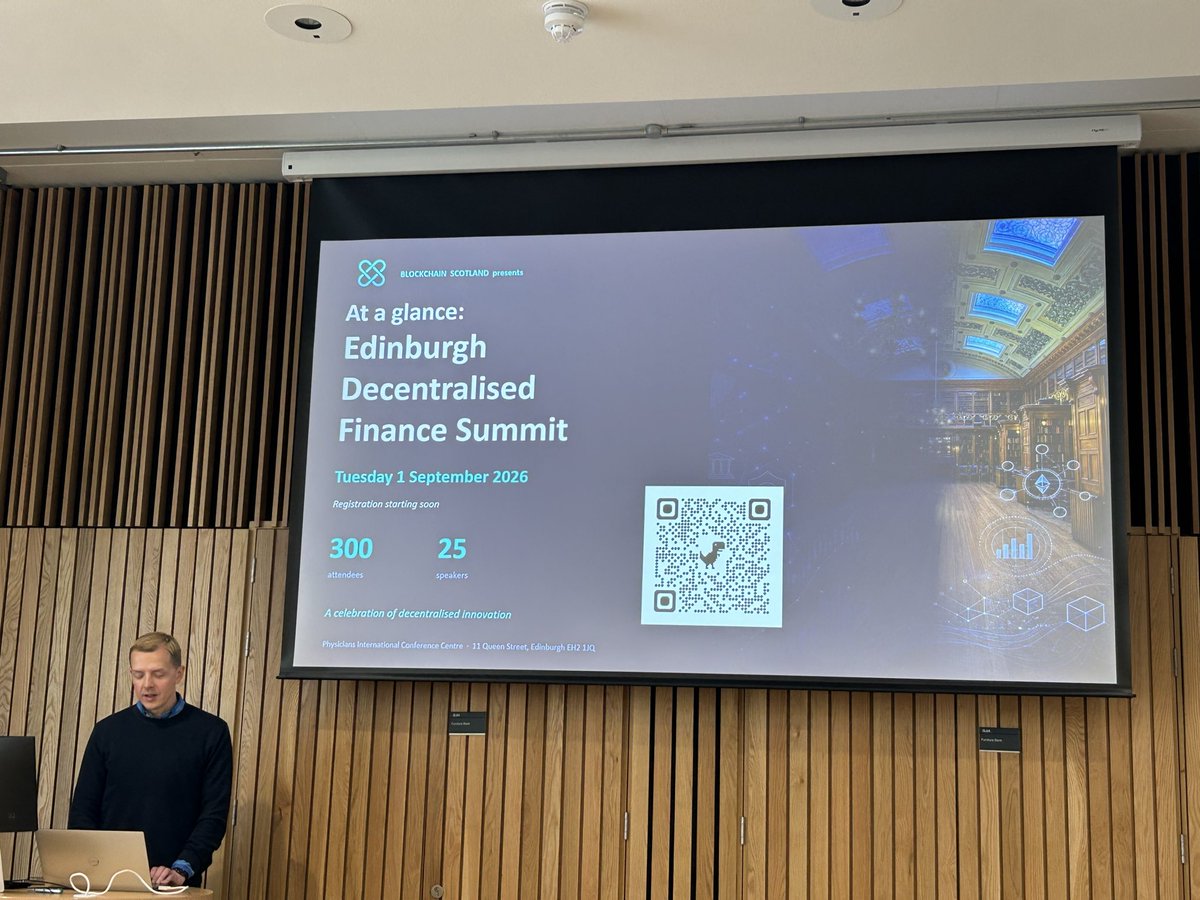
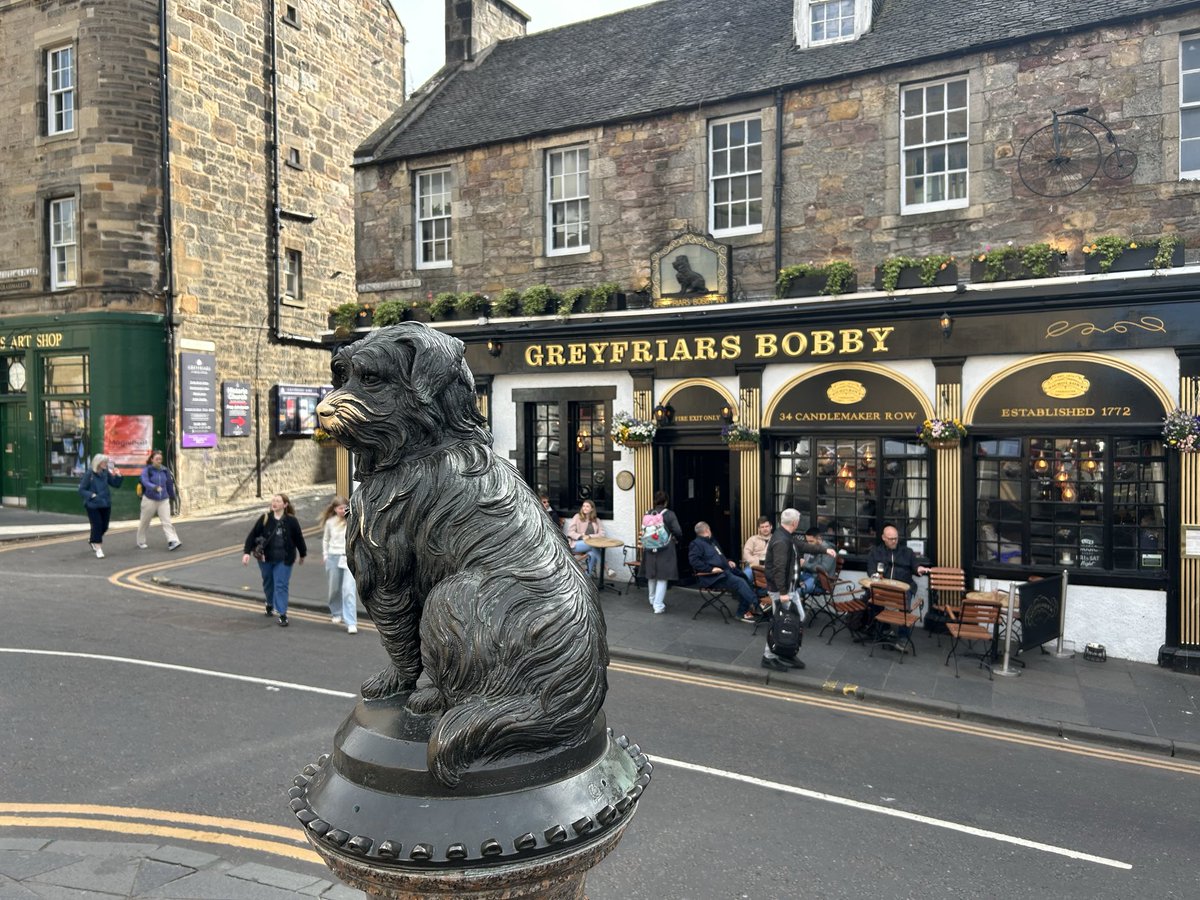
@blockchain_scot are hosting a DeFi Summit in Edinburgh on the 1st September. I thought I would share what a beautiful city Edinburgh is simply from my walk up to the @blockchain_scot meetup today. Everyone interested in DeFi should come 🧵



1
1
113
Jun 9
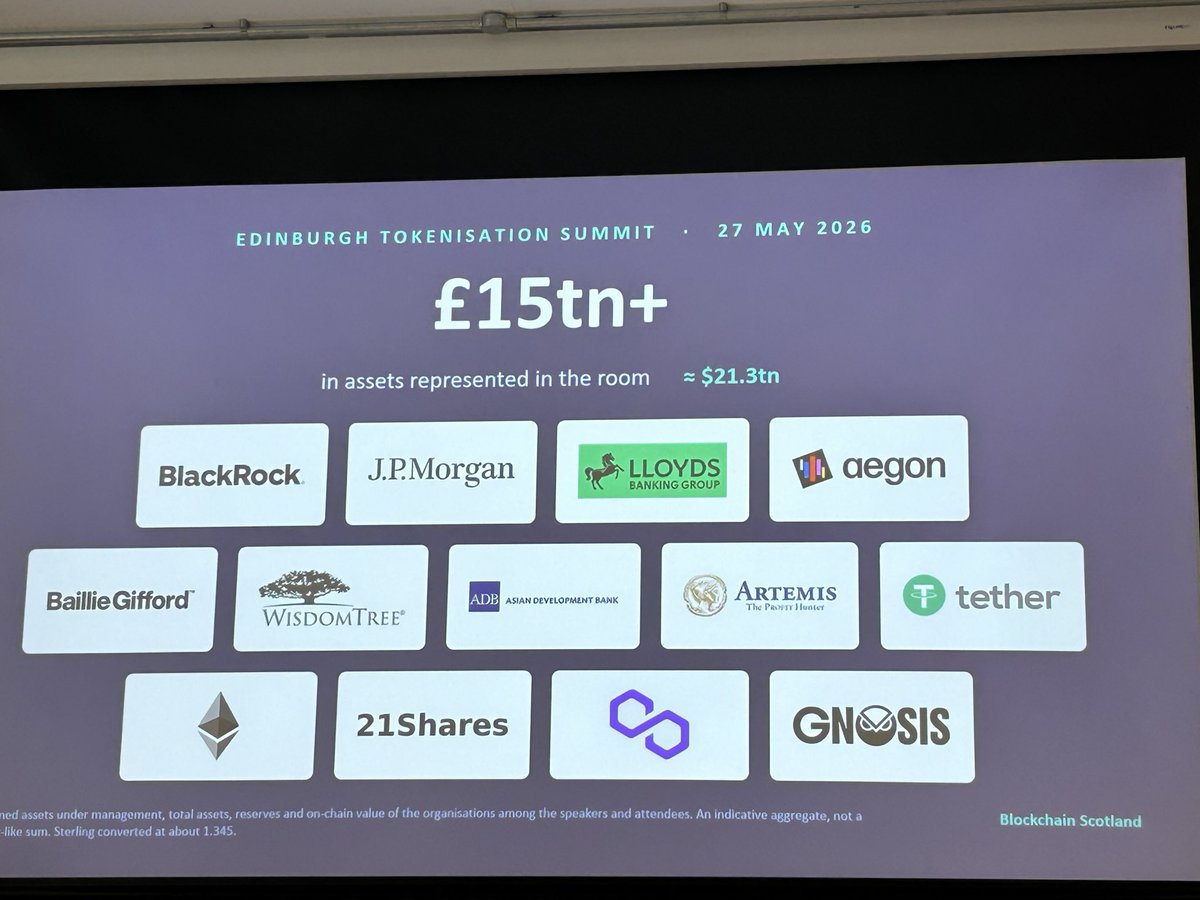
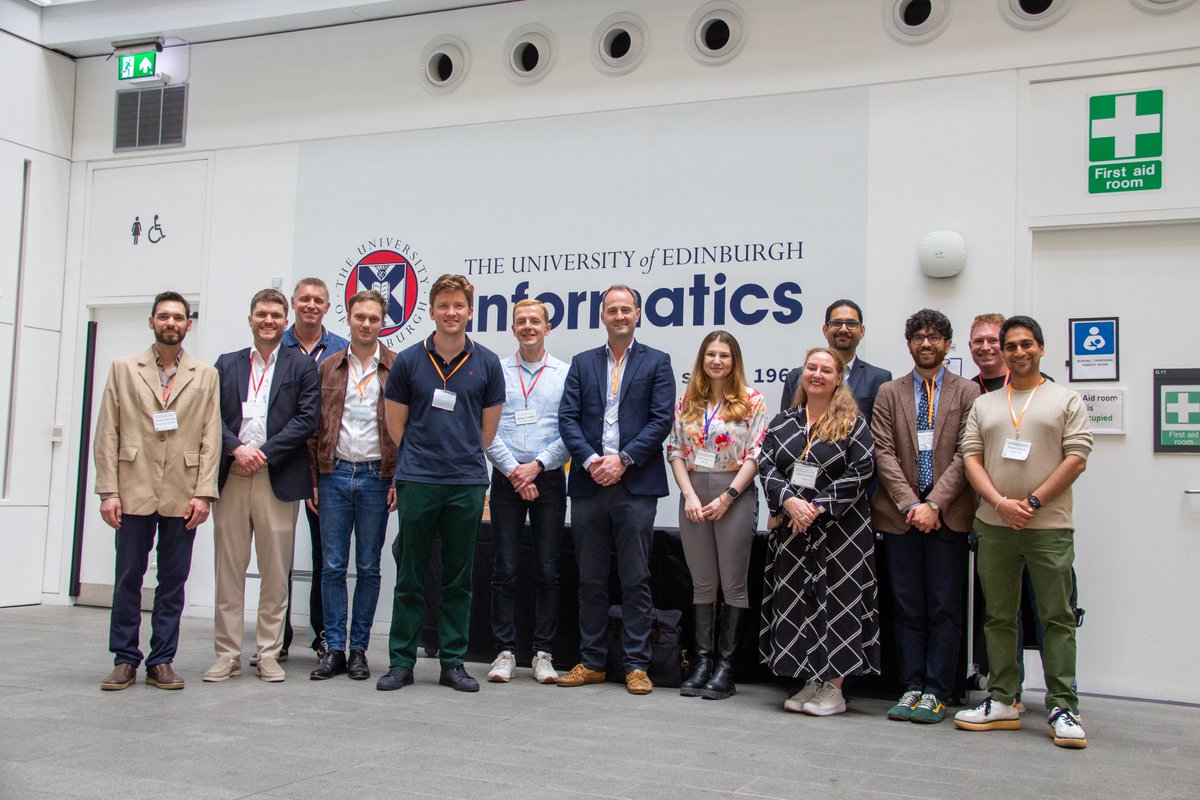
@blockchain_scot recently hosted a Tokenisation Summit at the University of Edinburgh with an amazing line up of Institutional speakers and attendees
[1/11] Scotland held its first Tokenisation Summit on 27 May at the University of Edinburgh.
The organisations in the room manage around £15 trillion between them.
Here is what happened, and what we are doing next. 🧵 @blockchain_scot
1
1
154
Jun 7
Thanks to @blockchain_scot for hosting the first Tokenisation Summit in Edinburgh University. It was a pleasure speaking alongside so many tier 1 institutions and protocols
[1/11] Scotland held its first Tokenisation Summit on 27 May at the University of Edinburgh.
The organisations in the room manage around £15 trillion between them.
Here is what happened, and what we are doing next. 🧵 @blockchain_scot
2
40
Jun 2
Good to see Customer-managed encryption keys available for Claude workspace data
platform.claude.com/docs/en/…
48
May 28
It has taken longer than I expected but I think this is a very positive move for bitcoin, crypto and adoption of blockchain technology
May 28

BlackRock CEO Larry Fink: Countries are racing to launch their own stablecoins
“Every member of our government needs to wake up to the idea that these deficits are threatening our future and the value of the dollar. Let’s be clear, if we were not the country whose currency is the currency of the world, we would not be able to have these deficits… it is a privilege, not a right. I think too many men and women in congress think it’s a right, not a privilege, and I think we’re jeopardizing that right.”
Larry Fink points out that crypto is creating a credible alternative to the dollar:
“I was in Asia two weeks ago, and the countries are all talking about creating their own stablecoins because they’re worried about the increased dominance of a dollar stablecoin worldwide. So they’re all going to start their own.”
And when regulated institutions and sovereigns need neutral global rails to issue these stablecoins, they’re overwhelmingly choosing Ethereum Mainnet (which already hosts $168 billion in stablecoins — 55% of the global market).
Hong Kong’s regulated HKD stablecoin went live on Ethereum this month.
Twelve of Europe’s largest banks are launching a euro stablecoin on Ethereum later this year.
Australia’s largest bank has been issuing AUD on Ethereum since 2022.
A few weeks ago, the Japan Blockchain Foundation announced plans to launch a Yen stablecoin on Ethereum.
Video source: @CPIWealth (Aug 2025)
48
May 27
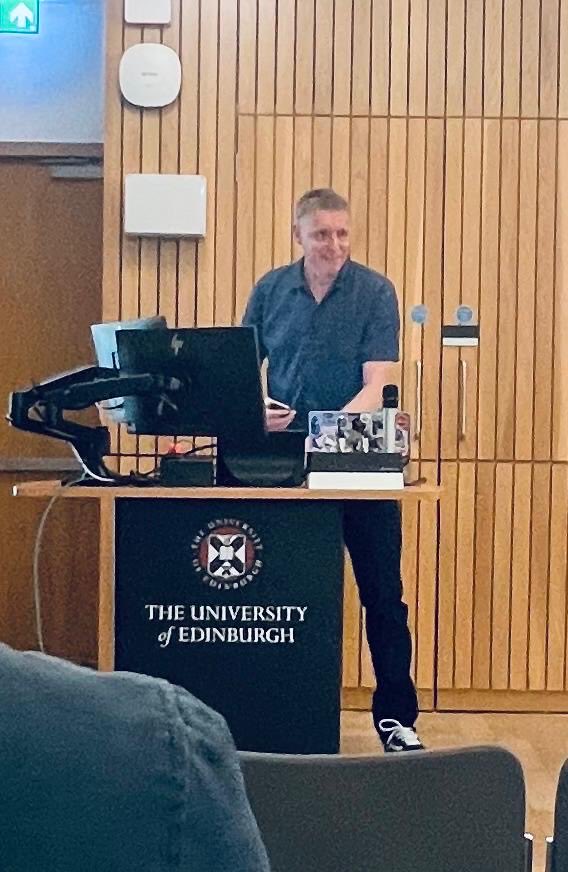
A real privilege to present on “Tokenisation and DeFi” at Edinburgh University #TokenisationSummit thanks to @blockchain_scot 🏴
1
3
47
May 25
Agree 100%
May 24

New rule: any ceo who claims work can be fully done by ai needs to immediately let go of their executive assistant.
Oh so you’re telling me it can do the job of a software engineer that builds schedulers but not that of a scheduler?
63
May 23
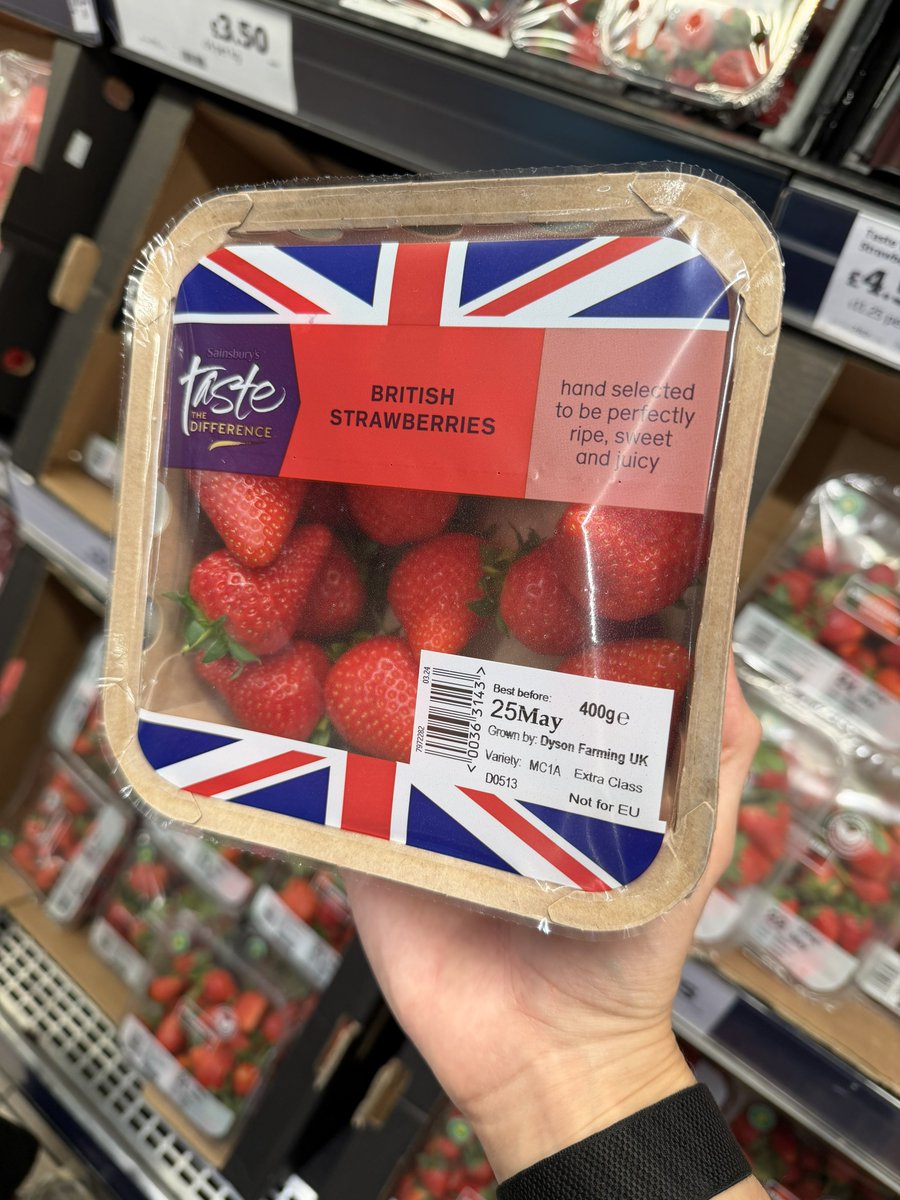
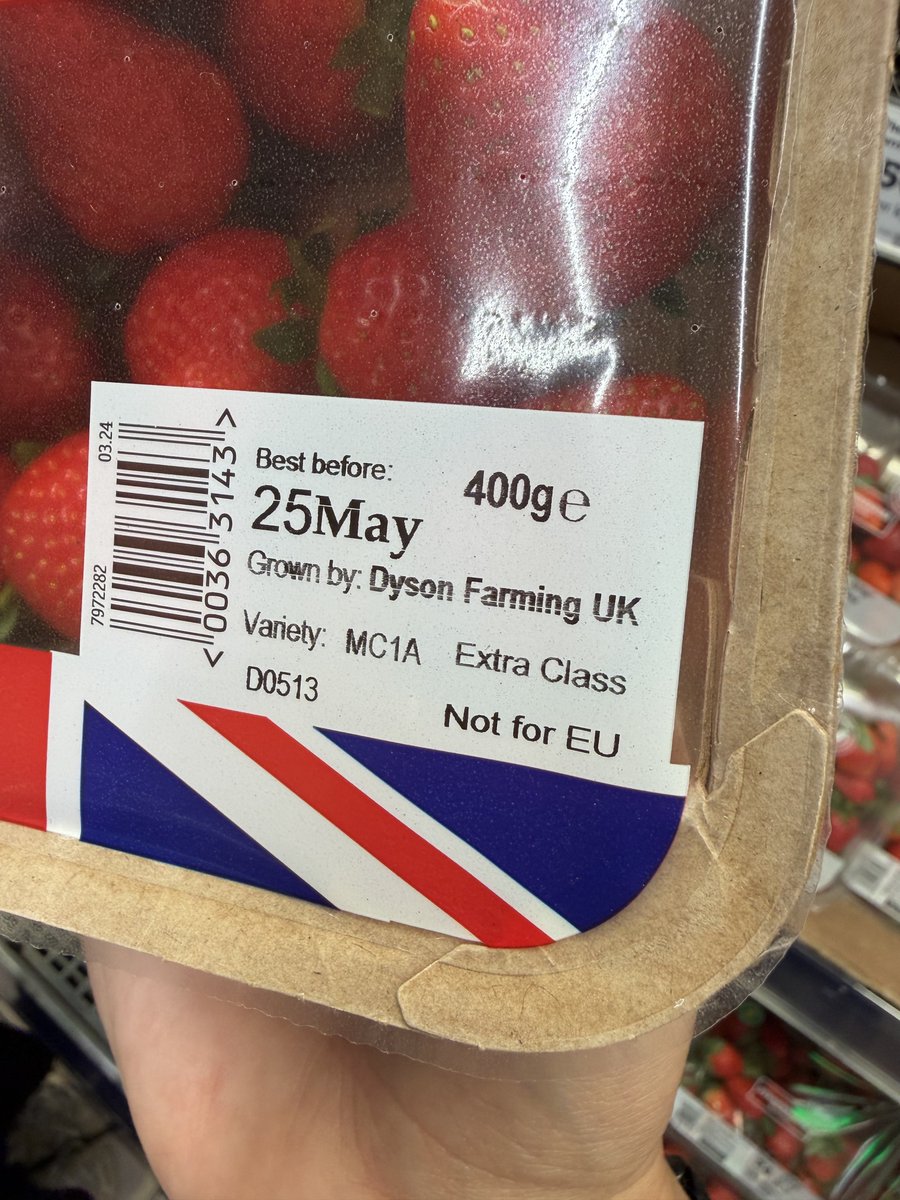
Strawberries grown by @Dyson in the UK via vertical robotic farming now available in supermarkets. Will be interesting to see how this system impacts productivity of greenhouses and the cost of strawberry production. It definitely reduces the need to import berries in winter 🍓
May 21

WOW!! First time seeing @Dyson strawberries in the supermarket. Fully nerding out and losing my mind
133
May 20
Banger
I would add “AI makes your cloud rain again”
May 20

they call it the cloud because eventually it rains all your data out again
44
May 19
Compromised admin key on @EchoProtocol_ on Monad
May 19

Earlier today, Echo Protocol identified unauthorized activity involving eBTC on Monad that resulted in unauthorized minting and associated fund loss.
Our investigation indicates the issue originated from a compromised admin key affecting the Monad deployment. Based on current findings, approximately $816K was impacted on Monad. The Monad network itself was not impacted and continues to operate normally.
Since detecting the incident, we have been actively investigating potential cross-chain exposure, coordinating with ecosystem partners, and implementing additional precautionary measures. We have successfully regained control of our admin keys and burnt the remaining 955 eBTC that was in the attacker’s possession.
45