
50 years ago high minded people said, forget space, fix the earth. That didn't work. Now its our turn, let us develop the space economy to fix the Earth.
Joined June 2008
- Tweets 169,810
- Following 4,868
- Followers 10,270
- Likes 135,757
8,801 Photos and videos



Pinned Tweet

12 Apr 2021
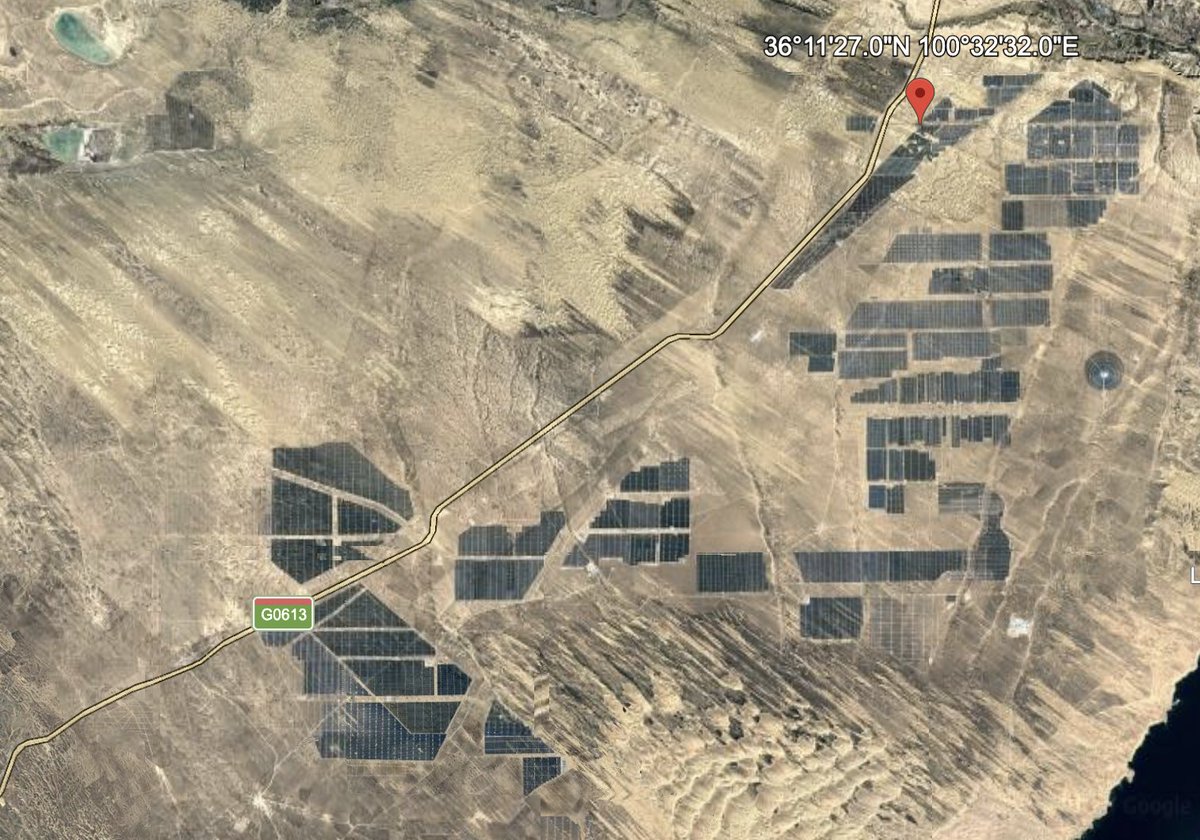
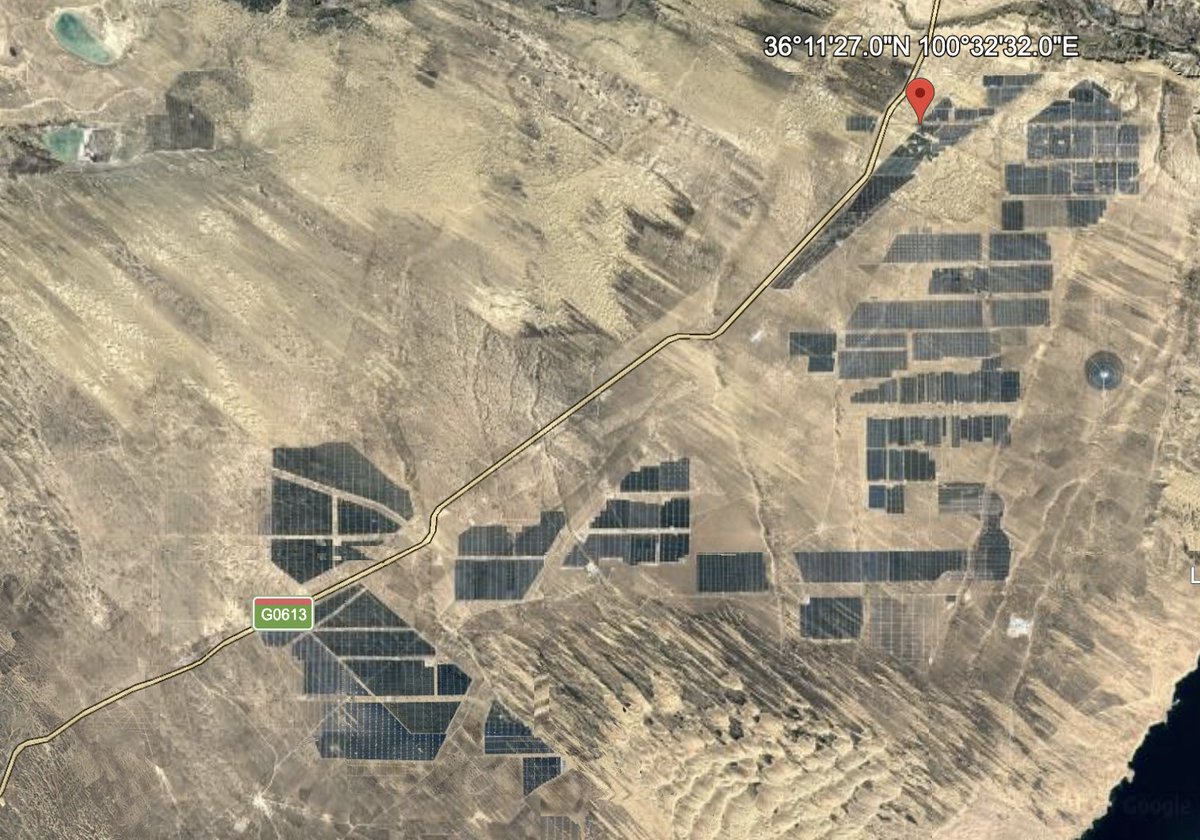
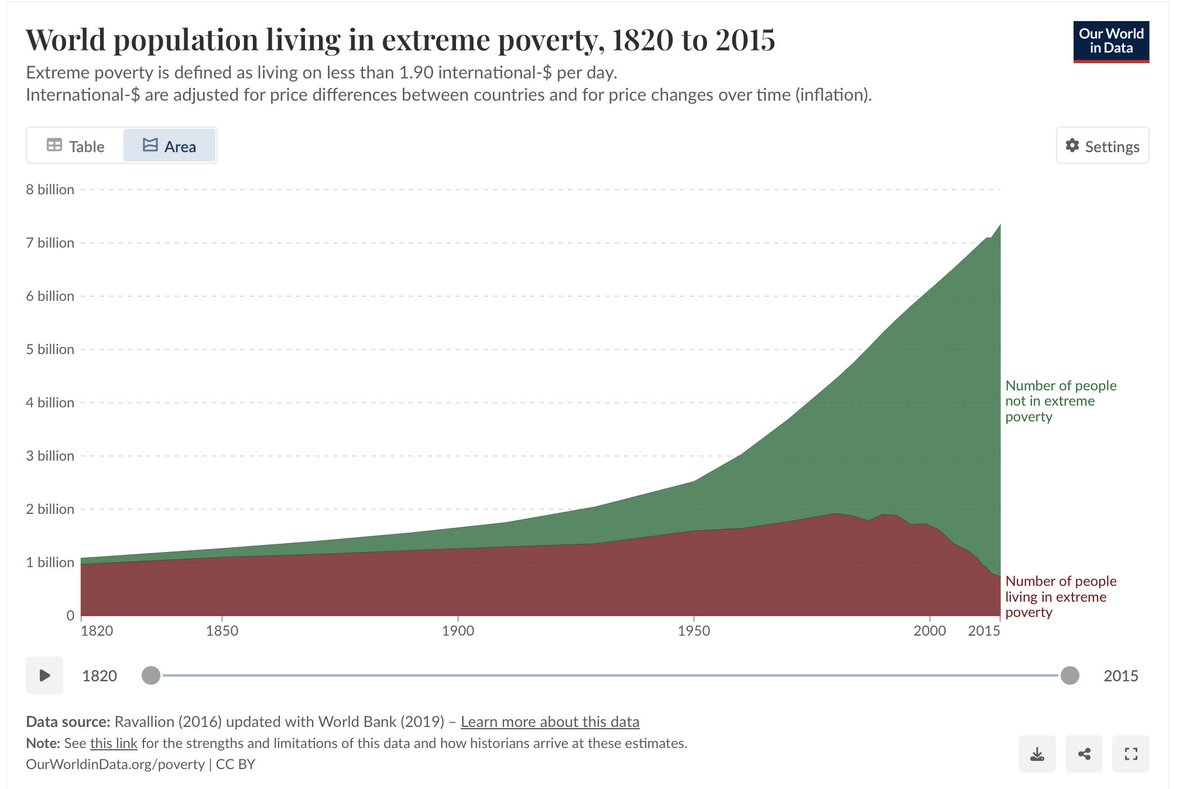
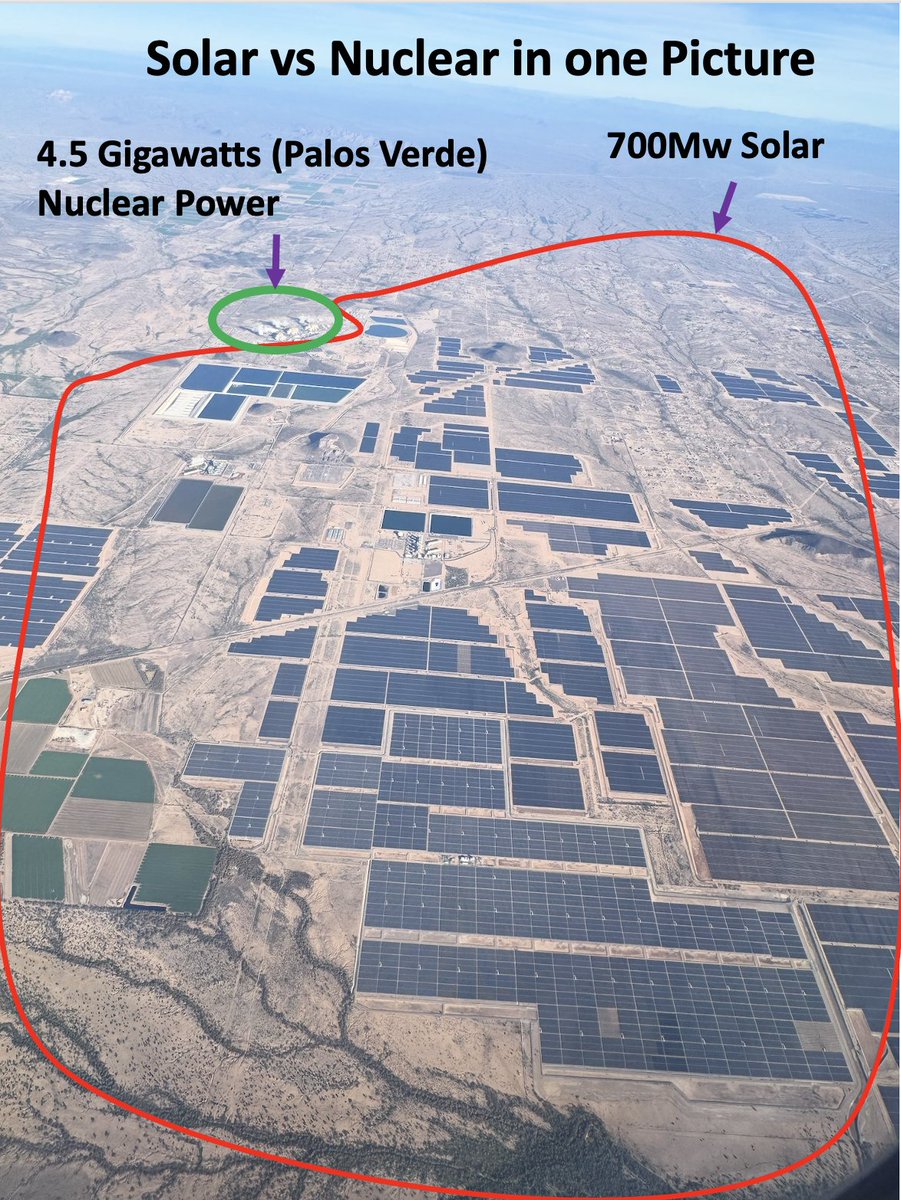
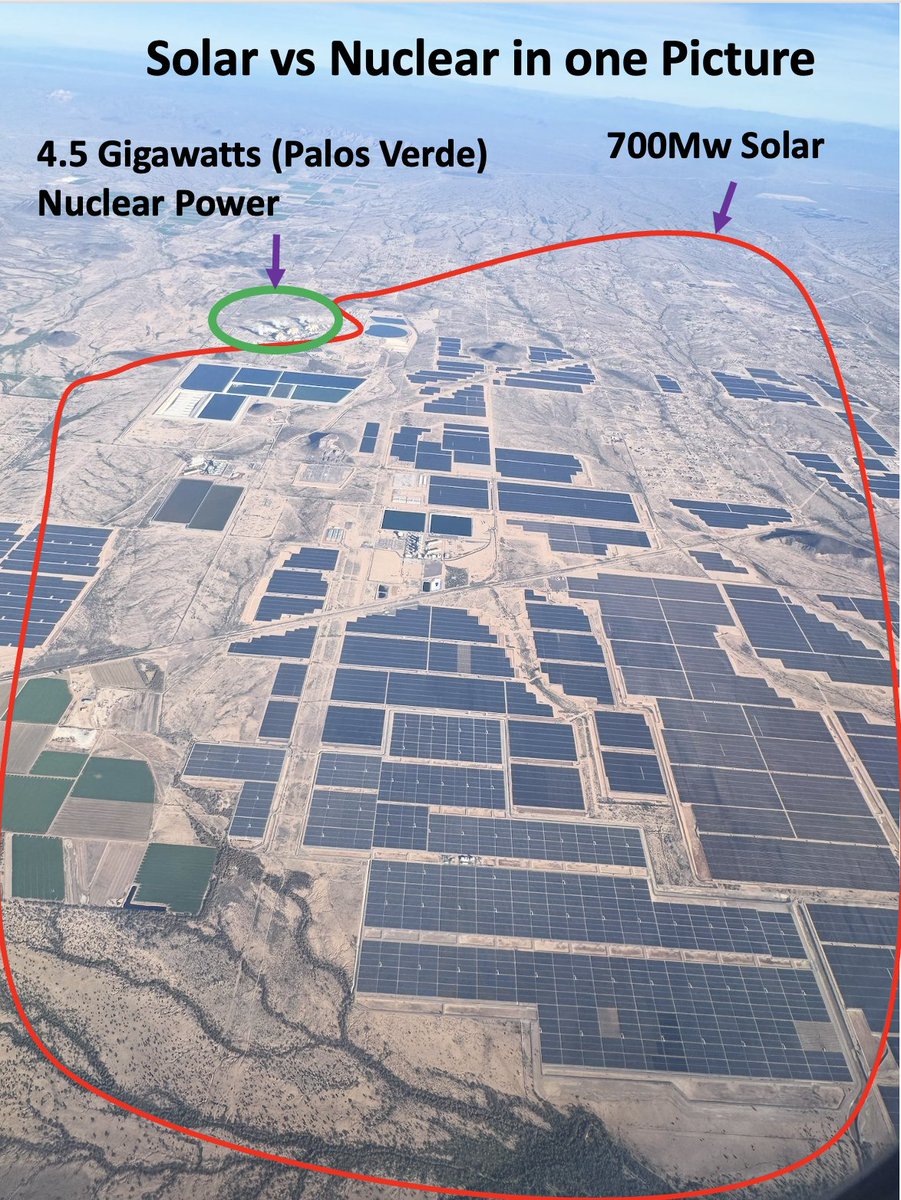
There is a choice before us, this future, or one of prosperity through the economic development of the Moon, Mars, and the asteroid belt.
Choose wisely.
40
49
235
Dennis Wingo retweeted

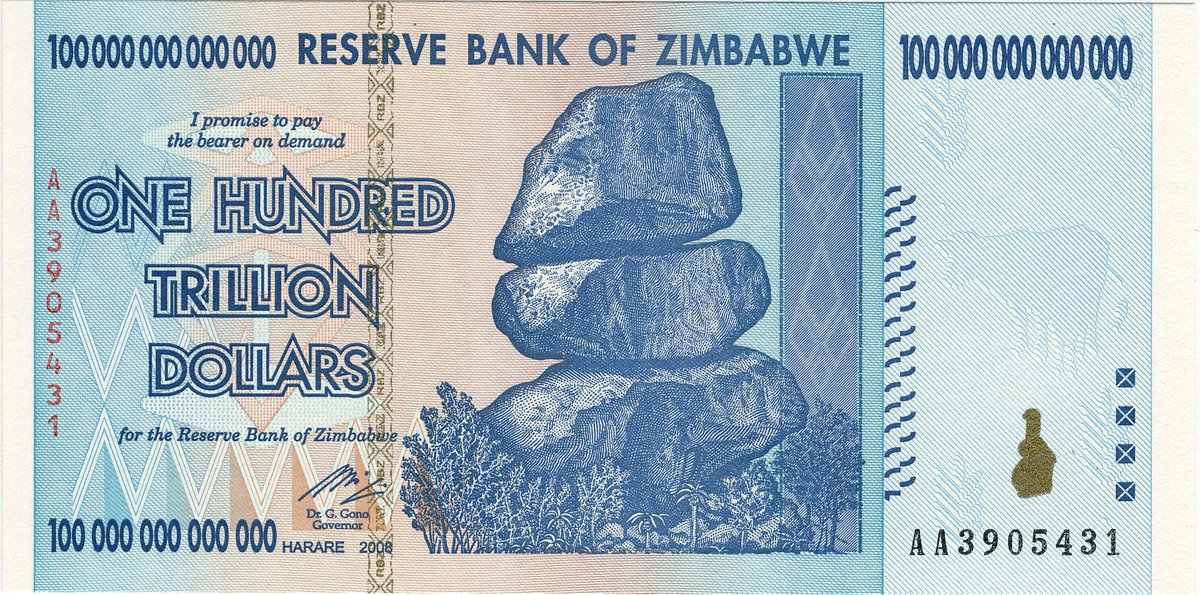
Thanks to socialism, the average Zimbabwean became a trillionaire before @elonmusk 💪
345
3,027
18,738
297,481
Dennis Wingo retweeted

14h
Japan has decided to invest over $65 billion in US-lead SMR projects. They will invest $40 billion in GE Vernova and Hitachi (BWRX-300), and up to $25 billion in NuScale. Article link in reply.
A bit of a shame that no money is invested in non-water SMRs or smaller LWR SMRs.
The 2nd to last paragraph of the article seems to sugget that the US and Japan are giving up on dominating the international large reactor market. Instead, they will focus on SMRs.
Quote:
"Notably, 90% of large-scale nuclear reactors started in the past decade worldwide are Chinese or Russian. The U.S. and Japan plan to counterattack in terms of manpower and technology through joint investments in next-generation SMRs."
11
30
120
6,438
Nice!
Jun 12

autonomous robot driving through the field at night. no chemicals. no pesticides. just UV light killing pathogens and pests while everyone sleeps. this is @tricrobotics.
this is what chemical-free pest control looks like at scale.
3
21
854
Dennis Wingo retweeted

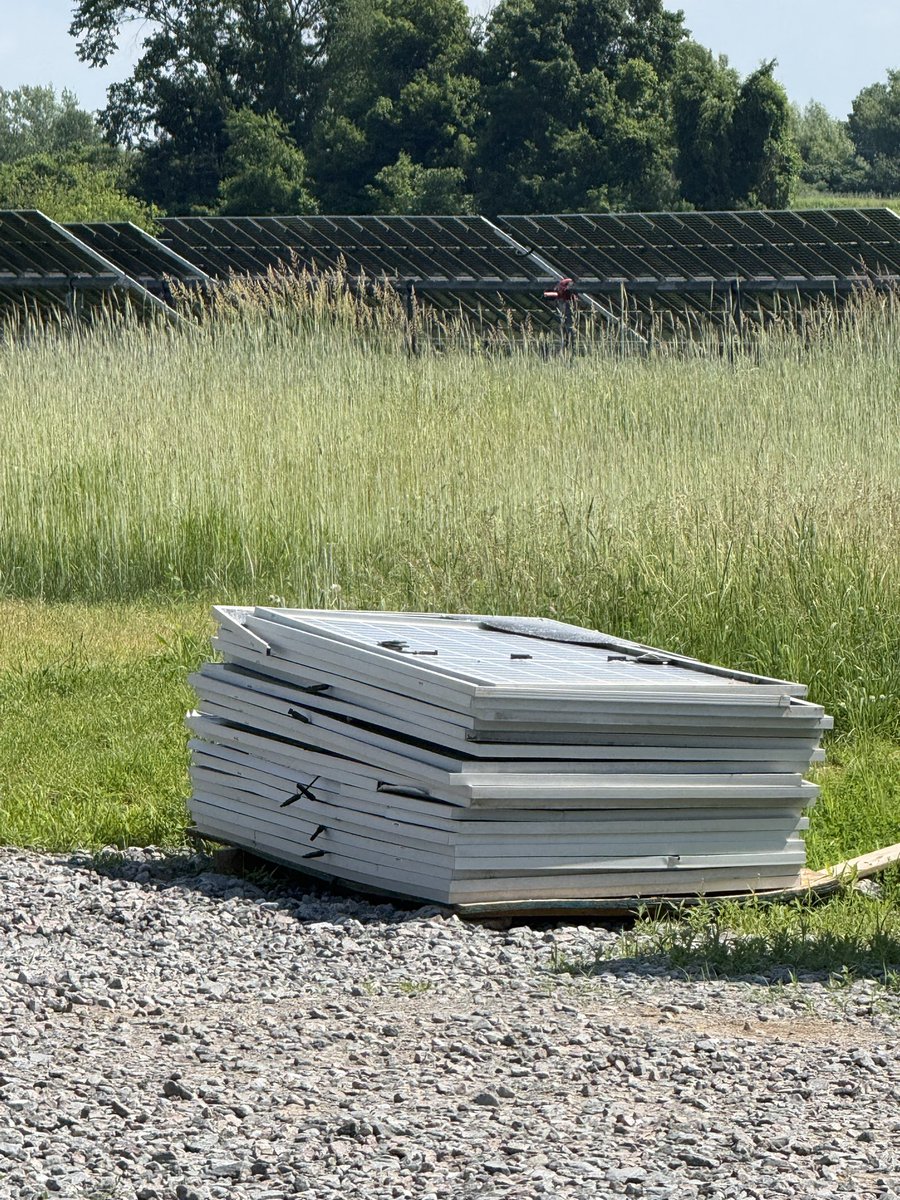
Spotted in Kingsbury, New York, another stack of broken panels, sitting out in the open next to a solar complex.
When panels are broken in this way, lead, silver, cadmium, tin, and zinc leach out of them onto the soil below. They also drop microplastics, glass shards (pictured below), and PFAS (forever chemicals).
Since the complexes are installed with out-of-state, and as we saw in Western New York this week, out-of-country labor, the workers are not concerned with environmental contamination at the worksite.
There is no regulatory body monitoring the installation of these solar complexes in Upstate New York. It's a free-for-all, equipped with green energy subsidies, credits, and foreign corporations.
This is what it gets you. The destruction of our rural way of life in real-time while panels poison prime farmland or animal habitat.
The power doesn't stay local (if it's even tied-in at all). Property values surrounding the complex go down. Taxes go up to make-up for the hundreds of acres taken out of the property tax roll.
This must end.
34
311
614
7,913
Yep
Jun 12

From Christian Homes to Slave Markets: 4.5 Million African Christians Brutally Enslaved in 2026:
While the world keeps obsessing over slavery from centuries ago, millions of Christians are being kidnapped, bought, and sold right now in Africa yet almost no one is talking about it.
Africa has 7 million people trapped in modern slavery.
4.5 million of them are Christians.
Among the victims: 2.4 million Christian women & girls
1 million Christian children
An average slave is sold for just $90.
Worst affected Christian populations: Nigeria: 1.611 million slaves (45-50% Christian)
DR Congo: 407,000 slaves (90-95% Christian)
South Sudan: 115,000 slaves (60-70% Christian)
These are Christian believers people who follow Jesus, read the Bible, and live their faith being ripped from their homes and communities into forced labor, sexual slavery, and horrific exploitation
Why is there endless discussion about historical slavery, but complete silence on this massive ongoing Christian slavery crisis in 2026 ?
Christian lives are under attack today.
It’s time to break the silence and demand attention for this tragedy.
2
5
190
15h
No wonder they are having problems with incoming kids.
Jun 13

Berkeley math professor:
“Today, the more successful a public high school is at preparing its students, the lower its graduates' chances of getting into top UC campuses like Berkeley and San Diego.”
Berkeley admitted 45% of applicants from a high school where nearly 94% of “students failed to meet the state standards in mathematics.”
It admitted less than 14% of applicants from a school where “nearly 100 percent of its students in AP Calculus BC pass the national exam with a perfect score of 5.”
2
10
689
15h
Yep

East Germany turned human misery into foreign exchange at $96,000 per head. Socialism requires capitalism to survive.
Between 1963 and 1989, the German Democratic Republic sold 33,755 political prisoners to West Germany for hard currency. The going rate started at 40,000 Deutsche Marks per prisoner in the early years and climbed to 95,847 marks by the end. You can find the invoices in the Stasi archives today. Line items included "one dissident journalist" and "three church activists." The East German state needed every Deutschmark it could get because its command economy couldn't produce goods anyone wanted to buy.
A government so desperate for foreign currency created a production line of human trafficking with bureaucratic precision. The Stasi arrested dissidents, processed the paperwork, and shipped them west like any other export commodity. Church groups and West German officials negotiated bulk discounts. The whole operation generated $3.4 billion over three decades.
A socialist paradise that claimed to represent the workers had to sell its own citizens to the capitalist enemy to keep the lights on. East Germany couldn't manufacture anything that the world market valued except the bodies of people trying to escape socialism. Every transaction proved that their entire economic system was a fraud that survived only by parasitically extracting value from the very capitalism it claimed to oppose.
The Berlin Wall fell in 1989, but you still hear academics praise central planning and command economies today. They never mention that East Germany's most successful export program involved selling human beings by the pound to fund their workers' paradise.

2
3
230
16h
Yep

The world's clean energy transition represents a colossal expansion of the world's mining industry.
To catch a diffuse energy source like sunlight or wind needs an unprecedented volume of physical machinery. A single solar farm requires roughly 30 times more total metal infrastructure than a conventional gas plant. We aren't moving away from mining; we're swapping enormous oceanic drilling rigs for vast open-cut metal mines.
The demand for heavy mining and rare earths is just as compelling as the downstream e-waste crisis, but the numbers are even more staggering. While solar cells rely heavily on high-purity silicon, silver, and copper, the broader 'green infrastructure' ecosystem demands far more.
The EV motors, wind turbines and massive national grids required to tie intermittent solar together are entirely dependent on an unprecedented surge in heavy mining and rare earth extraction.
This physical mining demand has simply exploded with the shift from conventional fossil fuel energy generation to wind and solar. Because wind and sunshine are so diluted and diffused, harvesting them requires a massive physical footprint, necessitating endless extra acres of complex machinery.
This translates into heavily vandalised landscapes and grotesque coastal settings. According to the IEA, replacing them world's fossil-fuel system with renewables increases the total volume of materials requiring extraction and handling by a factor of 10.
Solar alone is exceptionally copper-intensive, using roughly 850 kg per megawatt for intricate grid connections, inverters and cabling. Renewable energy is projected to drive 45% of total global copper demand by 2030. Yet, developing a new major copper mine takes an average of 16 years from initial discovery to first production.
The world faces a massive demand spike for a metal where the supply chain is notoriously slow, costly, and inflexible.
Solar panels don't use much in the way of rare earths, but wind turbines and the electric vehicle motors that back up the low-carbon shift are hungry for permanent magnets made from neodymium, praseodymium and dysprosium. Processing these elements involves intensive chemical leaching that produces vast amounts of toxic and radioactive wastewater.
Compounding the problem, China controls roughly 60–70% of the extraction and up to 90% of the refining for these specific elements.
This has created a massive geopolitical bottleneck.
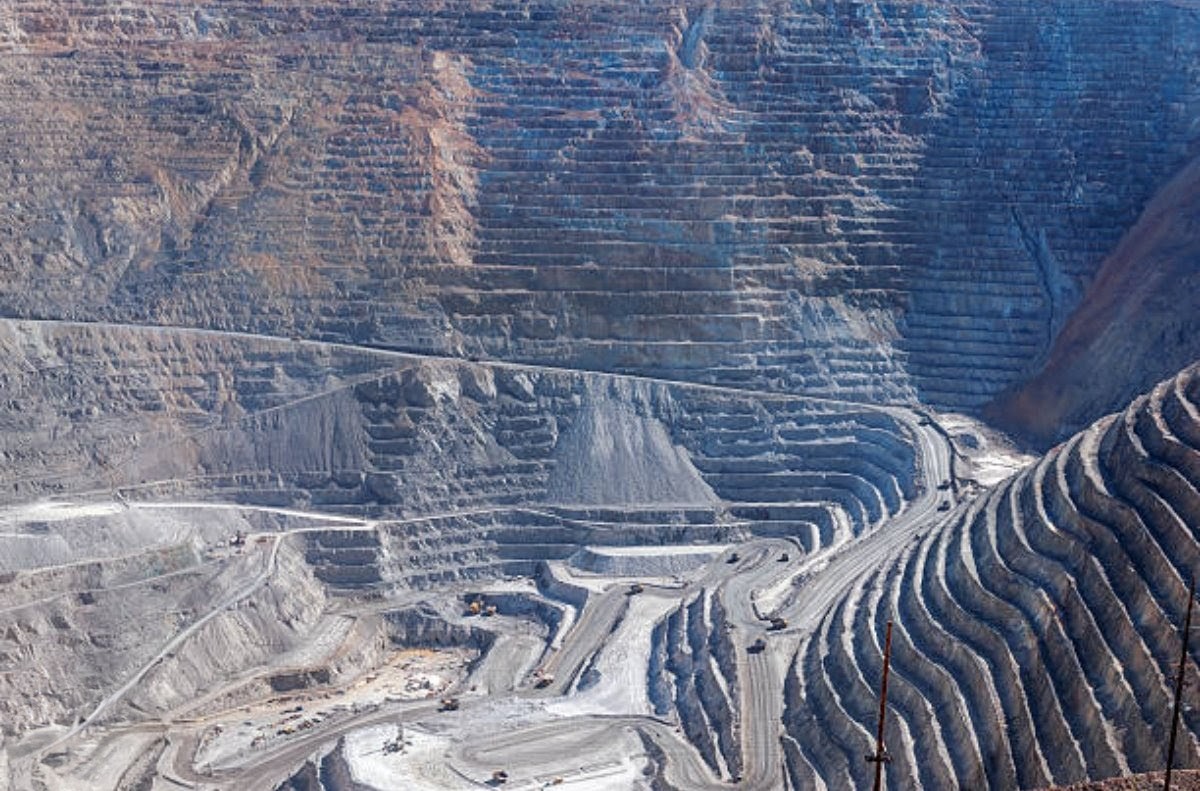
Image: this massive chasm is the Bingham Canyon Mine (also called the Kennecott Copper Mine) just outside Salt Lake City, Utah. It is one of the largest man-made excavations on Earth and the deepest open-pit mine in the world, stretching 4 kilometres wide and more than a kilometre deep.
1
2
9
574
Dennis Wingo retweeted

Jun 12
Elon just created 4,400 millionaires in a single day.
400 of them are now worth over $100 million.
These aren't VCs. They're SpaceX employees, and the list includes welders, technicians, and cafeteria staff, because for two decades the company paid every level of the workforce in stock instead of higher salaries.
Juan Hernandez immigrated from Mexico and took a $28 an hour contractor welding job in 2015. He says he didn't even know what SpaceX was. The company gave him a $10,000 equity grant and let him buy more shares through payroll deductions. That stake is now worth $880,000.
Trevor Hise's parents wanted him to take a stable job at General Electric. He picked SpaceX instead, stayed 12 years, and accumulated over 100,000 shares. At the $135 listing price that's $13.5 million. He's 37 and semiretired. His words: "The magnitude of this has been ridiculous."
The most telling detail came before the listing. Over 100 employees quietly banded together and negotiated a group wealth management deal covering up to $5 billion, because none of them had ever needed a wealth manager before.
Software IPOs have minted millionaires for 30 years. This is the first one where the money went to the factory floor.
3,207
25,129
139,305
7,188,248
Jun 12
Looking forward to this.
Jun 11

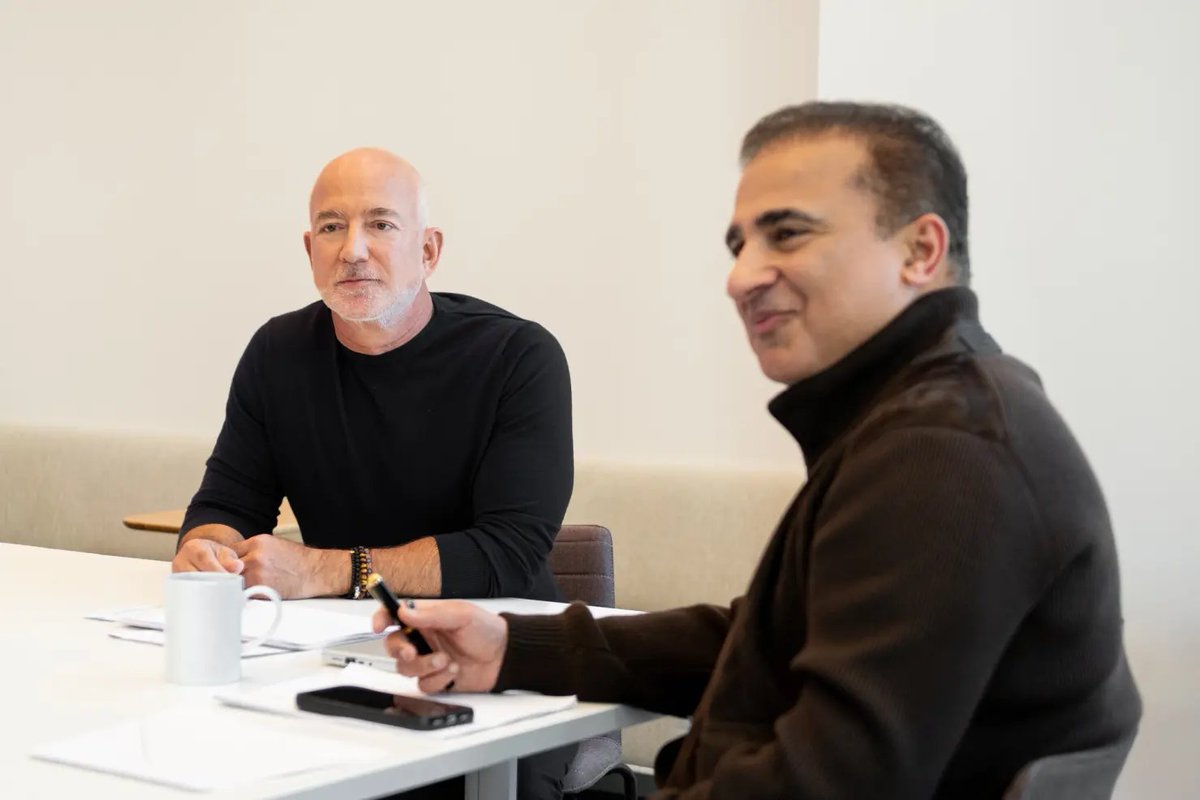
JEFF BEZOS JUST EMERGED FROM STEALTH WITH A $41 BILLION AI STARTUP CALLED PROMETHEUS
$12 billion raised. Valued at $41 billion. Coming out of stealth today.
The backers: Bezos personally, JPMorgan, BlackRock, Goldman Sachs, DST Global, and Arch Venture Partners.
The mission: do for engineering and manufacturing what large language models did for text.
Bezos is calling it an "artificial general engineer." Instead of training on words from the internet, Prometheus ingests data from the physical world to accelerate the manufacturing of skyscrapers, smartphones, jet engines, and everything in between.
In Bezos' own words: "Something that today was going to take 100 engineers 10 years to build, if you can change that to taking 10 engineers one year to build, you're just going to get way more things built."
This is Bezos' first CEO role since stepping down from Amazon in 2021. He's co-leading it with Vik Bajaj, former Google X executive.
(Source Semafor)
2
321
Dennis Wingo retweeted

Je vais démonter le plus grand mythe sur la pauvreté en Afrique.
On vous répète que c’est une question de mentalité.
On vous répète que c’est la faute d'un ennemi étranger qui pille les ressources.
C'est faux.
Les Africains sont pauvres pour une seule raison : leurs pays ont massivement adopté le socialisme, l’économie planifiée et le dirigisme d’État.
Le socialisme n'a jamais fonctionné. Nulle part. Il détruit l'incitation, l'innovation et l'investissement.
Les chiffres bruts.
- La Corée du Sud : Dans les années 50, elle était plus pauvre que de nombreux pays africains. Aujourd'hui : 36 000 $ de PIB par habitant. Le Nord socialiste ? Il stagne à 1 000 $. La différence ? Le capitalisme libéral et la propriété privée.
- Singapour : Indépendant en 1965. Analphabétisme fort, zéro ressource naturelle. Aujourd'hui : 90 000 $. La recette ? Basses taxes, ouverture au commerce, État minimal.
- Les Émirats arabes unis : Indépendants en 1971. Économie multipliée par 200 depuis leur virage vers une économie de marché ouverte.
- L'Afrique subsaharienne : Elle a misé sur la planification et les nationalisations post-indépendance. Résultat : un PIB par habitant bloqué autour de 1 500 $.
La planification étatique ne crée pas de la richesse. Elle l'étouffe.
Prenez le Venezuela. L'un des pays les plus riches d'Amérique latine dans les années 80.
Aujourd'hui : l'économie s'est contractée de 80 %, des millions de personnes ont fui, et 75 % de la population survit dans l'extrême pauvreté.
Heureusement, quand on change le logiciel, la donne change.
Le Botswana a embrassé le capitalisme et la règle de droit en 1966 : il est passé d'un des pays les plus pauvres du monde à l'un des plus riches d'Afrique.
L'Éthiopie s'ouvre au libéralisme : Ethiopian Airlines devient un géant mondial, transporte 17 millions de passagers et génère 7 milliards de dollars de revenus.
Le développement n'a pas de secret.
L'État ne doit faire QUE le régalien : justice, police, défense, infrastructures de base.
Quand un État devient obèse et se mêle de l'économie, tout s'effondre.
Regardez la France.
57 % du PIB en dépenses publiques. Un record de taxes mondial.
Le résultat ? L'école décline, les hôpitaux sont sous tension, la justice est engorgée. L'État est trop occupé à créer des normes, des taxes et des redistributions pour remplir ses missions essentielles.
C'est le serpent qui se mord la queue dans les pays pauvres : un État obnubilé par le contrôle (réglementations, corruption) étouffe le marché au lieu de faire respecter les contrats.
Il n'y a pas de recette magique.
Laissez l'État au régalien.
Laissez les impôts bas.
Laissez les gens bosser, échanger, créer, ouvrir des ateliers et innover.
Le capitalisme libéral n'est pas parfait. C'est juste le seul système de l'histoire humaine qui sort massivement les peuples de la misère.
175
926
3,190
173,816
Dennis Wingo retweeted

Jun 12
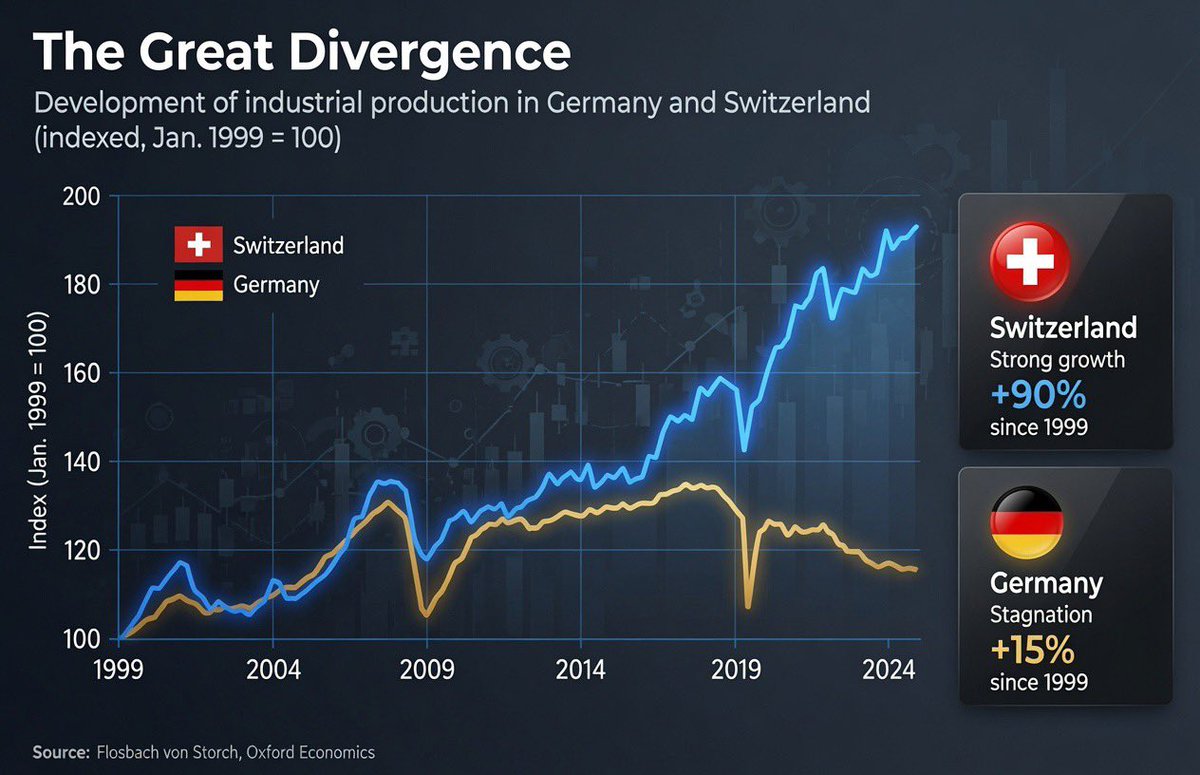
This is eye-opening. Even the weak Euro didn’t prevent the self-inflicted collapse of German industry.
All the bad policies will one day be seen as the largest self-sabotage of an advanced economy ever.
If the left can ruin Germany, imagine what they could do to your country.
103
696
2,278
124,176
Dennis Wingo retweeted

Jun 12
The United Nations and Hamas: A Toxic Relationship? A close friend of mine from Gaza City, tortured nearly to death by Hamas, a well‑known activist against the group, and someone I helped evacuate during the war, was featured in the UN Human Rights Council’s report documenting Hamas’s abuses against Palestinian civilians: executions, torture, beatings, the misuse of medical facilities, and the terrorizing of women and children.
When he met with the UN investigation team, one investigator was openly sympathetic to Hamas and the “resistance” narrative, signaling from the start that she doubted his testimony. He then spent five hours convincing the rest of the team that Hamas had, in fact, tortured him, despite extensive evidence of his injuries circulating on social media and a medical examination confirming blunt‑force trauma consistent with organized abuse, not random violence or Israeli bombardment. He even had to walk the investigators, including Ms. pro‑Hamas, through how his case fits into hundreds of others across Gaza, and how Hamas itself has filmed and publicly released its own executions, beatings, and torture to terrorize the population.
Imagine that: Hamas documenting its own crimes on video, and supposedly serious investigators refusing to believe what is right in front of them. Imagine a human rights inquiry that includes someone openly aligned with the very group under investigation. It forces a hard question: why are parts of the UN system so compromised when it comes to Hamas that they cannot think beyond Israel’s actions long enough to examine the crimes of Palestinian actors, crimes that are equally harmful, shameful, and deserving of condemnation? And why are some so eager to believe Palestinians when the accusation is against Israel, yet so reluctant when the accusation is against Hamas, even when the evidence is overwhelming?
73
657
1,518
46,481
Dennis Wingo retweeted

Jun 11
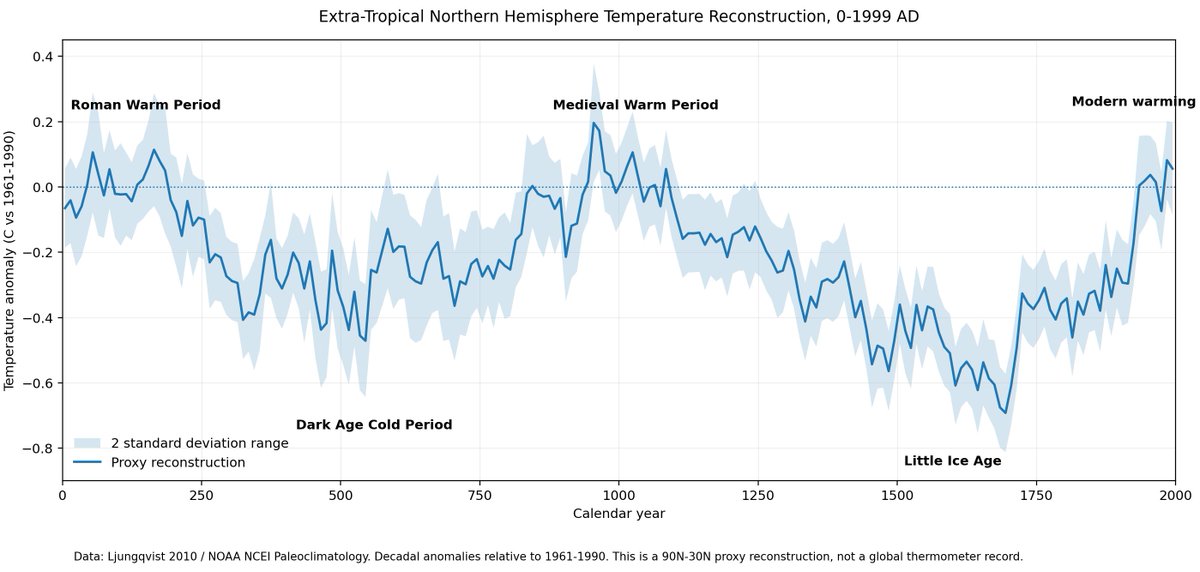
Modern climate politics starts the story in a cold trough, draws the rise upward, and ignores the older warm periods.
The world warmed after the Little Ice Age. Big whoop.
Full breakdown (& more) in today's article: electroverse.substack.com/p/…
8
42
124
6,630
Dennis Wingo retweeted

Jun 11
I’m trying to understand the left’s argument supporting Karmelo Anthony.
Karmelo followed Austin Metcalf into the Memorial high school tent. In high school athletics, this is a provocation.
15 times, Karmelo was asked to leave the tent. He didn’t.
He then challenged Austin Metcalf to touch him and “find out.”
Someone pushed Karmelo. Per video, maybe two minor pushes.
Witnesses testify Austin Metcalf did NOT punch Karmelo or do anything that would cause serious bodily harm.
So Karmelo had no reasonable belief—the standard for self-defense—that his life was in danger.
Nonetheless, Karmelo immediately grabs a knife from his bag —which he was carrying illegally, no knives allowed on school property— and stabs Austin Metcalf in the heart, killing him.
Karmelo then throws the knife and runs away.
Moments later, after police arrest him and refer to him as the “alleged” suspect, Karmelo admits he killed Metcalf, saying: “I’m not alleged, I did it.”
So—
The jury was NOT “all white.” There were Asians, Hispanics & Arabs reportedly on the jury.
Karmelo’s lawyer wasn’t a public defender, he was a private attorney.
The left claims “racism!”
But facts matter.
There is ZERO evidence of racism.
And all the facts demonstrate beyond the shadow of a doubt that Karmelo Anthony murdered Austin Metcalf.
If you think Karmelo should walk free, YOU are the racist because you’re basing that on his skin color alone while ignoring the reality of the crime he committed.
813
1,769
11,224
434,513
Jun 12
The entire American Academic Industrial Complex is in need of dismantling.
Jun 11

Well now, look what we have here. Something advertising itself as a "center for the defense of academic freedom" is gearing up a campaign of vilification against programs that are revitalizing civic education at colleges and universities around the nation and helping to ensure that students are exposed to a diverse range of viewpoints. I suppose it's not surprising that people who have enjoyed a virtual ideological monopoly would fight tooth and nail to keep it. That's how monopolists work.
2
157
Jun 12
Well deserved!
Jun 12

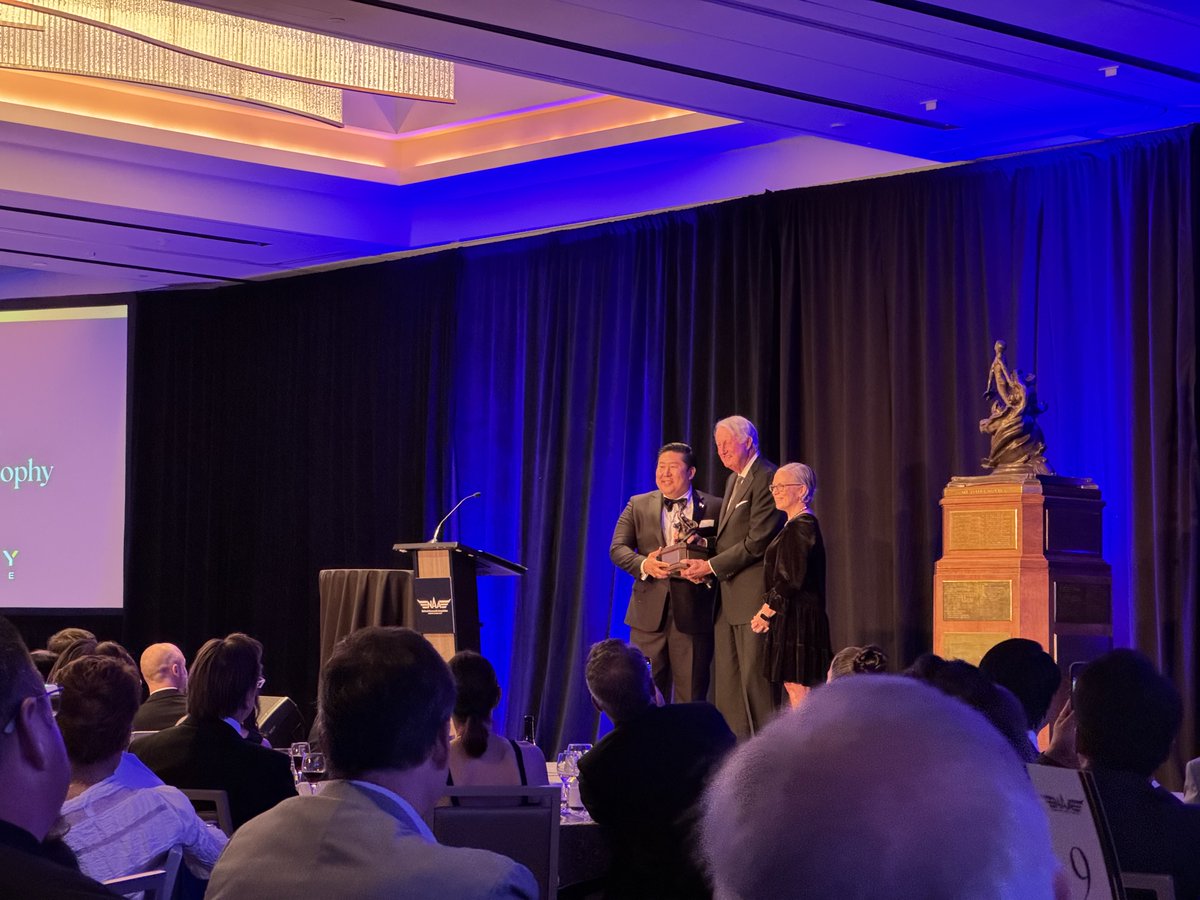
Firefly Aerospace receives the Collier Trophy for the Blue Ghost 1 lunar landing in a ceremony tonight in DC.
1
4
362
Jun 12
Go go go go go
Jun 11

Since the start of 2025: $1.75 trillion in fresh manufacturing investment in the US.
Around 160 companies across 37 states (IndustrialSage).
Nobody commits billions to a factory for “Made In America” PR.
When a company breaks ground on a plant here, they're locking up a decade-plus of capital they can't claw back.
6 big examples from the past year:
______
#1 JetZero, North Carolina. $4.7 billion, 14,500 jobs by 2037
They're building the world's first all-wing passenger jet, one that burns up to half the fuel of the tube-and-wing design we've flown for 70 years.
It's the largest jobs commitment in the state's history, for an aircraft that doesn't exist yet. America designing the next airplane instead of buying it abroad.
______
#2 Micron, New York. $100 billion, close to 50,000 jobs
A leading-edge memory megafab, built out over roughly 20 years, making the DRAM chips behind AI, defense, and aerospace.
It's the largest private investment in New York history, and it drags chip-making back onto US soil instead of importing it from Asia.
______
#3 Texas Instruments, Texas. $40 billion, 3,000 jobs on site and thousands more across its US fabs
They make the plain analog chips inside every car, phone, and pacemaker.
The first fab is already running, turning out tens of millions of chips a day.
______
#4 Hyundai Steel, Louisiana. $5.8 billion, more than 1,300 direct jobs, plus thousands more across the supply chain
An electric-arc-furnace mill making 2.7 million tons of auto steel a year, about 70% cleaner than a blast furnace.
This is a multi-decade bet on building cars in America.
______
#5 Eli Lilly, Virginia, Texas, and two more sites. $27 billion, around 13,000 jobs, of which 10,000 are in construction
They're reshoring the chemistry behind our medicines, the active ingredients we outsourced overseas for decades.
It's the largest pharmaceutical manufacturing expansion in US history.
______
#6 LG Energy Solution Battery Complex, Arizona, $5.5 billion, thousands of jobs
The largest standalone battery plant ever built in North America, already set to be its town's biggest employer by far.
It makes the cells that go into electric cars and grid storage, the batteries we've spent a decade buying from Asia.
______
Planes, chips, batteries, steel, medicine.
This is well beyond one hot sector having a moment. It’s a monster amount of capital landing across the whole real economy at once.
I'm living my own version of this right now.
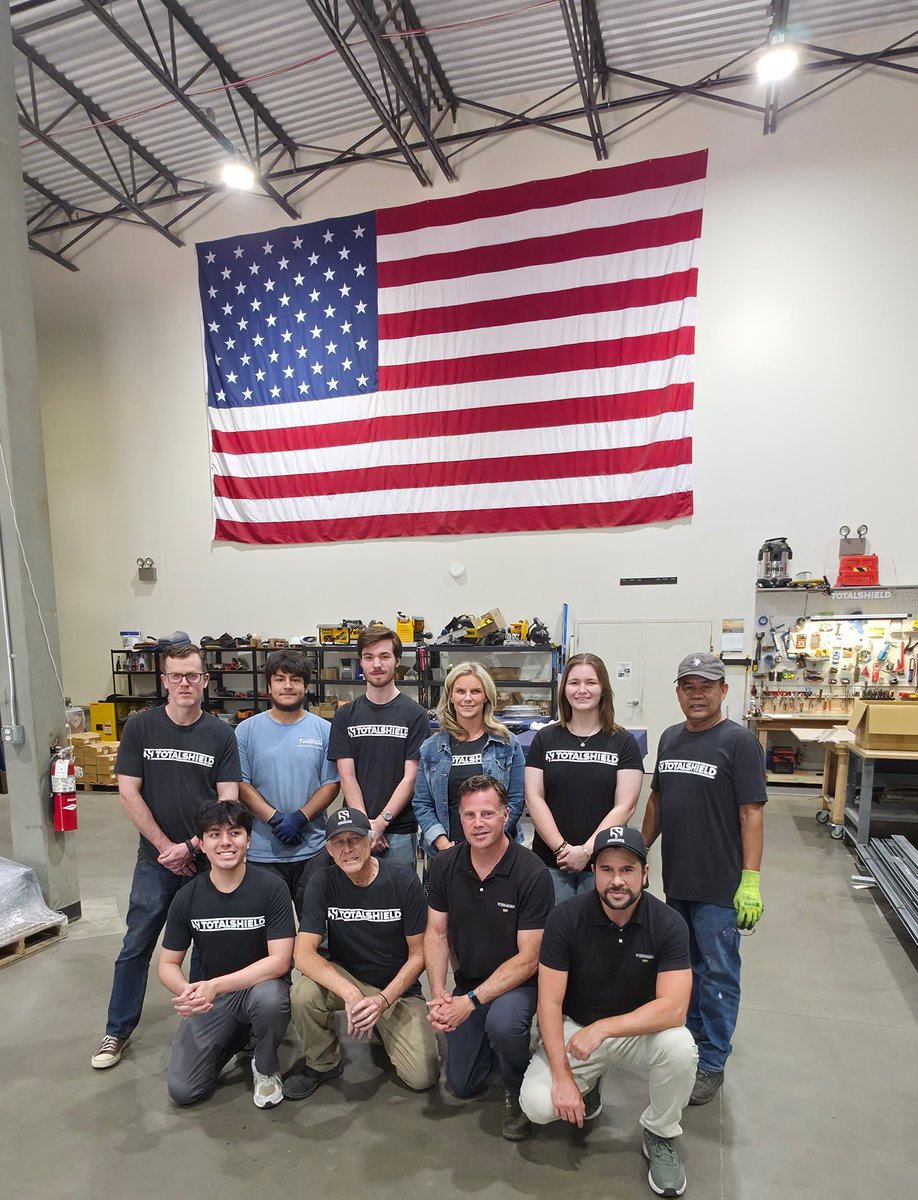
We just took delivery of four huge machines that we need for flexible shielding manufacturing at TotalShield. They came in bigger than I expected, so now I'm getting a quote to knock down a wall to fit them.
I would not be spending that money if I thought this was a moment instead of durable boom
🇺🇸🇺🇸🇺🇸
1
1
3
225
Jun 12
Terrible

🚨 PURE DEMONIC EVIL: Ghoul Caught Urinating on Austin Metcalf’s Grave After Karmelo Conviction 🚨
This isn’t AI. The Black community has a serious God problem.
This is straight-up satanic wickedness—the most demonic thing I’ve seen. Some broken, soulless ghoul actually filmed himself urinating on Austin Metcalf’s grave.
No respect for the dead. No fear of God. Just pure evil on full display.
We can’t keep ignoring this spiritual sickness.
#JusticeForAustinMetcalf #AustinMetcalf #KarmeloAnthony #SpiritualWarfare #NoRespect #GodProblem #CemeteryDesecration #WakeUpAmerica #RIPAustin #Viral

1
226
Jun 12
This cannot stand much longer.
Jun 11

Two fathers in Rotherham tracked down their daughters to the houses where they were being abused.
They went to bring their children home.
The police arrested the fathers.
That sentence appears in an official British inquiry — the 2014 Jay Report — not in a tabloid.
One parent was reportedly told an "older Asian boyfriend" was a "fashion accessory" for girls in town. A senior officer reportedly worried the town "would erupt" if the truth became public.
In Japan, a father who pulls his daughter out of a rape house is called a father.
In Rotherham, between 1997 and 2013, he could be booked as a suspect.
When the state stands between a child and her rescuer, whose side is the law actually on?
2
5
247