
Joined May 2008
- Tweets 4,889
- Following 281
- Followers 1,988
- Likes 15,536
488 Photos and videos






Matthew Haywood retweeted

8 Mar 2024
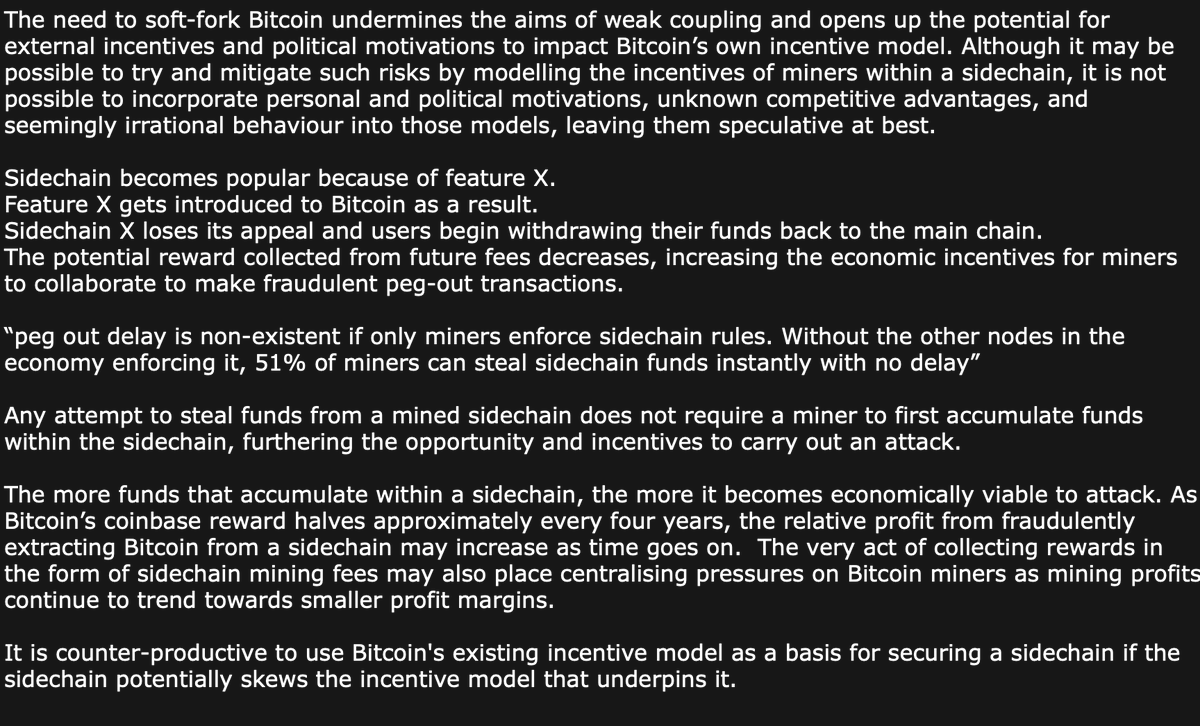
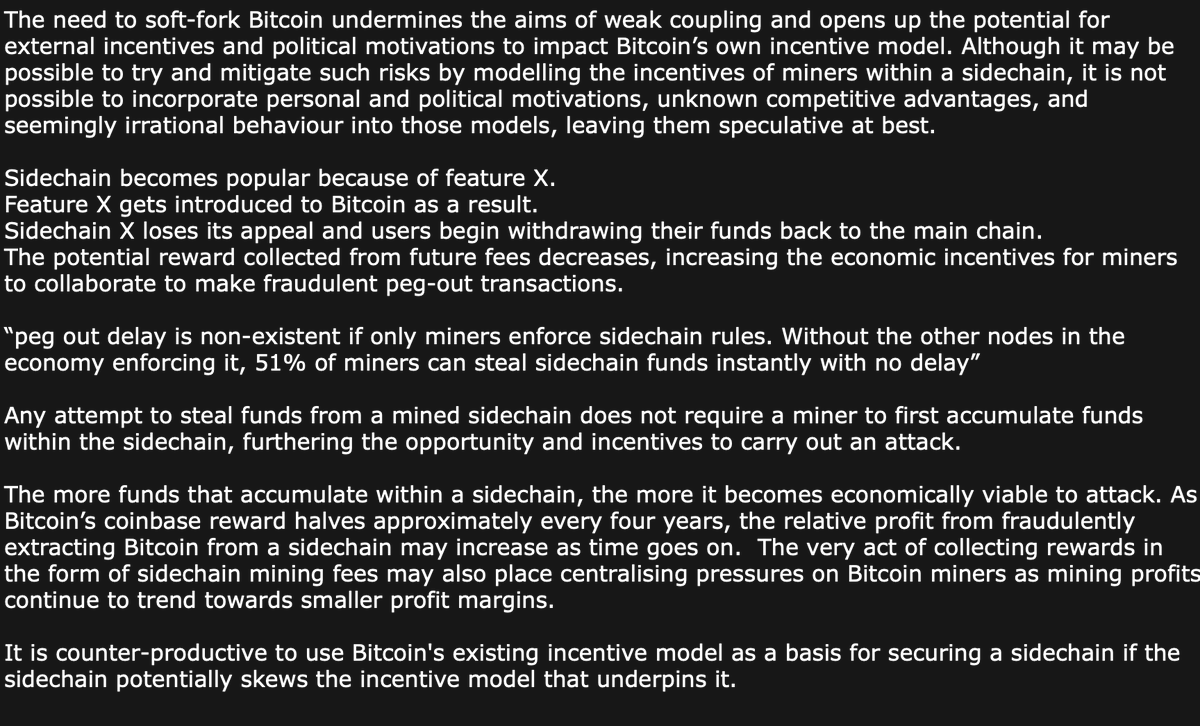
Many of you have been wondering what I've been up to for the past ~year... so here's a short thread about my journey launching @TwentyTwoHW👇🧵
69
118
630
170,557
Matthew Haywood retweeted

7 Dec 2023
Introducing Elements Academy 🎓, a new instructional video series to help you learn Liquid and the open-source Elements platform it's built on.
🌊 Set up and run a Liquid node
💡 Peg-in yourself
🦄 Use the elements-cli for custom features
⛓️ Create your own Bitcoin sidechain
9
46
137
32,044

29 Nov 2023
Of course every school child knows that once used water is gone forever. The water cycle is a lie. When you brush your teeth that water is gone forever. This is GOOD news though as it off-sets the claims Bitcoin mining is raising sea levels leaving a net zero change to sea levels
29 Nov 2023

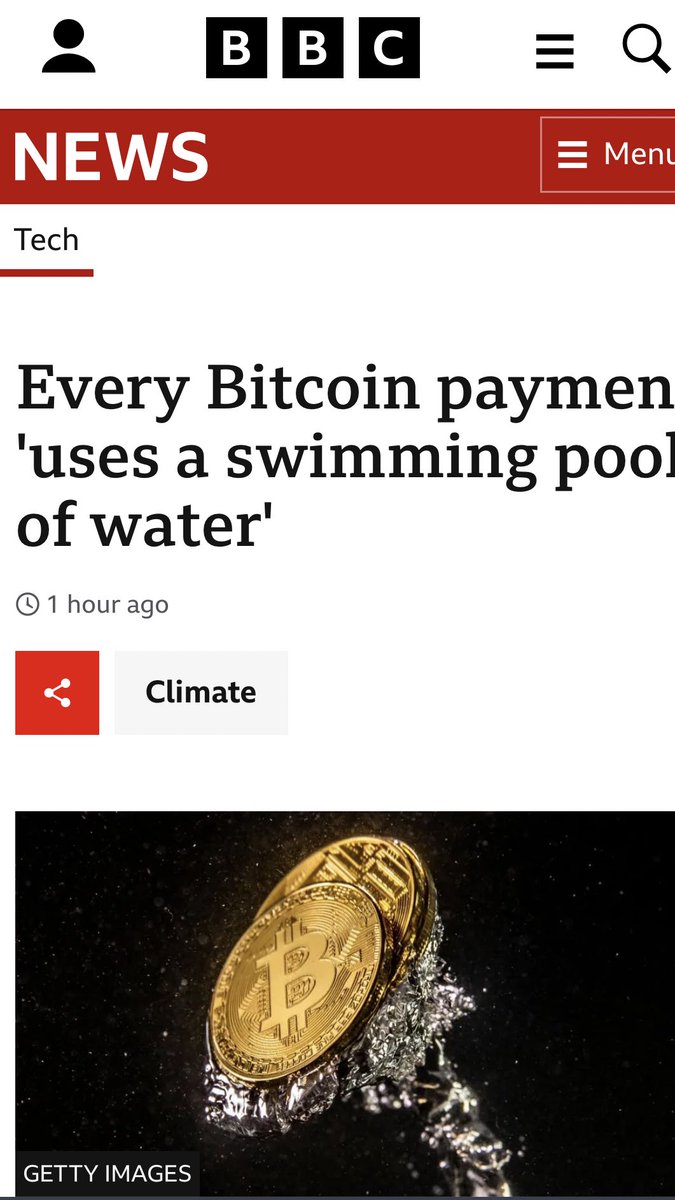
This bullshit by Alex de Vries of the Dutch Central Bank has been debunked many times. Now it’s getting recycled to celebrate the start of COP28.
bbc.com/news/technology-6756…
1
3
395
29 Nov 2023
This is such a lame take.
"Up to three billion people worldwide already experience water shortages, a situation which is expected to worsen in the coming decades, the study notes."
- the same regions that use water for cooling Bitcoin miners? That's why they imply. I call bs.
1
3
110
Matthew Haywood retweeted

27 Oct 2023
“Bitcoin is not a hedge” by
@parkeralewis is one of the must watch presentations on Bitcoin that I’ve watched. I will highly recommend to share it to anyone who wants to learn about #Bitcoin.
youtu.be/Z6qzEYxBYcQ?si=cpqW…
6
34
88
9,044
13 Oct 2023
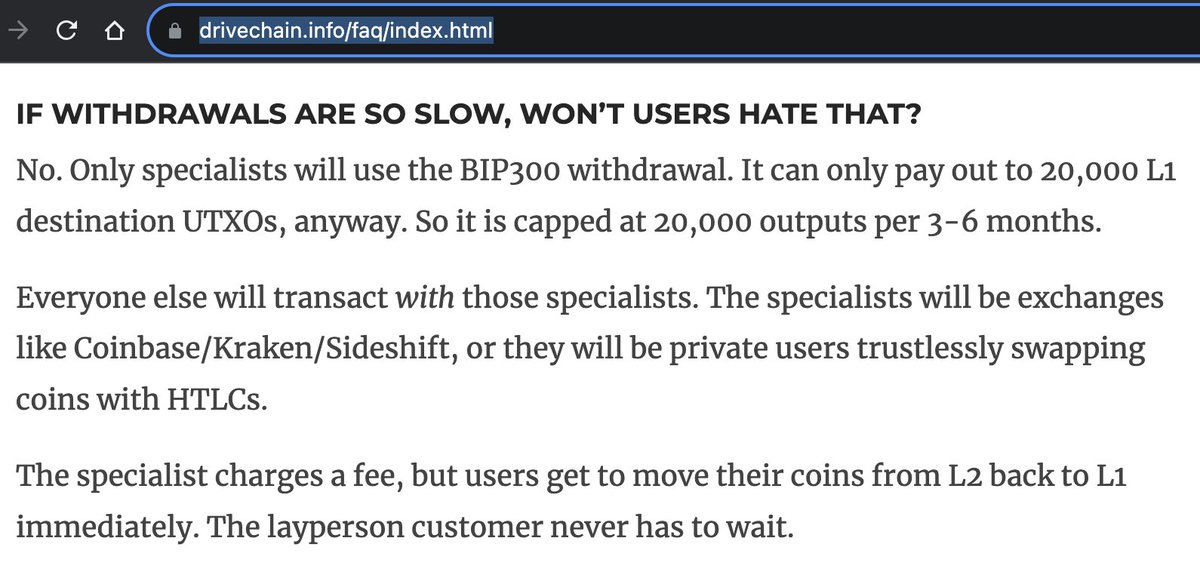
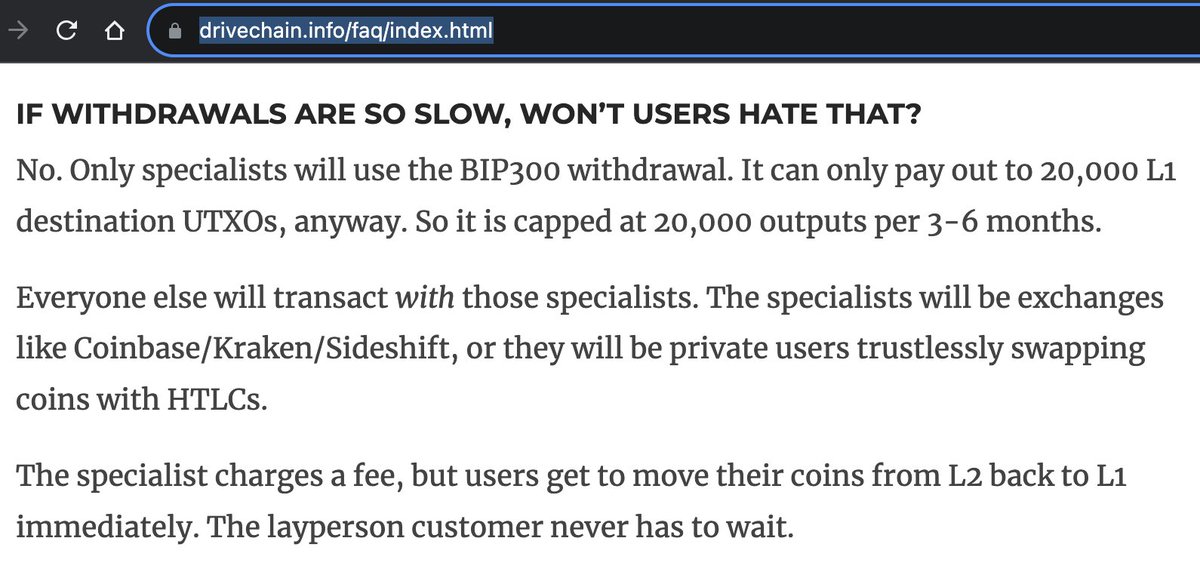
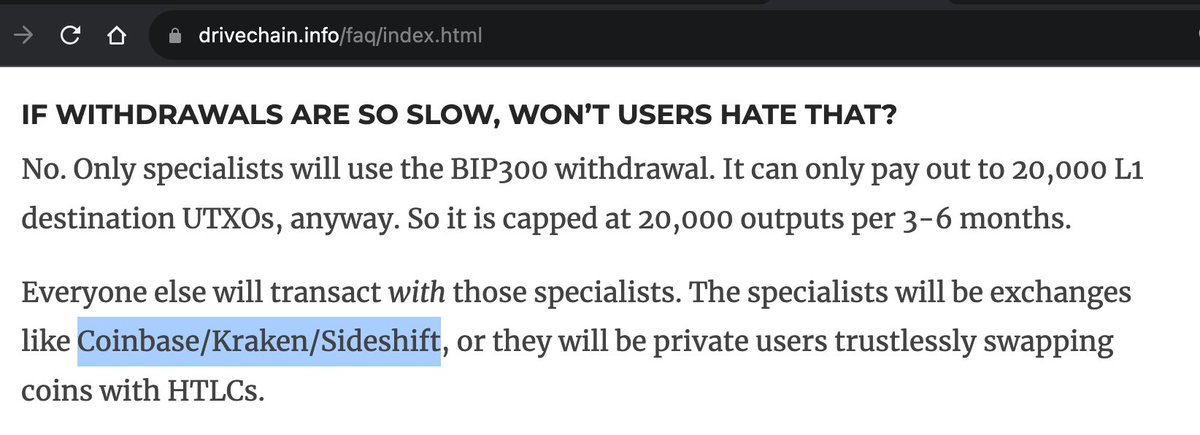
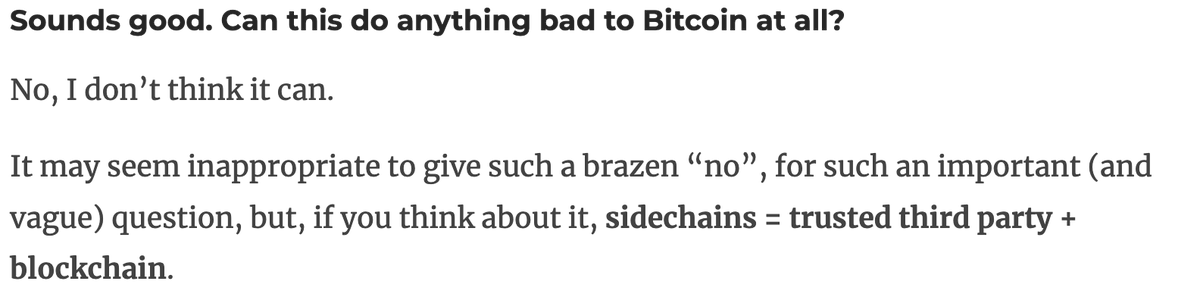
Hopefully this is the last time I mention drivechains 😉
"Drivechains — potential issues as they relate to Bitcoin" medium.com/@wintercooled/dri…
2
193
13 Oct 2023
I'm sure people who see my tweets are tired of it but here's @peterktodd analysis.
"Of course, blind trust could very well work in practice! But if you’re that willing to rely on trust, why are we going to the trouble of using Bitcoin in the first place?"
petertodd.org/2023/drivechai…
1
3
13
2,974
22 Sep 2023
Very smart idea...
21 Sep 2023

Introducing UTXOracle.py - Get the price of bitcoin without any exchange or third party.
Everyone who runs this will get the same price independently.
Open source, 100% on-chain data, no external libraries, no cookies. Works offline.
utxo.live/oracle/

3
162
Matthew Haywood retweeted

3 Sep 2023
Thought provoking take from @alpacasw. Throwing out some shower thoughts:
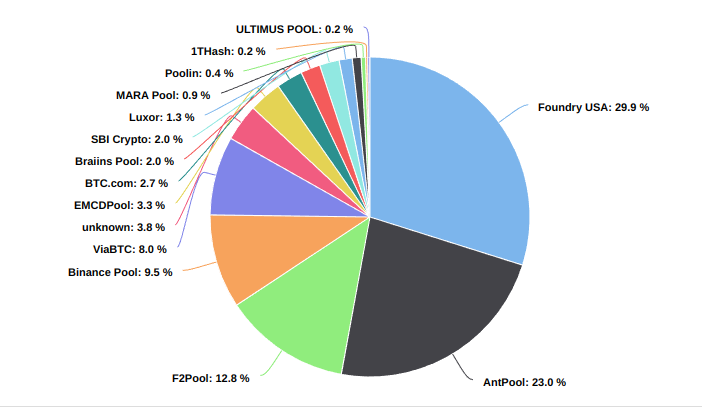
The math is a bit off but the idea is if you evenly divide the current hash pools into equivalence of keys, then you have 2 pools that can collude and steal because they can vote to withdraw to themselves over ~3 months. It's unclear if people during this time would switch their hash rate away from these pools if they knew their pool was going to get a pay-day from the DC theft. Smaller pools wouldn't necessarily benefit from the theft. In return it could temporary cause more mining centralization where miners would want to be part of one of the benefiting theft pool. After the theft is complete, I imagine the pools would go back to some sort of homeostasis.
There are 2 things DC game theory relies on to combat this:
1. Fees on sidechain, which would make it unattractive to destroy the sidechain in the first place.
2. If the sidechain has enough economic activity then there is the potential idea of a UASF in response, to combat this threat.
I think of UASF's as the "nuclear option". Still imo never really been tested despite some wanting to say this was how segwit v0 was activated. Unlike theft from a spend any segwit transaction, theft is part of the protocol with DC. It wouldn't defaultly cause a chainsplit.. similar if DC were activated it wouldn't cause a chainsplit unless users wanted to actively look for suspicious DC activity and do a URSF or support minority miners stealing before the 3 month period (imo the cases for URSF/UASF are non-sensical and seem silly in both directions for DC - made more sense for segwit).
For hashrate escrows the interesting thing, (considering there isn't other issues with MEV!), is this is a permissionless federation. The term "decentralization" in the Bitcoin/Blockchain land was never about geographic distribution or division of pool entities, instead it was about whether or not the protocol was permissionless to allow newcomers to be first class citizens of the network without formal agreements and bureaucracy. DC is a true decentralized protocol where miners can (ignore, participate, vote, attempt theft) at will. Unlike Liquid, which uses signatories that potentially need to revoke keys, sign business contracts, be known (or semi-known) entities, and coordinate off-band to form the federation. (This is not to rag on the security model of Liquid btw, as @LukeDashjr believes this is superior to DC and historically @Excellion has said the only real attack on Liquid is an Oceans Elven style attack).
Decentralized idea of PoW blockchain governance is fascinating to me and why I believe most of us have accepted Bitcoin as something to pay attention to. It's unclear to me if this idea to secure L1 is also a good/bad idea to secure sidechains via a hash-escrow (given so many strong opinions, I've come across recently). The unfortunate part, imo, it's unclear if it's possible to prove any complex game theory without actually testing on the mainnet. I believe it's unlikely but also unfortunate this couldn't be "stopped" if supported by miners. Zealous bitcoiners that truly want to protect the longevity of Bitcoin would attempt to pressure miners to abandon or steal from DC's (i guess?). For me personally I would like more core maintainers/contributors to feel comfortable with DC before I personally felt warm and fuzzy with it. If done without core, via a public MASF, it will be the first one I've known about done this way (Unsure but my guess is there's a bunch of insignificant secret MASF's that aren't bothering people), but this SF with current implementation would be identifiable a couple ways including the spend-any escrow accounts.

Drivechains make Liquid look decentralized. 21350 keys but 10,000 of them held by two people.
5
3
15
4,533
31 Aug 2023
BIP300 sidechains will not kill altcoins.
This 'opt-in' talk completely ignores the potential risks to Bitcoin mining incentives that affect everyone.
Any attempts to point these out are called "gatekeeping" - like people shouldn't erect gates to keep out risk.
31 Aug 2023

I’m not even sure which one is the state attack/psyop:
– pushing for a Bitcoin soft fork that allows users to create opt-in sidechains secured by miners
– dismissing Bitcoin scaling proposals as attacks, for the direct benefit of Ethereum, Zcash & other shitcoin blockchains
4
3
25
5,126
2 Aug 2023
2017 was the best year for Bitcoin in my eyes, not sure it will ever be topped for sheer drama alone.
Back then I wrote about UASF, Segwit2X and BIP 91 "Segsignal", mostly so I could understand it all myself...
medium.com/@wintercooled/the…
medium.com/@wintercooled/seg…
1
1
3
257
2 Aug 2023
My medium posts were devoid of drama and mostly focused on technical details of activation so if you don't know much about the era "The Blocksize War" by Jonathan Bier is an entertaining read with ample amounts of drama and entertaining characters.
1
71
18 Jul 2023
I really hope so...

The UK’s nuclear renaissance is underway 🇬🇧
Great British Nuclear will drive forward clean, reliable nuclear energy projects for generations to come.
Boosting energy security, supporting high-skilled jobs and growing the economy.
Find out more: gov.uk/government/news/briti…
2
170
Matthew Haywood retweeted

22 Jun 2023
oh wow, decent momentum towards ratio'ing the chancellor of the exchequer about inflation 👀
22 Jun 2023

because you printed a metric fuck ton of money
/end
8
6
103
18,412
Matthew Haywood retweeted

Kudos to @BtcPrague for the speed of production/publication!!! Here's my keynote speech about "Ordinals"! Enjoy!
15 Jun 2023

youtu.be/596InlNtfD0
[KEYNOTE VIDEO]
Ordinals Are Retarded by @GiacomoZucco
Very serious topic and an important lesson from bitcoin history presented by well-known OG entertainer Giacomo.
You can find some useful show notes in the video description. DYOR
Track: #Bitcoin as open-source #technology
#BTCPrague 2023 #BTC #FOSS
4
16
80
19,056
15 May 2023
Always a good read from @Breez_Tech
"We don’t need more Lightning apps. We need more apps with Lightning."🎯
And I can't believe I haven't thought about it before but #Lightningnetwork fees are "proportionally priced".
medium.com/breez-technology/…
3
211
21 Mar 2023
"stack your face off" 🤣
20 Mar 2023

How do you not stack your face off after watching this?? #bitcoin
Spitting 🔥🔥🔥 @jackmallers
9
934
Matthew Haywood retweeted

20 Mar 2023
Jack Mallers on fire! 🔥🔥🔥
"You've gotta be absolutely crazy to believe the Federal Reserve right now. They're full of it. And I don't have to, because I own bitcoin."
#bitcoin
210
1,216
4,959
431,530