
Joined June 2012
- Tweets 1,207
- Following 146
- Followers 1,462
- Likes 612
37 Photos and videos









19 Nov 2025
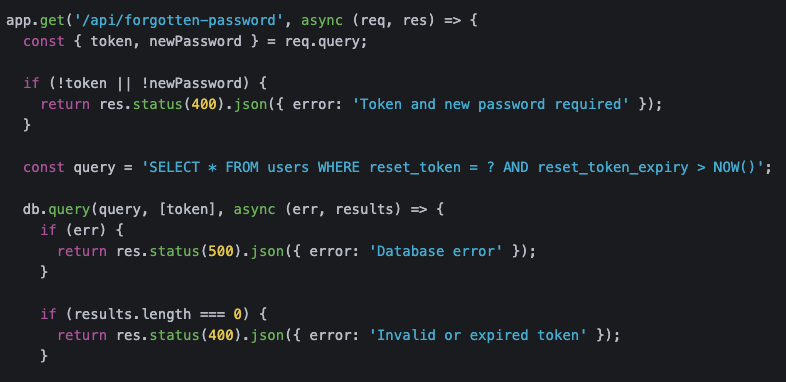
RT @irsdl: The blog.mantrainfosec.com/blog/… post by @xorxoreip shows how prepared statements can be exploited in NodeJS using mysql and mysql2 p…
2
90
19 Nov 2025
New blogpost: Prepared Statements? Prepared to Be Vulnerable.
An interesting take on how vulnerable configurations can be exploited.
blog.mantrainfosec.com/blog/…
2
4
302
Balazs Bucsay [EQ] retweeted

19 Jul 2025
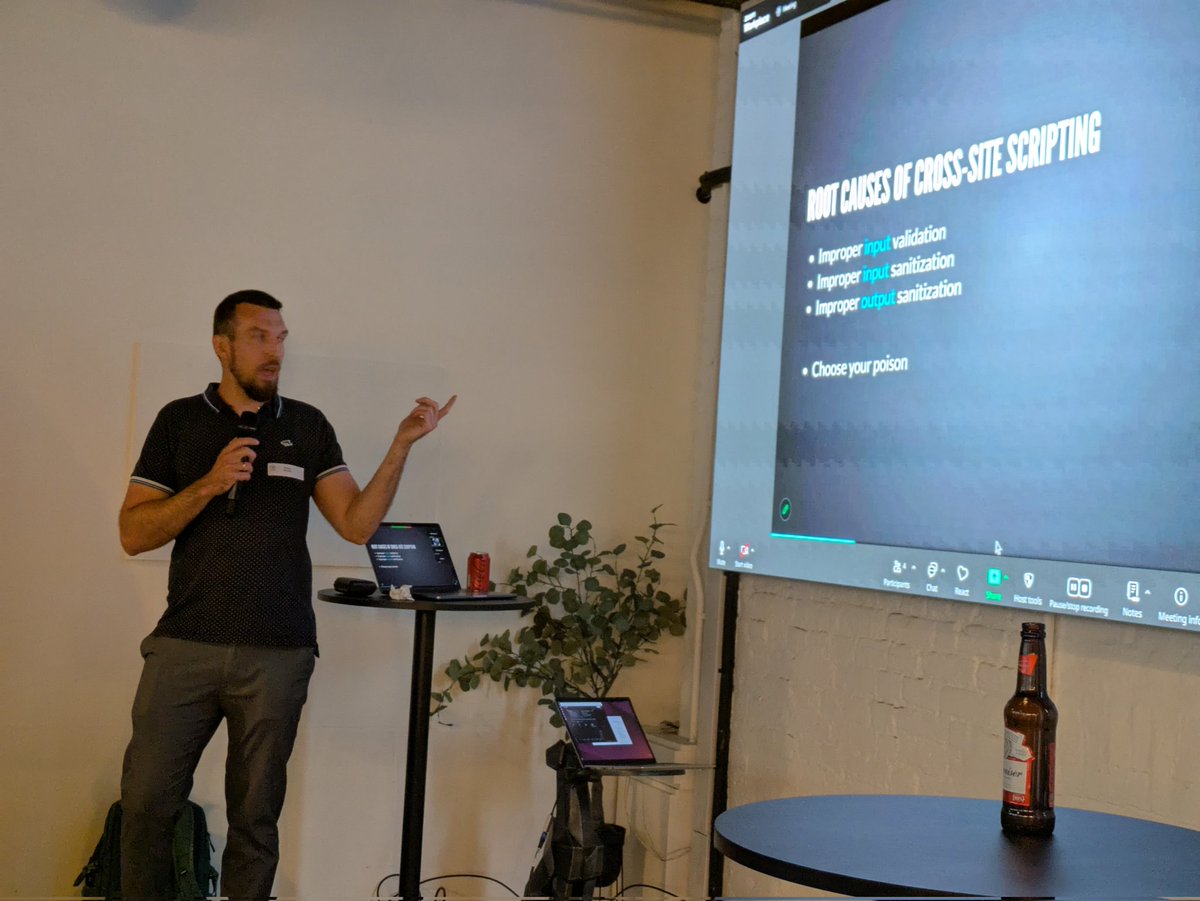
Many thanks to @xoreipeip for presenting his talk "Server-Side Cross-Site Scripting" #XSS at the #OWASPLondon Chapter meetup last week!
The video recording of the talk is now available to watch on our YouTube channel 📺 [PLEASE SUBSCRIBE!]:
👇
youtube.com/watch?v=UNoUEBNh…
4
6
921
17 Jul 2025
I hope the presentation was more attractive than this picture of me!
17 Jul 2025

Our July meetup has started! We have @xoreipeip on stage right now speaking about Server-Side Cross-Site-Scripting.
Watch the live-stream 📺 here:
👇
youtube.com/live/01vyEb0GUSk…
1
1
294
17 Jul 2025
Put together a short blog post detailing a small Ghidra related fix I recently hacked together. Might save others some time.
17 Jul 2025

NEW BLOG POST: Automated Function ID Database Generation in Ghidra on Windows - blog.mantrainfosec.com/blog/…
158
Balazs Bucsay [EQ] retweeted
4 Jul 2025
The next OWASP London Chapter in-person Meetup will take place on Thursday 17th July 2025 kindly hosted by Civo Tech Junction and kindly sponsored by @BlackDuck_SW
Talks from @xoreipeip and Matthew Brady
- Register to attend here:
👇
meetup.com/owasp-london/even…
4
5
821
17 Jun 2025
I've written a free book to help non-technical readers understand and avoid scams.
It's designed for friends, grandmas, moms&pops. Anyone who might be vulnerable to online or phone scams. Please help spread the word and protect your loved ones.
LINK: mantrainfosec.com/scambook
2
2
216
Balazs Bucsay [EQ] retweeted

13 Jun 2025
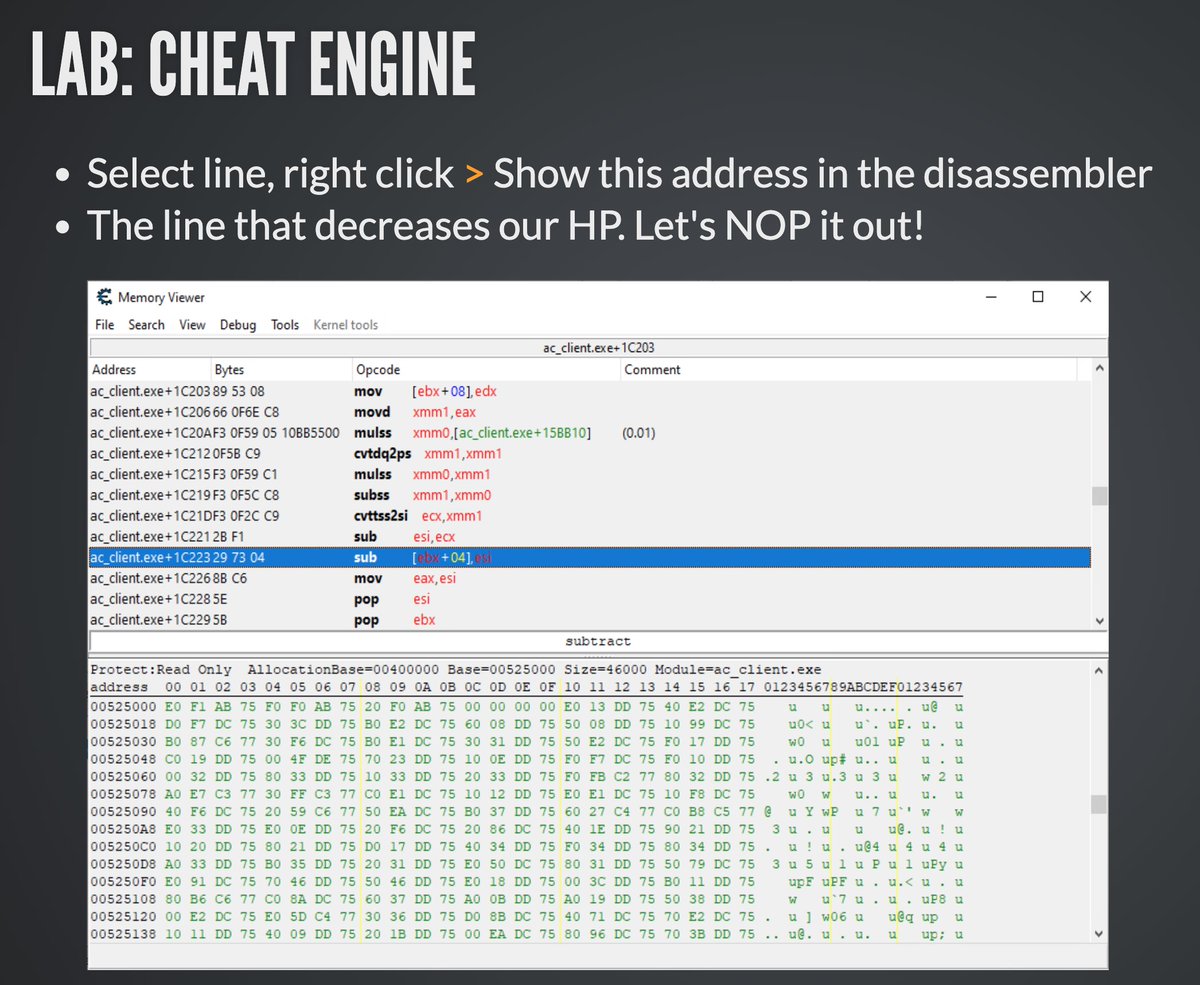
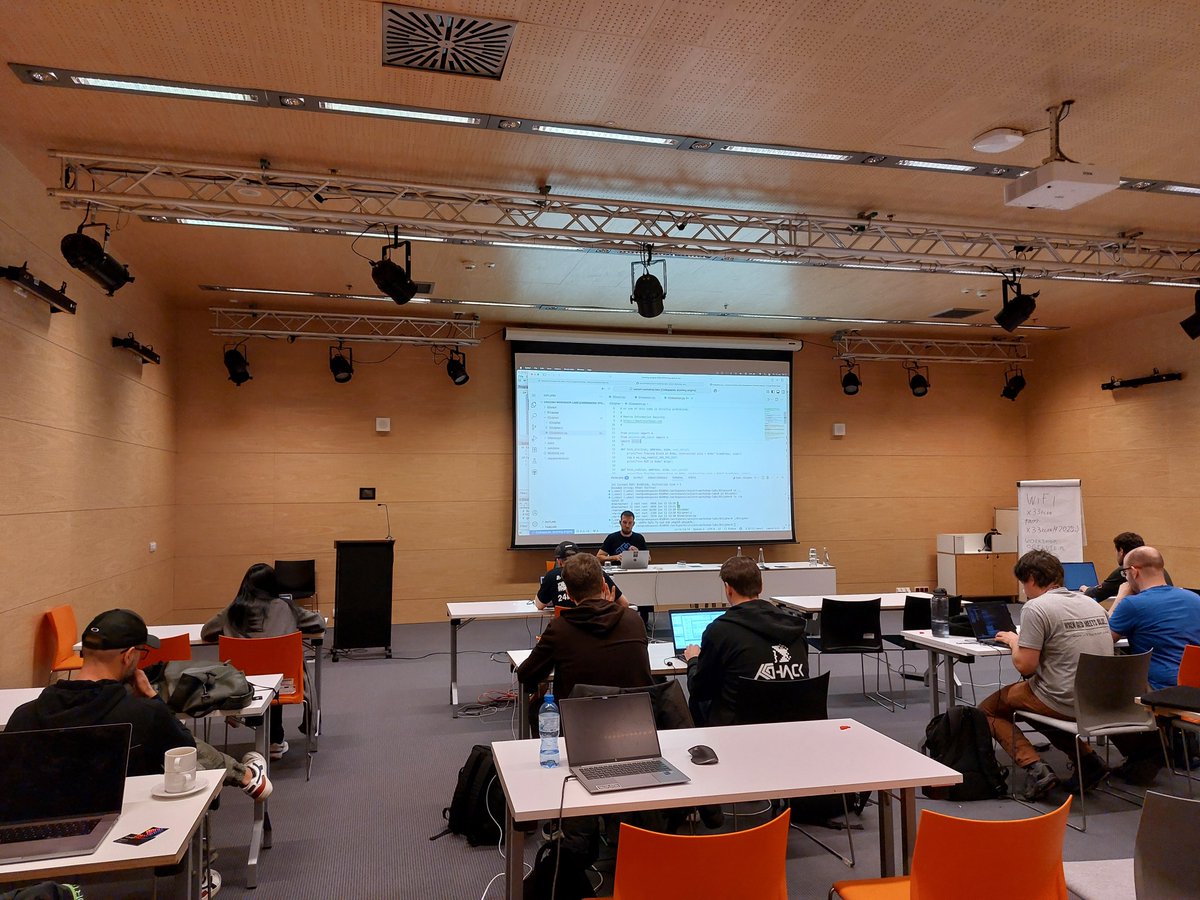
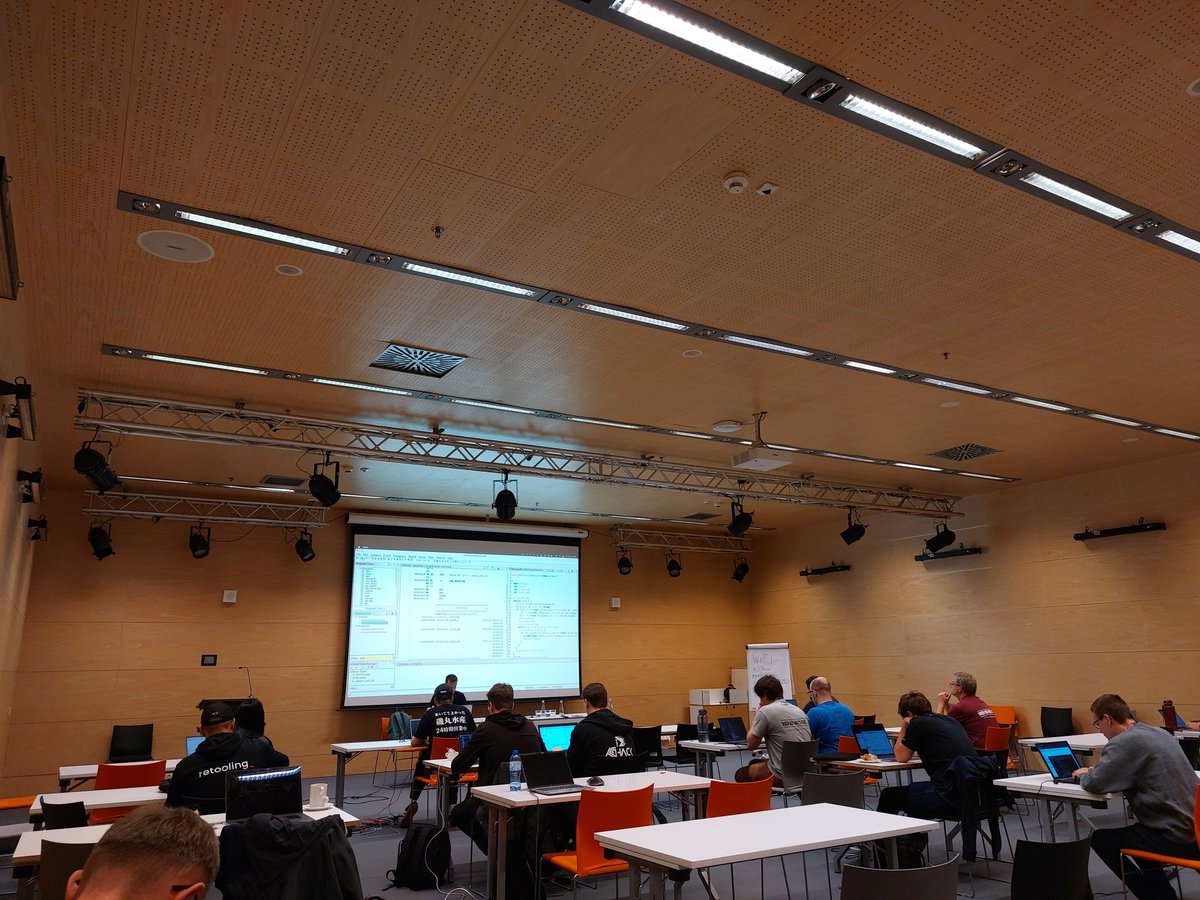
#Workshop "Defeating #Encryption By Using Unicorn Engine" at #x33fcon by @xoreipeip - #reverseEngineering #hardwareHacking #red
2
3
598
Balazs Bucsay [EQ] retweeted

5 Jun 2025
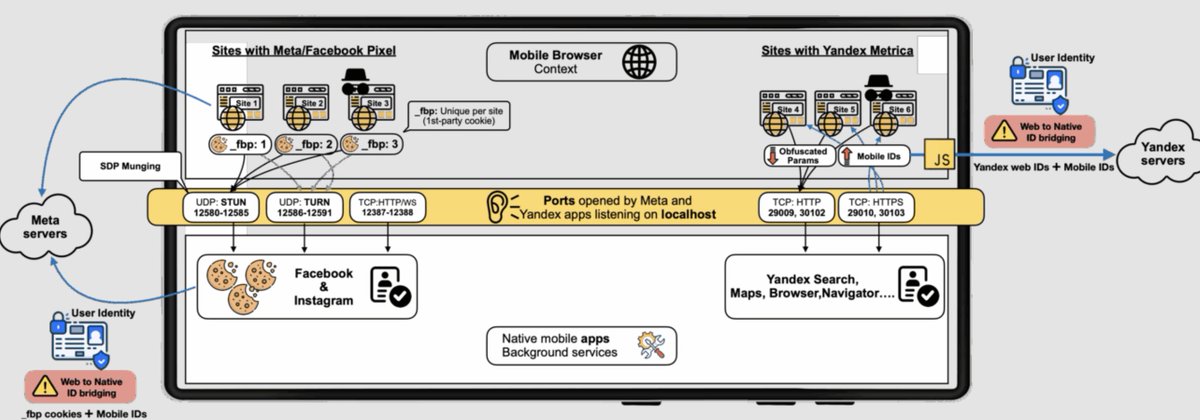
Meta and Russian Yandex engaged in unprecedented internet tracking practices, likely illegal with EU data protection law. Companies designed tracking systems that exploited Android's localhost socket permissions to create covert communication channels between websites and native mobile apps, bypassing Android's app sandboxing protections. Android allows any app with internet permission to listen on localhost ports without user consent, and web browsers can access these localhost interfaces. When users visit websites containing Meta Pixel or Yandex Metrica scripts, the JavaScript tracking code sends data directly to specific localhost ports (Meta uses UDP ports 12580-12585 via WebRTC, Yandex uses TCP ports 29009-30103 via HTTP). Facebook, Instagram, and Yandex apps run background services that actively listen on these predetermined ports to receive tracking data, then link this anonymous web activity to authenticated user accounts and transmit the combined data to company servers.
This technique affects billions of Android users and renders privacy protections like incognito mode, VPNs, and cookie clearing completely ineffective. Meta Pixel attempted localhost communications on over 17,000 of the top 100,000 websites, with 78% doing so without user consent. The method allows comprehensive profile building linking anonymous browsing to real identities, tracking everything from shopping to sensitive site visits. It also creates vulnerabilities where malicious apps could eavesdrop on browsing history by listening on the same localhost ports.
This surveillance operated without disclosure. Following public disclosure, Meta immediately ceased the practice and removed related code while browser vendors scrambled to implement protections.
The practice violates multiple GDPR and ePrivacy principles. The technique transforms supposedly anonymous first-party cookies into cross-site tracking identifiers without explicit consent, violating ePrivacy Directive requirements for cookie consent and GDPR's lawful basis for processing. By secretly linking web browsing to app-based identities, it constitutes undisclosed profiling that undermines user expectations and data minimization principles. This is a material for max #GDPR fine. localmess.github.io/
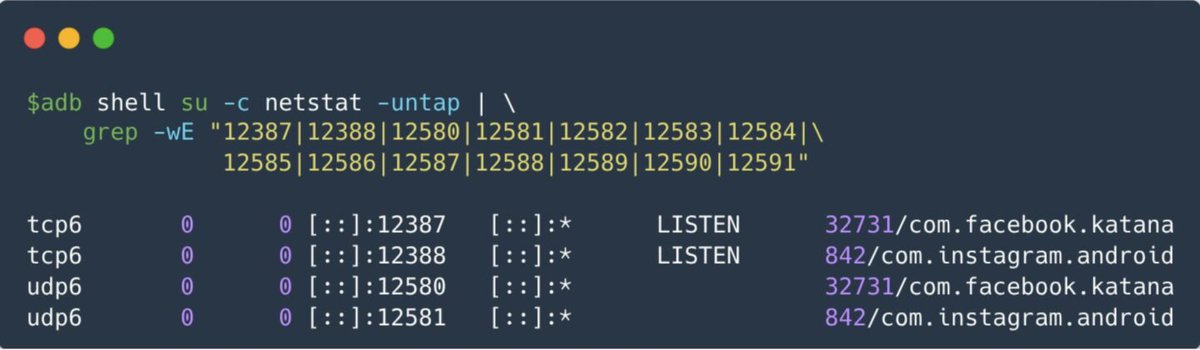
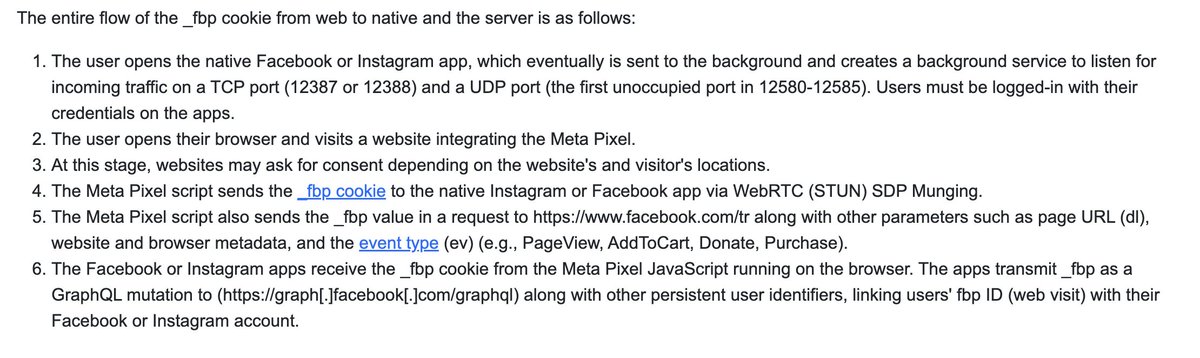
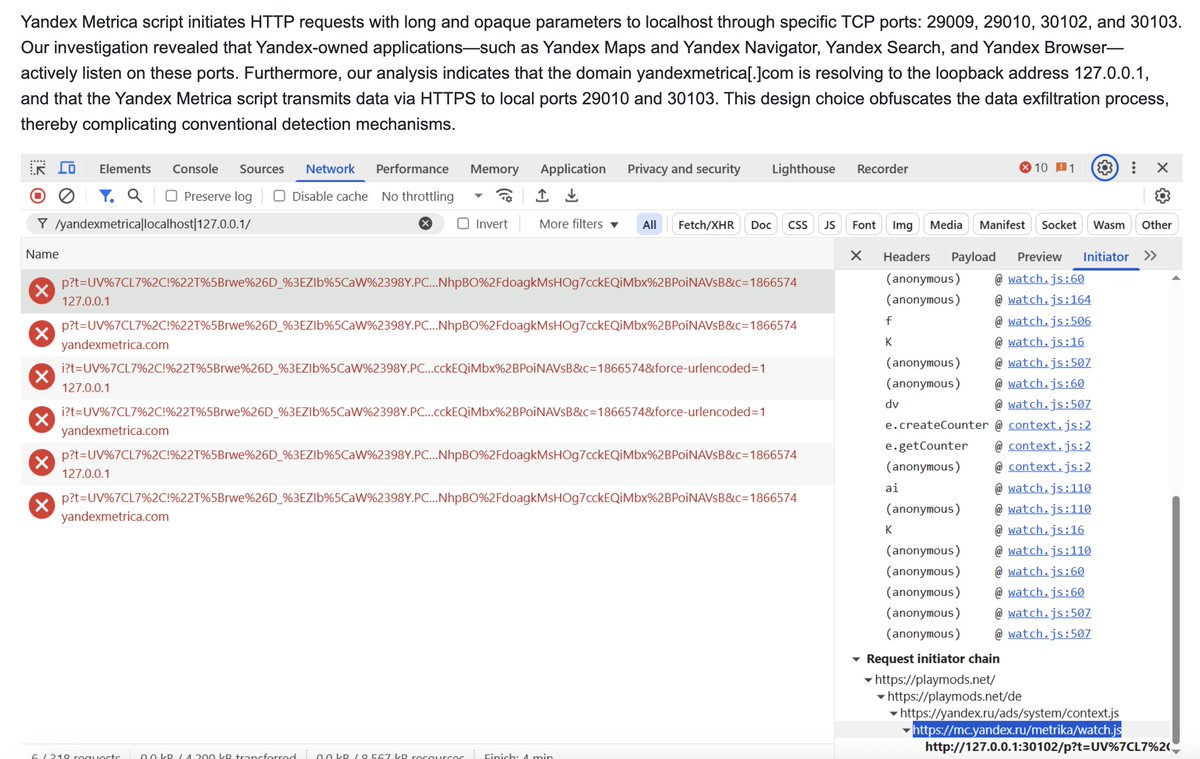
13
240
555
58,529

We've got two talks tomorrow evening at the Greene Man! @xoreipeip is talking about Cisco phones, and Nick Dunn bsky.app/profile/n1ckdunn.bs… will explain SOSL injection #defcon #london
2
4
410
Balazs Bucsay [EQ] retweeted
23 May 2025
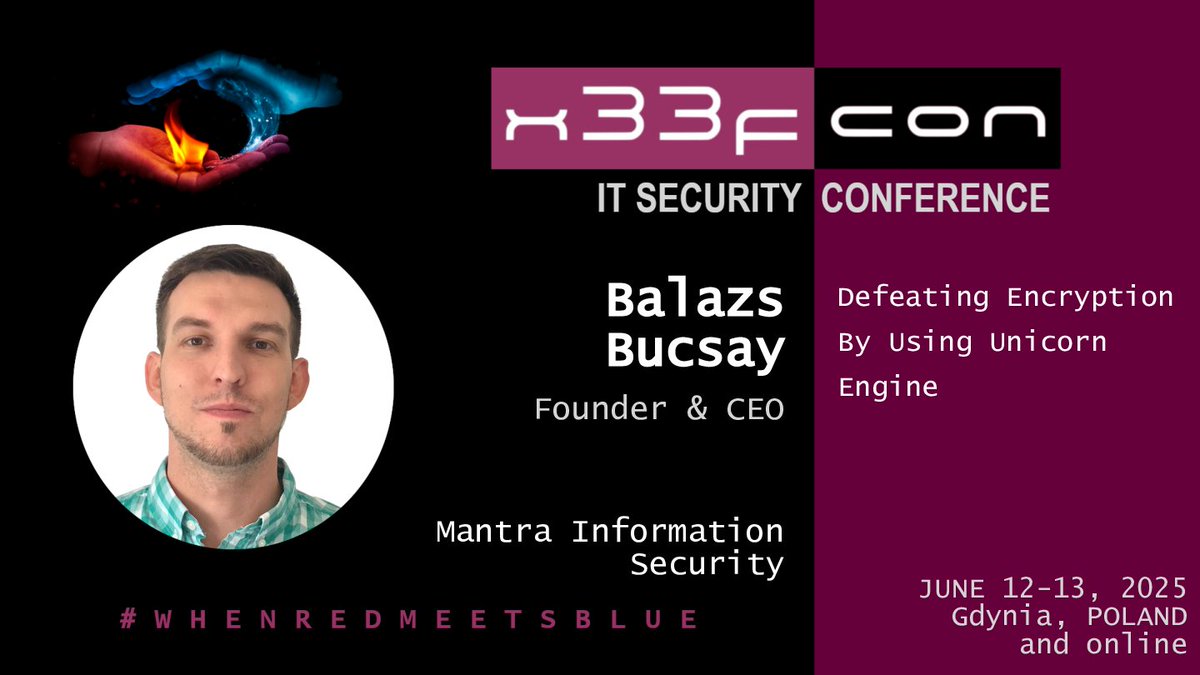
🚀 #x33fcon 2025 Onsite Workshop! 🚀
Join @xoreipeip to master software reverse-engineering with Unicorn Engine! Learn to dynamically execute and analyze code to crack encryption and obfuscation in binaries using Python and Ghidra. Perfect for #malwareanalysis, #vulnerabilityresearch, and #embeddeddevice hacking.
Details: x33fcon.com/#!w/BalazsBucsay…
4
6
833
Balazs Bucsay [EQ] retweeted

25 Apr 2025
🎤 Speaker Announcement 🎤
We’re excited to welcome @xoreipeip to the stage!
His talk?
“Is Your Phone Spying on You? An In-Depth Analysis of Vulnerabilities in Cisco VoIP Phones”
Don’t miss this deep dive into device-level security.
#BSidesBirmingham #BSides
4
5
403
Balazs Bucsay [EQ] retweeted

26 Mar 2025
Please welcome Balazs Bucsay with their talk on 'Is Your Phone Spying on You?'
Sponsored by Optimising IT | B Corp™, CyberCX, Cydea and Orange Cyberdefense.
Grab your ticket today ti.to/bsides-exeter/bsides-e…
#oooarrcyber
5
9
591
Balazs Bucsay [EQ] retweeted

31 Mar 2025
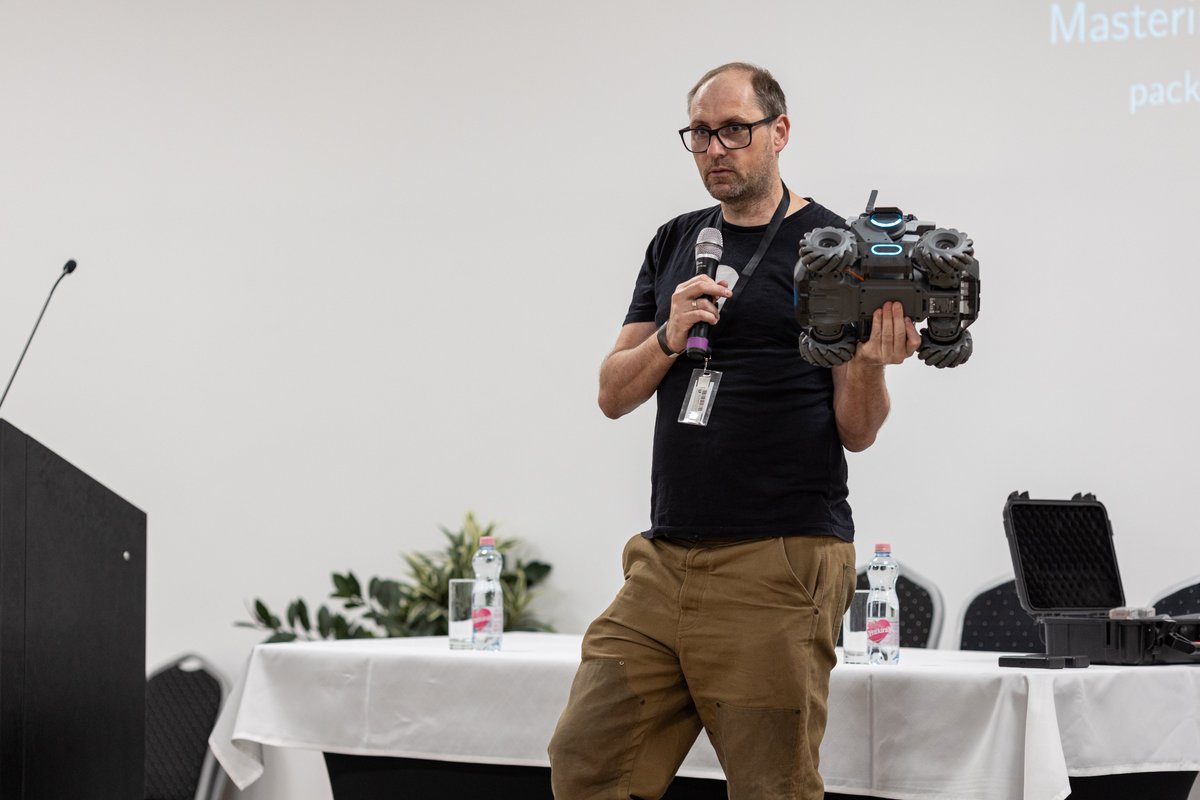
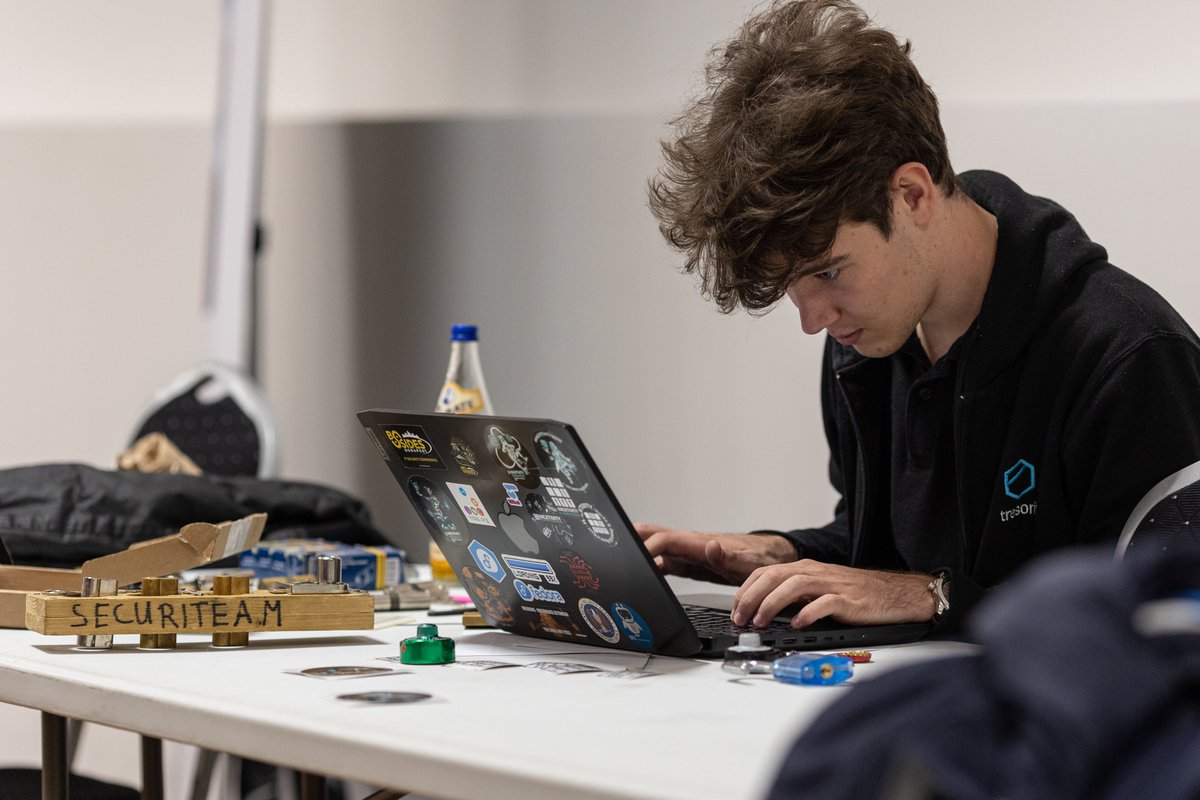
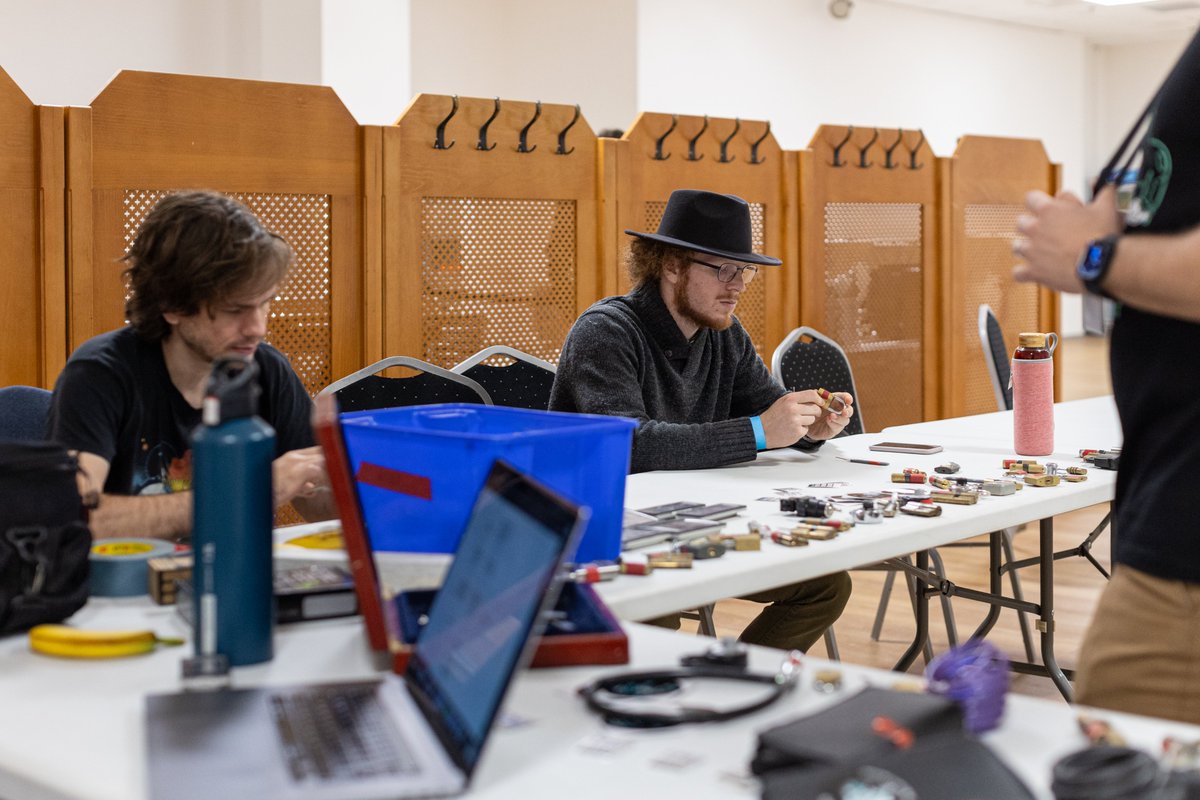
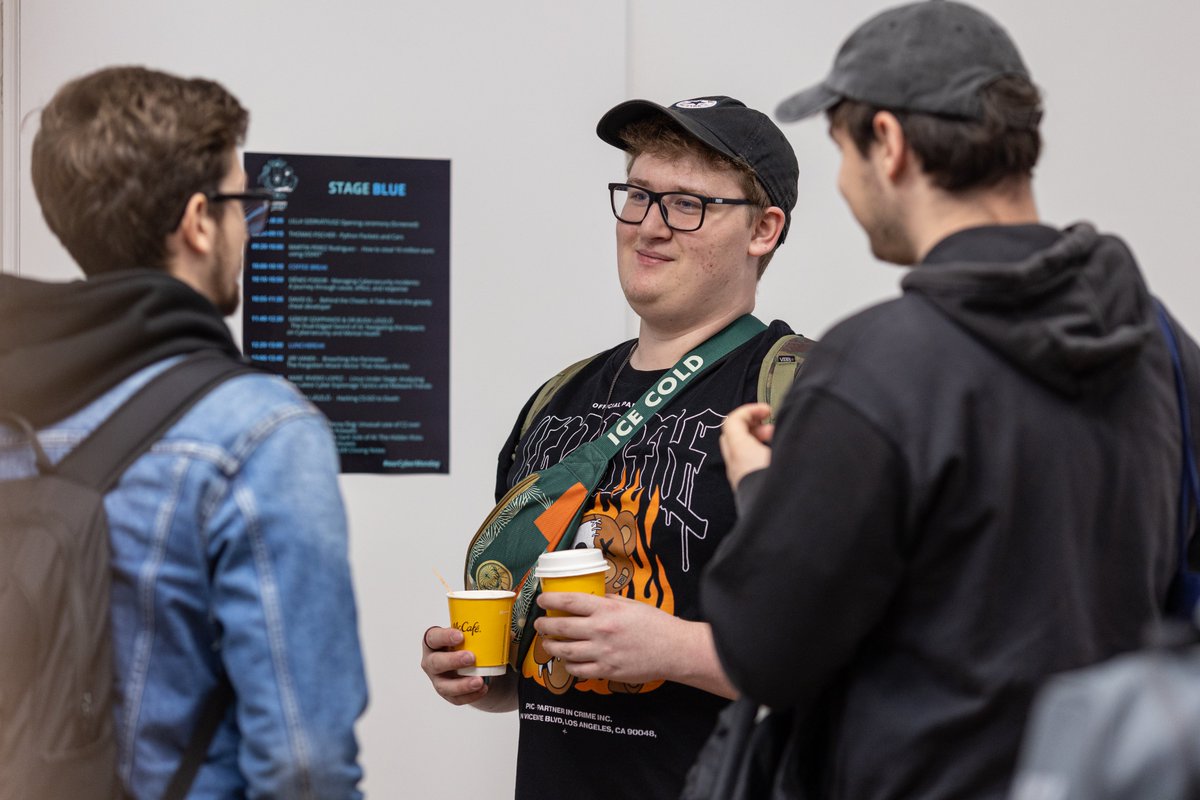
🔔 Hacktivity 2025 is calling—for papers, sponsors… you name it! 🎤💡 Want to speak, support, or engage? Now’s the time!📢 Be part of the community → Get in touch! hacktivity.com/
#Hacktivity2025 #CFP #CFS #Infosec #CyberSecurity
4
11
1,619
Balazs Bucsay [EQ] retweeted

20 Mar 2025
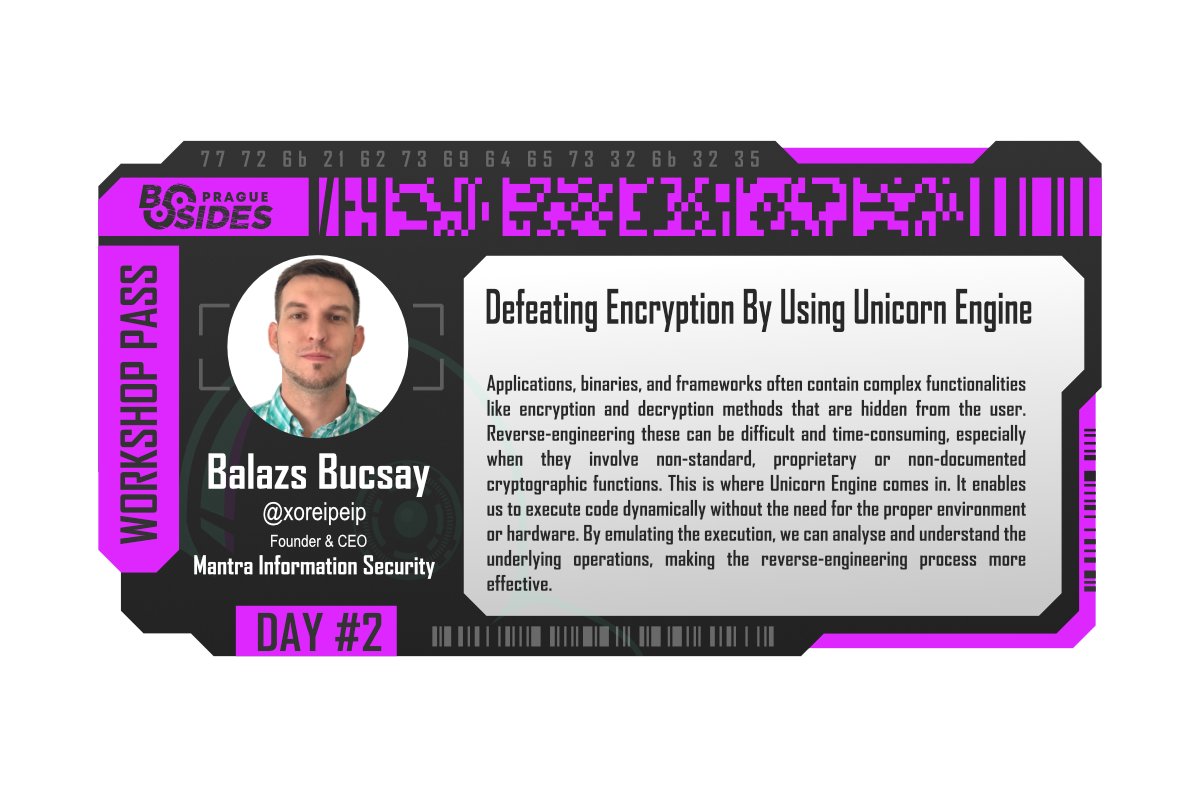
We’re thrilled to welcome Balazs Bucsay (@xoreipeip), Founder & CEO at Mantra Information Security, as a speaker at BSides Prague 2025. 🎤💻
#bsides #cybersecurity #conference #community #workshop
4
4
391
20 Feb 2025
See you there!
20 Feb 2025
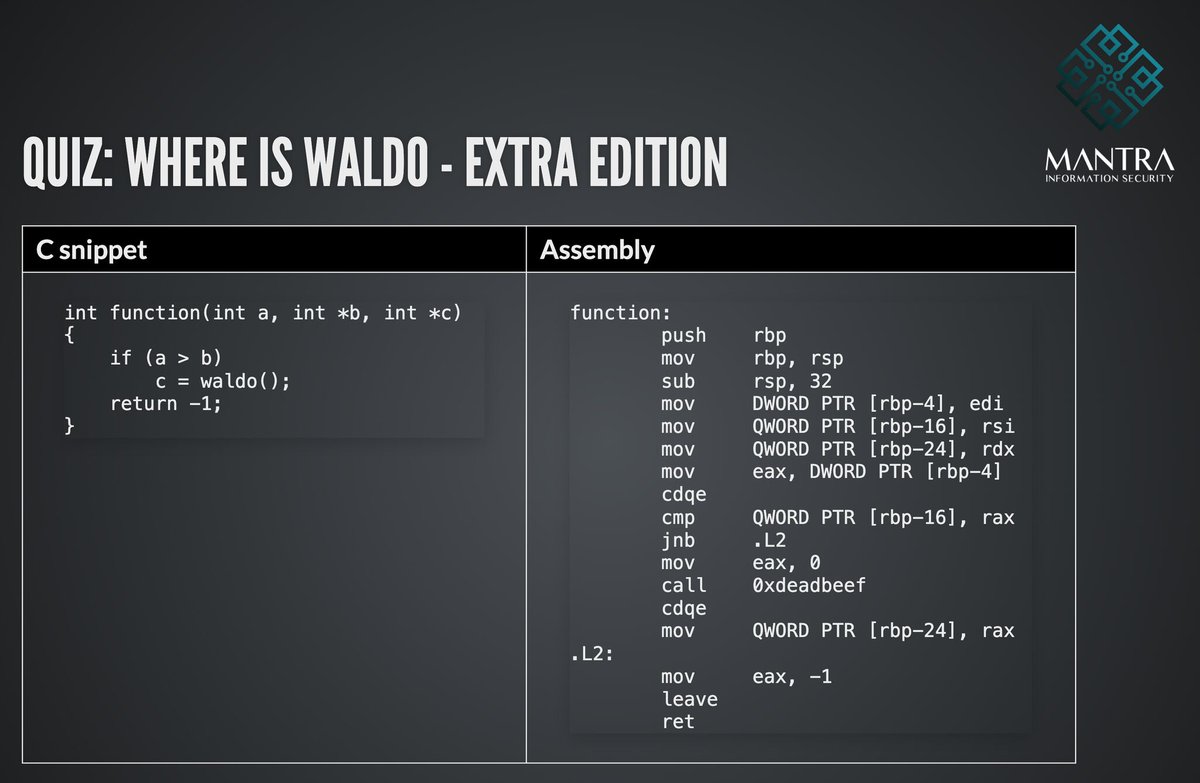
Next stop: Prague, Czech Republic! Join us at our Unicorn Workshop at BSides Prague - solve our challenges and win a couple of pints! 🍻 @bsidesprg #bsidesprg #bsidesprague
2
117
7 Feb 2025
Oracle cloud is a crime. You log in and the session times out after a while. You try to log in again, and when you log in, it logs you out. You log in again, but redirects you to a broken page. Log in again and finally work. 1/2
1
141
7 Feb 2025
VM created. It runs, it works. SSH is available. 4hours later, the port is open, SSH is not working anymore. OCI used to reboot the machine, which gets stuck in the "stopping" state for hours. Wtf? 2/2
1
111
7 Feb 2025
Why would I use this after the free trial or over the quota? I'd rather pay for something decent than something annoying and unreliable.
102
Balazs Bucsay [EQ] retweeted

10 Dec 2024
Our workshop, Defeating Encryption Using the Unicorn Engine will be held at @BSidesLondon this Saturday. All tickets are sold out, but @xoreipeip will be around for the whole day to chat.
2
1
285