
Special Education Law Advocate, Agree To Disagree People, NO DMs 💙💙
Joined April 2009
- Tweets 42,376
- Following 1,870
- Followers 1,237
- Likes 34,177
4,762 Photos and videos












16h
KAREN IS NOT INNOCENT.
Jun 13

Ooh, you dumb bitches are getting cute with your personal hate toward the very innocent, Karen Read.
Don’t shy away from Proctor now though— he’s about to bring so many familiar names back to the spotlight, and we can’t have you ignoring what’s happening because each one of you have publicly supported these individuals.
1
57
16h
Banana with 13 followers telling people about their faith 🤣🤣🤣 KAREN IS GUILTY AND YOU NEED AN EXORCISM

You know ..you really should say the Rosary daily. It works. Pray for clairvoyance. People who think Karen Read is guilty are beset by demons. If you say that you do pray daily and you still think Karen is guilty, then you have no faith in God. You're just a pretend Christian
1
1
28
17h
Why is he on here⁉️He says social media is NOT REAL LIFE. GO AWAY letter writer ‼️‼️‼️

You shouldnt talk about yourself so harshly.
1
9
246
22h
WE KNOW
WE DONT KNOW
WE KNOW
WE DONT KNOW
WE KNOW
WE DONT KNOW
🤣🤣🤣🤣🤣🤣🤣🤣🤣🤣🤣🤣🤣🤣🤣

1
7
71
22h
⬇️⬇️⬇️⬇️⬇️⬇️⬇️⬇️⬇️⬇️⬇️⬇️⬇️⬇️⬇️⬇️⬇️⬇️⬇️

Oh how cozy! Karen showing up to support Deitch! Can’t imagine why?!? 😡😡😡
@adamdeitch & @Kar1980Read reunited!
1
2
44
22h
Let’s talk about impeaching an attorney skinny D—- ‼️‼️‼️
Jun 13

You want to talk about the cell phone data and the TechStream data? Great. Let's talk about it.
These are the facts presented at trial, and notably, the defense did not call an expert to refute them.
Karen Read was intoxicated. Her SUV recorded a reverse event reaching 74.5% throttle and speeds up to 24 mph. At the same time, Officer John O'Keefe's cell phone stopped moving. She then left him and phoned him within minutes to tell him she “f*cking hated him”.
The SUV stops at 12:24:38. There is no recorded movement for seven minutes. At 12:31:56, a brief 20-second step event begins. During that period, the phone briefly pings the house while refining GPS accuracy, but the latitude and longitude do not change.
At 12:32:09, the last user interaction with the phone occurs.
At 12:32:16, movement stops.
Beginning at 12:33:14, 26,532 Doppler checks consistently register a pocket state for more than five hours, indicating the phone remained stationary.
At approximately 12:37 a.m., the battery temperature begins dropping and continues to decline, consistent with the phone being outside in cold conditions.
Coincidentally, Burgess concluded that the second trigger event, 74.5% throttle and speeds up to 24 mph in reverse, occurred between 12:32:04 and 12:32:12.
Movement does not resume until 6:04:01 a.m., when Karen Read, Kerry Roberts, and Jen McCabe are performing CPR. The phone registers movement because it is underneath John.
Notably, after John is moved onto the stretcher and the phone is exposed, the device records its lowest temperature, 37°F, at 6:14 a.m.
At 6:15:01 a.m., Kerry Roberts is seen on dash cam picking up the phone and baby blankets. At that same time, the pocket state clears. Once the phone is placed in her pocket, the battery temperature begins to rise. It continues rising when she gets into a warm vehicle.
This conclusion was not based on one isolated data point. Ian Whiffin relied on multiple independent data streams: steps, Doppler pocket state, user interactions, battery temperature, and location data. All of them told the same story.
He concluded that John O'Keefe's phone never moved far from the flagpole area from 12:25 a.m. until it was recovered in the morning.
Before Trial 2, a full extraction was performed in the presence of both parties' experts.
Burgess used Karen Read's own timeline, vehicle mileage, surveillance video, John O'Keefe's phone data, steering wheel inputs during the trigger events, and the admitted three-point turn on the way to 34 Fairview. That analysis allowed him to identify Trigger Event 1 (the three-point turn) and align Trigger Event 2 with the reverse maneuver that occurred eight minutes and 5 seconds later in front of 34 Fairview at the same time John's phone recorded its last movements.
At 8:23 a.m., a police dash cam captured the damaged taillight in the driveway of 1 Meadows. Barros confirmed on cross and recross that the taillight damage visible in the wellness check image was consistent with what he observed in Deighton. He also testified that the image in the Sally Port was not consistent with what he saw at Deighton, and that's correct. The image of the SUV in the Sally Port was no longer covered and packed with snow as it had been when he first observed it in Deighton.
All of those independent data sources tell the same story: John O'Keefe never entered the home. His phone stopped moving at the same time Karen Read's SUV recorded a high-speed reverse event, and the cell phone remained stationary until John O'Keefe was found. Her taillight was damaged and missing the red lens before the vehicle was ever brought to the Sally Port.
If John never entered the home, then arguments about who called whom, who butt-dialed whom, whose wording changed across multiple sworn testimonies, and who remembers what become secondary questions.
As David Yannetti stated on your show, "testimony changing is not unusual ... it doesn't always mean someone is lying ... when you tell a story of what happened, you never tell it the same way twice." The more important question is whether the objective digital evidence changes.
It doesn't.
That's why the phone data, vehicle data, battery temperature data, Doppler data, location data, and physical evidence all matter. They are independent data streams, and they all point in the same direction.
She was drunk, she hit him, and she left him.
1
7
154
Jun 13
Echos of Bederow 🤣🤣🤣😂😂😂
Jun 12

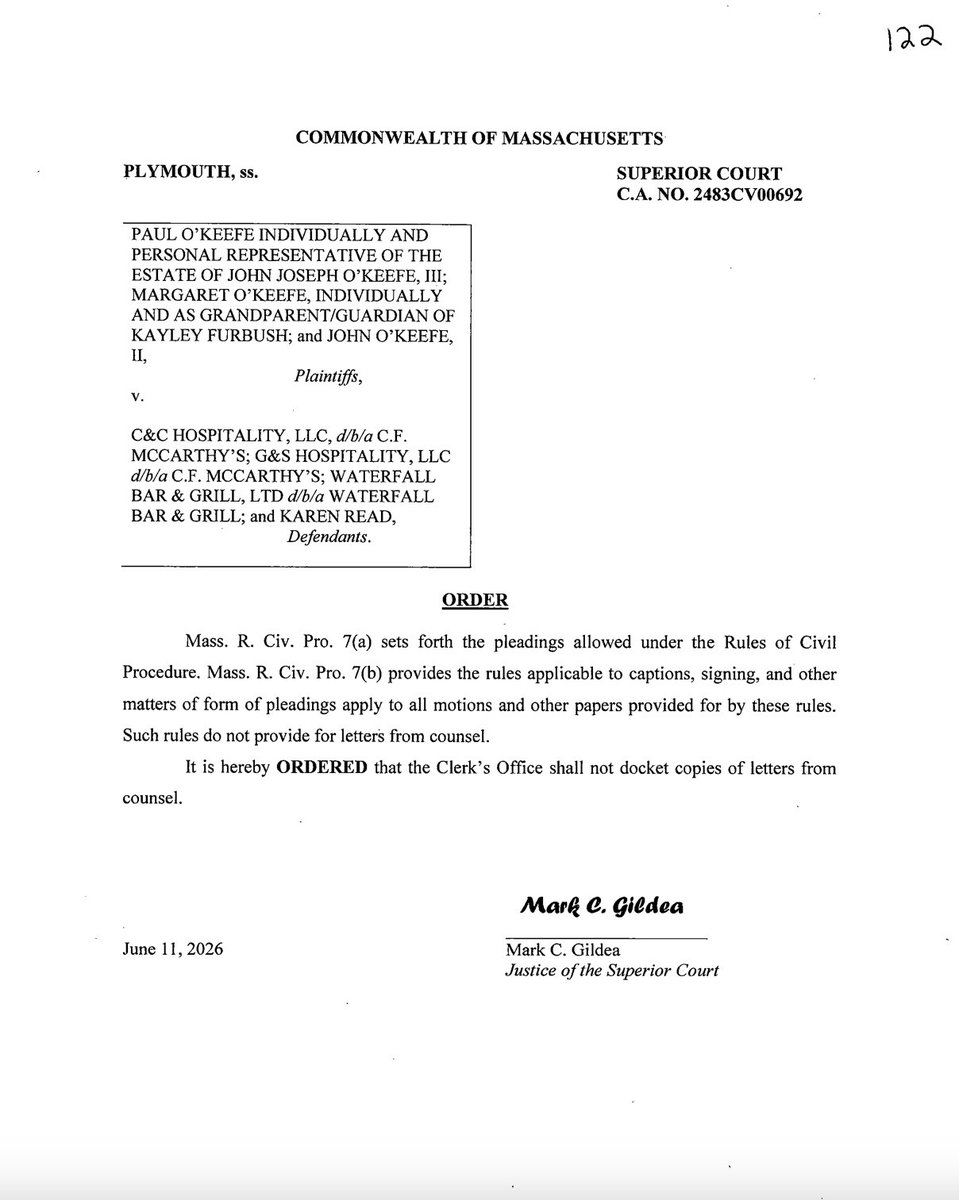
This is so funny to me. Evil 👿 Karen Read stop typing up letters and making your Attorneys sign them and send them to the Courts. No one cares!
2
1
10
203
JUST GIFFY retweeted

Jun 13
@MassBar
#KarenRead
#AlanJackson is on @hotmicsbilly LYING about Colin Albert again!
Extrajudicial Statements - THAT ARE FALSE!
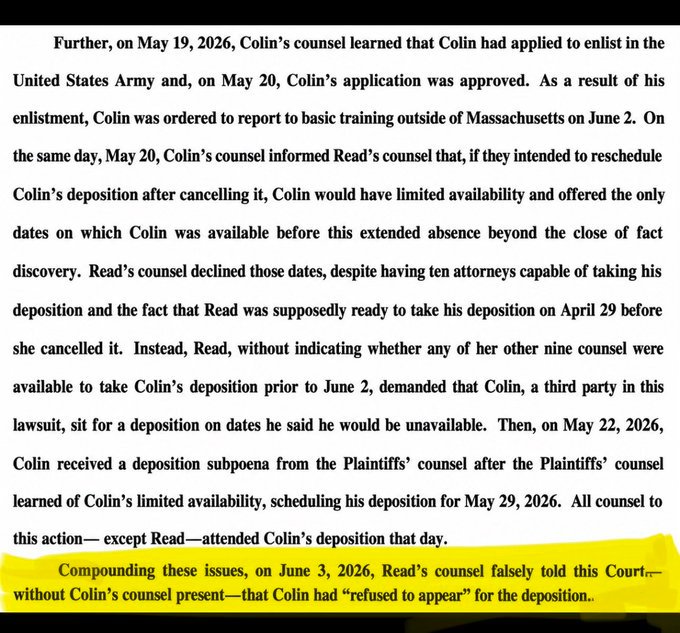
Jun 12

This is the clip from Billy Bush’s show last week.
It is mentioned on page 19 of today’s motion. I’ll put the link to the filing in the comments.
It sickens me day in and day out, when I think about what Karen Read and her lawyers have done to Colin. It’s evil.
2
10
163
Jun 12
Checkmate ⬇️⬇️⬇️⬇️⬇️⬇️⬇️⬇️⬇️⬇️⬇️⬇️⬇️
Jun 12

OKEEFEvREADcolinalbertmemoppcompel (1) - Adobe cloud storage acrobat.adobe.com/id/urn:aai…
4
214
Jun 12
OKEEFEvREADcolinalbertmemoppcompel (1) - Adobe cloud storage acrobat.adobe.com/id/urn:aai…
1
264
Jun 12
No remind him to use his bullhorn ‼️‼️‼️
Jun 12

Why does no one in this guys life tell him to STFU on his pending cases? Serious question for all his slack jawed cult members - do you actually hate him and want to see him destroyed? Because encouraging him to keep rambling is literally diabolical at this point.
"She has no proof" he says while they are both being sued for the accusations he's been making on her behalf.
Christ on a cracker.
2
41
JUST GIFFY retweeted

Jun 12
‼️‼️‼️SCUSE ME‼️‼️‼️
Karen told you she knew WHO did it AND who actually moved the body, not only did they know but the FBI did too ( imagine they still are letting them roam free🤭)
So what do you mean she has no proof? No concrete evidence ? No solid facts to back up her little fairy take ?
She fleeced ALL of you , each and every one of you!!
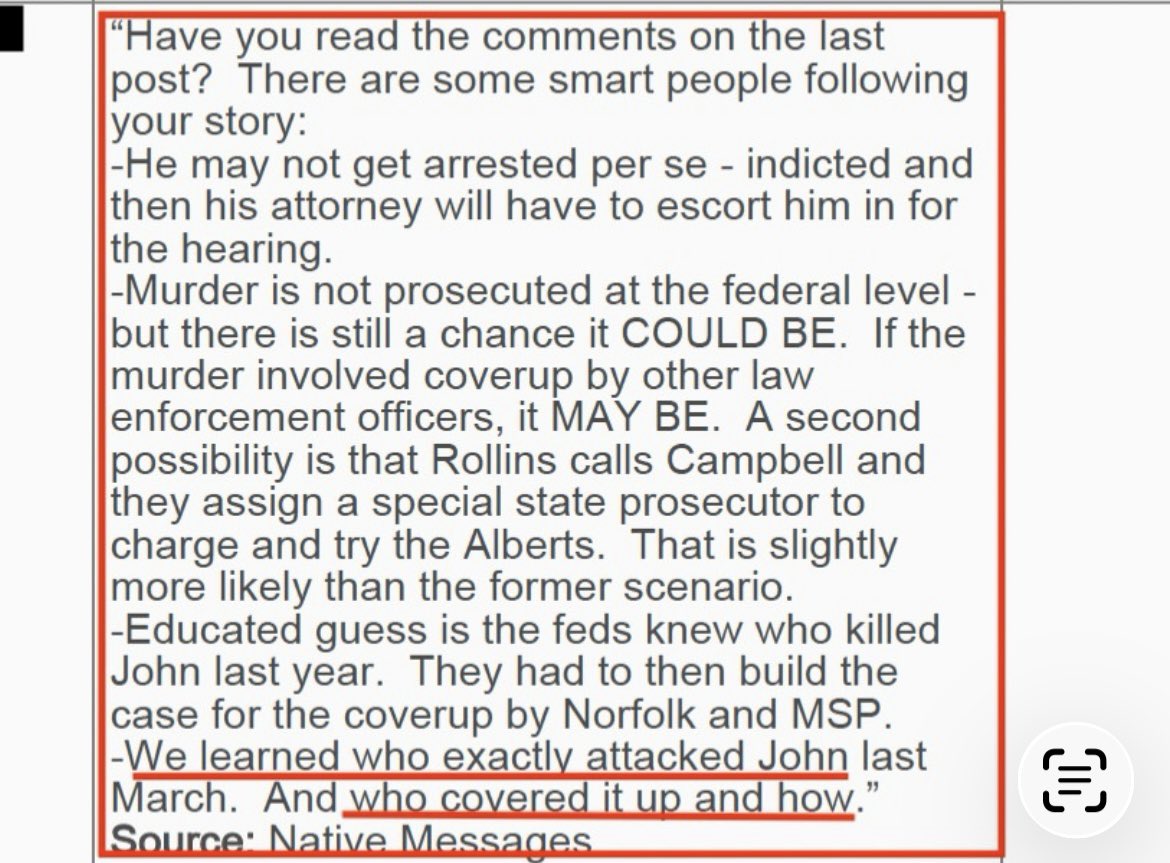
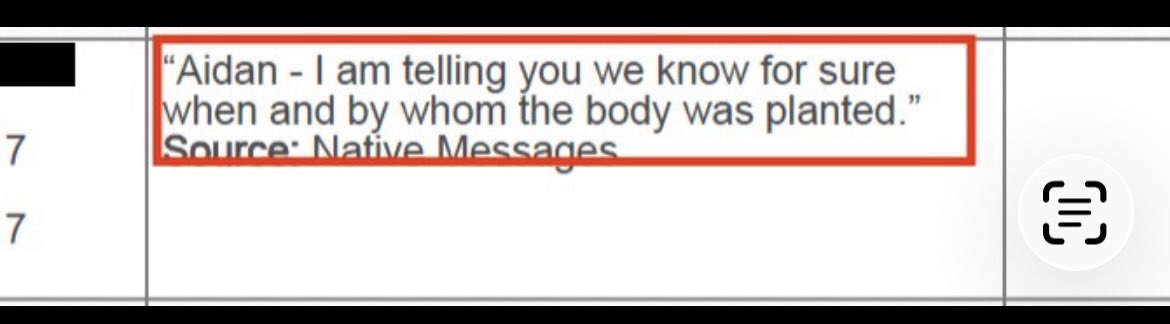
Jun 12

On June 12, 2026 at approximately 8:00am CST, Aidan Kearney admitted to a private YouTube audience that Karen Read has no proof Brian Albert, Brian Higgins, Colin Albert, and Jen McCabe murdered John O'Keefe.
According to Kearney, she only has "suspicions."
This is problematic for both Kearney and Read as the pair conspired and collaborated together to produce voluminous blogs as well as YouTube content claiming as fact that these witnesses murdered John O'Keefe.
Additionally, Kearney sought these people out at their homes, businesses, and children's events intimidating and harassing them, calling them murderers, cop killers, and demanding they "tell the truth."
The defense for Kearney and Read in the massive civil litigation they are entangled in as well as Kearney's criminal defense will be severely damaged by Kearney's confession.
6
16
66
2,531
Jun 12
⬇️⬇️⬇️⬇️⬇️⬇️⬇️⬇️⬇️⬇️⬇️⬇️⬇️⬇️⬇️⬇️⬇️⬇️⬇️⬇️⬇️⬇️⬇️⬇️⬇️
Jun 12

You don't say...
"being an activist by fundraising and advocating for Read is strictly forbidden for journalists, says Joan Donovan, an assistant professor of journalism and emerging media studies at Boston University.
Meanwhile, being an entertainer can be problematic, too. “He is not a journalist; he is an Internet provocateur,” says former Globe columnist and professor emerita of journalism at Brandeis University Eileen McNamara, who created the university’s ethics course.
“Journalism is about verification. It is not about assertion. Journalists have an obligation to independently confirm what we publish. He doesn’t do that.… He’s not approaching people he interviews with an open mind to learn what might have happened on the night when Officer O’Keefe was killed. He’s confronting them to produce entertainment.”
Taken from: bostonmagazine.com/news/2024…
1
82
Jun 12
Julie talking about Karen’s future depo … Thank God there won’t be a car 😂😂😂🤣🤣🤣😂😂😂🤣🤣🤣
Jun 11

McCabes, Alberts Higgins v. Read Kearney: First Amended Complaint x.com/i/broadcasts/1pKkOOeWz…
7
82
Jun 12
🟦🟦🟦 LOVE CATHERINE ‼️‼️‼️
OKEEFE v READ- JUDGE ISSUES ORDERS youtu.be/-iFz8AGMDTo?is=J-JA… via @YouTube
1
2
14
363
JUST GIFFY retweeted

Jun 12
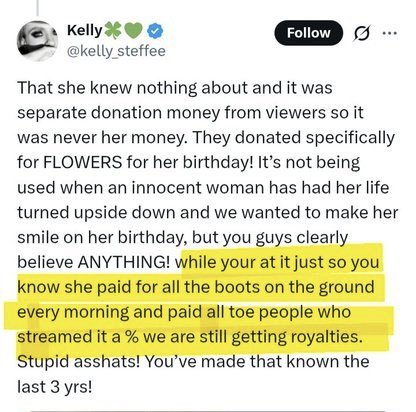
Good Morning dear PrOKeefes! Today is Friday, June 12, 2026. It is another great day to be alive. Are we having fun yet? We know there are many of the Killer Karen Kult on here, that post constantly lie after lie on X. We have confirmation now that all of these people, receive pay, for doing this.
We have got to stop engaging them. We are helping spread the lies. I know I have no room to talk, as I love to jump on them. But if you go back and look, you usually never get a response from the person who posted the lies. The more the interaction, the more money they make.
As a matter of fact, I am pretty sure I am muted by the majority of them anymore. I believe there must be extra money paid, if they get the @fourensicroom to respond, because they do not mute them.
Please everyone cut out the comments. STOP tagging F$& and definitely stop tagging evil 👿 murderer.

24
5
42
11,730
Jun 12
It is like 2:27 … they heard the rumor once somewhere and continue to run with it. IGNORANCE is lack of knowledge ‼️‼️‼️
Jun 12

For the love of God, Rebecca. Brennan didn't just address this - he actually pulled footage from the Sallyport before Karen Read was even on CPD/MSP's radar to demonstrate that the system had always recorded that way. He also presented the fact that footage from multiple other cameras around Canton recorded the same way - mirrored.
Did you actually watch the prosecution's case, or did you only tune in when Jackson, Yannetti, or Alessi stepped up to the podium? This is one of the most basic issues that was addressed at trial. At this point, either you know that and are choosing to ignore it, or you're being deliberately obtuse.
2
2
9
231
Jun 12
It’s B S 🤣🤣🤣🤣🤣🤣🤣
Jun 11

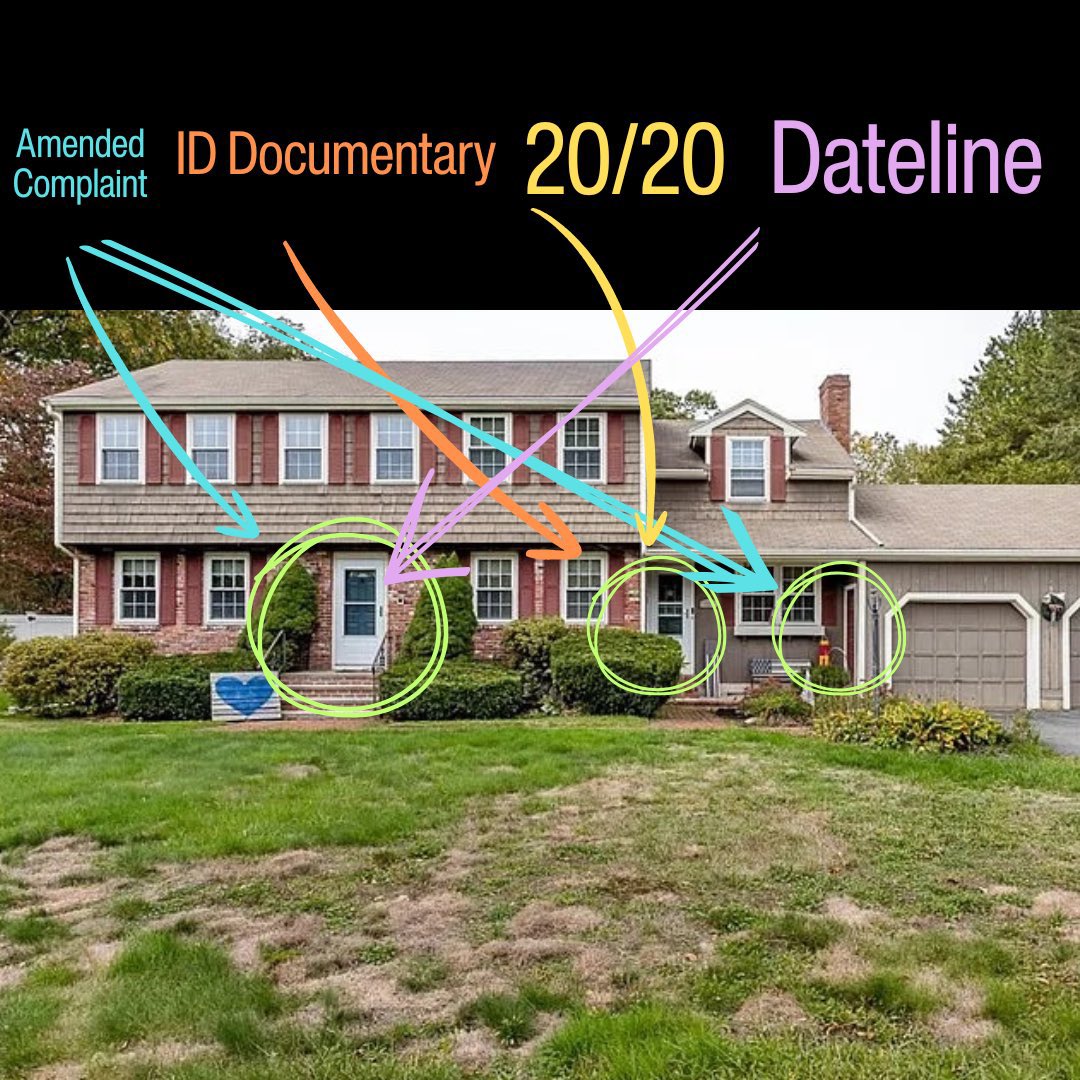
Retooling Karen! It was Colin! It was Higgins! The basement! The garage! Get outta here 🤣🤣
1
10
167