Tweeting on Yemen, State Fragility, and Public Policy.
Joined June 2010
- Tweets 3,812
- Following 1,303
- Followers 8,601
- Likes 2,793
223 Photos and videos
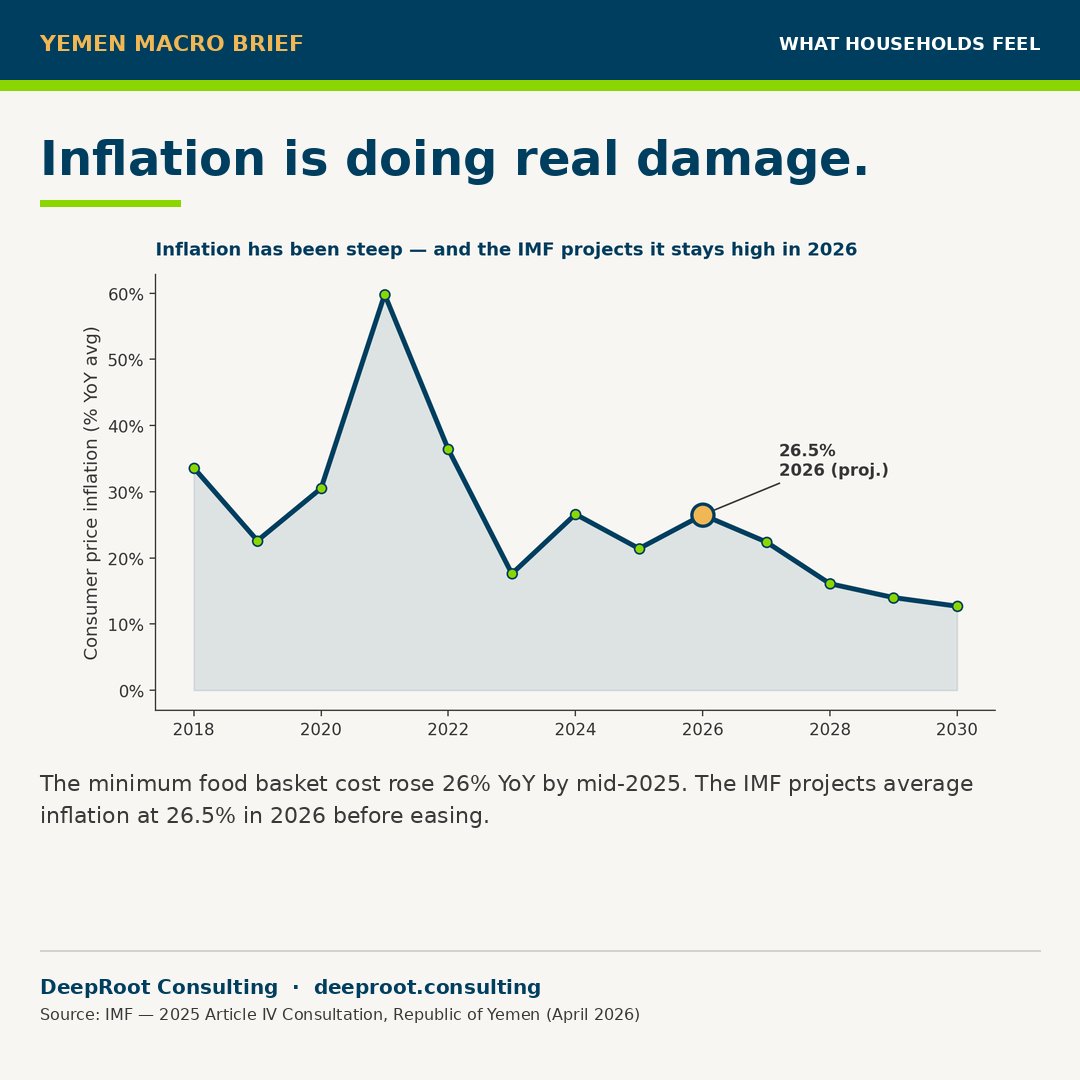
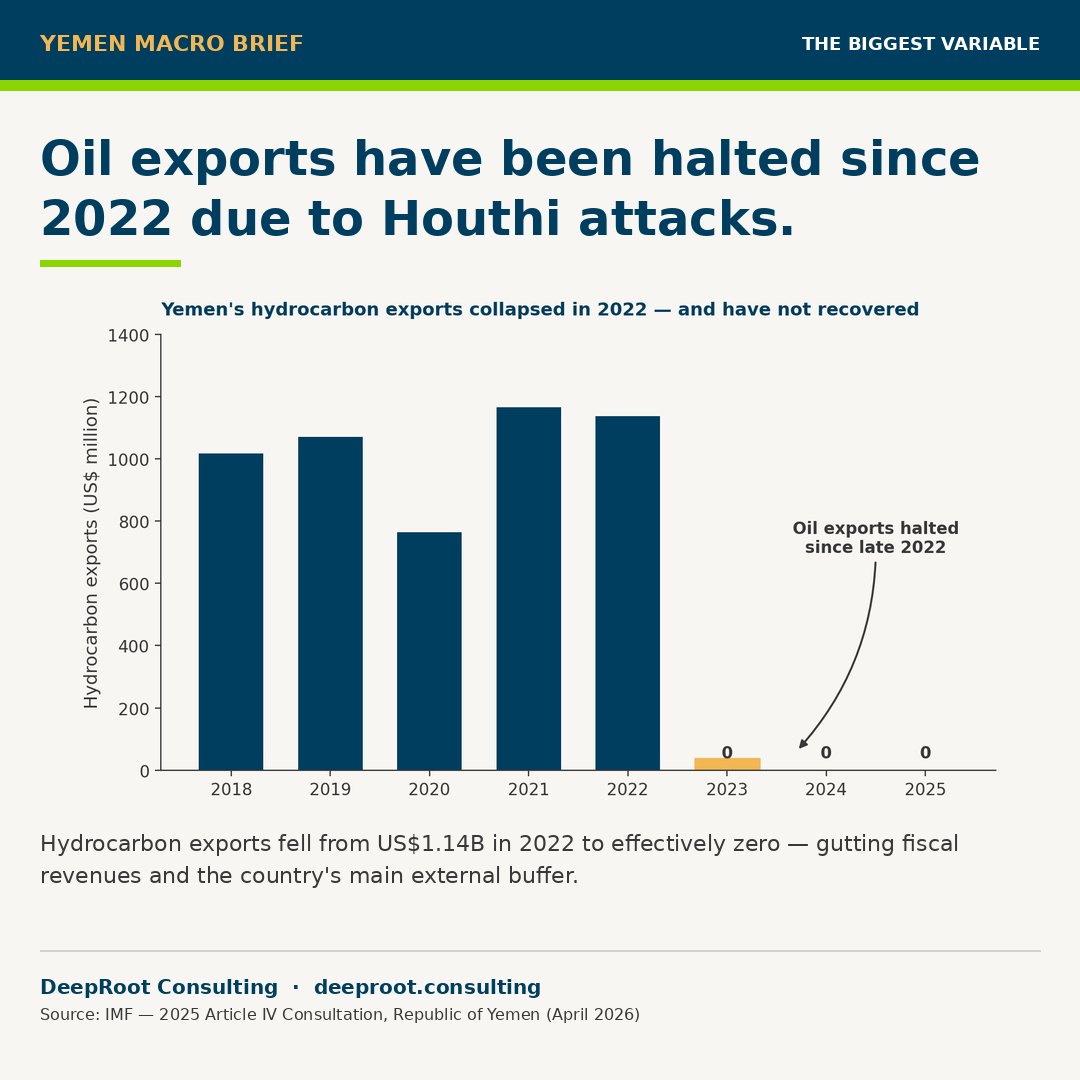
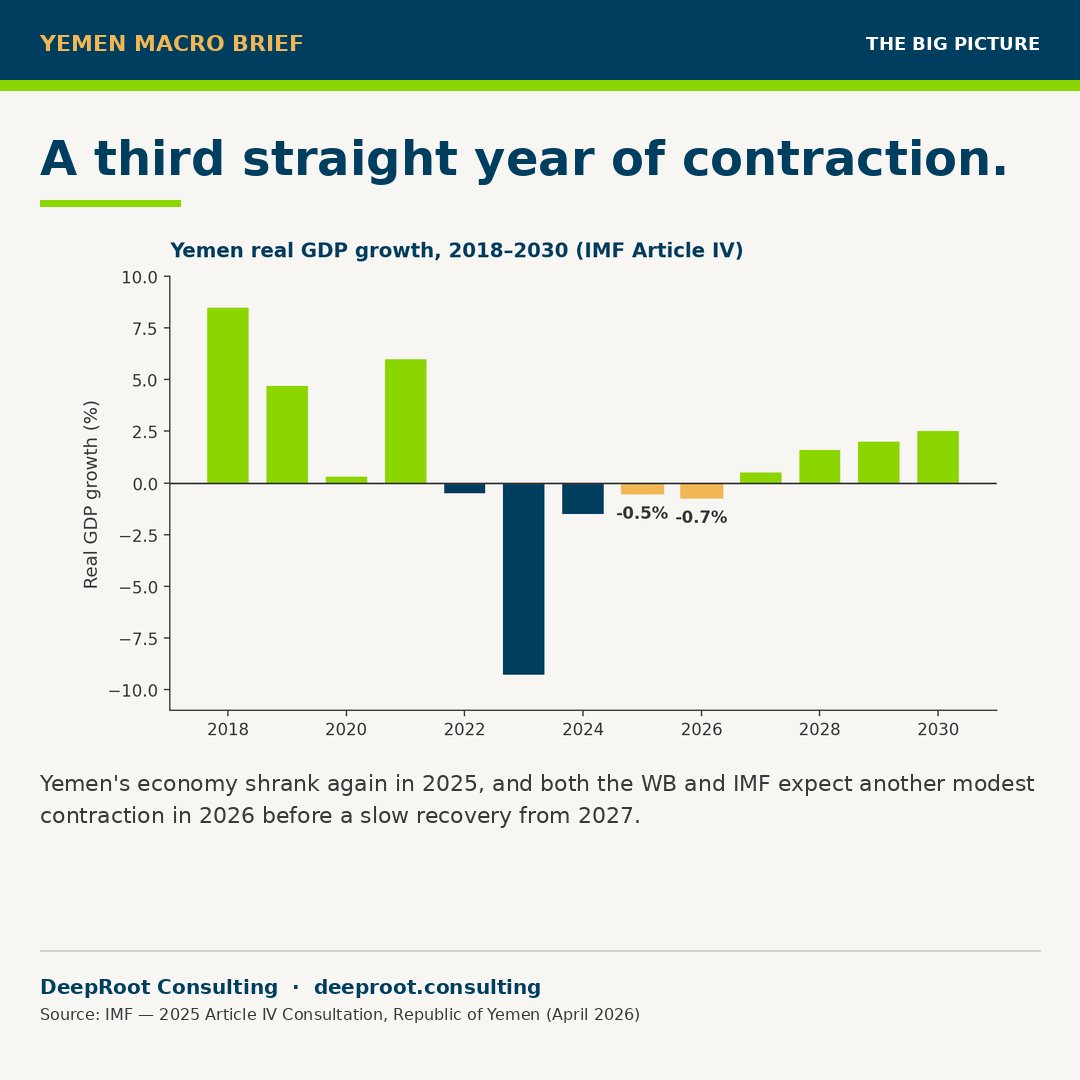

Rafat Al-Akhali رأفت الأكحلي retweeted

Jun 12
Yemen's real-life Spider-Man has died.
Known as "Al-Qa'Qa'," he became famous for scaling the sheer cliffs around Damt's volcanic hot springs in Al-Dhale' Governorate, performing daring feats high above the water and writing names in white chalk across the rock face. His @Facebook page had more than 250,000 followers who watched his adventures.
Today, he reportedly slipped and fell into the deep hot waters below. Local residents and civil defense teams have so far been unable to recover his body. The water is deep and divers are needed, but the area lacks the specialized rescue capabilities required for such an operation.
His Facebook page:
facebook.com/alq.qa.abn.ntr
The site: maps.app.goo.gl/GGDKgxQKsp42…
A tragic end for one of Yemen's most recognizable local daredevils.

16
73
493
113,339
Rafat Al-Akhali رأفت الأكحلي retweeted

Yemen isn’t just a threat, it’s a collective opportunity for the region. Abandoning it solves nothing & only multiplies the risks. Yes- the Yemenis bear primary responsibility, but misguided international & regional policies have clearly worsened the crisis.
Jun 10

Don’t exclude Yemen from the Gulf’s new economic map ft.trib.al/YOwtF5x | opinion
4
8
1,552

#Yemen currently appears on every risk map; it appears on almost none of the opportunity maps. That must change. My op-ed in the @FT :
Jun 10
Don’t exclude Yemen from the Gulf’s new economic map ft.trib.al/YOwtF5x | opinion
6
426
Rafat Al-Akhali رأفت الأكحلي retweeted

Jun 10
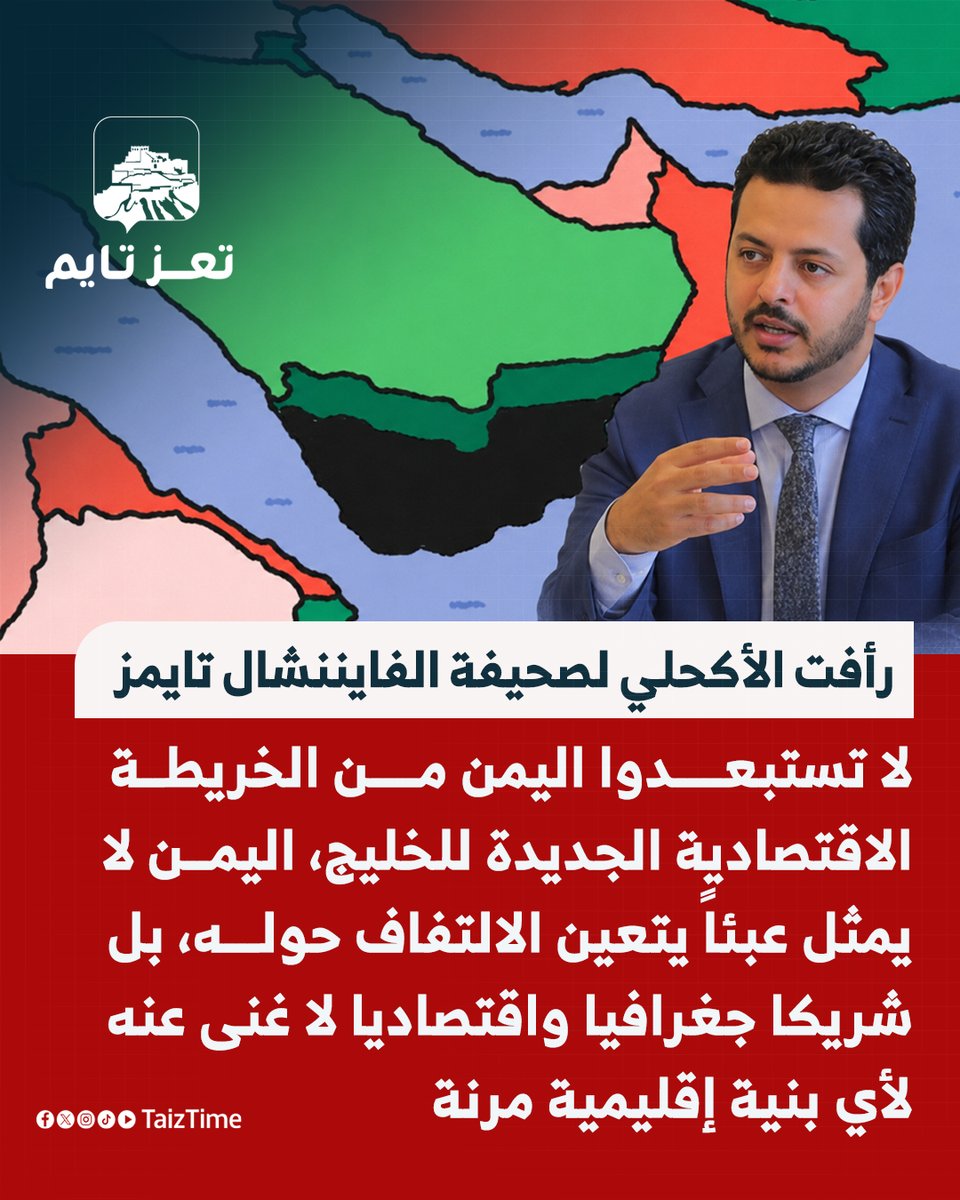
رأفت الأكحلي يكتب لصحيفة "الفايننشال تايمز" البريطانية: لا تستبعدوا #اليمن من الخريطة الاقتصادية الجديدة للخليج، اليمن لا يمثل عبئاً يتعين الالتفاف حوله، بل شريكاً جغرافياً واقتصادياً لا غنى عنه لأي بنية إقليمية مرنة
#تعز_تايم - ترجمة
عندما تحركت إيران لإغلاق مضيق هرمز في مارس، كشف ذلك مدى اعتماد دول الخليج المفرط على ممر مائي لا تسيطر عليه، ومنح زخماً جديداً لبناء بنية طاقة إقليمية قادرة على الصمود أمام فقدان أي مسار واحد، والمساهمة في إحلال السلام في المنطقة. لكن في كل نقاش حول هذه البنية، تكاد دولة واحدة تكون غائبة تماماً: اليمن.
الاعتراض البديهي هو أن اليمن يعيش حالة حرب. فما تزال جماعة الحـ.ـوثي تسيطر على معظم شمال غربي اليمن، بما في ذلك العاصمة. كما أن المناطق الخاضعة لسيطرة الحكومة المعترف بها دولياً، ومنها العاصمة المؤقتة عدن، لا تزال تواجه حالة من عدم الاستقرار. ومنذ عام 2023، أدت هجمات الحـ.ـوثيين بالصواريخ والطائرات المسيّرة على الملاحة في البحر الأحمر وعلى أهداف إسرائيلية إلى تغيير مسارات التجارة العالمية وتكبيدها خسائر بمليارات الدولارات. ومع التهديدات وعمليات إطلاق الصواريخ خلال الأيام الأخيرة، يبدو التعامل مع اليمن كتهديد أمني أمراً مفهوماً للوهلة الأولى.
لكن هذه المقاربة هي جوهر المشكلة. فالانهيار الاقتصادي الطويل في اليمن، واستبعاده من التجارة والاستثمارات الإقليمية، كانا جزءاً مما أفرغ الدولة من مضمونها أساساً، وأسهم في وصول الحـ.ـوثيين إلى السلطة. ومنذ ذلك الحين، كان الرد الإقليمي والدولي هو تشديد الحدود وتحويل مسارات التجارة والكابلات وخطوط الأنابيب بعيداً عن اليمن، بما يجعل هذا الاستبعاد دائماً. غير أن ذلك لن يؤدي إلا إلى تحويل البلاد إلى تهديد أمني أكبر من أن يتم احتواؤه.
يقع اليمن عند ملتقى البحر الأحمر وخليج عدن ومضيق باب المندب وبحر العرب، على امتداد مسار يمر عبره نحو 15 في المائة من إجمالي التجارة البحرية العالمية. واليمن اليوم حاضر في كل خرائط المخاطر، لكنه يكاد يغيب عن خرائط الفرص. وهذا يجب أن يتغير.
وبساحل يمتد لنحو 2400 كيلومتر، لا يمثل اليمن مجرد نقطة عبور. فهو يوفر اتصالاً مباشراً بين خطوط الملاحة الآسيوية وجنوب شبه الجزيرة العربية، من دون المرور عبر نقطة اختناق بحرية. وقد كان ميناء عدن في وقت من الأوقات من بين أكثر موانئ العالم ازدحاماً. صحيح أن عقوداً من سوء الإدارة والحرب حجبت هذه الحقيقة، لكن الجغرافيا لم تتغير.
إن الفرص المهدرة نتيجة استبعاد اليمن من الخطط الإقليمية المستقبلية باتت واضحة بالفعل في ثلاثة مسارات يجري التفكير فيها ضمن بنية الخليج الجديدة: الطاقة، والتجارة، والاتصال الرقمي.
لقد أظهرت أزمة هرمز أن طرق الالتفاف القائمة ليست كافية. فخط أنابيب السعودية شرق–غرب ينتهي في ينبع، على البحر الأحمر، وهو بحر معرض أصلاً لهجمات حـ.ـوثية محتملة، كما أن السفن المتجهة إلى آسيا ستظل مرتبطة بمضيق باب المندب. أما خط أنابيب الفجيرة الإماراتي، فيقع ضمن مدى الطائرات الإيرانية المسيّرة. وهناك مسار ثالث قادر فعلاً على تعزيز القدرة على الصمود، وهو يمر عبر اليمن، من المنطقة الشرقية في السعودية جنوباً إلى ميناء الضبة العميق في حضرموت، ليخرج مباشرة إلى بحر العرب. وقد جرى بحث هذا المسار حتى أوائل العقد الأول من الألفية، لكن المفاوضات بين السعودية والنظام اليمني السابق انهارت. واليوم تغيّر أمران: تعطيل هرمز لم يعد احتمالاً نظرياً بل واقعاً، والحكومة اليمنية الحالية قد تكون أكثر استعداداً للتوصل إلى اتفاق بشأن خط أنابيب.
أما على صعيد التجارة، فإن الممر الاقتصادي بين الهند والشرق الأوسط وأوروبا، وطريق التنمية بين العراق وتركيا، ومشروع السكك الحديدية السعودي–التركي المقترح، وبعض عناصر مبادرة الحزام والطريق الصينية، كلها تطرح أشكالاً جدية من التكامل الإقليمي. لكن أياً منها لم يدمج اليمن بصورة ذات معنى. وفي مجال البنية التحتية الرقمية، تبدو التكلفة أكثر وضوحاً؛ إذ يجري الآن تحويل مسارات كابلات “سي مي وي 6” و“تو أفريكا” براً لتجنب اليمن، ما يرفع التكاليف بشكل كبير بسبب طبيعة التضاريس وتعقيدات الأعمال المدنية.
المشكلة ليست في عدم استقرار اليمن، بل في أن المنطقة تتكيف مع هذا الواقع عبر تصميم مستقبلها من دون اليمن. فعدم الاستقرار ينتج الإقصاء، والإقصاء يعمق الفقر، والفقر يغذي الصراع. والمخاوف الأمنية التي تدفع إلى استبعاد اليمن من صفقات الكابلات والممرات وخطوط الأنابيب هي نفسها نتاج حرب يمكن للتكامل الاقتصادي أن يساعد في حلها.
إن إبرام “ميثاق اتصال يمني” يجمع دول الخليج والمؤسسات المالية الدولية والأطراف اليمنية المعنية، يمكن أن يطلق دراسات جدوى لممر الضبة، ويضع إطاراً لإنزال الكابلات على ساحل بحر العرب، ويعيد تأهيل عدن، ويضمن إدراج اليمن في النقاشات المتعلقة بالبنية التحتية الإقليمية. والأهم أن ذلك سيغير حسابات الأطراف اليمنية. فوجود عرض موثوق للاستثمار والوظائف والاندماج يمنح هذه الأطراف هدفاً ملموساً يمكن التفاوض حوله، وحصة في المستقبل الاقتصادي للمنطقة.
ستمضي أزمة هرمز، لكن البنية التي ستُبنى في ظلها لن تمضي. إن الالتفاف حول اليمن ليس خياراً تخطيطياً محايداً؛ بل هو رهان على أن بلداً بهذا الحجم، وبهذا الموقع، وبهذا القدر من الإقصاء، يمكن تجاهله إلى ما لا نهاية. وهذا غير ممكن.
رأفت الأكحلي @ymnraf - خبر اقتصادي يمني وزير سابق للشباب والرياضة، وزميل في كلية بلافاتنيك للإدارة الحكومية بجامعة أكسفورد.
#تعز_تايم: taiztime.com/hot-news/2026-0…
3
11
1,665
Rafat Al-Akhali رأفت الأكحلي retweeted

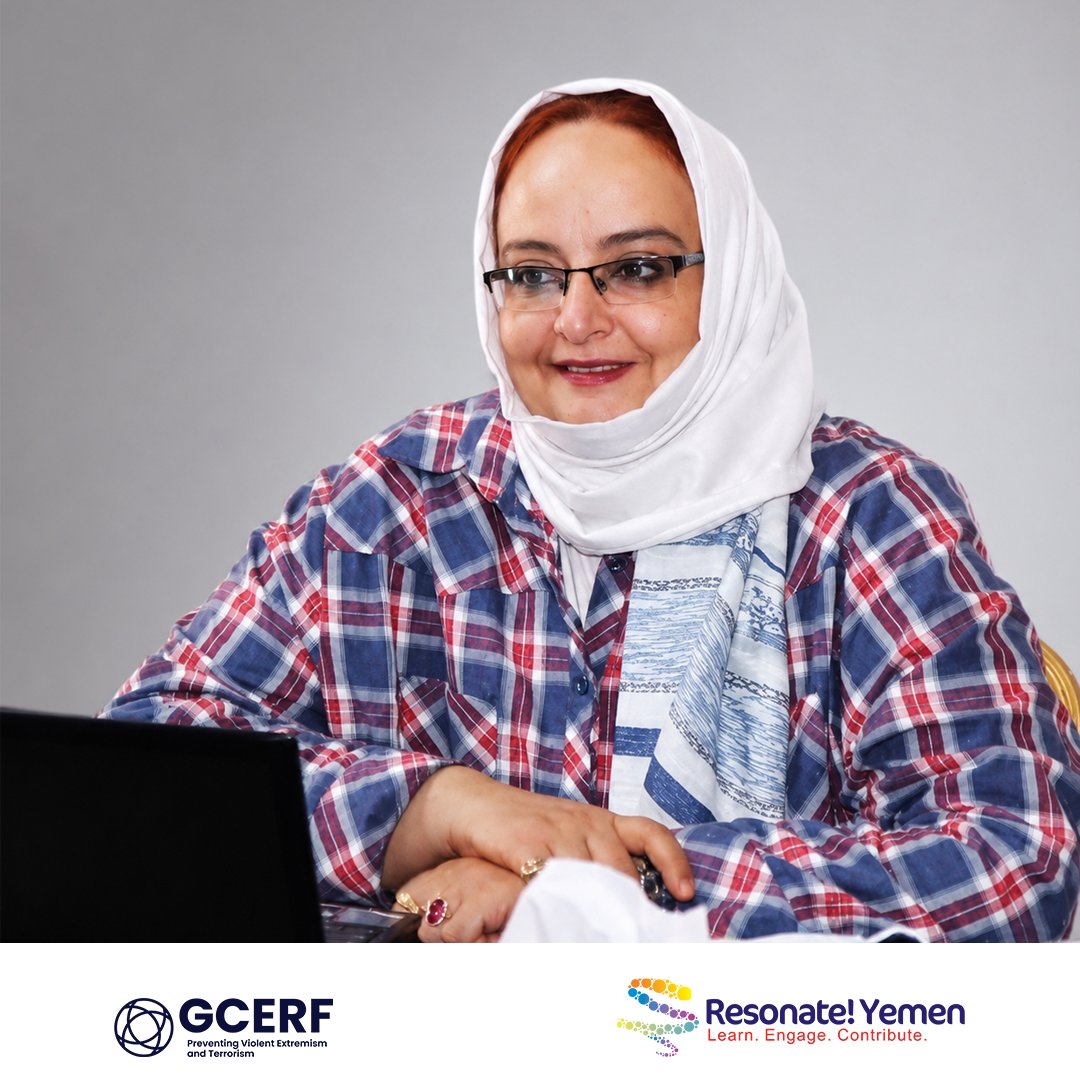
Congratulations to Afra Al-Hariri @afraa2008 on winning the Carol Bellamy Leadership Award — granted by @theGCERF in partnership with @ResonateYemen , recognising women leaders building resilient and peaceful communities.🎉
#ResonateYemen #GCERF #CarolBellamyAward
2
1
9
2,940
Rafat Al-Akhali رأفت الأكحلي retweeted

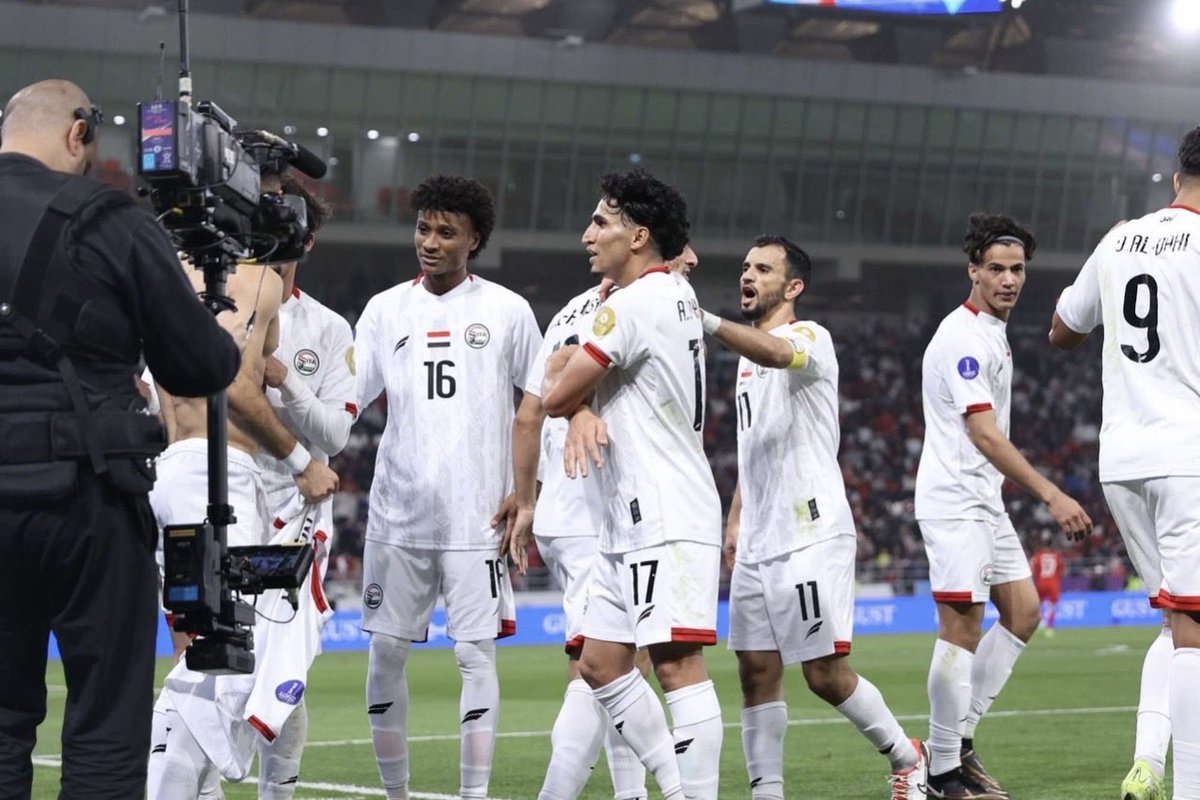
Despite the absence of a regular league, adequate resources, and stable conditions, #Yemen has achieved notable success. They qualified for the 2027 @afcasiancup , topped their qualifying group, and delivered performances that garnered widespread admiration. This demonstrates once again that determination can prevail over challenging circumstances💪🏼🇾🇪

2
4
1,860
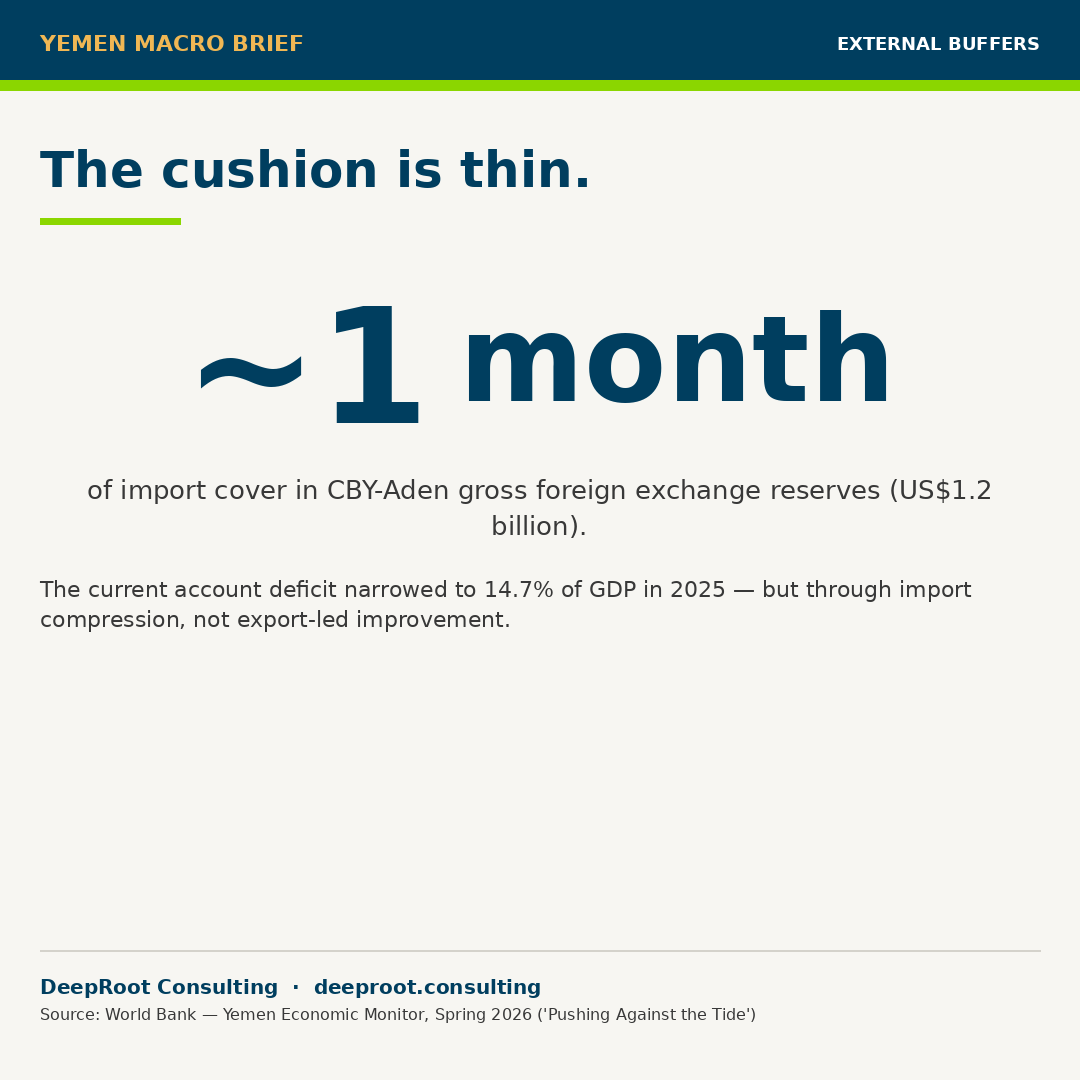
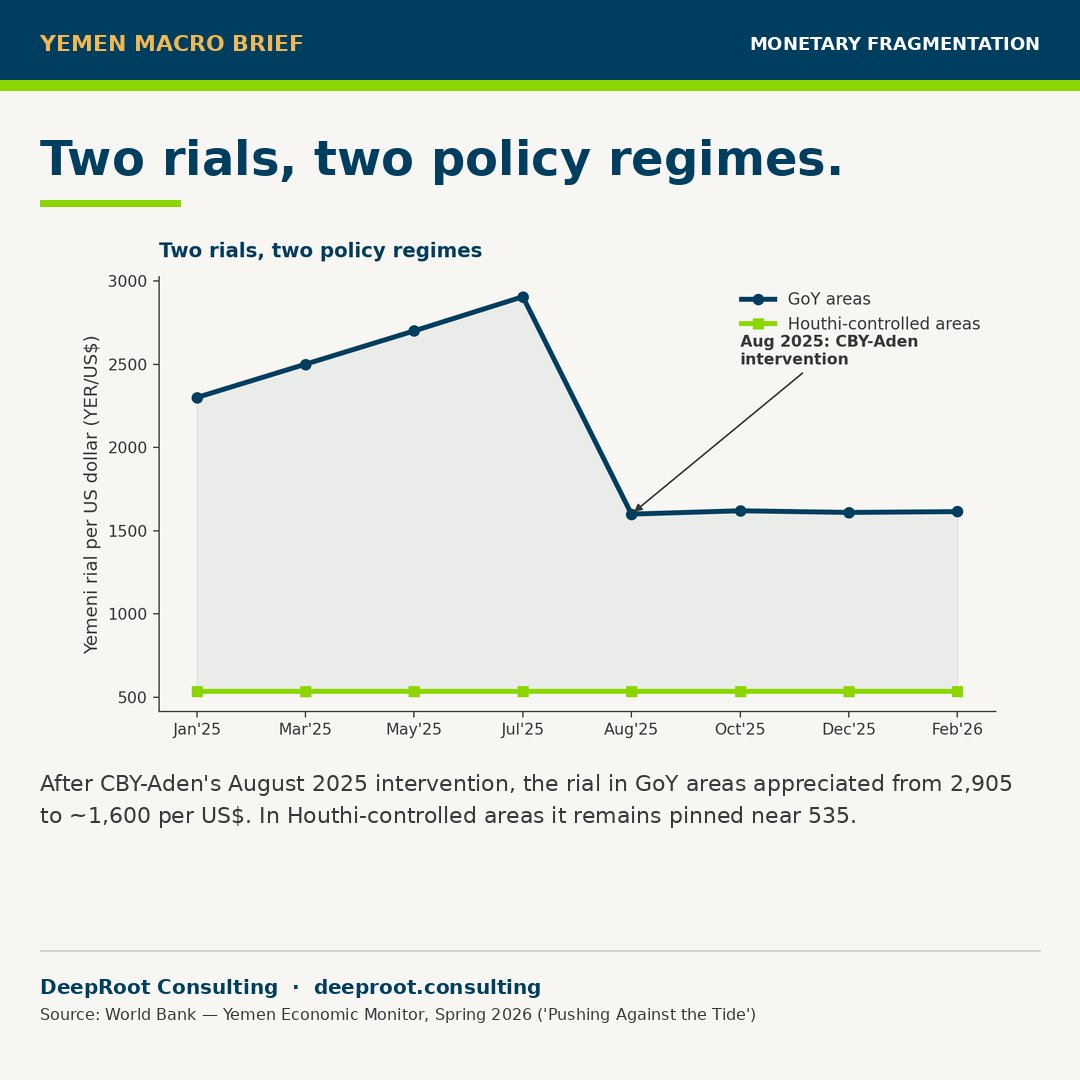
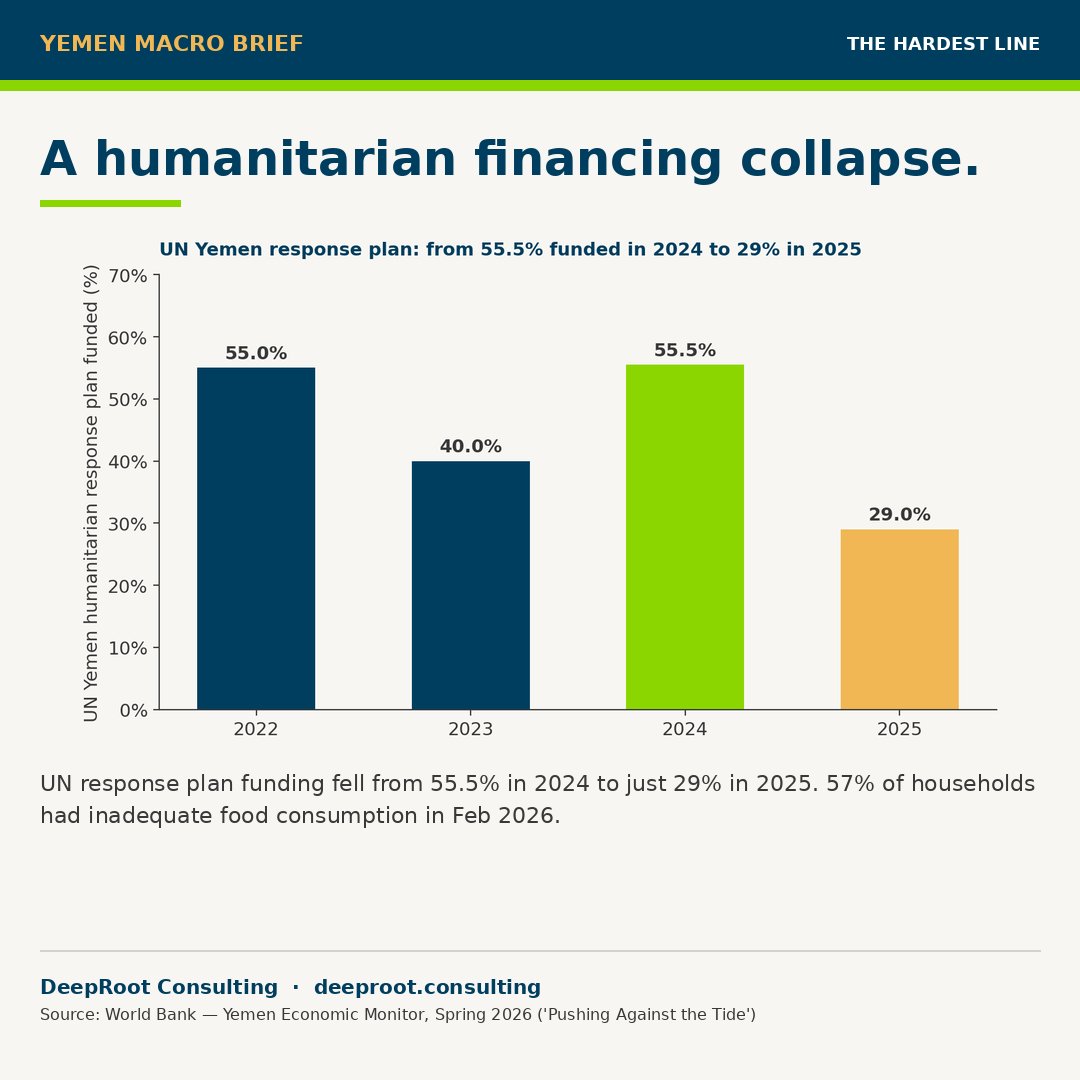
1/10 Two major reports on #Yemen's economy landed in April and May:
🔹 @WorldBankGroup — Yemen Economic Monitor, Spring 2026: "Pushing Against the Tide"
🔹 @IMFNews — 2025 Article IV consultations report (the first in 11 years)
We quickly summarised key findings in this 🧵:
1
1
6
972
9/10
The new GoY cabinet (Feb 2026) has committed to a substantive reform agenda. The IMF is back at the table after 11 years. Banks are relocating to Aden. Yemen's economy is stabilizing on borrowed time and borrowed money.
1
1
103
10/10
The window opened by the new cabinet and renewed IFI engagement is real — but it closes fast without peace, diversified domestic revenues, and disciplined policy. Worth reading both reports in full:
1- documents.worldbank.org/en/p…
2- imf.org/en/publications/cr/i…
2
2
98
Rafat Al-Akhali رأفت الأكحلي retweeted

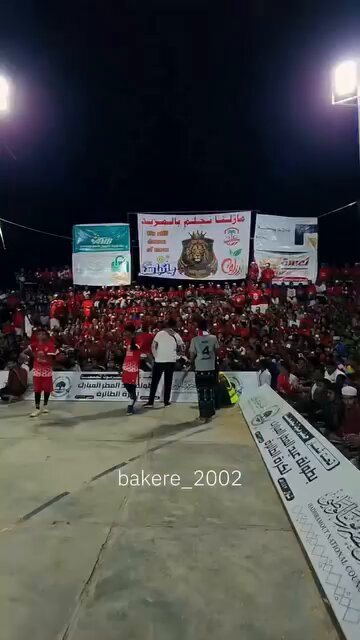
حشود جماهيرية كبيرة في اليوم الثاني من مهرجان عيدنا موكا4 الذي تنظمه قناة الجمهورية بالشراكة مع مكتب الثقافة بالمخا
#قناة_الجمهورية
#عيدنا_موكا4
2
29
102
2,828
Rafat Al-Akhali رأفت الأكحلي retweeted
Thank you, @ZayedAward for Human Fraternity for such a wonderful experience and for being part of your great work this year.
سعدت جداً بمشاركتي ضمن جائزة الشيخ زايد (رحمه الله) للأخوة الإنسانية للعام الحالي ٢٠٢٦. 🙏👏🏻
3
1
108
1,749
Rafat Al-Akhali رأفت الأكحلي retweeted

May 18
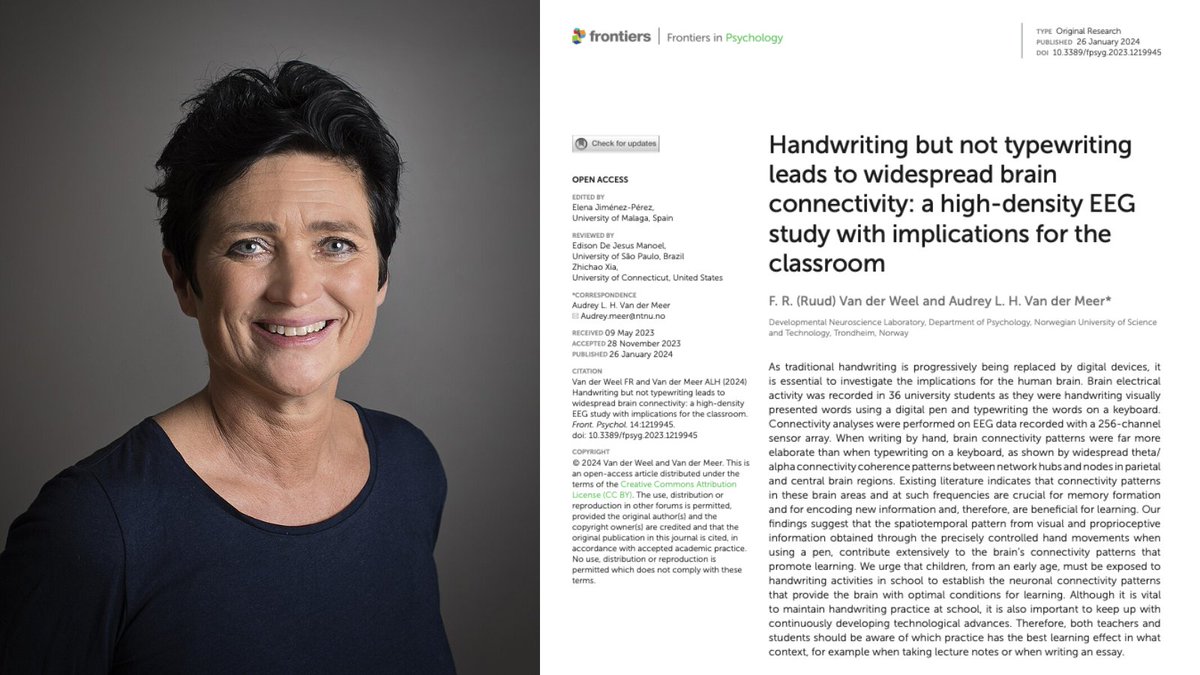
A Norwegian neuroscientist spent 20 years proving that the act of writing by hand changes the human brain in ways typing physically cannot, and almost nobody outside her field has read the paper.
Her name is Audrey van der Meer.
She runs a brain research lab in Trondheim, and the paper that closed the argument was published in 2024 in a journal called Frontiers in Psychology. The finding is brutal enough that it should have changed every classroom on Earth.
The experiment was simple. She recruited 36 university students and put each one in a cap with 256 sensors pressed against their scalp to record brain activity. Words flashed on a screen one at a time.
Sometimes the students wrote the word by hand on a touchscreen using a digital pen, and sometimes they typed the same word on a keyboard. Every neural response was recorded for the full five seconds the word stayed on screen.
Then her team looked at the part of the data most researchers had ignored for years, which is how different parts of the brain were communicating with each other during the task.
When the students wrote by hand, the brain lit up everywhere at once.
The regions responsible for memory, sensory integration, and the encoding of new information were all firing together in a coordinated pattern that spread across the entire cortex. The whole network was awake and connected.
When the same students typed the same word, that pattern collapsed almost completely.
Most of the brain went quiet, and the connections between regions that had been alive seconds earlier were nowhere to be found on the EEG.
Same word, same brain, same person, and two completely different neurological events.
The reason turned out to be something nobody had really paid attention to before her work. Writing by hand is not one motion but a sequence of thousands of tiny micro-movements coordinated with your eyes in real time, where each letter is a different shape that requires the brain to solve a slightly different spatial problem.
Your fingers, wrist, vision, and the parts of your brain that track position in space are all working together to produce one letter, then the next, then the next.
Typing throws all of that away. Every key on a keyboard requires the exact same finger motion regardless of which letter you are pressing, which means the brain has almost nothing to integrate and almost no problem to solve.
Van der Meer said it plainly in her interviews.
Pressing the same key with the same finger over and over does not stimulate the brain in any meaningful way, and she pointed out something that should scare every parent who handed their kid an iPad.
Children who learn to read and write on tablets often cannot tell letters like b and d apart, because they have never physically felt with their bodies what it takes to actually produce those letters on a page.
A decade before her, two researchers at Princeton ran the same fight using a completely different method and ended up at the same answer. Pam Mueller and Daniel Oppenheimer tested 327 students across three experiments, where half took notes on laptops with the internet disabled and half took notes by hand, before testing everyone on what they actually understood from the lectures they had watched.
The handwriting group won by a wide margin on every question that required real understanding rather than surface recall.
The reason was hiding in the transcripts of what the two groups had actually written down.
The laptop students typed almost word for word, capturing more total content but processing almost none of it as they went, while the handwriting students physically could not write fast enough to transcribe a lecture in real time, which forced them to listen carefully, decide what actually mattered, and put it in their own words on the page.
That single act of choosing what to keep was the learning itself, and the keyboard had quietly skipped the choosing and skipped the learning along with it.
Two studies. Two countries. Same answer.
Handwriting makes the brain work. Typing lets it coast.
Every note you have ever typed instead of written went into your brain through a thinner pipe. Every meeting, every book highlight, every idea you captured on your phone instead of on paper was processed at half depth.
You did not forget those things because your memory is bad. You forgot them because typing never woke the part of the brain that would have made them stick.
The fix is the thing your grandmother already knew.
Pick up a pen. Write the thing down. The slower road is the faster one.
2,472
44,651
120,837
10,364,231
Rafat Al-Akhali رأفت الأكحلي retweeted

May 17
لكل رواد الأعمال والذين هم في صدد إعداد دراسة الجدوى
تابعوا هذا الفيديو للاستخدام الذكي للذكاء الاصطناعي، كيف بالإمكان ان توفر الكثير من الوقت والجهد إذا عرفت كيفية استخدامه x.com/sameer_alnamri/status/…
1
2
333