
he/him | 27 | in my lane, moisturized, unbothered, drifting, changing lanes without signaling, causing a 14 car pileup.
Joined June 2020
- Tweets 647
- Following 454
- Followers 23
- Likes 1,851
37 Photos and videos







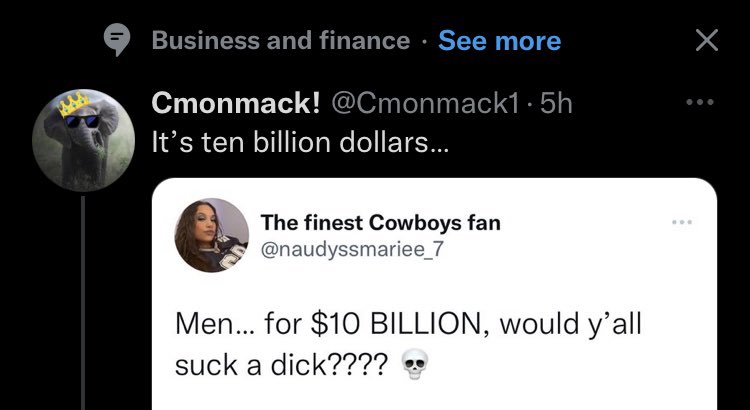
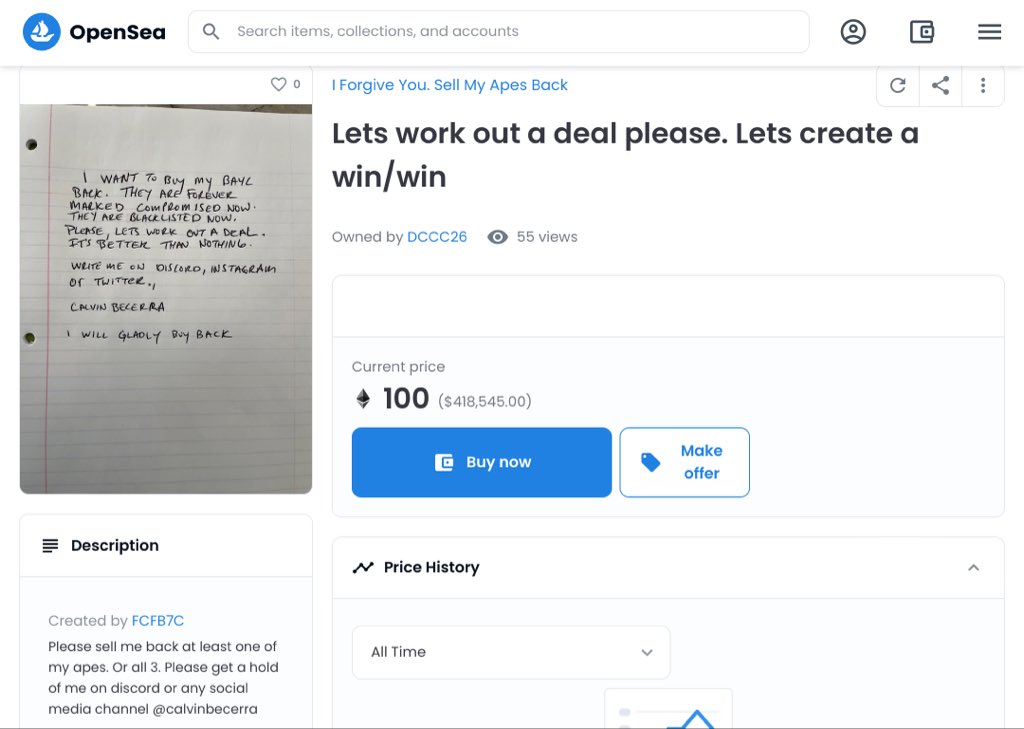



25 Apr 2025
The collective schadenfreude over this smug nepo baby not getting his way is palpable. Playing celebrity because of your famous dad and expecting to be a first round draft pick because of your last name aint it
25 Apr 2025

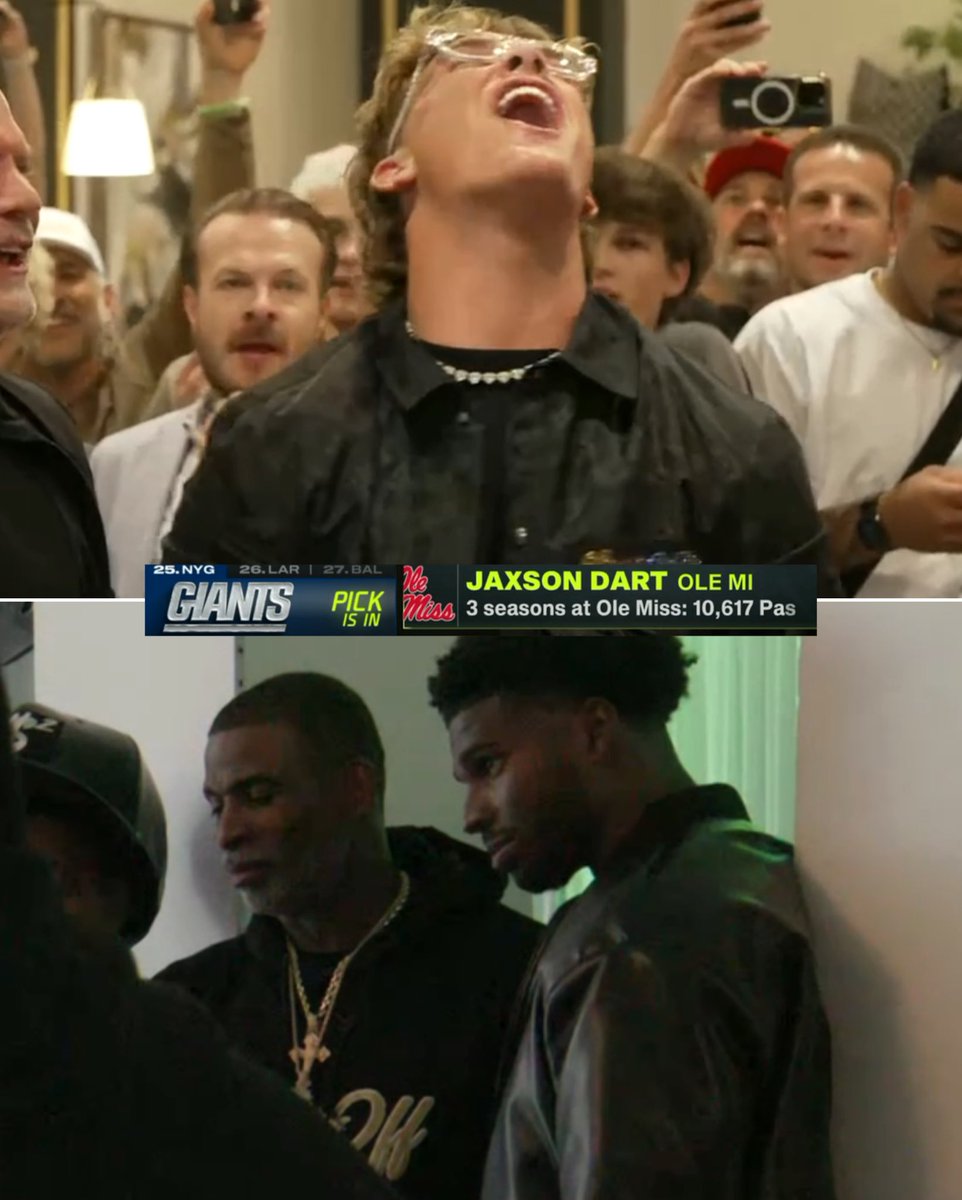
GIANTS PASS ON SHEDEUR at pick 25 and draft Jaxon Dart 🤯😱
TWO QBs off the board before Sanders 😳
1
44
25 Apr 2025
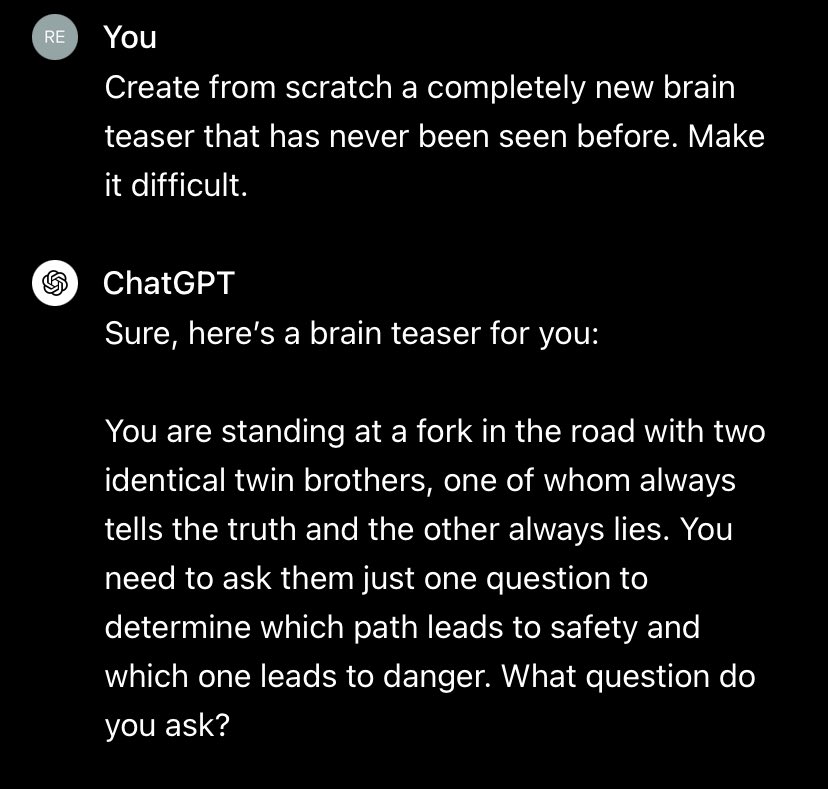
maybe AI was a good thing

Jar Jar Binks, a Gungan from Star Wars, doesn't have a real-world racial identity, so "the pass" to use the N-word doesn't apply. Some see his portrayal as evoking Black stereotypes, sparking debate, but creators like George Lucas and Ahmed Best deny racist intent, comparing him to Goofy. The question highlights this controversy rather than a literal permission. Fun fact: Jar Jar was the first fully CGI supporting character in a live-action film!
10
15 Apr 2025
How is this not gigantic news?
15 Apr 2025

Hi everyone. We've received access to official Goomwave source code. As expected, we found several functions which warrant banning it:
Coordinate Skipping (turning off parts of the stick map to make nearby regions easier to pinpoint):
Ledgedash Sensitivity
Easy Utilt
1/3
1
366
malachi constant retweeted

10 Apr 2025
Whoa, thank goodness you're finally awake. That fall hurt you pretty badly!
Tariffs? DOGE? Deportations? What in the hell are you talking about?
Come on, the tag-team debate between Destiny, Hasan Piker, Sargon of Akkad and Nick Fuentes is about to start!
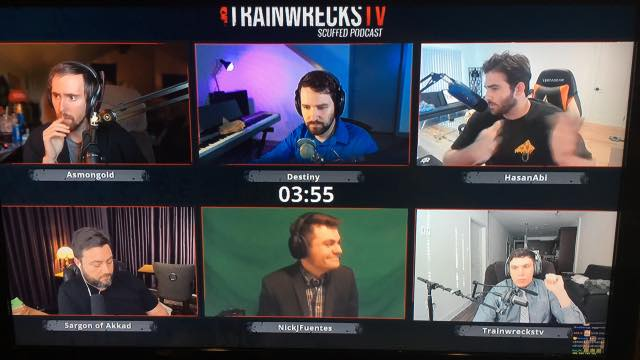
ALT A screenshot of the 2019 debate between Destiny, Hasan Piker, Sargon of Akkad, and Nick Fuentes hosted by TrainwrecksTV and Asmongold.
60
109
3,083
173,931
1 Apr 2025
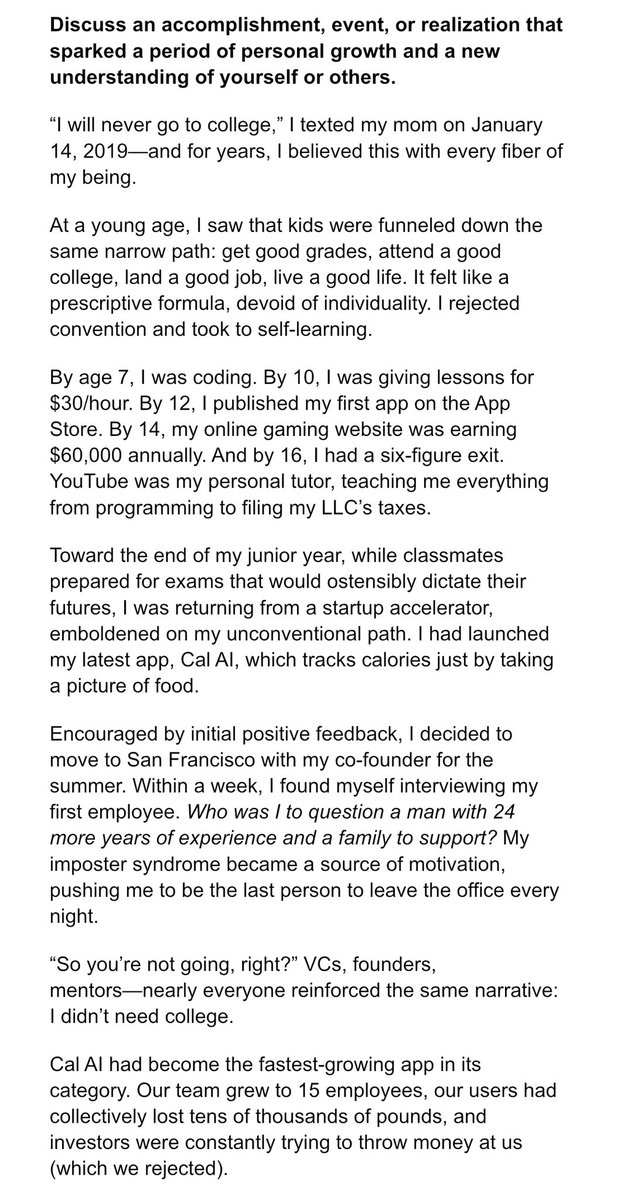
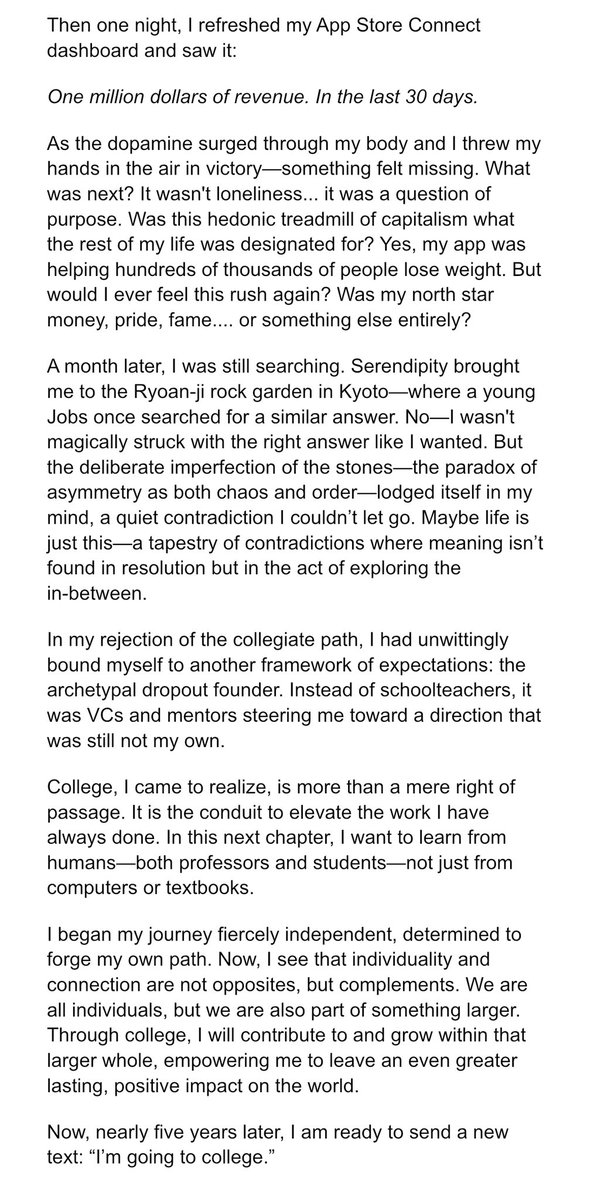
Bro calls himself the next Steve Jobs and wonders why colleges think he won’t be a good fit for their student body. Humble yourself

1
195
28 Oct 2024
Trump feels like he is clearly eluding at a “political event” that will happen soon, anyone else noticing that? #trump
11
24 Oct 2024
grim stuff
24 Oct 2024

Trump: "We had to go back to 1798. That's when we had laws that were effective."
31

19 Jul 2024
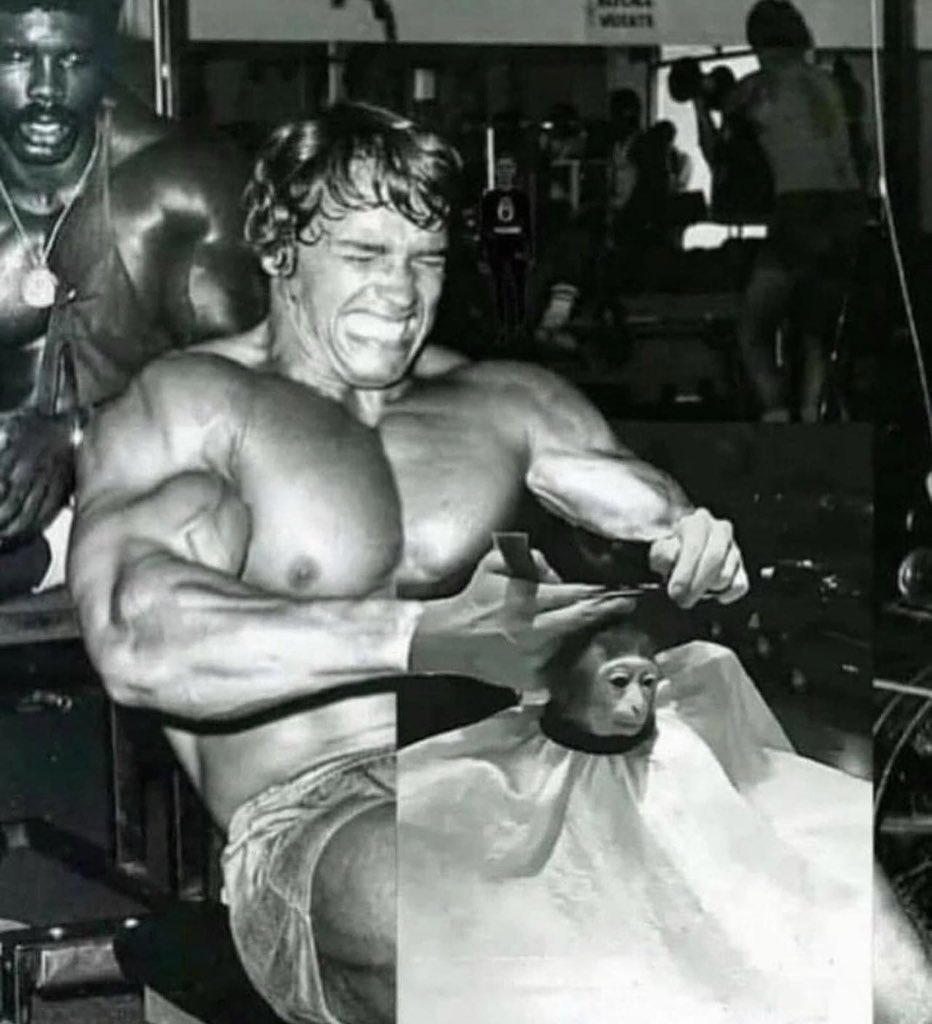
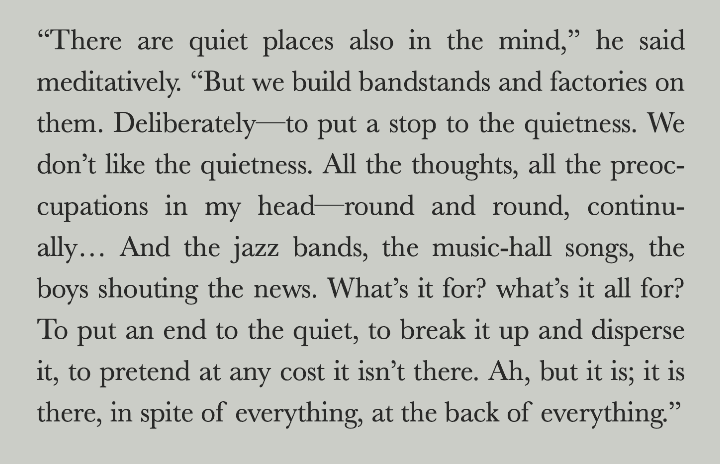
reading this on Twitter is probably what he intended

2
18


malachi constant retweeted

5 Jun 2024
> me, 17
> hotel party, friend's bday
> someone gave me addy xr, 1st time
> could not stop talking, brain on fire
> party boring, went to waffle house next door
> all seats taken except 4 at the bar
> "that's the professor's seat" employee says of final stool
28
173
5,634
665,133
5 Jun 2024
are these people even real??
4 Jun 2024

Girl I went to college with dm'd me on LinkedIn to see what I was up to and ask if I was still around the area we went to school and if "I wanted to get coffee". I deferred the invite for "indefinite" but pondered why she dm'd me
I remembered later I asked her out junior(?) year
2
131
malachi constant retweeted

2 Jun 2024
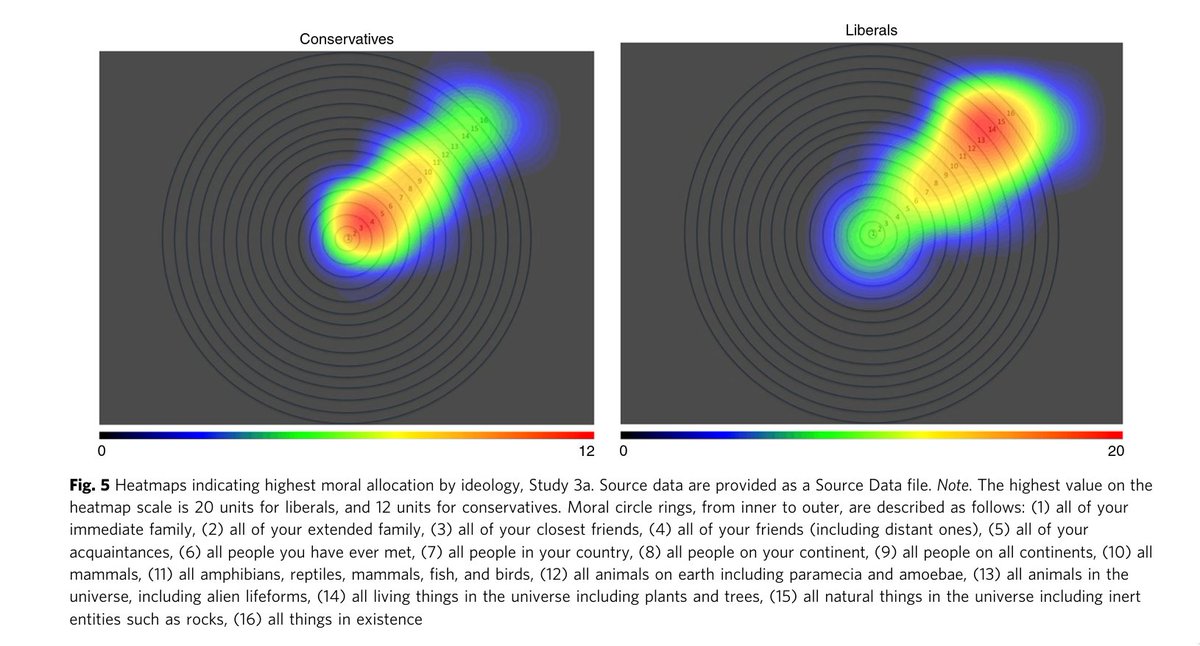
remember when a study in the nature journal deconstructed all of politics and it really just came down to this?
603
4,537
53,180
6,987,467
malachi constant retweeted

1 May 2024
consent being manufactured in real time! @latimes
153
4,415
22,905
2,084,834
malachi constant retweeted

6 Mar 2024
One difference between the Extremely Online and the Normal is awareness of how you Ought to feel about things: constant immersion in conversations about conversations, fitting everything into its slot in the culture. A few examples:
A few years ago an earnest, liberal friend of mine was looking for books to listen to on a road trip and came up with 12 Rules For Life based on a bestseller list, with neither awareness or interest in awareness that he “should” regard Jordan Peterson and by extension the book as Problematic.
My family came across The Big Bang Theory and had a great time watching it and relating to the main characters, wholly unaware that the common online wisdom was that it was “nerd blackface” they should disdain. My dad learned about Ben Shapiro via YouTube recommendations a few months and told me Shapiro reminded him of me because we both like to argue about, well, all of this.
One of my professors introduced the Implicit Association Test to my class as a fundamentally true and useful concept, imagining a world in which judges were trained using it, with neither students nor even the professor particularly aware of or interested in the heated debates that swirl around its use and validity.
The closer you get to a subculture, the more you realize its deep-running feuds, common wisdom, and conversations behind conversations. You know which podcasters hate each other and why, or which TV show directors are insufferable online, or the specific people journalists will turn to for positive or negative takes on any given subculture.
Even if you push back against the received wisdom, you can’t help but be influenced by it. Peterson can never just be Jordan Peterson, advice book author, when you see his tweets. Your mind fills up with layers and layers of accumulated trivia preventing you from simply experiencing things as themselves. You retreat a layer back, always vaguely aware of how this or that will be perceived. You become acclimated to a peculiar and opinionated culture, one that thinks it knows something about everything such that experiencing the things themself begins to feel almost redundant.
I have no interest in valorizing either group here, though it’s clear which path I’ve taken. The key to me is that, wherever you stand on the continuum, it becomes hard to really internalize just how things look from the other side.
No matter how controversial or “discredited” someone or something feels in one or another online circle, no matter how much history is built up, most people most of the time will simply treat them as equivalent to their two or three most visible works—whichever those are. All the rest falls away as only so much noise.

85
110
1,188
163,805
malachi constant retweeted

23 Feb 2024
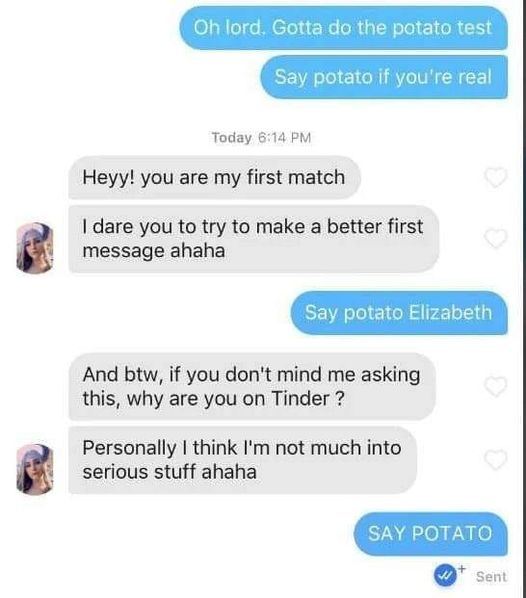
this is such an interesting time to be alive. we concreted the internet as our second equal and primary reality but it's full of ghosts now
we try to talk to them and they pass right through
it's a haunted world of dead things who look real but don't really see us
319
5,848
73,664
5,344,909
16 Feb 2024
She is so thoroughly unlikeable in every sense
12 Feb 2024

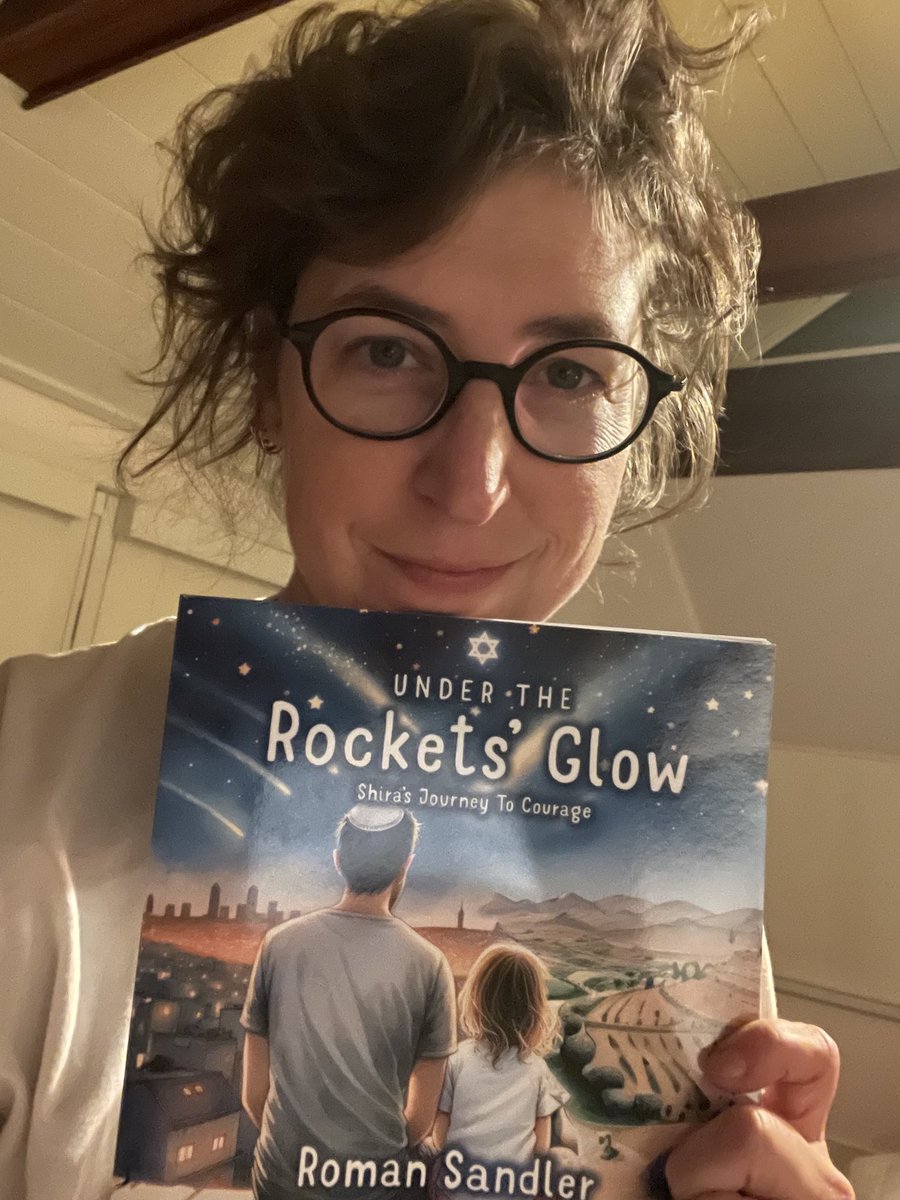
This is a children’s book that was written because the author was trying to explain what’s going on in Israel to his five-year-old daughter and he couldn’t find a resource with which to do it so he wrote one himself. Under the Rockets' Glow: Shira's Journey to Courage by Roman Sandler is beautiful and I recommended highly.
amazon.com/dp/B0CS64DY6N
69
malachi constant retweeted

20 Jan 2024
just a passing forklift operator
106
1,535
9,886
444,259