
Work = on-prem hyperscaler. STEM & *Female* ⚽️ flag waver. Bleeding edge tech spinning analogue. Opinions.mine != 4sale.
Joined June 2015
- Tweets 5,747
- Following 2,419
- Followers 620
- Likes 21,465
792 Photos and videos



Pinned Tweet

27 May 2020
One day you think you're in the Rebel Alliance, the next day you've realised it's the Brownshirts.
8
Jan Vowhagan retweeted

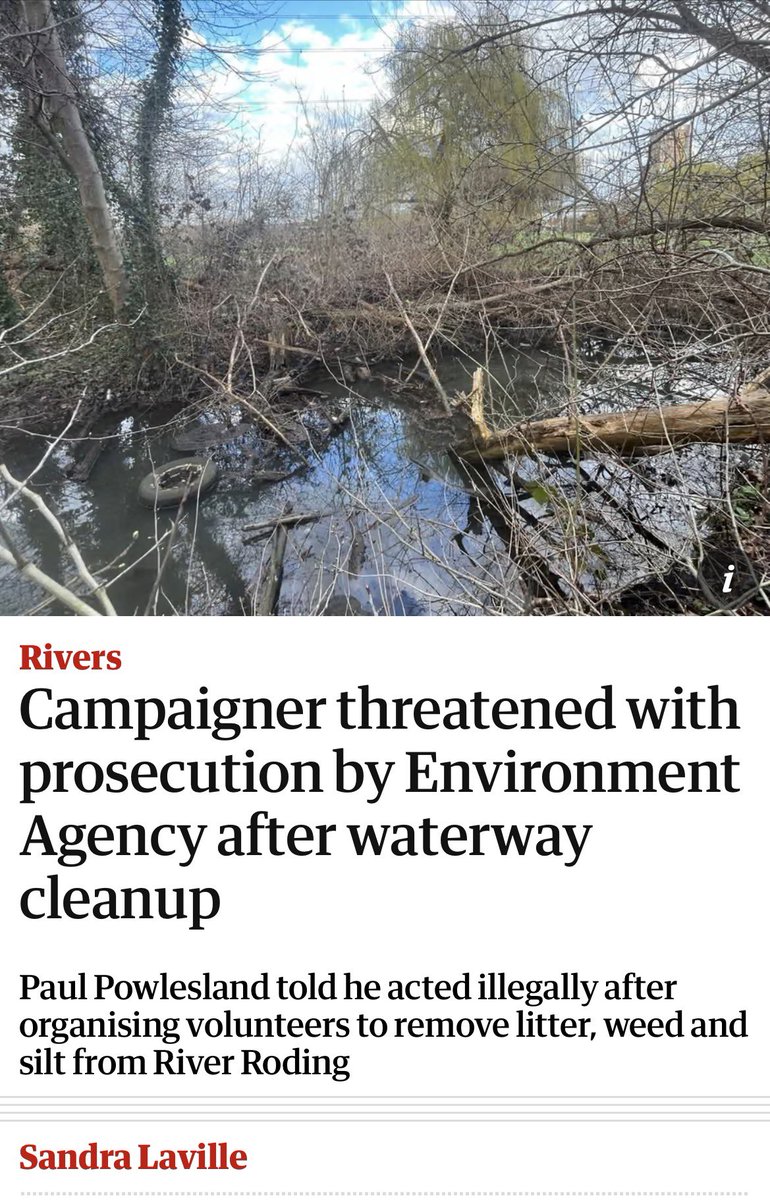
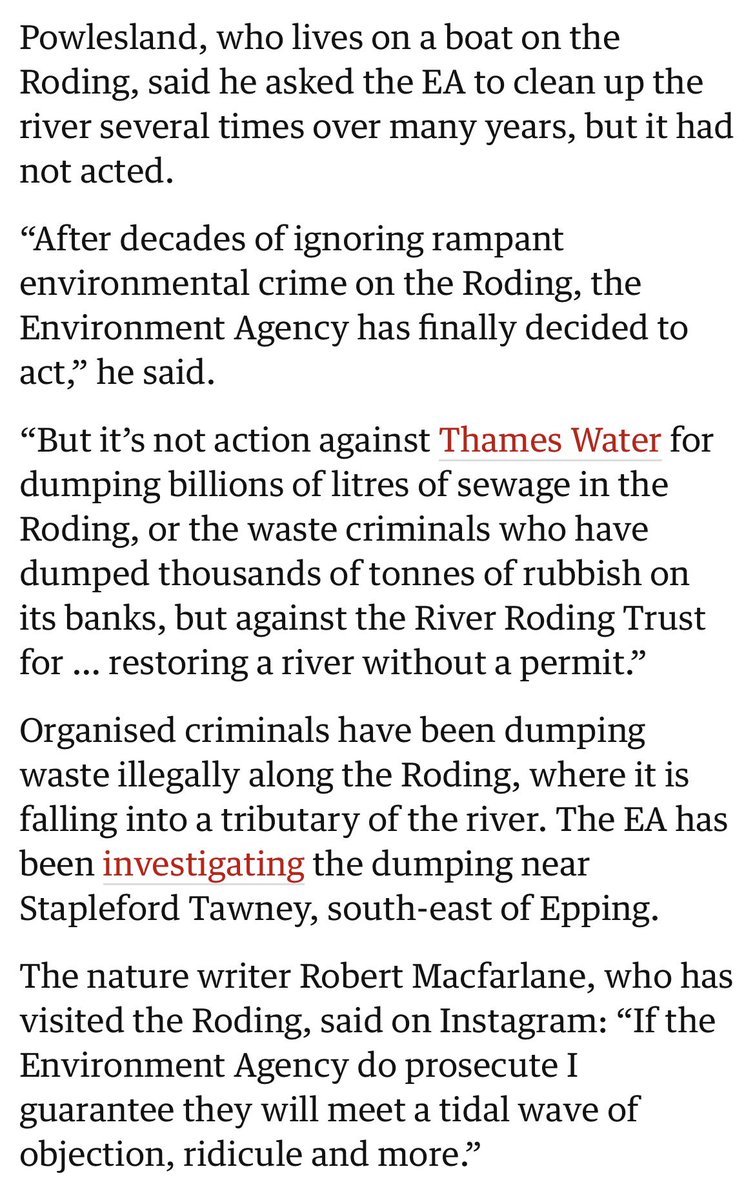
Good news! After decades of ignoring rampant environmental crime on the Roding, @EnvAgency has finally decided to act.
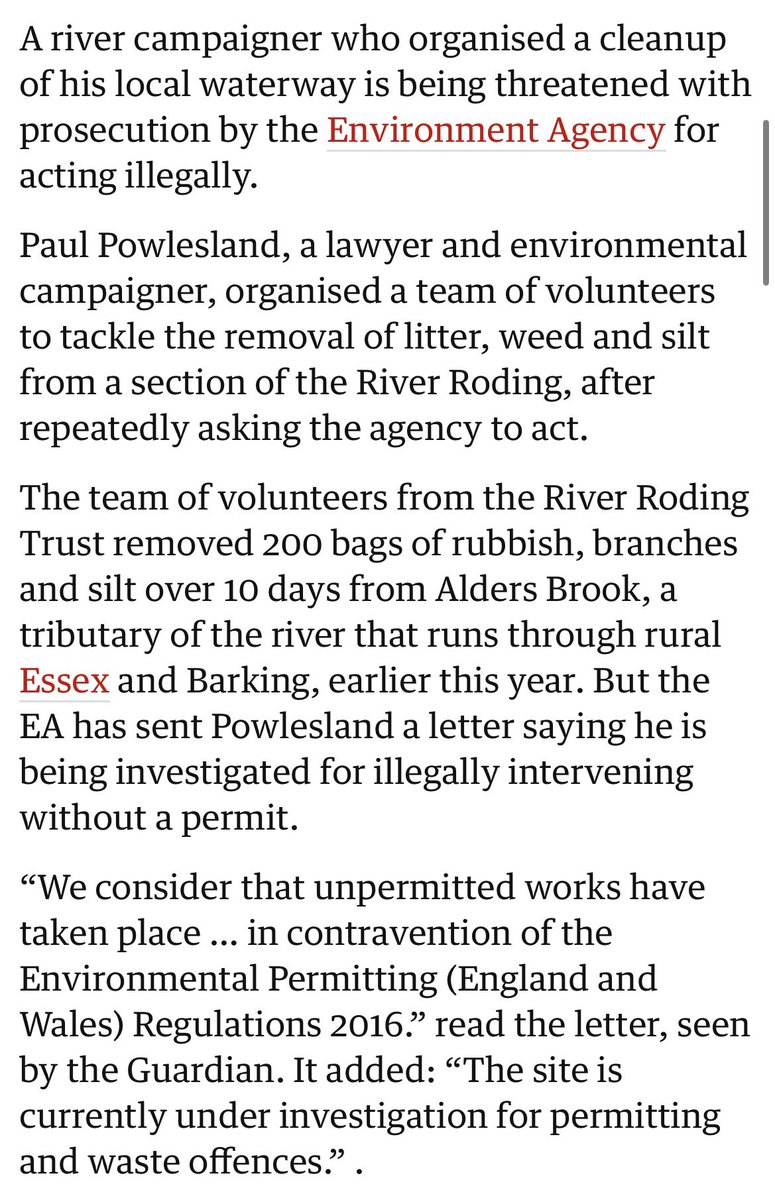
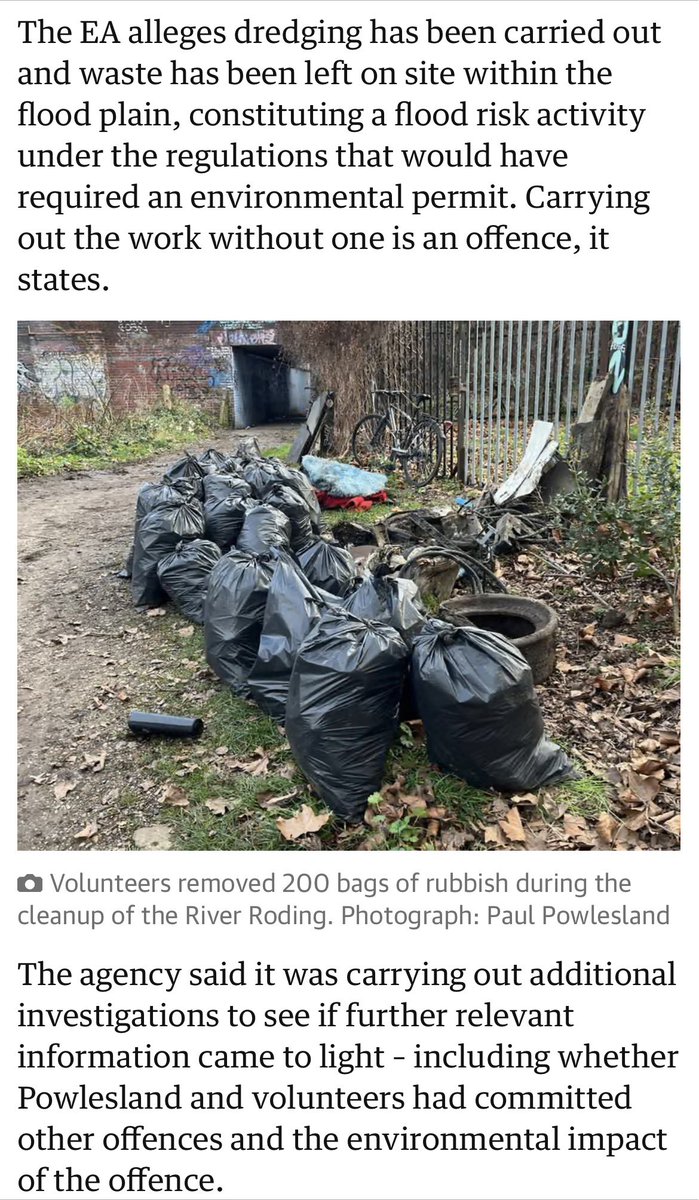
Bad news! It’s not against Thames Water for illegally dumping billions of litres of sewage in the Roding, or the waste criminals who have dumped thousands of tonnes of rubbish on its banks, but against myself & a small volunteer charity for… restoring a river without a permit!
Within a week of the magnificent work of River Roding Trust volunteers completing the arduous work of restoring 250 metres of the Aldersbrook this winter, EA investigators had been down to the site and rattled off a letter threatening us with prosecution for doing the work without a permit. This is despite the fact that the Trust have repeatedly asked the EA to do this vital work on the Aldersbrook themselves & they have refused. It is also despite the fact that they have not investigated the huge illegal sewage outlet on the Cranbrook a few hundred metres away, which illegally discharges 750,000,000 litres of raw sewage straight into the River Roding every year.
44
508
1,096
24,463
Jan Vowhagan retweeted

If Vladimir Putin changed the voting system days before an election to stop his opponents winning, every British journalist would call it what it is: rigging the rules.
Tonight, Labour rammed through a last‑minute switch in the Lords so that if Andy Burnham wins Makerfield and quits as Greater Manchester Mayor, his replacement won’t be chosen on a simple first‑past‑the‑post ballot, but on the supplementary vote system instead.
Why now?
Because Labour knows the race to replace Burnham would be a straight two‑horse fight with Reform UK – and under FPTP, the candidate with the most votes wins, no second chances, no back‑room redistributions, no “stop Reform” stitch‑ups.
Under SV, Labour gets a second bite of the cherry: if their candidate can limp into the top two, they can hoover up second preferences from every other party and magic a “majority” on the second count, even if Reform tops the poll on first preferences.
This isn’t “modernising democracy”. It’s the governing party using its Commons majority and the unelected Lords to hurriedly doctor the rules of one specific contest because it’s terrified the voters might choose someone else.
When the establishment preached to the world about “rules‑based order”, they forgot to mention one thing: in Britain, the rules are “based” on whether Labour thinks it might lose.
84
958
3,416
75,658
Jan Vowhagan retweeted

According to Keir Starmer, a teenager doesn’t have the judgement to scroll through Instagram without state supervision, but does have the judgement to pick the next government. We are governed by idiots, says Clive Pinder. dailysceptic.org/2026/06/17/…
32
484
1,857
11,252
Jan Vowhagan retweeted

10h
Wan Bissaka has been playing tonight like Two Bissakas.
3
23
1,065
Jan Vowhagan retweeted

The BBC continues to ignore our rape gang inquiry when it’s convenient. But please read this to understand how the bent establishment weaponises its institutions against us…
When a malicious complaint was made to Parliament about our fundraising efforts for the inquiry last year, the BBC were leaked it. Obviously. They gave us ten minutes to respond, and then published the story insinuating we had done something wrong.
We hadn’t.
It was immediately cleared by Parliament, and the BBC was forced to issue an apology.
Not before the lie had spread around the country.
But.
When we held our hearings, zero coverage. Silence.
Same for our report now. Nothing. The most comprehensive and honest analysis of the rape gang scandal. Ignored.
It clearly is of public interest, because the covered the negative story with such enthusiasm. So can you tell me why they won’t report our findings?
The entire establishment wants us to fail.
We will not.
668
6,349
32,341
407,703
Jan Vowhagan retweeted

Jun 16
Great British Energy was announced as a national champion; in other words, a publicly-owned power company, the spiritual heir to the days when the state kept the lights on and the bills down. The name does a great deal of work. It asks you to picture turbines, reactors, a vast public enterprise generating power for the people who own it.
Here is what has actually been built. Great British Energy employs around 30 permanent staff. It owns no power stations and generates, as far as anyone can establish, not a single watt of electricity. It is about to move into a £1.7m headquarters. And it is currently advertising for three non-executive directors at £1,000 a day, three days a week - £270,000 over three years to sit on the board of a company that has nothing to do.
The 1,000 jobs promised at launch have so far materialised as 30 - and even that figure flatters it, propped up by 21 staff on loan from other departments, 12 secondments, and 23 more on contingent contracts. It is a logo with a staff canteen.
This is the genre of industrial activity the modern British state has perfected: the announcement as the achievement. You do not need to build the power station if you can build the brand. Cut the ribbon, print the letterhead, brief the Sunday papers about Great British Energy striding onto the field, and the political work is done. Look at that image attached to the post! Isn't that nice?
As for the actual generation of electricity? Just a tiresome detail for some future administration to sort out. Ed Miliband, the greatest threat to the national interest since probably Spanish flu, gets his announcement, the public gets a press release, and the bills do not move.
The quango cluster around it swells regardless of output. Take the Low Carbon Contracts Company, one of the family: its headcount has risen 382%, from 49 to 236, its costs tripling, in a sector whose entire public justification is that it will make energy cheaper. More administrators, more directors on day-rates, and a country still paying among the highest electricity prices in the developed world.
The contrast with a real energy policy is total. You bring bills down by building things that make power - reactors above all, at the pace South Korea and France manage and we have somehow forgotten. Progress would put British nuclear on a war footing and build generation that physically exists, because the only thing that has ever lowered the price of energy is more of it. A body that produces none, however patriotically branded, lowers nothing.
Great British Energy: a grand name, a British logo, and no energy to speak of. It is a perfect emblem of a government that has run out of the capacity to do things and kept only the capacity to name them.
What a load of doughnuts.
14
81
177
7,348

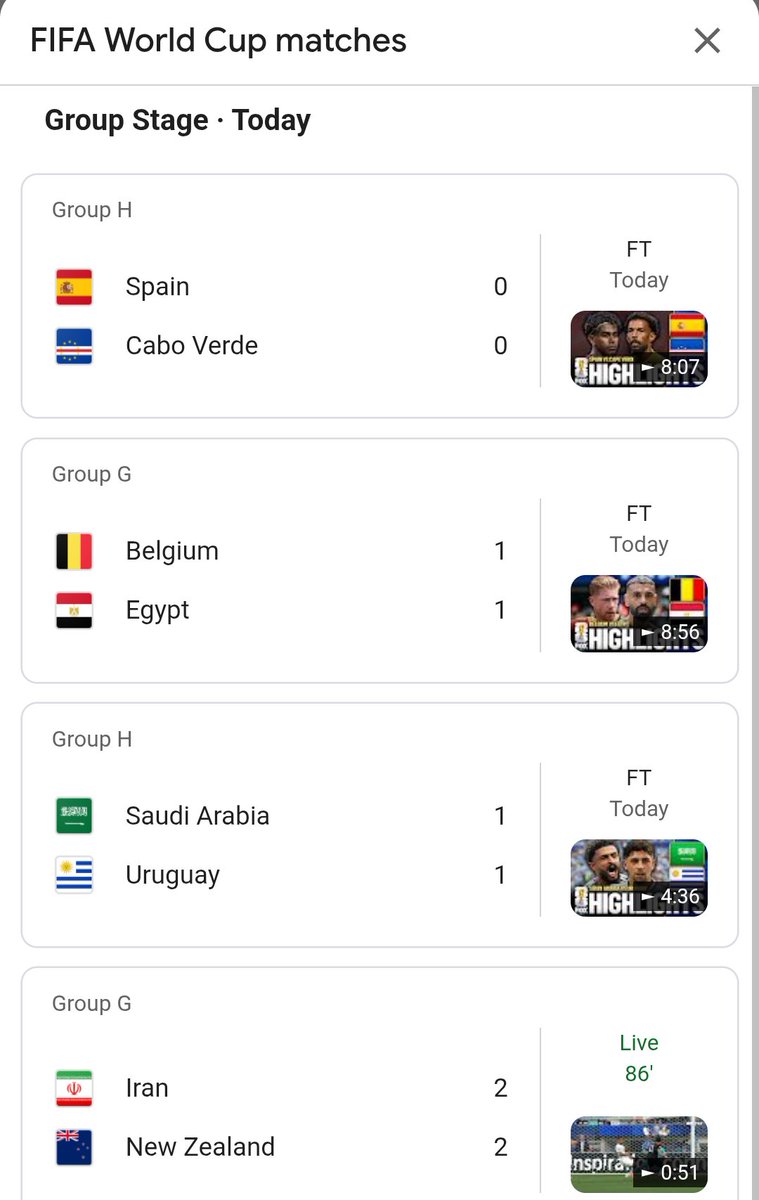
If you failed to get anything out of Cape Verde holding Spain to a 0-0 with a 40-year-old keeper having the game of his life against the odds, simply because it ended in a draw, I’m not sure sport in general is for you.
Jun 16

All four World Cup games today are going to be draws. I enjoy soccer, but this is clearly one of the reasons many Americans are bored by this sport.
91
1,703
24,502
488,632
Jan Vowhagan retweeted

Jun 15
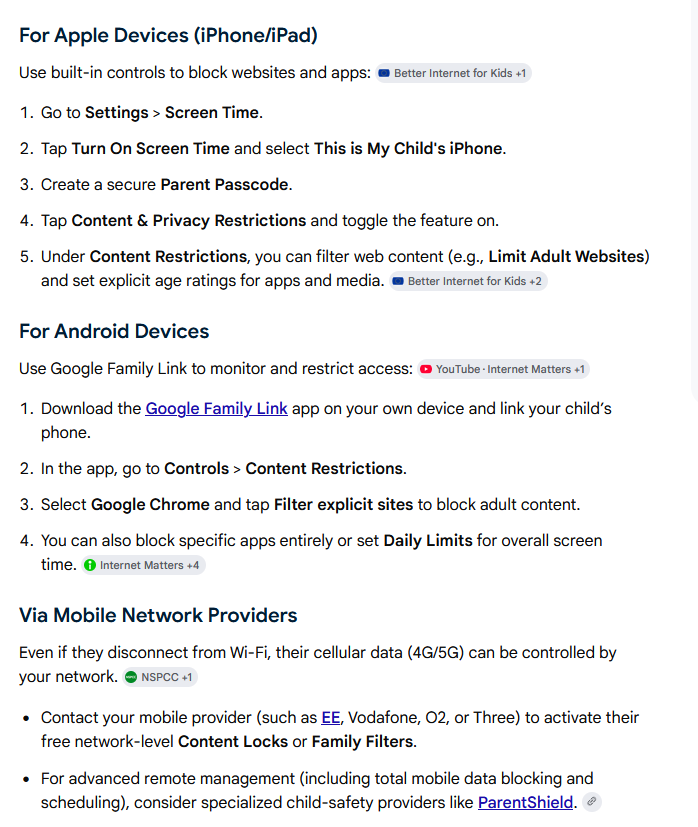
Hey @KeirStarmer, how about educating parents on how to do this? Or would that not achieve the desired result you're *actually* aiming for?
29
263
1,013
22,536
Jan Vowhagan retweeted

Jun 15
Now do you see why I decided to set all my free time on fire last year and try to stop the Online Safety Act dead in its tracks?
The OSA was never the end of the UK’s Internet censorship and surveillance program, it was only the start.
17
257
1,556
20,329

This AI just exposed the BIGGEST legal insider trading operation in America.
A platform called GovGreed built a seven-layer machine learning system that cross-references every stock trade disclosed by every sitting politician against the bills their committees control, the campaign donations they receive, and the companies their votes directly impact.
It scored all 540 politicians currently in Congress. And the numbers are crazy:
56% of every stock purchase made by Congress in the last 16 months was on a stock directly affected by a bill the buyer later voted on. That is 6,170 out of 11,016 total purchases.
More than HALF of all congressional stock buys are on companies whose fate that same politician is about to decide.
343 of 540 Congress members actively trade stocks while holding access to nonpublic legislative information.
That is 63.8% of the entire legislature making market bets with an informational edge that would put any hedge fund manager in prison.
The AI identified 752 active "Triple Signals" in the current Congress. A Triple Signal fires when three conditions line up at once:
The politician sits on the committee controlling a bill, they traded stock in a company affected by that bill, AND they received campaign contributions from that same industry.
Bills carrying these insider indicators pass at 5.4 TIMES the normal rate.
Now look at the individual leaderboard:
- Nancy Pelosi's estimated portfolio sits at $194 million with a Greediness score of 98.1 out of 100
- Ro Khanna made 13,231 trades across 800 different tickers
- Michael McCaul made 32,302 trades and filed 6,670 of them late
- Thomas Suozzi filed 86.4% of his trades late with an average delay of 396 days, meaning his disclosures landed over a YEAR after he made the trade
And then there is Lisa McClain, the fourth-ranking Republican in the House. She has made 1,443 trades in three years, more than 98% of all politicians tracked.
She violated the STOCK Act twice in a single year, disclosing up to $900,000 in trades months after the legal deadline. Her husband bought up to $250,000 in Elon Musk's xAI, which quietly converted into SpaceX equity before last Friday's $2 trillion IPO.
The penalty for all of this? A $200 fine.
The number of Congress members ever prosecuted under the STOCK Act since it passed in 2012? Zero.
And the cruelest part is this:
A bill to ban congressional stock trading was introduced in January 2026. It has bipartisan support. Over 80% of American voters want it passed.
But Congress is sitting on it, because the people who would have to vote yes are the same people making millions from the system staying exactly the way it is.
They write the insider trading laws, they exempt themselves from enforcement, they trade on the information those laws generate, and when they get caught, they pay a fine that is basically nothing.
The AI didn't discover anything Congress was hiding. It just organized what was already public into a pattern so obvious that nobody can pretend it isn't there anymore.
1,451
16,521
34,110
1,724,706
Jan Vowhagan retweeted

Jun 15
You know you're living in a healthy democracy when everyone has to pay for a VPN to stop the state from spying on them.
183
2,943
27,071
226,262
Jan Vowhagan retweeted

Jun 15
The last sentence is the real meat and potatoes of this.
What's being promoted as a 'social media ban for children', is really an ID check for every adult.
Jun 15

🚨 SUMMARY: The UK's social media ban for children from early 2027:
- "User-to-user" apps where people create, share and interact with content (e.g. TikTok, Instagram, Snapchat, YouTube, X, Facebook) will be banned for under-16s
- WhatsApp, Signal and YouTube Kids will be exempt
- Under-16s will also be banned from livestreaming, messaging strangers on gaming apps like Discord and using disappearing messages
- 16 and 17 year olds will face nightly social media curfews and limits on infinite scrolling with more details next month
- AI "romantic companion" chatbots will be banned for under-18s
- Adults can still access social media through age checks like facial recognition, digital IDs, passports and credit cards
423
2,642
14,048
652,647
Jan Vowhagan retweeted

Jun 15
This is the year when the game of two halves became the game of four quarters. And the greatest sport and event was damaged for fistfuls of dollars. Hydration breaks ruin the game’s flow and frustrates fans and viewers. If hydration breaks were solely about player welfare then they would be linked to the temperature in the stadia. It’s a nonsense having a three-minute break in an air-conditioned arena.
Fifa should long ago have established a working party of coaches, sports scientists, national team doctors and Fifpro to agree a set temperature at kickoff, say 25C, which triggers the breaks. That would prove the breaks were for player welfare. At the moment, and to nobody’s surprise, it is widely accepted that these breaks are for US TV to accommodate commercials. Big bucks for the small screen.
Fifa should have thought more about the effect on games and to fan (and viewer) experience when negotiating. Coaches’ desire for a mid-half tactical time-out masquerading as a drinks stop should be resisted anyway. Games have been played for 150 years without needing such intervention. Coaches can shout instructions. And who says that 22 mins and 67 mins is when a coach needs to intervene anyway. It’s nonsense. It’s about money.
Respected and sane footballing voices from Virgil van Dijk to Mauricio Pochettino have spoken out against the breaks. Fifa should listen to them not appear only to listen to the rustle of dollar bills. It’s important that there is resistance to this from all over. Because if we tolerate this, our TV games could be next. BBC can’t do ads, ITV says it won’t follow its US counterparts. But it has been discussed by TV people. It’ll come one day. #FIFAWorldCup.
464
1,065
6,774
459,957
Jan Vowhagan retweeted

Jun 15
Hoovering up digital ID for adults is the point. They want to end anonymity on social media so they can crush dissent.
Being able to keep teenagers from reading wrongthink is just the cherry on top for them
Jun 14
🚨 NEW: The UK social media ban for under-16s will be enforced through facial recognition, digital IDs, credit cards, open banking, passports, mobile provider checks or email age estimation
37
406
2,092
32,562
Jan Vowhagan retweeted

Jun 14
These ‘hydration breaks’ are fundamentally warping the World Cup. Curacao had just enjoyed perhaps the highlight so far with that equaliser against Germany and were on the attack again. Then three minutes to promote a laptop brand, and momentum is handed straight back. Wretched.
102
1,614
14,787
397,326
Jan Vowhagan retweeted

Jun 14
It’s currently 86° in Houston and they’re playing indoors in a climate-controlled stadium. Have some respect for fans’ intelligence and call it what it is: a commercial break.
Are we really going to keep up this charade for the entire tournament?
191
2,009
21,649
337,137
Jan Vowhagan retweeted

Jun 13
Britain losing access to Claude fable isn’t on the BBC or Times homepage, 4th on the guardian, 7th on the FT and below the fold on the Telegraph.
What are we doing here?
66
111
1,267
384,475
Jan Vowhagan retweeted

I absolutely fckn love this 💪🏼🏴🏴🏴
695
2,386
22,093
620,300
Jan Vowhagan retweeted

Jun 13
This week the most advanced AI model on the planet got switched off by a foreign government. British researchers were studying it. British companies were testing it. British hospitals were piloting it. Not any more.
This isn't an AI story. It's the story of every industry we used to lead.
Britain has some of the best AI talent in the world. DeepMind was built here. Our AI Safety Institute writes the rules other countries follow. We have the researchers, the universities, the standards.
What we don't have is the power stations to run the data centres, the planning system to build them, or the industrial base to make the chips. So the work happens here and the value lands somewhere else. We invent. Others build. Others decide. Then we read about it on Saturday morning.
Same story as the kit our soldiers don't have. Same story as the factories we used to.
I spent nine months in government making this argument inside the room. I'll make it louder from outside.
Jun 13

The US government, citing national security authorities, has issued an export control directive to suspend all access to Fable 5 and Mythos 5 by any foreign national, whether inside or outside the United States, including foreign national Anthropic employees.
The net effect of this order is that we must abruptly disable Fable 5 and Mythos 5 for all our customers to ensure compliance.
Access to all other Claude models is not affected.
We apologize for this disruption to our customers. We believe this is a misunderstanding and are working to restore access as soon as possible.
Read our full statement: anthropic.com/news/fable-myt…
674
1,295
8,014
1,138,865