Research Scientist @GoogleQuantumAI | PhD in applied physics from @Yale_QI | quantum error correction research with superconducting circuits
Joined March 2018
- Tweets 225
- Following 658
- Followers 1,321
- Likes 1,244
16 Photos and videos






Pinned Tweet

8 May 2024
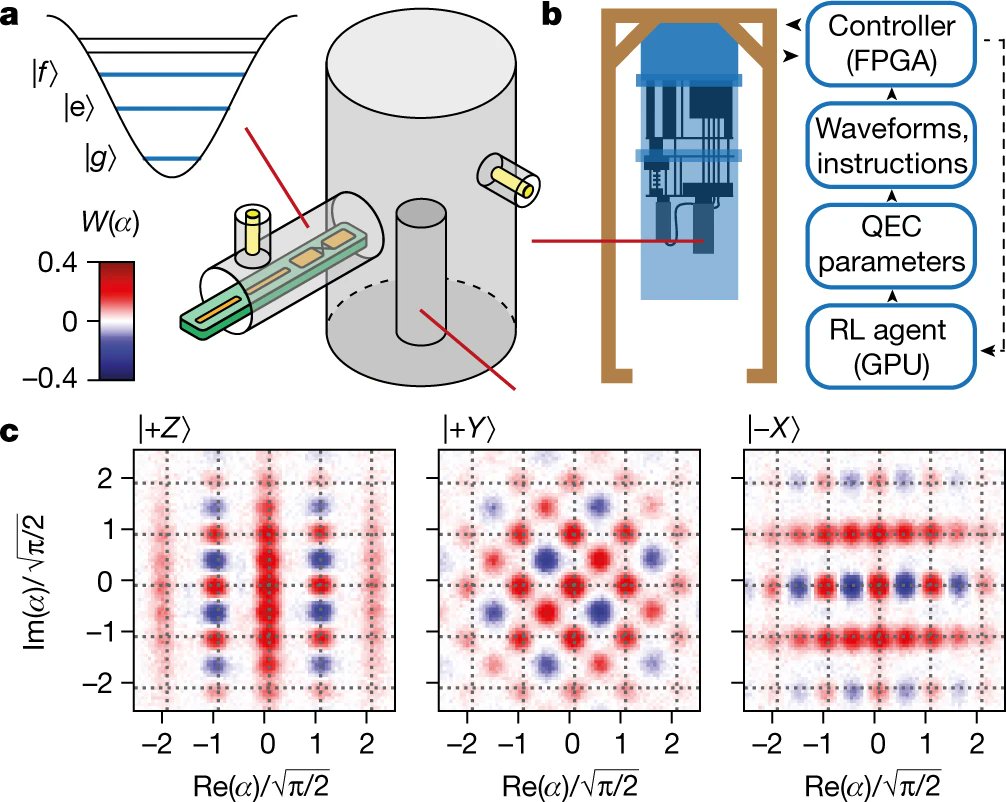
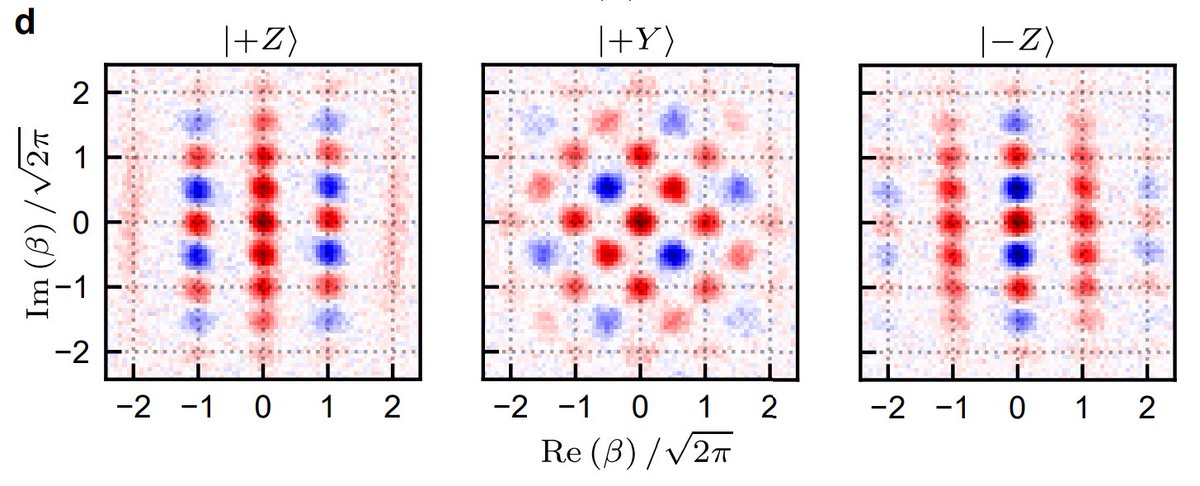
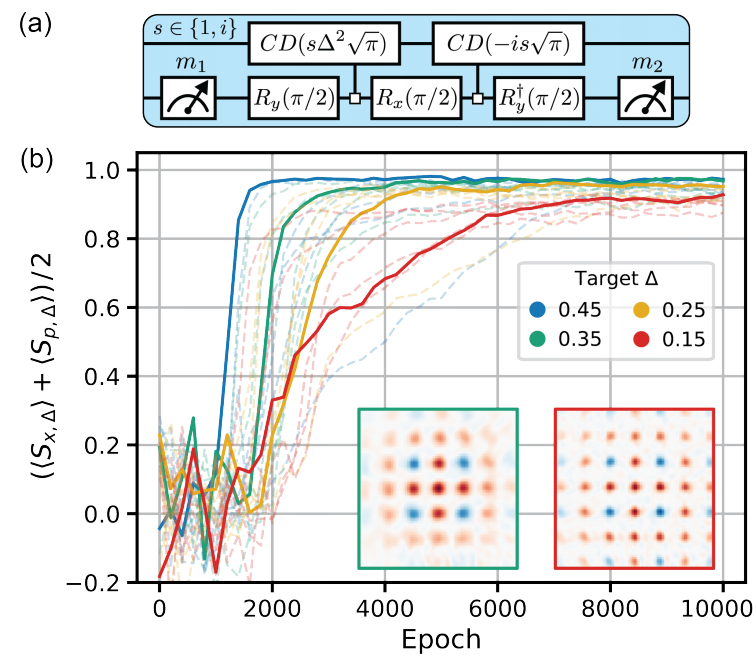
Happy to share my thesis, "Quantum Control and Error Correction of Grid States in a Superconducting Oscillator", is now online. Here's a direct link: bpb-us-w2.wpmucdn.com/campus…
1
5
44
3,792
7 Oct 2025
Congratulations Michel, John Clarke and John Martinis!
7 Oct 2025

BREAKING NEWS
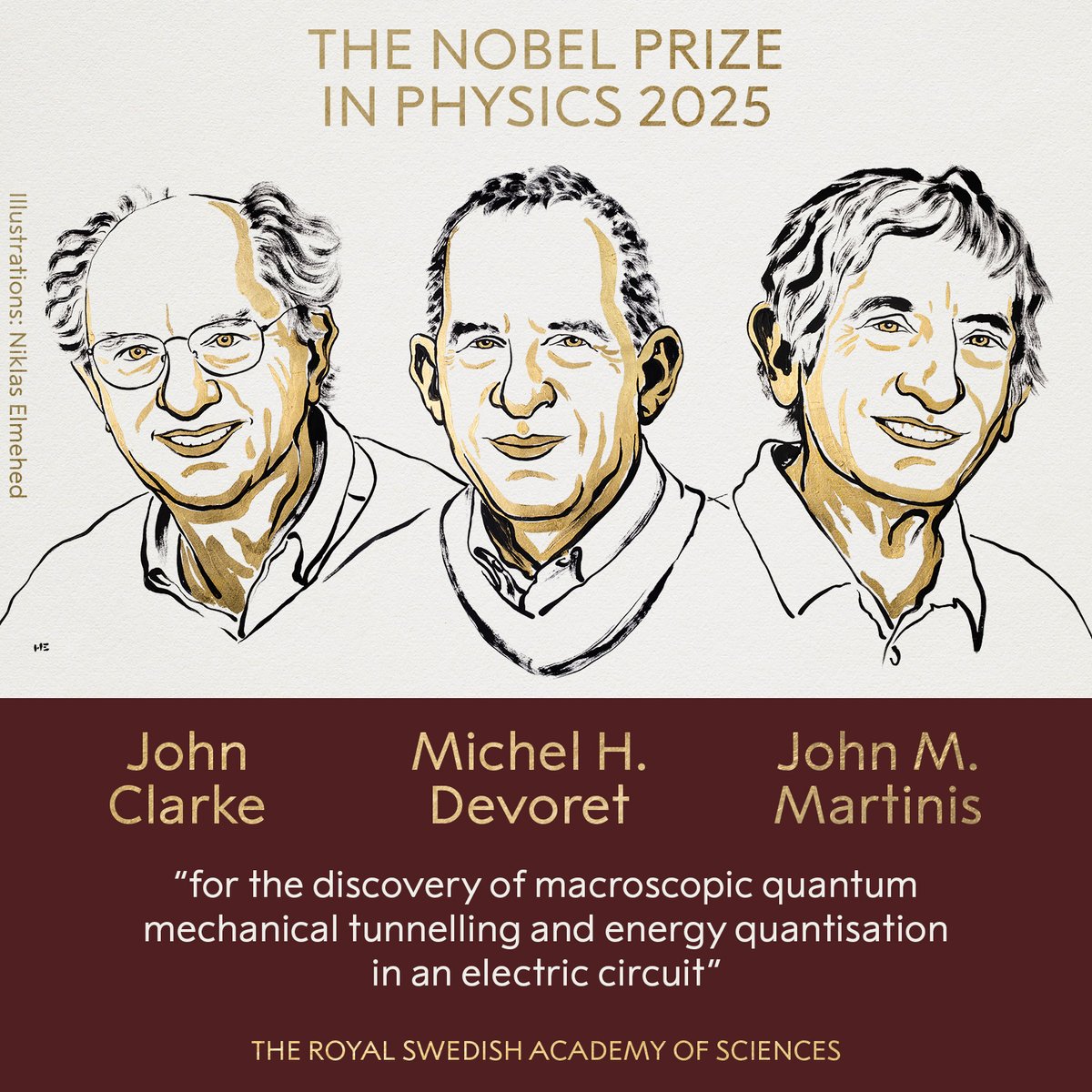
The Royal Swedish Academy of Sciences has decided to award the 2025 #NobelPrize in Physics to John Clarke, Michel H. Devoret and John M. Martinis “for the discovery of macroscopic quantum mechanical tunnelling and energy quantisation in an electric circuit.”
8
290
16 Aug 2025
I had a great time back at Yale at #QEC25. Here’s a recording of my talk on our realization of below-threshold quantum error correction:
yale.hosted.panopto.com/Pano…
1
18
1,015
Alec Eickbusch retweeted

13 Aug 2025
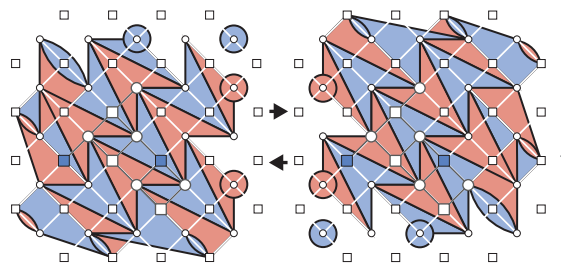
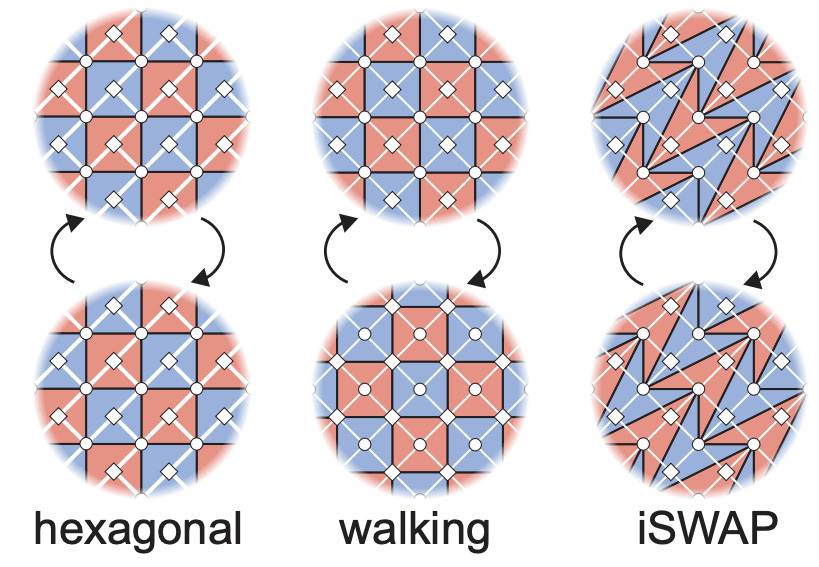
Using time-dynamics, the surface code can be embedded on a hexagonal lattice rather than a square lattice. In our new paper, we show that these hex-grid circuits can still be adapted to broken qubits and couplers, despite their sparser connectivity: arxiv.org/abs/2508.08116.
1
21
1,066
Alec Eickbusch retweeted

1 Jul 2025
Thrilled to share my PhD thesis is now public! 📖
📎 proquest.com/docview/3225356…
Aside from an introduction to quantum computing in CV and DV architectures, some unpublished ideas include:
14
4
60
4,358
Alec Eickbusch retweeted

3 Apr 2025
Scientists have demonstrated that direct quantum info transfer is feasible at far lower transmission rates than previously thought — as low as 10% — with the help of GKP states. This work opens new possibilities for #quantum computing and communication.
go.aps.org/4ceAxfT
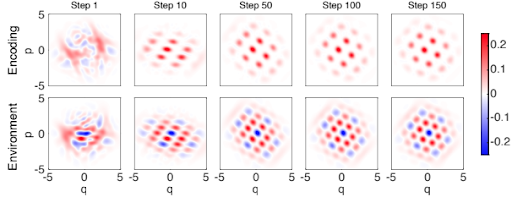
ALT Set of ten plots showing the gradual transfer optimization of a quantum message through a system that only allows 33 percent transmission. In the top row of plots, the message (red and blue regions) starts messy then becomes clearer from left to right. In the bottom row, the surrounding environment (indicated by red and blue regions) is also adjusted and becomes more aligned from left to right, supporting the transfer of the quantum message. Though inefficiency remains low in the system, the information is transferred reliably.
1
14
59
2,591
Alec Eickbusch retweeted

20 Mar 2025
Our paper that tells you how to make millisecond transmons just appeared. Congrats, Matthew, Faranak and team! In collaboration with Nathalie de Leon and Bob Cava, and building on five years of work in @C2QAdvantage
arxiv.org/abs/2503.14798
1
9
67
4,045
Alec Eickbusch retweeted

26 Feb 2025
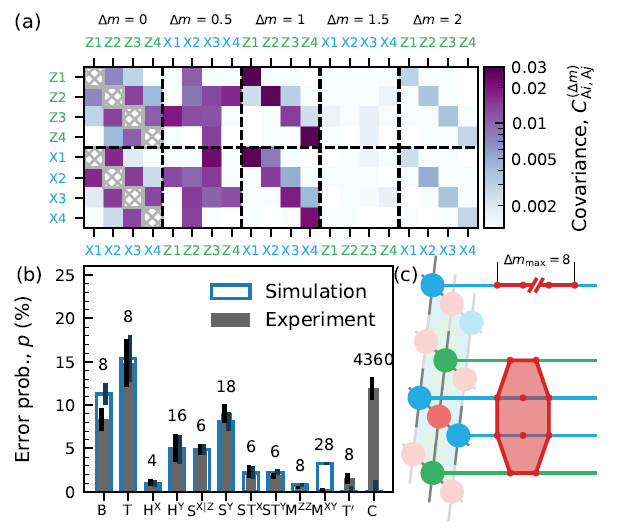
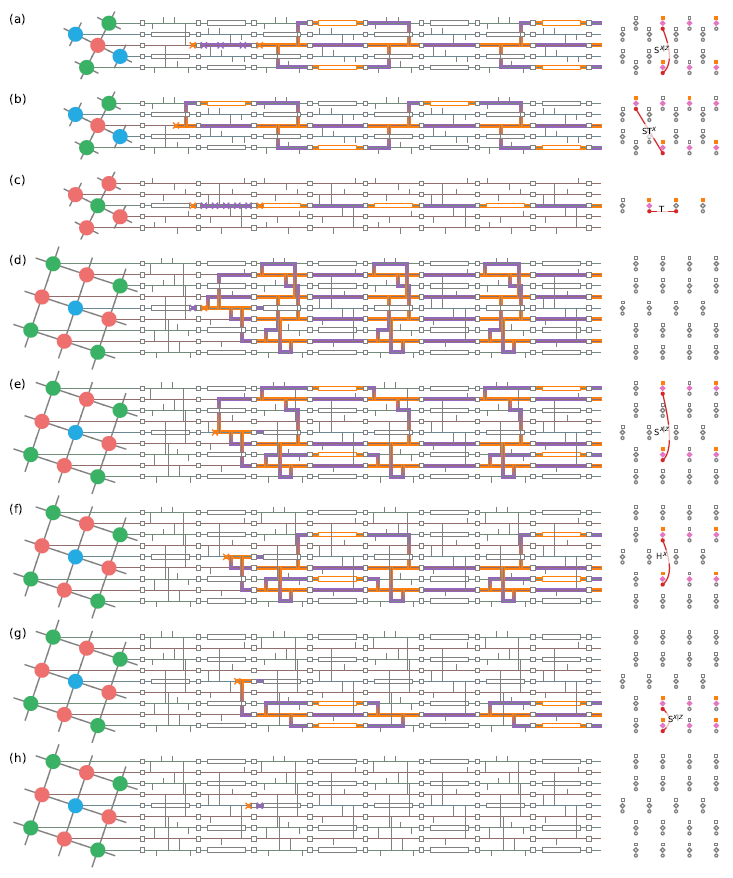
Check out our newest manuscript on Experimentally Informed Decoding of Stabilizer Codes Based on Syndrome Correlations (arxiv.org/abs/2502.17722) which appeared on the @arxiv server today.
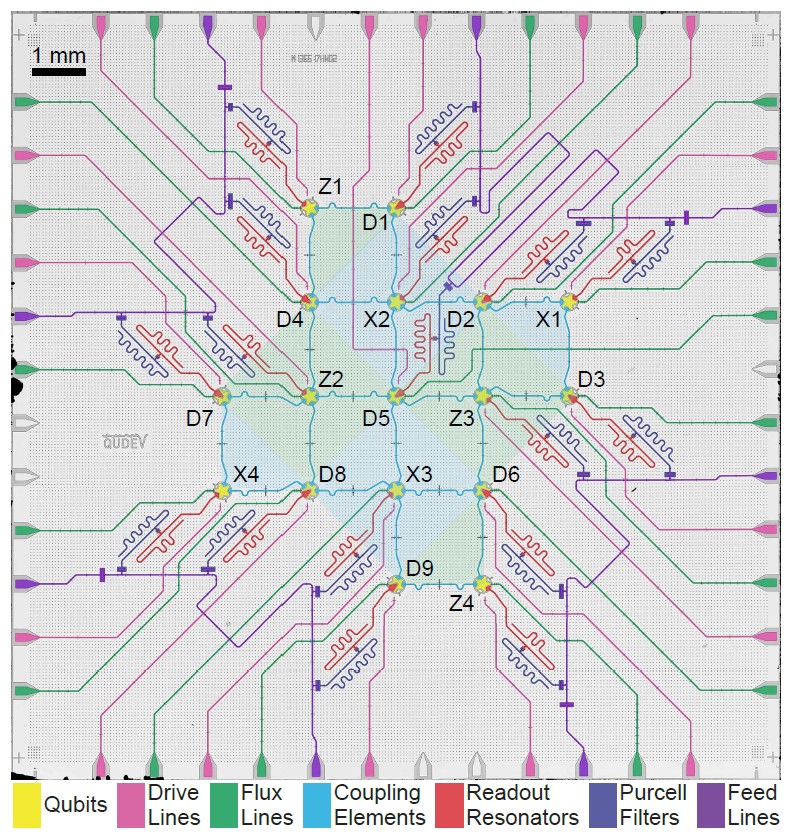
In this work we discuss how we decode experimental error syndromes that are generated when executing the surface code with superconducting circuits.
If you like the manuscript rate it on Scirate: scirate.com/arxiv/2502.17722.
The work was done in a collaboration between @RWTH Aachen University, @fz_juelich, @IQ_USherbrooke at @USherbrooke, the @qudev lab at the @ETH_physics Department, member of the @ETHQuantumCntr and the @ETH_en Zürich - @psich_en Paul Scherrer Institut #Quantum Computing Hub by Ants Remm, @NathanLacroix, Lukas Bödeker, Elie Genois, Christoph Hellings, @FrancoisSwiadek, Graham J. Norris, @eichler__chris, @circuitqed , Markus Müller, @SebKrinner, and @AndreasAtETH with support from @IARPAnews and many more.
1
12
63
3,006
20 Dec 2024
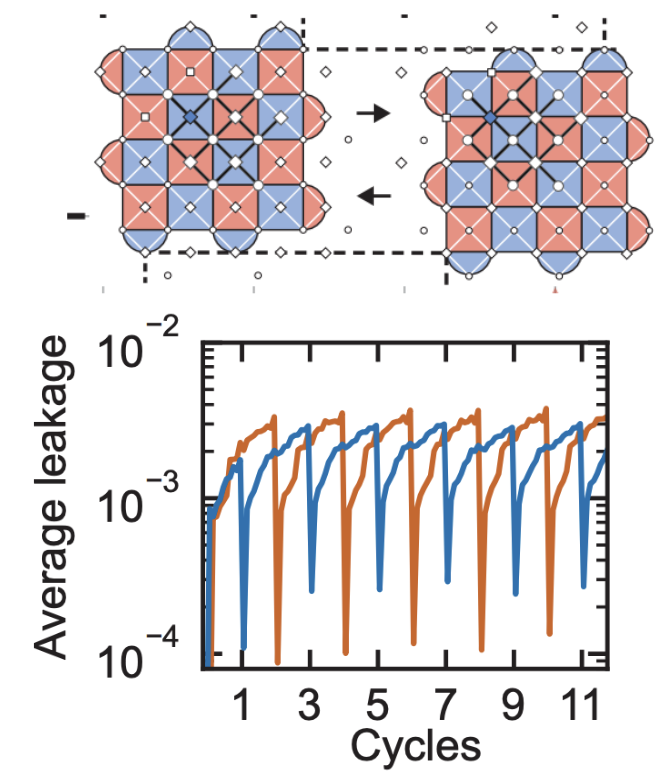
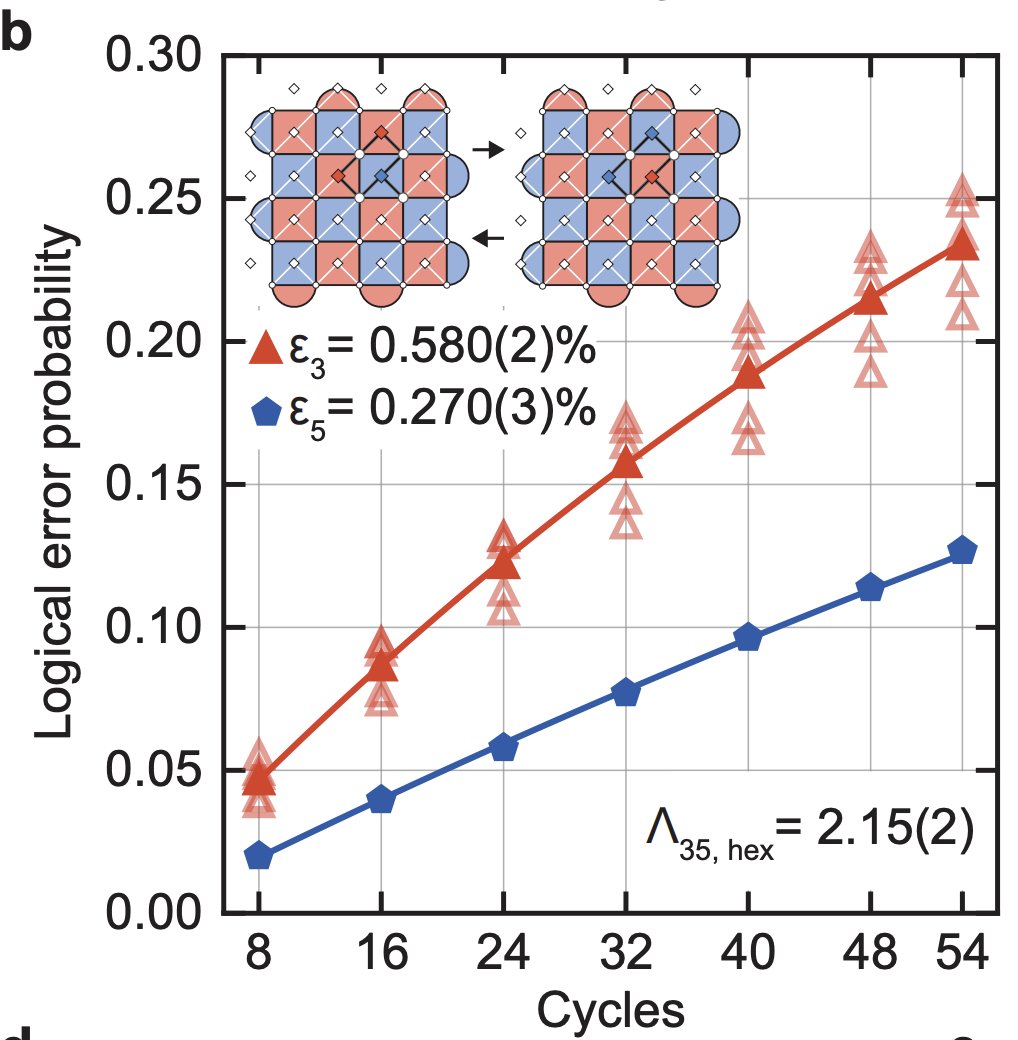
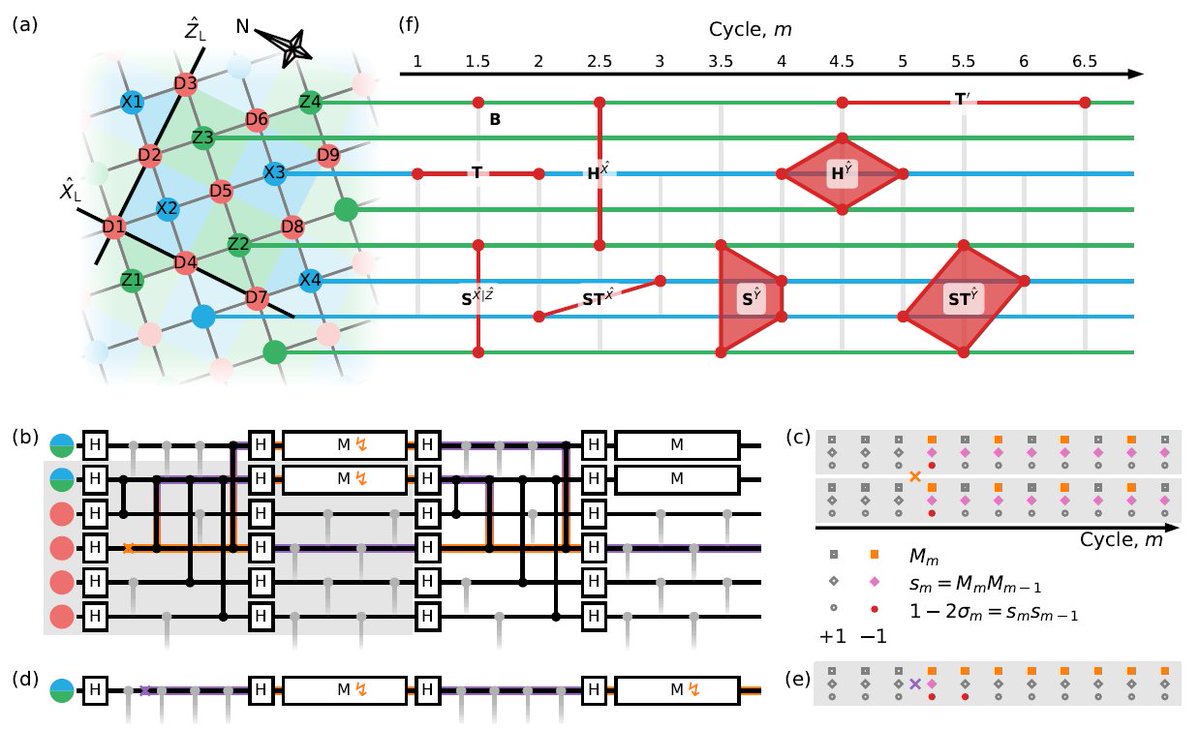
I'm happy to share one of two experimental quantum error correction preprints released today from our team at @GoogleQuantumAI , where we realize three time-dynamic implementations of the surface code! Check it out here: arxiv.org/abs/2412.14360
4
10
91
4,338
20 Dec 2024
Our results open the door to many new possibilities for QEC circuit design in hardware and software. This is one of two new preprints out by our team today, the second being a demonstration of the color code with logical operations, check it out here! - arxiv.org/abs/2412.14256
1
3
258
20 Dec 2024
Thanks to my colleagues @mattjmcewen , @AlexisMorvan1 , and the rest of the Google Quantum AI team. Congrats to @NathanLacroix , Alex Bourassa, @KJSatz, and the rest of the team for the impressive color code results out today. It is a great year for experimental QEC!
5
254
10 Dec 2024
Check out our latest development from @GoogleQuantumAI, Willow!
9 Dec 2024

Meet Willow: Our state-of-the-art quantum chip. It's the first quantum chip to show exponential error reduction as qubits scale, paving the way for large-scale, fault-tolerant quantum computers. Dive in → go.nature.com/3OKVLY6
1
11
969
Alec Eickbusch retweeted

9 Dec 2024
Today we're introducing our new quantum chip, Willow!
Willow is our first below-threshold quantum processor, which you can now read about in Nature t.ly/q7mVH.
@KJSatz and I also wrote a blog about it t.ly/gEaQA.
TLDR: QEC is blasting off. 🚀🚀🚀
24
91
467
40,597
Alec Eickbusch retweeted

22 Oct 2024
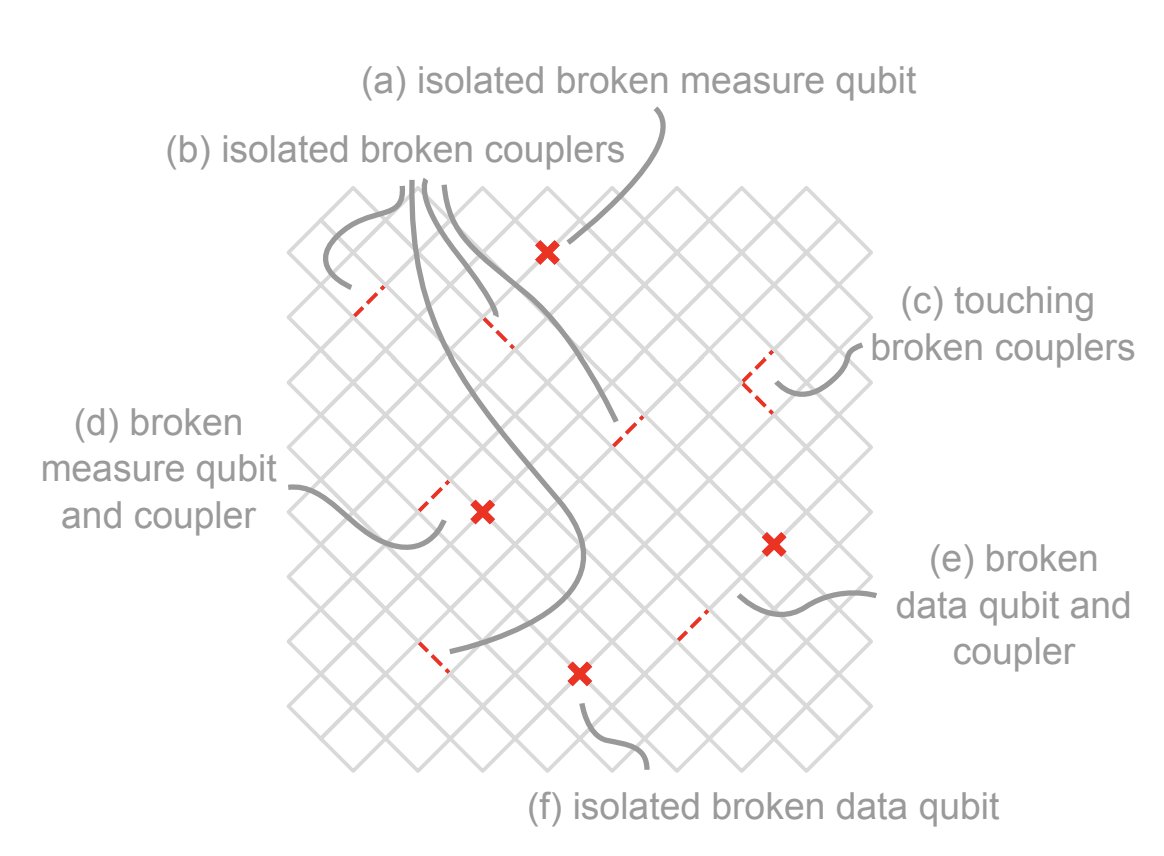
Picture yourself with a chip made of qubits, with couplers between them for two-qubit gates. In scirate.com/arxiv/2410.14891, we outline a protocol called LUCI which adapts QEC circuits to chips where some of these components have been rendered non-functional.
2
6
26
3,966
Alec Eickbusch retweeted

27 Sep 2024
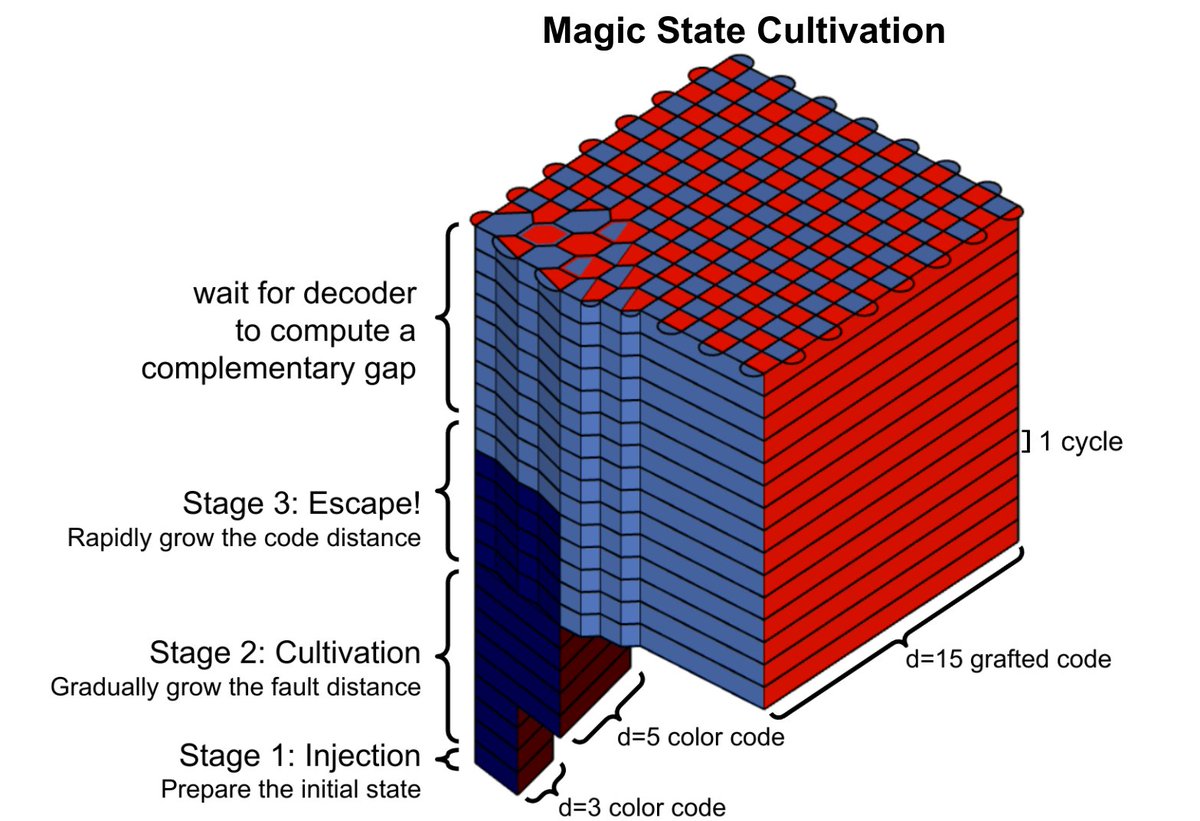
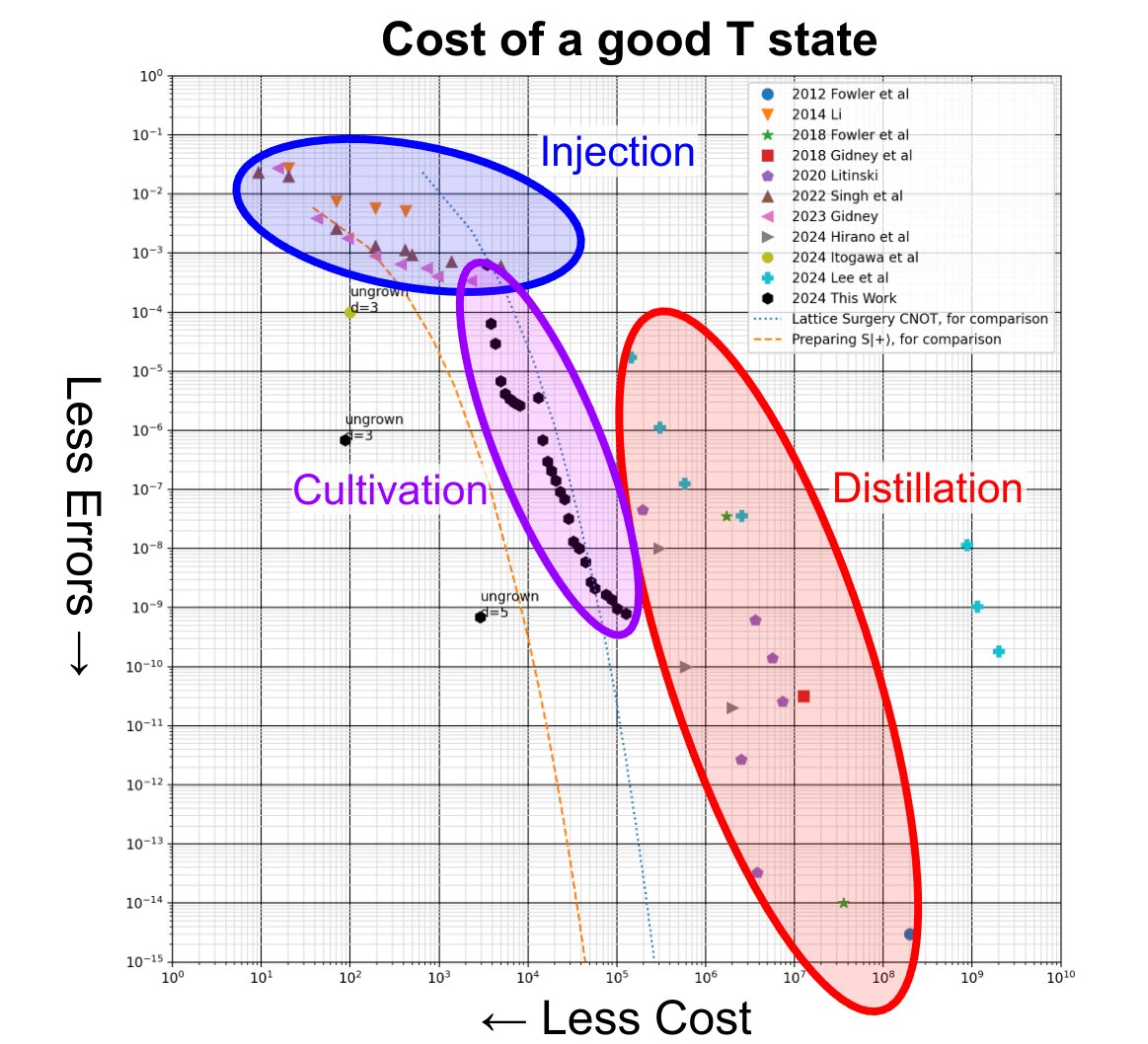
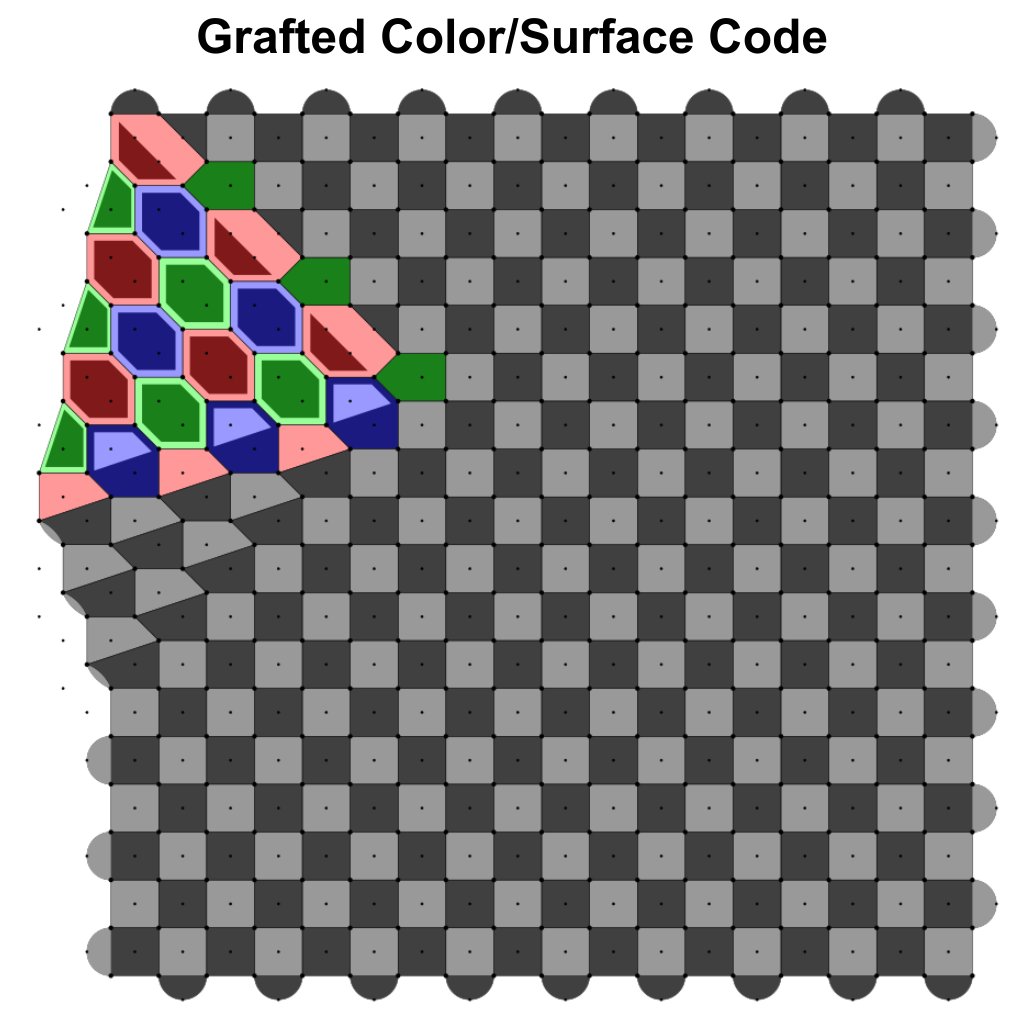
Been working on "Magic state cultivation: growing T states as cheap as CNOT gates" all year. It's finally out: arxiv.org/abs/2409.17595
The reign of the T gate is coming to an end. It's now nearly the cost of a lattice surgery CNOT gate, and I bet there's more improvements yet.
9
62
291
41,013
27 Aug 2024
Check out our latest preprint from @GoogleQuantumAI!
27 Aug 2024

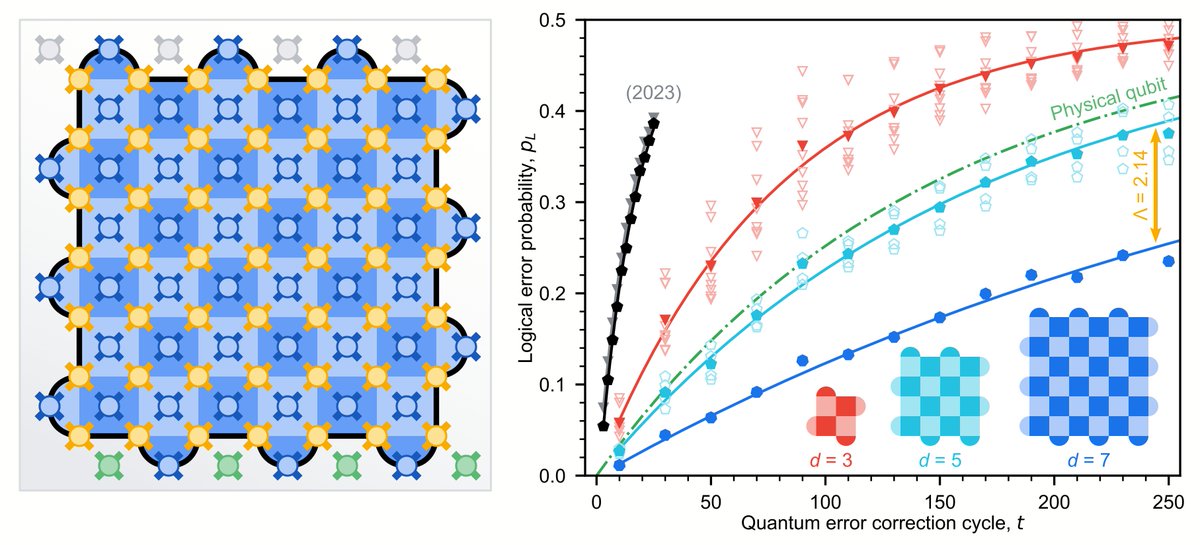
Check out our latest preprint @GoogleQuantumAI pushing the surface code to the next level!
- Below threshold (Λ > 2)
- Distance-7 logical qubit, 0.0014 error per cycle, >2x better than physical qubits
- Explore 10^-10 error regime with repetition codes
arxiv.org/abs/2408.13687
1
40
1,750
Alec Eickbusch retweeted
29 Jun 2024
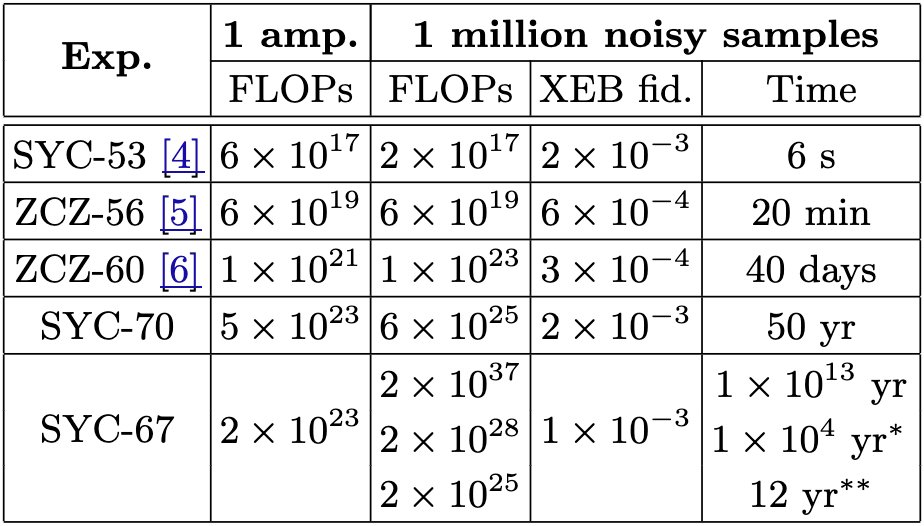
It'll be interesting to apply their methods to the updated experiments in arxiv.org/abs/2304.11119.
Under extremely idealized assumptions for the classical compute, that paper estimates it would take 6 seconds to run the 2019 experiments, but many years to run the updated ones.
1
21
3,687