
Transparency, accountability and market-based reform of state & local economic development programs across America. Pay for your own damn stadium.
Joined June 2018
- Tweets 2,621
- Following 528
- Followers 1,822
- Likes 262
266 Photos and videos


Pinned Tweet

17 Oct 2023
Your state government’s economic development strategy relies on the argument that politicians, bureaucrats and lobbyists are getting together behind closed doors to decide which corporations get millions or even billions of tax dollars, but they’re doing that for YOUR benefit.
9
16
1,572
Center for Economic Accountability retweeted

Jun 9
Honored to be the Emergency Backup Liveblogger for @fieldofschemes today at the @UMBC Sports Economics Conference. Got a whole day of presentations on stadiums and economic impact ahead, follow along here: fieldofschemes.com/2026/06/0…
1
68
Center for Economic Accountability retweeted
Jun 5
A Bears stadium in Indiana would be built, in part, by making every restaurant meal in 917 square miles of northwest Indiana cost more for residents and visitors alike.
Jun 5

Statement from Chairman George H. McCaskey and President & CEO Kevin Warren:

18
7
32
9,199
Center for Economic Accountability retweeted
Jun 1
It is simply untrue that stadiums generate "a massive amount of economic activity." NFL teams host only as many customers in a year as an average-sized American supermarket does (~700,000). In reality, stadiums spend almost their entire lives dark, empty & silent.
Jun 1

So we just lost the Chicago Bears over real estate taxes that the Bears have never paid in the history of the team. The local boards in Arlington Heights - who would’ve received those taxes - wanted to do the deal. Every team in the NFL gets tax breaks for a reason … these teams can go anywhere and they generate a massive amount of economic activity wherever they go.
The Bears will be moving to Indiana for one reason - Illinois is completely and wholly incompetent. The mere fact that - after all these years - they were scrambling at midnight to figure something out only highlights the point.
Democrats have cratered Illinois and nothing here is getting fixed without sweeping political change.
Vote red!
89
86
1,180
113,645
Sounds like a good reason not to take on debt that you’ll be relying on those sales taxes to pay back…
Jun 1

How much sales tax will a new Royals stadium generate? KC officials won’t say just yet kansascity.com/news/politics…
1
1
78
Our statement on the Illinois legislature's decision to adjourn for the summer without passing stadium subsidy legislation:
1
2
33
Center for Economic Accountability retweeted

May 22
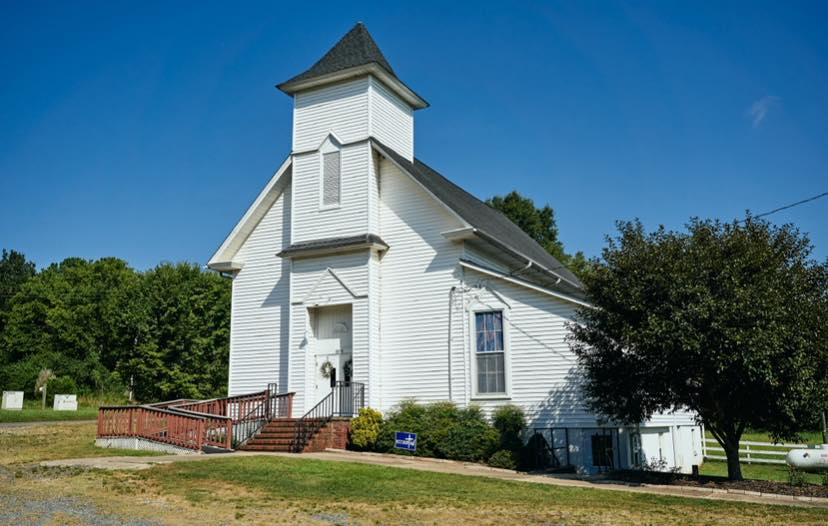
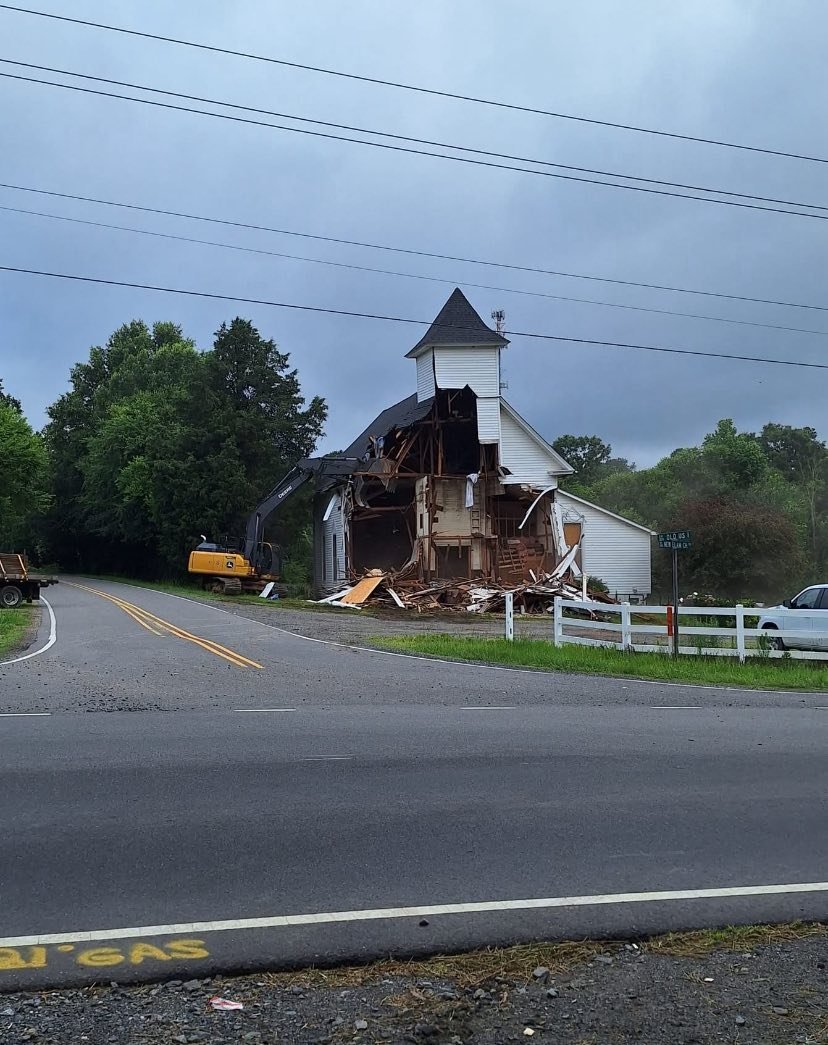
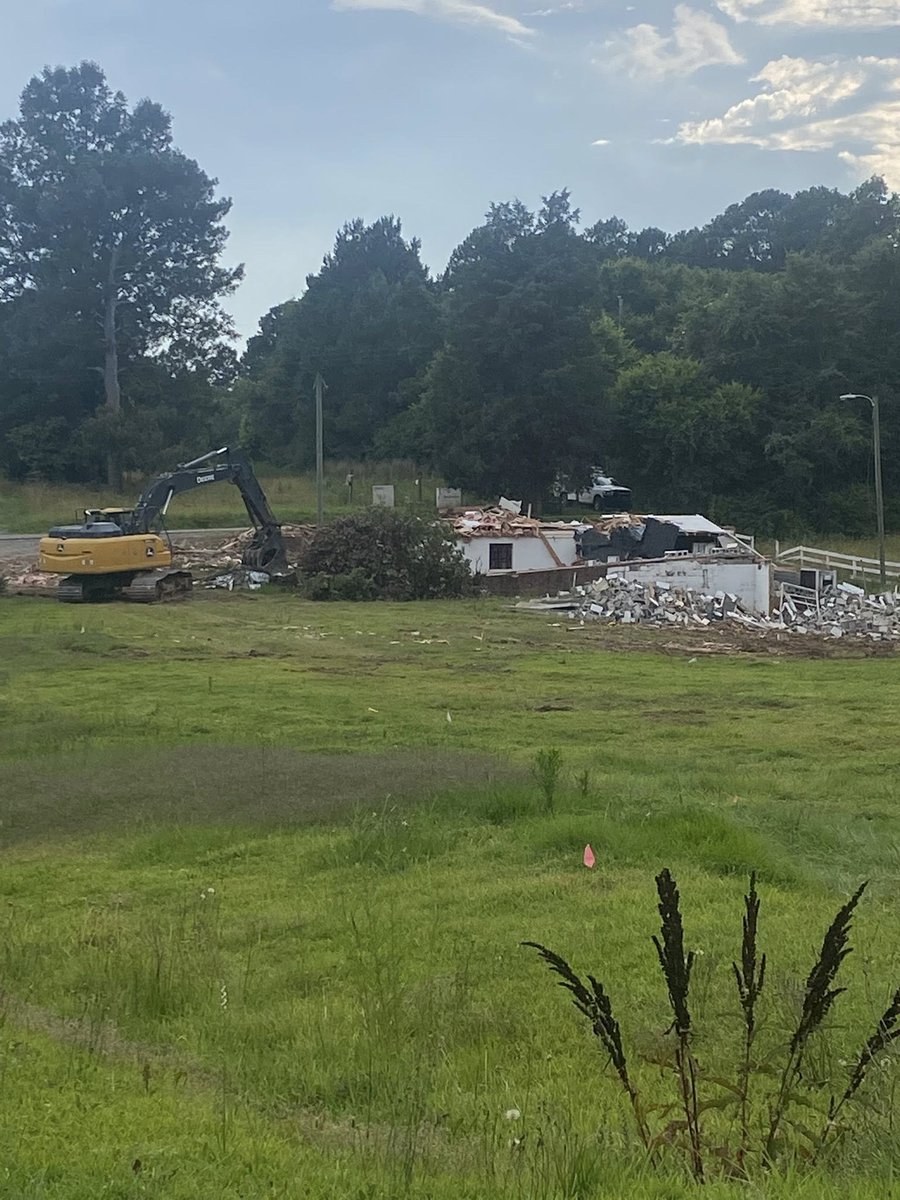
Here's the historic church the State of NC tore down last year (after invoking eminent domain) to make way for the VinFast EV factory that was never built. The state's now suing VinFast to get some taxpayer money back, but the church and several homes/biz are gone forever.
May 21

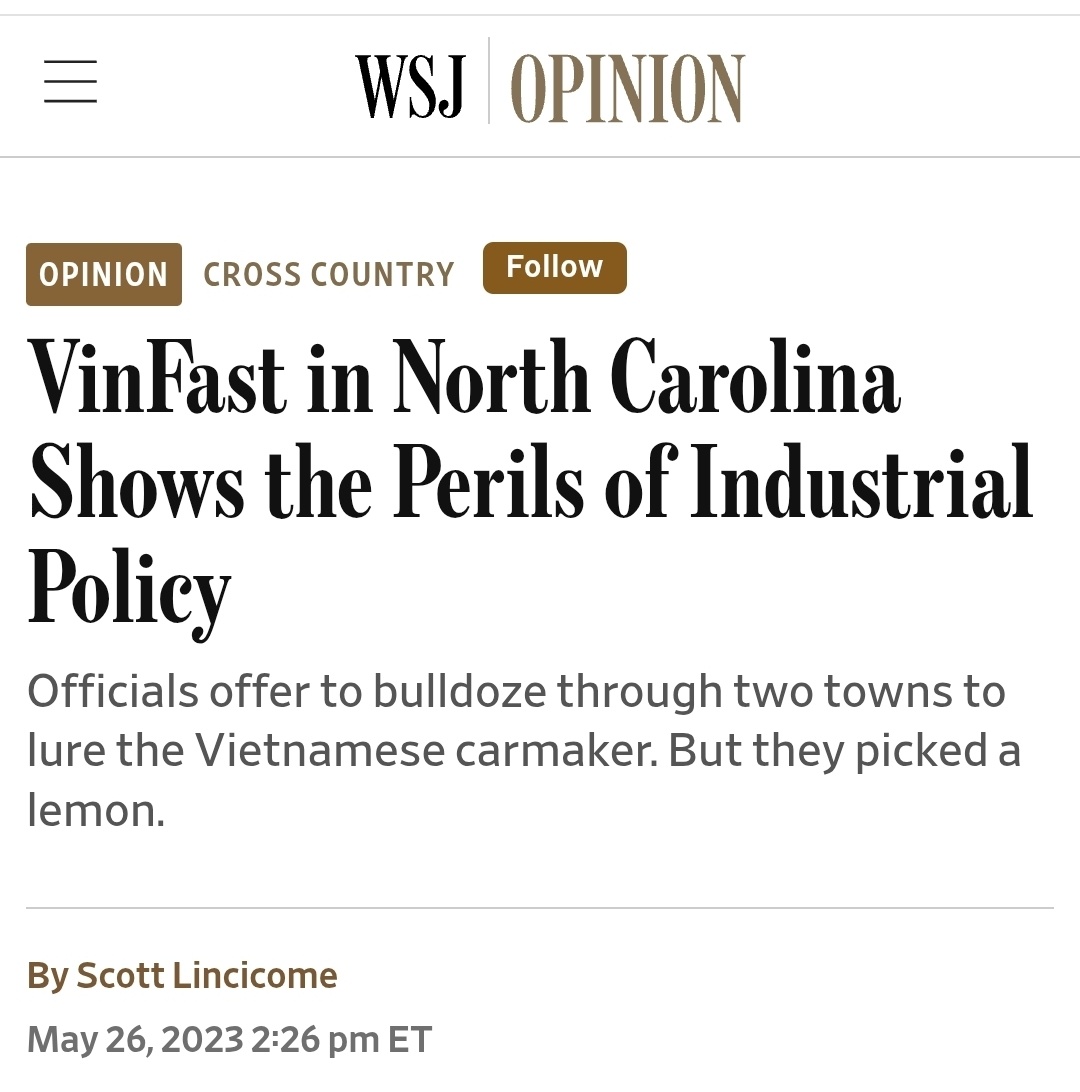
One of the largest NC incentives (subsidies) packages ever has officially gone bust.
Yes, you were warned.
16
32
130
24,180
Center for Economic Accountability retweeted
May 22
No, they've spent two decades trying to get *taxpayers* to build them a new stadium. It's not the "building the stadium" part that's the problem as much as the "sticking someone else with the bill for it" is.
(And their existing stadium is only 35 years old.)
May 22

The Tampa Bay Rays, the owners of the best record in the major leagues, have spent nearly two decades trying to build a new stadium. Their latest proposal might be their last shot. on.wsj.com/4v2qbYI
5
6
31
3,477
Center for Economic Accountability retweeted
May 19
Glad to contribute some quotes to this great article on Richmond, VA's "Big Projectitis" model of economic development policy, and how the price tag for subsidized projects constrains the city's ability to provide basic public services. richmondmagazine.com/news/fe…
2
1
120
Center for Economic Accountability retweeted

May 19
Recent reporting from the @KCBizJournal underscores how broken the process is for taxpayer-subsidized projects in Kansas City:
tinyurl.com/268z92r8 | #moleg
1
2
4
2,008
Center for Economic Accountability retweeted

May 13
We should spend less time catering to the companies who pay no property taxes, like the Bears or Pritzker’s Hyatt Corporation, and more time addressing our record breaking taxes on the companies who don’t get headlines.
We need property taxes caps for all of Illinois.

There's no good reason to incentivize the Bears to leave the top tourist destination in Illinois or to gift them property tax reprieve when they already don't pay property taxes on a publicly-owned stadium. The Bears belong in downtown Chicago.
6
14
57
3,066
Center for Economic Accountability retweeted

May 12
Paid for with $850 million from public funding.
Socialize cost, privatize profit.
May 11

Buffalo will open its new Highmark Stadium on Thursday Night Football in week two, when the Bills host the Lions.
399
2,094
19,613
1,551,497
Center for Economic Accountability retweeted
May 11
So yes, states should stop subsidizing data centers. They should also stop making it harder than it needs to be for utilities to build power plants to serve new data centers (and homes and offices and factories and churches and schools and...)
TL;DR - Let supply meet demand.
8
4
52
1,382
Center for Economic Accountability retweeted
May 11
Yes, data centers are a terribly dumb thing for a state to subsidize. That's not because data centers or AI are inherently bad, but because federal & state energy policies have kneecapped the energy marketplace.
(And because subsidies are bad in general.) economicaccountability.org/2…
3
1
49
1,615
Center for Economic Accountability retweeted
May 11
Data centers aren't uniquely energy-hungry. One aluminum smelter draws as much power as all of Nashville.
Utilities used to build power plants to meet that demand but today, regulations & litigation make that almost impossible.
We need more power plants, not fewer data centers.
143
359
3,023
105,486
Center for Economic Accountability retweeted
May 6
Stories like this are why politicians shouldn’t be allowed to hand out millions of taxpayers’ dollars to cronies and special interests in the name of “economic development.”

Nessel's office has charged Metro Detroit businesswoman Fay Beydoun with 16 counts related to a $20 million state taxpayer-funded grant meant to establish a business accelerator, according to court records.
Story with @CraigDMauger
detroitnews.com/story/news/p… via @detroitnews
1
2
165
CEA president (and @ReasonFdn senior fellow) @johnmoz writes in @reason about the way politicians are abandoning their principles in pursuit of sports stadium deals. reason.com/2026/04/27/republ…
1
38
Business leaders in Colorado correctly identify tax and regulatory barriers that have made their state unaffordable for residents and unattractive to businesses. "Policymakers should adopt a simple guiding principle: do no harm."
denvergazette.com/2026/03/29…
35
Center for Economic Accountability retweeted

Apr 23
After the Cowboys moved from Irving to Arlington in 2009, Irving's population growth accelerated and Arlington's growth slowed.
Stadium subsidies are a bad deal.
Apr 22

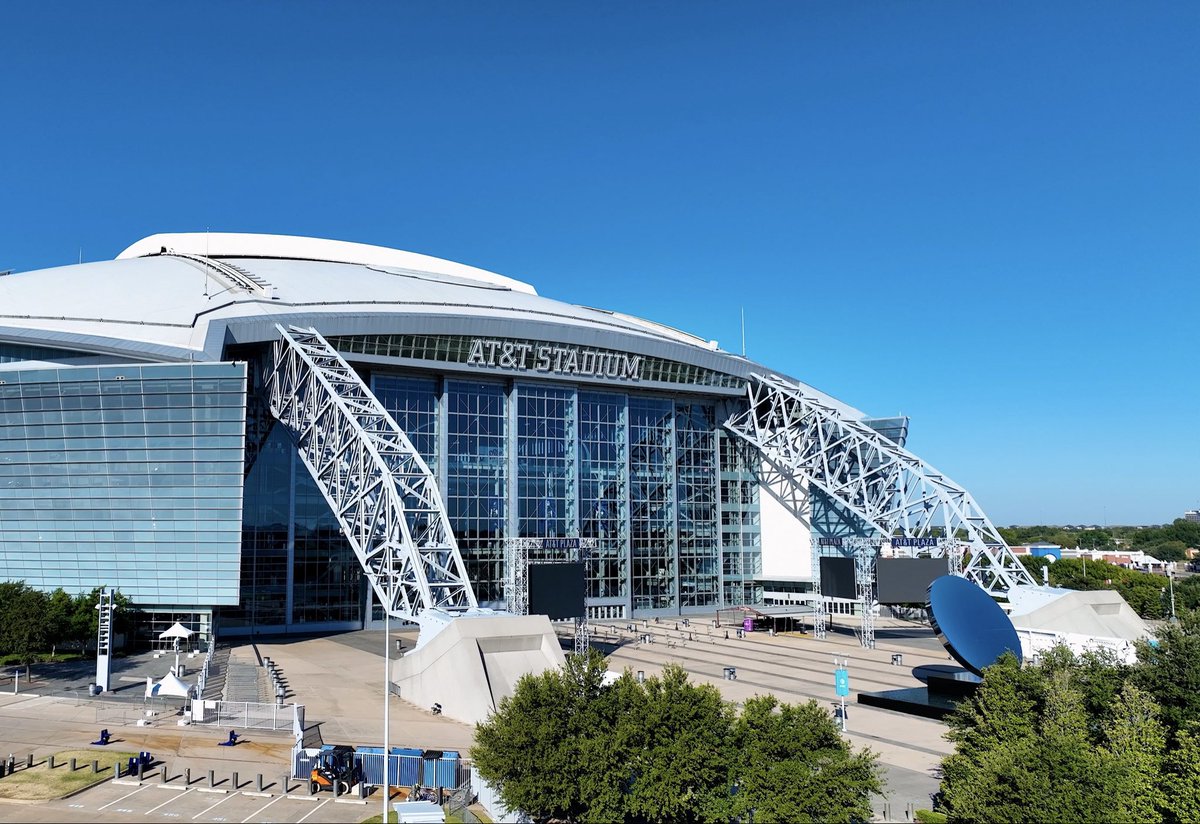
The Dallas Cowboys are staying in Arlington through 2055 after City Council approves $273M for AT&T Stadium upgrades
1
2
9
643
Independent researchers have been following the real-world results of economic development subsidy programs for decades. What they've found isn't pretty. Learn more: economicaccountability.org/r…
1
1
28
Energy costs, availability & reliability have become top-line factors in companies' site selection decisions.
States & regions that allow the construction of enough generation and grid capacity to reliably meet demand will host the next generation of American industry.
Apr 16

The Texas grid operator said that power demand is expected to more than triple from recent record levels by 2032 bloomberg.com/news/articles/…
41