
Developing the conservative economic agenda to supplant blind faith in free markets with a focus on workers, their families and communities, and the nation.
Joined November 2019
- Tweets 8,017
- Following 18
- Followers 17,610
- Likes 949
767 Photos and videos





American Compass retweeted

16h
Read @henryolsenEPPC on Reclaiming American Citizenship, and the linkage of MAGA populism to true citizenship that he identified a decade ago[!].
"...expect Compass’s magnificent articulation of that idea to be cited and drawn upon for years to come." washingtonexaminer.com/in_fo…
1
5
9
4,222
About Reclaiming American Citizenship, @henryolsenEPPC writes: “expect Compass’s magnificent articulation of that idea to be cited and drawn upon for years to come.” washingtonexaminer.com/in_fo…
2
1
6
1,669
Read Reclaiming American Citizenship: americancompass.org/reclaimi…
2
453
American Compass retweeted

Jun 12
I enjoyed joining @oren_cass and @AmerCompass for a thoughtful conversation on technology policy issues facing the country today.
We discussed opportunities and challenges shaping innovation, connectivity, and AI, and I appreciated the discussion on how policy can help drive American leadership.
commonplace.org/p/what-does-…
2
2
1,610

Jun 12
The signs of decline are all around us: rising inequality, falling marriage rates, exploding deficits, and collapsing communities.
To shore up those foundations, we must reclaim the American citizenship rooted in the values of the Declaration of Independence, the self-government of the U.S. Constitution, and our heritage as a people with eyes fixed always on the horizon, toward the frontier, sacrificing to bring about a better future for the next generation.
2
10
411
American Compass retweeted

Should employers have to verify the legal status of their workers before offering them a job?
@DanielMKishi, senior policy analyst at @AmerCompass argues for it.
@David_J_Bier, director of immigration studies at @CatoInstitute argues against it.
youtu.be/BkXidujW6Po
1
2
3
1,040
American Compass retweeted
Jun 11
"When there’s no healthy identity to commit to, people will choose a perverse one."
"The line between what is perceived as commonplace human behavior and outright addiction has been blurred tremendously."
College students share their thoughts @commonplc commonplace.org/p/the-vibes-…
‘The Vibes Are Not Good’
Two college students discuss America’s broadest challenges.
commonplace.org 2
5
15
7,995
Jun 11
Employers failing to verify immigration status "corrupts entire sectors of our economy" says American Compass senior policy advisor @DanielMKishi in a debate with the @CatoInstitute's @David_J_Bier on this week's Conservative Crossroads with @henryolsenEPPC ricochet.com/podcast/conserv…
4
8
3,513
Jun 11
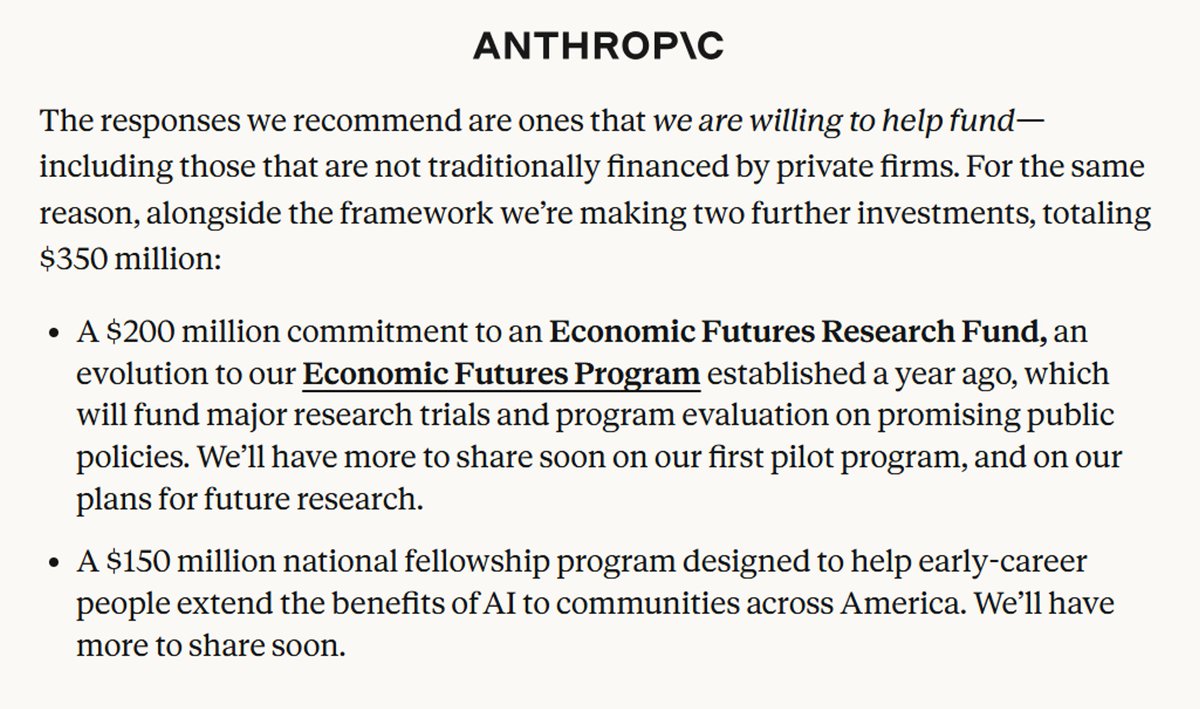
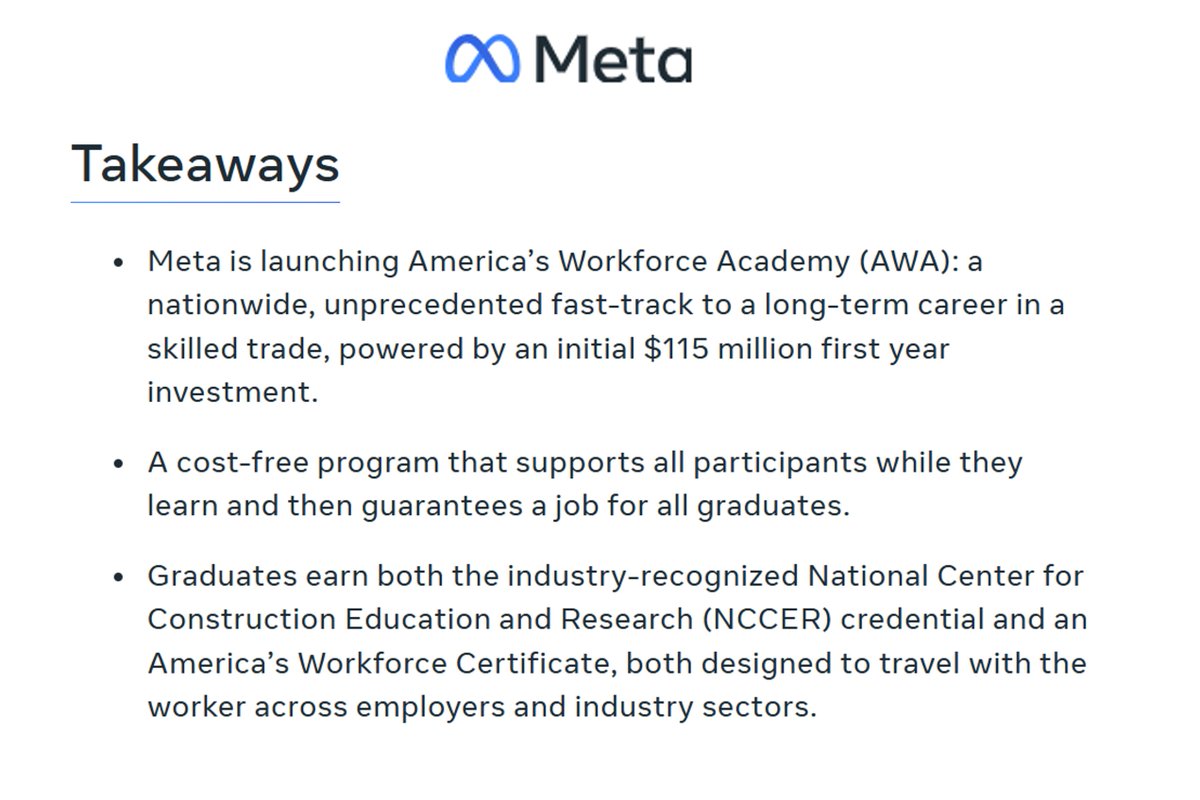
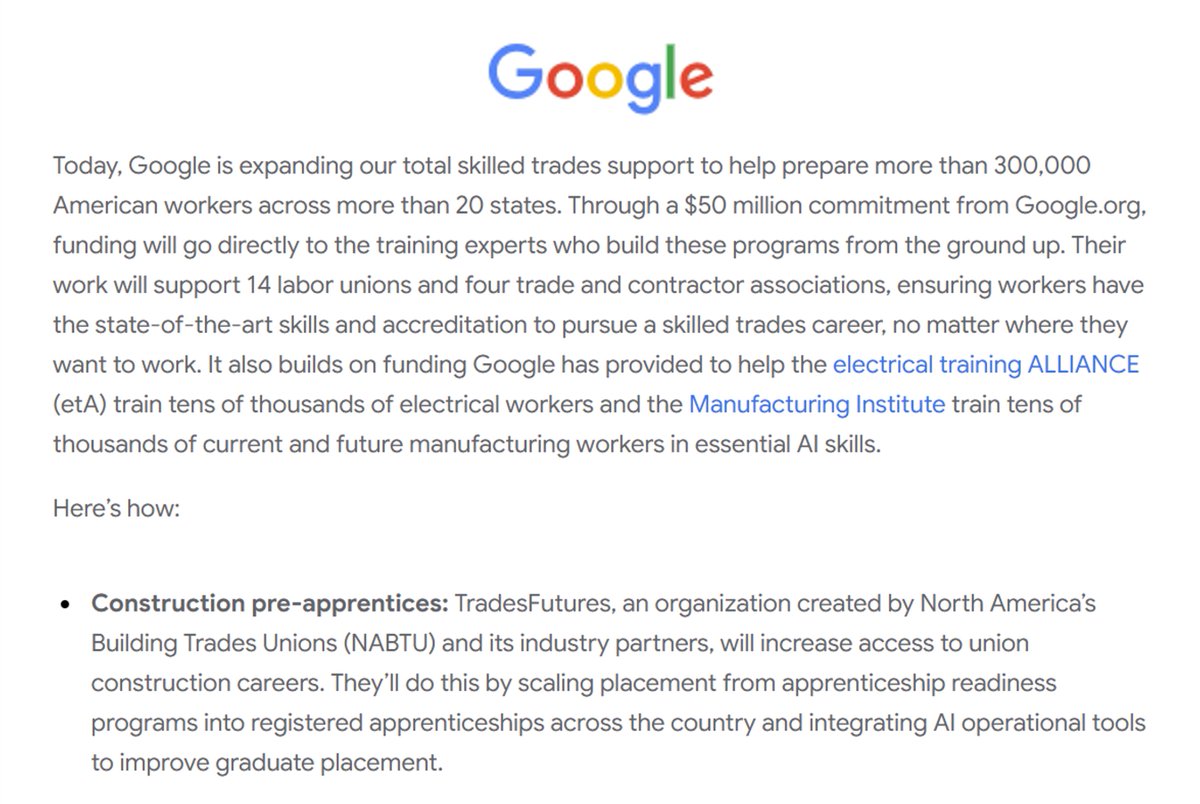
AI is forcing reengagement of the knowledge economy with its physical foundation. SF and NYC suddenly care a lot about skilled trades, worker training, and tech diffusion—just this week, @Google, @AnthropicAI, @Meta all made major commitments.
1
1
9
1,395
Jun 11
Anthropic's new Economic Policy Framework highlights the idea of a Workforce Training Grant, a proposal we've been developing for a number of years and that has been introduced as legislation in both houses of Congress. americancompass.org/the-work…
1
1
702
Jun 11
There's been a lot of talk about the need to give workers some equity "stake" in AI, but they already have a stake as workers necessary to the success of the technology. The best way for labor to share in rising income is to ensure a high labor share of income.
231
American Compass retweeted
Jun 11
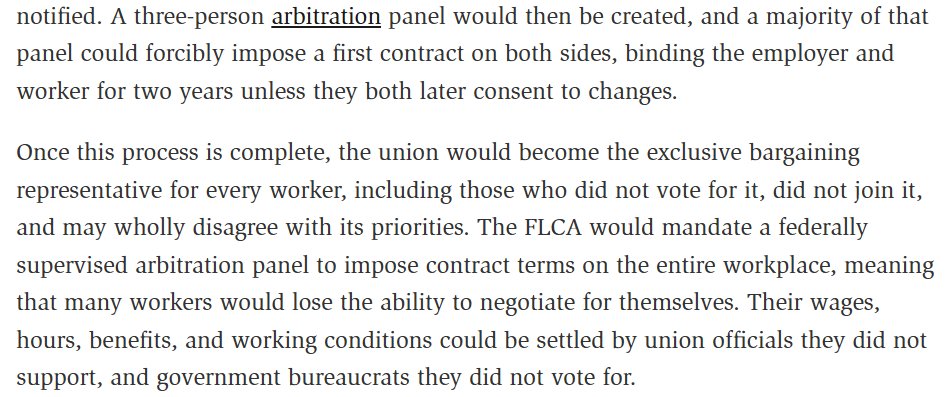
Libertarians @Reason seem unaware of U.S. labor law, complain that the FLCA would establish a union as exclusive bargaining representative. But that's what unionization does already.
We get it, you don't like unions. But you should know how they work. reason.com/2026/06/10/the-ho…
3
2
14
2,885
American Compass retweeted

Jun 11
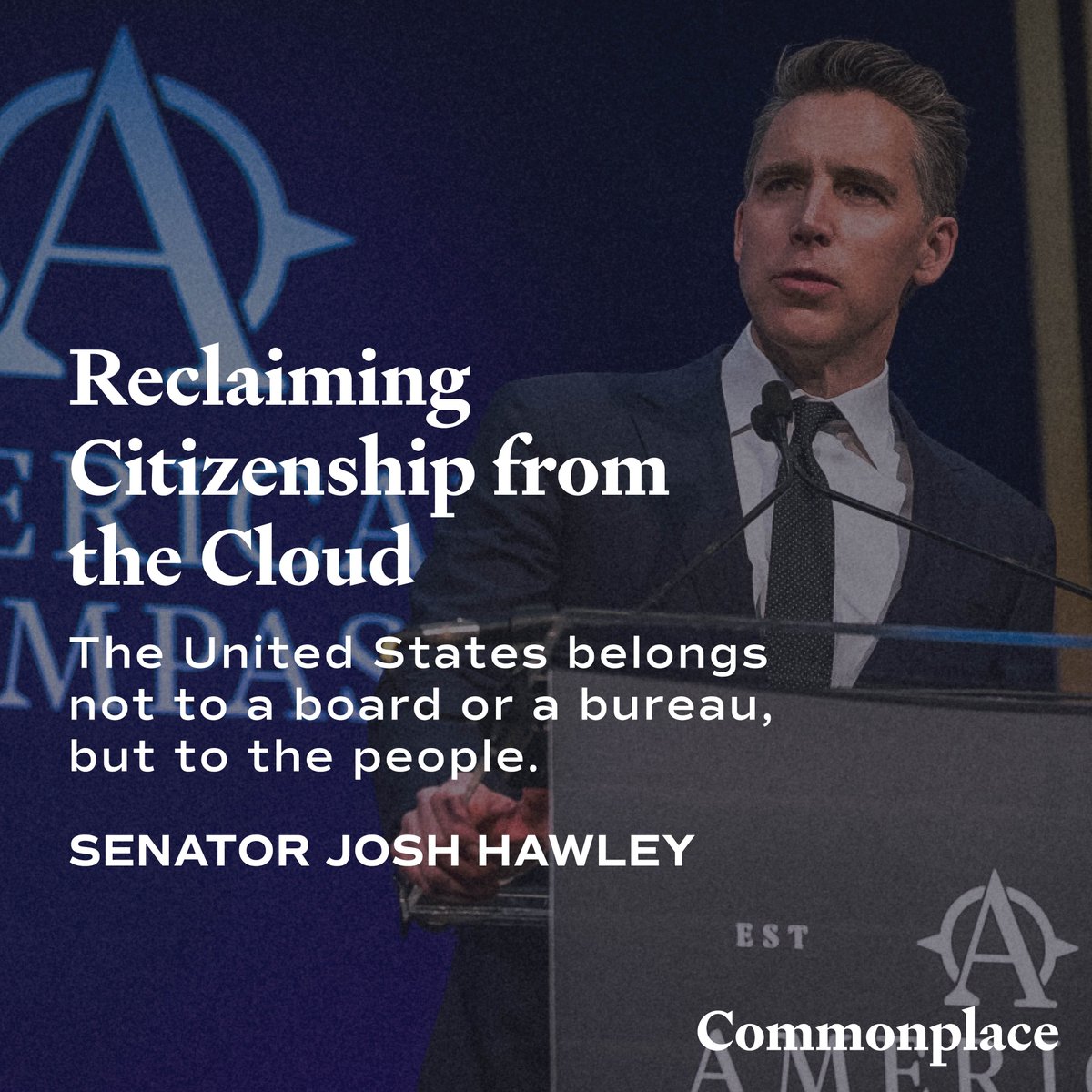
"Let me be blunt. Left to itself, artificial intelligence will not choose moral liberty. It will choose the passions. It will choose appetite. It will gather power into the fewest hands the world has ever seen and call the result progress. That is the rule of the strong over the weak. That is the dissolution of our moral covenant. It is the oldest temptation in the history of humanity, now just dressed up in silicon.
"Make no mistake about which liberty so many of the barons of big tech have chosen. Listen to how they talk of disruption, of moving fast, of breaking things, of a world to be remade by whoever is bold enough to seize it. You strip away that jargon and the sometimes-good intentions, and you’ll find the temptations of an old creed that says the strong should rule because they are strong, that the future belongs to whoever is powerful enough to make it, that might, in the end, makes right.
"That is not progress, it is the state of nature. That’s the law of the jungle, scaled now to the cloud and bankrolled to the tune of hundreds of billions of dollars. It is the very thing John Winthrop and his hearty band of Puritans crossed an ocean to escape, a world in which no covenant stands above the will of the powerful." Read @HawleyMO on how we can Reclaim Citizenship from the Cloud.
1
2
7
2,299
Jun 11
For decades, labor reform stagnated.
Labor leaders funded the Democratic party and made unrealistic demands (which were sometimes unpopular with the workers they were supposed to represent) and the Republican party seemed content to let worker power wither.
Now, writes @oren_cass, a small but growing cadre of pro-worker conservatives is scrambling that playing field. ft.com/content/c05dab53-e991…
3
5
7,893
American Compass retweeted
Jun 10
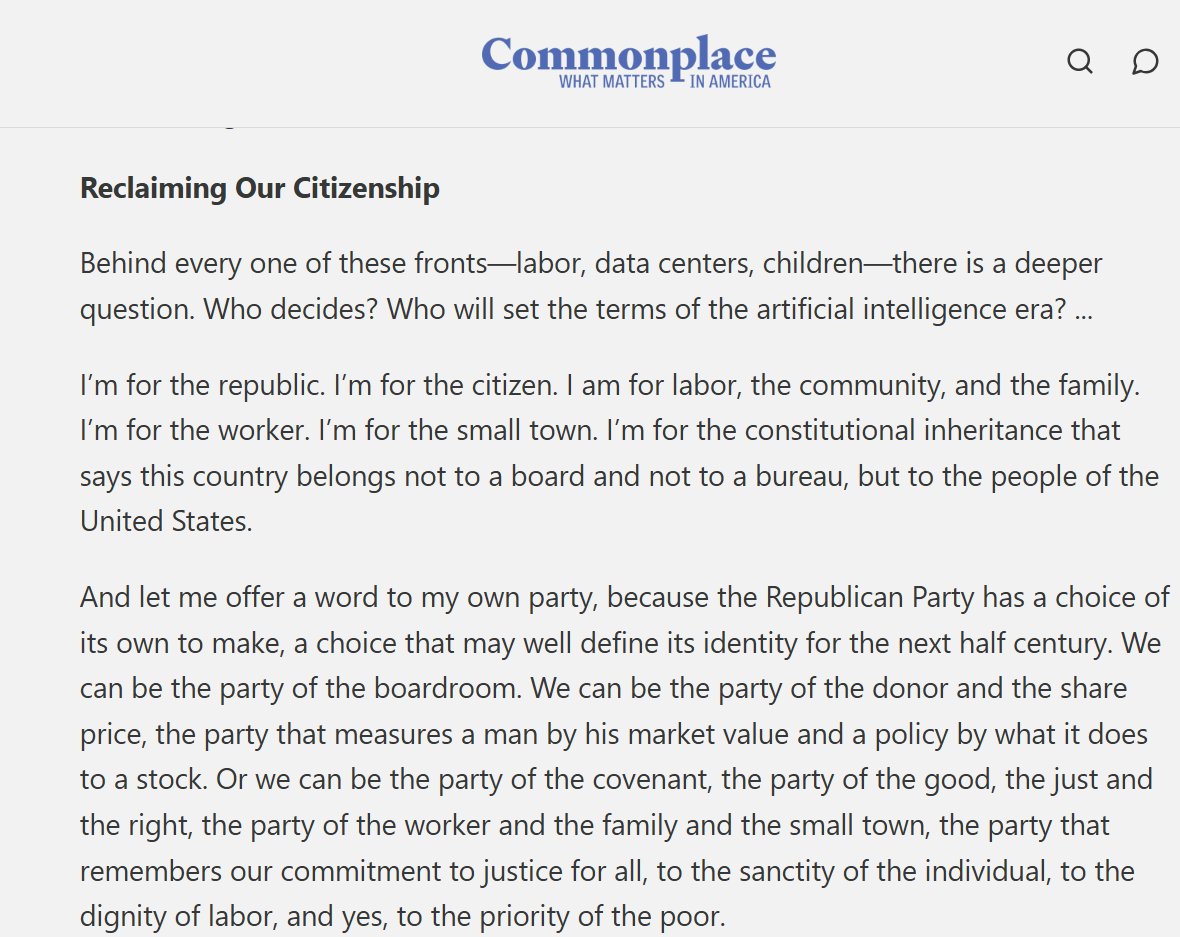
From @AmerCompass gala, @HawleyMO @commonplc on Reclaiming Citizenship from the Cloud:
"Behind every one of these fronts—labor, data centers, children—there is a deeper question. Who decides? Who will set the terms of the artificial intelligence era?" commonplace.org/p/sen-josh-h…
2
15
51
20,262
American Compass retweeted
Jun 9
"For hardworking Americans, the game is rigged. You can vote to secure union representation, you can reach the bargaining table, and you can press your boss for higher wages, guaranteed benefits, and a secure retirement. But in today’s America, employers are afforded every opportunity under the law to drag out those negotiations, orchestrate a corporate campaign to decertify your union, and intimidate you during mandatory meetings to abandon your struggle for a better way of life.
"Now, a bipartisan bill before Congress—the Faster Labor Contracts Act—strives to dismantle this broken system and put American workers first in our pursuit of economic prosperity. And it needs to pass." @TeamsterSOB on the case for the FLCA, from September. @Teamsters commonplace.org/p/sean-m-obr…
1
3
10
2,530
Jun 10
The House passage of the Faster Labor Contracts Act represents the forceful assertion that a right delayed into irrelevance is no right at all.
Read American Compass senior policy advisor @DanielMKishi's argument for FLCA in @compactmag: compactmag.com/article/can-r…
4
588
American Compass retweeted
Jun 10
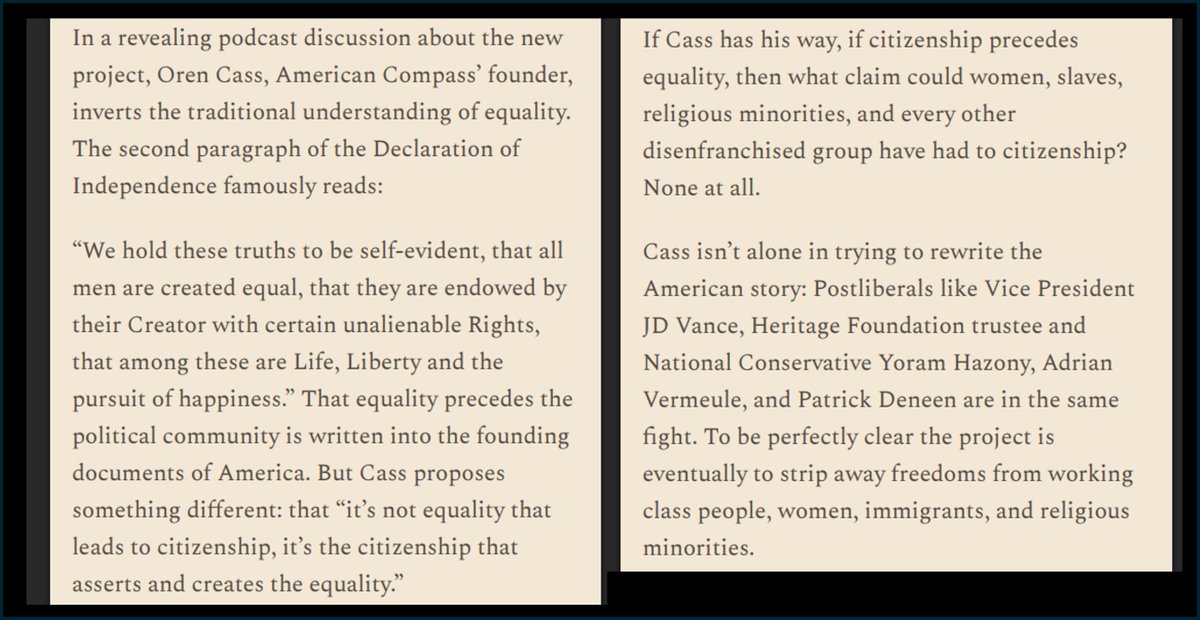
1/ We need to reclaim American citizenship from people who think it is just a nice thing everyone gets after they've achieved equality, and especially from those who interpret a statement about citizenship's foundational importance as a scheme to oppress women and minorities.
1
3
17
2,789
Jun 9
American Compass senior policy advisor @DanielMKishi says about the newly-passed Faster Labor Contracts Act:
"American labor law obligates employers to bargain with a newly organized union, but it does not require those negotiations to produce a contract. Employers have used that gap to stall until support erodes and the union collapses. By voting to close it, the House has taken the first step toward ensuring that workers who organize a union win a first contract rather than a stalemate. The Republicans who crossed over to do so are governing for the workers who put them in office."
1
5
994