
Founder of Catch The Catfish. Co-founder of LoveSaid, Fraud Centre and Think Tank. Fighting Fraud. Prevent. Support. Empower
Joined February 2017
- Tweets 9,564
- Following 1,134
- Followers 1,181
- Likes 89,776
1,080 Photos and videos




Pinned Tweet

17 Nov 2018
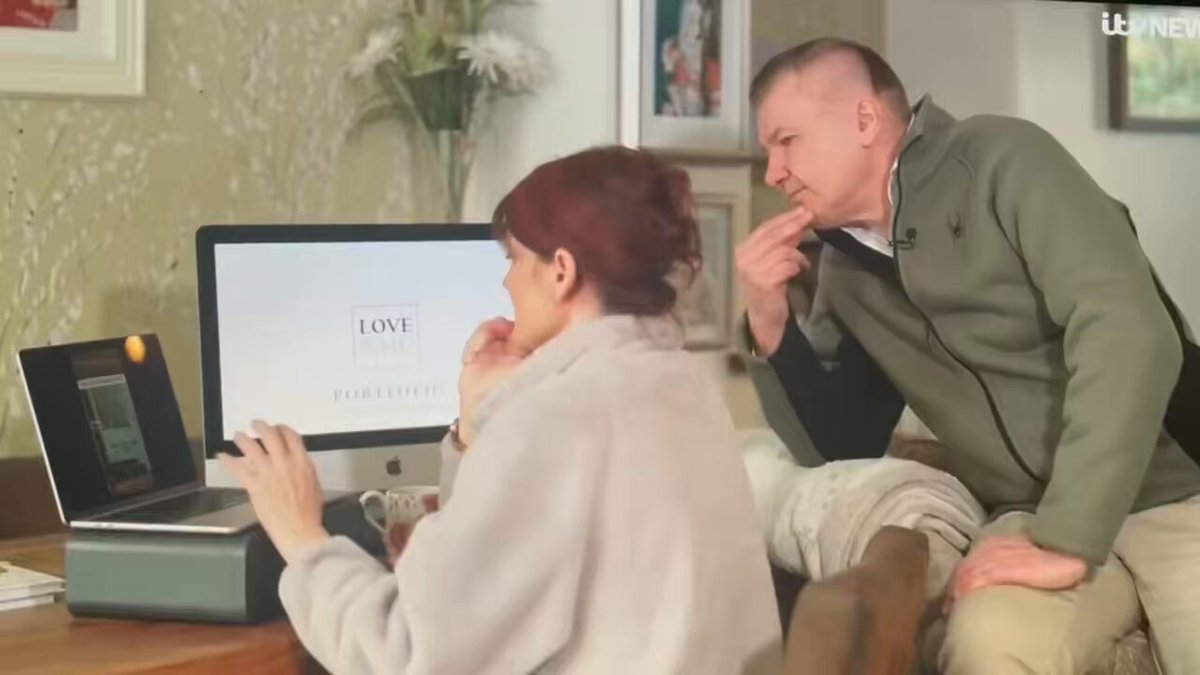
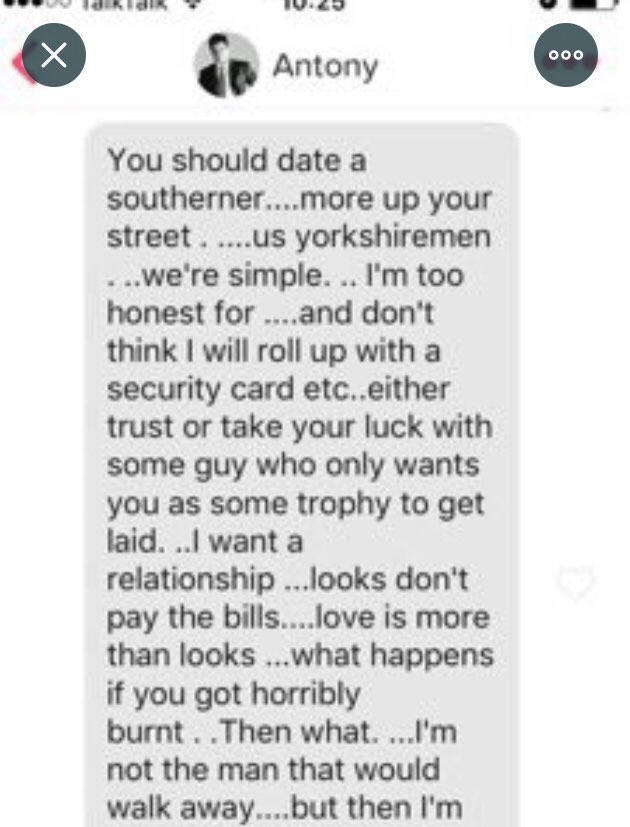
Here is an example of how a #Catfish operates. It's #adultgrooming. He portrayed himself as a kind, humble & grounded guy. Had a full set of fake SM, emails, Skype & dedicated phone. I’m currently 1 of 14 women he targeted. He is a #lawyer! #sexualexploitation #Panorama
29
67
89
Anna Rowe retweeted

Jun 6
The Somerset Farmhouse of 1 North Street, Williton were approached by a "food influencer" that wanted to charge them £2,000 for a review.
They put out a video of Sally eating a sausage roll instead 😆.
Lets make Sally and the Somerset Farmhouse famous for free.
776
14,332
51,085
607,479
Anna Rowe retweeted
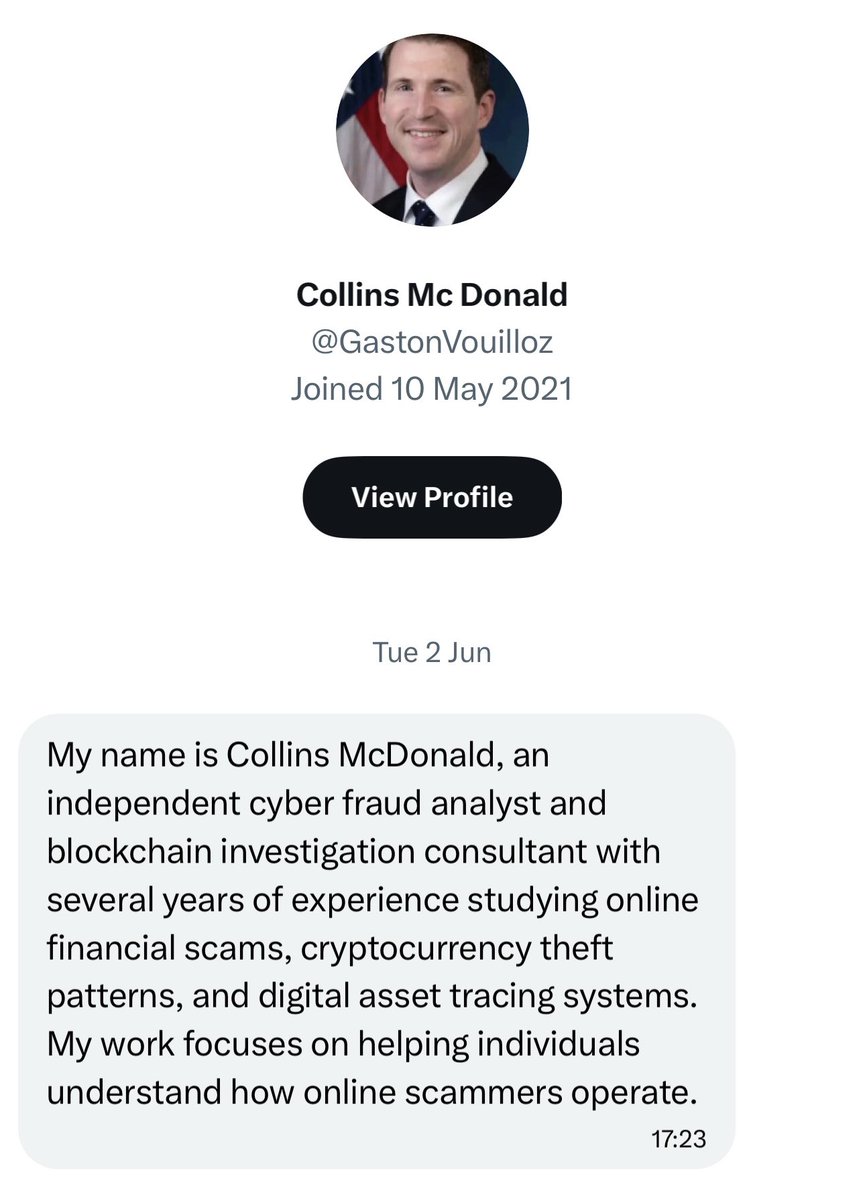
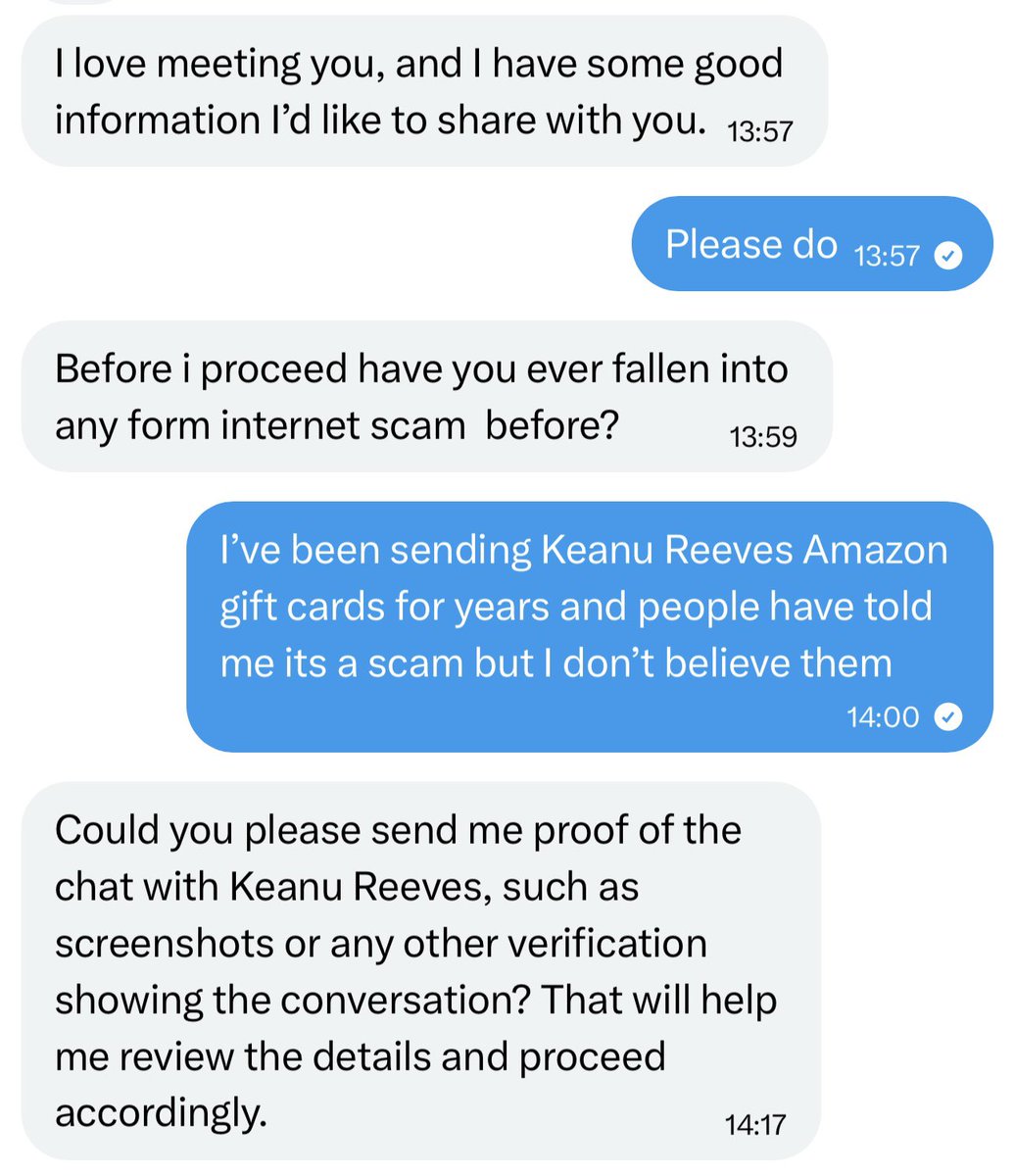
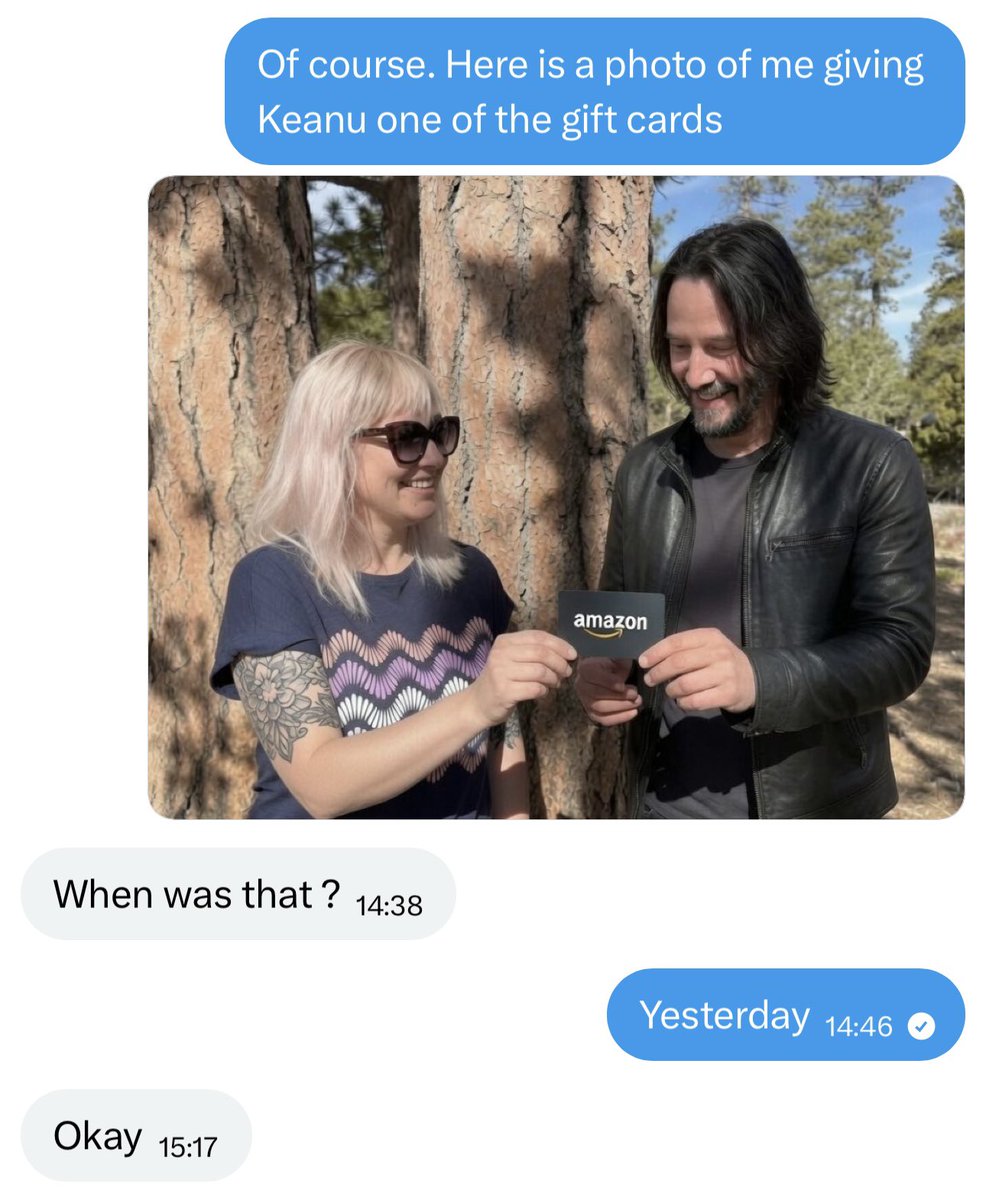
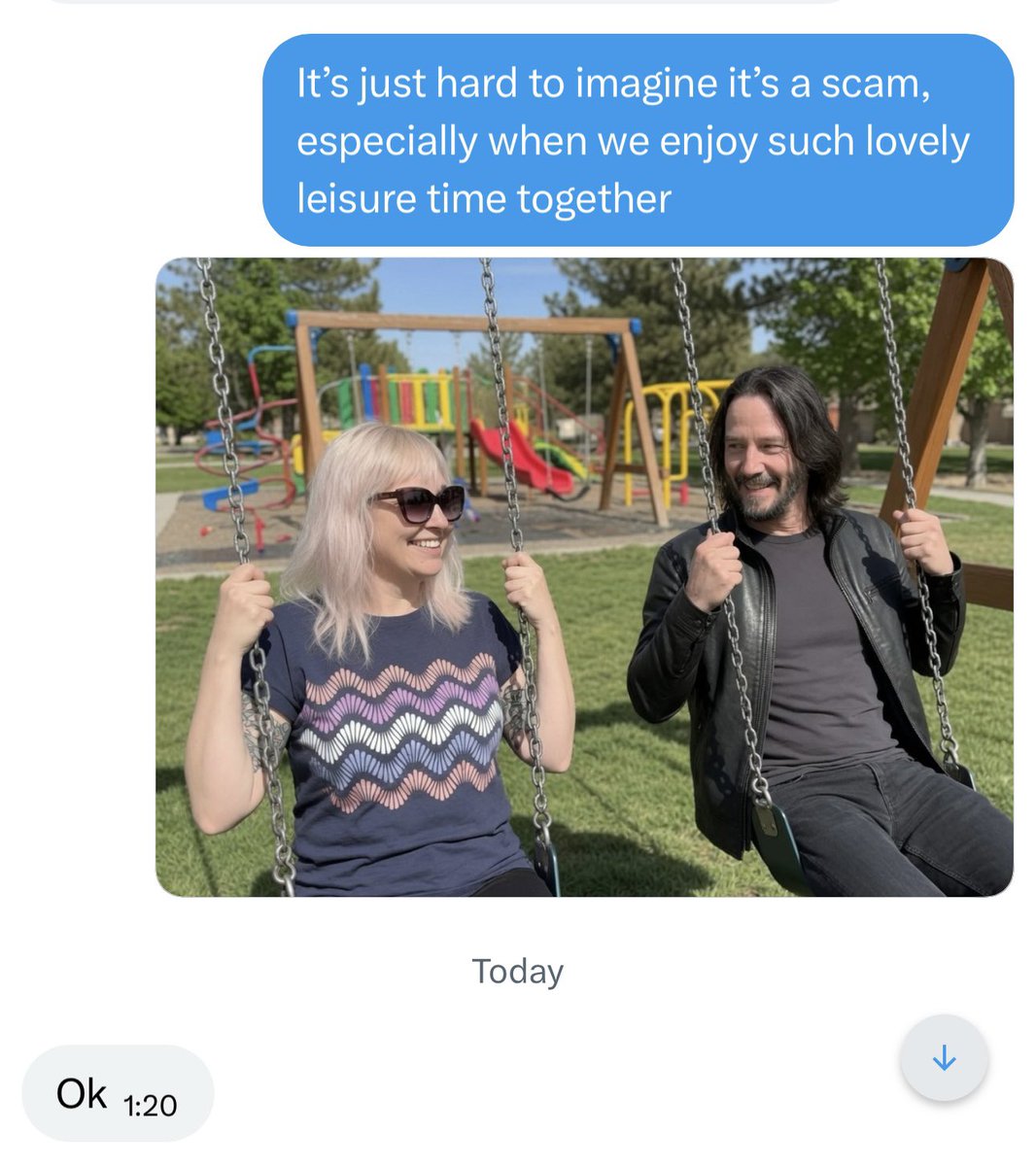
It was kind of Collins Mc Donald to get in touch and offer his services to me as an (absolutely real and in no way a scammer - how dare you) expert in financial fraud
He’d obviously become aware of my glorious romance with Keanu Reeves and mistaken it for a scam
Silly man 🙄
30
17
373
13,876
Anna Rowe retweeted

Apr 16
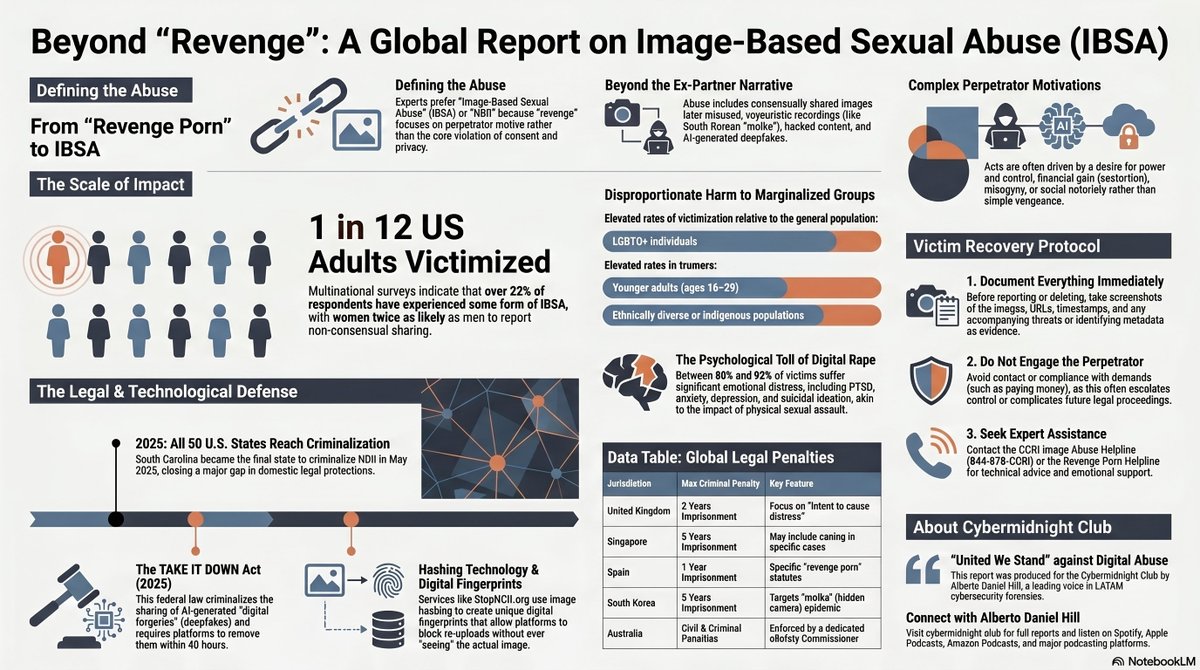
I did not know this. Share. Especially with young women.
26
490
917
26,960
Anna Rowe retweeted

Global Image-Based Sexual Abuse Report
@AnnaRowe123 @GOllumfun @VvvV452393 @OOVelma @unixdoss @DanielaPet17376
1
6
10
242
Anna Rowe retweeted

Feb 17
We are just weeks away from a national inquiry into the rape gangs.
To stop the deletion and get justice for the survivors, sign our petition today. whatlaboursaid.com/stop-the-…
16
304
759
10,505
Anna Rowe retweeted

Feb 14
Whilst the psychological manipulation is taking the victim on the journey to compliance, the fuel that powers that are the chemicals and hormones that are being released or depleted in our bodies. Acting as it was designed to do for survival, our body works against us.
2
2
69
Anna Rowe retweeted

Feb 10
We must obtain the full horror of the rape gangs from these court transcripts. The British people deserve to know the unredacted brutal truth - this petition will help.
Please sign/share.
petition.parliament.uk/petit…
968
8,140
25,941
6,932,367
Anna Rowe retweeted

Today, we opened the hearings for the Rape Gang Inquiry.
My opening statement…
989
5,997
18,080
726,569
Anna Rowe retweeted

I warned in Parliament that 15 min cities were coming and was told I was a conspiracy theorist and yet here we are 👇
Labour opens door to ‘Stalinist’ 15-minute cities across Britain telegraph.co.uk/news/2026/01…
99
620
1,581
43,274
Anna Rowe retweeted

15 Dec 2025
Barbara Leigh Smith Bodichon (1827–1891) stands as one of the most intellectually robust, financially independent, & strategically pivotal figures in 19th-century British feminism
thepeopleshub.org/barbara-bo…
Painting of Barbara Bodichon commons.wikimedia.org/wiki/F…
#socent💜🤍💚 #AdasArmy
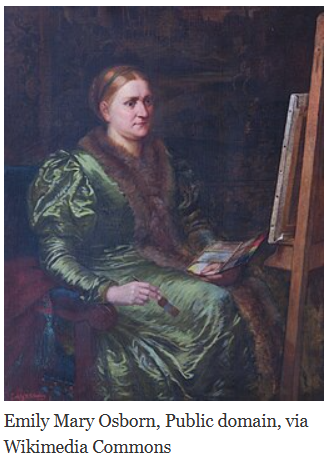
ALT Barbara Leigh Smith Bodichon (1827–1891) stands as one of the most intellectually robust, financially independent, & strategically pivotal figures in 19th-century British feminism https://thepeopleshub.org/barbara-bodichon-feminism/ Painting of Barbara Bodichon https://commons.wikimedia.org/wiki/File:‘BARBARA_LEIGH_SMITH_BODICHON’.jpg #socent💜🤍💚 #AdasArmy
1
17
8
457
Anna Rowe retweeted

29 Nov 2025
Jess Hayley
.**Swindon**
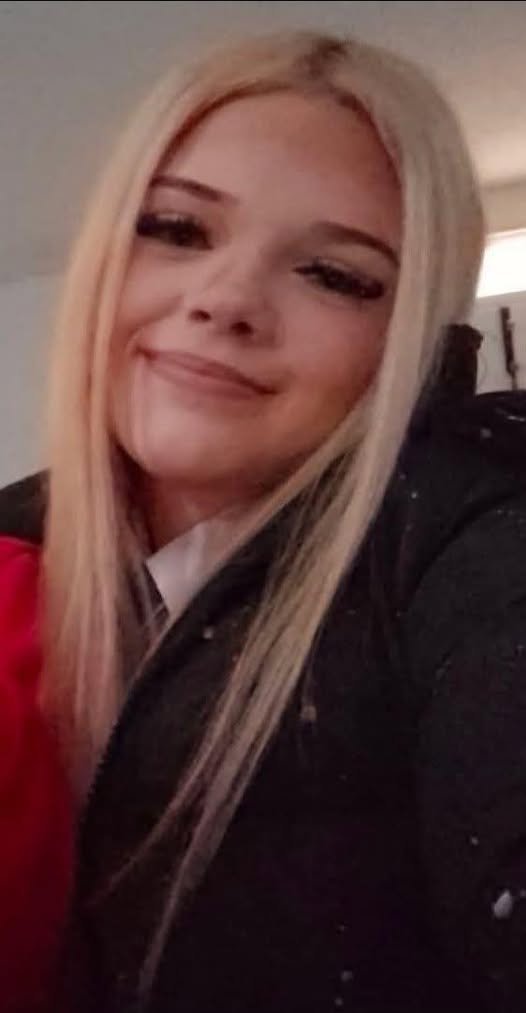
Never thought I would be writing this. Eliza went out this morning to walk her friend home at 10:50am after which she did not return, we lost all communicationwith Eliza at 12:25pm briefly switched at her last known location, the outlet village at 2pm after which her phone has not been active. The police are involved and are actively looking. If you know anything please get in contact.
Eliza has changed her hairstyle from this photo she now has a blonde moneypenny, red top half of hair and blonde bottom half of hair. 5' 5" in height, very slender, wearing a black coat with paint splatters in picture, black leggings and white trainers.
Eliza if you see this please contact us baby girl we just want you home safe and sound we are all really worried about you. Please read and raise awareness as this is becoming all too familiar a post and another parent worried especially with what is happening in this country PLEASE SHARE get this child home
36
922
786
68,630
25 Nov 2025
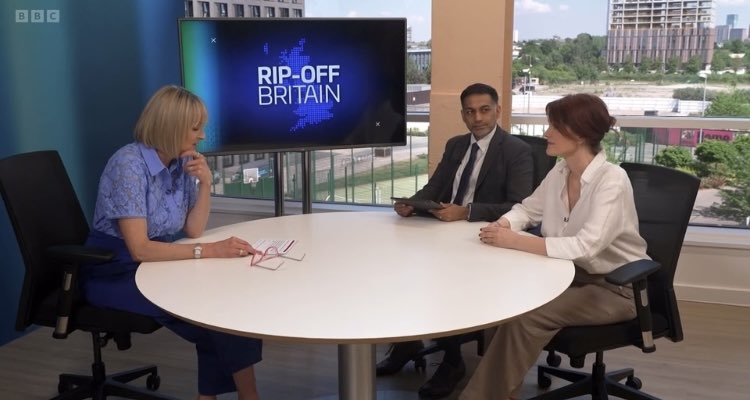
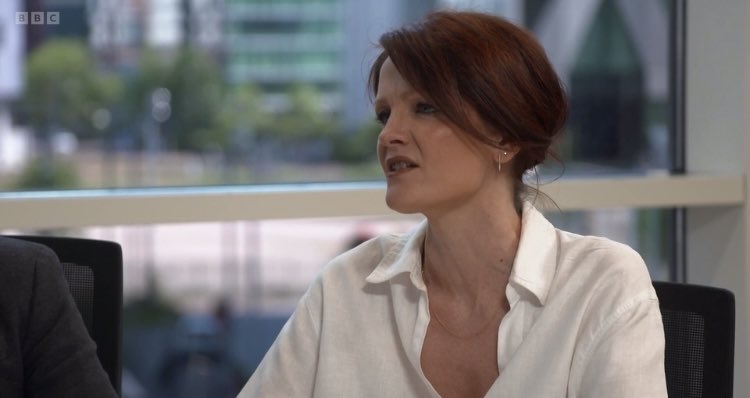
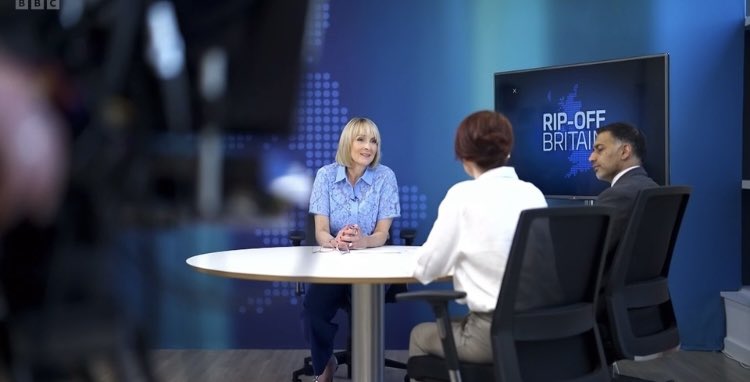
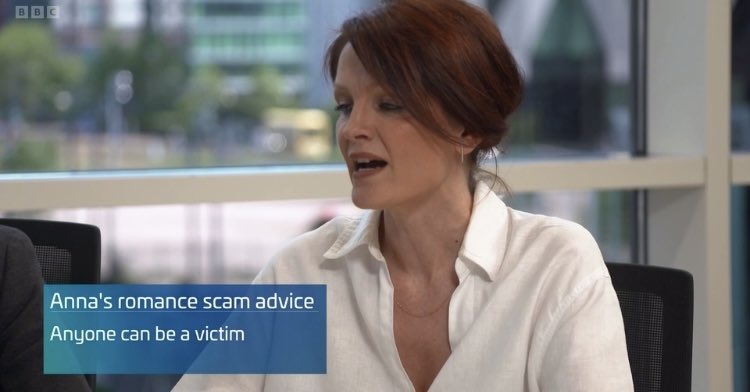
Can’t believe this was filmed in March! As part of BBC Scam Safe week on Rip off Britain, I talked about romance fraud and how AI is used to lip sync typed speeches to saved videos. On BBC iPlayer today. @BBC #ripoffbritain @LoveSaidOrg
1,106
17 Nov 2025
Just in time for Christmas! You won’t be disappointed 😁
17 Nov 2025

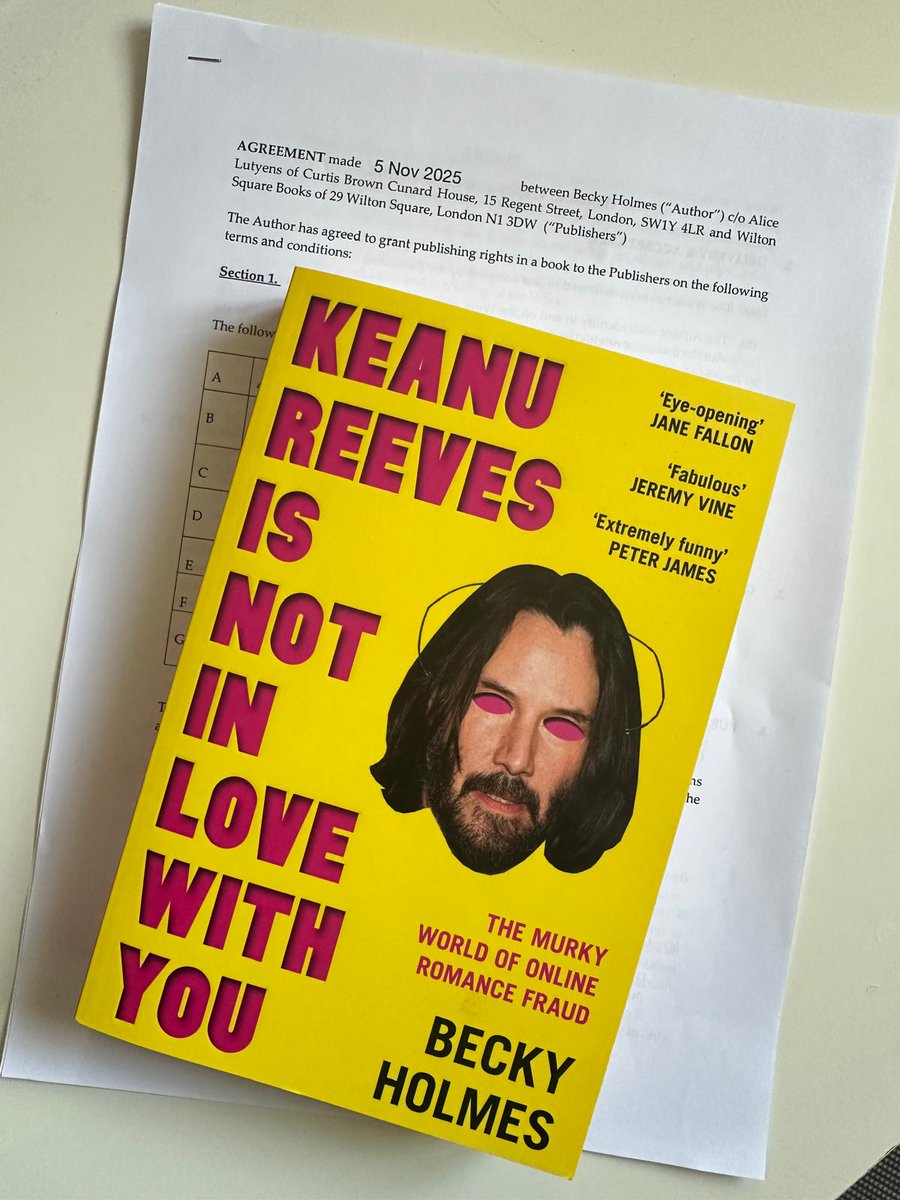
AT LAST! #KeanuReevesIsNotInLoveWithYou has a new publisher.
So go out and buy it again, buy it for friends, for family members, for colleagues or buy 500 for yourself and build a small fort with them.
After the original publisher went into administration owing me thousands and thousands of pounds I was tired of smiling every time someone told me they'd bought my book, as I knew all sales were just going into the administrator's pockets.
However, anyone that buys a copy from now on can be assured that the royalties will actually reach me!
Amazon: amzn.eu/d/hGz2Rt2
Waterstones: waterstones.com/book/keanu-r…
Independent bookshops: uk.bookshop.org/p/books/kean…
Thank you to @WiltonSquare and to @AliceLutyens and Jess Molloy at Curtis Brown @CBGBooks
1
106
Anna Rowe retweeted

16 Nov 2025
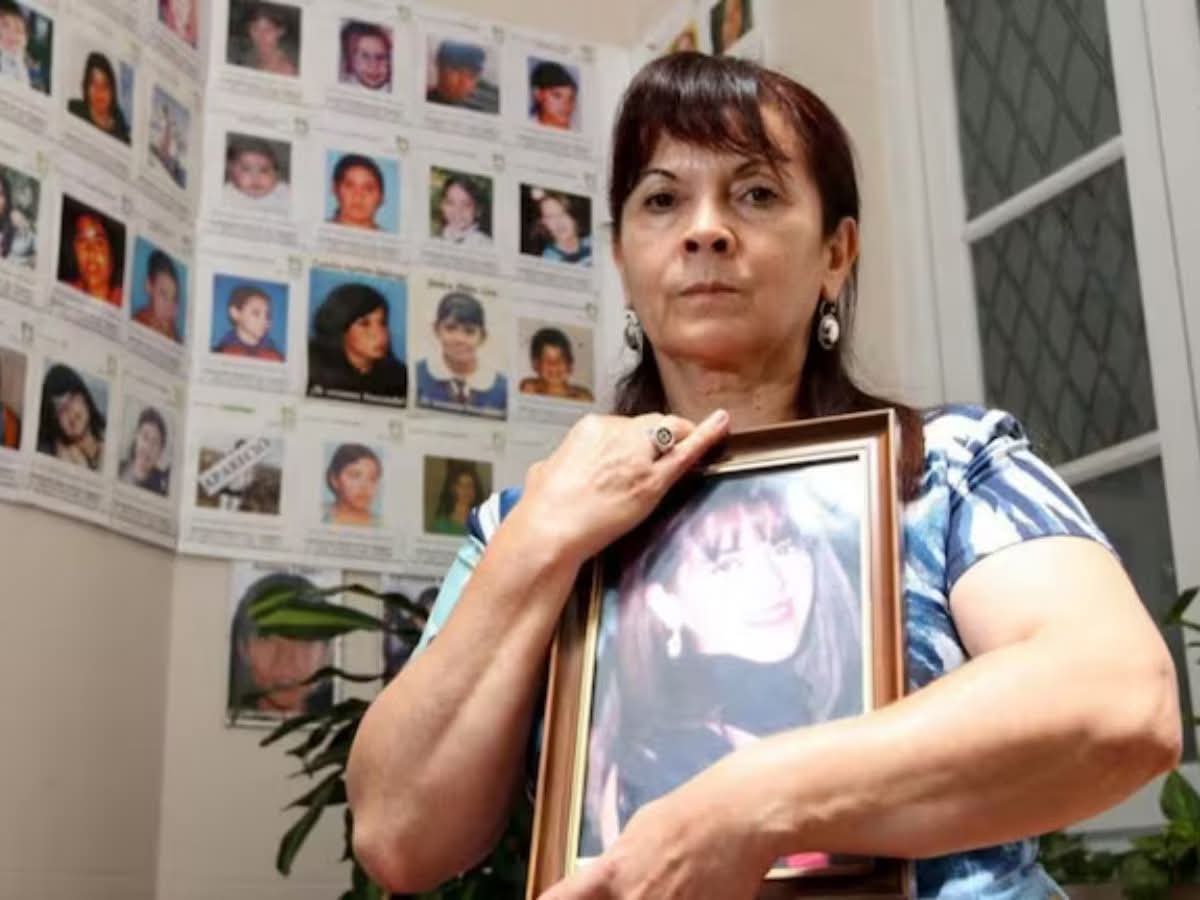
In April 2002, when her 23-year-old daughter, María, vanished on the way to a doctor’s appointment, Susana Trimarco felt something break inside her—but also something ignite. The police investigation stalled immediately, swallowed by corruption and indifference. So she did what terrified mothers have done throughout history: she turned her fear into fury, and her grief into a mission. She pulled names of known traffickers from police files, disguised herself as a madam, and walked straight into the brothels of northern Argentina, pretending she was there to buy the girls the rest of the world had forgotten.
Inside, she found girls as young as fourteen—girls who could be bought for the price of a cheap motorcycle. One survivor told her she had seen María, drugged and barely conscious, in a trafficker’s safe house. By the time Susana tracked it down, her daughter had already been moved. That fragile thread was lost, but Susana wasn’t. She kept going, slipping into one hellish place after another, always asking, always searching. “The desperation of a mother blinds you,” she would later say. “It makes you fearless.”
What she uncovered was not only the brutality of trafficking, but the devastating truth that parts of the police and judiciary were helping keep these women trapped. Survivors begged her not to leave them behind. She didn’t. She took 129 of them into her own home, becoming a guardian, a mother, a bridge back to life.
Her work became impossible for the government to ignore. Because of her, Argentina passed its first federal human trafficking law in 2008. Because of her, thousands of women and girls were rescued. And because of her, traffickers—protected for decades—were finally dragged into the light. She paid heavily for that progress: death threats, arson, attempted assaults meant to scare her back into silence. None of it worked.
When the need grew too large for one woman, she founded the Fundación María de los Ángeles, opening its doors to survivors and families who had nowhere else to turn. The search for her daughter led to the trial of 13 accused traffickers in 2012; their initial acquittal sparked national outrage and the impeachment of judges who let them walk free. The convictions finally came in 2013 and 2014, but not the answer Susana wants most—what happened to María. Some say she was killed; others believe she was taken abroad. No one can say for sure.
Twenty-three years later, Susana’s fight continues. Her foundation has helped dismantle trafficking rings as recently as 2024 and 2025, offering survivors legal representation and long-term support. Now in her seventies, she is internationally honored, yet still marked by the same unbroken resolve that carried her into those first brothels.
© Women In World History
86
1,582
4,569
100,813
Anna Rowe retweeted

16 Nov 2025
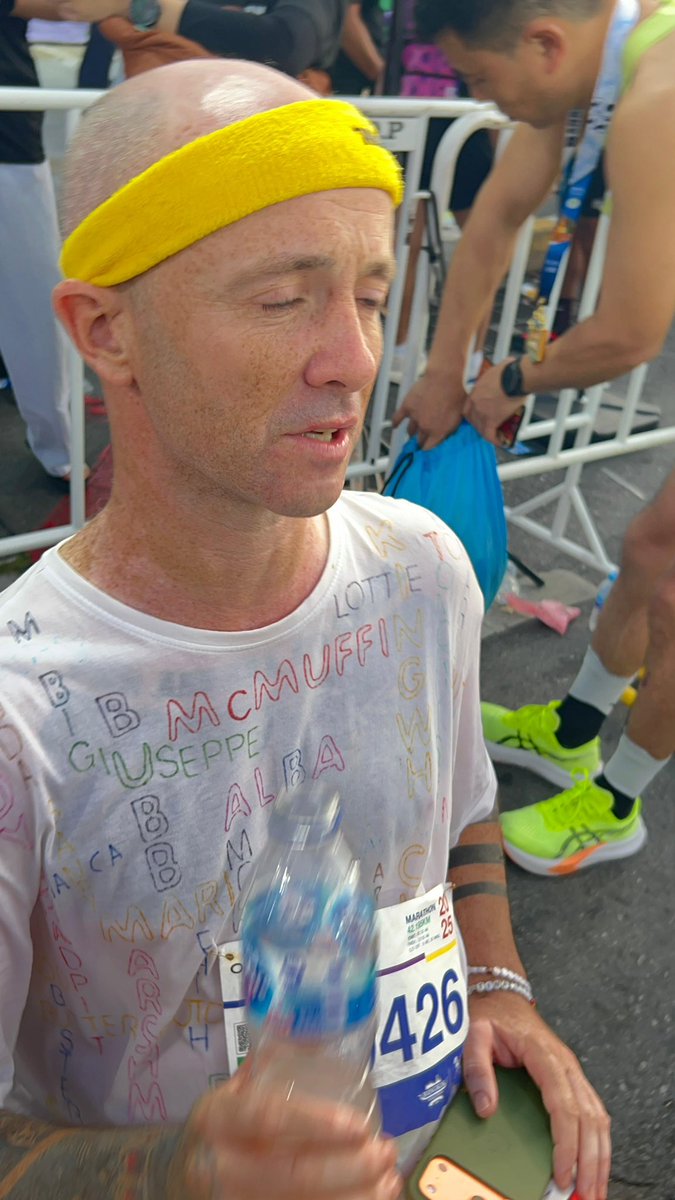
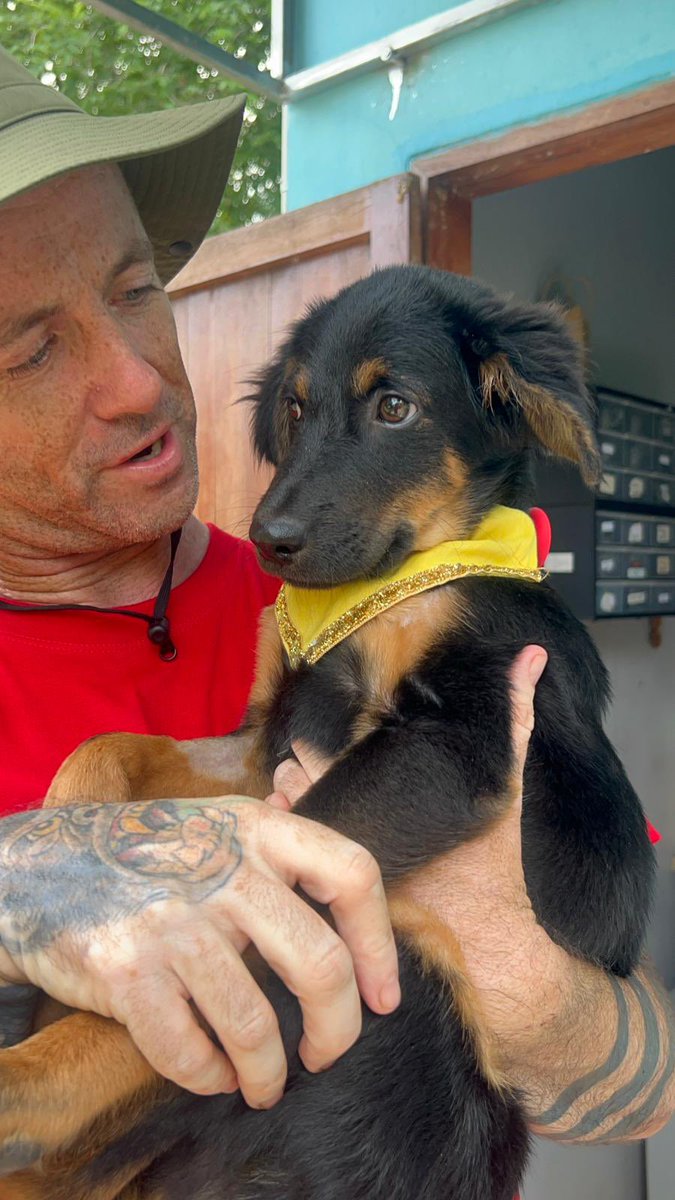
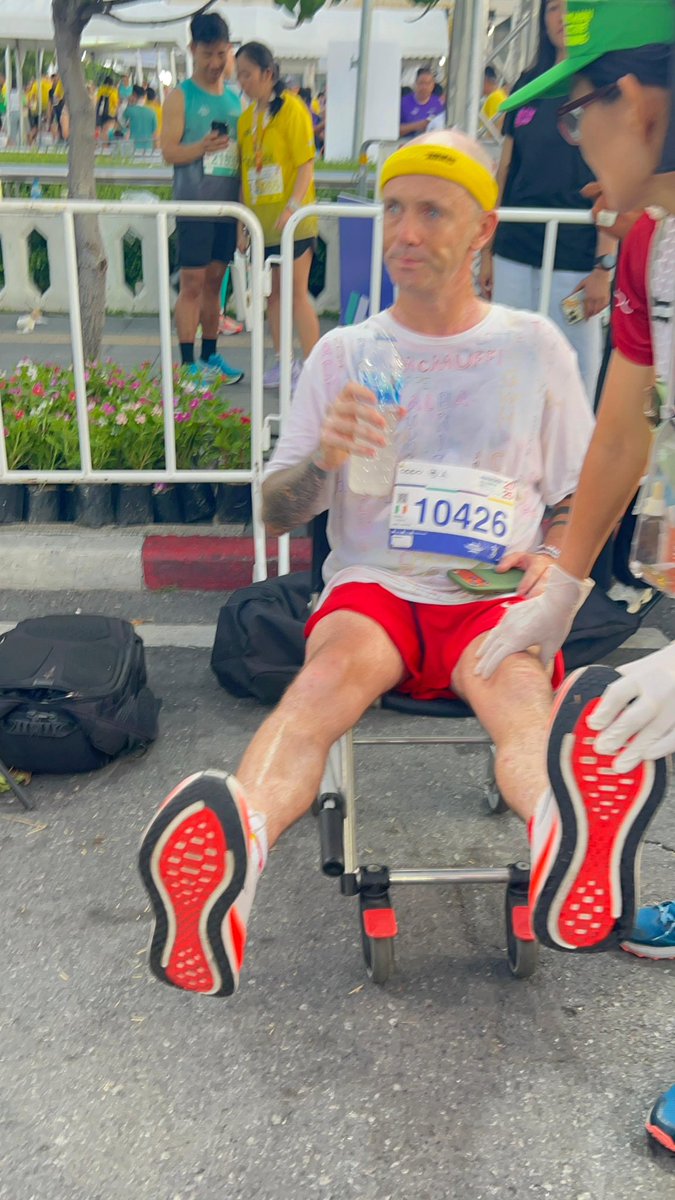
That was just insane. The hardest thing I’ve ever done. The support online was insane. I’ll process that later today and think of some sort of worthy reply.
So much to tell Stormzy when I get home.
1,505
2,369
29,915
305,438
25 Oct 2025
It was lovely to catch up with Chris Choi again yesterday tobtalknanojtnth rise in romance fraud reports. Victims are slowly starting to come forward more as better understanding by those who fail them step up. Much more to do, especially around understandinf parallels with DV.
120
Anna Rowe retweeted

21 Oct 2025
This is very true, they expect us to be too broken and beat down to be able to fight for ourselves when actually everything we have been through has made us the opposite
21 Oct 2025

I’ve a feeling Jess Phillips didn’t expect traumatised young women to be so on the ball.
I’m so sorry you have reached this point but maybe this evidence will be the prompt that’s needed to remove her. She’s unfit to have ever been given anything to do with safeguarding.
53
254
1,459
44,138
5 Oct 2025
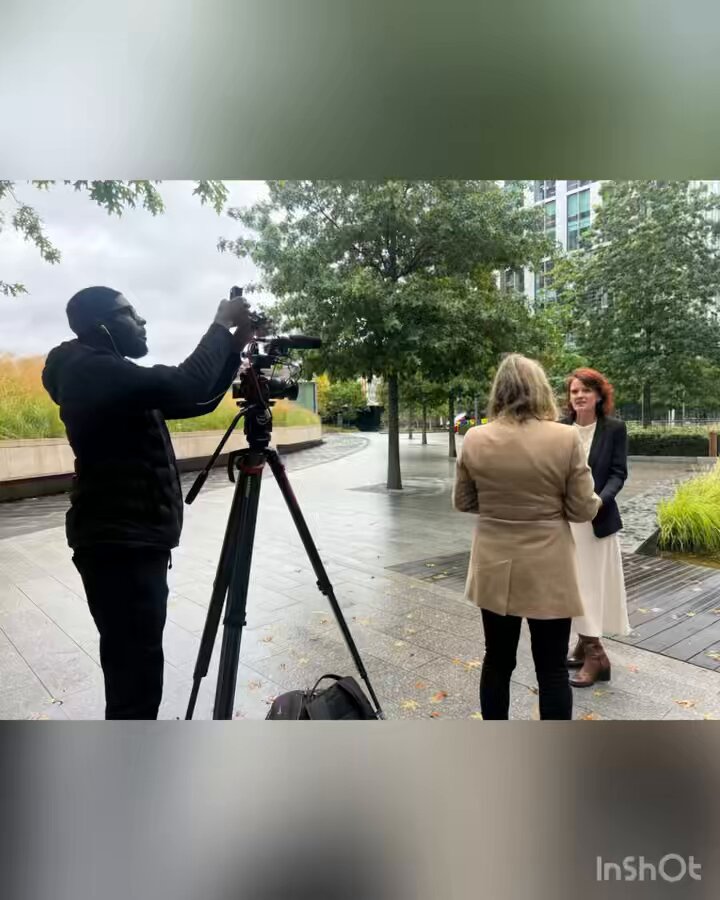
Last minute interview for ITV yesterday as 3rd October marked the end of our Romance Fraud Awareness Week U.K. and the new campaign by @metpoliceuk & @WMPolice. @cityoflondon’s Datesafe was a resounding success, bringing together hundreds of passionate individuals across sectors
1
6
211
Anna Rowe retweeted

19 Sep 2025
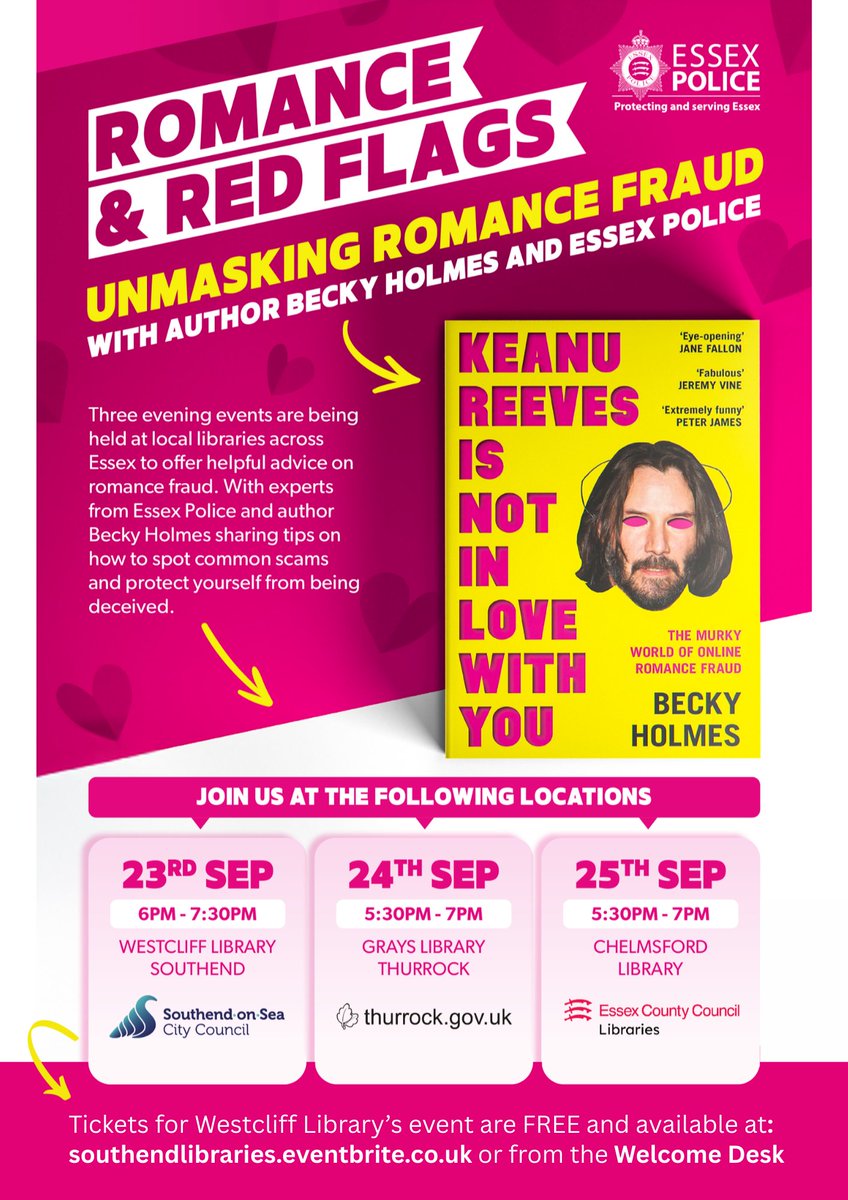
If you live in or near Essex please come and say hi at one of the following libraries next week:
- Southend (Westcliff library) on 23rd Sep at 6pm
- Thurrock (Gray's library) on 24th Sep at 5.30pm
- Chelmsford library on 25th Sep at 5.30pm
They are all free to come along to, and the only one you need to book for is Westcliff
I'll be selling and signing some books as well 🖊️
4
17
111
15,426