
Postdoc at @ELLISAlicante | PhD in CS @ELLISforEurope | Trustworthy AI and Graph Neural Networks
Joined July 2013
- Tweets 9,726
- Following 1,458
- Followers 766
- Likes 9,024
331 Photos and videos

Pinned Tweet

15 Aug 2024
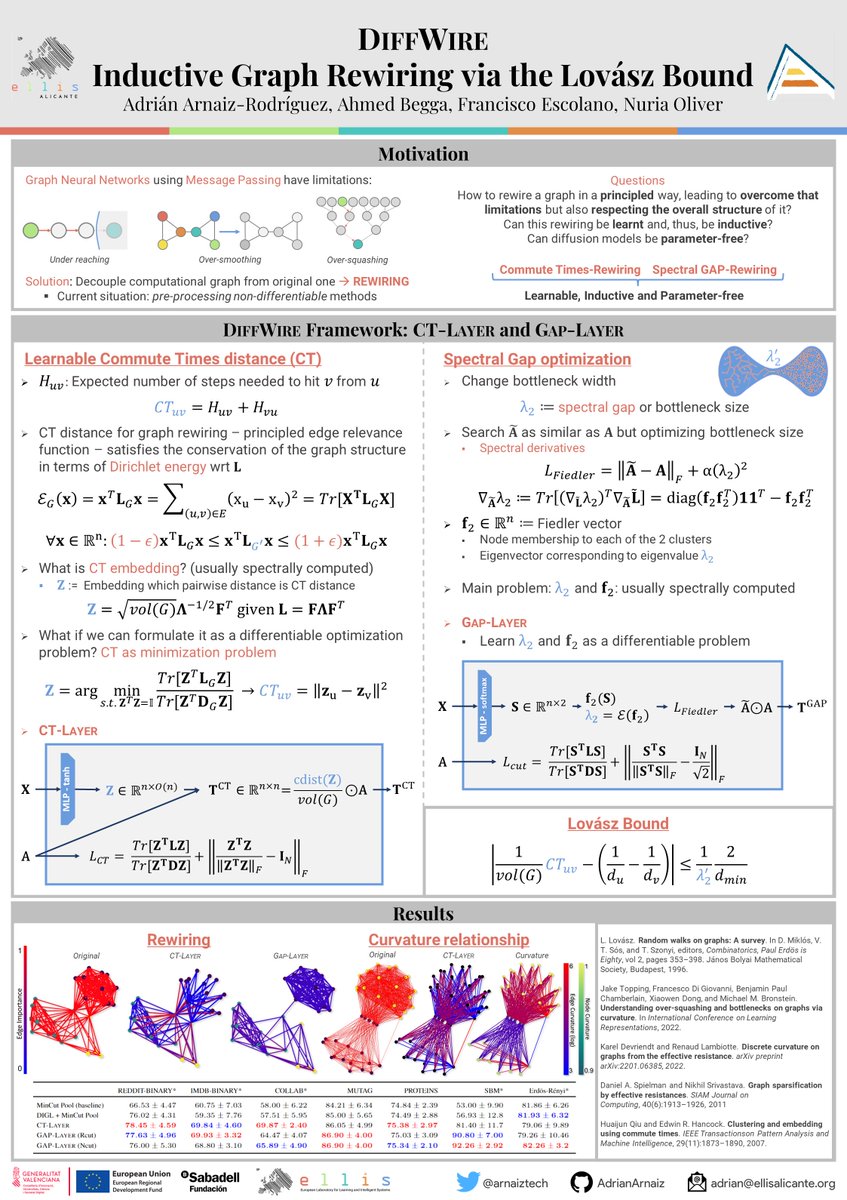
Here the slides of our ICML tutorial! 🚀
14 Aug 2024

UPDATE: As promised, we have now uploaded the slides from our popular 2024 ICML tutorial on "Graph Learning: Principles, Challenges, and Open Directions" to the tutorial website!
The video recording and code samples will follow soon. Stay tuned!
icml2024graphs.ameyavelingke…
3
9
6,703
Adrián Arnaiz retweeted

Jun 14
El español tiene una posición extraña en Occidente.
Es demasiado grande para ser minoritario. Pero demasiado periférico para ser considerado el idioma natural del poder.
Se le trata como algo exótico, local o prescindible. Con condescendencia. Como si a pesar de ser la lengua de cientos de millones de personas, solo fuese el idioma en el que canta Bad Bunny.
Clasismo anglosajón. Jerarquía cultural.
Los futbolistas no tienen que pedir perdón por hablar en su lengua. No tienen que pedir permiso ni disculparse.
Las grandes lenguas no necesitan autorización para existir.
Jun 14

Otro caso más, Achraf Hakimi.
Los jugadores quieren responder en español y no les dejan.
101
257
2,155
194,902
Adrián Arnaiz retweeted

📢 Call for Papers – LoG 2026
Paper submissions are now open for LoG 2026!
Submit your work on any areas broadly related to learning on graphs and geometry
🔗 logconference.org/cfp/
📅 Key dates (AoE):
• July 29 – Abstract deadline
• Aug 1 – Full paper deadline
#LoG2026
6
15
1,469
Adrián Arnaiz retweeted

Jun 9
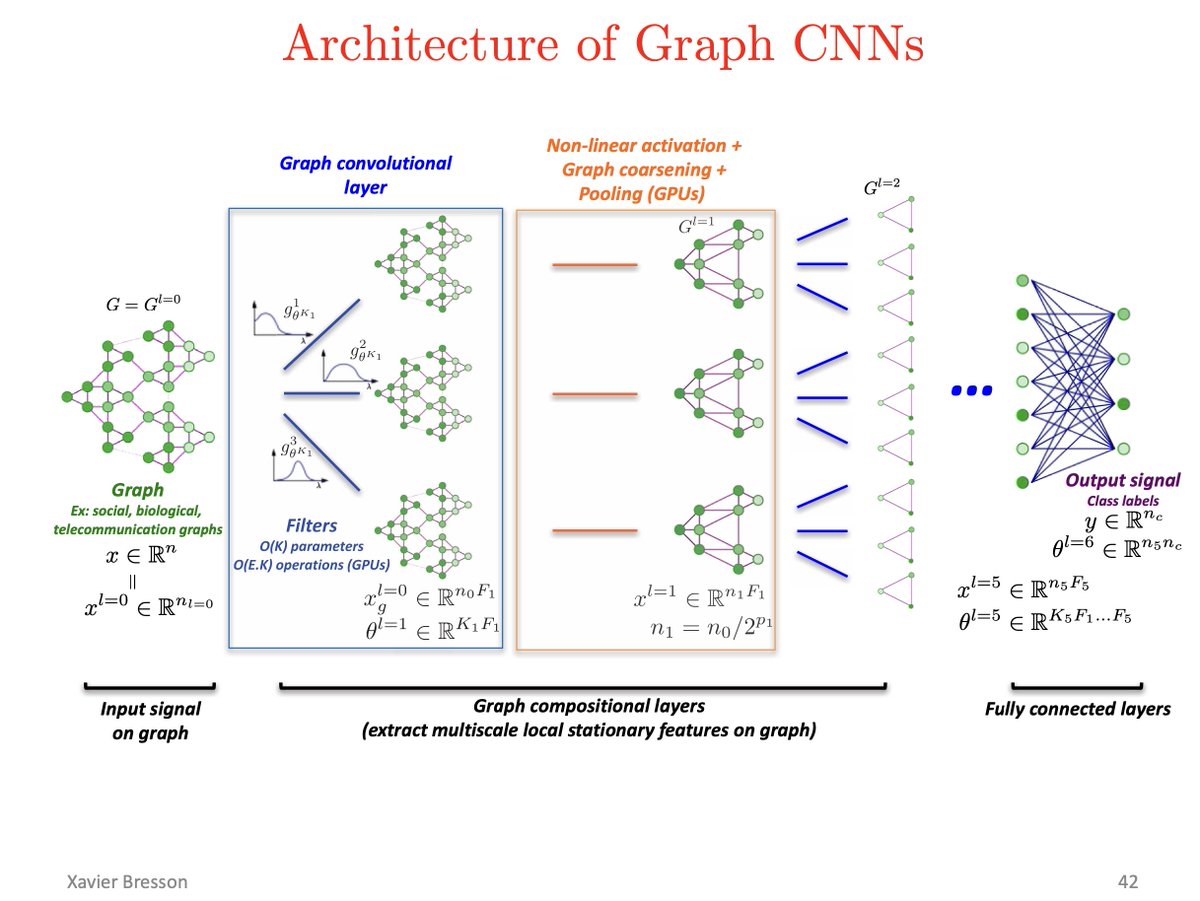
It's been 10 years since we published Spectral Graph Convolutional Networks at @NeurIPSConf! 🎂
So much has happened since then, with the growth of the #GNN community.
It is dangerous to predict the future but GNNs AI4Science feels just getting started :)
scholar.google.com/scholar?q…
1
12
94
4,614
Adrián Arnaiz retweeted

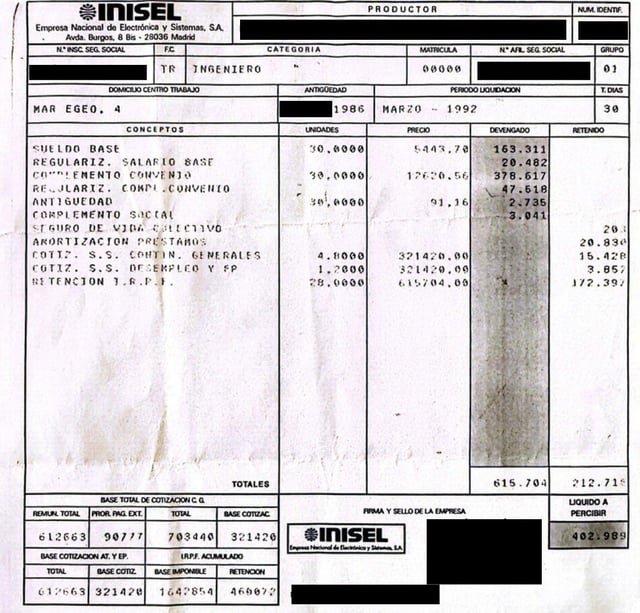
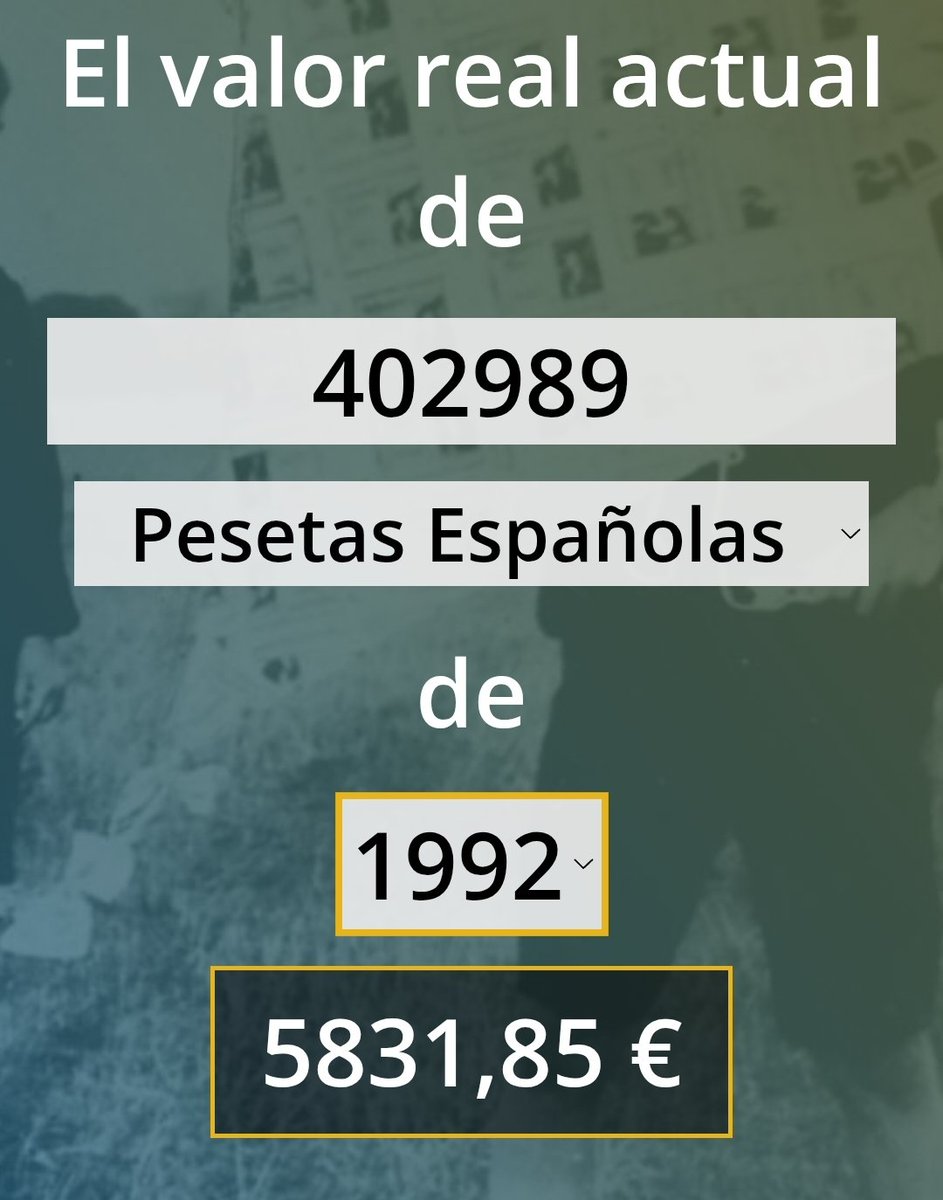
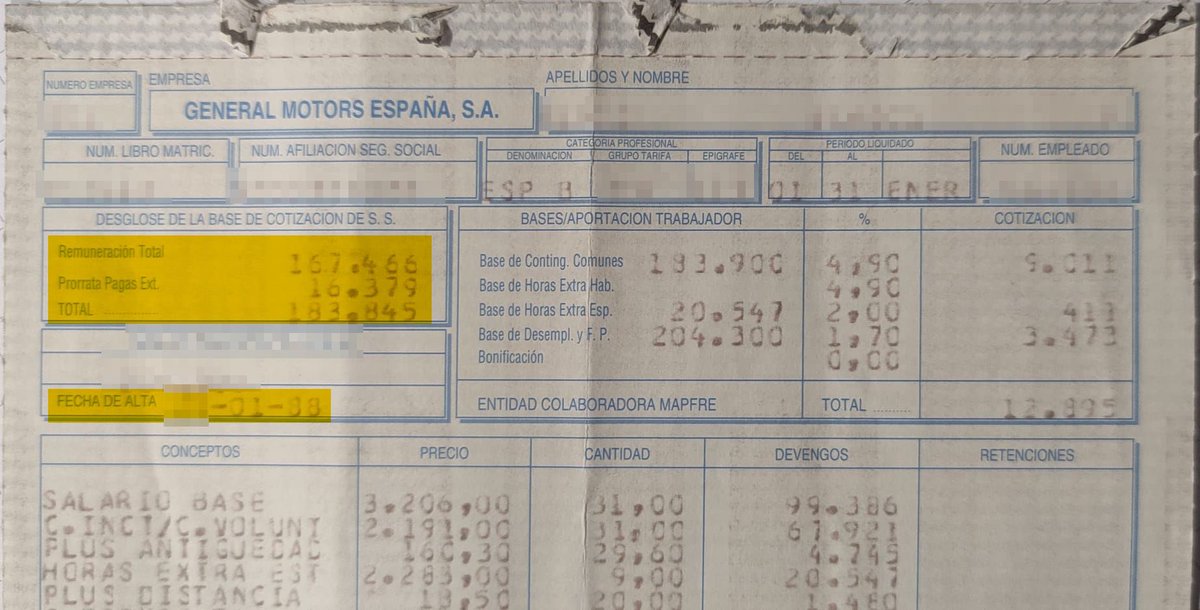
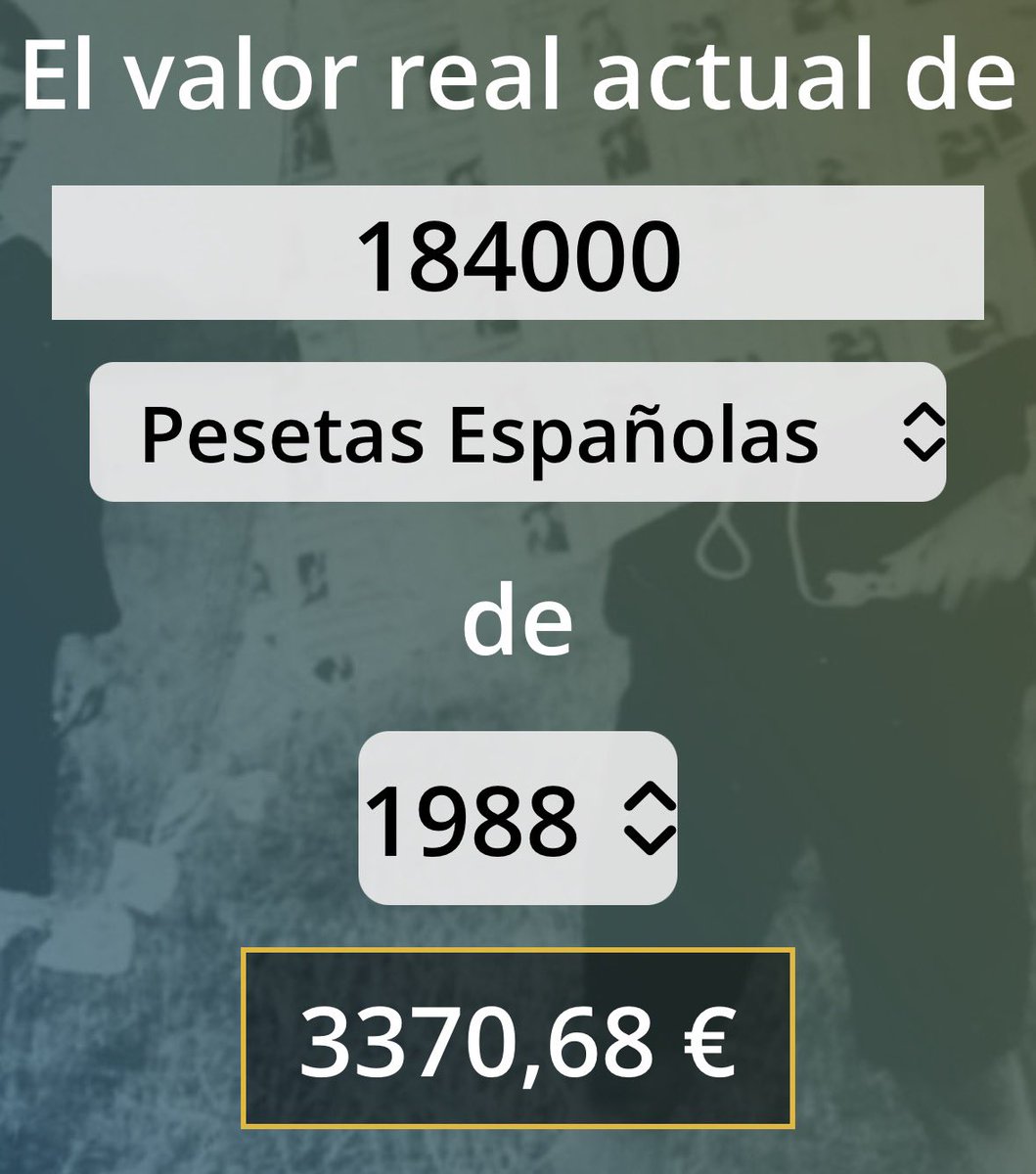
Nómina de un ingeniero joven con 6 años de antigüedad en 1992. Casi 6k al mes. Lo que tenemos ahora es para llorar.

La nómina de un peón de fábrica en 1988. Esto para mi generación no ha existido.
63
579
2,533
112,892
Adrián Arnaiz retweeted

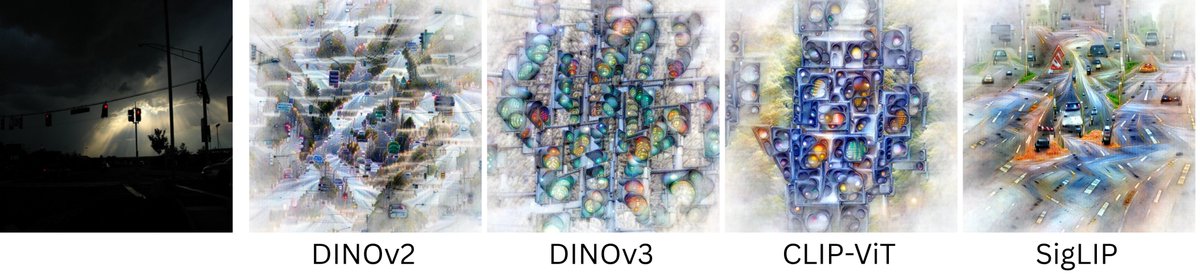
Foundation models dominate vision benchmarks. But how interpretable are their internal features to humans?
We ran a large behavioral study across 6 vision transformers, and found that every foundation model tested falls below the supervised baselines that came before. 🧵
5
23
139
14,352
Adrián Arnaiz retweeted

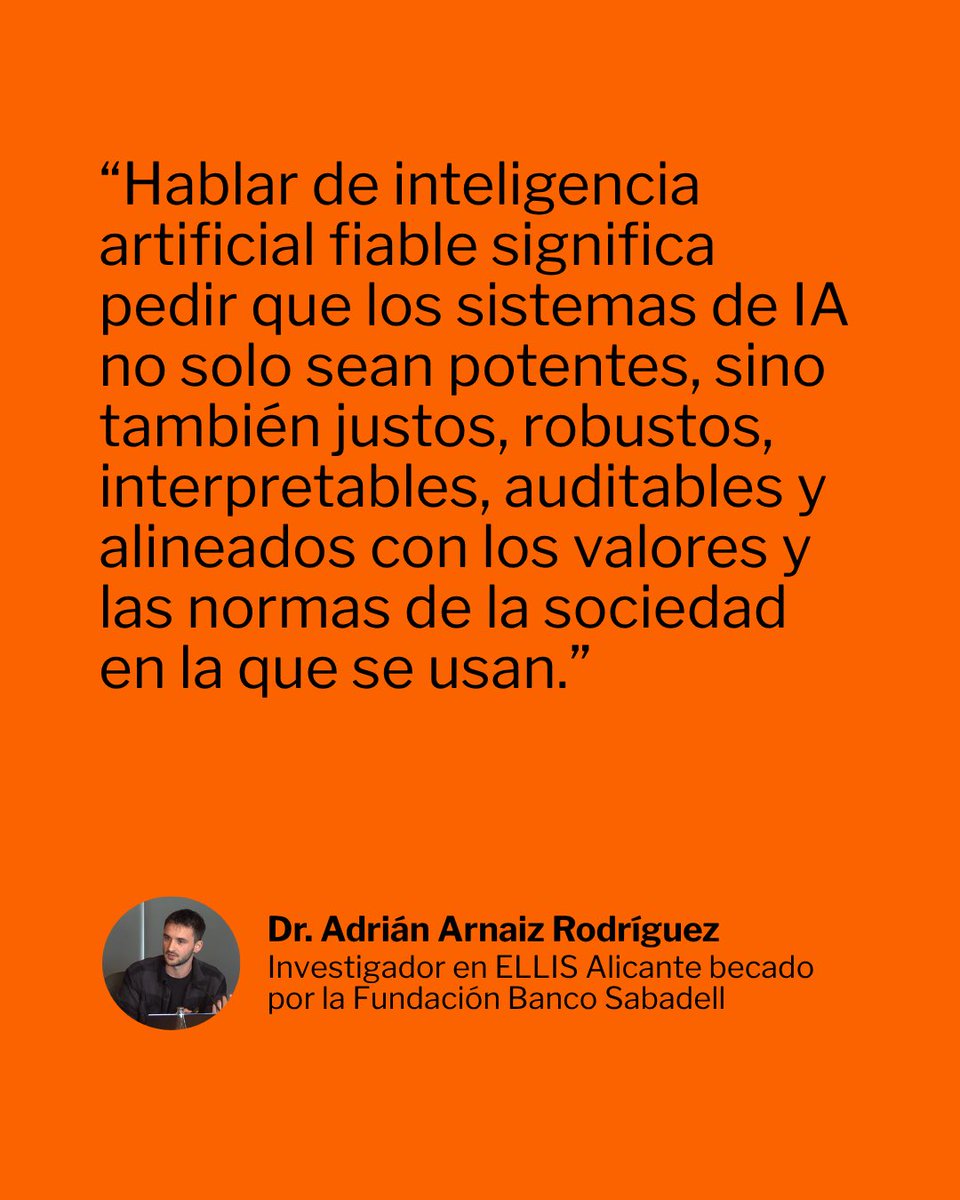
Vivencias en 1ª persona de nuestra #Comunidad: @Arnaiztech, investigador becado por la Fundación Banco Sabadell en @ELLIS_Alicante, nos habla sobre cómo construir una IA en la que podamos confiar.
💬 “La IA en la que merece la pena confiar no es la que automatiza más, sino la que entiende mejor el mundo humano en el que actúa.”
#ELLISAlicante es la única unidad de la red europea @ELLISforEurope creada desde cero como fundación privada y especializada en el estudio de la relación entre las personas y la inteligencia artificial.
A través de sus becas de doctorado y postdoctorado, impulsamos el desarrollo de jóvenes investigadores vinculados al programa.
Descubre su historia 🔗 fundacionbancosabadell.com/c…
#LaCulturadelTalento #Investigación #Educación
1
4
299
Adrián Arnaiz retweeted

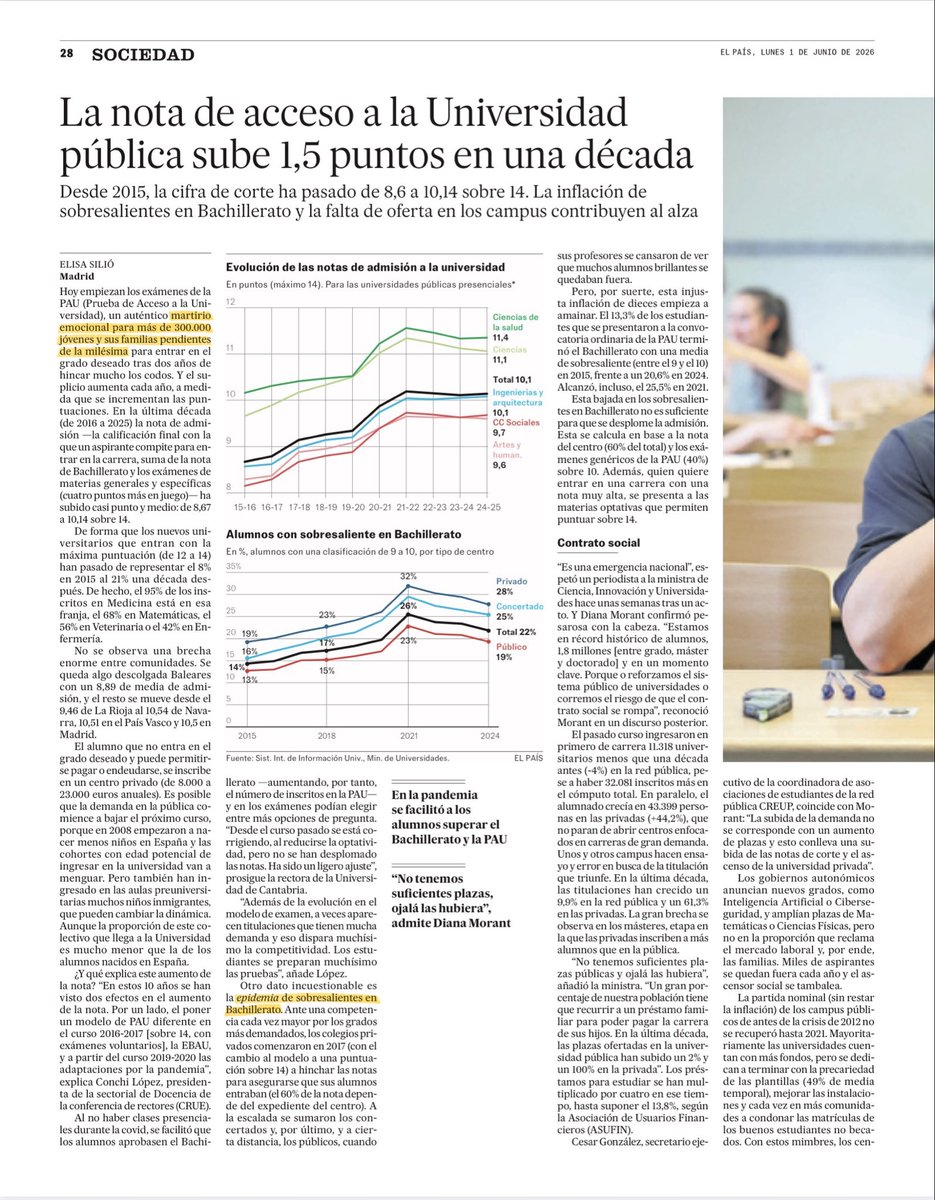
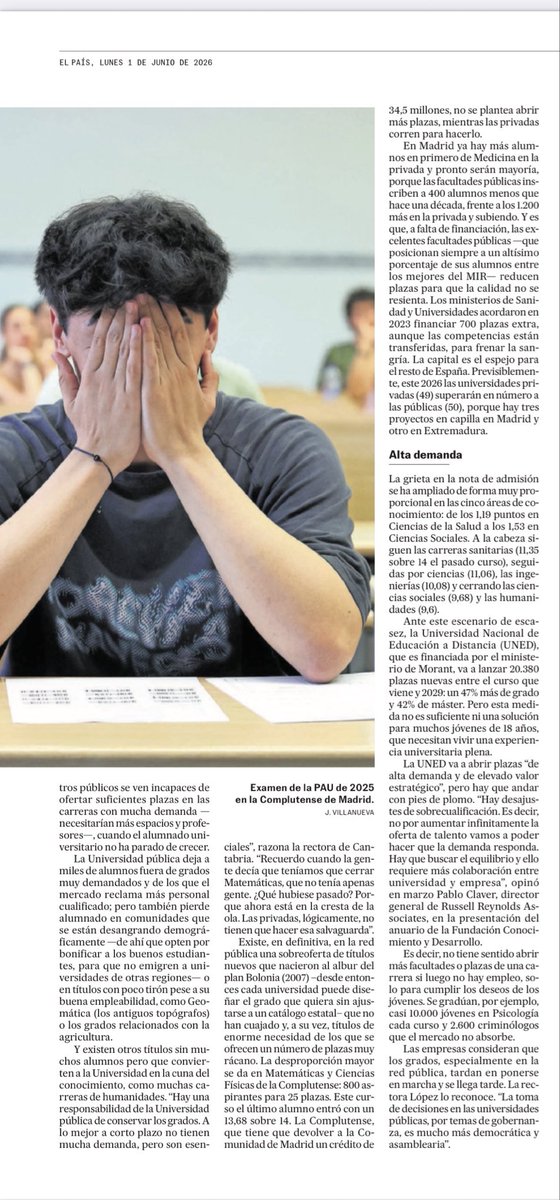
«Epidemia de sobresalientes». Es todo una mentira tras otra. 👇🏻
13
27
105
16,276
Adrián Arnaiz retweeted

May 4
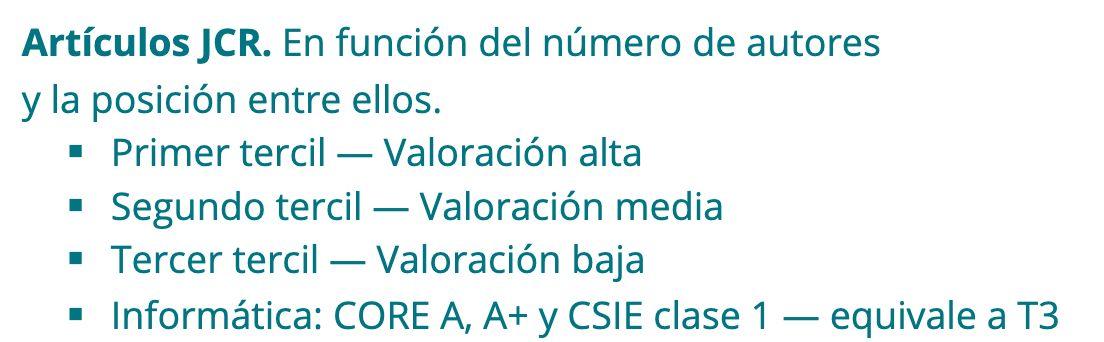
El sinsentido de @ANECAinfo y del sistema académico español a la hora de valorar los congresos de IA es incomprensible y tremendamente dañino. Quien defiende estos criterios es, en el mejor de los casos, un ignorante completo de los estándares de publicación de nuestro campo, cuando no miembro de una mafia que se beneficia del sistema.
El Premio Nobel de Física y Premio Turing @geoffreyhinton, considerado el padre de la IA moderna, ha publicado 20 artículos en congresos A* y solamente 3 en revistas en los últimos 10 años. Según los criterios de ANECA, debe ser un investigador mediocre que todavía no se ha enterado dónde hay que publicar.
Apr 30

La ANECA valora los congresos CORE A -- los lugares más competitivos y de más prestigio donde publicar en IA -- como a las revistas del ultimo tercil en JCR. ¿Alguien en @ANECAinfo puede explicarlo? ¿Se dan cuenta de hasta qué punto fomentan nuestra irrelevancia científica?
6
21
48
8,925
Adrián Arnaiz retweeted

Apr 30
La ANECA valora los congresos CORE A -- los lugares más competitivos y de más prestigio donde publicar en IA -- como a las revistas del ultimo tercil en JCR. ¿Alguien en @ANECAinfo puede explicarlo? ¿Se dan cuenta de hasta qué punto fomentan nuestra irrelevancia científica?
11
30
59
18,125
Apr 22
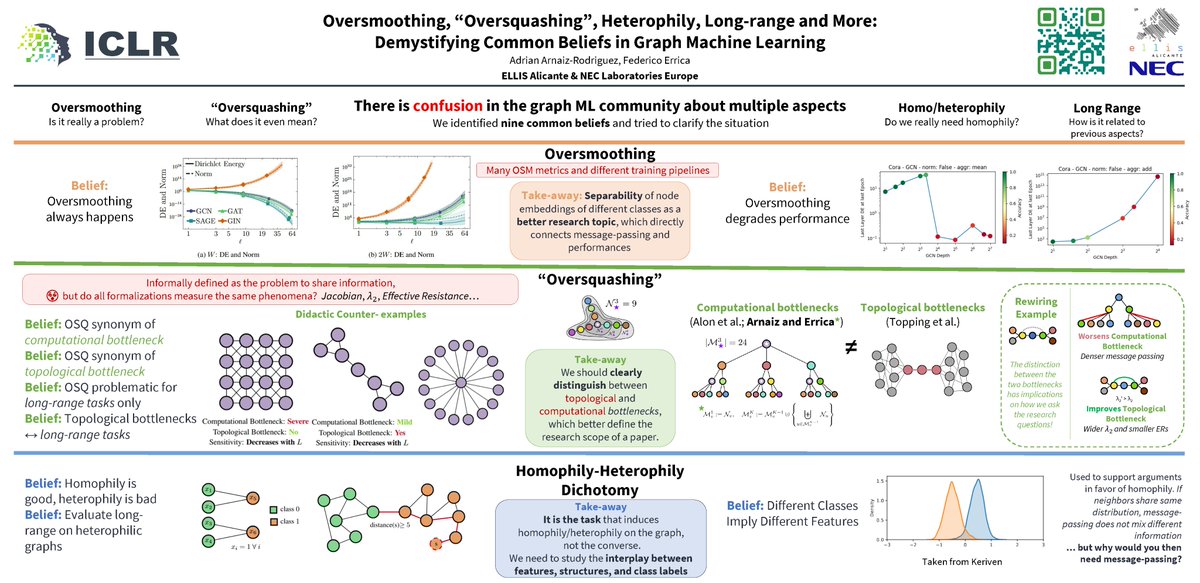
Accepted paper at #ICLR2026 🌟@iclr_conf
🧩 We revisit some repeated claims in graph ML and show that usual statements about oversmoothing, oversquashing, heterophily, and long-range effects are not universally true.
🗓️ P3-#909, Fri 24, 10:30 AM (Rio time)
Links below⬇️
1
2
6
1,106
Apr 22
📍🇧🇷 I will unfortunately miss ICLR this year, but Federico Errica will present our paper in Rio.
🏆 Best Paper Best Poster at the MLG workshop @ ECML PKDD 2025.
- Paper: openreview.net/forum?id=Q3Mi…
Poster, videos (4 and 35 min) and slides? ⬇️
1
1
1
332
Apr 22
- Poster, slides, and short video: iclr.cc/virtual/2026/poster/…
- GLOW talk (35 min): youtube.com/watch?v=ufCbRlTC…
1
1
272
Adrián Arnaiz retweeted

Apr 14
And the mental-health angle — my bread-and-butter. @arnaiztech et al. tested 5 frontier models on mental-health crisis inputs.
grok-4-fast produced harmful self-harm responses 17.51% of the time. Even the best performer - gpt-5-nano - failed 1.20% (arXiv:2509.24857)
1
1
1
188
Adrián Arnaiz retweeted

Cuando en una democracia no se rinden cuentas por los errores, las instituciones pierden legitimidad y se sigue erosionando el sistema.

Red Eléctrica conocía, tres meses antes del apagón, que el sistema eléctrico de nuestro país estaba fallando.
🎙️ @ana_rtve
▶rtve.es/play/videos/directo/…
11
298
992
26,768
Adrián Arnaiz retweeted

Jan 30
Done with #ICML2026? Setting up experiments for a new project can be boring... Here is a template that automates parameter configs, output filenames, SLURM etc. Works for me, hope it works for you!
github.com/stsirtsis/researc…
P.S. Templates are greener than AI coding agents🌱
1
7
659
Adrián Arnaiz retweeted

Jan 4
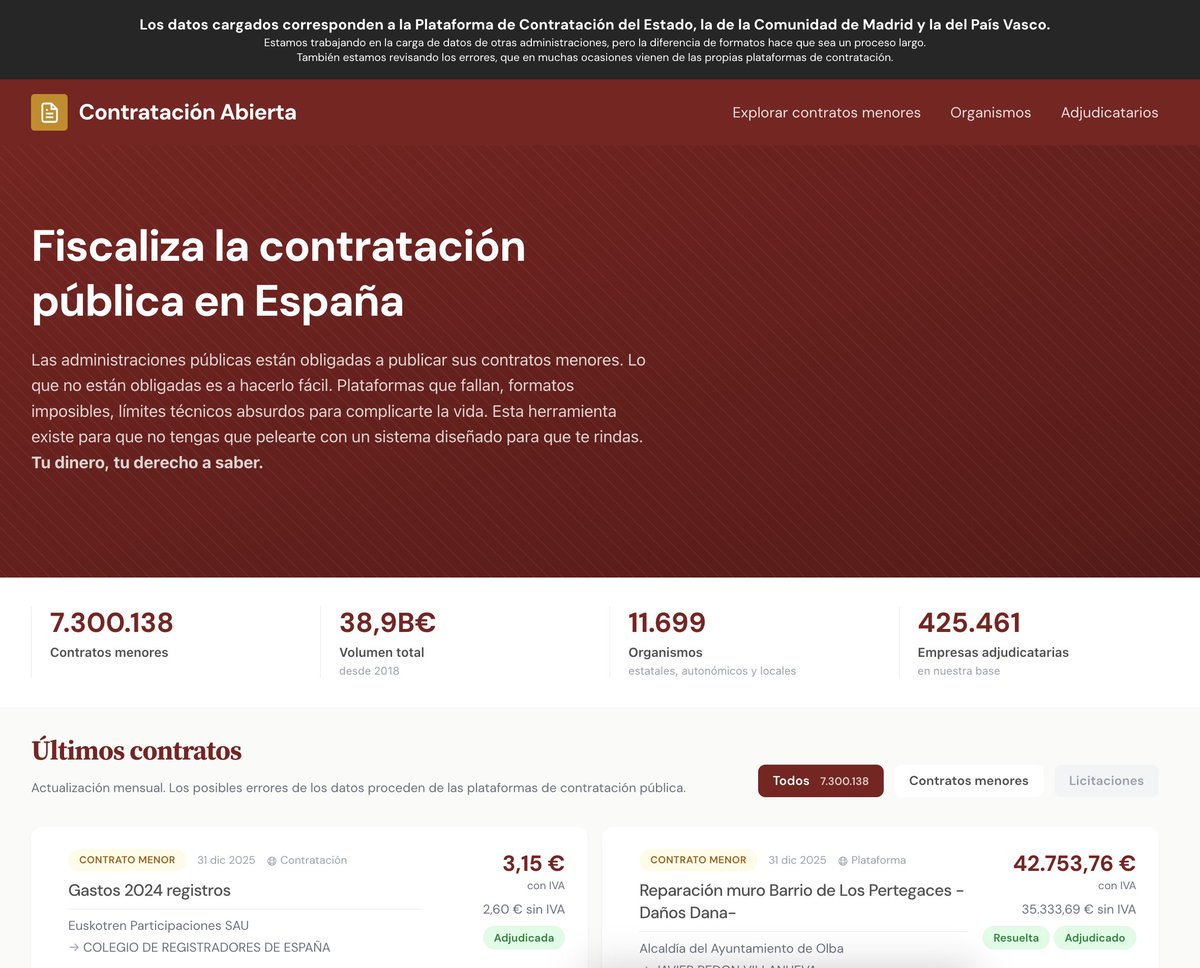
Después de unos días de trabajo hago pública CONTRATACIÓN ABIERTA, una web donde se pueden revisar de forma fácil los contratos menores de las administraciones públicas de España.
Hay más de 7,3 millones de contratos y 11.700 organismos públicos.
👇👇
contratacionabierta.es
225
3,297
7,223
1,152,271
Adrián Arnaiz retweeted

31 Dec 2025
A veces, sólo a veces, la academia es justa y permite que gente competente, valiosa, amiga, y sin esos apellidos que otorgan privilegios insultantes logren posiciones dignas de su valor. Ojalá pasara más menudo. Ojalá la academia se guiase siempre por criterios académicos.
7
38
282
12,266
Adrián Arnaiz retweeted

28 Dec 2025
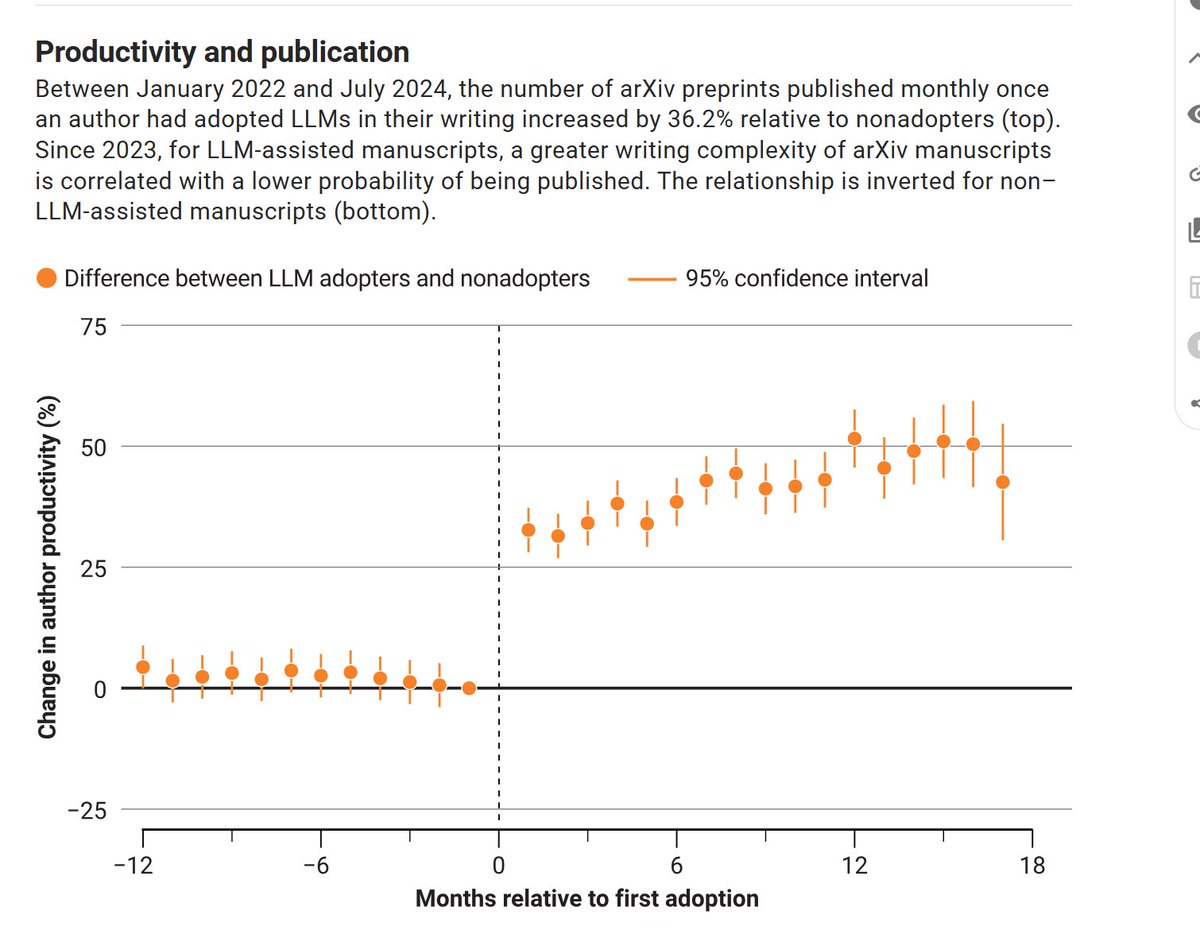
Obviously AI was always going to increase the number of papers. The question is whether it increases the number of papers that are actually worth reading.
28 Dec 2025

My favourite paper of the year — LLMs are already having a large impact on the number of scientific papers produced!!
49
165
1,736
44,321
Adrián Arnaiz retweeted

29 Dec 2025
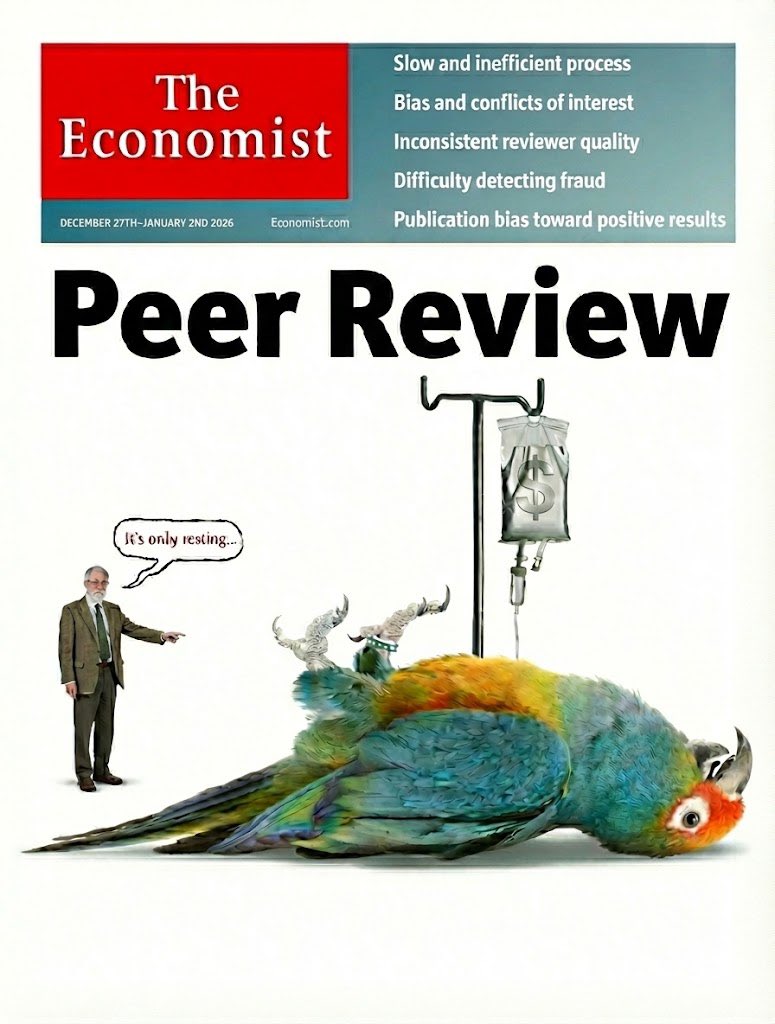
I never struggled much with peer review. I published in almost all the top journals and funded my lab through standard peer-reviewed grants. That success didn’t mean I was being selected for the best science - it meant it was easy for me to learn how to play the game. You take your genuinely original work and ideas and reframe them around what you think reviewers want to hear.
That strategy is rewarded, but it comes at a cost. The compromises required to satisfy reviewers can blunt innovation, discourage risk-taking, and reward work that fits existing narratives over work that challenges them. What advances careers is not always what advances science.
We no longer need to rely on small, opaque panels to evaluate research quality. There is now technology capable of assessing rigor, impact, reproducibility, and downstream influence more transparently and at scale. Better systems are possible and overdue

21
59
340
73,901
Adrián Arnaiz retweeted

14 Dec 2025
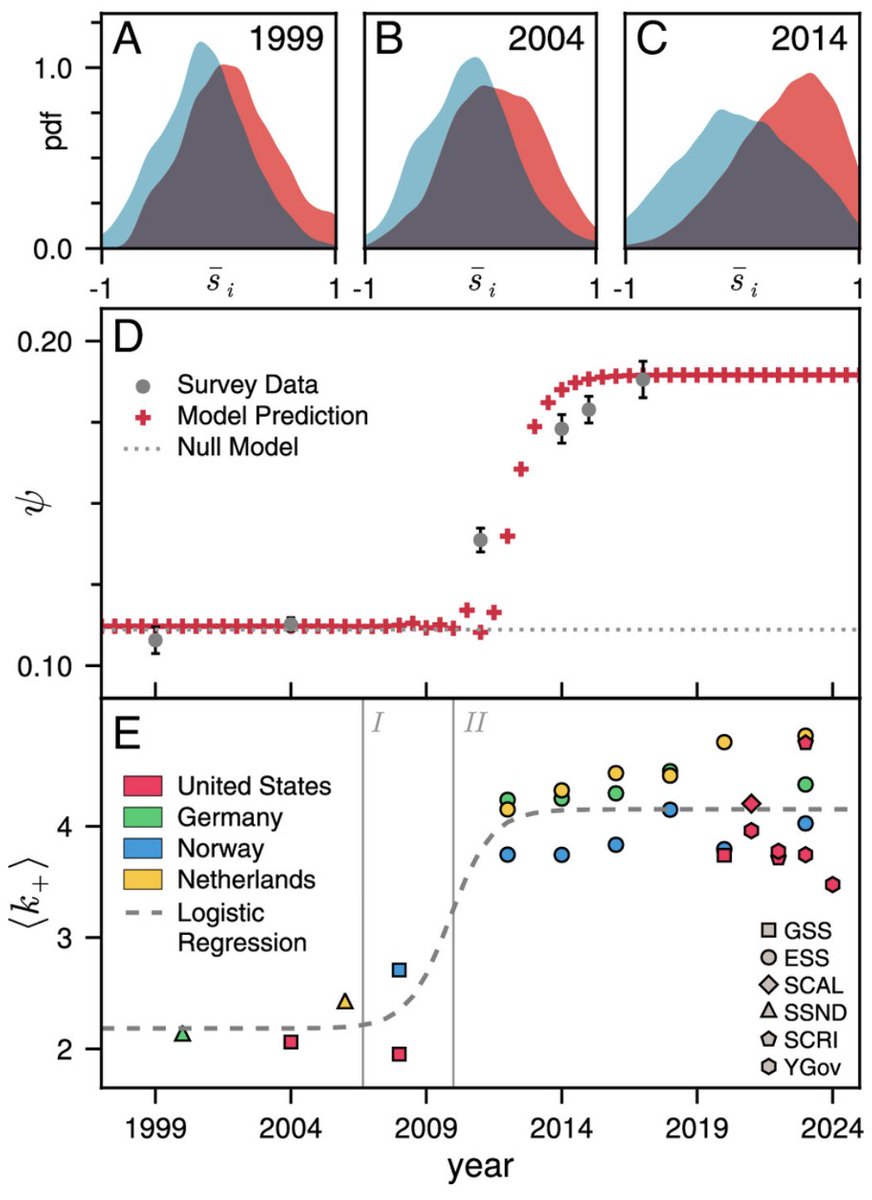
A new PNAS paper finds that polarization increased immediately after the invention of smartphones and the advent of social media, which both appeared around the same year, 2008.
Both profoundly changed the way humans communicate and this rise of connectivity may have fueled polarization. Adding a small number of individuals with extreme opinions (influencers) also drives continuous increases in polarization.
Once polarization occurs as a consequence of increasing connectivity, it can not simply be undone by reversing to previous connectivity levels. This may be why social media removal studies have very modest effects on polarization. pnas.org/doi/10.1073/pnas.25…
100
616
1,899
473,729