
📈📉
Joined January 2021
- Tweets 4,863
- Following 477
- Followers 662
- Likes 3,628
466 Photos and videos











▲ 0xLakrimz ▲ retweeted

Jun 10
Job Title: Human Resources Officer
Industry: FMCG
Gender: Male (Gen-Z).
Location: Lagos Island
Key Responsibilities:
• Coordinate recruitment and onboarding activities.
• Maintain employee records and HR documentation.
• Support performance management and employee engagement initiatives.
• Assist with payroll, leave administration, and HR reporting.
• Ensure compliance with company policies and labor regulations.
• Handle employee inquiries and provide HR support across departments.
Requirements:
• Bachelor's degree in Human Resources, Business Administration, or a related field.
• 2–3 years of relevant HR experience.
• Strong knowledge of HR processes and labor laws.
• Proficiency in Microsoft Office Suite.
• Excellent communication, interpersonal, and organizational skills.
• Professional HR certification is an added advantage.
Send Cv to eniola.a@fadacresources.com with HR OFFICER as subject of mail.
3
17
34
4,837
▲ 0xLakrimz ▲ retweeted

Apr 22
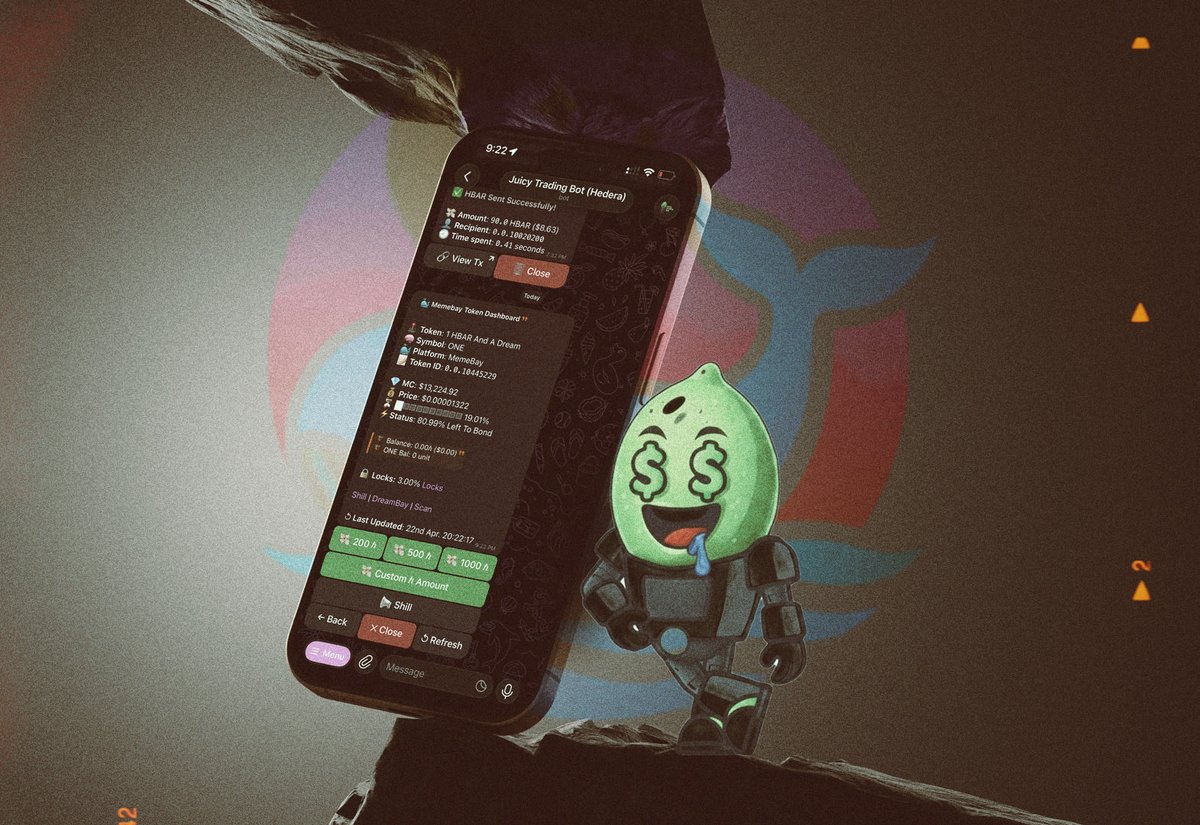
MemeBay Launchpad by @DreamBayio integration is now live 🎉
Juicy Trading Suite (Alerts / Trading Bot) now supports Memebay, alongside @SaucerSwapLabs @MemeJobFun & @SilkSuiteDEX giving you full coverage across the @hedera ecosystem.
Faster execution. Cleaner performance. Rock-solid reliability.
Every alert inline button also opens the token dashboard instantly inside Juicy Trading Bot with no lag, no extra steps, just straight to action.
Built to move with the market.
Here to serve you better, always.
t.me/JuicyTradingBot
#hedera #meme hedera-hashgraph:native
4
7
18
788
▲ 0xLakrimz ▲ retweeted

You are looking at CPI, Wartime and FOMC price action. Don't complain, it is leg day.
85
48
1,420
60,325

Feb 28
If you don’t mind me asking, where can I get materials like these
I’ve studied and resonated with the other materials you dropped on Rejection/ Mitigation Blocks , Orderblocks etc
1
20
▲ 0xLakrimz ▲ retweeted

28 Nov 2025
He's still the greatest to ever touch the ball.
When you have grandchildren, tell them it was the honor of your life - to have watched Messi play.
Tell them that your life made sense, because Messi decided to play the game, the way he did.

60
373
1,798
84,800
7 Nov 2025
I just discovered what TENTS is! A crypto payment gateway powered by NEAR Intents. Join the countdown at tents.finance/ #TENTS #NEAR #Crypto
2
81
▲ 0xLakrimz ▲ retweeted

30 Oct 2025
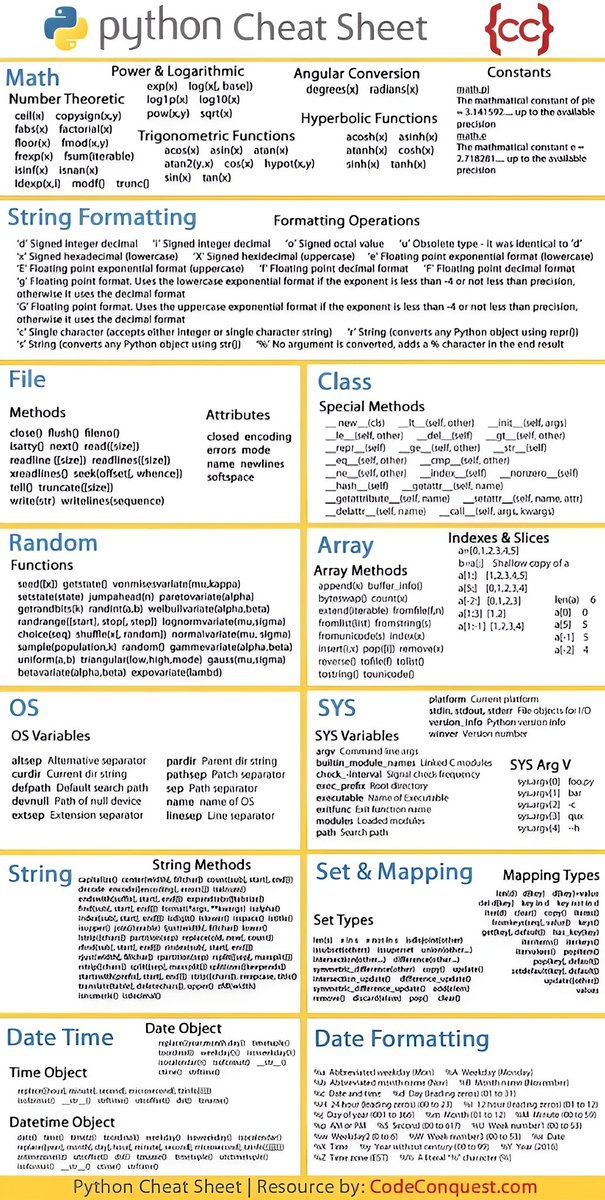
PYTHON is difficult to learn, but not anymore!
Introducing "The Ultimate Python ebook "PDF.
You will get:
• 74 pages cheatsheet
• Save 100 hours on research
And for 24 hrs, it's 100% FREE!
To get it, just:
1. Like & RT
2. Reply " send "
3. Follow me for the link [MUST]
75
64
171
22,806
▲ 0xLakrimz ▲ retweeted

20 Oct 2025
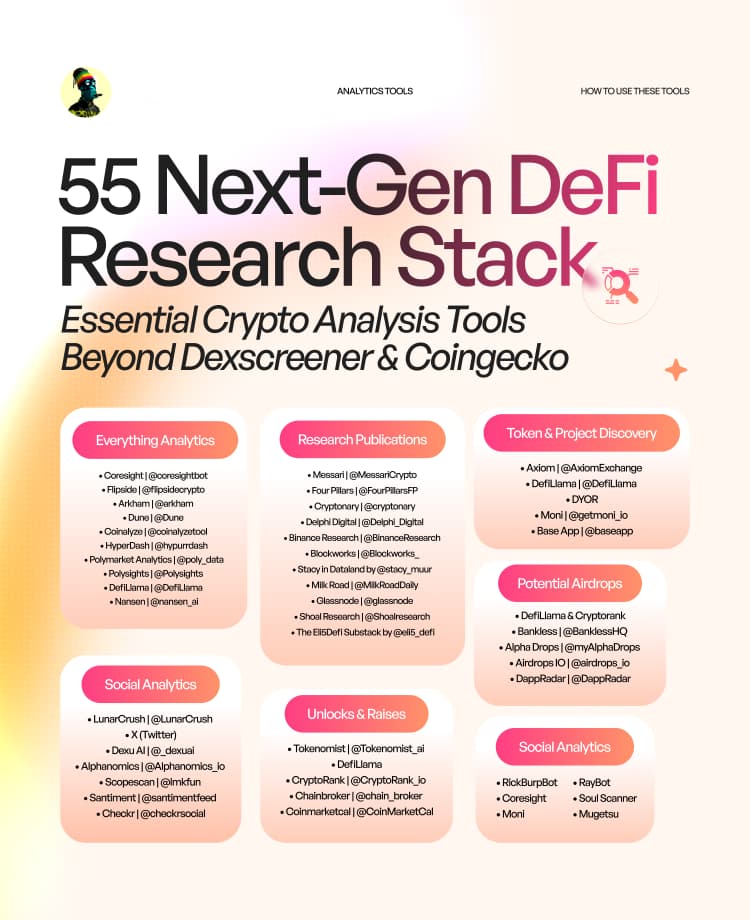
You’re not a serious researcher if your main tools are Dexscreener and Coingecko!
That’s why you’ve been catching strays when others are banking profits.
DeFi has evolved. Things are faster and more competitive now. If you want to be or remain profitable, your research toolkit also has to evolve.
Here are the research tools you should be using right now👇🏽
> Everything Analytics
• Coresight | @coresightbot
• Flipside | @flipsidecrypto
• Arkham | @arkham
• Dune | @Dune
• Coinalyze | @coinalyzetool
• HyperDash | @hypurrdash (for the Hyperliquid ecosystem)
• Polymarket Analytics | @poly_data (for prediction markets)
• Polysights | @Polysights
• DefiLlama | @DefiLlama
• Nansen | @nansen_ai
> Research Publications & Newsletters
• Messari | @MessariCrypto
• Four Pillars | @FourPillarsFP
• Cryptonary | @cryptonary
• Delphi Digital | @Delphi_Digital
• Binance Research | @BinanceResearch
• Blockworks | @blockworks
• Stacy in Dataland by @stacy_muur
• Milk Road | @MilkRoadDaily
• Glassnode | @glassnode
• Shoal Research | @Shoalresearch
• The Eli5Defi Substack by @eli5defi
> Token & Project Discovery
• Axiom | @AxiomExchange
• DefiLlama | @DefiLlama
• DYOR | @
• Moni | @getmoni_io
• Base App | @baseapp
> Airdrops/Potential Airdrops
• DefiLlama & Cryptorank
• Bankless | @bankless
• Alpha Drops | @myAlphaDrops
• Airdrops IO | @airdrops_io
• DappRadar | @DappRadar
> Social Analytics
• LunarCrush | @LunarCrush
• X (Twitter)
• Dexu AI | @_dexuai
• Alphanomics | @Alphanomics_io
• Scopescan | @lmkfun
• Santiment | @santimentfeed
• Checkr | @checkrsocial
> Unlocks & Raises
• Tokenomist | @Tokenomist_ai
• DefiLlama
• CryptoRank | @CryptoRank_io
• Chainbroker | @chain_broker
• Coinmarketcal | @CoinMarketCal
> Telegram Bots
• RickBurpBot
• Coresight
• Moni
• RayBot
• Soul Scanner
• Mugetsu
> How To Use These Tools
Most of these tools are easy to use everyday so you shouldn’t have any issues integrating them into your workflow.
For the TG bots, create a group on Telegram and yourself and all the tools to it. This will ensure that you have easy access to everything in one place.
I recommend spending your weekends diving into the research articles and newsletter recommendations.
If you plan on shorting token unlocks, it only makes sense to research with the unlock tools over the weekend and plan yourself ahead.
I hope this helps.
17 Oct 2025

Gm❤️. Crypto is full of opportunities to make insane amounts of money.
But beyond that, there are also many more scams, rugs, exploits and fraudulent projects.
So the question is how do you identify these malicious exploits and separate them from genuine opportunities?
How do you ensure you're able to capitalize on opportunities early without exposing yourself to rugs?
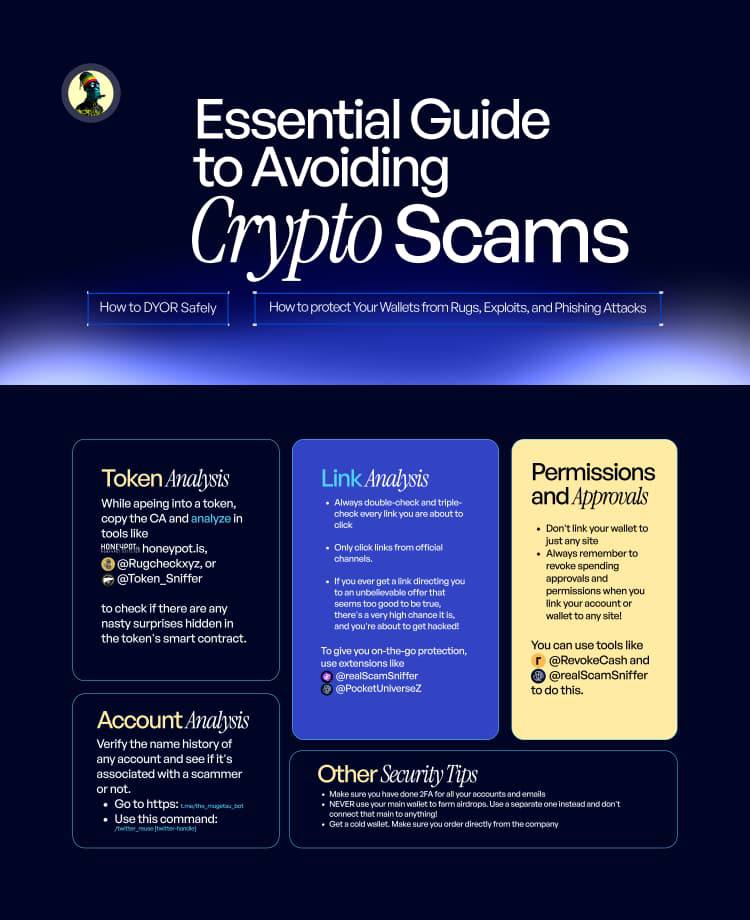
Here's a comprehensive guide to staying safe while DYOR-ing👇🏽
#1. Token Analysis
If you're trying to ape a token, copy the CA and post in tools like honeypot.is, @Rugcheckxyz, or @Token_Sniffer to check if there are any nasty surprises hidden in the token's smart contract.
You can also copy the CA and paste it into @gmgnai to verify things like:
• if the contract is renounced
• if the token is a honeypot
• if the smart contract is verified & open-source, and so on.
Finally, always verify the token with @bubblemaps to be sure that you're not buying into a token that is largely controlled by an individual intending to rug.
#2. Link Analysis
One of the most common ways accounts get hacked and wallets get drained is when people click the wrong links.
So how do you prevent this?
• Always double-check and triple-check every link you are about to click
• Only click links from official channels, meaning even if it's a site you're familiar with, always check the official handles to be sure the URL has not changed
• If you ever get a link directing you to an unbelievable offer that seems too good to be true, there's a very high chance it is, and you're about to get hacked!
Now you could do all of this and still fall victim to scam links, especially when official project accounts get hacked. So in addition to the above, you should also have extensions like @realScamSniffer and @PocketUniverseZ installed to give you on-the-go protection.
These tools will also protect you from signing malicious transactions on your wallets
This is a big deal because last month alone, more than $11m was lost by a total of 15.5k victims simply because they signed phishing permit signatures.
Don’t joke with this!
#3. Permissions and Approvals
Early this month, someone lost $90,691 due to an exploit from an approval they signed 499 days before the incident!
This is why it is always important that you regularly review and revoke old permissions and approvals.
Many people just connect wallets to sites like airdrop claims and so on, and they forget to revoke all permissions given after claiming their tokens.
Days, weeks, or even months later, a malicious actor gains access to that domain and then uses it to gain access to your social accounts or wallet address.
• Don't link your wallet to just any site
• Always remember to revoke spending approvals and permissions when you link your account or wallet to any site!
You can use tools like @RevokeCash and @realScamSniffer to do this.
If you need a detailed guide, use this: x.com/SamuelXeus/status/1957…
#4. Account Analysis
One common tactic scammers use in crypto is to keep changing their X account names and posing as different individuals after each scam.
Luckily, there is a way for you to verify the name history of any account and see if it's associated with a scammer or not.
• Go to t.me/the_mugetsu_bot (it's a TG bot)
• Use this command: /twitter_reuse [twitter-handle]
Note that you'll need a subscription to access this feature. You can also use Mugetsu to check the domain age of a website and verify if a website is reused.
Another useful tool you can use is the @OSINTindustries toolset you can use to verify emails, phone numbers, account names, real names, and even wallet addresses.
#5. Other Security Tips
• Make sure you have done 2FA for all your accounts and emails
• NEVER use your main wallet to farm airdrops. Use a separate one instead and don't connect that main to anything!
• Get a cold wallet. Make sure you order directly from the company so you don't end up buying something that's already compromised
• NEVER share your seedphrase or passwords with ANYONE.
Most of the people you think are your friends are only waiting for an opportunity to exploit you
Oh, and some months ago, Zachxbt released a list of tools he uses for security research. Find them here:
x.com/bimXBB/status/19044517…
Lastly, security is the one thing you MUST NOT joke about. As you're trying to build your portfolio, proper security practice will help you ensure you don't go back to 0.
You're welcome
570
450
2,424
180,571
▲ 0xLakrimz ▲ retweeted

15 Sep 2025
If you have been affected by the @badbirdz rug on Hedera
👇
Returnals is giving away 5 NFTs to 5 different people
Please comment your Wallet ID below and join our amazing community
HBAR NFTs that won't rug you 🫂

122
117
155
4,624
2 Sep 2025
Your voice can shape the future of AI.
I joined the movement on the @psdnai app to contribute IP-cleared audio data.
Join in:
app.psdn.ai/share/fd2e8bb9-b…
39
▲ 0xLakrimz ▲ retweeted

26 Feb 2025
20
8
74
14,276
23 Feb 2025
Definitely snaggin a bunch of those meowin goodness off the market. Even better , I hope I and my friends @patstarezz @clair1384 @Xradus_ get in on the list @Meovaxonavax
Definitely looking forward to the free mint!
1
52
24 Dec 2024
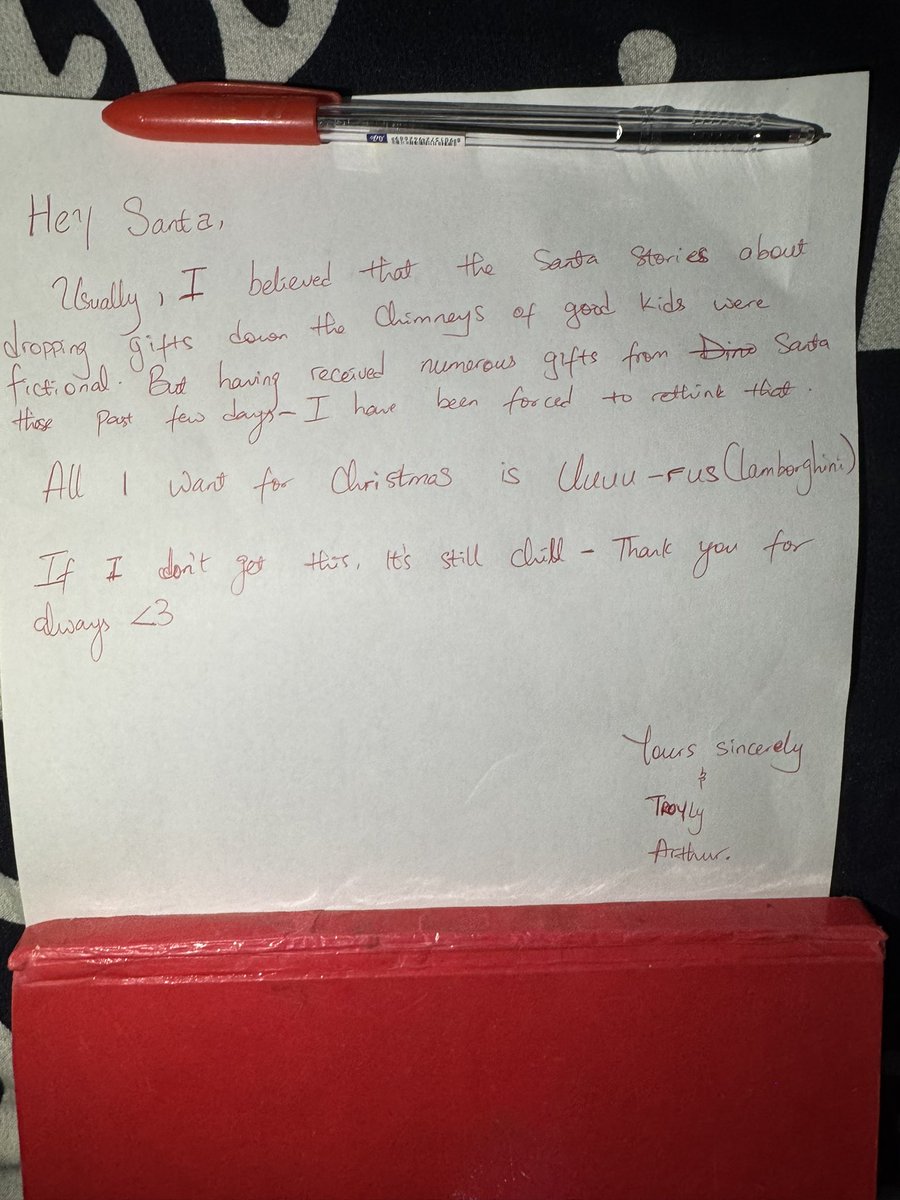
Dear Santa…
23 Dec 2024

To: Everyone
Subject: Dino Santa
Big news, everyone! This year, I’ve been chosen to play Santa at The Dino Corp’s holiday party! But I couldn’t forget my online friends, so I asked the IT Department to do that minting thingie with a very special Christmas tie I commissioned just for the occasion.
To get one, simply quote this Twitter E-Mail with a photo of your handwritten letter to Dino Santa. Then, E-Mail me at roy@thedinocorp.com with the subject "Dino Santa," including your quote tweet URL and wallet ID in the E-Mail content.
- Ro Ro Roy📨

2
2
111
24 Dec 2024
Dear Santa …
23 Dec 2024
To: Everyone
Subject: Dino Santa
Big news, everyone! This year, I’ve been chosen to play Santa at The Dino Corp’s holiday party! But I couldn’t forget my online friends, so I asked the IT Department to do that minting thingie with a very special Christmas tie I commissioned just for the occasion.
To get one, simply quote this Twitter E-Mail with a photo of your handwritten letter to Dino Santa. Then, E-Mail me at roy@thedinocorp.com with the subject "Dino Santa," including your quote tweet URL and wallet ID in the E-Mail content.
- Ro Ro Roy📨
1
46

We have been cooking. 👨🍳
Submit Solana Wallet here:
lmaofun.typeform.com/lmao-wa…
Don't be late. 📸

10,321
27,970
25,256
660,605
4 Dec 2024
RT @ChoiceCoinDAN: 🚨🚨🚨Give. $choice 🚨🚨🚨
Choice ID: 297995609
Like. RT. Follow.
Drop Address.
Choice Coin.
24 Hours Only. Must be op…
2,709
▲ 0xLakrimz ▲ retweeted

21 Nov 2024
There's 1 sector that CZ, Vitalik, & Brian Armstrong are all bullish on:
DeSci
Decentralized Science has been one of the best performing sectors so far this month. And you're still early.
Here's your guide to DeSci (and the top protocols):
116
271
1,865
315,948
▲ 0xLakrimz ▲ retweeted

18 Nov 2024
We’re opening up early access for testers of our AI-powered Meme Creation Bot! 🎭🐂 Create the funniest, most bullish memes with ease.
📋 Want in? Fill out the form to join the testing squad: forms.gle/1bvv1Dzbb5dNghr66
Let’s shape the future of meme culture together! 💥

31
9
26
1,101