
BGN is the business and technology company of Ben-Gurion University of the Negev, Israel. Located in the heart of the University's Advanced Technologies Park.
Joined September 2025
- Tweets 90
- Following 10
- Followers 13
- Likes 10
62 Photos and videos
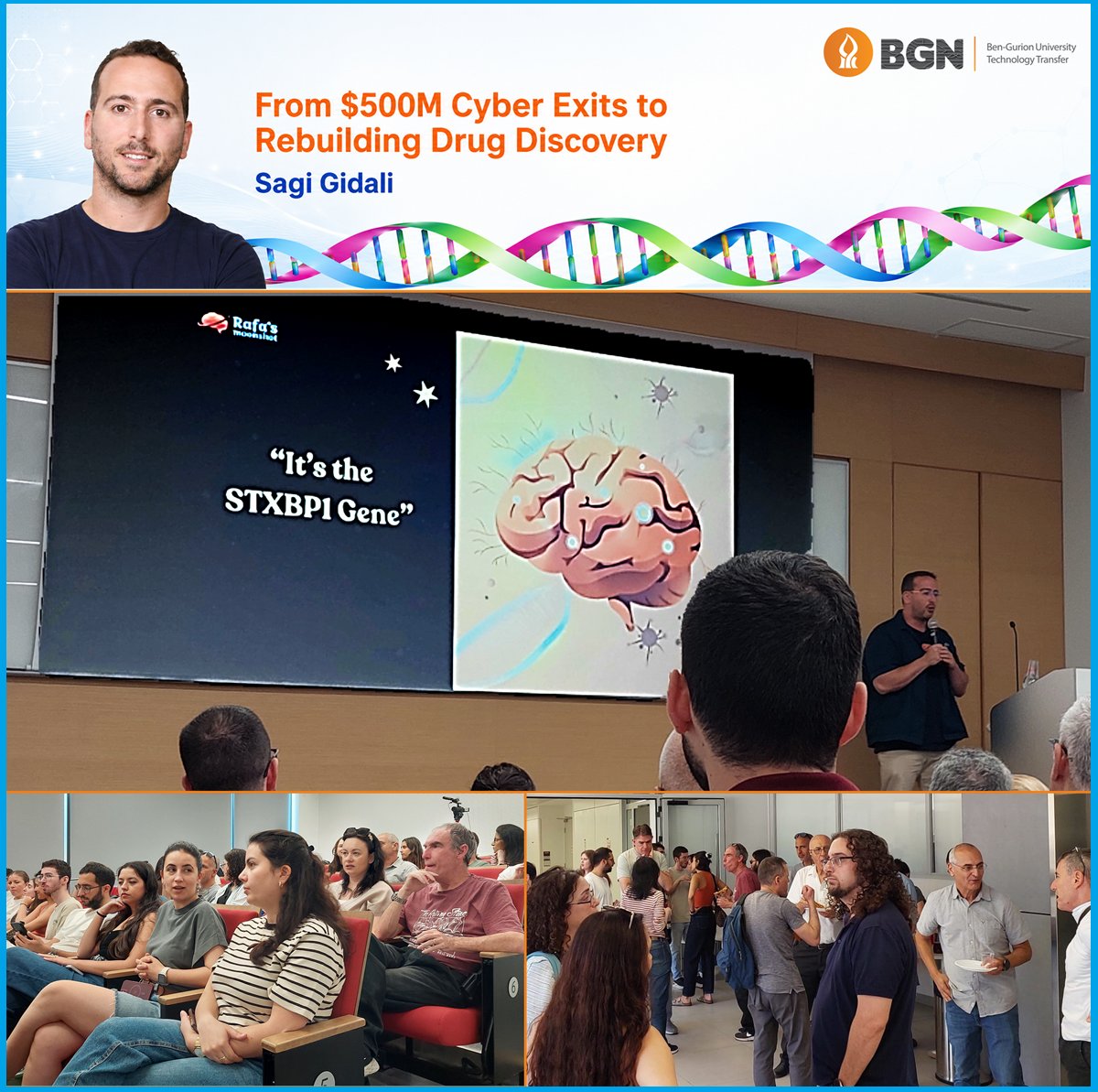



From $500M Cyber Exits to Rebuilding Drug Discovery
What happens when a serial tech entrepreneur turns his focus from cybersecurity to one of the hardest challenges in healthcare: accelerating the discovery of cures for diseases?
In a recent "From Lab to Industry | Lunch & Learn" session hosted by the Bio-Innovation Unit, @SagiGidali shared his remarkable journey from a serial cybersecurity entrepreneur of successful companies such as @Perimeter_81 and @SaferVPN, to harnessing groundbreaking research and cutting-edge technologies, including AI, to accelerate drug discovery for diseases which currently has no cure.
For Sagi, this mission became personal when his son Raphael was diagnosed with STXBP1, a rare genetic disorder.
One of the most inspiring parts of the talk was hearing how his entrepreneurial mindset led him to challenge the doctor’s statement “there is no cure”. Rather than accepting it as a final answer, He chose to take action and build an accelerated program aimed at developing a treatment for his son's disease.
Sagi and his wife founded “Rafas Moonshot”, a patient-driven translational platform advancing real therapeutic programs toward the clinic for rare genetic diseases. In less than two years, the platform has driven millions of dollars into research, built global collaborations, and is progressing toward its first clinical trial for STXBP1.
One of their first interactions with academia in advancing this mission was approaching Prof. @GVatine from @bengurionu, who studies rare neurological disorders, including STXBP1-related disorders, to generate iPSCs for Raphael’s disease as a preclinical model to screen potential drugs.
A recording of the session will be available soon.
This is another example of how personal purpose, deep technology, and academic innovation can come together to open new paths toward future therapeutic strategies.
Learn more about how the Bio-Innovation Unit supports researchers in advancing bio-related discoveries toward real-world solutions.
Link in the comments.
2
23
4
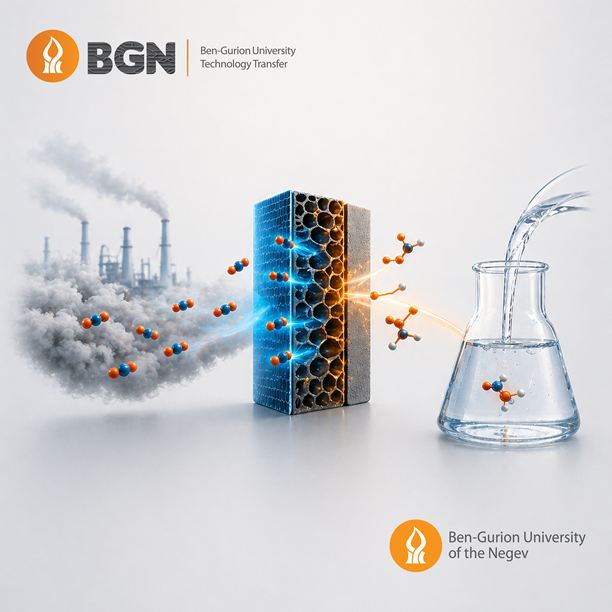
🌍 Turning captured CO₂ into valuable chemicals
Current CO₂ utilization technologies often require separate capture, purification, and conversion steps, increasing energy use, cost, and complexity.
A technology developed by Prof. Eran Edri from the Department of Chemical Engineering at @bengurionu offers a more integrated path.
The dual-functional eCatMem platform combines CO₂ capture and electrochemical conversion in a single membrane-based unit, enabling dilute CO₂ streams to be converted directly into formate/formic acid, a valuable industrial feedstock.
Experimentally validated results include operation with 10:90 CO₂:N₂ mixtures, approximately 70% Faradaic efficiency for formate production, and direct liquid product generation from captured CO₂.
The technology may support future applications in carbon capture and utilization, formic acid production, energy storage, and industrial decarbonization.
For more information, review the full technology overview attached in the comments, or contact: bgn@bgu.ac.il
#ClimateTech #CarbonCapture #CCUS #CO2Utilization #Electrochemistry #CleanEnergy #Decarbonization #ChemicalEngineering #BenGurionUniversity
1
8
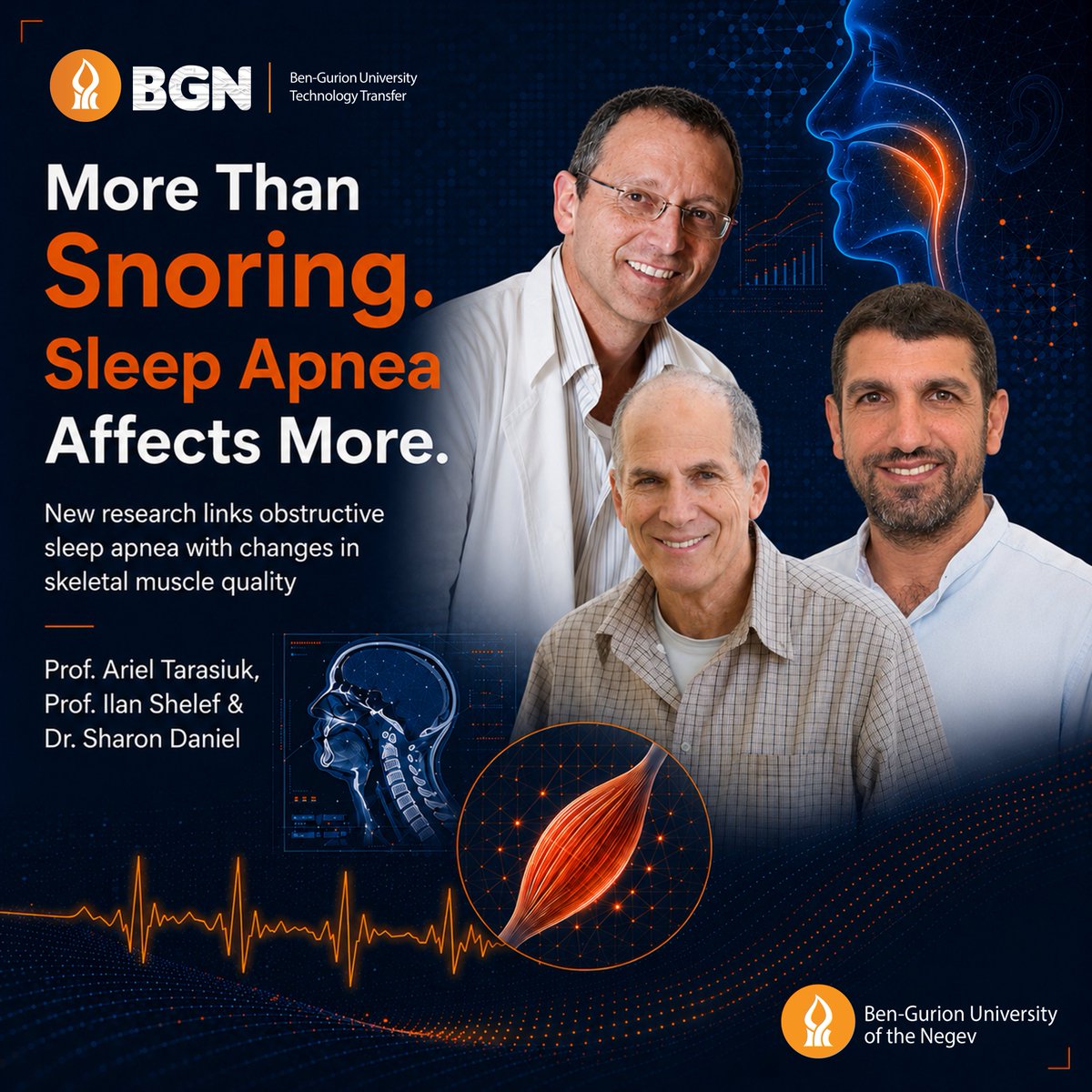
🛌 More than snoring: new research links obstructive sleep apnea with changes in skeletal muscle quality.
A new study from @bengurionu and @SorokaMed, published in Sleep and Breathing by @SpringerNature, shows a significant association between obstructive sleep apnea and changes in skeletal muscle quality.
🫁 Obstructive sleep apnea affects about 30% of adults. During sleep, the upper airways repeatedly collapse, causing breathing pauses, drops in oxygen levels, and disrupted sleep. While the condition is often associated with snoring, fatigue, concentration difficulties, and cardiovascular or respiratory risks, this study points to another important dimension: its association with skeletal muscle quality, alongside earlier findings linking the condition with reduced bone density.
🩻 The research team analyzed CT scans performed for various medical reasons, allowing them to assess bone density and muscle composition without additional tests or unnecessary radiation exposure. The findings showed that people with obstructive sleep apnea had lower skeletal muscle density and a higher skeletal muscle index than those without sleep apnea. Together, this pattern may reflect changes in muscle composition and quality, rather than simply muscle mass.
The study was led by Prof. Ariel Tarasiuk, Director of the Sleep-Wake Disorders Unit at Soroka University Medical Center and a researcher in the Department of Physiology at the Faculty of Health Sciences, Ben-Gurion University of the Negev, together with Prof. Ilan Shelef, Director of the Imaging Institute at Soroka University Medical Center. The research team included Dr. Sharon Daniel from the Department of Epidemiology and Biostatistics at Ben-Gurion University of the Negev and the Pediatric Division at Soroka University Medical Center, and medical student Samuel Francis.
🦴 The findings build on an earlier study by the same research group, published in Scientific Reports, which found a link between obstructive sleep apnea and decreased bone density.
The researchers call for routine integration of bone density and muscle quality assessment into the analysis of existing CT scans, as well as dedicated follow-up and treatment pathways for patients with obstructive sleep apnea.
📰 The study was also covered by @FoxNews (@foxnewshealth) , highlighting the broader public relevance of this research.
🔗Links in the comments.
#SleepApnea #MedicalImaging #SkeletalMuscle #PreventiveMedicine #ClinicalResearch #HealthInnovation
1
31
Explore related Health & Medical Devices technologies and research collaborations through BGN: bit.ly/4vyOZIl
Fox News coverage of the study: bit.ly/43bs5KX
5
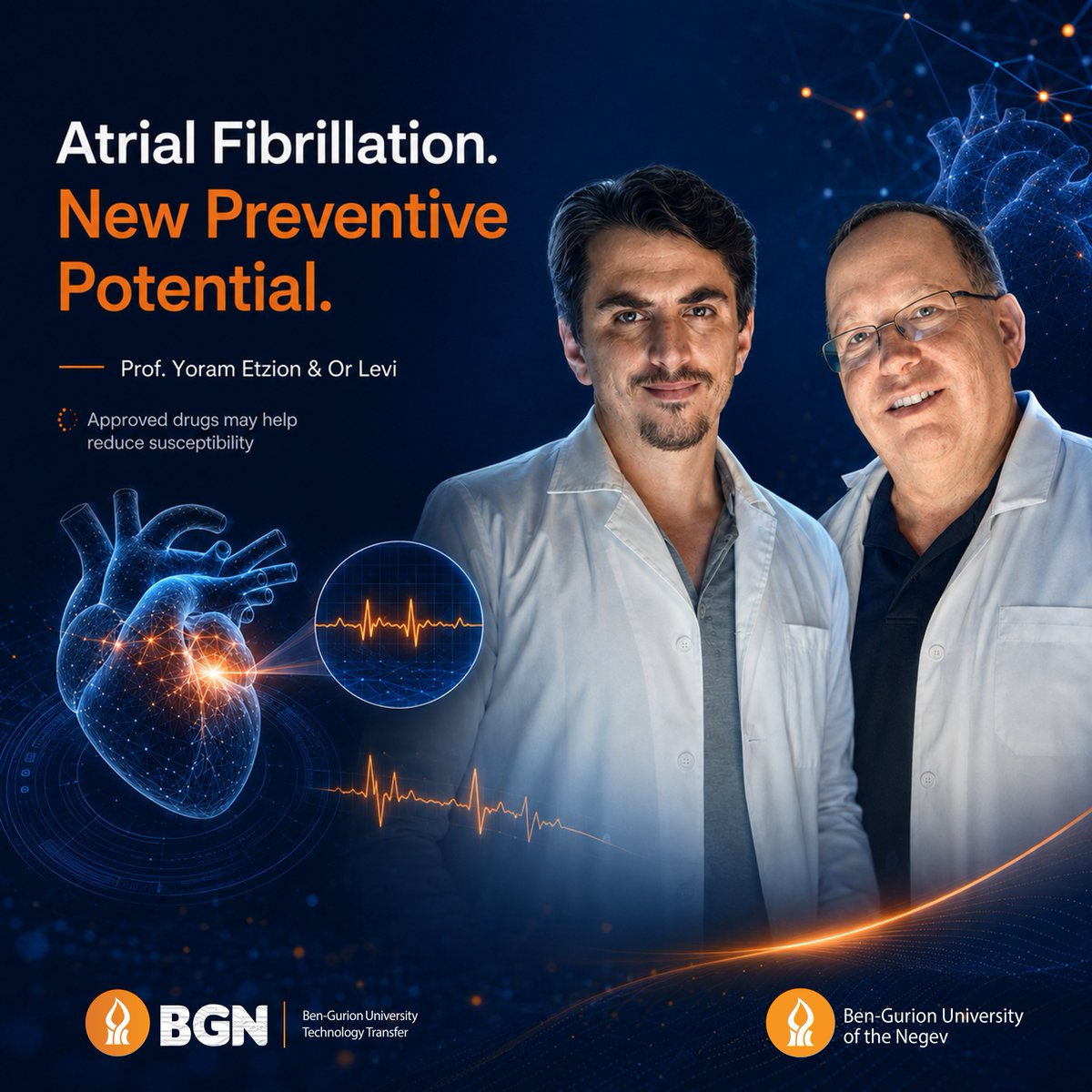
💓 Can approved drugs help prevent one of the world's most common heart rhythm disorders?
A new study led by Prof. @EtzionYoram and MD-PhD student Or Levi from @bengurionu, published in @escardio, suggests that two widely used drugs, semaglutide and colchicine, may reduce susceptibility to atrial fibrillation (AF), the most common cardiac arrhythmia worldwide.
Preventing AF remains a major challenge. The condition develops through a complex process of atrial remodeling, involving inflammation, fibrosis, and electrical changes in the heart. Most current treatments address AF after it develops, while effective preventive approaches are still limited.
Using a unique long-term cardiac monitoring platform developed in Prof. Etzion’s laboratory, the team demonstrated that both drugs significantly reduced AF susceptibility in a preclinical model. Notably, semaglutide reduced atrial fibrosis to nearly healthy levels, even in the absence of diabetes or obesity.
The study highlights a promising direction: targeting the early biological mechanisms that drive AF, while using advanced monitoring technology to track disease progression over time. This approach could open new opportunities for preventing AF using drugs approved for other indications.
Congratulations to Prof. Yoram Etzion, Or Levi, Dr. Gal Tsaban from @soroka_mc, Prof. Avishag Laish-Farkash and Dr. Yana Kakzanov from @AssutaAshdod, Dr. Gideon Gradwohl from @JCT_Lev, Prof. Bernard Attali from @TelAvivUni, and all co-authors and collaborators on this important achievement.
The work was supported by the Israel Science Foundation, the @IsraelHeartS, and @bengurionu.
This is another example of how academic research can open new paths toward future therapeutic strategies for major unmet medical needs.
Link to more technologies in Health & Medical Devices in the comments.
#Cardiology #AtrialFibrillation #HeartFailure #DrugRepurposing #MedicalResearch #TranslationalResearch #HealthTech #BenGurionUniversity @
1
31
Technologies in Health & Medical Devices>> bit.ly/4o0KQu9
3
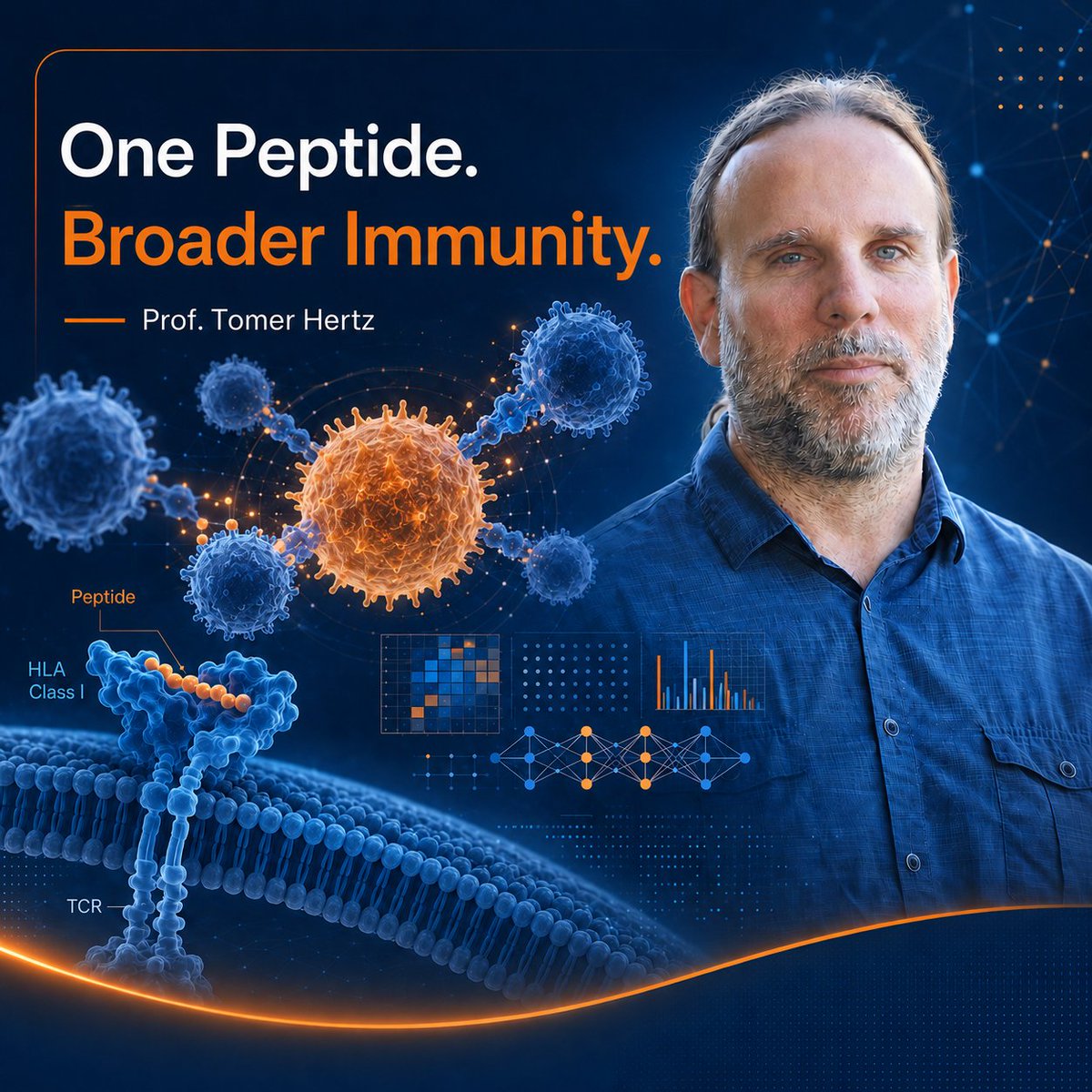
When one peptide can speak to many immune systems.
A new computational approach developed by Prof. @TomerHertz of @bengurionu may help address one of the major challenges in T-cell-based vaccine design: creating immune responses that work across genetically diverse populations.
T cells do not recognize infected or cancerous cells directly. They recognize peptides presented on the cell surface by HLA molecules, one of the most diverse regions of the human genome, with more than 22,000 known genetic variants. As a result, a peptide that triggers a strong immune response in one person may be invisible to another.
Prof. Hertz, together with students Elinor Paar and Liel Cohen-Lavi, and additional researchers from @ljiresearch, developed a computational method known as “Super HLA” to identify 9-amino-acid peptides capable of binding across multiple HLA supertypes.
The team began with more than 190,000 candidate peptides, selected 100 for synthesis and laboratory testing in the lab of @SetteLab, and experimentally validated 24 as true “super-binders.” Of these, 21 bound to four or more HLA supertypes, and one bound to 9 out of 12.
Published in @PNASNews, the findings open a path toward designing peptides with broad immunological coverage across genetically diverse populations, with potential relevance for cancer vaccines, vaccines against global infectious diseases, and populations that are underrepresented in existing reference datasets.
The roots of the idea go back nearly 15 years, to a conversation between Prof. Hertz and Dr. @ChenYanover, then both postdoctoral fellows at @fredhutch in Seattle. As Prof. Hertz notes, good ideas are worth continuing to dig into, even long after the first sketch was written on a whiteboard.
This is another example of how computational biology and immunology research at Ben-Gurion University of the Negev can open new directions for real-world biomedical innovation.
Additional Biotechnology & Bio-Convergence technologies from Ben-Gurion University of the Negev in the comments.
#Immunology #ComputationalBiology #Vaccines #CancerVaccines #TCells #HLA #Bioinformatics #BiomedicalInnovation #PersonalizedMedicine #InfectiousDiseases #Biotechnology #BioConvergence
2
23
Additional Biotechnology & Bio-Convergence technologies>> bit.ly/4uBQeX2
2
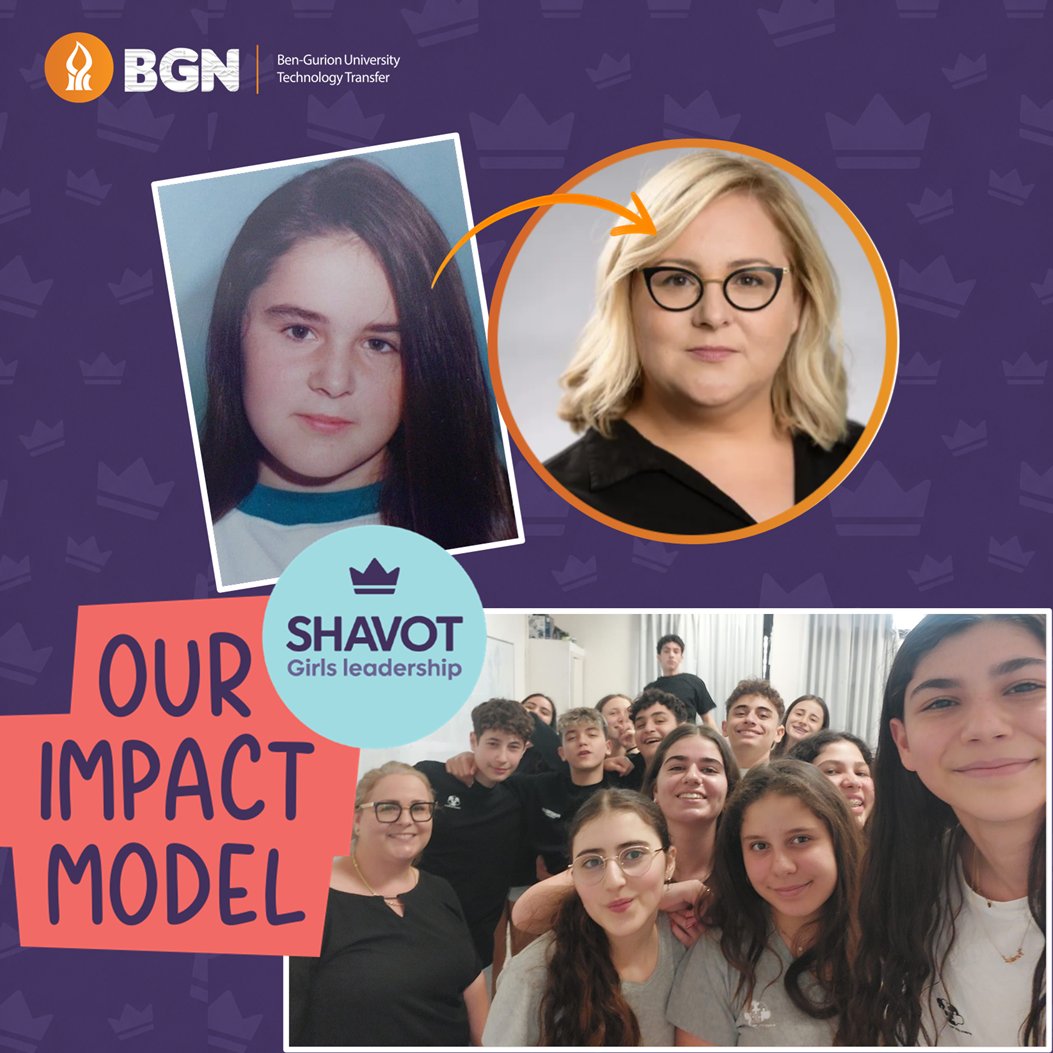
🌾 This Shavuot, we celebrate the roots of innovation 🌾
From ancient harvest traditions to breakthrough technologies shaping the future of food, agriculture has always been about growth, resilience, and imagination.
At @BGN_Tech, we are proud to represent innovations born at @bengurionu that are advancing Agri-food, sustainability, water technologies, AI-driven agriculture, and climate resilience- helping grow more with less, even in some of the world’s most challenging environments.
Because today’s “first fruits” are not only grown in the field- they’re also developed in labs, powered by data, and built for a more sustainable future. 🌱
Curious to explore BGN innovations in Agri-food & Water Technologies?
Link in the comments 👇
Wishing everyone a happy, innovative, and green Shavuot! 💚
#Shavuot #BGNTechnologies #AgriFood #WaterTech #Sustainability #FoodTech #ClimateTech #Innovation #AgriTech #BenGurionUniversity #FutureOfFood
1
9
Explore BGN innovations in Agri-food & Water Technologies>> bit.ly/4eUemiF
20
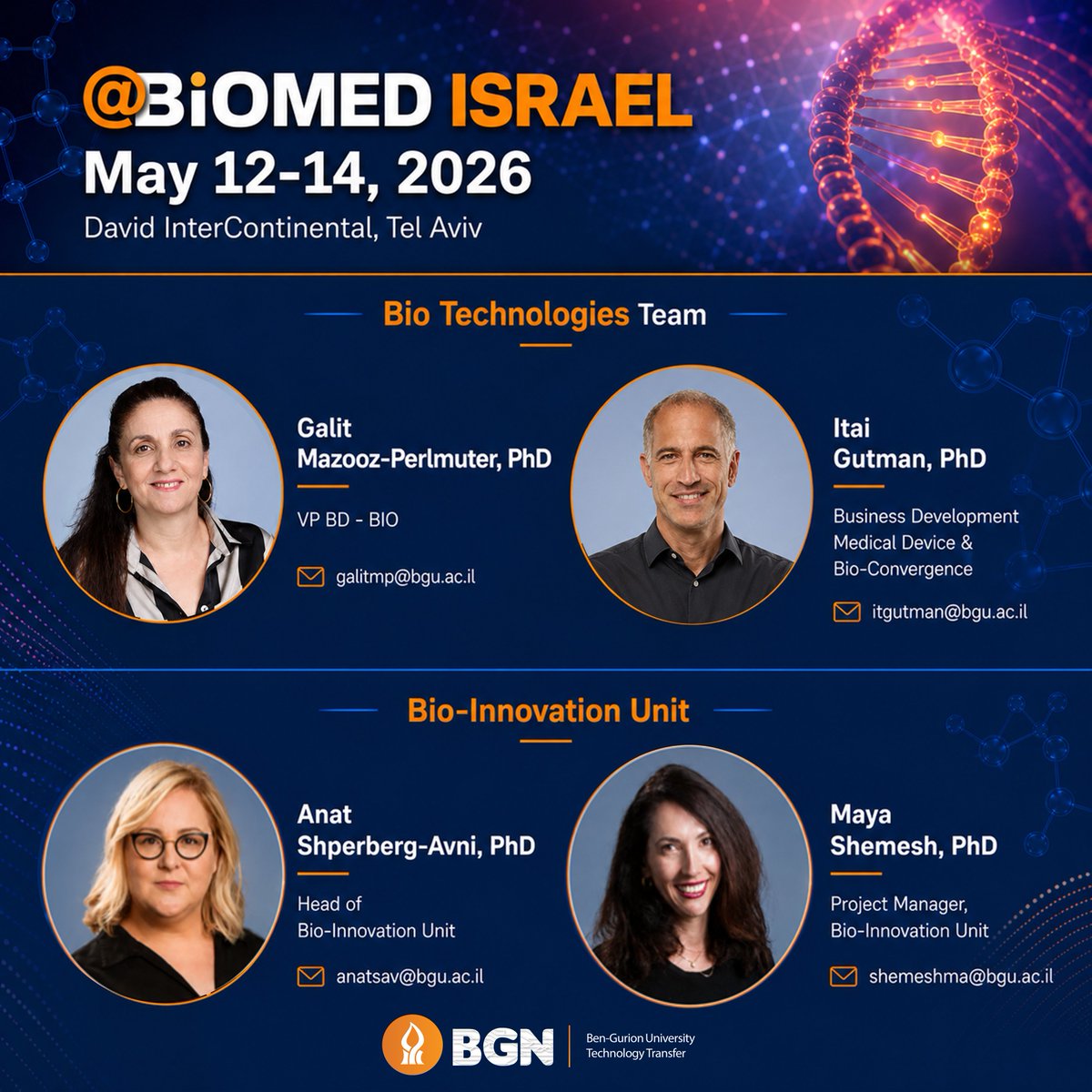
Biomed Israel 2026 is here.
The @BGN_Tech team is at the conference throughout the event, meeting with companies, investors, healthcare organizations, and innovation partners to explore collaboration opportunities with researchers from @bengurionu
Our Business Development team and Bio-Innovation Unit are available for one-on-one meetings focused on:
• Joint research opportunities
• Sponsored and applied research collaborations
• Scientific consulting by academic experts
• Technology licensing opportunities
• Bio-convergence and multidisciplinary innovation initiatives
• Funding and commercialization pathways for academia-industry collaborations
Whether you are looking to advance a new technology, connect with leading researchers, or explore strategic R&D partnerships, we would be happy to meet.
📍 David InterContinental, Tel Aviv
📅 May 12-14, 2026
🤝 To schedule a meeting: bgn@bgu.ac.il
#BiomedIsrael #biotech #BioInnovation #medicaldevices #digitalhealth #BioConvergence #technologytransfer #ResearchCollaboration #lifesciences #Innovation #BGN #bengurionuniversityofthenegev
20
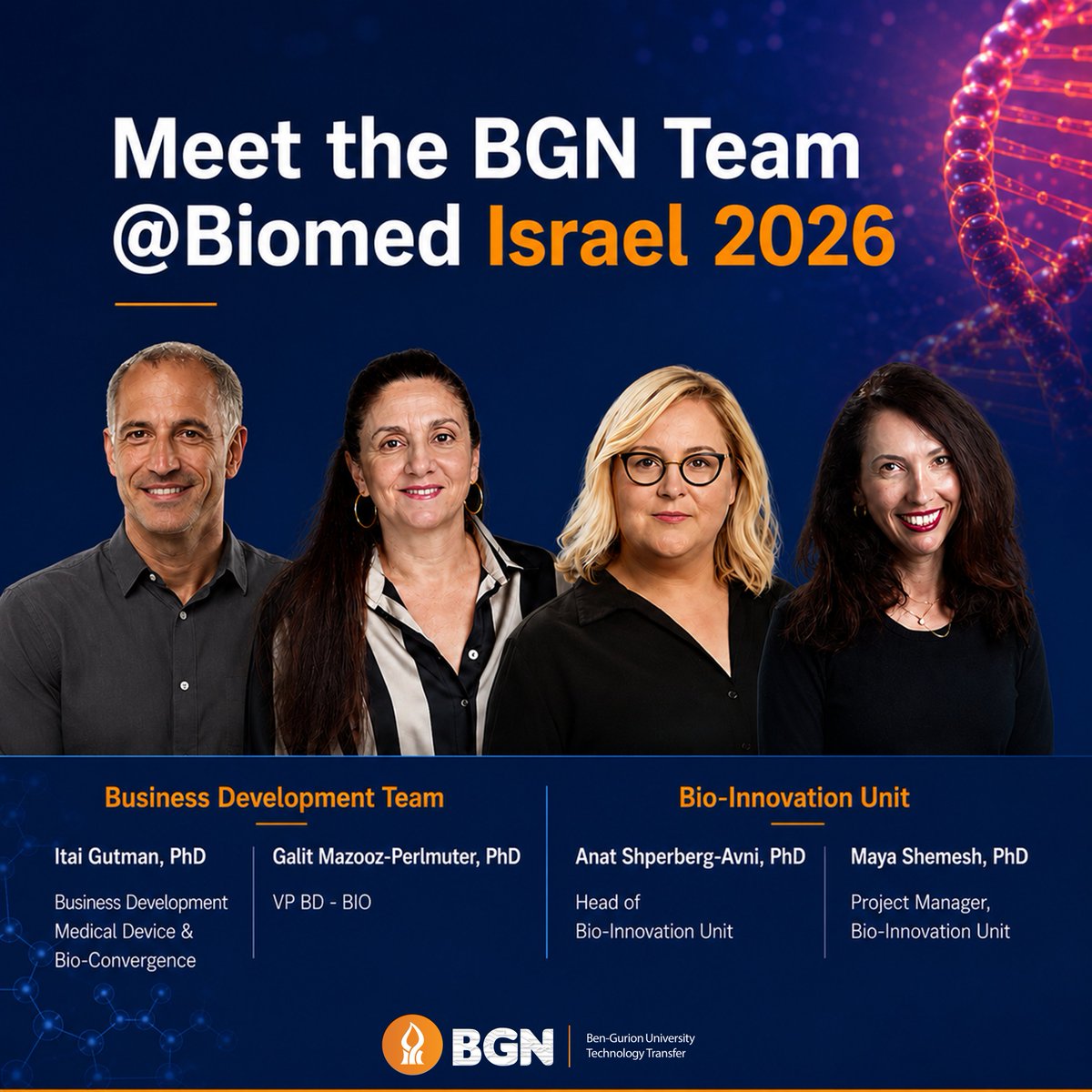
Heading to Biomed Israel 2026?
Meet the @BGN_Tech team to explore collaboration opportunities with researchers from Ben-Gurion University of the Negev.
Our Business Development team and Bio-Innovation Unit will be available throughout the event for one-on-one meetings focused on:
• Joint research opportunities
• Sponsored and applied research collaborations
• Scientific consulting by academic experts
• Technology licensing opportunities
• Bio-convergence and multidisciplinary innovation initiatives
• Funding and commercialization pathways for academia-industry collaborations
Whether you are looking to advance a new technology, connect with leading researchers, or explore strategic R&D partnerships, we would be happy to meet.
📍Biomed Israel 2026
May 12-14, 2026
David InterContinental, Tel Aviv
To schedule a meeting: bgn@bgu.ac.il
#BiomedIsrael #Biotech #BioInnovation #MedicalDevices #DigitalHealth #BioConvergence #TechnologyTransfer #ResearchCollaboration #LifeSciences #Innovation #BGN #BenGurionUniversityOfTheNegev
29
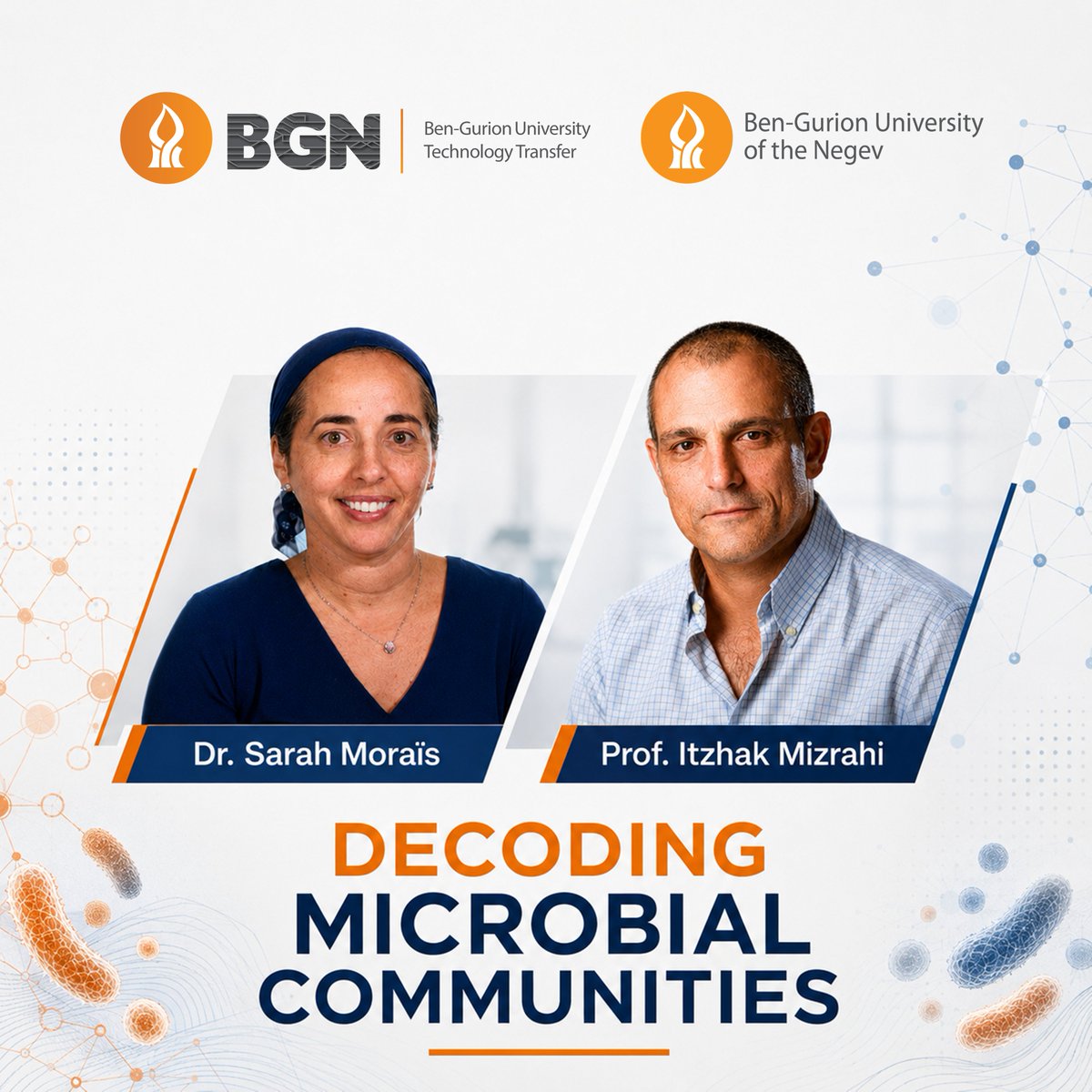
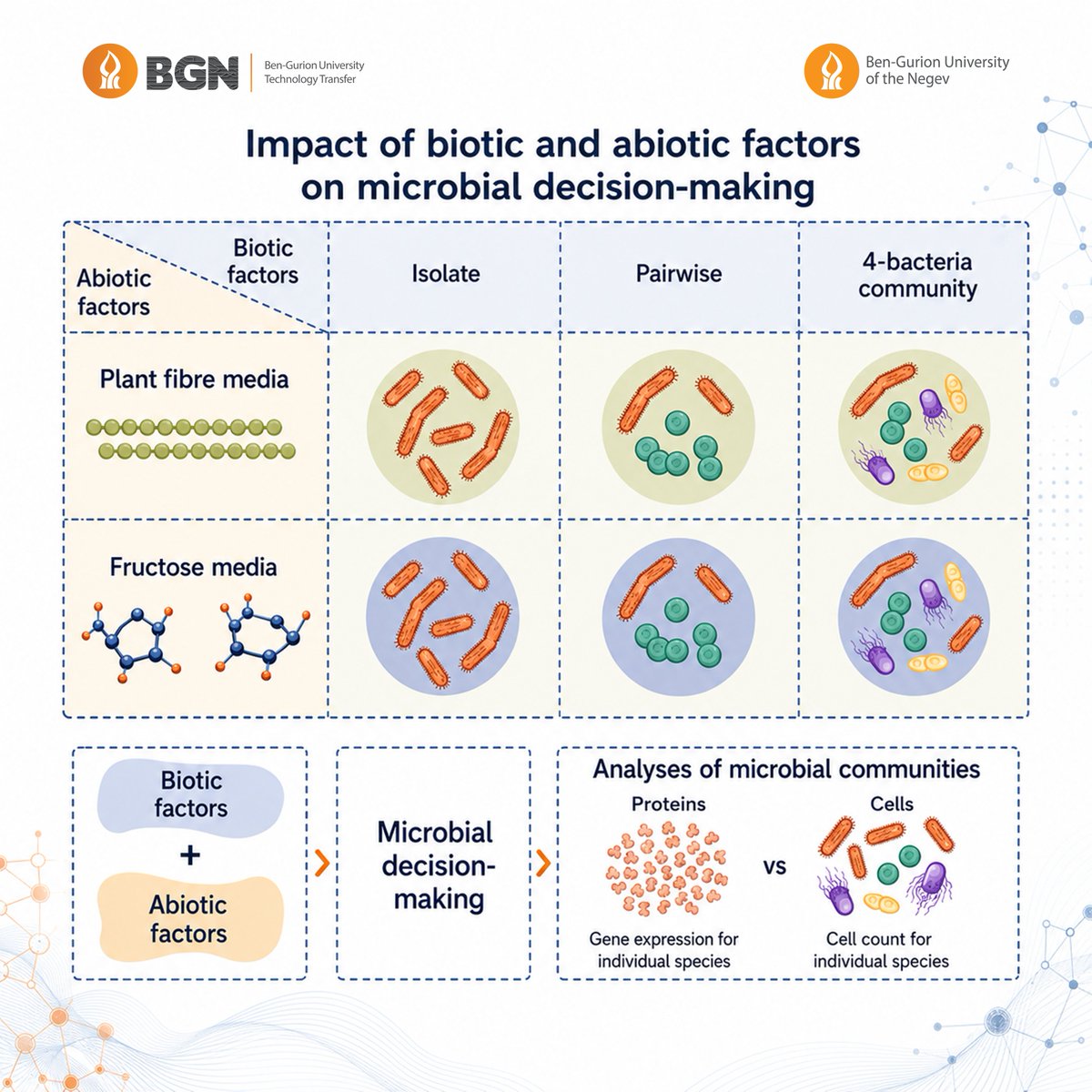
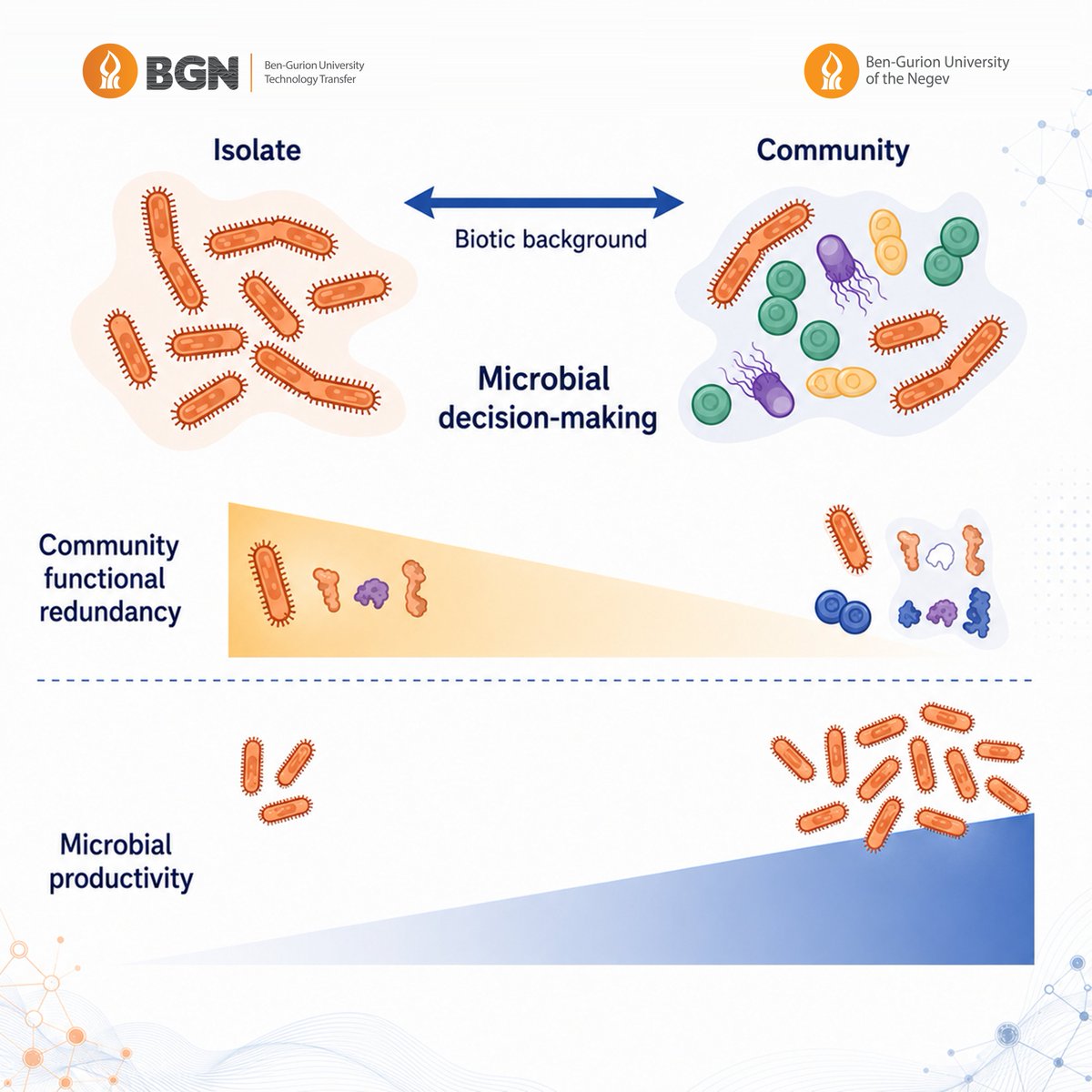
🦠 Tell me who your microbial neighbours are, and I’ll tell you what role you may play.
New research from @bengurionu, recently published in Nature Microbiology by @SpringerNature, reveals that microbes living in communities can sense who is around them and adjust their activity accordingly.
Instead of all competing for the same resources, neighbouring microbes may shift toward different functional roles, reducing competition and supporting coexistence within the community.
The study, led by Dr. Sarah Moraïs under the supervision of Prof. Itzhak Mizrahi, offers new insight into one of the fundamental questions in microbial ecology: how diverse microorganisms manage to live together in complex environments.
This deeper understanding could have important implications for how microbial communities are studied, managed, and eventually engineered across fields such as health, agriculture, food systems, and environmental applications.
At @BGN_Tech, we connect breakthrough research from @bengurionu with industry partners looking to explore real-world applications.
🔗 Related Biotechnology & Bio-Convergence technologies from BGU in the comments.
#Microbiome #MicrobialEcology #Biotechnology #LifeSciences #AppliedResearch #TechnologyTransfer
1
11
Related Biotechnology & Bio-Convergence technologies from BGU>> bit.ly/3QOJ02Y
9
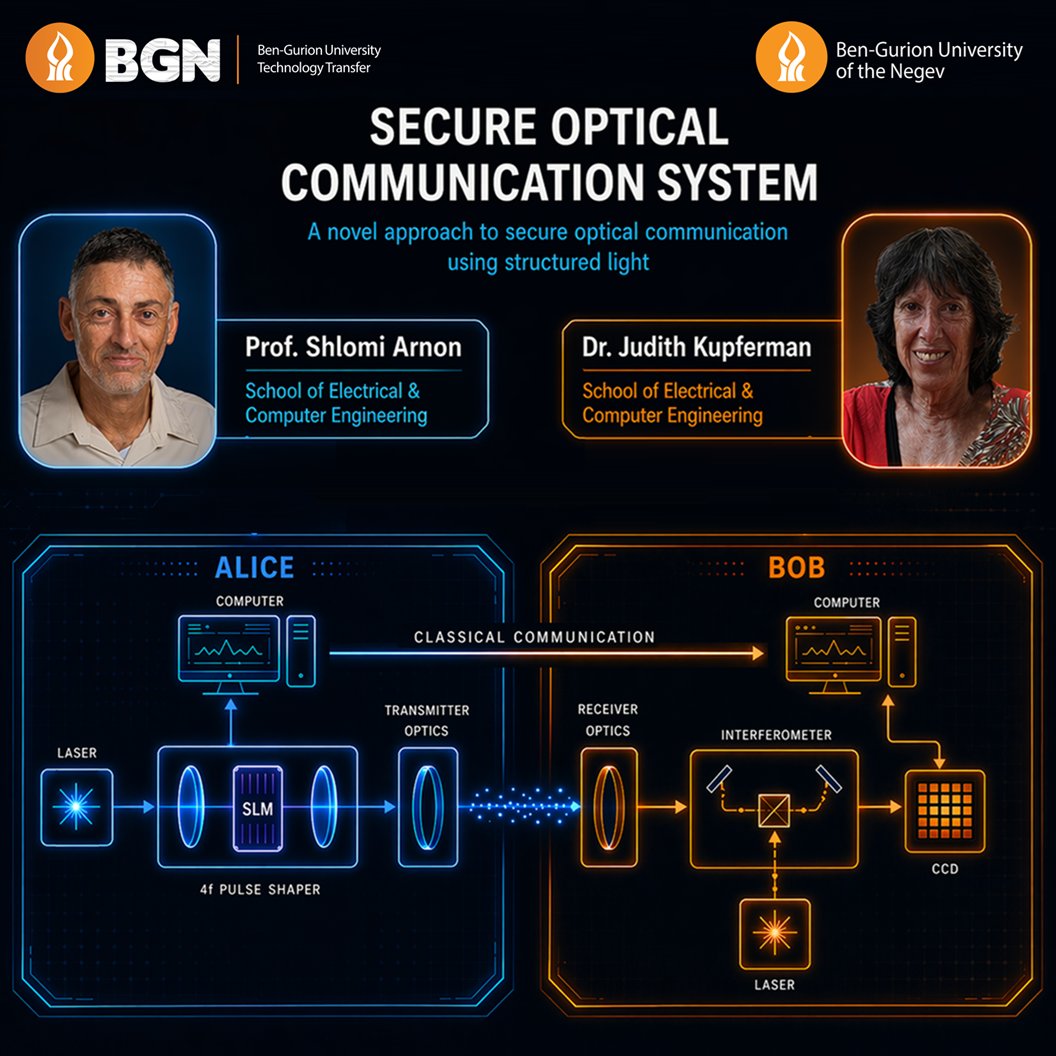
🔦 4 things you can do with light and technologies from @bengurionu:
🔹 Improve high-speed optical communication
🔹 Make on-chip optical devices more efficient
🔹 Enhance sensing and imaging systems
🔹 Help secure AI through optical encryption
1 thing you still can’t do:
🤺 Build a lightsaber.
🚀Have an innovative day, and May the 4th be with you.
🔗 Light-, photonics-, and optics-based BGU technologies: links in the comments.
@ranmelamed
#MayThe4th #StarWars #Photonics #Optics #TechTransfer
1
15
Light-based technologies: bit.ly/4uwGVY5
Photonics-based technologies: bit.ly/49oCNks
Optics-based technologies: bit.ly/4elLIqn
10