
EarthwiseTM aims to disseminate the outputs of BGS research and to promote free exchange of information.Contribute your own articles on related topics . . .
Joined January 2016
- Tweets 312
- Following 213
- Followers 612
- Likes 180
248 Photos and videos
Pinned Tweet

1 Apr 2020
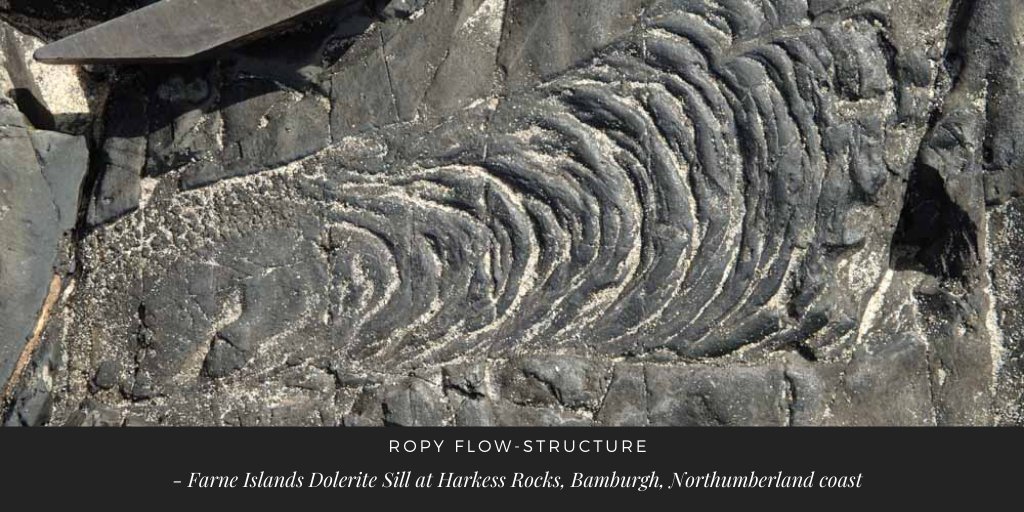
This is a ropy flow-structure on the lower, inner surface of a large, flattened vesicle at the top of the Farne Islands Dolerite Sill. It is a part of the Whin Sill-swarm and was emplaced within Carboniferous rocks. @BritGeoSurvey #Igneous #Bamburgh
earthwise.bgs.ac.uk/index.ph…
12
21
BGSEarthwise retweeted

13 May 2020
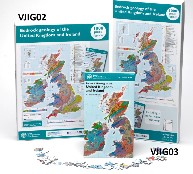
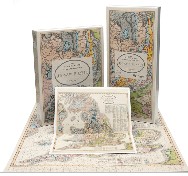
JIGSAW PUZZLE NEWS! We now have limited stock of BGS jigsaws available - for those of you who need hours of geological entertainment. Order yours by emailing enquiries@bgs.ac.uk. More information on website: shop.bgs.ac.uk/Shop/Departme… #jigsawpuzzles #maps #geology @BritGeoSurvey
1
6
11
17 Apr 2020
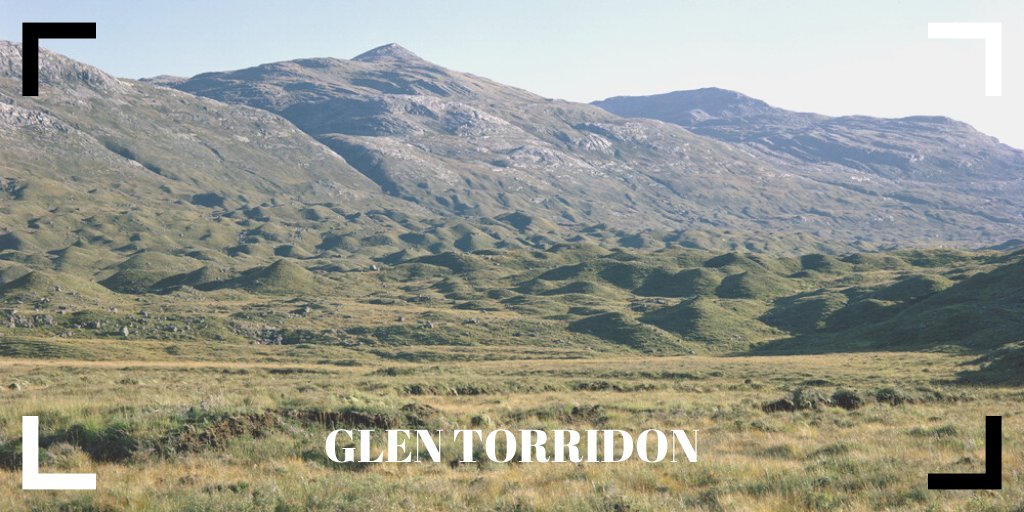
This is hummocky morainic drift at Glen Torridon, Scotland. It is a fine example of the ‘Ceud Cnoc’ or ‘Thousand Hills’ topography and is probably of Loch Lomond Readvance age. It formed due to the retreat of wasting ice. @BritGeoSurvey #Hummock #Scotland
earthwise.bgs.ac.uk/index.ph…
1
6
21
16 Apr 2020
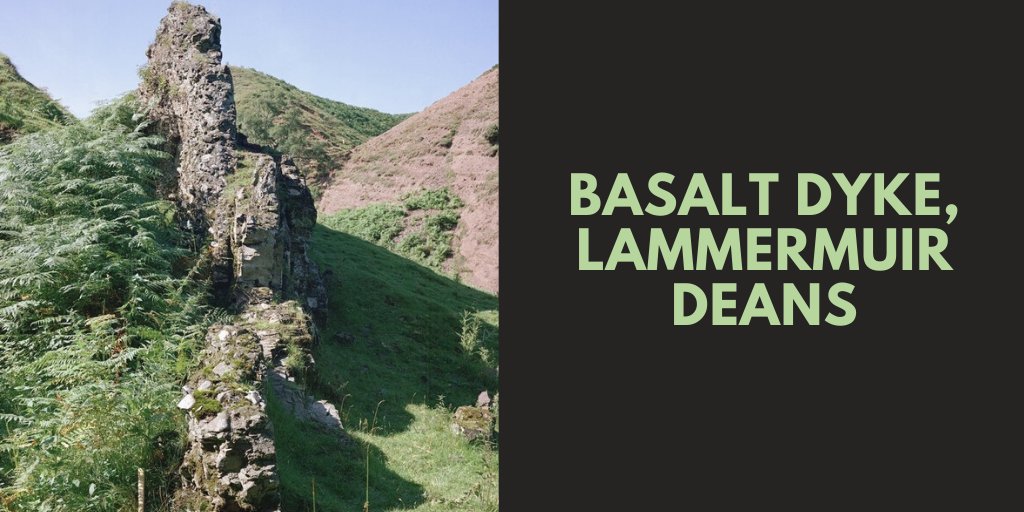
This is a basalt dyke in Lower Old Red Sandstone conglomerate (Great Conglomerate) at Lammermuir Deans, Scotland. The conglomerate adjacent to the dyke has been baked due to the heat of the dyke and very resistant. @BritGeoSurvey #Igneous #Conglomerate
earthwise.bgs.ac.uk/index.ph…
3
BGSEarthwise retweeted
14 Apr 2020
The 'Dudley locust' is a trilobite with the scientific name Calymene blumenbachii. Did you know it is on the coat of arms for Dudley town? 58% of you got this right! Stay tuned for this week's question on Friday. @BritGeoSurvey #Locust #Trilobite
1
2
15 Apr 2020
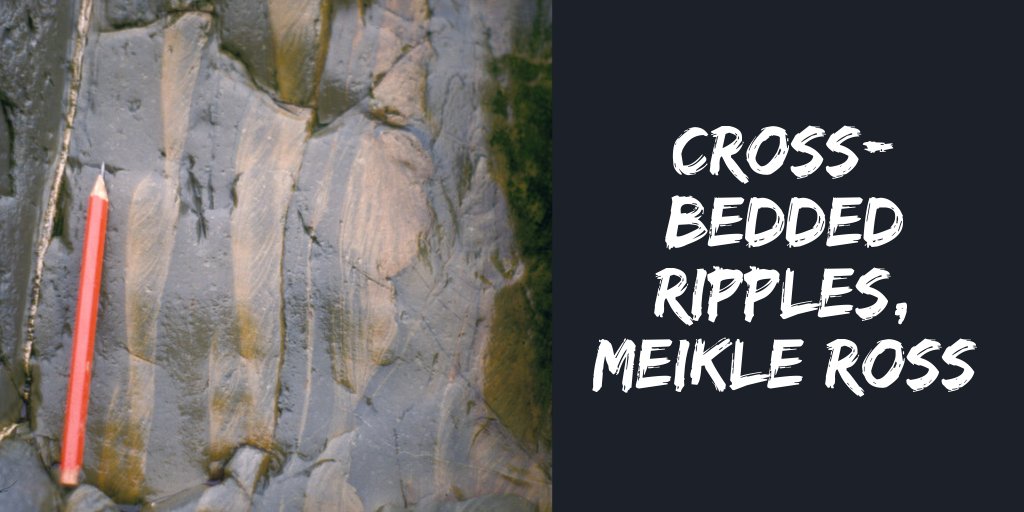
This is some cross-bedded ripples in the Ross Formation Greywacke at Meikle Ross, Kirkcudbright. This cross-bedding formed when a water medium deposited sediment over a ripple which migrated downstream. #Kirkcudbright #Ripple #CrossBedding @BritGeoSurvey
earthwise.bgs.ac.uk/index.ph…
3
14 Apr 2020
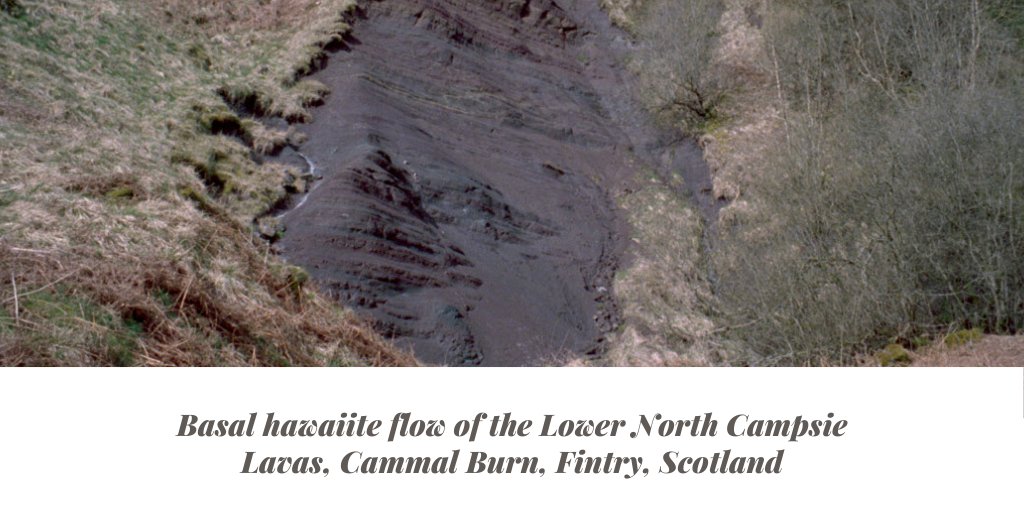
This exposure at Cammal Burn, Fintry is the basal hawaiite flow of the Lower North Campsie Lavas. It rests on well-bedded ash-fall lapilli tuffs. @BGS_Scotland @BritGeoSurvey #Lava #Basalt #Olivine #Igneous #Extrusive
earthwise.bgs.ac.uk/index.ph…
2
3
9 Apr 2020
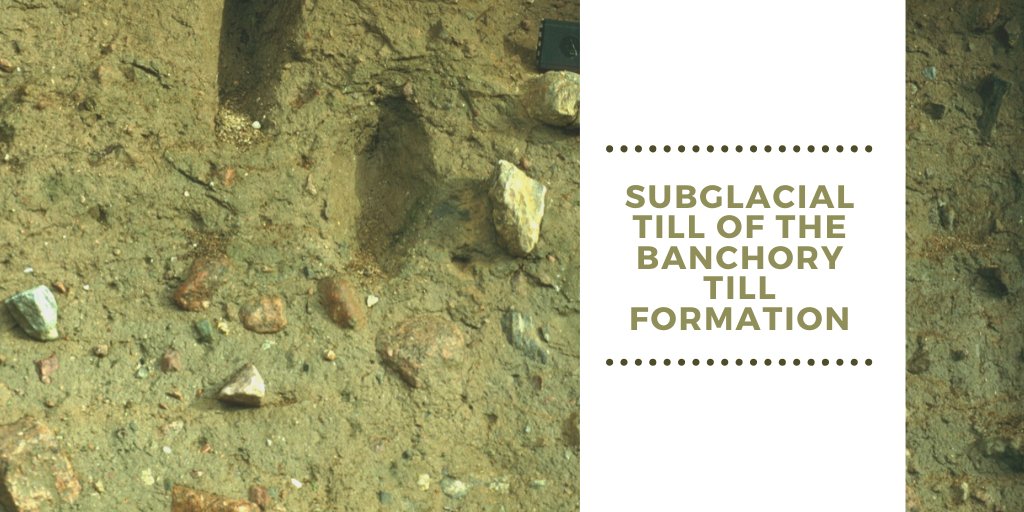
Glacial sediments assigned to the Late Devensian Banchory Till Formation are typically sandy, gravelly or bouldery diamictons containing clasts of Dalradian psammite, pelite and semipelite and Caledonian granitic rocks. @BritGeoSurvey #Grampians #Till
earthwise.bgs.ac.uk/index.ph…
1
2
BGSEarthwise retweeted
9 Apr 2020
The weekly quiz is coming to you one day early this week! What is a 'Dudley locust'? ❓❓❓@BritGeoSurvey @BGSEarthwise #Dudley #Locust #Trilobite #Grasshopper #Brachiopod #WestMidlands
19%
Form of fossil brachiopod
23%
Fossil grasshopper
58%
Trilobite
96 votes • Final results
3
2
3
8 Apr 2020
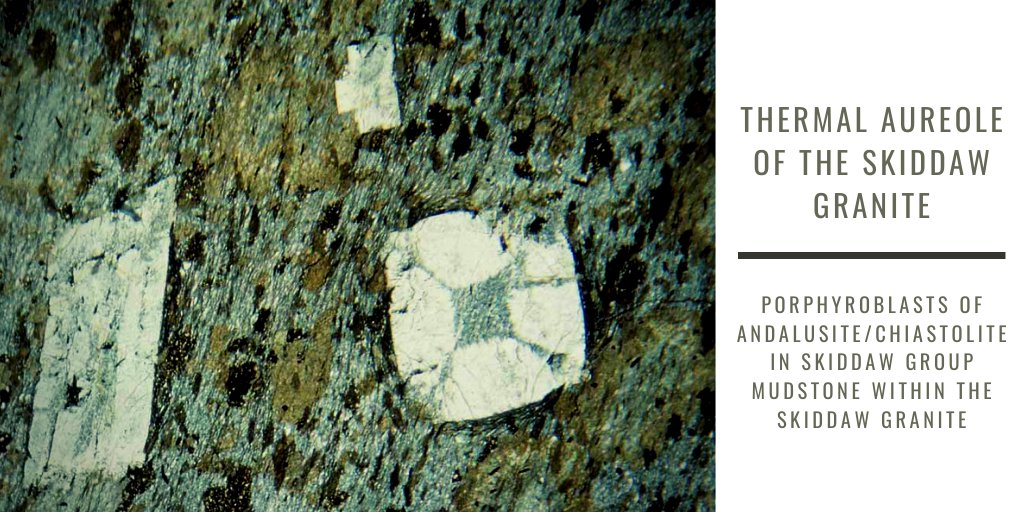
The Skiddaw Granite Pluton was emplaced during the Early Devonian Acadian Orogeny. The heat from this pluton caused contact metamorphism in the surrounding Skiddaw mudstone, causing a change in it's mineralogy. @BritGeoSurvey #ContactMetamorphism #Pluton
earthwise.bgs.ac.uk/index.ph…
2
3
BGSEarthwise retweeted

7 Apr 2020
Ever wondered why some rocks have stripes in them?
Learn how sedimentary rocks are formed with our Jam Jar Geologist, @Leannes_space's 'storm in a teacup'! 🌪️
All you'll need is:
🔸 Some gravel
🔸 Some sand
🔸 Water
🔸 A teacup
🔸 A jar
🔸 A helper who can swirl up a storm!
11
32
BGSEarthwise retweeted
7 Apr 2020
If you're looking for something interesting to take part in as you #StayHomeSaveLives why not take up a short geology course?
Michelle from our @NHM_London office returns to recommend her top five short courses from across the internet.
britgeopeople.blogspot.com/2…

1
29
61
7 Apr 2020
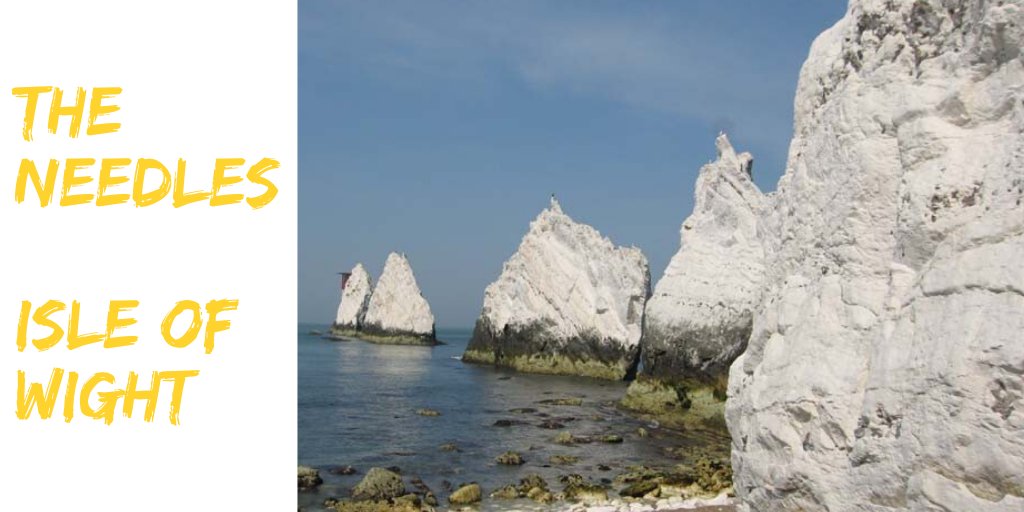
The Needles in the Isle of Wight are composed of steeply dipping chalk. It is a fine-grained limestone that is made up of coccolithophores; a type of phytoplankton whose skeleton is composed of calcium carbonate. @BritGeoSurvey #Carbonate #Chalk
earthwise.bgs.ac.uk/index.ph…
1
3
11
6 Apr 2020
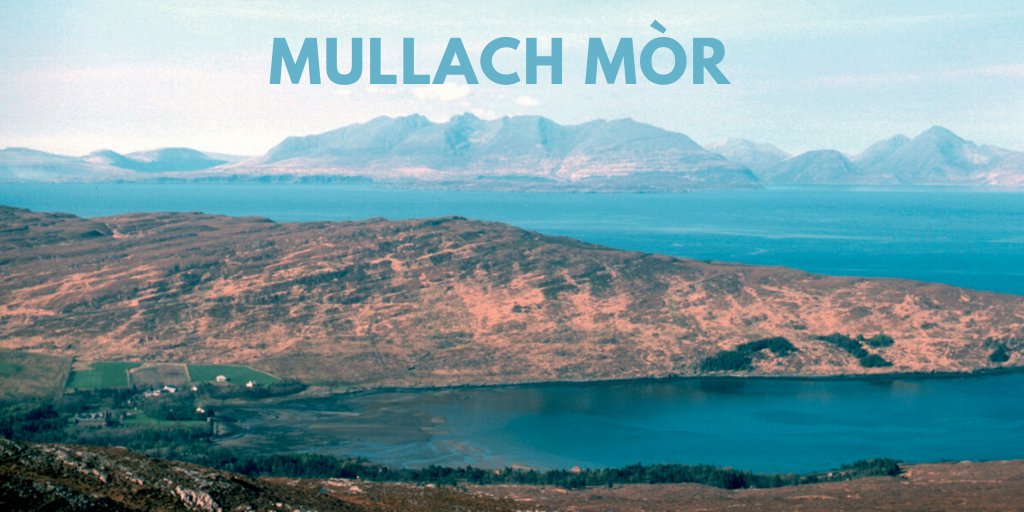
Can you spot the dipping Torridonian sandstone beds? These are on Mullach Mòr, with Skye Cuillin in the distance. To learn more about the geology of the area, check out the link below! @BGS_Scotland @BritGeoSurvey #Scotland #MullachMor #Sandstone #Dip
earthwise.bgs.ac.uk/index.ph…
6 Apr 2020
To learn more about Silurian deposits during this time in the UK, check out the links below! ⌛️⏲️⏳ #GeologicalTime #Silurian @BritGeoSurvey
earthwise.bgs.ac.uk/index.ph…
earthwise.bgs.ac.uk/index.ph…
6 Apr 2020

The answer is Silurian period! Well done to the 80% that got it right! The Silurian occurred approximately 444 to 416 million years ago. ⏳⏲️⌛️ @BritGeoSurvey #GeologicalTime #Silurian #Time #Chronostratigraphic
PS: how often would you like these quiz questions?
BGSEarthwise retweeted
3 Apr 2020
It's Friday quiz time! What geological period follows the Ordovician? ⌛️⏲️⏳ The answer will be posted Monday so get voting! @BritGeoSurvey #Quiz #GeologicalTime #Silurian #Cambrian #Devonian #Ordovician #Time #Geology #Chronostratigraphy #StratigraphicChart #Stratigraphy #Age
81%
Silurian
5%
Cambrian
14%
Devonian
305 votes • Final results
2
6
10
3 Apr 2020
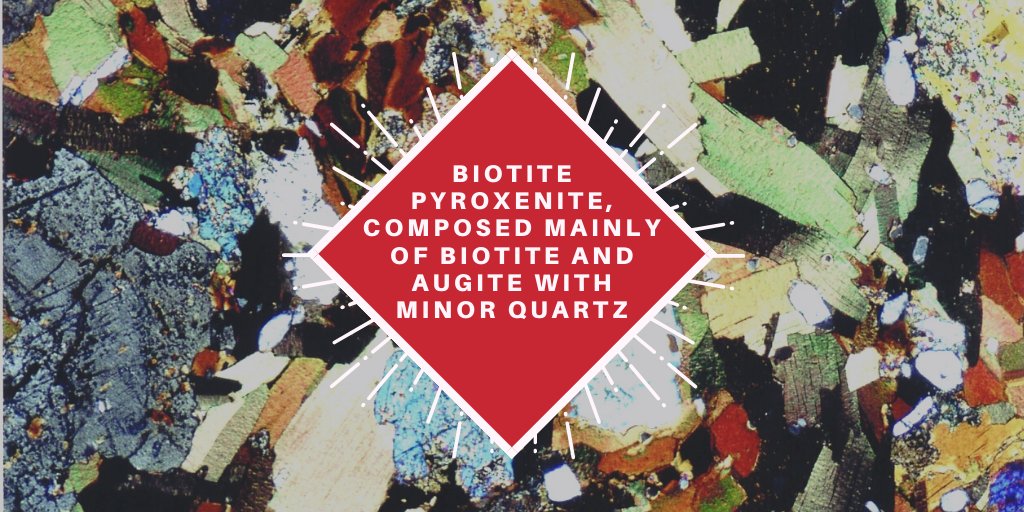
This is a photomicrograph of the ultramafic-intermediate complex at the northeast end of the Newry Igneous Complex. @BritGeoSurvey #NorthernIreland #Newry #CountyDown #CountyArmagh #Igneous #XPL #Microscope #ThinSection #Volcano
earthwise.bgs.ac.uk/index.ph…
1
1
2 Apr 2020
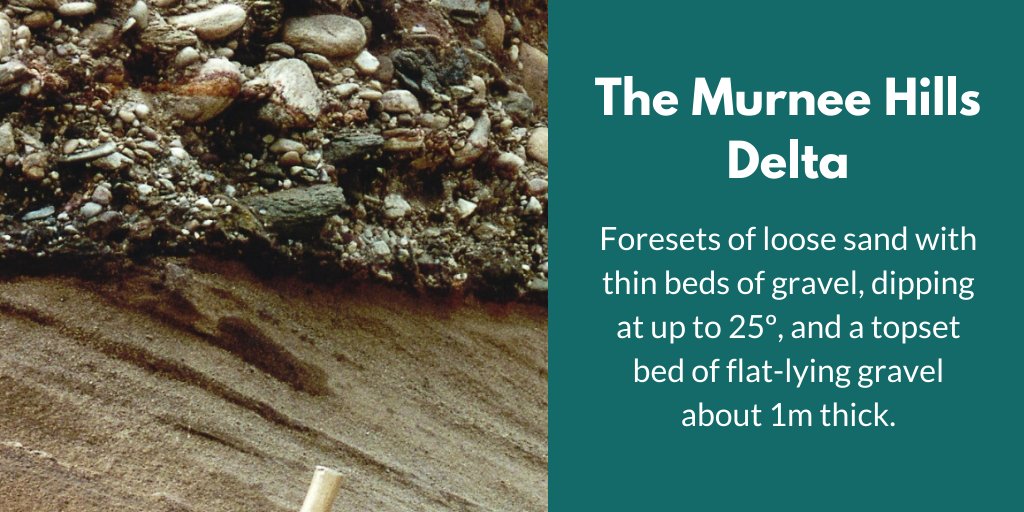
Glaciation occurred in Northern Ireland in the Late Midlandian. Its subsequent retreat lead to the formation of deglaciation features like deep lakes. Deltas, like the Murnee Hills were deposited into the lakes and created a high-level shoreline.
earthwise.bgs.ac.uk/index.ph…
30 Mar 2020
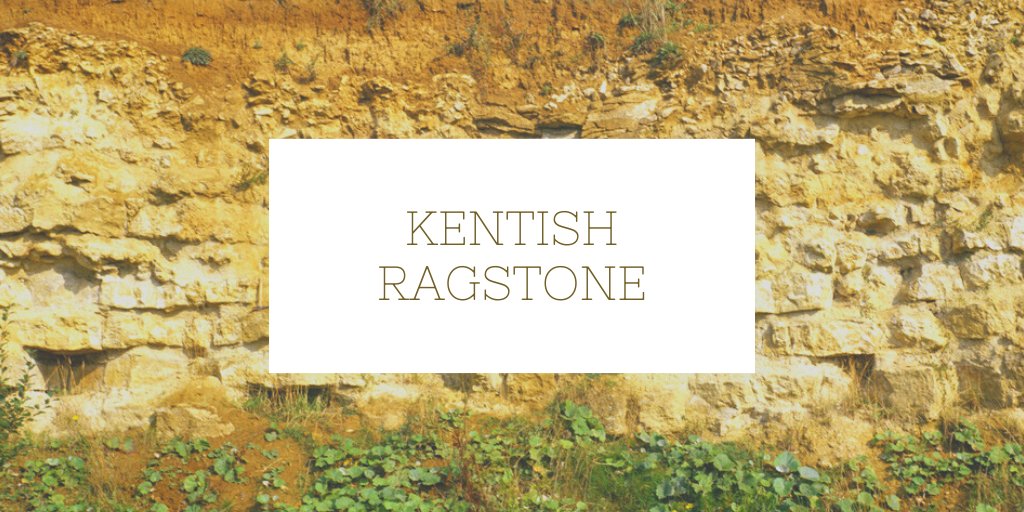
The Weald consists of largely marine deposits including the Kentish Ragstone. This younger sandstone is lime-rich and is used as a building stone 🏛️ @BritGeoSurvey #Weald #KentishRagstone #BuildingStone #Sandstone #Marine #Lime #Sand #Stone #Outcrop
earthwise.bgs.ac.uk/index.ph…
1
2