Single Cell Proteomics Lab @StanfordMed @StanfordPath & @StanfordImmuno. Hematopoiesis, Stem Cells, Immunity, Neurodegeneration. 🇨🇦
Joined September 2018
- Tweets 210
- Following 286
- Followers 1,935
- Likes 229
23 Photos and videos


May 11
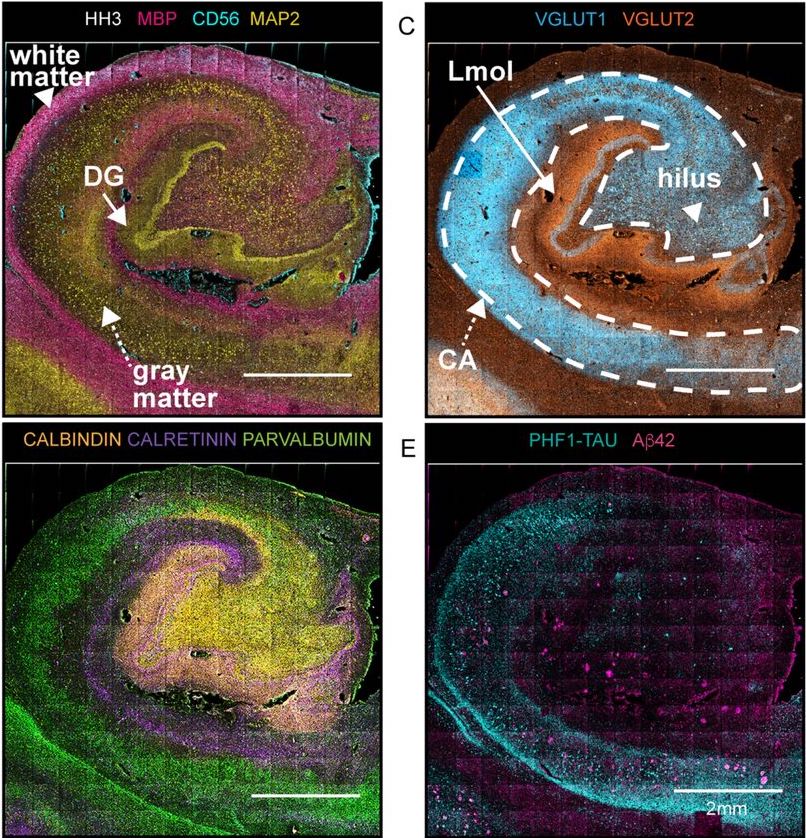
Fantastic use of single cell proteomics!
May 11

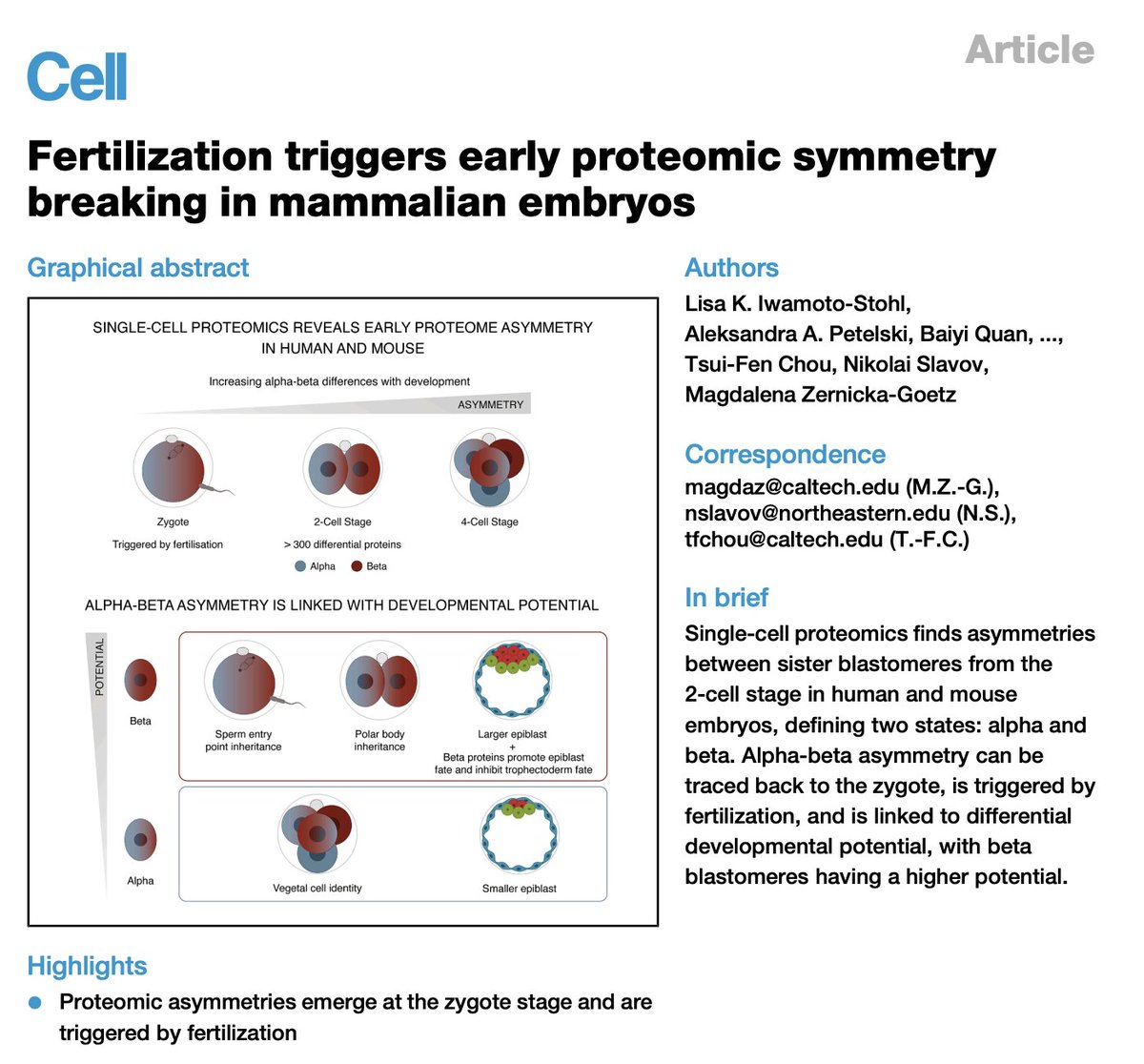
Single-cell proteomics illuminated new mechanisms of mammalian development.
We found that spatially polarized protein distributions and intracellular protein gradients emerge during the earliest stages of mammalian embryogenesis and help bias subsequent cell fate decisions. Critically, these developmental mechanisms are not reflected in mRNA abundance: the key biology resides in the spatial organization, abundance, and asymmetric localization of proteins within and between cells.
The results show that early developmental patterning is associated with polarized localization of specific proteins and coordinated proteomic asymmetries across blastomeres, linking protein organization directly to lineage specification. These findings support a model in which cell fate in the mammalian embryo is not determined solely by stochastic transcriptional programs, but is strongly shaped by inherited and dynamically regulated protein states that establish developmental competence before overt differentiation: cell.com/cell/fulltext/S0092…
Our results depended critically on single-cell proteomics analysis, on direct measurement of the molecular effectors that execute developmental decisions — capturing gradients, localization, stoichiometry, and post-transcriptional regulation. The future of developmental biology will depend increasingly on quantitative single-cell protein measurements capable of resolving the molecular architecture of cell fate determination: doi.org/10.1242/dev.201492
3
534
May 8
I’d like to see this normalized by source of funding. Early stage researchers often have much more flexible funding vs milestone driven grants / contracts.

Experienced researchers are less likely to produce ‘disruptive’ science than are those just starting their careers, finds an analysis of the scientific papers published by 12.5 million researchers over 60 years.
go.nature.com/4ux0FKV
2
357
Bendall Lab retweeted

Feb 18
🌟Out today in Nature Cancer, two automated tools to analyze prognostic spatial features of TNBC @MikeAngeloLab @JoleneRanek @NoahGreenwald
🔗nature.com/articles/s43018-0…
🔗nature.com/articles/s43018-0…
And read the associated News & Views from @hartjackson
nature.com/articles/s43018-0…
1
19
68
3,997
Bendall Lab retweeted

Feb 18
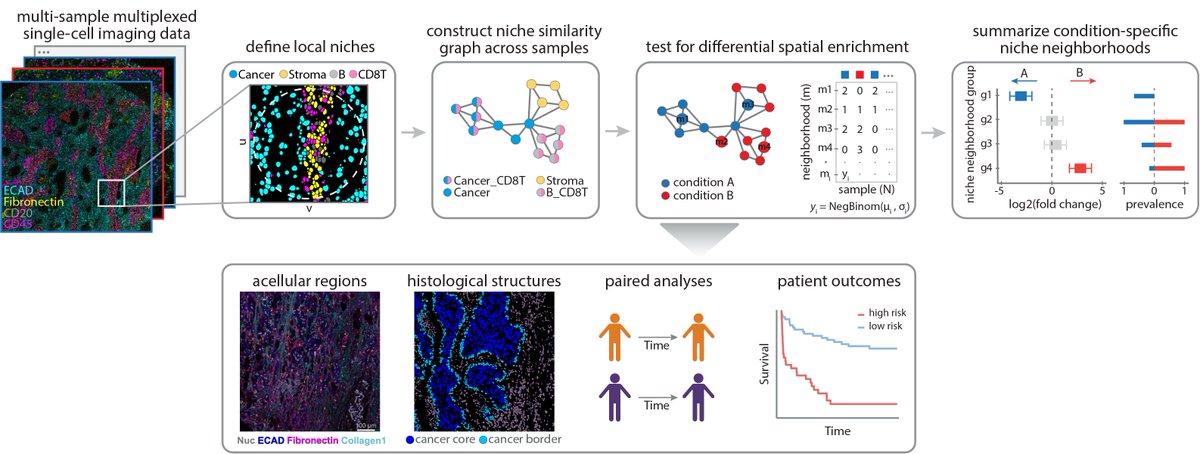
Delighted to share that QUICHE is out in @NatureCancer! If you'd like to perform differential niche analysis, feel free to give it a try :) nature.com/articles/s43018-0…
10 Jan 2025

Super excited to introduce QUICHE (Quantitative InterCellular Niche Enrichment) - a statistical method that can be used to discover local cellular niches differentially enriched in spatial regions, longitudinal samples, or clinical patient groups :) (1/10) biorxiv.org/content/10.1101/…
1
6
13
1,227
19 Dec 2025
Maybe because we almost never write papers the way the actual scientific process was done - looks like LLMs do have to go to grad school and experience some “most experiments don’t work” feedback
18 Dec 2025

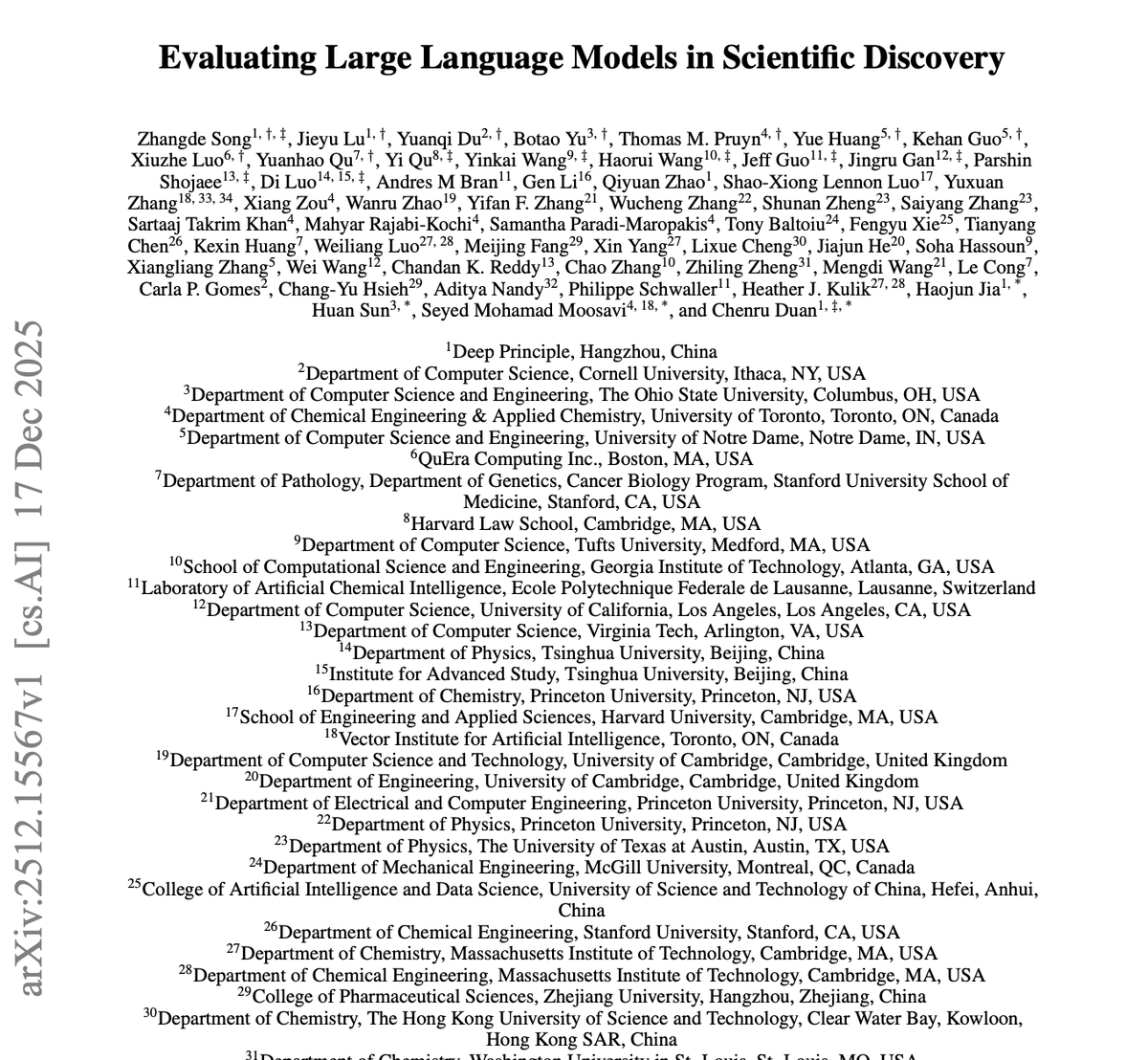
This paper from Harvard and MIT quietly answers the most important AI question nobody benchmarks properly:
Can LLMs actually discover science, or are they just good at talking about it?
The paper is called “Evaluating Large Language Models in Scientific Discovery”, and instead of asking models trivia questions, it tests something much harder:
Can models form hypotheses, design experiments, interpret results, and update beliefs like real scientists?
Here’s what the authors did differently 👇
• They evaluate LLMs across the full discovery loop hypothesis → experiment → observation → revision
• Tasks span biology, chemistry, and physics, not toy puzzles
• Models must work with incomplete data, noisy results, and false leads
• Success is measured by scientific progress, not fluency or confidence
What they found is sobering.
LLMs are decent at suggesting hypotheses, but brittle at everything that follows.
✓ They overfit to surface patterns
✓ They struggle to abandon bad hypotheses even when evidence contradicts them
✓ They confuse correlation for causation
✓ They hallucinate explanations when experiments fail
✓ They optimize for plausibility, not truth
Most striking result:
`High benchmark scores do not correlate with scientific discovery ability.`
Some top models that dominate standard reasoning tests completely fail when forced to run iterative experiments and update theories.
Why this matters:
Real science is not one-shot reasoning.
It’s feedback, failure, revision, and restraint.
LLMs today:
• Talk like scientists
• Write like scientists
• But don’t think like scientists yet
The paper’s core takeaway:
Scientific intelligence is not language intelligence.
It requires memory, hypothesis tracking, causal reasoning, and the ability to say “I was wrong.”
Until models can reliably do that, claims about “AI scientists” are mostly premature.
This paper doesn’t hype AI. It defines the gap we still need to close.
And that’s exactly why it’s important.
4
217
5 Dec 2025
Love this!
5 Dec 2025

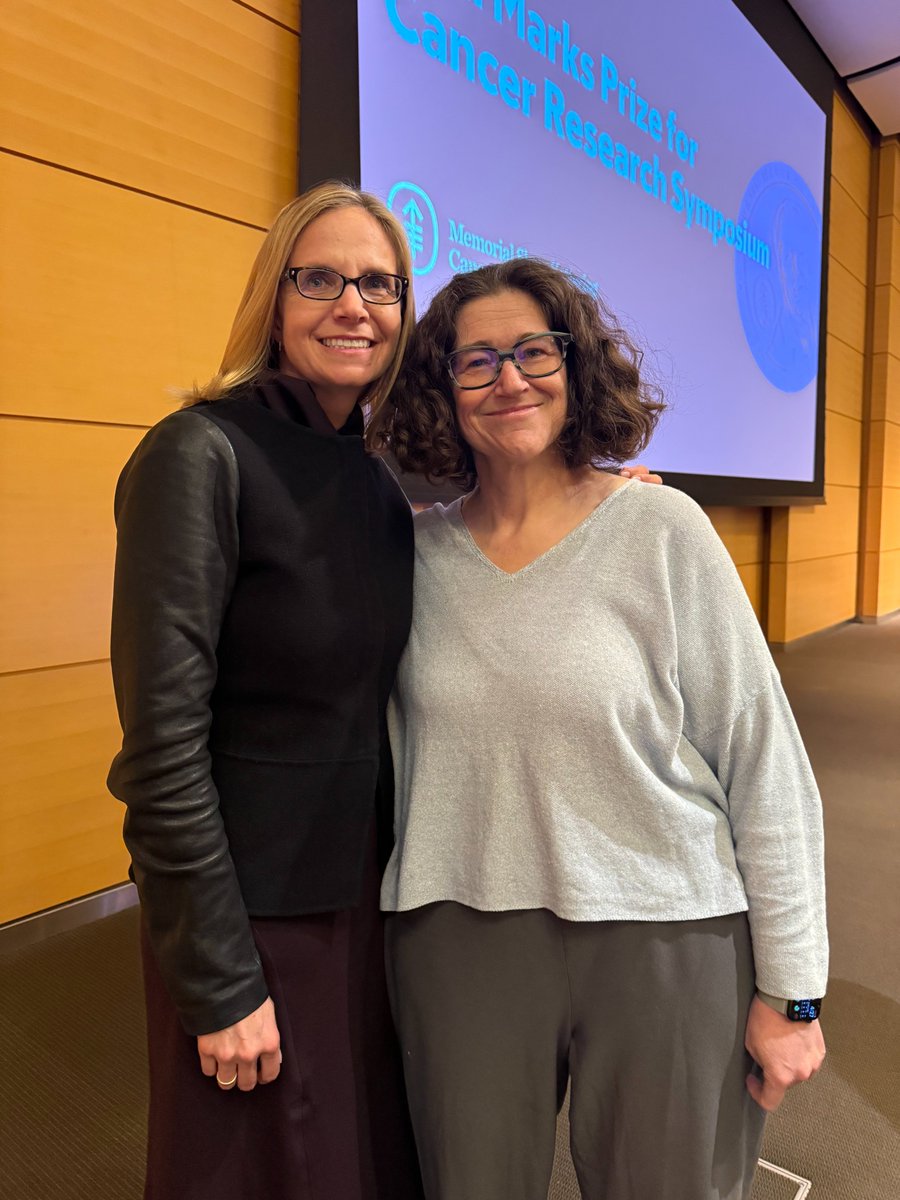
Celebrating Christina Curtis and her well-deserved Paul Marks Prize! Some tumors are born bad. Christina uses math to find them early, predict their paths, and outsmart them. A win for cancer biology and for MSK to cheer.
1
165
11 Jul 2025
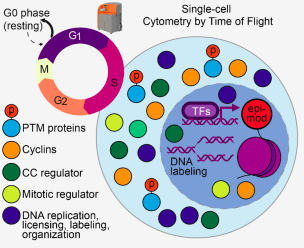
Do all cells cycle the same? Maybe we need to reconsider "deconvolution" of cycling cell signatures from #singlecell datasets.
biorxiv.org/content/10.1101/…
1
1
798
11 Jul 2025
Work lead by the outstanding computational systems @stanfordimmuno PhD Student @meeladamouzgar
3
244
9 Jul 2025
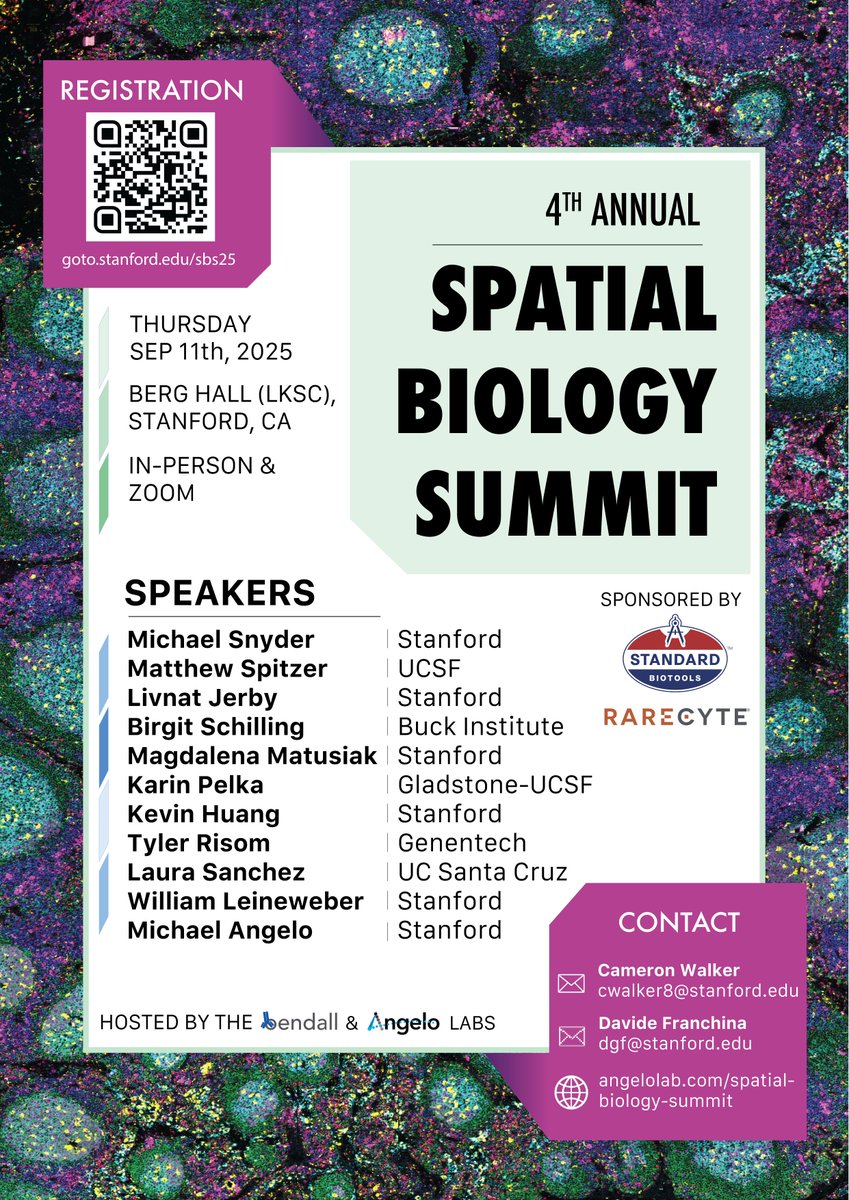
We have reduced the footprint and concentrated the science this year! One day event - in person, zoom, and posters...
30 Jun 2025

Registration has officially opened for the 4th annual Spatial Biology Summit! Join us in person or virtually this September for an incredible lineup of speakers angelolab.com/spatial-biolog… @b_iologist @CandaceCLiu @MikeAngeloLab @Bendall_Lab @mina_pichavant
1
2
743
17 Apr 2025
Metal ions come in different shapes and sizes. Turns out you need to optimize your chelation strategy to make them play nice in biological assays!
16 Apr 2025

Excited to share our latest publication on expanding the multiplexing capability of MIBI-TOF , this can be extended to any technique implementing metal tags for mass spectrometry imaging. @MikeAngeloLab @Bendall_Lab @favaropb @felixjhartmann pubs.acs.org/doi/10.1021/acs…
460
18 Mar 2025
Another long incubating research baby has been born in the lab. Thank you 🙏 @parkerici @CancerResearch @CIHR_IRSC @TheGMSP for supporting the research and lead authors!
17 Mar 2025

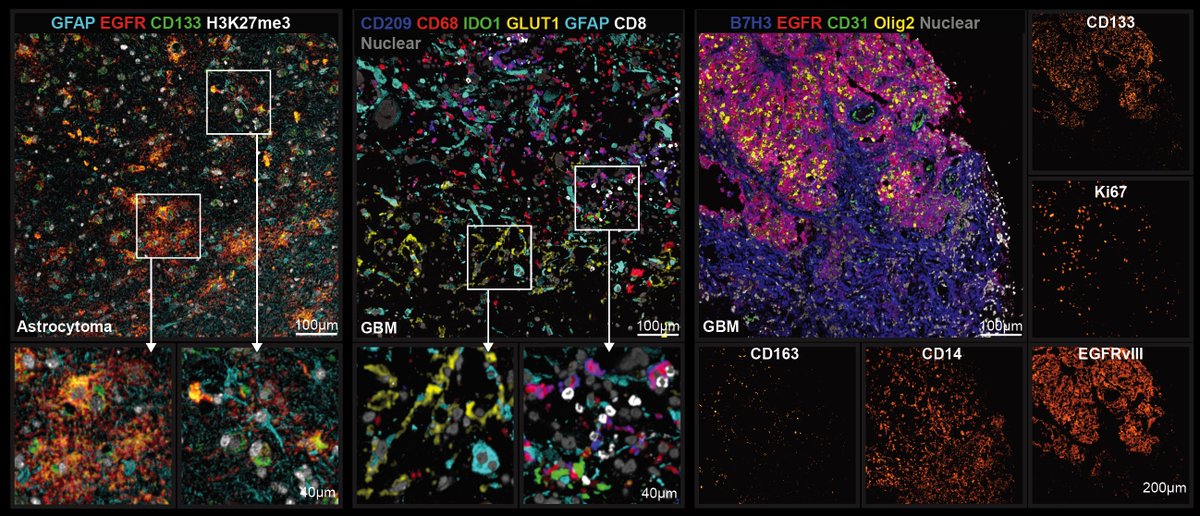
🧵 (1/8) Today, @BenOberlton and I are excited to share the preprint of our work on: A comprehensive multi-omic study of human gliomas, spanning diagnosis, treatment, and recurrence. We address the longstanding challenge of developing effective therapies for gliomas, which have shown limited response to immunotherapy and targeted treatments compared to other malignancies. #GliomaResearch #NeuroOncology #CancerImmunotherapy biorxiv.org/content/10.1101/…
16
2,058
16 Oct 2024
Congratulations Garry!!
16 Oct 2024

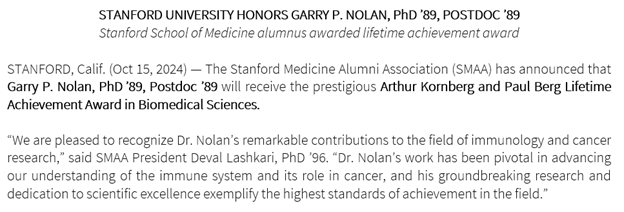
I am deeply honored to be named by the Stanford Medicine Alumni Association this year for the “Arthur Kornberg and Paul Berg Lifetime Achievement Award in Biomedical Sciences.”
As a Stanford graduate student in the 1980s, I took a remarkable class in plasmid and phage replication from Dr. Kornberg. I marveled at his incisive manner of teaching complex concepts in science. I learned fundamentals of retroviral gene transfer from postdoctoral fellows and technical staff in Dr. Berg’s laboratory. I was in constant awe of Dr. Berg’s statesmanship on the world stage as a spokesman for science.
Arthur Kornberg, M.D. and Paul Berg, Ph.D. were luminaries long before I was a graduate student. Professor Kornberg won the Nobel in Physiology or Medicine for isolating DNA polymerase and demonstrating how it could replicate DNA in a test tube. Professor Berg won the Nobel in Chemistry by showing the first inter-species DNA hybrid of bacterial and eukaryotic viral DNA and replicating it in bacteria. Professor Berg was instrumental in pointing out the dilemmas around recombinant DNA at the foundational Asilomar Conference in 1975, a critical meeting focusing on the ethical uses of rec-DNA technology.
Dr. Kornberg’s and Dr. Berg’s efforts deeply touched biomedical sciences and helped patients worldwide. They symbolized science's dual role in fundamental discovery and service to humanity.
1
4
643
13 Sep 2024
Fantastic last day
13 Sep 2024

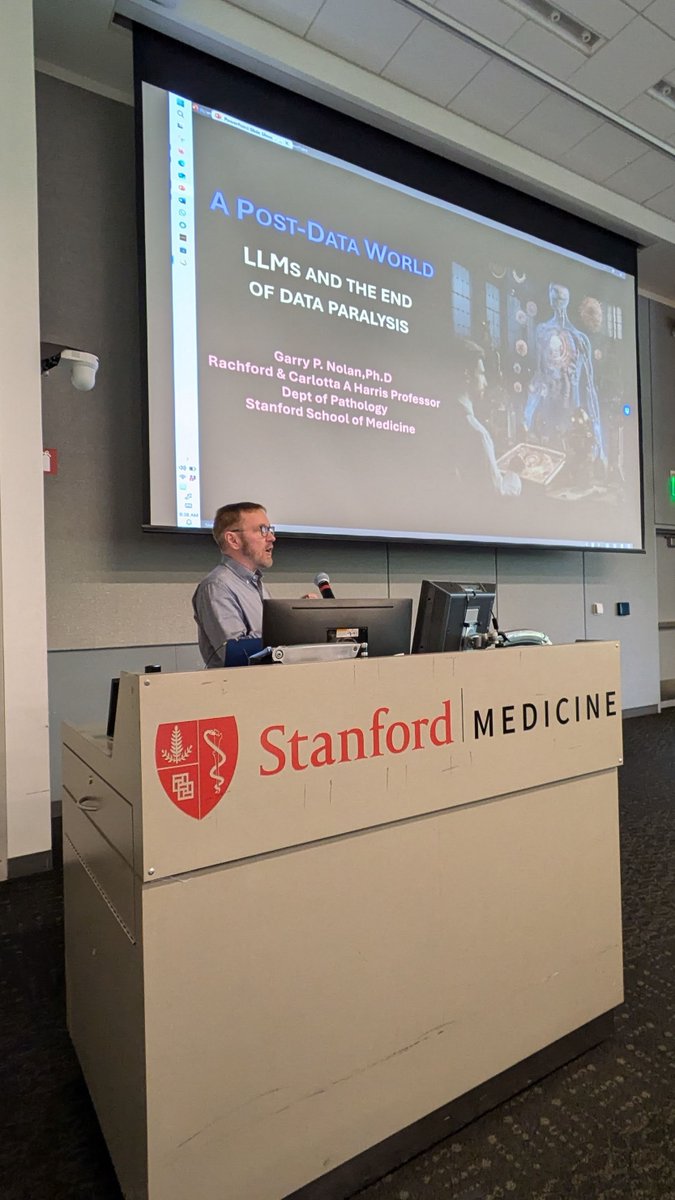
Kicking off the last day of #SBS24, the Science Grandfather himself @GarryPNolan took us on a journey from Merkel cell carcinoma to tissue schematics to LLMs (check out Cellformatica!). No UAPs but maybe next time...
1
5
2,133
13 Sep 2024
A great opportunity to do all the spatial-omics at Stanford!

Please RT. I am currently hiring graduate students and postdoc fellows. Details can be found here: postdocs.stanford.edu/prospe… My lab is dedicated to developing and integrating imaging, AI, and spatial omics technologies to uncover mechanisms driving disease initiation, progression, and therapeutic response, with the ultimate goal of advancing next-generation theragnostics to cure diseases. We are excited to be equipped with cutting-edge spatial omics technologies, including Xenium spatial transcriptomics @10xGenomics and Phenocycler-fusion @AkoyaBio .
1
2
1,386
Bendall Lab retweeted

10 Sep 2024
#SBS2024 in full swing! full room for day 1. Great atmosphere! Fantastic talk @ErinMcCaffrey14! @CandaceCLiu @Walk14Cameron @Bendall_Lab @MikeAngeloLab
6
20
1,698
Bendall Lab retweeted

12 Sep 2024
We ended Day 2 of #SBS24 with a very lively poster session. Thank you to all of our presenters!
3
12
1,175
4 Sep 2024
Hot Spatial Biology Alert!
4 Sep 2024

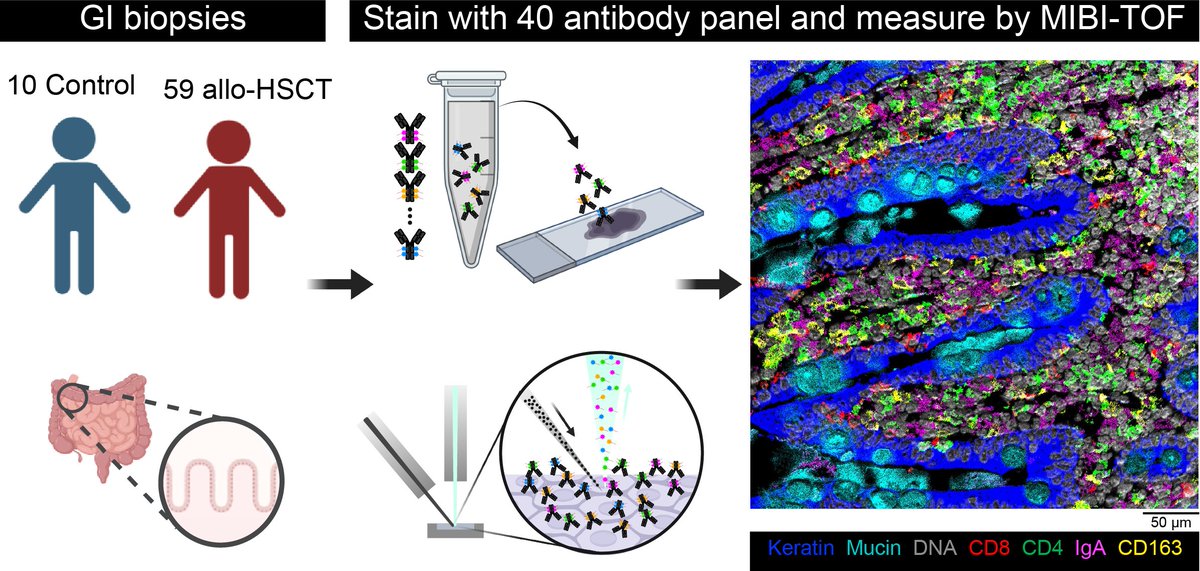
Preprint alert! A spatial atlas of human gastro-intestinal acute GVHD reveals epithelial and immune dynamics underlying disease pathophysiology biorxiv.org/cgi/content/shor…. We examined how immune cells are organized in the gut and what happens to them in GVHD. TL;DR Timing is key!
3
579
Bendall Lab retweeted

30 Aug 2024
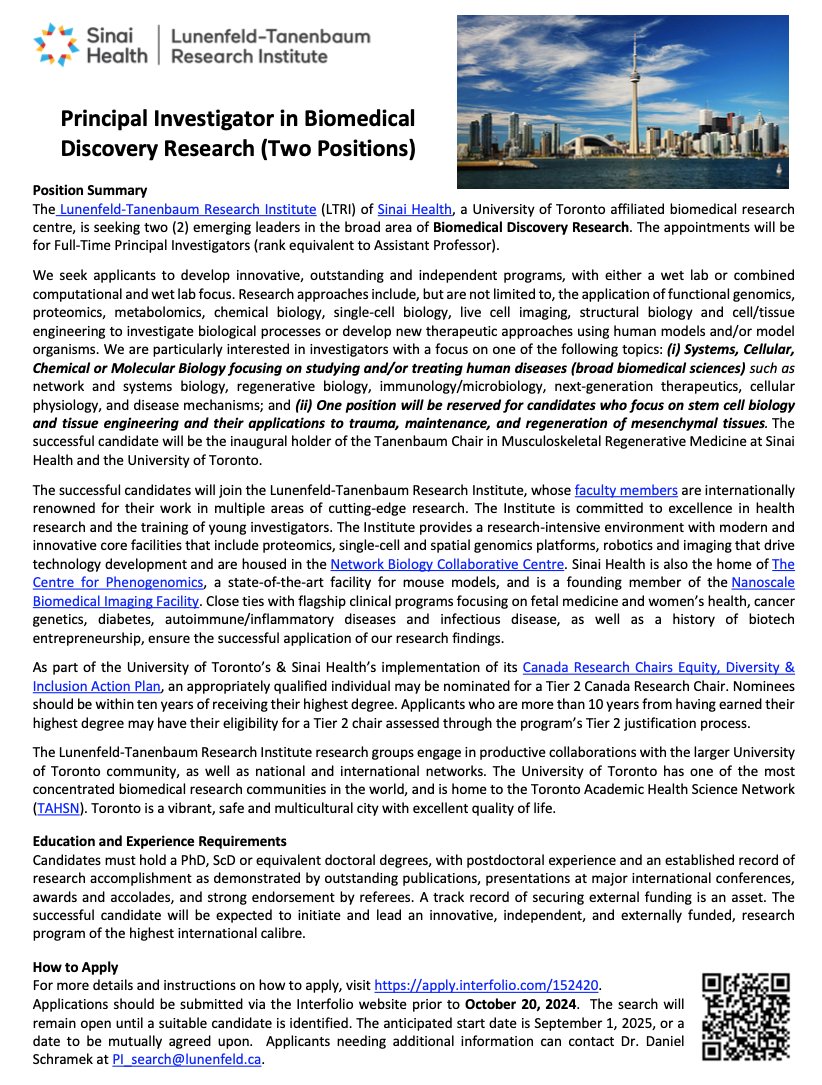
Two great opportunities in Toronto! apply.interfolio.com/152420
2
118
226
62,218
19 Jul 2024
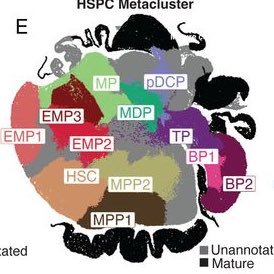
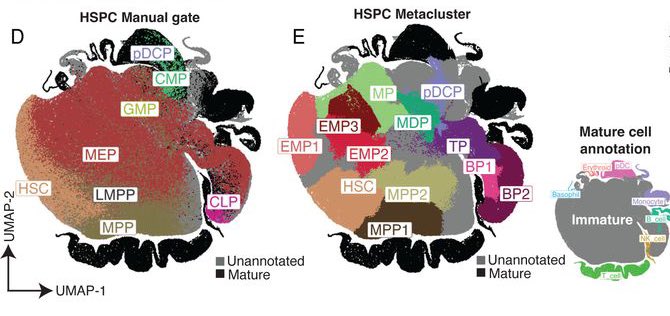
Blackbelt🥋level functional assays for human lymphoid cell potential establishing new model of human hematopoietic differentiation and significant new source of LMPPs. Single cell and limiting dilution assays with multi-lineage readout. All 7⃣ peer reviewers agreed! 🤯
18 Jul 2024

Our human multipotent lymphoid progenitor paper is finally out! nature.com/articles/s41467-0… After revision, we added more in vitro validations of the lympho-myeloid potential of this HSPC population. Lots of thanks to @Bendall_Lab & @WJGreenleaf
1
4
717
Bendall Lab retweeted
18 Jun 2024
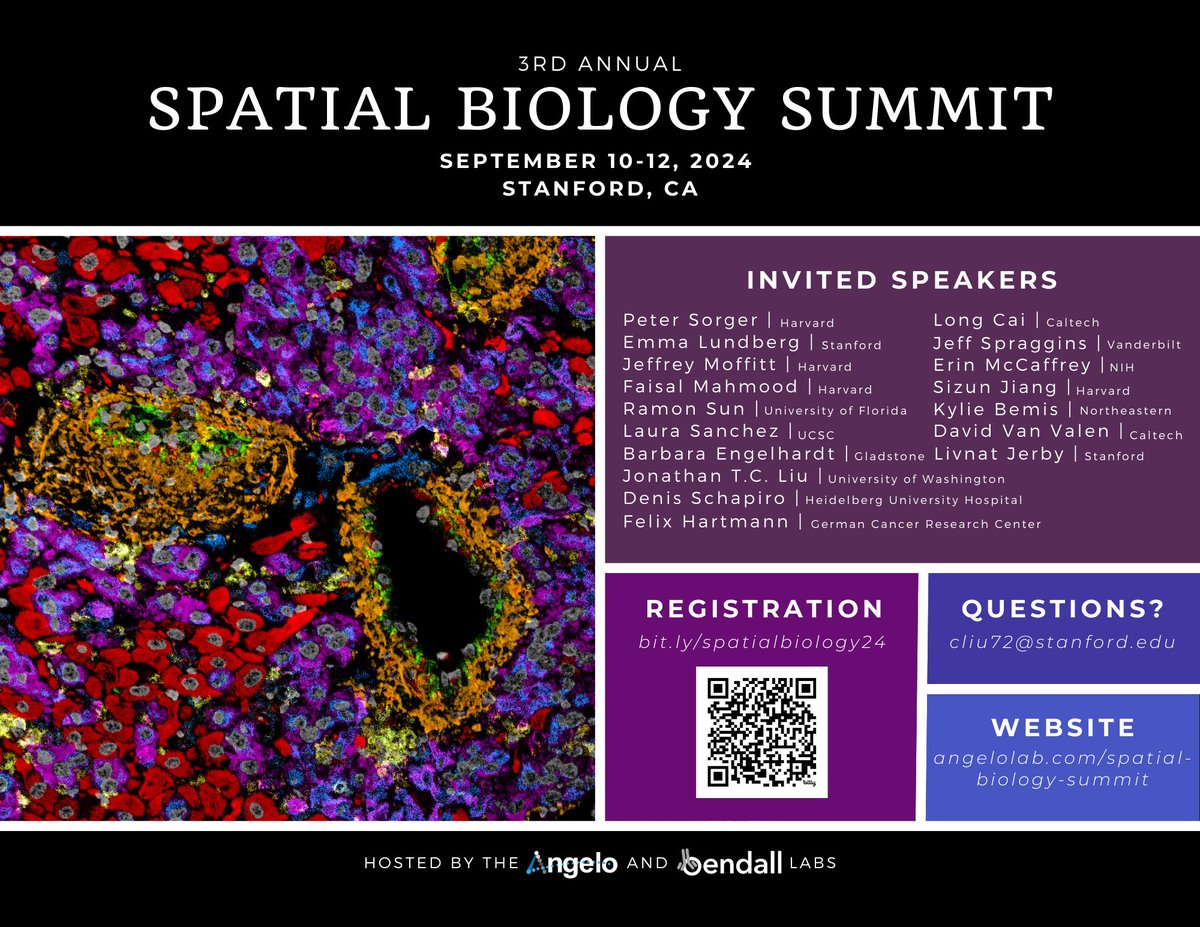
Join us for our 3rd Annual Spatial Biology Summit this September at Stanford! Register by 7/12 for the early bird registration fee. We have an EXCELLENT lineup of speakers covering the spatial biology spectrum. More info here: angelolab.com/spatial-biolog… @MikeAngeloLab @Bendall_Lab
11
22
2,846