
Spiders. It's all about the spiders.
Joined October 2017
- Tweets 2,551
- Following 106
- Followers 471
- Likes 4,028
491 Photos and videos
Tylan Berry retweeted

29 Nov 2024
For those of you that are also present elsewhere 👇🏻
We intend to remain here on X / Twitter as well, at least whilst there remains interest in arachnids and our posts
5
24
138
6,186

8 Nov 2024
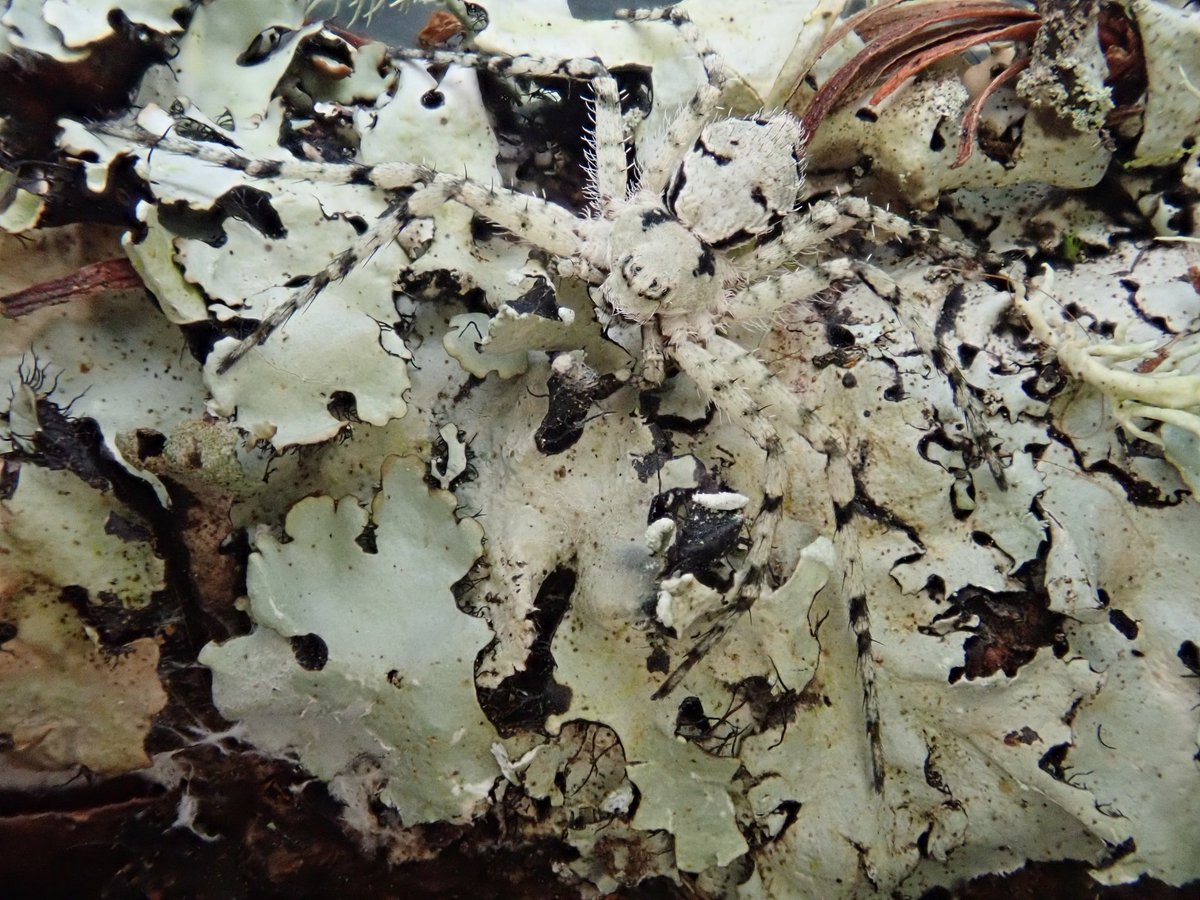
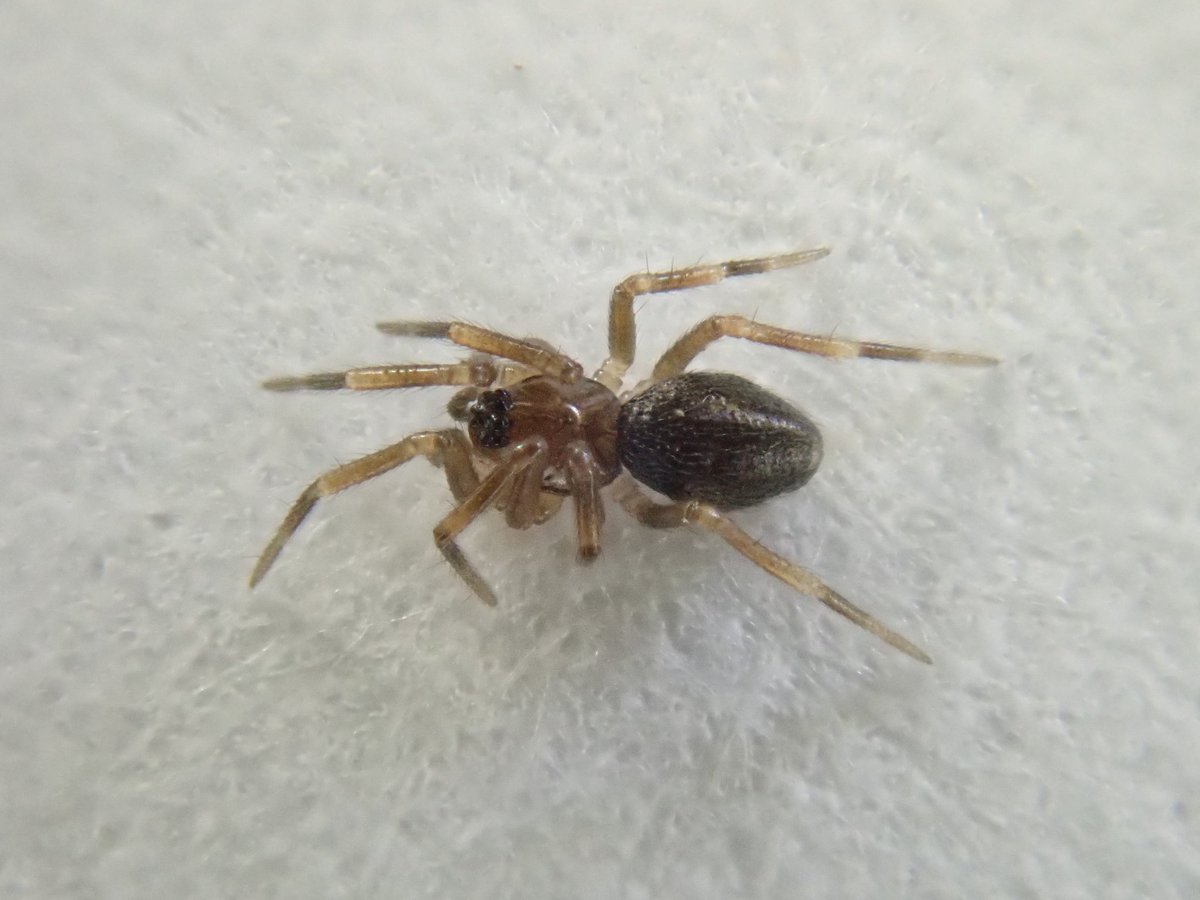
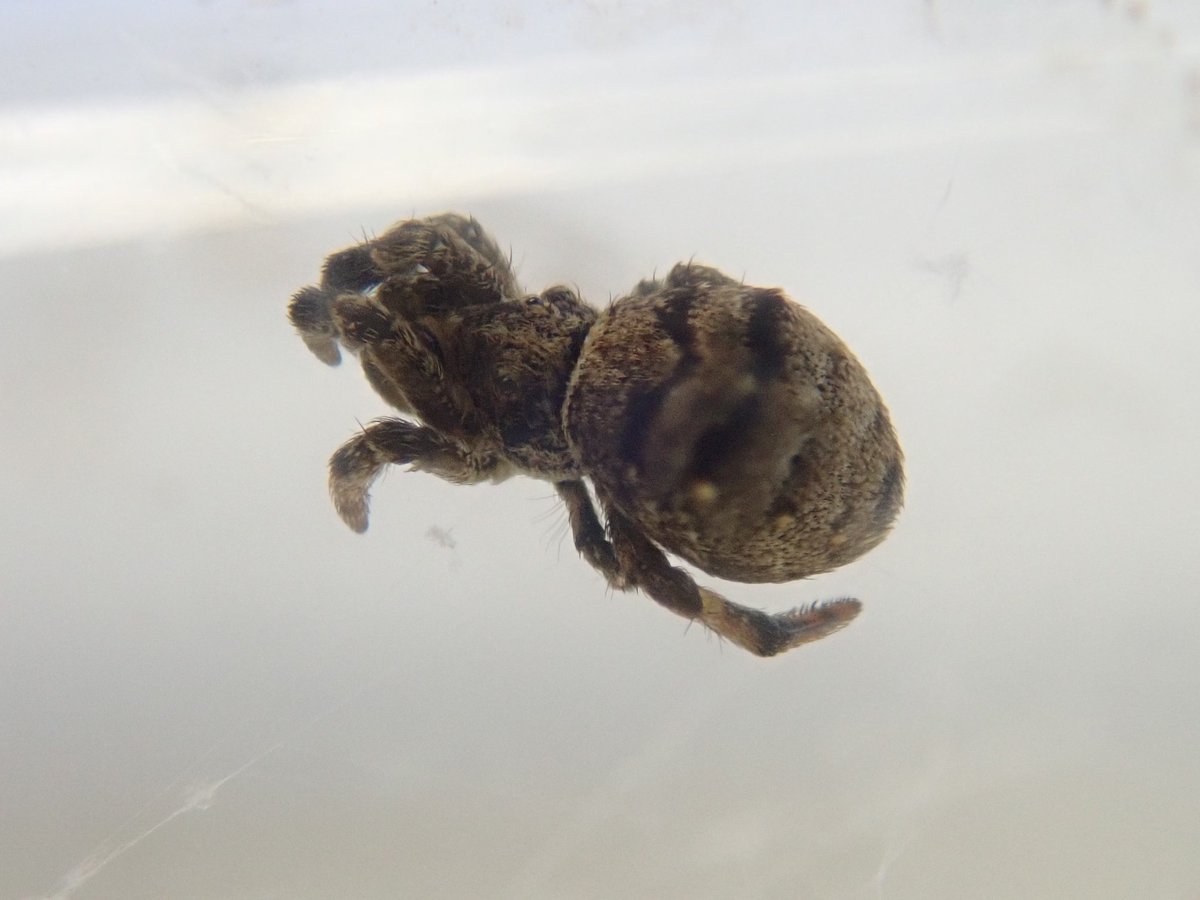
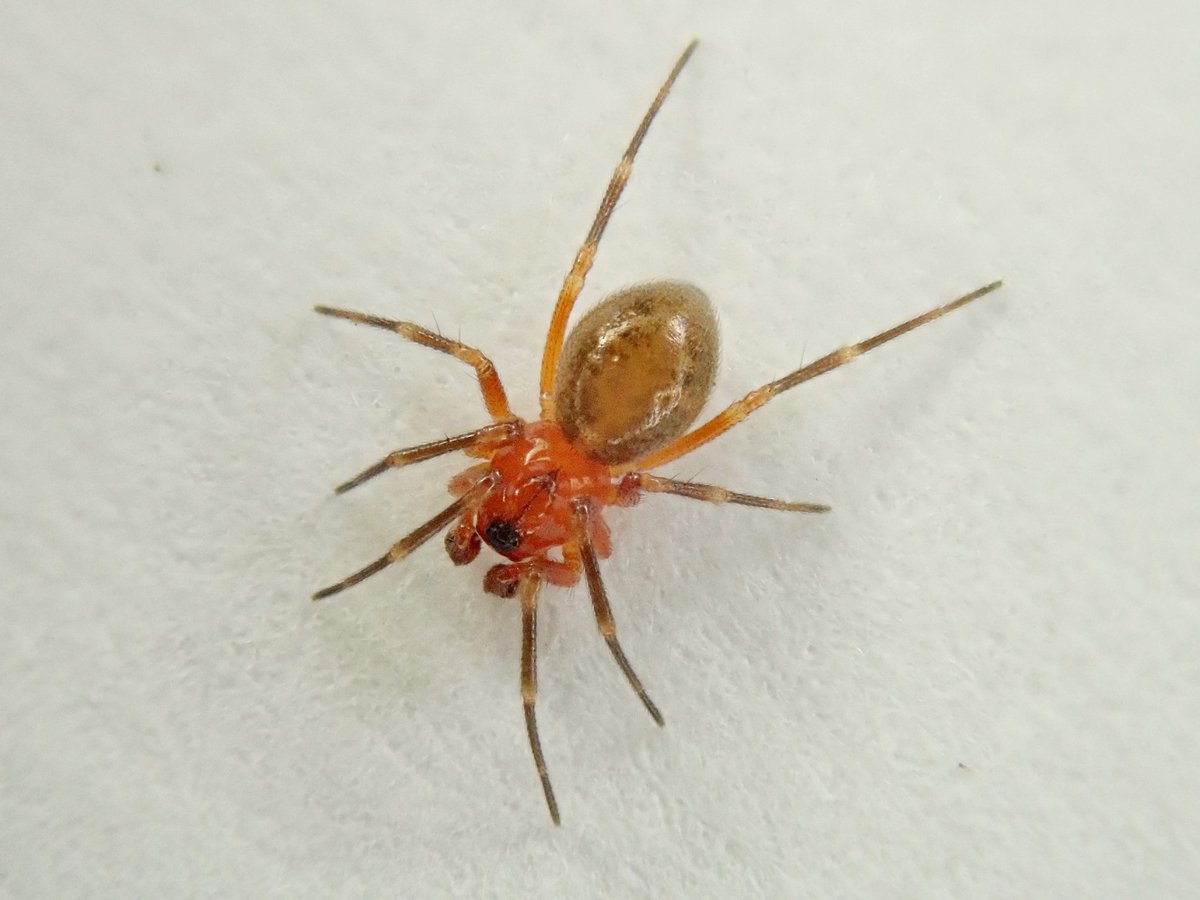
Excellent spiders from @CwallWildlife Cabilla NR - new site and hectad for Philodromus margaritatus and Agyneta innotabilis, new site for Hyptiotes paradoxus, and a 25mile hike west for Trematocephalus cristatus - the 2nd Cornish site for it. @BritishSpiders @cofnod @graemelyons
5
21
2,320
Tylan Berry retweeted

30 Oct 2024
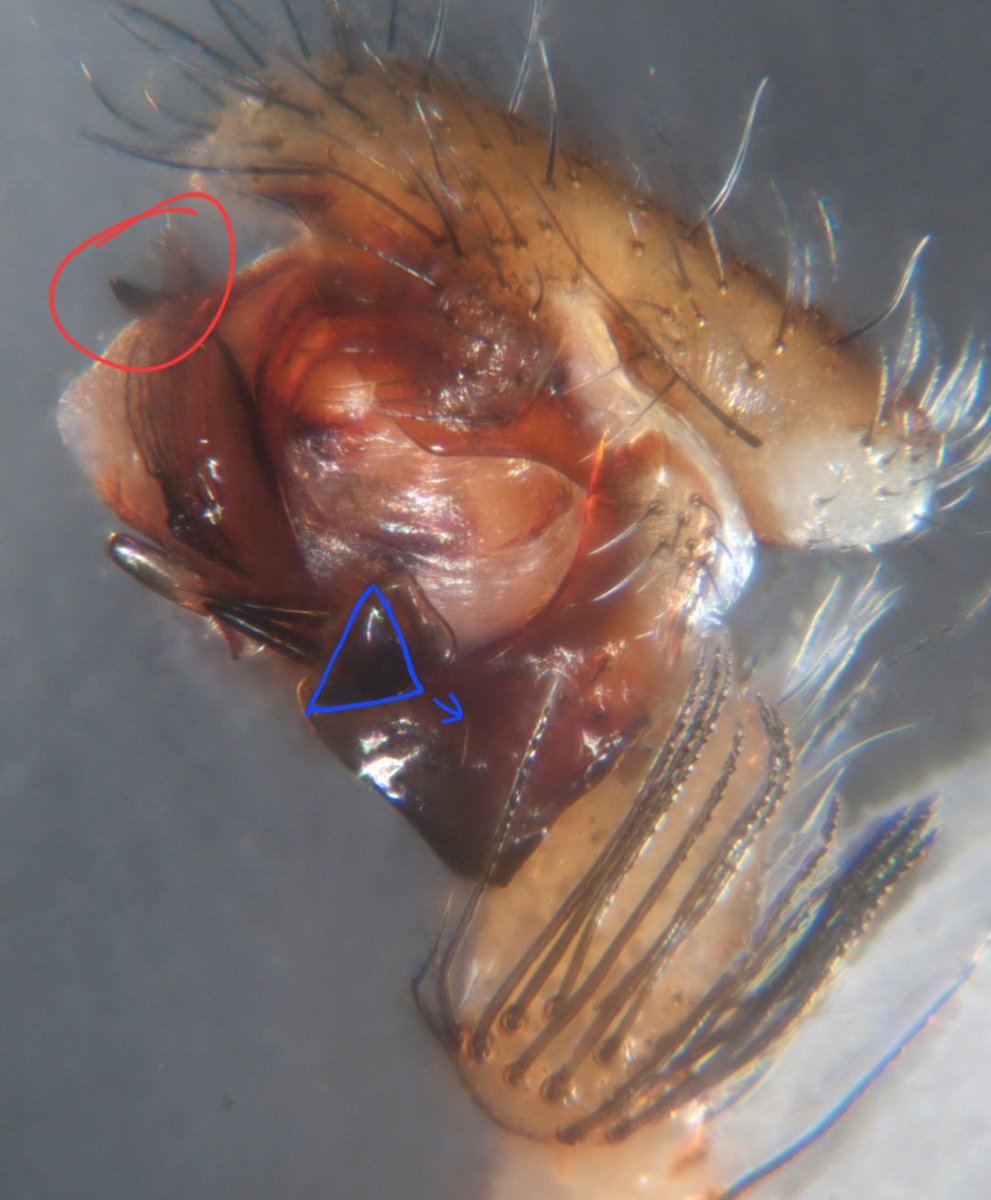
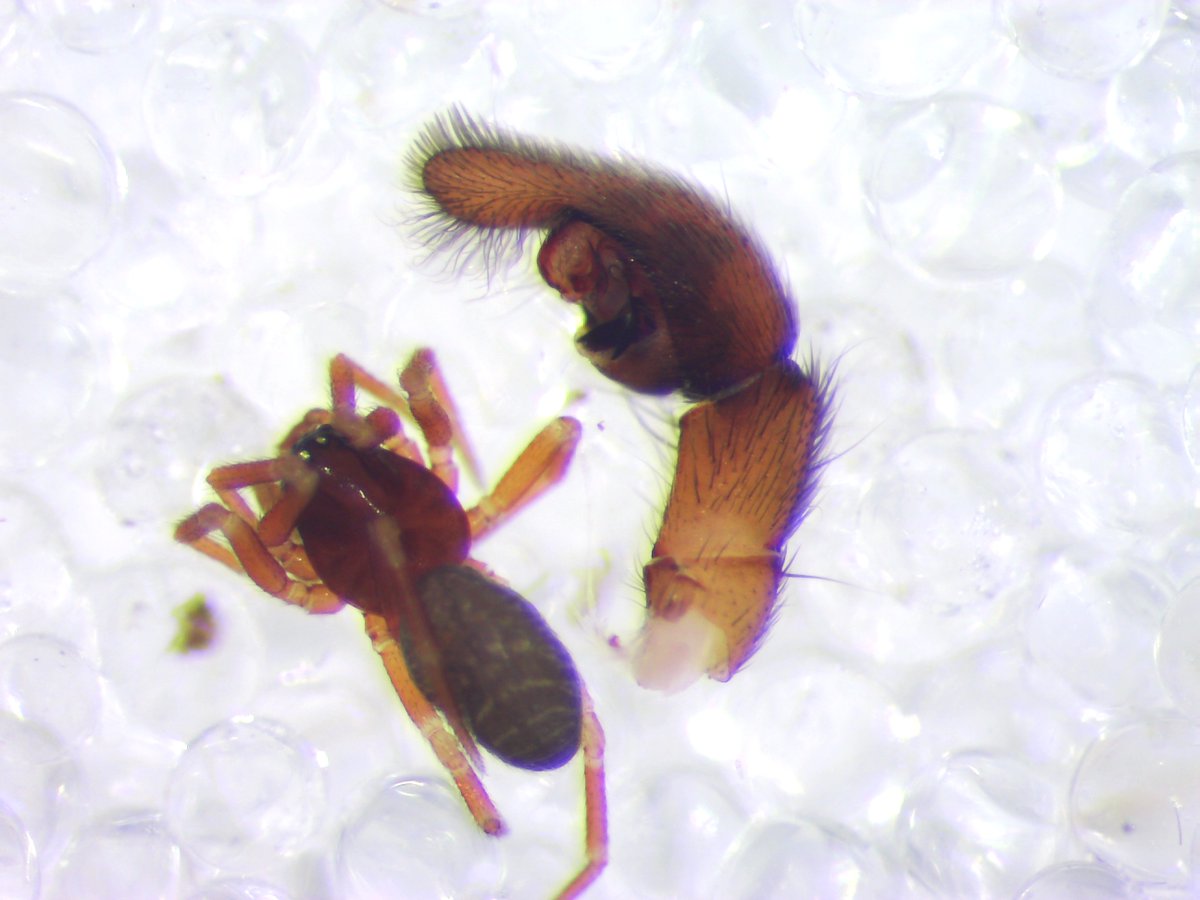
Microctenonyx subitaneus (Linyphiidae) next to a Trochosa terricola (Lycosidae) pedipalp :)
2
3
13
1,475

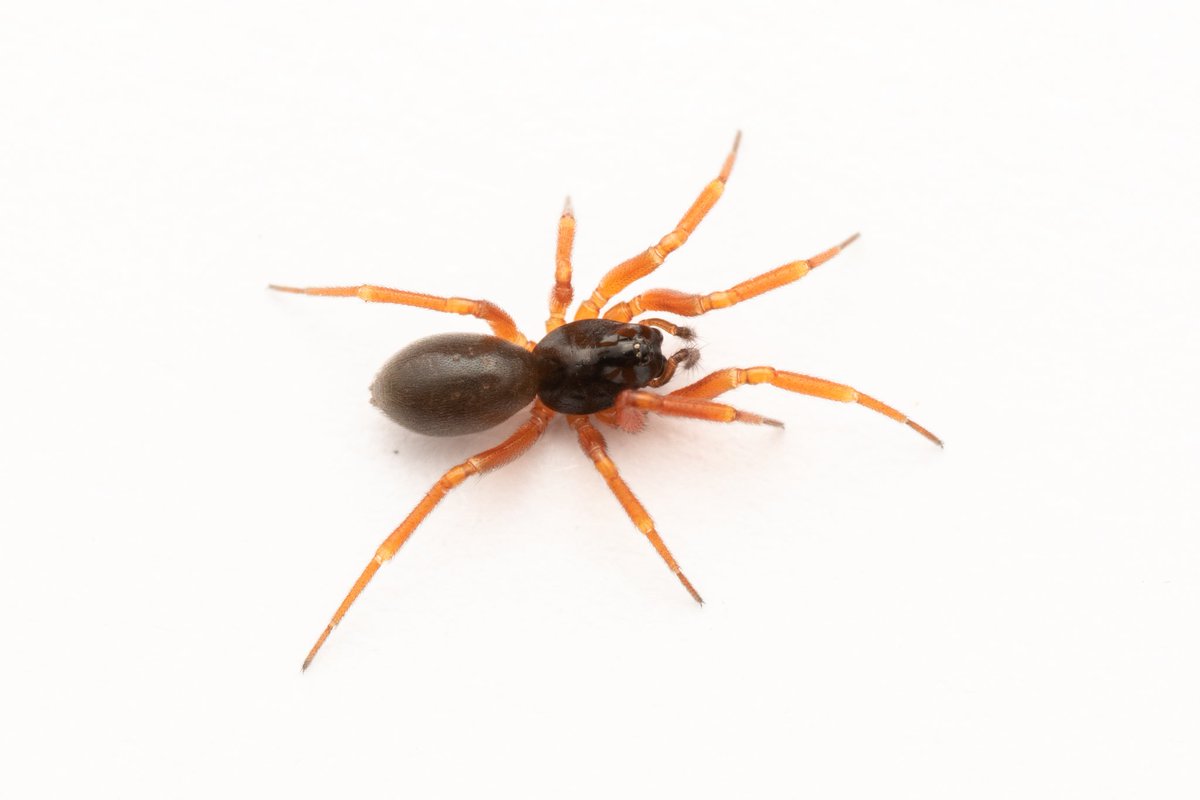
A new species for me Walckenaeria obtusa, I do not see any records for this in west sussex, an old record in east sussex from the late 60's
@BritishSpiders #spiders #arachnid #walckenaeria
2
1
8
320
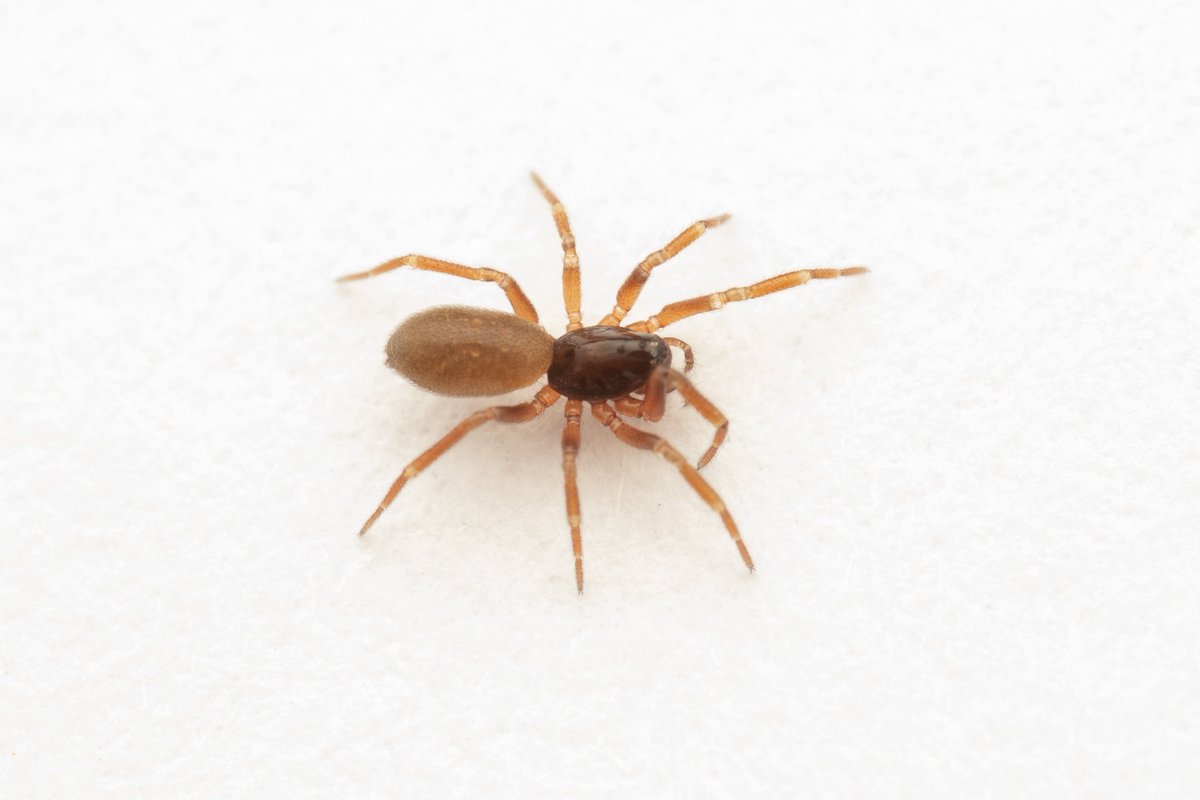
What a Genus!
Here is the nationally Scarce, Walckenaeria dysderoides first one ive seen in west sussex.
@BritishSpiders #spiders #arachnids #uk #walckenaeria
5
19
746
Tylan Berry retweeted

21 Oct 2024
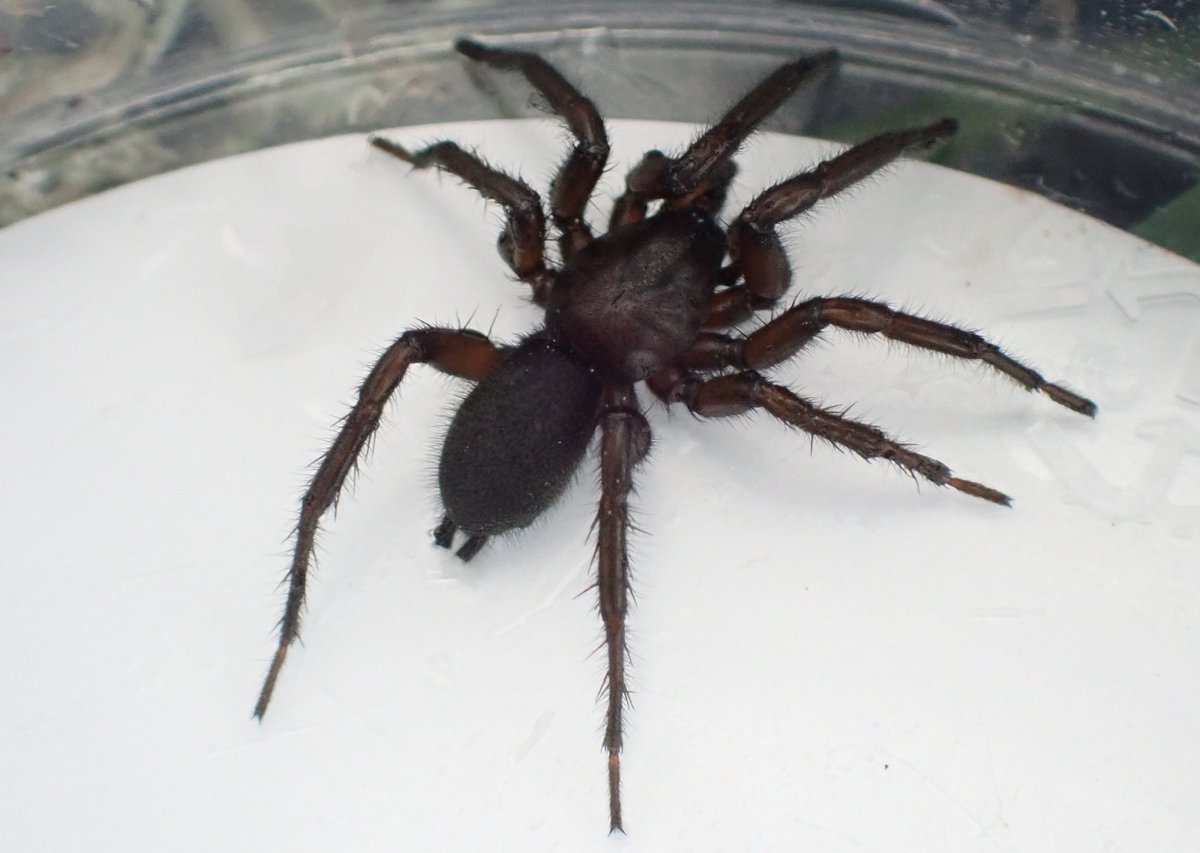
This glorious specimen came running over as we knelt in the rain on a shingle spit in May. Confirmed today by @cofnod as Gnaphosa lugbris. A ground spider of epic charisma and proportion! @BritishSpiders @BerryTylan @NHarnser @chalkspring
3
4
30
1,188
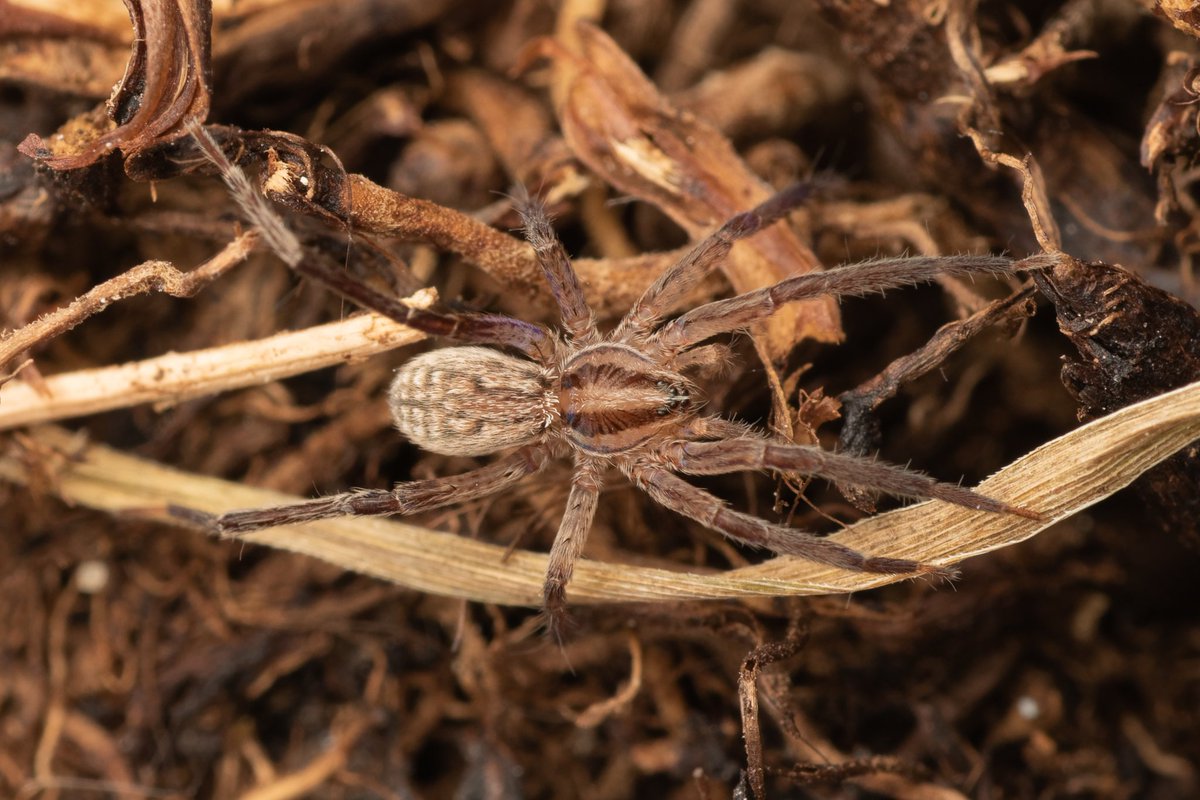
Zora silvestris, a nationally rare spider with a critically endangered status.
@BritishSpiders #arachnid #uk #zorasilvestris
2
4
18
678
Tylan Berry retweeted
18 Oct 2024
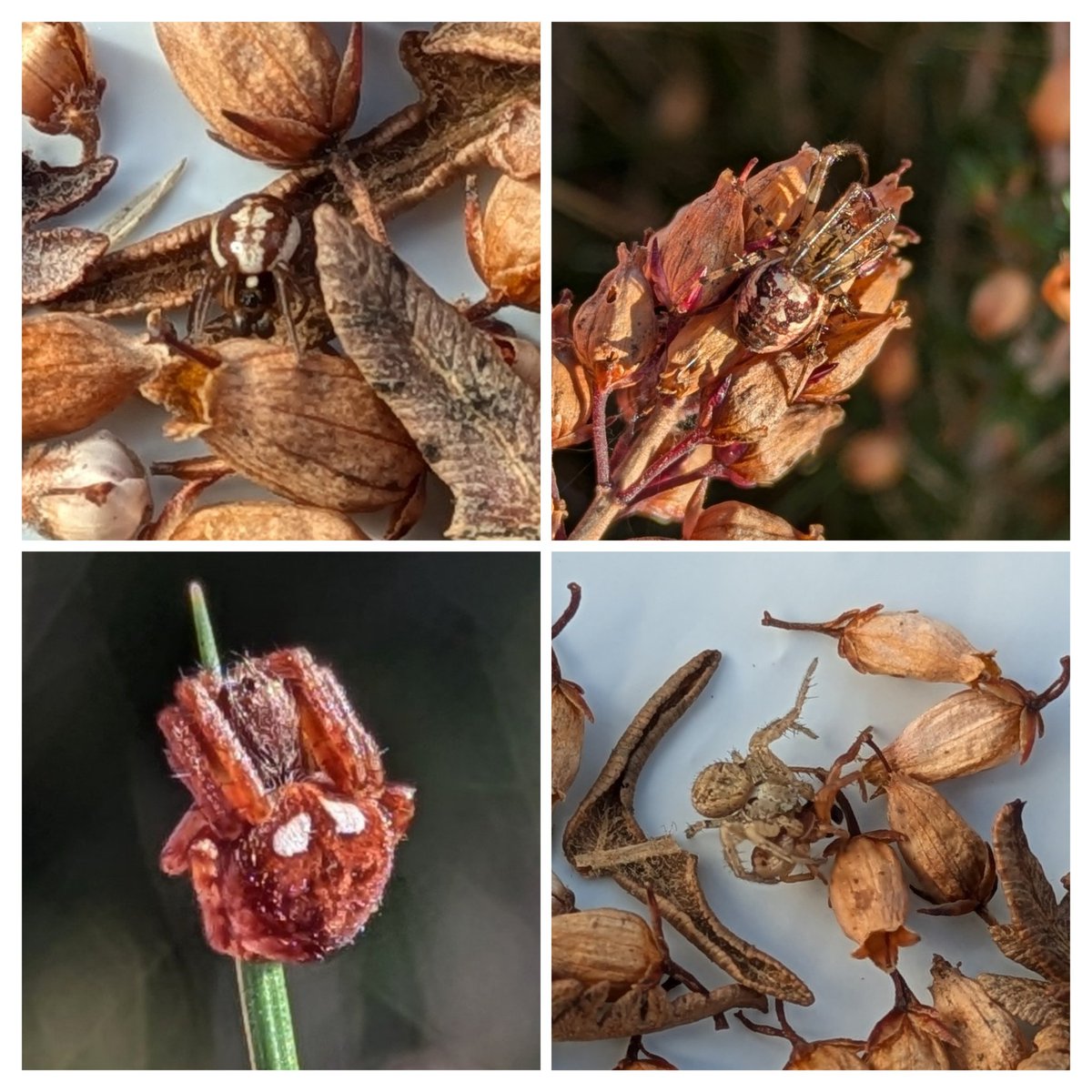
A #Suffolk based Autumnal #Spider session for me today. Including the Nationally Scarce Hypsosinga albovitta and the redist Agalentea redii I have ever seen!!! Metellina and Xysticus sp making up the chorus line. @BerryTylan @BritishSpiders @NHarnser
1
4
19
815
12 Oct 2024
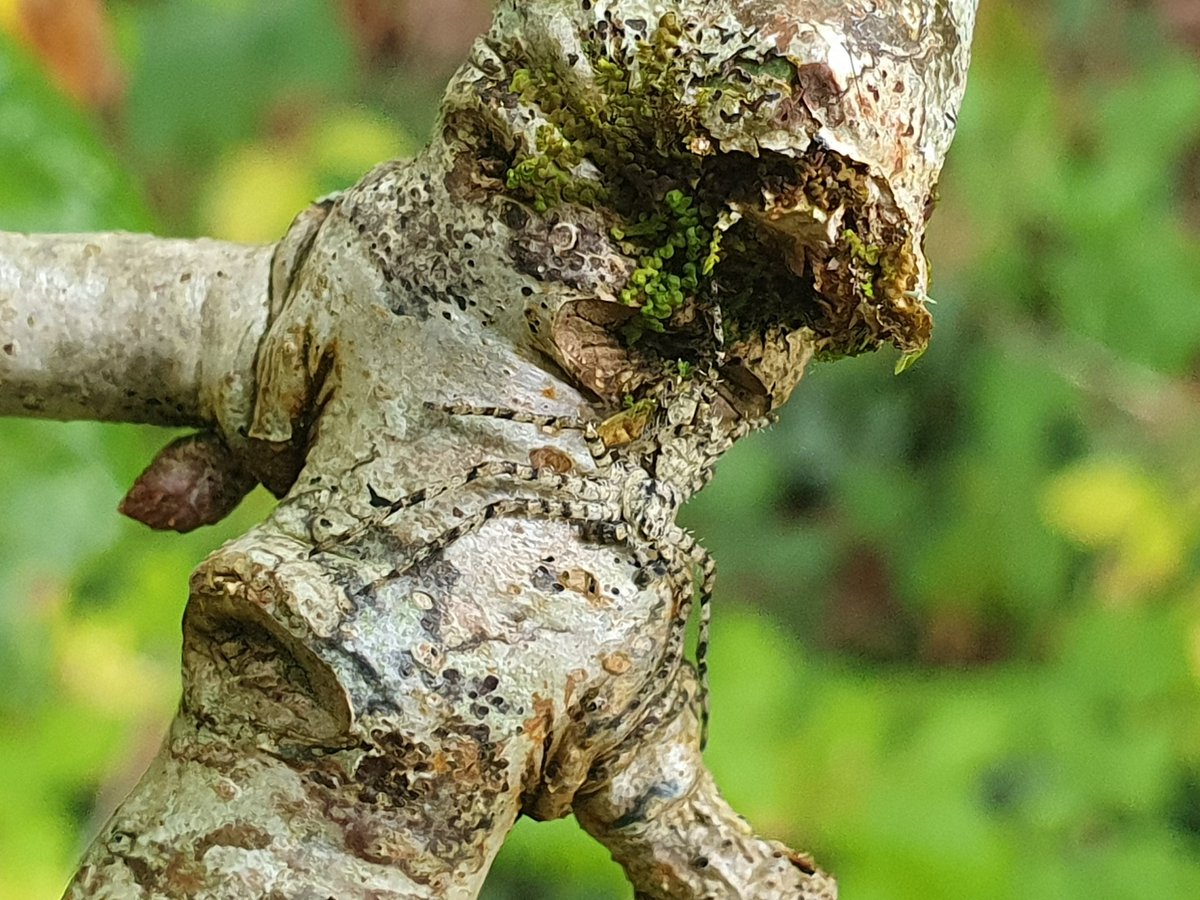
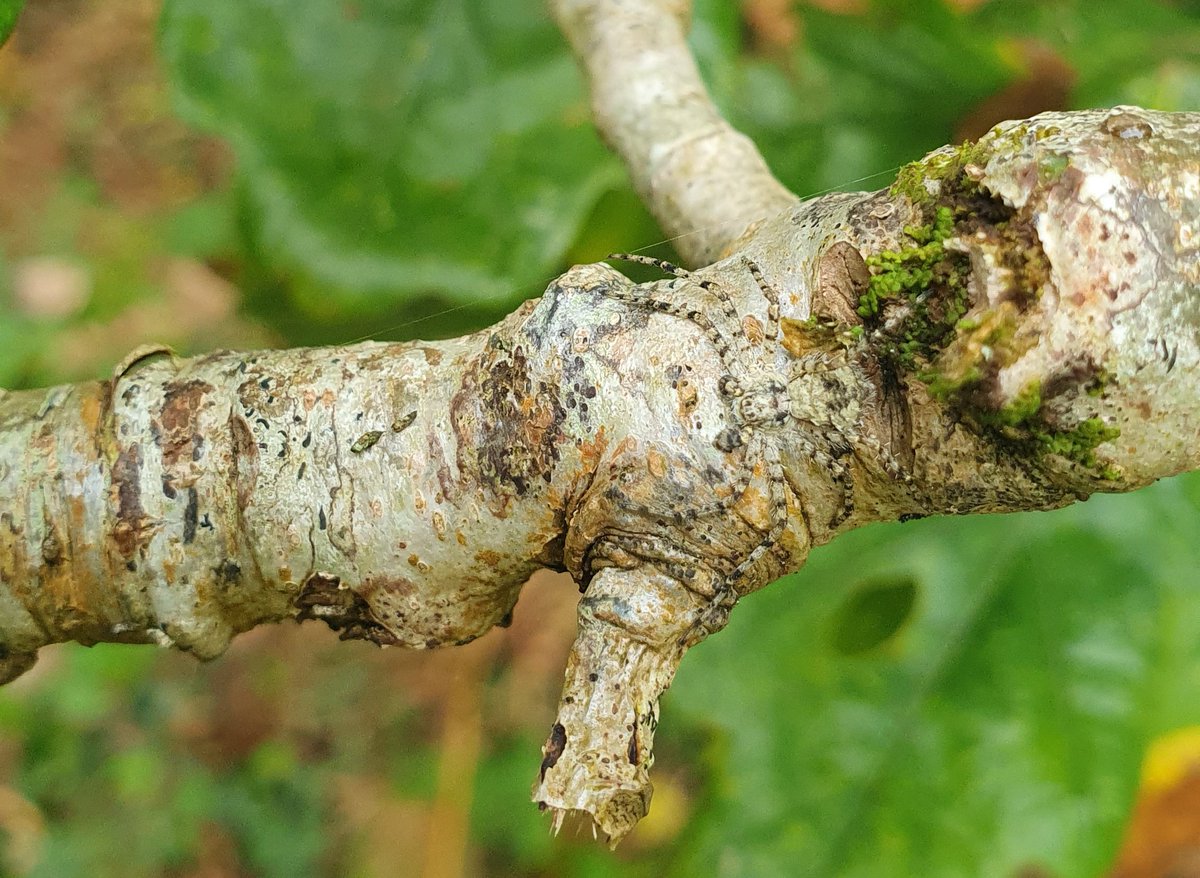
A brilliant bit of woodland in East Cornwall today gave some really fantastic records. Incredible start - this Philodromus margaritatus was in the second sample of very un-lichen covered oak foliage. Wasn't even the highlight of the day! @BritishSpiders @cofnod @graemelyons
2
5
43
1,441
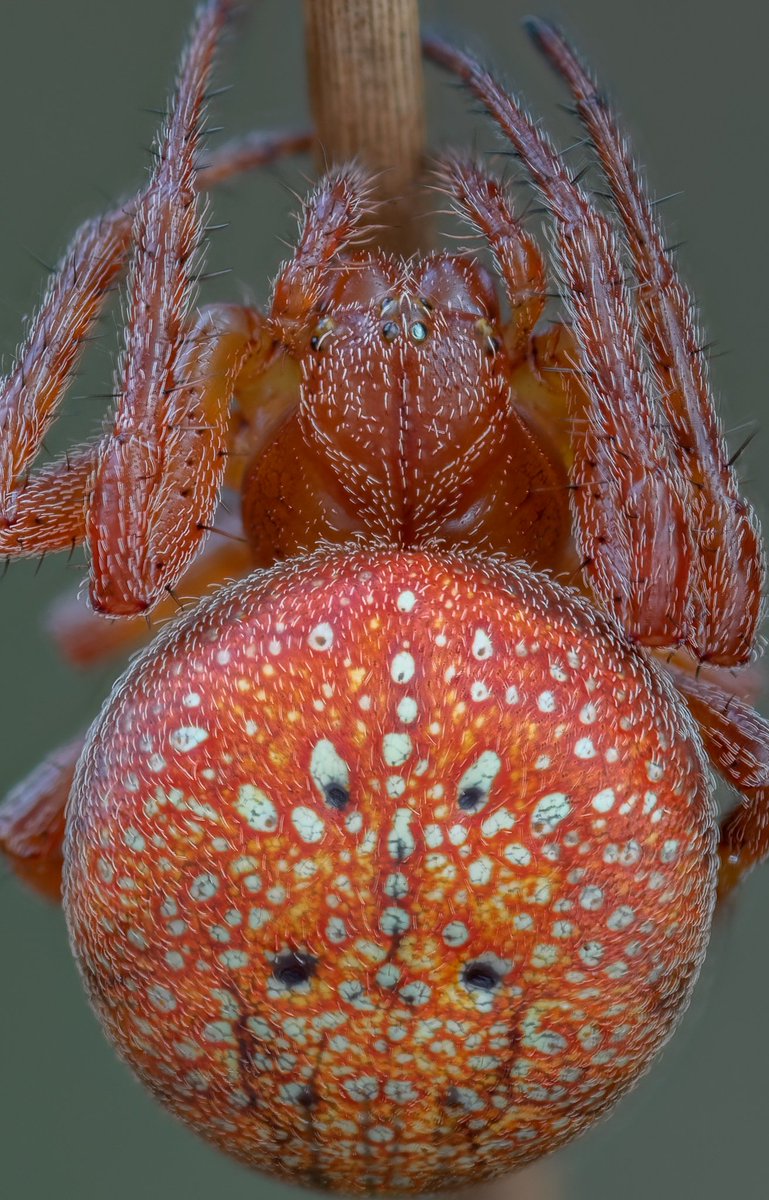
A firm favorite on mine, Araneus alsine.
Always happy to see these.
@BritishSpiders #arachnids #araneus #spiders #spider
2
6
30
627
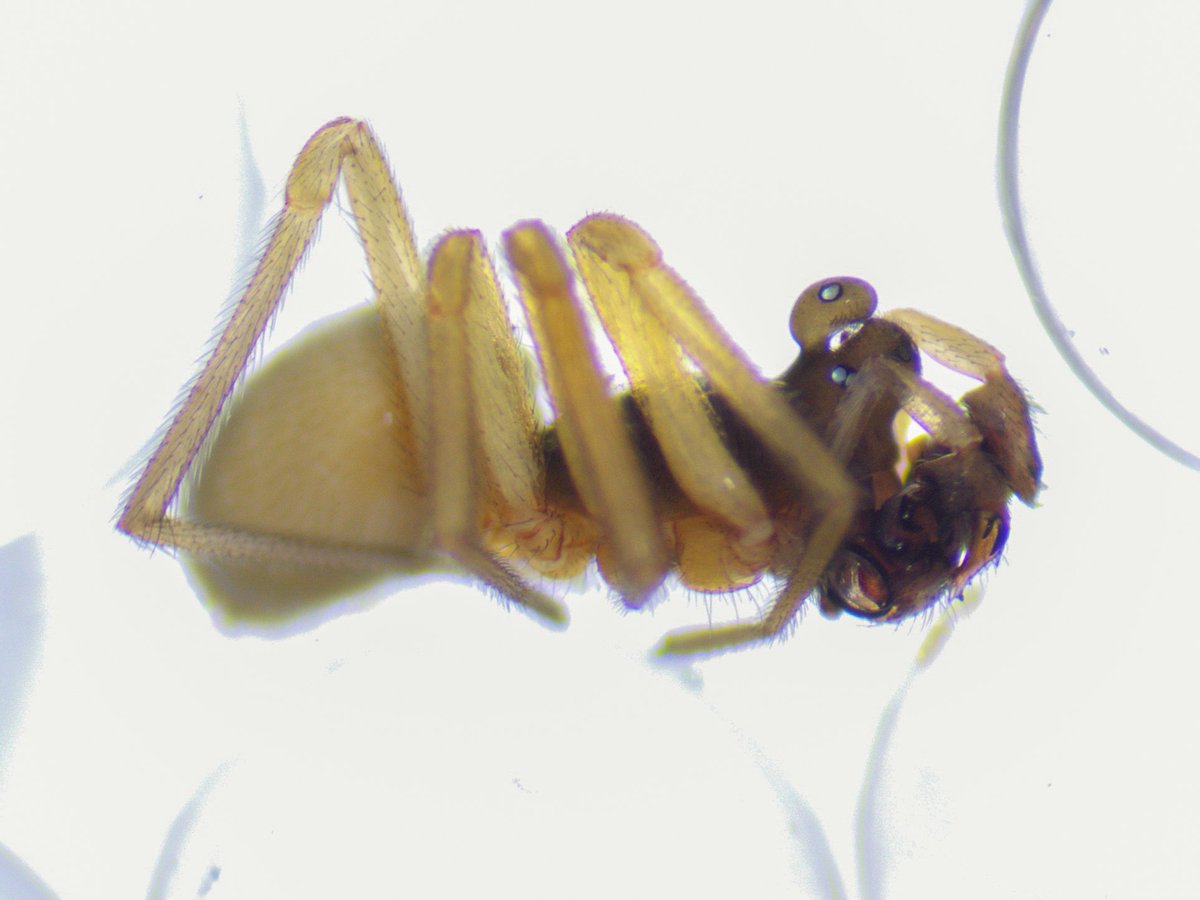
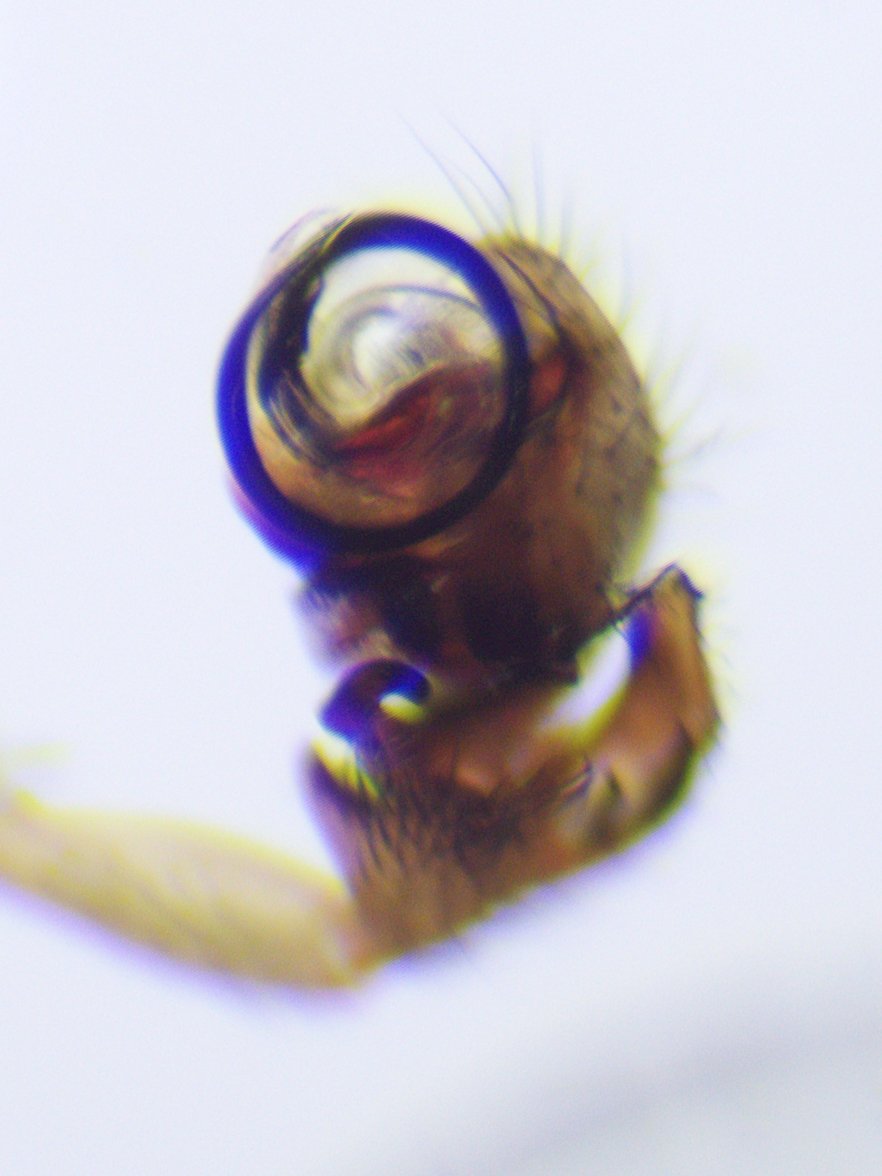
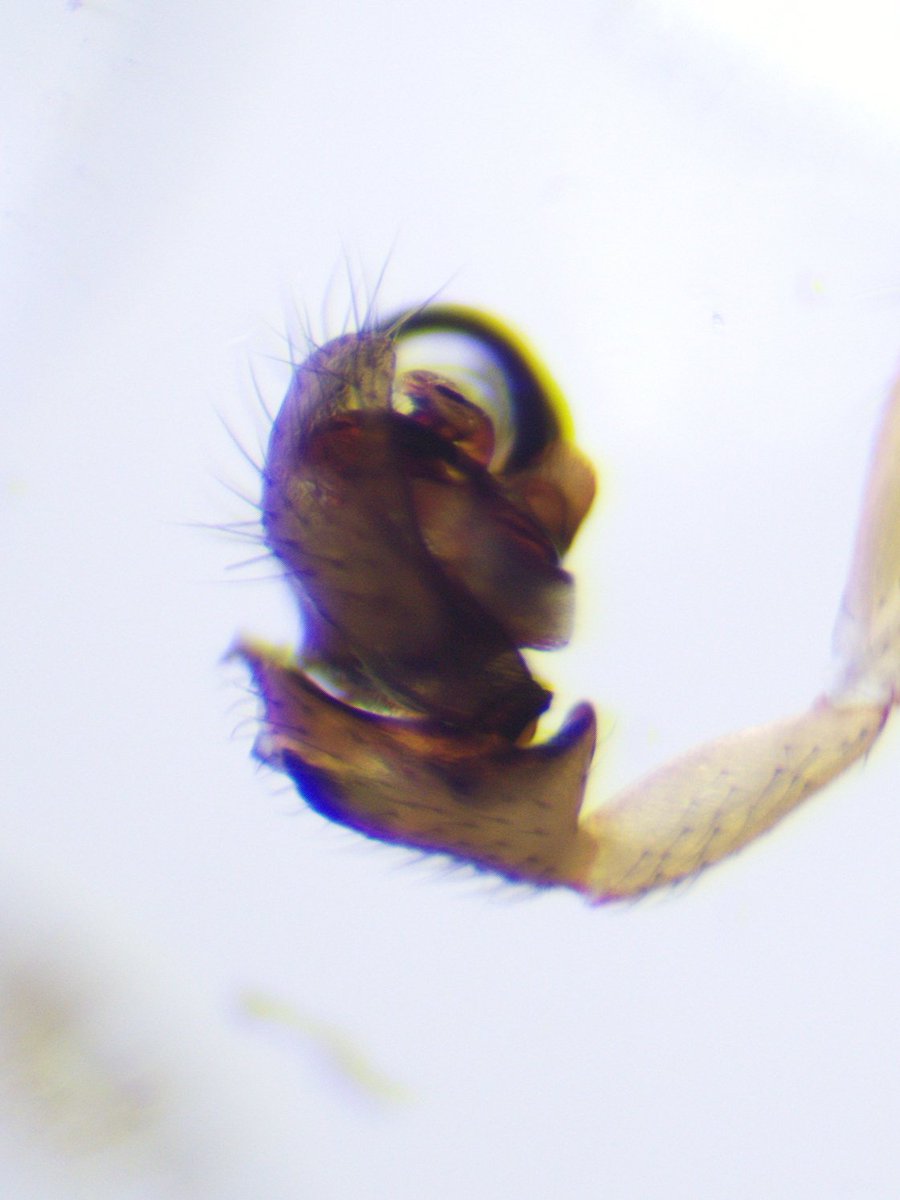
A new County record 😁
Ive recently got into the microscope work as i wanted to record more spiders as im always out looking for them. But could never ID the Linys so i was blown away with this one.
Walckenaeria capito.
@BritishSpiders #arachnids #spiders #walckenaeria
2
6
14
700
Tylan Berry retweeted

8 Oct 2024
8th of #Arachtober
I'm giving a talk on insects this evening. Spiders and insects have an interesting relationship (the spider doesn't always come out on top).
What arachnid/insect interactions have you observed?
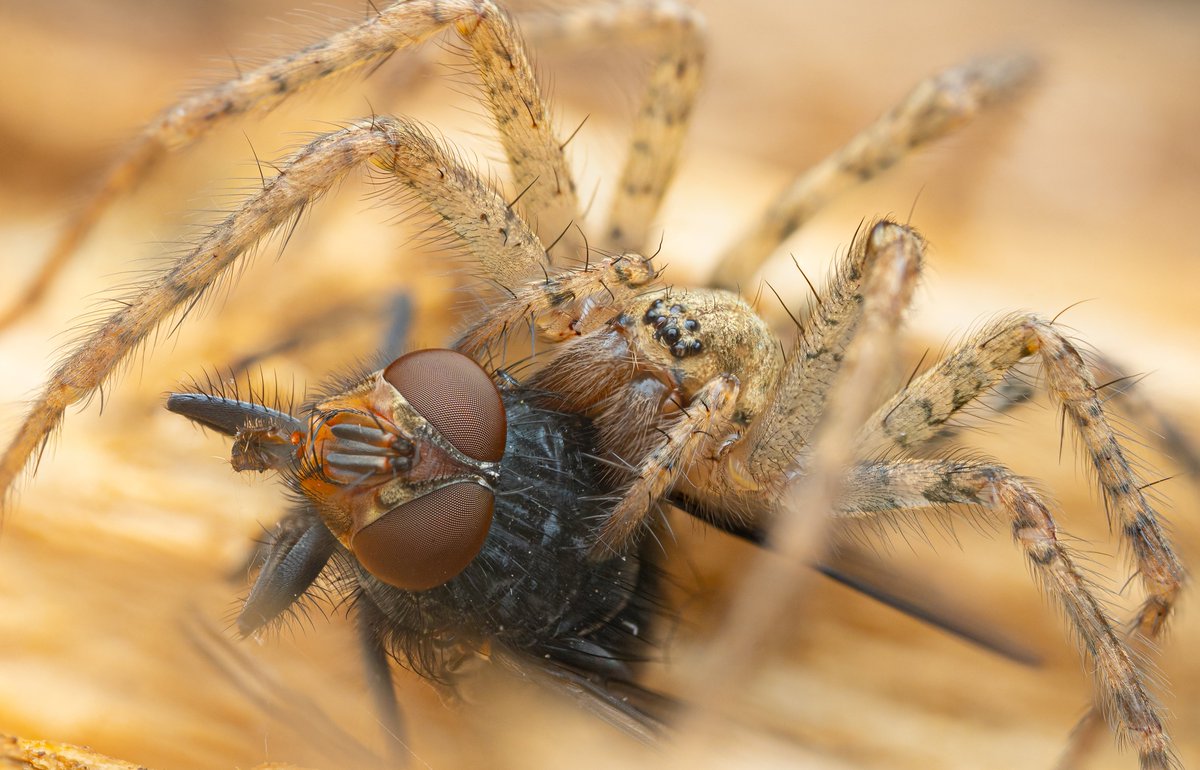
ALT A Tegenaria ferruginea spider with a housefly in its jaws. The spider is a pale brown with black annulations on the legs, and the body is slightly smaller than the fly but with the legs it dominates over it.
8
23
144
2,943
Tylan Berry retweeted
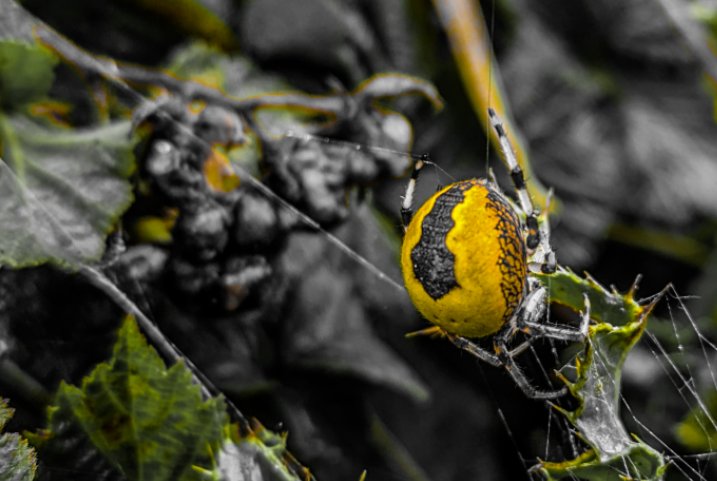
These seem to be my most common orb weavers on my lunchtime wander. Wanted to see one for ages And now they are everywhere!!!
1
3
15
1,725
Tylan Berry retweeted

8 Oct 2024
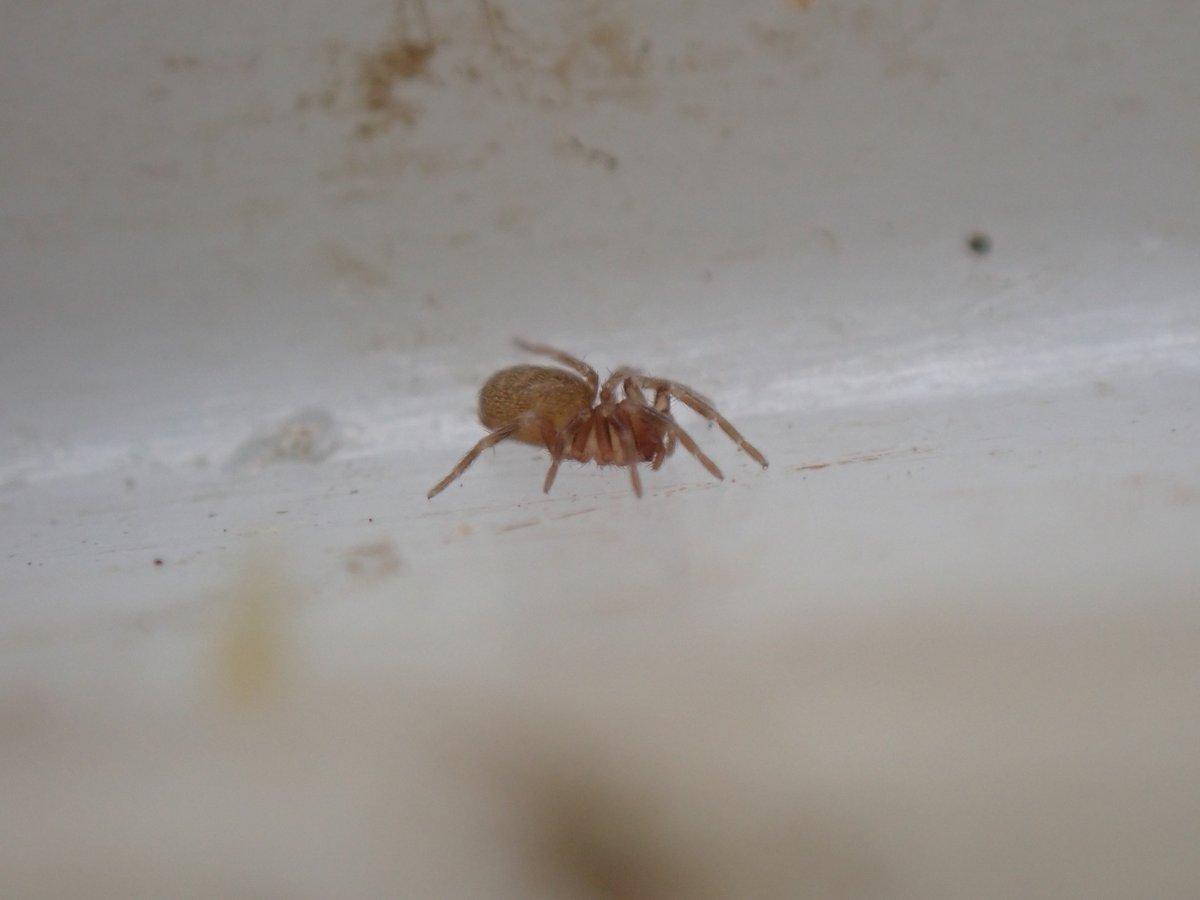
1/2 #speciesaday is Hahnia pusilla. Nationally Scarce. Tiny (c1.5 mm) but NOT a money spider. Mostly found sieving Sphagnum in bogs but I did get it last spring in moss in a chalk quarry. This one yesterday is seemingly new to Ashdown Forest.
2
3
12
572
Tylan Berry retweeted
6 Oct 2024
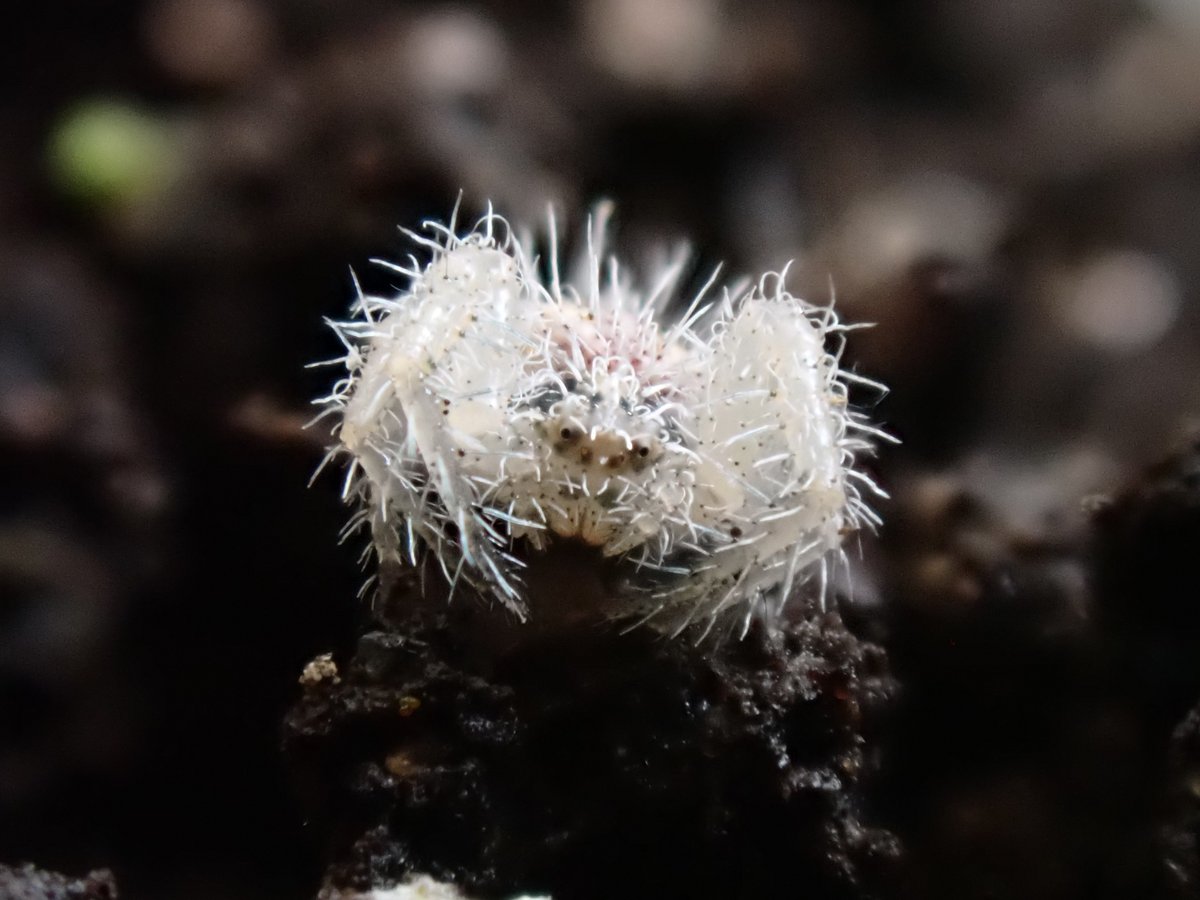
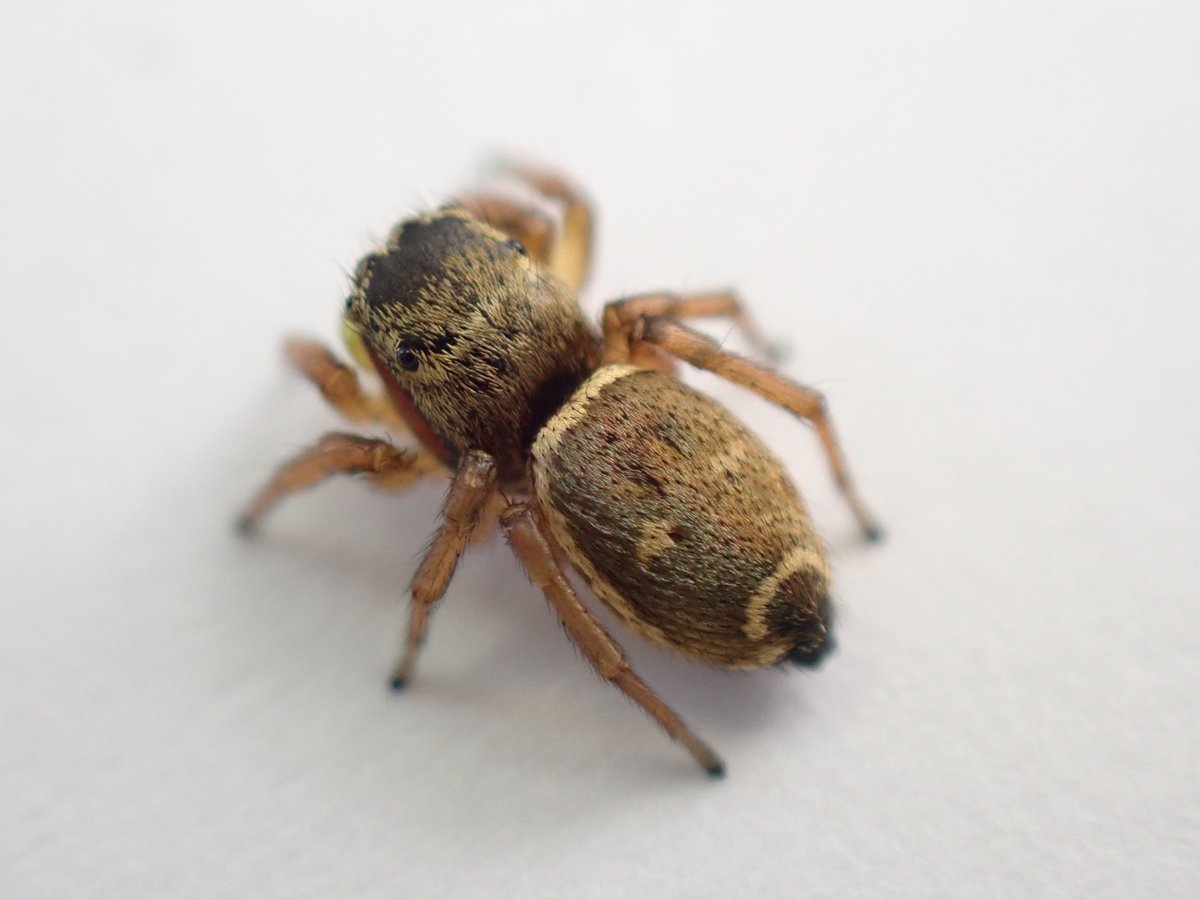
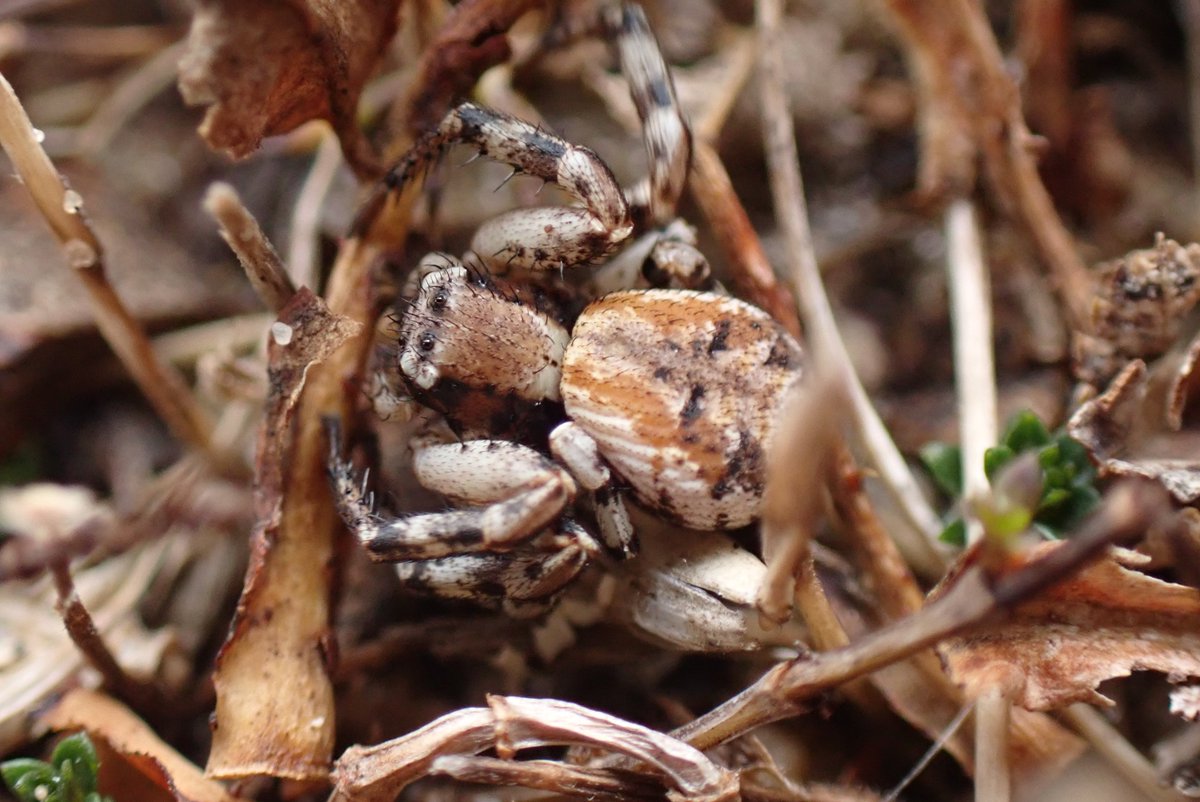
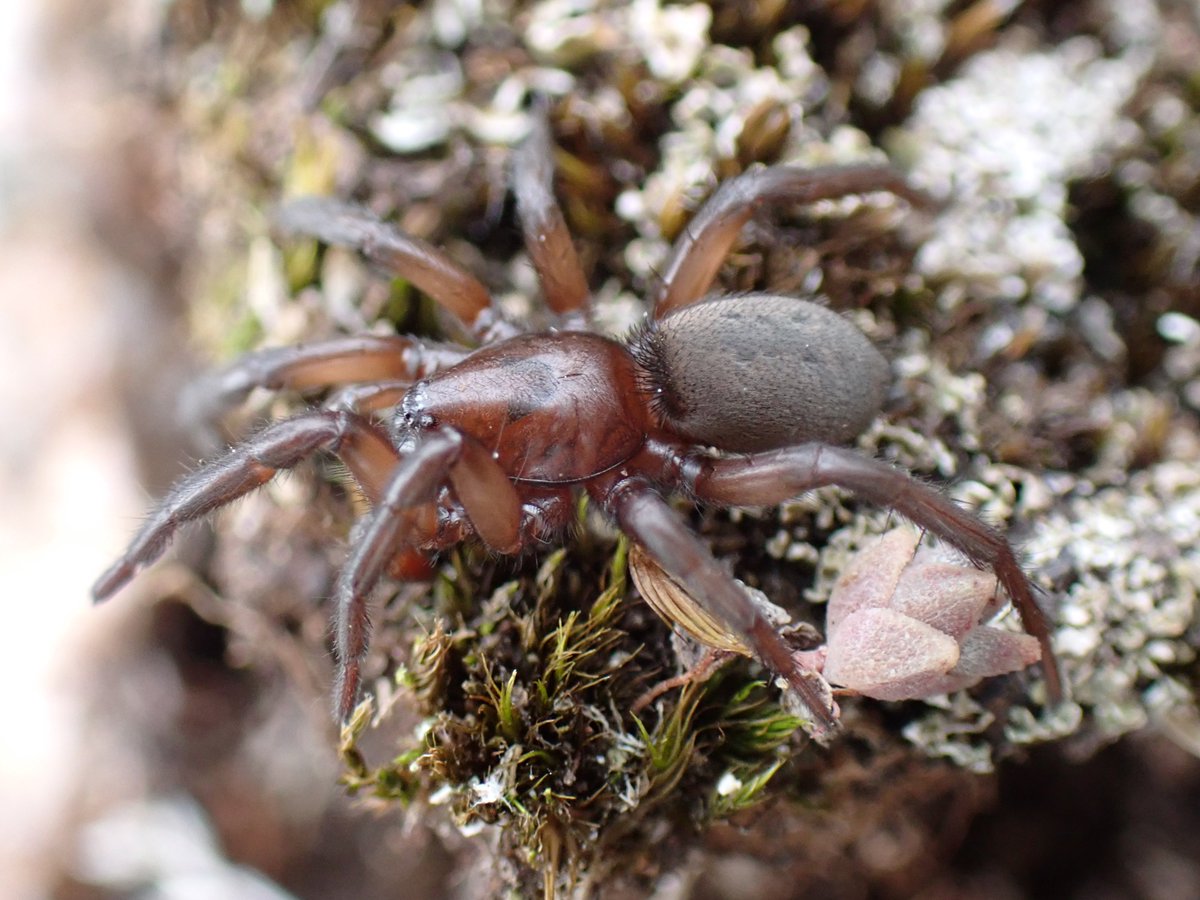
A write up of the 13 spiders I think I had new to jersey (inc. 6 new to the Channel Islands) plus loads more analternativenaturalhistoryo… @AndymarquisH @BritishSpiders @BerryTylan @chalkspring @cofnod
1
10
47
1,463
Tylan Berry retweeted
8 Oct 2024
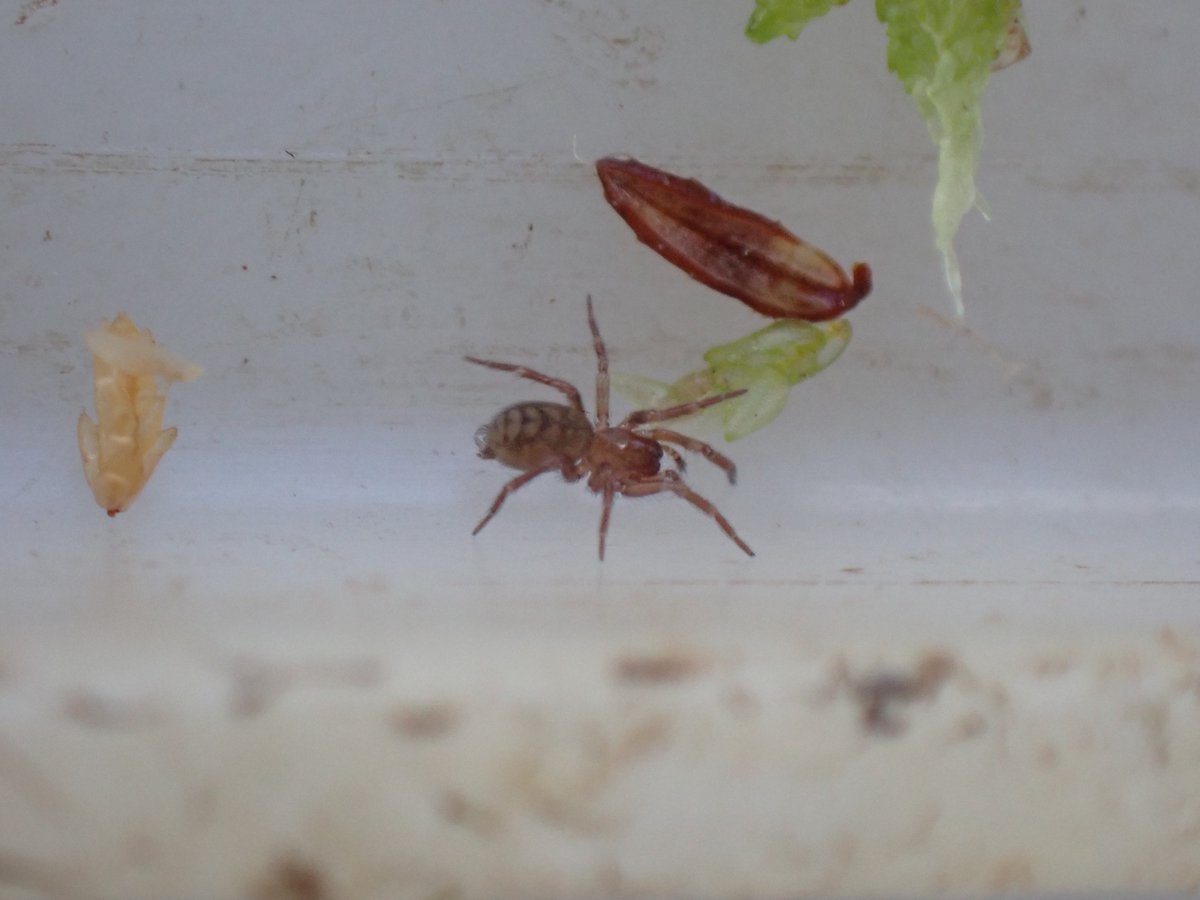
1/2 #speciesaday no. 425 is Hahnia helveola. A local spider that is most often found in Sphagnum moss but also on heaths, etc. Large than other Hahnias and with a distinct abdominal pattern. This one from Ashdown Forest yesterday.
2
4
25
959
4 Oct 2024
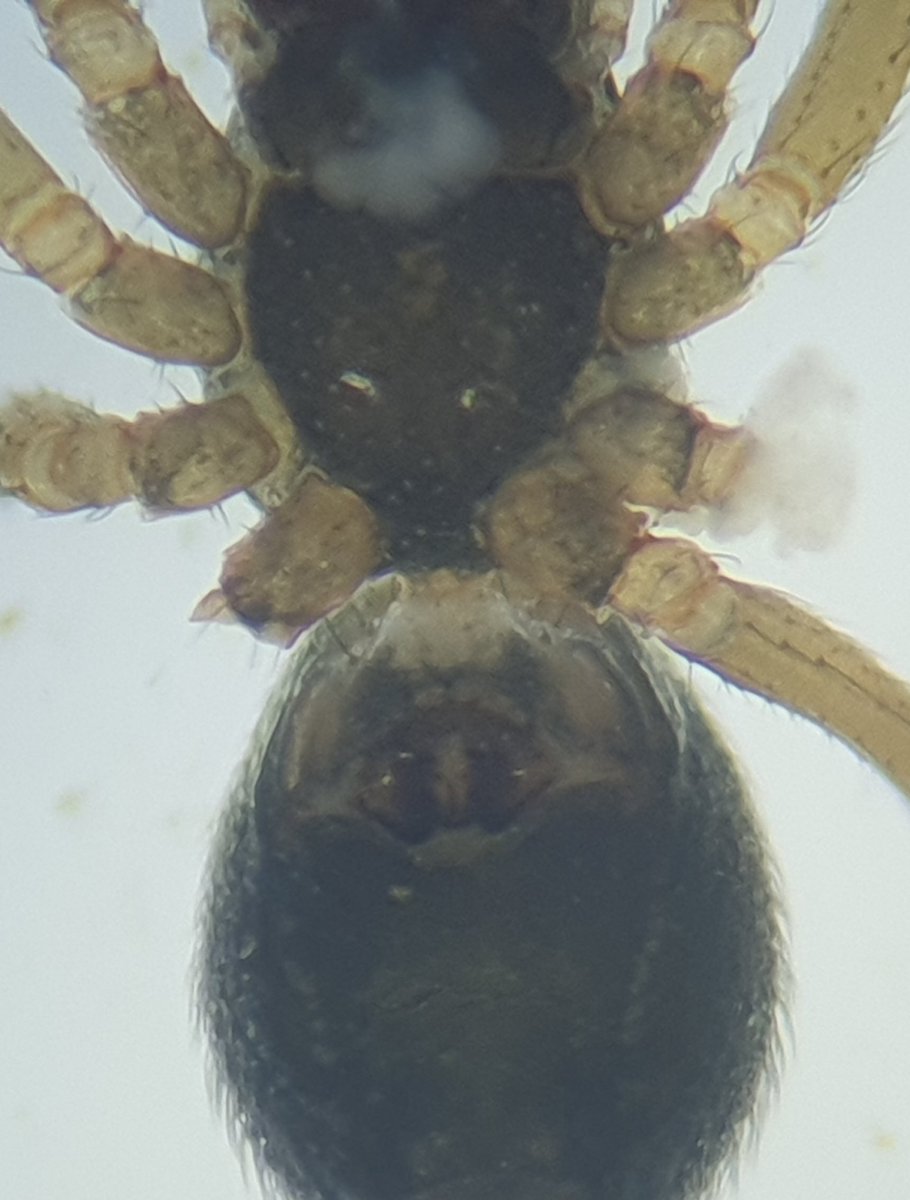
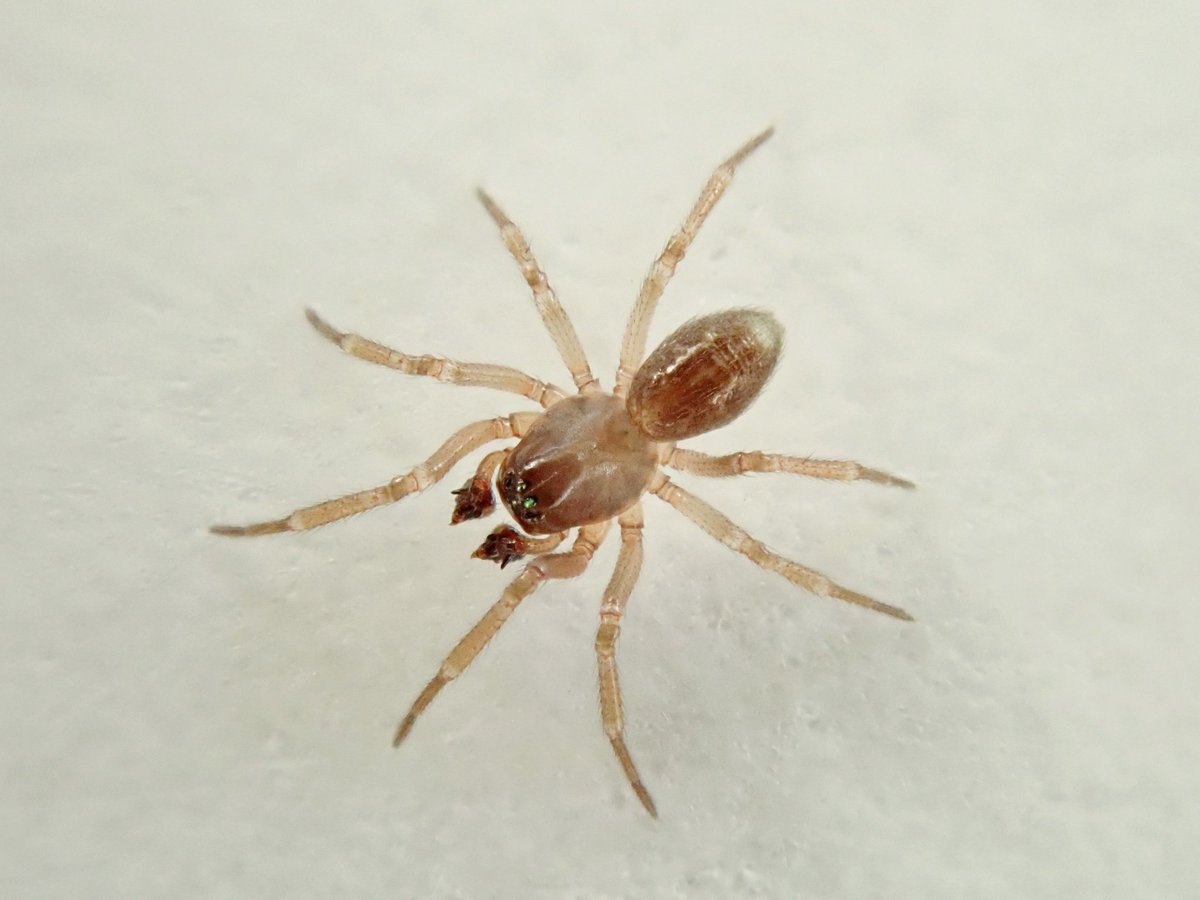
This little bliter gets me every time I find it in a mire! It's always a bit different to everything else and looks exciting! Those awesome, pointy papls don't lie though, thus is the rather common Gongylidiellum vivum. @BritishSpiders @cofnod @graemelyons @chalkspring
6
19
852
Tylan Berry retweeted
3 Oct 2024
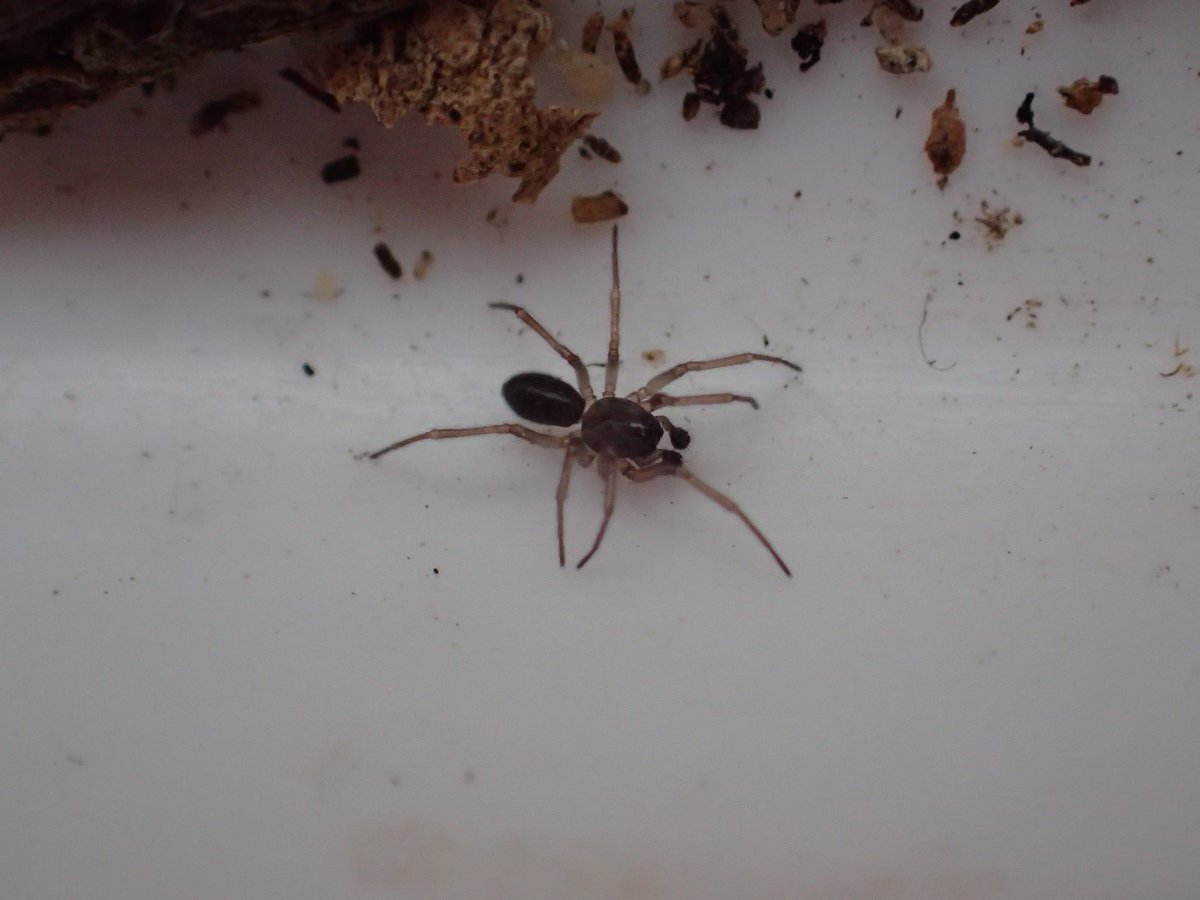
1/2 #speciesaday no. 419 is Halorates reprobus. Nationally Scarce. A coastal money spider with few Sussex records. Until this summer, I'd only ever seen it in Sx on the mouth of the Cuckmere but it has colonised the shingle creation/translocation on Brighton beach @BritishSpiders
2
2
11
426
23 Sep 2024
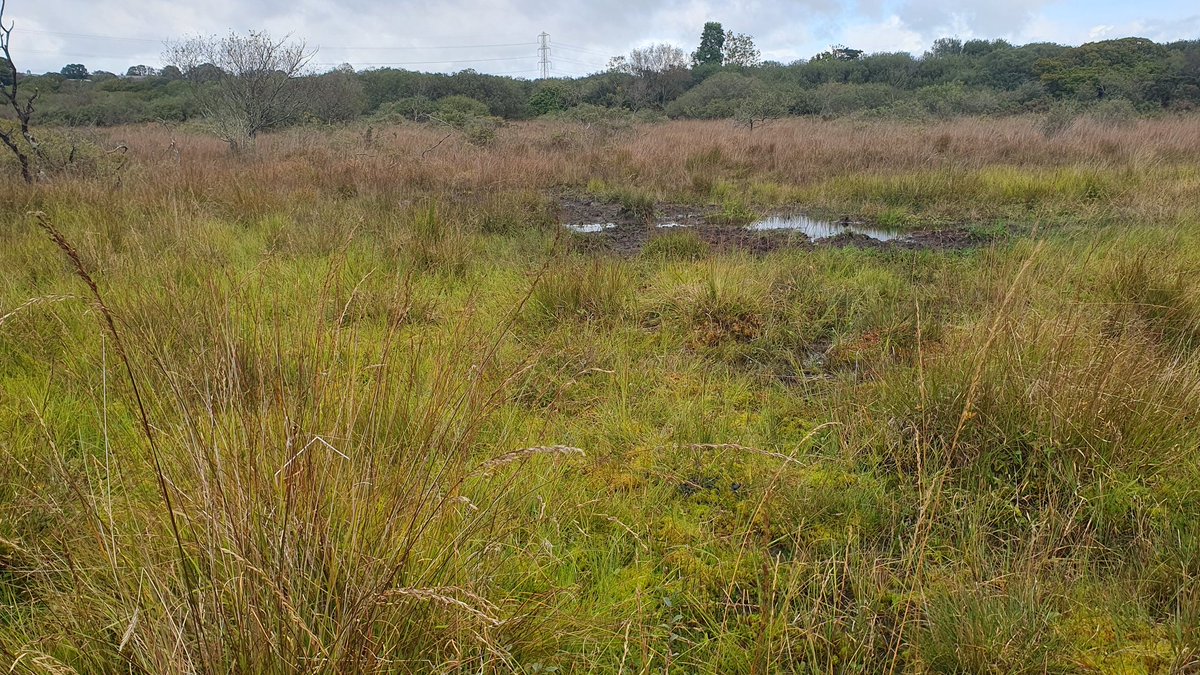
Another new site and hectad for Mermessus trilobatus in Cornwall recently, that's two more this year. It's spreading really fast on the South coast. Erigone dentosa has also shown its face again here and seems to be following suit! @BritishSpiders @cofnod @graemelyons
1
4
16
898
Tylan Berry retweeted
18 Sep 2024
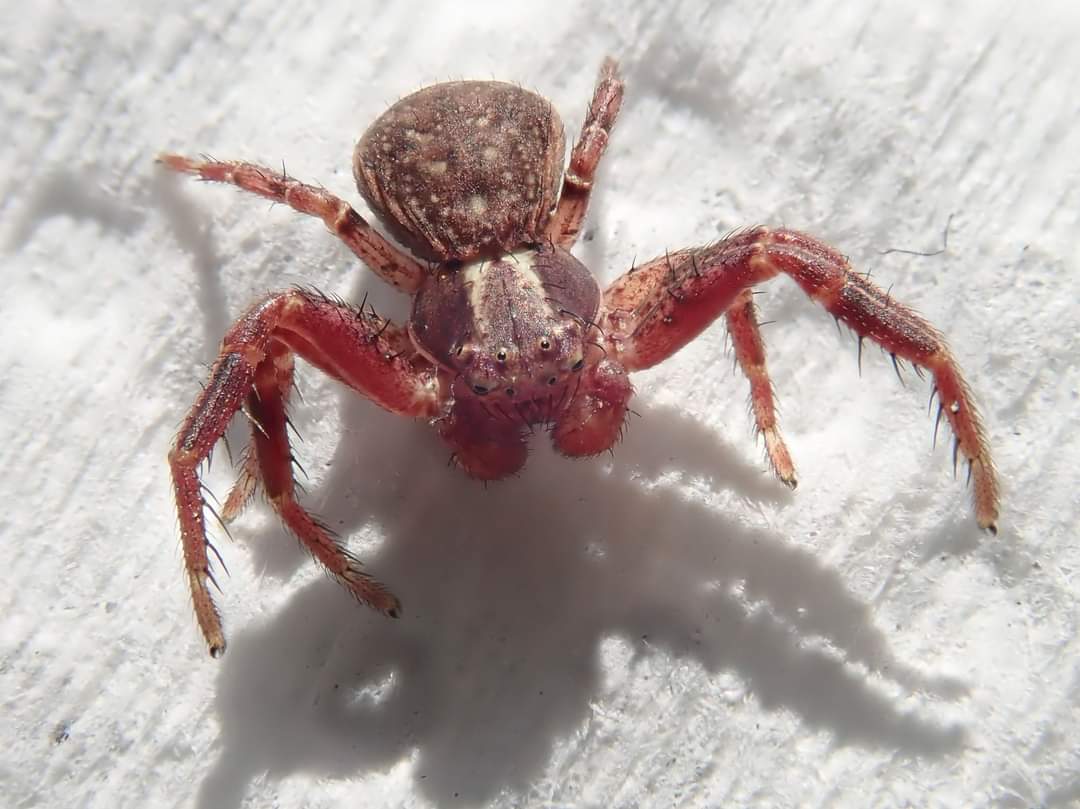
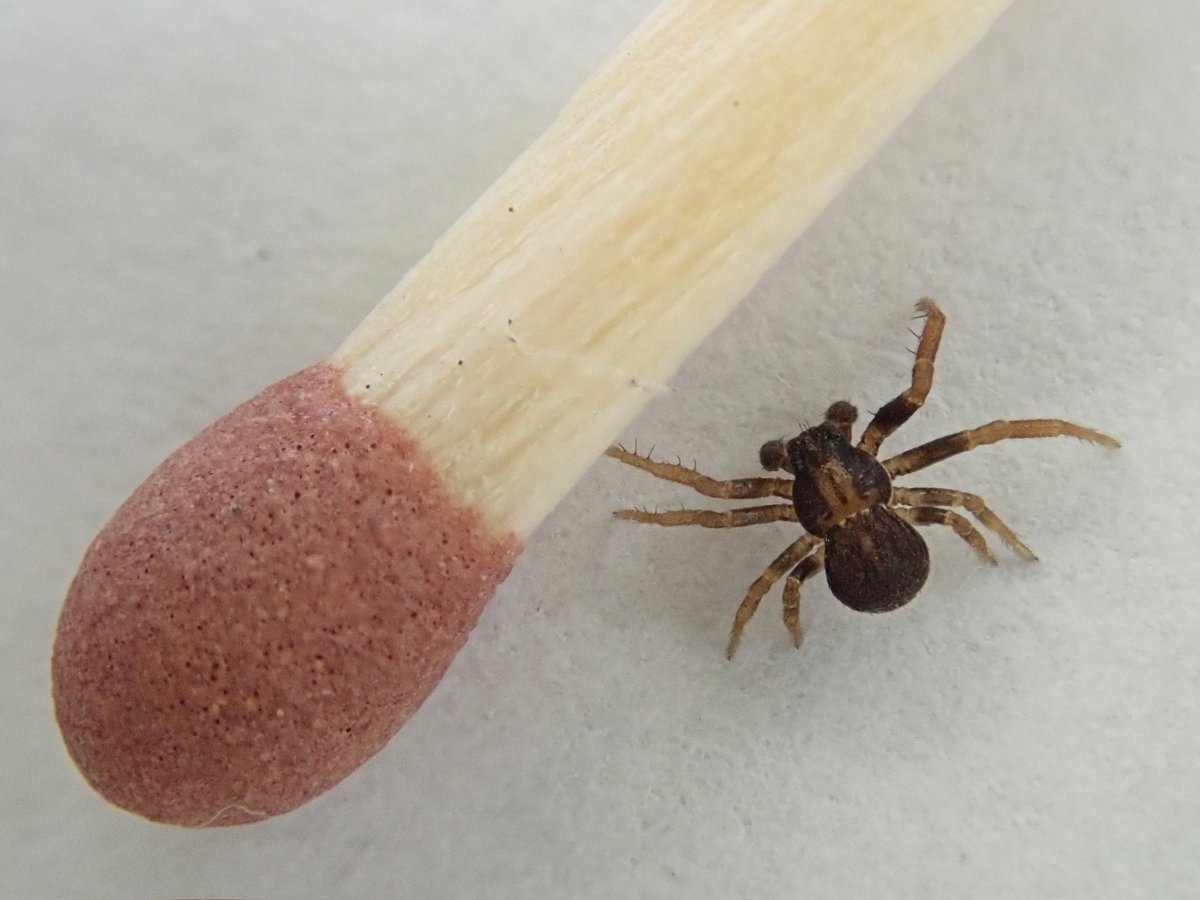
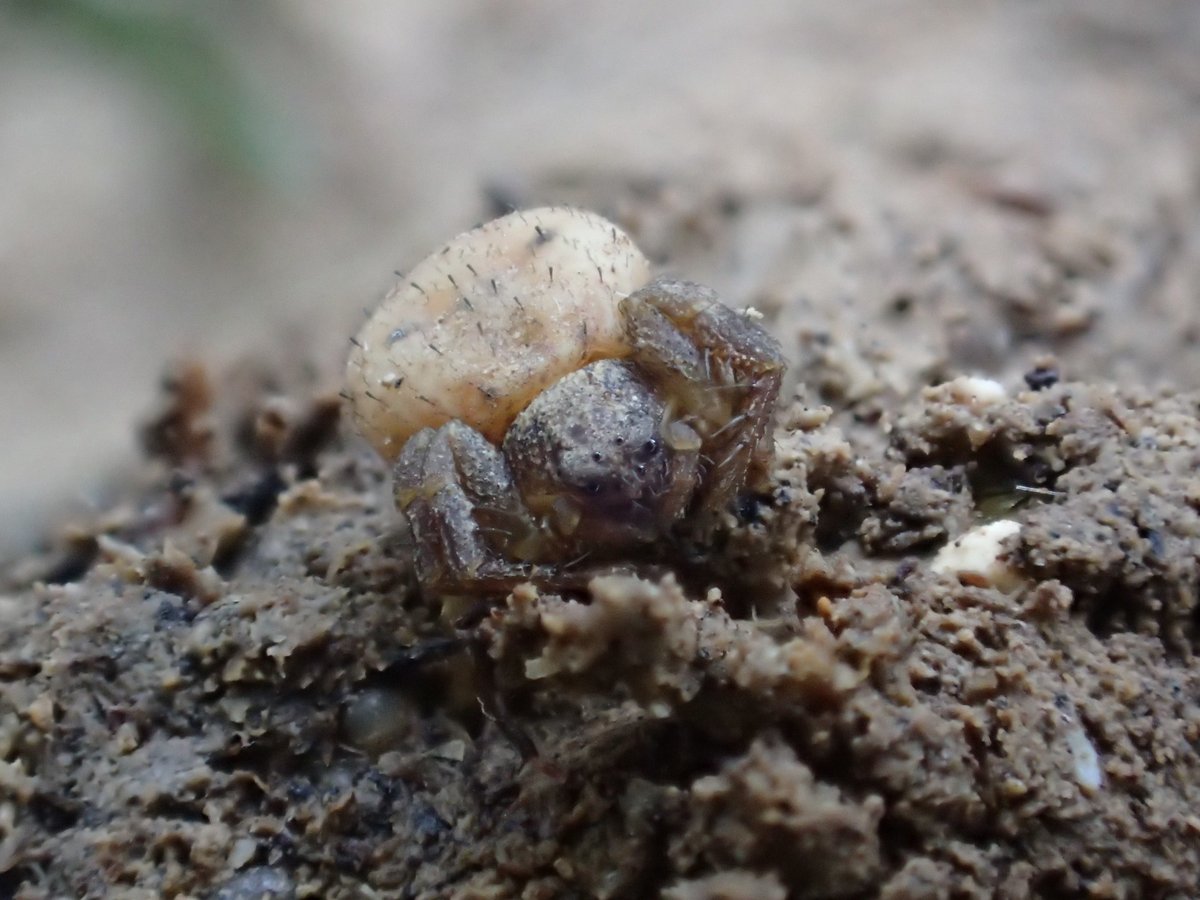
1/2 #speciesaday no. 403 is Ozyptila sanctuaria. Our smallest crab. Males are very common from August and peaking around Sep in open grassland. Females go on for longer and into next year (they are paler and larger, like this image). Almost entirely found by suction.
1
2
8
355