
Combining frontier AI & frontier biology to help scientists cure or prevent disease
Joined June 2017
- Tweets 5,976
- Following 600
- Followers 29,058
- Likes 4,773
1,744 Photos and videos
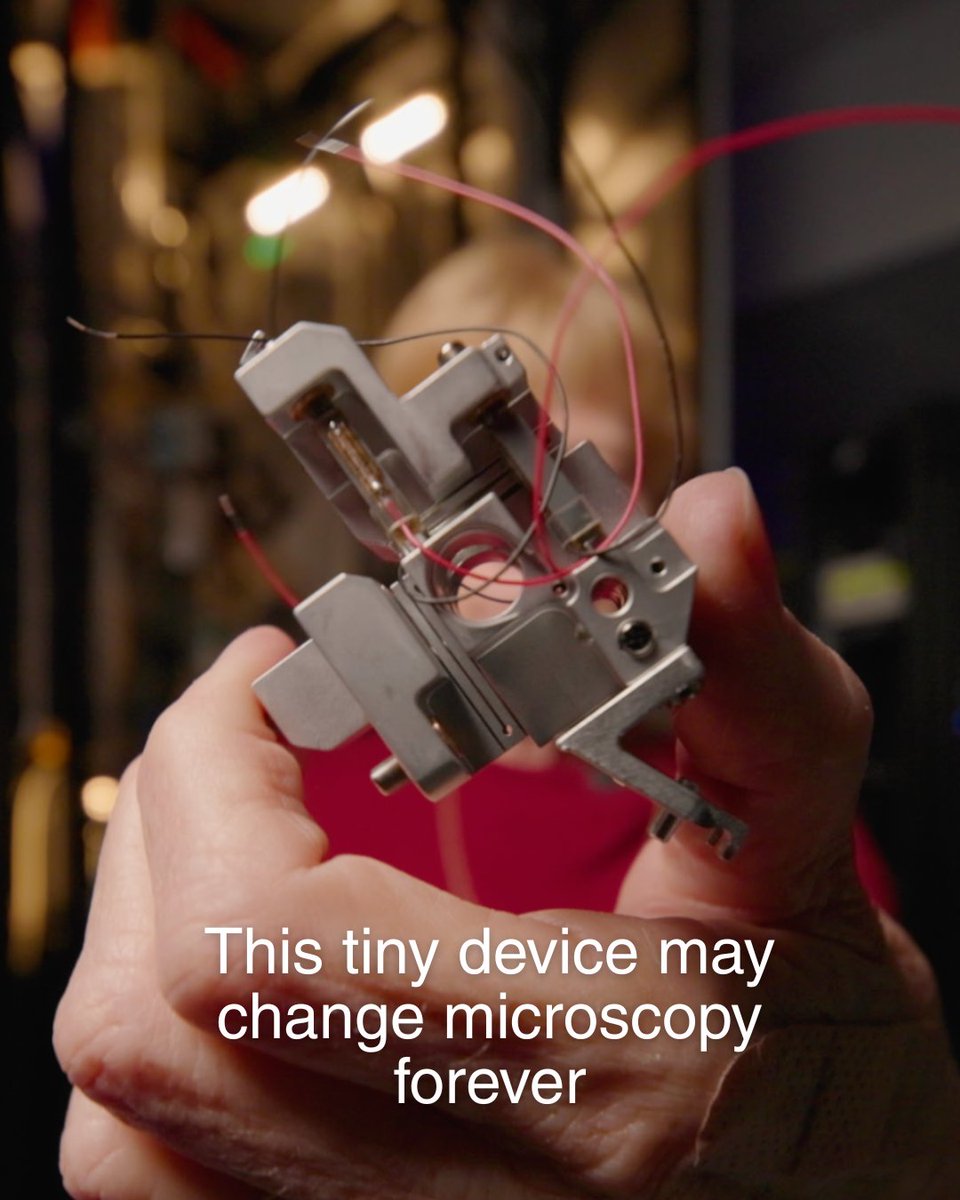
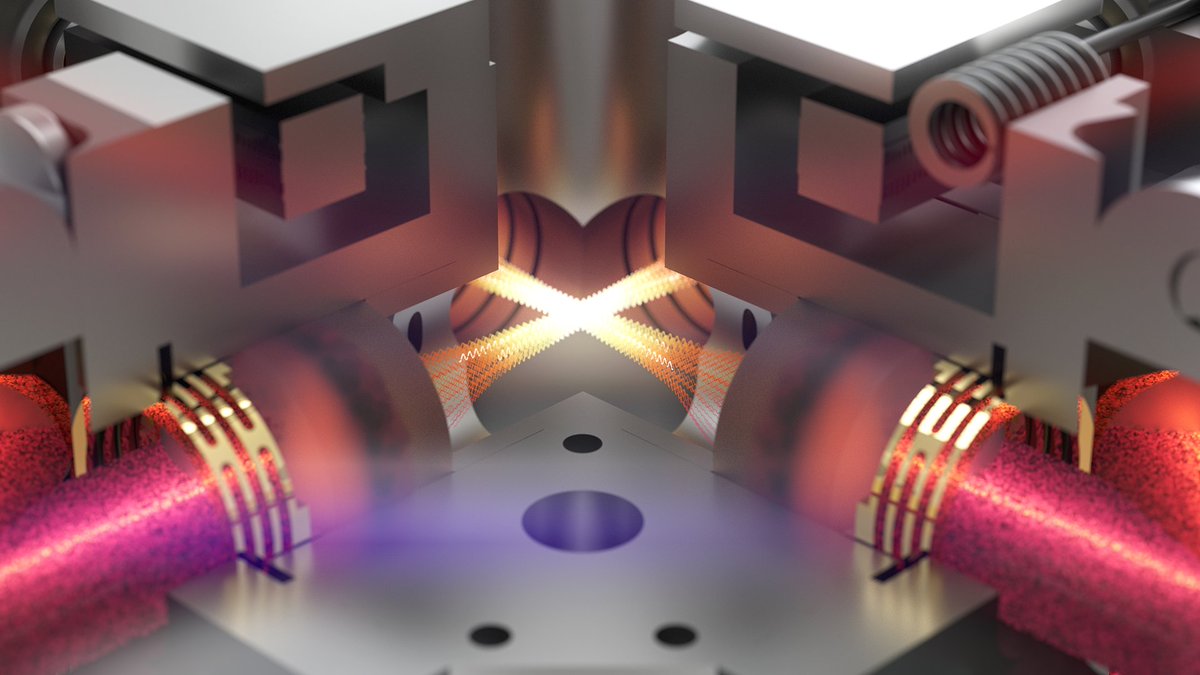
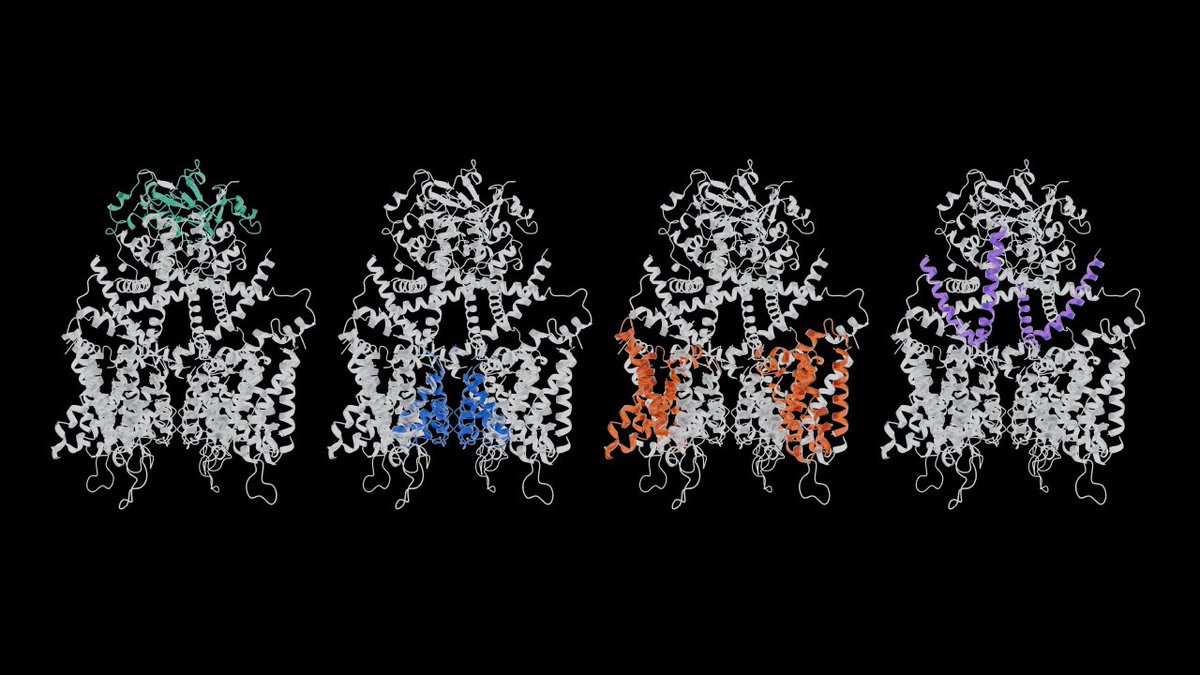

In a series of 3 papers and preprints, we’re thrilled to share with you the working laser phase plate. In collaboration with research led by Holger Müller at UC Berkeley, this is a huge innovation in imaging to make small and faint objects inside cells visible. bit.ly/4vIPC1U
ALT Waves of laser light coming from four different directions and meeting in the middle brightly inside the cavity of the laser phase plate
4
10
32
4,961
biohub retweeted

Jun 12
Wow this is insanely awesome. I bet like <0.01% of X understands even remotely what this is or why it's important but this is insanely awesome.
Jun 11

Together with UC Berkeley we are announcing the laser phase plate - a breakthrough in atomic resolution imaging. This is the brightest continuous wave laser in the world, 100 million times the intensity of the surface of the sun.
Phase contrast plays an important role in microscopy, but it was thought close to impossible for electron microscopy, where it would require interfering with an electron beam. Holger Mueller and Robert Glaeser proposed exactly this using a standing wave laser. It has taken over 15 years to make this a reality. Biohub partnered with UC Berkeley and Mueller to support this work and to engineer and build the technology.
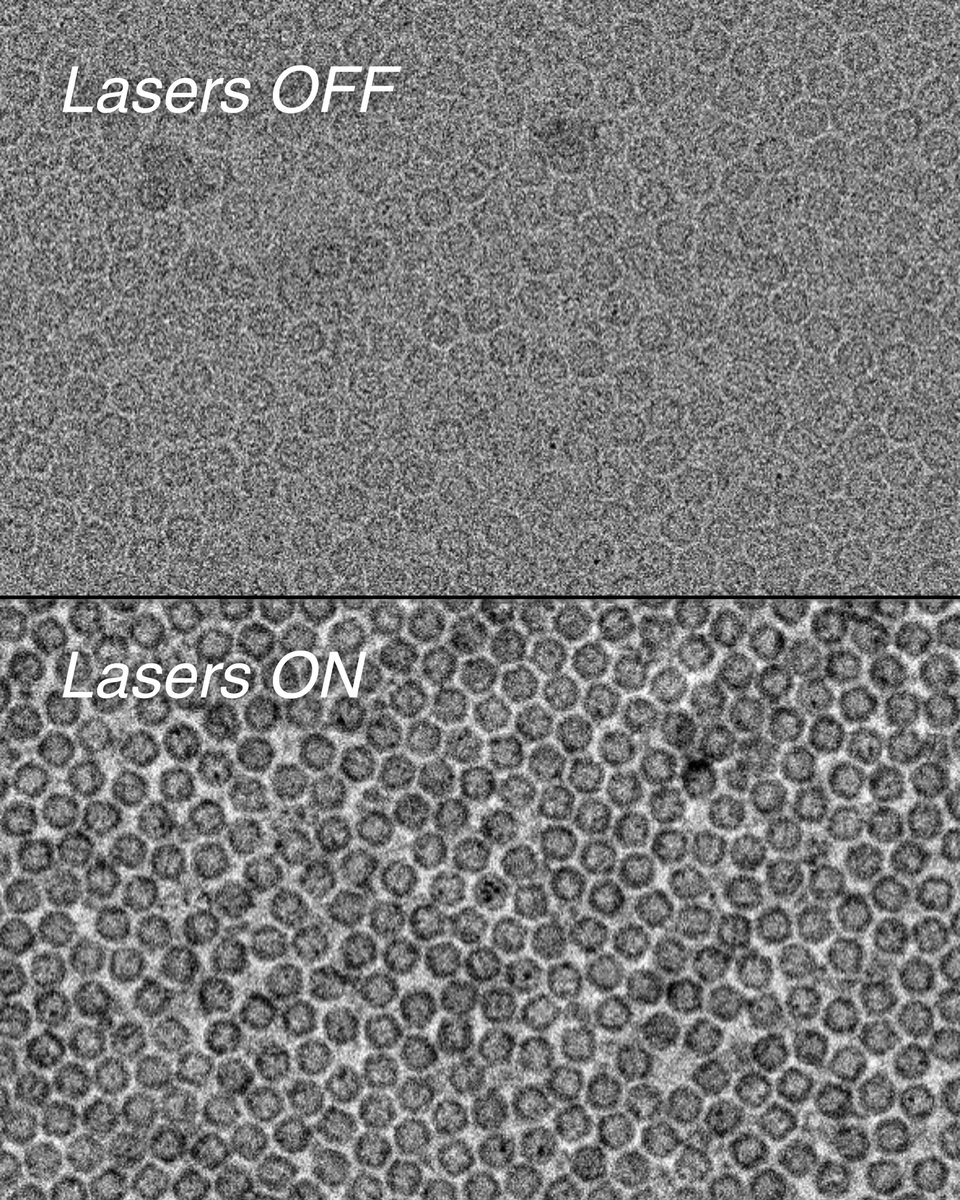
Contrast has been the critical barrier to achieving atomic resolution imaging of the cell. In cryo-electron tomography, a cellular imaging technology that uses electron microscopy, the low contrast makes it impossible to resolve anything but the largest proteins within their cellular context. The laser phase plate removes that barrier.
With advances in AI this breakthrough in contrast will start to open up a new frontier in structural biology, that will allow us to see the molecular machines of the cell, and how they assemble into far more complex and dynamic systems, and understand how they work.
5
8
171
22,607
"If you could really just look inside a cell and see the proteins that you liked, that’s the next revolution in structural cell biology. It might change everything,” says Biohub’s Bridget Carragher.
Read more in @ScienceMagazine: science.org/content/article/…
6
3
19
1,152
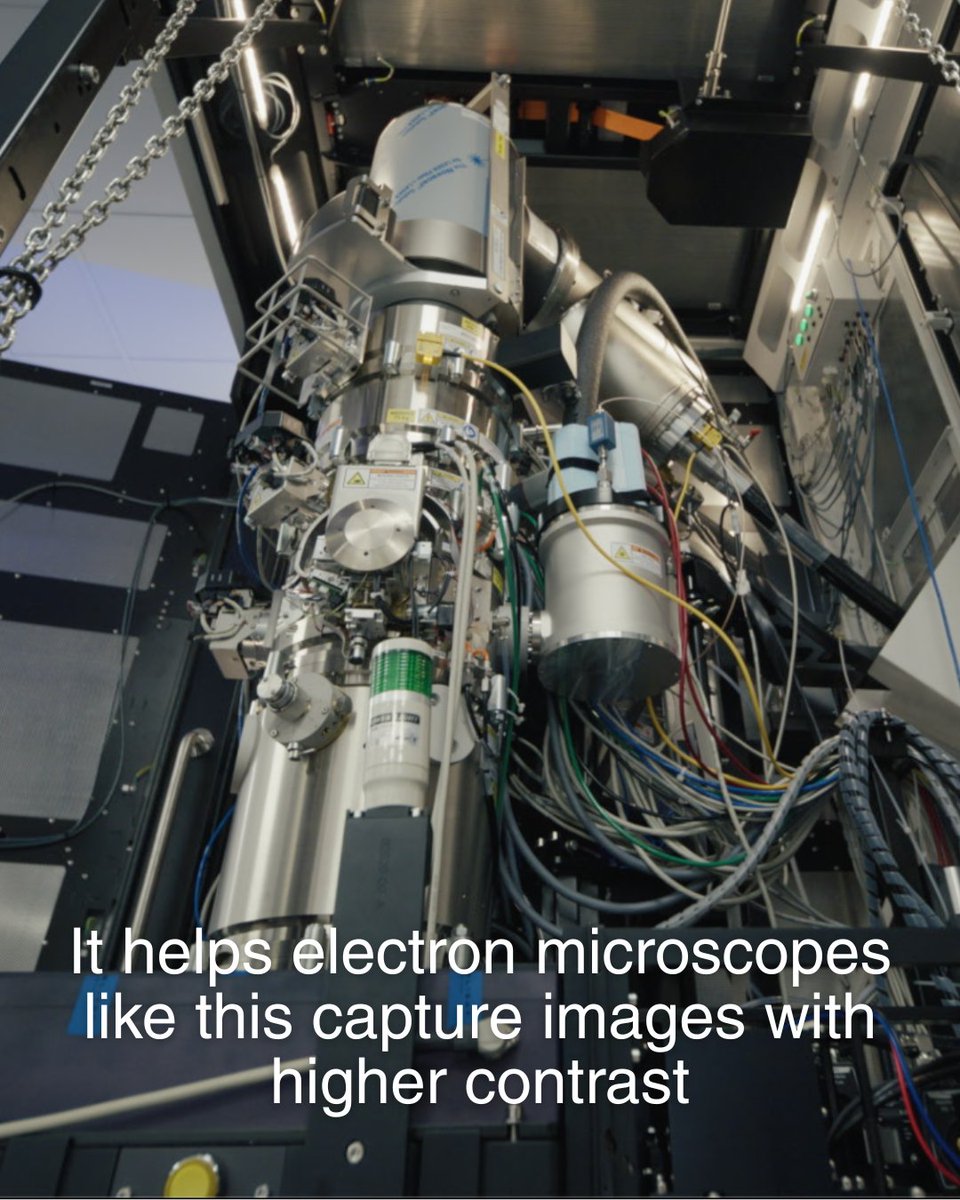
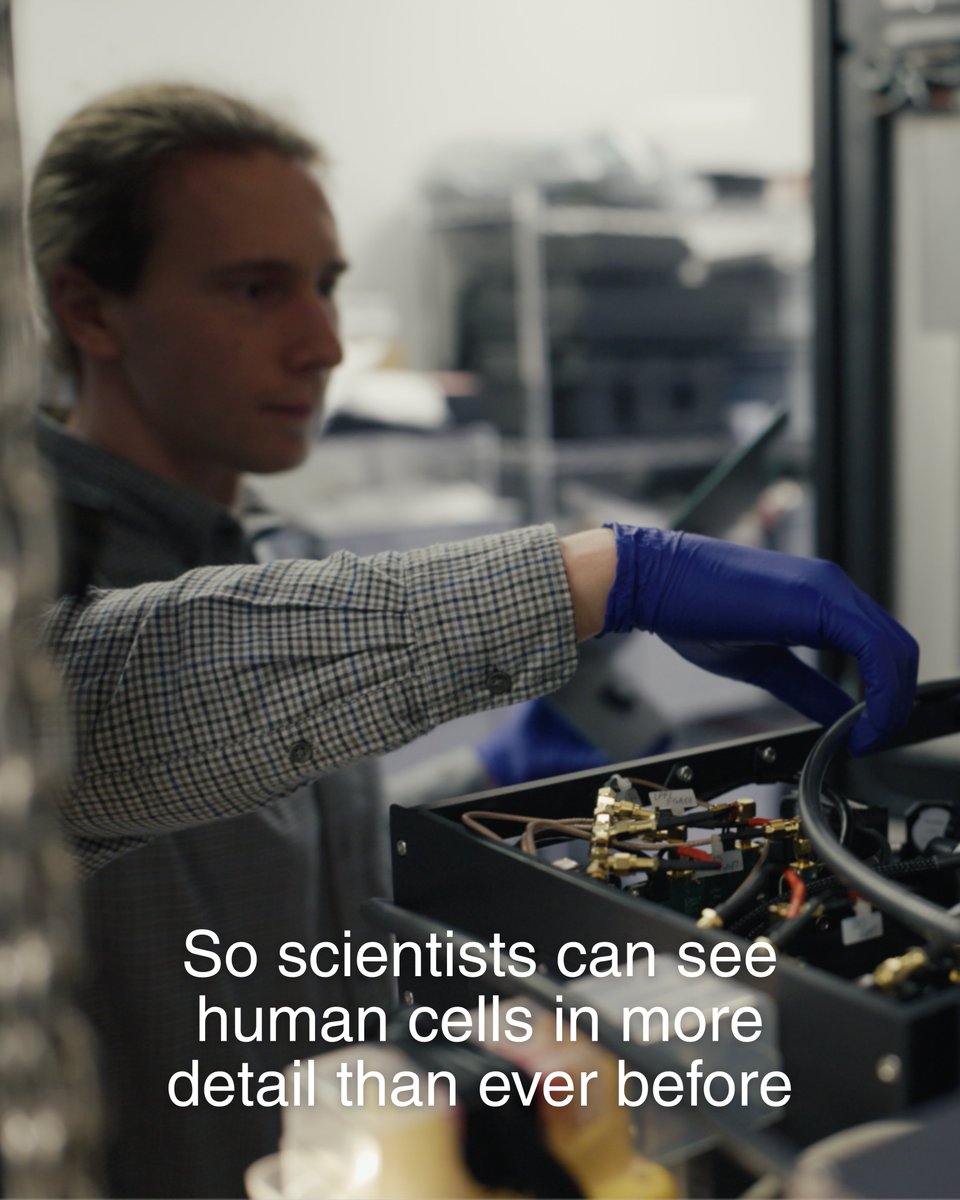
The laser phase plate is leveling up cryoEM so we can see biology like never before. Learn more: bit.ly/4vIPC1U
5
8
38
2,330
biohub retweeted

Jun 11
“Before, studying structures with cryo-EM was like trying to look at paintings in a dark gallery. With Theia, it’s like the lights have been turned on for the first time.” – Holger Müller, @UCBerkeley professor and LBNL Biosciences Area faculty scientist
biohub.org/blog/laser-phase-…

In a series of 3 papers and preprints, we’re thrilled to share with you the working laser phase plate. In collaboration with research led by Holger Müller at UC Berkeley, this is a huge innovation in imaging to make small and faint objects inside cells visible. bit.ly/4vIPC1U
ALT Waves of laser light coming from four different directions and meeting in the middle brightly inside the cavity of the laser phase plate
7
21
2,646
biohub retweeted

Jun 11
CryoEM has pretty low resolution, you can see things on the order of protein domains, and you need millions of particles to see individual proteins. This enables us to get an order of magnitude higher resolution, where we're able to _see_ the secondary structures in a single particle!
This is important because protein structural measurement is one of the main bottlenecks for understanding structural biology. Really exciting work from the imaging institute!!
Jun 11
Together with UC Berkeley we are announcing the laser phase plate - a breakthrough in atomic resolution imaging. This is the brightest continuous wave laser in the world, 100 million times the intensity of the surface of the sun.
Phase contrast plays an important role in microscopy, but it was thought close to impossible for electron microscopy, where it would require interfering with an electron beam. Holger Mueller and Robert Glaeser proposed exactly this using a standing wave laser. It has taken over 15 years to make this a reality. Biohub partnered with UC Berkeley and Mueller to support this work and to engineer and build the technology.
Contrast has been the critical barrier to achieving atomic resolution imaging of the cell. In cryo-electron tomography, a cellular imaging technology that uses electron microscopy, the low contrast makes it impossible to resolve anything but the largest proteins within their cellular context. The laser phase plate removes that barrier.
With advances in AI this breakthrough in contrast will start to open up a new frontier in structural biology, that will allow us to see the molecular machines of the cell, and how they assemble into far more complex and dynamic systems, and understand how they work.
7
29
179
16,537
biohub retweeted

Jun 11
Together with UC Berkeley we are announcing the laser phase plate - a breakthrough in atomic resolution imaging. This is the brightest continuous wave laser in the world, 100 million times the intensity of the surface of the sun.
Phase contrast plays an important role in microscopy, but it was thought close to impossible for electron microscopy, where it would require interfering with an electron beam. Holger Mueller and Robert Glaeser proposed exactly this using a standing wave laser. It has taken over 15 years to make this a reality. Biohub partnered with UC Berkeley and Mueller to support this work and to engineer and build the technology.
Contrast has been the critical barrier to achieving atomic resolution imaging of the cell. In cryo-electron tomography, a cellular imaging technology that uses electron microscopy, the low contrast makes it impossible to resolve anything but the largest proteins within their cellular context. The laser phase plate removes that barrier.
With advances in AI this breakthrough in contrast will start to open up a new frontier in structural biology, that will allow us to see the molecular machines of the cell, and how they assemble into far more complex and dynamic systems, and understand how they work.
83
517
3,614
553,508
A new era of science is here — and it starts with the integration of frontier AI and frontier biology.
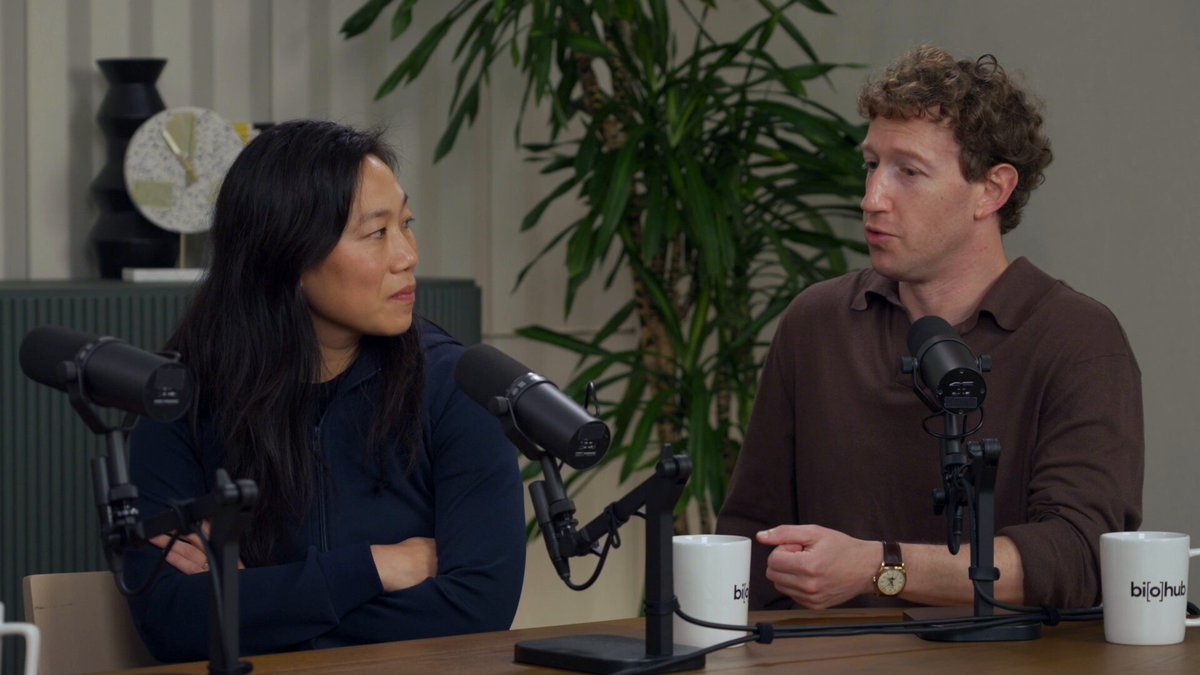
Priscilla Chan, Mark Zuckerberg, and @alexrives sat down with @NoPriorsPod to talk about the progress we’re making at Biohub and what comes next.
7
6
32
3,910
biohub retweeted

Jun 10
new @NoPriorsPod with Priscilla Chan, Mark Zuckerburg and Alex Rives:
- taking seriously the @biohub mission to cure and prevent all disease (soon!)
- Model release of ESMFold2 and ESM Atlas (beating AlphaFold)
- new biological knowledge from the models
- ecosystem strategy
15
24
372
74,395
biohub retweeted

Jun 10
Mark Zuckerberg wanted to cure, prevent, and manage all diseases by the end of the century.
He and Priscilla then had a series of meetings where Nobel Prize-winning scientists laughed at them.
Now Zuckerberg says, "I thought that by the end of the century was a stretch. Now I think it's too conservative."
Full episode linked in replies.
60
59
862
422,869
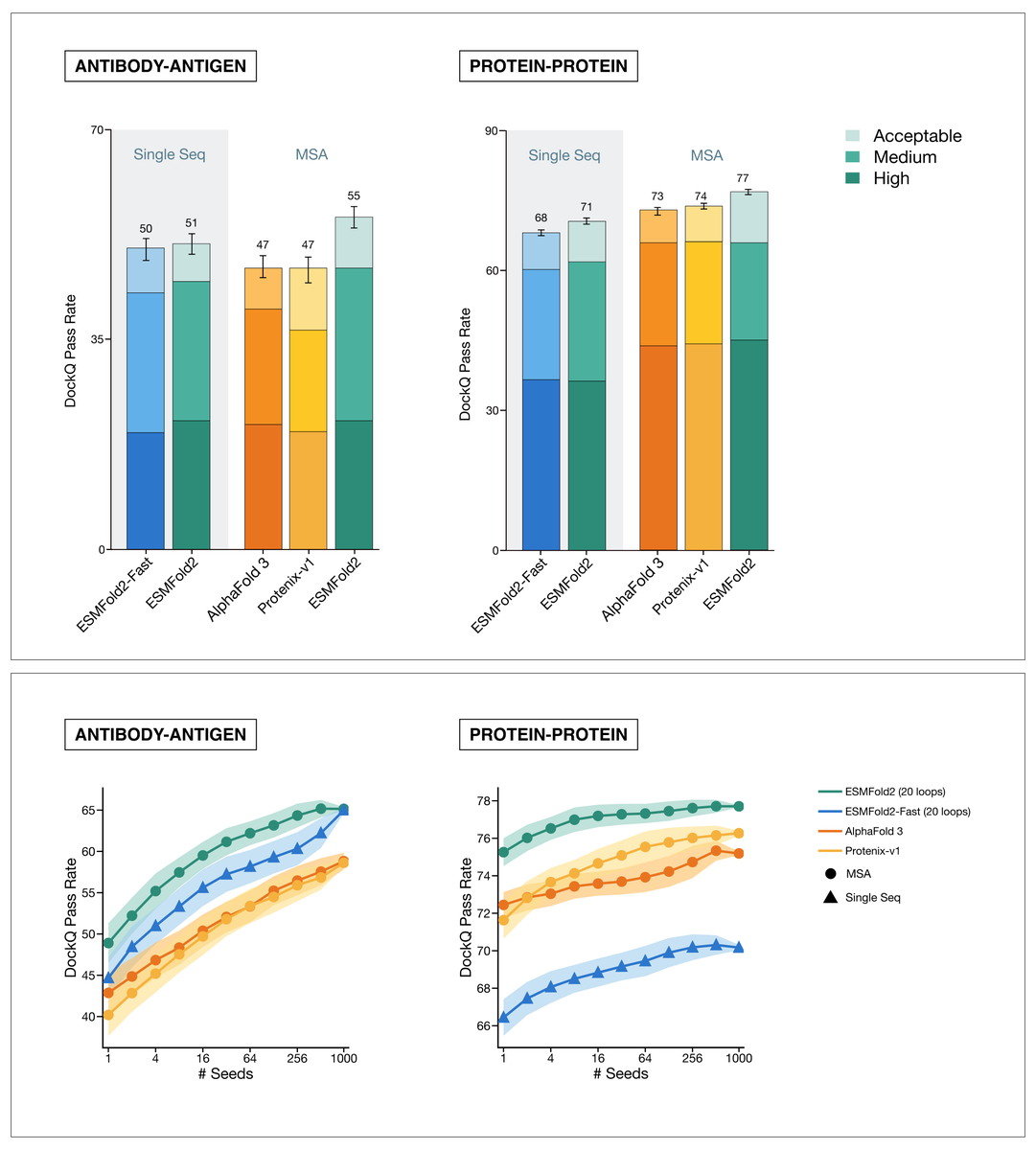
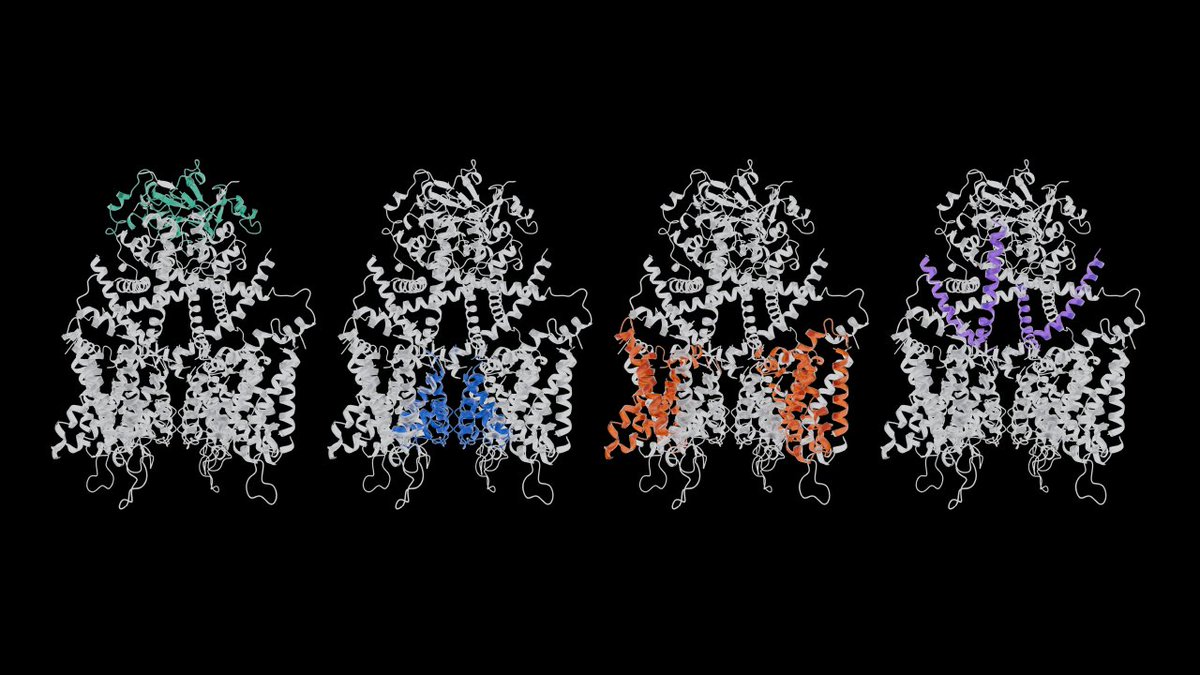
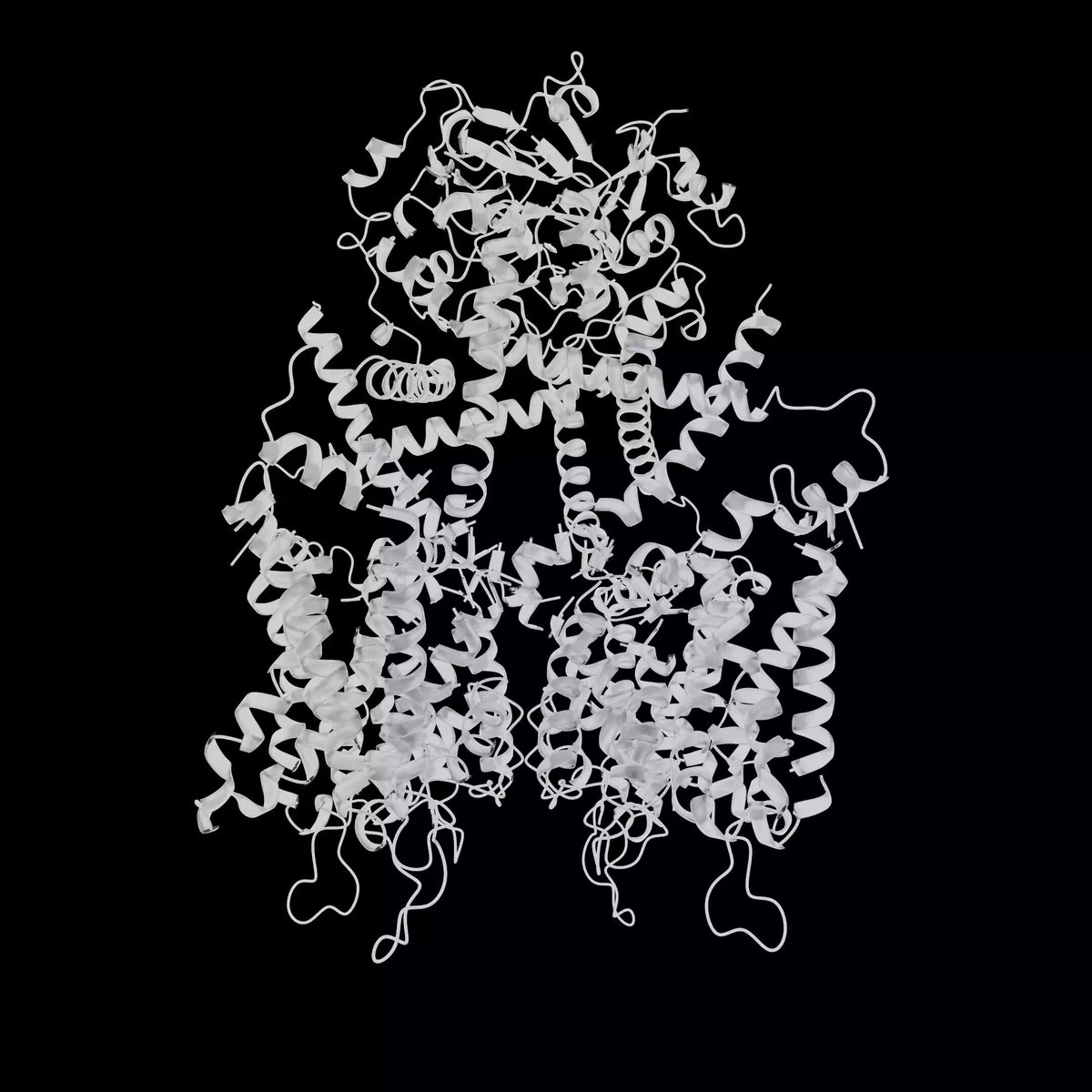
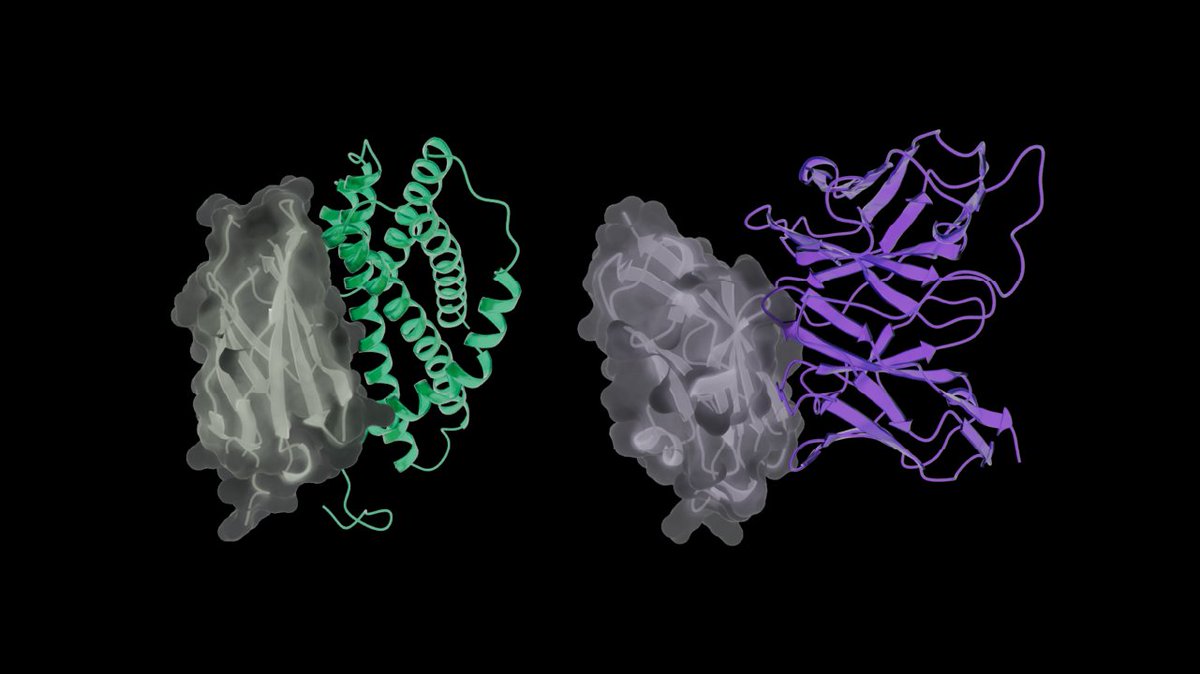
State of the art on antibody-antigen and protein-protein interaction prediction — without MSA or target-specific tuning, as detailed in our preprint.State of the art on antibody-antigen and protein-protein interaction prediction — without MSA or target-specific tuning, as detailed in our preprint.
Explore our new folding model: bit.ly/4vmGX52
5
7
40
3,129
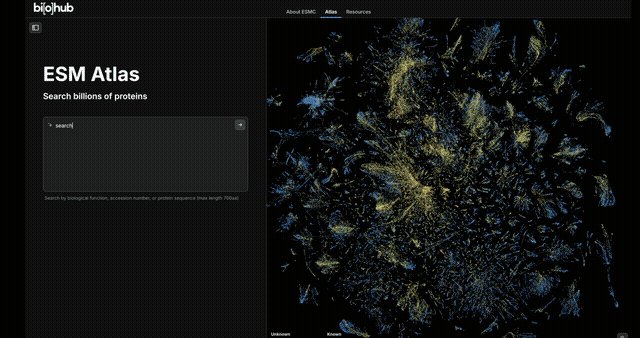
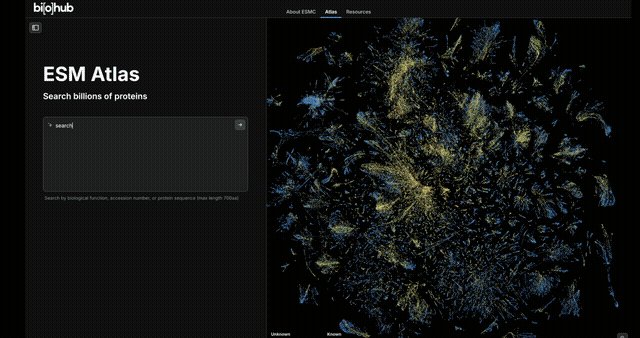
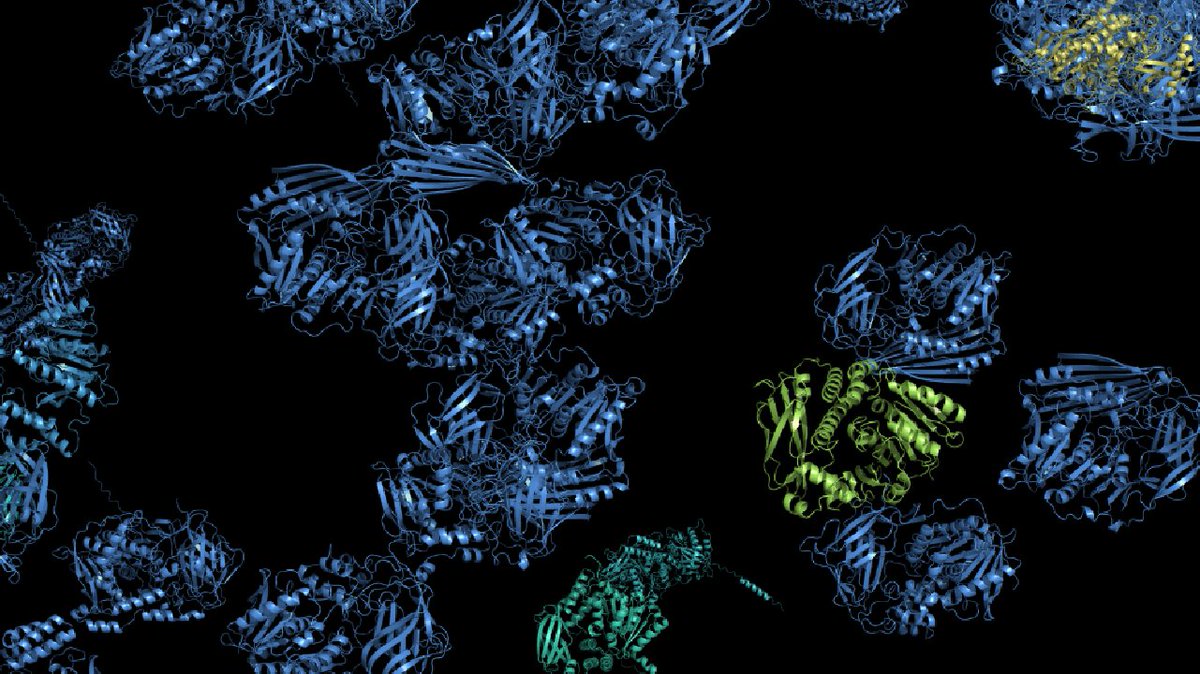
ESM Atlas doesn't just store proteins, it understands them. Ask about one and the agent reasons over roughly 16,000 interpretable biological features learned from evolution, surfacing connections that sequence similarity alone would never reveal. You don't look proteins up. You ask, and it explains.
Start exploring: bit.ly/4dJcF6G
2
6
49
3,458
biohub retweeted

Helping write "the book of life" 📖
Nonprofit research institute @Biohub has unveiled the next-generation ESM—a new suite of #AI tools designed to model protein biology.
Northwestern's @ShanaOKelley is the organization’s president of bioengineering. spr.ly/6019B8aeLT
1
1
8
2,151
Dubbed a “Swiss army knife” for biological imaging, MOSAIC’s development was led by Biohub Investigator Gokul Upadhyayula of @ABCUCBerkeley.
Learn more about the microscope, and the “AI mind” he’s creating to make sense of all the data:
news.berkeley.edu/2026/05/22…
May 22

MOSAIC: a versatile multimodal microscopy that seamlessly transitions between light-sheet, 2-photon, label-free and super-resolution modalities. @Eric_Betzig @ABCUCBerkeley @legant_lab
nature.com/articles/s41592-0…
1
11
3,002
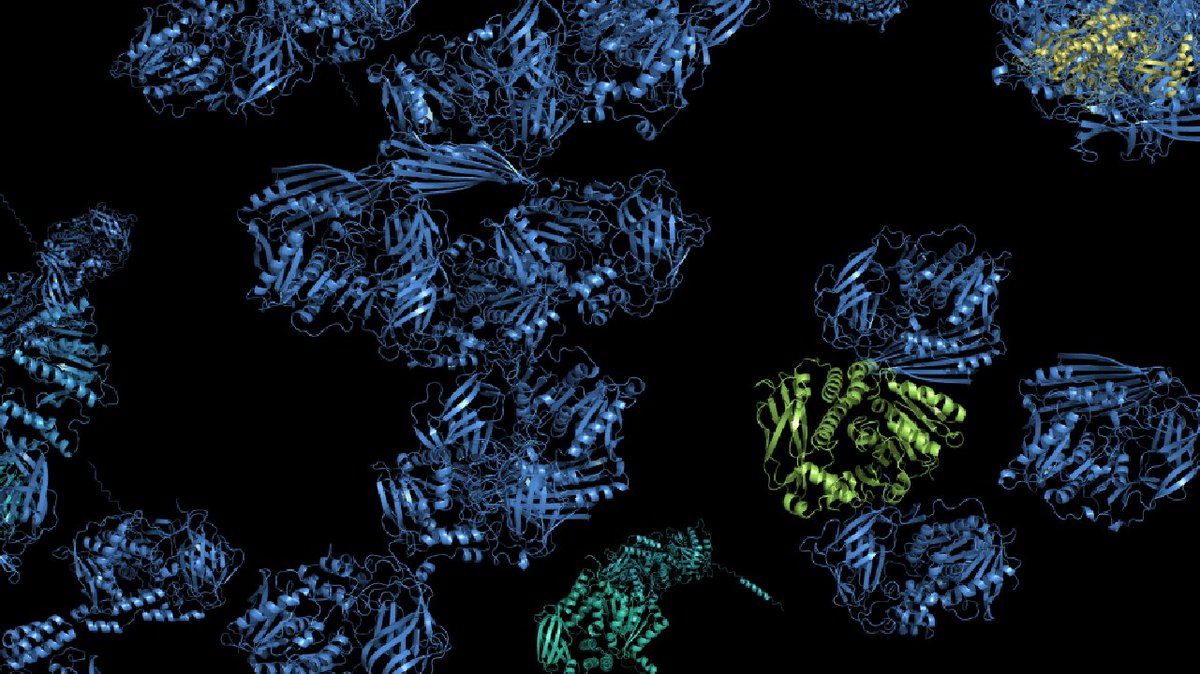
One early finding: evolutionary links between gene-editing enzymes across completely different branches of life — connections nobody had made before. This is what becomes possible when you can question protein space at scale, not just search it.
Explore ESM Atlas: bit.ly/4dJcF6G
3
16
56
11,702
biohub retweeted

Jun 4
Our paper on ESMC, ESMFold2, and mechanistic interpretability for proteins is up on @biorxivpreprint!
We've made a few changes since the initial version went online last week.
1. We found an issue in the way we provided MSAs to OpenFold3. This led us to report lower performance of OpenFold3 on some benchmarks. This issue does not affect any of the other models evaluated.
2. We updated how we report results on Runs N' Poses to more closely match the original paper (counting only ligands with valid SuCOS similarity score). We also add a bar plot to the supplement that stratifies performance by similarity. This mostly changes the absolute values of the pass rate, not the relative performance of models.
3. Added some more BLI data to the supplement.
4. Added some missing citations, fixed typos, etc.
Check out the preprint here: biorxiv.org/content/10.64898…
2
25
145
12,191
biohub retweeted

Jun 4
Excellent and timely article, we got into a lot of this at the recent @biohub symposium.
What excites me about new AI capabilities paired with scalable/lower cost measurement modalities is how much they lower the barrier to capturing context, from tracking more dimensions of biology to boring-but-critical details like provenance and metadata. What will we uncover when context capture and sense-making is cheap?

The training data market has exploded for LLMs and bio foundation models are next.
But biological data is extremely complex and requires a data generation playbook that prioritizes quality over immediate scale.
@_DimensionCap Research article live now!
research.dimensioncap.com/p/…
3
11
2,370
ESMC didn't learn protein biology from a textbook. It learned from 2.8 billion sequences—the full evolutionary record of what works in nature. That's what a world model of protein biology looks like.
Download the model and start building: bit.ly/4ebUoxY
3
12
72
4,438
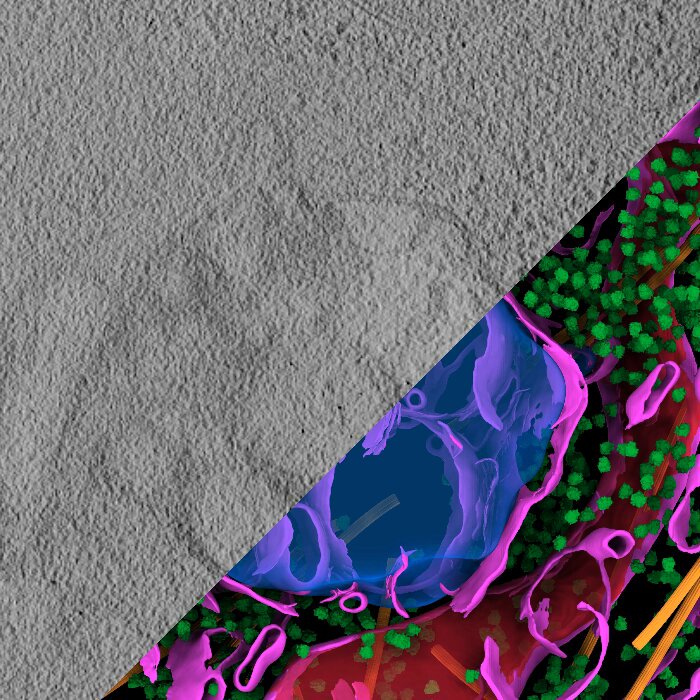
Better vitrification = better cryo-ET.
We've opened an RFA for two-year grants to advance vitrification techniques for biological samples—welcoming applications from researchers in heat transfer, cryogenics, and materials science.
Apply here: bit.ly/4uip6eJ
15
1,240
biohub retweeted

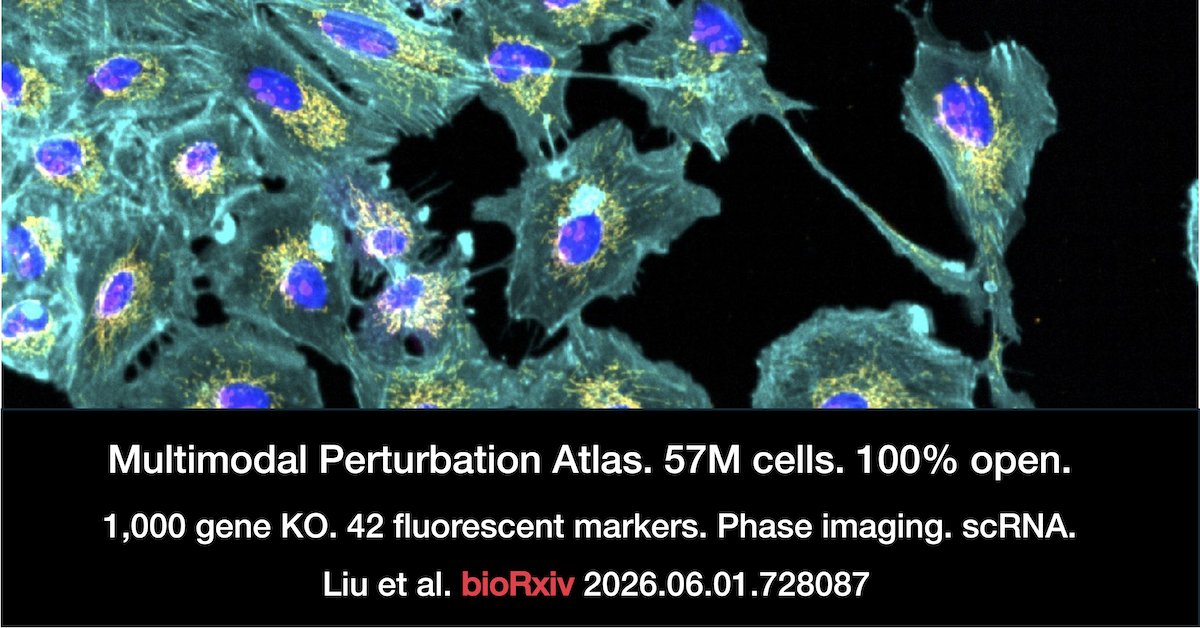
📣 new preprint multimodal atlas. Imaging scRNA, 57M cells. 🧬🔬
Cells are complex dynamical systems — but most ways we measure them destroy them. We asked: how does live imaging compare to scRNA-seq, the field’s gold std?
The answer surprised us 🧵
biorxiv.org/content/10.64898…
4
55
240
22,424