
#Bluehand Founder - Follow - DM to join or visit our website bluehandai.com Creator of #Area2 #Sidebarcity #BluehandForum #Blueghost #TEDAI v2.8
Joined August 2015
- Tweets 129,719
- Following 24,044
- Followers 22,439
- Likes 175,754
7,842 Photos and videos









Pinned Tweet

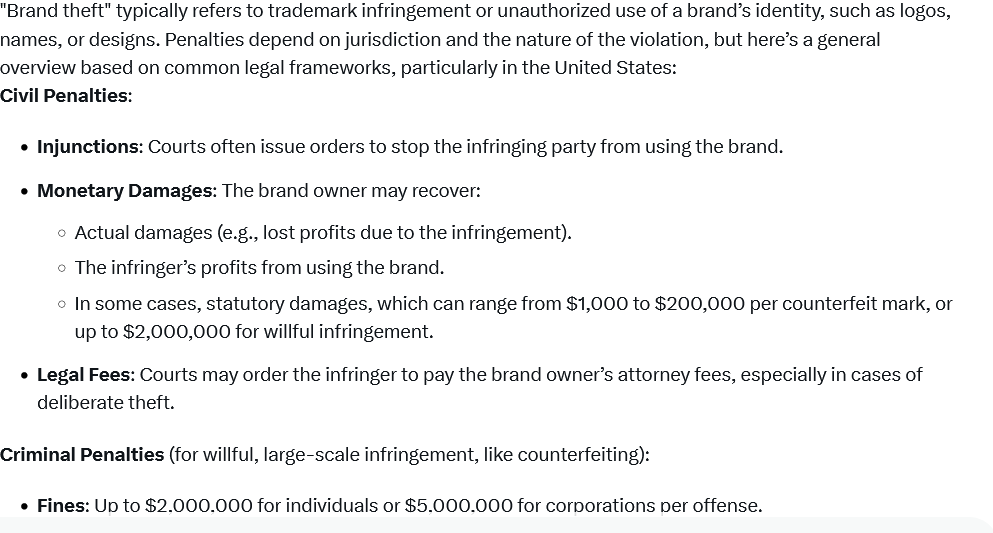
Its taken 13 years to establish #Bluehand into a global brand..we have used a Blue ring from the start .. criminals now are using this to infiltrate your groups .. saying they Ally with Israel /Reform etc if I see them they are removed from my follows as are any who promote
2
11
16
1,237
OO7 🌐 ( ͡◕ʖ ͡◕)=ε/̵͇̿̿/'̿'̿ ̿ retweeted

Police in Brighton are now getting their riot gear on to control the oh so peaceful so called 'anti-fascists' in Brighton after scaffolding has been thrown at them.
Patriots remain proud, loud and peaceful.
That's the way to do it!!!!
128
533
4,758
80,353
OO7 🌐 ( ͡◕ʖ ͡◕)=ε/̵͇̿̿/'̿'̿ ̿ retweeted

Jun 12
So pleased for @RestoreBritain
No one should tell you how to vote.
Jun 12

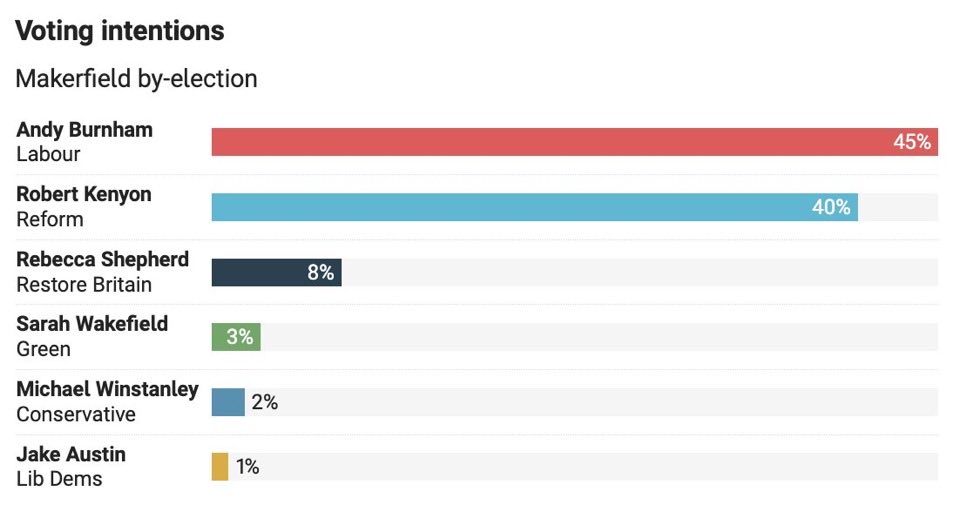
NEW Makerfield poll.
LAB 45%
REFORM 40%
RESTORE 8%
It is crystal clear.
A vote for Restore will elect Labour.
This is exactly why everybody from the Tories to Labour is cheering on Restore.
Because Rupert Lowe is enabling:
-mass immigration
-broken borders
-grooming gangs
204
54
704
57,890
OO7 🌐 ( ͡◕ʖ ͡◕)=ε/̵͇̿̿/'̿'̿ ̿ retweeted

Jun 12
Why don't you set up a business making rockets, electric cars and AI, Lewis? It's obviously so easy to do, anyone can do it. 🤷🏻♀️
Jun 12

Musk as a trillionaire- anyone as a trillionaire- is a grotesque economic, moral and political problem. We cannot have individuals with that level of power, whatever they might have achieved.
448
705
7,340
431,538


Look at her venom; her poisonous hatred. This individual, @Ilhan, does not belong in the United States. She makes a mockery of what it means to be an American.

Ilhan: "Palestinians do exist. They are a real people. They are ethnic to a land in which they belong and Israel is the one that is taking their land."
3,238
5,191
25,438
798,500
OO7 🌐 ( ͡◕ʖ ͡◕)=ε/̵͇̿̿/'̿'̿ ̿ retweeted

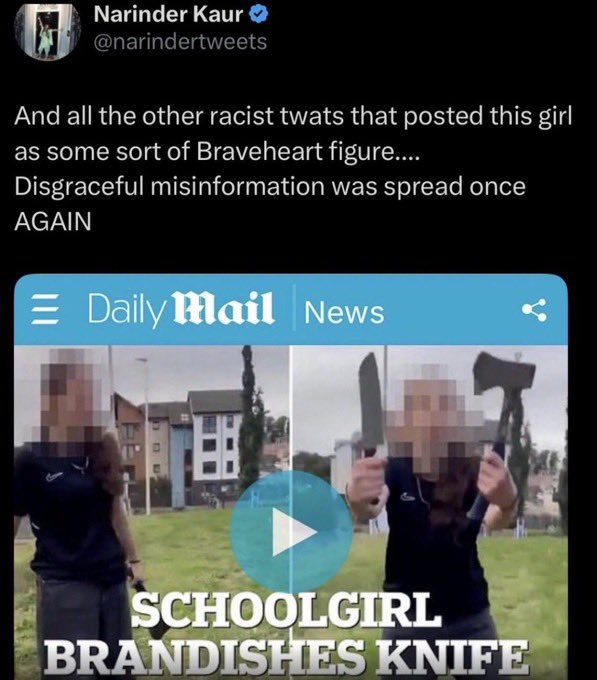
Speaking of lies... This you?

28
364
2,548
25,094
OO7 🌐 ( ͡◕ʖ ͡◕)=ε/̵͇̿̿/'̿'̿ ̿ retweeted

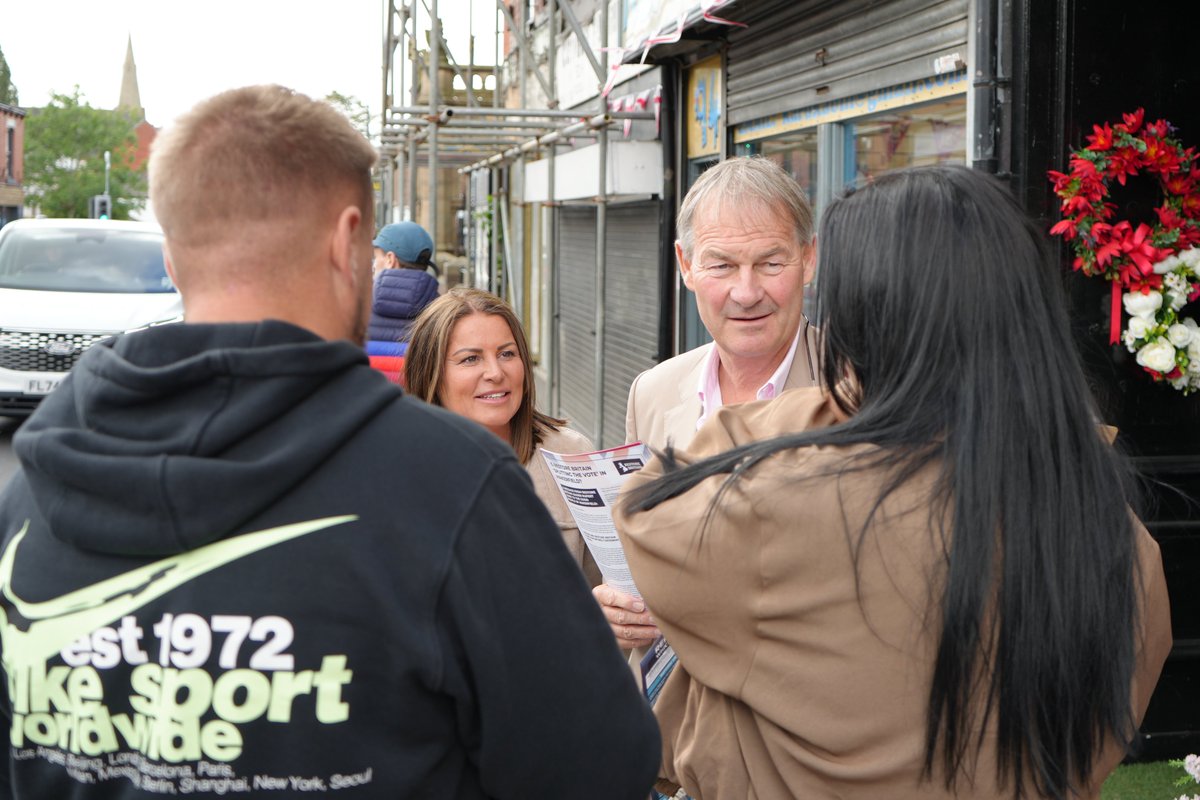
I have been out with Rupert and Rebecca since this morning, speaking to local businesses and residents.
You can't walk more than 20 yards without being stopped for photos, beeped at, or people wanting to shake Rebecca's and Rupert's hands.
The support is everywhere. The tide is truly turning.
Vote @RestoreBritain 🇬🇧
148
1,055
5,480
39,050
OO7 🌐 ( ͡◕ʖ ͡◕)=ε/̵͇̿̿/'̿'̿ ̿ retweeted
🚨BREAKING: Police have begun clashing with Anti-Migrant protestors in Liverpool
This isn't going away
123
635
8,439
148,992
OO7 🌐 ( ͡◕ʖ ͡◕)=ε/̵͇̿̿/'̿'̿ ̿ retweeted
Two-tier is clear as day.

213
2,741
10,693
193,286
OO7 🌐 ( ͡◕ʖ ͡◕)=ε/̵͇̿̿/'̿'̿ ̿ retweeted

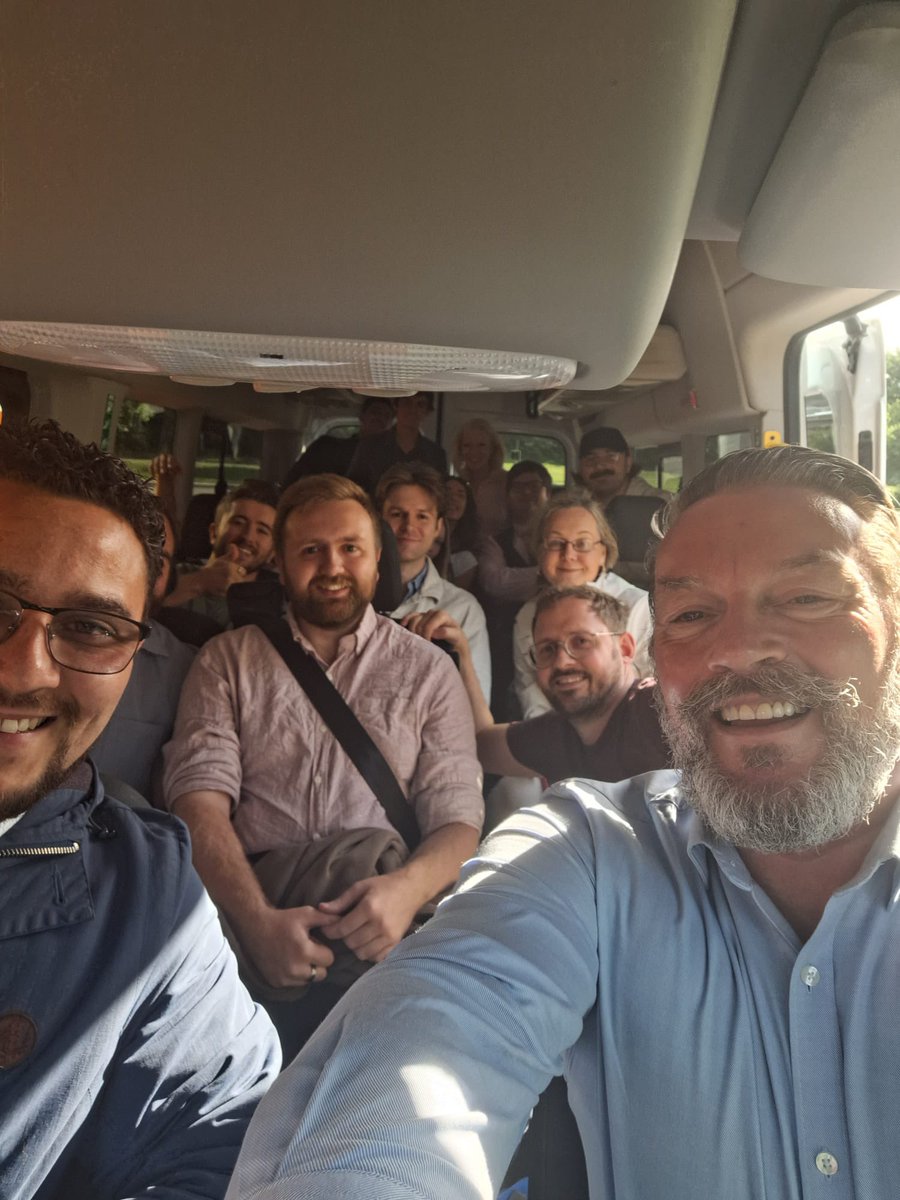
On our way to #Makerfield from Kent today.
Vote for @RestoreBritain #RebeccaShepherd this Thursday at Makerfield By Election 🇬🇧
@RupertLowe10
79
348
1,499
9,006
OO7 🌐 ( ͡◕ʖ ͡◕)=ε/̵͇̿̿/'̿'̿ ̿ retweeted

Reform people's posts today are mind numbingly cringy 😲
I now think the people who stayed supporting Reform must be those who have ZERO critical thinking skills.
The senseless posts they come out with, all full of complete nonsense.
Their meltdowns are on another level 😲🤔🧐👀💥
25
33
164
1,618
OO7 🌐 ( ͡◕ʖ ͡◕)=ε/̵͇̿̿/'̿'̿ ̿ retweeted

I’d say this Restore Britain turnout in Makerfield is not insignificant.
224
1,171
7,879
87,147
OO7 🌐 ( ͡◕ʖ ͡◕)=ε/̵͇̿̿/'̿'̿ ̿ retweeted

Jun 12
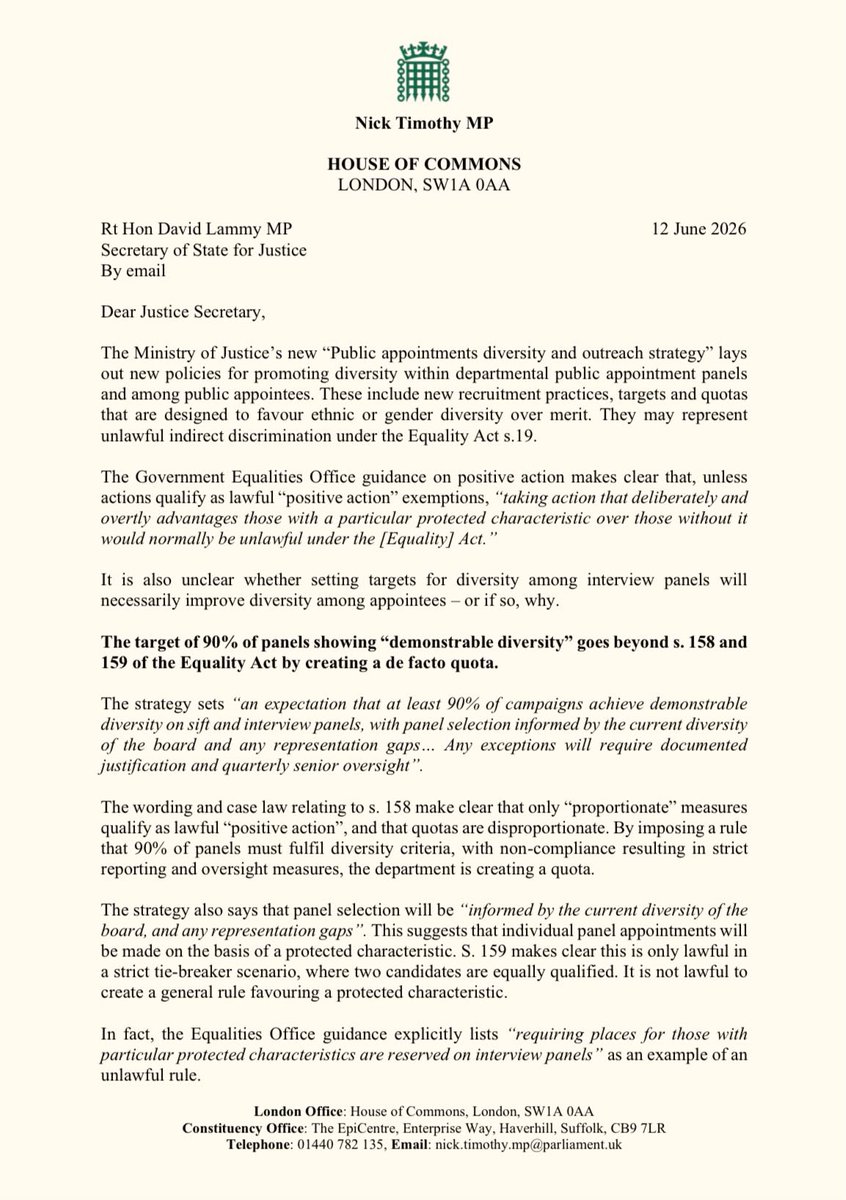
The Lord Chancellor's Department Just Published A Diversity Strategy. The Government's Own Guidance Says It's Unlawful.
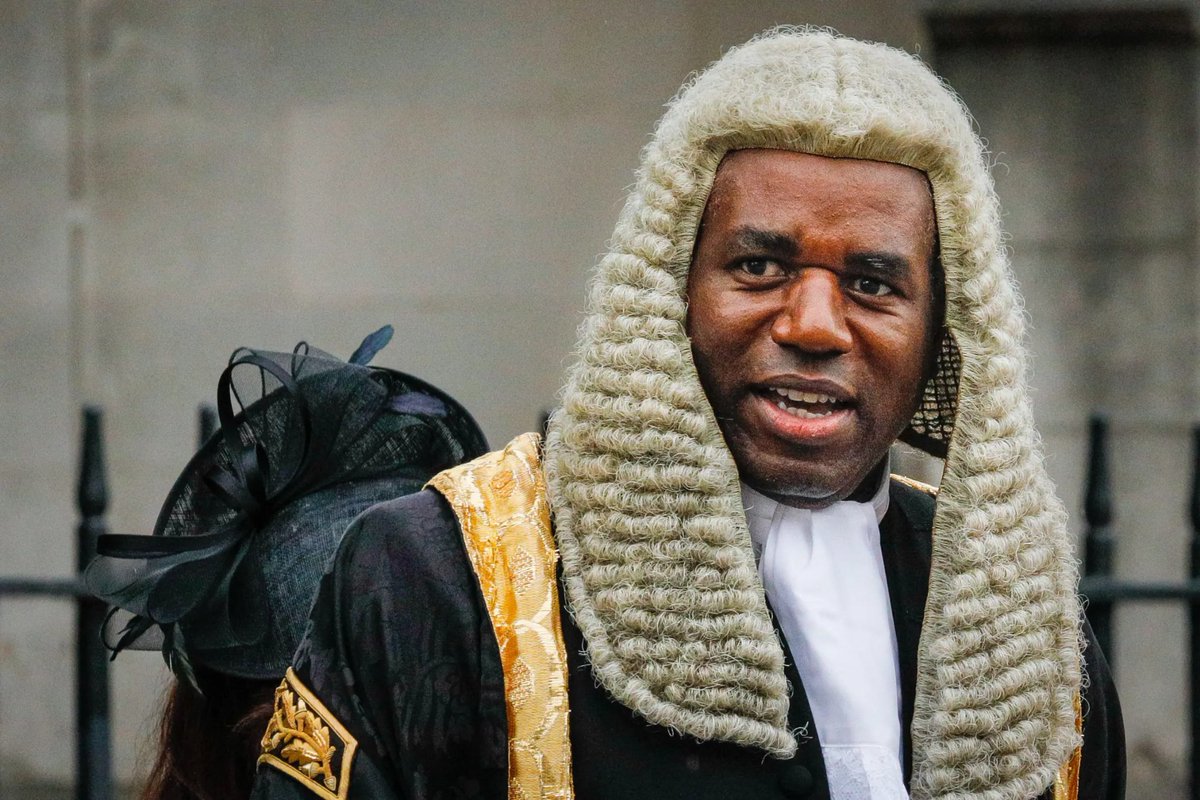
David Lammy is the Lord Chancellor and Secretary of State for Justice. He is constitutionally responsible for the independence of the judiciary and the rule of law in England and Wales. On 11th June 2026 his department published its Public Appointments Diversity and Outreach Strategy. Nick Timothy MP has written to him asking him to publish the legal advice behind it. He should.
The strategy sets an expectation that at least 90 percent of campaigns achieve demonstrable diversity on sift and interview panels, with panel selection informed by the current diversity of the board and any representation gaps. A panel is considered diverse where data shows representation of more than one sex, or at least one declared ethnic minority or disabled panel member. Any exceptions require documented justification and quarterly senior oversight.
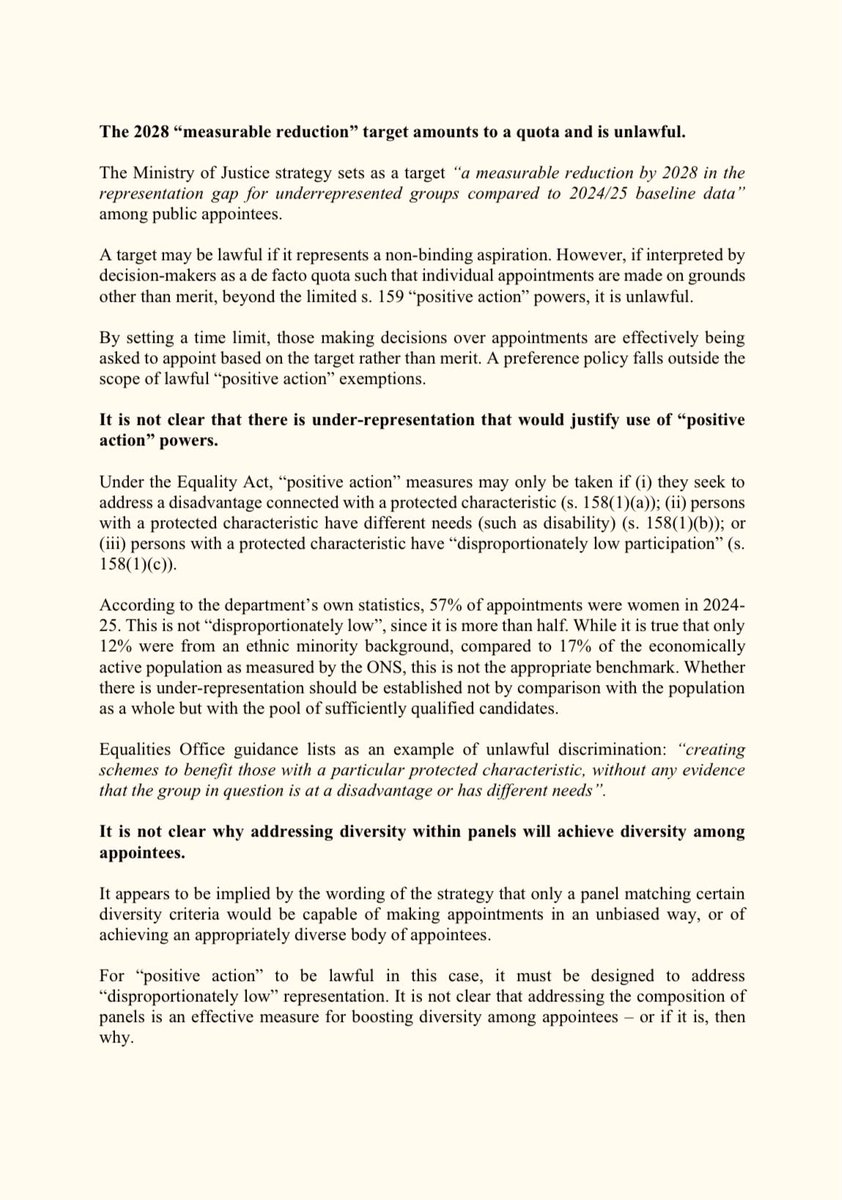
The Equality Act permits positive action only in narrow circumstances. It must address a documented disadvantage, different needs, or disproportionately low participation. The department's own figures show 57 percent of its 2024 to 2025 appointments were women. That is a majority, not underrepresentation. The 12 percent ethnic minority figure is compared against 17 percent of the economically active population, but that is not the correct benchmark. The correct benchmark is the pool of qualified candidates, not the population as a whole.
The Government's own Equalities Office guidance is explicit. Creating schemes to benefit those with a particular protected characteristic, without evidence that the group is at a disadvantage or has different needs, is listed as an example of unlawful discrimination. So is requiring places reserved for those with particular protected characteristics on interview panels. The Ministry of Justice strategy appears to do both.
This is not a new position for Lammy. In 2019 he hosted a Labour conference event with Shami Chakrabarti specifically advocating time limited quotas for judicial diversity. The Lord Chief Justice responded at the time that such quotas are not compatible with appointment on merit nor, ultimately, in sustaining public confidence in the judiciary. Lammy is now implementing from the office of Lord Chancellor a policy the most senior judge in the country said would undermine confidence in judicial independence.
The stated 2028 target is a measurable reduction in the representation gap for underrepresented groups, moving the appointee profile toward the diversity profile of the UK economically active population. That is not a description of merit based selection. It is a description of demographic engineering with a deadline.
This sits within the same DEI framework documented across British institutions this week. The Sussex Police book club on inner white supremacy. The NHS pressure not to section black patients. The Hampshire Race Action Plan. Each implements SDG 10.2 and 10.3, the United Nations Agenda 2030 commitments to inclusion and reduced inequalities of outcome, adopted by Britain in 2015 without a single vote. The Ministry of Justice strategy is that same architecture applied to the department responsible for the rule of law itself.
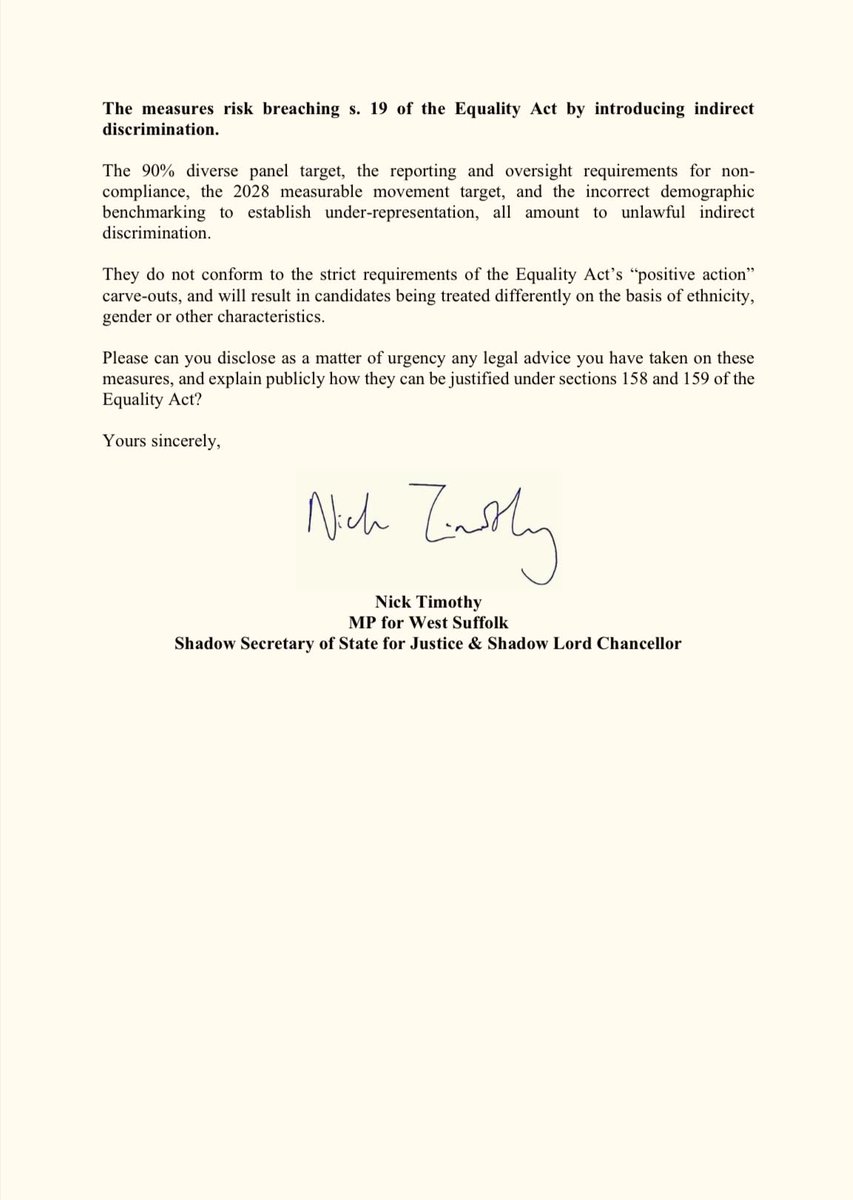
If the Lord Chancellor's own department believes its diversity quota is lawful, the legal advice supporting that view should be published. If no such advice exists, that is the more serious problem. Either way, the department charged with upholding the law owes the public an answer.
"Lammy is now implementing from the office of Lord Chancellor a policy the most senior judge in the country said would undermine confidence in judicial independence."
Jun 12

David Lammy’s new diversity plan appears to be illegal.
He should publish his legal advice.
27
361
667
13,625
OO7 🌐 ( ͡◕ʖ ͡◕)=ε/̵͇̿̿/'̿'̿ ̿ retweeted
THE WOKE MIND VIRUS IS KILLING MORE OF THE POPULATION THAN ANY OTHER VIRUS. PASS IT ON.
497
3,388
22,617
227,771
OO7 🌐 ( ͡◕ʖ ͡◕)=ε/̵͇̿̿/'̿'̿ ̿ retweeted

22h
Hello @harrow_council. Do you think this kind of behaviour is appropriate? Do you think council workers turning off their body cameras to threaten a member of the public with violence is acceptable in any way?
And @MPSHarrow, is it acceptable that these men claim to work alongside the police and suggest that, if they were to call an officer, that officer would use violence against a member of the public?
x.com/BGatesIsaPyscho/status…
32
129
412
49,999
OO7 🌐 ( ͡◕ʖ ͡◕)=ε/̵͇̿̿/'̿'̿ ̿ retweeted

History in the making.
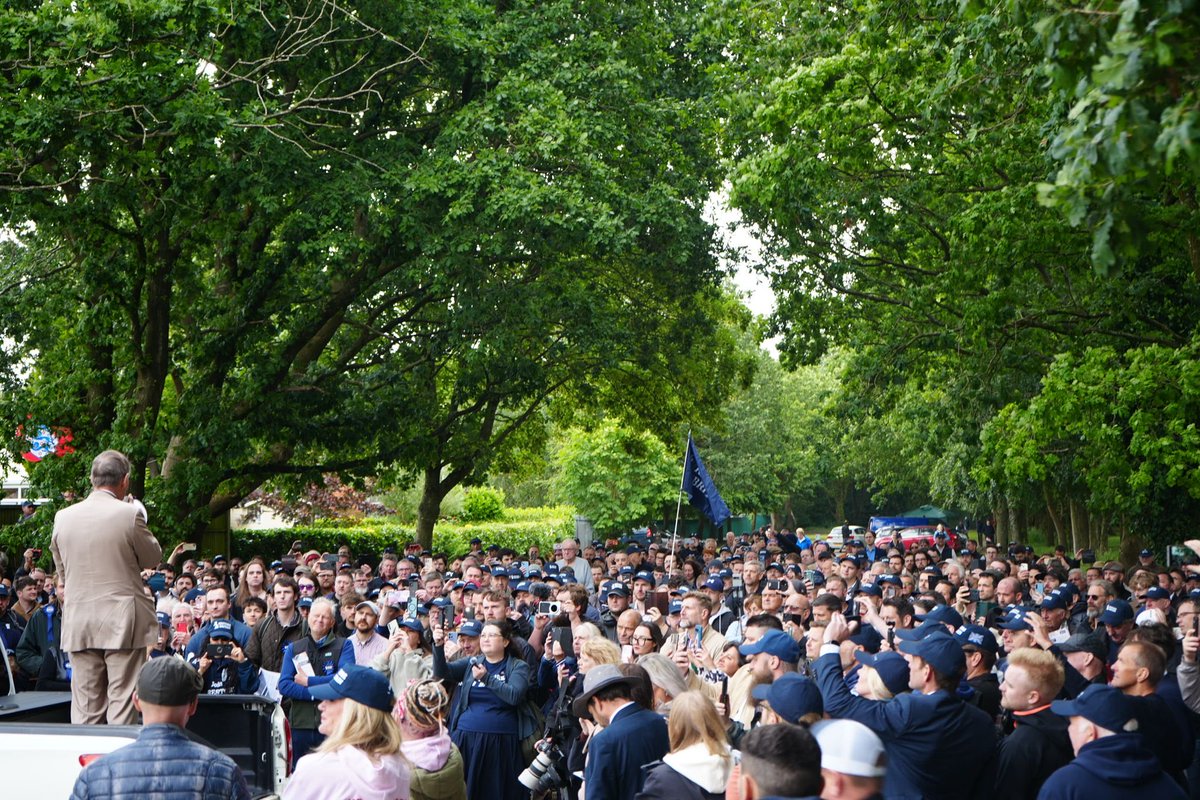
105
755
8,115
62,617
OO7 🌐 ( ͡◕ʖ ͡◕)=ε/̵͇̿̿/'̿'̿ ̿ retweeted

Jun 13
The British people are in the absurd position of having to defend their country from their own politicians.
805
5,647
34,230
227,455
OO7 🌐 ( ͡◕ʖ ͡◕)=ε/̵͇̿̿/'̿'̿ ̿ retweeted
😍A lovely picture of Rupert Lowe & Rebecca Shepherd today😃
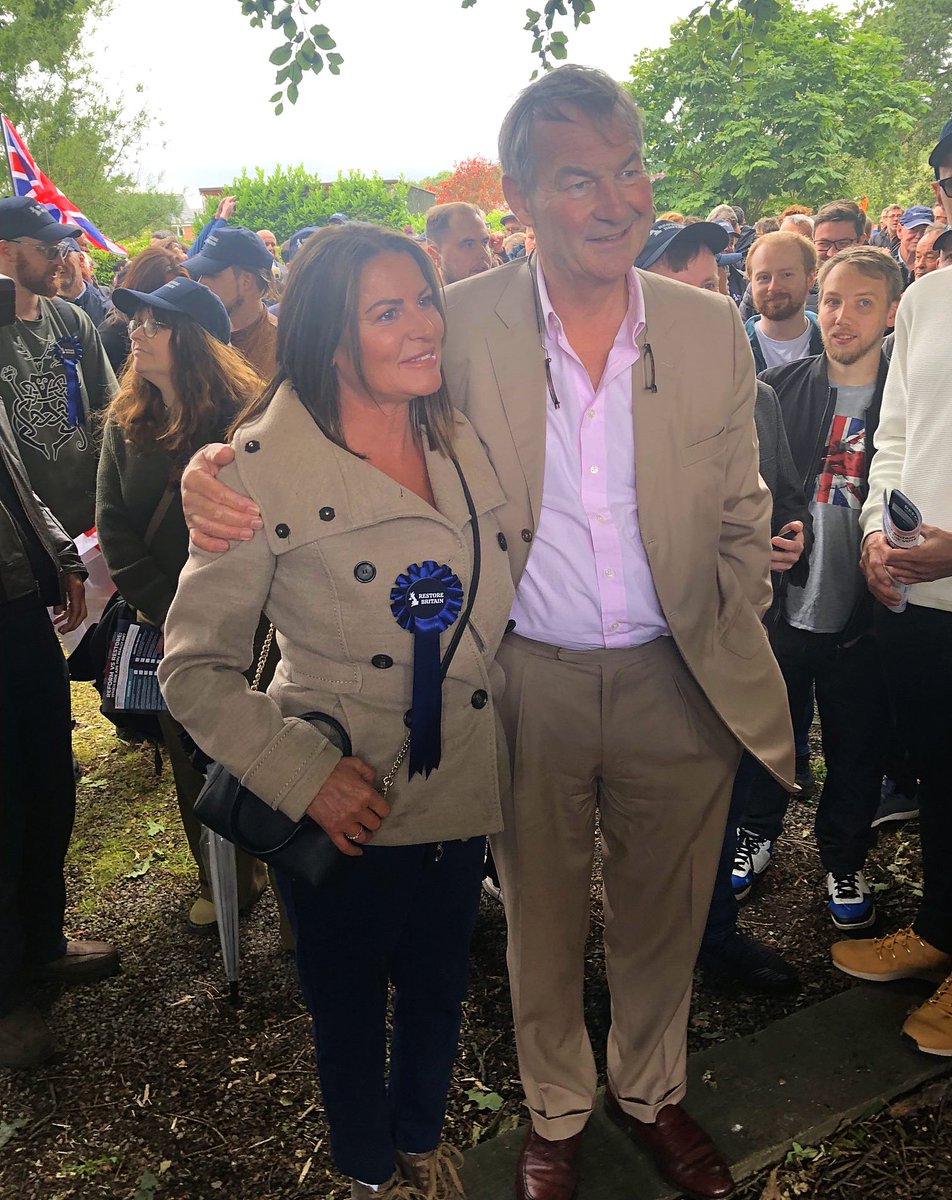
35
180
1,213
7,211
OO7 🌐 ( ͡◕ʖ ͡◕)=ε/̵͇̿̿/'̿'̿ ̿ retweeted

Fuck off @johnmcdonnellMP.
Jun 12

Scale of sentences on the 4 young people who took direct action against the arms supplier to Israel is truly shocking. To impose years of imprisonment for protesting to save lives in Gaza is unjust, especially sentencing on terrorist grounds they were never convicted of by a jury
174
512
5,877
110,684
OO7 🌐 ( ͡◕ʖ ͡◕)=ε/̵͇̿̿/'̿'̿ ̿ retweeted

We had a nice lady waitress on the Love Boat Trip last night take a fantastic photo capturing Debbie and I saying cheers with champagne 🍾 going past The Palace in Budapest, a perfect photo to sun up our stay in this beautiful city. Now one more concert to do tonight 🤟❤️
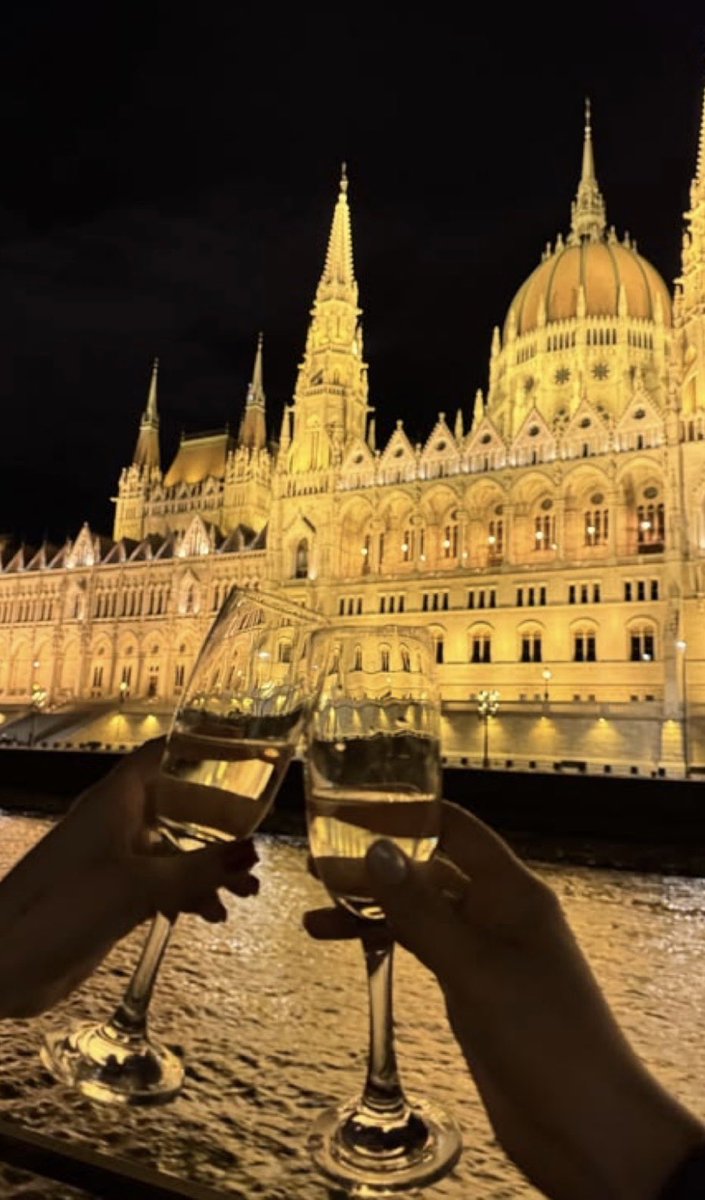
4
11
24
573