
Art, Design, and Crypto Game fan | Do What You Like & Like What You Do ♨️
Joined February 2025
- Tweets 14,897
- Following 906
- Followers 1,084
- Likes 21,586
825 Photos and videos













7BLUE retweeted

23 Dec 2025
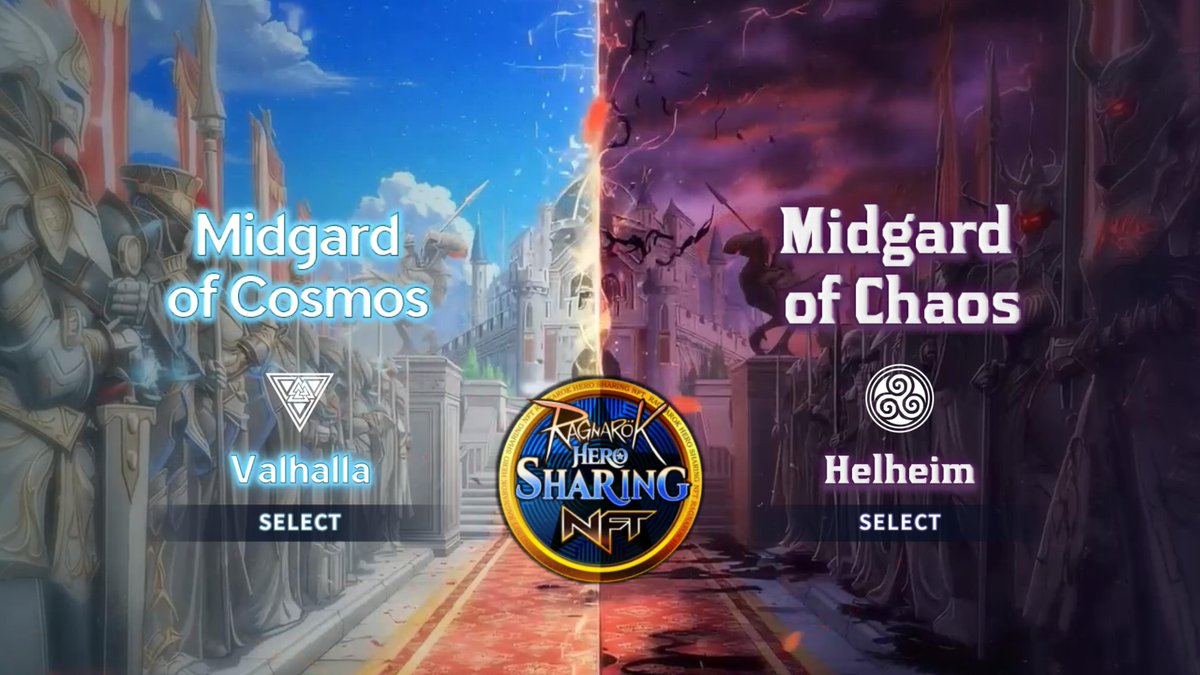
A new frontier of Web3 gaming begins—Mintory is now live, along with the reveal of the next Ragnarok title!
Partnering with Immutable, @Mintory_labs delivers a new dimension of Web3 gameplay—and leading the charge is our first onboarding title: 🔥Ragnarok: Sharing Hero NFT
🚀 Feature Highlights
1️⃣ A battlefield that shifts in real time: Cosmos vs. Chaos
Fight for the rare AI-controlled reward Mint in Midland PvP and ranking battles. Your actions directly shape the server’s state—switching between Cosmos and Chaos based on faction dominance. Adapt, strategize, and claim the ultimate rewards.
2️⃣ Stronger together: Character Sharing System
To defeat the mighty Demon Lord [Woodunkeu], teamwork is essential.
Share your character to earn Mint
Recruit other players’ heroes to form the strongest Knight Order
Experience a whole new level of cooperative strategy beyond traditional party play
3️⃣ Own it. Display it. Flex it: The NFT Gallery Showcase your NFT collection, climb the rankings, and shine both in and outside the game ✨
🎁 Launch Celebration Events
Connect your Immutable Passport and enjoy a wave of rewards: Mint token airdrops, NFT airdrops, Special reward quests, [Limited] Exclusive Ragnarok figure giveaway (100% collectible value)
📅 Timeline
Launching globally in Q1 2026
Founded in 2008, Funigloo is a veteran studio known for [Dragonica Mobile], [Seal Mobile], and [Ragnarok Labyrinth NFT]. Armed with deep Web3 experience through its partnership with Gravity, the studio now joins forces with Immutable to build the next evolution of blockchain gaming.
📢 Join the Community Now!
▶️play.immutable.com/games/rag…
🕊️ X (Twitter): x.com/Mintory_LABS
👾 Discord: discord.com/invite/j5vwjVK3j…
🎬 Cinematic : youtube.com/watch?v=1PXuAK8Y…
56
897
995
13,373
7BLUE retweeted

21 Nov 2025
🏆 Blockchain Game Awards 2025 by @PlayToEarn is live now and R.O.H.A.N.2 is nominated for #GOTY !
Drop your vote and let’s cook!
Show them what we've got 🔥🔥🔥
☑️ Vote for GOTY: playtoearn.com/awards/vote/g…
☑️ Vote for Best Mobile Game: playtoearn.com/awards/vote/b…
☑️ Vote for Best MMORPG: playtoearn.com/awards/vote/b…
116
690
819
28,408

7BLUE retweeted

23 Nov 2025
🌕Missed THE DEMO from @drakefjustin at @eth_proofs Day? Here is a 40-second recap:
Justin showed his zklighthouse client verifying the three fastest proofs, from Brevis Pico ZKVM and @ziskvm, then finalizing the block WITHOUT re-execute the block transactions. The era of Gigagas ETH has begun.
174
133
746
228,600

11,785
239
776
31,285
7BLUE retweeted

23 Nov 2025
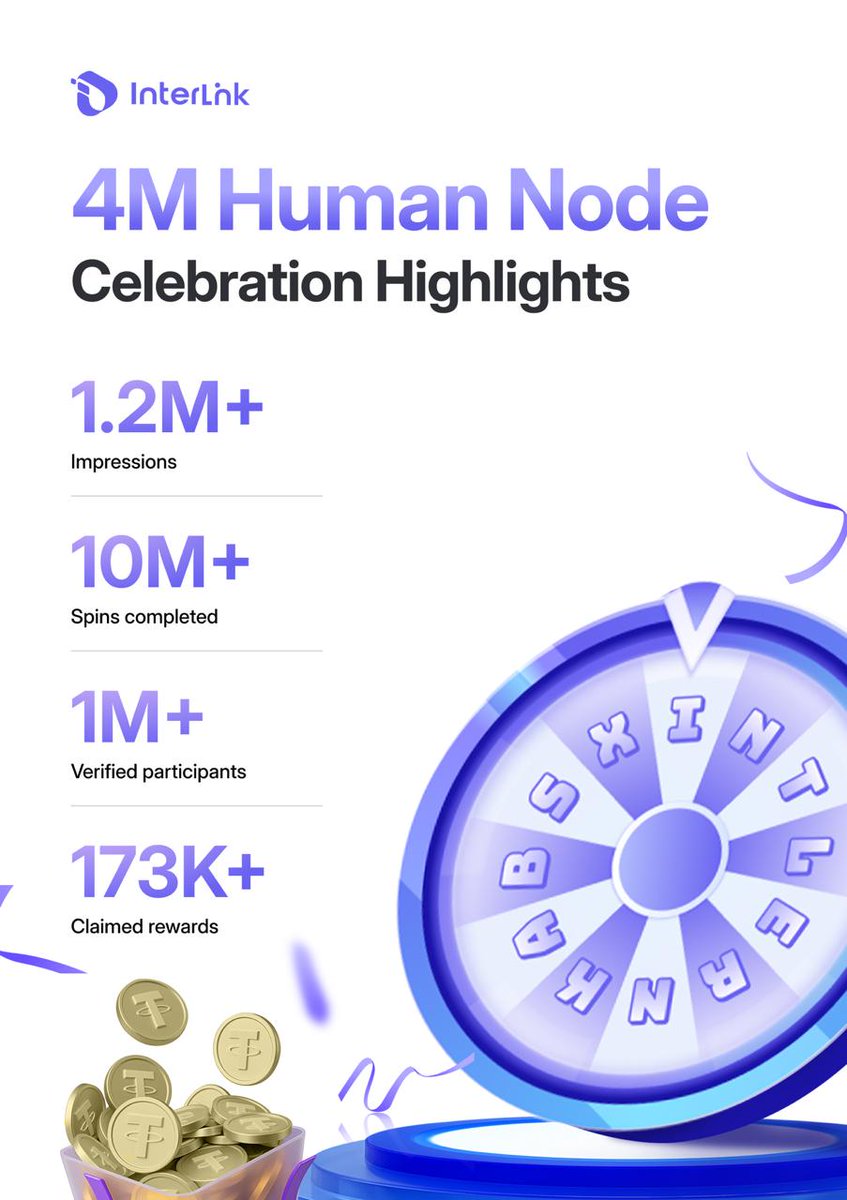
🎉 The 4M Human Node Celebration Has Officially Concluded
After two weeks of continuous activity across the Human Network, the 4M Human Node Celebration has officially come to an end.
The event brought together real humans from around the world, generating large-scale engagement and verifiable participation across all layers of the ecosystem.
Final Event Metrics
• 10,220,194 spins completed
• 1,017,554 verified participants
• 173,889 claimed rewards
Social Momentum
• 1.2M impressions
• 52,000 reposts
• 58,000 replies
• 48,000 likes
The scale of interaction throughout this event further demonstrates the strength and authenticity of the Human Network, every spin, claim, and action anchored in verified human behavior.
Thank you to everyone who participated, contributed, and celebrated this milestone with us. More updates are coming soon as we continue building the next phase of @inter_link’s human-powered infrastructure.
#InterLink #4MHumanNodeCelebration #ITLG #ITL
602
593
1,902
92,594
GM fam 🟦☕️
It’s Sunday vibes, but the space never sleeps,and today IOPn just dropped something wild.
They flipped the RWA mode to FULL SEND.
No promises, no theory, watches, cars, art, all already live and ready to ape like any normal token.
While other chains are still publishing whitepapers,
IOPn rolled out a real marketplace and basically said:
“Wanna own a slice of a Lambo? Just click.”
This is the moment retail realizes:
you don’t need a bank to own real assets anymore.
I already grabbed my first piece.
You still waiting for the hype to settle, or joining this Sunday ride?
rwa.iopn.tech
@IOPn_io @xeetdotai
9
1
14
260

7BLUE retweeted
23 Nov 2025
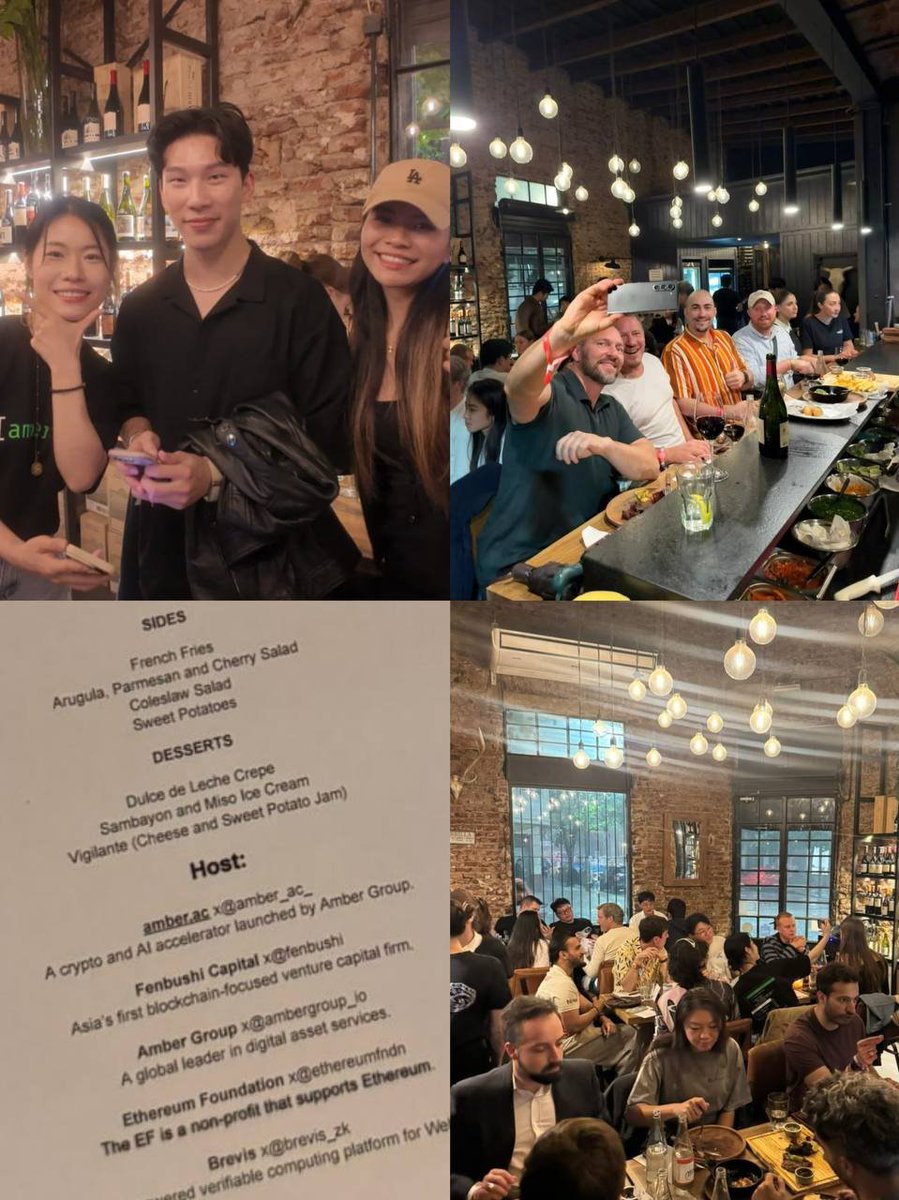
🥂An amazing night with even better company.
Grateful to have been able to help co-host this dinner and share the table with friends who build, imagine, and keep moving the ecosystem forward!
“Don’t forget that we always can.”
A perfect reminder for all of us.
22 Nov 2025

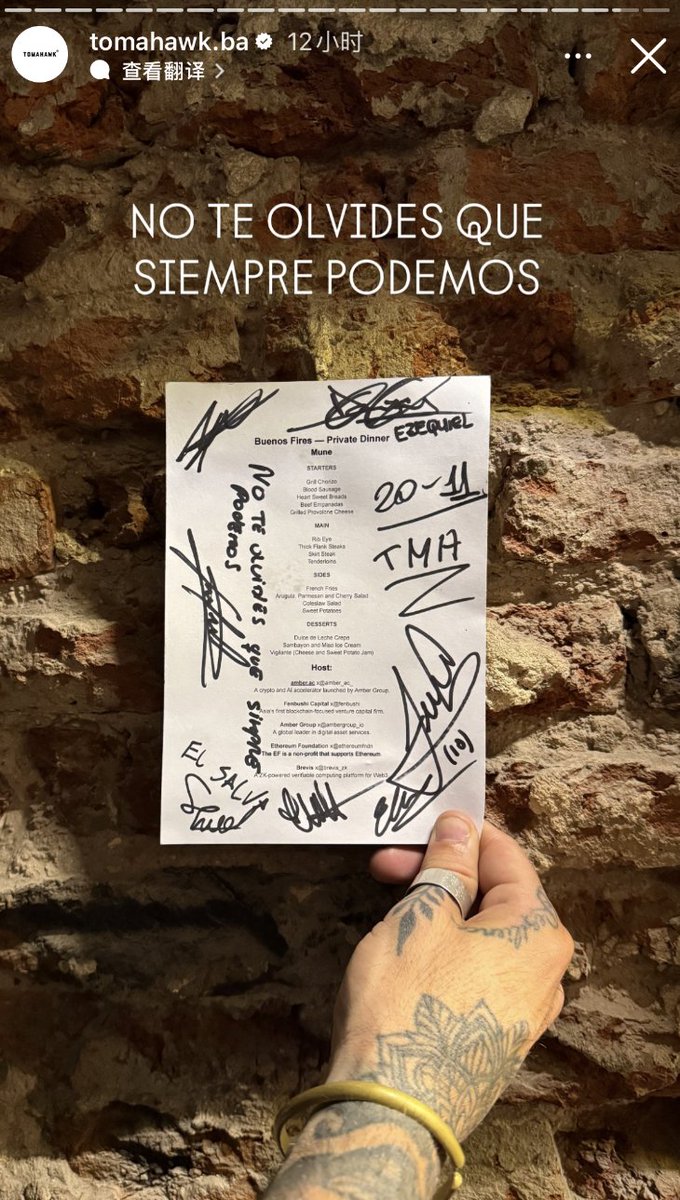
“NO TE OLVIDES QUE SIEMPRE PODEMOS”
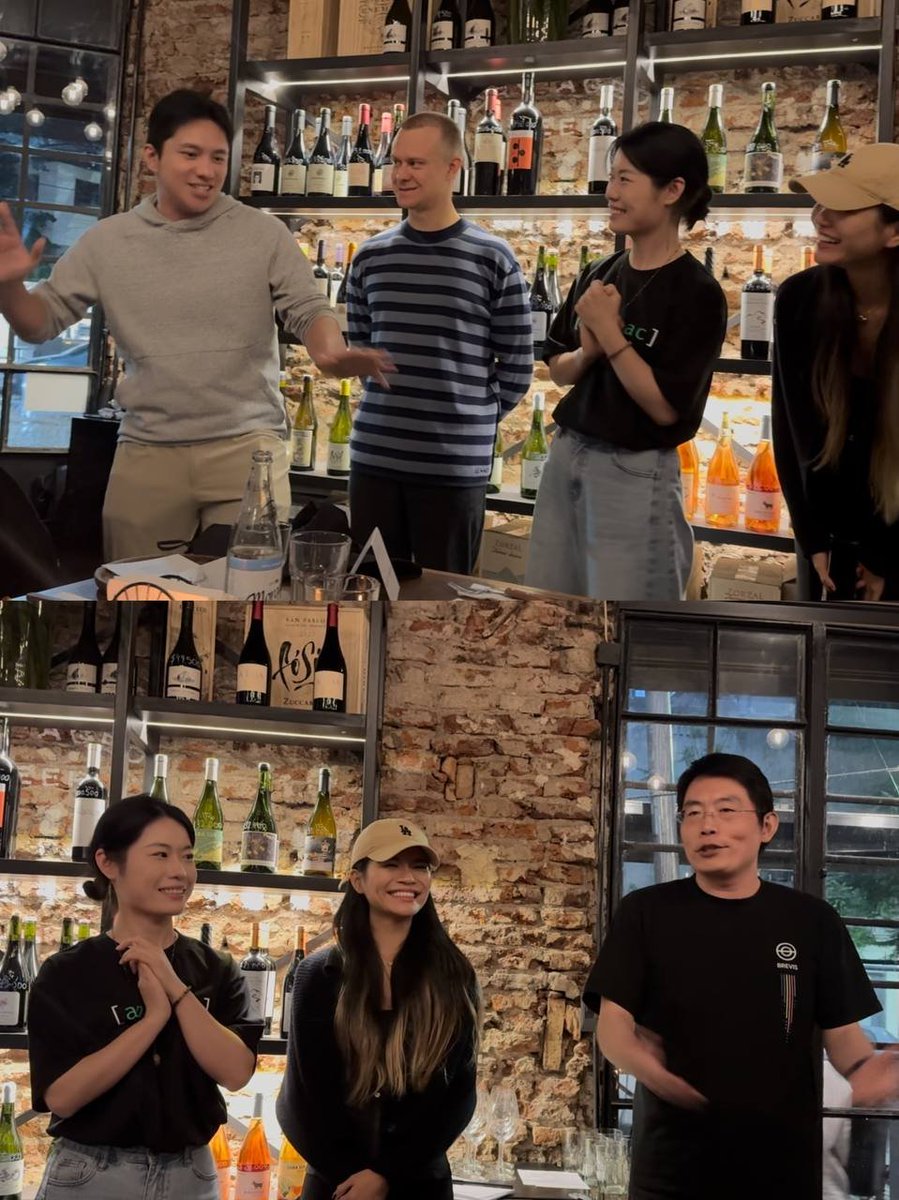
Looking back at Buenos Fires, the dinner hosted together with @amber_ac_, @fenbushi, @ambergroup_io, @ethereumfndn, and @brevis_zk.
It was a wonderful night surrounded by friends who build, create, and share. To start things off, our friends @adrianmcli and @oel4all from @ethereumfndn, @Chloeeewrx_ from @fenbushi, the CTO of @brevis_zk, and @sanzhichazi1 from @amber_ac_ and @ambergroup_io opened the evening with warm and inspiring words.
A rainy day, but hearts full of warmth.
We keep moving forward to the next step and believing,
just like the words written by the Tomahawk Team in our dinner menu:
“NO TE OLVIDES QUE SIEMPRE PODEMOS”
“别忘了我们永远有能力”
“Don’t forget that we always can.”
These words are for them, for us, and for everyone who keeps believing and creating.

97
27
259
17,919
7BLUE retweeted

22 Nov 2025
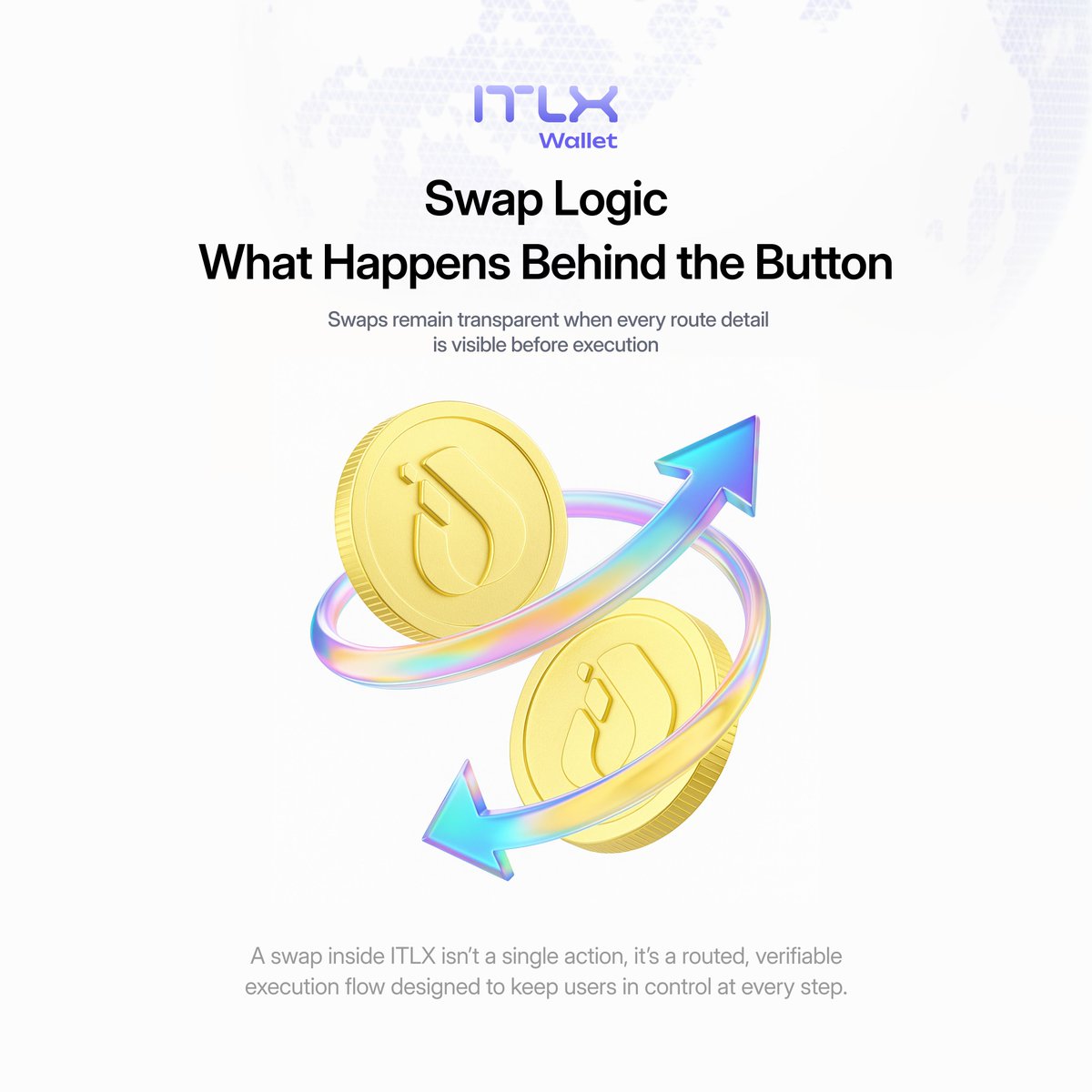
Swap Logic: What Happens Behind the Button
A swap inside @itlx_defi Wallet isn’t a single action, it’s a routed, verifiable execution flow designed to keep users in control at every step.
Instead of hiding how tokens move between chains or providers, @itlx_defi Wallet exposes the full path before anything is signed, ensuring clarity becomes part of the transaction itself.
@itlx_defi Wallet handles each swap through an integrated routing system that identifies the optimal path, previews the execution details, and only proceeds once the user approves them.
From selecting the source and destination chains to reviewing providers, gas estimates, fill behavior, and expiry conditions, the entire sequence remains visible and fully auditable.
Once confirmed, the wallet signs the transaction locally and displays each stage of the multi-step process until completion.
Swaps remain transparent when every route detail is visible before execution, and @itlx_defi Wallet makes that transparency the default.
#ITLX #ITLG #ITL
316
334
767
26,357
7BLUE retweeted
22 Nov 2025
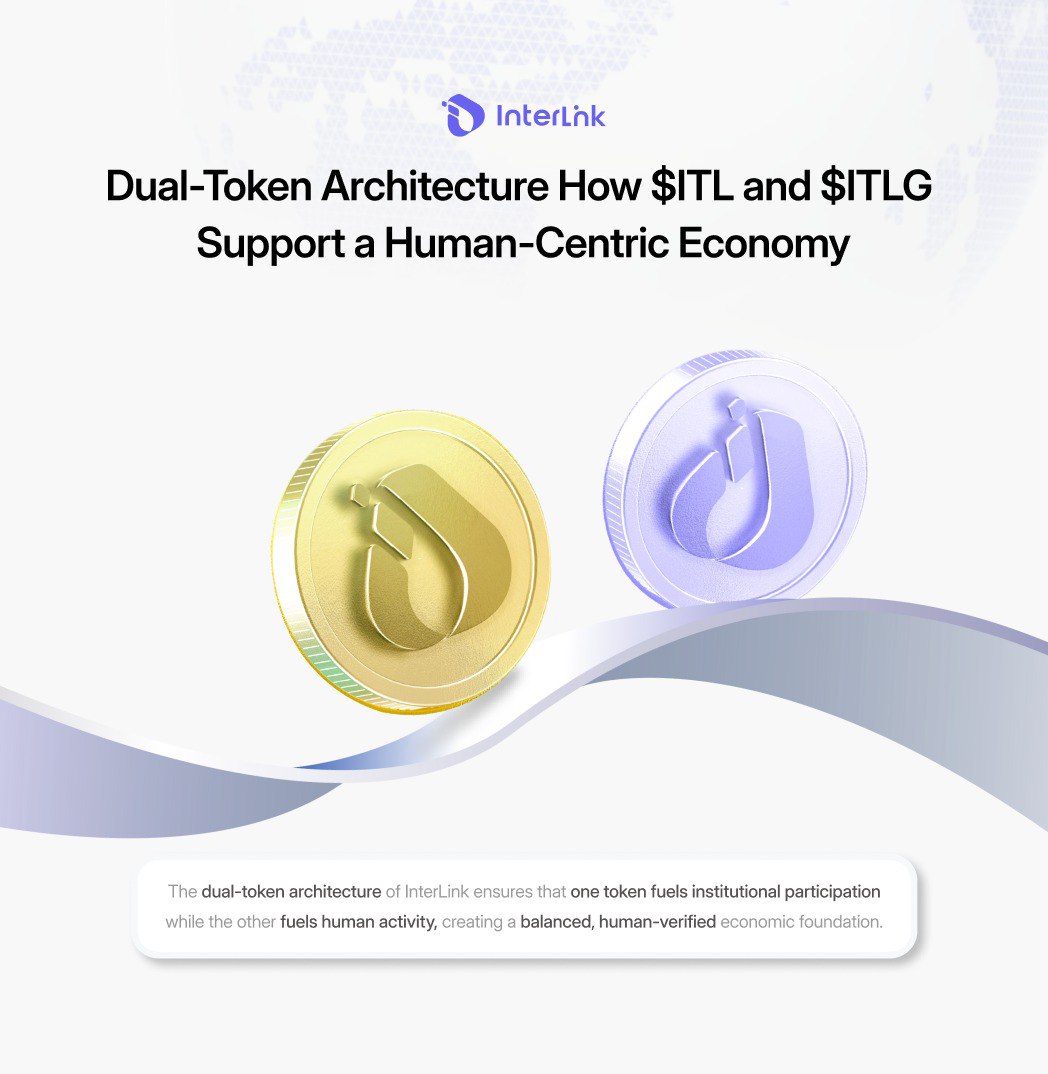
Dual-Token Architecture - How $ITL and $ITLG Support a Human-Centric Economy
The dual-token model of @inter_link comprising $ITL and $ITLG is designed to reflect two distinct roles: one token enabling access to the Human Layer (institutional alignment) and the other token representing active human participation and utility within that network.
By separating institutional access (via $ITL) from human-centric utility and activity (via $ITLG), @inter_link creates a token architecture that aligns incentives with human verification, ecosystem participation, and scalability rather than speculation alone.
- $ITL for access and alignment:
$ITL is designed to embody long-term credibility and institutional alignment.
It functions as a payment currency within the @inter_link economy, enabling cross-border transfers, merchant settlement, and high-frequency transaction flows with human-verified trust.
It is held by ecosystem partners and institutions to access the human layer, stake for integration, and support network governance.
- $ITLG for utility and human activity:
$ITLG “represents the active participation of real humans in the @inter_link network.
Its utility includes DAO voting, ecosystem incentives, and usage within mini-apps.
- Separation of roles prevents speculation-driven distortion:
By clearly defining which token serves institutional/stake access vs human activity, the model reduces token accumulation for manipulation.
It aligns economic flows with human verification, identity persistence and network growth, rather than asset hoarding.
The dual-token architecture of @inter_link ensures that one token fuels institutional participation while the other fuels human activity, creating a balanced, human-verified economic foundation.
#InterLink #ITLG #ITL
368
571
1,728
71,020
7BLUE retweeted

22 Nov 2025
$30 $sol giveaway, 3x $10 🏆
- follow @RealityOnChain & me w/ notis 🔔
- Like, rt & drop addys
- Post proof below 👇
2 hrs⏳
105
43
145
7,661
7BLUE retweeted

22 Nov 2025
Momentum doesn’t slow down for a project building the backbone of future compute.
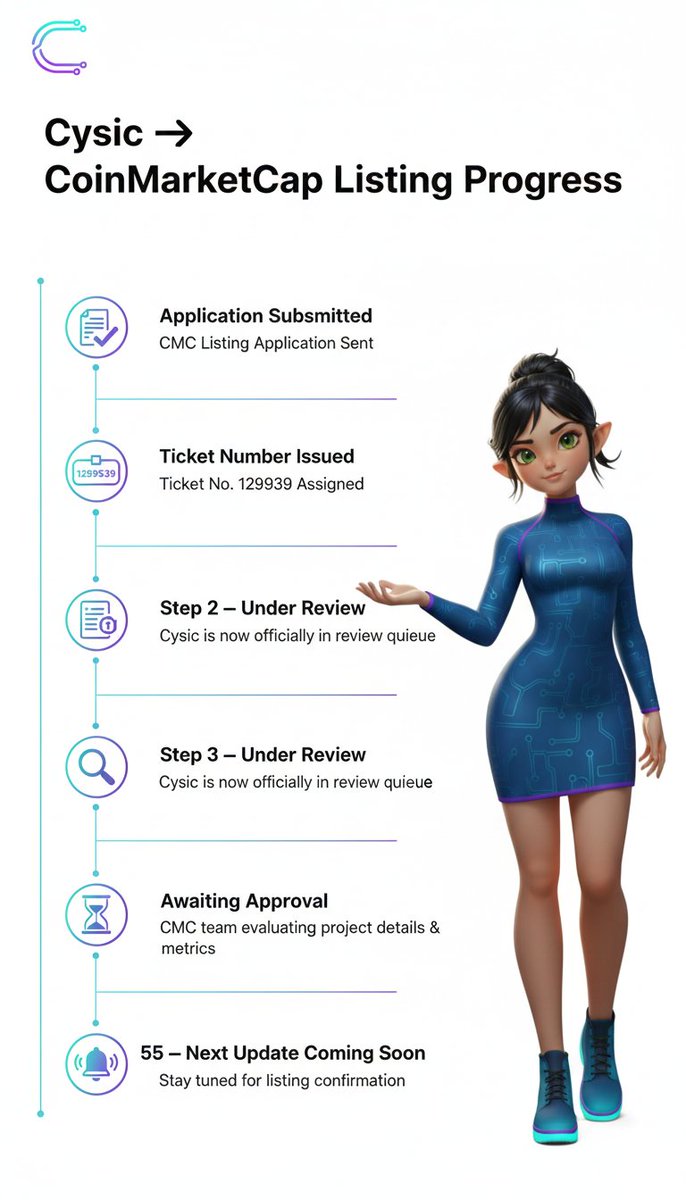
.@cysic_xyz has officially submitted its CoinMarketCap listing application, Ticket No. 1299539, and is now in the review queue.
Another step forward, another milestone locked in.
From hardware-accelerated proofs to a decentralized compute network, .@cysic_xyz continues to move with clarity, precision, and real progress.
Listings aren’t the victory, they’re the signals of a system that’s growing, shipping, and getting ready for scale.
ComputeFi is coming into focus.
Cysic is making sure the world can see it.
43
2
35
573
7BLUE retweeted
21 Nov 2025
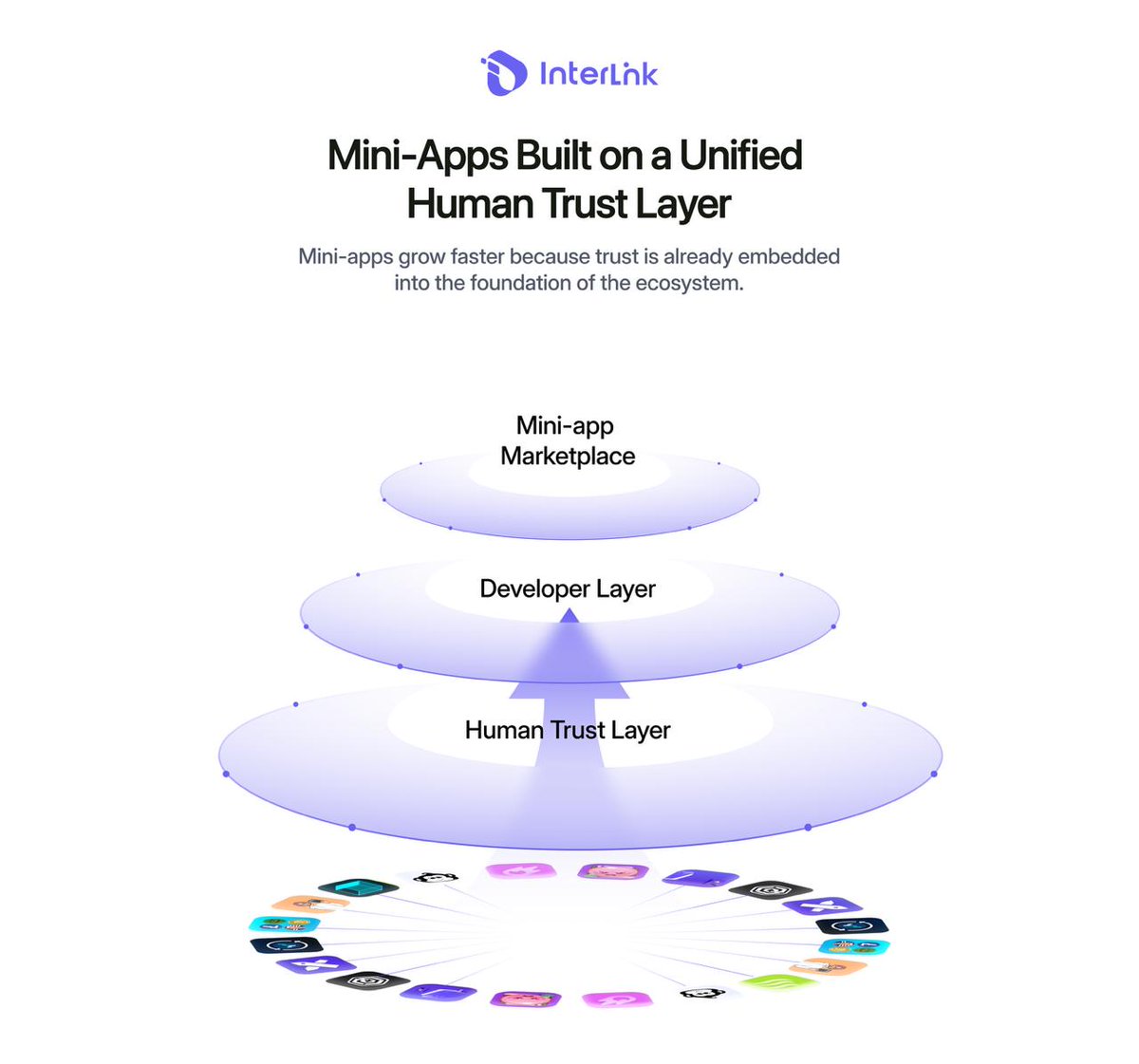
Mini-Apps Built on a Unified Human Trust Layer
📱 The Mini-App ecosystem enables developers to build applications on top of a verified human network without reconstructing identity, KYC, or anti-sybil frameworks from scratch. Because trust exists at the network layer, apps inherit a reliable identity standard that shortens development cycles and simplifies onboarding.
1. Developers skip verification logic: All apps rely on Interlink’s identity layer instead of building their own trust stack.
2. Faster onboarding: Users enter apps instantly because their identity exists before the app does.
3. Cross-app trust continuity: Actions, reputation, and authenticity persist between apps, enabling scalable network effects.
Mini-apps grow faster because trust is already embedded into the foundation of the ecosystem.
#InterLink #ITLG #ITL
443
598
1,645
65,039