
#开源社 | Software Developer | Senior Developer Advocate #DevRel | Community Manager @AWSUserGroups Hangzhou Leader |Board Director of @kaiyuanshe
Joined February 2023
- Tweets 472
- Following 3,623
- Followers 251
- Likes 5,143
47 Photos and videos


Pinned Tweet

23 Aug 2024
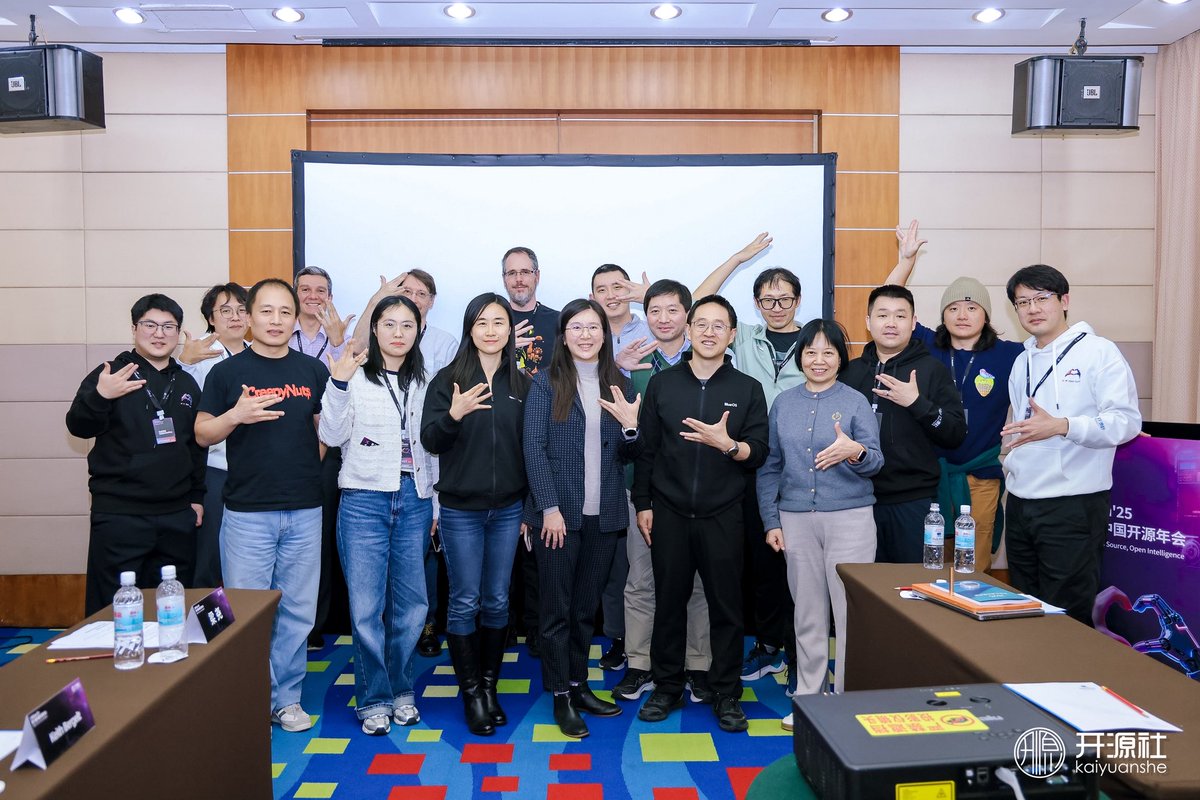
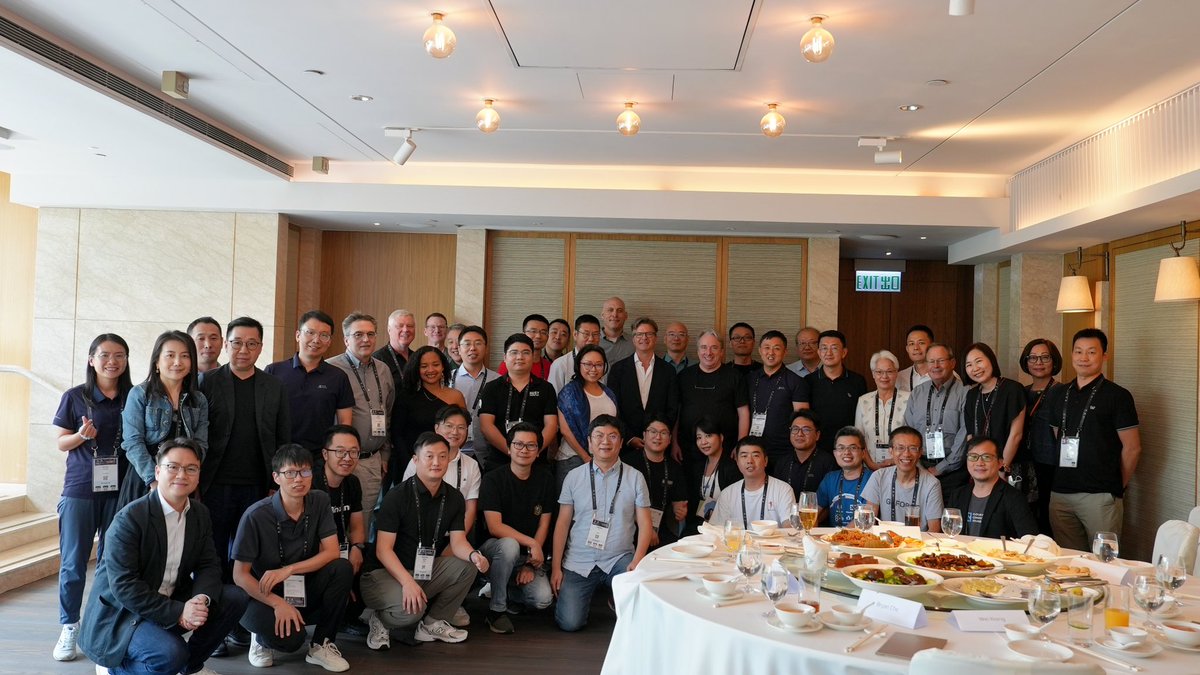
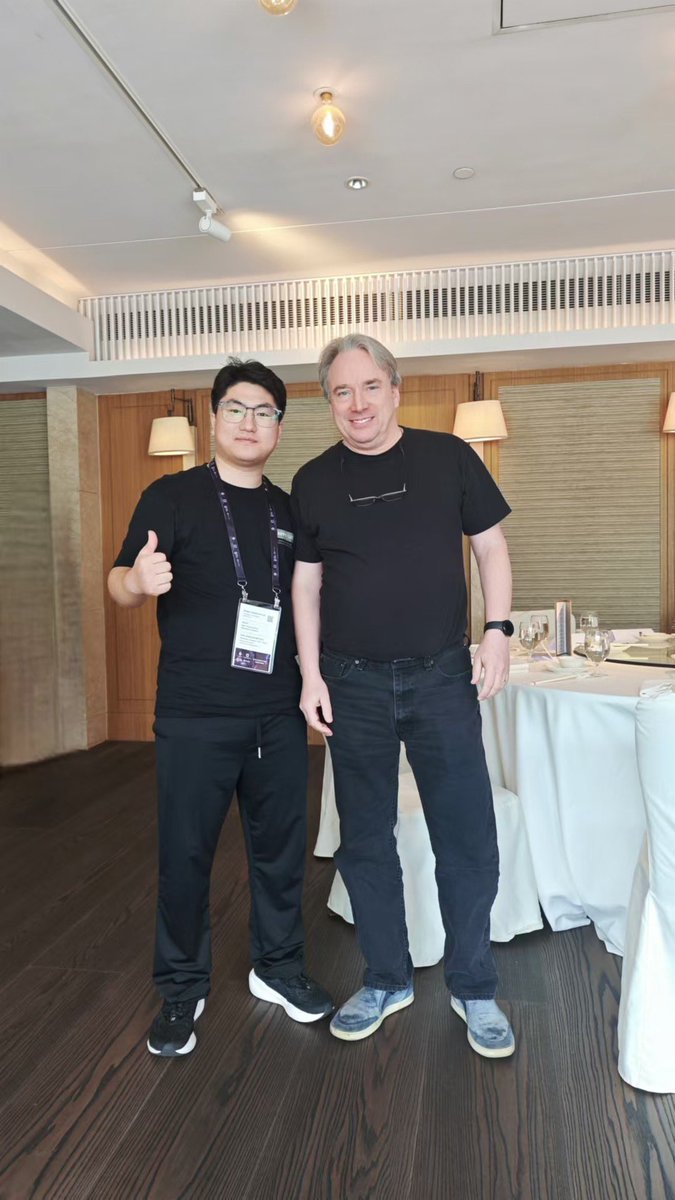
与Linux&Git创始人Linus Torvalds 合影留念✌️
21
2,115
发一条竟然获得了43.1K粉丝
Jun 5

Hello world!
2
24
优秀是可以培养的
Jun 1

看到一条新闻说:有亿万富翁的子女在 MinMax 工作过,期间非常努力,是卷王之一。
想起在支付宝体验技术部期间,团队里曾经也卧凤藏龙,有过富豪的子女,也有过部厅级的后辈。
回想起来,都很优秀。工作努力的卷只是优秀之一,更让人赞叹的是,普遍都很谦卑,知书达理,有教养。
事实就是这样的。可能跟你想的不一样。
1
48
Congratulations~
May 19

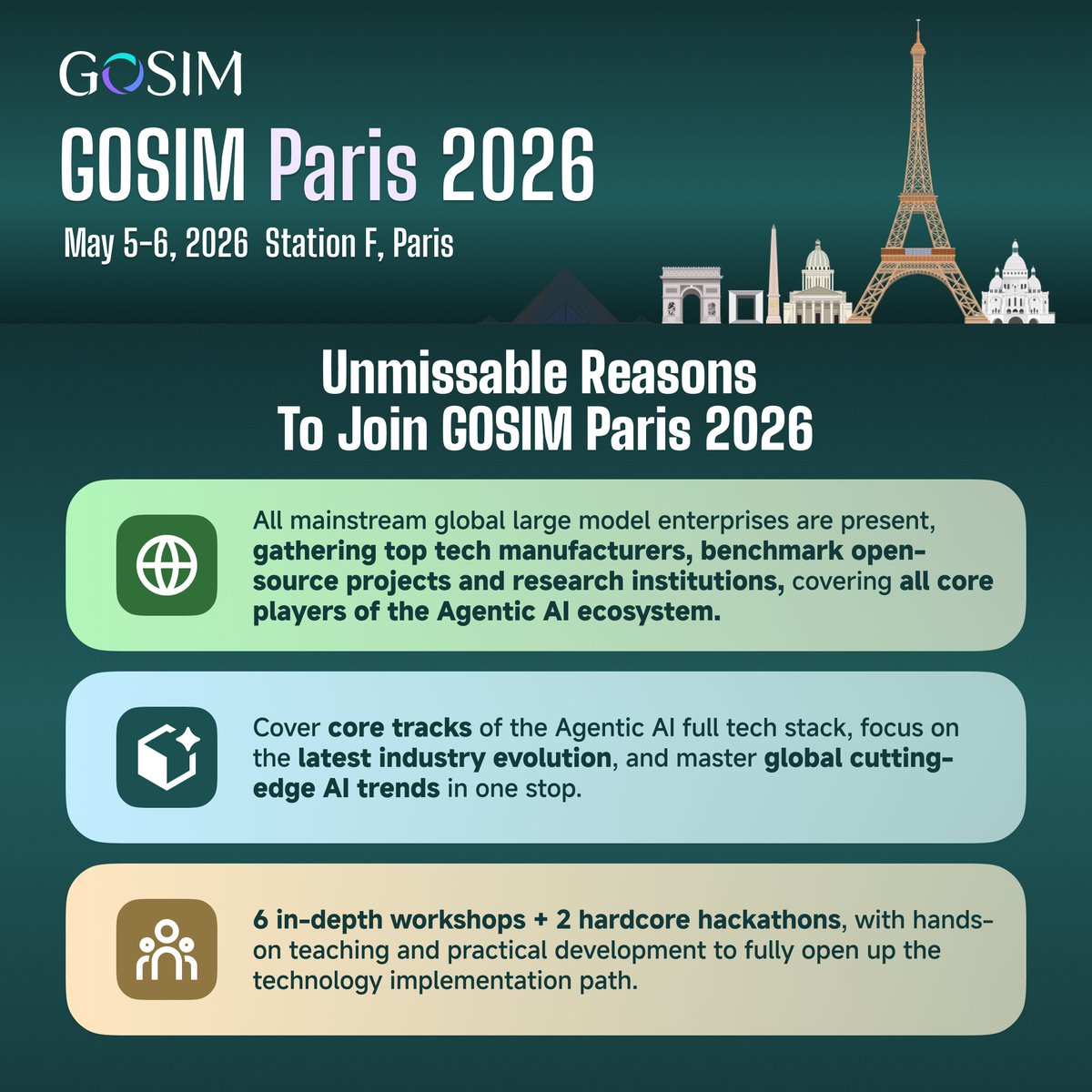
🌍 GOSIM Paris 2026: The Global Open-Source Tech Wave
What an incredible energy at Station F, Paris! 🇨🇳🇫🇷GOSIM 2026 just wrapped up, bringing together the absolute brightest minds in the open-source and AI ecosystem.
Here’s a quick recap of the massive impact:
✨ 1,300 Open-source AI Experts & Innovators
🎤 150 Top AI Experts Worldwide in deep-dive dialogues (including Fields Medalist Sir Timothy Gowers, Gaël Varoquaux, and more!)
🔥 5 Thematic Forums spanning Agentic AI, Open Source Models, and Robotics
🛠️ 6 Cutting-Edge Workshops & 2 High-Intensity Hackathons
Open source knows no borders, and we are actively defining the future together!
👉 Next Stop: GOSIM SHENZHEN 2026 (Oct. 2026)🇨🇳
Want to be part of the next big wave? Reach out to 📧 sponsor@gosim.org
#GOSIM2026 #GOSIMParis #OpenSource #AgenticAI #AI #Robotics #TechCommunity #StationF #GOSIMShenzhen
2
72
很佩服. @elonmusk ,说开源就开源,而且是持续开源

The latest 𝕏 algorithm has been published to GitHub
github.com/xai-org/x-algorit…
1
117
看来真是本人?
May 13

别这样,公司有正常的海外业务可以合法申请工作用 VPN。
82
A post takes me back to my early days in the Apache world, when my mentor’s very first piece of advice was, “All important discussions happen on the mailing list.” At the time I privately thought it felt a bit dated — it was only later that I came to appreciate the design wisdom behind it.
Over the years I’ve watched quite a few project teams move their discussions into Slack, Discord, or enterprise messaging platforms. It feels lively at first, but once key people leave or team structures shift, large amounts of context simply evaporate. By contrast, the projects that stuck with mailing lists allow you to go back five, even eight years later and still trace exactly how a decision moved from disagreement to rough consensus. That kind of depth in time is something instant messaging can never provide.
What moves me isn’t really the mailing list itself, but the point the post brings out — that it was “intentionally shaped to reduce structural barriers to participation.” As someone who often can only open the laptop and reply to threads after getting the kids to sleep, I know all too well that without a thoroughly asynchronous, open mechanism that isn’t tied to any single organisation’s account system, people like us who have to squeeze contributions into the cracks of life would have been excluded from decision-making long ago. This isn’t just a technical choice; it reflects a deep understanding of equitable participation.
The changes AI is bringing feel significant too. Using tools to semantically search and summarise years of Apache mailing list archives delivers a level of efficiency I could hardly have imagined in earlier days. But the precondition for all of that is precisely the publicly archived, meticulously preserved record that was never locked into any one company’s platform. When the data is open, the discussion can truly be open. I’m really grateful that in an era where everything prizes “fast,” the ASF continues to hold onto this infrastructure principle — one that may look clumsy on the surface but is, in reality, deeply far-sighted.
1
69

明晚20:00啊,不得不看了
May 8

周日晚跟 @Jiaxi_Cui 一起营业。
其实话题大纲我还没看,打算周日吃完晚饭看一下🥹
相关的议题我在推上分享很多了,导致很多主题感觉已经讲过,就不怎么着急写文章。有一些候选主题,但是最近写 ScopeDB Platform 时间紧任务重,这两天还开源瘾犯了,还要日常 gym,真是这辈子有了。

2
65
Cool~
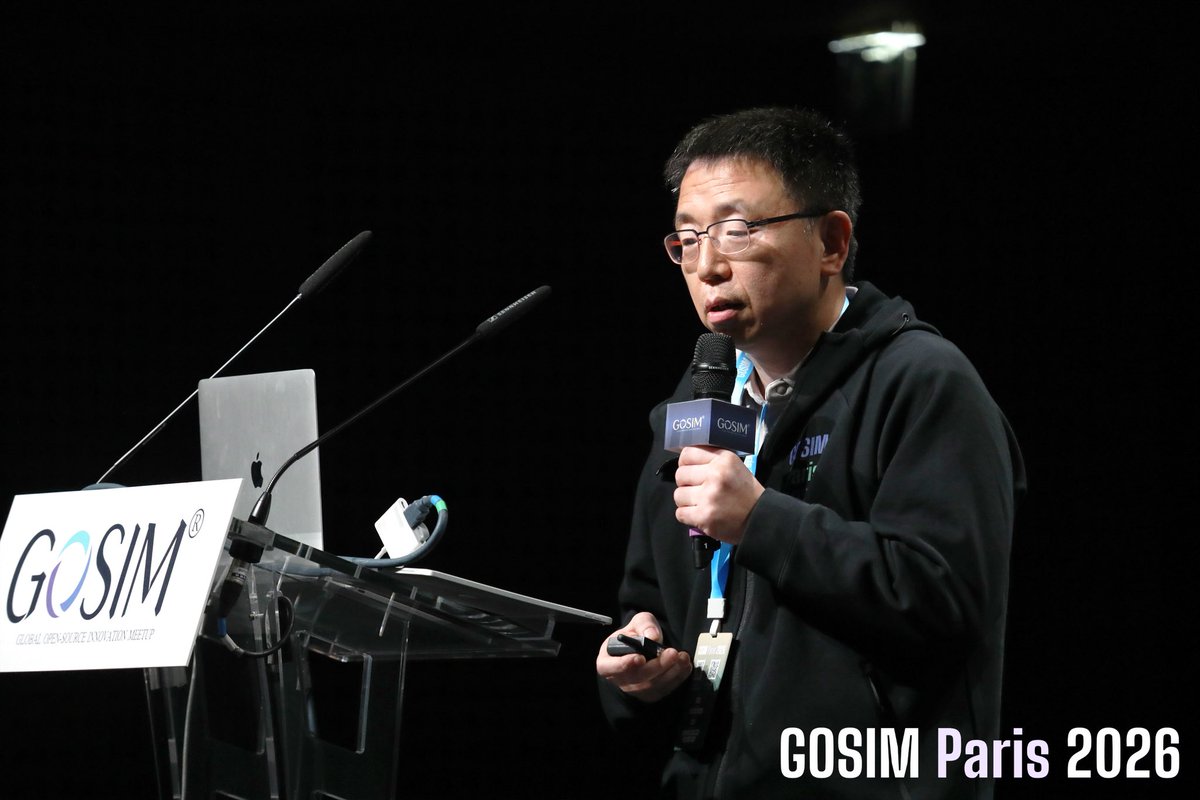
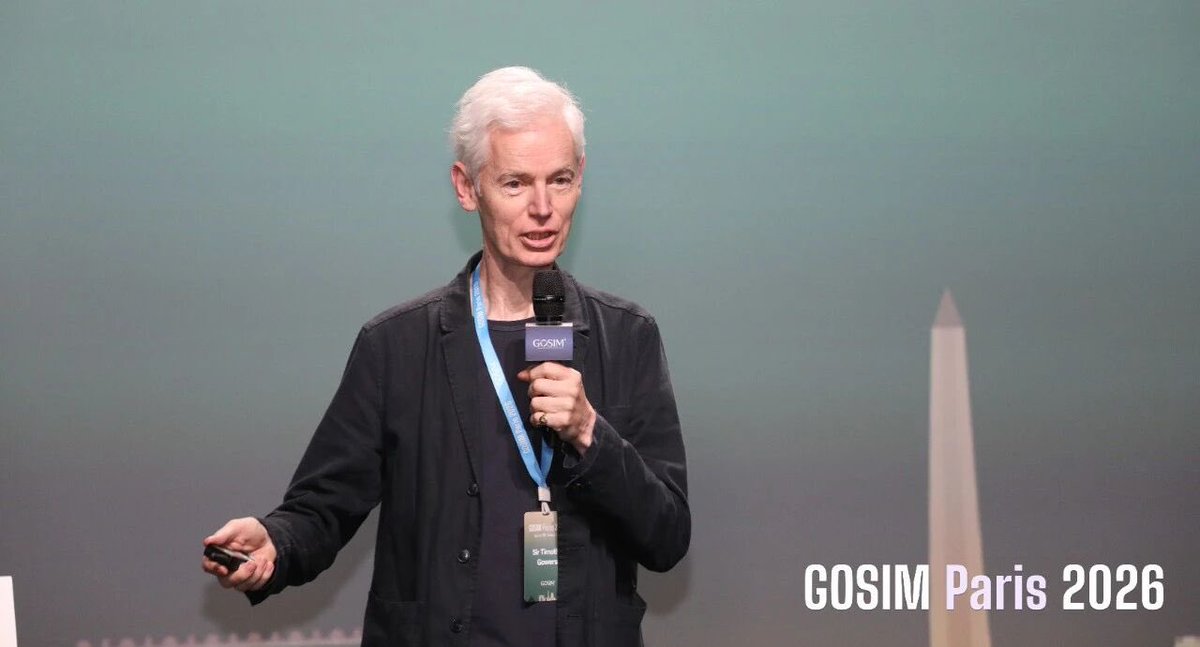
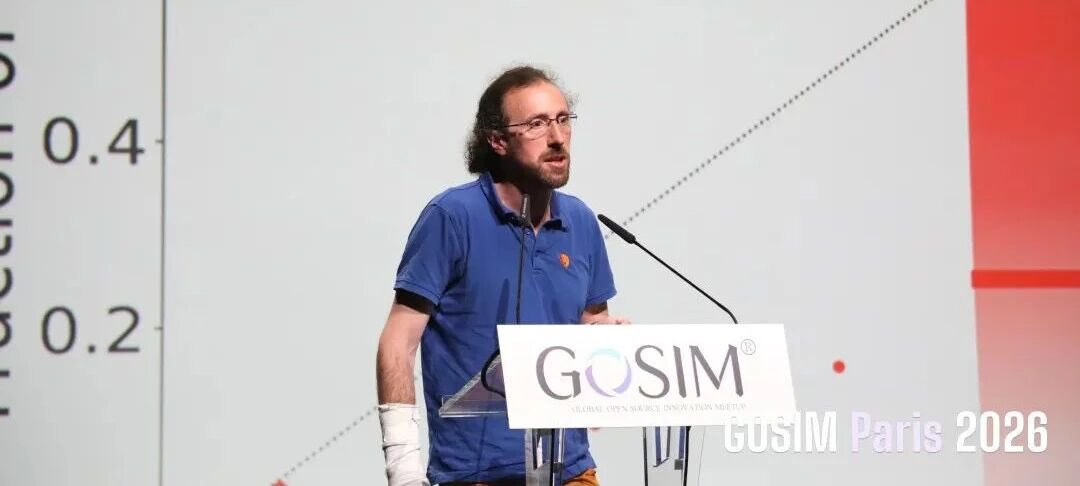
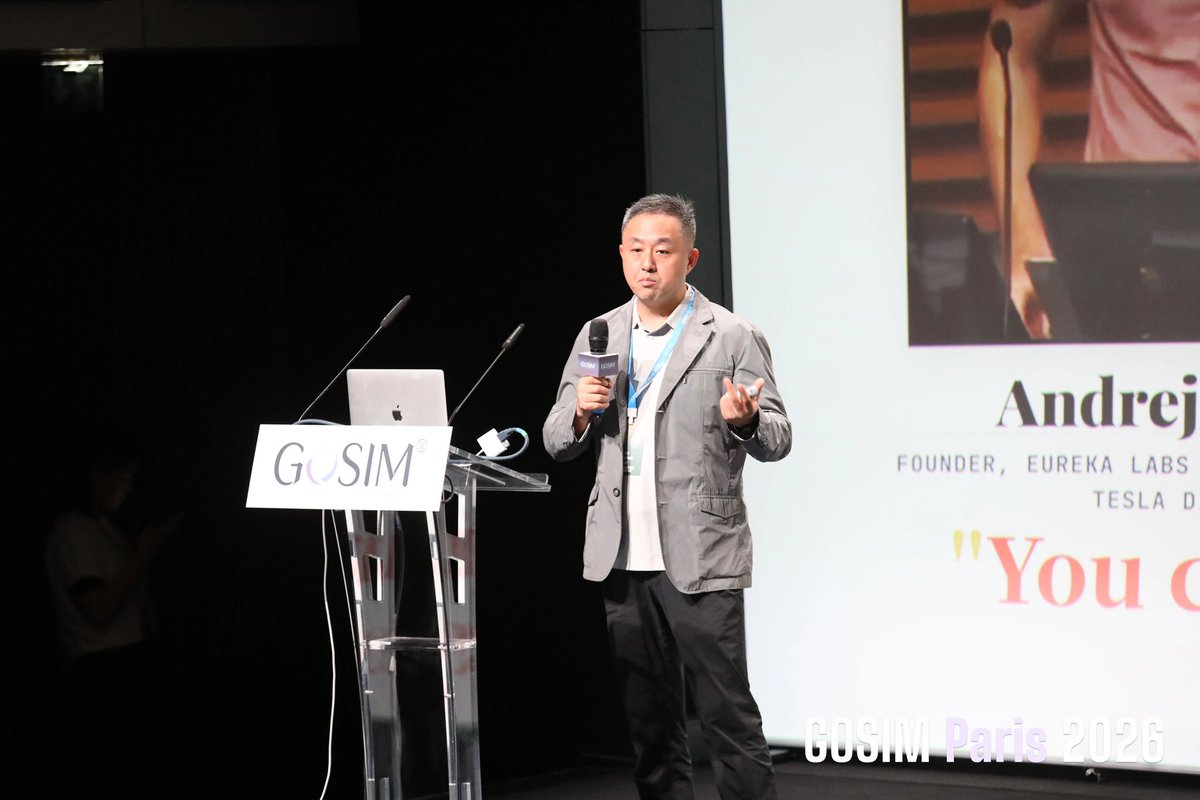
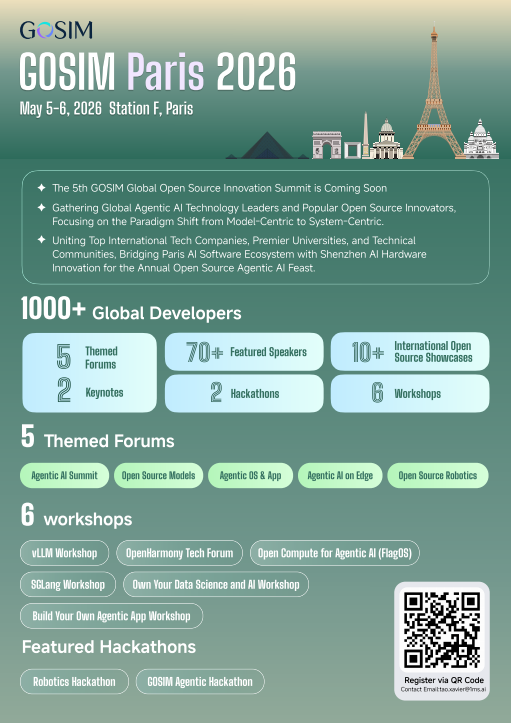
🔥 The heat is ON at #GOSIMParis — the AI Vision Forum is hitting a peak right now. Deep discussions, sharp thinking, and real signals about the Agent era are unfolding live 👇
⸻
🎤 Jiang Tao — AI and open collaboration
He emphasized the growing importance of open collaboration in the AI era, especially as global developers and communities engage more deeply in building AI systems.
👉 Open source continues to play a key role in enabling participation and innovation.
👉 The evolution of AI is closely tied to how developers collaborate at scale.
⸻
🎤 Timothy Gowers — AI in mathematical research
He discussed how AI is increasingly being used in mathematical problem solving and research workflows.
👉 AI can assist in exploring proofs and generating ideas.
👉 At the same time, understanding and validating results remains essential.
⸻
🎤 Gaël Varoquaux — Statistical foundations of AI
He highlighted that AI systems are fundamentally based on statistical modeling and uncertainty.
👉 Outputs should be understood as estimates rather than facts.
👉 Proper evaluation is critical to ensure reliability.
⸻
🎤 Bill Ren — The rise of AI Agents
He discussed the emergence of AI Agents and new software paradigms, referencing the evolution toward Software 3.0.
👉 Agents combine capabilities such as models, memory, and tools.
👉 New collaboration patterns between humans and AI systems are beginning to take shape.
⸻
💥 And this is just a snapshot.
Many speakers and discussions are still ongoing — a lot of important ideas haven’t been fully captured here yet.
The conversations are evolving fast. The implications are real.
Stay tuned — more to come.
#GOSIM #AIVisionForum #AI #OpenSource #AIAgents #TechConference #FutureOfAI
1
31

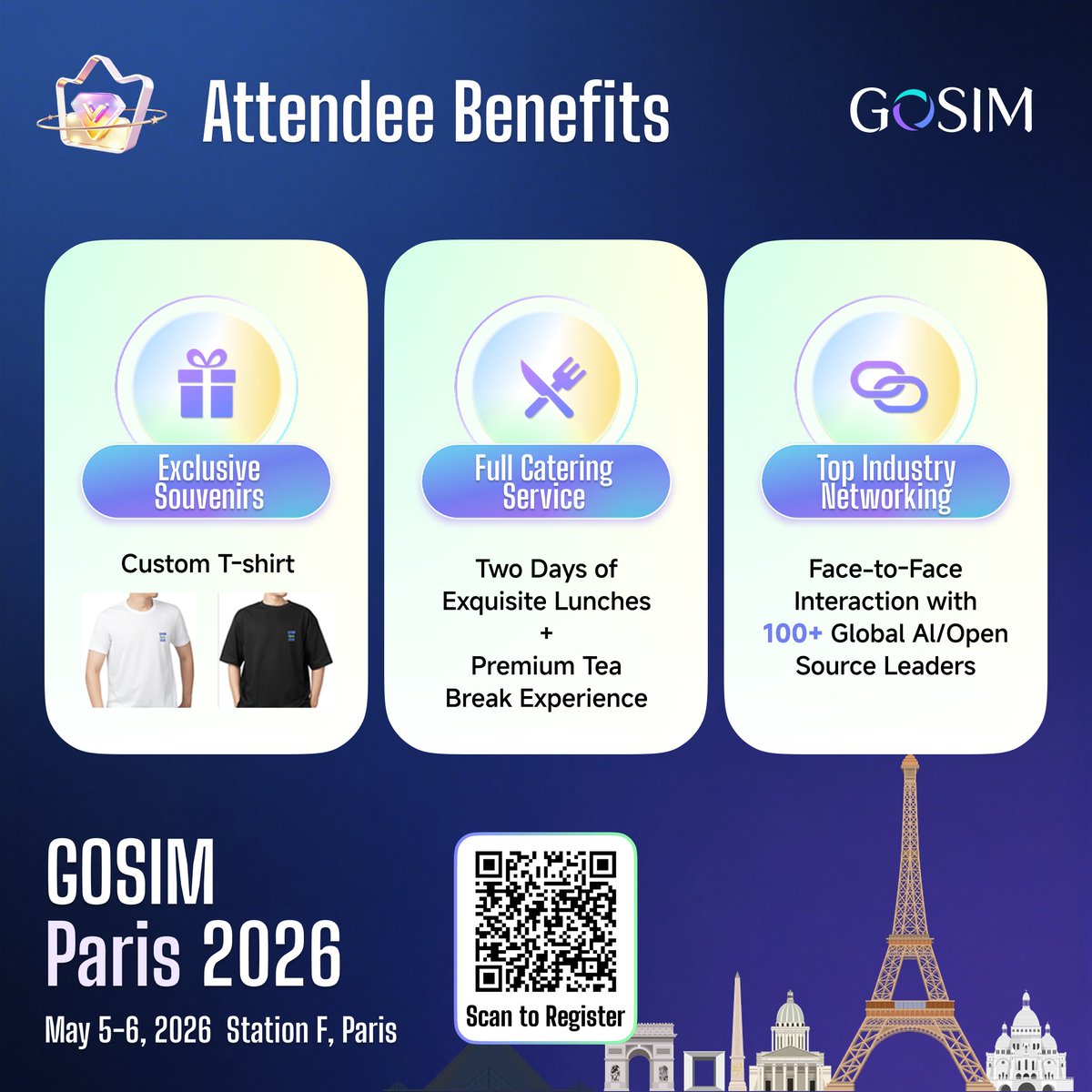
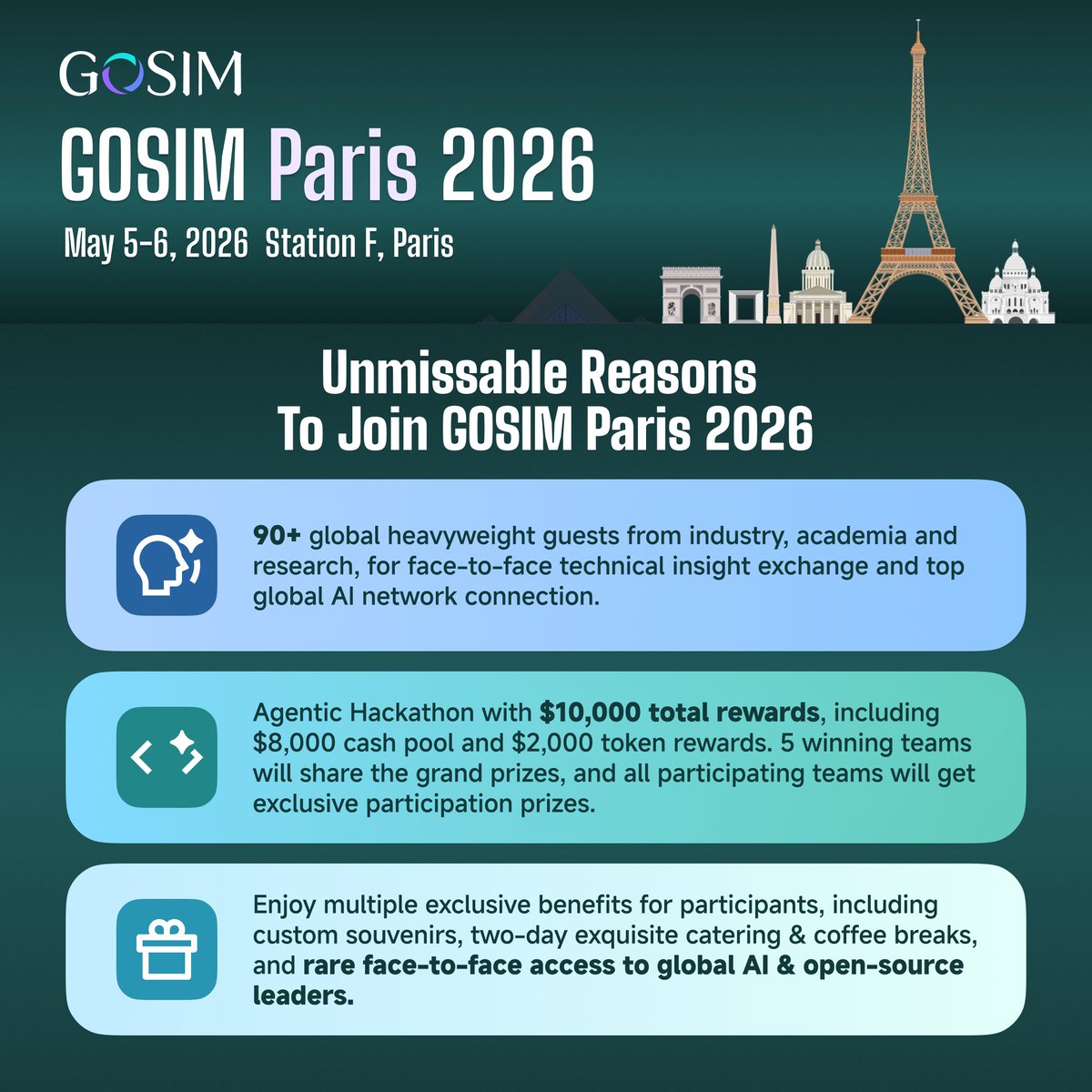
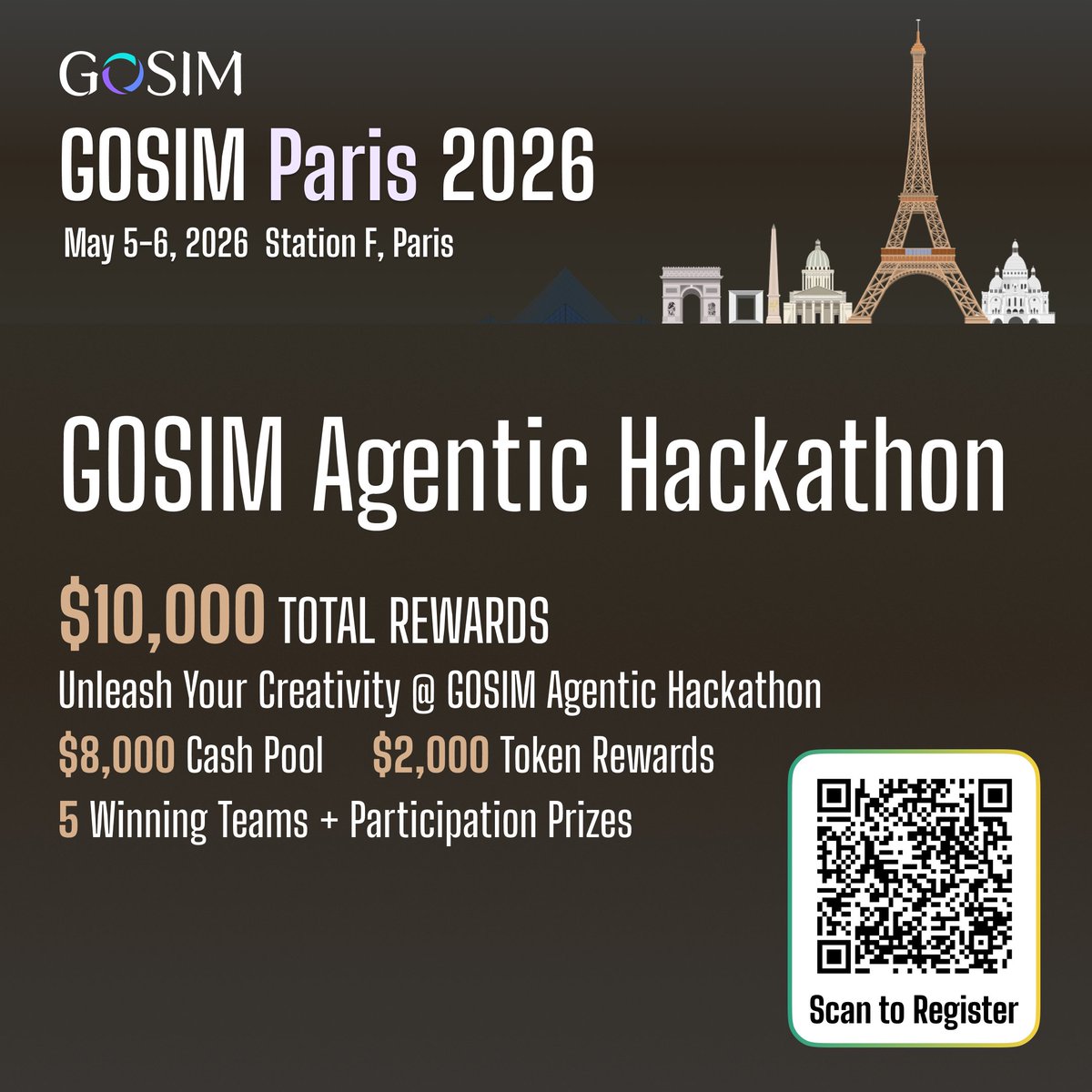
即将在法国巴黎举办的 GOSIM 2025,@kaiyuanshe 有一些免费票,欢迎申请哈~
限量免费赠票
● 共20张免费票,先到先得
● 赠票注册截止时间:5月1日
免费注册链接:eventbrite.com/e/19840138408…
1
59
有在法国的可以去看看~
🎟️#GOSIM Paris 2026 — chance to get your ticket for just €10.9 (Early bird ticket price: €350)
How to enter the lucky draw:
1. Follow @gosimfoundation
2. Repost this
3. Tag 1 friend who loves open-source AI
🏆 Winners will be DM’ed a €10.9 discount code
📅 May 5–6 @ STATION F
🎤 NVIDIA, Google, Moonshot, GLM, MiniMax & more
Full agenda: paris2026.gosim.org
@Huawei @huggingface @AIFC_Official_ @Kimi_Moonshot @Zhipu_AI @MiniMax_AI @OpenBMB

1
54
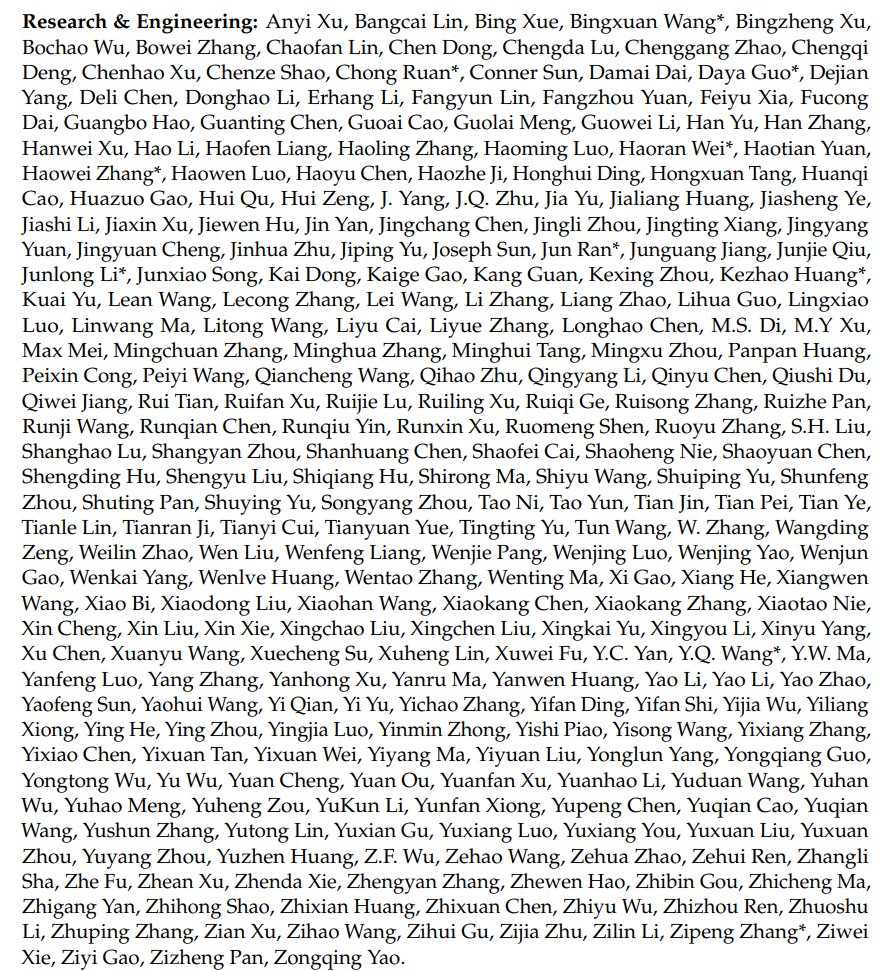
到底是哪些傻X自媒体鼓吹DeepSeek人才流失严重的?
Apr 25

DeepSeek V4技术报告里技术团队成员有270人(包括梁文锋),其中有10人离开公司(名单里带*号的),流失率并不高。除此前媒体已经有报道的去字节的郭达雅,去腾讯的王炳宣,去元戎启行的阮翀,以及魏浩然外,还有Haowei Zhang、Jun Ran、Junlong Li、Kezhao Huang、Y.Q. Wang、Zipeng Zhang。
106
DeepSeek V4 技术报告3.1节白纸黑字写了,V4 从训练到推理的全链路,已经完整适配了华为昇腾 NPU。英伟达的 CUDA 生态不再是唯一选项。报告里甚至详细介绍了他们自研的细粒度专家并行方案“MegaMoE”,能在 NVIDIA GPU 和华为昇腾NPU上都跑出 1.5 到 1.96 倍的推理加速。横跨两大硬件生态做底层优化的模型团队,respect~
96
这是好事儿啊
67
DeepSeek V4的架构改动,用“伤筋动骨”来形容都不为过。他们重新设计了长文本的处理方式,搞了一套叫CSA(压缩稀疏注意力) 和HCA(重度压缩注意力) 的混合注意力架构。CSA先把连续4个token的KV缓存压缩成一个,然后通过一个叫“索引器”的组件,让每个query只关注top-k个压缩后的KV块。HCA更狠,压缩率直接拉到128。报告里直接给了一个让人头皮发麻的数据:百万token长文本场景下,V4 Pro的推理计算量只有V3.2的27%,KV缓存占用只有V3.2的10%。
1
100