An international peer-reviewed journal publishing high-quality papers on control theory and applications, sponsored by SCUT and AMSS, CAS.
Joined November 2025
- Tweets 126
- Following 1
- Followers 14
- Likes 0
123 Photos and videos


[Series 10 | Cross-Disciplinary & Theoretical Frontiers | #2]
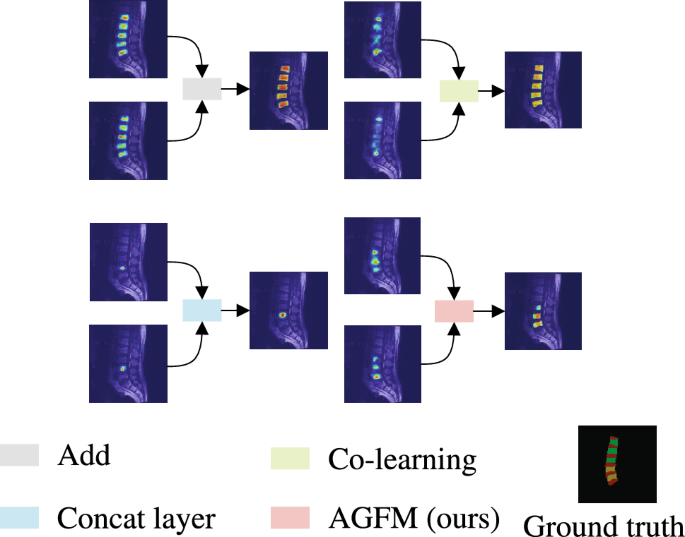
🩻🧠 How can spinal health be assessed automatically from medical scans?
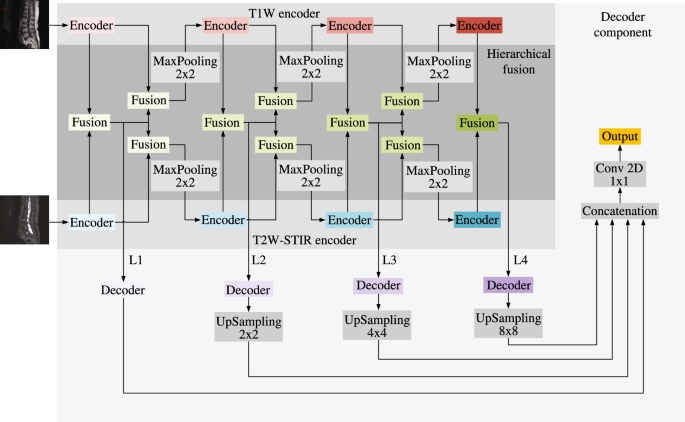
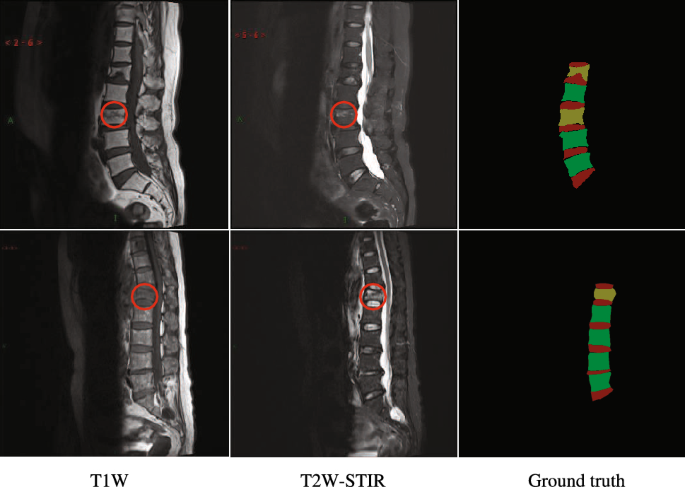
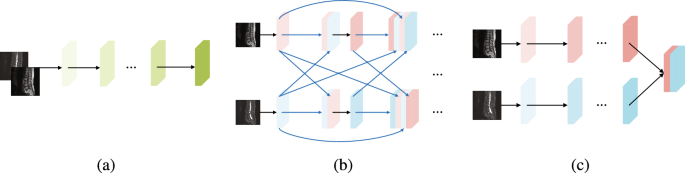
A deep learning framework fuses multi-modal MRI information to accurately segment lumbar vertebrae, providing reliable anatomical analysis that can support vertebral fracture diagnosis and clinical decision-making.
💡
Title: Multi-modality hierarchical fusion network for lumbar spine segmentation with magnetic resonance images
Authors: Han Yan, Guangtao Zhang, Wei Cui & Zhuliang Yu
More at: rdcu.be/dVrsC
#MedicalImaging #DeepLearning #SpineHealth #MRI #MedicalAI #HealthcareTechnology
1
9
[Series 10 | Cross-Disciplinary & Theoretical Frontiers | #1]
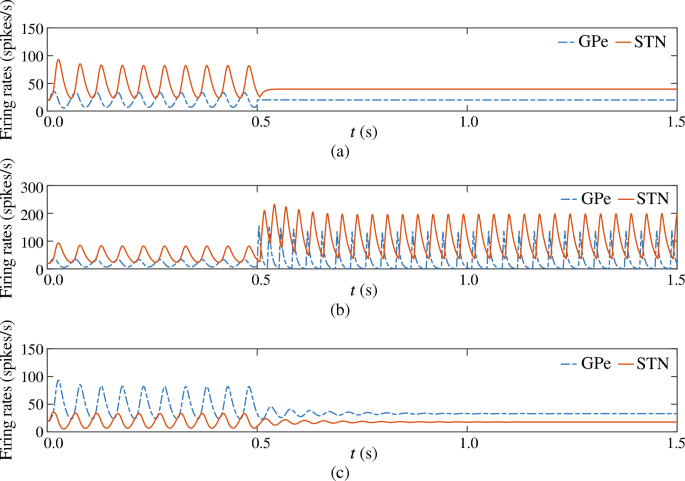
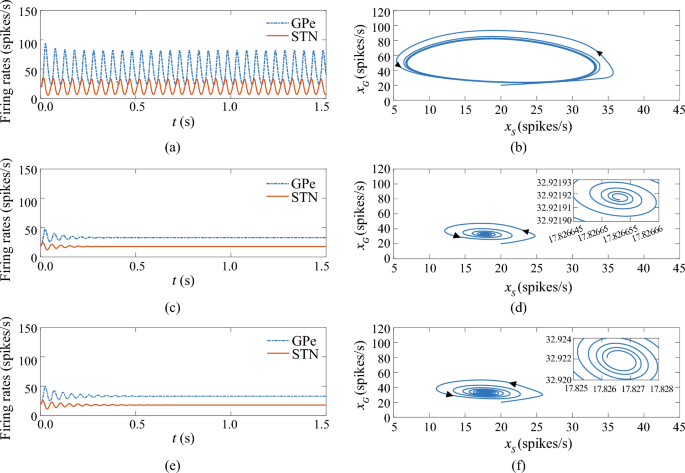
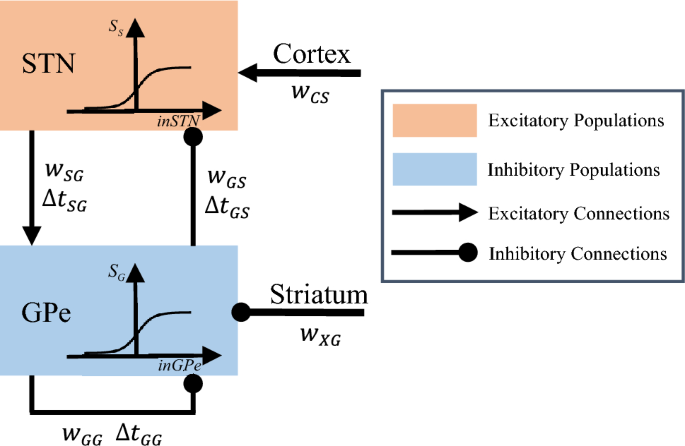
🧠⚙️ Can control theory help us understand and treat Parkinson’s disease?
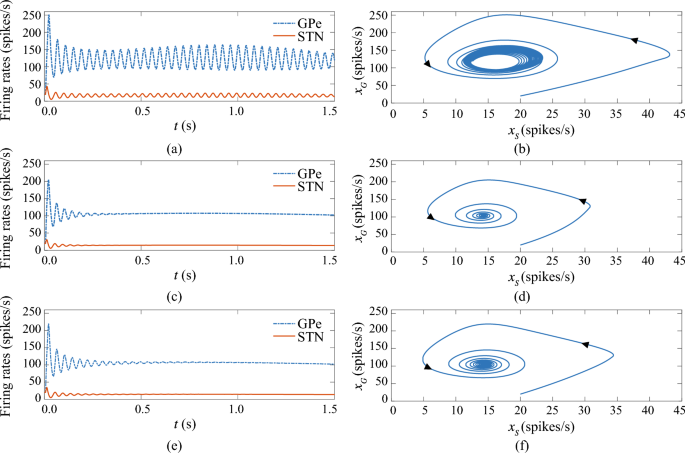
A memoryless feedback control strategy is developed to suppress pathological neural oscillations in delayed basal ganglia networks, a key mechanism associated with Parkinsonian symptoms.
💡
Title: Pathological basal ganglia oscillations with time delays: a memoryless feedback control strategy
Authors: Yuhe Xia, Xianfu Zhang, Shengxiang Xia, Mingyue Wu & Yiyu Feng
More at: rdcu.be/dM3B4
#BiomedicalControl #Neuroscience #Parkinsons #BrainDynamics
1
13
Series 10: Cross-Disciplinary & Theoretical Frontiers
🧠🌐 Beyond Traditional Boundaries
This #Thread explores how control theory reaches far beyond conventional engineering applications. From neuroscience and healthcare to logic automation and fundamental theoretical questions, these works highlight the expanding role of control concepts across science and technology.
#Interdisciplinary #Theory #ControlFrontiers #SystemsScience #Automation #ControlTheory
9
[Series 9 | Aerospace & Precision Motion | #9]
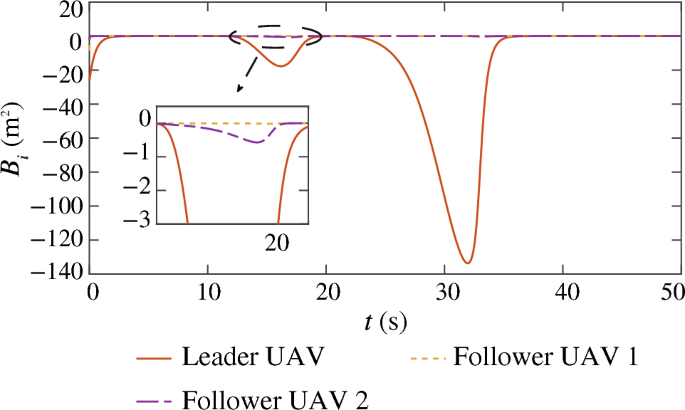
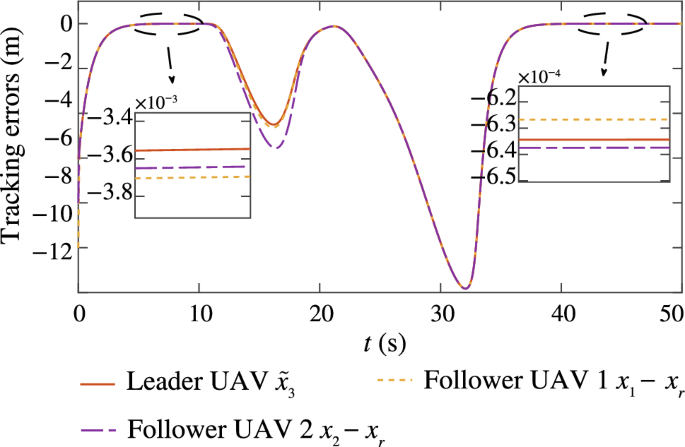
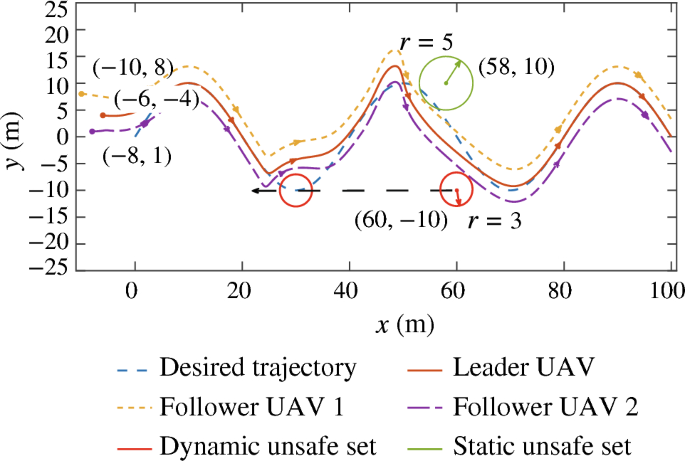
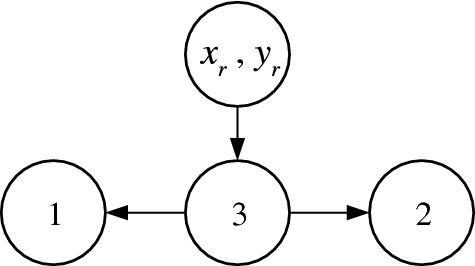
🚁🛡️ How can multiple UAVs maintain formation while guaranteeing both safety and stability?
A unified Control Lyapunov–Barrier Function (CLBF) framework combines stability and collision-avoidance objectives into a single distributed formation control strategy. The approach ensures UAVs remain within safe operating regions while achieving stable coordinated flight.
💡
Title: Safe formation control of multiple unmanned aerial vehicles: control design and safety-stability analysis
Authors: Haoqi Li, Jiangping Hu, Qingrui Zhou & Bijoy K. Ghosh
More at: rdcu.be/dJX7Y
#UAV #FormationControl #Safety #MultiAgentSystems #Lyapunov #BarrierFunctions
1
[Series 9 | Aerospace & Precision Motion | #8]
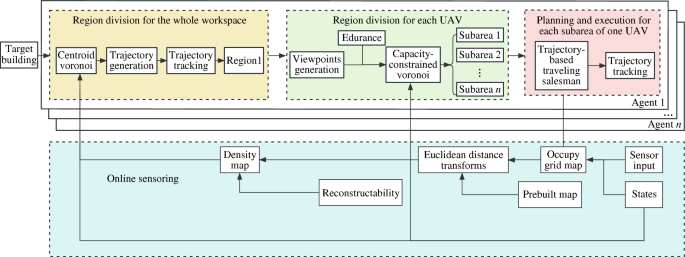
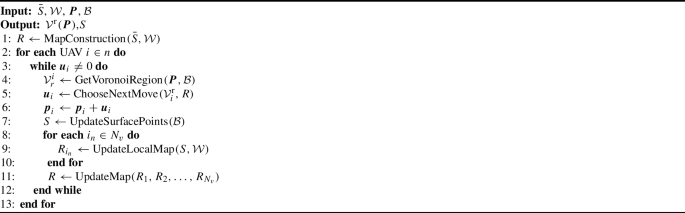
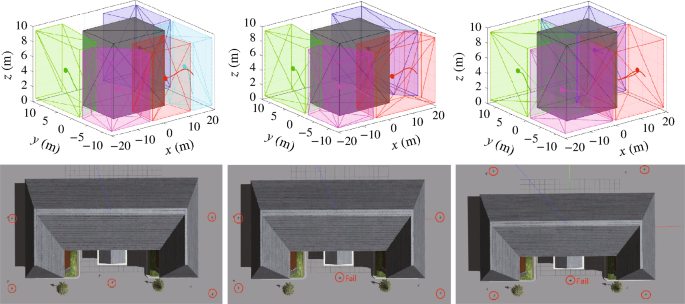
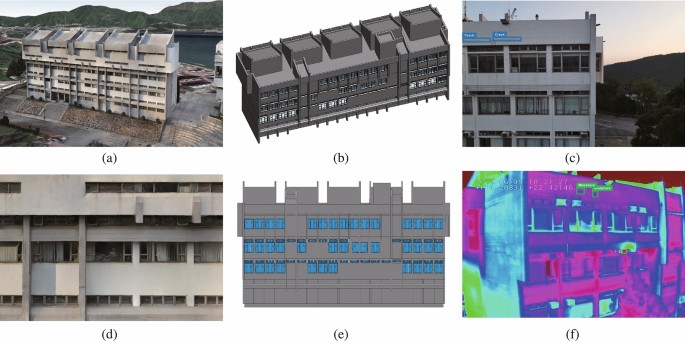
🚁🏗️ How can multiple UAVs inspect large-scale infrastructures more efficiently?
A hierarchical cooperative framework combines exploration, dynamic workload balancing, region partitioning, and energy-aware path planning to reduce mission time while maintaining high-quality infrastructure reconstruction.
💡💡💡
Title: A hierarchical multi-UAV cooperative framework for infrastructure inspection and reconstruction
Authors: Chuanxiang Gao, Xinyi Wang, Xi Chen, Ben M. Chen
More at: rdcu.be/dJR20
#UAV #MultiUAV #InfrastructureInspection #AutonomousSystems #PathPlanning #Robotics
1
9
[Series 9 | Aerospace & Precision Motion | #7]
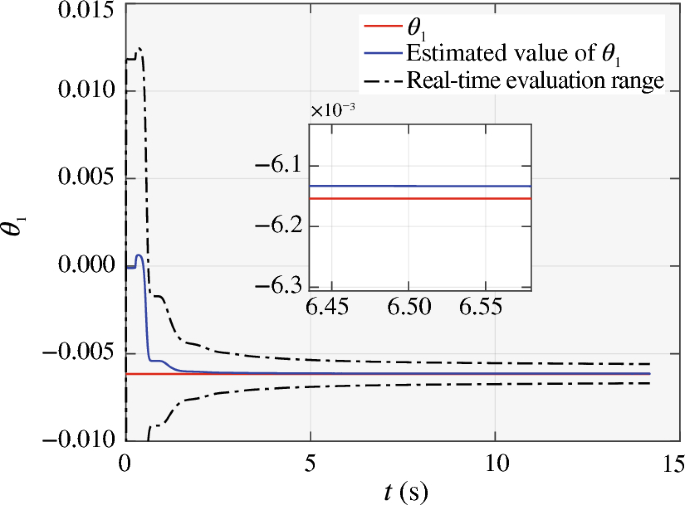
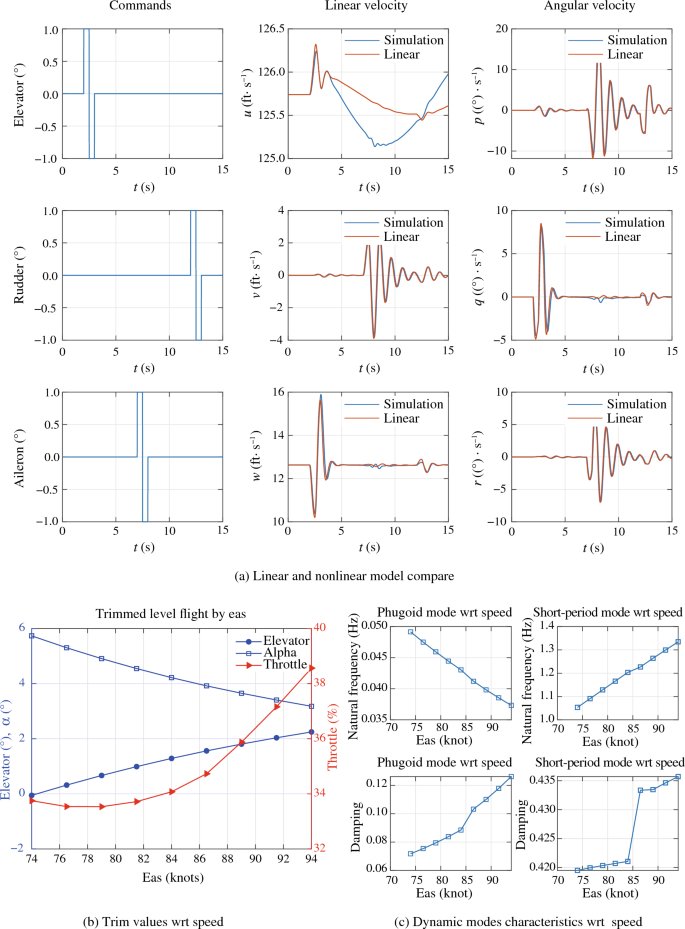
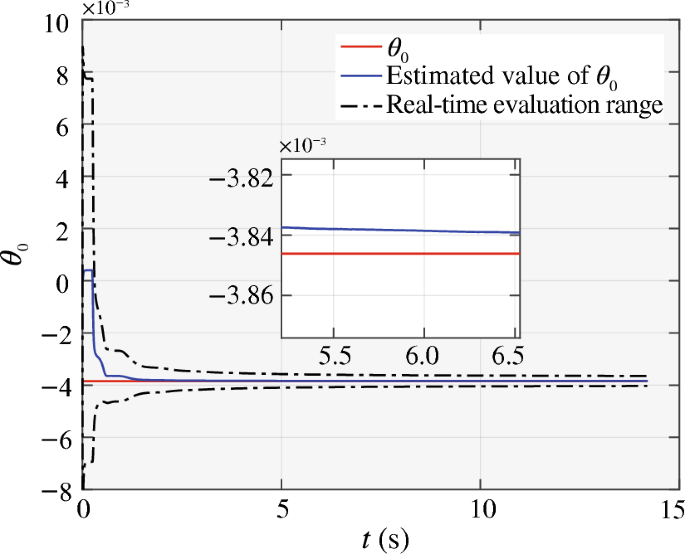
✈️🔍 How can changing aerodynamic parameters be estimated online under noisy measurements?
An Extended State Kalman Filter (ESKF) incorporates aerodynamic uncertainties into an augmented state model, enabling accurate real-time identification and error assessment.
💡
Title: On extended state Kalman filter-based identification algorithm for aerodynamic parameters
Authors: Wenyan Bai, Ruizhe Jia, Peng Yu & Wenchao Xue
More at: link.springer.com/article/10…
#Aerospace #ParameterID #Estimation #KalmanFilter
18
[Series 9 | Aerospace & Precision Motion | #6]
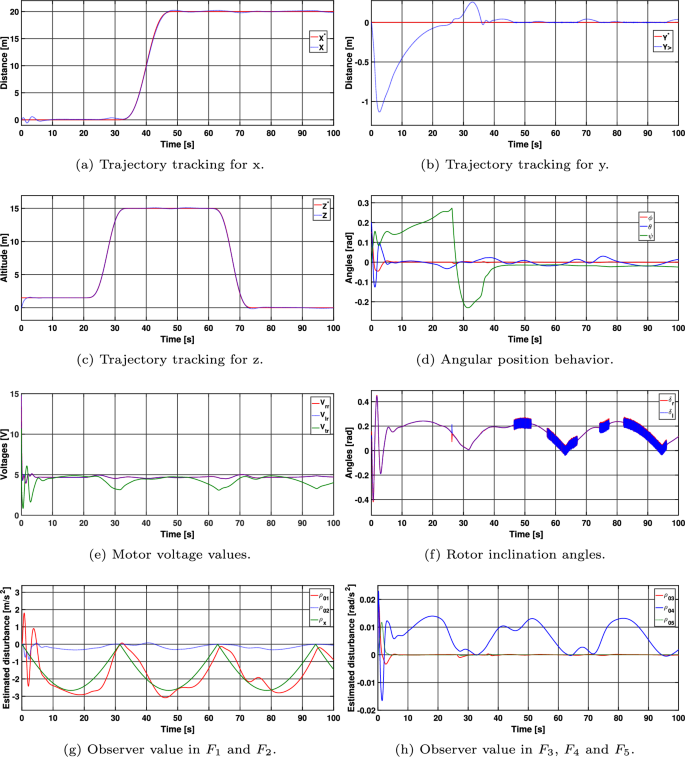
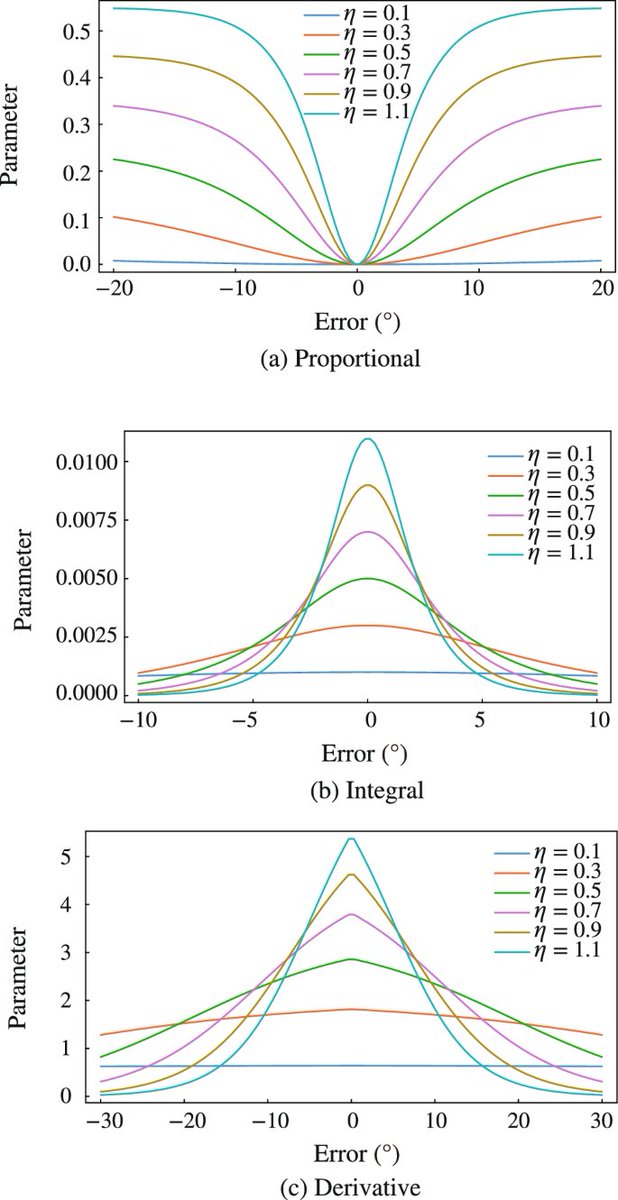
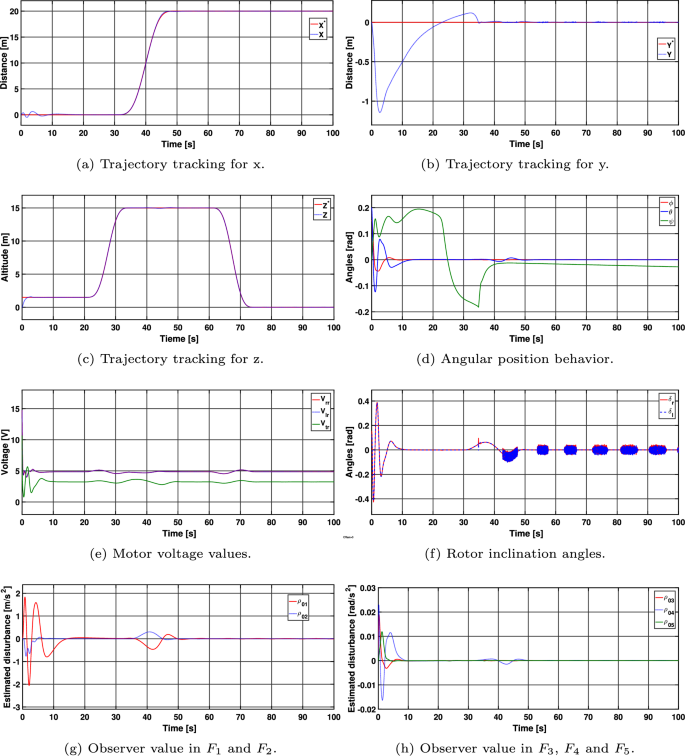
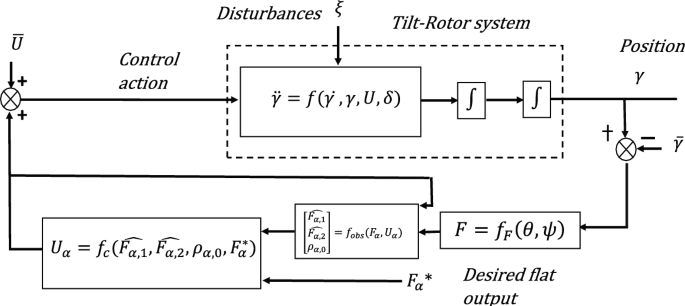
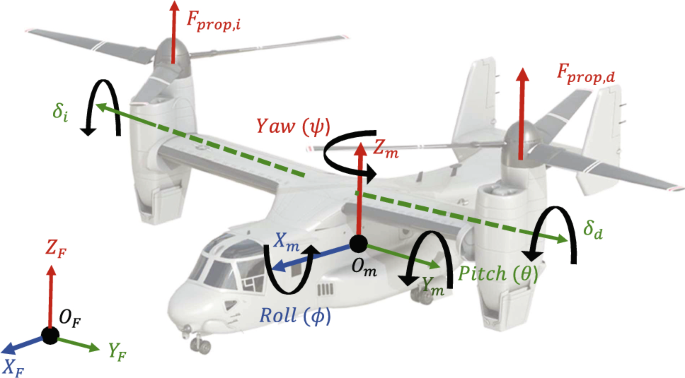
🚁🎯 How can a tilt-rotor UAV achieve accurate trajectory tracking despite its complex nonlinear dynamics?
This work combines differential flatness modeling with Linear ADRC, enabling effective trajectory tracking of a tilt-rotor UAV through a tangent-linearized control framework.
⚙️
Title: Modeling and active disturbance rejection control of a tilt-rotor UAV
Authors: Victor-Gabriel Sánchez-Meza, Yair Lozano-Hernández, Norma Lozada-Castillo, Mario Ramírez-Neria & Alberto Luviano-Juárez
Full Text: rdcu.be/eN8eg
#UAV #VTOL #ADRC #TrajectoryTracking
19
[Series 9 | Aerospace & Precision Motion | #5]
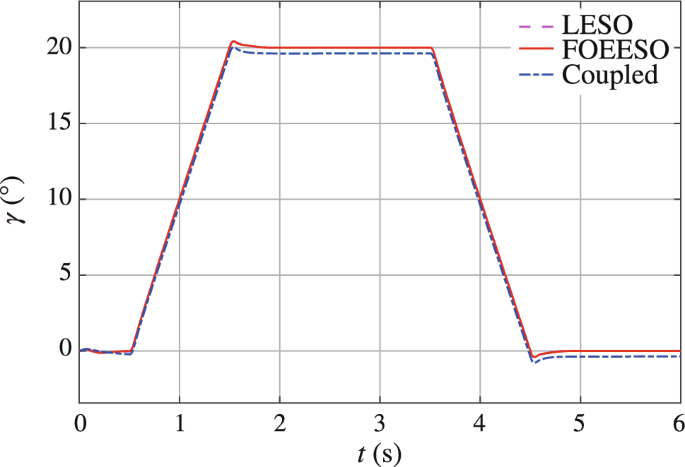
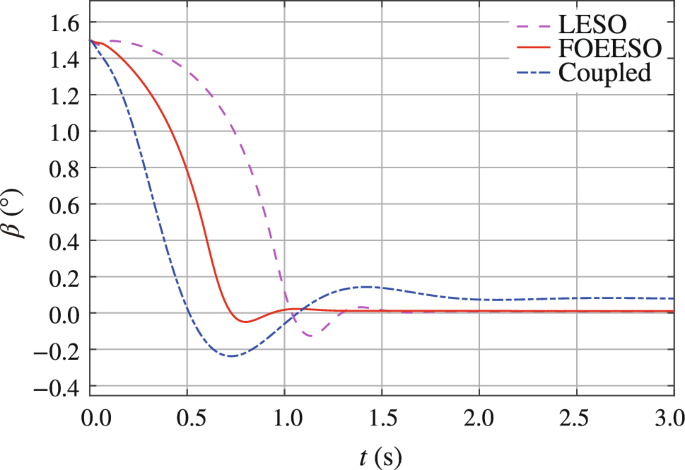
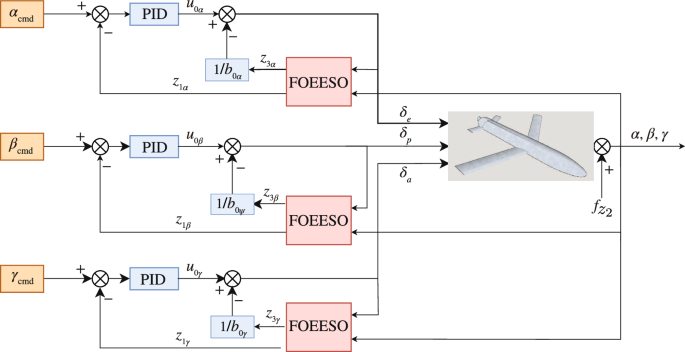
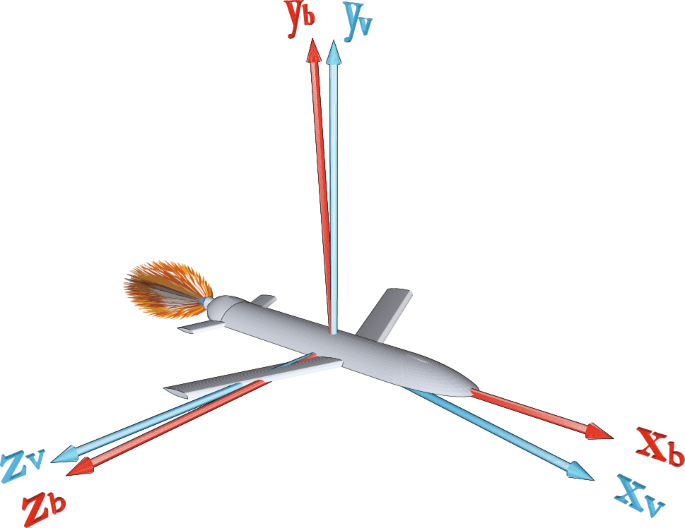
✈️🔄 How can a tailless aircraft maintain precise control despite strong channel coupling and high-frequency disturbances?
This work introduces a Fractional-Order Error Extended State Observer (FOEESO) for decoupling control, improving disturbance rejection, tracking accuracy, and closed-loop stability in tailless aircraft.
🎯
Title: Decoupling control for tailless aircraft based fractional-order error extended state observer
Authors: Yunlong Hu, Mingfei Zhao, Jia Song, Wenling Li & Yang Liu
More at: rdcu.be/eESSm
#AircraftControl #Decoupling #ADRC #Aerospace
1
11
[Series 9 | Aerospace & Precision Motion | #4]
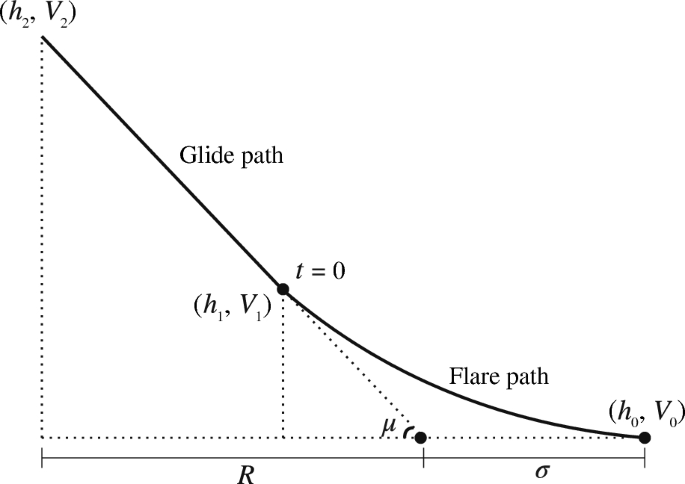
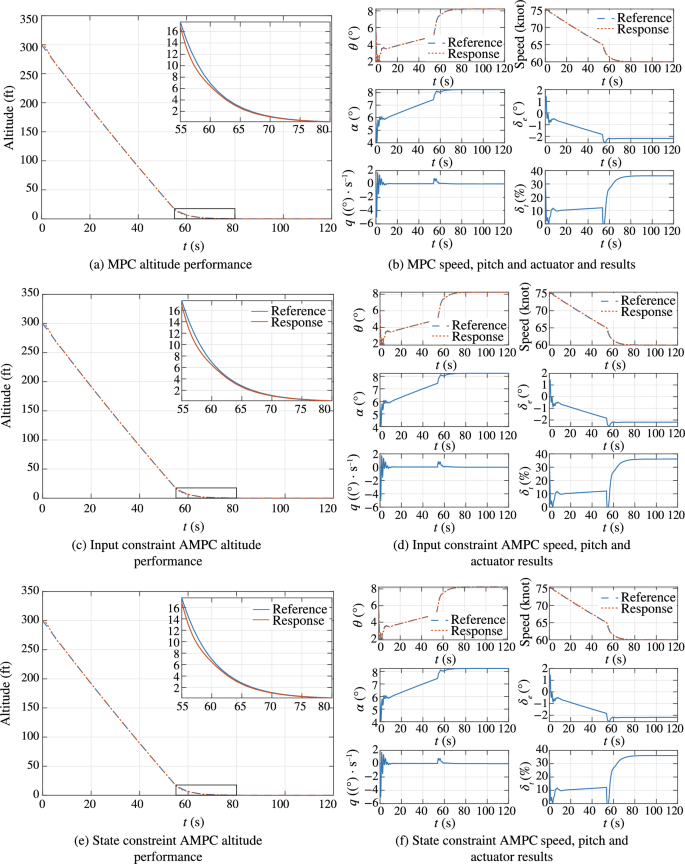
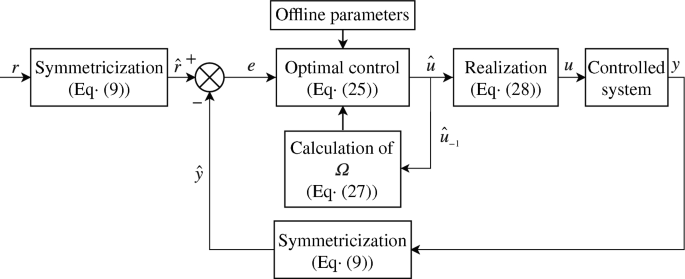
🛬✈️ How can a fixed-wing aircraft land autonomously while guaranteeing safety constraints?
This work develops a constrained Algebraic Model Predictive Control (AMPC) approach that enables fast online computation while satisfying critical landing constraints.
🎯
Title: Automatic landing of fixed-wing aircraft with constrained algebraic model predictive control
Authors: Talha Ulukır, Ufuk Dursun & İlker Üstoğlu
More at: rdcu.be/eR21I
#Aerospace #AutonomousLanding #MPC #FlightControl
5
[Series 9 | Aerospace & Precision Motion | #3]
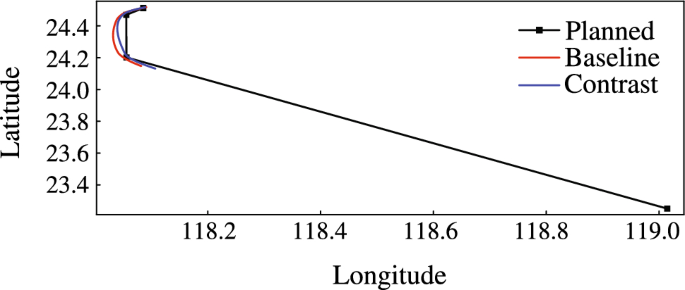
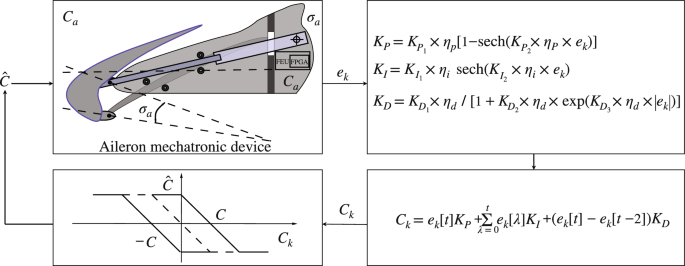
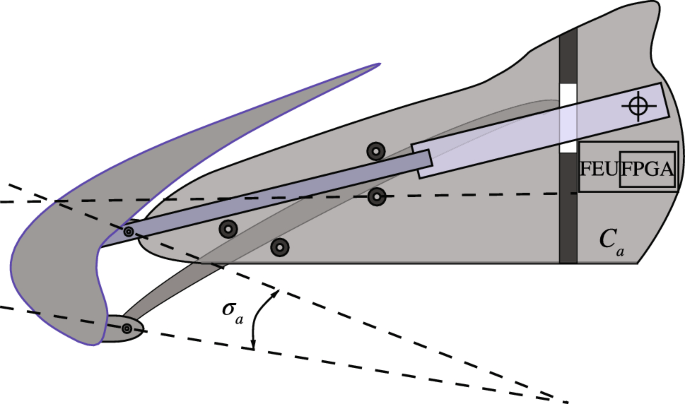
✈️⚡ Can dangerous aircraft wing flutter be suppressed with fast digital control?
This work proposes an edge-computing-based aileron control strategy using an antiphase hysteresis Schmitt trigger, achieving rapid and effective flutter suppression.
Title: Edge computing aileron mechatronics using antiphase hysteresis Schmitt trigger for fast flutter suppression
Authors: Tangwen Yin, Dan Huang & Xiaochun Zhang
More at: rdcu.be/d8GRp
#Aerospace #FlutterControl #EdgeComputing #FlightControl
1
69
[Series 9 | Aerospace & Precision Motion | #2]
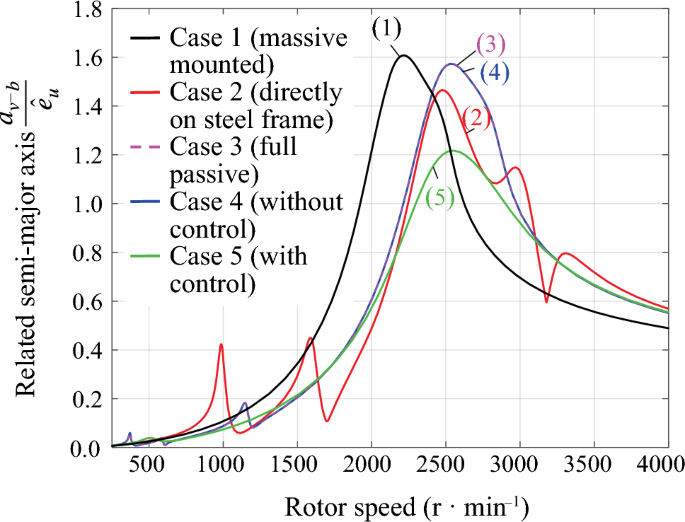
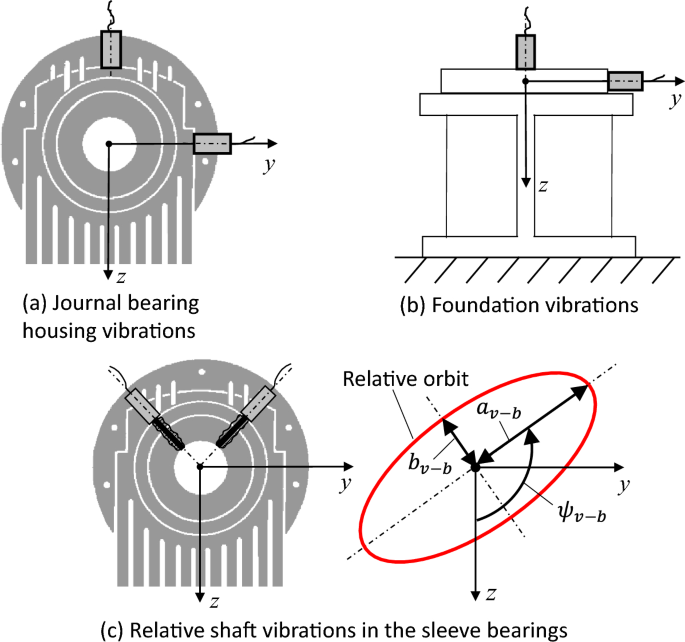
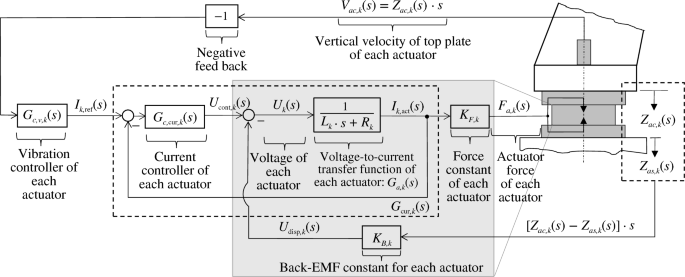
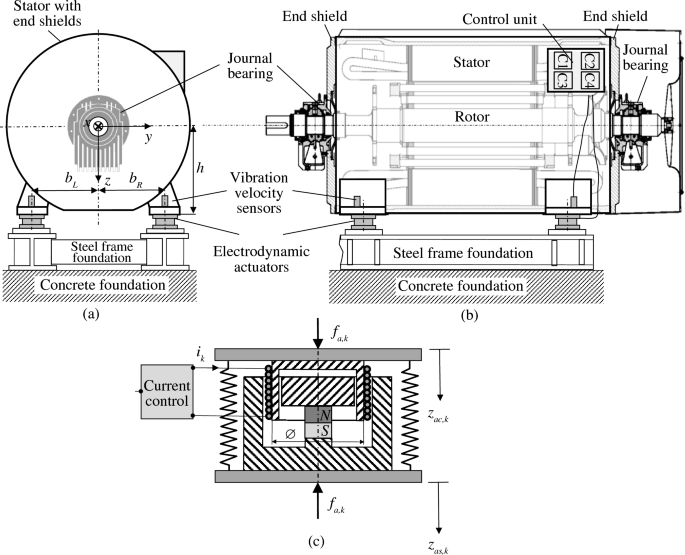
⚙️🔇 How can vibration in industrial rotating machinery be effectively suppressed?
This work presents a generalized active vibration control framework using current-controlled actuators, applicable to a wide range of rotating machine systems.
🎯
Title: Active vibration control for rotating machines with current-controlled electrodynamic actuators and velocity feedback of the machine feet based on a generalized mathematical formulation
Author: Ulrich Werner
More at: rdcu.be/d2V9q
#VibrationControl #Mechatronics #RotatingMachinery #ControlSystems
1
10
[Series 9 | Aerospace & Precision Motion | #1]
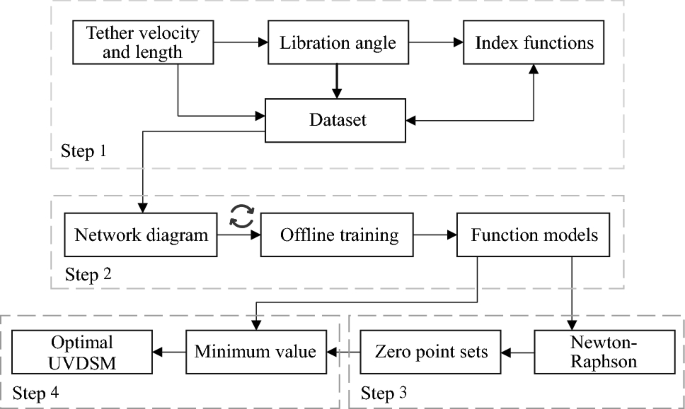
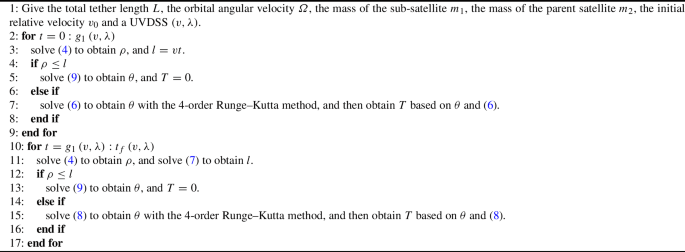
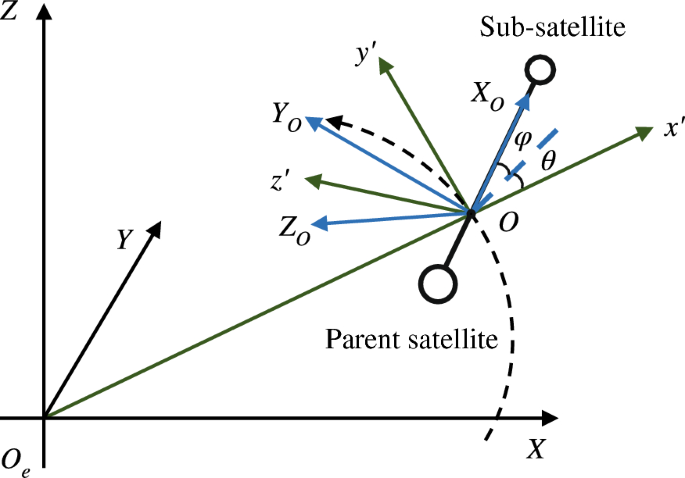
🛰️ How can tethered satellites be deployed with minimal oscillation?
This work studies the optimality of a uniform velocity–deceleration deployment strategy, reducing in-plane libration through constrained optimization.
Title: On the optimality of uniform velocity–deceleration separation scheme for tethered satellite systems
Authors: Peng Yu, Ji-Feng Zhang, Shuping Tan, Jin Guo & Yanlong Zhao
More at: https://rdcu.be/dUoq1
#Aerospace #TetheredSatellite #OptimalControl

3
🚀✈️ Now introducing Series 9: Aerospace & Precision Motion
How do advanced control methods enable precise motion in some of the most demanding engineering systems?
This #Thread explores challenges ranging from satellite deployment and spacecraft maneuvering to UAV guidance, aircraft dynamics, autonomous landing, and high-precision motion control.
💡 Pushing the boundaries of accuracy, reliability, and autonomy in aerospace systems.
#Aerospace #UAV #PrecisionControl #ControlTheory
1
15
[Series 8 | Power, Energy & Smart Vehicles | #8]
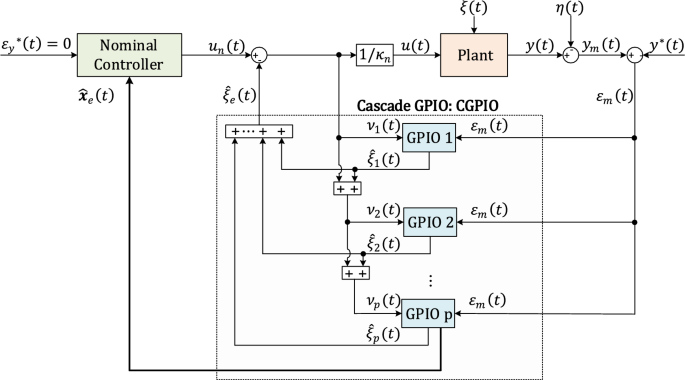
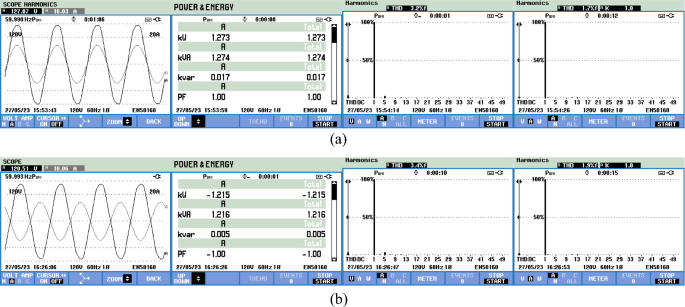
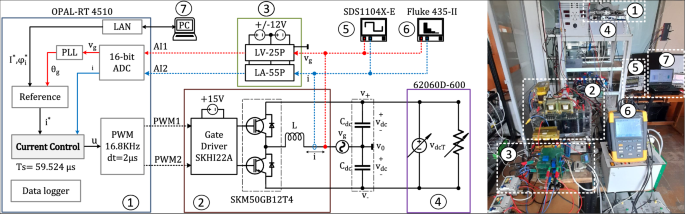
⚡🔌 How can grid-connected converters achieve more robust current control under disturbances?
This work applies ADRC with advanced observer design to enhance current regulation performance in grid-connected power converters.
⚙️
Title: Active disturbance rejection control with cascade generalized proportional integral observer: application to the current control of grid-connected converters
Authors: Harvey David Rojas, Nelson Leonardo Díaz, Herbert Enrique Rojas & John Cortés-Romero
More at: rdcu.be/eN9Bh
#ADRC #PowerElectronics #Converters #ControlTheory
1
3
[Series 8 | Power, Energy & Smart Vehicles | #7]
⚡🌍 Cross-listed from Series 7: Can ADRC improve frequency regulation in modern power grids?
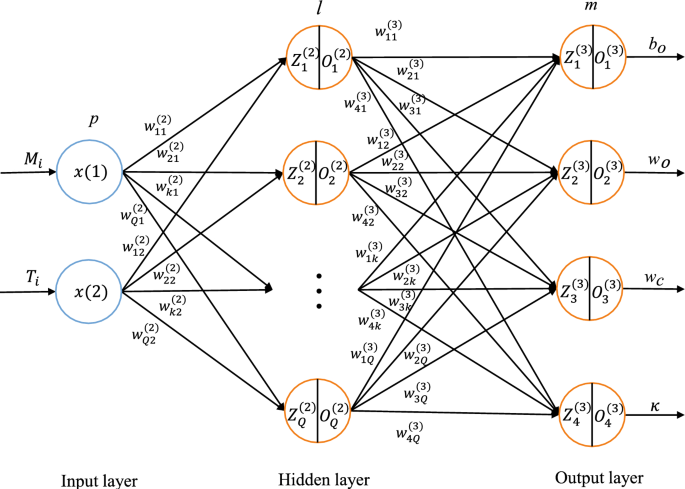
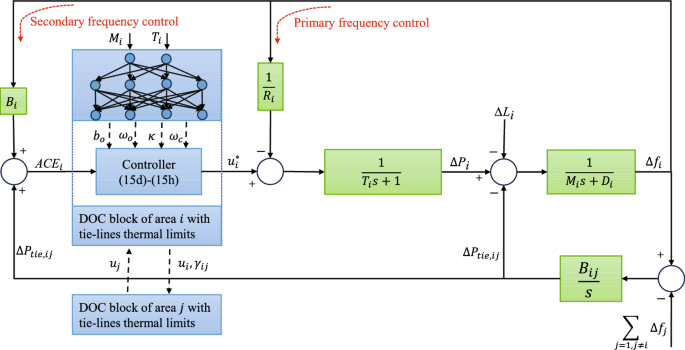
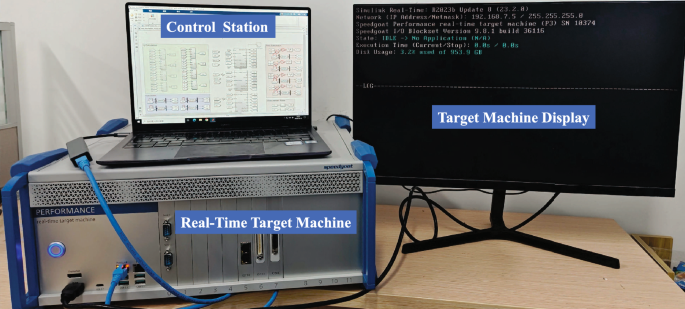
This work develops a robust ADRC-based distributed control scheme for nonlinear power systems with high renewable penetration, enhancing grid stability and disturbance rejection.
⚙️
Title: Data-driven adaptive distributed optimal disturbance rejection control of frequency regulation in nonlinear power systems
Authors: Changhui Yu, Xiao Qi, Weixiong Wu, Hui Deng, Ming Du, Wenguang Zhang & Tianyu Wang
More at: rdcu.be/eH6Pk
#ADRC #PowerSystems #FrequencyControl #SmartGrid
4
[Series 8 | Power, Energy & Smart Vehicles | #6]
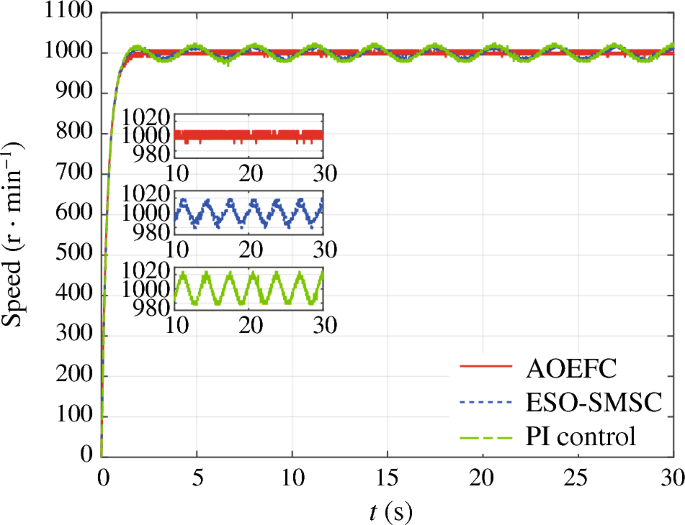
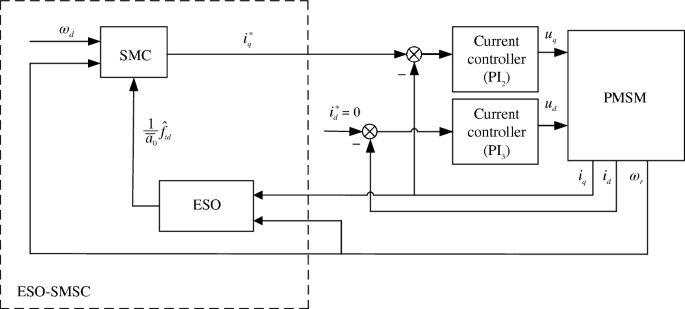
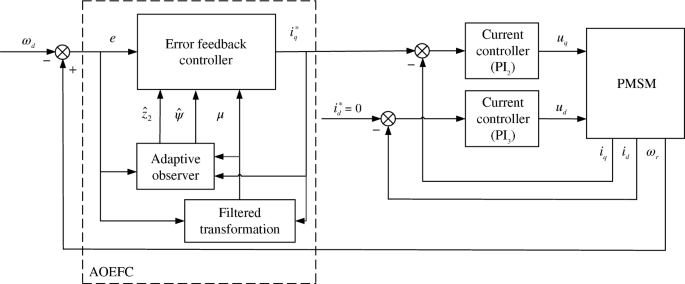
⚙️🔄 How can motor drives reject unknown periodic load disturbances without knowing their frequencies?
This work proposes an adaptive observer-based compensation method for PMSM speed servo systems, effectively suppressing sinusoidal torque disturbances.
⚡
Title: Disturbance rejection of PMSM speed servo system: an adaptive observer approach
Authors: Zhicong Huo, Zhaowu Ping, Yingjie Jia, Jiaze Hui, Yunzhi Huang & Jun-Guo Lu
More at: rdcu.be/euI7W
#MotorControl #PMSM #DisturbanceRejection #ControlTheory

8
[Series 8 | Power, Energy & Smart Vehicles | #5]
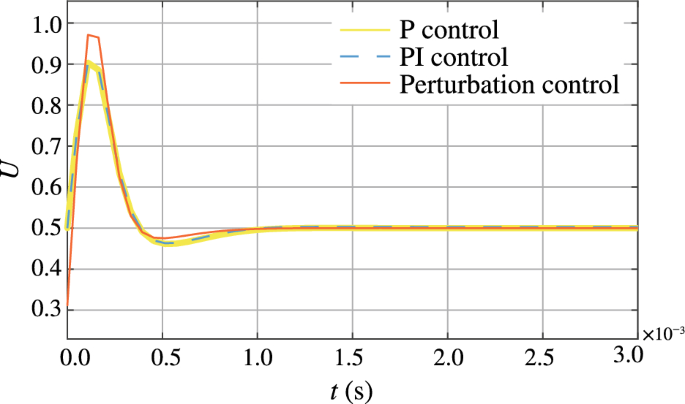
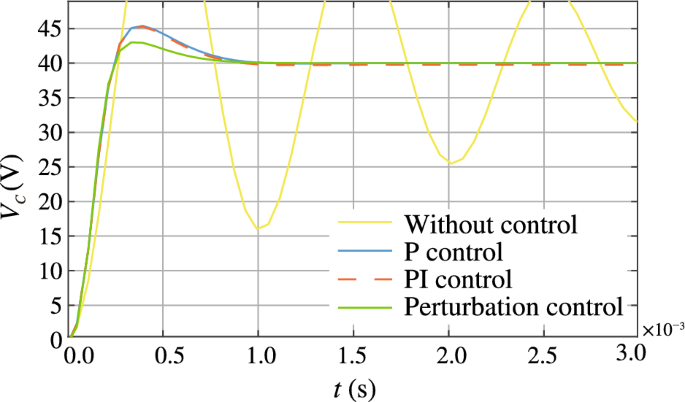
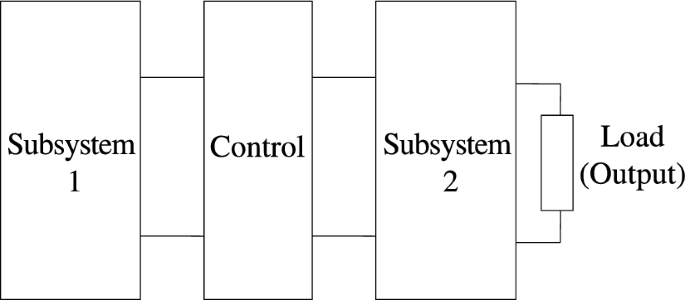
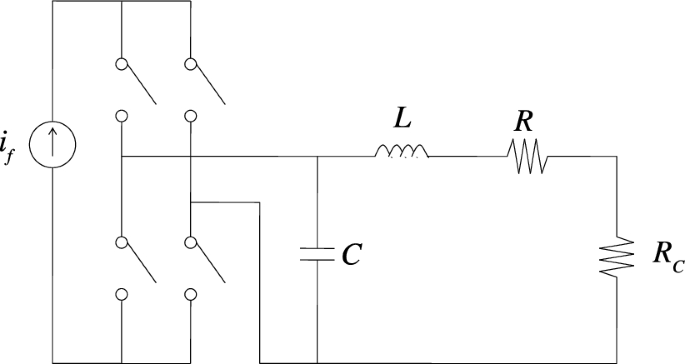
⚡📈 What’s an elegant nonlinear control strategy for boost converters?
This work introduces a perturbation control method that exploits the converter’s inherent antisymmetric structure, delivering improved control performance.
⚙️
Title: Perturbation control based on the antisymmetric structure of boost converters
Authors: Francisco Javier Rosas, José de Jesús Rubio, Manuel Olan, Eduardo Orozco, Ricardo Balcazar, Jesus Alberto Meda-Campaña, Carlos Aguilar-Ibañez & Santos Miguel Orozco
More at: rdcu.be/etYKT
#PowerElectronics #BoostConverter #NonlinearControl #EnergySystems
1
15
[Series 8 | Power, Energy & Smart Vehicles | #4]
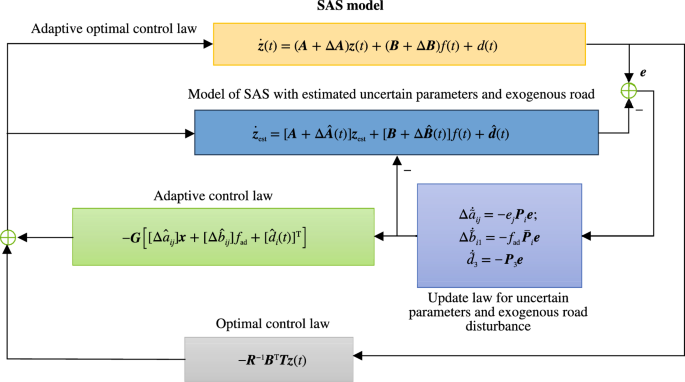
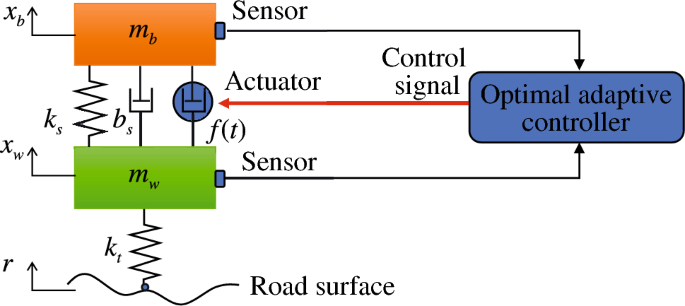
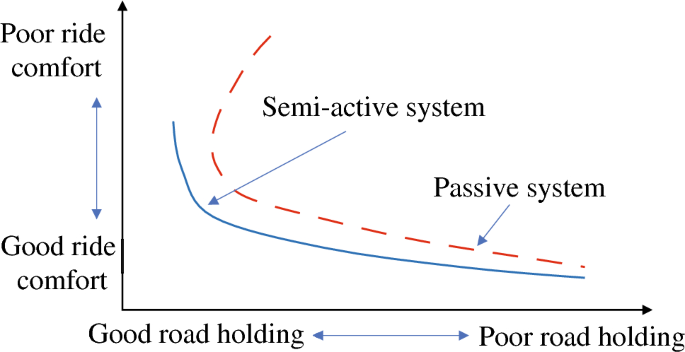
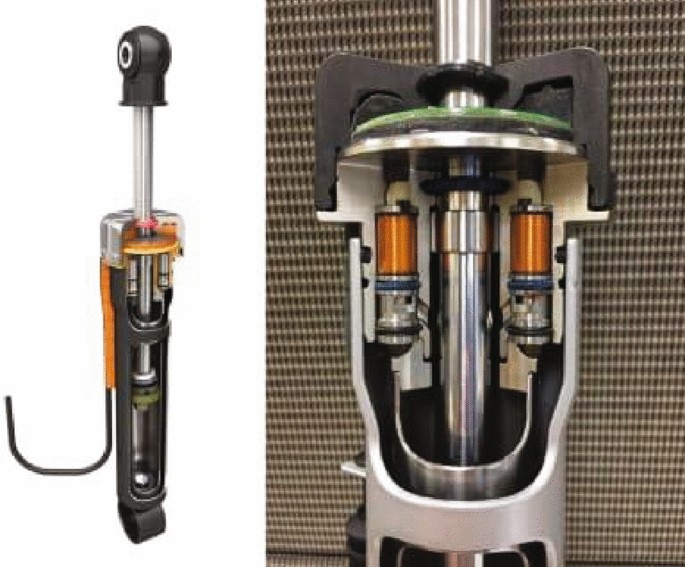
🚗🛣️ How can vehicle ride comfort and handling be improved automatically under changing conditions?
This work proposes an adaptive optimal controller for semi-active suspension systems, capable of adapting to varying road conditions and vehicle parameters.
⚙️ Smarter suspension control for safer and more comfortable driving.
Title: Adaptive optimal control system design for semi-active suspension system by supposing variable parameters under exogenous road disturbance
Authors: Viet Nguyen Hoang, Feiqi Deng & Chi Nguyen Van
More at: rdcu.be/d5Xcy
#VehicleControl #Suspension #Adaptive #SmartMobility
12
[Series 8 | Power, Energy & Smart Vehicles | #3]
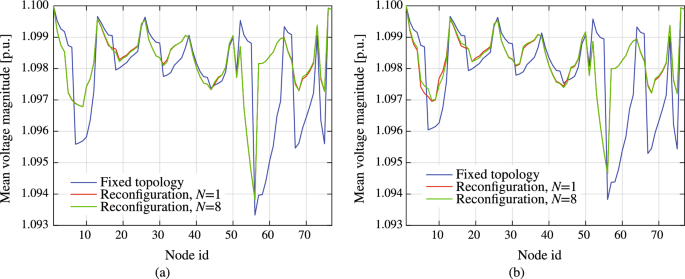
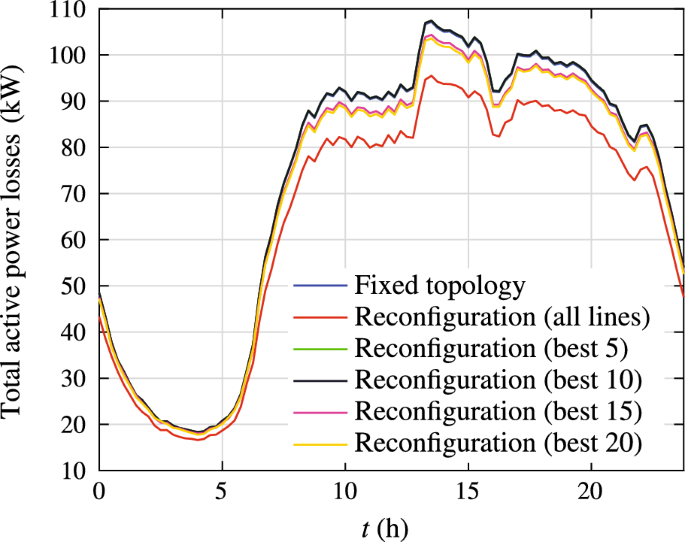
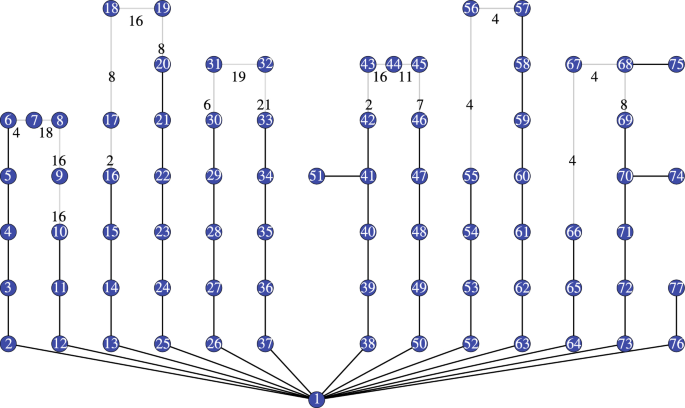
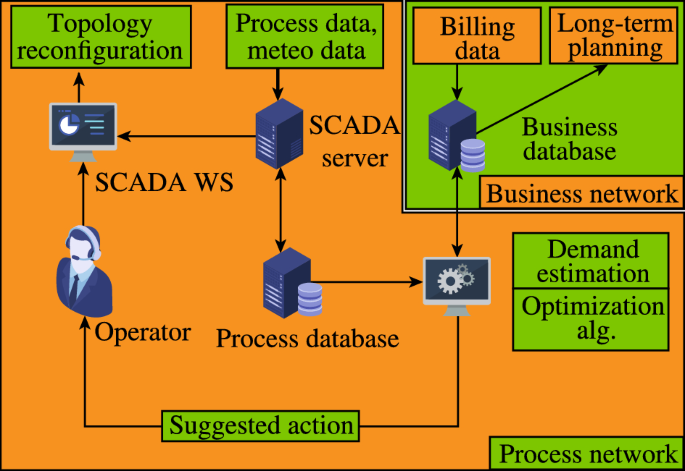
🏙️⚡ Can energy losses in urban power grids be reduced dynamically?
This work develops an MPC-based dynamic reconfiguration strategy that optimizes grid topology, achieving up to 14% loss reduction in a case study.
⚙️
Title: Reduction of losses in electric power distribution system–dynamic reconfiguration case study
Authors: Branimir Novoselnik, Drago Bago, Jadranko Matuško & Mato Baotić
Full text: rdcu.be/d2jQq
#SmartGrid #MPC #Optimization #EnergySystems
29
[Series 8 | Power, Energy & Smart Vehicles | #2]
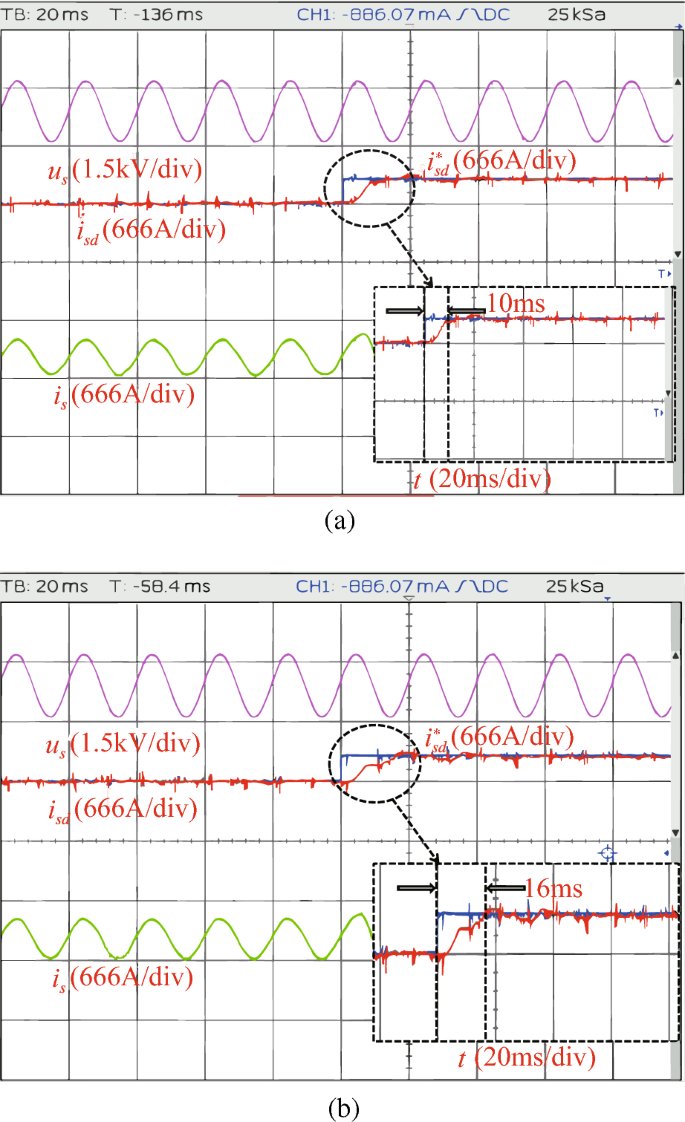
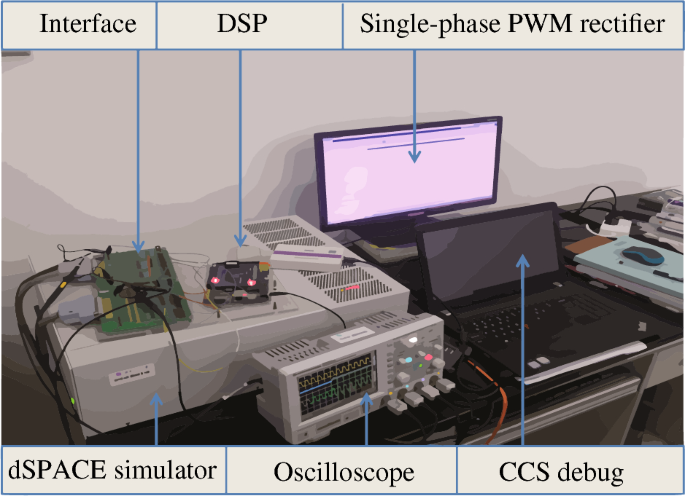
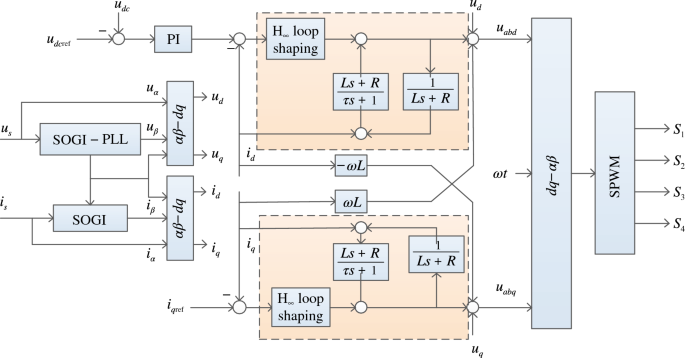
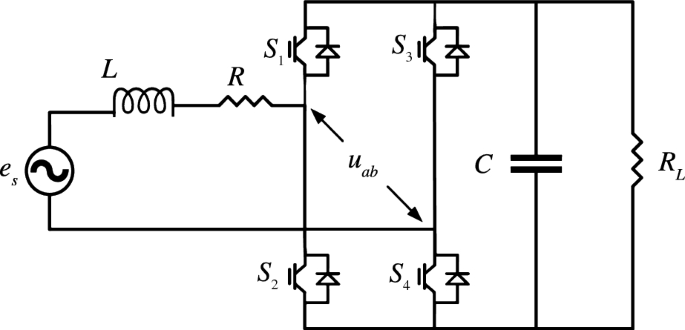
⚡🛠️ How can power rectifiers remain reliable when sensor faults occur?
This work applies a Generalized Internal Model Control (GIMC) structure for robust current control of single-phase PWM rectifiers under sensor fault conditions.
⚙️
Title: Robust current control of single-phase PWM rectifier based on generalized internal model control
Authors: Motaz Musa Ibrahim, Lei Ma, Yiming Zhao & Shaokun Cheng
More at: rdcu.be/dUorO
#PowerElectronics #FaultTolerance #RobustControl #Converters
1
18