
Joined May 2025
- Tweets 694
- Following 374
- Followers 56
- Likes 2,847
39 Photos and videos




Long Wu | 隊長龍武 retweeted

12 Nov 2025
Kaspa’s Path to Zero-Knowledge Smart Contracts
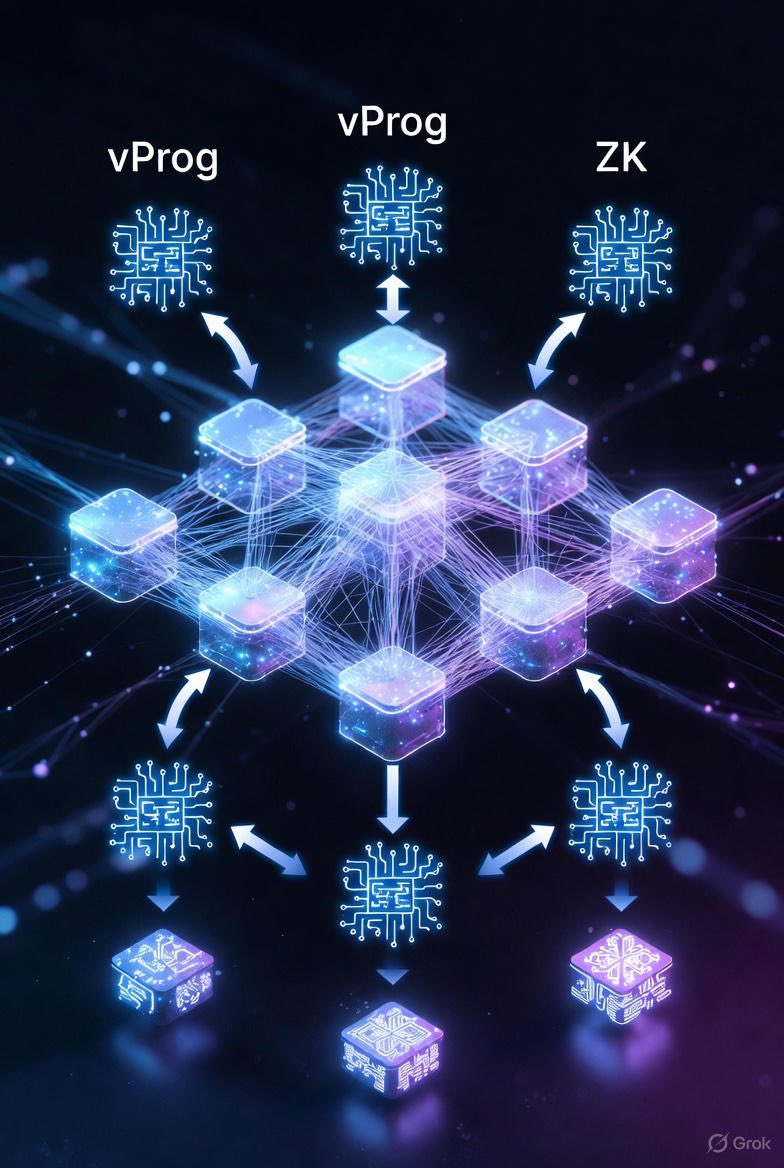
In the evolving landscape of blockchain technology, Kaspa stands out for its innovative approach to scalability and functionality. At the heart of its next phase is vProgs—verifiable programs designed to enable zero-knowledge smart contracts. This concept moves beyond traditional on-chain execution models, leveraging off-chain computation and cryptographic proofs to maintain a lightweight Layer 1 (L1) while unlocking sophisticated programmability. Drawing from ongoing research and development, including Kaspa’s recently released yellow paper, this post provides a structured overview of vProgs, their architecture, challenges, and potential impact.
Kaspa’s Unique BlockDAG Architecture
Kaspa’s core strength lies in its block-directed acyclic graph (blockDAG) structure, governed by the GHOSTDAG consensus protocol. Unlike linear blockchains, this design allows parallel block creation, delivering high throughput and rapid block times—often under one second. This efficiency is essential for vProgs, as it supports the timely submission and verification of proofs without compromising network performance.
An upcoming enhancement, the DAGKnight upgrade, further refines this by reducing latency and accelerating finality. In a DAG environment, where minor reorganizations (reorgs) can occur, DAGKnight ensures that state commitments remain reliable, enabling vProgs to anchor securely to the L1 without excessive delays.
vProgs represent a departure from monolithic virtual machines (VMs) that execute all logic on-chain. Instead, they emphasize modularity and efficiency:
Each vProg maintains its own logic and state. Transactions explicitly declare their intended read and write sets, providing transparency into data interactions.. The L1 sequences commands but does not perform computations. Execution occurs off-chain, where the vProg processes inputs and generates a zero-knowledge (ZK) proof attesting to correct execution.
The L1’s role is limited to validating the ZK proof, ensuring integrity without storing or running the full program. This preserves Kaspa’s L1 as a lean settlement layer.
The ultimate objective is synchronous composability—allowing vProgs to interact seamlessly in real time, fostering an ecosystem of interdependent applications.
To avoid vendor lock-in, vProgs accommodate diverse programming languages and VMs. Interoperability is achieved via a standardized interface for proofs and input/output (I/O), enabling one vProg to invoke another regardless of underlying technology.
Finally, vProgs extend ZK proofs to include failure states—such as crashes, gas exhaustion, or infinite loops—preventing stalled transactions and maintaining liveness.
For applications requiring confidentiality, vProgs facilitate calls between programs without exposing sensitive data. This is accomplished through cryptographic commitments: one vProg commits to an output privately, which the next uses as input. A chain of proofs ultimately verifies end-to-end consistency without data leakage.
Kaspa’s combination of blockDAG, proof-of-work consensus, and DAGKnight provides the ideal substrate for vProgs: rapid inclusion, stable anchoring, and verifiable execution. This synergy positions Kaspa to host high-throughput, privacy-preserving applications—ranging from DeFi protocols to AI-driven oracles—while preserving L1 simplicity.
Kaspa’s trajectory merits close attention.
If you are out want to be a @UpholdOTC client, we have an in-depth report for you available now, why Kaspa is a game changer you don’t want to miss.
Best,
Doc
Institutional@uphold.com
40
353
866
47,195
Long Wu | 隊長龍武 retweeted

9 Nov 2025
Kaspa is the universal money
4
24
140
3,160
Long Wu | 隊長龍武 retweeted

10 Nov 2025
ALL TIME HIGHS INCOMING.
STAY PATIENT.
350
127
1,940
64,792
Long Wu | 隊長龍武 retweeted

10 Nov 2025
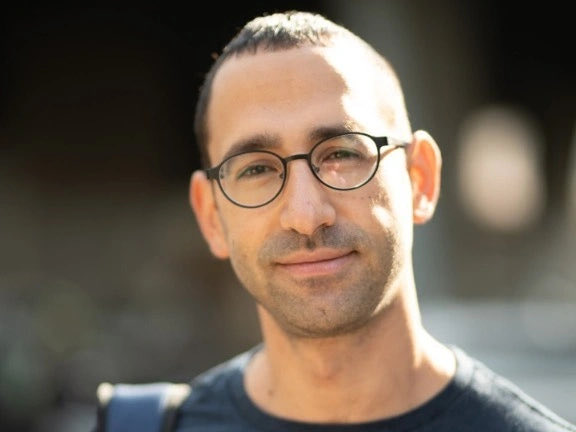
Bro came
Bro build
Bro won most votes on Binance
Bro said f you Binance
Bro left
Be like bro.

23
105
934
14,616

Long Wu | 隊長龍武 retweeted

6 Nov 2025
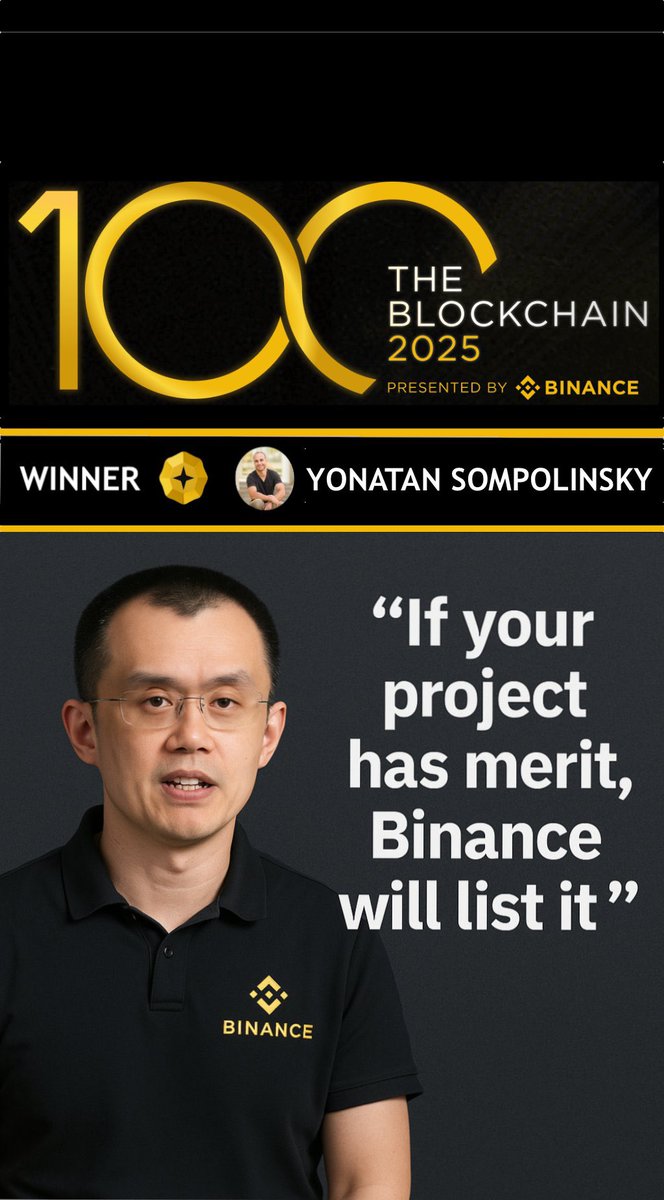
Wild that Yonny won... and @binance still demands 3% of the $KAS supply to list.
Merit based listing thrown out the window.
Do better, Binance @cz_binance

I thought all you needed was merit? @cz_binance
Now you want our Kaspa bags too? 🤷🏻♂️
67
245
908
35,592
Long Wu | 隊長龍武 retweeted

6 Nov 2025
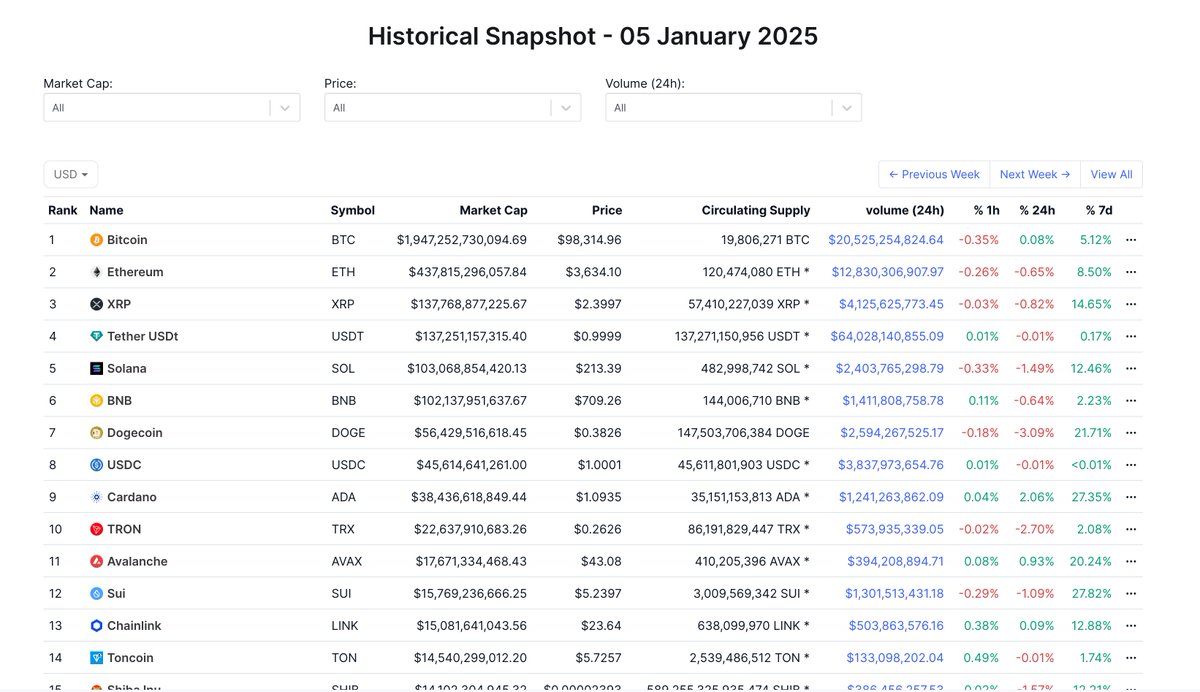
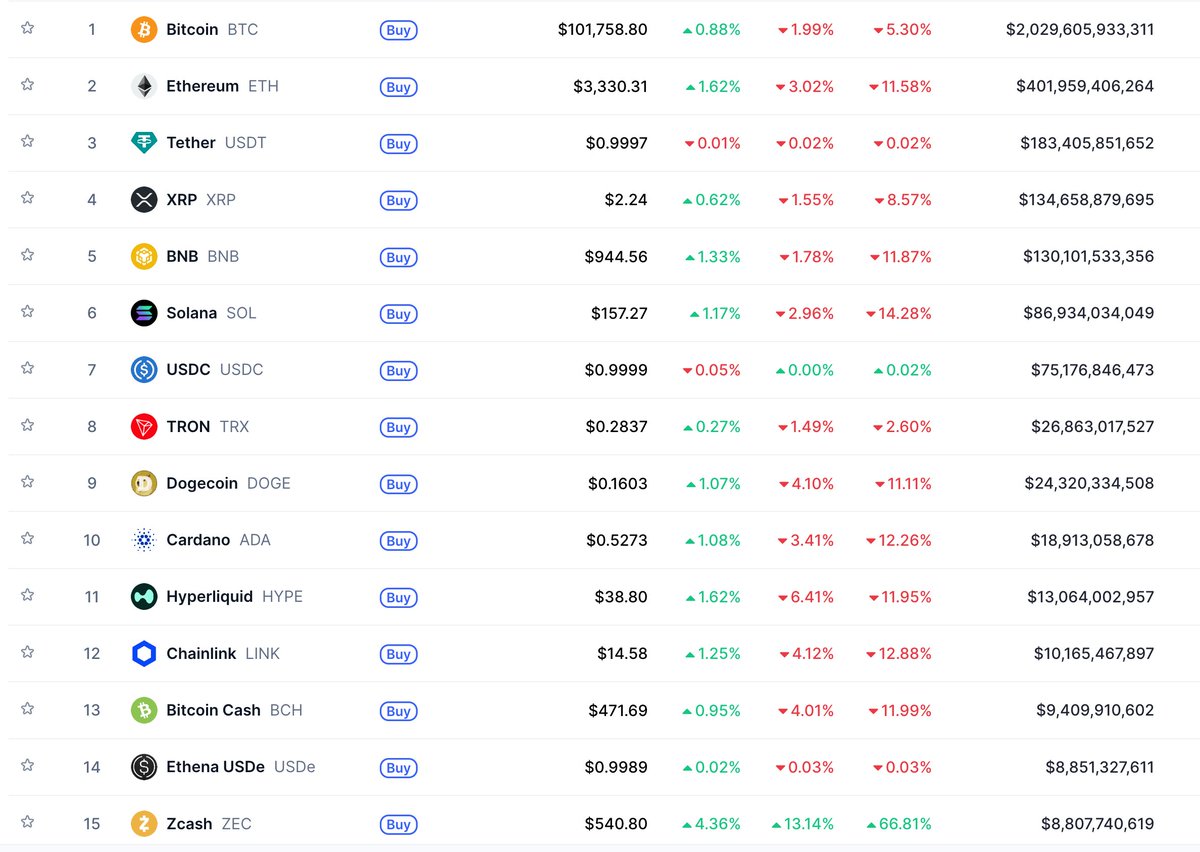
In hindsight 2025 wasn't a bull market!
84
19
247
32,981
Long Wu | 隊長龍武 retweeted
5 Nov 2025
STAY STRONG...
THE REAL PUMP HASN’T EVEN STARTED YET.
BITCOIN FIRST.
THEN ALTCOINS WILL EXPLODE. 💥
307
113
1,086
49,725
Long Wu | 隊長龍武 retweeted

5 Nov 2025
sovereignty as a service
2 Nov 2025

not gonna give you price targets on kas
can tell you the thesis is underpriced and if vprogs delivers the way hashdag thinks it will, you'll know when it happens
sovereignty narrative isn't fully understood yet
58
263
1,011
179,722
Long Wu | 隊長龍武 retweeted

5 Nov 2025
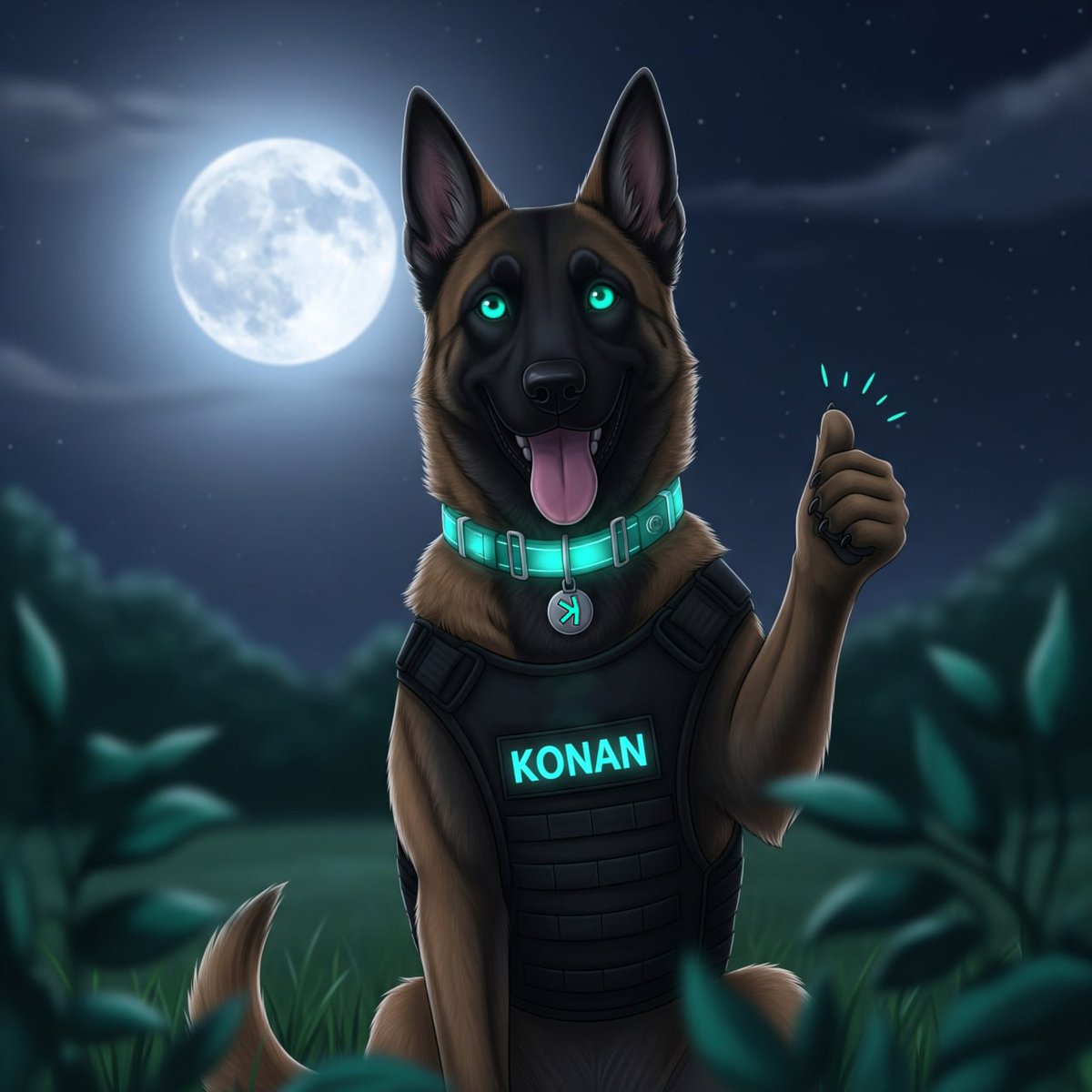
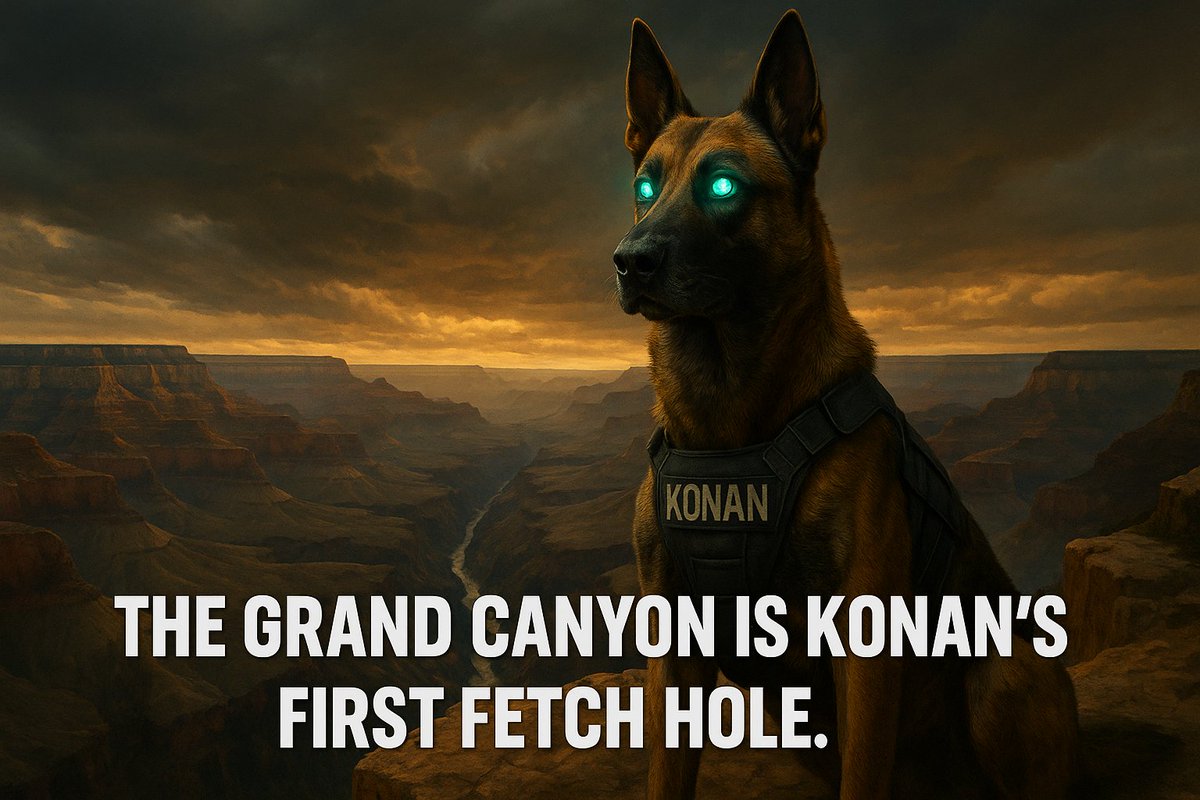
🐾 Meme of the Day: Help Make Konan a Legend! 🐾
Today’s meme: The Grand Canyon is Konan's first fetch hole.
YOUR MISSION:
✅ Share it everywhere (Twitter, Telegram, Instagram, Discord, etc.)
✅ Post the quote if you're commenting
✅ Tag: $KONAN $KASPA @konanofkaspa
✅ Use as many hashtags as you like
The more you spread it, the bigger the legend grows.
Let’s make the world bark for Konan.
15
25
38
669
Long Wu | 隊長龍武 retweeted
4 Nov 2025
BUY. THE. DIP. NOW.
737
139
1,925
182,808
Long Wu | 隊長龍武 retweeted
3 Nov 2025
3 Nov 2025

if you understand bitcoin, it's always cheap
if you don't understand bitcoin, it's always expensive
4
12
117
3,721
Long Wu | 隊長龍武 retweeted

3 Nov 2025
I’ll study $KAS tomorrow
I’ll study $KAS tomorro
I’ll study $KAS tomorr
I’ll study $KAS tomor
I’ll study $KAS tomo
I’ll study $KAS tom
I’ll study $KAS to
I’ll study $KAS t
I’ll study $KAS
I’ll study $KA
I’ll study $K
I’ll study $
I’ll study
I’ll stud
I'll stu
I’ll st
I’ll s
I'll
I'I
I'
I
cry
22
32
294
15,762


Long Wu | 隊長龍武 retweeted

19 Oct 2025
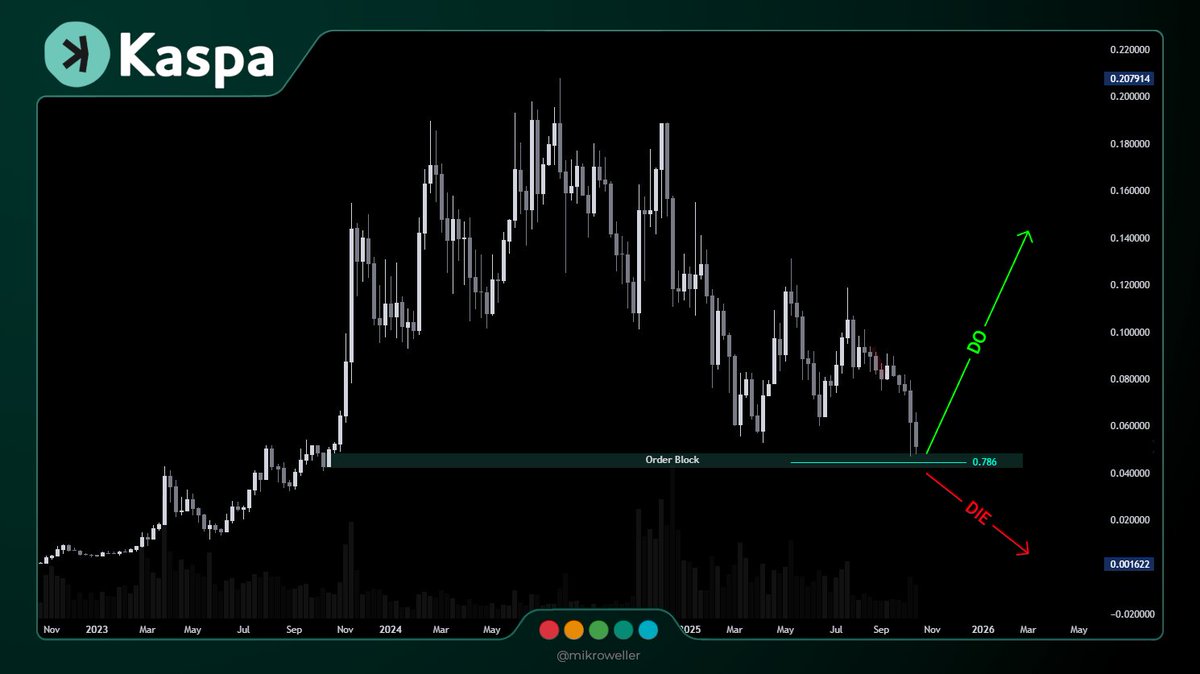
$KAS is at the DO or DIE level 🚨
Im talking about the 0.786 fib retracement confluence with the weekly OB — the most critical zone on the chart.
I waited years for this level... because it will decide Kaspa's fate.
📈 Bounce = new ATHs
📉 Break = death spiral
No inbetween.
42
32
298
18,083
Long Wu | 隊長龍武 retweeted
19 Oct 2025
🟩 🟩
🟩 🟩
🟩🟩
🟩 🟩
🟩 🟩
🟩🟩🟩🟩
🟩 🟩
🟩🟩🟩🟩
🟩 🟩
🟩 🟩
🟩🟩🟩🟩
🟩
🟩🟩🟩🟩
🟩
🟩🟩🟩🟩
8
41
368
7,729
Long Wu | 隊長龍武 retweeted
19 Oct 2025
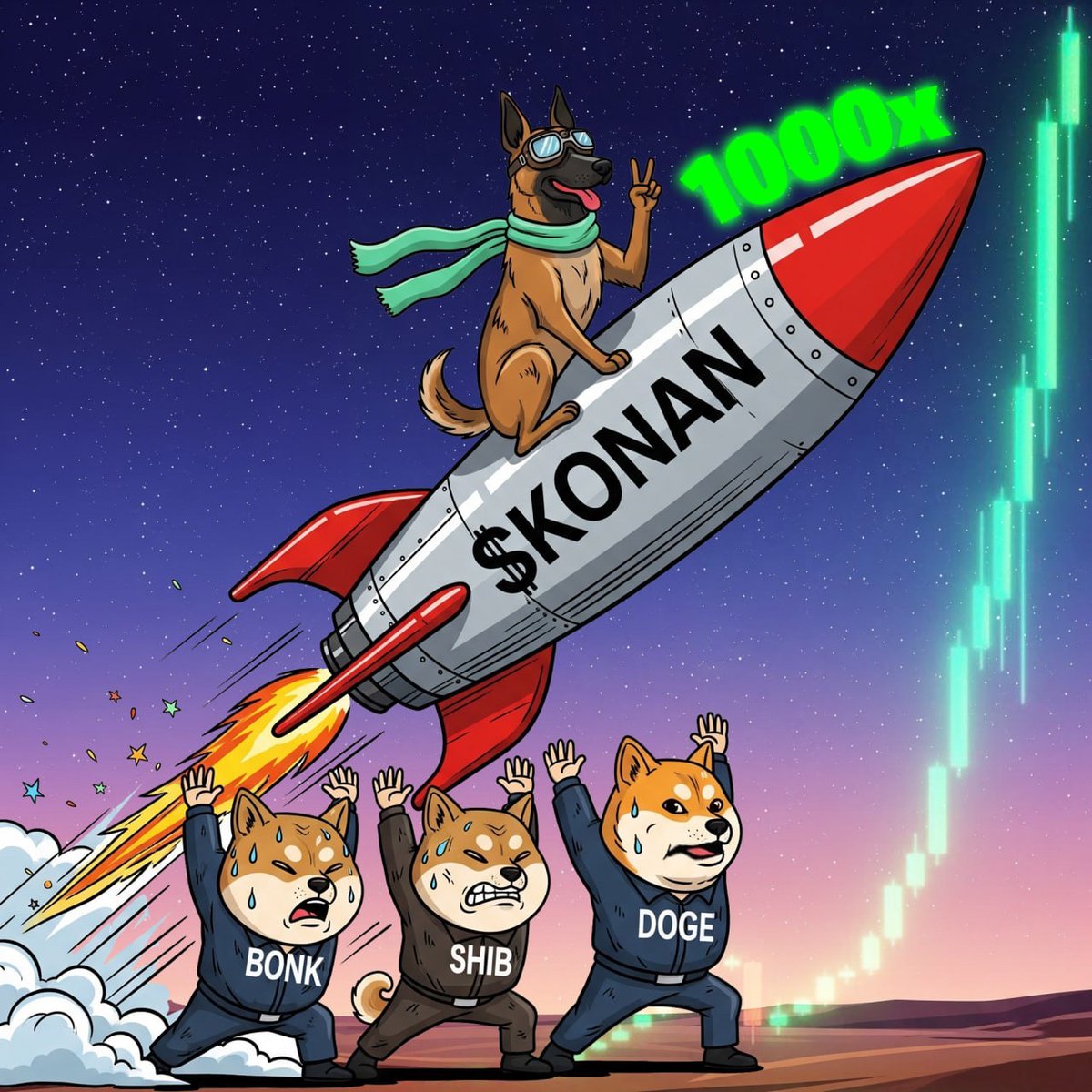
Hey $KONAN Army,
🔥 THE ROCKETS ARE LIT. THE MISSION BEGINS. 🔥
The crypto market is bleeding… Red candles everywhere… Fear, panic and chaos across the battlefield.
While the entire market was shaken and every KRC20 project felt the hit,
$KONAN held stronger than the rest.
We didn’t panic. We stood together. We refused to break." 💪🐺
👉 We took the smallest hit in the entire ecosystem.
👉 We held the line when others surrendered.
👉 We proved once again: THIS ARMY IS BUILT DIFFERENT. 💪🐺
Because $KONAN is not powered by hype — $KONAN is powered by loyalty.
By belief. By discipline. By mission. ⚔️
Now… the storm is almost behind us. The ground is getting stable soon.
The bottom is locked. The engines are ON. 🔥🚀
The run-up has begun.
And here comes the best part 👇
The Core Team has been silent but never sleeping.
Massive upgrades are 99% complete and now entering final testing. ✅
New utilities. New integrations. New power moves.
Days away. Not months. ⏳
What’s coming will shock the KRC20 space and set a new standard for community-driven power.
Stand ready soldiers — the sky will not be our limit.
We’re going orbital. 🌕🚀🔥
Honor. Loyalty. $KONAN Forever.
💪No retreat, No surrender!
#KONAN #Kaspa #KRC20 #CryptoArmy #HODL #Bullish #RocketMode #MassAdoption #NeverSurrender #WeAreKonan #CryptoCommunity
14
26
56
911
Long Wu | 隊長龍武 retweeted
19 Oct 2025
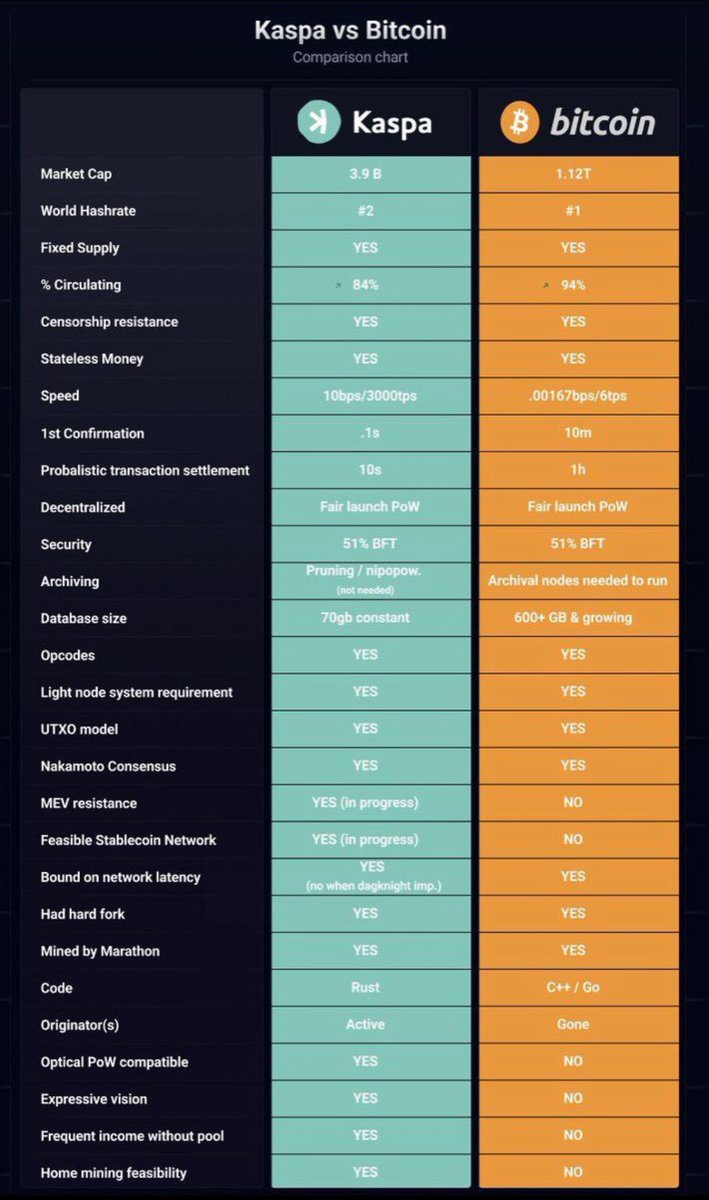
18 months later and I’m sticking to it. Binance has played an irresponsible game as so often and depressed the price over months. Ethereum influencers and Bitcoin maxis have ridiculed Kaspa without having the slightest idea what a BlockDAG is. Retail bros have disparaged it beside of idiotic TA.
With all the talk of Bitcoin DeFi and payment, the promise of massive demand etc and even with pension funds being able to buy Bitcoin, it is still struggling to go up. More importantly, Bitcoin has never achieved the e-cash status Satoshi envisaged. Go read the original white paper and not a single promise in there has come true except for the basic tech.
The Bitcoin is Gold narrative is simply not realistic, as every geopolitical crisis shows. And yet millions are drinking the kool aid. The future is multichain, including permissioned and permissionless, special purpose chains and payment system. There is no ring to rule them all. 🧙
But there is one that stands a chance of becoming real e-cash system with thousands upon thousands of transactions a second at virtually zero cost. @hashdag spent decades creating something wonderful, simple, and sound. No flashy marketing no empty promises.
22 Mar 2024

Three things are now sufficiently clear
1. @KaspaCurrency is an excellent payments system
2. Smart contract on $KAS will
revolutionize the way we think about computing on chain
3. The day is not far off when Kaspa will function as the perfect rollup on any chain to handle most of the transactional work load at negligible cost
The future is green, not orange or black.
113
426
1,150
76,248
Long Wu | 隊長龍武 retweeted
17 Oct 2025
I love KASPA
I hold KASPA
I dream KASPA
I like KASPA
I buy KASPA
I mine KASPA
I trade KASPA
I hodl KASPA
I believe KASPA
I support KASPA
I invest KASPA
I promote KASPA
I tweet KASPA
I discuss KASPA
I learn KASPA
I research KASPA
I follow KASPA
I watch KASPA
I accumulate KASPA
I stack KASPA
I earn KASPA
I spend KASPA
I use KASPA
I build KASPA
I develop KASPA
47
118
676
11,665

🚨 COMPLETE GUIDE: KASPA $KAS - Is @kaspaunchained the most promising L1 ecosystem in crypto? Access our full guide and analysis today... bsc.news/post/kaspa-blockcha…
15
71
303
15,928