
Joined October 2018
- Tweets 16,365
- Following 168
- Followers 124
- Likes 24,297
1,651 Photos and videos











Pinned Tweet

9 Sep 2020
Onus probandi: If you make a claim, be prepared to back it up. Don't expect other people to do your research for you. It is your responsibility, not others', to prove your argument.
en.wikipedia.org/wiki/Burden…
3
1
12
CertifiedDoc retweeted

With respect, the assertion that a woman cannot discuss or proclaim Christian truth online because she is a woman—and that doing so violates “Saint Paul’s teachings”—does not align with the full witness of Scripture. In fact, the risen Lord Jesus Himself commissioned a woman to proclaim the central message of the gospel, and the New Testament records multiple examples of women faithfully sharing and explaining the good news.
Consider the resurrection accounts. In John 20:17-18 (NET), after appearing to Mary Magdalene, Jesus gives her this explicit command:
“Do not touch me, for I have not yet ascended to my Father. Go to my brothers and tell them, ‘I am ascending to my Father and your Father, to my God and your God.’”
The text immediately records her obedience: “Mary Magdalene came and informed the disciples, ‘I have seen the Lord!’ And she told them what Jesus had said to her.”
Mary was sent by Jesus Himself to carry the message of His resurrection and ascension—the very heart of the gospel—to the male apostles. She became the first human witness and proclaimer of these truths. This was not a private whisper; it was a direct commission to announce what she had seen and heard.
The same pattern appears across the Gospels. In Matthew 28:9-10 (NET), the risen Jesus meets the women on their way and says, “Do not be afraid. Go and tell my brothers to go to Galilee, and there they will see me.” The angels at the tomb likewise instructed the women to go and tell the disciples (Mark 16:7; Luke 24:9-10). Far from silencing women, the resurrection narratives portray them as the first authorized heralds of the good news.
You referenced Mark 16:15 (NET): “He said to them, ‘Go into all the world and preach the gospel to every creature.’” While this commission is spoken to the Eleven, it expresses the mission of the entire church. The women had already been sent with the resurrection message that constitutes the gospel. The outpouring of the Spirit at Pentecost further confirms that this mission includes both men and women. Peter declares in Acts 2:17-18 (NET):
“‘And in the last days it will be,’ God says, ‘that I will pour out my Spirit on all people, and your sons and your daughters will prophesy… Even on my servants, both men and women, I will pour out my Spirit in those days, and they will prophesy.’”
Prophecy here refers to Spirit-empowered proclamation of God’s word, which necessarily includes declaring the gospel.
The early church continued this pattern. In Acts 18:26 (NET), Priscilla (mentioned first) and Aquila “took [Apollos] aside and explained the way of God to him more accurately.” A woman participated in carefully instructing a gifted male preacher in the gospel. The Apostle Paul himself commends Phoebe as “a servant of the church” who had been “a great help to many, including me” (Romans 16:1-2 NET) and mentions women who “contended at [his] side in the gospel” (Philippians 4:3 NET).
Passages such as 1 Timothy 2:12, which address order and authoritative teaching within the assembled church, must be read in their historical and literary context (the situation in Ephesus). They do not erase Jesus’ direct commissioning of Mary Magdalene, the Spirit’s outpouring on daughters who prophesy, or the examples of women explaining the gospel and laboring in ministry. The New Testament distinguishes between the general call of all believers to bear witness (Acts 1:8; 1 Peter 3:15) and specific instructions regarding offices and gathered worship.
Telling a sister in Christ to stop discussing Christianity online and “go take care of your family” contradicts both the example of the women at the tomb—who were commanded to go and tell—and the broader biblical pattern of women proclaiming and explaining the gospel. All believers, male and female, are called to be salt and light and to give a reason for the hope that is in them.
The risen Christ entrusted the first public announcement of His resurrection to a woman. That fact alone should give us pause before claiming that Scripture silences women from faithfully proclaiming or discussing the gospel in any context.
1
2
11
193
CertifiedDoc retweeted

Jun 13
MISSION ACCOMPLISHED.
🇺🇸⚡️🦅
4,180
6,416
43,586
11,703,867
CertifiedDoc retweeted

Jun 15
This Frenchman describing Buc-ee’s is the only thing you need today
(IG: Erosbrousson)
798
6,071
45,310
2,767,852
CertifiedDoc retweeted

Jun 14
I have just been arrested by the police in Madrid, Spain.
My phone and passport have been seized but I had a second phone in my pocket so I’m writing this from the back of the police car.
I was at Puerta del Sol for just 5 minutes.
Police told me I cannot have conversations in the public square. I researched the law and spoke with a lawyer and.they are wrong.
938
7,495
42,313
1,591,223
CertifiedDoc retweeted

Jun 12
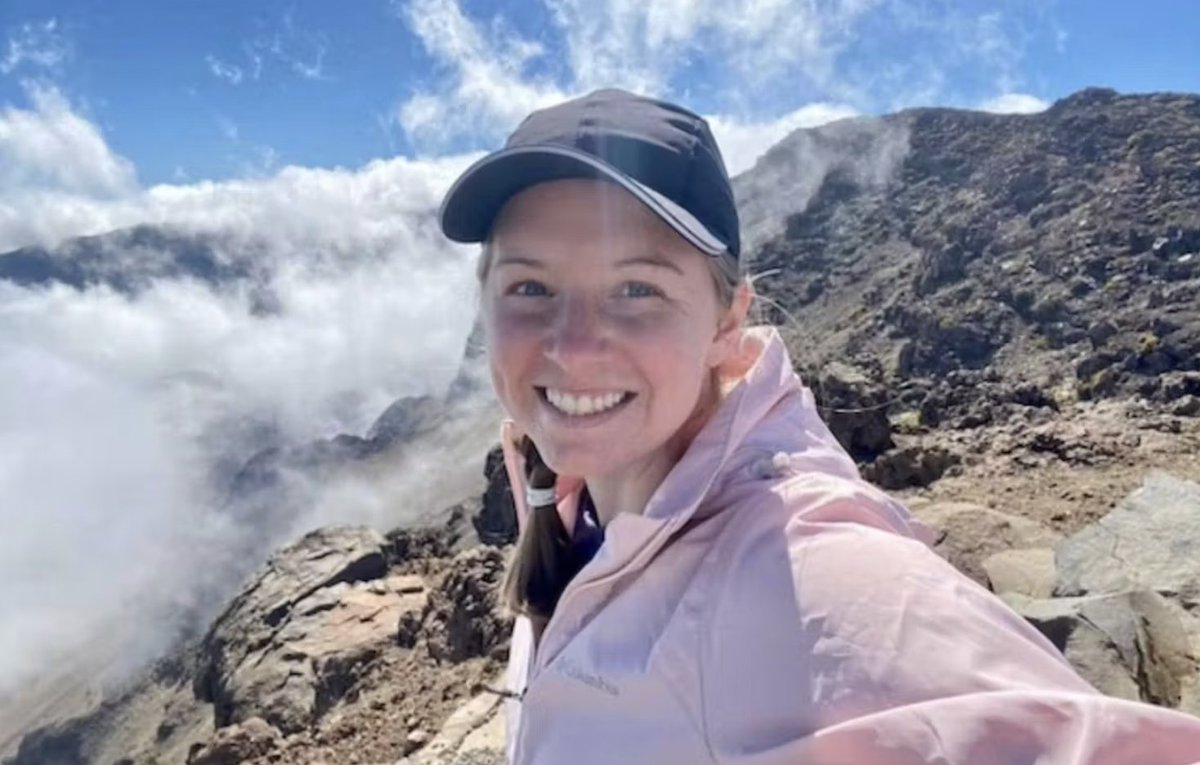
Jane Allen was suffering from anorexia.
She traveled to Colorado seeking treatment.
Instead, her doctor offered assisted suicide — a prescription for death.
Her father intervened just in time.
Jane began to heal — eating again, tapering off morphine.
The anorexia clinic dropped her, calling her a “liability.”
When Jane chose life, her doctors walked away.
Assisted suicide isn’t healthcare.
It’s preying on the sick and vulnerable.
56
1,111
3,681
31,544
Jun 13
For anyone who forgot this actually happens.
Jun 12

my healthy breasts were removed at 14 years old because I believed for a few years during middle and high school that I was a boy. here is a video of a gender specialist from Kaiser Permanente admitting that the clinic had performed a mastectomy on a healthy 12 year old girl. grabien.com/file?id=1601291
9
CertifiedDoc retweeted

Jun 11
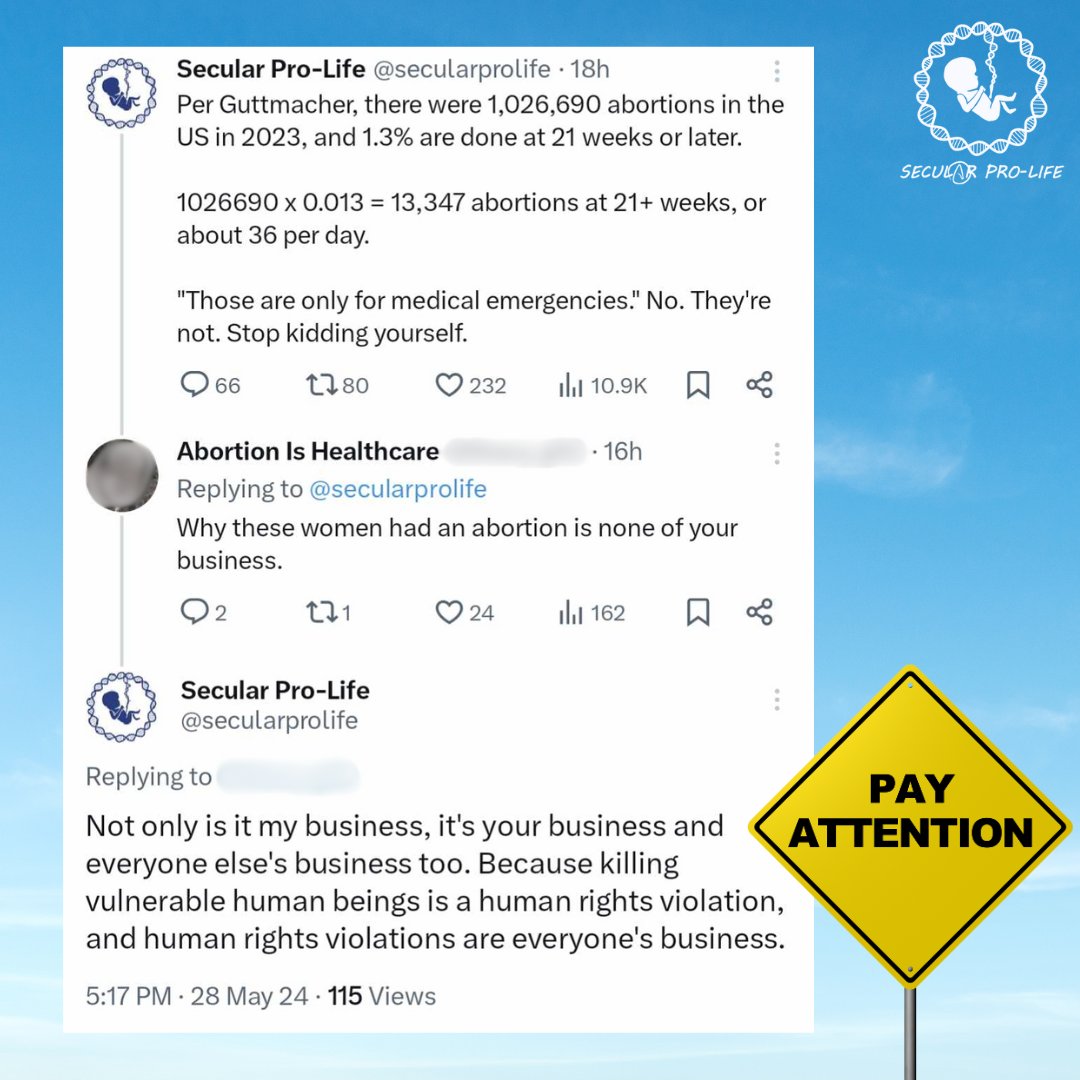
Yes, there are multiple places in the U.S. where it is legal to abort healthy, viable fetuses carried by healthy women with no medical emergency present. And people do it.
"It's none of my business" is cop-out cowardice. Stand up.
11
5
32
741

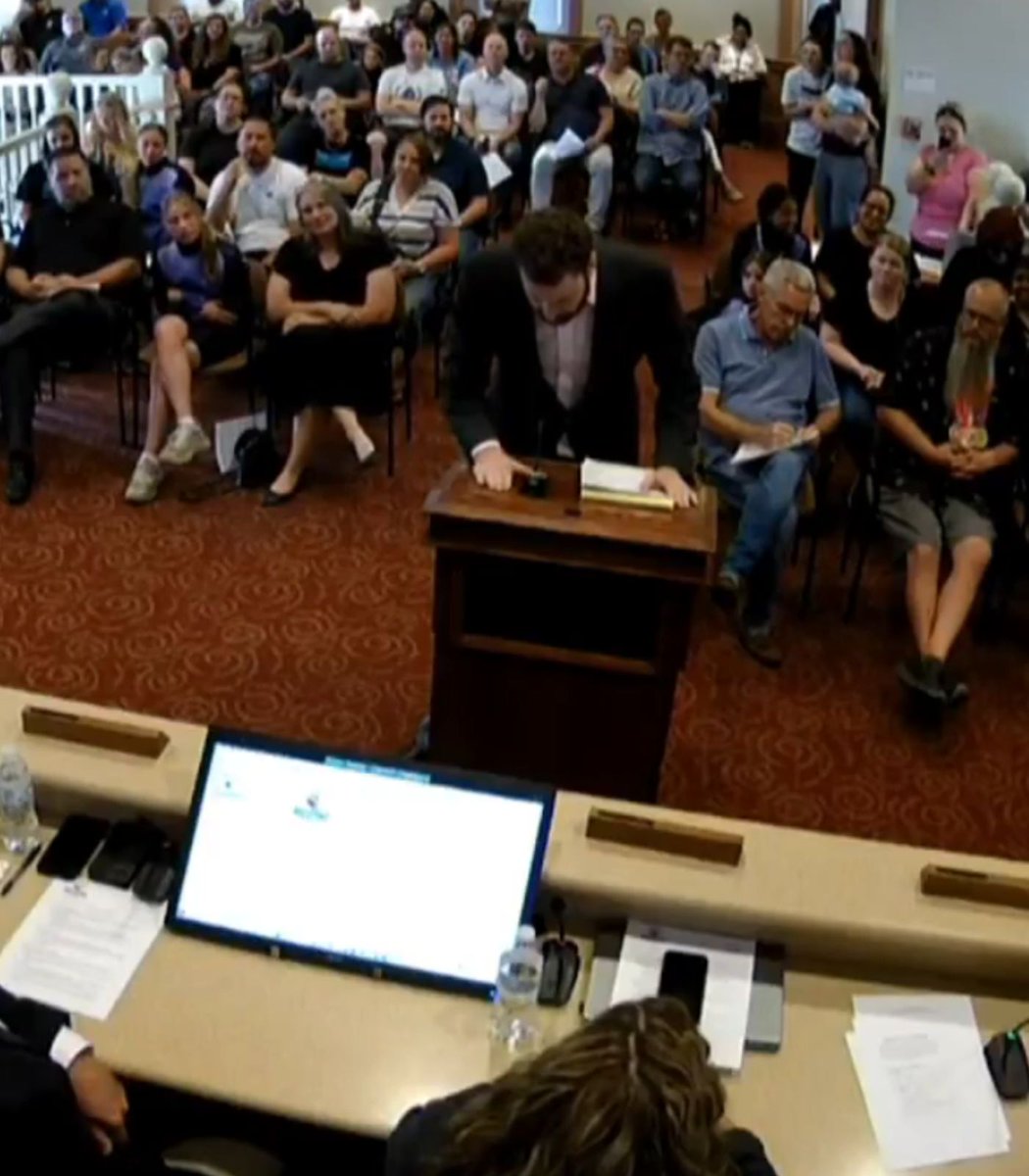
American Fork residents backed Reckless Ben at a City Council meeting following claims of police misconduct in the Bricks & Minifigs case
The meeting ended without the city announcing an independent investigation into the police department

216
1,789
34,289
861,917
Jun 11
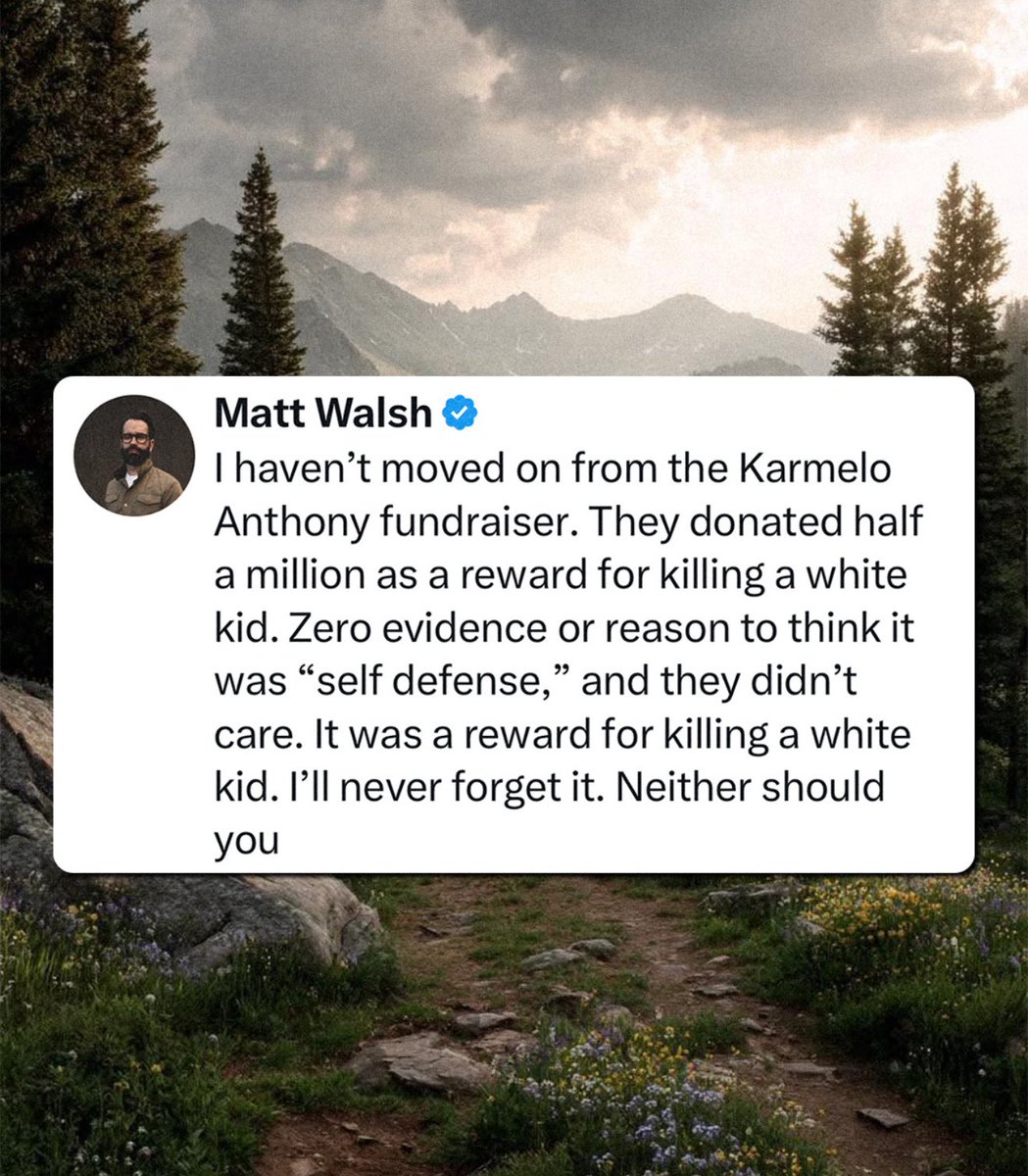
Karmelo Anthony committed first-degree murder. For the uninitiated, this means that it was not a "mistake." For the really uninitiated, this means that you can't "accidentally" murder someone.
Jun 10

That racism and hypocrisy on here literally cracks me up. Karmelo seems like a decent kid that made a huge mistake. I know plenty of whites exactly like that, but you leave it to the fear riddled racists on here they've convinced themselves they're the superior race 😆
1
1
20
CertifiedDoc retweeted

Trying to dunk on Catholics by suggesting they wouldn’t adopt or at least accept and house and care for unwanted kids is bizarre.
As my husband said when we were discussing this: “For 2,000 years, we have been begging the pagans, please don’t kill your kids, let us take care of them.”
From Roman infants to Igbo twins, selective sex abortions to Pakistani baby girls, Catholic missionaries, orphanages, and individuals have stood in front of all the various faces of Moloch begging people not to kill their own kids.
The bar is literally in hell and people keep slithering under it.
34
406
3,629
50,344
CertifiedDoc retweeted

Jun 4
My name is Renatta, I’m 45 years old, and I have a genetic condition.
Yes, I have some struggles, but I still live a full, productive, and joyful life.
Parents, if your unborn child is diagnosed with a genetic disorder, it isn’t a curse. Please give your child a chance at life. Their life won’t be perfect, but no one’s is. Let your child be a blessing to you and to others. Don’t throw away what God has given you.

437
1,377
15,221
147,797
CertifiedDoc retweeted

Jun 4
In a world that destroys children with Down syndrome, listen to this brave girl:
“You can try to kill off everyone with Down syndrome by using abortion, but you won’t be any closer to a perfect society. You will just be closer to a cruel, heartless one."
Charlotte Helene Fien speaks before the United Nations
257
3,799
19,911
254,595
Jun 5
I don't normally post things this upsetting, but everyone involved in this needs to understand what a late-term abortion is. This doctor performed over a thousand of them before his own daughter died, which opened his eyes to the horror of the procedure.
youtube.com/watch?v=j0tQZhEi…
1
17
Jun 5
So knowing what that looks like, it makes my blood boil when I hear about someone deciding to end his child's life because the baby had the wrong kind of DNA.
His justifications are, I'm sure, as much for his own peace of mind as a public defense.
x.com/McJuggerNuggets/status…

I’ve never seen such hate and vitriol for two people grieving the loss of their unborn child and making an impossible decision.
The last 24 hours have exposed a side of humanity that is deeply disturbing. Being called “murderous pieces of shit, evil, compared to Hitler” and receiving NON-STOP DEATH THREATS.
Seeing my 6-year old dog with Stage 4 Kidney Disease be used as a weapon, manipulating my words and intent in a tweet or saying we’ll regret this decision forever and must repent to God is absolute insanity.
If you ever wanted to marvel at the depravity of people online, just check the replies on my latest tweet. It’s a shit-show of epic proportions. This is reflective of the current world and landscape we’re all living in.
What’s more troubling is a lot of these people use God or Jesus as their justification for threatening us and wanting to cast us into Hell…seems pretty hypocritical.
So many saying they would’ve kept the child, put it up for adoption or are suddenly ready to adopt a down syndrome child, that’s great! You can do all those things. However, many of the people throwing stones don’t even have children, let alone one with a condition and most likely will never do the things they say they’re going to do.
There has been some heinous shit said about my wife and I on some extremely large accounts…It baffles me that there are such trashy-ass people who have significant followings. If you can’t contribute anything meaningful to the conversation aside from insults then just don’t post.
On the other hand, there has been tremendous stories of people who kept their Down Syndrome baby and that’s awesome! Very courageous and they do look very happy! That is your choice and I support it. This was ours and we can do that. It’s very easy to accept the differences between us when it has no actual bearing on your life.
What shocked me most of all was that this story has become mainstream news…A couple’s abortion is suddenly newsworthy in 2026…?
There are over 1,000,000 abortions every single year for a myriad of reasons, this is happening on a DAILY BASIS and is the most common outcome for Trisomy 21, yet this one blows up and people are surprised…?
The reason this blew up is quite simple: IT’S BECAUSE NOBODY TALKS ABOUT IT.
I can’t blame people for not talking about these vulnerable experiences publicly because you see the disgusting backlash that ensues. It’s very divisive. Luckily, after 20 years on the Internet, this is par the course for me taking on the crazies, so I’m glad I can help further the conversation.
That’s exactly why I wanted to share this story. People still need to see vulnerability and hear the raw truth. There is real suffering going on and it is being done in silence and fear.
So many mothers have reached out privately commending us on our bravery to speak truthfully about this topic and we really appreciate that support! We want you to feel less alone in this and less ashamed.
There has never been a more important time to speak up and out about the things that matter. Do not let the vocal minority stop you from sharing your truth.
To those who have been affected by this or are confronted with a similar situation in the future, we have your back and please feel free to reach out. I’m sure this will follow us awhile especially when we try for a kid again in the near future.
(CONTINUED)
45

CertifiedDoc retweeted

Jun 4
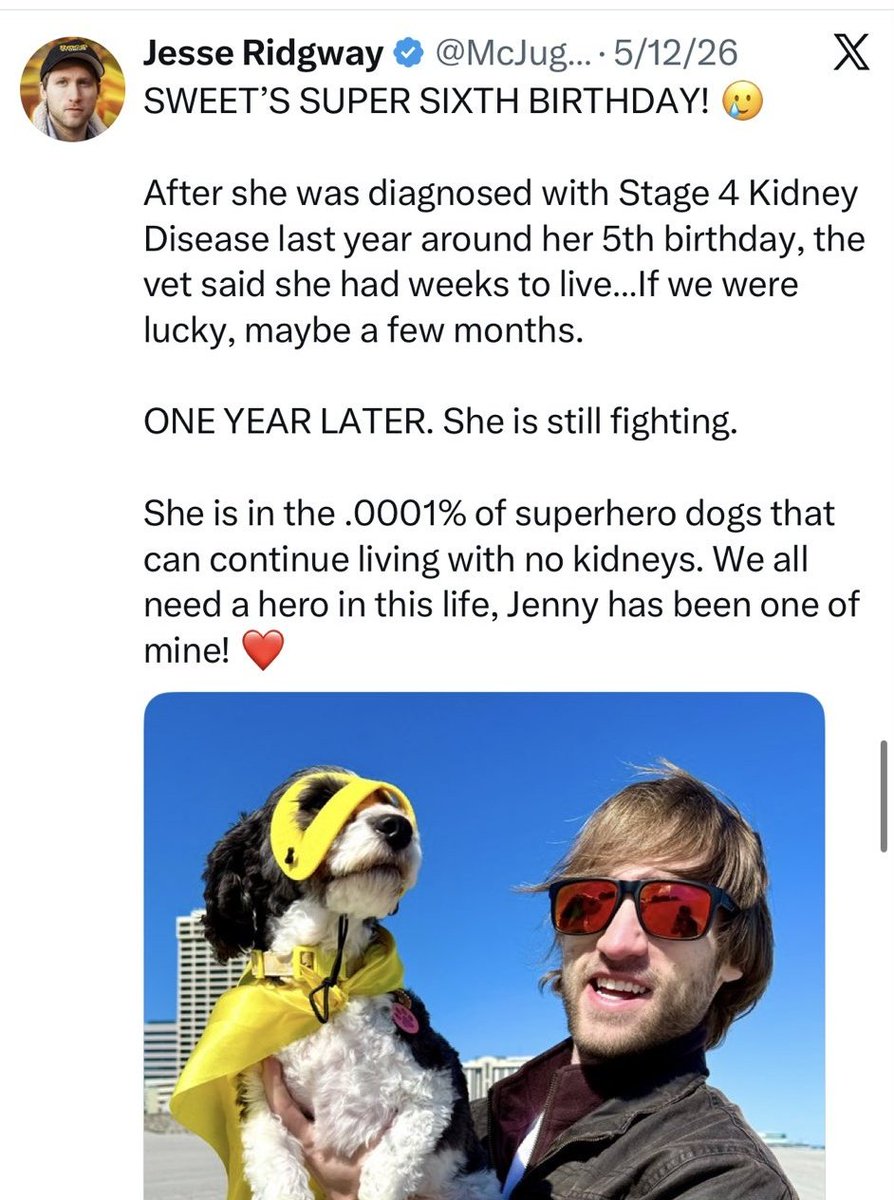
This man was willing to put in all the work and money it takes to keep a dog with no kidneys alive indefinitely, but he murdered his baby for having Downs Syndrome.
328
882
8,356
141,183
Jun 1
This is what happens when you argue with bad-faith pro-choice activists. They'll call you names, be rude to you, insult you, claim *you're* acting in bad faith, and apparently treat you like a dog.
It doesn't matter how good your arguments are with this kind of person.

Right after you prove your claim poodle.
Come on! Jump! Make a valid argument.
2
1
46
Jun 1
For those who need to know: no law on the books in any state bans ectopic pregnancy.
Do your own homework. You have no power here
You know damn good well, I’m speaking the truth. And that you have no valid argument or point to make.
Run along now with your dishonest BS
1
23
May 30
I want to know who the 100,000 people are who signed this petition. Apparently Oregonians have forgotten how the entire agriculture industry works.
May 30

IP 28 is an attack by Tina Kotek's allies on Oregon's economy and our way of life.
Banning hunting, fishing, and basic animal husbandry would kill thousands of jobs and threaten our food supply at a time when we can least afford it.
In Tina Kotek's Oregon, agenda-driven political ideologues seek to crush families who are already struggling to get by.
This is why we need change.
nypost.com/2026/05/27/us-new…
9
CertifiedDoc retweeted
May 29
Abortion ideologues argue women's liberation must cost the blood of our children. It's pathetic. We won't do it, and we won't sit quietly while others do it either.
21
6
60
1,348