
Biomedical scientist/engineer with a passion for translational cardiac research.
Joined April 2019
- Tweets 113
- Following 142
- Followers 194
- Likes 521
10 Photos and videos

Chris Haggerty retweeted

8 Apr 2024
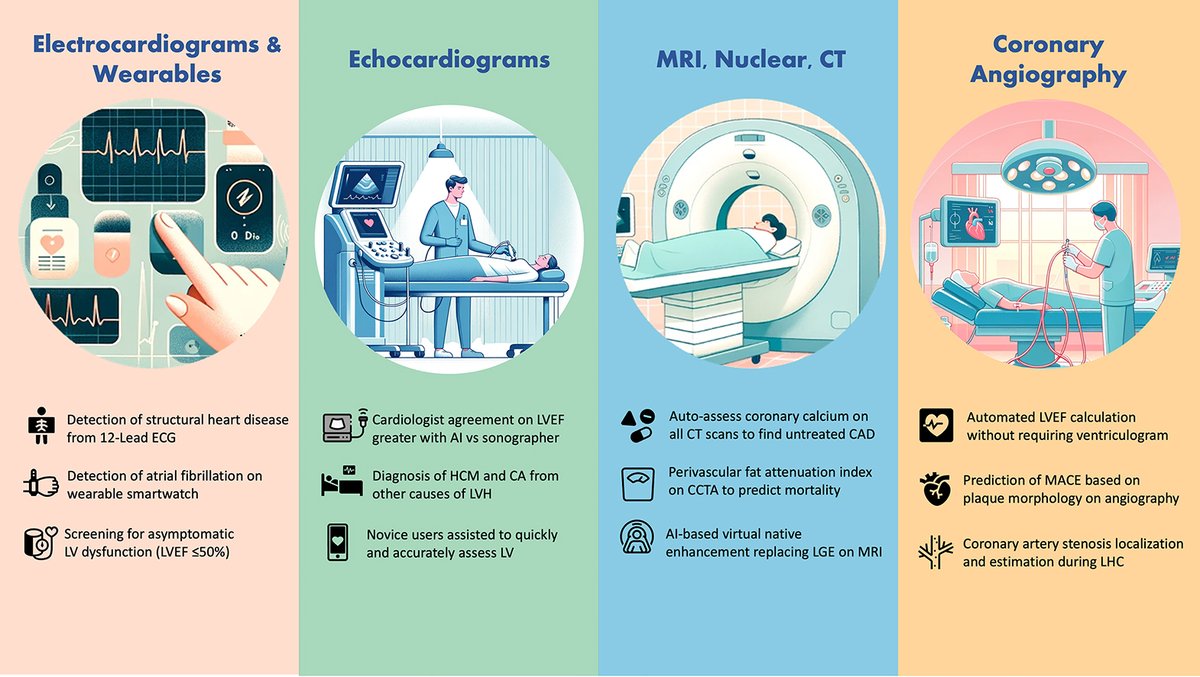
Want to know the state of AI & Cardiology? Our #JACC reviews are for you!
bit.ly/3J5yj4W
Pt 1: The field's most comprehensive primer. Every study you should know about in 1 place
Pt 2: Tackling today's evidence, equity, & regulatory challenges
@EricTopol @mattlungrenMD
7 Apr 2024

#ACC24 #JACC SimPub: Cardiology's future is #AI-powered!
Discover how new models are transforming CV care, from diagnosis to treatment in this review topic of the week: bit.ly/3J5yj4W
#ArtificialIntelligence #MachineLearning @mvperez92 @RobertAvramMD @jpirruccello
13
33
7,649
Chris Haggerty retweeted

8 Apr 2024
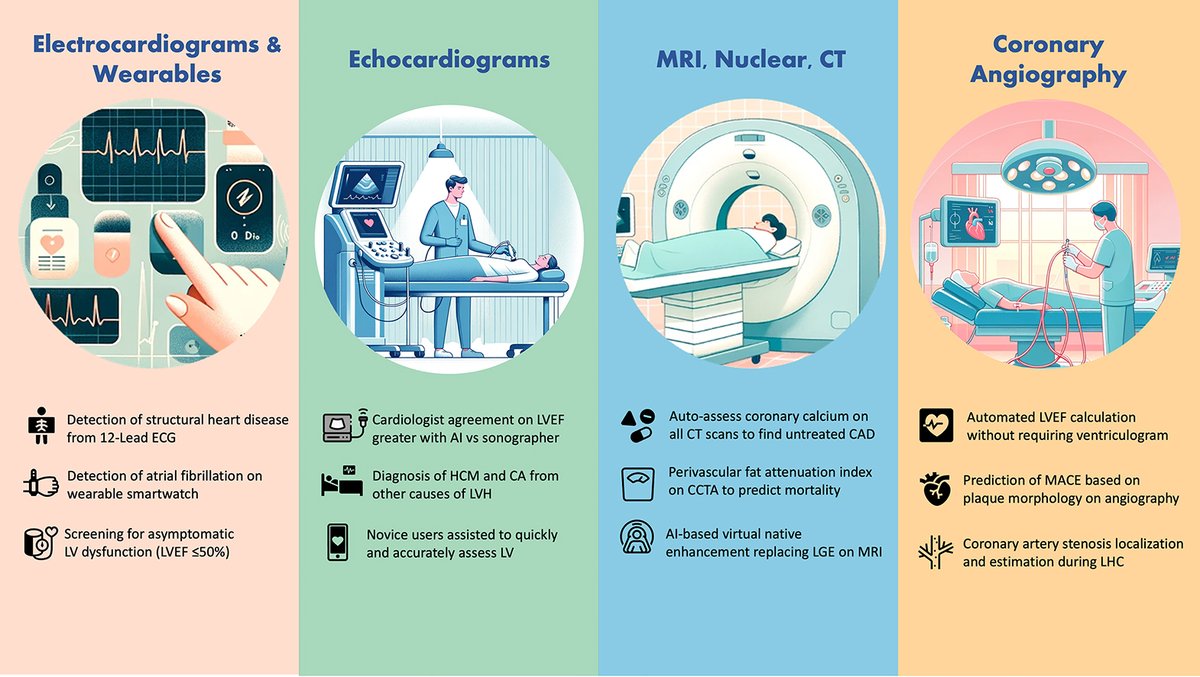
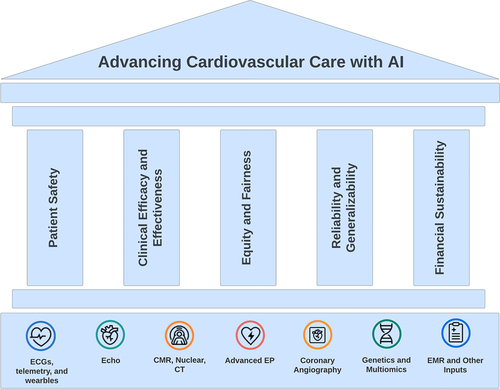
🚀🫀Explore recent breakthroughs, future directions, and evaluation & infrastructure needs for #AI-augmented cardiovascular care. Learn more in our two-part review published in @JACCJournals #ACC24.
Part 1: jacc.org/doi/10.1016/j.jacc.…
Part 2: jacc.org/doi/10.1016/j.jacc.…
3
16
56
14,127

5 Apr 2023
Awesome work - congrats @David_Ouyang and team
5 Apr 2023

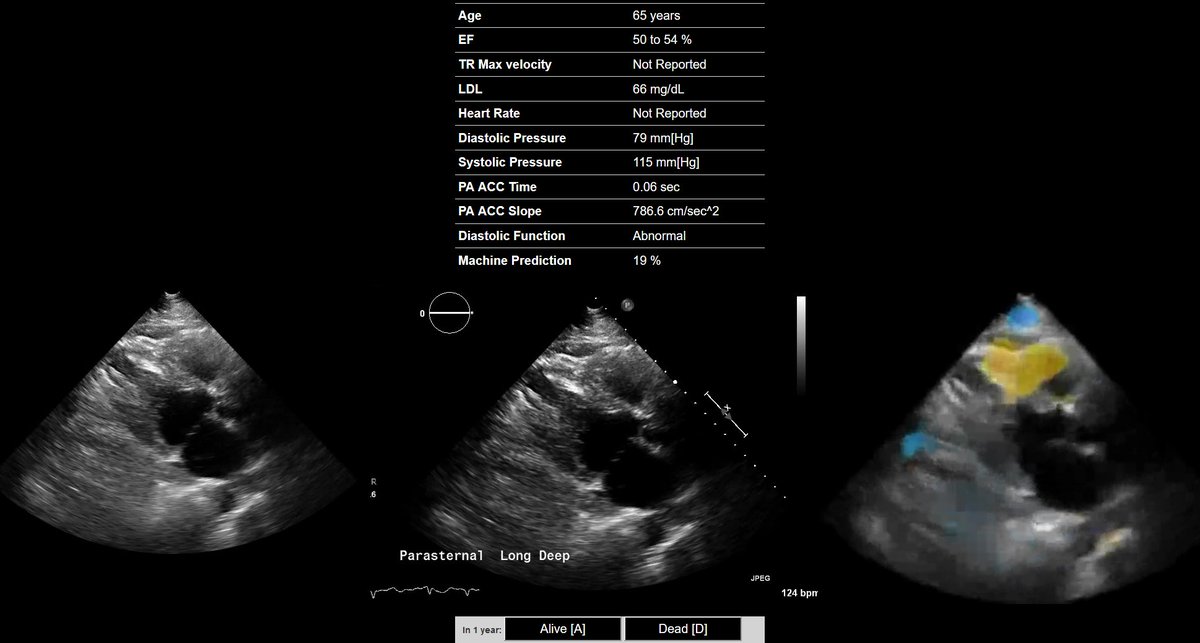
We are excited to announce that our blinded randomized clinical trial of AI LVEF (EchoNet-Dynamic) has been published in @nature! @bryandhe @james_y_zou @StanfordDBDS @CedarsSinaiMed
nature.com/articles/s41586-0…
1/n
2
334
Chris Haggerty retweeted

14 Nov 2022
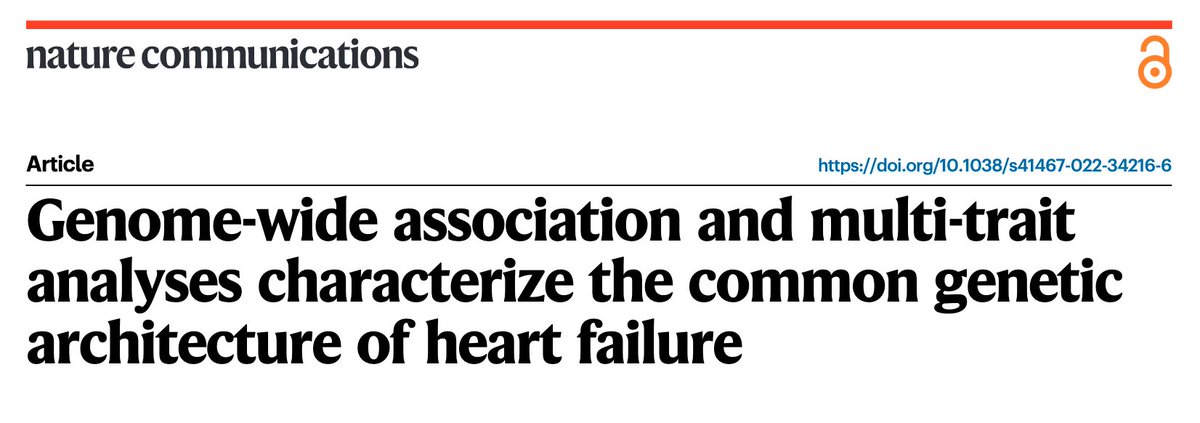
Excited to finally share the results of our GWAS and multi-trait analyses characterizing the 🧬 genetic architecture of 🫀heart failure, now published in @NatureComms
Thanks to @damrauer and @bvoight28 for their mentorship, and all the contributors!
nature.com/articles/s41467-0…
15
75
26 Oct 2022
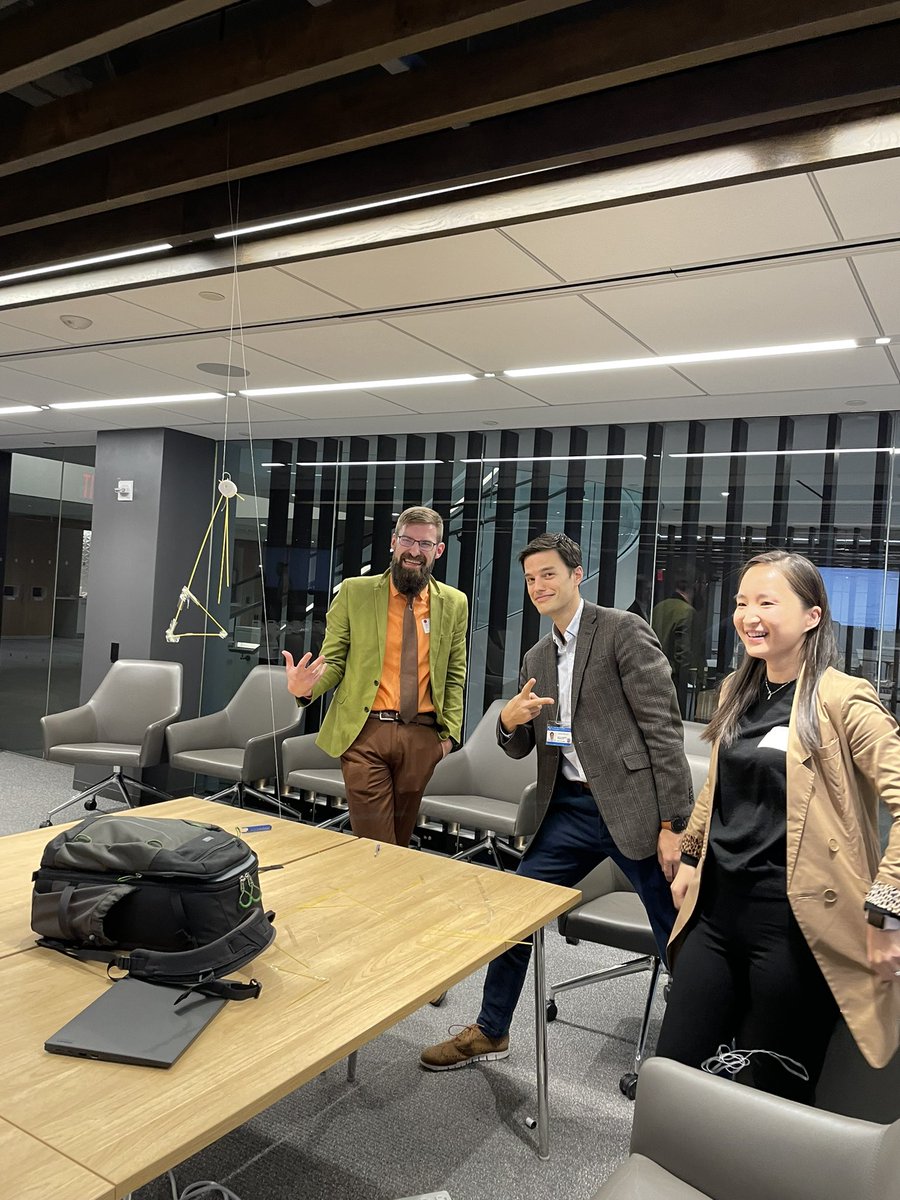
Awesome way to cap the first week! (Even if my team’s spaghetti structure didn’t quite get the job done..)
26 Oct 2022

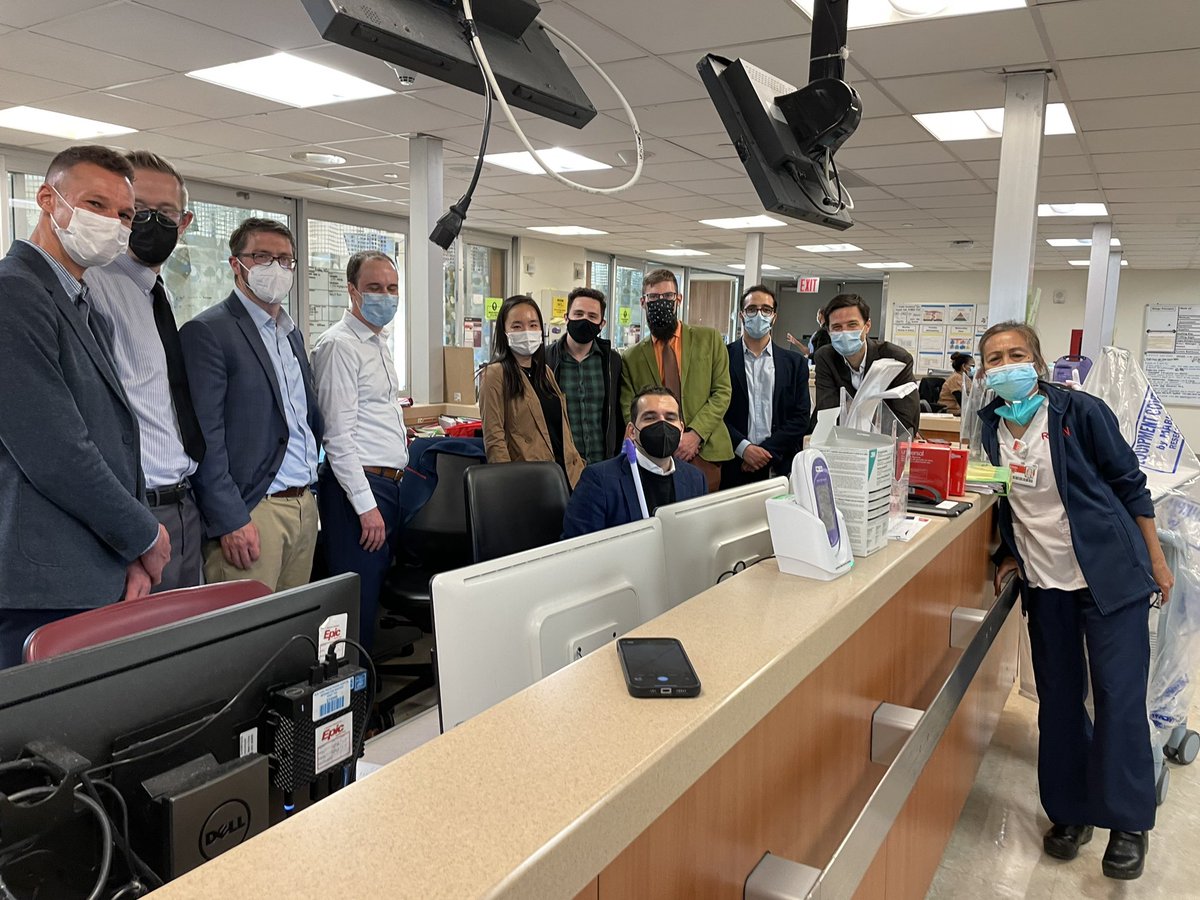
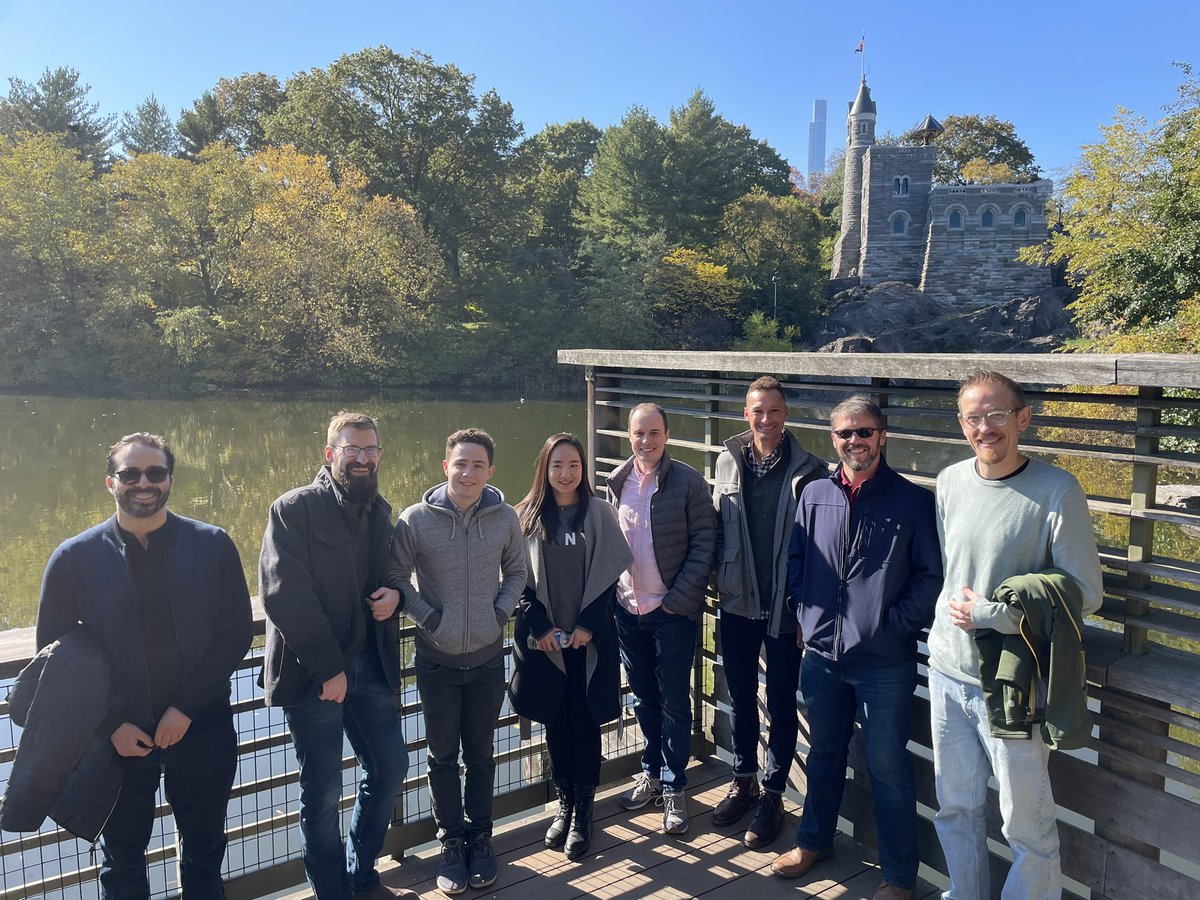
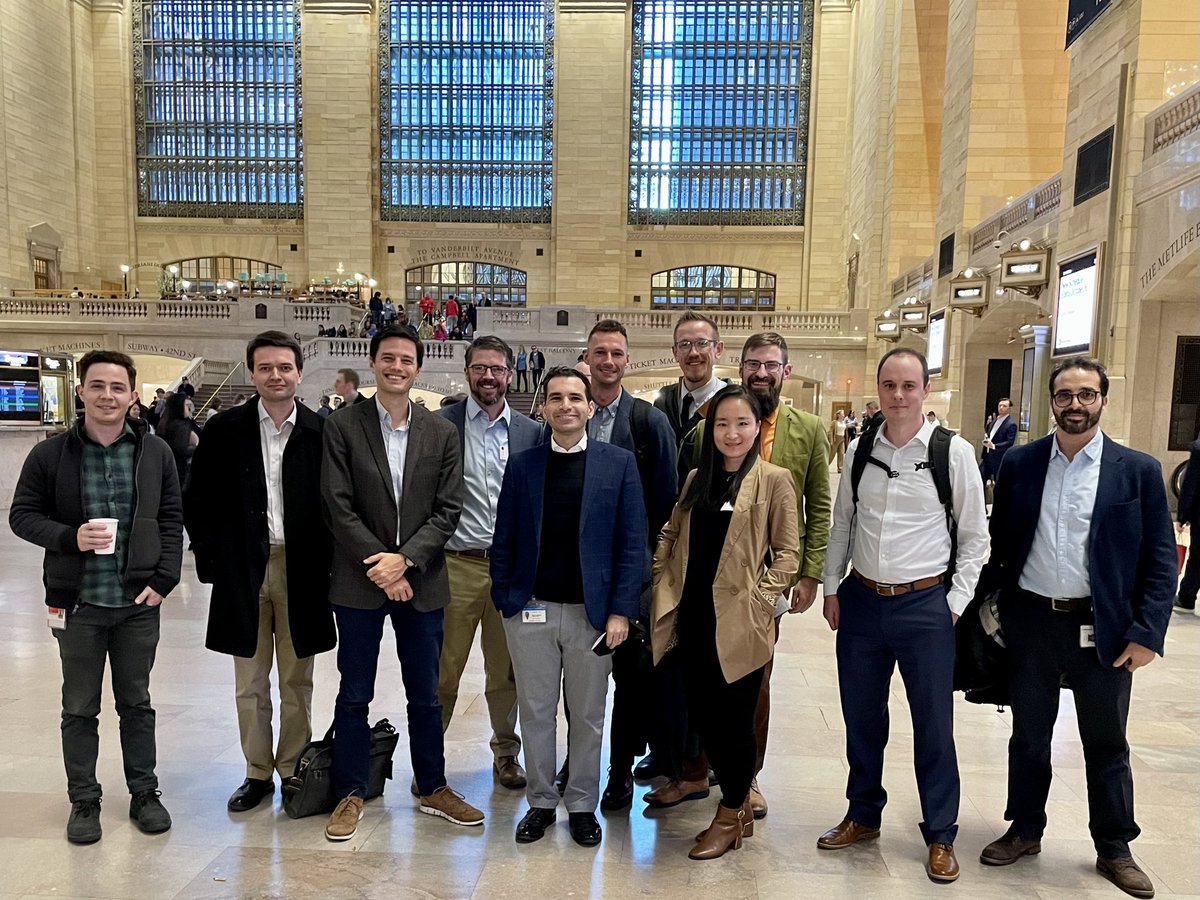
We got to welcome our new CRADLE teammates to NYC for an on-site! Bringing data scientists like @ChrisMHaggerty to @NYPAdvances and @ColumbiaMed, including our Cath lab & CCU. Started the day with which team could use spaghetti, string, and tape to make the tallest structure 😁
4
14 Oct 2022
Some news: I’ll be starting Monday as Director of Data Science at NewYork-Presbyterian .. teaming up with @PierreEliasMD to accelerate development and implementation of machine learning in Cardiology across NYP, Columbia, and Cornell hospitals. Really excited for the road ahead..
10
4
53
14 Oct 2022
This means today is my last day at Geisinger after almost 8 years. Tremendously grateful for my time here and the great colleagues I’ve had a chance to work with!
6
Chris Haggerty retweeted
1 Aug 2022
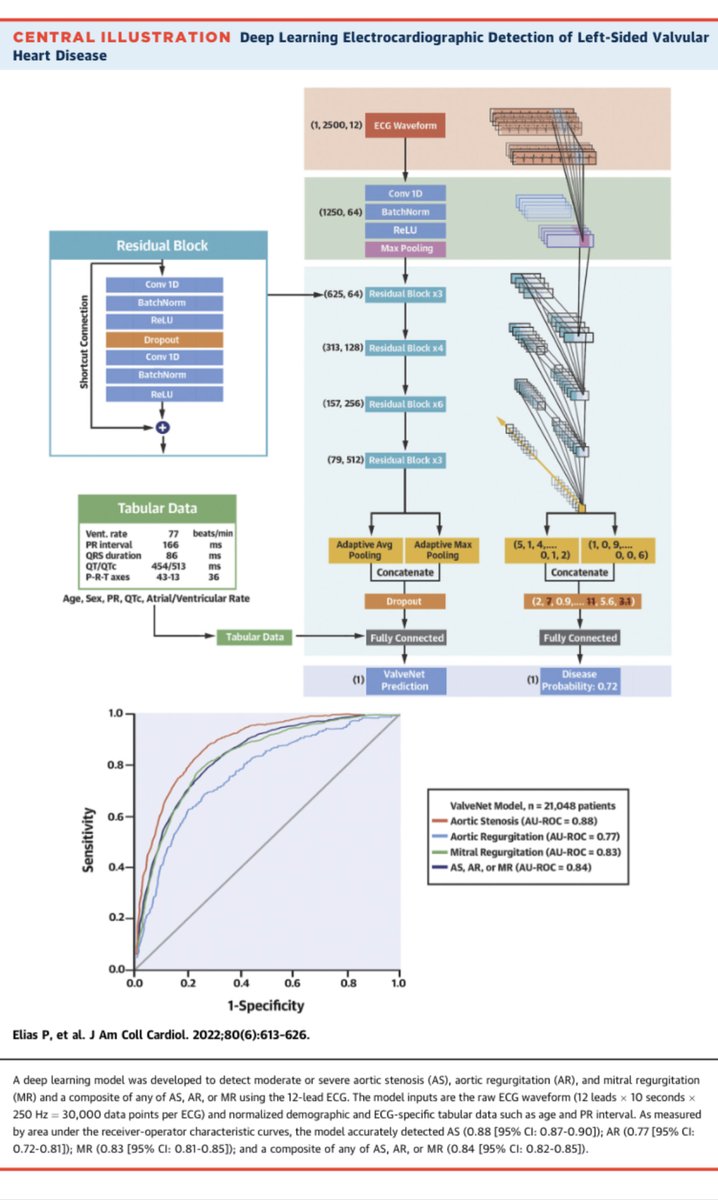
Out today in @JACCJournals, our ValveNet study shows a ML model can detect mod-severe left sided valve disease from ECG. This model is currently running live in our health system daily. Now let me tell you everything wrong with it! A brief 🧵 bit.ly/3boQBRs
20
55
284
Chris Haggerty retweeted

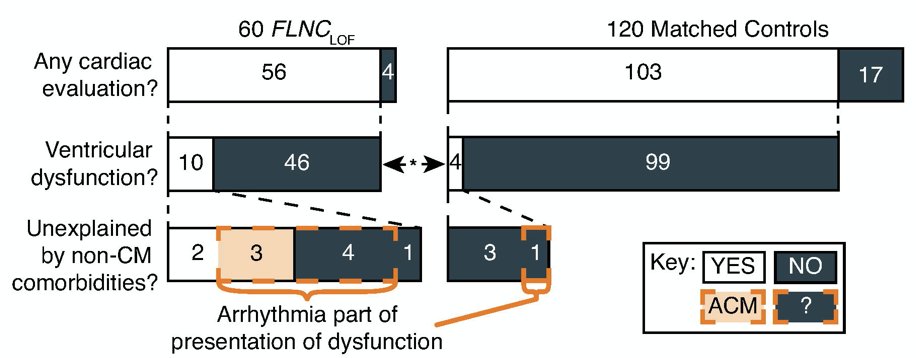
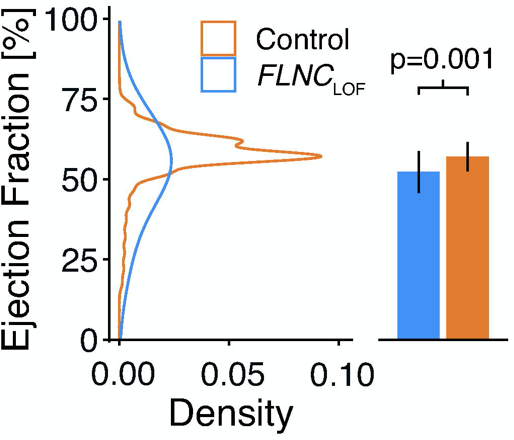
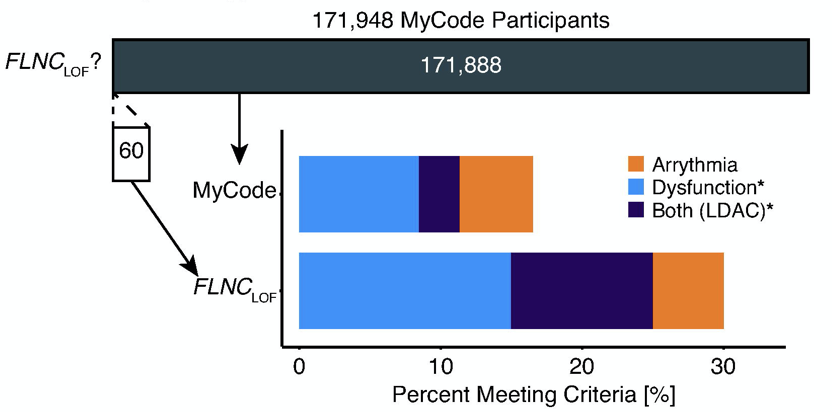
⚡️ From @ChrisMHaggerty team: Loss-of-Function FLNC Variants Are Associated With Arrhythmogenic Cardiomyopathy Phenotypes When Identified Through Exome Sequencing of a General Clinical Population ahajournals.org/doi/abs/10.1…
@AHAScience #AHAjournals
🎥 @AnwarChahal @jenniejlin
4
9
Chris Haggerty retweeted

17 May 2022
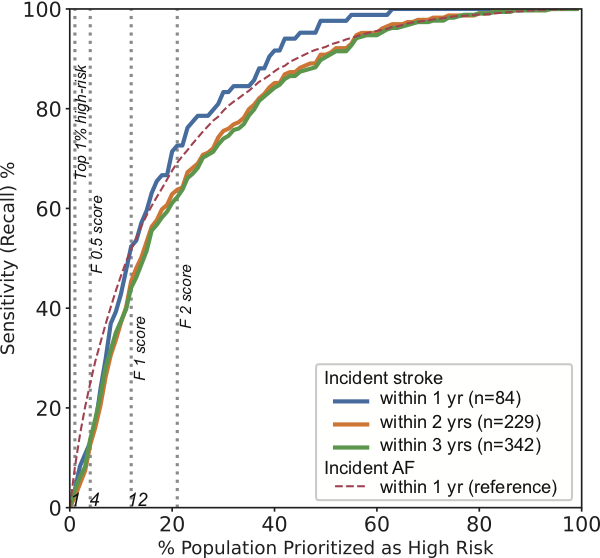
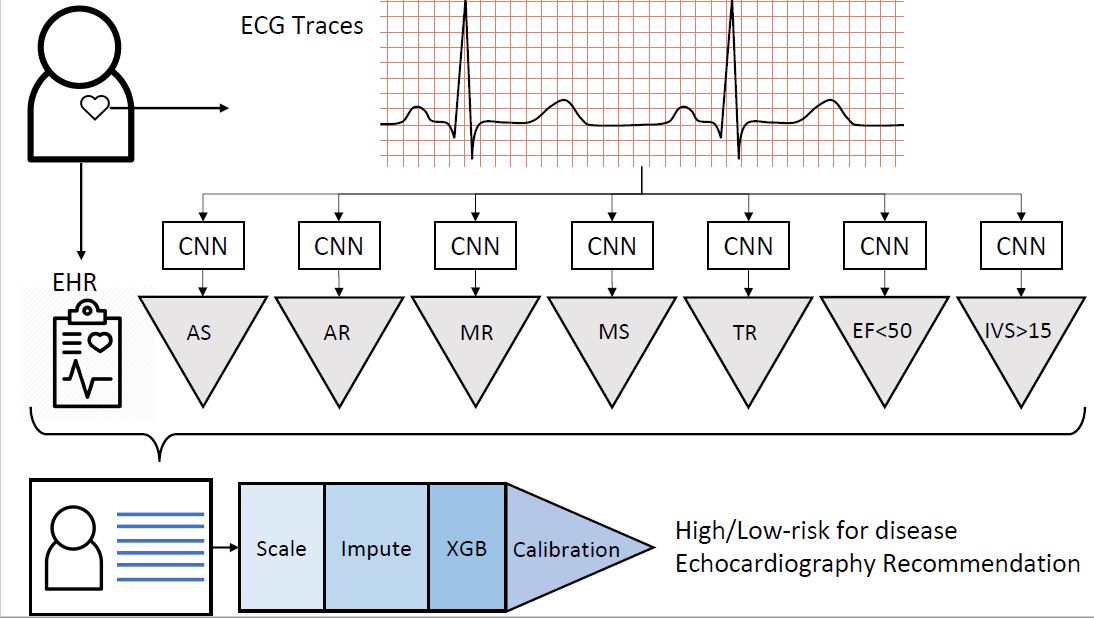
#OriginalResearch: #rECHOmmend- an ECG-based machine-learning approach identifies patients at high-risk of undiagnosed structural heart-disease detectable by echocardiography @BrandonFornwalt @ChrisMHaggerty @_noahzim_ #AHAJournals ahajournals.org/doi/10.1161/…
12
28
Chris Haggerty retweeted

29 Apr 2022
So EXCITED to share that our (@AliveCor & @MayoClinic @MayoClinicCV) #ArtificialIntelligence-derived #QTc just received @US_FDA clearance. The QTc is now officially a readily obtainable, clinically actionable VITAL SIGN with life saving implications. @HRSonline #HRS2022 🤗
3
15
72
13 Apr 2022
Great work looking at genetic correlations and outcomes in HFsnEF in UKB and BioME.
13 Apr 2022

You’ve heard of HFrEF, HFmrEF and HFpEF… but have you heard of their sibling HFsnEF (heart failure SUPRANORMAL EF)?
Our new study in @ESC_Journals doi.org/10.1002/ejhf.2482 sheds light on this understudied/underdiagnosed entity 🔎🫀
#CardioTwitter #CardioEd #MedTwitter
1/8
2
30 Nov 2021
Awesome work, congrats team!
1
3
6 Nov 2021
Why wouldn’t it be both with TTN.. Occam’s Razor need not apply with that gene
4 Nov 2021

How do TTN mutations cause DCM? Haploinsufficiency? Poison Peptides? To date the evidence has been… well, neither. That changes now, with these side-by-side papers in @ScienceTM. 1/3 science.org/doi/10.1126/scit…
3
31 Oct 2021
If there was an annual award for most popular cardiogenomics gene, FLNC would be firmly in the running to win this year - there have been a few great international FLNC cohorts published, plus its addition to the @TheACMG SF recommendations.
2
2
12
31 Oct 2021
Actual number of affected individuals would likely be higher with result-directed evaluation (and accounting for survival bias). So these findings support the consideration of FLNC LOF as actionable secondary genetic findings.
1
1
31 Oct 2021
Thanks for reading! I'm no @vnparikh with my tweetorial skills, but hopefully it is satisfactory for @jpirruccello
1
4