
CEO & Founder of Zyrka MSP to PE and Family Offices| Cyberlibertarian | AI Fact-Checker | GrapheneOS Champion | ➀=㉈ | האריה עולה
Joined October 2022
- Tweets 5,227
- Following 5,710
- Followers 5,686
- Likes 85,526
349 Photos and videos












Clark Sandlin retweeted

Jun 8
¥2,000,000,000,000 erased from Chinese stock market today.
"Everything Crash" has started.

444
1,299
6,509
512,791
Clark Sandlin retweeted

Jun 8
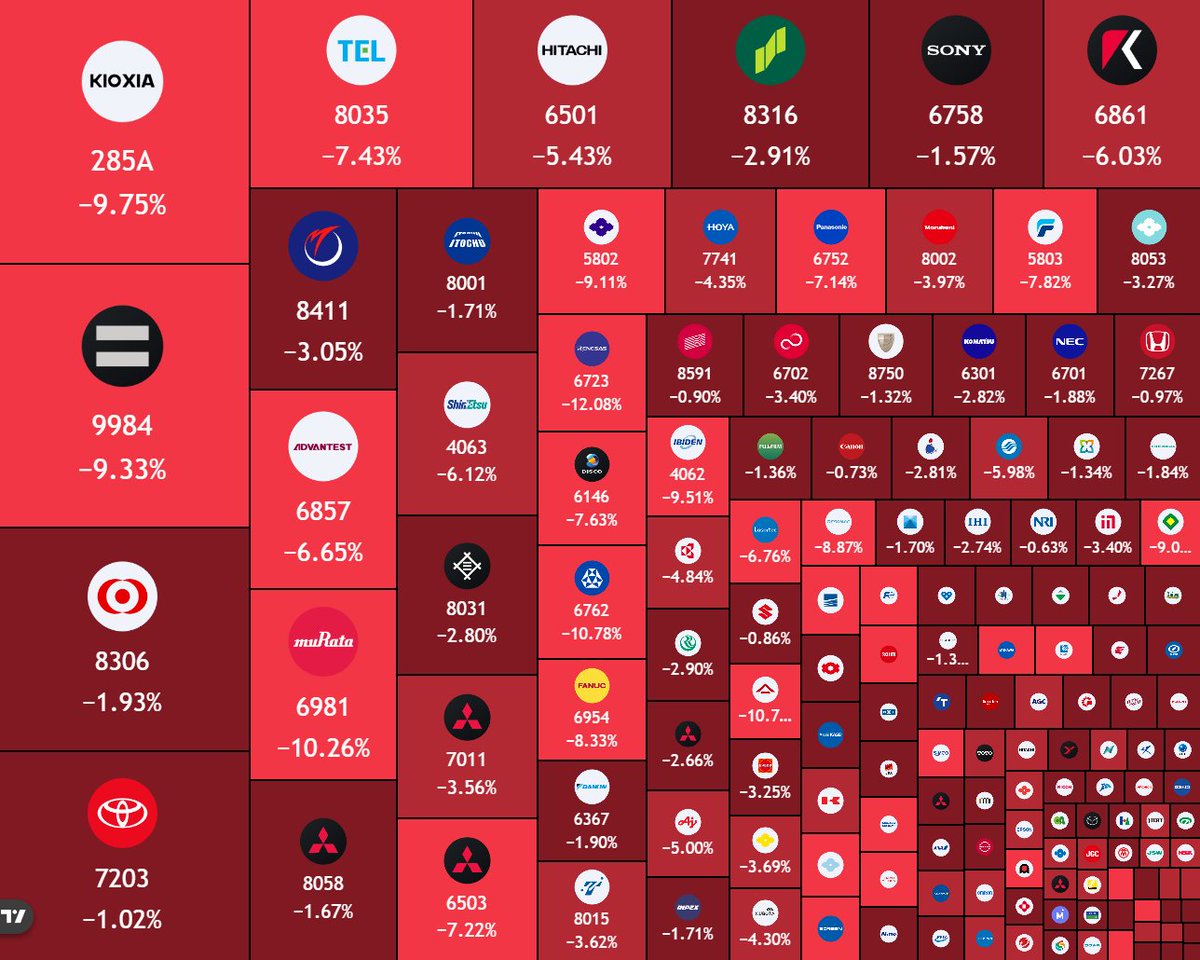
BREAKING: Over ¥48,300,000,000,000 ($335 BILLION) wiped out from Japan's stock market as the NIKKEI plunges 4.2%.
236
1,314
5,580
390,369
Clark Sandlin retweeted

BREAKING: South Korea’s stock market has triggered a trading halt after plunging more than 8% at the open.
305
855
11,738
1,450,570
Clark Sandlin retweeted

Jun 2
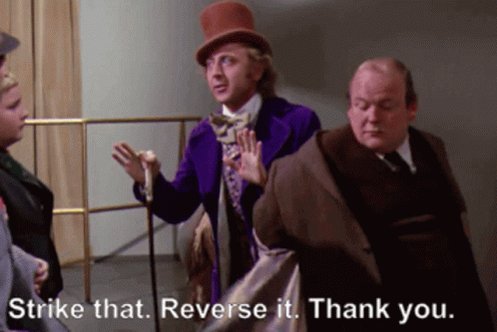
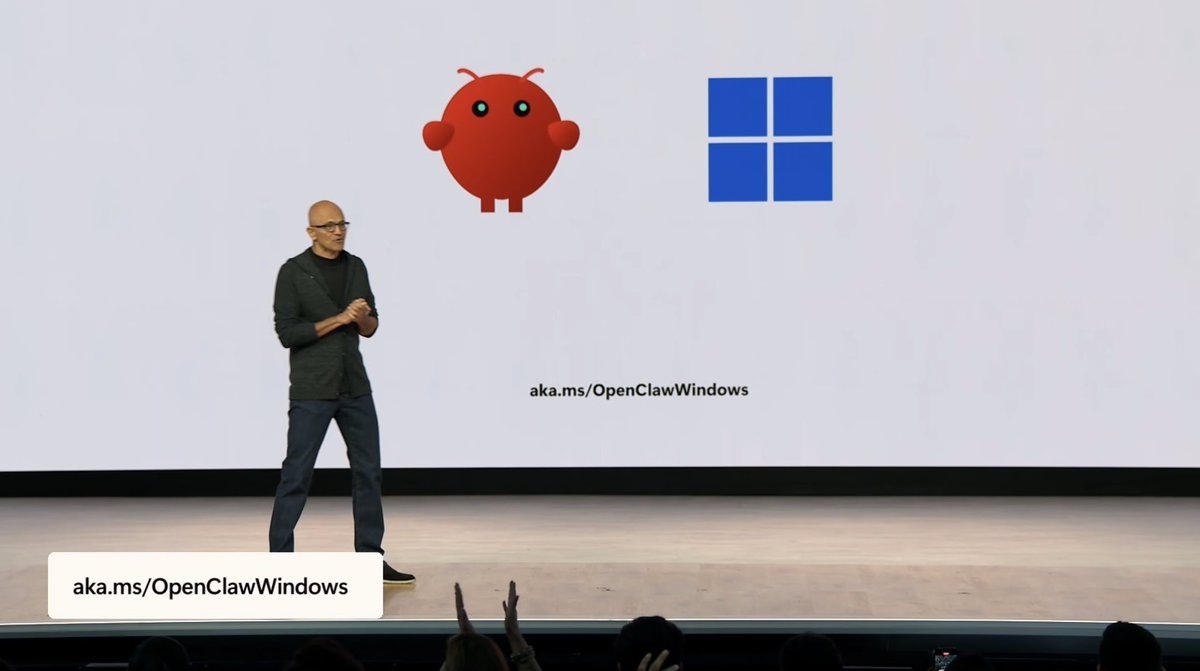
As someone who enjoys malware and malware accessories, I for one believe this to be incredible news and I applaud Satya Nadella for this
As someone who deals with malware defensively, I for one believe this is terrible news and I hate Satya Nadella so much right now it's unreal

"You can run OpenClaw inside your company now." Annoucing our work with @Microsoft to bring OpenClaw to the Microsoft and Windows ecosystems. Claws now work securly in the enterprise.
56
269
3,173
135,366

Jun 3
Never a truer statement...

AI isn't taking our jobs. It's keeping cybersecurity people employed for life.
15


May 31
Wow. I've done some of these naturally but not every time. After skimming, some books just are not worth a deep dive.
May 30

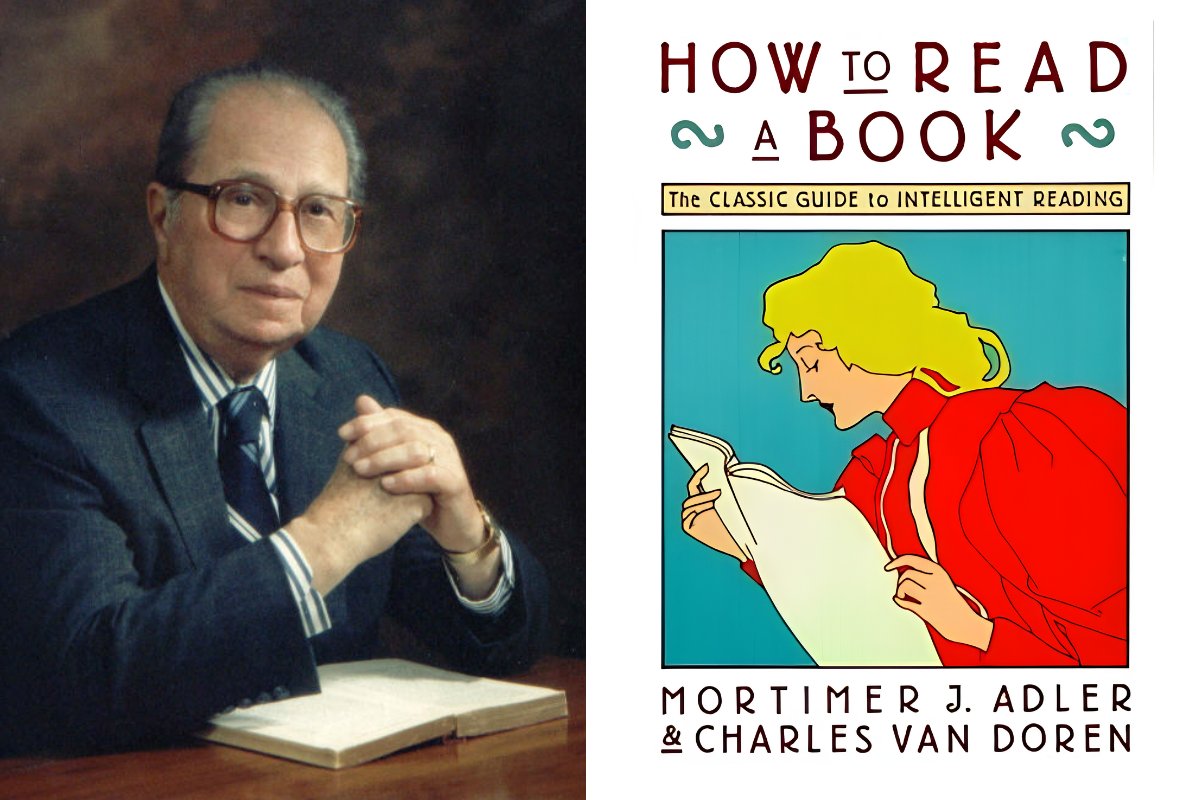
A Chicago philosopher wrote one book in 1940 proving that 95% of the books you have read in your life, you didn't actually read, and Charlie Munger has been telling people to read it for 50 years.
His name was Mortimer Adler.
He spent 40 years at the University of Chicago, ran the editorial board of the Encyclopædia Britannica, and built his entire career on one uncomfortable observation about the people around him.
Most adults who called themselves well-read had not actually read a book in the real sense even once. They had run their eyes over the pages, registered the words, formed a vague impression, and put it back on the shelf.
The book had passed through them without ever entering them.
In 1940 he wrote How to Read a Book. It has stayed in print for 86 years.
Charlie Munger recommends it. Naval Ravikant recommends it. Fareed Zakaria recommends it.
Every serious thinker who builds a career on absorbing information eventually finds their way to this book, and the reason is that Adler had isolated something nobody else was naming clearly.
There are four levels of reading. Almost everyone is stuck on the second one. The fourth level is so different from what most people call reading that you have probably never done it in your entire life.
Level one is elementary.
You learn it as a child. You decode the letters into words and the words into sentences. You finish the sentence and understand roughly what it said. This is reading the way a 7-year-old reads, and almost every adult on earth has stopped developing past this point in some quiet way.
Level two is inspectional.
This is skimming. You move through a book quickly to figure out what it is broadly about. You read the back cover, scan the table of contents, glance at a few paragraphs, and form an opinion. Most adults who claim to have read 50 books a year are actually doing this. They are inspecting books, not reading them. They walk away with a vague sense of the argument and almost none of the evidence that supports it.
Level three is analytical.
This is the level Adler said most people have never properly experienced. You take one book and you wrestle with it for as long as it takes. You identify the question the author is trying to answer. You map their argument from front to back. You write your disagreements in the margins. You force yourself to articulate, in your own words, what the author is claiming and why. The point is not to finish the book. The point is to argue with it as if the author were sitting across the table from you. Most people never do this once in their life, because it is exhausting and slow and feels nothing like the reading they were taught as children.
Level four is the one almost nobody knows exists. Adler called it syntopical reading. The word means "across topics," and the technique is something closer to running a small private research lab in your own head.
You pick a single question that actually matters to you. How does power corrupt people. Why do civilizations collapse. What makes a marriage last. How does a person change their own mind. Then you assemble five or ten or twenty books from different authors, different centuries, different traditions, all of them taking a swing at the same question.
You do not read any of them cover to cover. You move between them. You find the chapter in book three that addresses the same question as the chapter in book seven. You force those two authors to argue with each other inside your own head.
The book stops being the unit of reading. The question becomes the unit. And the authors become voices in a conversation you are now hosting.
This is the level where reading stops being consumption and starts being construction.
You are no longer absorbing what someone else thinks. You are building a position of your own out of the friction between people who disagreed.
Adler argued that this is the only level of reading where you stop being a passive receiver of other people's ideas and start being someone who can produce ideas of their own.
The reason Charlie Munger has been recommending this book for 50 years is that this is exactly how Munger has always thought. He calls it building a latticework of mental models. The technique he is describing is just syntopical reading applied for a lifetime.
You take the strongest insight from psychology, the strongest insight from biology, the strongest insight from economics, and you stack them against the same problem until something new falls out the bottom.
The reason most people never reach level four is not that it is intellectually difficult. It is that it is logistically uncomfortable. It requires you to keep multiple books open at once.
It requires you to take notes that nobody is going to grade. It requires you to abandon the goal of finishing books and replace it with the goal of answering questions.
This is also why AI just changed everything Adler was teaching.
NotebookLM, Claude, and tools like them let you do syntopical reading at a speed that would have looked like magic to a Chicago philosopher in 1940.
You upload 10 books on the same question. You ask the AI to surface every place those authors agree and every place they contradict each other.
The technique Adler said almost nobody on earth had reached can now be run on a Sunday afternoon by anyone with a laptop and one good question.
The technique was always the unlock. The bottleneck used to be time. The bottleneck is now curiosity.
Most people will keep reading the way they always have. A book at a time. Eyes over the pages. No question driving it. No other authors in the room. Adler called that level two for a reason.
You are not behind on your reading list.
You are behind on the level you are reading at.
1
1
28
May 30
Crypto has never been outside of the system.
May 30

Scott Bessent:
'We Outright Grabbed The Wallets' 🔥
21
May 29
This is so true.
May 29

“The mission of your generation is to destroy AI.”
The government is already calling people who oppose AI terrorists.
14
Clark Sandlin retweeted

It is getting kinda late for the giveaway so I went and found @TheRascallion and asked him what the hold up was. He had L's account pulled up and started goin' on about, "What even IS a real American, anyway?!"
A few minutes later he was walking around in BDUs and wearing red shades...🤷♂️
Anywho, Rascal did finally tell me to just hand out a few decent reliable 9mm handguns so we could arm more people this week. In the mean time y'all better have a good answer for when he asks, "What kind of American are you?"
Thanks again to @SummRidge for helping us out by sponsoring this week's giveaway, AGAIN! A thank you to @Stoeger_USA as well!
This week we will be choosing 4, count them, 4 winners! Each will recieve a Stoeger STR-9MC 9mm handgun!
TO ENTER, FOLLOW us and @SummRidge , REPOST or QUOTE POST, and REPLY TO THIS POST! Good luck to all y'all and have a great week!
1,336
1,196
1,709
117,454
Clark Sandlin retweeted

May 26

May 25

Microsoft is reportedly reducing internal use of Anthropic’s Claude Code after its AI bills started exploding as employee usage rapidly increased.
Some teams are now being pushed toward GitHub Copilot as the company tries to control AI costs.
Uber reportedly faced a similar problem. Executives said the company had already burned through its entire yearly AI tooling budget by April because engineers were heavily using AI coding daily.
AI coding tools are now being used for everything, and that level of usage creates massive compute and token costs when thousands of employees use these systems at the same time.
Source: TomsHardware

32
192
2,694
192,487

Clark Sandlin retweeted

May 26
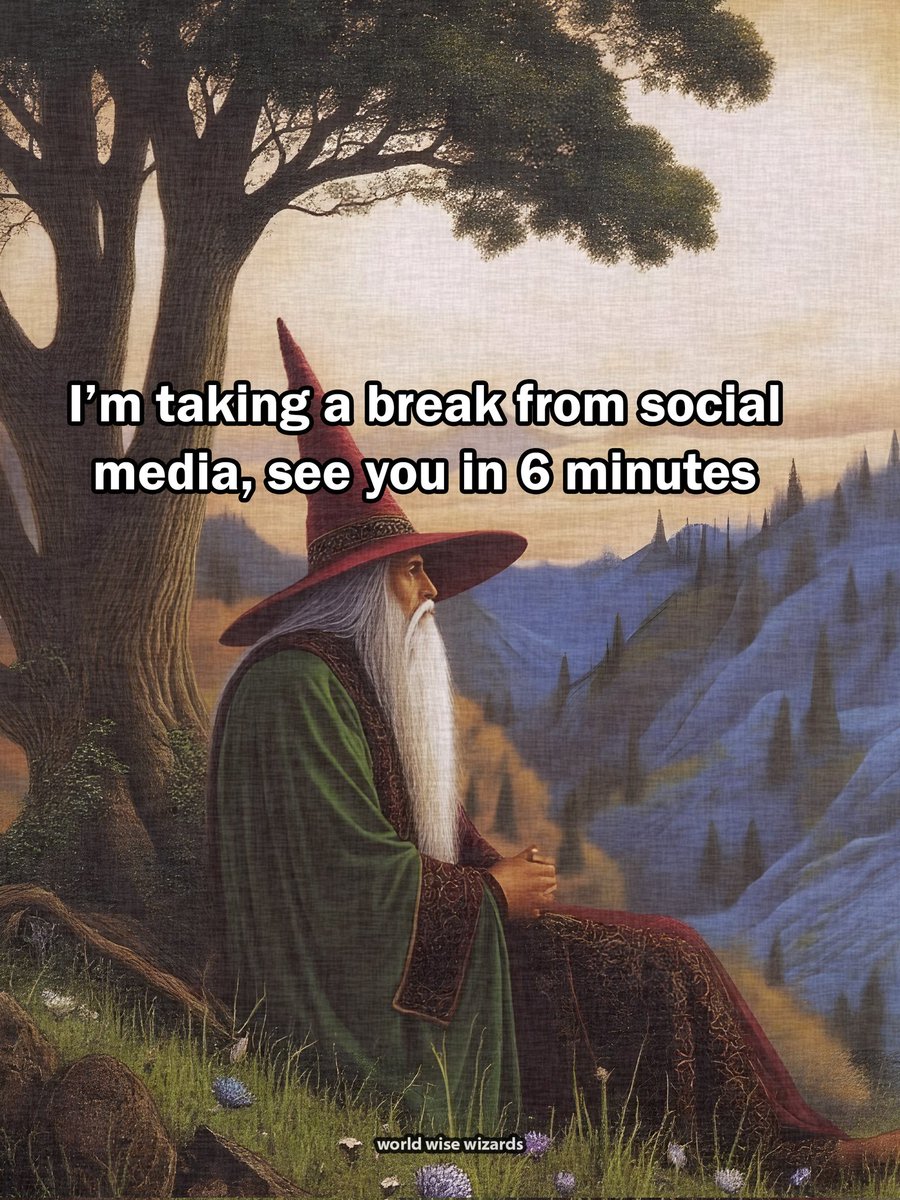
Stop scrolling, start reading.

18
94
476
42,553
Clark Sandlin retweeted

May 24
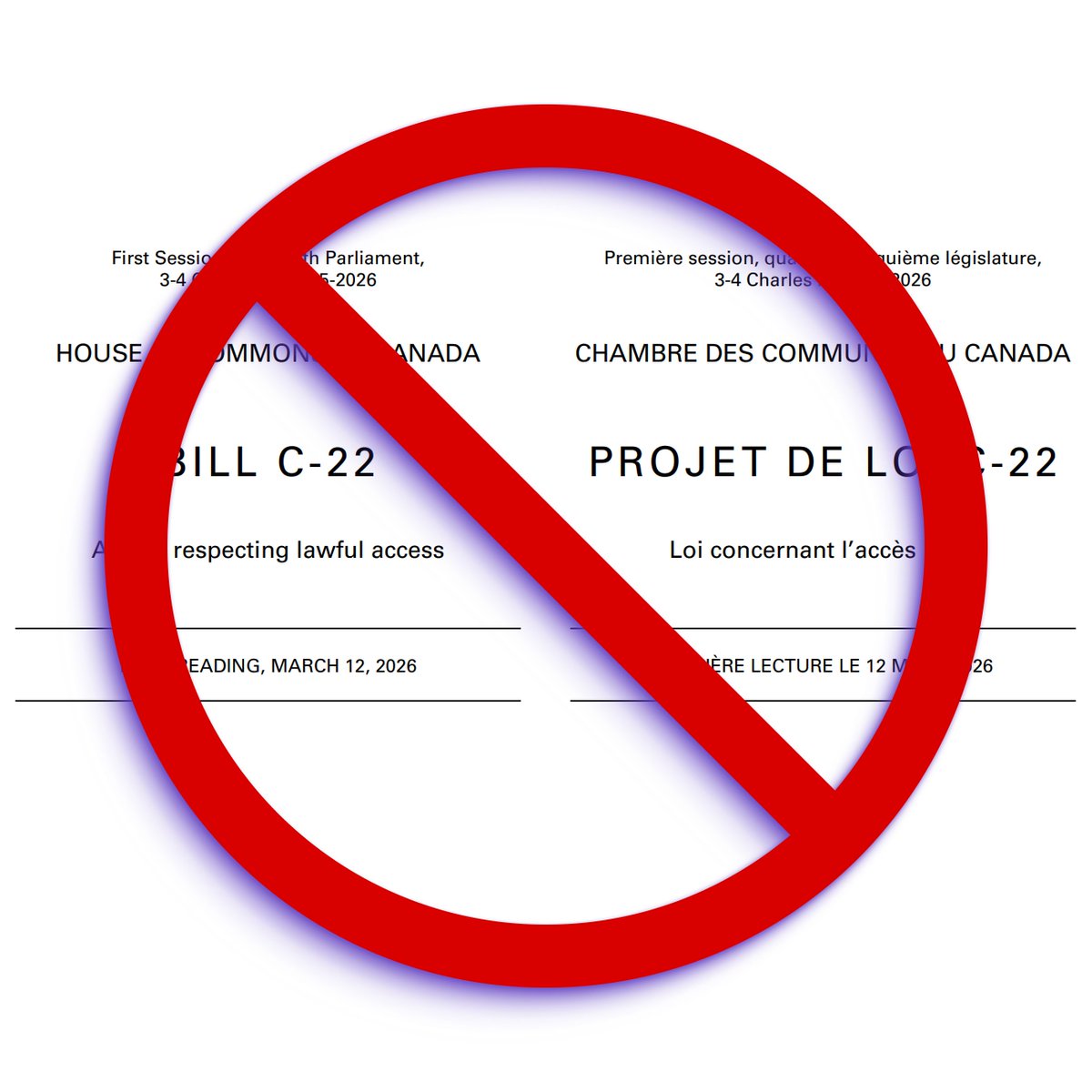
🌐 ProtonVPN contra la vigilancia en Canadá
Proton VPN ha anunciado que se opondrá firmemente a las exigencias de vigilancia del gobierno canadiense incluidas en el proyecto de ley C-22.
Afirma que no comprometerá su política de no registrar datos, ni sus medidas de encriptación, incluso si la legislación se aprueba.
Según sus representantes, cumplir con órdenes de vigilancia extranjeras sin seguir el proceso legal suizo sería un delito en su país de origen.

May 19

Regarding Canada's Bill C-22: @ProtonVPN is Swiss. Complying with foreign surveillance orders without Swiss legal process is a criminal offence. Not happening.
We'll defend our Canadian users and never compromise them. We will fight C-22's application by every means available.
26
207
1,055
53,662
May 23
Be careful out there.

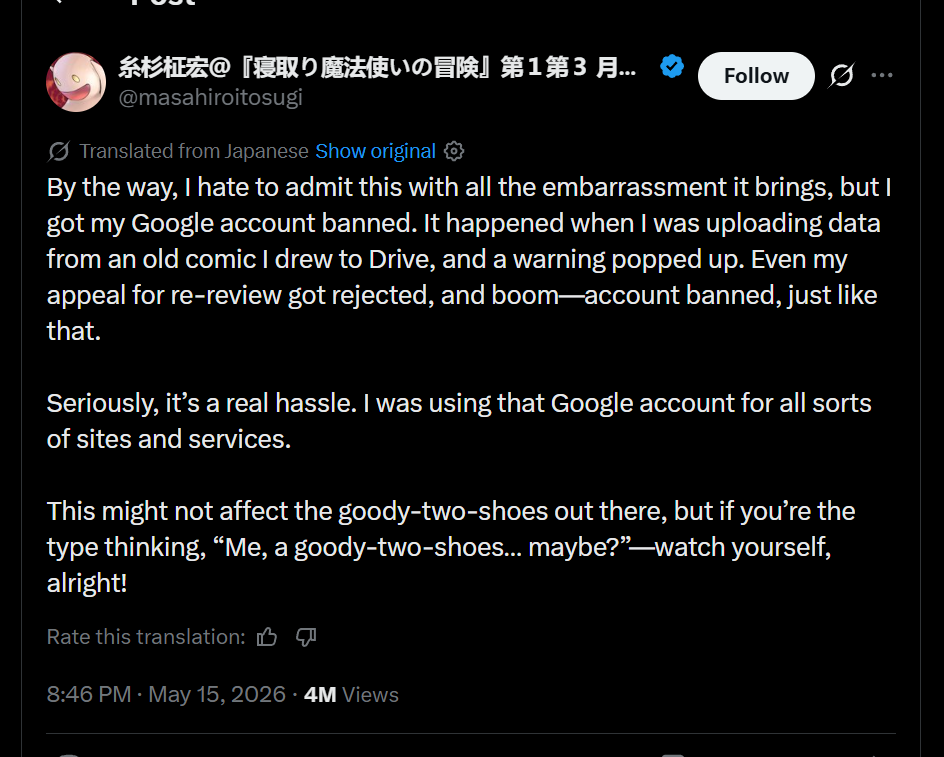
Google Drive scanned this Manga artist's PRIVATE files and banned him.
AI flagged, appeal rejected, private artwork gone.
The AI is always watching.
32
May 22
Indeed. No censorship, no licensing mess, and you own the product.

1
23
Clark Sandlin retweeted

May 22
Amazon Ring died on May 22, 2026.
It just doesn't know yet.
One dad in Nashville, Tennessee built a free MIT-licensed app that watches your driveway, your porch, your baby monitor, your garage.
No cloud. No subscription. No cop ever gets the footage.
32,057 stars. 3,103 forks. Pushed today.
Here is the wildest part:
You: "How much is Ring Protect Pro?"
Ring: "$19.99 a month. $199.99 a year. Per house."
You: "How much is Google Home Premium Advanced?"
Google: "$20 a month. $200 a year. Per house."
You: "What do I get?"
Both: "We store your footage in our cloud. Ring already paid the FTC $5.8 million in 2023 for letting employees and contractors watch your videos without your consent. Google just raised Nest prices again in 2025."
You: "What does Frigate cost?"
Blake Blackshear: "Nothing. It runs on the Raspberry Pi already on your shelf. The footage never leaves your house. I have a day job."
Ring sells the camera. Then sells your fear back to you, monthly, forever.
Frigate sells nothing. Because Blake isn't selling.
He's a dad with 1,267 followers who got tired of Amazon owning his front door.
100% Opensource.
100% Local.
100% Yours.
The smart camera industry made one bad assumption.
That you'd keep paying rent on a camera you already bought.
That assumption just died in Nashville.
359
4,628
16,985
456,157
Clark Sandlin retweeted

May 21
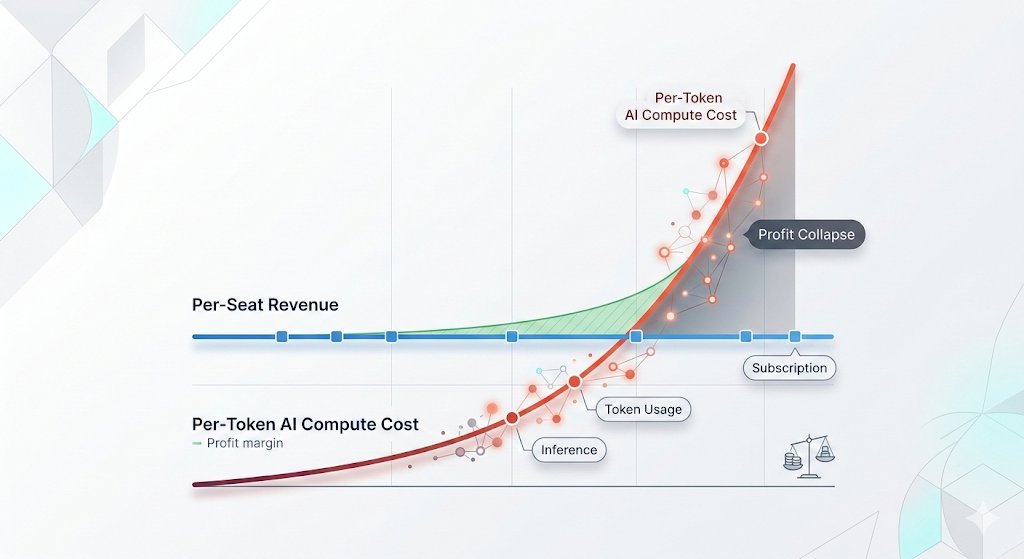
🦔Microsoft canceled its internal Claude Code licenses this week after token-based billing made the cost untenable, even for a company with effectively infinite cloud resources. Uber's CTO sent an internal memo warning the company burned through its entire 2026 AI budget in just four months. American AI software prices have jumped 20% to 37%, and GitHub (owned by Microsoft) is dropping flat-rate plans for usage-based billing across its products.
My Take
The AI subsidy era is ending in real time. The same company that put $13 billion into OpenAI and built the Azure infrastructure powering most of Anthropic's compute just looked at the bill from a competitor's coding tool and decided it was not worth paying. That is not a productivity failure on Anthropic's end. Token-based pricing is forcing every enterprise customer to confront the actual cost of running these models at scale, and the number turns out to be far higher than the flat-rate experiments suggested.
This ties directly to my Gemini Flash post yesterday. Anthropic, OpenAI, and Google all raised effective prices in the last six months. Enterprises that built workflows assuming AI costs would keep falling are now watching annual budgets evaporate in months. Two outcomes look likely from here. Either enterprises scale back AI usage to fit budgets, which slows the revenue ramp the labs need to justify their valuations ahead of IPOs, or the labs cut prices and absorb the losses, which makes the unit economics worse at exactly the wrong moment. Both paths land in the same place, the numbers stop working, and somebody has to take the writedown.
Hedgie🤗
1,076
3,999
19,918
8,325,415
Clark Sandlin retweeted

May 21
I know how she feels, so many need to wake up AND FAST!
281
1,186
4,148
62,918
Clark Sandlin retweeted

May 21
He was right then and now!
138
1,414
5,421
193,022