For all things environmental in the City of London and beyond. RTs aren’t endorsements.
Joined January 2020
- Tweets 1,599
- Following 468
- Followers 190
- Likes 1,503
46 Photos and videos


City of London Environmental retweeted
It's concerning to hear about potential development affecting Denham Lock Wood, a wet woodland in the Colne Valley Regional Park with SSSI designation.
@NaturalEngland @NEThamesSolent - what's your view on the current situation?
Jun 12

Even more incentive, then, to preserve our wet woodlands and dependent freshwater tributary inflows. As you know, Denham Lock Wood SSSI (@Colne_Valley) has come under considerable illegal development (ie no prior survey by legal statute), negatively affecting net biodiversity and internal streams in situ. The total decimation of important northern peatland drainage basin, overlooking Carp Lake. The impermeable dam has entirely negated freshwater inflow for 18 months and counting. A current topographical survey is critical. I appreciate your staff must come up with funds, further, they have reviewed my documented evidence of environmental destruction. However, as I advised, such funds can be footed sooner by Harrow Angling Society, those whom profit financially by the giant constructed platform and its current lease. This is a very pressing matter, Tony. @NaturalEngland
1
6
12
585
City of London Environmental retweeted

May 17
I removed by bees from Oxford street after years of them struggling. Not enough forage in the area & high hive density. Putting additiinal hives there is not helping biodiversity. This is utter #beewash from Alveole. Expect more as #worldbeeday approaches. alveole.com/customer-stories…
6
13
460
City of London Environmental retweeted
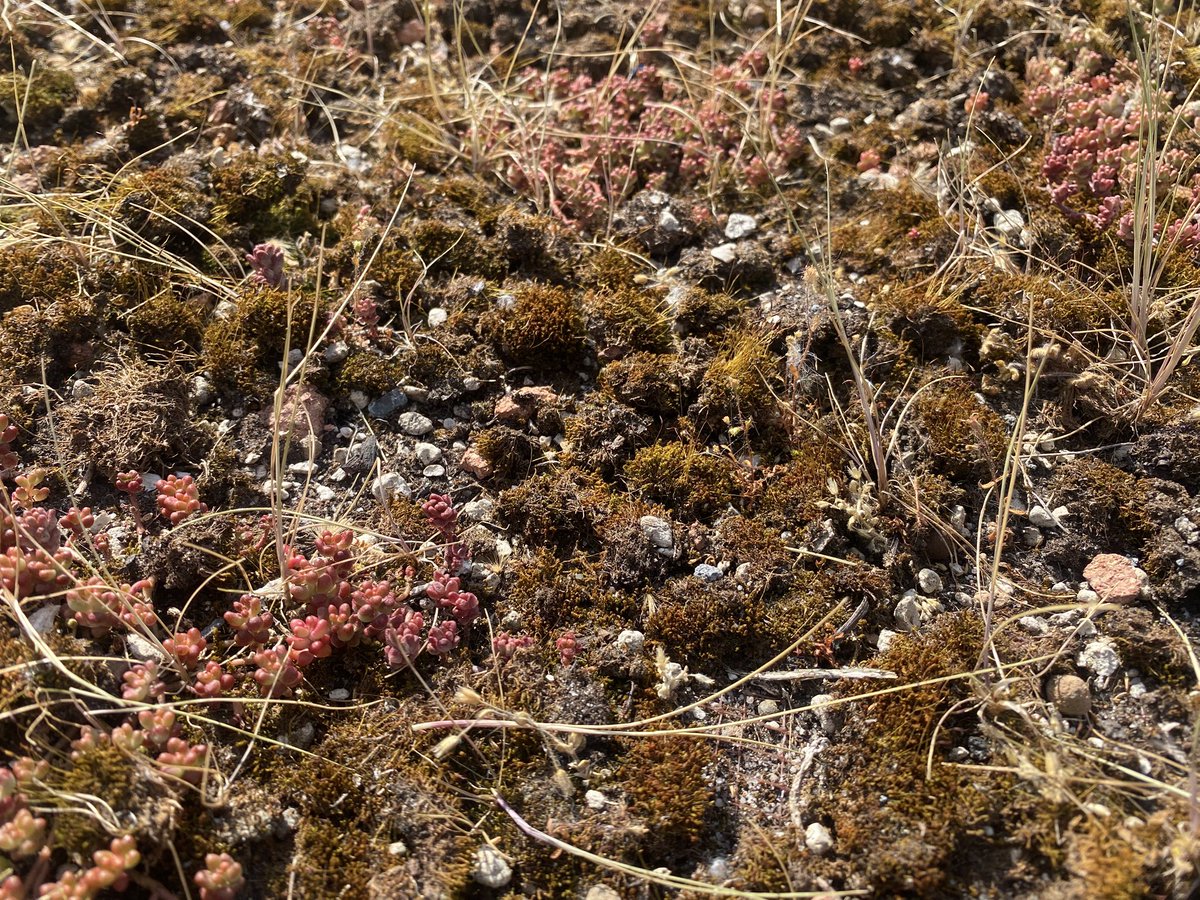
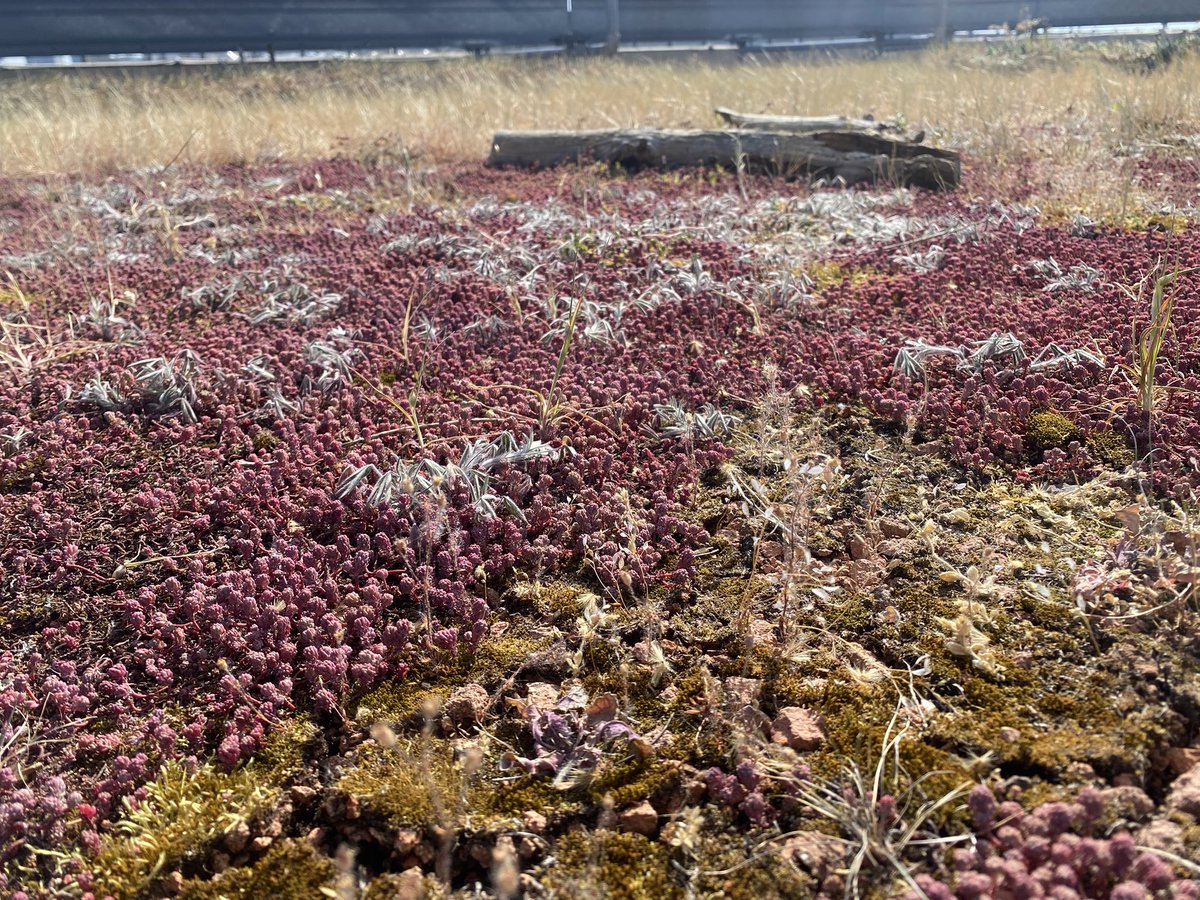
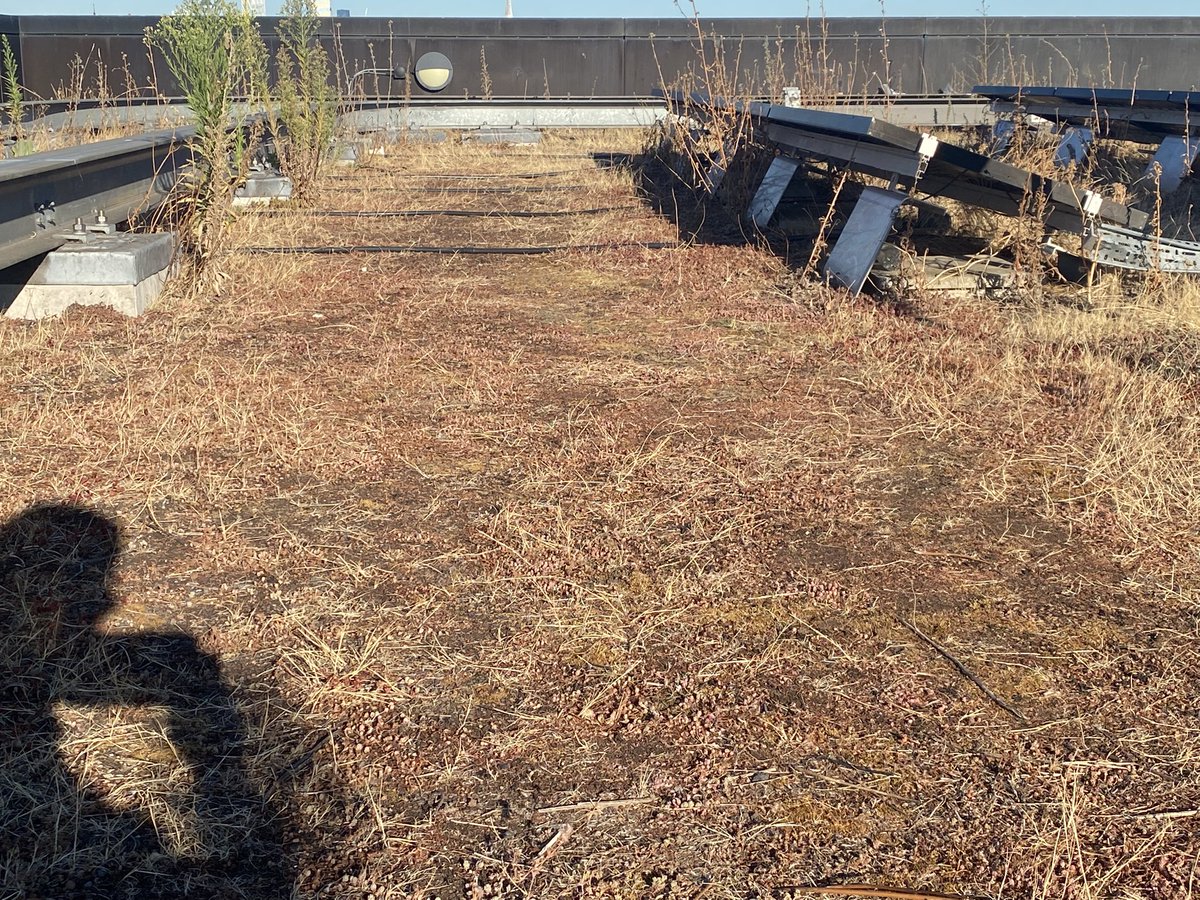
London desperately needs some rain this weekend. Forecast is for 5-10mm between Saturday and Monday. There’s been no rain since February and the green roofs are now brown months earlier than usual. Nothing for pollinators, biodiversity crashing and they are no longer cooling 🏢
1
2
112
City of London Environmental retweeted

Apr 11
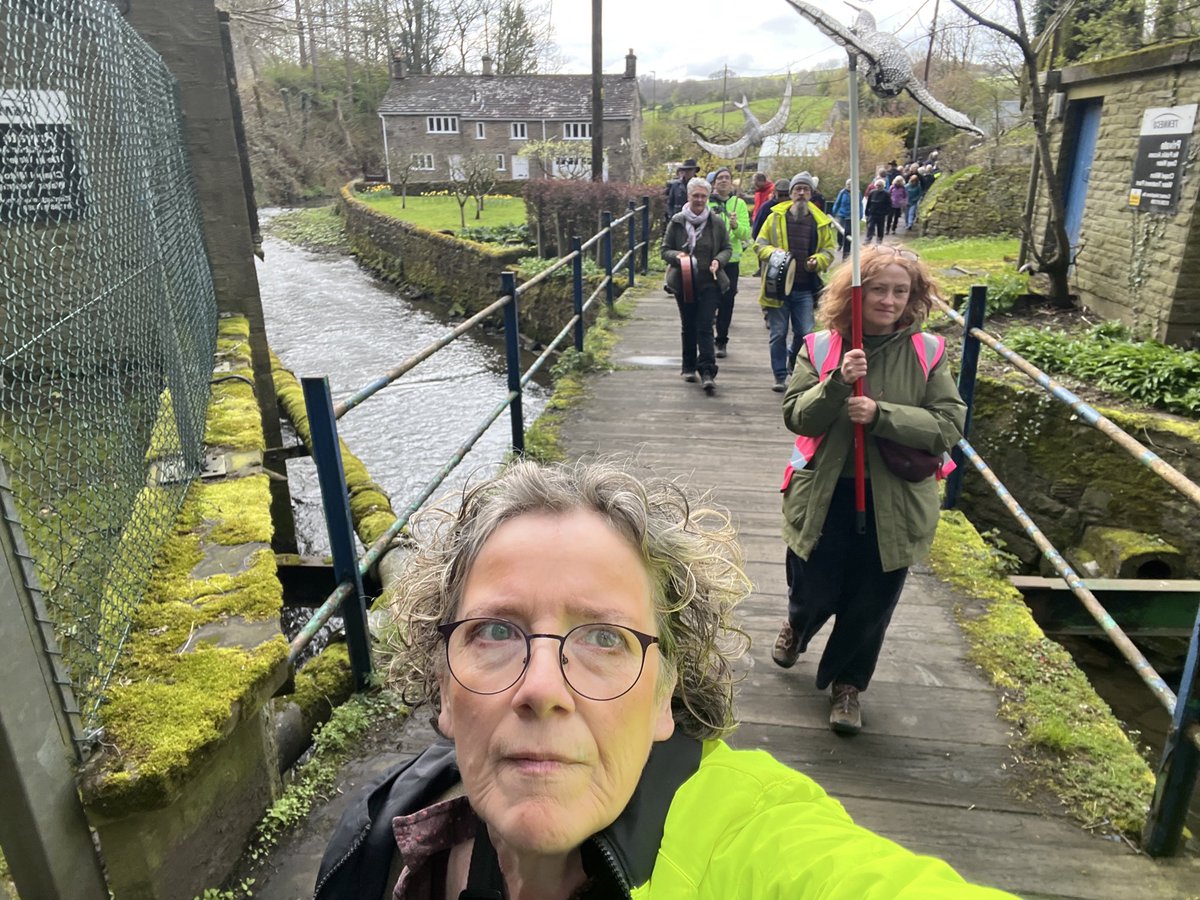
@networkrail Swifts are charismatic, magical birds, but they're in severe decline across the country.
Every nesting site counts - unblock the nesting sites at the Chapel Milton viaduct!
Apr 11

#swifts we showed the love for you today #ChapelMilton viaducts. @networkrail open the nest entrances now. Tiny holes, giant viaduct #saveourswifts
1
89
179
2,436
City of London Environmental retweeted

Pollinators are vital for food production. Around 1 in 3 bites we eat depends on them. That includes foods you might not expect, like chocolate and vanilla. Protecting pollinators means protecting our food systems.
#PollinatingLT
3
2
51
City of London Environmental retweeted
Apr 10
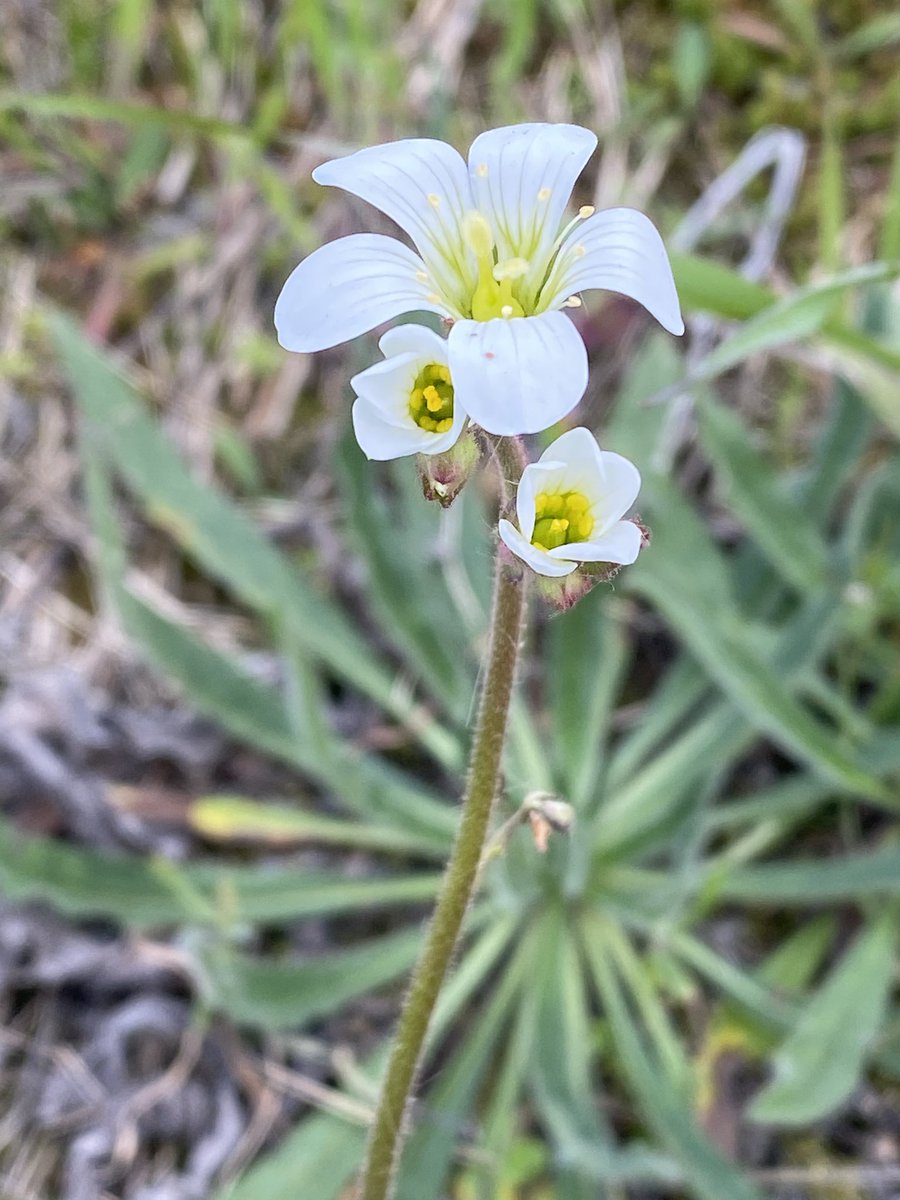
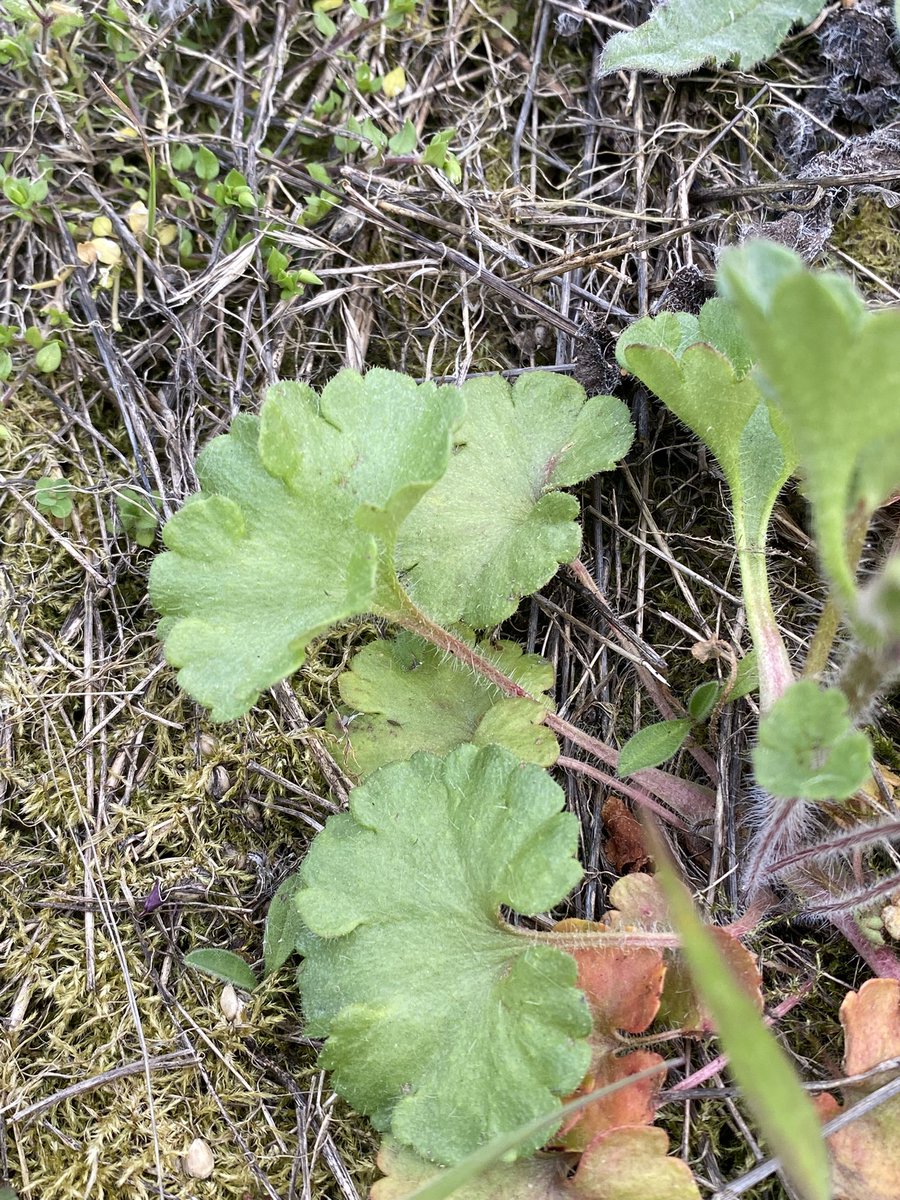
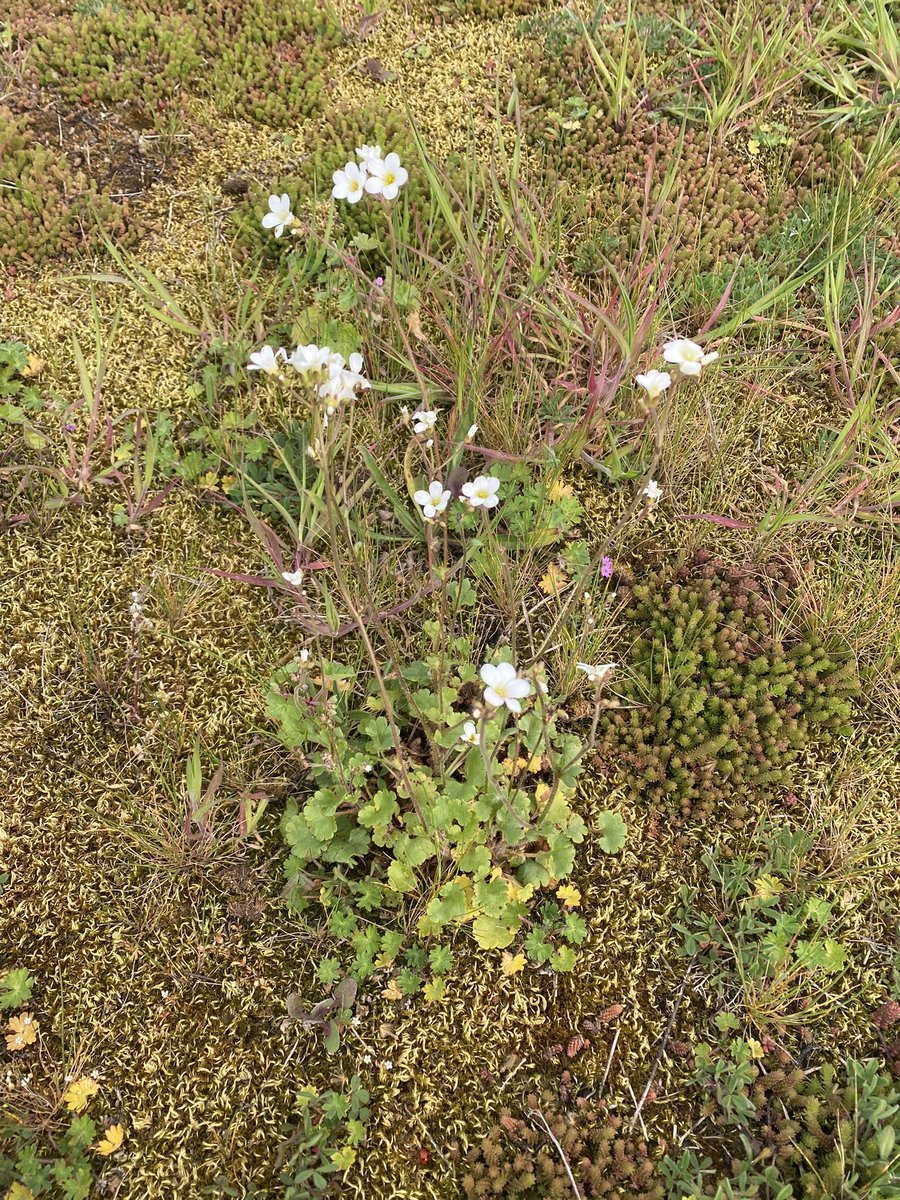
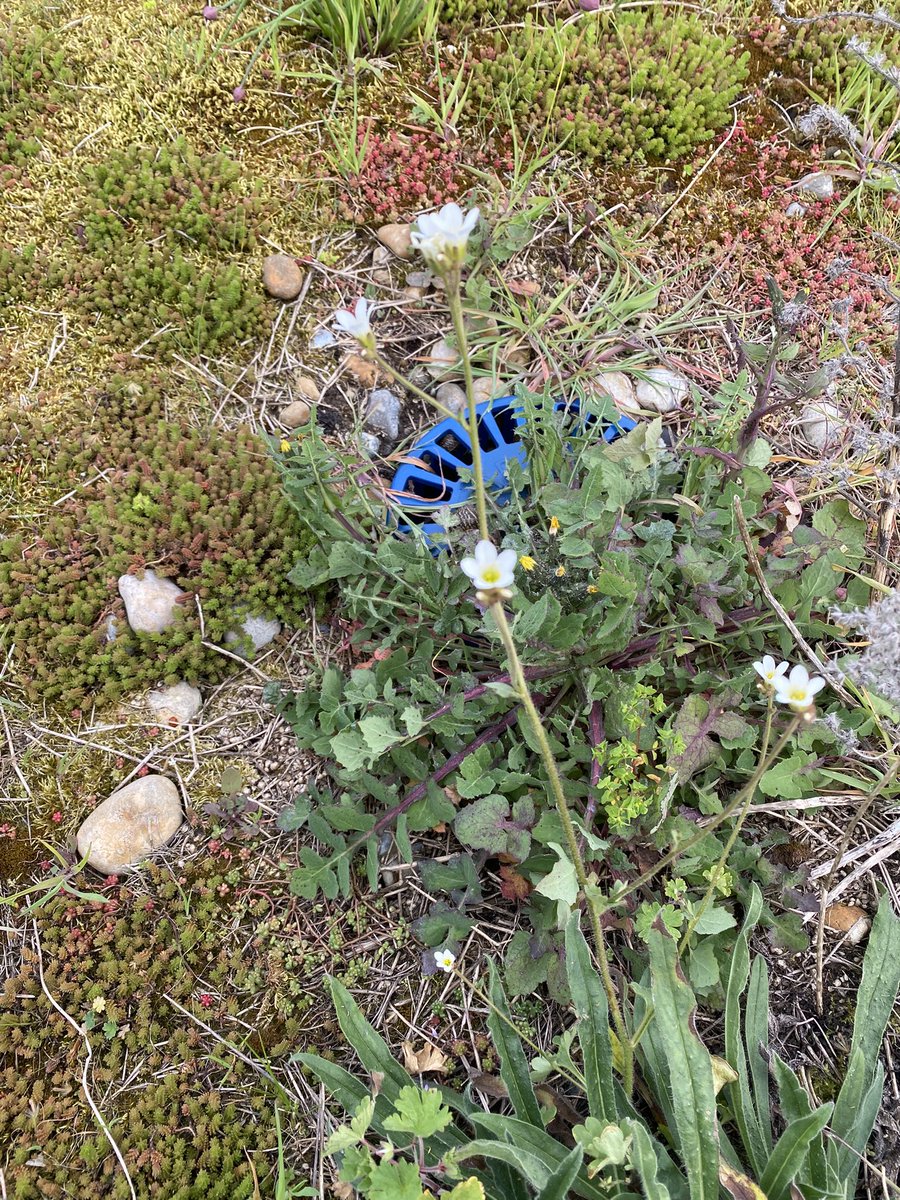
Found a few meadow saxifrage plants on a very thin substrate green roof this afternoon. A plant that has died out on most of the other roofs in the neighbourhood of @thecityofldn. Climate becoming to dry for it. @CoLEnvironment @BSBIbotany lots of rue leaved saxifrage as well
2
3
174
City of London Environmental retweeted
Apr 10
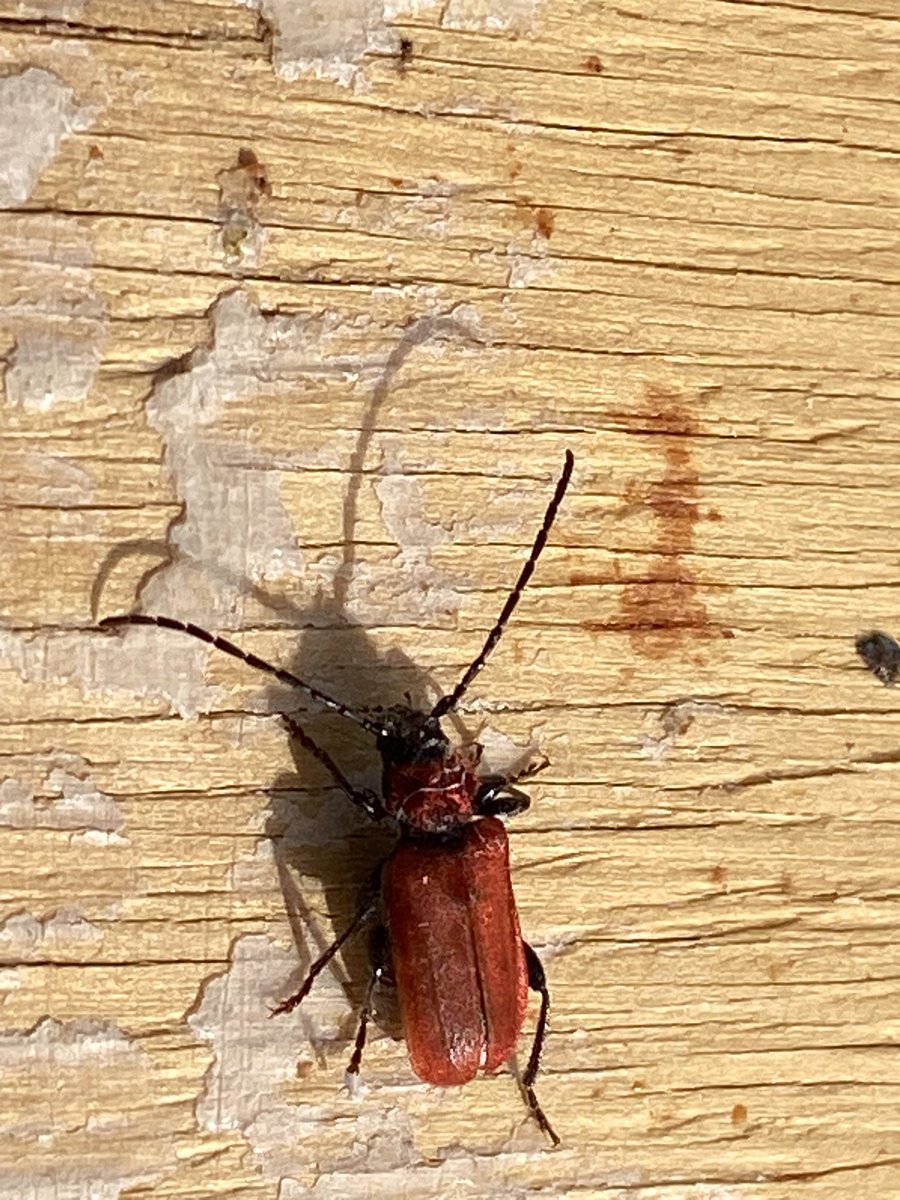
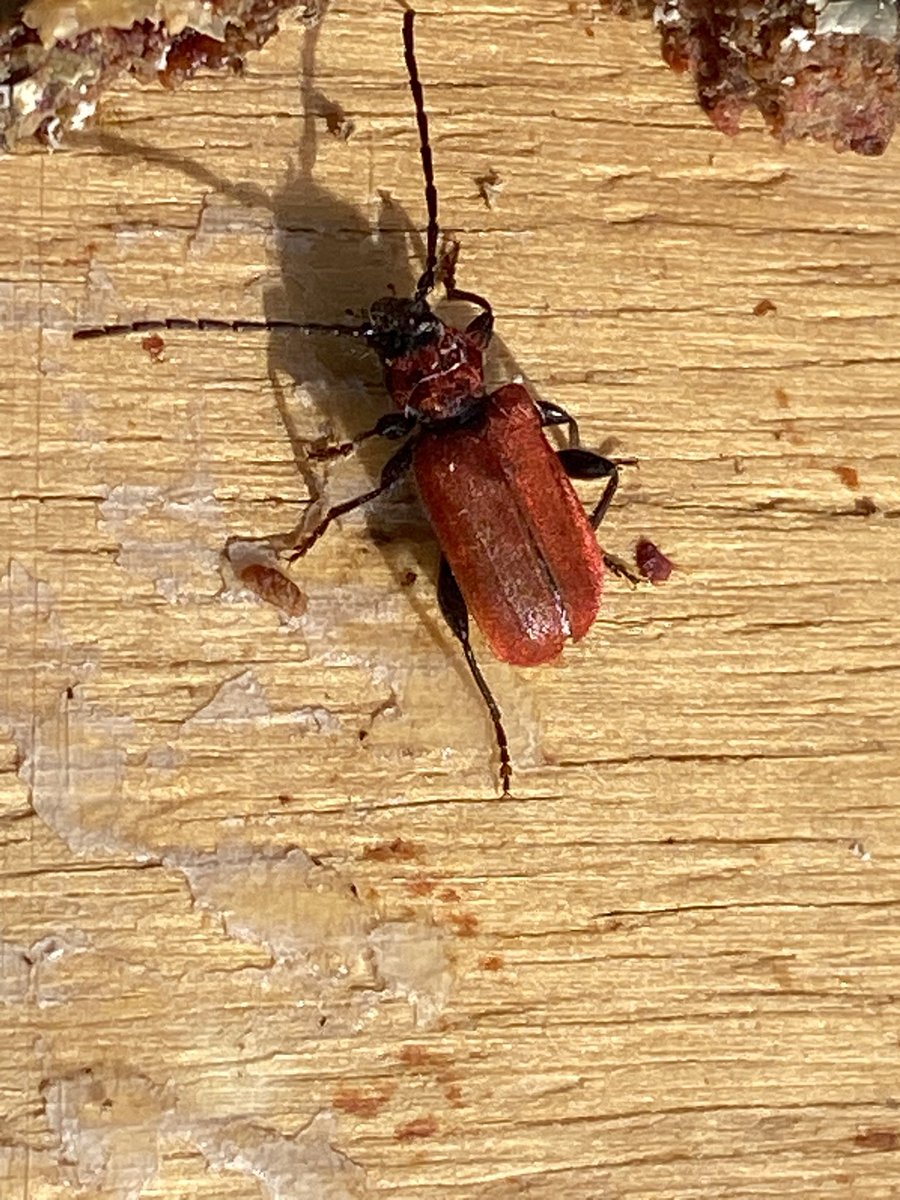
Pyrrhidium sanguineum -Welsh Oak Longhorn Beetle found on a green roof on Cheapside today. It’s listed as rare and vulnerable RDB2. The larva are saproxylic feeding on dead wood, typically oak. @CoLEnvironment @treeruss @iGiGL
1
8
20
567
City of London Environmental retweeted

My kind of MAGA…
‘Make Awnings Great Again’
Kindergarten in Affoltern Am Albis, Switzerland. By Kummer/Schiess

2
34
367
9,170
City of London Environmental retweeted
Mar 14
Honey bee research receives a disproportionate and bias amount of funding for research compared to wild bees. Instead of sponsoring a bee hive, sponsor a bee scientist.
nature.com/articles/s41598-0…
4
6
197
City of London Environmental retweeted

Mar 8
2
1
211
City of London Environmental retweeted
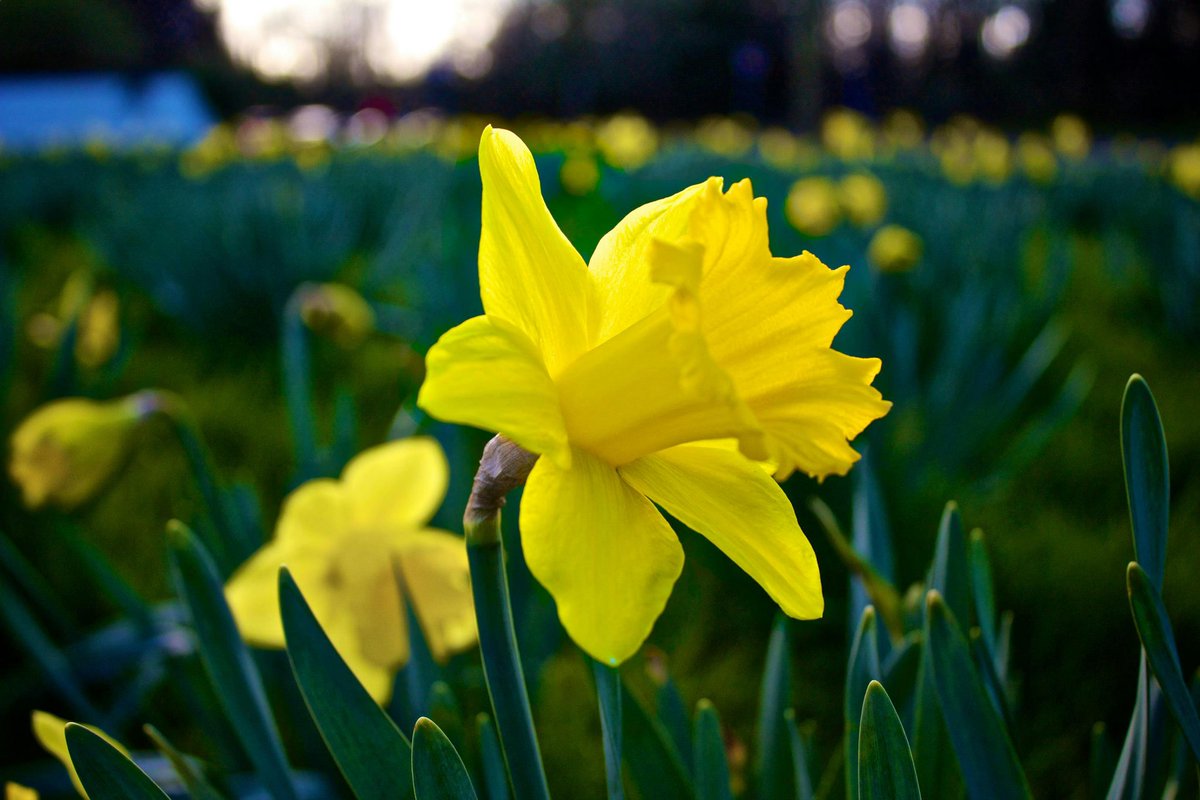
Did you know? Every part of the daffodil is poisonous to humans? However they also contain galantamine, a compound used in drugs that slow the progression of Alzheimers disease.
#PollinatingLT
1
1
43
City of London Environmental retweeted
Since @BrightonHoveCC mandated bee bricks in new developments I’m seeing a surge in ESG professionals and architects posting about these really badly designed bee death traps. If only Brighton had done an evidence based assessment before passing policy!
apicultural.co.uk/f/busting-…
1
1
137
City of London Environmental retweeted
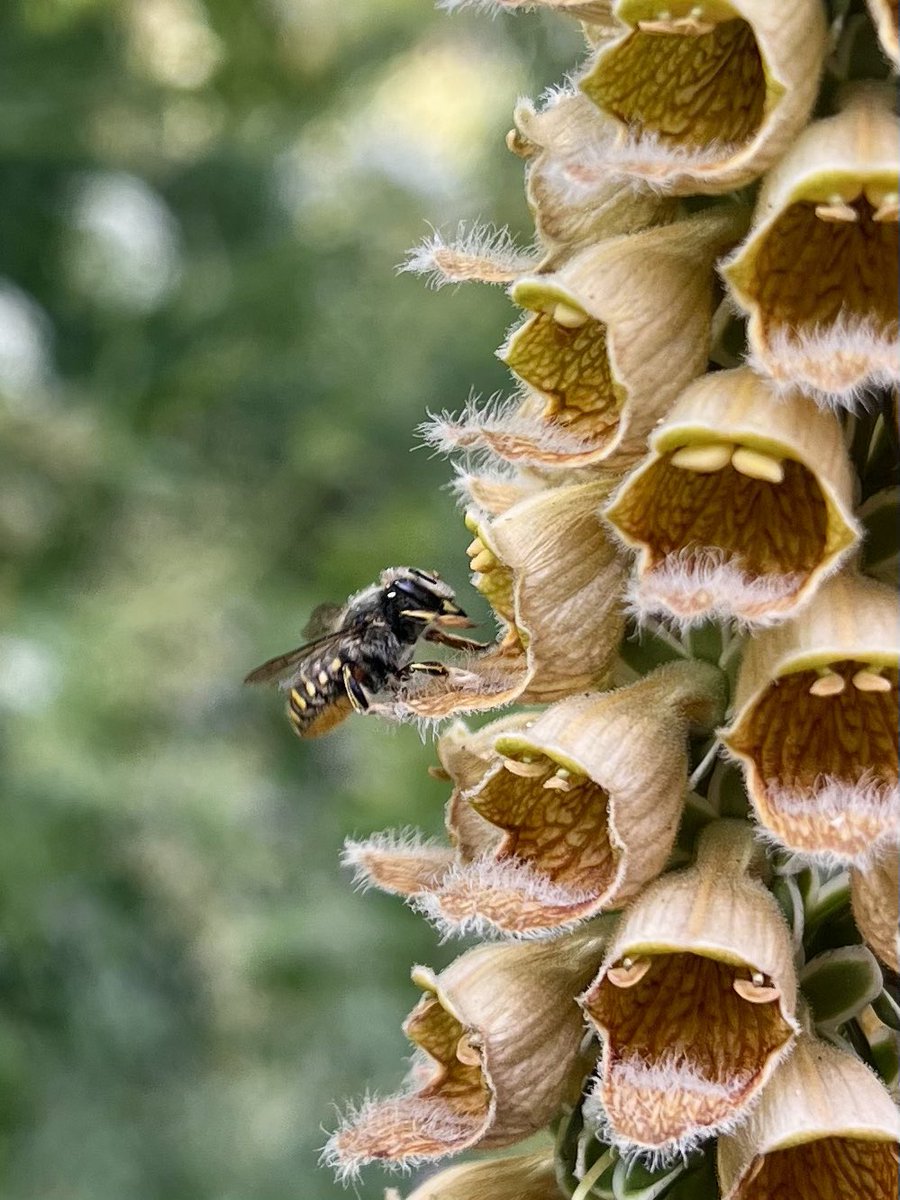
Did you know the City of London is a haven for wild bees? Our 2024 surveys recorded 8 different bumblebee species, 39 species of solitary bee, and 27 hoverfly species right here in the Square Mile! Not much longer to wait until we share our results from last year! Stay tuned…
3
9
115
City of London Environmental retweeted

Jan 23
Brilliant from Sir Stephen Holgate:
"Domestic burning is now responsible for around 20% of UK emissions of particulate matter pollution – ‘PM2.5’ – the most harmful form of air pollution.
linkedin.com/pulse/clean-air…
12
26
610
City of London Environmental retweeted

Jan 23
There is now clear evidence that domestic wood burning cannot be cleaned up enough to protect public health in towns and cities. For years the debate focused on PM2.5 mass. Toxicology shows that what matters most for health is not only how much particulate matter is present but how chemically reactive it is.
The Paul Scherrer Institute explains that the particles most linked to biological harm are those with high oxidative potential, a measure of their ability to trigger oxidative stress and inflammation in the body.
psi.ch/en/news/media-release…
Secondary organic aerosol is especially important. These particles form in the air when combustion gases react with sunlight, ozone and nitrogen oxides. The most harmful particles appear after the smoke leaves the chimney and spread through neighbourhoods.
A 2025 toxicology study showed that secondary organic aerosol from combusted biomass gases causes oxidative stress and inflammatory responses in lung cells.
sciencedirect.com/science/ar…
Atmospheric chamber research shows that as wood smoke ages its oxidative potential increases by around sixty percent.
acp.copernicus.org/articles/…
The strongest ambient evidence comes from Rinaldi et al. (2024), who found that residential solid fuel burning was the dominant contributor to oxidative potential in a small Irish town and that around eighty seven percent of that contribution came from wood.
mdpi.com/2073-4433/15/4/436
The oxidative potential measured there was comparable to or higher than levels seen in major cities, showing that domestic wood burning can create highly toxic air even where traffic is low.
This matters for technical solutions. Electrostatic precipitators reduce primary soot but do not remove the gases that form secondary organic aerosol. Catalysts and wet scrubbers are unreliable in domestic stoves because of temperature swings, fuel chemistry and user behaviour. Even if primary soot were fully captured the most harmful pollution would still form downwind.
Modern eco-certified stoves also emit similar PM2.5 per hour as around eighteen Euro 6 diesel cars and produce very high levels of ultrafine particles. Road transport is cleaning up as around one quarter of new UK cars are now fully electric. Domestic wood burning is not.
Most UK studies also show that wood burning is used mainly for ambience. Most burners already have full central heating and use stoves as a secondary or decorative heat source. A significant pollution burden is being created for non-essential reasons in densely populated areas.
Once oxidative potential, secondary organic aerosol, ultrafine particles and real-world use are taken together the conclusion is clear. There is no realistic or enforceable pathway to make routine domestic solid fuel burning safe in urban or suburban areas. The most harmful pollution forms from untreated gases in the local atmosphere.
The only effective public health response is to phase out domestic solid fuel burning in built-up areas and help households move to clean heating that does not expose neighbours to pollution. This is not about lifestyle. It is about the right of every person to breathe clean air in their own home.
#AirPollution #CleanAir #PM25 #WoodSmoke #Health #CleanAirNight
21
102
211
17,949
City of London Environmental retweeted

Jan 20
in case you ever wonder if Whitehall knows how screwed we are without the most urgent climate action, well, yes they do
Jan 20

BREAKING!: Huge news: The Government has quietly published [link below] on its website, without any fanfare, the Joint Intelligence Committee / Defra report on
'GLOBAL BIODIVERSITY LOSS, ECOSYSTEM COLLAPSE AND NATIONAL SECURITY'
that it suppressed last October. It has presumably done this at this point (in the middle of an international crisis) to try to bury the story. <DON'T LET IT BE BURIED> ...this is a huge story. Just consider the report's title, for starters... the report warns of multiple likely ecosystem >collapses< that will have dire implications for our national security, and that require serious strategic adaptation at minimum. The report also sets out how these collapses if they are allowed to occur will significantly increase migration-pressure: "as development gains begin to reverse", a phrase that should make any human shudder in anguish. There is much more... But it doesn't end there: what they have published very much appears to be >only part of a larger piece of work<: there is no detail at all in what they have published on the geo-regional analyses; the connections from those regional analyses to the national security threats consequently facing Britain are not detailed; the "Key Judgements" of the report are not properly explained. It is fairly obvious what has happened here: in response to FOIs, they are trying to slip this report out, presumably because they feared it would otherwise get out anyway; but they have done so in a form that holds back much of the most disturbing content - the content that WE as citizens need to know if we are to know how to protect ourselves, what we are potentially going to have to adapt TO.
We must continue to press for the full report to be released...
But in the meantime there is much here to digest and reflect on, to put it mildly. Kudos to those who commissioned the report; do READ this version of it (it's only short!), and let's take it from there... Kudos too to those who pursued an (at least partly) successful battle to get the report released, via Freedom of Information requests...
>>Please share widely!
assets.publishing.service.go…
3
13
24
1,576

RT @GreenRupertRead: BREAKING!: Huge news: The Government has quietly published [link below] on its website, without any fanfare, the Joint…
1,815
City of London Environmental retweeted

UK nature is declining fast, yet the Fingleton Review proposes weakening vital protections. Wildlife can’t afford more loss. These plans aren’t law .. yet.
There’s still time to act. Speak up now to protect nature 👉 action.wildlifetrusts.org/pa…
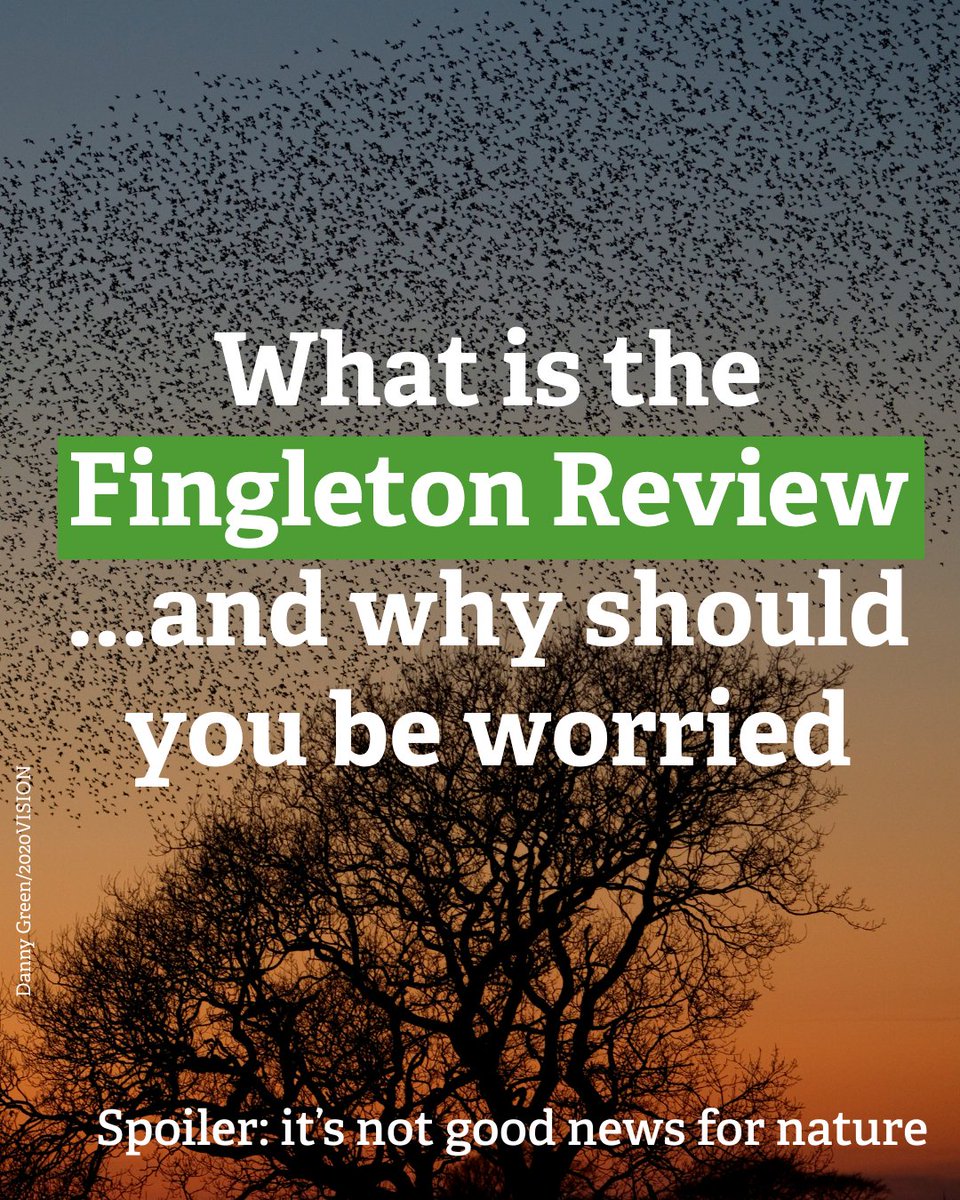
ALT Image for the Fingleton Review with a sunset background, featuring the text 'What is the Fingleton Review...and why should you be worried' followed by 'Spoiler: it's not good news for nature.'
13
182
245
10,915
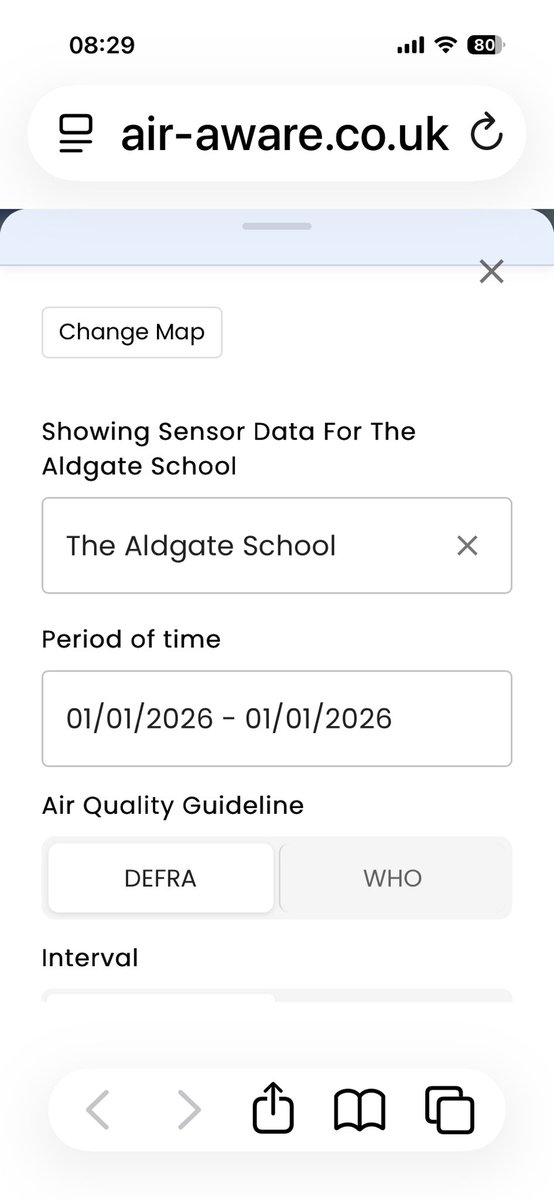
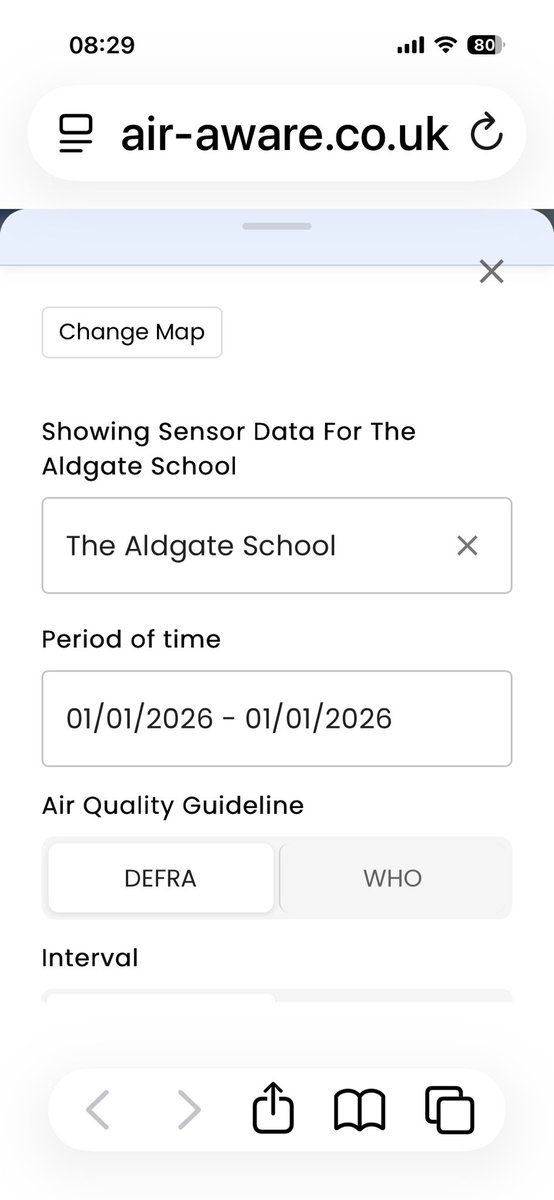
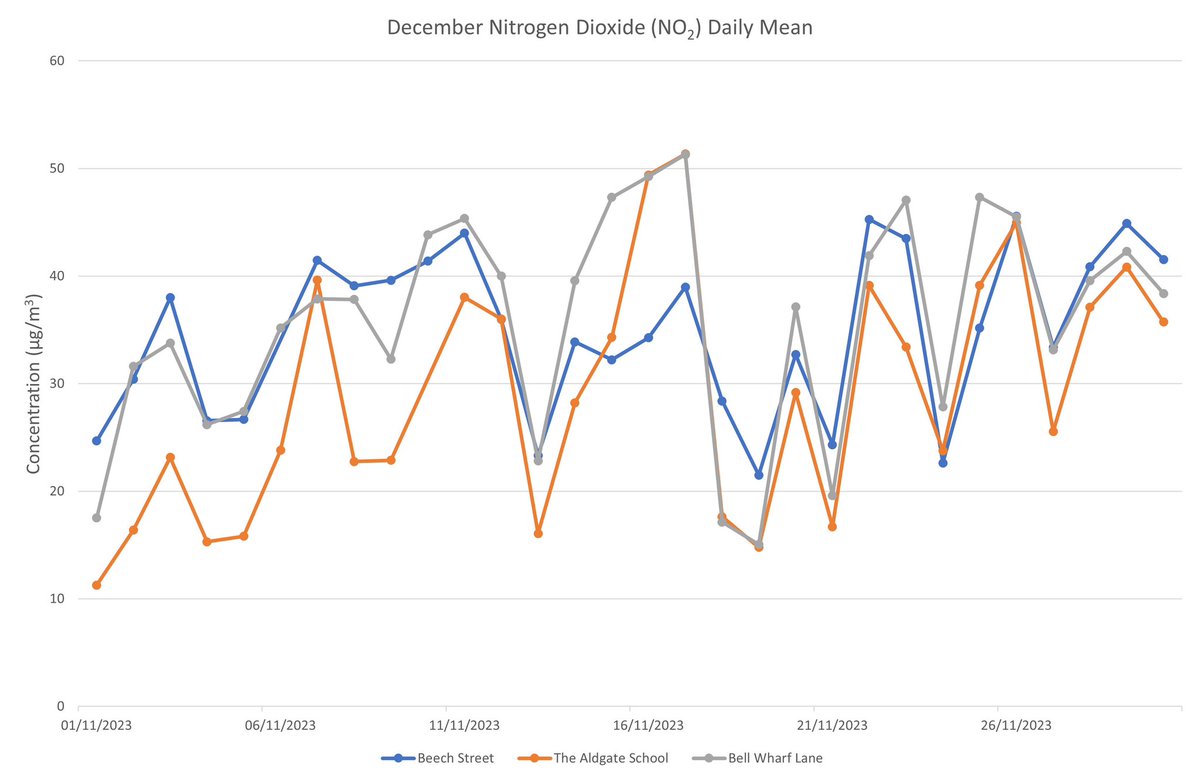
Ironically, the poor air quality at Aldgate School initiated the @MayorofLondon’s clean air campaign!
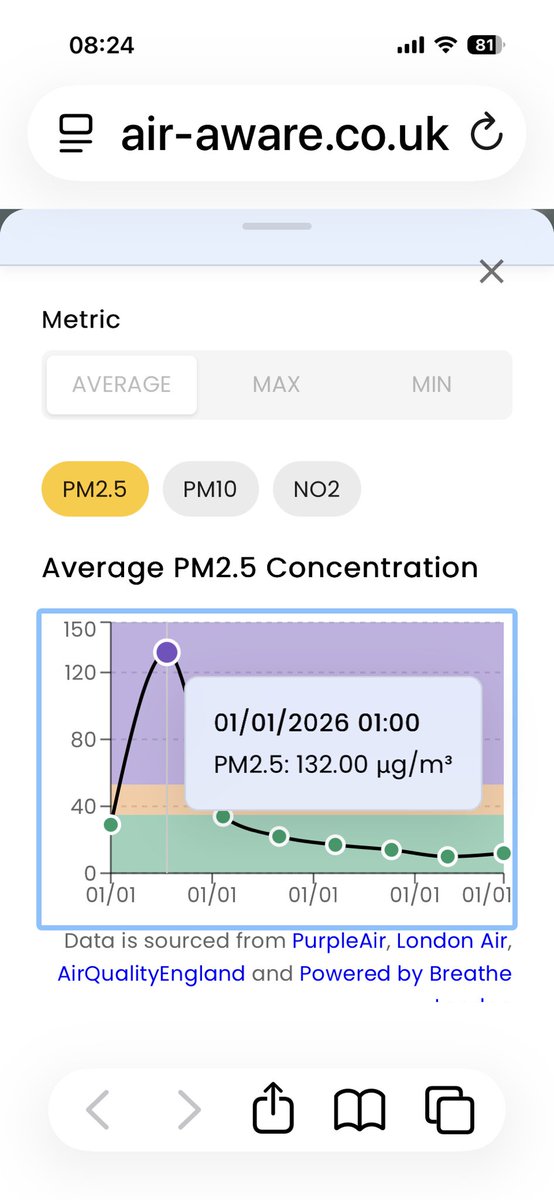
Jan 1

Most incredible city in the world.
Most incredible fireworks in the world.
Happy New Year, London! ❤️🎉✨
185
City of London Environmental retweeted
18 Dec 2025
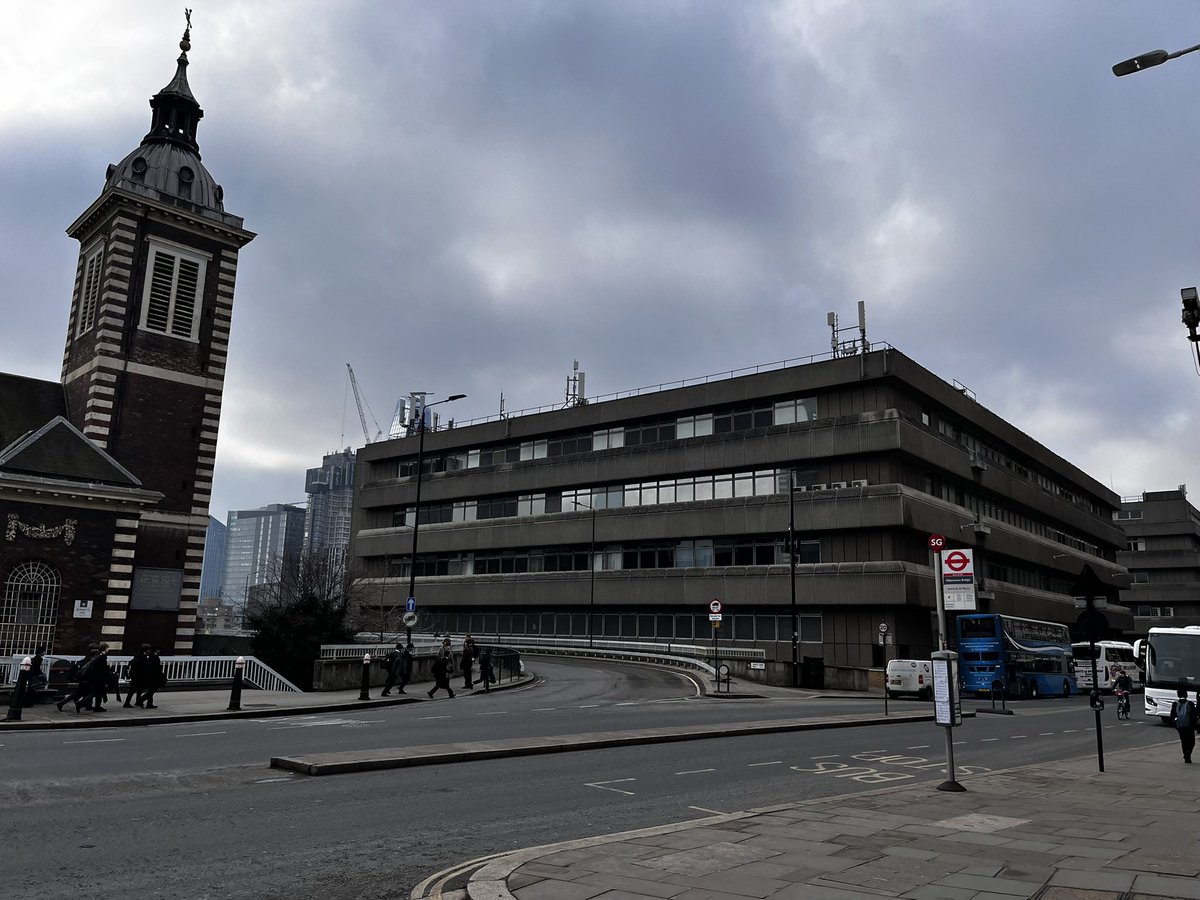
More embarrassing is confusing 60 Chiswell Street with Milton Court. The latter is, of course, part of @guildhallschool which was completed several years ago.
1
2
49