RB retweeted

If you’ve spotted neat circular holes in your rose leaves, it could be the handiwork of a leafcutter bee. These bees cut leaf pieces to build their nests, building cells for an egg, pollen and nectar. A packed lunch for the next generation.
#PollinatingLT
1
29
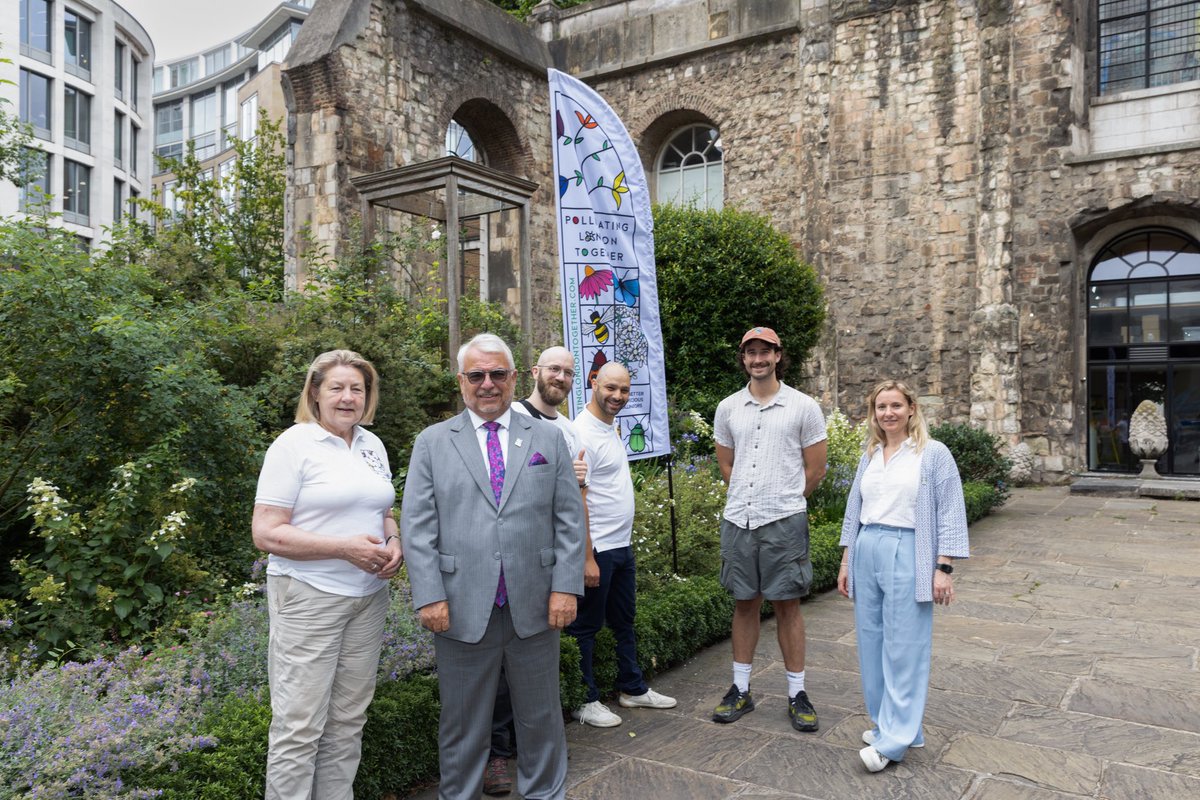
Get ready for the Annual Pollinator Count 2026! On the 13th of July help us track the buzz and monitor pollinator health in London.
#PollinatingLT
20

Can anyone local to Wandsworth Park help the trees that are in urgent need of watering in Wandsworth Park? Info below 🌳 @PollinatingLT @LondonNPC

PlLEASE HELP @WandsworthPark
they’re looking for #TreeFriends URGENTLY
@WandsworthTrees @EnableParks @wandbc @goparkslondon @LDNgreenspaces @Elms4London
7
5
655
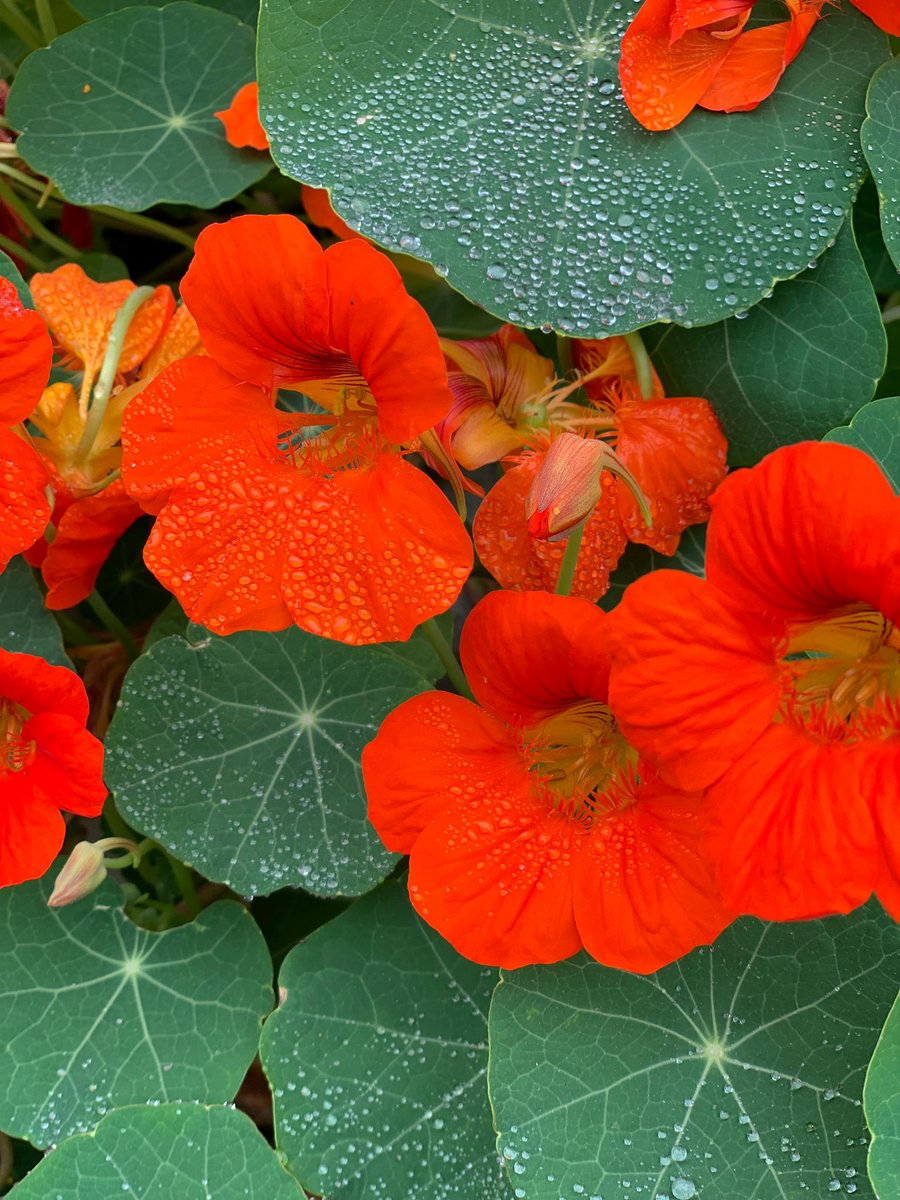
Nasturtiums are a brilliant addition to wildlife-friendly gardens. Their bright flowers attract pollinators, and all parts of the plant are edible too. Beautiful, useful, and bee-friendly!
#PollinatingLT
3
14
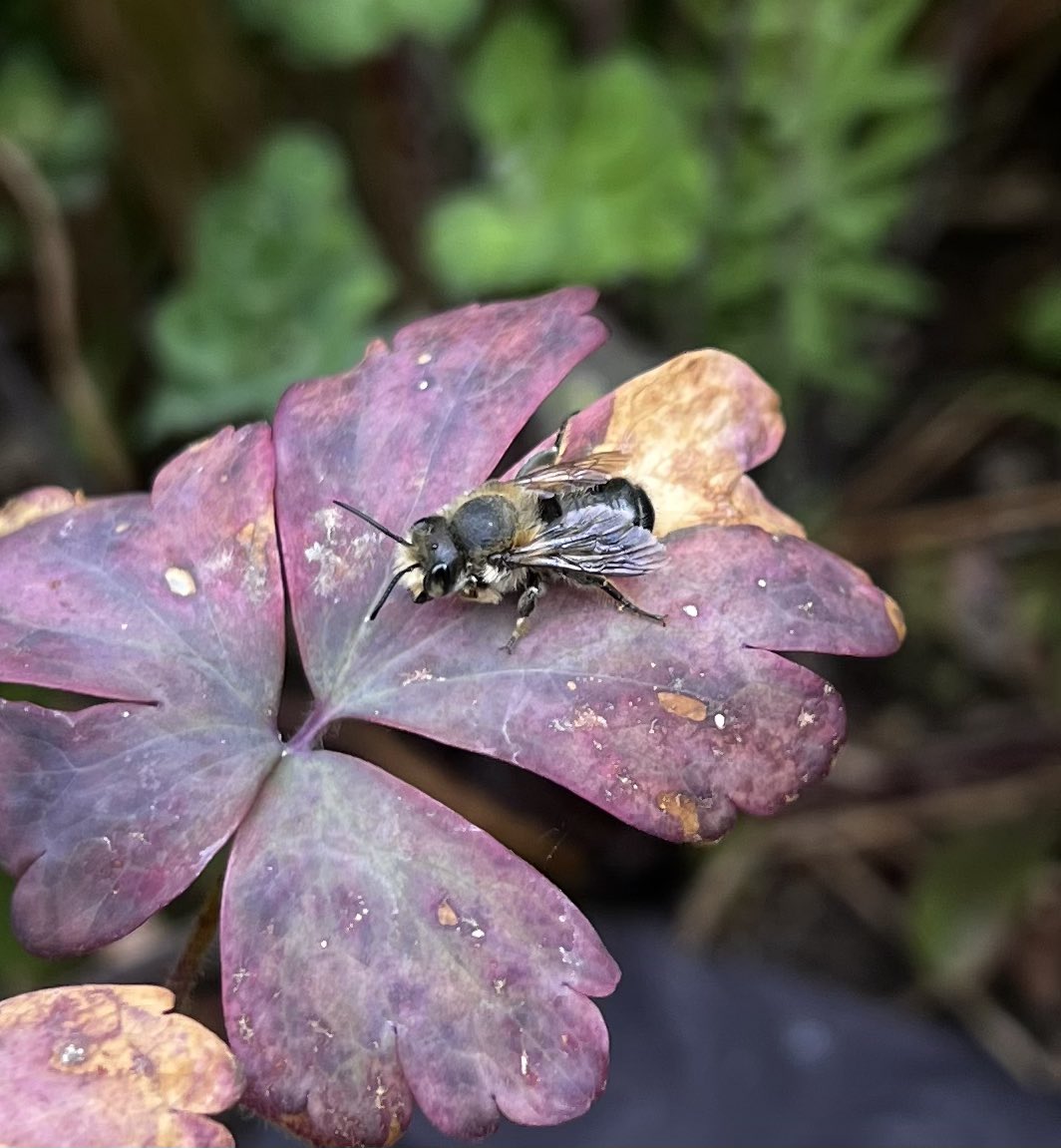
Leafcutter bees are brilliant pollinators. Many species have males that sport enlarged front feet, used during courtship and mating. Keep an eye out for these bees in gardens and green spaces this spring, they are around!
#PollinatingLT
2
27
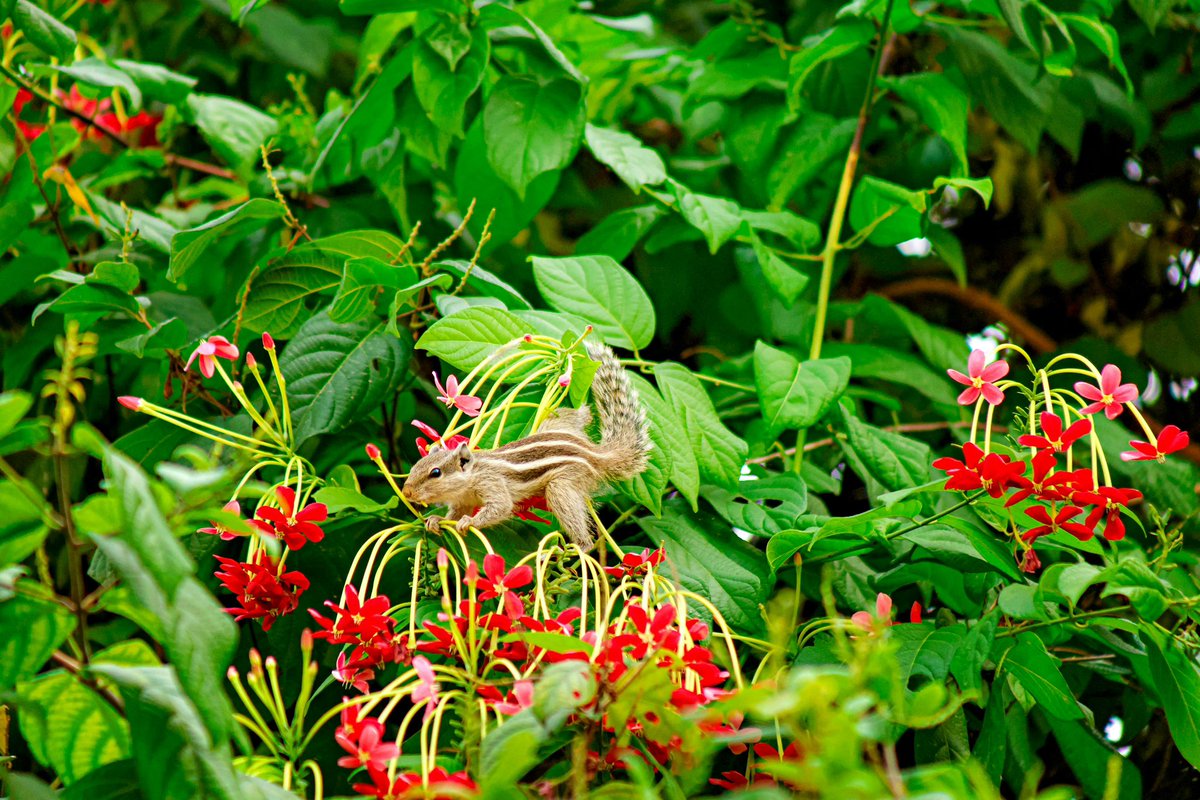
Sir David Attenborough is Vice-President of Fauna & Flora, a global conservation organisation working in 40 countries to protect species and habitats. Their work includes supporting pollinators and the ecosystems they depend on.
#Attenborough100 #PollinatingLT
3
68
Some pollinators are more efficient at pollinating certain crops than the global default, the honeybee. That can be due to the location of the pollen collecting hairs. Megachilid (leafcutter) bees have them underneath the abdomen vs the hind legs of a honeybee.
#PollinatingLT
1
2
26

Apr 24
Expensive but I cannot resist so bought 👍 It’s such a great time of year for bees and I’m curious to learn more
24
Not all roses are equal for pollinators. Open, simple flowers offer accessible pollen and nectar, while heavily bred double varieties often provide very little. Plant choice can make a real difference for pollinator support.
#PollinatingLT
2
2
52
Bee-flies (Bombylius major) are parasites of ground-nesting solitary bees. They lay eggs near nest entrances; once hatched, the larva sneaks inside and consumes the host’s food stores. Have you seen any this year?
#PollinatingLT
2
42
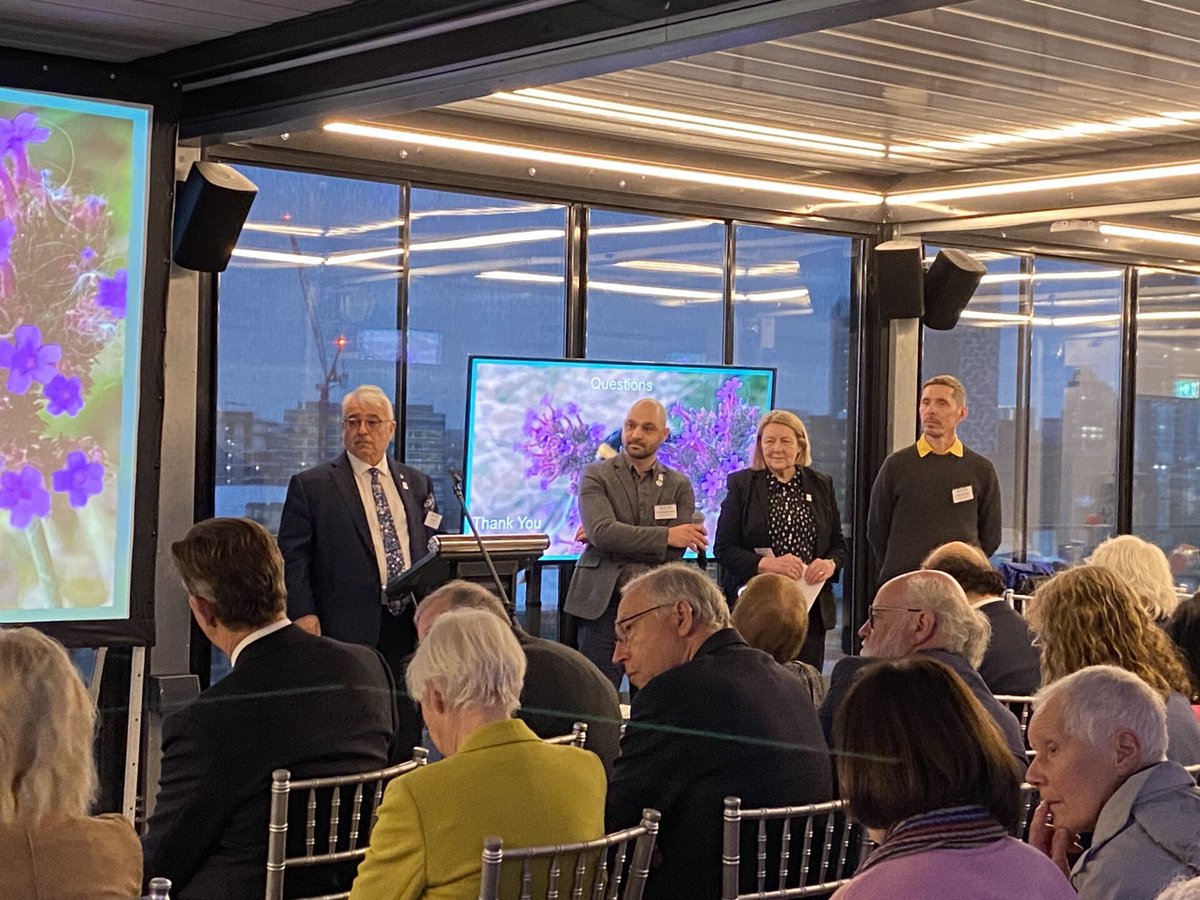
That’s another great annual meeting wrapped up!
Thanks to everyone who joined us, always a pleasure to catch up. We hope you left feeling inspired and connected, with fresh ideas to support pollinators.
#PollinatingLT
2
20
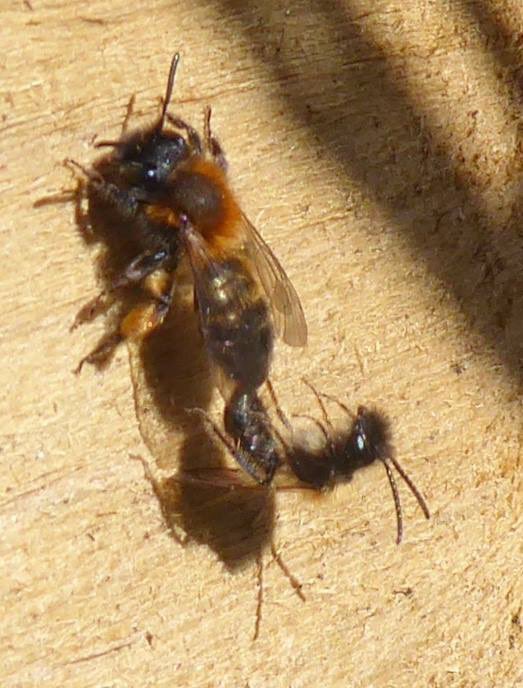
Andrena bicolor is a teeny tiny solitary bee that you can spot early in the year. The females are about 9-11 mm! They are fairly common, and can have two generations per year.
#PollinatingLT
5
13
496


Mar 18
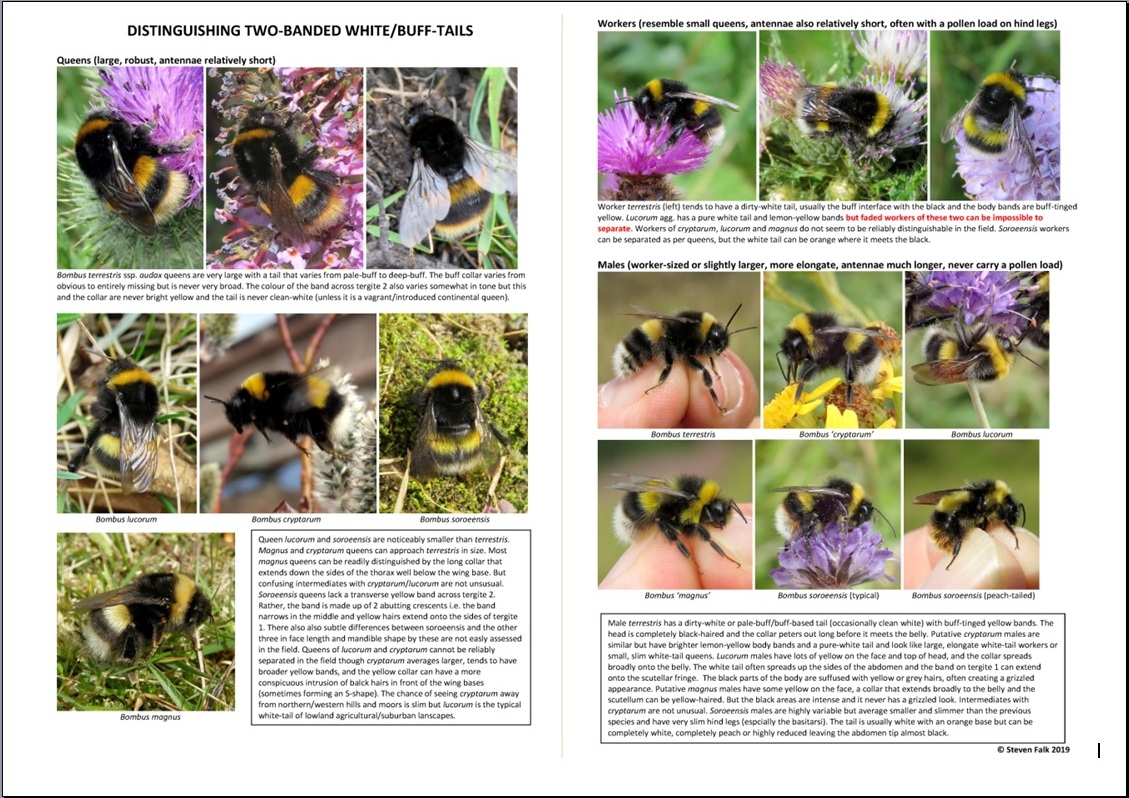
3/5 I've also created assorted ID crib sheets for bumblebees as high reolution PDFs on the @bwars2000 website identification section here: bwars.com/content/identifica…. Bumblebee ID is not always straightforward!
1
2
21
361
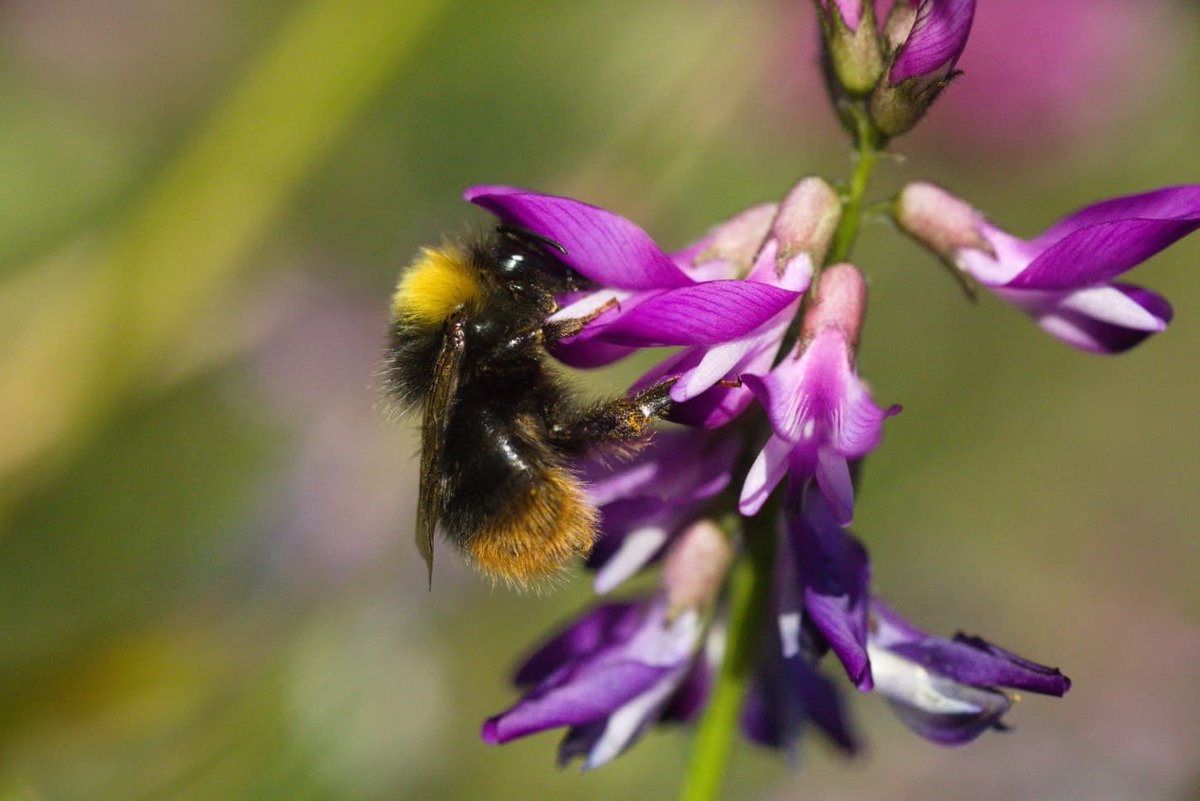
You can typically spot queens of the Early Bumblebee from March onwards. These common bees can be recognised by their orange bum and yellow bands. They are a relatively small species. Have you seen any this year?
#PollinatingLT
1
5
288
Hairy footed flower bees are out and about, often one of the first solitary bees you can see in the year. They prefer to forage on long flowers such as lungwort. The females are all black with red hairs on the hind legs, the males are brown with hairy middle legs.
#PollinatingLT
2
75
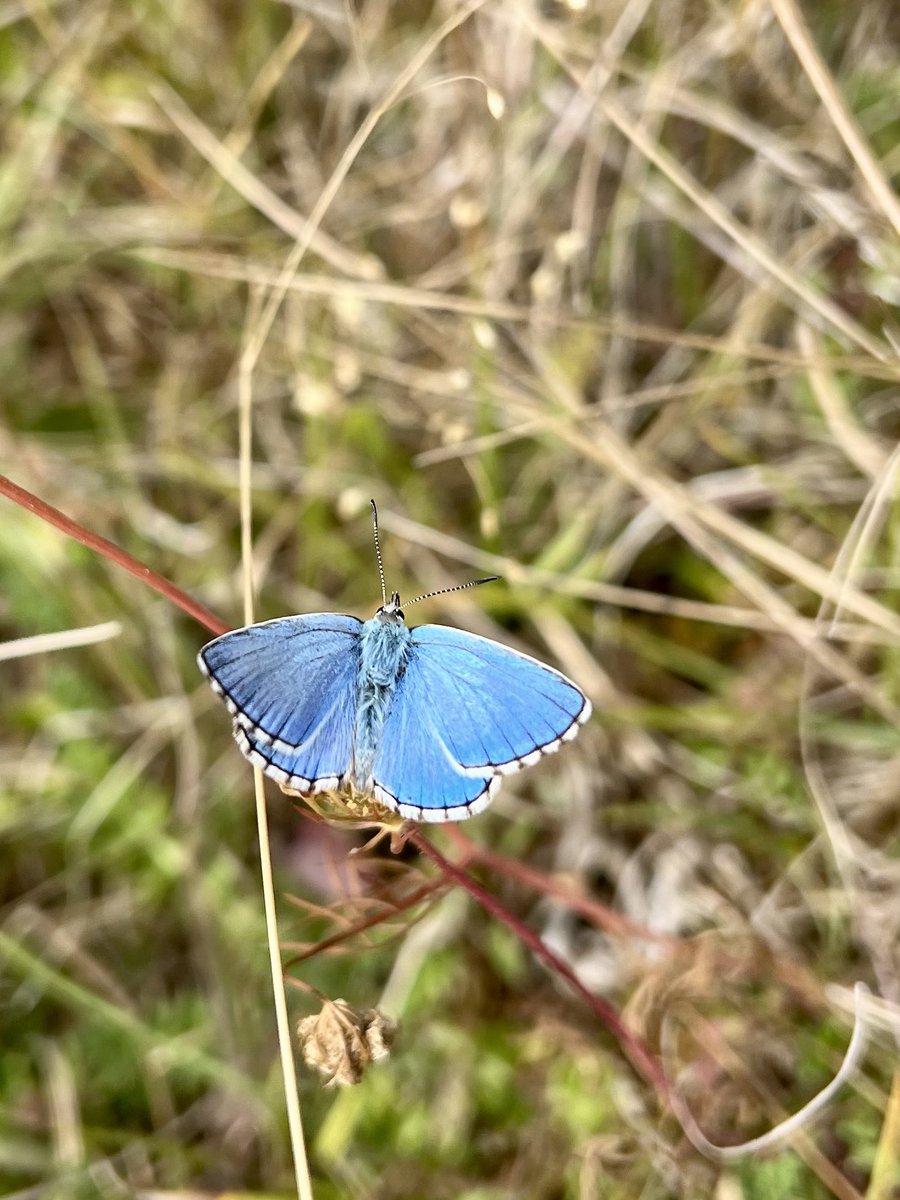
The Adonis Blue butterfly is currently overwintering as a tiny caterpillar on chalky grasslands. When they pupate, they will be carried underground by ants into the safety of their nests. Here they will be tended/milked until they come out as adult butterflies.
#PollinatingLT
5
48
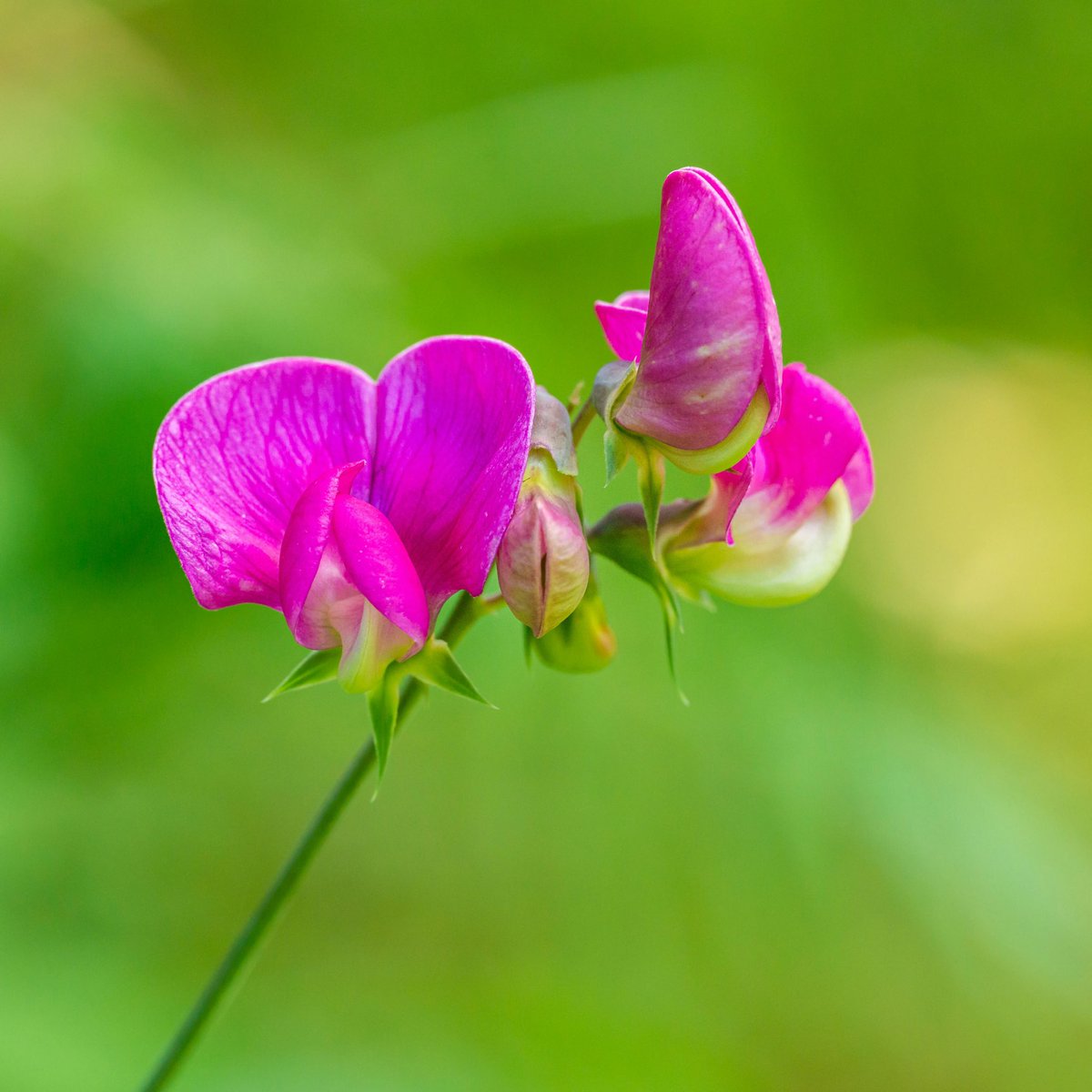
You can, and maybe should, start some flowers indoors now for spring blooms!
Think of sweet peas, begonias & geraniums. You can find pollinator friendly planting suggestions on our website.
#PollinatingLT
3
74