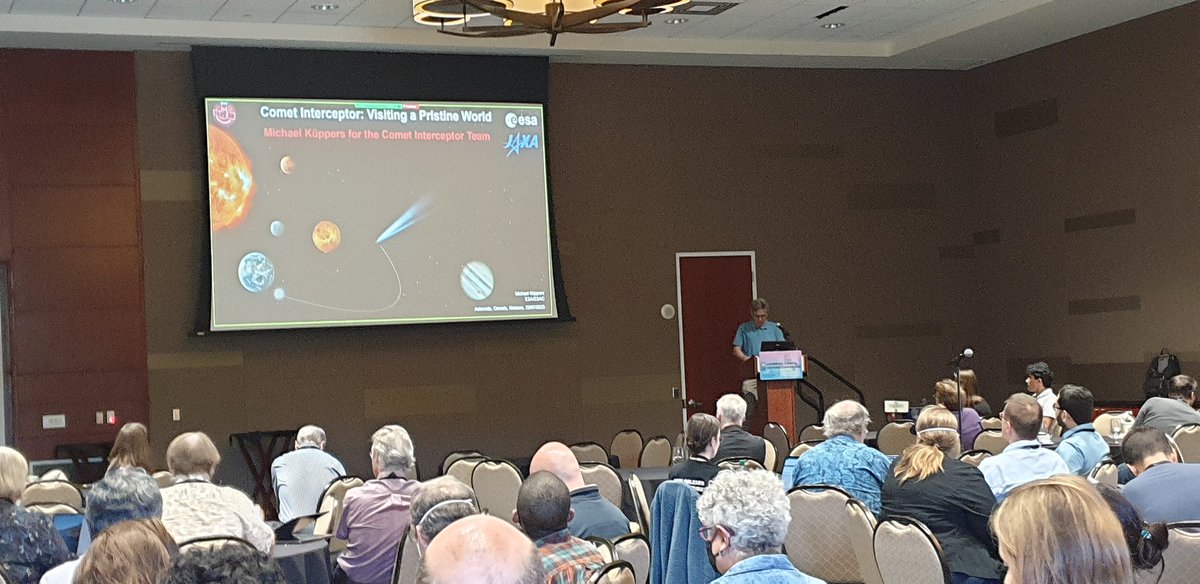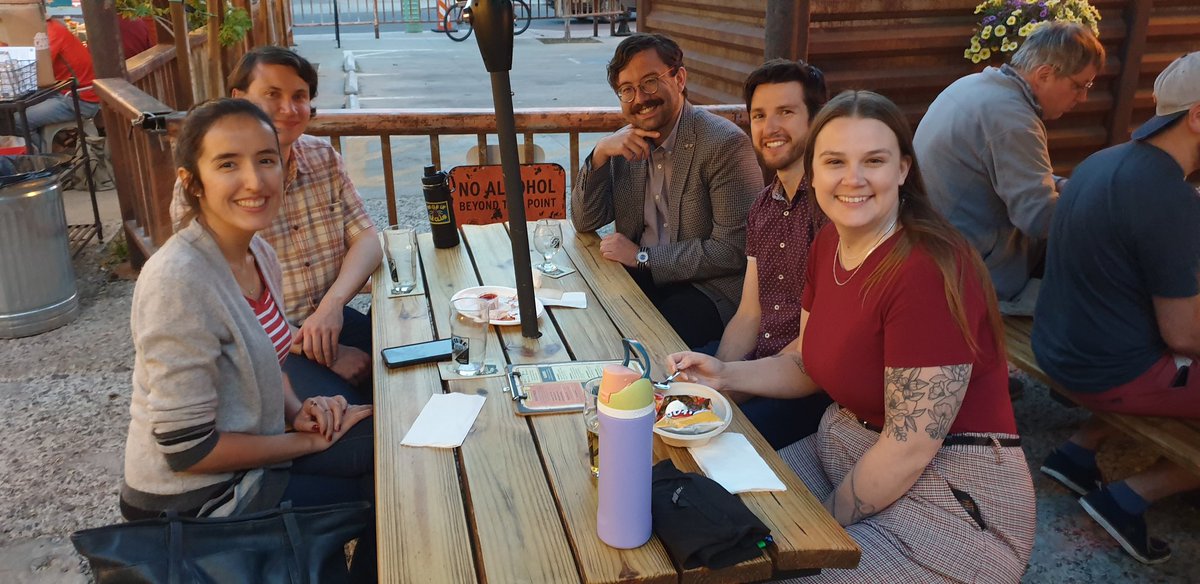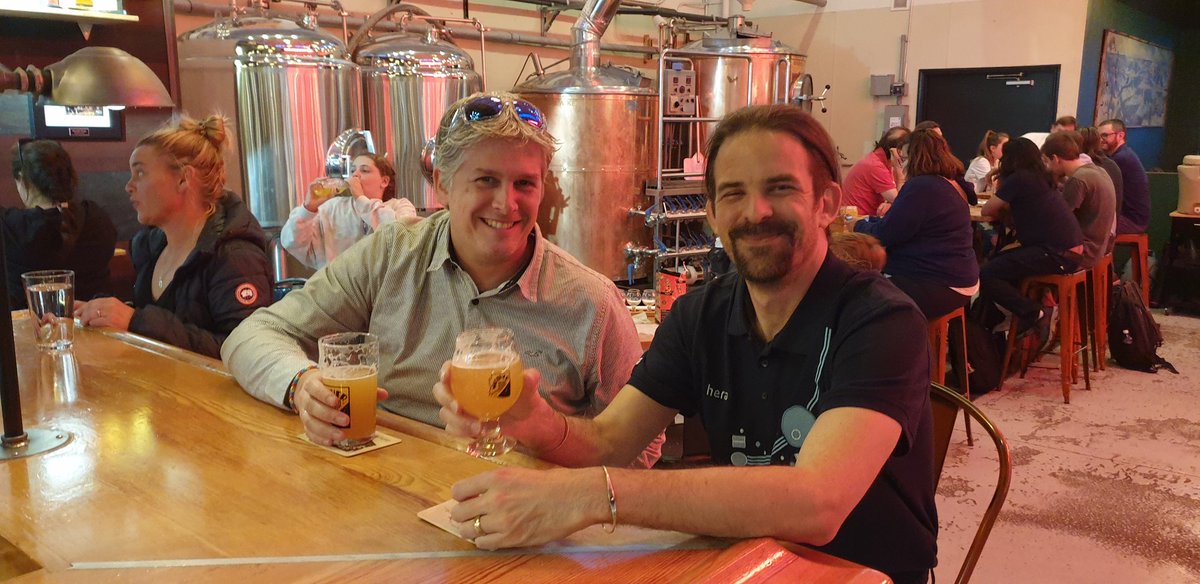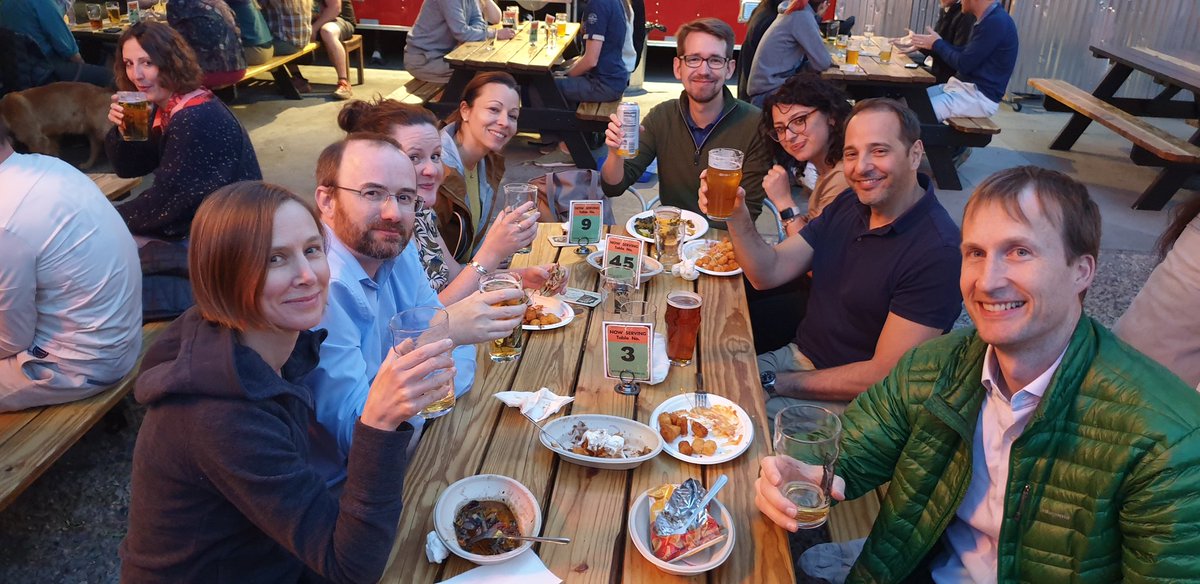
It's 5 years to the day since @esa selected our mission as the top candidate for its 1st F-class mission. 🎉
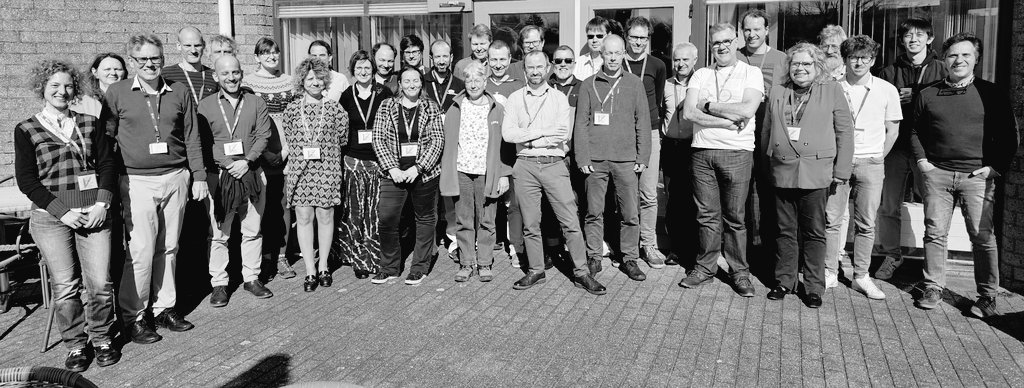
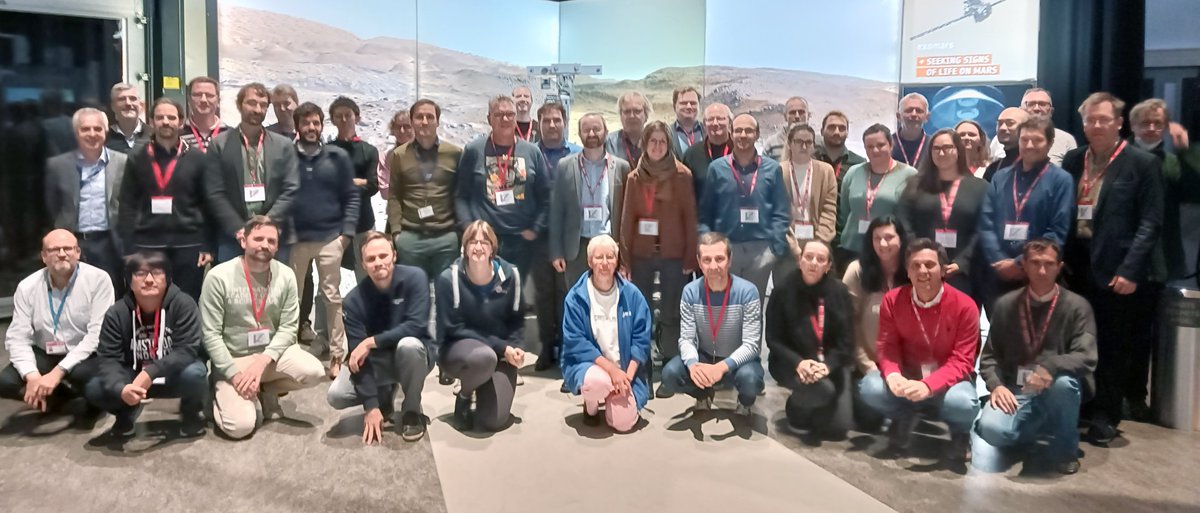
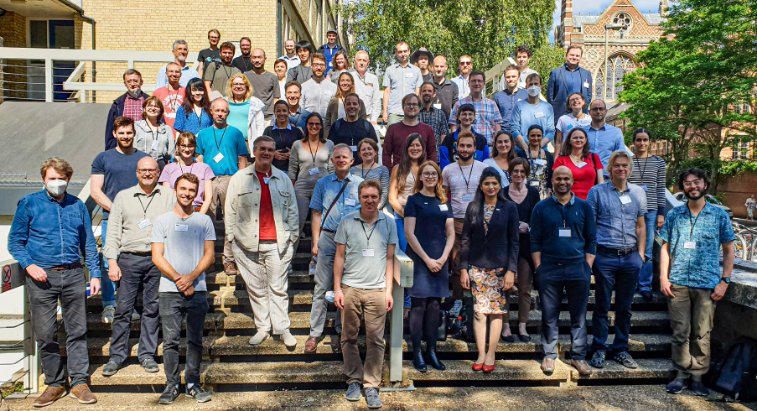
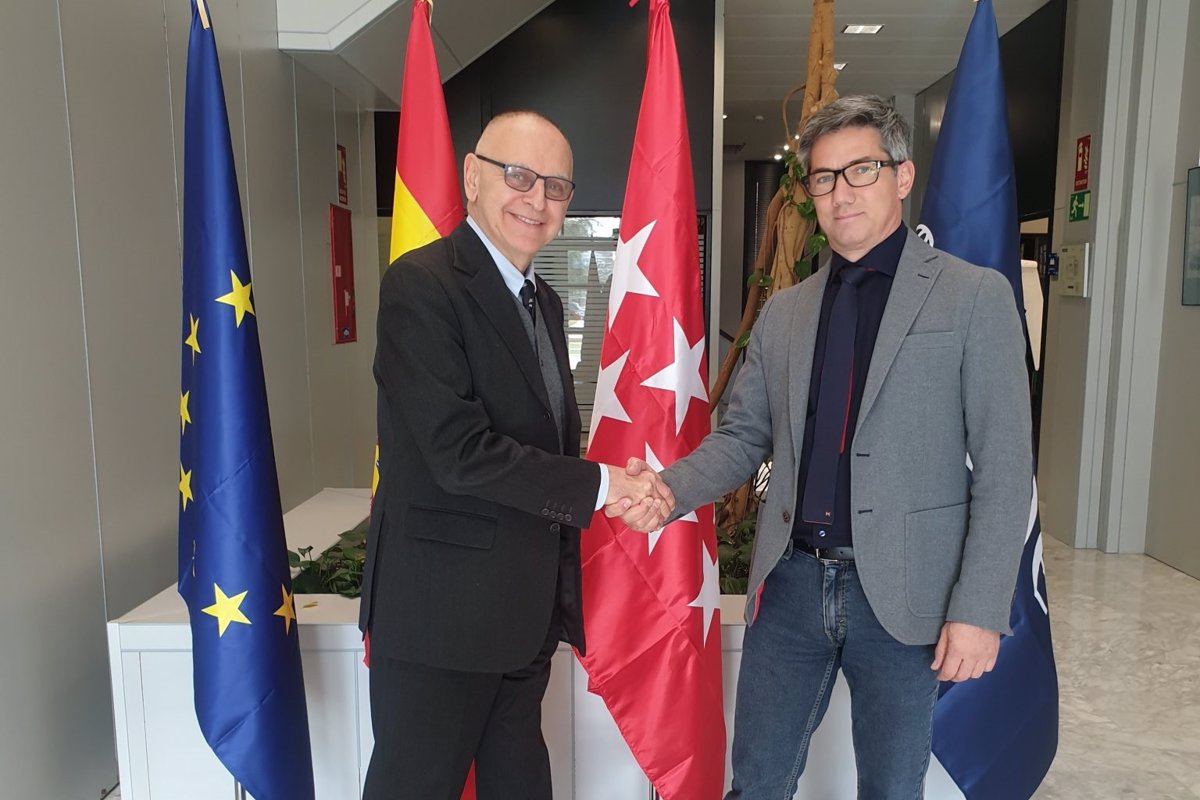
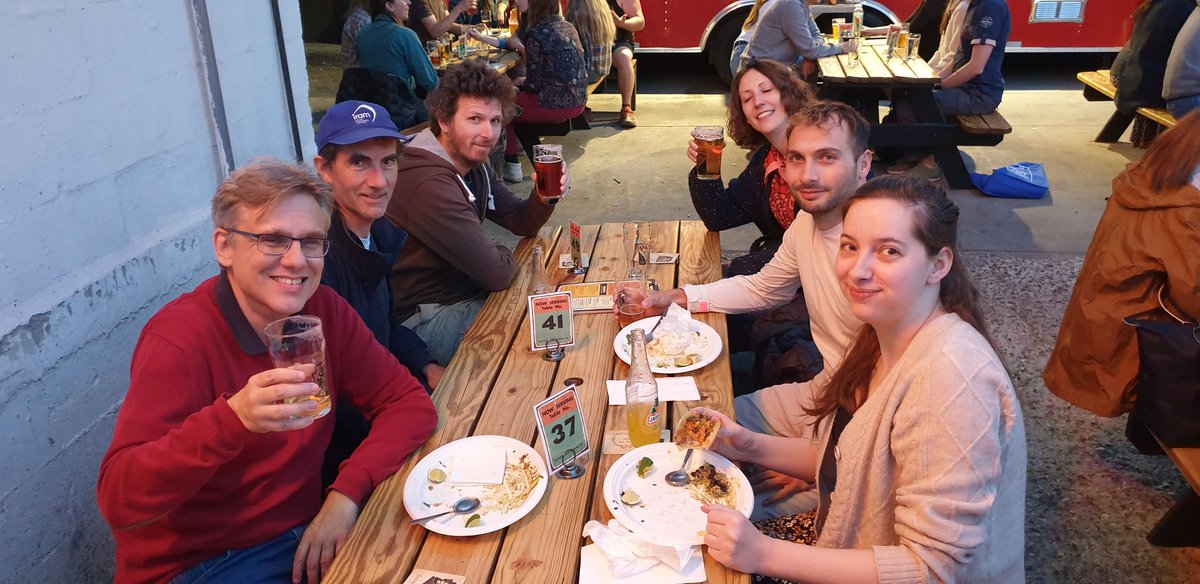
After years of hard work, we continue to grow more excited as our 2029 launch approaches! Here are team members at the recent Science Working Team meeting at ESTEC. ☄️
#CometInterceptor will be the first mission to visit a pristine comet — one entering the inner Solar System for the first time 👋
Here are top 5 mysteries Comet Interceptor aims to solve:
🔎 What does such a comet look like up close?
☄️ How are pristine comets different from the comets we know?
💫 What was the early Solar System like?
🧬 What is the role of comets in the appearance of life on Earth?
🦕 Should we be worried about a comet striking Earth?
Find out more about each of these questions 👉 esa.int/Science_Exploration/…#SolarSystemExplorers
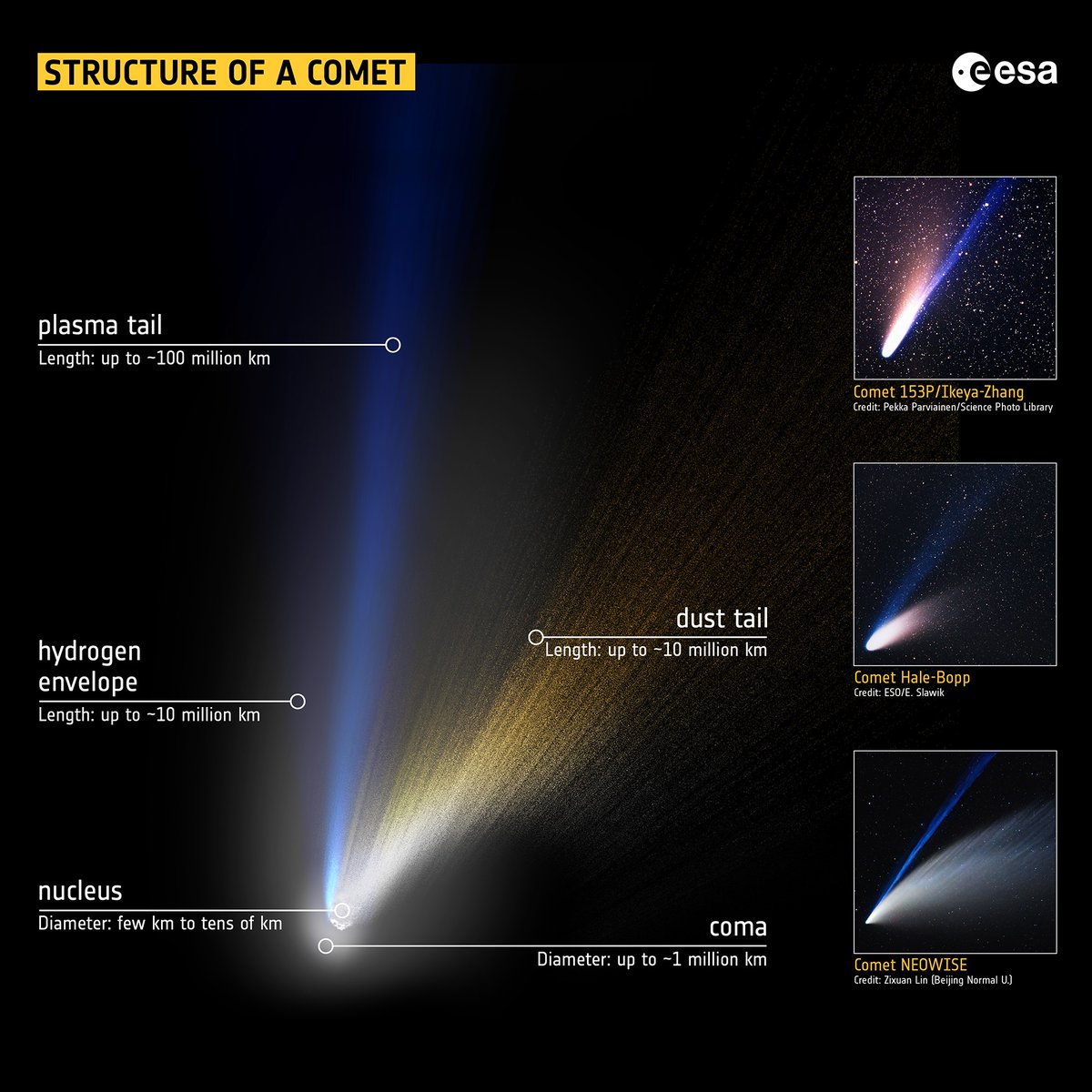
ALT Infographic showing the structure of a comet on the left: plasma tail, hydrogen envelope, nucleus, dust tail, coma. On the right side, images of three different comets are inserted: comet 153P/Ikeya-Zhang, comet Hale-Bopp, comet NEOWISE
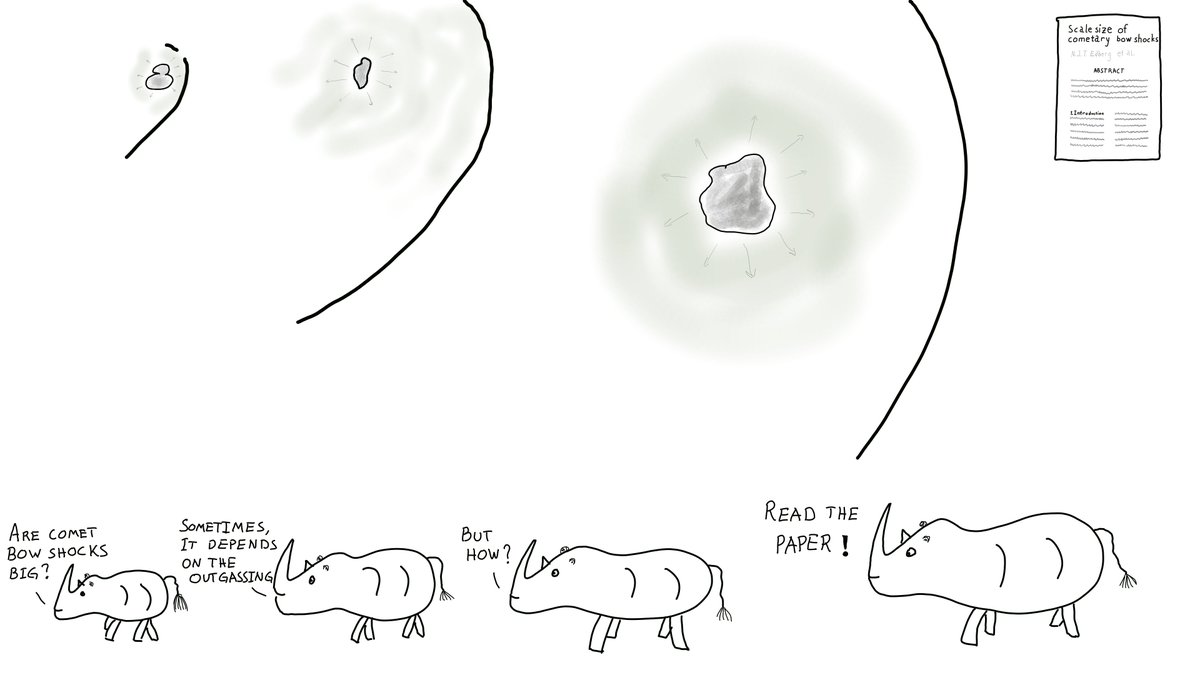
How big can a comet's bow shock get? We want to know, beause it affects space missions such as @CometIntercept , and also just because we want to know.
Niklas Edberg of @IRF_Space lead a team with @HansnKiruna , @charlottestalks and several others to answer that question.
⏰ ‘Wake up, Rosetta!’
youtube.com/watch?v=gihRDPg9…
After spirited shouts from around the world, 10 years ago this day the @ESA_Rosetta ‘alarm clock’ went off to wake up the spacecraft👉 esa.int/Science_Exploration/…
☄️🛰️The comet-chaser was up & ready! What followed next, is history. One that is about to repeat, as Europe continues its exploration of these icy travellers.
#CometInterceptor will be the first to travel to an as-yet undiscovered comet, one that has never or rarely came to the inner Solar System before.
The three @CometIntercept spacecraft will fly alongside the chosen target, exploring it from different angles to create a 3D profile.
The mission is currently under development, scheduled to be launched in 2029. What will we learn about the first long-period comet we explore? 🤔
Learn more about the mission here 👉 esa.int/Science_Exploration/…#SolarSystemExplorers
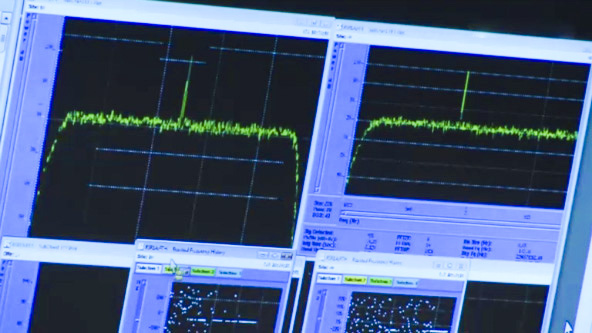
ALT Photo of screens at mission control showing the signal from a wide awake Rosetta.
Il gruppo #Sener 🇪🇸 ha firmato un contratto con @OHB_SE 🇮🇹 come prime contractor per la progettazione e realizzazione della capsula spaziale per la missione @CometIntercept dell' @esa e che incontrerà, per la prima volta, una cometa mai entrata prima nel sistema solare. 🚀
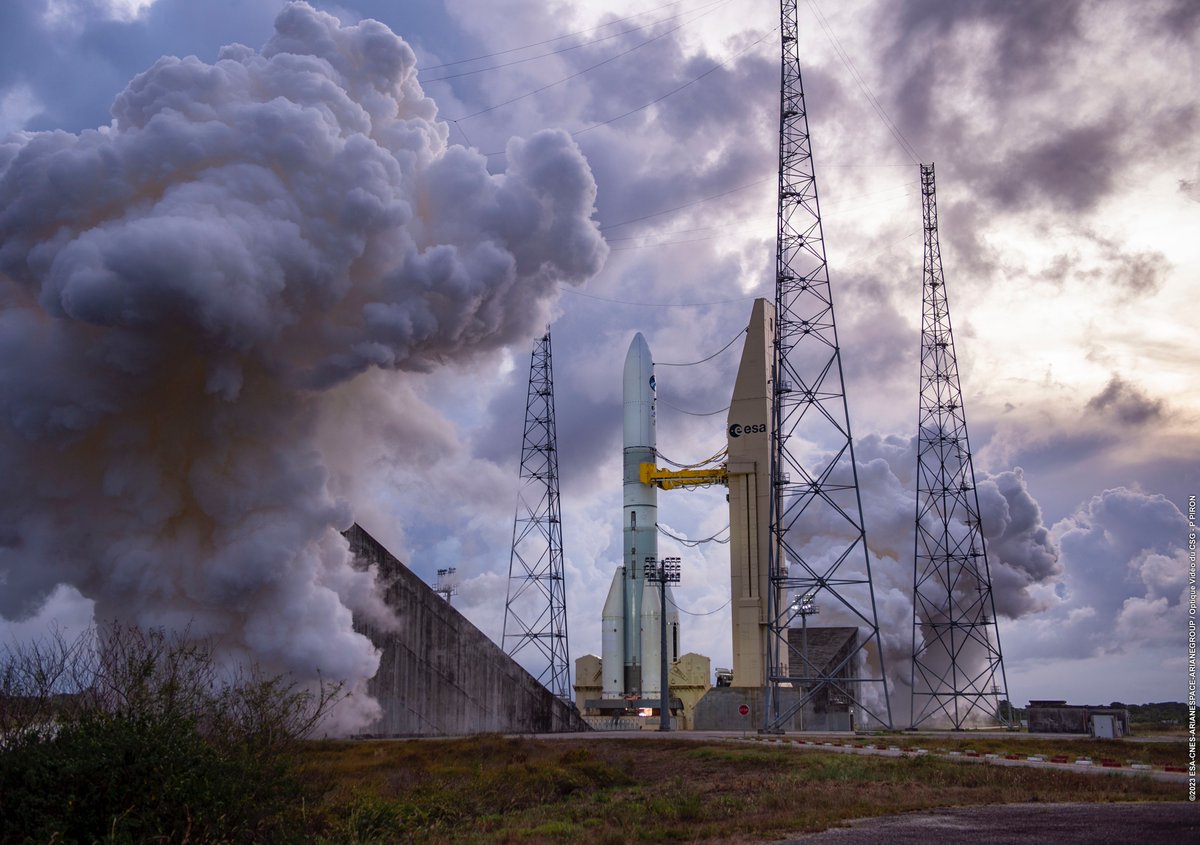
ESA’s new #Ariane6 rocket passed a major full-scale rehearsal today in preparation for its first flight, when teams on the ground went through a complete launch countdown followed by a seven-minute full firing of the core stage’s engine, as it would fire on a launch into space.
🔗esa.int/Enabling_Support/Spa…
ALT Backdropped by a cloudy Kourou sky, clouds of steam surround the Ariane 6 test vehicle during the hot-fire test on 23 November. The running engine can just be seen as a bright yellow spot at the base of the rocket.
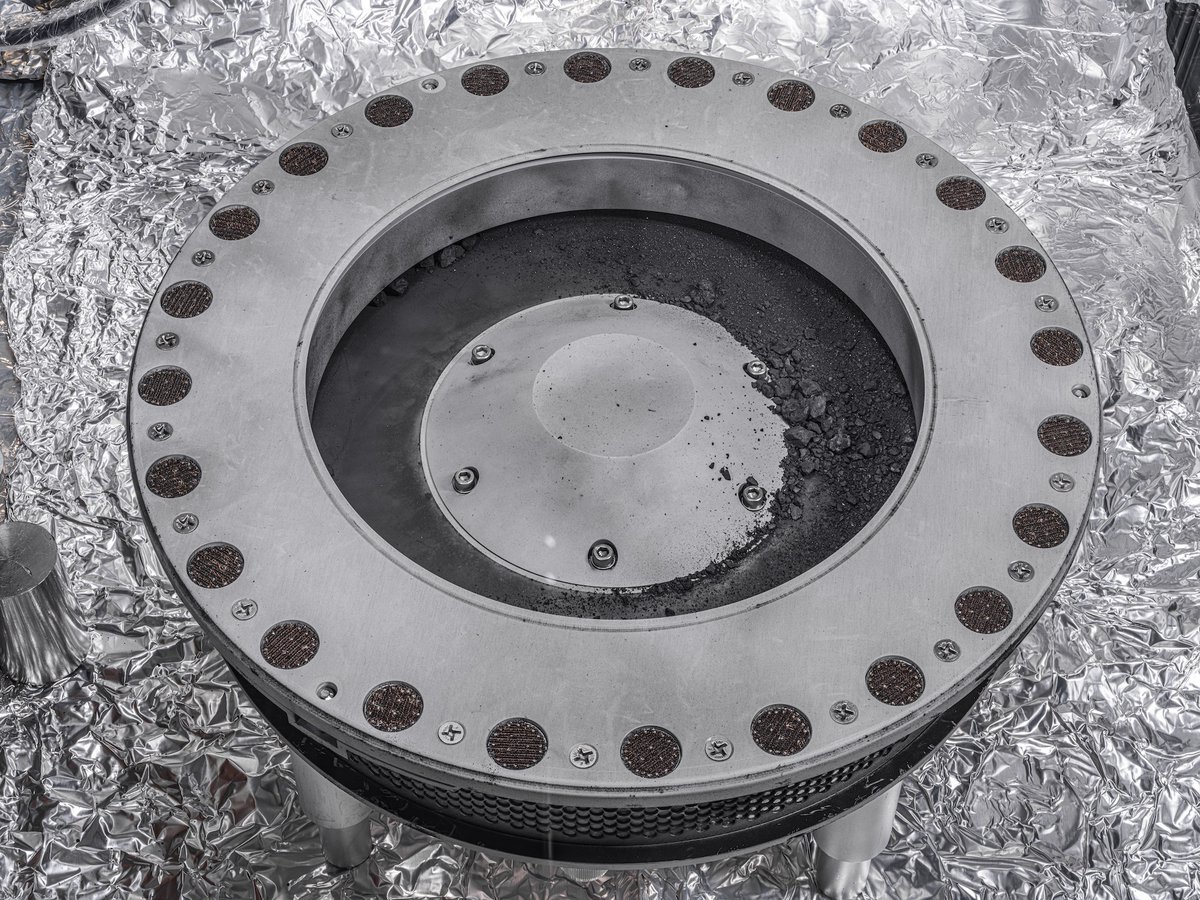
It's an exciting time for small body space missions! Many congratulations to our colleagues on the #OSIRISREx mission for the fanatic haul of primitive material recently delivered to Earth. A wealth of scientific results awaits!
Asteroids are the building blocks of our solar system, and this asteroid contains the building blocks of life. Our initial analysis of the 4.5-billion-year-old rocks from asteroid Bennu delivered to Earth by #OSIRISREx shows evidence of carbon and water.
nasa.gov/news-release/nasas-…
ALT Circular metallic instrument of concentric circles on aluminum foil, the TAGSAM head from the OSIRIS-REx spacecraft. The outer ring contains many small circles containing small particles of black dust. The inner circle contains small rocks.
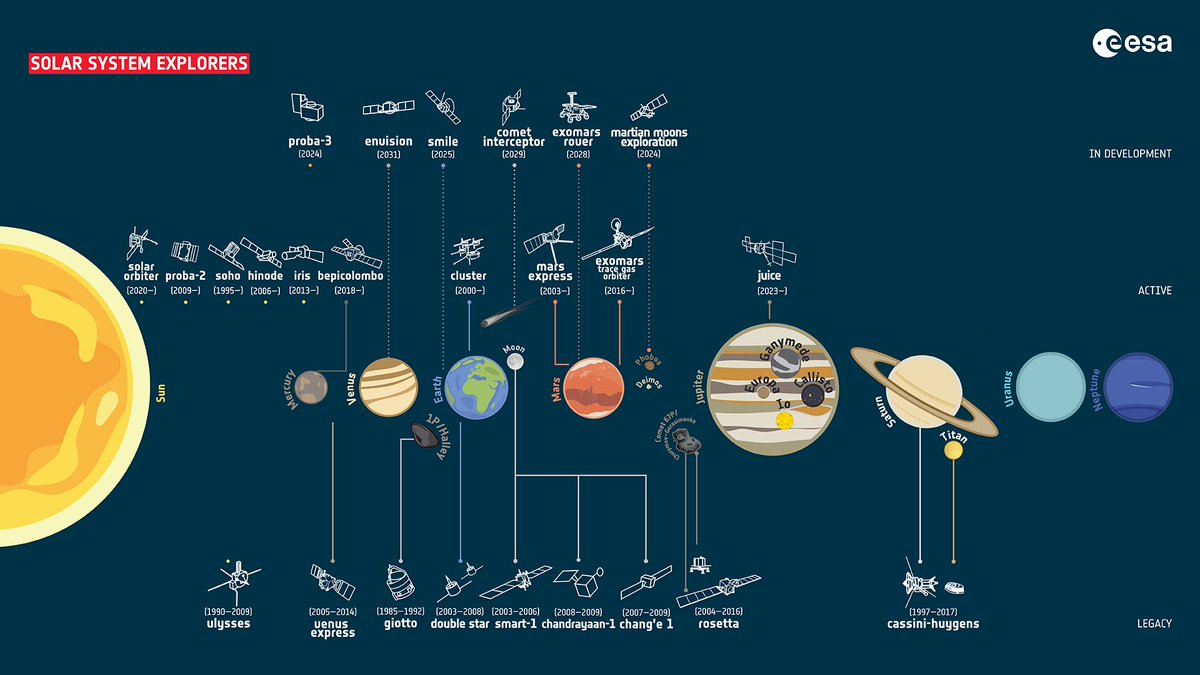
🌞🌍🪐 Arrr, our #SolarSystemExplorers help us make sense of our celestial abode, from graspin' the ways of our mighty star ‘n its ties to Earth, to venturin' forth to visit our neighboring planets, moons, and comets.
ALT A graphic showcasing ESA’s space science exploration missions in the Solar System, including upcoming collaborative missions with partner agencies and missions of opportunity. The graphic indicates which missions are in development in the upper part, active in the middle and legacy at the bottom. The missions are also organised by their object of study, from the Sun to the far left to Neptune at the far right.
It's 5 years to the day since the @esa website below appeared online, inviting proposals for the agency's first F-class mission.
This led to the Comet Interceptor mission concept being born! ☄️🛰️ sci.esa.int/web/cosmic-visio…
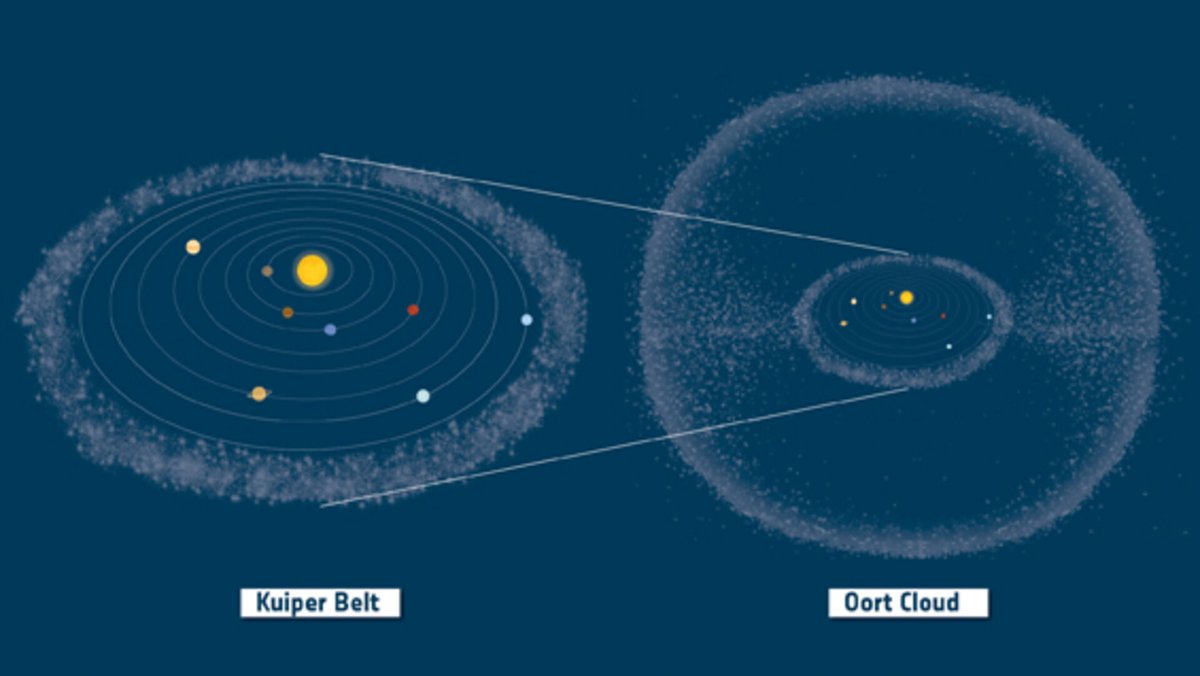
Soon-to-become Webb's #BFFinSpace, @CometIntercept will bring complementary observations. It will target a comet from the outskirts of the Solar System from the vast Oort cloud 3/4
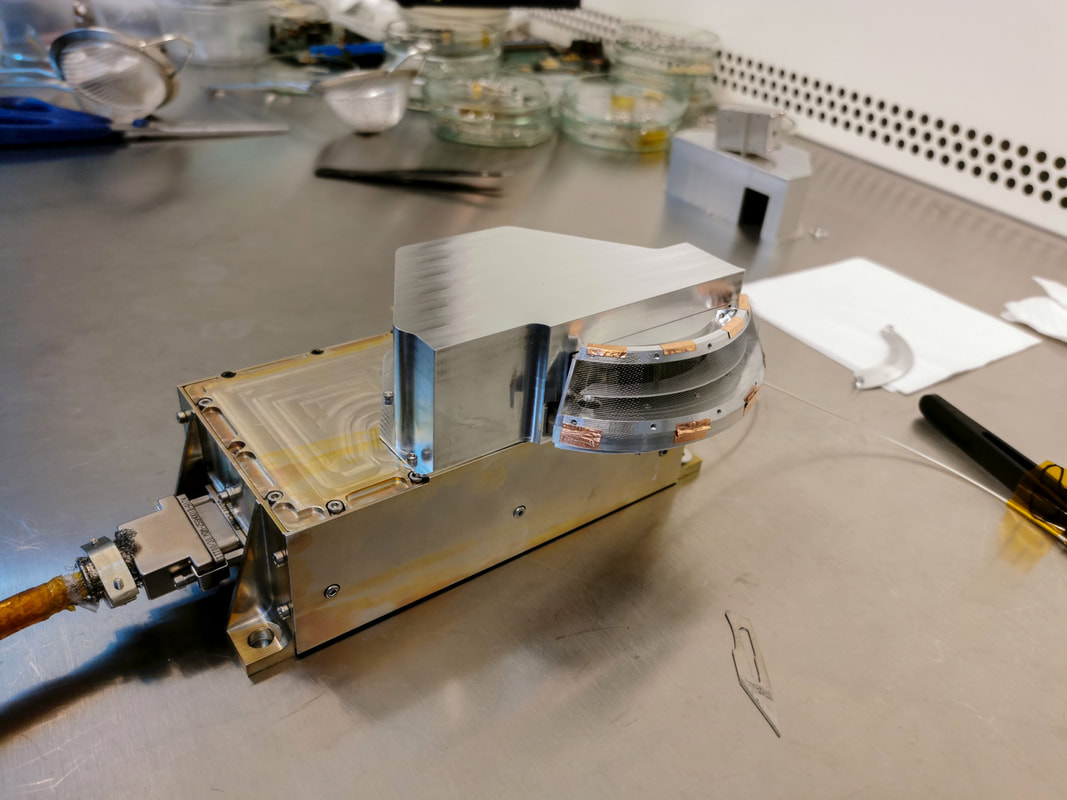
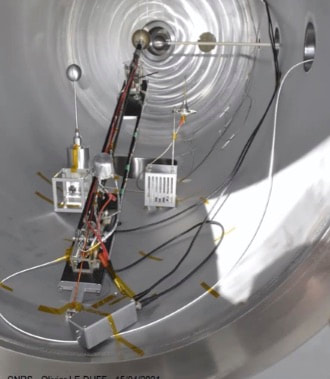
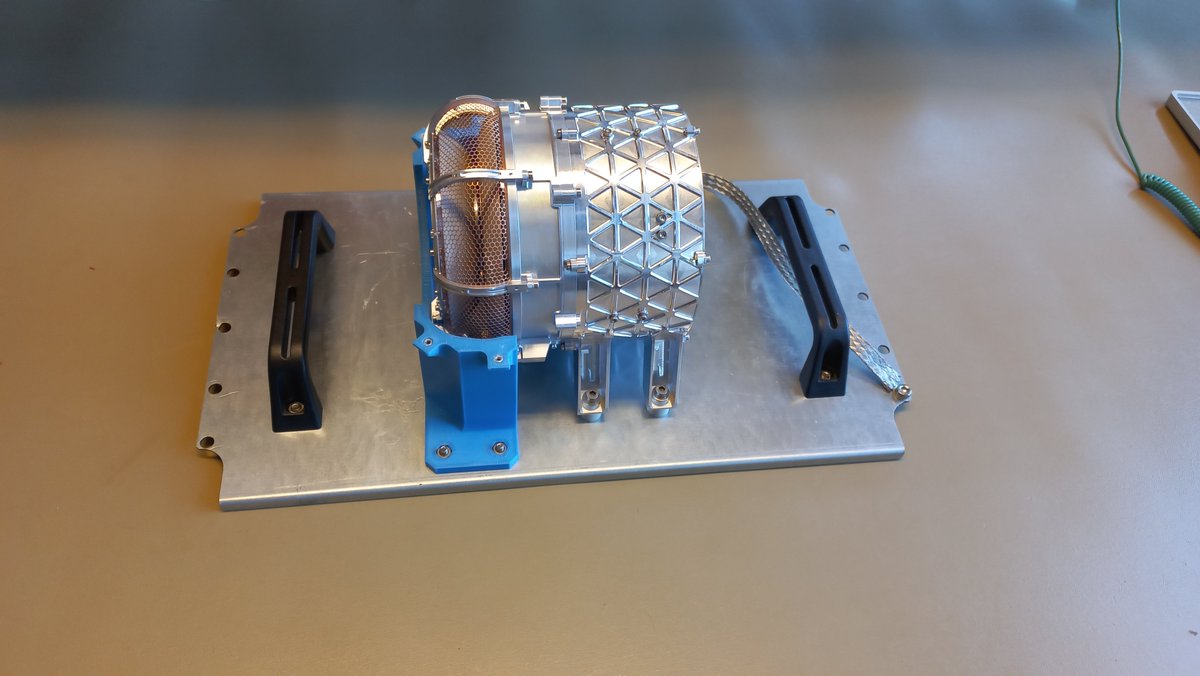
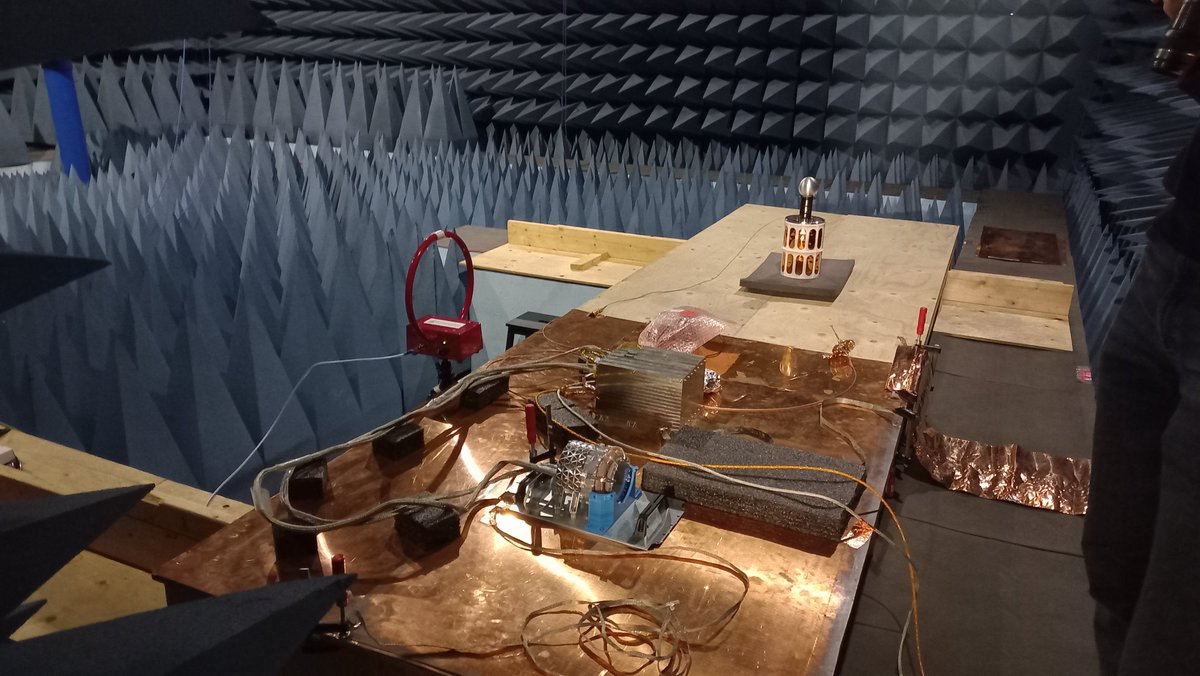
Minulý týden ve Švédské Uppsale proběhl úspěšně test elektromagnetické kompatibility (EMC) některých vědeckých přístrojů pro misi Comet Interceptor a to včetně detektoru elektronů (LEES) na jehož vývoji se naše katedra podílí. Takto to během samotného testu vypadalo:
Kasahara Satoshi talked @CometIntercept at #JpGU2023. This ESA-JAXA escapade will lurk in space for up to 4 years until a rare long distance comet swings by the inner Solar System. Such a visitor moves too fast for a new launch, but Comet Interceptor will be READY for a flyby!