
Protecting Western civilization • No illusions
Joined March 2026
- Tweets 3,877
- Following 127
- Followers 72
- Likes 2,923
Photos and videos
Pinned Tweet

Jun 11
There can be no liberty without civilization. And civilization is a secure group.
Liberty is not the default state of the universe. In an absolute state of nature (what Thomas Hobbes famously described as the war of "every man against every man") there is total, unrestrained freedom, but zero meaningful liberty.
You are free to act however you wish, but anyone stronger is equally free to stop you.
True liberty isn't just the absence of physical constraints. It requires the enforcement of boundaries that protect individual agency.
Those boundaries are merely theoretical without a mechanism to back them up. That mechanism is the secure group.
Civilization establishes order and a monopoly on force to guarantee that individual rights actually mean something in practice.
This creates the ultimate tension: the very mechanism required to guarantee liberty is simultaneously its greatest potential threat.
The civilization must be powerful enough to protect the individual, but restrained enough not to crush them.
If a civilization pursues security as its absolute highest virtue, then a totalitarian regime becomes the ultimate expression of civilization, and liberty is entirely extinguished.
This trade-off is the engine of almost all historical political conflict.
For liberty to survive within the secure group, the group cannot just protect its members from external threats or internal chaos; it must also design mechanisms to protect the individual from the group itself.
If liberty is impossible outside of civilization, then the romanticized idea of "natural liberty" is functionally useless. All meaningful liberty is, by definition, civil liberty.
When you strip away the theoretical rhetoric, you are left with a fundamental exchange: you trade the chaotic freedom of the wild for the protected freedom of the group.
1
1
85
Even if they were, ethnicities and religions aren't historical agents. Concrete people are. You are engaging in the mistake of even conceding it could be a valid point.
If the bolsheviks were jews and this was ground to accuse all jews, then some jews not being bolsheviks would also be ground to not condemn all jews.
Treating "the Jews" (or "the Russians," "the Whites," etc) as a single actor with collective intent is a category error - classic collectivist thinking.

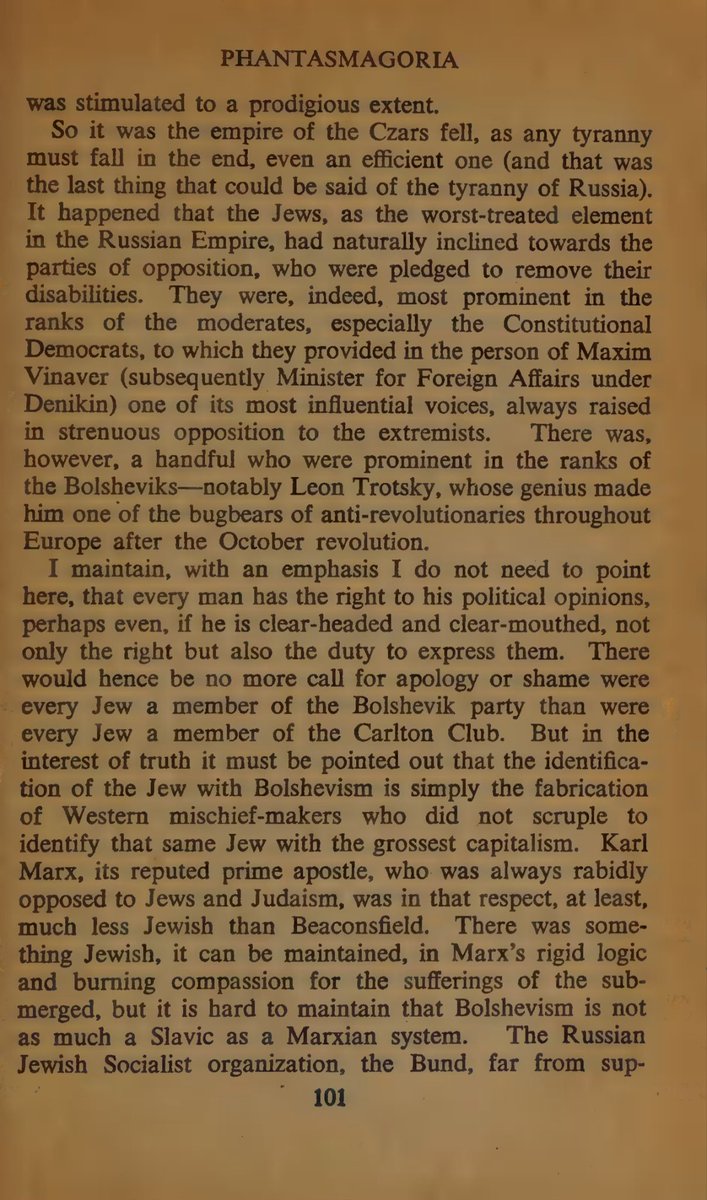
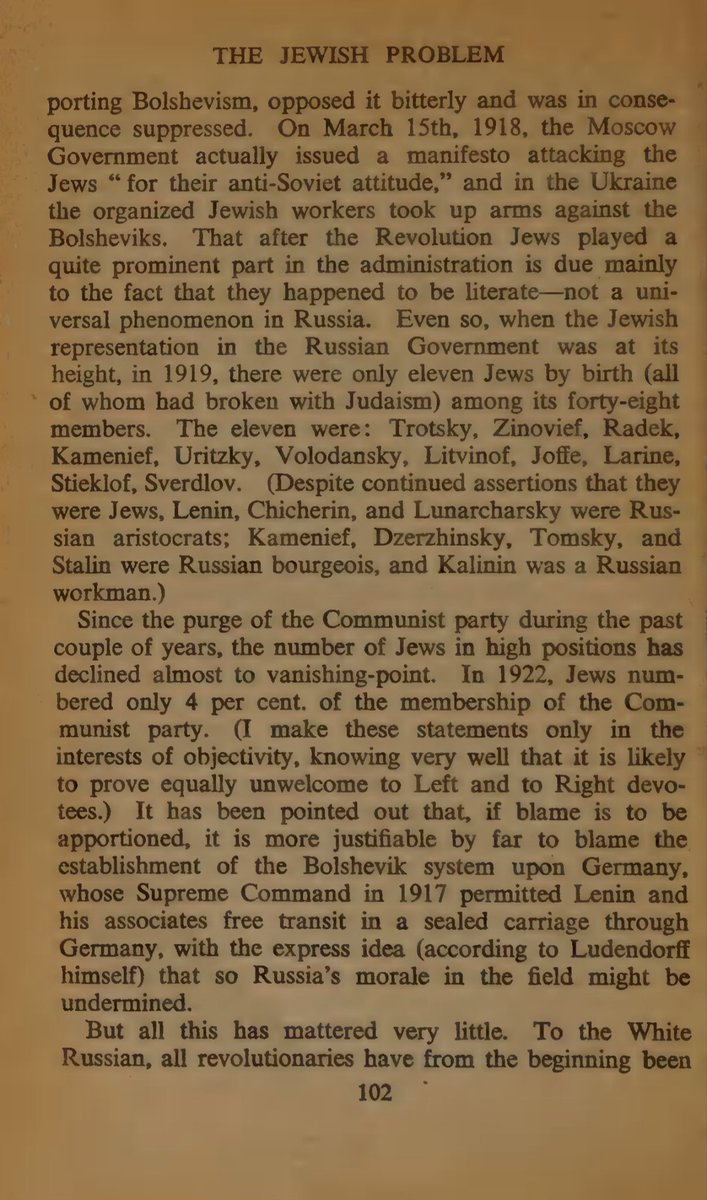
One of the most persistent "noticer" lies is that the Bolsheviks were Jews. There's actually very little reason to believe this, or that Lenin's Bolshevism itself is a Jewish philosophy even if they had been. A worthy little read on the point, courtesy of @theamgreatness.
10
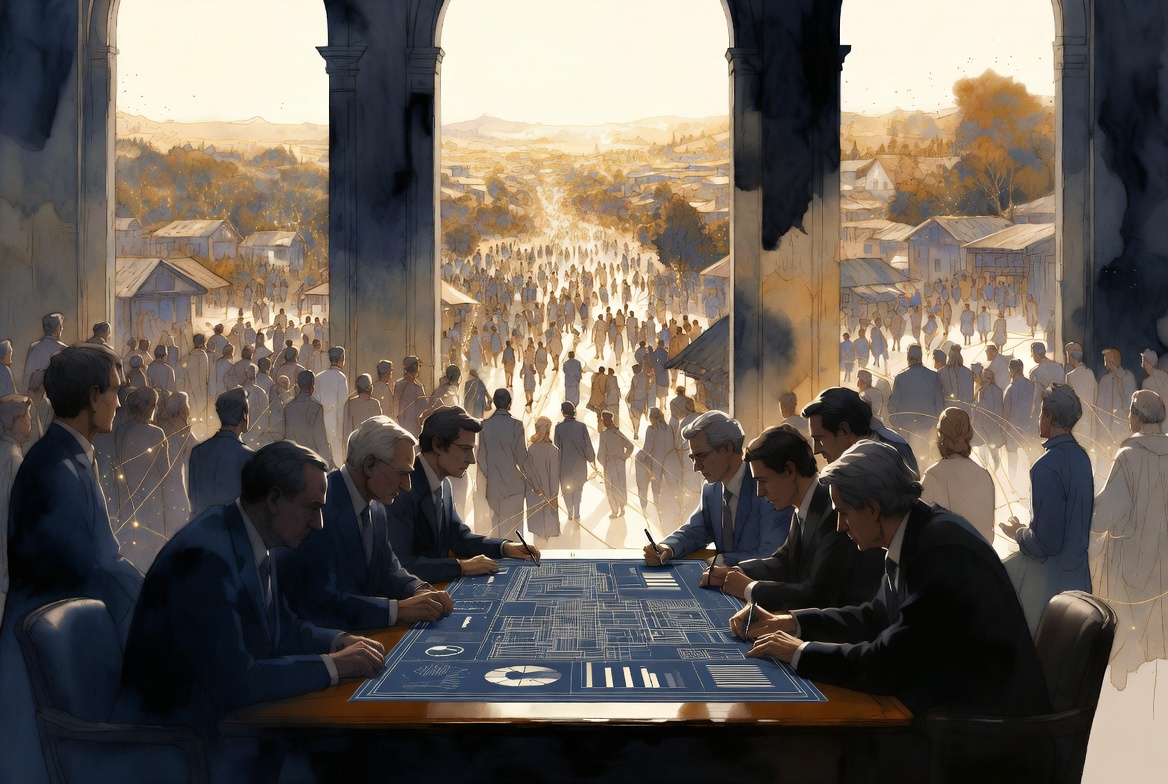
You’ve seen the pattern a hundred times.
A group of highly intelligent, well-intentioned experts sits down and designs the perfect detailed plan for education, housing, healthcare, or the entire economy.
They have data. They have models. They have authority.
Then reality refuses to cooperate.
The reason is simple but devastating: The knowledge needed to coordinate a complex modern society is not concentrated in any room or committee.
It exists as millions of small, local, and often unspoken pieces of information held by ordinary people (knowledge of specific circumstances, changing conditions, and personal trade-offs that no central authority can ever fully collect or process).
This is where centralized planning runs into its hard limit.
That said, not all centralization is the same.
In domains with clear, singular objectives and where rapid unified action is essential s(uch as national defense) a strong central authority can be highly effective.
The state can set the overall mission, incentives, structure, and rules of engagement.
The military itself is a classic example of successful centralized command paired with decentralized execution on the ground.
The knowledge problem bites hardest when the state tries to do the same thing in areas where goals are diverse, knowledge is widely dispersed, and constant adaptation is required (precisely the domains of economic production, innovation, and everyday resource allocation).
In those areas, the state is usually far better at setting the broad rules and incentives than at trying to direct outcomes from the center.
The fatal mistake is assuming that because central direction works in some domains, it can be scaled to run society itself.
1
17
Laura Loomer is just a grifter. She goes with the wind
Jun 3

I advise anyone entertaining the thought of treating Laura Loomer as an ally after reading her recent 180° statements about 🇺🇦 to look at the hate she spewed about it before Trump was elected.
Please do not help the whitewashing of another opportunist peddler of 🇷🇺 propaganda. 🙏

13
JD Vance is an idiot.
Exhibit A)
Jun 12

JD Vance:
If you go back to WW2 or every major conflict in human history, they all ended with some kind of negotiation.
Community note
World War II ended with unconditional surrenders by Germany on May 8, 1945, and Japan on September 2, 1945, rather than negotiation. en.wikipedia.org/wiki/Unconditi… archives.gov/milestone-docu… nationalww2museum.org/war/topics/end…
8
It's very difficult (if not impossible) for humans to fully separate emotions from rationality.
This is an abstract exercise where you take apart elements of something that appears as a whole in the person.
Emotions are essential for effective decision-making in most real-world scenarios, whether you're a man or a woman.
It's just that, on average, women tend to be more emotional. It's a matter of degree.
Jun 13

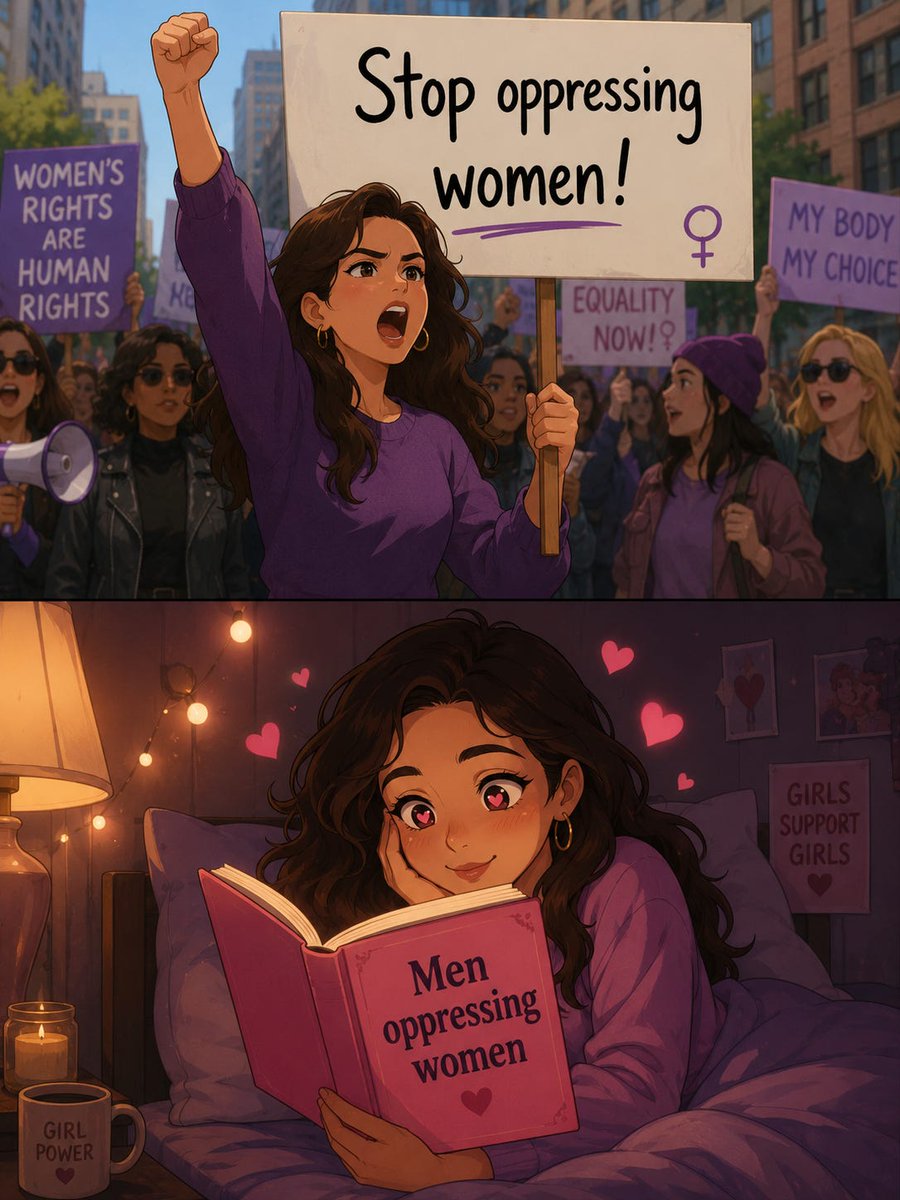
Women react to what they feel, not to logical coherence. This does not mean they are incoherent, but that they follow the coherence of affections.
Otto Weininger in Sex and Character demonstrates how the feminine mind is incapable of separating the analytical dimension from the affective one: everything in a woman has an emotional reverberation.
This is different from man, who is capable of separating the analytical dimension from the affections. This is why women support the feminist and progressive ideology that the regime sells, while at the same time dreaming of being oppressed by vampires, werewolves, aliens, criminals, etc.
Both dimensions, which are logically incoherent, make them feel - this is the central term - good and alive.
8
A great example of how X amplifies obvious lies


37
The fact that this is legal says a lot about the level of degradation of Western Culture.
It needs reform.
Jun 12

I walked through the red light district in Brussels today and it was one of the most horrible things I’ve ever seen.
Young women standing behind glass while groups of men banged on the windows and haggled over them like products. Most of the women appeared to be Asian or Eastern European.
The men crowding around them were overwhelmingly African or Muslim men, many still dressed in Islamic clothes.
Anyone who looks at that and sees “empowerment” is sick in the head.
I don’t know the circumstances of every woman there, but it was impossible to witness it and not wonder how many were there through coercion, desperation, trafficking, or poverty.
Nothing about it looked liberating. Putting it lightly it was dehumanising. The women treated like livestock by the most depraved men I’d ever seen.
This is Brussels. The capital of the European Union. The place where leaders gather, policies are written, and grand speeches about progress are made.
Yet just outside the conference halls and beneath the glass towers, this is happening in plain sight.
I only hope Ireland never comes to resemble it.
14
Jun 12
🤣
Jun 12

My whole timeline is full of millionaires complaining about a trillionaire
22
Jun 12
What a circus, my God
Jun 12

Trump has now come out and now rejected the Iran peace deal concessions outlined earlier and is reportedly furious.
30
Jun 12
Just as parts of the left crossed over to support Trump in the last US election, parts of the right will cross over to support the left in the next one.
12
Jun 12
The irony. AI zealots are like Climate zealots.
Jun 12

Twenty years ago, climate denial was a problem of the right. Today, AI denial is a problem of the left, and the consequences could be even more disastrous.
My new video essay.
13
Jun 12
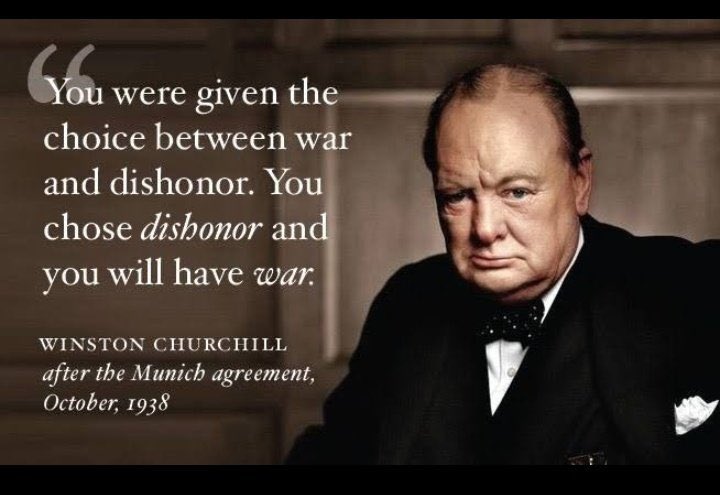
Remember
3 Jan 2024

“You chose dishonor and you will have war”.
W. Churchill
10
Jun 11
You’ve probably done this before:
You’re in a group conversation and you disagree… but you stay quiet.
Not because you don’t have a point.
But because you sense that “everyone else” thinks differently.
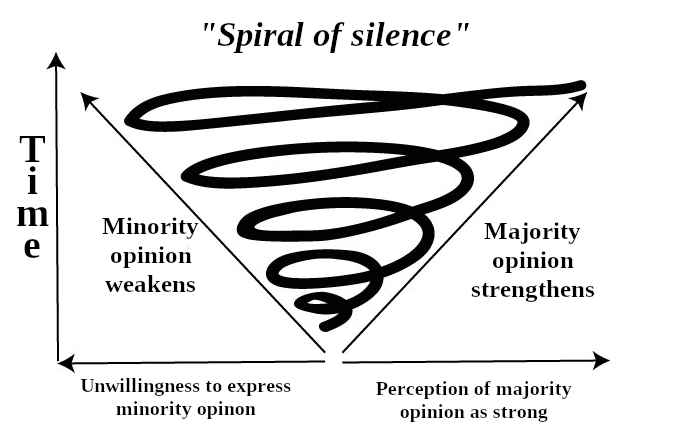
That’s the Spiral of Silence.
The theory is simple but brutal:
People tend to stay silent when they believe their opinion is in the minority - not out of weakness, but out of fear of social isolation.
The result?
The majority opinion gets louder and louder (because people feel safe repeating it), while the minority opinion slowly disappears from the conversation.
Over time, what started as “just one opinion” starts feeling like the only acceptable one.
And social media has supercharged this effect.
11
Jun 11
Robert D. Putnam’s 2007 paper "E Pluribus Unum: Diversity and Community in the Twenty-first Century" investigated the effects of multiculturalism in society.
His finding: More ethnic diversity = less social trust.
People "hunker down".
Trust drops even within your own group.
In homogeneous US communities: 70-80% trust neighbors "a lot".
In diverse cities like LA/SF: ~30%.
Short-term effect of multiculturalism in practice.

9


Conservative Curator retweeted

Jun 11
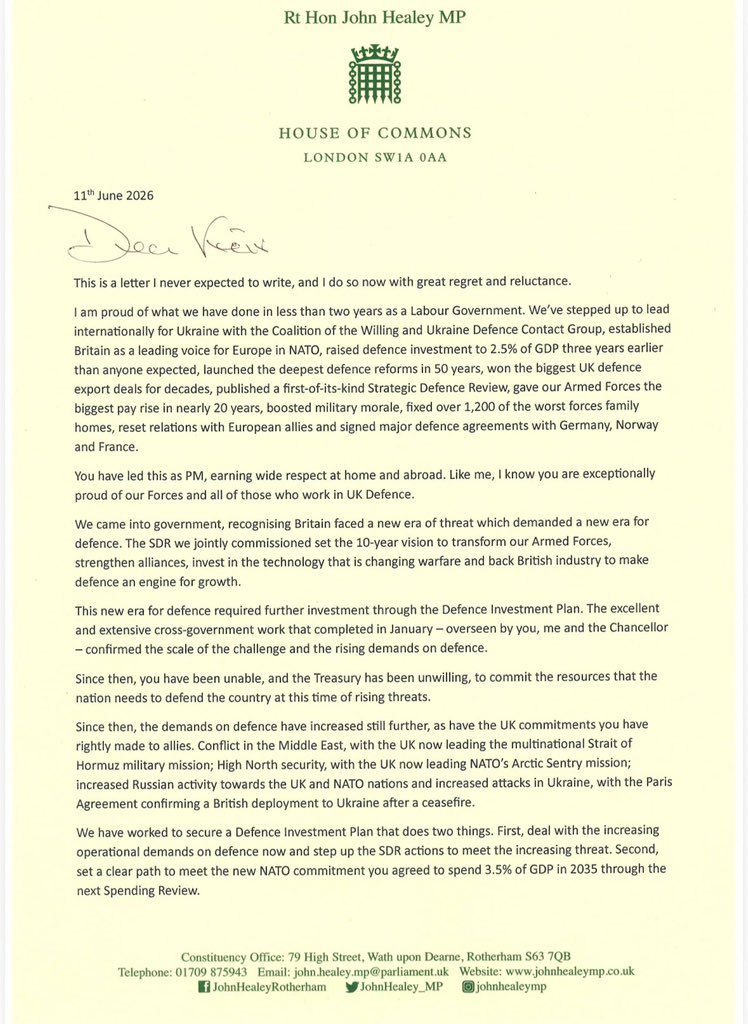
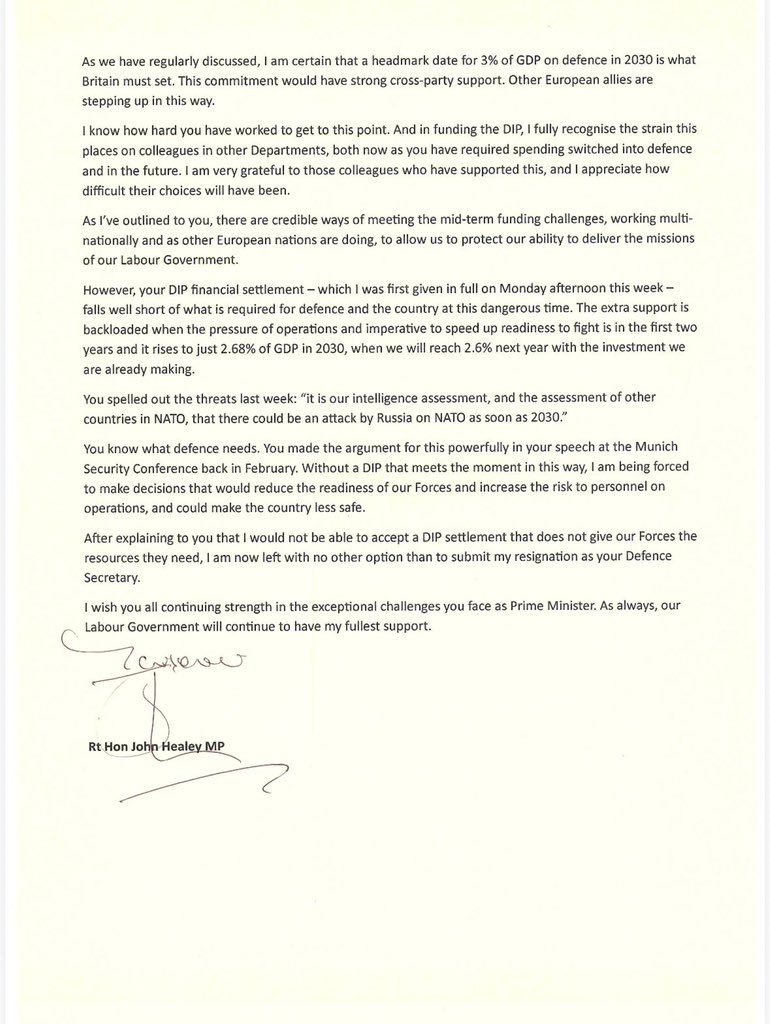
NEW: UK Defence Secretary John Healey has resigned, saying PM Keir Starmer and the Treasury failed to commit the resources needed for defence amid rising threats.
In a resignation letter, Healey said the proposed Defence Investment Plan “falls well short,” warning it could reduce UK forces’ readiness and make the country “less safe.”
25
184
819
62,536
Jun 11
The stupidest idea ever. Only in UK
Jun 11

JUST IN: United Kingdom announces "PoliceAI" to help fight crime — claims it will free up 6 million human officer hours / year.
13

Jun 11
Remigration or civil war.
Which way, Westerner?
Jun 10

Labour triggers Belfast attack censorship row as it sets out plans for new crackdown on social media content 'in times of crisis' trib.al/R7V6uTE
13