
A global collaboration to track progress of life-saving interventions for Reproductive, Maternal, Newborn, Child and Adolescent Health and Nutrition.
Joined May 2013
- Tweets 2,003
- Following 312
- Followers 1,804
- Likes 765
537 Photos and videos
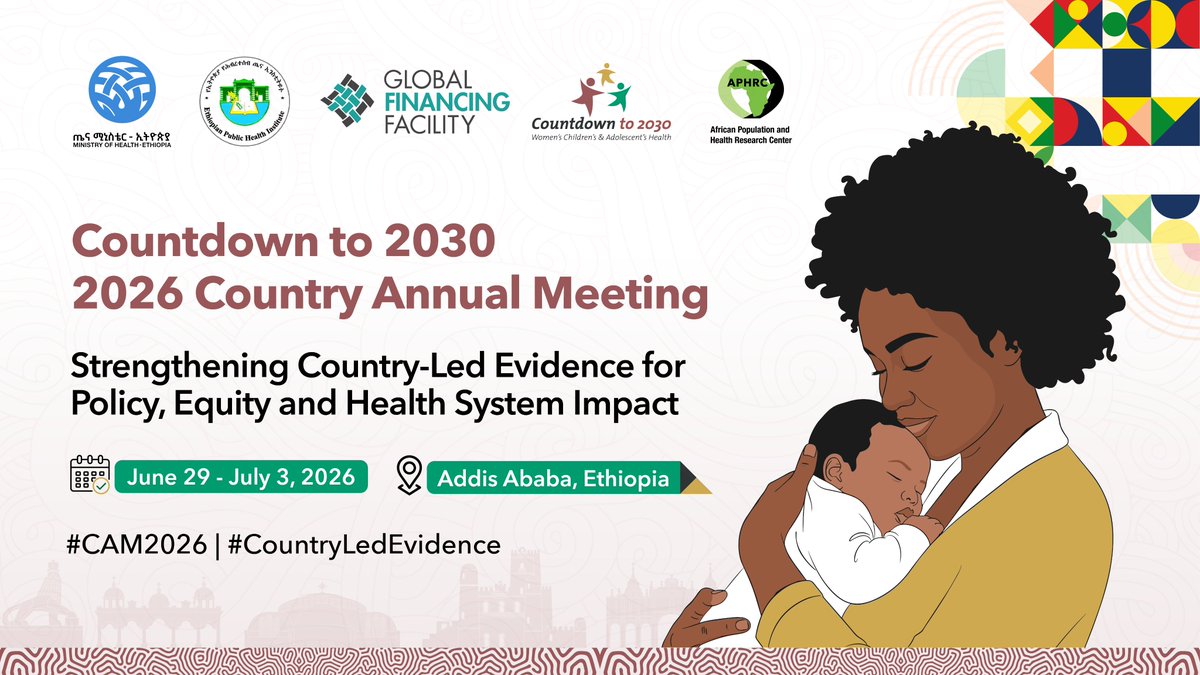
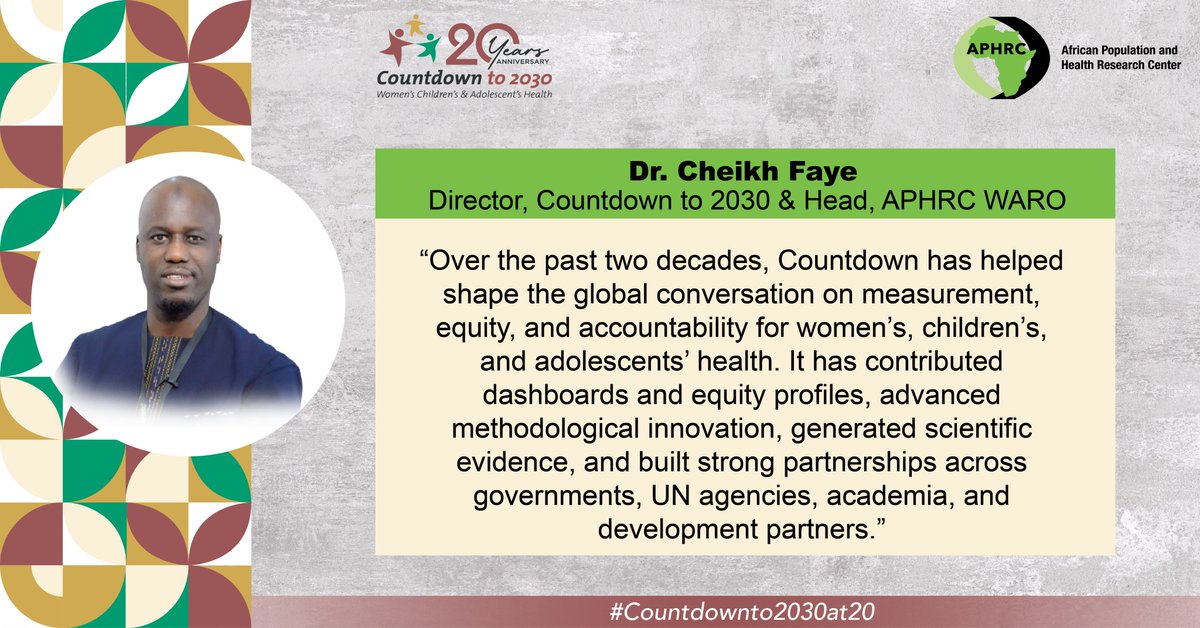
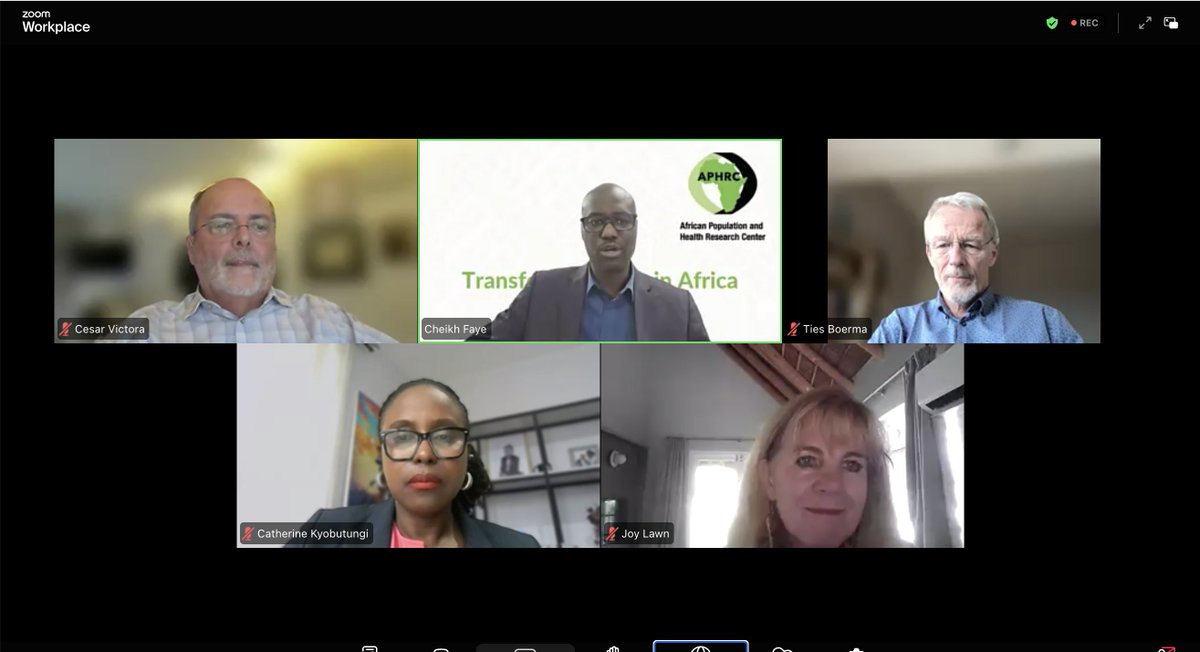
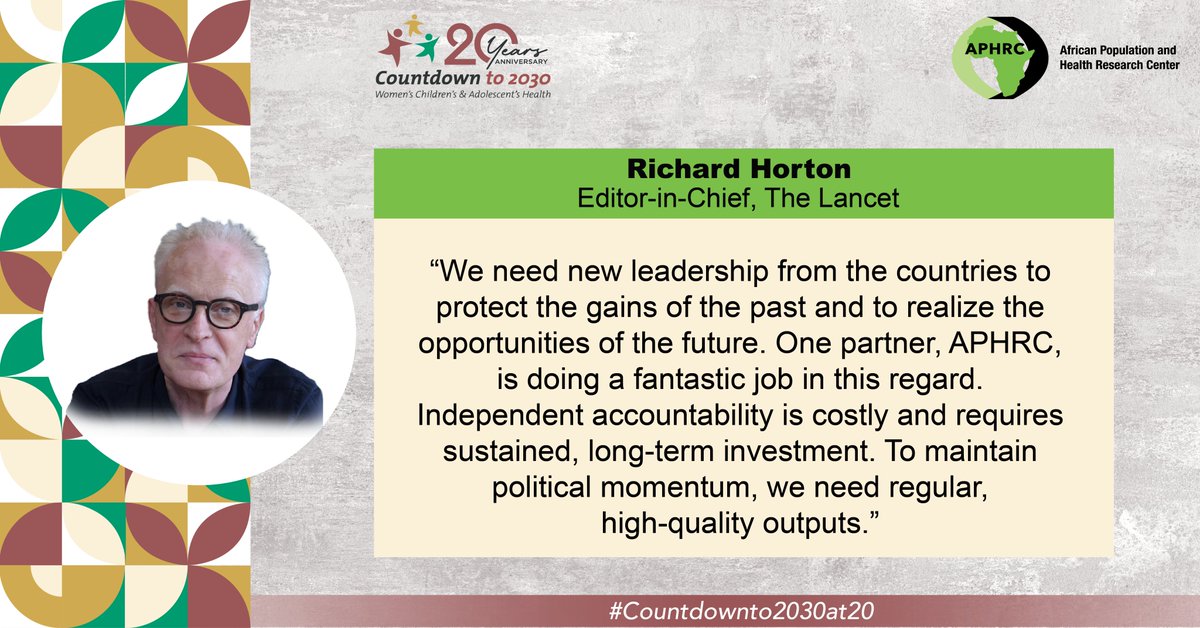
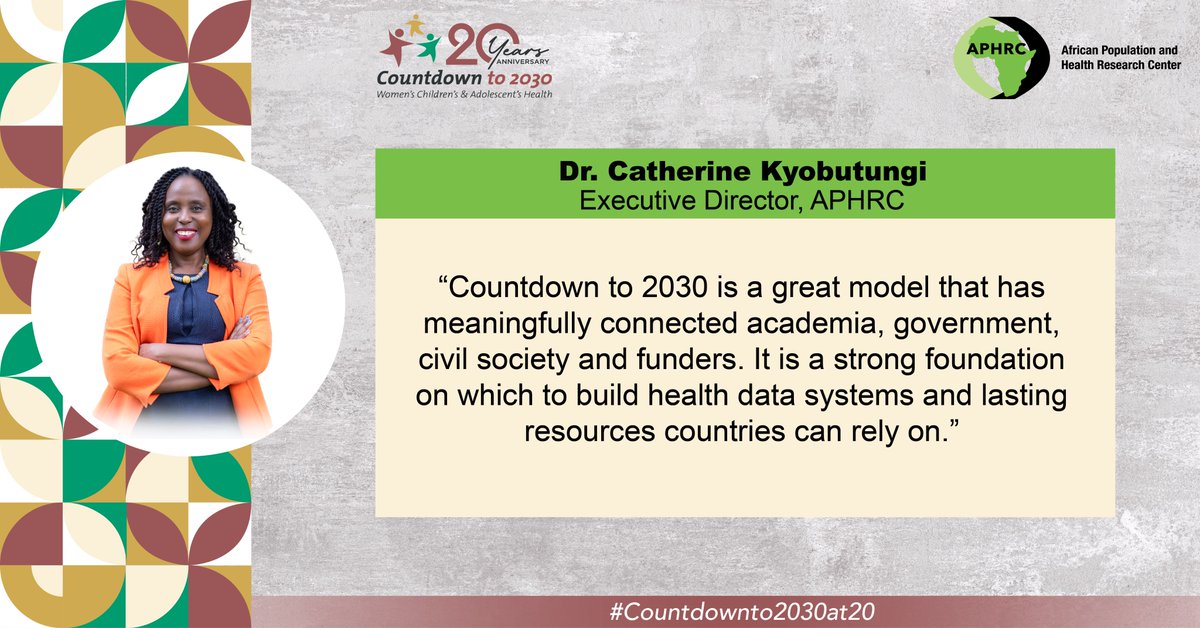
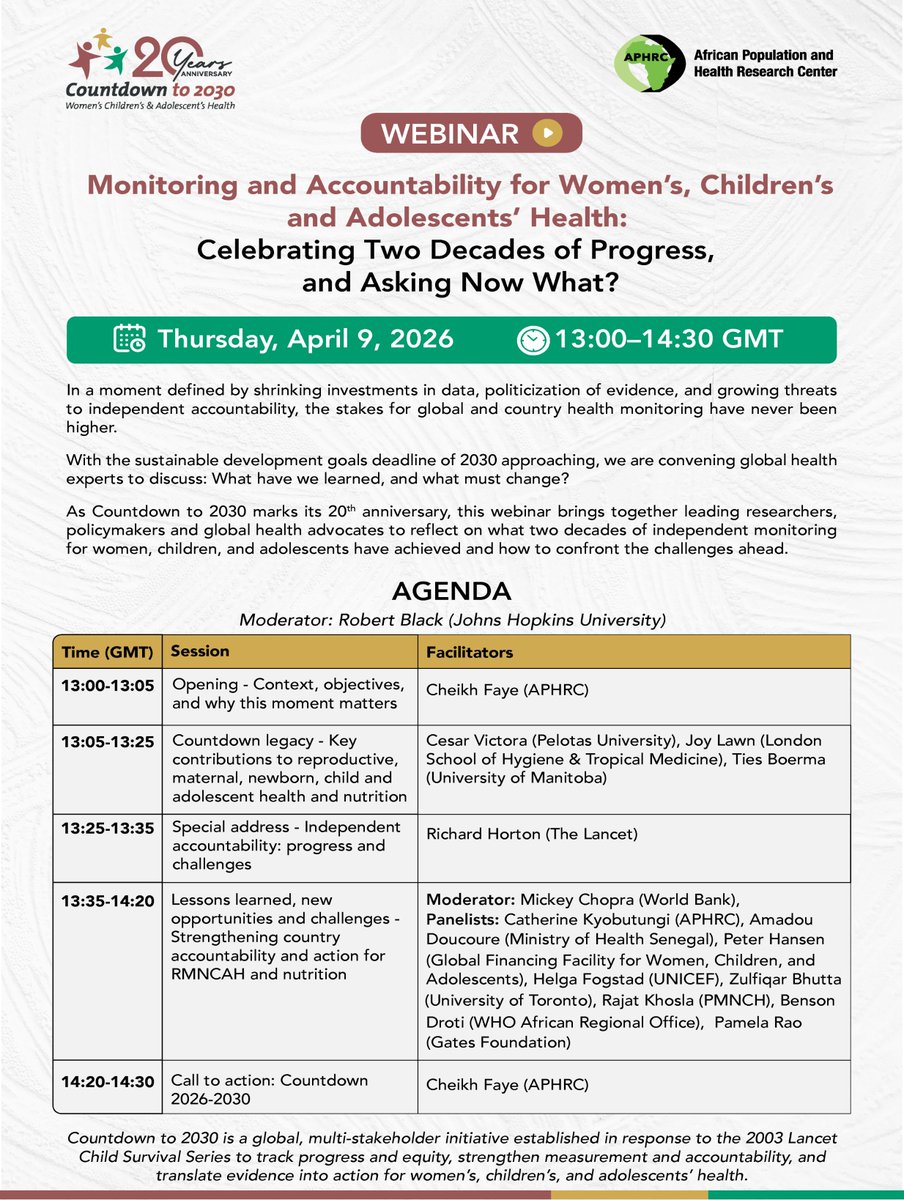
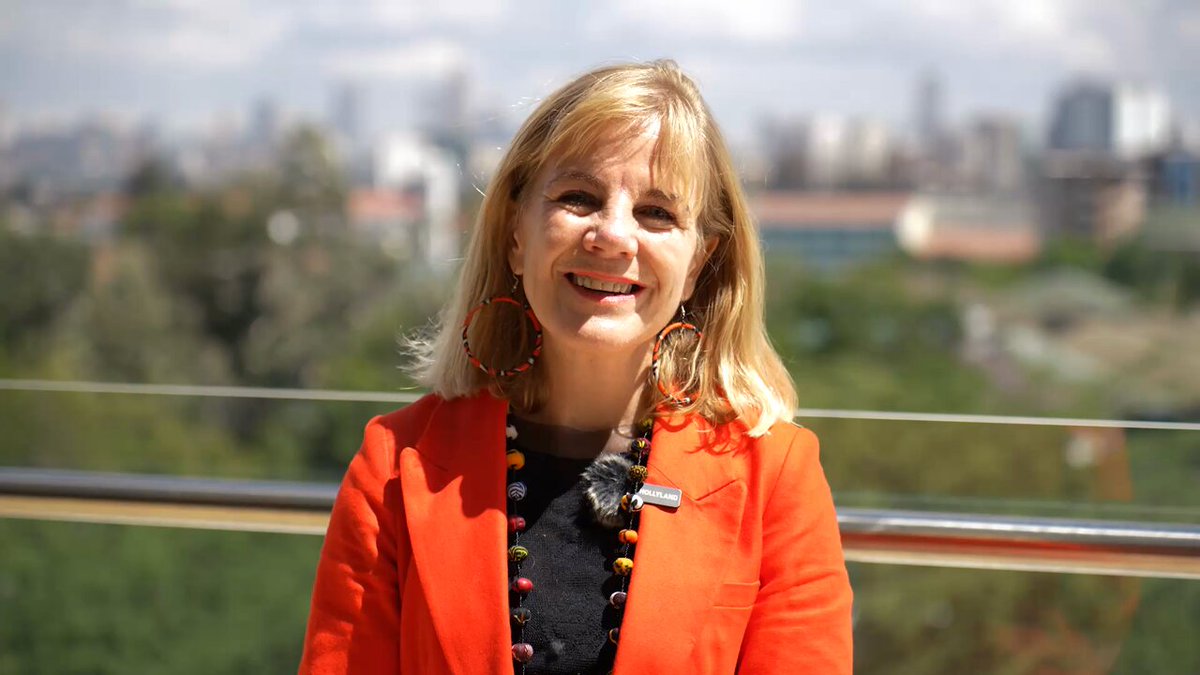
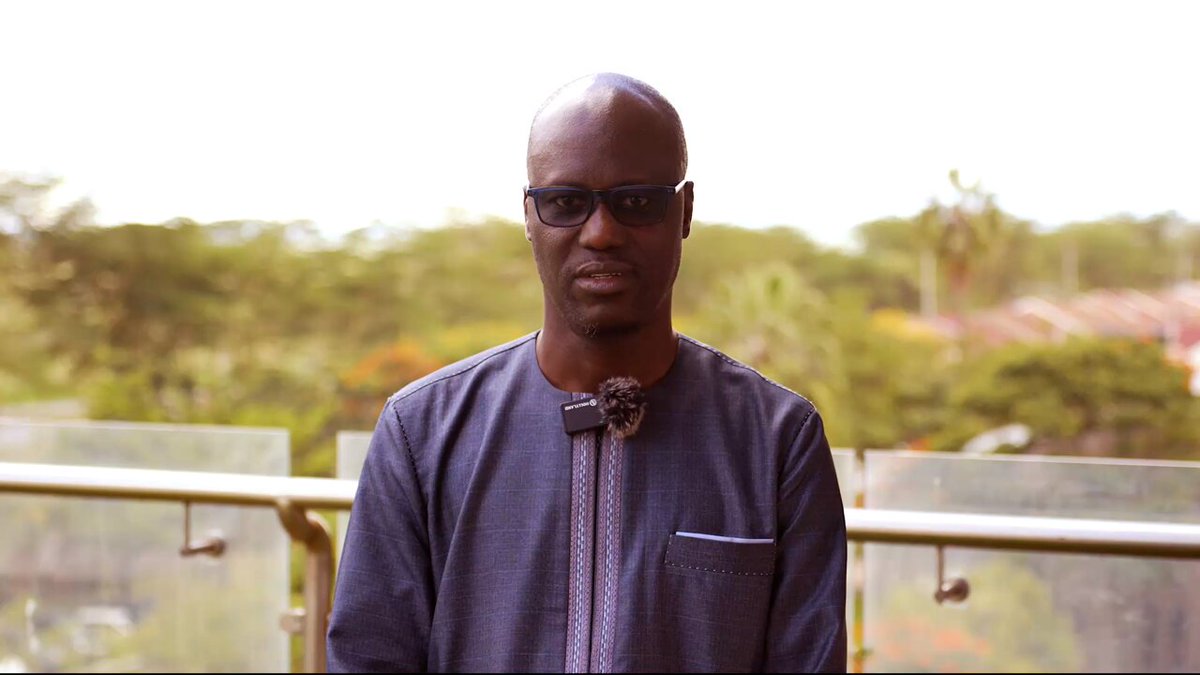
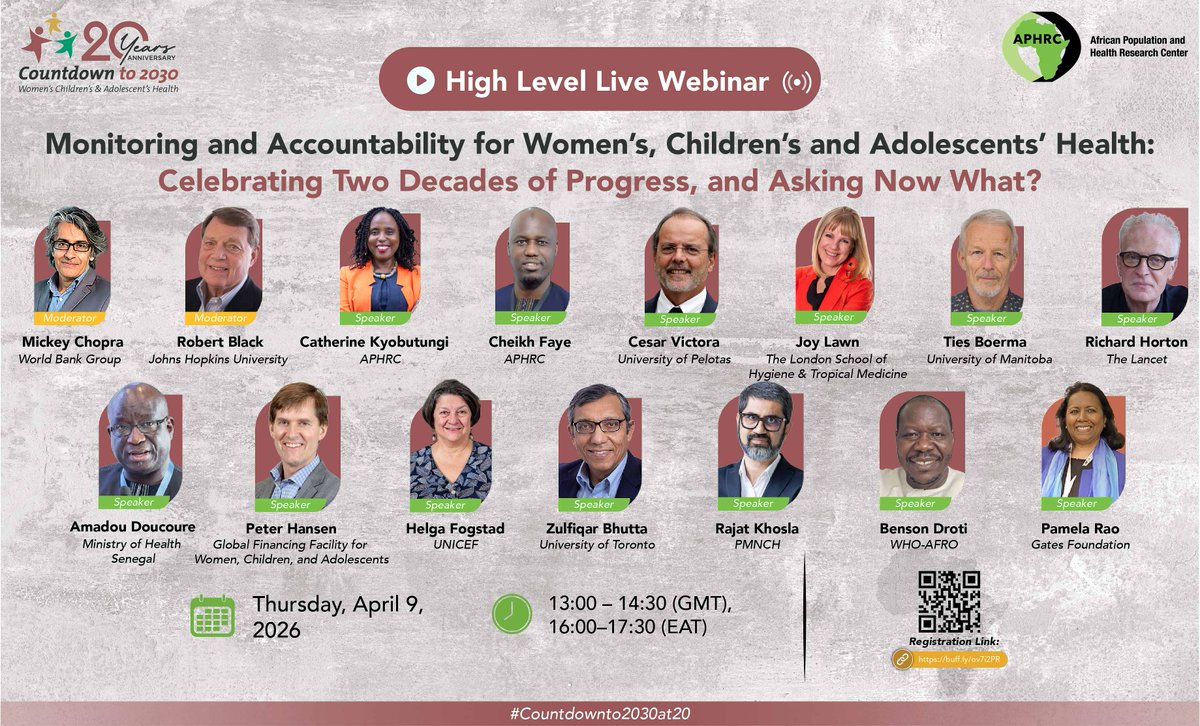
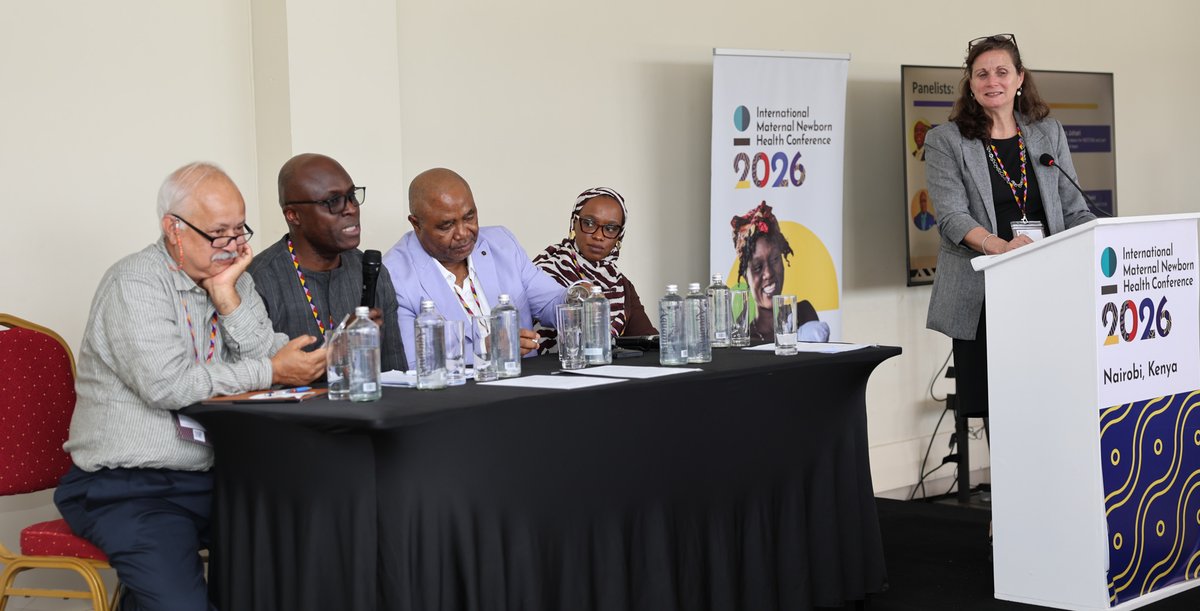

This year's #Countdownto2030 Country Annual Meeting will convene teams from 36 African countries to strengthen country-led analysis and advance the use of data to improve the health of women, children, and adolescents.
Learn more 👉 buff.ly/FQAdFGB
@aphrc @FMoHealth
4
7
245
Sobering updates on the health of children under age five. Stalled progress in reducing neonatal mortality.

Preterm births remain the #1 cause of under-five child deaths globally, followed by lower respiratory infections, birth-related causes, and malaria. Crucial data gaps remain the countries with highest mortality burden. Learn more: tinyurl.com/596bb3wy
2
55
Data alone doesn’t save lives. Action does.
We're strengthening the capacity of 30 African countries to translate evidence into policies, investments, and accountability measures that improve the health of women, children, and adolescents.
More👉buff.ly/WCVSLIX
@aphrc
3
4
206
Countdown to 2030 retweeted

Jun 7
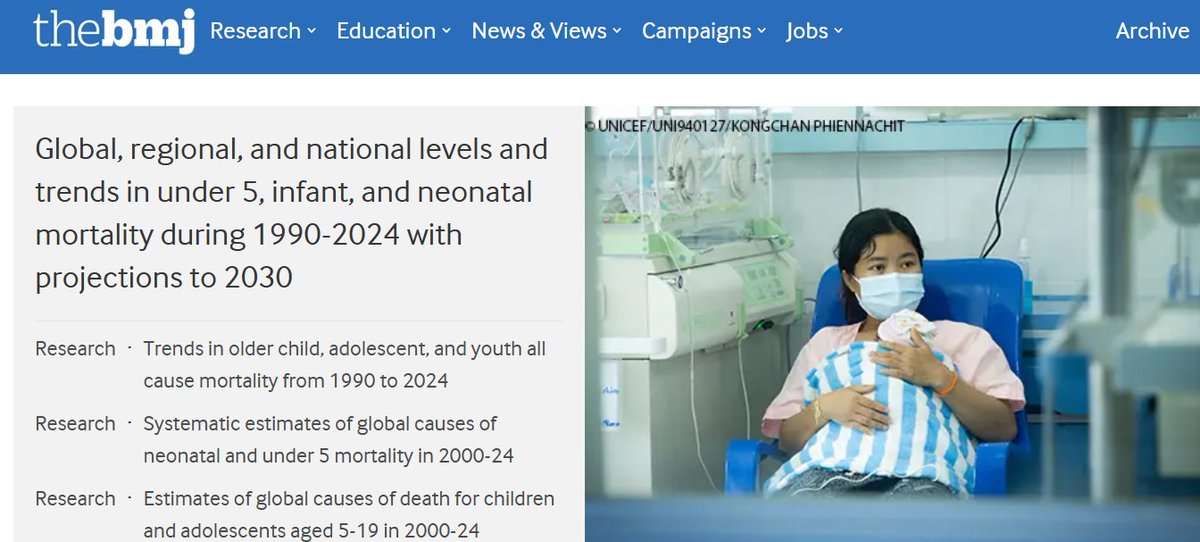
Since 2015, the rate of decline in mortality rates in newborn babies, children under 5 years old, older children, & adolescents has slowed substantially, finds a series of papers. This is an unfolding tragedy.
Read the package
bmj.com/content/393/bmj-2025…
@UNICEF @WHO @JohnsHopkins
1
12
16
2,987
Crucial information for advancing the health of older children and adolescents, from colleagues @WHO @JohnsHopkinsSPH others.
🎉 Out now: updated national estimates for causes of death among children and adolescents 5-19y from 2000 to 2024. What were the leading causes? Road traffic injuries, malaria and neoplasms. Important differences emerged between 5-14 and 15-19y and region. bmj.com/content/393/bmj-2025…
1
1
70
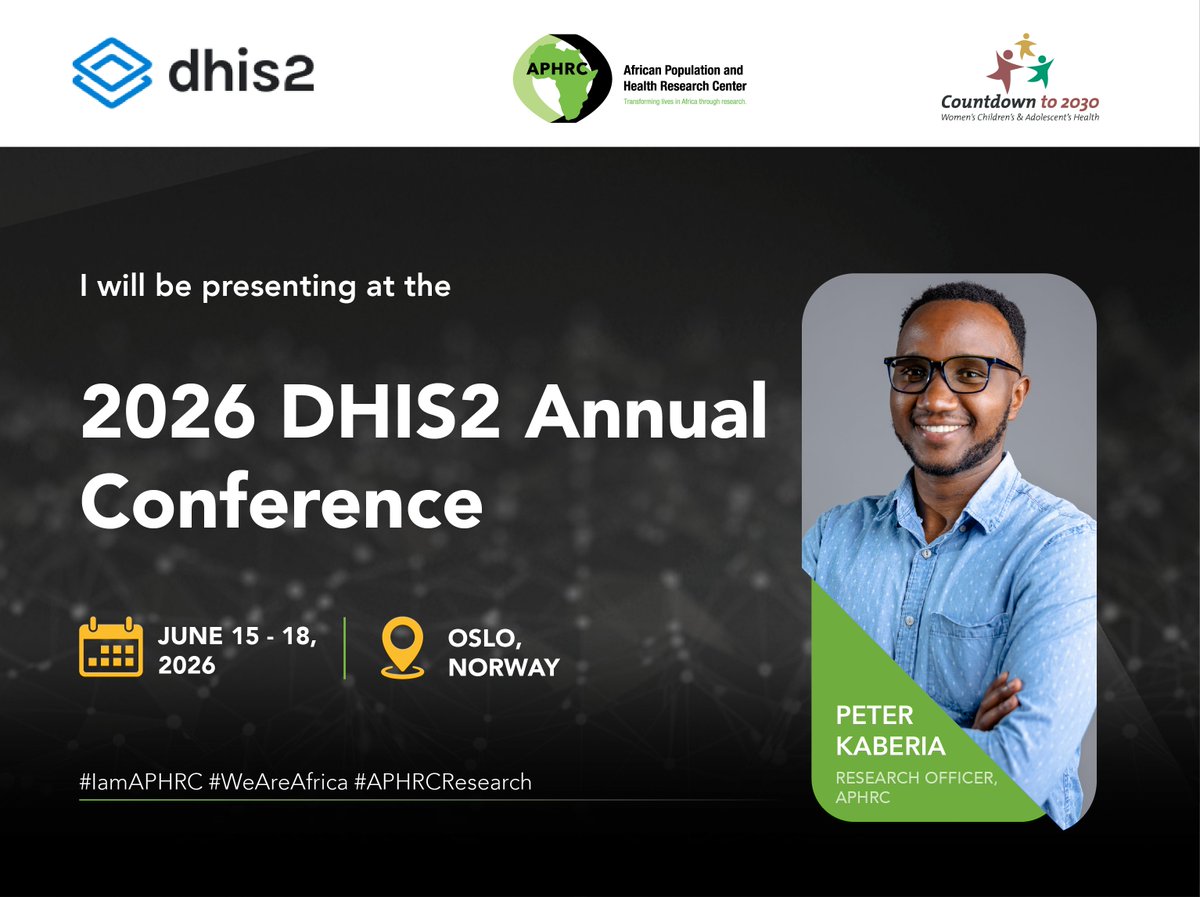
At the upcoming #2026DAC, @Countdown2030's @PeterMwenda6 will showcase the CD2030 DHIS2 Extractor, a custom-developed tool that automates DHIS2 data extraction across 34 African countries.
Learn more here: buff.ly/DFnjzZ0
@aphrc @dhis_2 @gavi @theGFF @gatesfoundation
2
4
263
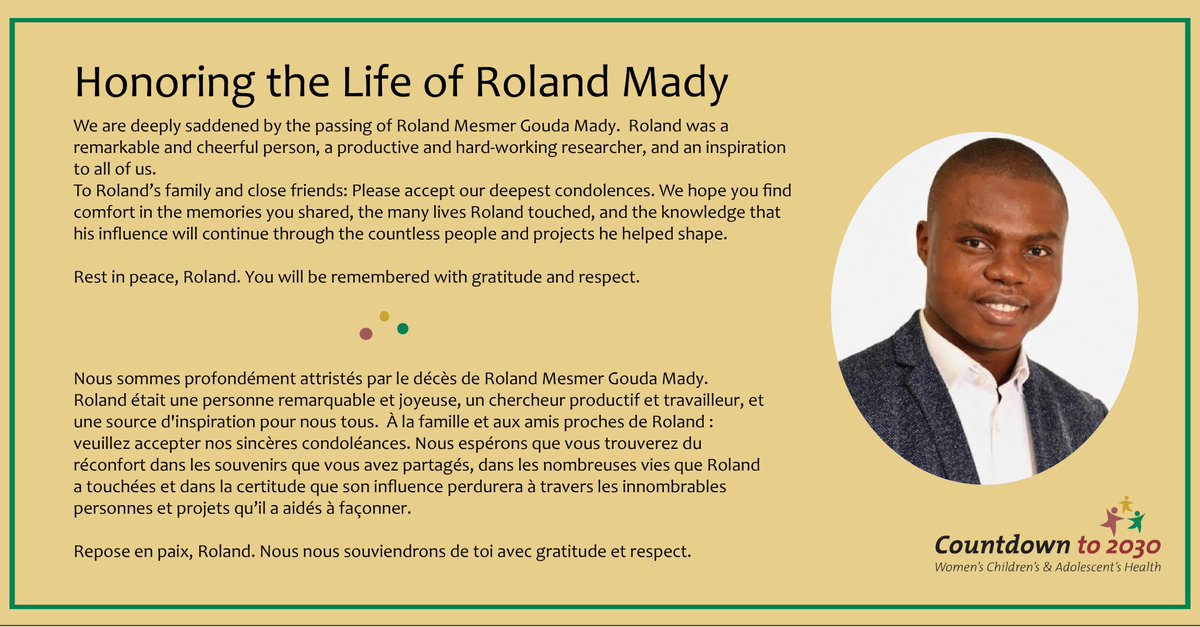
We are mourning a remarkable colleague. Read more about Roland's life & work: tinyurl.com/ybr244k2
@aphrc @JohnsHopkinsIH
1
297

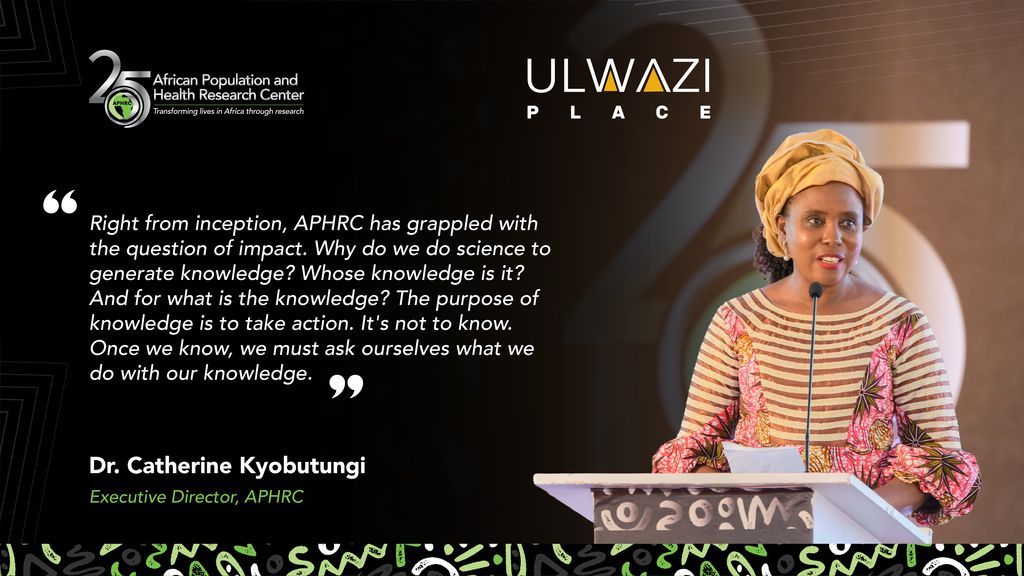
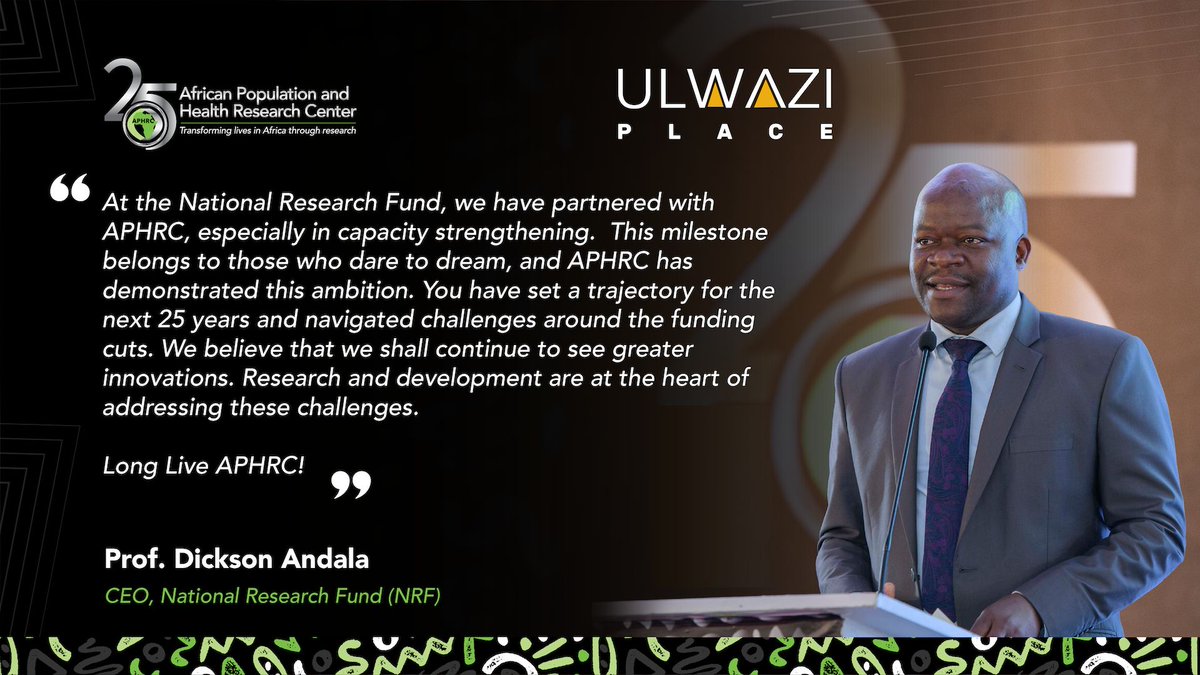
#APHRCis25!
While speaking at the celebrations, APHRC’s Executive Director, Dr. @CKyobutungi, underscored: “African scientists can do good science and make it count for the people of Africa. A good knowledge system is the foundation upon which we can build sovereignty. I don't think we can have health without a system, and so as we celebrate this moment, we are reaffirming our commitment to a strong African system made up of producers like us, scientists, researchers, academics and users across the board.”
#25YearsOfImpact #25YearsOfAPHRC #IamAPHRC
@CARTAfrica @Countdown2030 @Zero_Hunger_Ke @amveyange @CKyobutungi @DMdiarafa @RatemoJuliet @williamsila @MangwanaVJ @deborahndlovu @ndonyesarah @DorcasOdhiambo @FlorahKarimi @Waithaka_KE @Chris_Maero @dia_diama @ChristineGer22 @Hope_shete @MuliDavis @Wekesah @CharityWaweru @Waithaka_KE @isabelmutuku1 @Liz_Kimani @cwkabiru @agnes_kiragga @njerimbuthia
22
32
511
APHRCis25! 🎉
What an inspiring day it has been celebrating APHRC’s 25th anniversary 🎉
Today was a reminder of how far APHRC, and its influence in transforming lives across Africa.
#25YearsOfImpact #25YearsOfAPHRC #IamAPHRC
@CARTAfrica @Countdown2030 @Zero_Hunger_Ke @amveyange @CKyobutungi @DMdiarafa @RatemoJuliet @williamsila @MangwanaVJ @deborahndlovu @ndonyesarah @DorcasOdhiambo @FlorahKarimi @Waithaka_KE @Chris_Maero @dia_diama @ChristineGer22 @Hope_shete @MuliDavis @Wekesah @CharityWaweru @Waithaka_KE @isabelmutuku1 @Liz_Kimani @cwkabiru @agnes_kiragga @njerimbuthia
16
24
539
#APHRCis25!
For 25 years, African Population and Health Research Center has been doing a lot to transform lives in Africa. 🎉
Yesterday, we came together to celebrate this incredible milestone and reflect on the impact made possible through collaboration, innovation, and commitment to improving wellbeing across the continent.
Watch the video to hear from #IamAPHRC voices on what 25 years of impact look like.
25YearsOfImpact #25YearsOfAPHRC #IamAPHRC
@CARTAfrica @Countdown2030 @Zero_Hunger_Ke @amveyange @CKyobutungi @DMdiarafa @RatemoJuliet @williamsila @MangwanaVJ @deborahndlovu @ndonyesarah @DorcasOdhiambo @FlorahKarimi @Waithaka_KE @Chris_Maero @dia_diama @ChristineGer22 @Hope_shete @MuliDavis @Wekesah @CharityWaweru @Waithaka_KE @isabelmutuku1 @Liz_Kimani @cwkabiru @agnes_kiragga @njerimbuthia
20
33
952
#APHRCis25
Our 25th Anniversary celebration and the grand opening of Ulwazi II Knowledge Hub was a special moment.
It was exciting to reflect on the journey, celebrate the milestones and the people behind the work, and look ahead to the future.
Here’s a recap of some of the memorable moments, conversations, and highlights from the celebration 🎉✨
📹️ Watch the video to see more: buff.ly/Q1iGdiz
#25YearsOfImpact #25YearsOfAPHRC #IamAPHRC
@CARTAfrica @Countdown2030 @Zero_Hunger_Ke @amveyange @CKyobutungi @DMdiarafa @RatemoJuliet @williamsila @MangwanaVJ @deborahndlovu @ndonyesarah @DorcasOdhiambo @FlorahKarimi @Waithaka_KE @Chris_Maero @dia_diama @ChristineGer22 @Hope_shete @MuliDavis @Wekesah @CharityWaweru @Waithaka_KE @isabelmutuku1 @Liz_Kimani @cwkabiru @agnes_kiragga
12
21
668
#APHRCis25!
What an incredible celebration it has been 🎉
As we officially commemorated 25 years of APHRC and launched the Ulwazi Place, Knowledge Hub, we would like to extend our appreciation to everyone who joined us to celebrate this remarkable milestone.
Thank you for walking this journey with us, supporting us, and believing in the power of African-led evidence to transform lives across the continent.
The celebrations and the journey continue.
#25YearsOfImpact #25YearsOfAPHRC #IamAPHRC
@CARTAfrica @Countdown2030 @Zero_Hunger_Ke @amveyange @CKyobutungi @DMdiarafa @RatemoJuliet @williamsila @MangwanaVJ @deborahndlovu @ndonyesarah @DorcasOdhiambo @FlorahKarimi @Waithaka_KE @Chris_Maero @dia_diama @ChristineGer22 @Hope_shete @MuliDavis @Wekesah @CharityWaweru @Waithaka_KE @isabelmutuku1 @Liz_Kimani @cwkabiru @agnes_kiragga @njerimbuthia
16
24
772
#APHRCis25
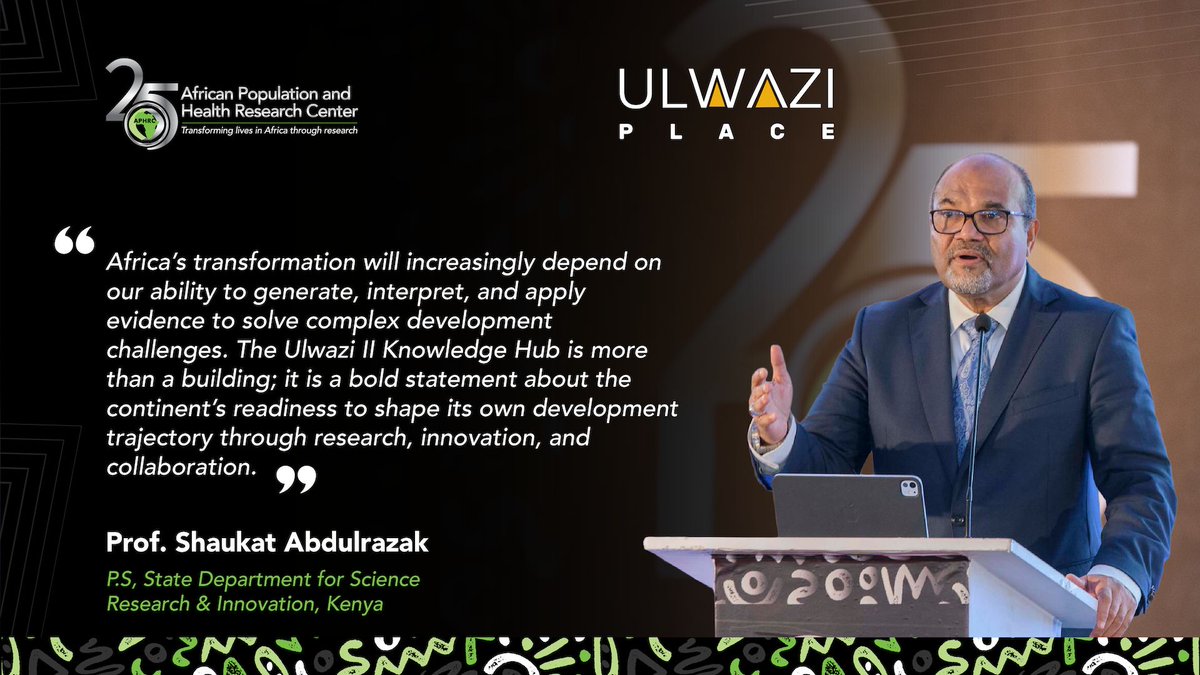
Speaking during the #APHRC@25 celebrations and Launch of Ulwazi II, Prof. Shaukat Abdulrazak emphasized that as governments confront emerging challenges ranging from climate change and food insecurity to digital transformation and public health, institutions such as APHRC will play an even more critical role in ensuring policy decisions are grounded in credible, timely, and locally generated knowledge.
#25YearsOfImpact #25YearsOfAPHRC #IamAPHRC
@CARTAfrica @Countdown2030 @Zero_Hunger_Ke @amveyange @CKyobutungi @DMdiarafa @RatemoJuliet @williamsila @MangwanaVJ @deborahndlovu @ndonyesarah @DorcasOdhiambo @FlorahKarimi @Waithaka_KE @Chris_Maero @dia_diama @ChristineGer22 @Hope_shete @MuliDavis @Wekesah @CharityWaweru @Waithaka_KE @isabelmutuku1 @Liz_Kimani @cwkabiru @agnes_kiragga @njerimbuthia
14
21
492
#APHRCis25
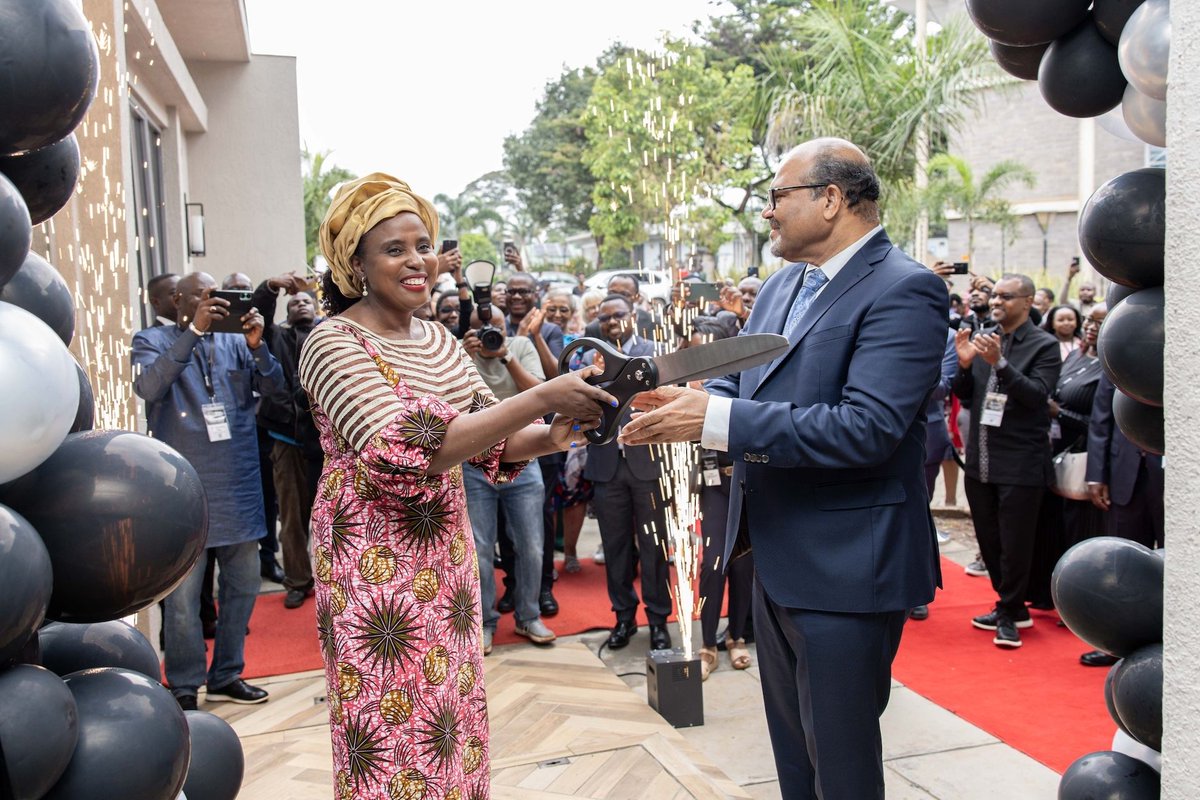
🎉 We have just launched Ulwazi II Knowledge Hub
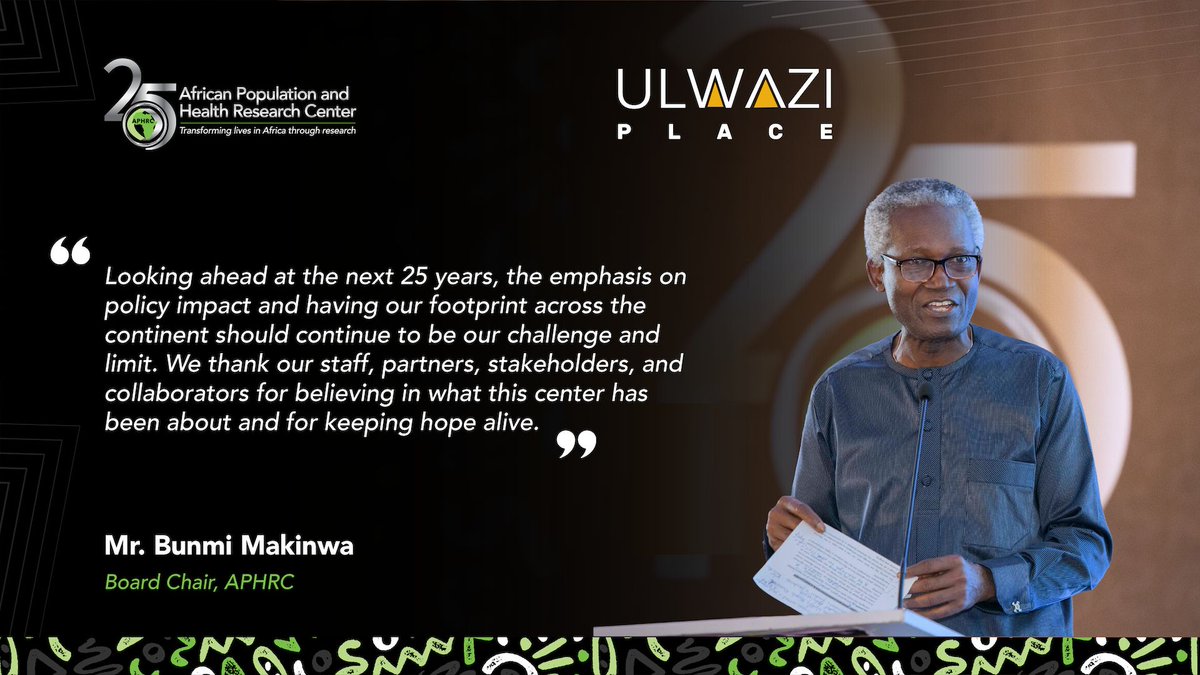
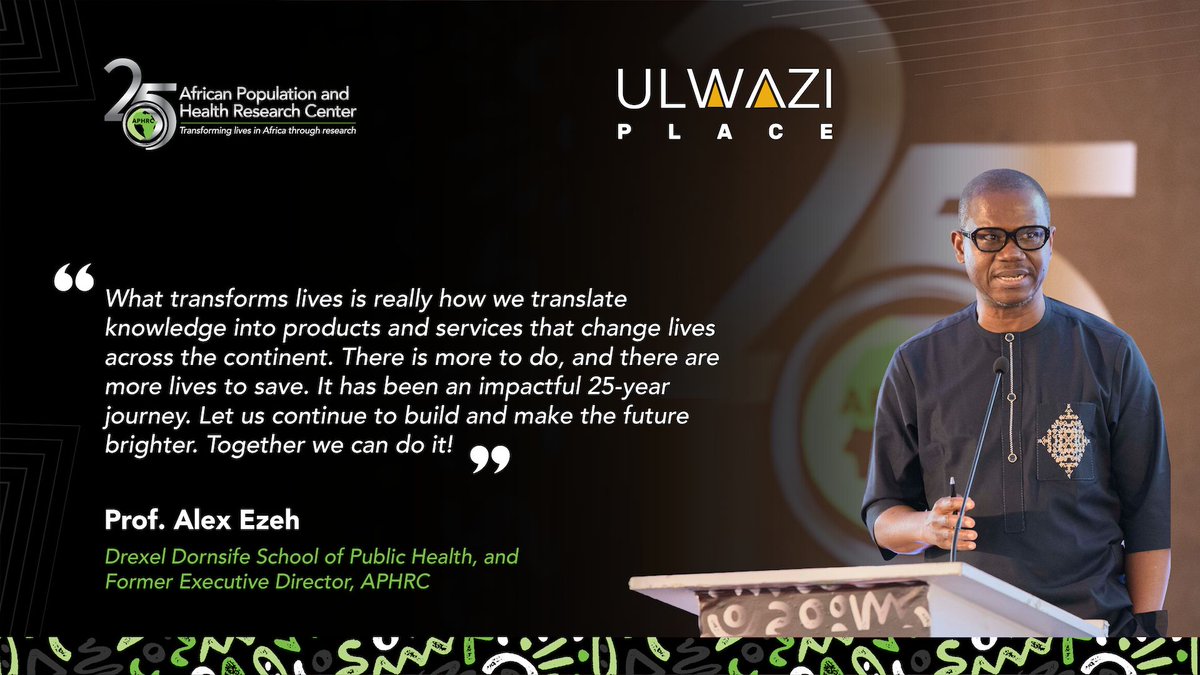
🥁 Today marks a major milestone as APHRC celebrates its Silver Jubilee. The grand opening of Ulwazi II has been presided over by the Chief Guest, Prof. Shaukat Abdulrazak-P.S State Department for Science Research and Innovation accompanied by #IamAPHRC’s Executive Director, Catherine Kyobutungi, Board Chair, Bunmi Makinwa, and other partners from across the Africa development sector.
The newly launched Ulwazi II is an ultra-modern knowledge hub designed to foster learning, collaboration, innovation, and knowledge exchange, creating a dynamic space for researchers, policymakers, partners, and communities to connect and shape solutions for Africa.
This milestone is not only a celebration of APHRC’s 25-year journey of impact, but also a bold step towards strengthening Africa’s knowledge systems and advancing evidence-driven transformation across the continent.
#25YearsOfImpact #25YearsOfAPHRC #IamAPHRC
@CARTAfrica @Countdown2030 @Zero_Hunger_Ke @amveyange @CKyobutungi @DMdiarafa @RatemoJuliet @williamsila @MangwanaVJ @deborahndlovu @ndonyesarah @DorcasOdhiambo @FlorahKarimi @Waithaka_KE @Chris_Maero @dia_diama @ChristineGer22 @Hope_shete @MuliDavis @Wekesah @CharityWaweru @Waithaka_KE @isabelmutuku1 @Liz_Kimani @cwkabiru @agnes_kiragga @njerimbuthia

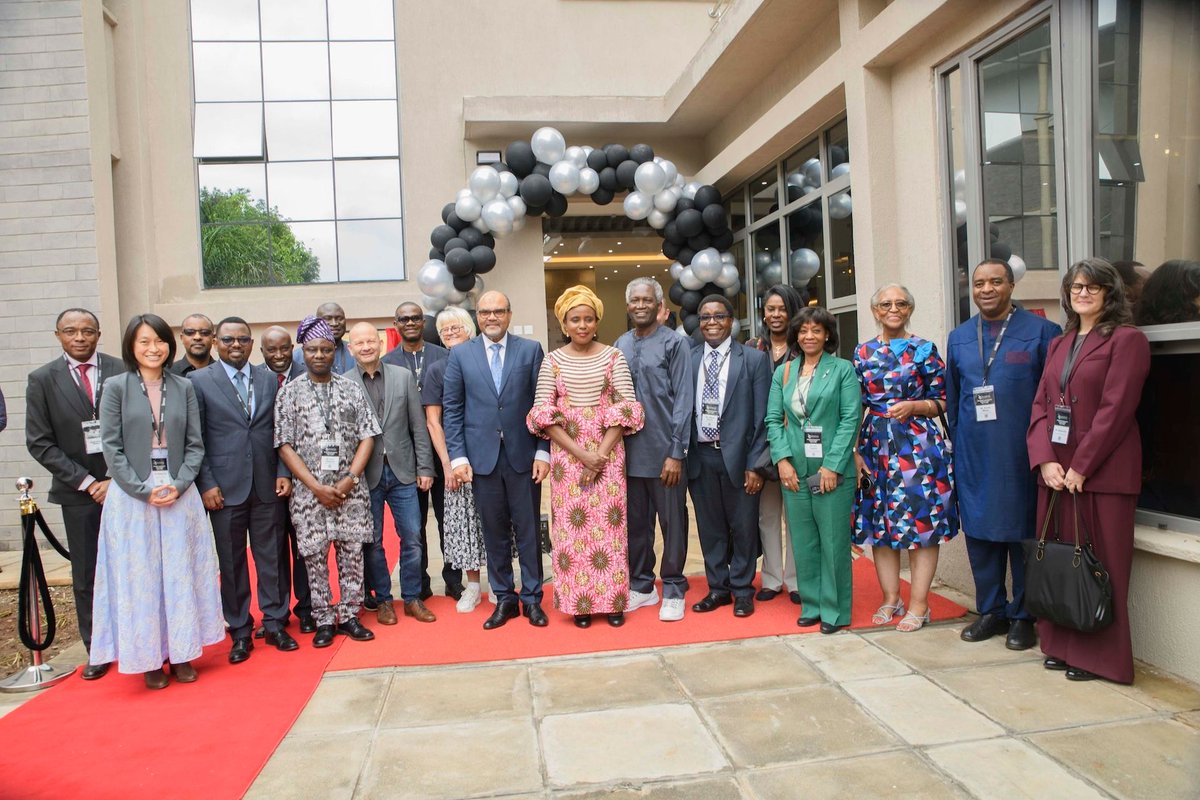
2
35
46
1,362
#APHRCis25!
The staff showcase session today provided an opportunity to reflect on the depth, diversity and ambition of APHRC's work, highlighting the critical roles of Research, Research and Related Capacity Strengthening, Policy Engagement and Communication and Operations over the last 25 years.
#25YearsOfImpact #25YearsOfAPHRC #IamAPHRC
@alvinkimy @MNgware @LucyWakiaga @Kilichobaki @MoituiNtenga @atiabu @kadzomudzo @DMdiarafa
@amveyange @CKyobutungi @Mulidavis @RatemoJuliet @williamsila @DorcasOdhiambo @deborahndlovu @ndonyesarah @Chris_Maero @FlorahKarimi @Liz_Kimani @deekagwii @dia_diama @maloba_david93 @mickarkey @CarolWainaina78 @CwKabiru @kabariac @BlessingMberu @chumo_ivy

16
23
626
Ahead of our big day and as part of APHRC’s Silver Jubilee celebrations, we’ve kicked things off with an exciting showcase where staff are sharing insights from their respective areas of work and how they contribute to our vision of transforming lives in Africa through research.
From research and policy engagement to communications, partnerships, and operations, the showcase is a powerful reminder that impact is built collectively.
Follow along for more updates
#25YearsOfImpact #25YearsOfAPHRC #UlwaziPlace
@CARTAfrica @Countdown2030 @Zero_Hunger_Ke @amveyange @CKyobutungi @DMdiarafa @RatemoJuliet @williamsila @MangwanaVJ @deborahndlovu @ndonyesarah @DorcasOdhiambo @FlorahKarimi @Waithaka_KE @Chris_Maero @dia_diama @ChristineGer22 @Hope_shete @MuliDavis @Wekesah @CharityWaweru @Waithaka_KE @isabelmutuku1 @Liz_Kimani @cwkabiru @agnes_kiragga @njerimbuthia
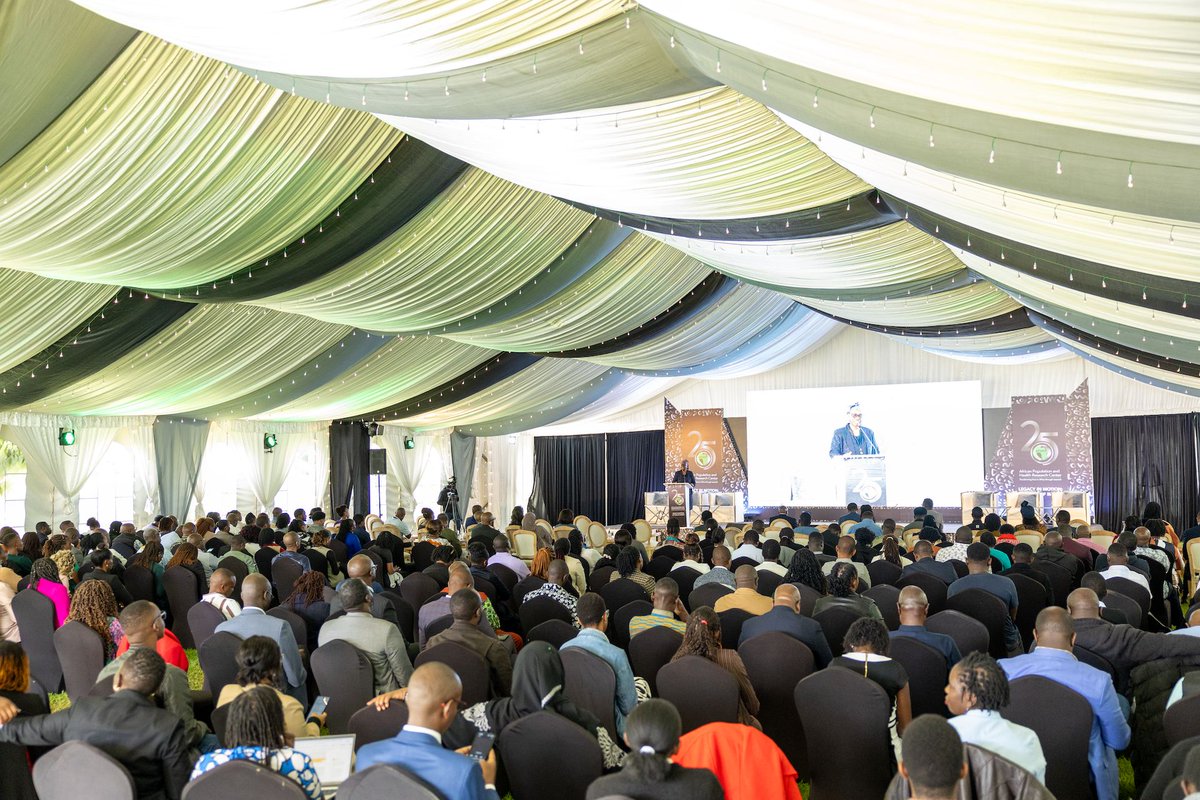
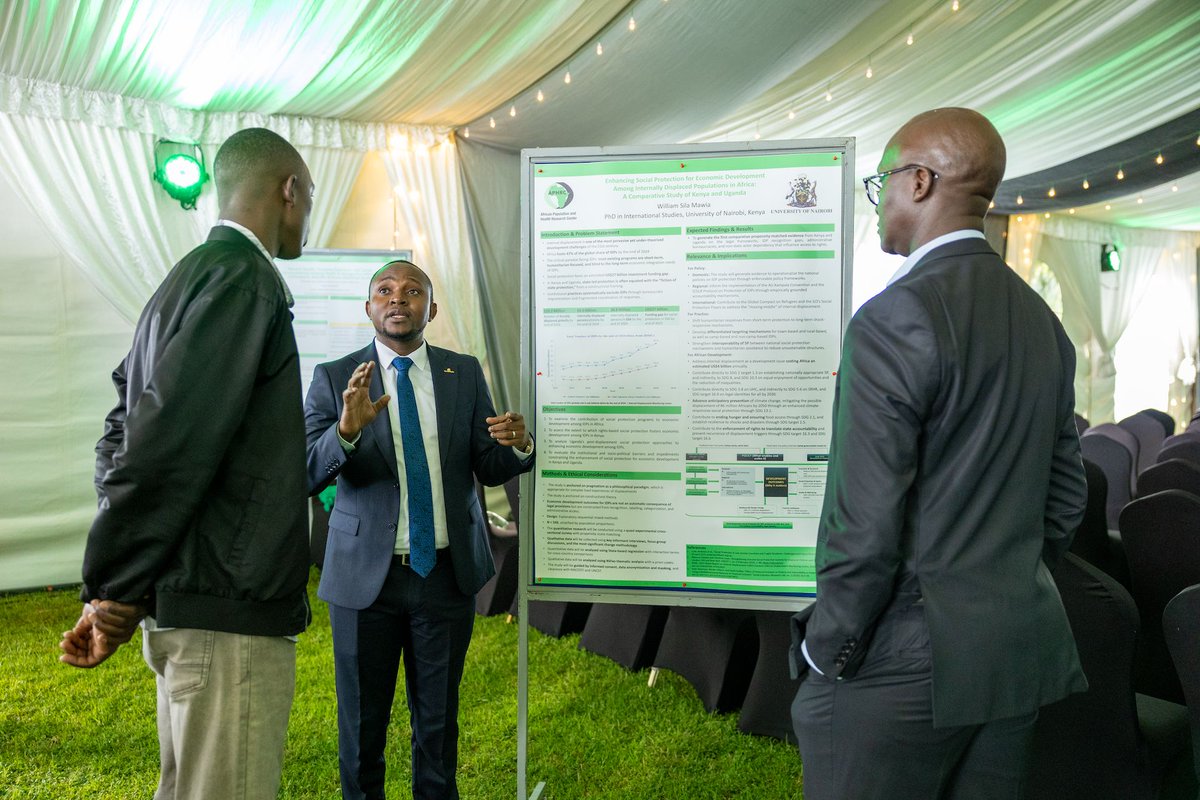
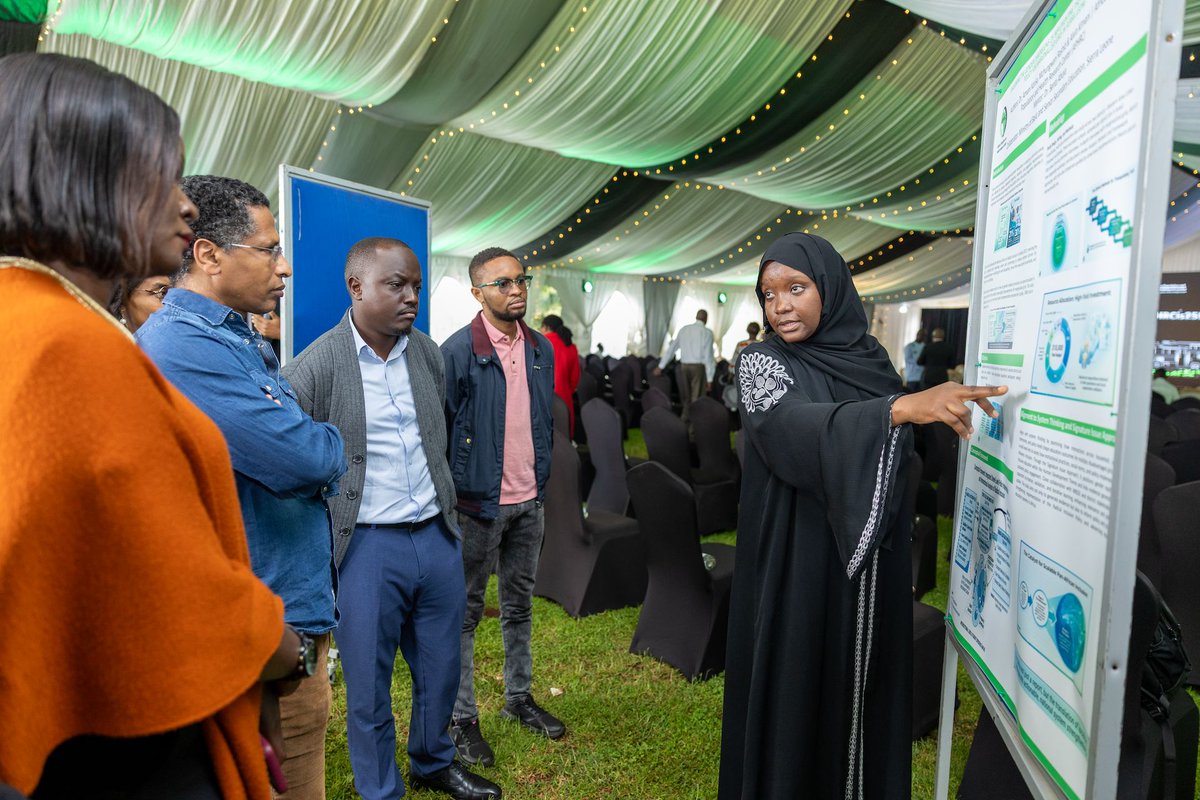
21
30
586
#APHRCis25!
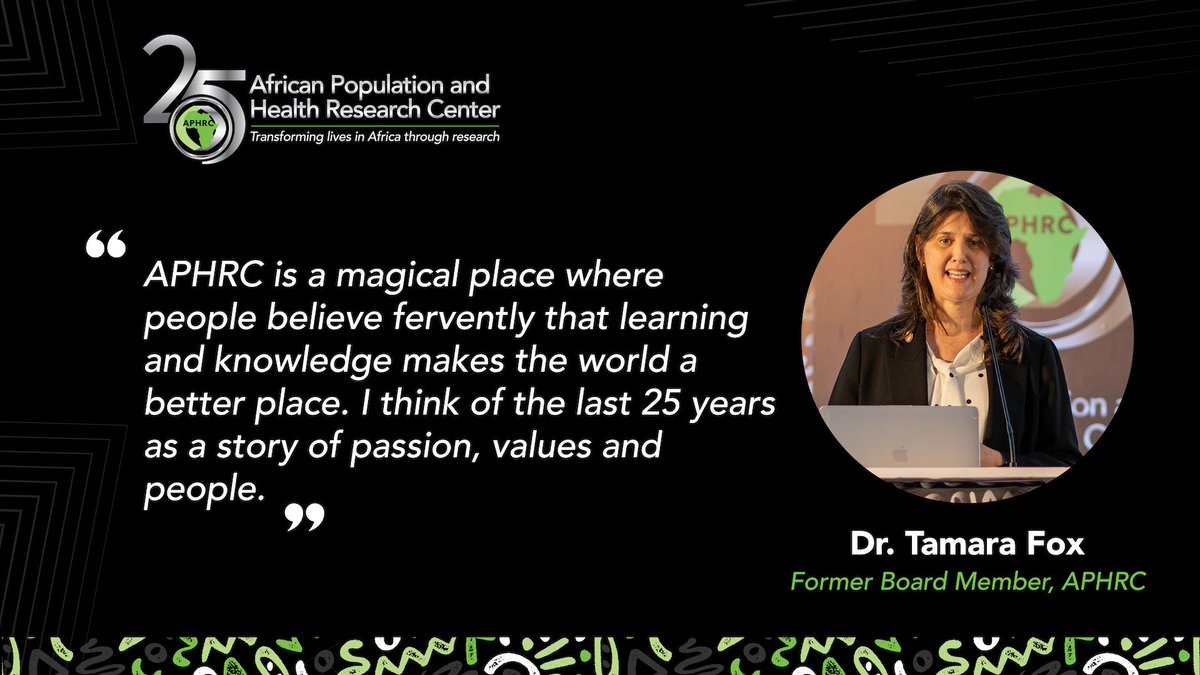
In her remarks, Tamara Fox, former APHRC board member, emphasized that the people at APHRC deeply embody its values. “There is a contagious passion and shared commitment to doing work that transforms lives across Africa,” she added.
#25YearsOfImpact #25YearsOfAPHRC #IamAPHRC
@CARTAfrica @Countdown2030 @Zero_Hunger_Ke @amveyange @CKyobutungi @DMdiarafa @RatemoJuliet @williamsila @MangwanaVJ @deborahndlovu @ndonyesarah @DorcasOdhiambo @FlorahKarimi @Waithaka_KE @Chris_Maero @dia_diama @ChristineGer22 @Hope_shete @MuliDavis @Wekesah @CharityWaweru @Waithaka_KE @isabelmutuku1 @Liz_Kimani @cwkabiru @agnes_kiragga @njerimbuthia
15
19
435
#APHRCis25
We are excited to share the first episode of #APHRC@25 podcast series. A conversation between #IamAPHRC’s Executive Director, Catherine Kyobutungi, and our Chief of Staff, Abdhala Ziraba.
In this vibrant discussion, the two take a walk down memory lane, reminiscing on the Center’s journey over the last 25 years, including their own career paths. The conversation also reflects on what makes APHRC peerless, from its strong foundation in African-led research to its unique role in generating evidence that shapes policy and practice across the continent.
If not us, then who? If not now, then when?!
🎥 Tune in and listen to these reflections:buff.ly/R9FACAL
#25YearsOfImpact #25YearsOfAPHRC #IamAPHRC
@CARTAfrica @Countdown2030 @Zero_Hunger_Ke @amveyange @CKyobutungi @DMdiarafa @RatemoJuliet @williamsila @MangwanaVJ @deborahndlovu @ndonyesarah @DorcasOdhiambo @FlorahKarimi @Waithaka_KE @Chris_Maero @dia_diama @ChristineGer22 @Hope_shete @MuliDavis @Wekesah @CharityWaweru @Waithaka_KE @isabelmutuku1 @Liz_Kimani @FlorahKarimi @cwkabiru @agnes_kiragga @njerimbuthia
3
6
1,401
In our April webinar, Richard Horton shared 10 key lessons learned from the global RMNCAH movement. Be sure to read the summary of his comments. Link to the webinar recording below.
May 3

"Lesson 6: We need to go beyond mortality."
Richard Horton reflects on two decades of progress in reproductive, maternal, newborn, child, and adolescent health through ten key lessons learned: spkl.io/6010AAZb6
1
36