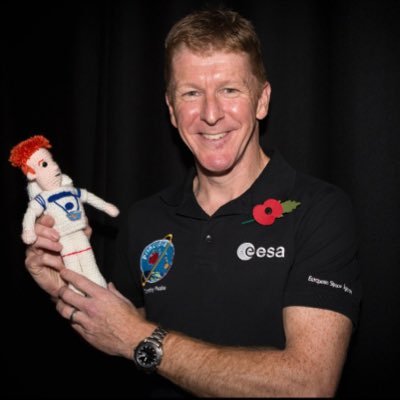
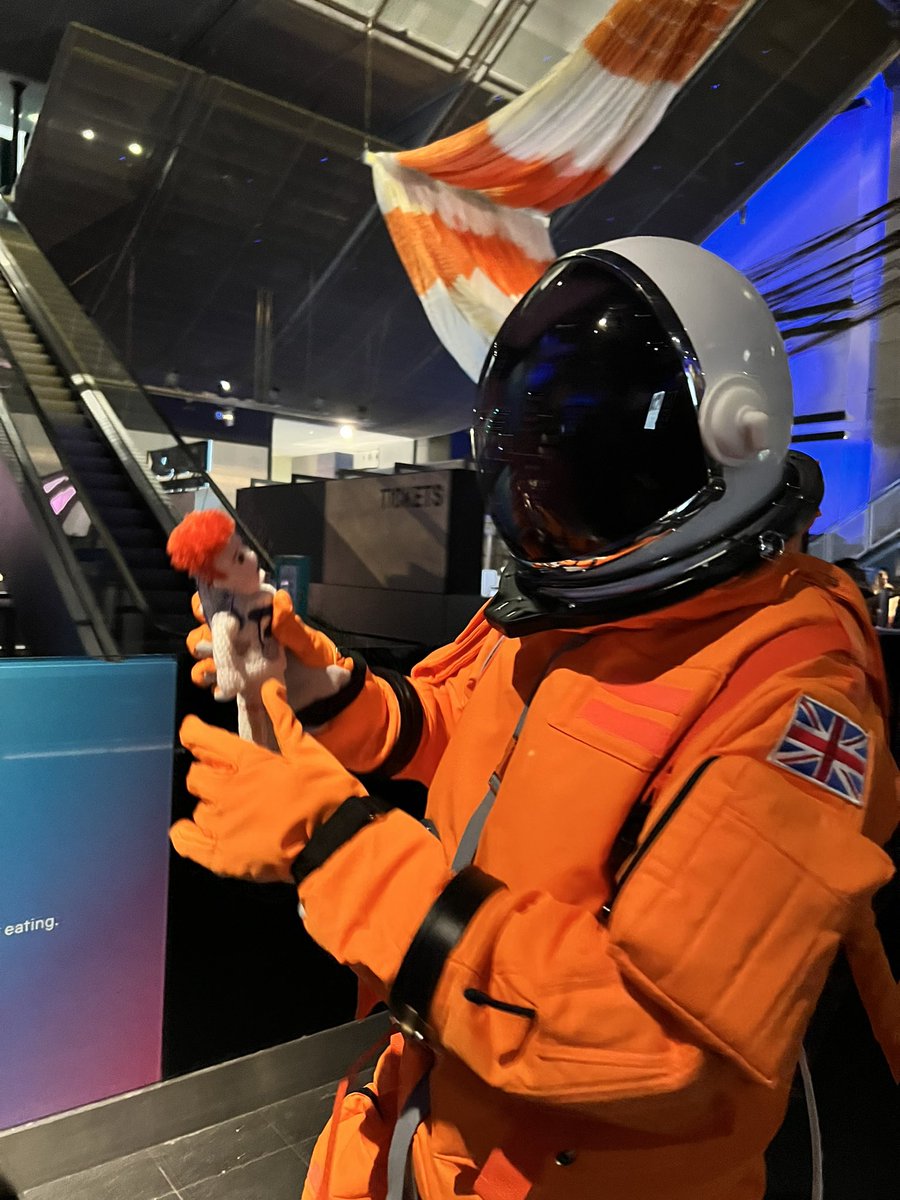
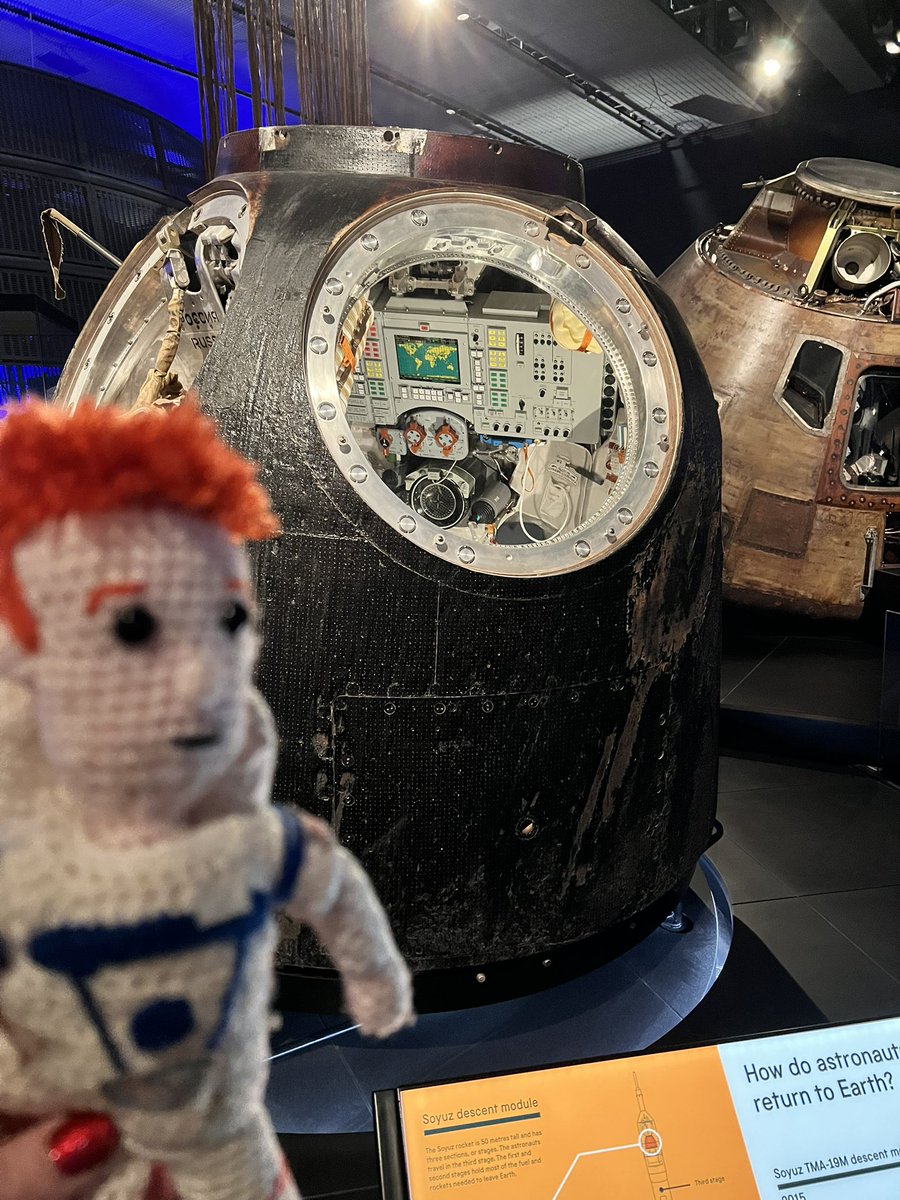
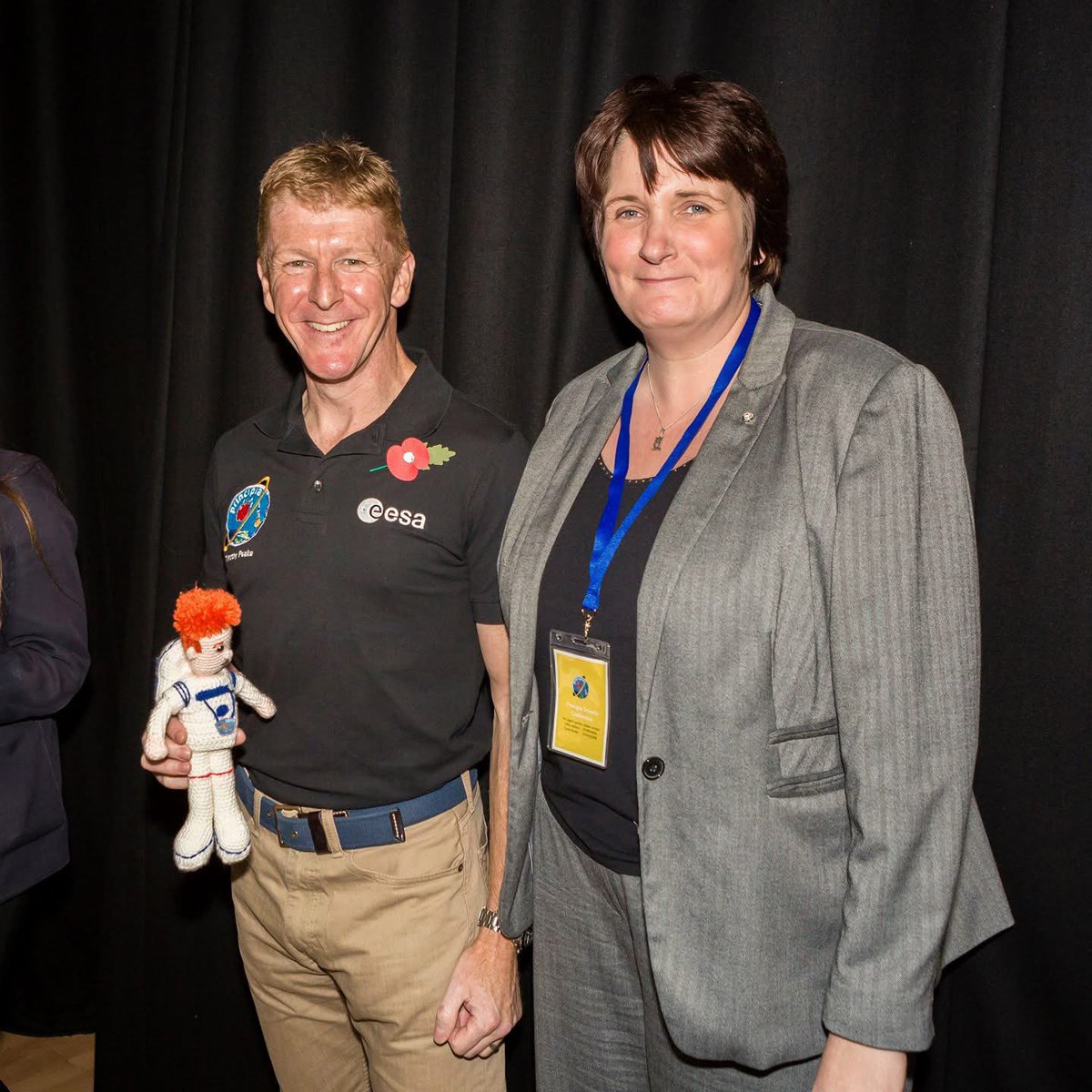
Crocheted astronaut. Unofficially supporting @astro_timpeake on #Principia mission. Usually found in the company of @mrsdenyer. Taller in real life! #STEM insta
Joined November 2016
- Tweets 2,864
- Following 446
- Followers 328
- Likes 2,798
749 Photos and videos


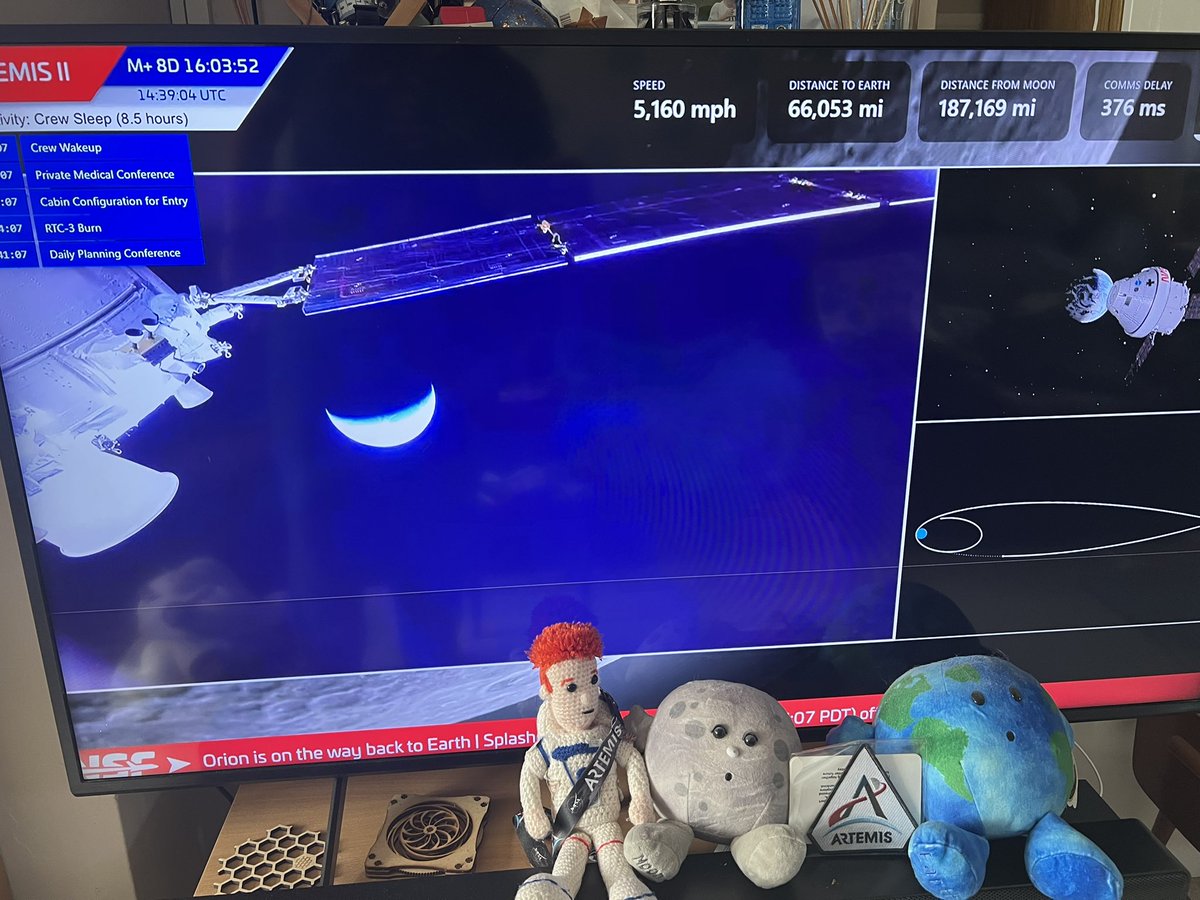
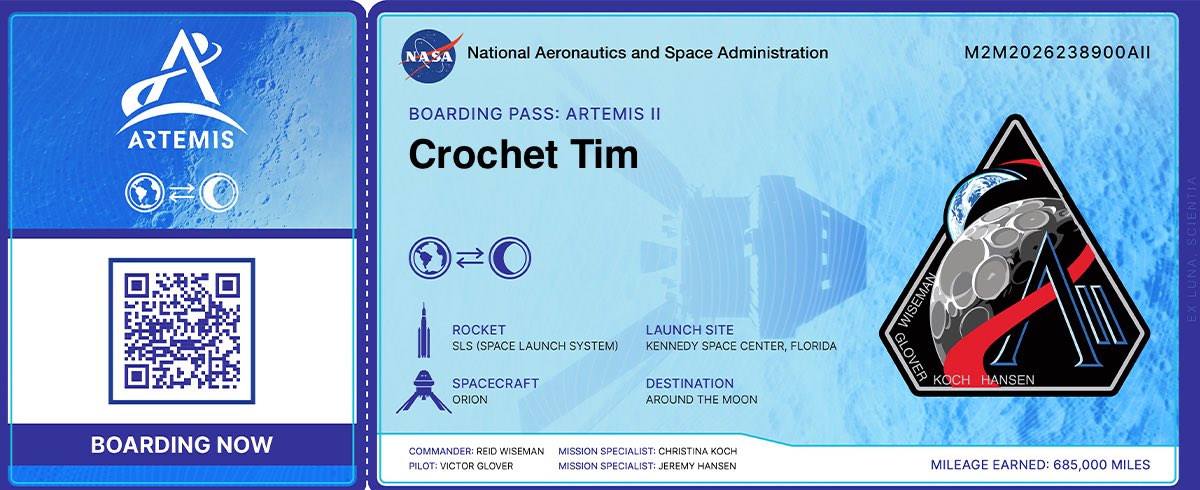
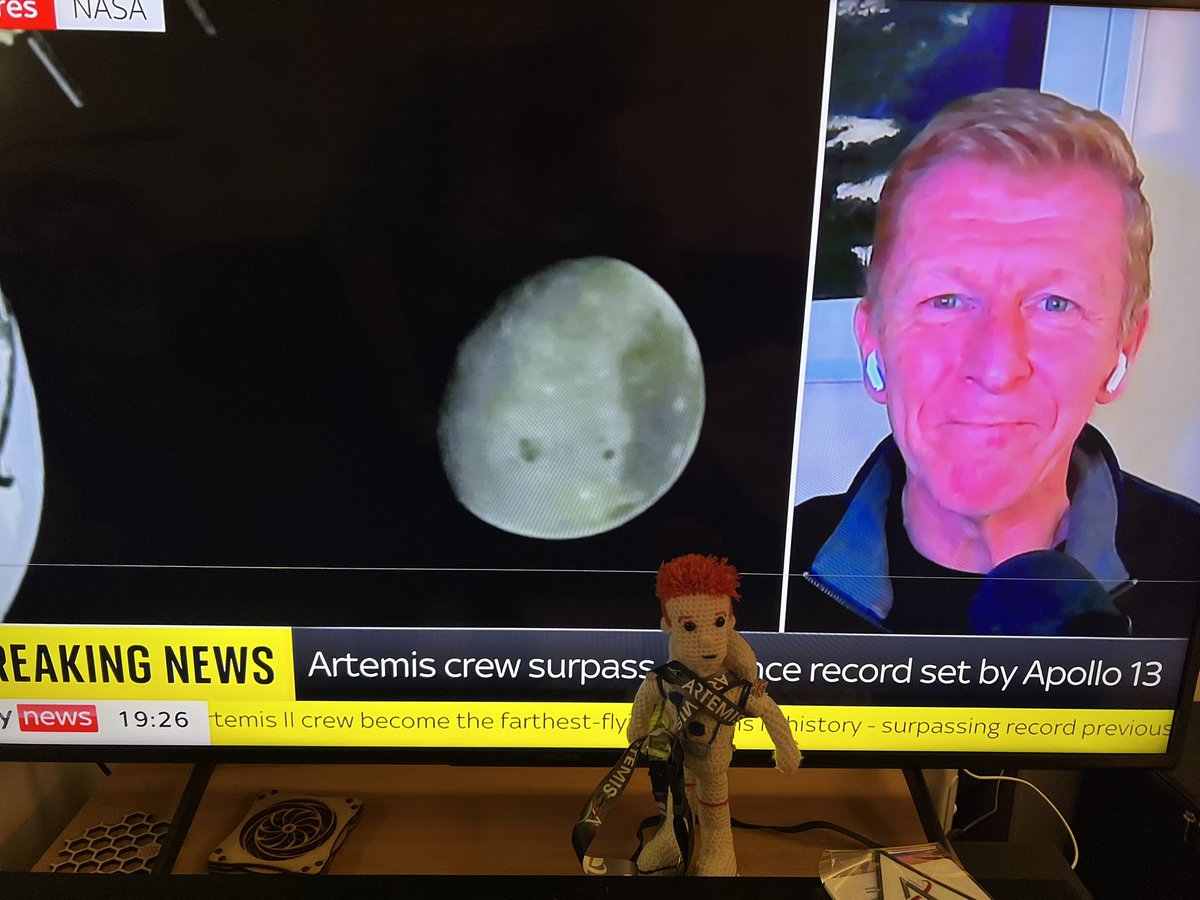
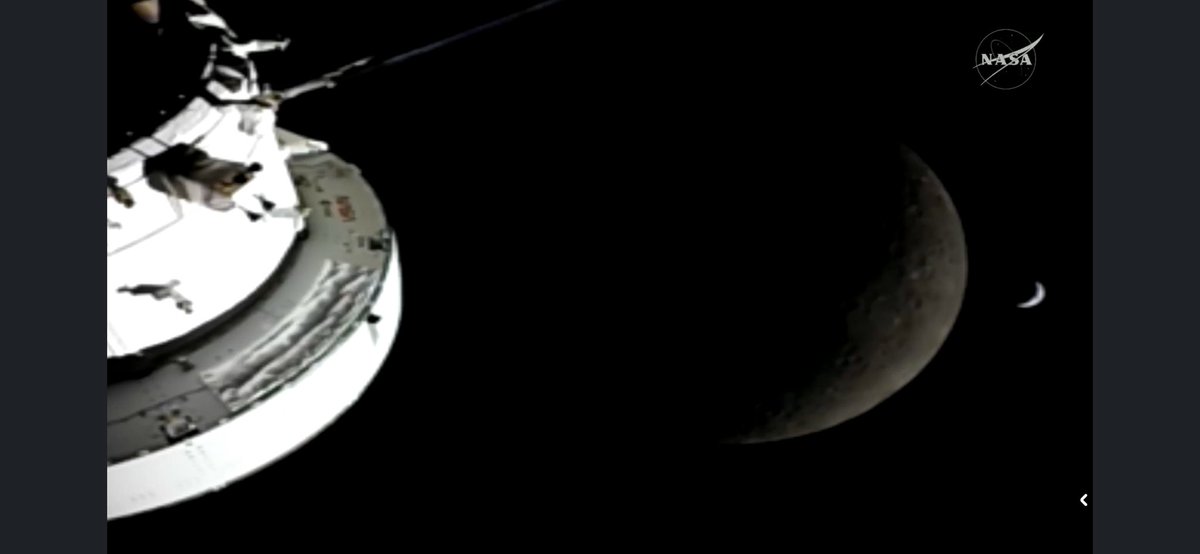
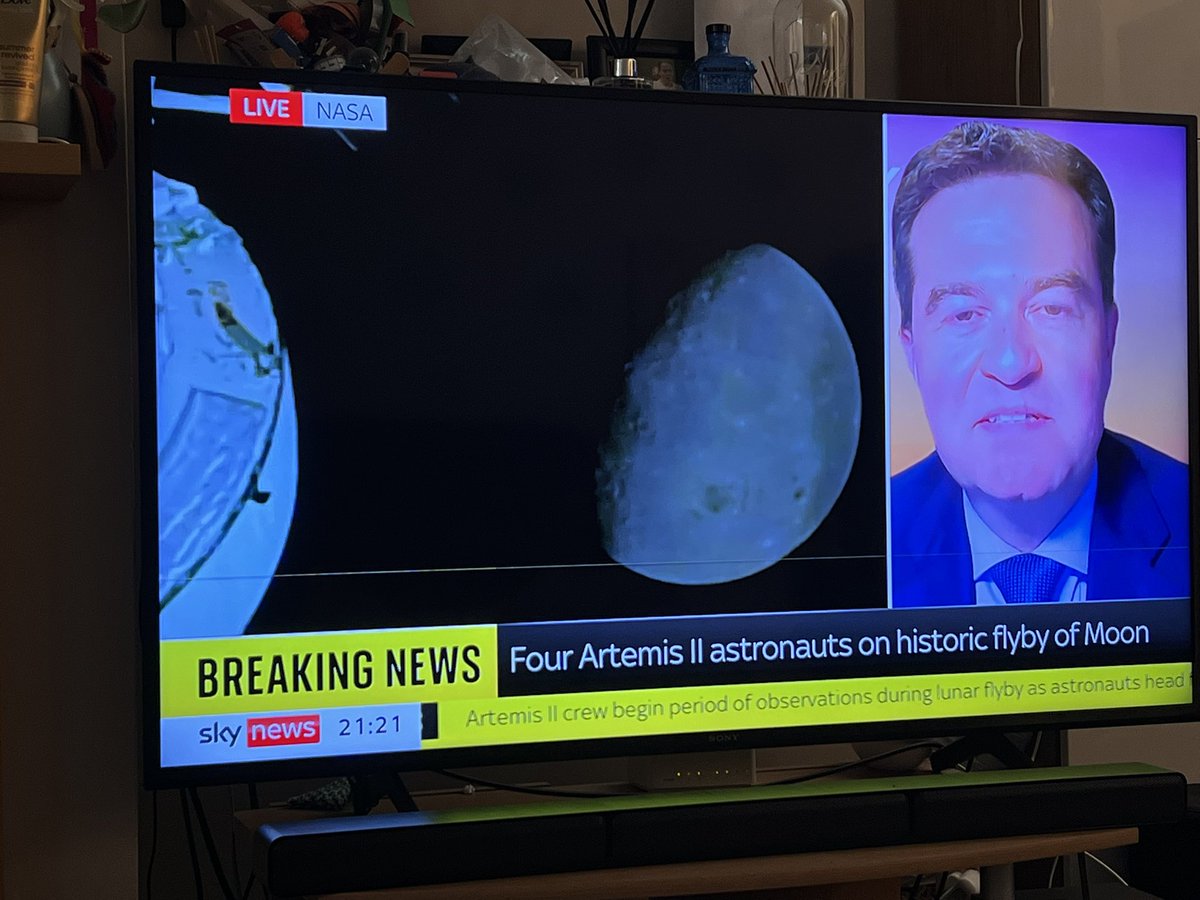
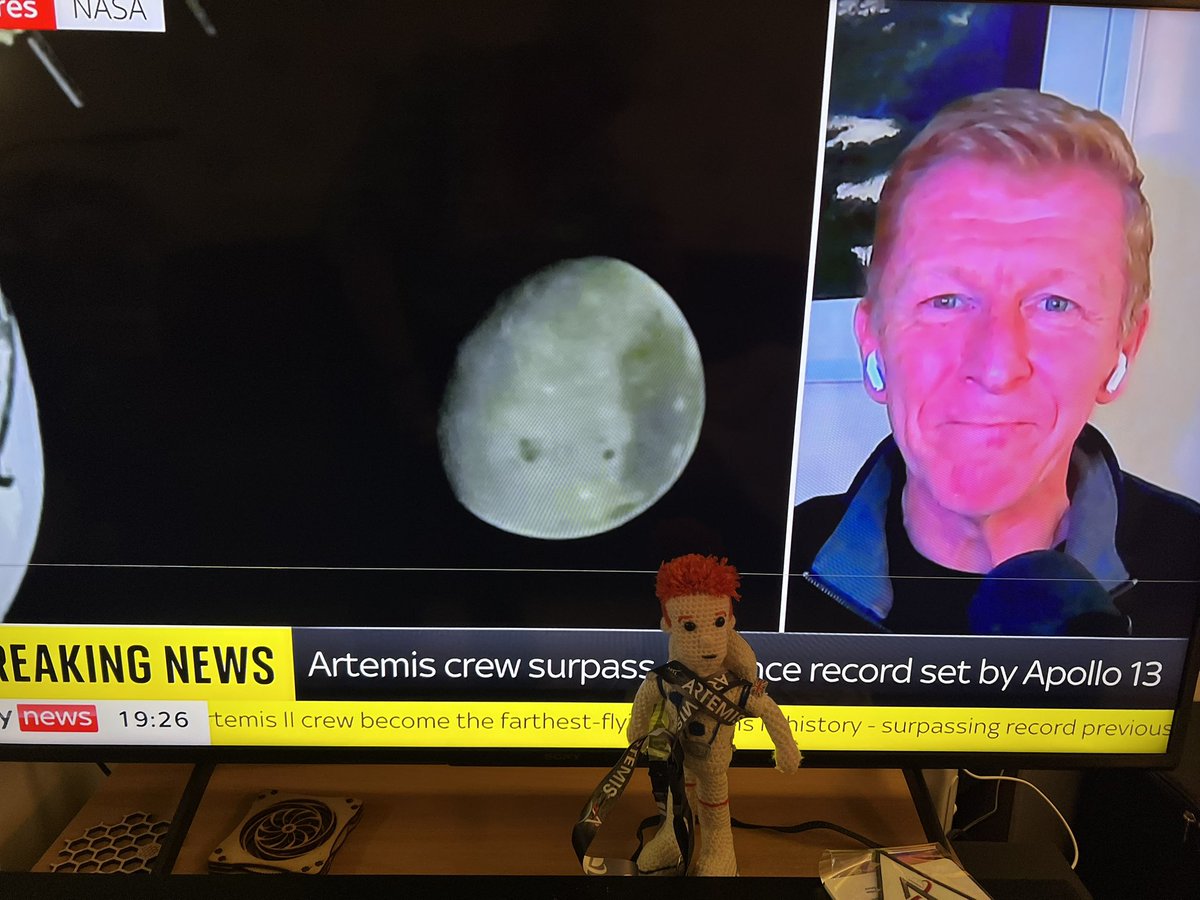
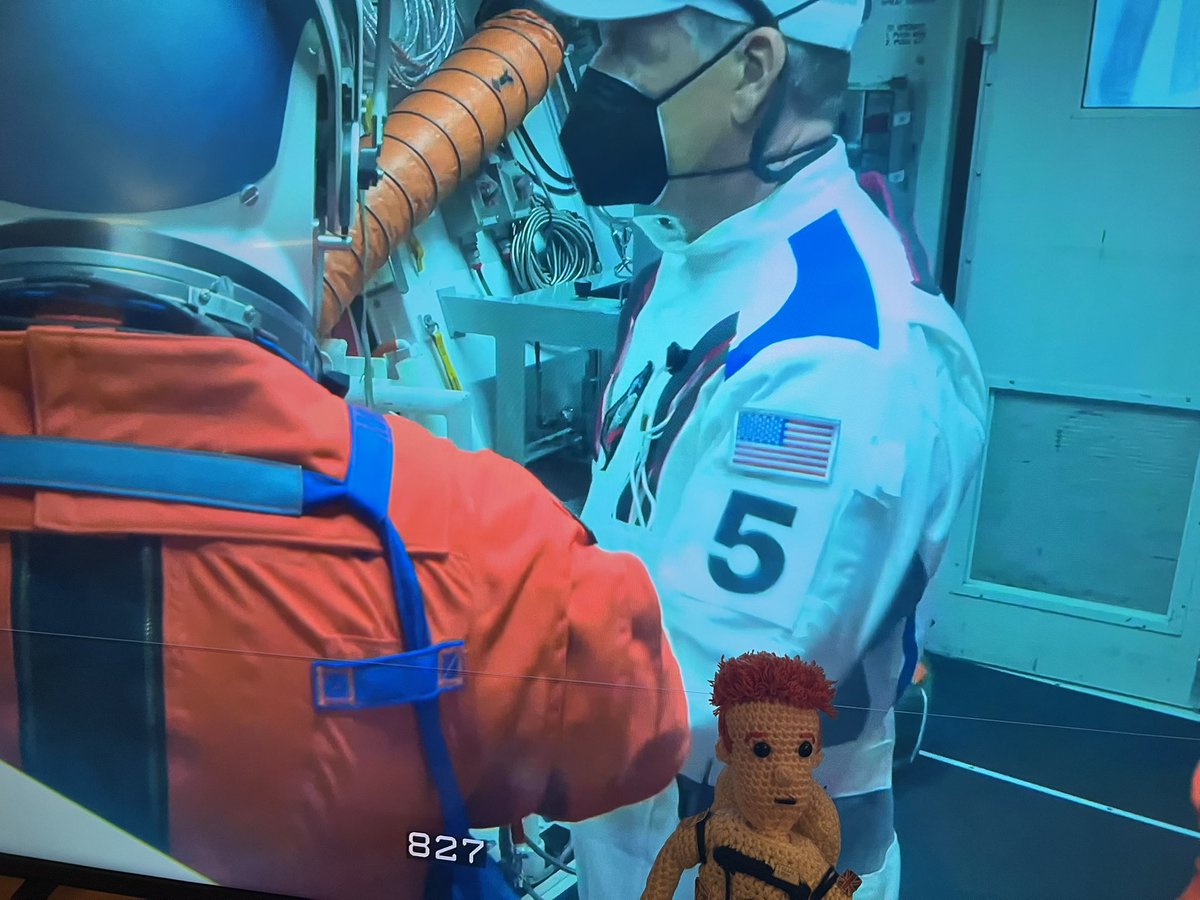
The Crochet Tim retweeted

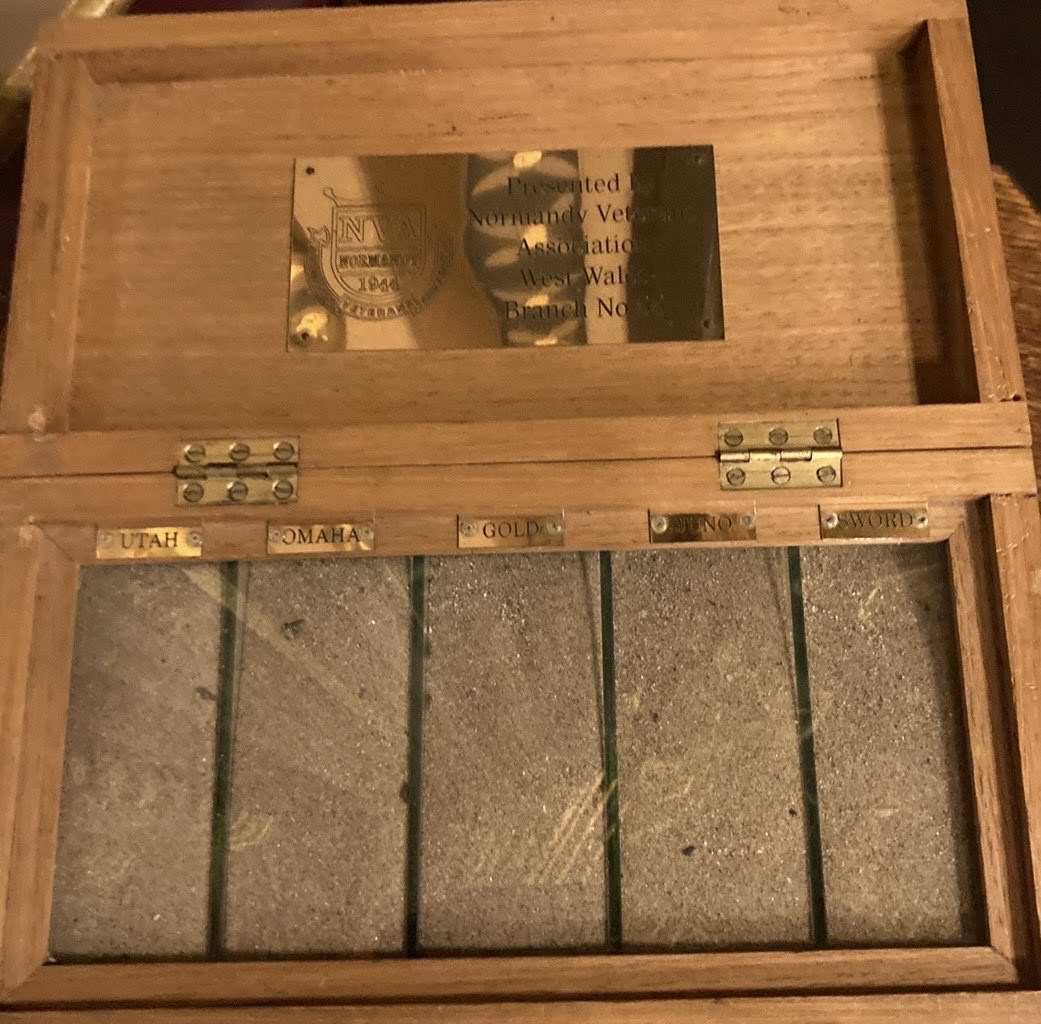
In a corner of parliament at the far end of the Royal gallery a box lies permantly open containing sand from all five Normandy beaches -a reminder to both houses of the sacrifice & the cause of freedom fought for by brave service people on DDay June 6 th 1944. #DDay
181
2,661
14,429
323,014
The Crochet Tim retweeted

Extremely rare 'White Auroras' spotted over Norway.
The sky over Norway just did something it almost never does.
Photographers chasing the northern lights got the shock of their lives.
Instead of the usual greens and purples dancing overhead, the auroras turned ghostly white.
Pure. Pale. Almost glowing.
It's one of the rarest aurora displays on Earth.
Scientists say white auroras happen when multiple aurora colors overload the human eye at once, blending together until they appear colorless. The brain simply can't process all the wavelengths firing at the same time, so it surrenders and sees white.
Most aurora chasers go their entire careers without witnessing it.
Norway just delivered the impossible.
Cameras across the Arctic captured the eerie phenomenon lighting up the night like frozen lightning, leaving even seasoned skywatchers speechless.
Some called it otherworldly.
Others said it looked like the sky was bleeding light.
And for a few unforgettable minutes, the heavens above Norway turned into something nobody had ever seen before.
Community note
White Auroras like these are a hoax. None are real. All are CGI or AI.
explorenorthblog.com/the-white-auro…
facebook.com/vincentledvina…
155
1,821
5,834
193,936
The Crochet Tim retweeted

May 29
sorry it blew up, but for explosion fanatics, this is an all-time explosion caught on camera x.com/SawyerMerritt/status/2…
704
4,995
54,143
2,564,569
The Crochet Tim retweeted

May 24
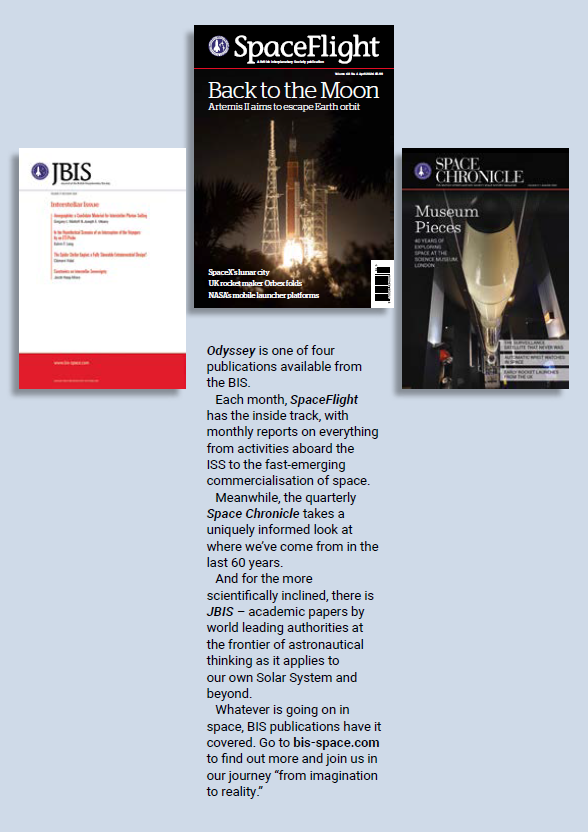
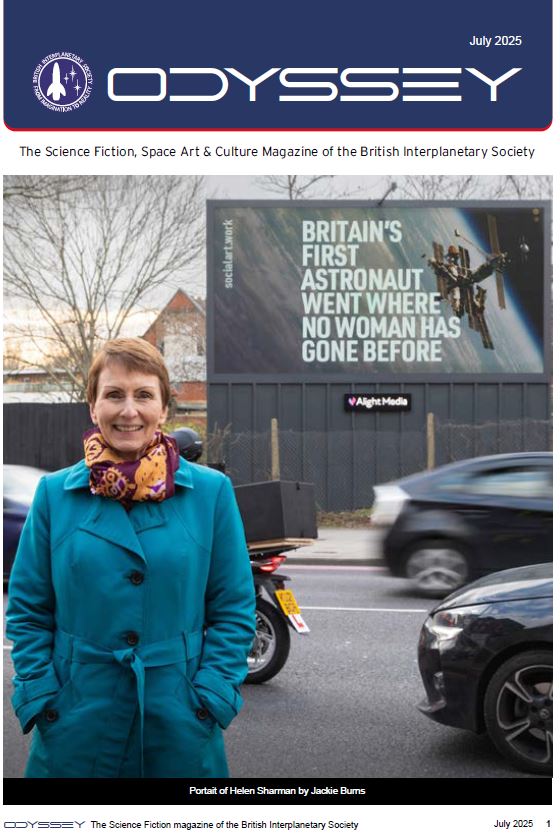
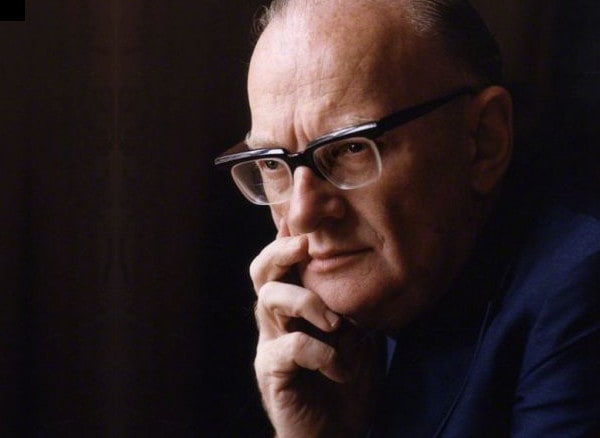
If you are under 25, this is a wonderful opportunity to join the oldest society dedicated to promoting all things "space" - the history of space exploration, current missions and milestones, and the cultural impact of the human desire to reach beyond the confines of the Earth.

1
7
11
386
The Crochet Tim retweeted

11 Aug 2025
AIMED, as in ‘Artificial Intelligence & Mathematics Education’, is our new creative hub that captures all the #research activities and projects of Cambridge #Mathematics in the field. #ai
Find out more
👉 bit.ly/4fpooGN
1
3
1,273
The Crochet Tim retweeted

May 18
Today marks 30 years since the 1996 Monaco GP, and there is only one way to describe this race: Absolute Chaos
The winner was Olivier Panis starting from P14, in a race in which only 3 cars finished
50
205
2,001
135,868

May 19
O.M.G! Happy 40th Birthday Top Gun - a treat tonight watching my favourite film in 4DX @cineworld
Seriously @astro_timpeake I want to know if it’s anything like flying a real fighter plane?!✈️
I sat in my car afterwards and it felt like I was still moving! #needforspeed
1
1
215
The Crochet Tim retweeted

May 18
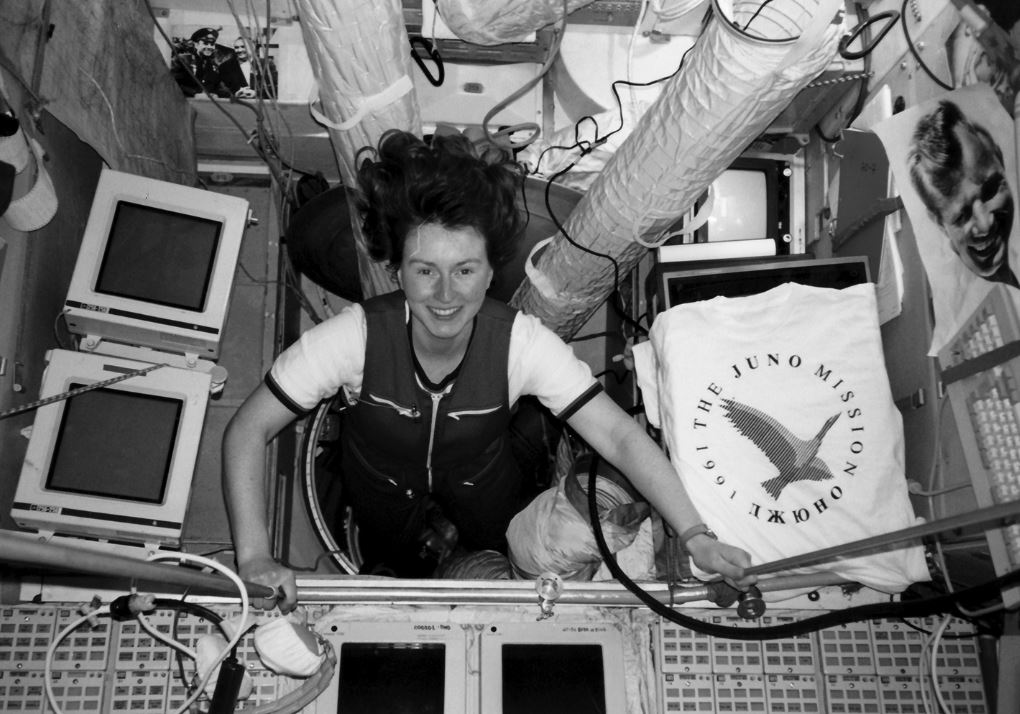
Celebrating the day Helen Sharman made history. 🚀 Britain’s first astronaut, first woman to visit Mir, and a trailblazer who showed an entire generation what’s possible when ambition meets opportunity. Her 1991 mission still inspires explorers across the UK and beyond. 🚀🇬🇧
May 18

"The English Cosmonaut": Celebrating Helen Sharman’s record breaking spaceflight and the Soyuz TM-12 mission which launched from the Baikonur Cosmodrome on 18 May 1991. Helen spent eight days in space, six of them onboard the Mir Space Station:
markdestewart.wixsite.com/th…
#OTD
2
6
294
The Crochet Tim retweeted

May 18
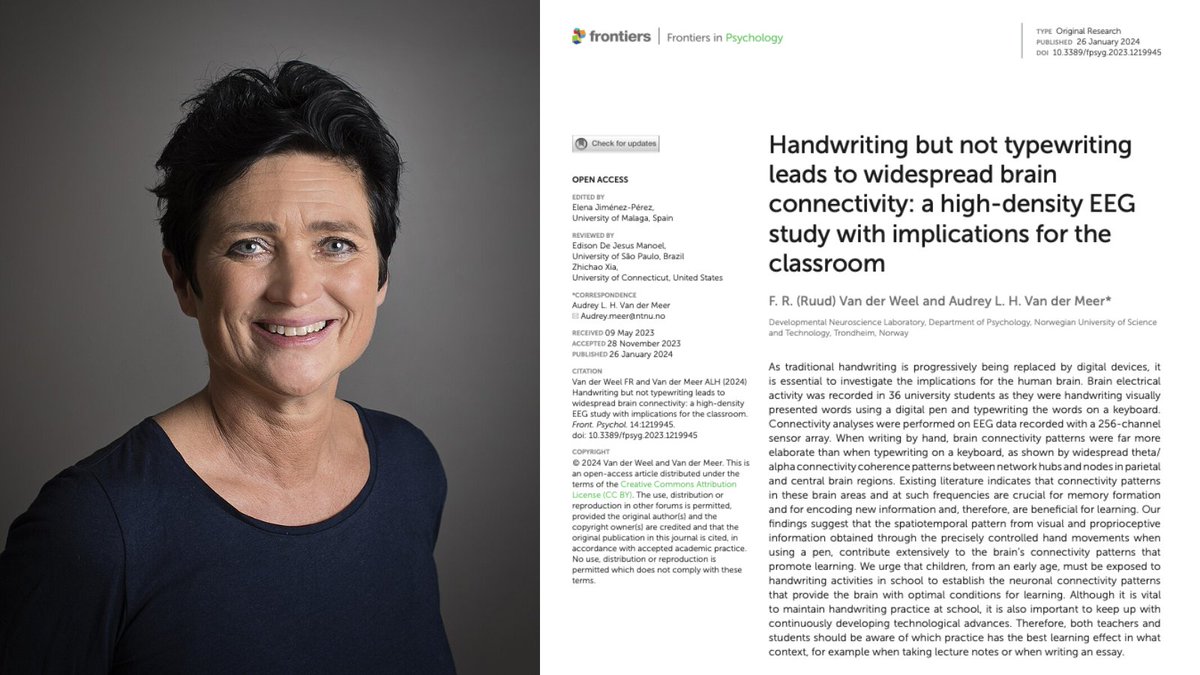
A Norwegian neuroscientist spent 20 years proving that the act of writing by hand changes the human brain in ways typing physically cannot, and almost nobody outside her field has read the paper.
Her name is Audrey van der Meer.
She runs a brain research lab in Trondheim, and the paper that closed the argument was published in 2024 in a journal called Frontiers in Psychology. The finding is brutal enough that it should have changed every classroom on Earth.
The experiment was simple. She recruited 36 university students and put each one in a cap with 256 sensors pressed against their scalp to record brain activity. Words flashed on a screen one at a time.
Sometimes the students wrote the word by hand on a touchscreen using a digital pen, and sometimes they typed the same word on a keyboard. Every neural response was recorded for the full five seconds the word stayed on screen.
Then her team looked at the part of the data most researchers had ignored for years, which is how different parts of the brain were communicating with each other during the task.
When the students wrote by hand, the brain lit up everywhere at once.
The regions responsible for memory, sensory integration, and the encoding of new information were all firing together in a coordinated pattern that spread across the entire cortex. The whole network was awake and connected.
When the same students typed the same word, that pattern collapsed almost completely.
Most of the brain went quiet, and the connections between regions that had been alive seconds earlier were nowhere to be found on the EEG.
Same word, same brain, same person, and two completely different neurological events.
The reason turned out to be something nobody had really paid attention to before her work. Writing by hand is not one motion but a sequence of thousands of tiny micro-movements coordinated with your eyes in real time, where each letter is a different shape that requires the brain to solve a slightly different spatial problem.
Your fingers, wrist, vision, and the parts of your brain that track position in space are all working together to produce one letter, then the next, then the next.
Typing throws all of that away. Every key on a keyboard requires the exact same finger motion regardless of which letter you are pressing, which means the brain has almost nothing to integrate and almost no problem to solve.
Van der Meer said it plainly in her interviews.
Pressing the same key with the same finger over and over does not stimulate the brain in any meaningful way, and she pointed out something that should scare every parent who handed their kid an iPad.
Children who learn to read and write on tablets often cannot tell letters like b and d apart, because they have never physically felt with their bodies what it takes to actually produce those letters on a page.
A decade before her, two researchers at Princeton ran the same fight using a completely different method and ended up at the same answer. Pam Mueller and Daniel Oppenheimer tested 327 students across three experiments, where half took notes on laptops with the internet disabled and half took notes by hand, before testing everyone on what they actually understood from the lectures they had watched.
The handwriting group won by a wide margin on every question that required real understanding rather than surface recall.
The reason was hiding in the transcripts of what the two groups had actually written down.
The laptop students typed almost word for word, capturing more total content but processing almost none of it as they went, while the handwriting students physically could not write fast enough to transcribe a lecture in real time, which forced them to listen carefully, decide what actually mattered, and put it in their own words on the page.
That single act of choosing what to keep was the learning itself, and the keyboard had quietly skipped the choosing and skipped the learning along with it.
Two studies. Two countries. Same answer.
Handwriting makes the brain work. Typing lets it coast.
Every note you have ever typed instead of written went into your brain through a thinner pipe. Every meeting, every book highlight, every idea you captured on your phone instead of on paper was processed at half depth.
You did not forget those things because your memory is bad. You forgot them because typing never woke the part of the brain that would have made them stick.
The fix is the thing your grandmother already knew.
Pick up a pen. Write the thing down. The slower road is the faster one.
2,474
44,635
120,832
10,377,082
The Crochet Tim retweeted

May 1
Science communicator Hank Green launched a specialized website that organizes every publicly released photo from the #ArtemisII mission into an interactive, live timeline. Located at artemistimeline(dot)com, the site syncs each image with the crew's official mission schedule and the real-time position of the Orion spacecraft during its 10 day journey around the Moon. By utilizing EXIF metadata from NASA's Flickr archives and trajectory data from public APIs, the platform allows users to see exactly where the crew was when a specific photograph was captured. Green utilized AI tools to assist with the massive data correlation required to align thousands of images with the spacecraft's orbital path.
Source: artemistimeline.com

7
163
1,096
51,161
Apr 28
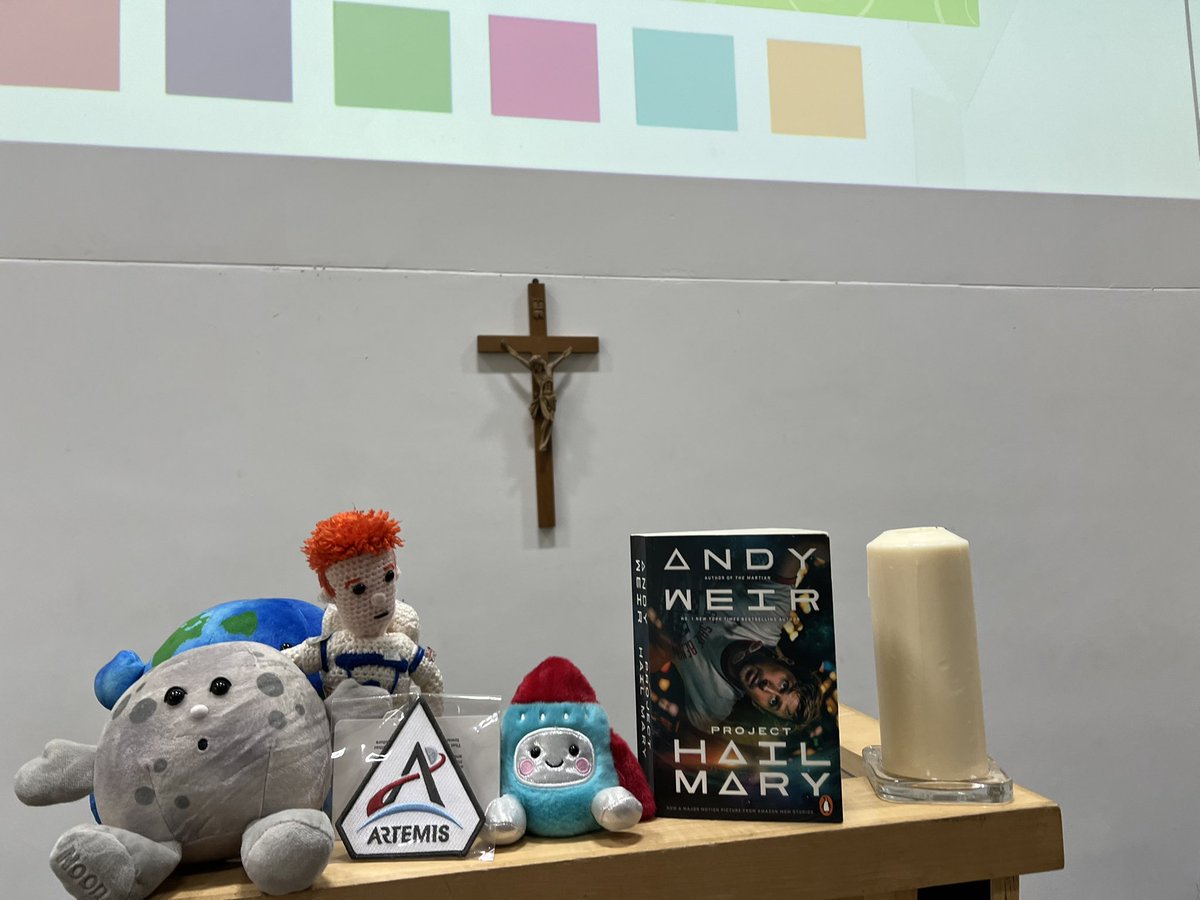
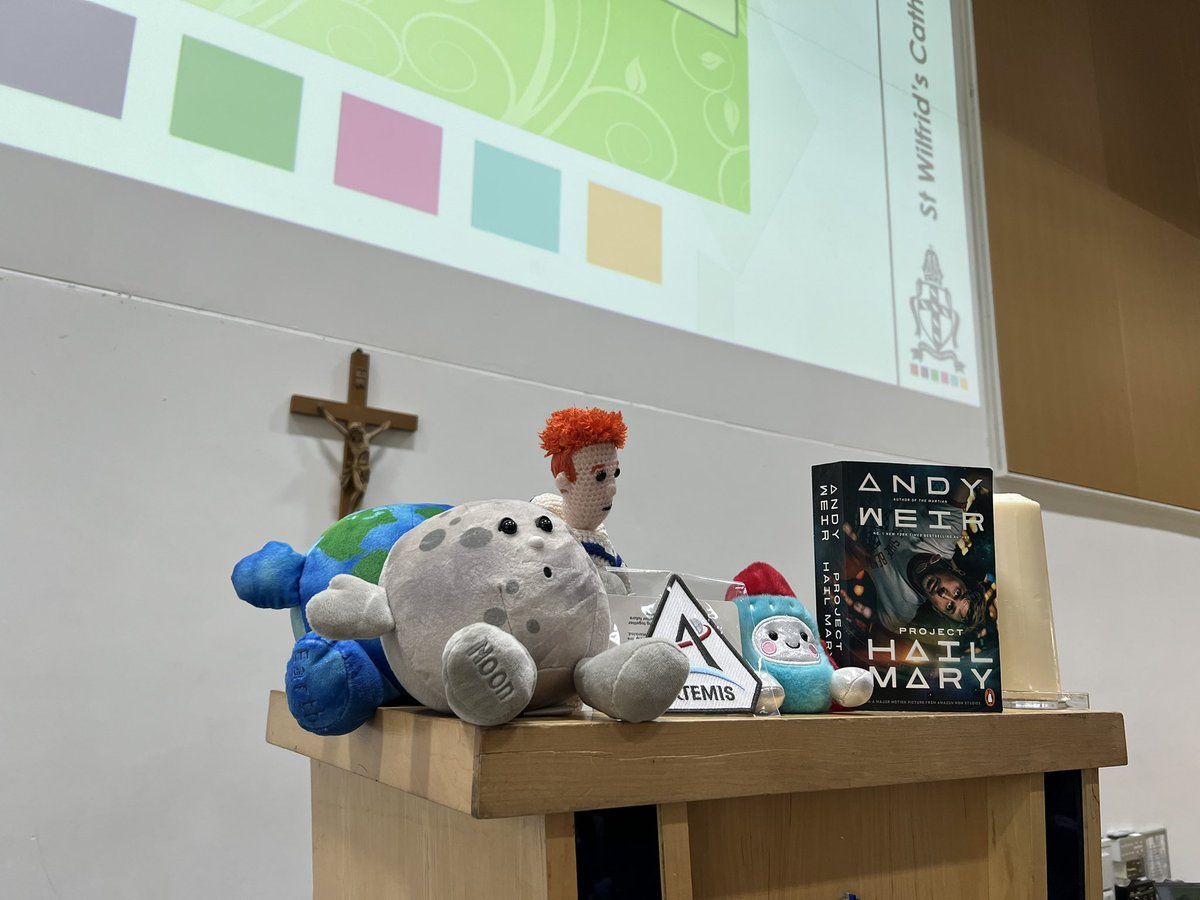
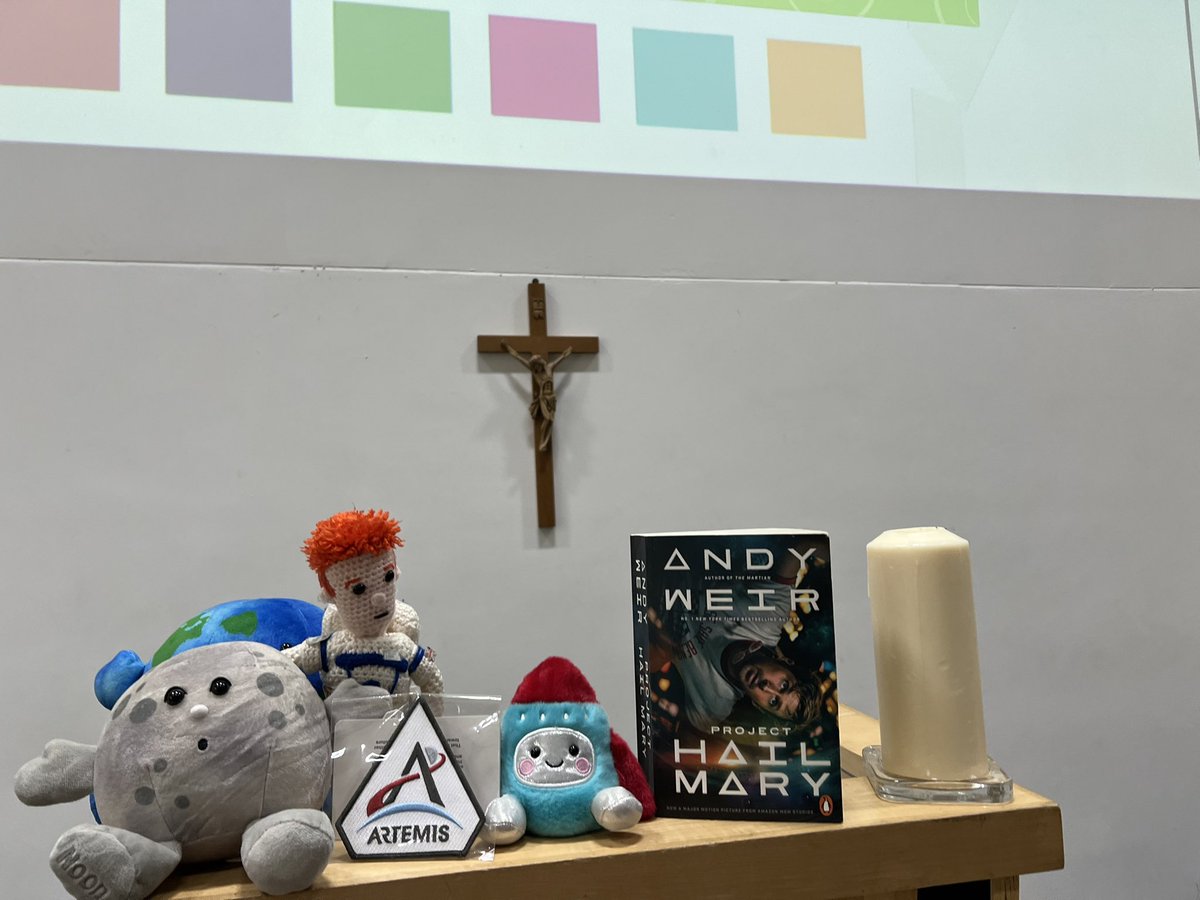
Assembly today!
Fullness of life/Bluebells/ Artemis/Project Hail Mary ✅✅✅✅
(And I got a shout out too!)
Lots of amazing photos to share.
@NASAArtemis @astro_timpeake @projecthailmary
The students loved @Astro_Christina talking about #CrewEarth 😍

1
29
The Crochet Tim retweeted

Apr 28
Did you know that the Milky Way is even milkier when viewed from the Southern Hemisphere? This is because from the southern side of our planet, we get a clearer, more direct view of the dense galactic core.
Here’s a look at the Milky Way starting over the Southern Ocean (between Australia and Antarctica) from our @SpaceX Dragon window, complete with some aurora (Southern Lights) and fleeting Starlink satellites. Enjoy the view!

165
1,177
8,131
709,463

The Crochet Tim retweeted

Apr 11
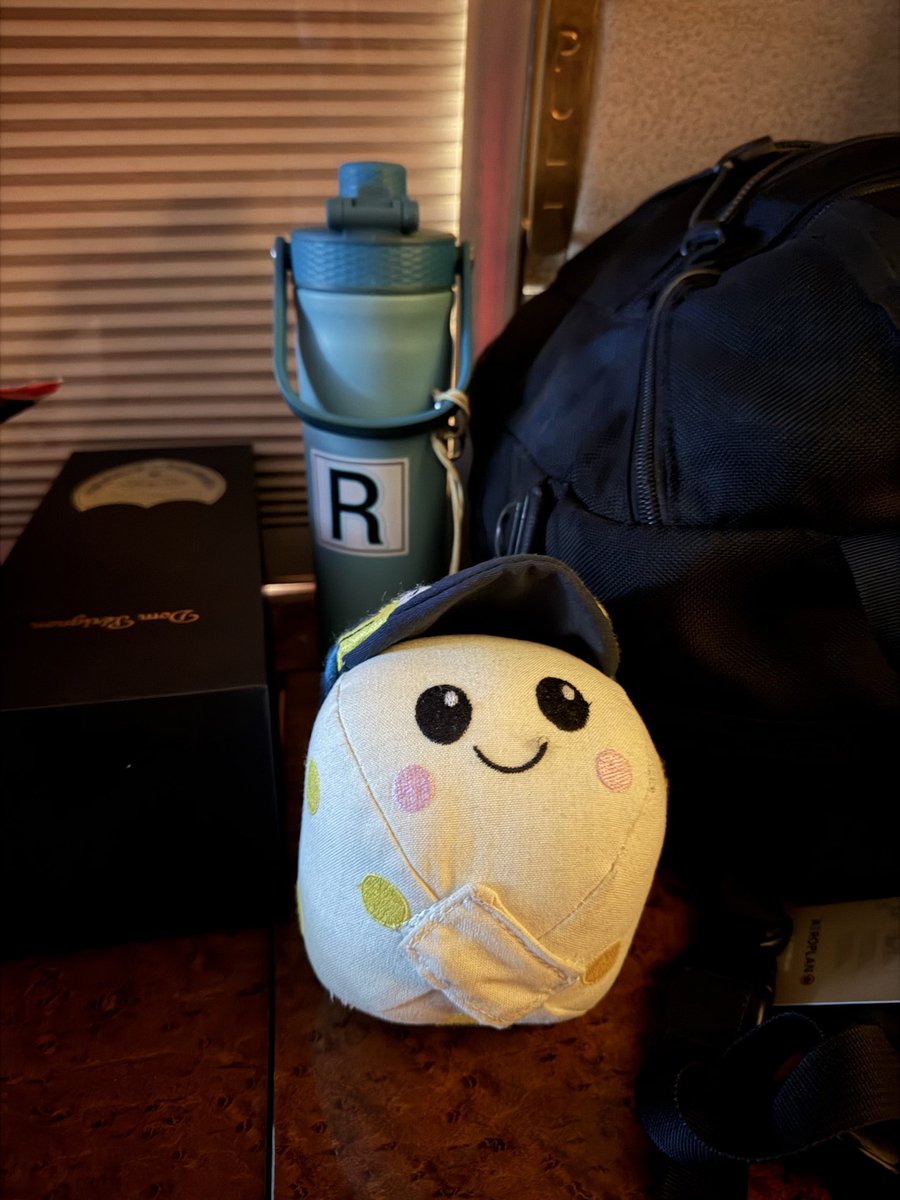
PS- it’s hard not to love this little guy. I cant let Rise out of my sight…currently tethered to my water bottle.
899
9,803
115,367
2,736,630
The Crochet Tim retweeted

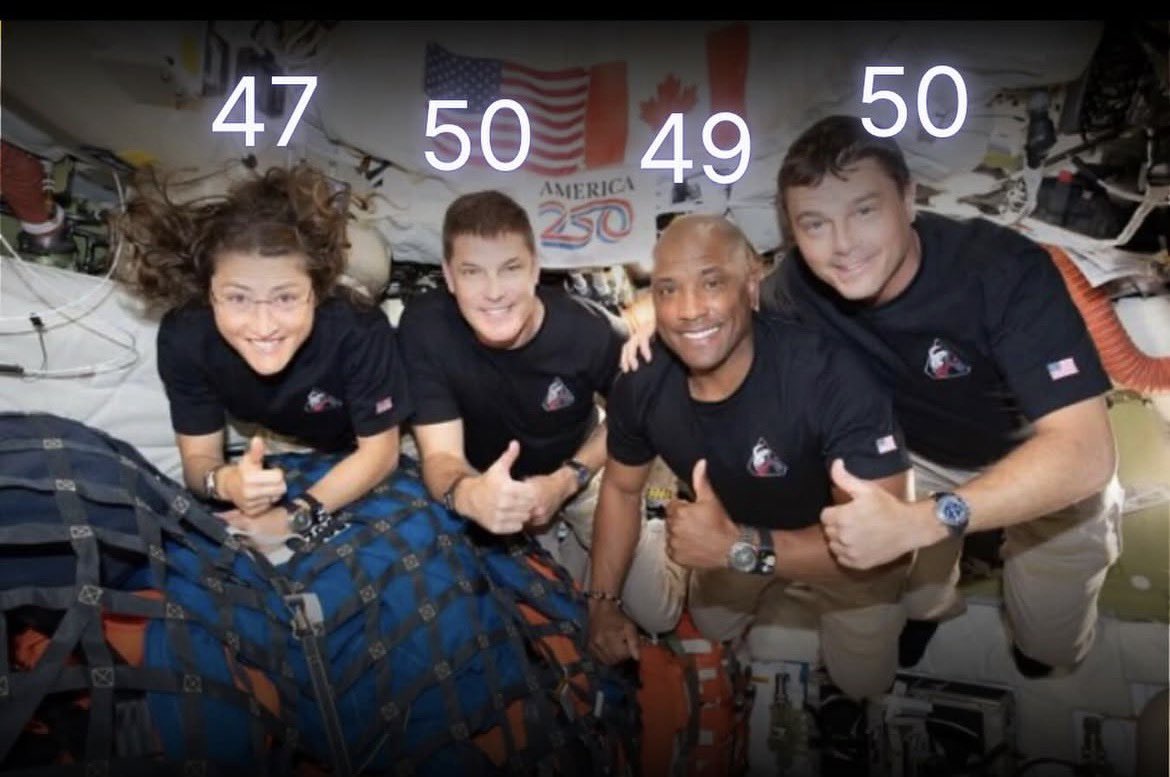
Society “you’re too old”
Artemis 2 Crew: “hold my beer”
494
8,590
58,305
1,393,572
The Crochet Tim retweeted
Apr 9
A community college professor taught the same study skills lecture for 30 years, and the video quietly became one of the most watched educational recordings on the internet.
His name is Marty Lobdell. He spent his career as a psychology professor watching students fail not because they were lazy, but because nobody had ever taught them how their brain actually works under the pressure of learning something hard.
The lecture is called "Study Less Study Smart." Over 10 million views. Passed around in Reddit threads, Discord servers, and university study groups for over a decade. And the core insight buried inside it has been sitting in cognitive psychology research for years, waiting for someone to explain it in plain language.
Here is the framework that completely changed how I think about effort.
Your brain does not sustain focus the way you think it does. Studies tracking real students found that the average learner hits a wall somewhere between 25 and 30 minutes.
After that, efficiency doesn't just decline. It collapses. You're still sitting at your desk, still looking at the page, but almost nothing is going in.
Lobdell illustrated this with a student he knew personally. She set a goal of studying 6 hours a night, 5 nights a week, to pull herself out of academic probation. Thirty hours of studying per week. She failed every single class that quarter.
She wasn't failing because she lacked effort. She was failing because she had confused time spent near books with time spent actually learning. The 25-minute crash hit her at 6:30pm every night. She spent the next five and a half hours sitting in the wreckage of her own focus and calling it studying.
The fix sounds almost too simple. The moment you feel the slide, stop. Take five minutes. Do something that actually gives you a small reward. Then go back. That five-minute reset returns you to near full efficiency. Across a six-hour window, the difference is not marginal. It is the difference between thirty minutes of real learning and five and a half hours of it.
The second thing he taught destroyed something I had believed about how memory actually works.
Highlighting feels productive. Going back over your notes and recognizing everything feels like knowing. But recognition and recollection are two completely different cognitive processes, and your brain is very good at making you confuse them.
You can see something you've read before and feel completely certain you understand it, even when you couldn't reconstruct a single sentence from memory if the page were blank.
He proved this live in the room. He read 13 random letters to his audience. Almost nobody could recall them. Then he rearranged the same 13 letters into two words: Happy Thursday. The whole room got all 13 without effort.
Same letters. Same count. The only thing that changed was meaning.
The brain stores meaning. Not repetition. The moment new information connects to something you already understand, the retention changes entirely.
This is what the cognitive psychology literature calls elaborative encoding, and it is the mechanism underneath every effective study technique.
The third principle was the one that hit me hardest, and the one almost nobody applies.
Lobdell cited research showing that 80 percent of your study time should be spent in active recitation, not passive reading. Close the material. Say it back in your own words.
Teach it to someone else, or to an empty chair if no one is around. The struggle of retrieval is where the actual learning happens. Reading your notes again is watching someone else do the work.
His parting line has stayed with me longer than almost anything else I have read about learning.
He told the room that if what he shared didn't change their behavior, they hadn't actually learned it. It would just live in their heads as something they had heard once and felt good about.
He was right. And most people leave every lecture exactly like that.
The students who remember everything aren't putting in more hours.
They stopped confusing the feeling of studying with the fact of it.
216
4,849
18,668
1,901,694
The Crochet Tim retweeted

Apr 9
Dear girls, you can be both a Tiktok girlie and an astronaut. Christina Koch is an icon😍 What an amazing woman!
39
1,911
19,934
354,395
The Crochet Tim retweeted

I'm pleased to reveal my highest resolution photo of the complete SLS in flight, captured entirely using sound-activated triggers from cameras placed near the pad. Thanks to the technique used the image is ~300 megapixels!
A ridiculously hard shot to get, but worth the effort.

303
1,367
13,504
363,527