Postdoc Fellow @IdoAmitLab. Interested in deciphering the complex cell-cell interactions in tumors
Joined October 2022
- Tweets 547
- Following 397
- Followers 131
- Likes 1,240
Photos and videos
Pinned Tweet

21 Dec 2023
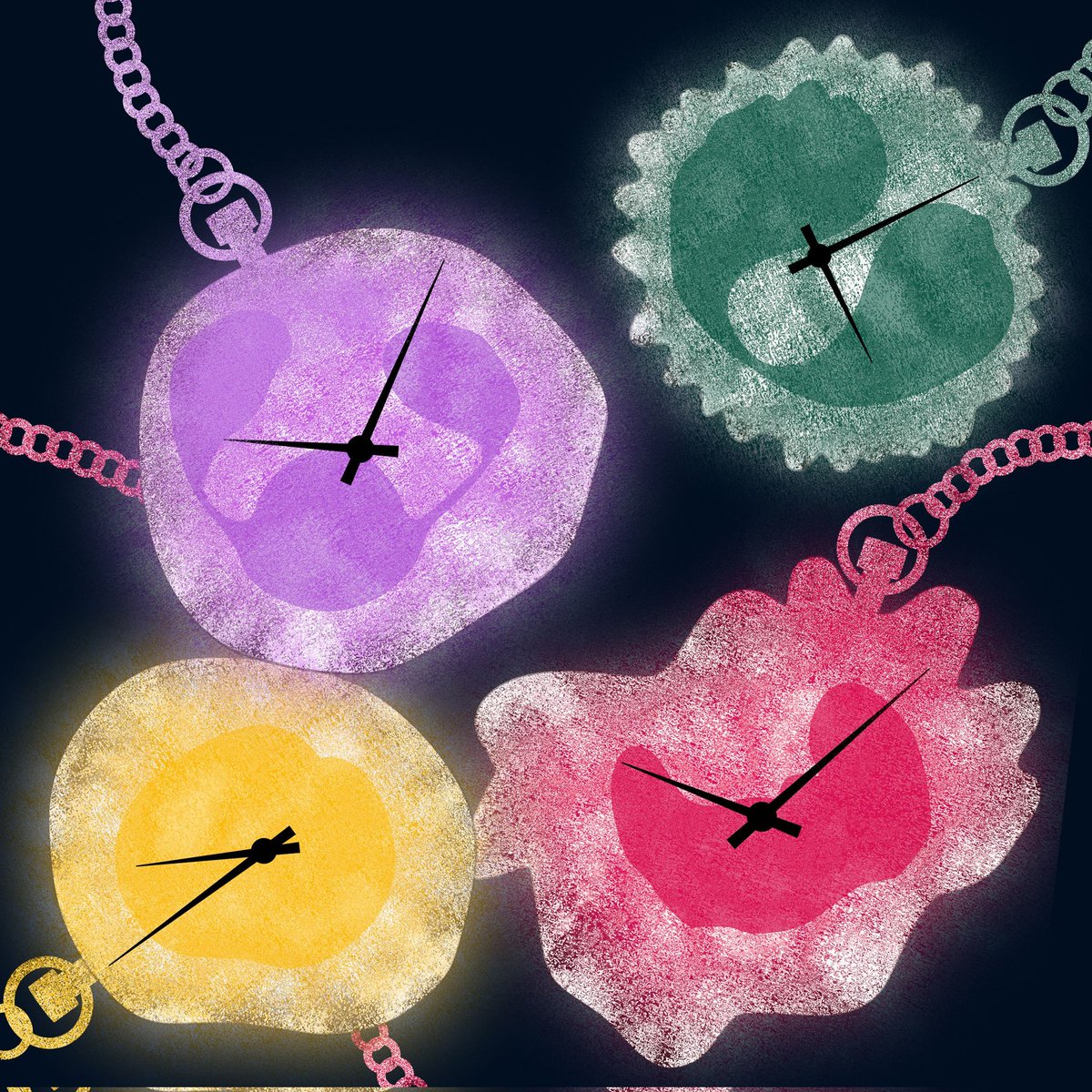
Excited to share our fun journey through time with the amazing team @D_Birschenkaum @FlorianIngelfi1 Yonathan @kathleenabadie @AssafWeiner from the @IdoAmitLab, measuring the temporal dynamics of immune cells in the GBM!
21 Dec 2023

We are very excited to present the development of Zman-seq (“Zman”, Hebrew for “time”), the 1st technology that measures single-cell transcriptomes and physical time in vivo, led by @D_Birschenkaum, @CuriousKX, @FlorianIngelfi1, @AssafWeiner
sciencedirect.com/science/ar…. (1/19)
4
1
23
1,753
Ken Xie retweeted

Jun 13
🧬 #ScienceSaturday
❓ Why does immunotherapy work so well for some cancers, but often fail in #glioblastoma, one of the most aggressive brain cancers?
➡️ A new study in @NatureCancer suggests the answer may depend less on how many DNA mutations a tumor has, and more on the tumor’s “cell state,” or what the cancer cells are actively doing.
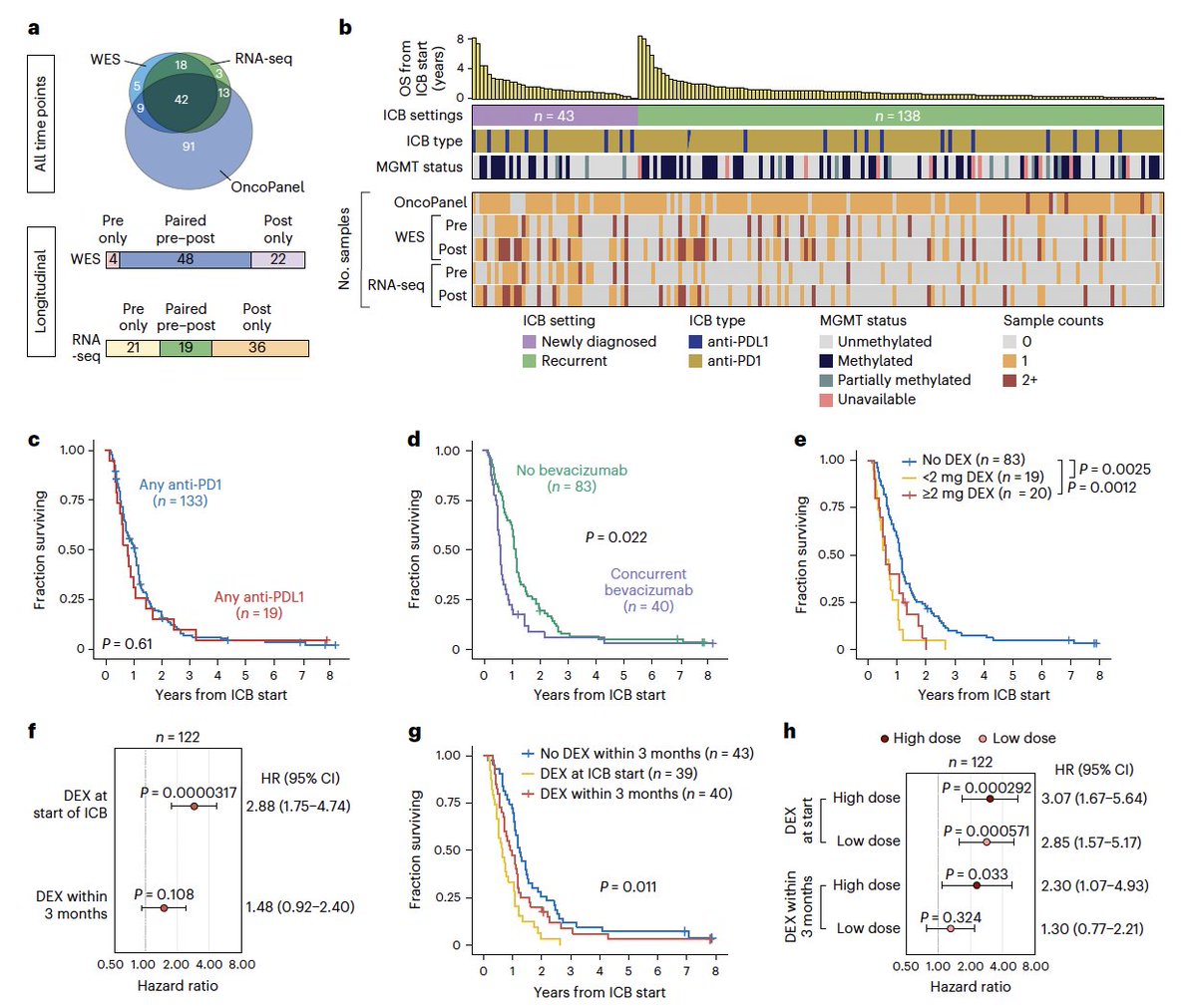
➡️ Researchers studied 181 glioblastoma samples from patients treated with immune checkpoint blockade, a type of immunotherapy designed to help T cells recognize and attack cancer.
➡️ They found that glioblastomas in a mesenchymal, or MES, state were linked to better survival after immunotherapy. These tumors appeared more “immune-visible,” with higher levels of HLA class I, a signal that helps T cells recognize abnormal cells, and more T cell infiltration.
➡️ Surprisingly, #tumor mutational burden, a marker often used to predict immunotherapy response in other cancers, did not predict better outcomes in this glioblastoma group.
➡️ The study also revealed a possible escape route: after #immunotherapy, some tumors shifted away from the MES state toward non-MES states, which may make them less recognizable to the immune system and more resistant to treatment.
🧠 Why this matters: Glioblastoma has been extremely difficult to treat, and checkpoint immunotherapy has mostly been disappointing in this disease. This study suggests that future trials may need to look at a tumor’s RNA “activity pattern,” not just its #DNA mutations, to identify patients who may be more likely to benefit.
✨ Big takeaway: In glioblastoma, the tumor’s current “state of mind” may help predict whether immunotherapy can see it, attack it, and make a difference.
Read more here: nature.com/articles/s43018-0…
@Nature @DanaFarber @Harvard @harvardmed @MassGenBrigham @broadinstitute @IBMResearch @DanaFarberNews @EAChiocca @JackYGhannam
2
21
57
4,714
Ken Xie retweeted

Jun 13
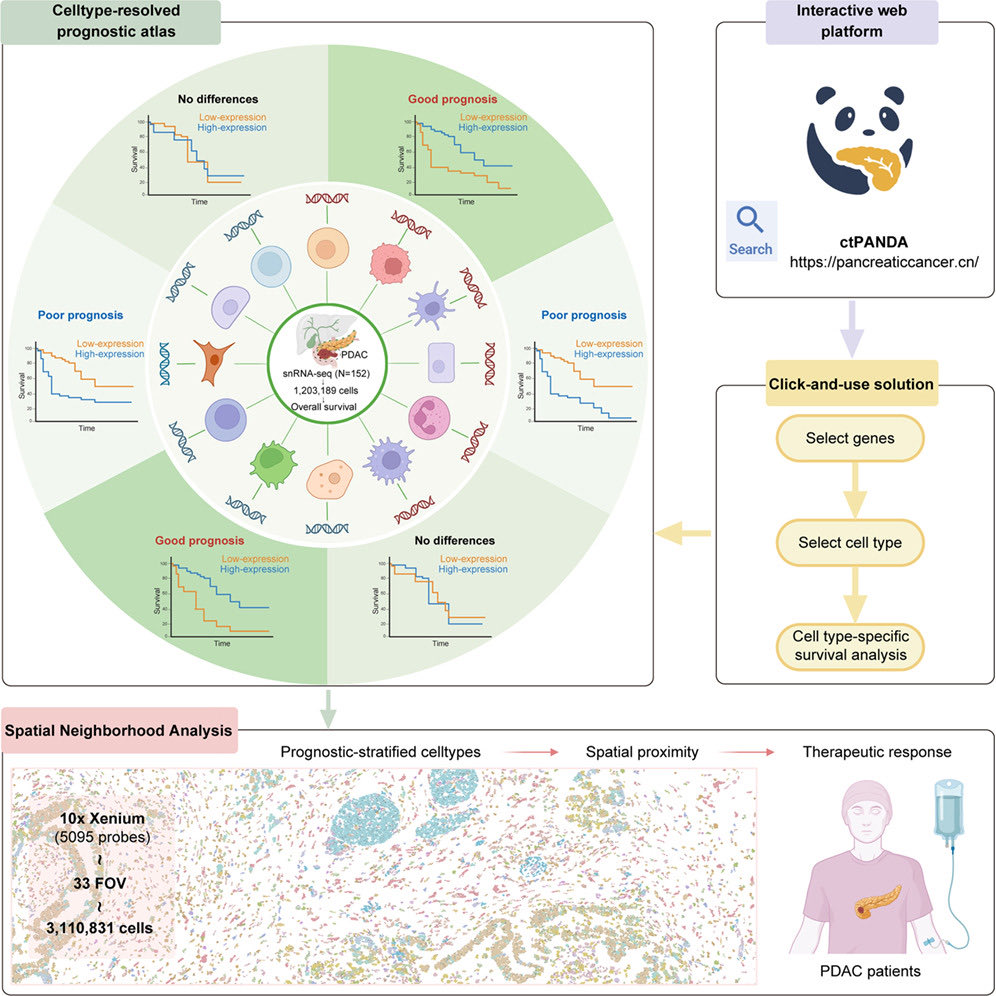
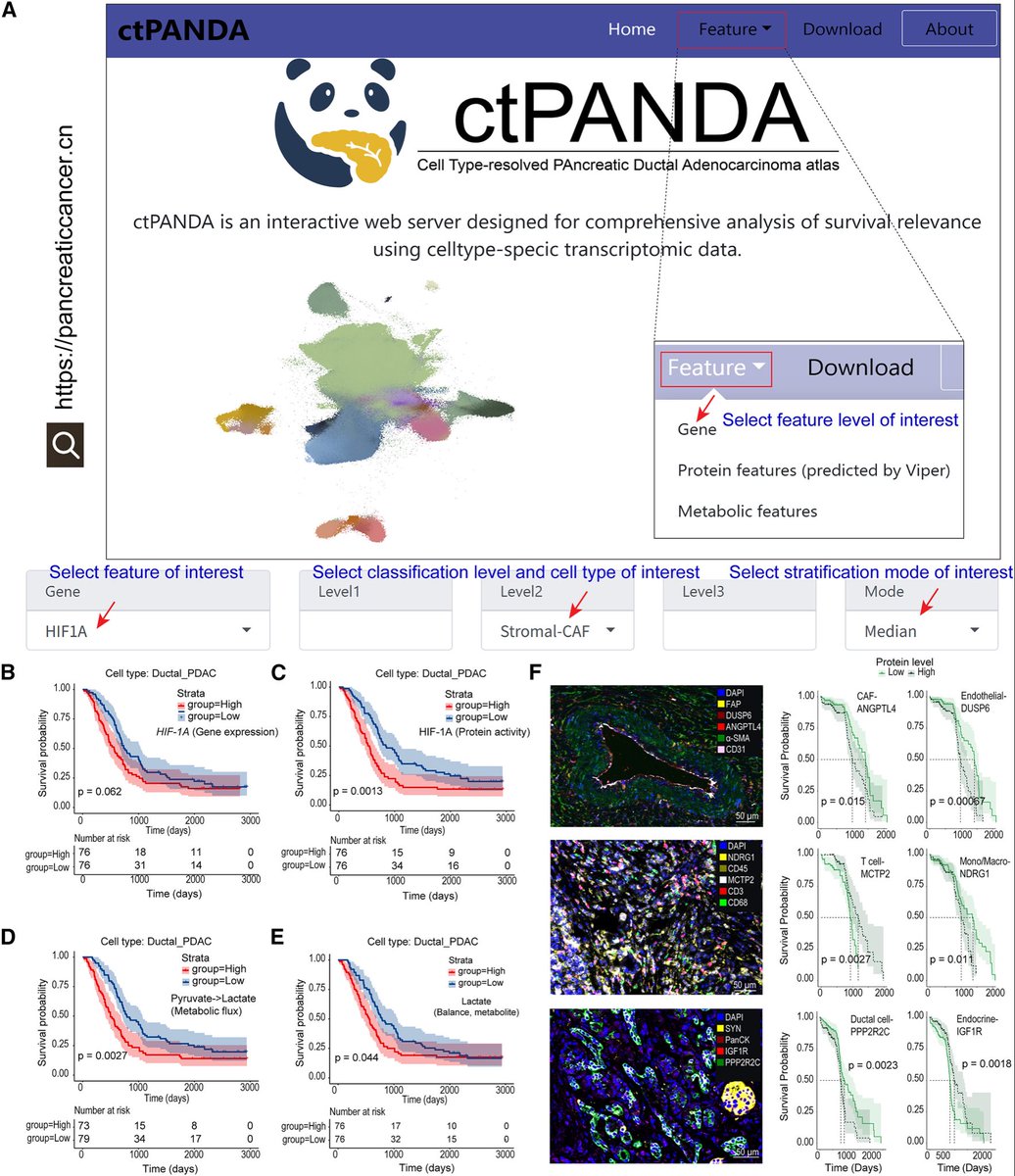
Very nice resource paper in @Cancer_Cell that enables correlation of cell type specific expression data with survival in #PancreaticCancer.
cell.com/cancer-cell/fulltex…
Takes TCGA type datasets based on bulk RNA to the next level. Interactive web tool (ctPANDA) allows facile queries.
2
35
130
12,512
Ken Xie retweeted

Jun 11
very happy to share our lab's latest work, published today in @Cancer_Cell : sciencedirect.com/science/ar…. We show that we can decompose pathology images of cancer tissue into their constituent parts, measure tissue patterns with AI, and that these tissue patterns (1/n)
4
39
169
15,907
Ken Xie retweeted

Jun 12
SenCat: Cataloging human cell senescence through multi-omic profiling of multiple senescent primary cell types
cell.com/molecular-cell/full…
3
14
48
3,521
Ken Xie retweeted
Jun 11
Charting human cellular senescence in aging and disease
cell.com/cell/fulltext/S0092…
2
9
31
2,017
Ken Xie retweeted

Jun 10
Arguably the most boring step in genomics is the first one: normalization. Settled science. Scale log. Move on.
Except that here's been a huge blind spot in the field. And it matters for AIxBio. A 🧵about what I think may be one of the most important papers I've written. 1/
18
147
670
113,906
Ken Xie retweeted

Jun 8
Check out our newest paper using generative modeling of microscopy to study protein localization!
Cellular deep fakes... 👀

I'm excited to share our new preprint "Vermeer: Autoregressive generative modeling of microscopy predicts protein localization," a collaboration between @MSFTResearch and @insitubiology!
Preprint: biorxiv.org/content/10.64898…
Protein localization is fundamental to protein function, but experimental imaging, a key technique to study localization, cannot scale to the entire human proteome across all biological contexts.
To address this challenge, we introduce Vermeer, an autoregressive generative model trained on Human Protein Atlas data @ProteinAtlas. Vermeer synthesizes fluorescence microscopy images of proteins conditioned on cell morphology reference stains and protein sequence embeddings (ESM-C).
Vermeer can leverage latent information about protein localization in the ESM embeddings to generalize to proteins the model has never seen during training. (1/n)
1
7
41
9,307
Ken Xie retweeted

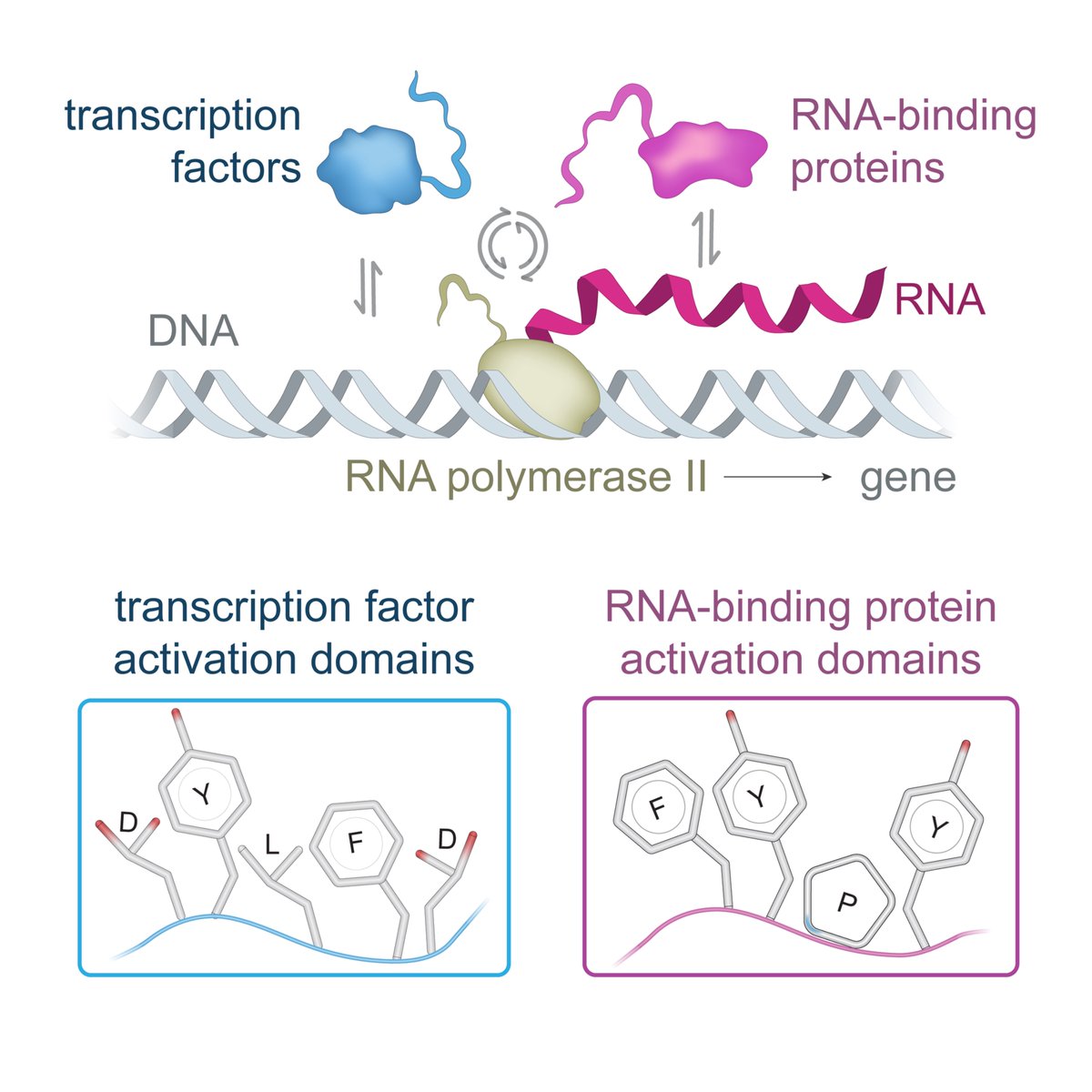
Excited to share the first pre-print from our lab!!
Check it out here! biorxiv.org/content/10.64898…
We found that many RNA-binding proteins understood to regulate RNA processing can also function like transcription factors and cofactors to directly regulate transcription.
4
79
337
20,209
Ken Xie retweeted

hello world.
Excited to launch the Ingelfinger Lab account! We’re a young lab in Germany’s Black Forest tackling key questions in immunology with innovative single-cell technologies.
Follow us for updates on systems immunology, machine learning & translational oncology.
fi
4
8
39
10,294
Ken Xie retweeted

Jun 8
Thrilled to share our new work in @Nature highlighting how GPR15-guided CD8 T cells control intestinal inflammation in humans. Great collaboration with Dr. Michael Lenardo.
doi.org/10.1038/s41586-026-1…
6
12
73
6,869
Ken Xie retweeted

Jun 5
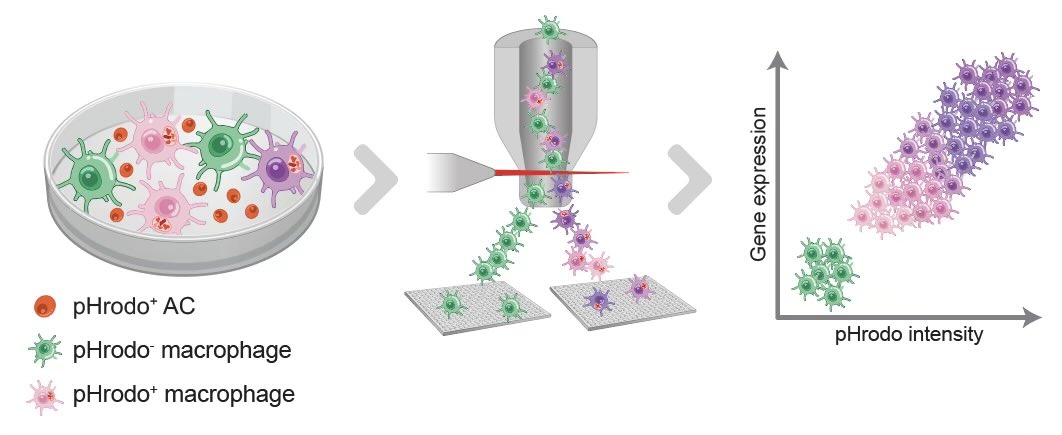
We are thrilled to share the newest publication from our lab! In this work, @RoiBalaban & @OriMoskowitz investigated the effect of #efferocytosis on #macrophage state and function in the #TME.
science.org/doi/10.1126/scii…
6
14
52
9,580
Ken Xie retweeted
Jun 5
We present Effero-seq, a novel approach combining #scRNA-seq with lysosomal acidification tracking by using pHrodo - a pH-sensitive fluorescent marker. This method allowed us to track gradual changes in macrophage gene expression driven by efferocytosis of apoptotic cells (ACs).
2
4
15
972
Ken Xie retweeted

Jun 4
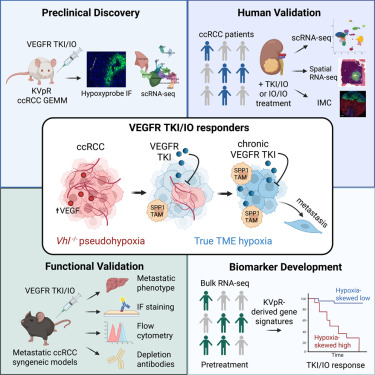
Online Now: Hypoxia shapes both therapeutic response and resistance in metastatic clear cell renal cell carcinoma dlvr.it/TStQvf
1
21
58
3,841
Ken Xie retweeted

Jun 4
A holy grail for our lab has been tracking myeloid cells in human tumors in the same way that we track T and B cells with TCR/BCR.
@vincentzliu and @CalebLareau solved it!
We developed Mitotrek using scATAC-seq mitochondrial DNA to do exactly this. Using Mitotrek, we find that new myeloid cells clones constantly infiltrate the tumor via circulating monocytes — and that their macrophage or dendritic cell fate is epigenetically programmed before tumor entry.
@10xGenomics @parkerici @CancerResearch @TheMarkFdn
cell.com/cancer-cell/fulltex…
8
99
360
34,327
Ken Xie retweeted

Jun 4
Now online! Single-cell mapping of regulatory DNA-protein interactions dlvr.it/TStPv1
11
45
7,428
Ken Xie retweeted

Jun 3
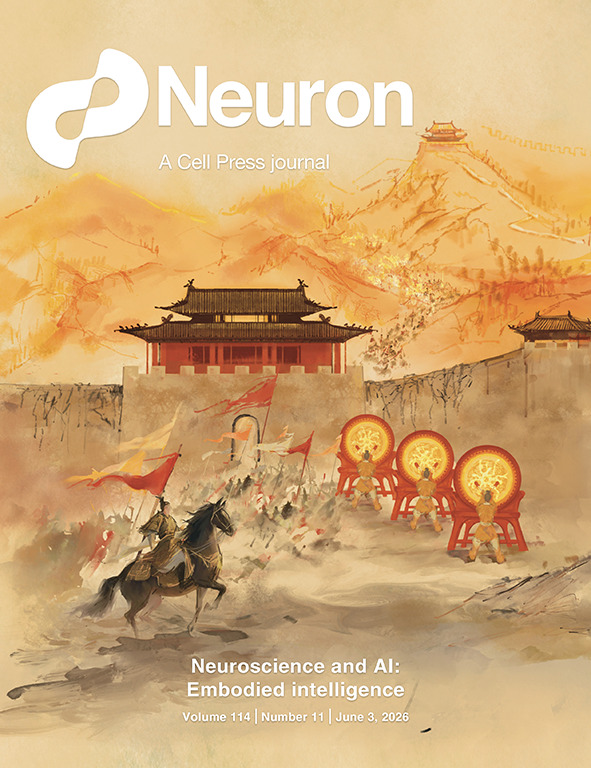
cell.com/issue/S0896-6273(25… On the cover: In this issue of Neuron, Du et al. @DuSiling show that repeated microglial depletion enables peripheral monocytes from both the blood and skull bone marrow to infiltrate the brain and engraft as monocyte-derived macrophages with distinct identities. Inspired by a passage from the Zuo Zhuan (“The first beat of the drum rouses the soldiers’ spirits; the second weakens their resolve; by the third, they are exhausted”), the artwork depicts three rounds of microglial depletion gradually exhausting the endogenous microglial niche. The two advancing armies represent distinct peripheral sources of invading cells: one arriving from the blood, illustrated by the army bearing the red flag, and the other emerging from the skull bone marrow, portrayed as descending from the mountains. Artist credit: Ying Xu.
3
31
139
10,829
Ken Xie retweeted

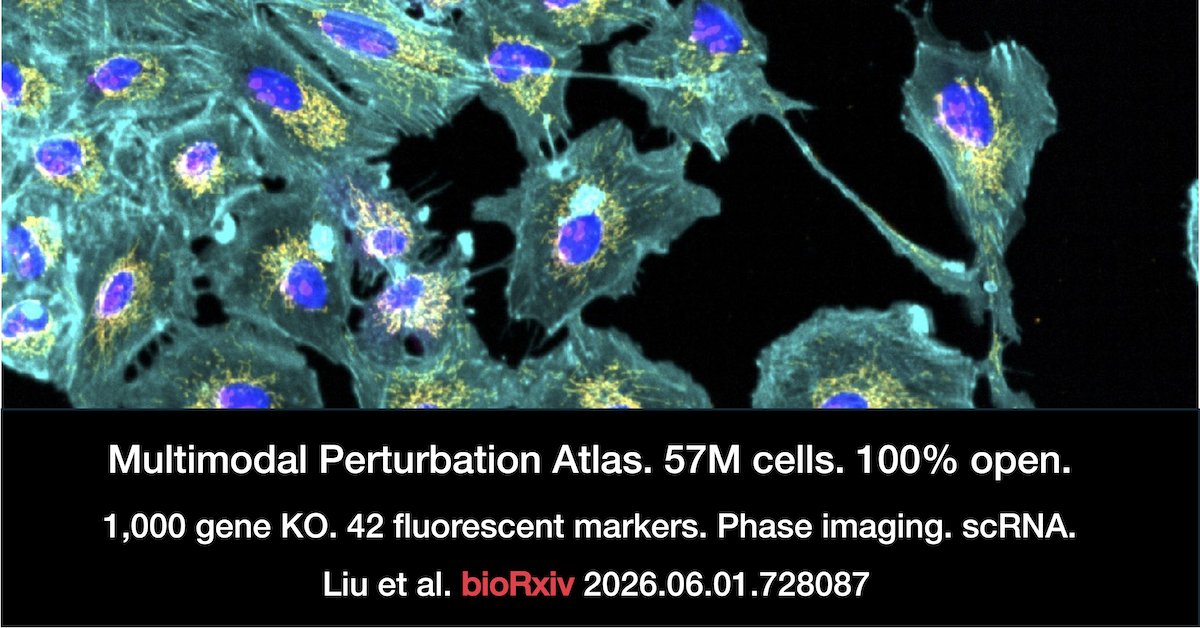
📣 new preprint multimodal atlas. Imaging scRNA, 57M cells. 🧬🔬
Cells are complex dynamical systems — but most ways we measure them destroy them. We asked: how does live imaging compare to scRNA-seq, the field’s gold std?
The answer surprised us 🧵
biorxiv.org/content/10.64898…
4
55
241
22,438
Ken Xie retweeted

Jun 1
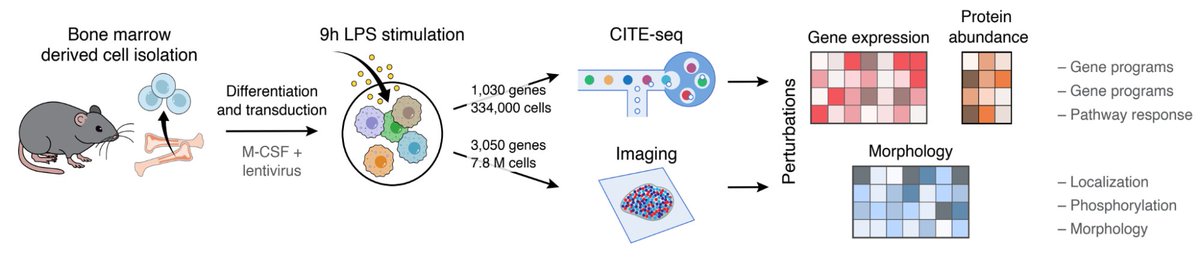
🚀 We are introducing PerturbPair (with @TakaKud0) — a platform that combines parallel Perturb-seq and optical pooled screening (OPS/PerturbView) in primary cells to systematically map at massive scale how genetic perturbations reshape cellular states across modalities.
With wonderful collaborators @TakaKud0, @AnaMeireles, @AntRios, @jchuetter, @MinOta, @ORozenblattRosen, @LeviAGarraway, @KGeiger, @avtarsingh, @jkpritch, and Aviv Regev.
Paper link: biorxiv.org/content/10.64898…
2
39
190
12,669
Ken Xie retweeted

May 30
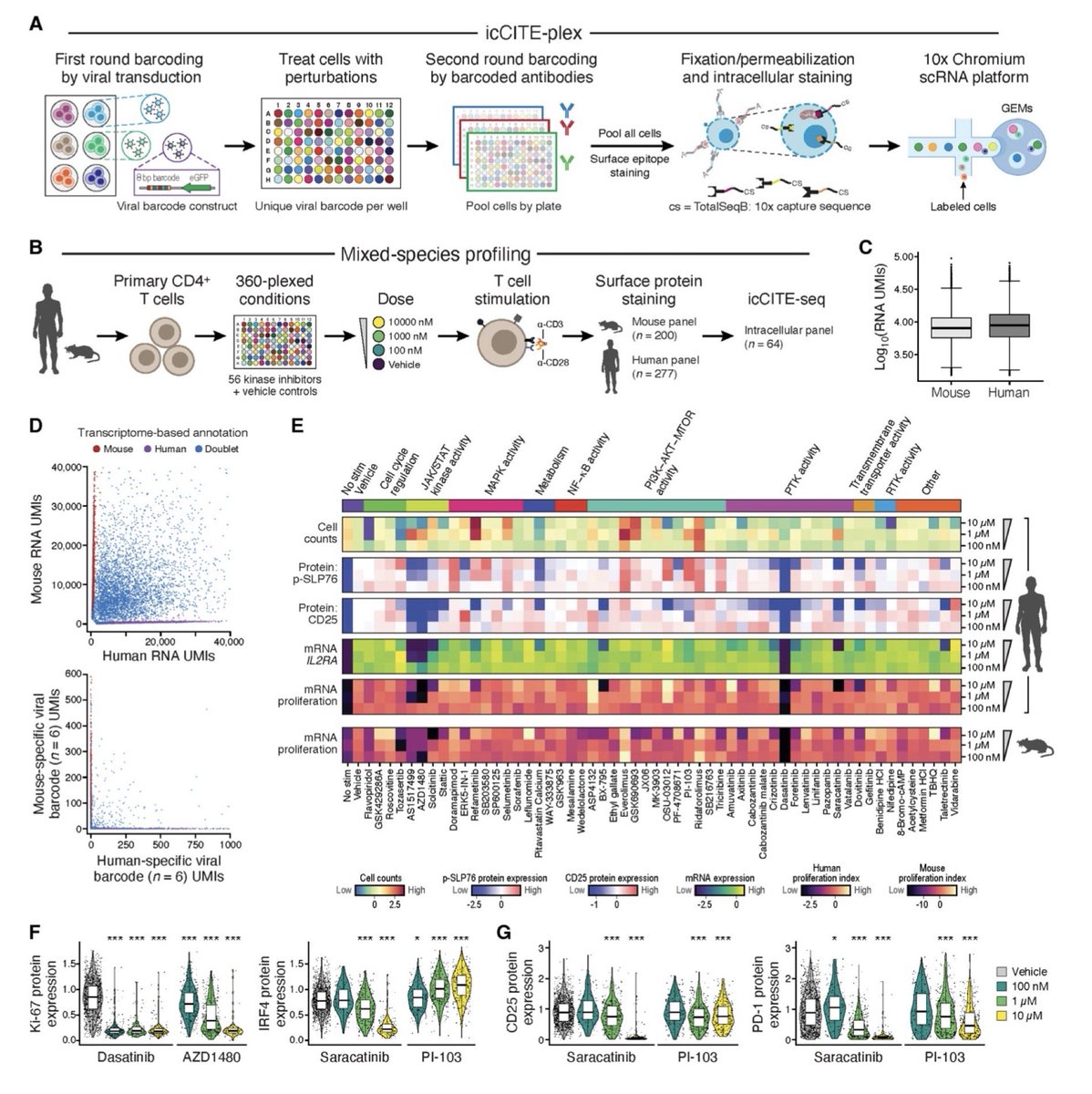
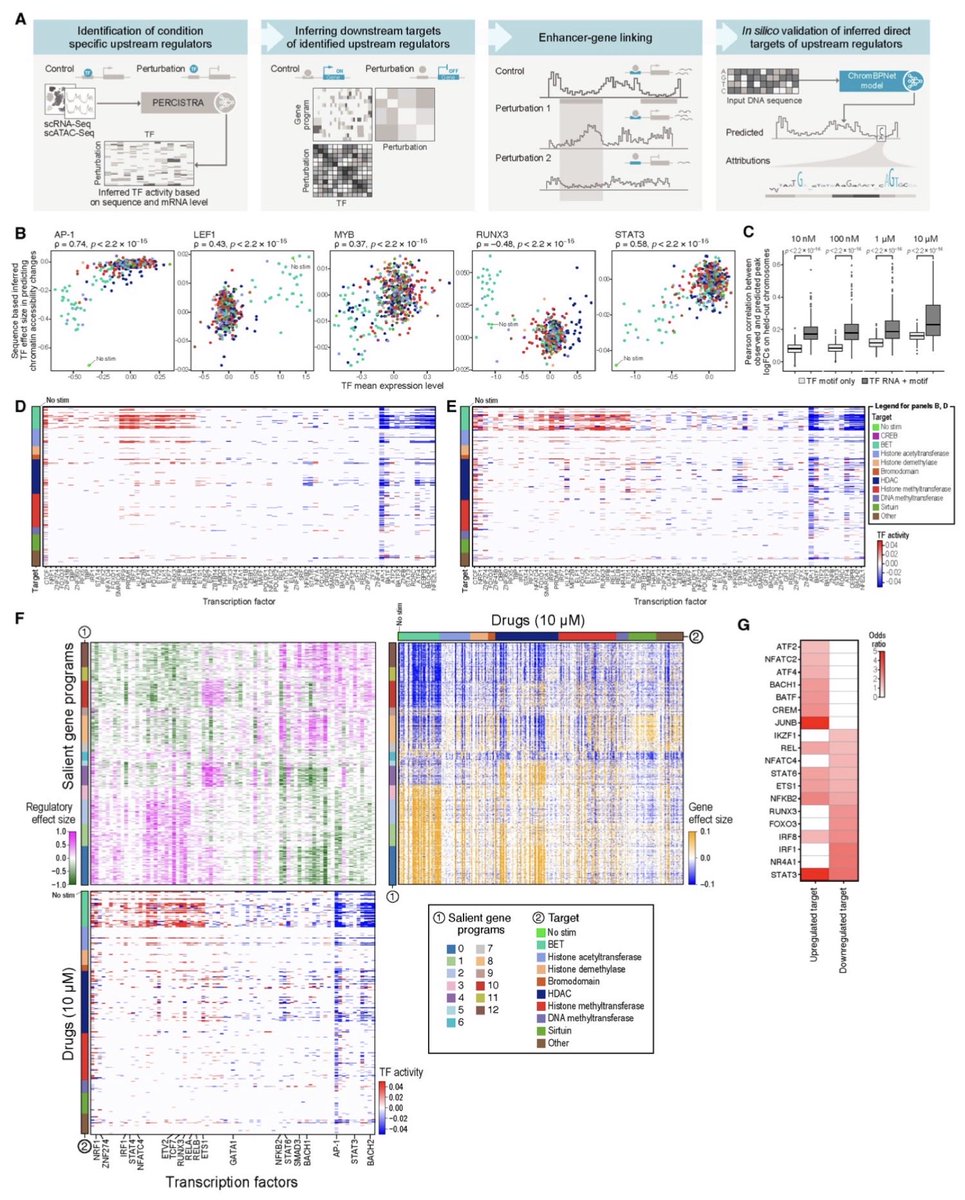
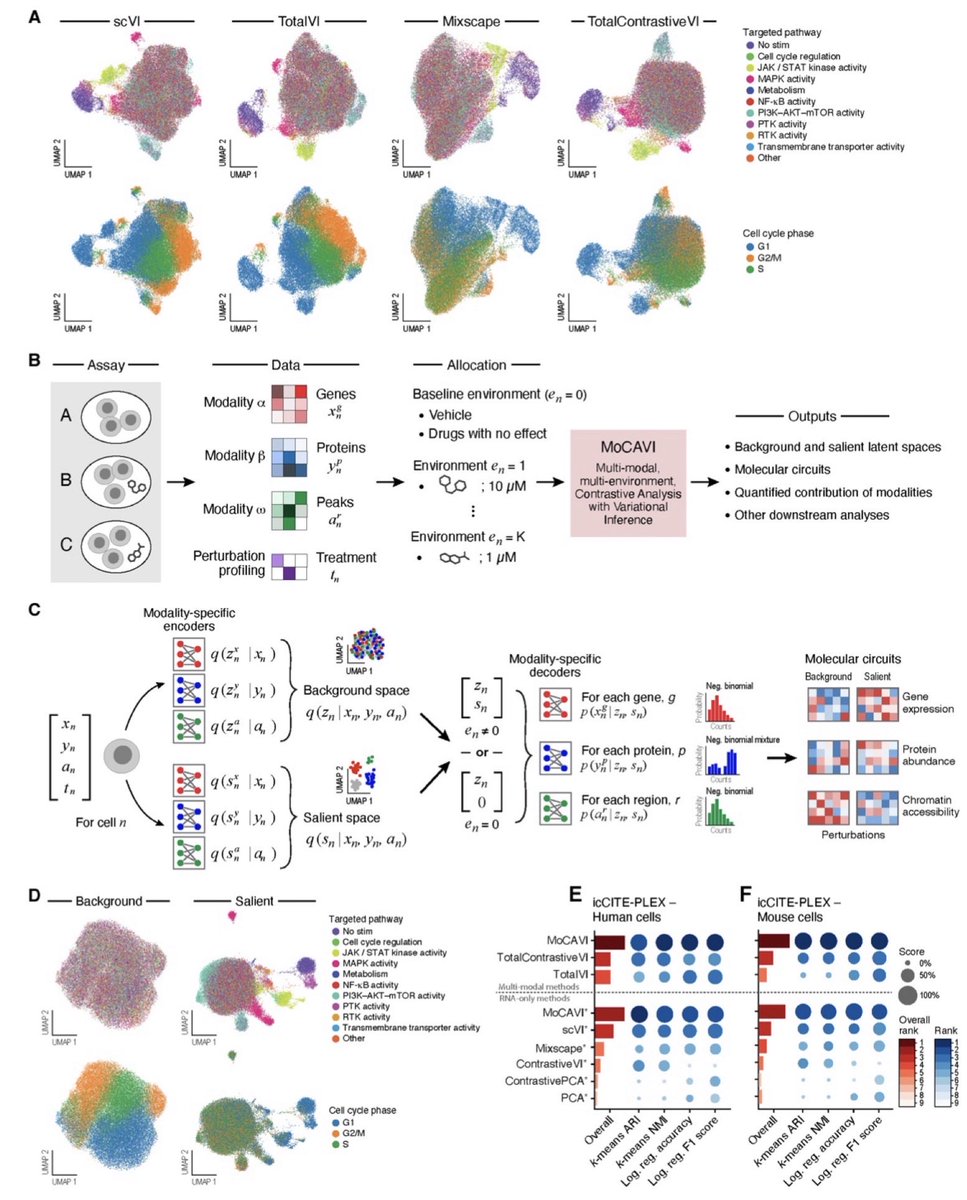
MoCAVI / PERCISTRA: Massively multiplex multimodal chemical screens at single-cell resolution biorxiv.org/content/10.64898…
1
13
43
4,355
Ken Xie retweeted
May 31
In the latest issue! Unbiased niche labeling maps immune-excluded niche in bone metastasis dlvr.it/TSpHQr
18
68
10,249