
Consultant in Anaesthesia and Critical Care Medicine, interested and involved in far too much..would much rather be outside :) often with the Labrador
Joined March 2014
- Tweets 3,824
- Following 2,357
- Followers 1,379
- Likes 3,981
43 Photos and videos



Paul Dean retweeted

14 May 2025
The Society and @FICMNews are updating the Guidelines for the Provision of Intensive Care Services (GPICS).
The consultation period for Version 3 is now open and we would value your feedback on the proposed changes.
Read more and take part below👇
bit.ly/GPICSv3
1
15
11
1,738
Paul Dean retweeted
26 Apr 2025
Starting your research journey?
Book your spot for our study day on Developing a Research Grant Application on 14 May
This day will help you optimise your application with interactive workshops.
Book below to approach research grants with confidence👇
bit.ly/researchstudyday

5
5
1,396
Paul Dean retweeted
25 Apr 2025
The Intensive Care Society welcomes new national report on NHS staff fatigue and calls for urgent system-level action to address workforce exhaustion and protect patient safety.
Read our full statement below👇
bit.ly/stafffatigue
6
5
1,171
Paul Dean retweeted
16 Apr 2025
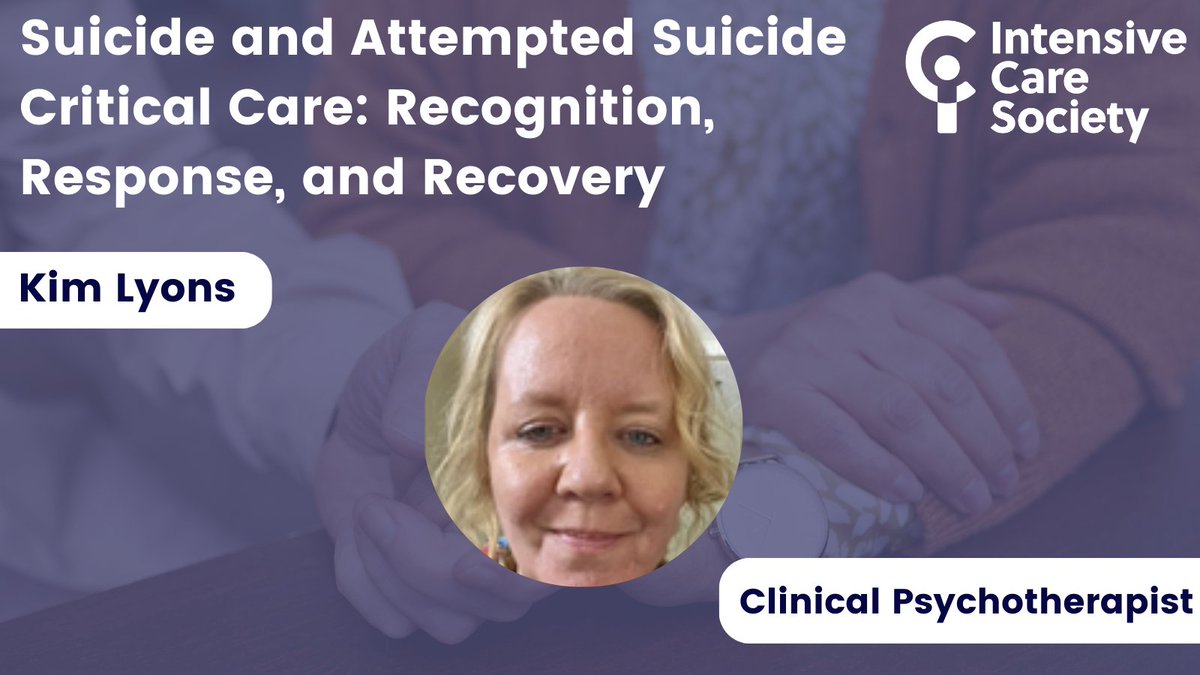
For our study day on Suicide and Attempted Suicide, Kim Lyons, Clinical Psychotherapist will explore accidental and intentional overdose admissions.
Don't miss your chance for important learning for your ICU and book your spot below for 25th April 👇
bit.ly/suicidecriticalcare
3
966
Paul Dean retweeted
11 Apr 2025
📣 Apply for the TRIC National Trainee Project Competition - open for ICM interested resident doctors📣
Share your work at SOA25 with the winner becoming their next national project for 2025/2026.
Apply before April 30th and find out more below👇
bit.ly/TRIC2025

7
7
4,173
Paul Dean retweeted
11 Apr 2025
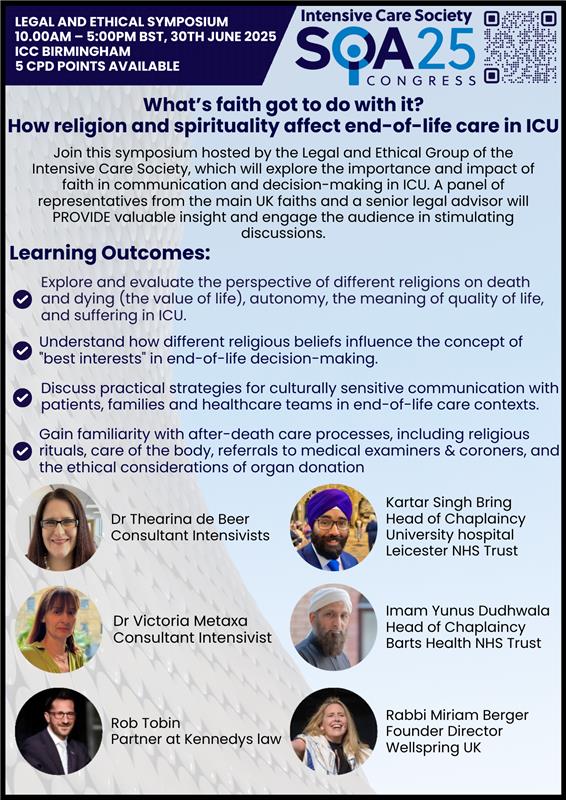
What’s faith got to do with it?
Join us at #SOA25 for a powerful Legal & Ethical Symposium exploring how religion and spirituality shape end-of-life care in ICU.
🗓️ 30 June | 📍 ICC Birmingham | 🧠 5 CPD Points
6
9
1,643
Paul Dean retweeted
9 Apr 2025
The Intensive Care Society congratulates the Faculty of Intensive Care Medicine (FICM) on their announcement that they will transition to become the College of Intensive Care Medicine (CICM) in July 2026.
@FICMNews
2
24
88
10,399
Paul Dean retweeted
6 Apr 2025
Good luck to all our fundraisers running for the Intensive Care Society at London Landmarks Half Marathon today!
Our amazing runners are running through London to support intensive care.
Want to support our runners? Donate below!
bit.ly/ICSLLHM
#LLHM2025

2
10
1,418
Paul Dean retweeted

30 Mar 2025
Exciting news! Our TRIC-MAN data collection is finally ready to kick off tomorrow! 🏃♂️🎉
We’ve got 148 sites all set and ready to collect data from March 31st to April 14th! 🌟🌟
Let’s get ready, set, and GO! 🚀
4
8
805
Paul Dean retweeted
31 Mar 2025
Members can find the latest edition of JICS in their inbox today.
Make sure to check out the article on psychological impact of an intensive care admission for COVID-19 on patients in the UK by Waite et al.
Become a member to receive your quarterly JICS straight to your inbox!

3
5
889
Paul Dean retweeted
14 Mar 2025
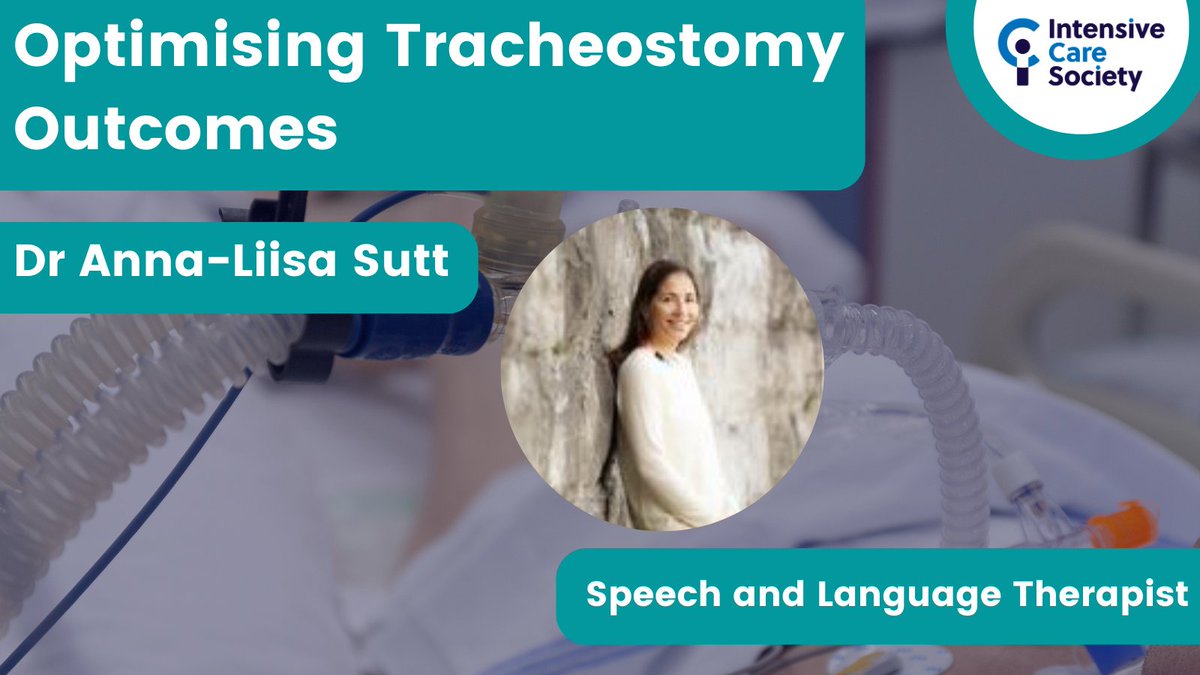
Don't forget to grab your place for our Optimising Tracheostomy Outcomes study day!
Dr Anna-Liisa Sutt will de-bunk myths on one-way valves focusing on lung recruitment, eating and drinking and exercise.
You can book your spot for 27 March below👇
bit.ly/trachstudyday
9
11
1,606
Paul Dean retweeted
12 Mar 2025
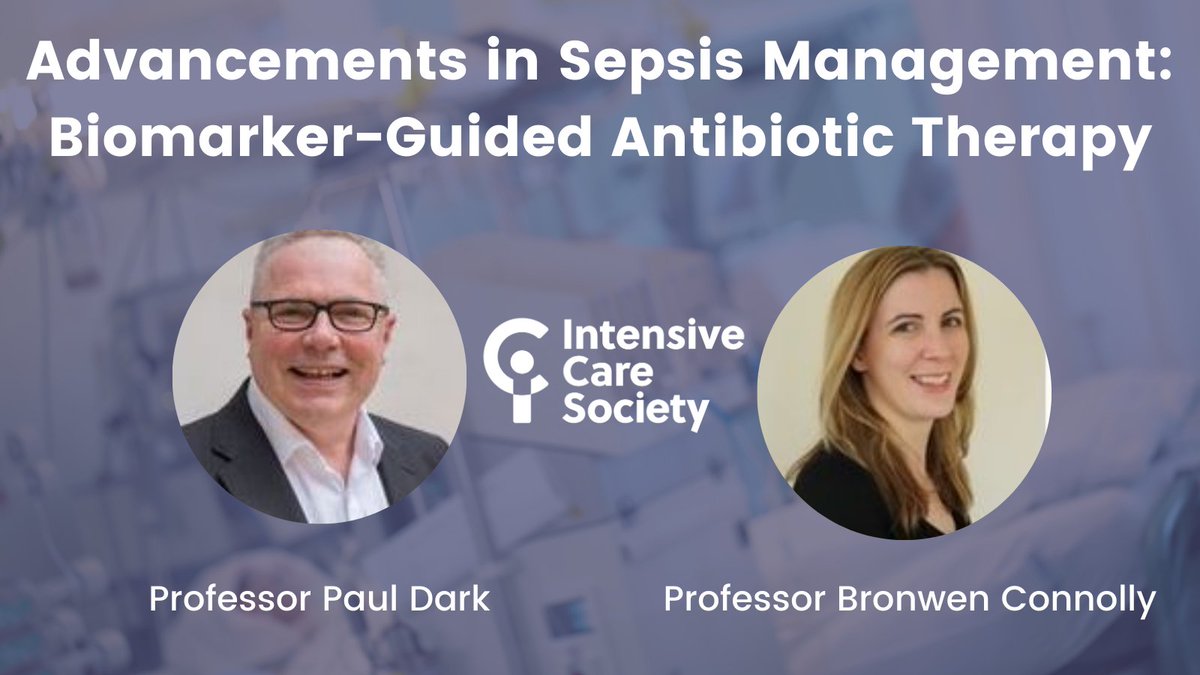
A week left until our Advancements in Sepsis Management: Biomarker-Guided Antibiotic Therapy webinar!
Professor Bronwen Connolly and Professor Paul Dark will join us to unpack the findings of the clinical trial.
Book our free webinar on 20 March now👇
bit.ly/sepsiswebinar25
5
5
931
Paul Dean retweeted
2 Mar 2025
We're at over 120 sites for TRIC-MAN now!
Still recruiting for site leads across the country so contact us at tricmanstudy@gmail.com to sign up!
💻🦠🥳🎉
2
5
458
Paul Dean retweeted
26 Feb 2025
🚨 Our #SOA25 programme is now LIVE! 🚨
🎥 Watch the video below to discover what makes SOA so unique🎥
🔗Explore the programme and secure your place today!
bit.ly/SOA25programme
2
6
15
1,696
Paul Dean retweeted

20 Feb 2025
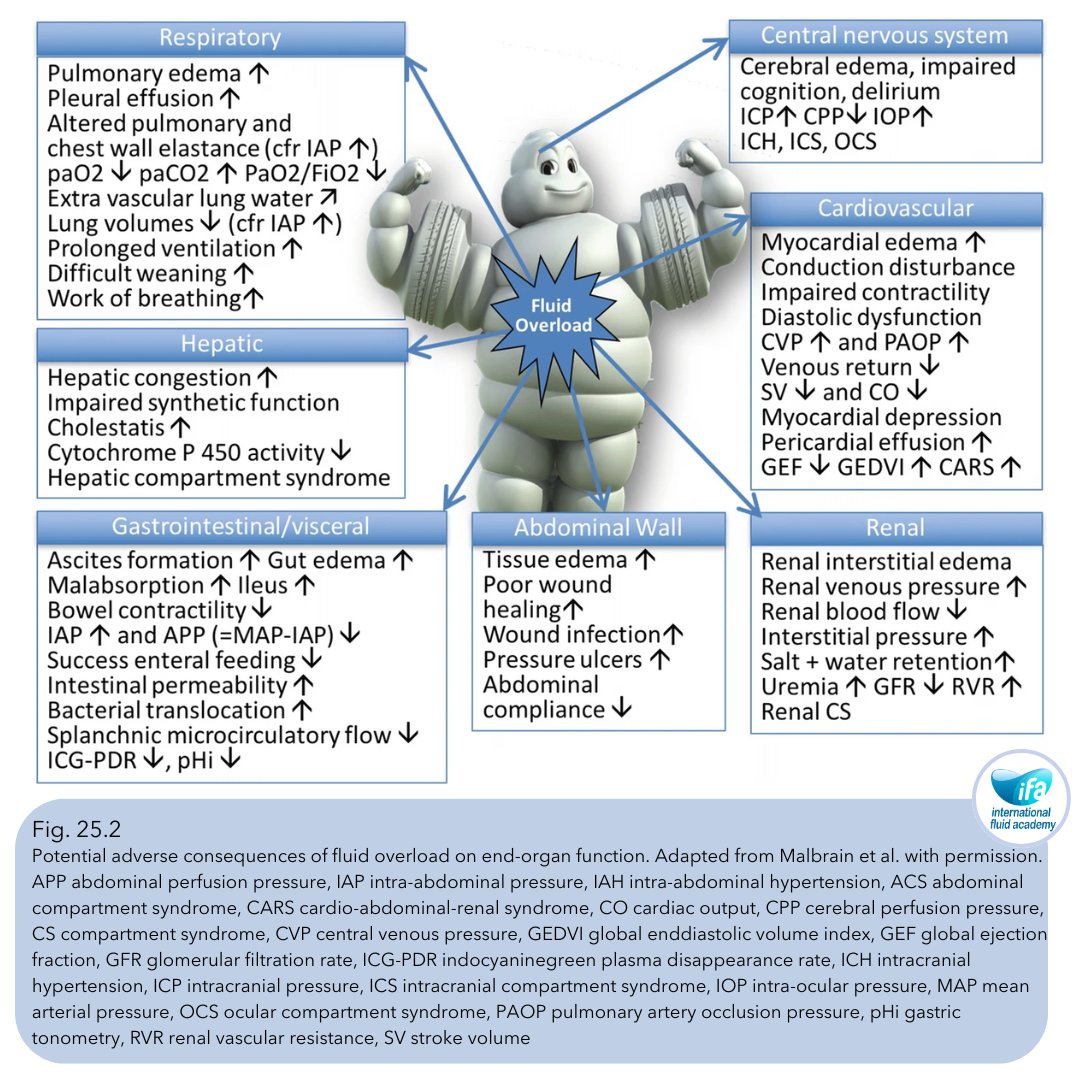
💧Fluid Accumulation💧
The administration of intravenous (IV) crystalloid solutions is widely regarded as the initial step in resuscitating the hypotensive critically ill ‘septic’ patient, with evidence of inadequate organ perfusion. Recent evidence suggests that overzealous administration of IV fluids, especially in the setting of sepsis with poor source control and capillary leak, may lead to fluid overload and subsequent fluid accumulation syndrome (FAS).
🔹 Pathophysiology
We often give too much IV fluid and in particular, too much non-physiological salt. Once within the body, such non-physiological excesses are very difficult to remove and can result in many adverse situations for our patients. There are extremes—increased fluid load can cause major electrolyte swings, whereas dehydration, left unchecked, can lead to poor organ perfusion.
Fluid administration potentially triggers a vicious cycle, where interstitial edema induces organ dysfunction, which in turn perpetuates fluid accumulation. It is now well-established that fluid overload in septic patients is associated with edema development and worse outcomes. Fluid overload affects all organ functions from head to toe. GIPS can hence be defined as fluid overload in combination with new-onset organ failure, in the setting of persistent capillary leak (Fig. 25.2).
🔍 Want to learn more about fluid management and best practices in critical care?
Join our International Fluid Academy Members Portal for exclusive access to research, courses, webinars, and expert discussions!
➡️ fluidacademy.mn.co/posts/rat…
#FluidManagement #FluidOverload #CriticalCare #Sepsis #IVFluids #Edema #ICU
70
188
10,773
Paul Dean retweeted
16 Feb 2025
Only a couple of days left to apply for the role of Deputy Chair of the National Rehabilitation Collaborative.
We are seeking two Deputy Chairs - follow the link below to see if this role is right for you.
Apply below before 18 February👇
bit.ly/deputychairNRC
4
4
1,271
Paul Dean retweeted
3 Feb 2025
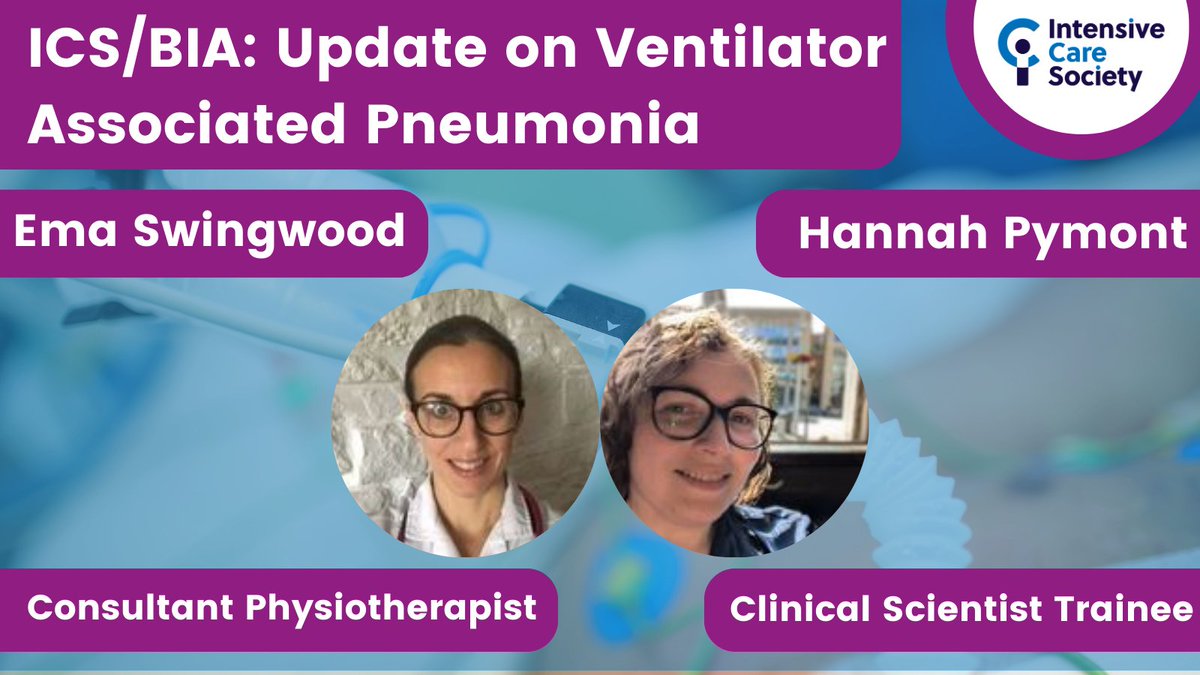
Our Ventilator Associated Pneumonia study day is in two days!
Our final speakers are Ema Swingwood and Hannah Pymont who are joining our discussions on preventing and identifying VAP.
Book your spot today for a vital day of learning for all professions.
bit.ly/VAP25
7
5
1,616
Paul Dean retweeted
8 Jan 2025
Announcing our next project:
TRIC-MAN: A national audit of antimicrobial stewardship, resistance, and practices in UK ICUs, addressing critical gaps in AMR data.
Sign up to hear more
tricnetwork.co.uk/join-the-t…

ALT TRIC-MAN logo
2
8
13
4,576
Paul Dean retweeted

16 Nov 2024
(6) in my view it’s past time @DHSCgovuk @HMRCgovuk to put out urgent guidance that due to the administration failures of @nhs_pensions (and to be fair other pensions agencies affecting doctors) that deadlines need to be formally relaxed around RPSS and SA for 23/24
RT if agree
2
48
39
7,526
Paul Dean retweeted

10 Oct 2024
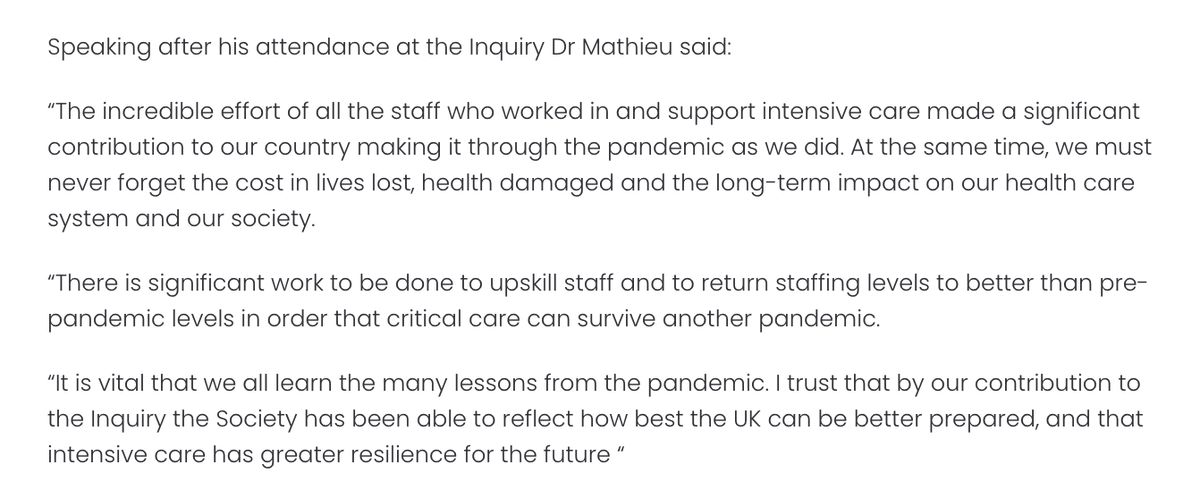
Thank you to the @covidinquiryuk for providing the opportunity for @ICS_updates to describe the experiences of our critical care teams, reflect on their incredible efforts and to provide our learning and recommendations for future pandemic planning.
More details below ⤵️
10 Oct 2024

The Society has presented recommendations to the Covid-19 Inquiry to improve the response of the healthcare system for future pandemics
ics.ac.uk/resource/society-w…
1
17
36
5,261